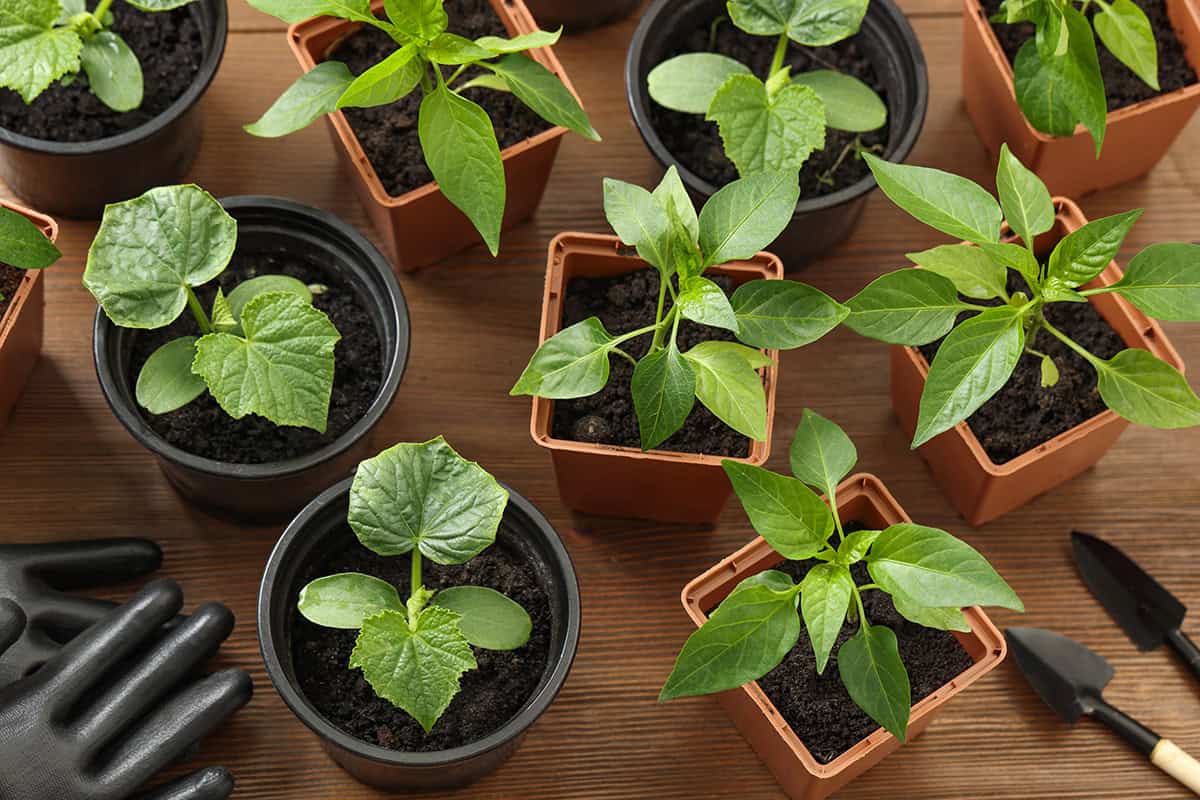
No backyard? No problem. Pots squeeze onto balconies, patios, decks—heck, even a sunny window ledge. If you pick the right veggies, you’ll be surprised by how much you can actually harvest from a handful of containers.
Go for compact or dwarf types if you want decent harvests without sprawling chaos. Cherry tomatoes and sweet peppers want all the sun you can give them and a deep enough pot. Lettuce, spinach, and green onions are more forgiving about space and sunlight. Herbs like basil, thyme, and parsley barely take up any room and don’t mind shallow pots.
Don’t skimp on potting mix, drainage, or watering. The right container depth matters more than you’d think. Below, I’ll get into the quirks and care tips for each veggie—so you can pick what actually fits your spot and your patience level.
Table of Contents
- Best Vegetables to Grow in Pots for Small Spaces
- Lettuce
- Arugula (Rocket)
- Spinach
- Kale
- Swiss Chard
- Radishes
- Green Onions (Scallions)
- Baby Bok Choy
- Mustard Greens
- Cherry Tomatoes (Dwarf or Patio Varieties)
- Chili Peppers
- Bell Peppers
- Bush Beans
- Peas (With a Small Trellis)
- Carrots (Short Varieties Such as Parisian or Nantes)
- Beets
- Turnips
- Kohlrabi
- Dwarf Eggplant
- Bush Cucumbers (Compact Varieties)
- Zucchini (Compact Bush Varieties)
- Garlic (Grown for Bulbs or Greens)
Best Vegetables to Grow in Pots for Small Spaces
Some veggies just handle containers better—especially if you stick with compact strains and actually match pot size to what’s going on under the soil. Fast growers, heavy producers, or plants that don’t sprawl are the way to go.
Lettuce
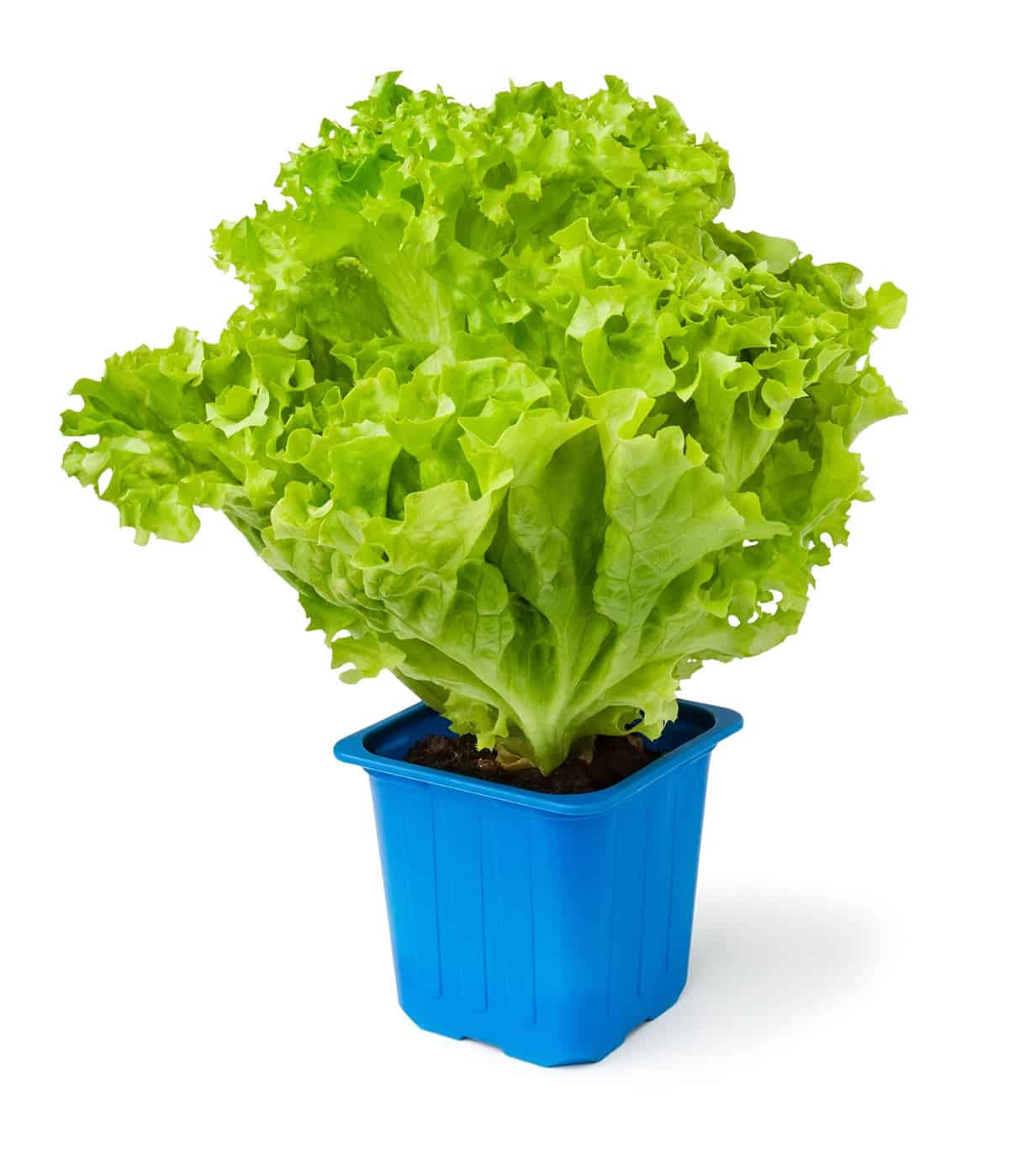
Cool weather and shallow roots make lettuce a breeze for pots. Leaf types are happy in containers as small as 6–8 inches deep, but if you want more salad, go up to 10–12 inches.
Loose-leaf kinds are ideal—snip the outer leaves and the plant keeps chugging along. Four to six hours of sun is enough, but if your summers are brutal, move them into the shade after lunch.
Dry soil? Bitter, bolting leaves. Keep things evenly moist and use a fluffy potting mix. A little diluted fertilizer every couple weeks keeps leaves coming.
Arugula (Rocket)
This one’s speedy—arugula rockets up in small pots, no pun intended. Six to eight inches of depth lets you squeeze in a handful of plants.
Leaves are ready for sandwiches in about a month. Snip the outer ones and the plant keeps producing. Hot weather? The flavor turns sharp and peppery.
Full sun in spring and fall, but some shade in summer will keep it from bolting too fast. Regular watering keeps the leaves tender.
Spinach
Spinach likes things cool and doesn’t need much depth—6 to 8 inches is plenty if drainage’s good.
Sow seeds right in the pot and thin out the extras so air can move. Crowding leads to sad, stunted leaves and sometimes disease. Don’t let the soil dry out if you want a steady harvest.
Four to six hours of sun works, and if it’s getting too warm, move the container into a cooler spot to keep it from bolting.
Kale
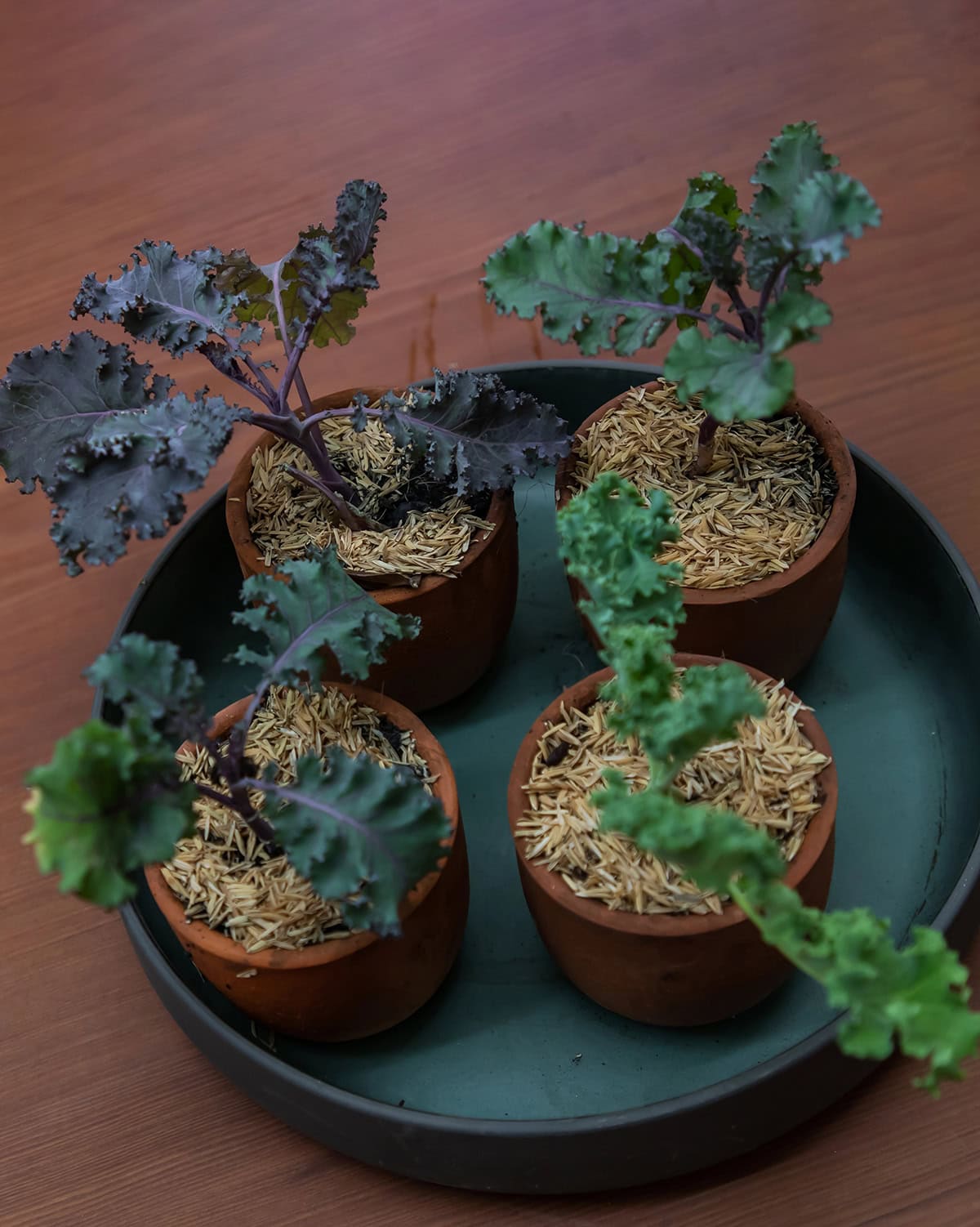
Weather swings? Kale doesn’t care. It’ll keep producing for ages, especially if you stick a single plant in a 10- to 12-inch pot.
Dwarf or compact types are best for small spaces. Six hours of sunlight gives you sturdier leaves, and a rich potting mix makes for sweeter, more tender greens.
Pick the lower leaves first and the plant will send up more from the center—easy.
Swiss Chard
If you want something colorful that handles the heat, chard is a solid pick. An 8- to 12-inch pot works for one or two plants.
Brighter light means bolder stems and deeper greens. Aim for at least six hours of sun.
Let water drain well and cut the outer leaves at the base—leave the middle so you can keep harvesting.
Radishes
Short on patience? Radishes are your friend. Shallow pots (6 inches deep) are all you need for most round types.
Plant seeds right in the pot, then thin them out so the roots have space to plump up.
Moist soil gives you crisp radishes. If you forget to water, expect woody or cracked roots.
Green Onions (Scallions)
Minimal fuss, minimal space. Green onions don’t need deep soil—6 to 8 inches does the trick.
Start from seed or stick the rooted ends from store-bought onions in the dirt. More sun gives you thicker stalks.
Harvest by pulling up whole plants or just trimming the tops. Keep them watered for the mildest flavor.
Baby Bok Choy
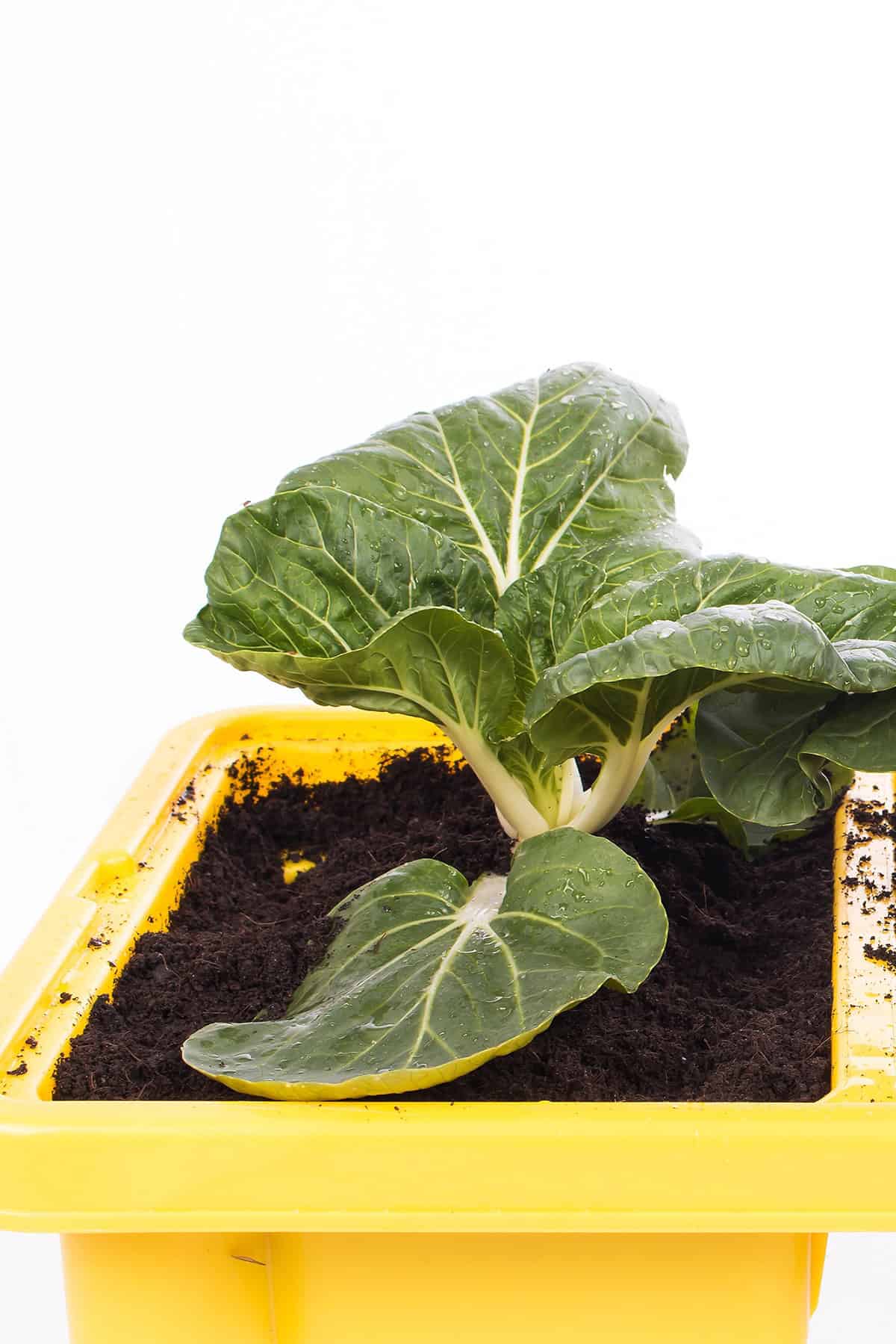
Small, tidy heads make baby bok choy a natural for containers. Go for at least 8 inches of depth.
Cooler weather is better for crisp, sweet leaves. Four to six hours of sun is enough.
Don’t crowd them—good air flow keeps mildew away. You can harvest whole heads or just pick outer leaves early on.
Mustard Greens
Fast and forgiving, mustard greens don’t mind a bit of shade. Six to eight inches of soil is plenty.
Pack them in for baby greens or thin them for larger leaves. Snip often to keep leaves tender.
Water regularly for the best texture. Cooler temps mellow out the bite.
Cherry Tomatoes (Dwarf or Patio Varieties)
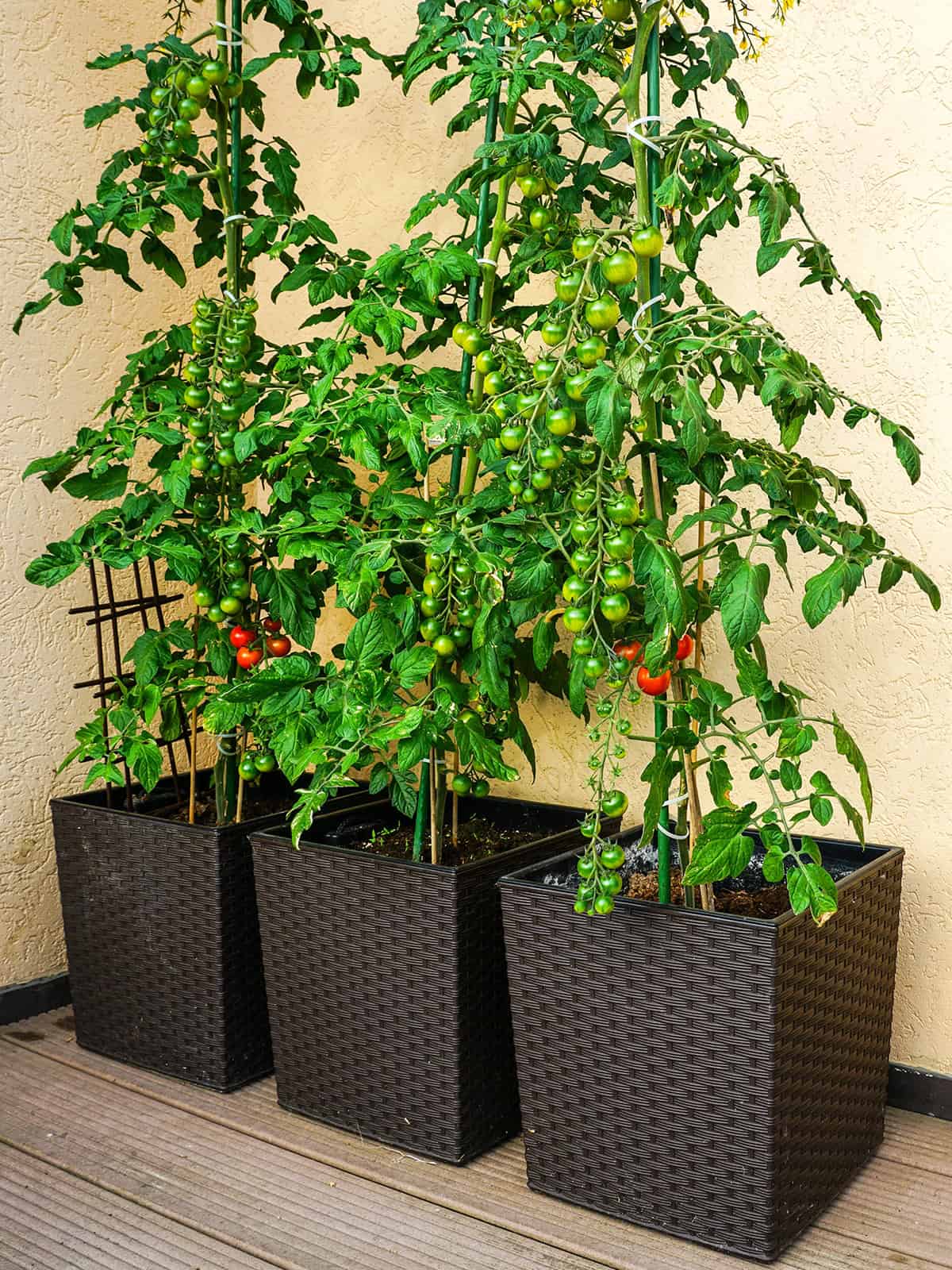
Want tomatoes on a balcony? Go for dwarf, bush, or patio types—they’re bred for tight spaces.
One plant per 12-inch (or bigger) pot works. Five-gallon buckets are a classic move. Six to eight hours of sun is non-negotiable.
Use a cage or stake for support, and feed often—tomatoes are hungry and quickly drain nutrients from small pots.
Chili Peppers
Chili plants don’t mind pots and often pump out a lot of fruit. Ten to twelve inches deep is enough for one.
Full sun is key. The hotter and brighter, the better the peppers taste.
Let the top inch of soil dry before watering again. Too much water spells trouble for roots and fruit.
Bell Peppers
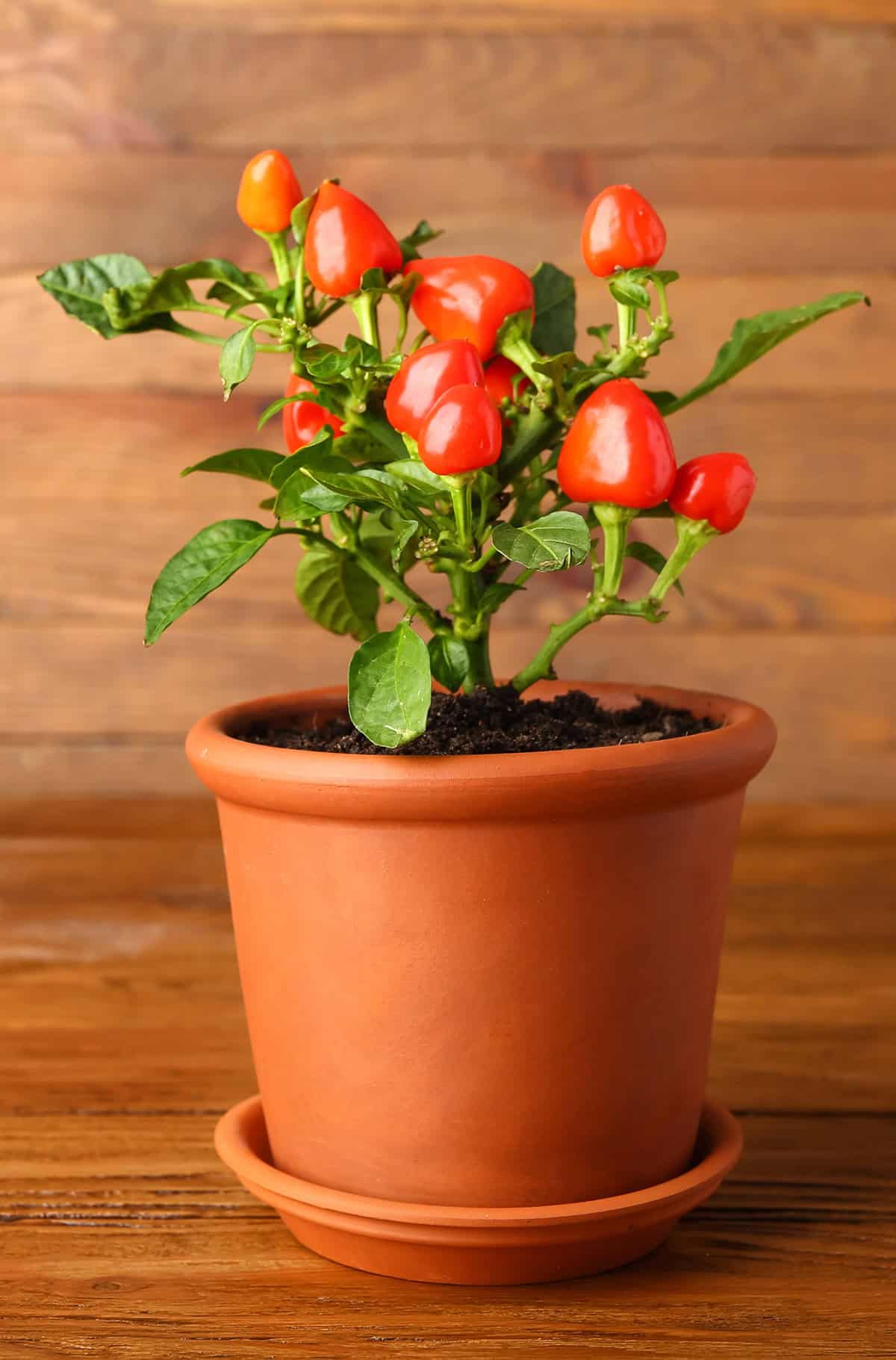
Bell peppers stay neat and are happy on a balcony or patio. Ten to twelve inches deep is about right.
Six hours of sunlight (or more) helps peppers form well. Warmth really helps the fruit develop.
Use a stake if the branches get heavy. Start feeding with fertilizer once you see flowers.
Bush Beans
Bush beans skip the need for trellises, which is handy for containers. A 10-inch pot fits a few plants.
Stick with bush, not pole, types. Full sun gives you the best shot at a good harvest.
Water evenly, especially when beans are setting pods. Pick often and you’ll get more beans.
Peas (With a Small Trellis)
Cool temps and shallow roots make peas a smart early-season crop. Eight to ten inches of depth is enough.
Even dwarf peas benefit from a bit of support—add a mini trellis or some sticks when you plant.
Spring or fall sun is best. Keep the soil moist but don’t let it get soggy.
Carrots (Short Varieties Such as Parisian or Nantes)
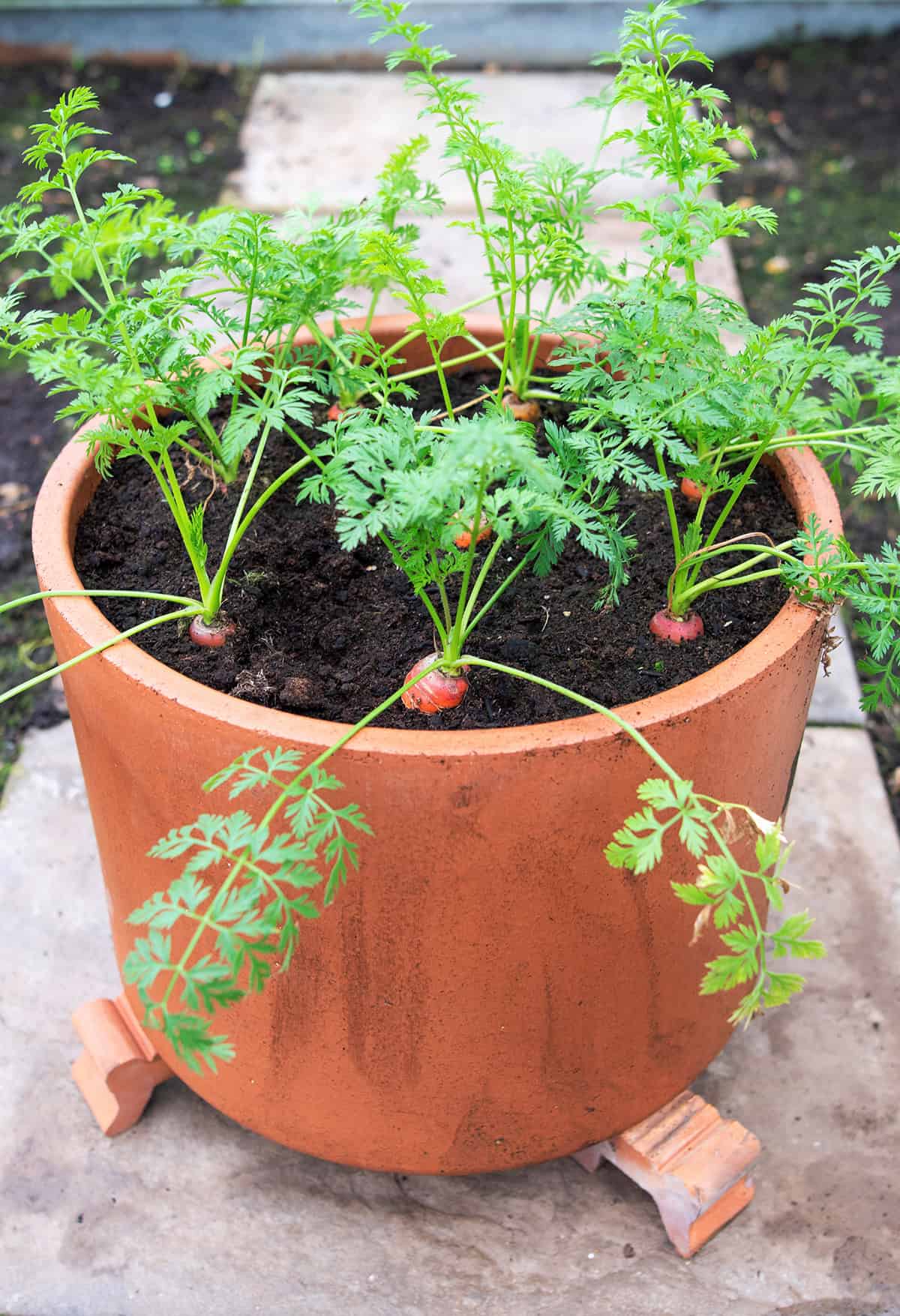
Short carrots just work better in pots—think round or half-long types, not the big guys.
Depth matters here: 8–12 inches, depending on the variety. Loose, fine mix keeps roots growing straight.
Thin seedlings early and keep watering steady to avoid cracked or misshapen roots.
Beets
Beets are pretty reliable in medium-depth pots—10 to 12 inches is about right.
Direct sow and thin so roots have room. Don’t forget, the leaves are edible too—pick a few early if you like.
Full sun helps, and regular watering keeps roots tender.
Turnips
Turnips don’t fuss much and grow fast in containers. Smaller types are easiest.
Eight to ten inches deep is fine. Thin seedlings so roots can round out.
Pull them young for milder flavor. Watering regularly keeps them from getting tough.
Kohlrabi
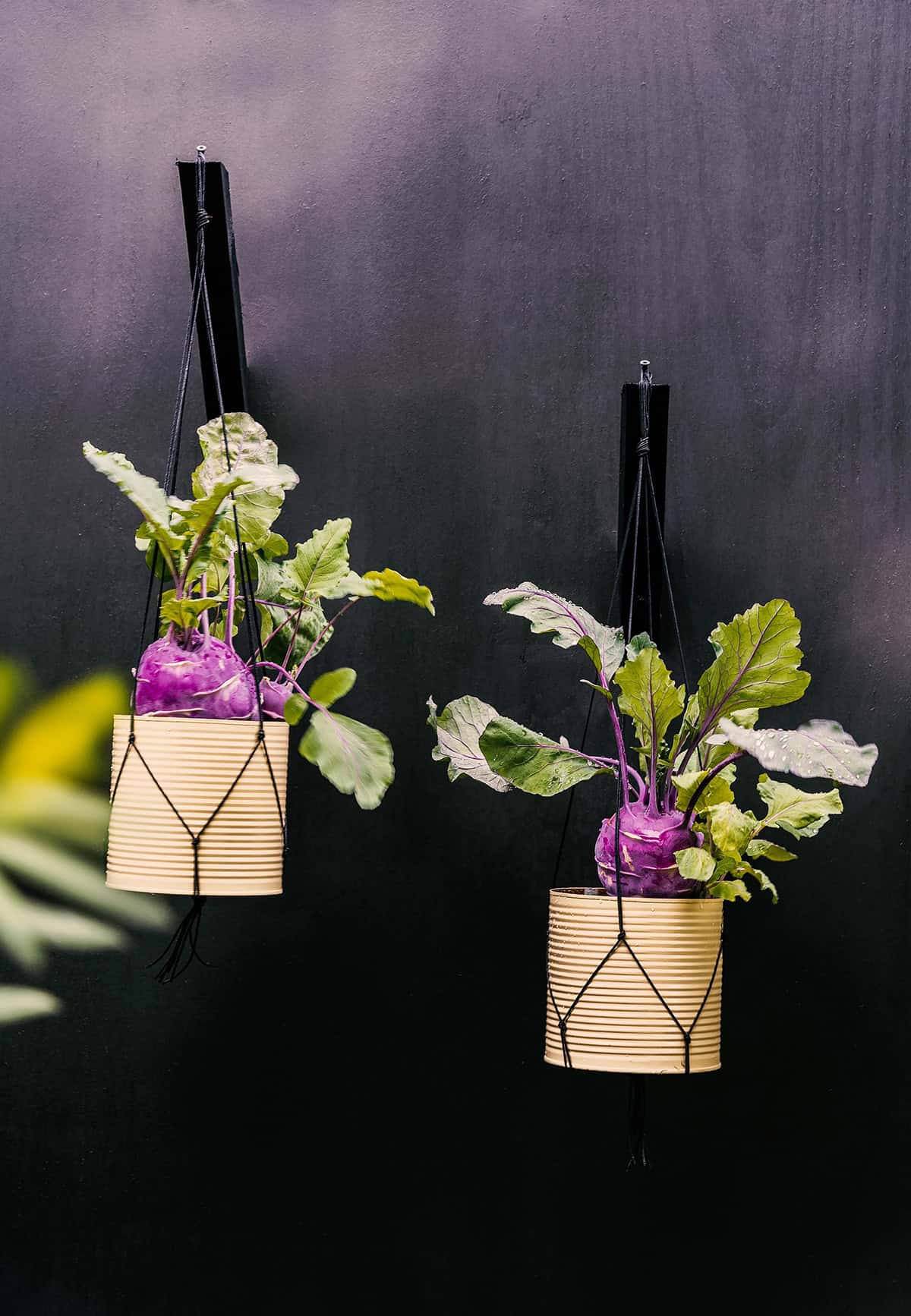
Weird but fun—kohlrabi swells above the soil, so you can watch it grow. Eight to ten inches of depth is enough.
Six hours of sun gives you solid results. Give bulbs space to expand.
Pick when bulbs are about 2–3 inches across; bigger ones turn woody fast.
Dwarf Eggplant
Shorter eggplant types are made for pots. Look for dwarf or patio labels.
One plant per 12-inch or larger container. Needs six to eight hours of sun, minimum.
Warm soil and regular feeding bring out the fruit. Support heavy branches if needed.
Bush Cucumbers (Compact Varieties)
Forget sprawling vines—bush cucumbers stay compact and are bred for pots.
One plant per 12-inch-deep container. Sun is crucial for healthy growth.
Keep the soil moist and pick cucumbers while they’re still small for the best taste and continued production.
Zucchini (Compact Bush Varieties)
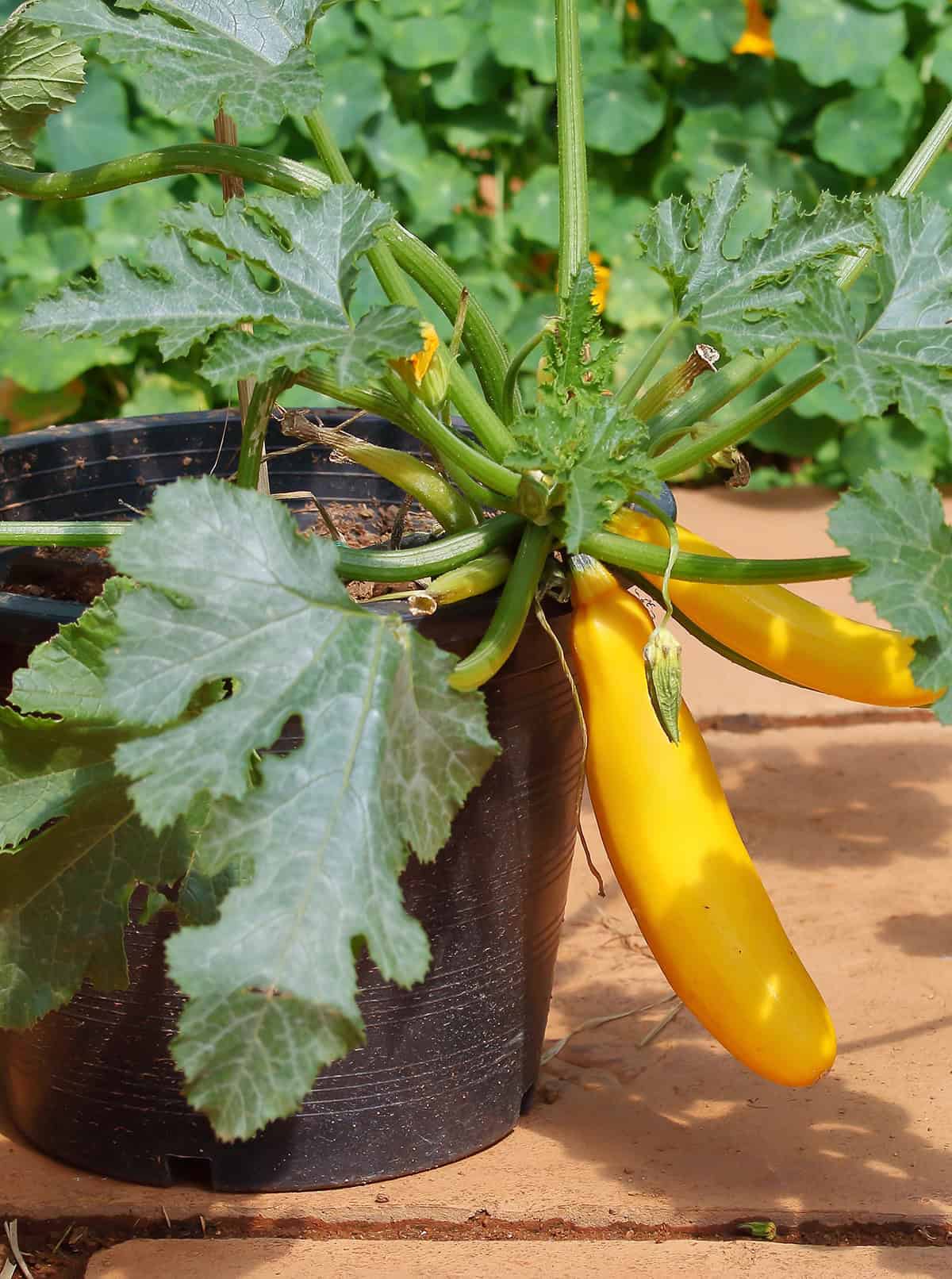
Even zucchini can work if you pick a bush variety. They’ll need a big pot—at least 12 to 14 inches both ways.
Rich mix and all-day sun keep plants happy. Only put one plant per pot, or things get wild fast.
Water deeply and try to pick zucchinis while they’re still small for the best flavor and texture.
Garlic (Grown for Bulbs or Greens)
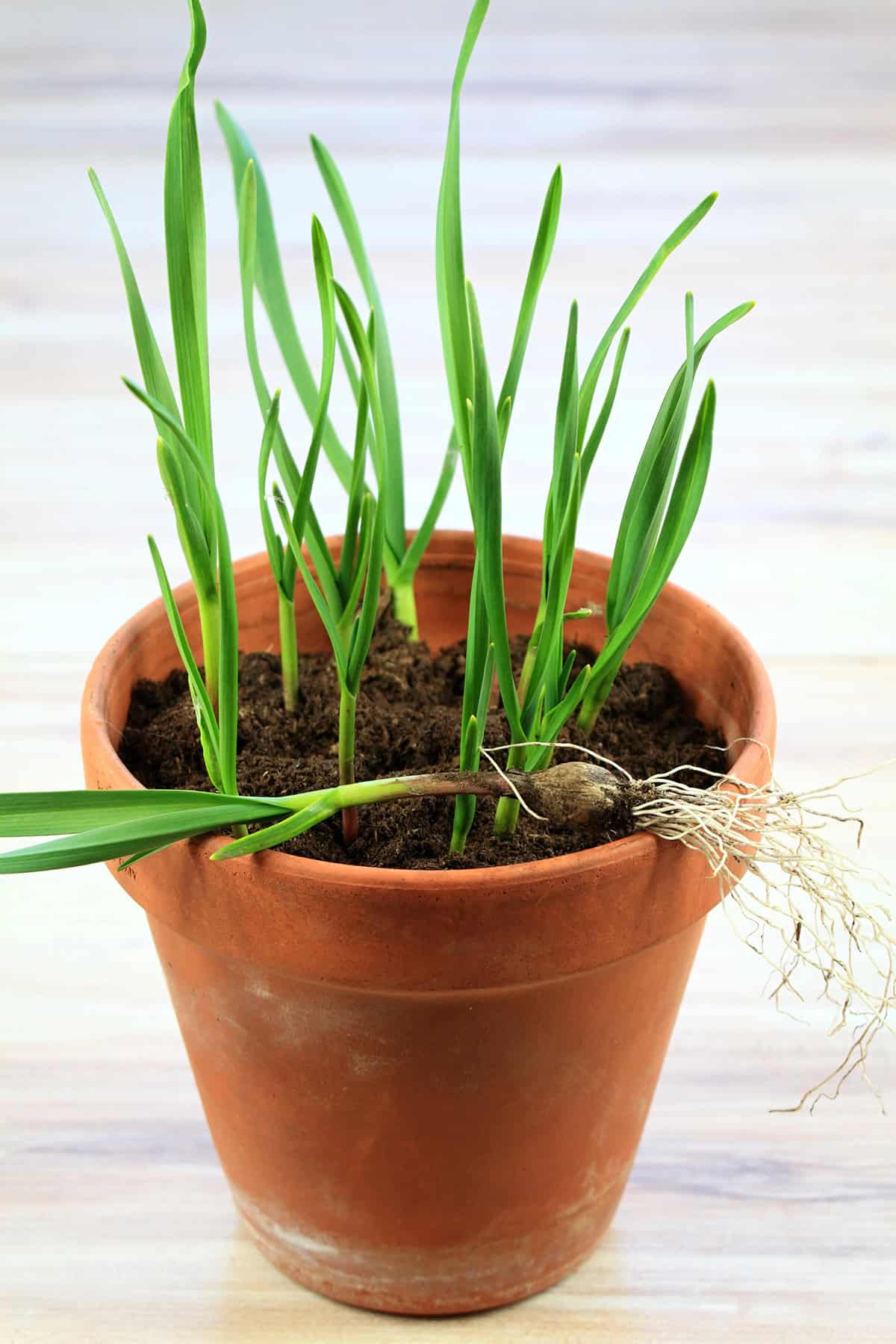
In a deep, well-draining pot—think 8 to 10 inches or so—garlic seems pretty content. Not too fussy, but it does want space for roots to stretch.
When autumn chills set in or spring feels right, tuck individual cloves in, pointed ends up. Sunlight really makes a difference for plump bulbs, so pick a bright spot.
Snipping off those tender green shoots early gives a soft, garlicky bite. If you’re after the full bulb, patience wins—let them fatten up before digging and drying them out.