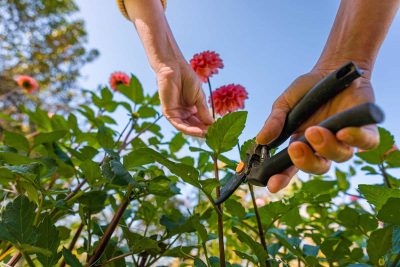
Plenty of flowers look gorgeous outdoors and disappoint the minute they enter the house. Short stems, weak necks, and petals that drop overnight leave little for a vase. A good cutting flower needs more than a pretty bloom. See which 25 varieties pass the test.
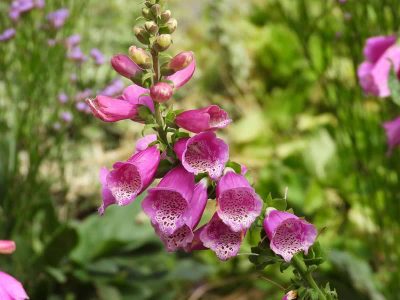
Growing foxgloves is easier than many gardeners expect. Give them the right location and a little routine care, and they’ll reward your efforts with towering stems covered in colorful blooms. Read on for helpful tips that make growing these classic flowers much simpler.
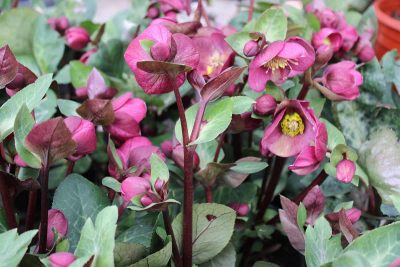
When nearly everything else in the garden is still asleep, hellebores show up with a quiet confidence. Their tough, evergreen leaves and early blooms bring a bit of life to shaded beds as winter drags on. To grow and care for hellebore, start with partial shade, a neutral, well-drained soil, and a steady hand with the watering can—keep it moist, not swampy.
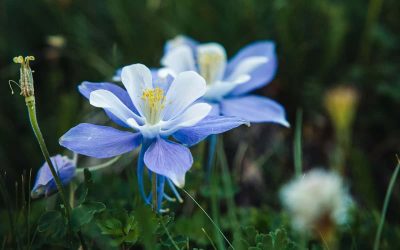
For healthy columbine, tuck it into partial shade with soil that drains well but doesn’t dry to dust, water if things get parched, and snip off old stems after blooming. Most types shrug off chilly weather and handle average garden dirt just fine. Sowing from seed is easy, and you’ll get flowers from late spring into early summer.
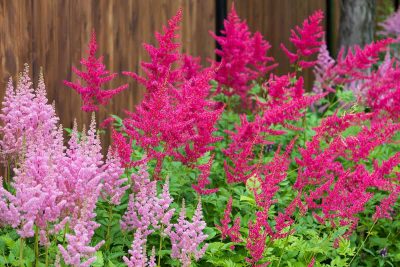
Astilbe brings a reliable pop of color to those shadier corners of the garden, sending up feathery plumes of pink, white, or purple that return each year if you treat them right. Partial shade, rich soil that stays damp, and a spring-and-fall feeding routine set you up for healthy, showy blooms.
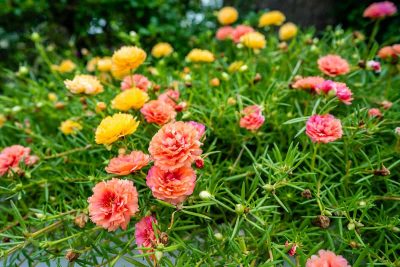
Set a pot of Portulaca out on a sun-baked patio, and you’ll find it thriving even when other plants wilt. The flowers open wide in direct sunlight, then quietly close up when the light fades. All you really need is a spot with full sun, gritty soil, and a light hand with the watering can.
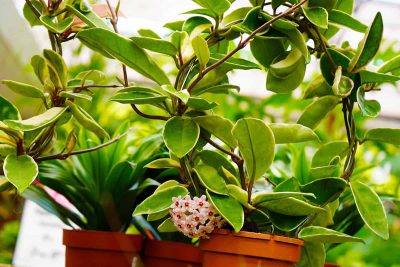
Give Hoya carnosa bright, indirect light, a fast-draining soil mix, moderate watering, and some warmth with a touch of humidity. When its needs are met, this vine just keeps going—growing steadily, occasionally bursting into bloom. Pruning here and there helps it stay lush and manageable.
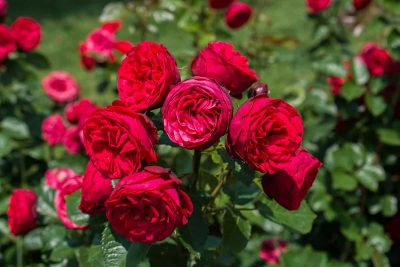
There’s something about a rose bush in full bloom that just draws the eye—maybe it’s the color, maybe the scent. The good news? You can multiply your favorites without buying new plants. Growing roses from cuttings means snipping a healthy stem, prepping it right, and rooting it under the right conditions. The new plant is a true clone, so you keep all the best traits of the original.
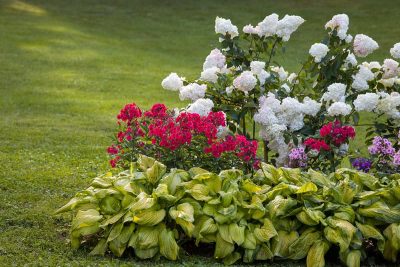
Shade-lovers like hostas, ferns, astilbe, coral bells, and woodland groundcovers are a natural fit with hydrangeas in those moist, well-drained spots. They all get along in terms of light and water, so you’re not fighting nature. Plus, their different leaves and bloom times keep things lively and stop the garden from feeling flat or empty.
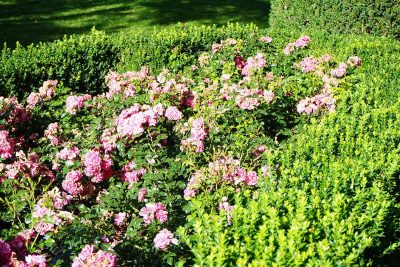
Bare patches and scraggly turf just don’t cut it. Low, spreading plants that flower and knit together across the ground can turn those awkward spots into something lively. Flowering ground cover plants pack open soil with color and texture, crowd out weeds, and help keep your soil in place. Looks good, works hard—what’s not to like?
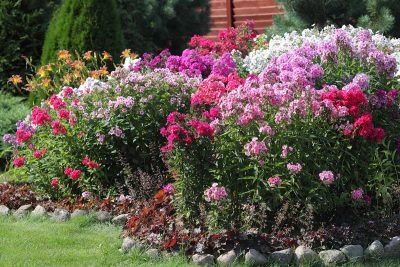
Snipping back certain perennials after their first bloom can spark a fresh flush of growth and even more flowers. Many garden staples show off for just a few weeks, then fizzle out if you let spent blooms linger—energy shifts to seeds, not new buds.
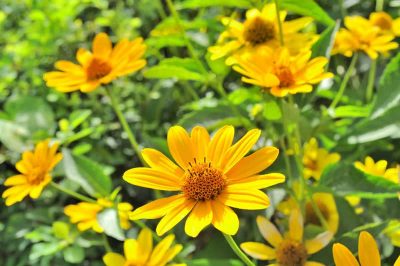
To grow Jerusalem artichoke, plant tubers in early spring, give them plenty of sun, some water, and dig them up in fall. They’re pretty low-maintenance. Once they settle in, they’ll come back every year and, honestly, they’ll spread if you let them.