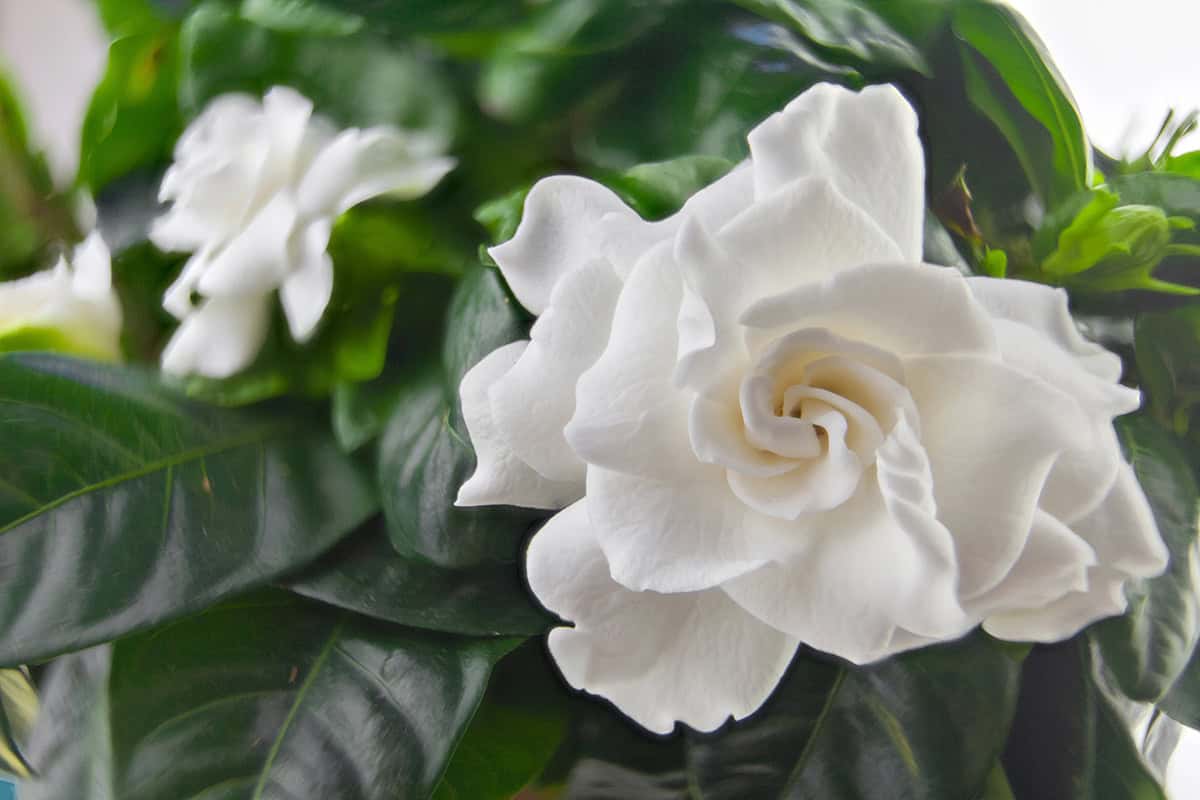
Gardenias are gorgeous but a little demanding. They’ll reward attention with glossy leaves and those intoxicating white blooms, but you’ve got to pay close attention to their environment. Most of the time, people lose them to light or water mistakes. Let’s get ahead of that.
To keep gardenia happy, you’ll need bright light, acidic well-drained soil, steady moisture, warmth, humidity, and a little feeding at the right times. When you keep those in check, the plant’s usually content. Even small changes can make buds drop or leaves turn yellow, though.
Placement has a big impact on blooms, and soil choice can make or break nutrient uptake. We’ll get into watering, climate, pruning, and what to watch for in containers. Plus, a few notes on avoiding the usual headaches and picking a variety that actually fits your space.
Table of Contents
Light
Strong light is key for healthy growth and lots of buds. Aim for at least four hours of brightness daily—gentle morning sun is perfect and really helps with blooming. If you hit them with harsh midday sun, leaves get stressed and the plant can sulk.
Outdoors, they like a spot with early sun and some afternoon shade. Filtered light under trees? That’s good too. Too much shade, though, and you’ll barely get any flowers. Too much afternoon sun, and the leaves can burn.
Indoors, put them in a bright window—east or south usually works. Give the pot a turn now and then for even growth. If it’s too dim, expect buds to drop and stems to get floppy.
Seasons matter. Winter’s short days mean you might need to move them to a brighter spot. Night lights don’t count. Just try to keep light levels steady for the best chance at blooms.
Soil
Roots need a good start. Go for soil that holds moisture but drains well—heavy or compacted stuff just leads to stress and lackluster blooms.
Acidity is more important than you might think. The sweet spot is a pH between 5.0 and 6.5. If leaves go yellow with green veins, the soil’s probably not acidic enough.
Texture matters too. Mixing in composted bark or peat-based stuff gives the roots room and helps with fertility. That way, roots can spread without fighting the ground.
Drainage is non-negotiable. Raised beds or amended soil help after heavy rain. If you’ve got clay, you’ll want to fix that before planting.
Salty soil or water just causes headaches. Skip spots near coastal spray and avoid salty irrigation. Keeping soil consistent means less stress and better fragrance.
Water
Gardenias like their moisture steady. Water when the top of the soil feels dry. If you let them dry out too long, buds will drop and leaves fade.
Water slowly so it soaks through and drains out the bottom—roots hate wild swings between drought and soggy soil. Too much water is just as bad as too little.
If you can, use rainwater or distilled water. Tap water with lots of salts can raise soil pH, which gardenias really don’t appreciate.
Indoors, check often, especially when it’s hot or dry inside. Keep the soil slightly moist, but not soggy, and don’t let pots sit in water.
Outside, deep waterings during dry spells are better than a little splash on top. Mulch helps keep moisture in and conditions stable.
Temperature And Humidity
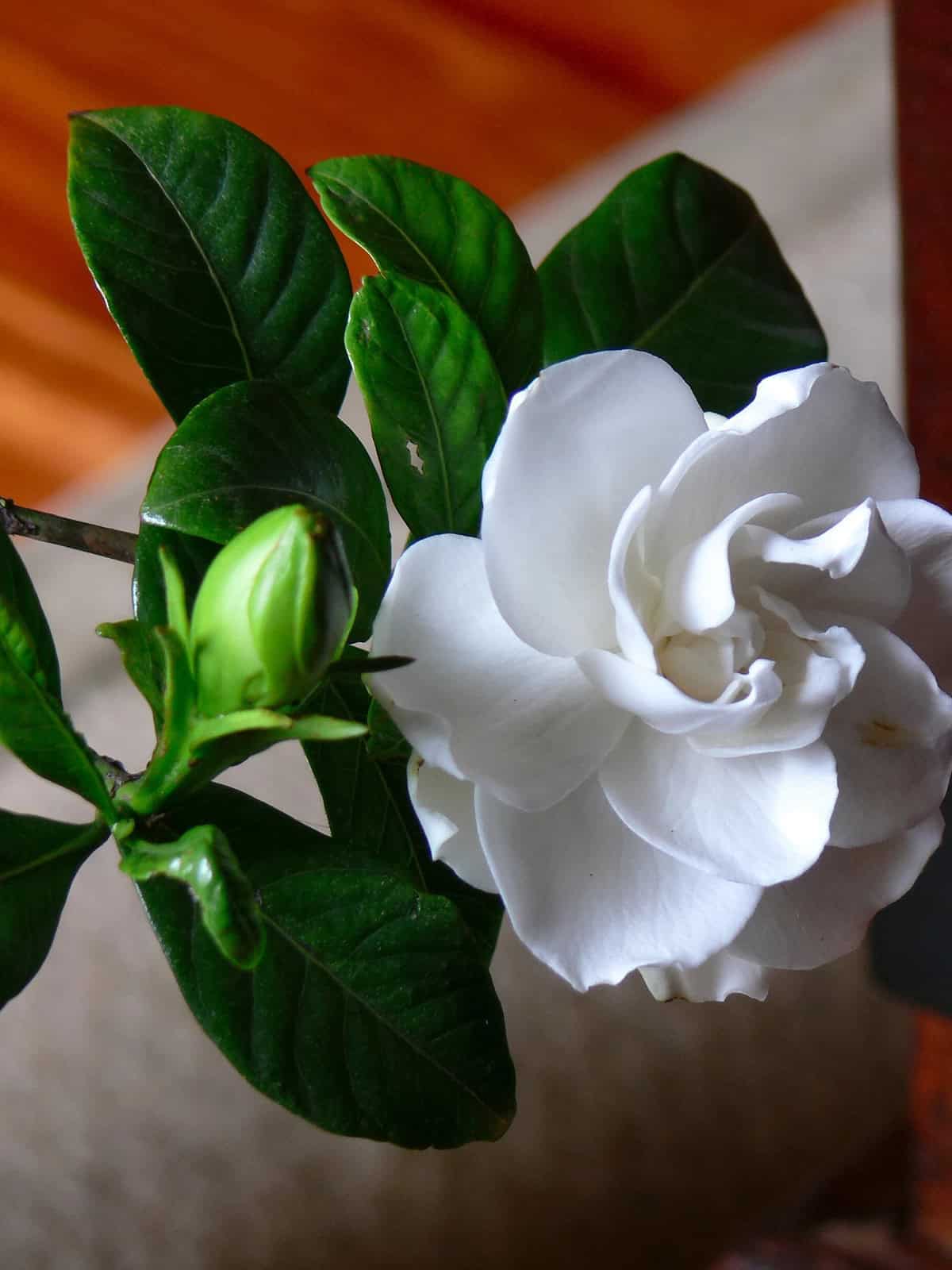
Gardenias like things pretty steady—55–65°F at night and 65–75°F during the day is ideal. Cool nights help with bud set. If it’s too warm at night, you’ll probably see weak growth and bud drop.
Try to avoid sudden temperature changes. Drafts, heaters, and cold windows all cause stress. Indoors, a cool, bright room is best. Outside, they need protection from frost, though a brief dip to 20°F usually isn’t the end of the world.
Humidity is a big deal for gardenias. Dry air leads to yellow leaves and dropped buds. You can bump humidity with a humidifier, a tray of pebbles and water, or just by grouping plants together.
Winter heating dries things out fast, so pay extra attention then. Keep them away from heaters and fireplaces. Adjust as needed—stable humidity keeps leaves healthy and flowers coming.
Fertilizer
Gardenias need the right food to really thrive. Pick a fertilizer made for acid-lovers, ideally with a 3:1:2 or 3:1:3 ratio. Avoid anything with too much phosphorus; it can actually stress the roots.
Feed them two or three times a year—late winter or early spring, and again in early fall. If you’re in a warm area and growth slows, maybe a light summer feeding. Always water after feeding so nutrients reach the roots.
Don’t overdo it. Too much fertilizer burns roots and stops flowers. If you see yellow leaves with green veins, it’s often an iron issue, especially in alkaline soil. In that case, iron supplements are better than more fertilizer.
Potting And Repotting
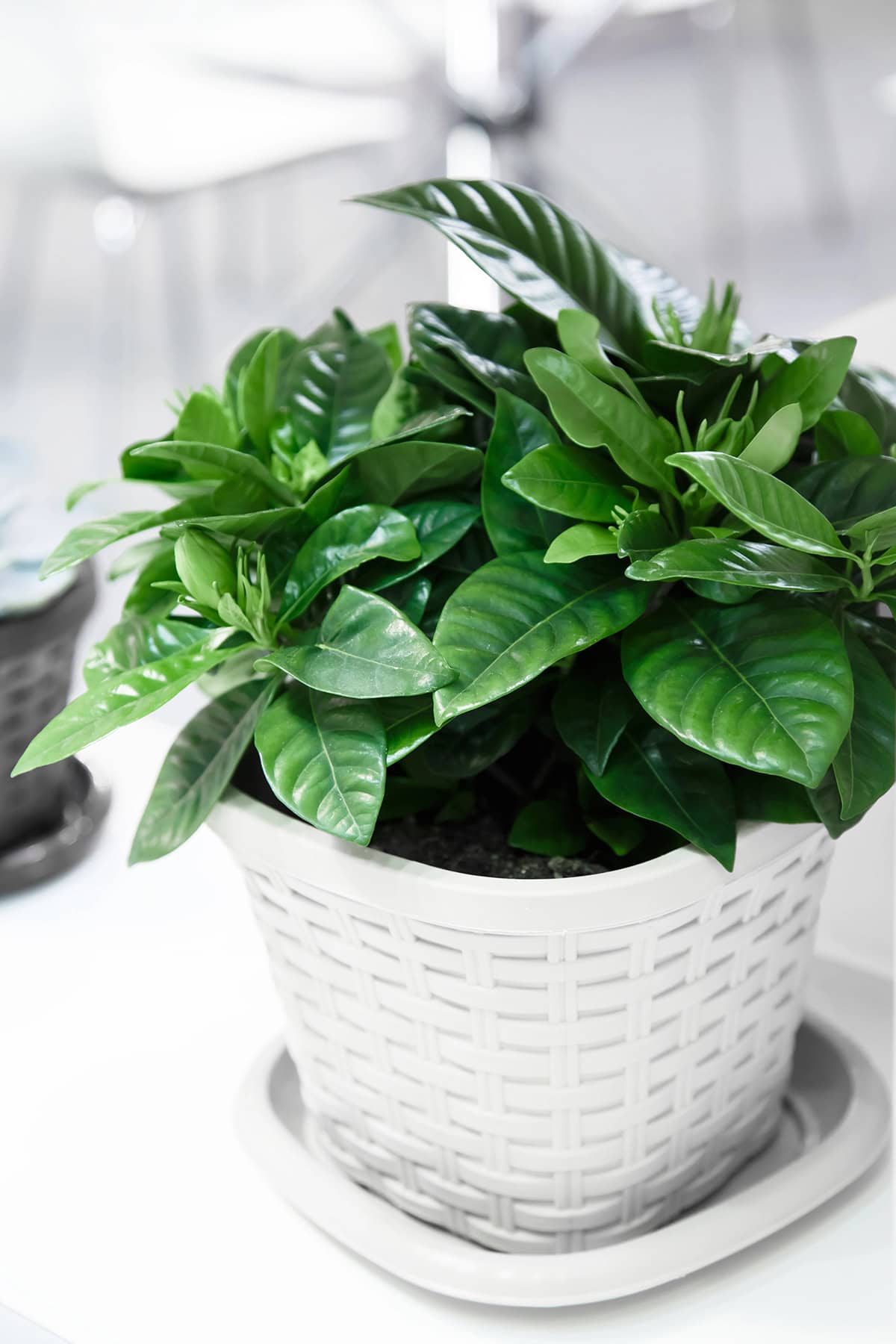
Pick a pot with drainage holes and a sturdy base. Use a loose, acidic mix—something that drains fast but holds some moisture. Skip heavy garden soil; it just chokes the roots.
Set the root ball so it sits just below the rim. That way, watering is easier and less messy. Don’t pack the soil too tight; roots need room.
Repot when roots fill the pot or water runs right through. Spring is best for repotting—fresh soil helps new growth. Move up just one pot size at a time to avoid waterlogging. Check roots for damage while you’re at it.
After repotting, water thoroughly and let it drain. Keep the plant in bright, indirect light for a bit while it settles. Stable conditions help it bounce back and get ready to bloom again.
Pruning
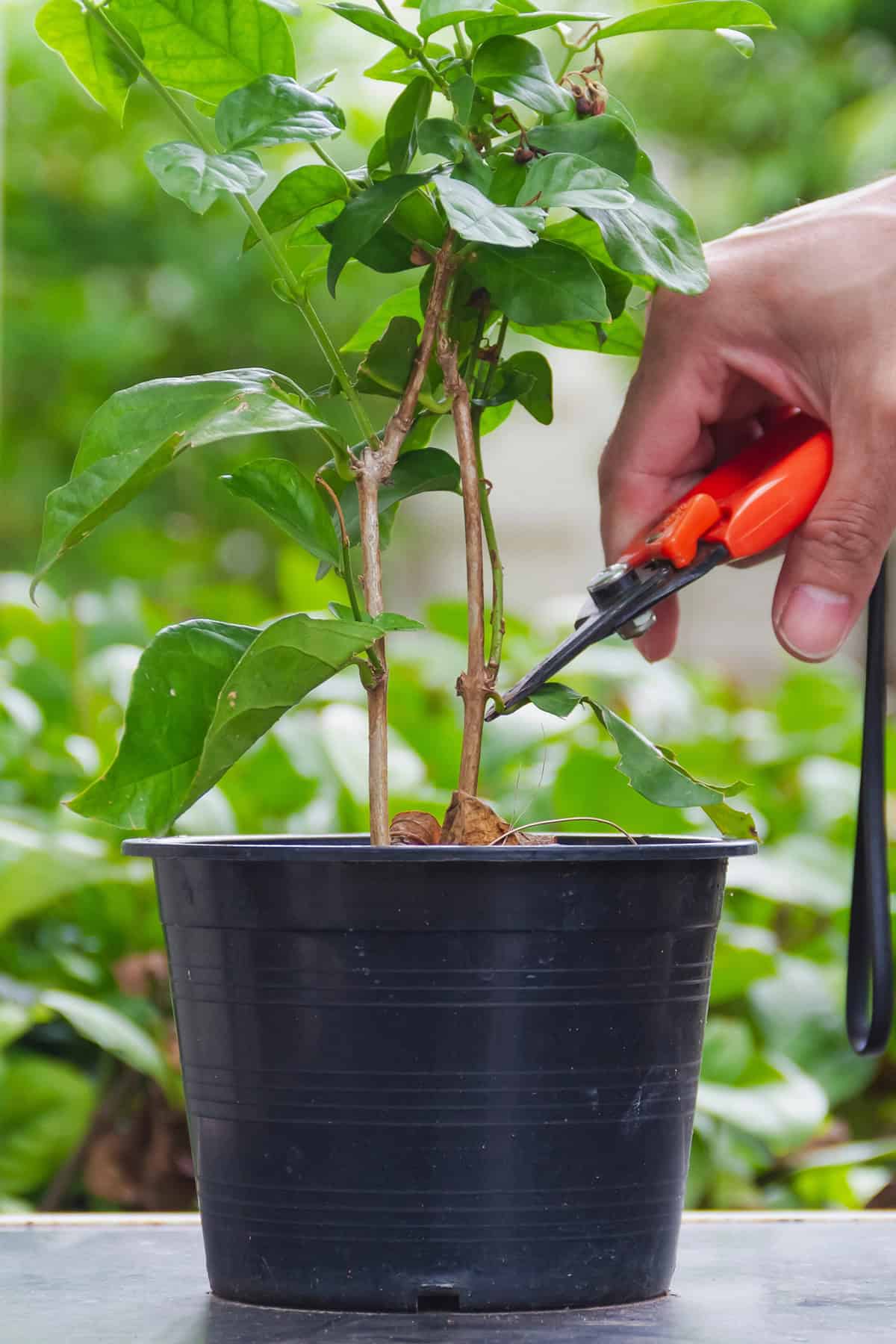
Prune right after the big bloom finishes. Buds for next year set in fall, so don’t wait too long or you’ll lose flowers. Early cuts are safer.
Just trim lightly to shape and remove dead or weak stems. Heavy pruning isn’t their thing—gentle is better.
If cold zaps the plant, wait until frost is done, then cut away the damaged parts. That way, it recovers without extra stress.
Propagation
Want more gardenias? Stem cuttings are the usual route—reliable and the new plants look just like the parent. Late spring through summer is prime time. Healthy parent plants make all the difference.
Take softwood cuttings from new, flexible growth. Four to six inches with a few leaves is about right. Strip the lower leaves, dab on some rooting hormone, and pop them into moist, well-draining mix. Keep things warm and humid and roots should show up in a few weeks.
Air layering is another option if you want a bigger plant faster—wound a branch, wrap it up, and wait for roots. Once they show, snip and pot. Seed works, but it’s slow and unpredictable, so most folks skip it.
Common Problems And Troubleshooting
Yellow leaves? Usually stress. Poor drainage or not enough acidity are common culprits. Check those first. If veins stay green but the rest yellows, iron’s probably the issue—chelated iron can help.
Bud drop drives people nuts. Sudden temperature swings, dry soil, or low humidity are often to blame. Keep things steady and avoid moving the plant once buds start forming. Indoors, stable light and moderate nights help.
Pests show up when plants get stressed. Aphids, mites, whiteflies—they suck sap and leave sticky messes or webs. Light infestations can be washed off or treated with insecticidal soap. Bad cases need repeated attention.
Leaf spots and cankers spell disease trouble. Bacterial leaf spot leaves dark, wet patches, especially in damp weather. Fungal canker causes swollen stems low down and yellowing above. Cut out the bad parts and improve air flow.
Sooty mold? That black film follows insects, not disease. Deal with the bugs first, then gently clean the leaves. Once pests are gone, new growth should look fine again.
Plant Varieties
There’s a surprising range of gardenia types out there, each with its own quirks for different spaces and climates. The classic pick for most yards is Gardenia jasminoides—it’s hard to beat those shiny leaves and dreamy white blooms. Depending on the cultivar, you’ll see all sorts of differences in size, flower shape, and how much cold they can take.
Some are perfect for hedges, while others thrive in pots or squeeze into tight borders. Dwarf varieties keep things tidy and don’t sprawl much, but if you want drama, the bigger shrubs are great for showing off near patios or windows.
Here are some tried-and-true gardenia favorites:
- ‘Mystery’
- ‘Miami Supreme’
- ‘August Beauty’
- ‘Veitchii’
- ‘Radicans’
- ‘Kleim’s Hardy’
- ‘Frostproof’
- ‘Chuck Hayes’
- ‘Buttons’
- ‘Golden Magic’
If you’re somewhere that gets chilly, cold-hardier options like ‘Kleim’s Hardy’ or ‘Frostproof’ might spare you some heartbreak. Folks in milder zones can experiment a bit more and enjoy longer flowering seasons.
Leaf color and flower style add even more personality. Some offer simple single blooms, while others go all out with doubles. You’ll even spot variegated types with creamy or yellow-edged leaves—though, fair warning, they tend to be slowpokes.