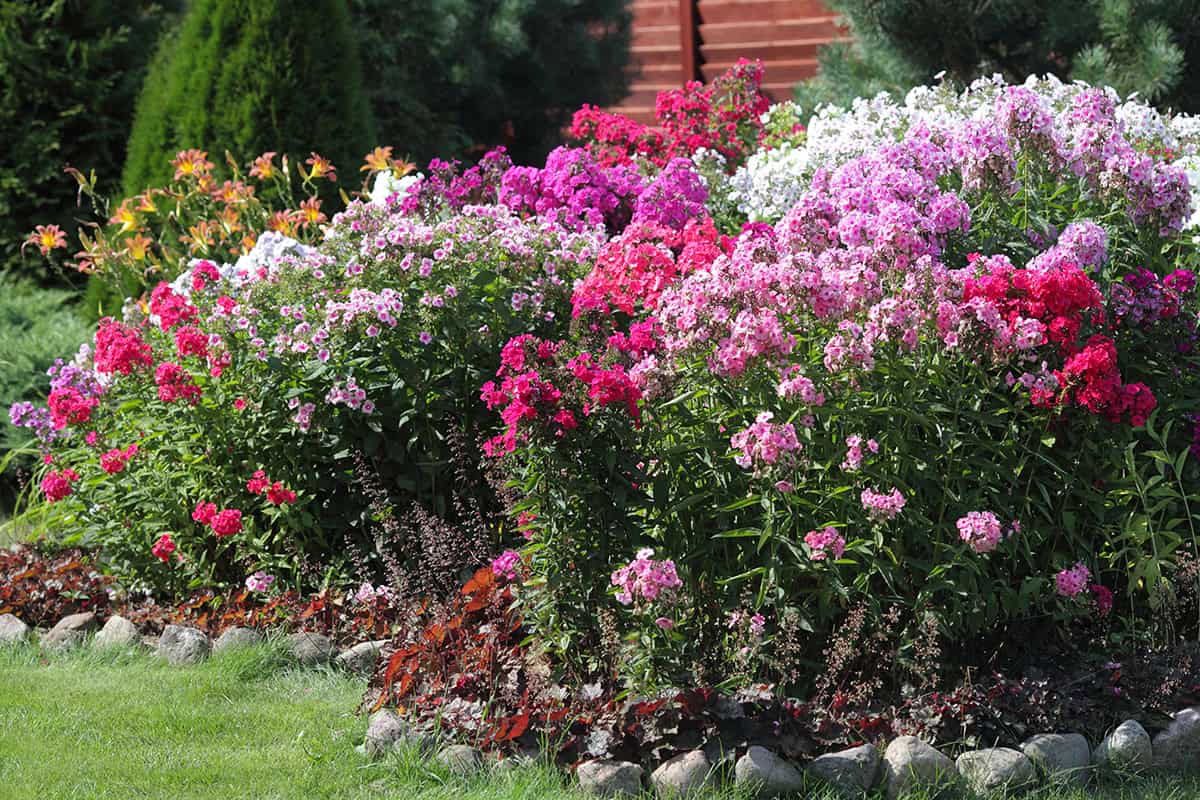
Midsummer is when a pair of shears earns its place in a perennial border. Cut catmint, salvia or spiderwort back hard as the first flush of flowers fades, and fresh stems and a second round of blooms follow within a few weeks.
Timing decides most of the result, and a few plants on this list, lavender and penstemon among them, punish any cut into old wood, a mistake worth avoiding before the pruners come out.
Table of Contents
- 26 Perennials To Cut Back For More Blooms
- Salvia
- Catmint (Nepeta)
- Coreopsis
- Shasta Daisy (Leucanthemum)
- Black-Eyed Susan (Rudbeckia)
- Lupine (Lupinus)
- Yarrow (Achillea)
- Blanket Flower (Gaillardia)
- Bee Balm (Monarda)
- Garden Phlox (Phlox paniculata)
- Veronica (Speedwell)
- Campanula (Bellflower)
- Delphinium
- Penstemon
- Scabiosa (Pincushion Flower)
- Gaura (Oenothera lindheimeri)
- Hardy Geranium (Geranium)
- Dianthus
- Balloon Flower (Platycodon)
- Asters
- Lavender
- Daylily (Hemerocallis)
- Spiderwort (Tradescantia)
- Threadleaf Coreopsis (Coreopsis verticillata)
- Purple Coneflower (Echinacea purpurea)
- Garden Mum (Chrysanthemum)
26 Perennials To Cut Back For More Blooms
A few well-timed cuts stretch bloom time, improve plant shape and produce sturdier stems. Many favorites reward the effort with a second round of flowers when the timing is right.
Salvia
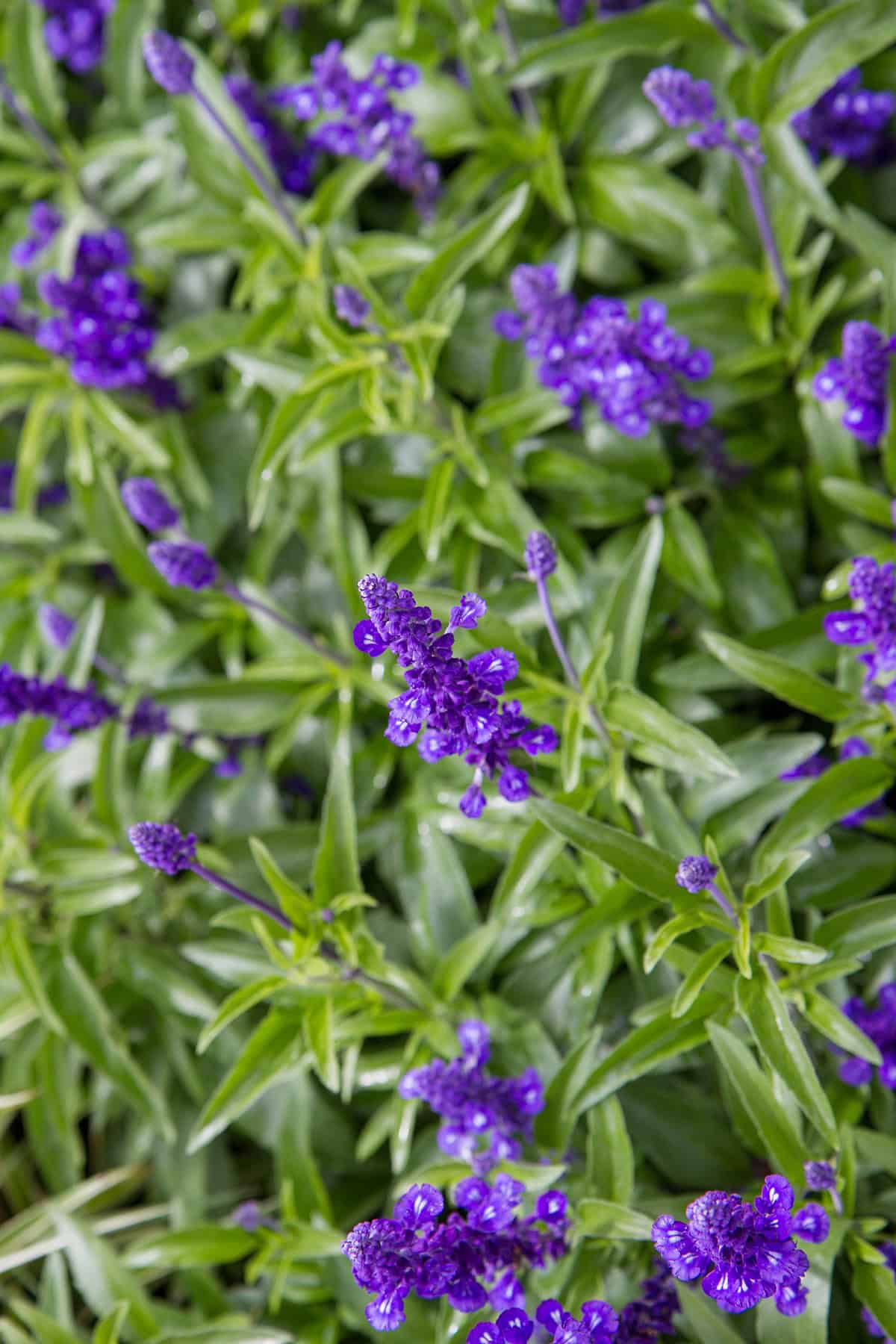
When the first flush of color fades, cut the spent stems back to the first healthy set of leaves, and new blooms follow by midsummer in most cases.
A quick all-over shear tidies a lopsided plant. Avoid cutting into the woody base of older salvias, and water and feed lightly after pruning to fuel new growth.
In cold regions, leave some top growth over winter as protection, and cut back hard in spring once fresh shoots appear.
Catmint (Nepeta)
Catmint looks ragged after its first big bloom. Cut it back by a third to a half once the color dulls, and fresh stems with a second round of flowers appear within weeks.
Use sharp, clean shears, shape the mound evenly and avoid the woody crown. Water after trimming to speed recovery.
Skip the trim, and the stems flop open and split down the middle by midsummer.
Coreopsis
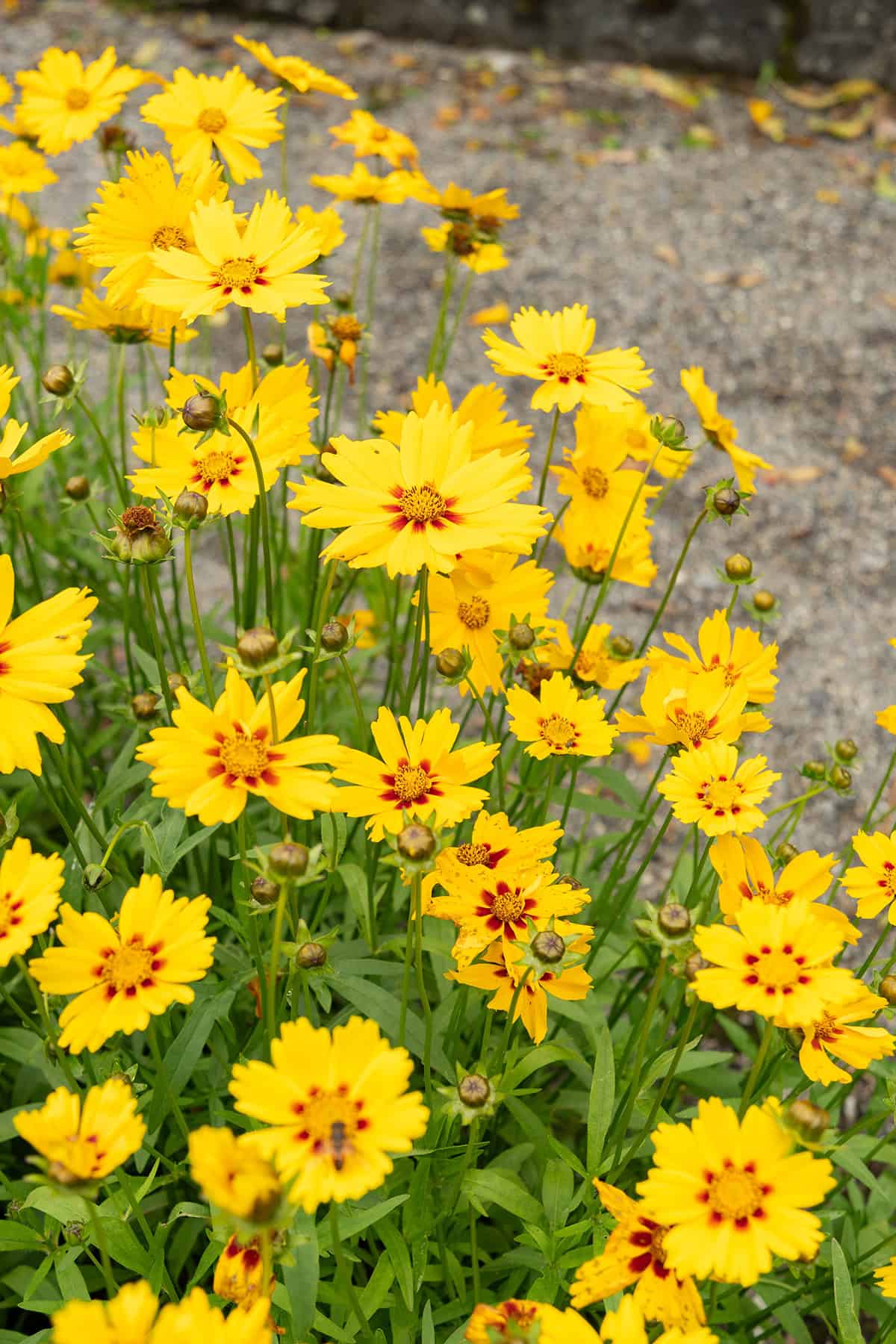
Large-flowered coreopsis finishes its early summer show and then benefits from a trim by about a third. Most plants rebloom within a few weeks.
Pinching off spent flowers one by one prolongs the display, and a gentle shearing revives sparse plants. Water and feed after trimming to encourage new buds.
Cut the stems down once frost blackens the leaves, and healthy crowns return in spring.
Shasta Daisy (Leucanthemum)
Deadhead as soon as the blooms fade, and cut each stem back to a leaf node to direct energy into new buds.
After the main show, trim a few inches off the top to tighten the clump and coax a smaller second bloom, and leave the leafy base intact.
Divide crowded clumps, and cut back fully in fall once the foliage is spent.
Black-Eyed Susan (Rudbeckia)
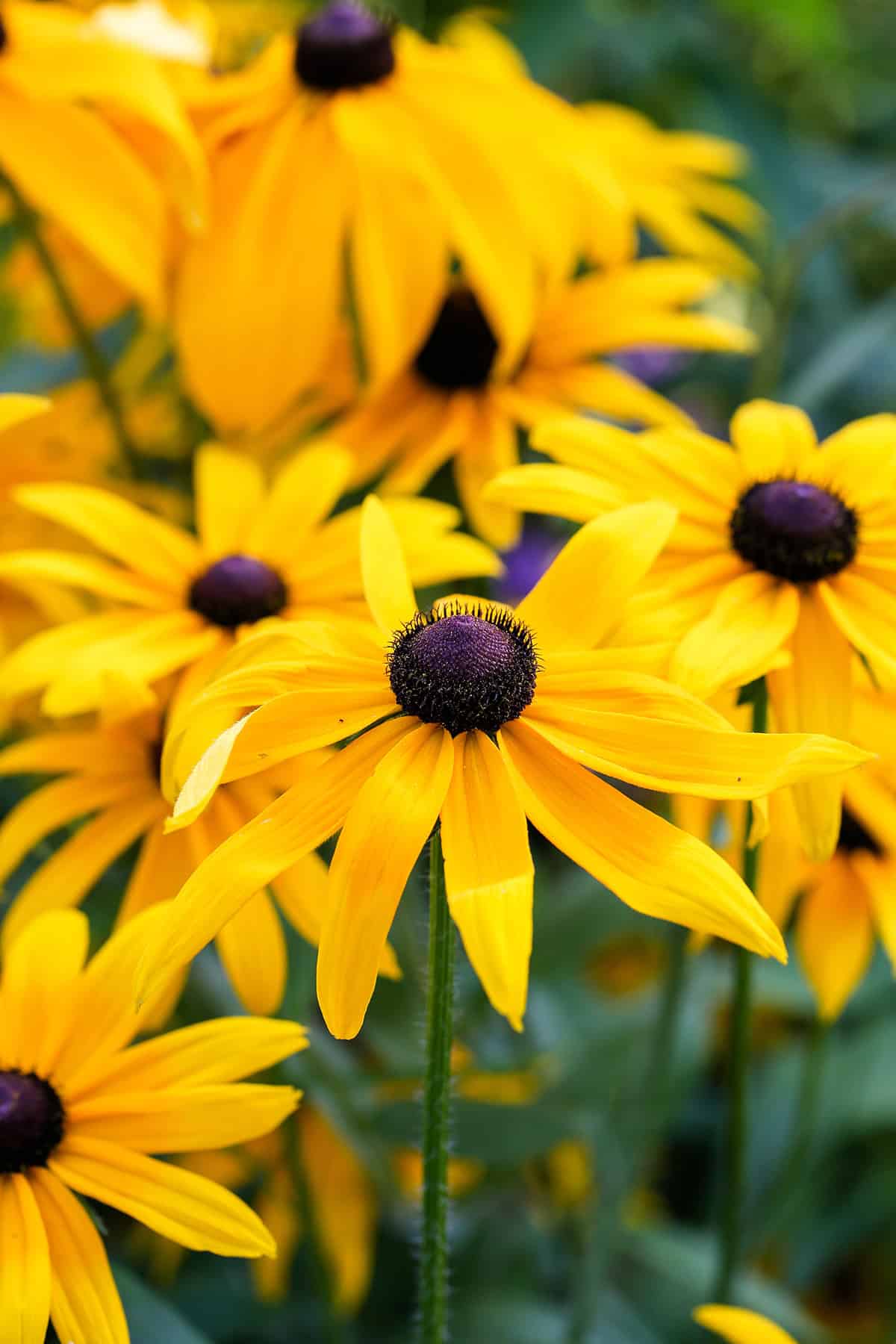
Spent blooms make black-eyed Susans look ragged, so cut each stem back to a sturdy leaf. With regular deadheading, many types flower until frost.
For sprawling plants, trim by a third early in the season to encourage branching and reduce height. Tall varieties need support in windy spots.
In late fall, cut stems to a few inches above the soil, or leave the seed heads standing for birds and winter structure.
Lupine (Lupinus)
Lupines carry tall flower spikes in late spring and early summer, and a spike cut off at its base as soon as it fades triggers smaller side spikes.
Deadheading also prevents heavy seed set, which drains the plant and shortens its life.
Cut the foliage back to the base once it yellows in late summer. Lupines prefer cool summers and well-drained, slightly acidic soil, and they resent root disturbance, so avoid dividing them.
Yarrow (Achillea)
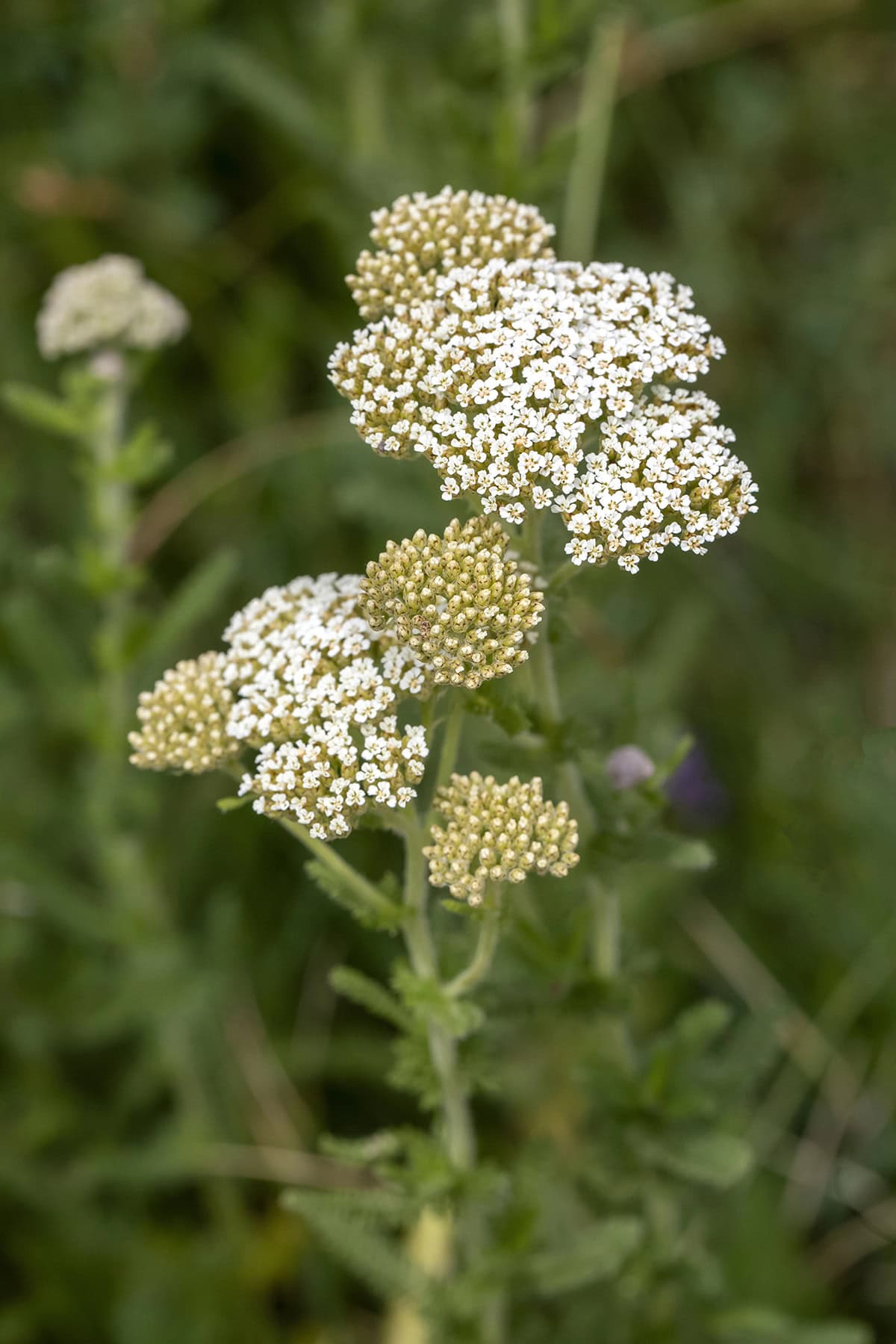
Once the first flower clusters fade, trim the stems down to a lower set of leaves, and another round of blooms follows in many cases. Prompt pruning also prevents floppy growth.
A light all-over shear tidies leggy plants. Avoid the woody growth near the base, and water in dry weather.
Divide every few years to restore vigor, and cut back in late fall or early spring.
Blanket Flower (Gaillardia)
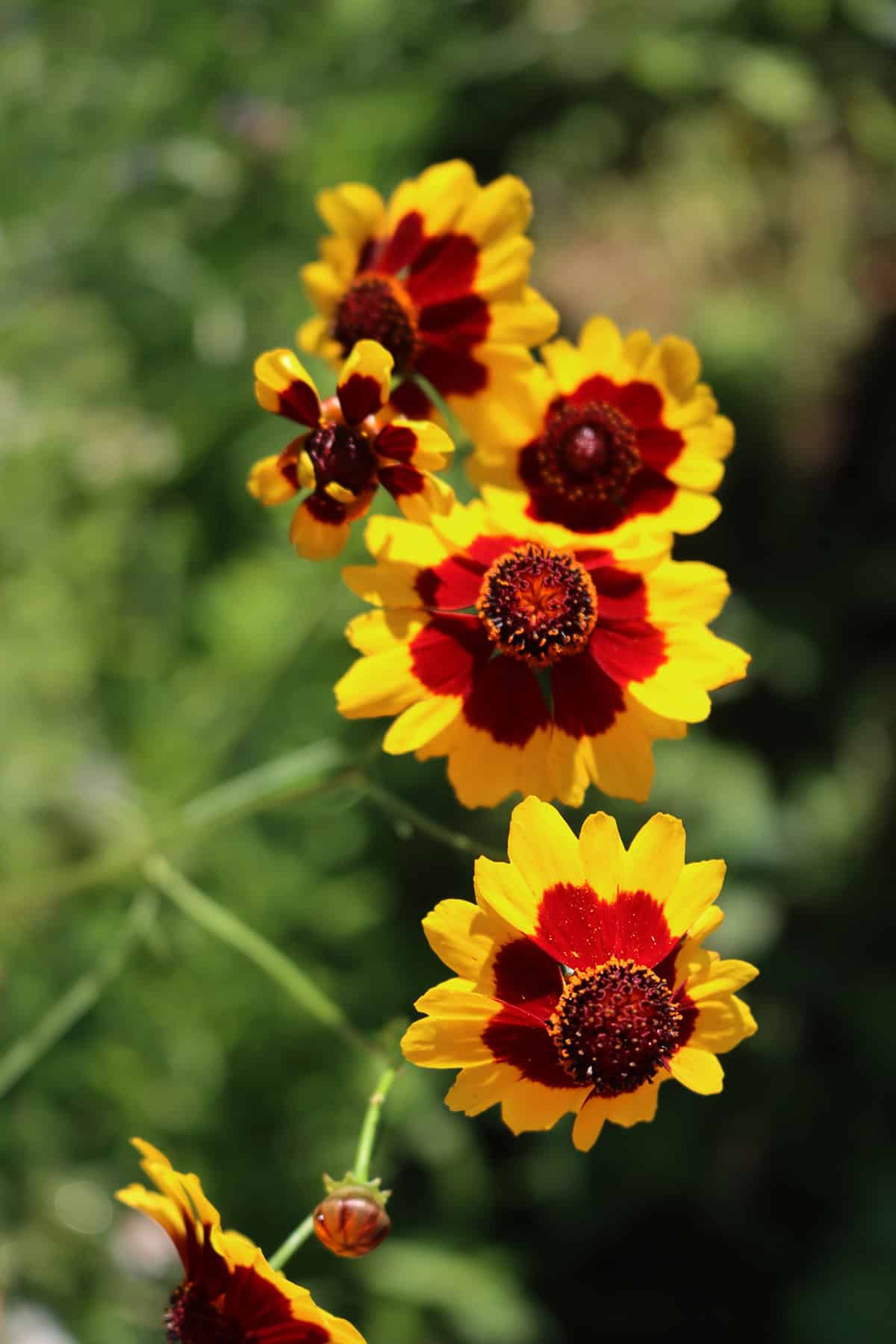
Snip off faded blooms to stop seed set and encourage more flowers, and cut stems back to a leaf joint for continuous color through summer.
A light midsummer shear helps thin, tired growth. Avoid heavy pruning late in the season, since plants need time to recover.
After frost, cut back finished foliage, or leave some growth for winter protection in mild climates.
Bee Balm (Monarda)
Once the first flowers finish, cut the stems back by about a third, and many types send up a second flush. Pruning also improves airflow and reduces powdery mildew.
Remove old flower heads promptly and cut down to a strong pair of leaves. Thin crowded stems in spring to limit disease.
After a mildew-heavy summer, a hard cut in fall helps, and healthy clumps return reliably in spring.
Garden Phlox (Phlox paniculata)
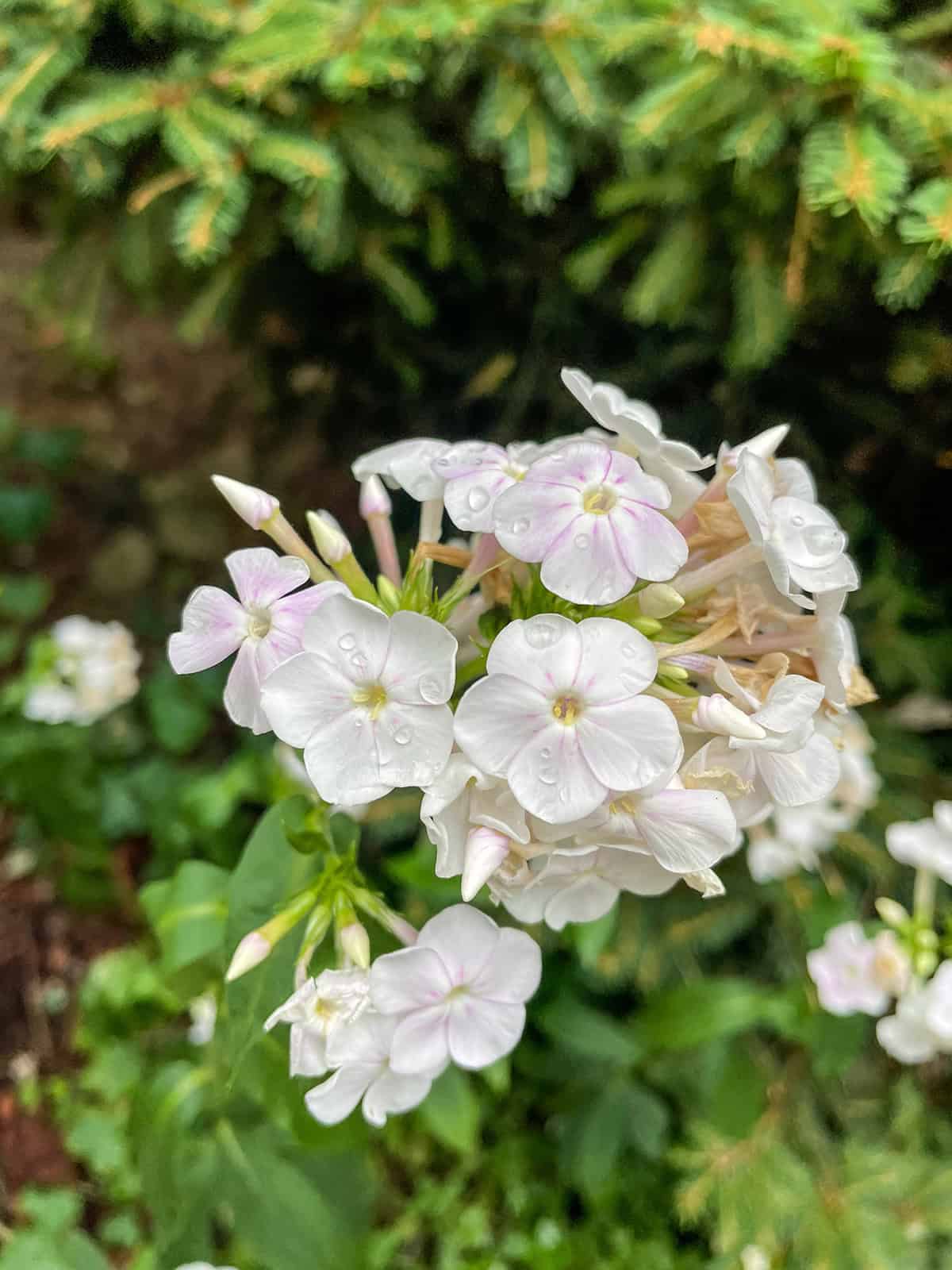
Snip off faded flower clusters to coax more blooms, and cut back to a side shoot or strong set of leaves for a tidier, more productive plant.
Pinching the stems in late spring controls height and encourages branching. Good spacing improves airflow and reduces mildew.
After frost, cut the plants to the ground and clear away debris for a clean start next year.
Veronica (Speedwell)
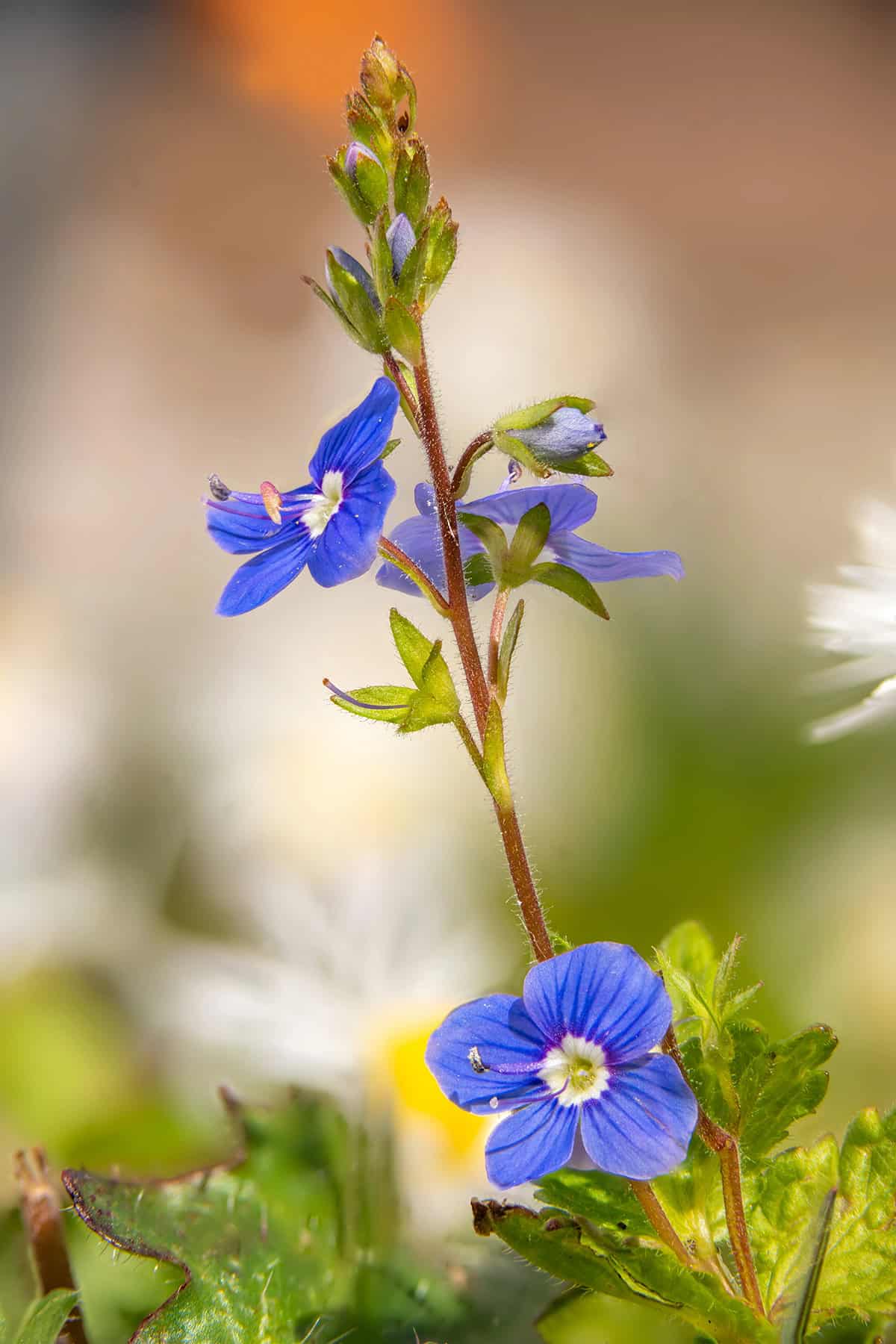
As soon as the flower spikes fade, trim down to the leafy mound. Prompt pruning sparks a second round of blooms and produces a compact plant.
Shear lightly after the main show, and new spikes appear within weeks. Avoid cutting into the crown.
In fall, trim back fading growth. Many types hold a dense, low base of foliage through winter.
Campanula (Bellflower)
Regular deadheading prolongs the bloom. Cut stems back to a healthy leaf or side shoot, and upright types in particular respond with more flowers.
A gentle shear after peak bloom refreshes the foliage and produces a few extra flowers in some years. Avoid hard cuts on low-growing types.
Tidy the plants in late fall as growth declines, and divide clumps periodically to restore vigor.
Delphinium
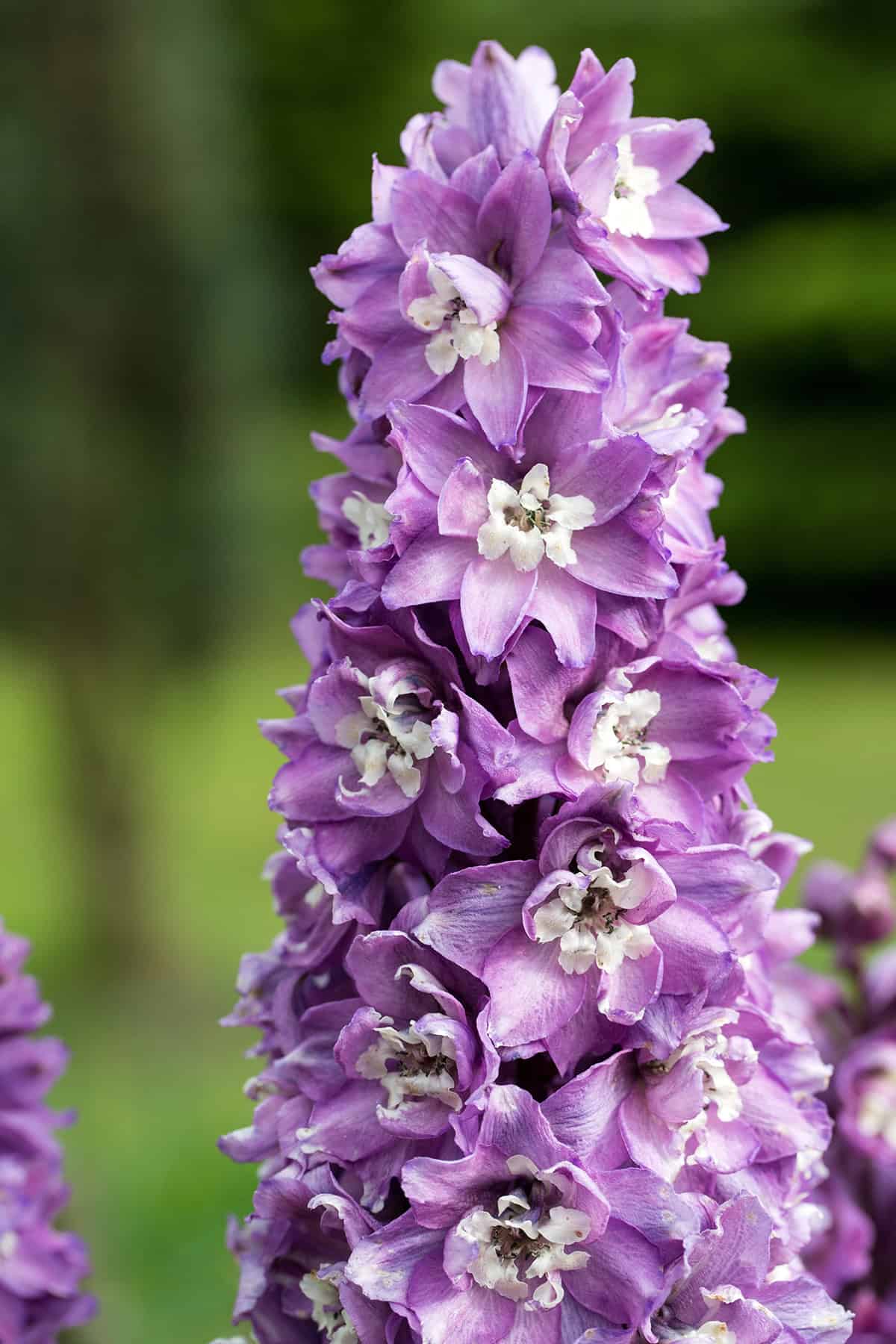
As soon as the tall spikes finish, cut the flowering stems down to the base, just above the foliage. A good feeding and deep watering encourage a second, smaller flush in late summer.
Stake early to support the heavy spikes. Remove only the finished stems, leave healthy leaves in place and take care to avoid emerging shoots.
Cut to ground level in fall and clear away debris to limit disease.
Penstemon
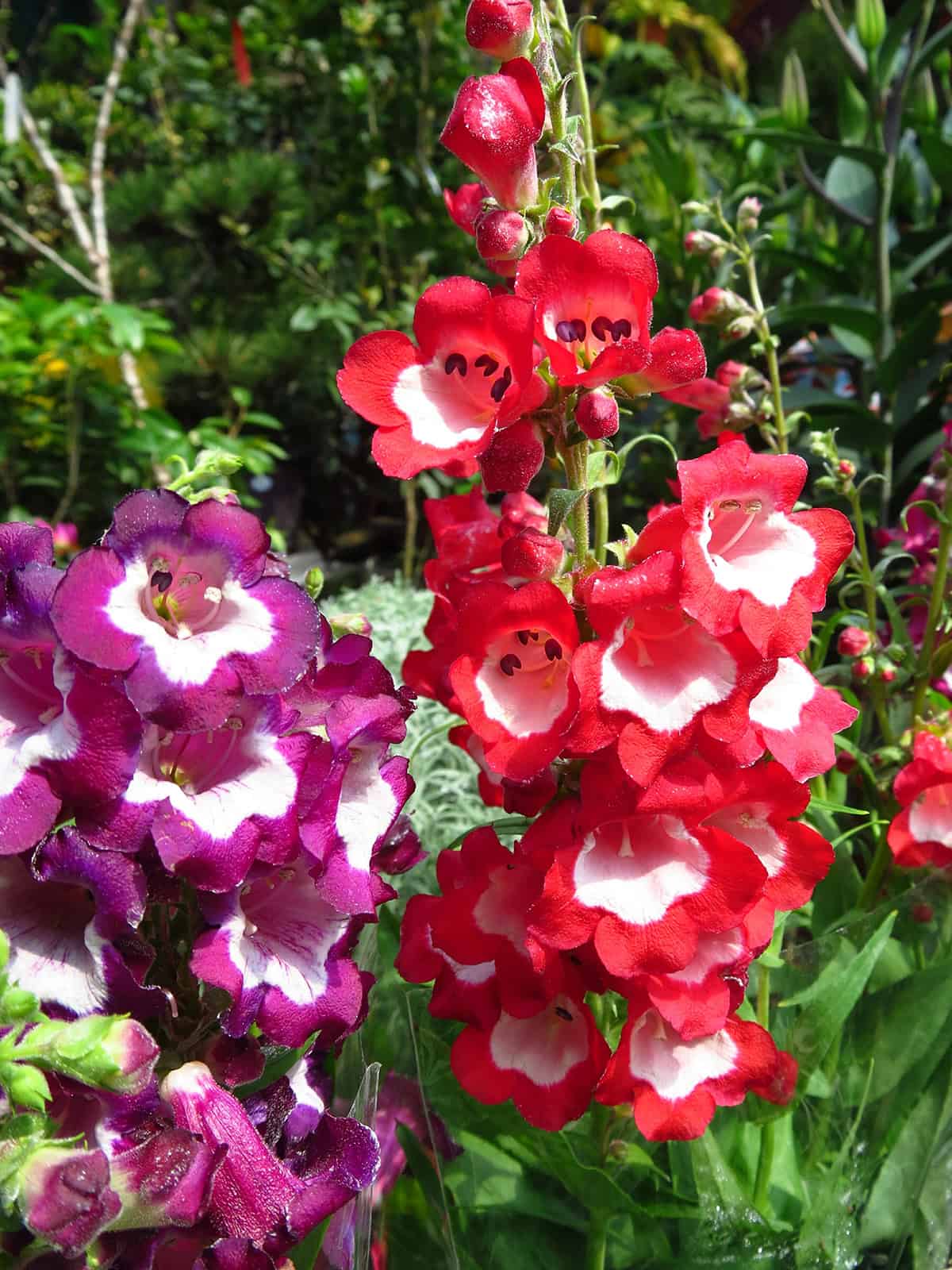
Remove spent flower spikes by cutting back to a lower set of leaves, which encourages branching and more blooms.
Avoid cutting into woody bases. In cold areas, leave some top growth for winter, then trim back in spring once new shoots show.
Well-drained soil prevents crown rot, and regular pruning produces full, bushy plants.
Scabiosa (Pincushion Flower)
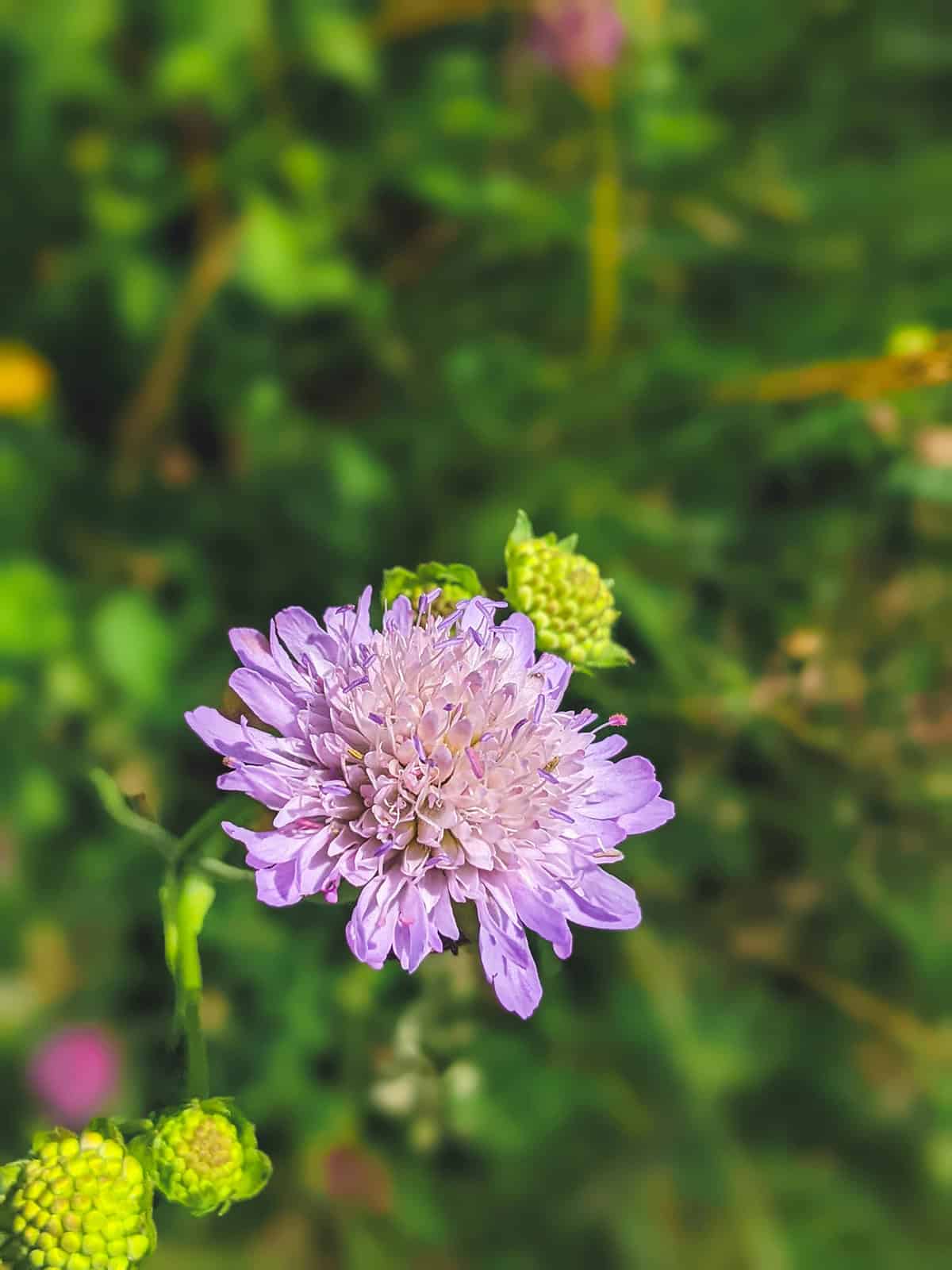
Pick off spent blooms regularly, and trim the stems back to the base or a strong side shoot to delay seed set and prolong flowering.
A light midsummer shear revives plants that slow down. Avoid cutting into the crown.
Cut back once the foliage fades in fall, and divide every few years.
Gaura (Oenothera lindheimeri)
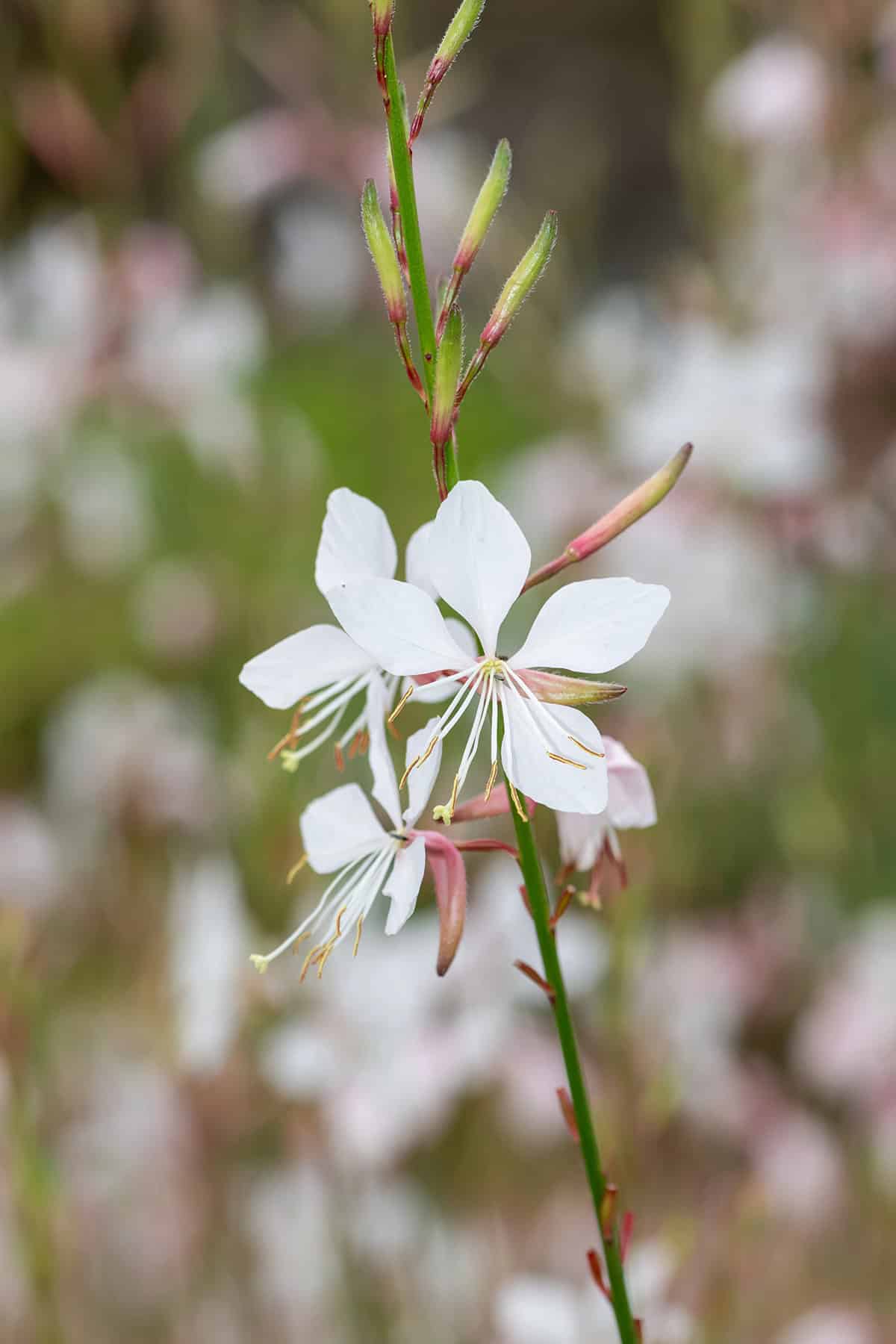
Tall, open gaura gets unruly by early summer. Shear it back by a third to control height and encourage more flowering stems.
Deadheading is optional, since many types bloom steadily on their own. Avoid cutting into woody bases late in the year.
In cold climates, wait until spring for a full cutback, and leave the top growth as winter insulation.
Hardy Geranium (Geranium)
After flowering, a close shear to just above the ground produces fresh foliage and, for many varieties, new blooms within a few weeks. The plant also regrows dense and neat.
Remove any sickly leaves as you go, avoid the central crown and water lightly after pruning.
In fall, tidy only if necessary, since many types prefer a spring cleanup.
Dianthus
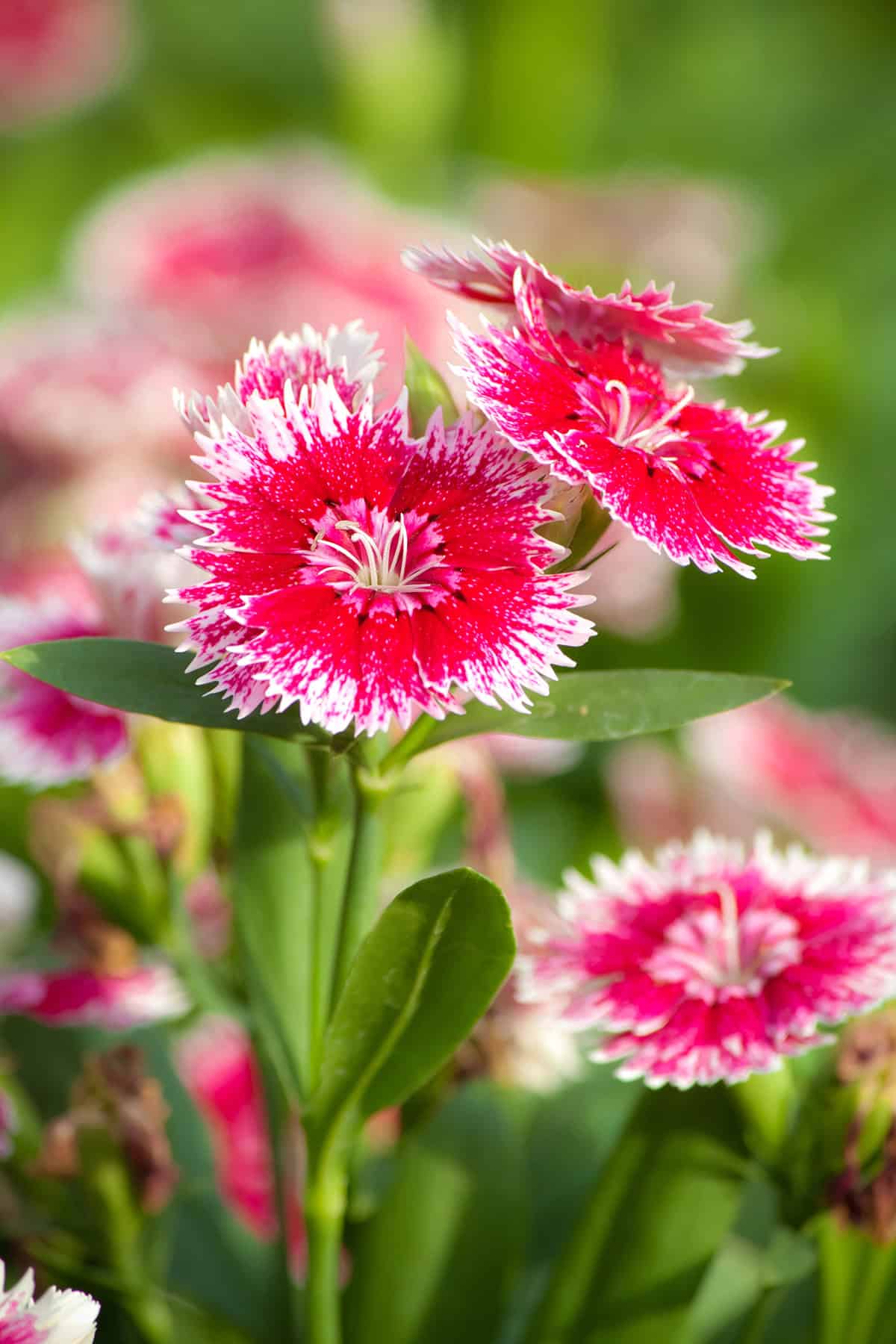
Snip spent flowers back to a leaf node, and regular deadheading produces more blooms.
For sparse plants, a light shear after the first flush encourages new growth and buds. Avoid cutting into woody stems.
A light trim in fall preserves the shape, and good drainage protects the crowns.
Balloon Flower (Platycodon)
Leave old stems standing through winter as a marker, since balloon flower emerges late in spring, and cut them back once new shoots appear. This prevents accidental damage.
Deadheading after bloom reduces seed set and produces a lighter second bloom in some years. Avoid heavy pruning during active growth.
For stems that flop, a pinch in late spring encourages sturdier, shorter growth.
Asters
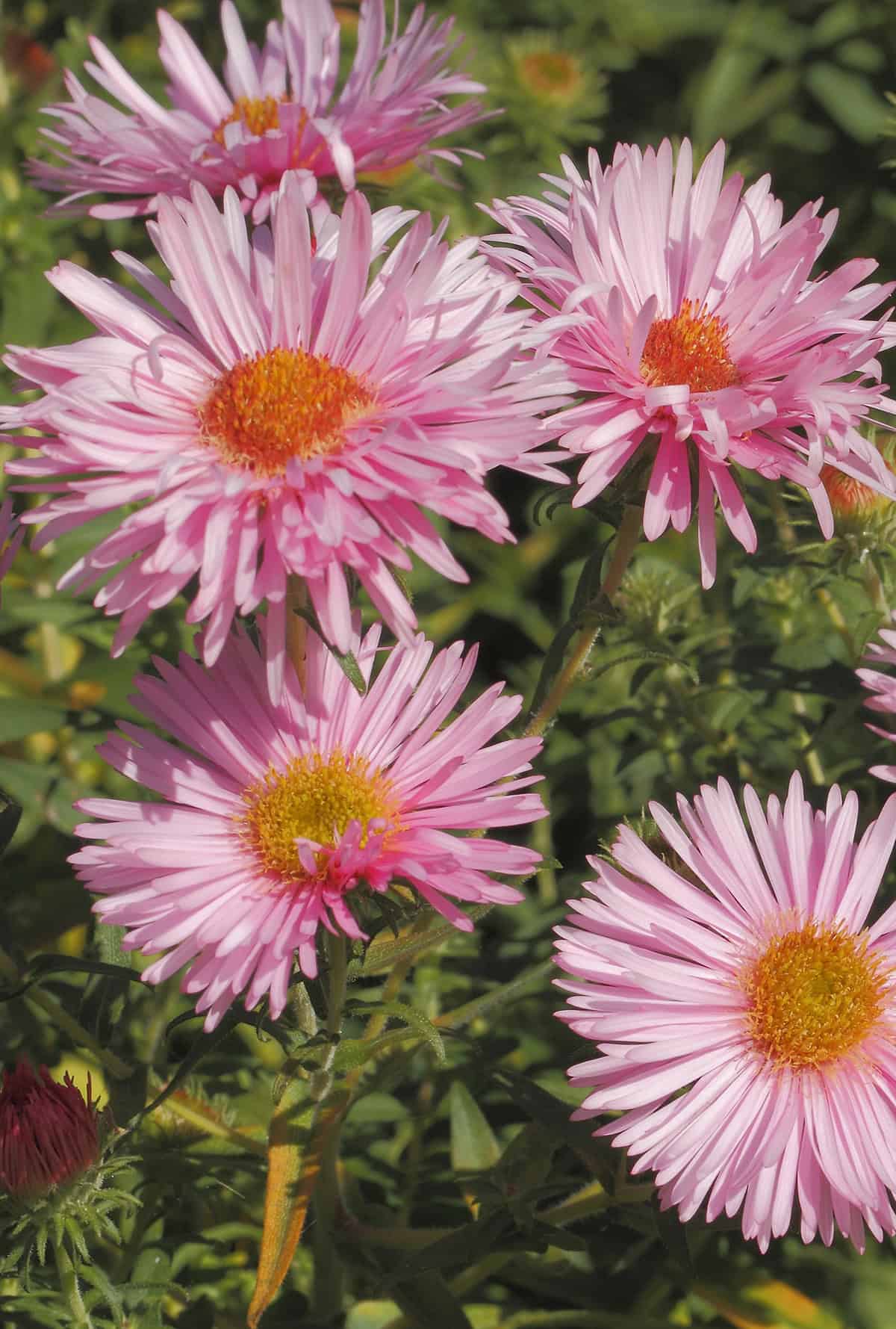
Pinch the stems in late spring for bushier plants and more flower heads in fall, and stop pinching by midsummer so buds form.
Light deadheading stretches the bloom time. Cut back after frost once the foliage fades, or leave the stems for winter interest.
Divide crowded clumps every few years to improve airflow and reduce disease.
Lavender
After flowering, trim off the spent stems into soft green growth, well above the woody base. This shapes the plant and coaxes a few more blooms in some years.
A gentle shear in late summer tidies the plant, but avoid cutting into bare wood, since lavender rarely regrows from it.
In spring, prune lightly to shape, and plant in sharply drained soil.
Daylily (Hemerocallis)
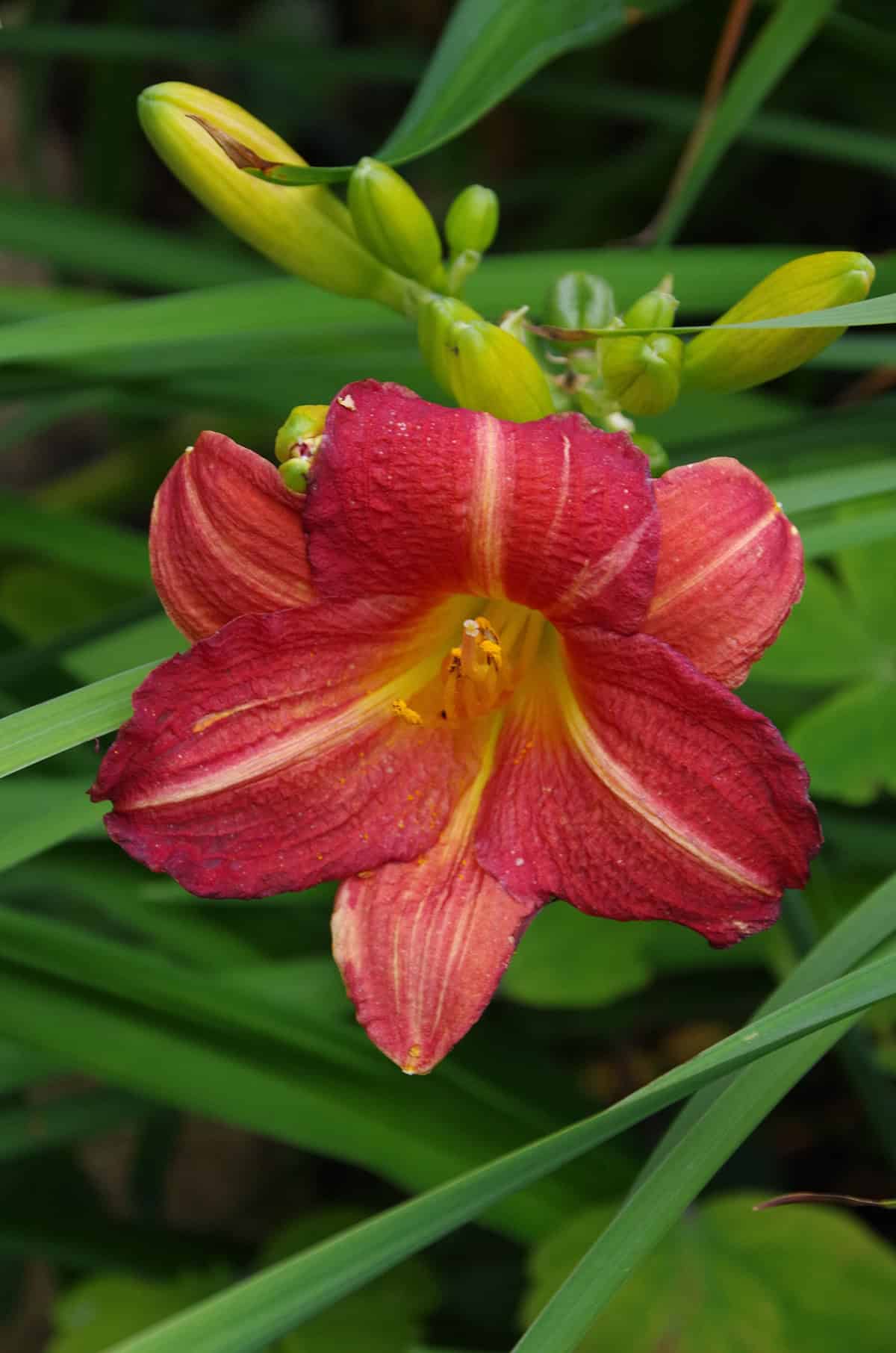
Snap off spent flowers daily during peak season, and once a stalk finishes, cut it down to the base. Beds look tidier, and repeat-blooming varieties produce more stalks.
If the leaves look rough after flowering, shear them back by a few inches, and fresh foliage follows. Avoid cutting too close to the crown.
Divide clumps every few years and cut everything back after frost.
Spiderwort (Tradescantia)
Spiderwort flowers heavily in early summer, then the foliage flops and browns in summer heat. Cut the whole plant back to a few inches above the ground once flowering slows.
Fresh leaves regrow within a few weeks, and many plants rebloom in late summer or fall.
Water after the cut and plant in moist soil. Spiderwort self-seeds freely, so the hard cut also limits volunteers.
Threadleaf Coreopsis (Coreopsis verticillata)
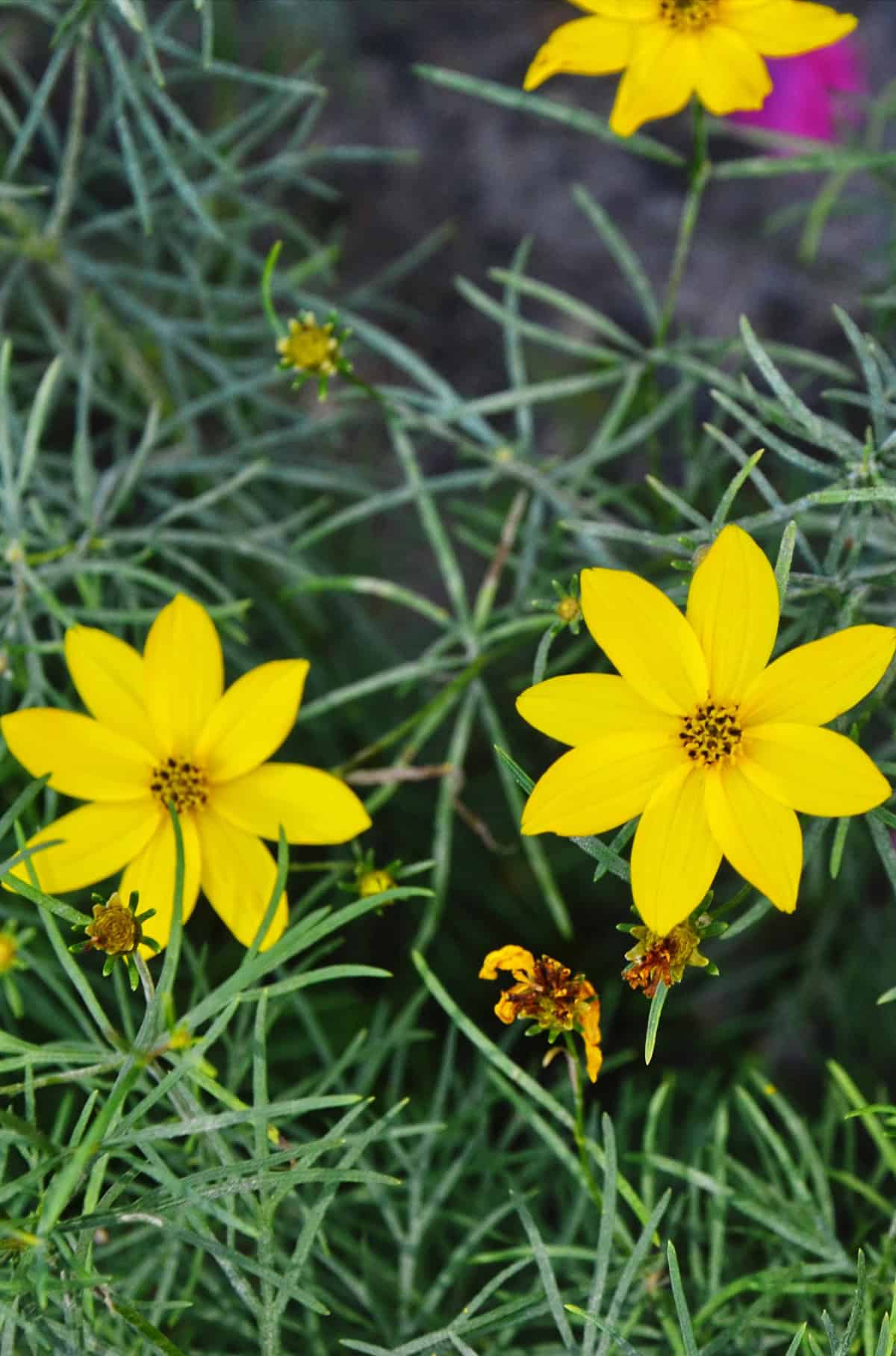
Fine, feathery leaves look tired after heavy bloom. Shear the plants by a third in midsummer for a fresh flush of stems and flowers.
Individual spent blooms need no picking, though some gardeners remove them for tidiness. Avoid cutting into the woody base, and water after pruning in dry weather.
Cut to the ground in fall or early spring, and divide as needed for vigor.
Purple Coneflower (Echinacea purpurea)
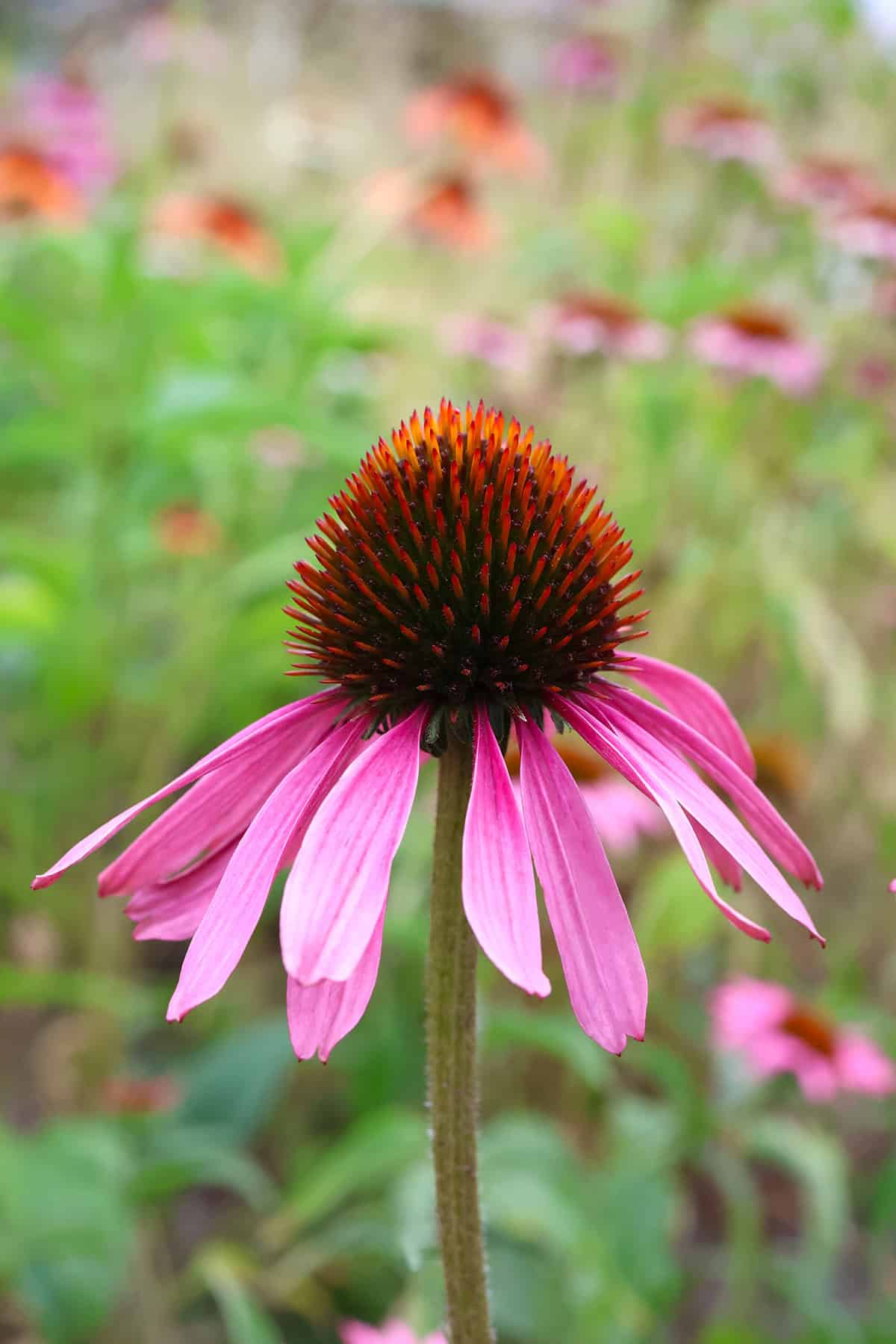
Deadheading encourages more buds, so cut spent stems back to a side shoot or healthy leaf. With regular trims, blooms continue through summer.
Leave some seed heads for goldfinches in late summer. Avoid heavy midsummer cuts into the crown, and water moderately after pruning.
After frost, cut back to ground level, and fresh shoots emerge in spring.
Garden Mum (Chrysanthemum)
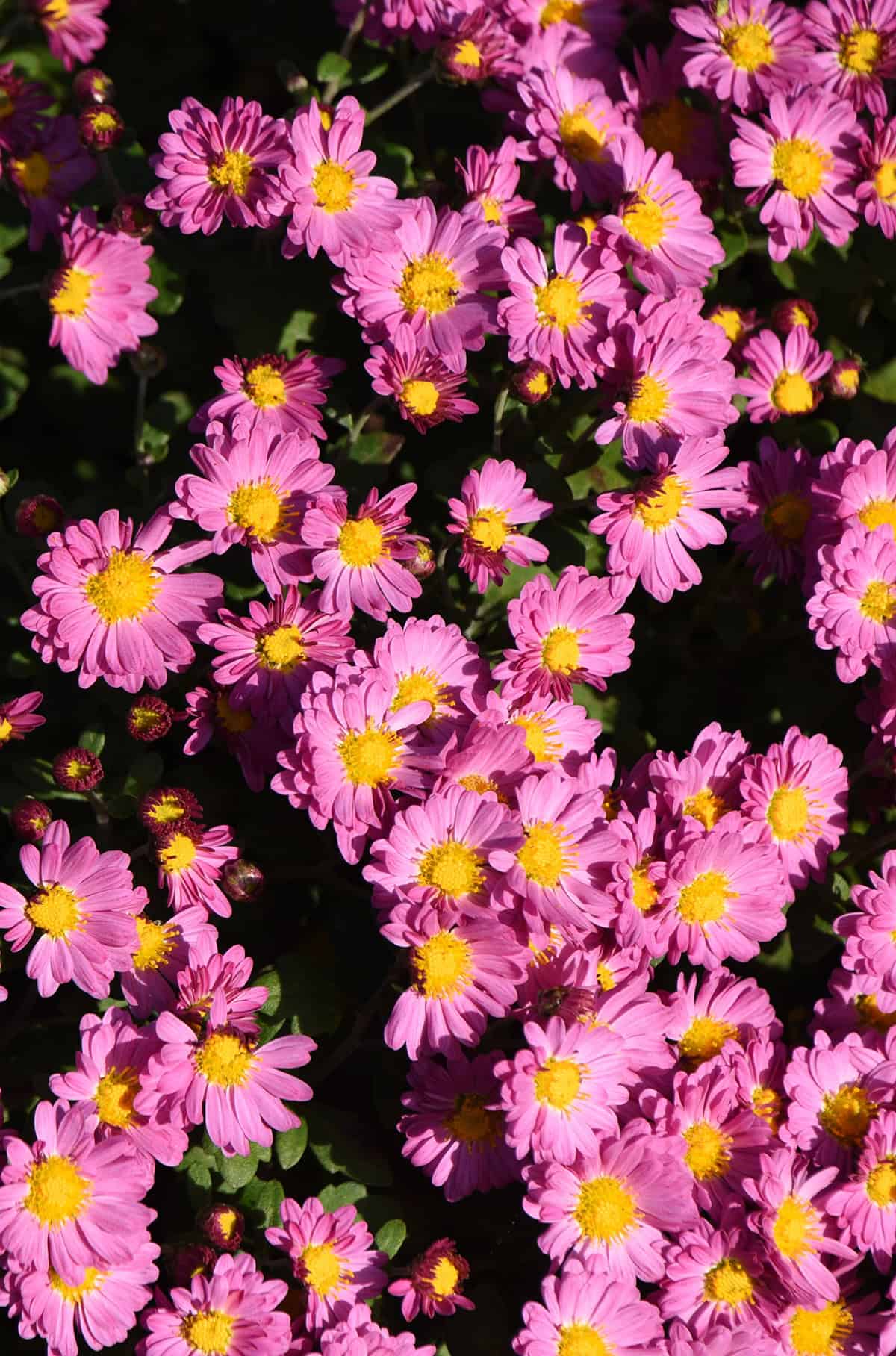
Pinch the stem tips every two to three weeks in late spring and early summer, and stop by early July so flower buds set. The result is a fuller plant with a heavy fall display.
In autumn, snip off spent flowers to prolong the show. In cold regions, leave the stems standing over winter and mulch around the plants, since this improves survival, then cut back in spring.
Divide clumps every few years to maintain vigor and heavy flowering.