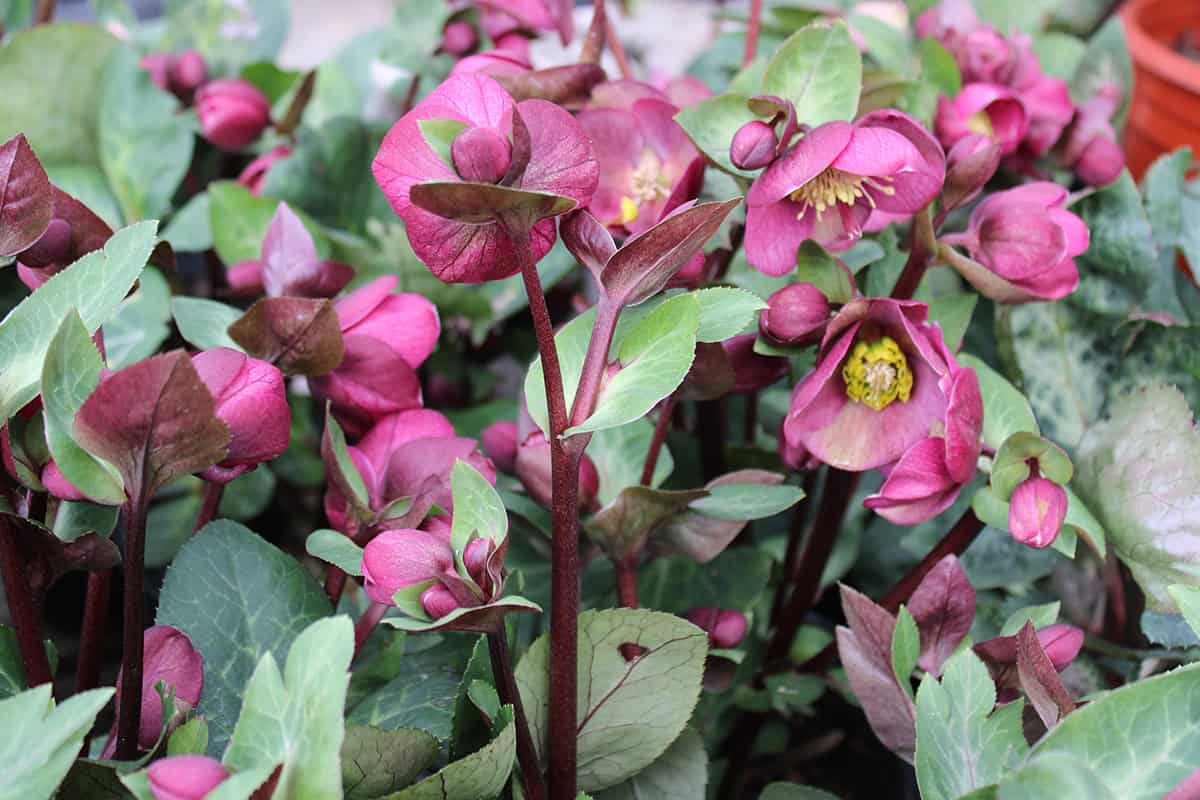
When nearly everything else in the garden is still asleep, hellebores show up with a quiet confidence. Their tough, evergreen leaves and early blooms bring a bit of life to shaded beds as winter drags on. To grow and care for hellebore, start with partial shade, a neutral, well-drained soil, and a steady hand with the watering can—keep it moist, not swampy.
Look for a spot with dappled sunlight, shielded from the harshest afternoon rays. Soil should stay rich and barely damp; a light feeding in spring and fall is usually enough. Snip away last year’s leaves before the buds break, keeping things tidy and helping stave off disease.
Dial in the basics and you’ll get years of flowers with minimal fuss. Here’s how to match them with the right light, soil, and temperature—and a few tips for dividing, propagating, and dodging common headaches.
Table of Contents
Quick Care Summary
Late-winter flowers and glossy leaves—hellebores don’t ask for much, but they’ll stick around for ages if you get the basics right. Shade and rich soil are their happy place. Once settled in a sheltered bed, they’re low-maintenance companions.
- Light: Partial to full shade; a bit of gentle morning sun perks them up and encourages better blooms.
- Soil: Rich, well-drained, neutral to slightly alkaline. Compost helps.
- Watering: Moderate—let the top inch dry out before watering. Soggy roots are a no-go.
- Temperature: Hardy from USDA zones 3–9; they shrug off snow but dislike sweltering heat.
- Humidity: Average is fine; don’t let them sit in stagnant, damp air. Good airflow matters.
- Fertilizer: Balanced fertilizer in early spring, plus a yearly top-dress of compost.
- Propagation: Divide clumps in early fall, or start from seed (if you’re patient).
Plant Overview
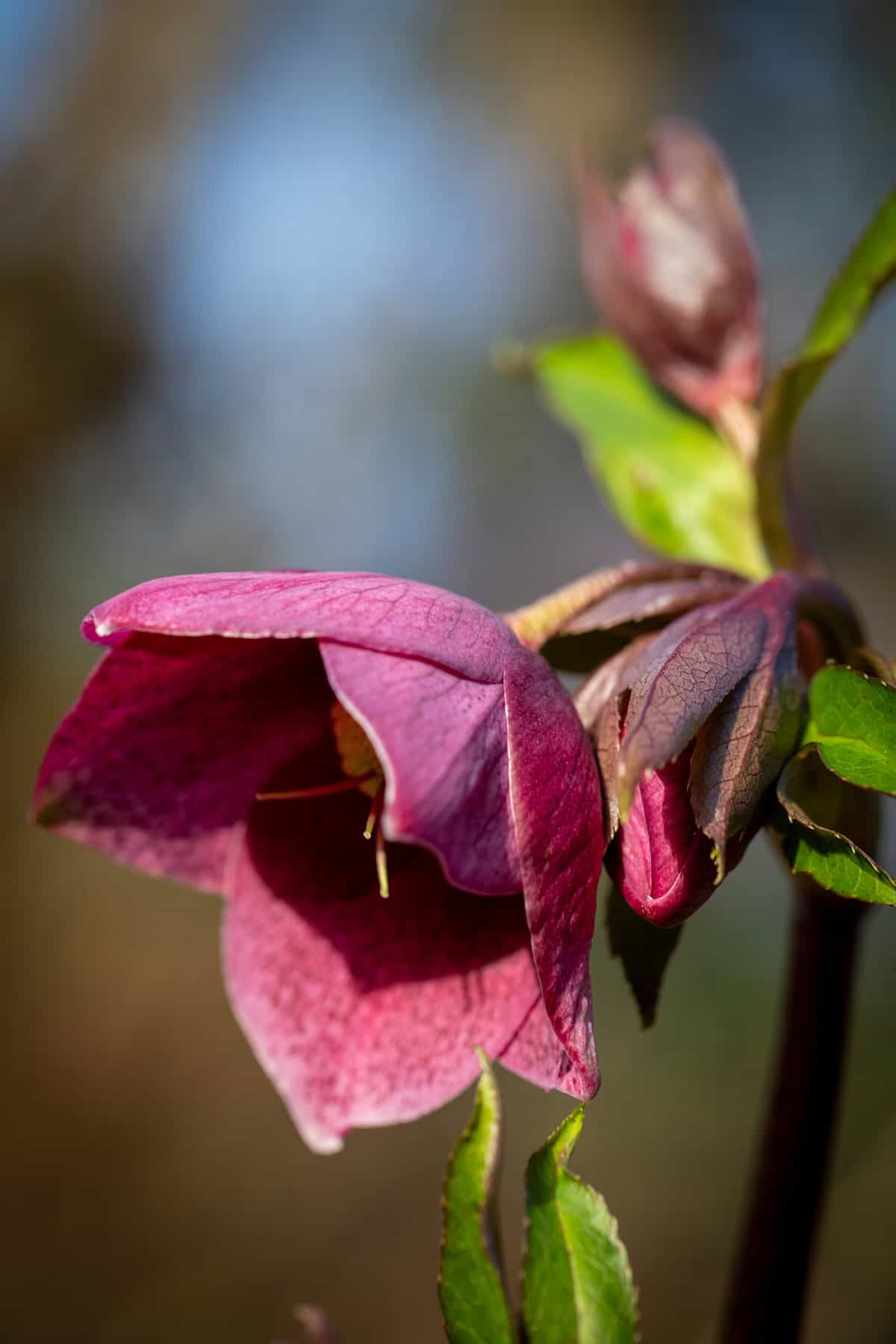
A splash of color in the bleakest months—hellebores don’t wait for spring to put on a show. Blooms often poke through when little else dares, and the plants themselves form dense, low clumps with leathery, deep green foliage.
Flowers come in all sorts of shades: white, cream, pink, purple, even green. Some face out, others hang shyly downward. It’s a subtle spectacle, but it’s all the more welcome for that.
Plant Details
- Botanical name: Helleborus spp.
- Common names: Hellebore, Lenten rose, Christmas rose
- Plant type: Herbaceous perennial
- Mature size: 9 inches to 2 feet tall; 1 to 2 feet wide
- Growth rate: Slow to moderate
- Toxicity: Poisonous if eaten—keep away from pets and kids
- Native region: Europe and parts of western Asia
Once they’re happy, hellebores settle in for the long haul. They don’t love being moved, and splitting a mature clump can throw off their blooming for a season or two.
Quick Care Summary
- Light: Partial to full shade; morning sun’s okay
- Soil: Well-drained, neutral to slightly alkaline
- Watering: Moderate; let soil dry a bit between waterings
- Temperature: Tough in winter, prefer cool seasons
- Humidity: Regular garden levels
- Fertilizer: Slow-release in spring and fall
- Propagation: Divide after bloom or sow seed
Light
A garden corner with shifting shade sets the right mood for hellebores. Under a canopy of trees that lose their leaves in winter, these plants catch the gentle sun when they need it most, then get a break from the summer glare.
In cooler regions, a touch of morning light can really boost their flower count and vigor. But if the afternoon sun beats down, leaves may scorch and flowers fade fast. Dense shade keeps them alive, but expect fewer blooms—bright, filtered light is the sweet spot.
Some folks tuck them along woodland edges or in shadowy borders. In hot climates, a spot shielded from midday and afternoon sun is key. For containers, set pots where they catch some light but stay protected—move them if you notice pale or crispy leaves. Consistent, moderate light keeps them looking sharp.
Water
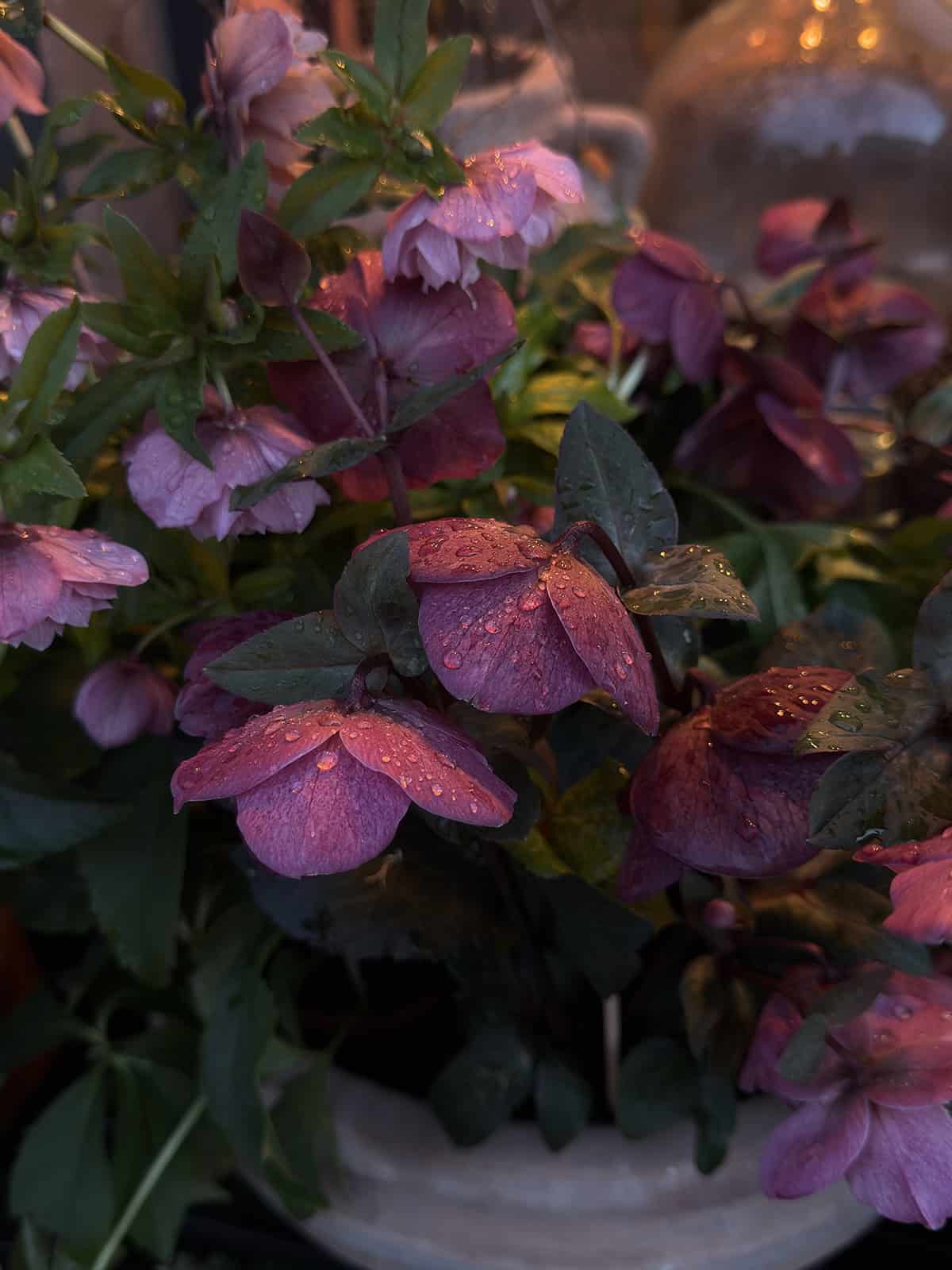
The first year, hellebores appreciate a little extra attention. Deep watering after planting helps roots settle, but after that, just check the top couple inches of soil before reaching for the hose.
Once established, these perennials get by with less fuss, though they’ll always respond well to even moisture—especially when buds are forming in late winter and spring. If things dry out too much then, flowers may suffer.
Heavy, wet soil is their nemesis. Roots rot if water lingers. If your garden leans to clay, dig in compost and maybe raise the bed a bit. Summer’s a different story—after flowering, they don’t need as much, so let the soil surface dry a little between drinks but don’t let them bake.
Potted hellebores dry out faster. Water when the top inch feels dry, and make sure pots drain freely. No puddles at the bottom.
Soil
Loose, crumbly earth with plenty of compost sets hellebores up for success. Roots need air and steady moisture, but they’ll rot if left in muck.
Mixing in organic matter—compost or old leaf mold—makes a huge difference. It lightens heavy soil and gives roots a steady buffet. Most varieties prefer a pH hovering around neutral or just a touch alkaline (7.0 to 8.0). Quick soil test kits are handy for checking.
Drainage is as important as fertility. After rain, water should clear out within hours. If your soil is dense, try planting on a slope or in a raised bed.
Mulch helps hold moisture and keep roots cool, but don’t pile it against the crown or you’ll risk rot. Consistent, not soggy, is the way to go.
Temperature & Humidity
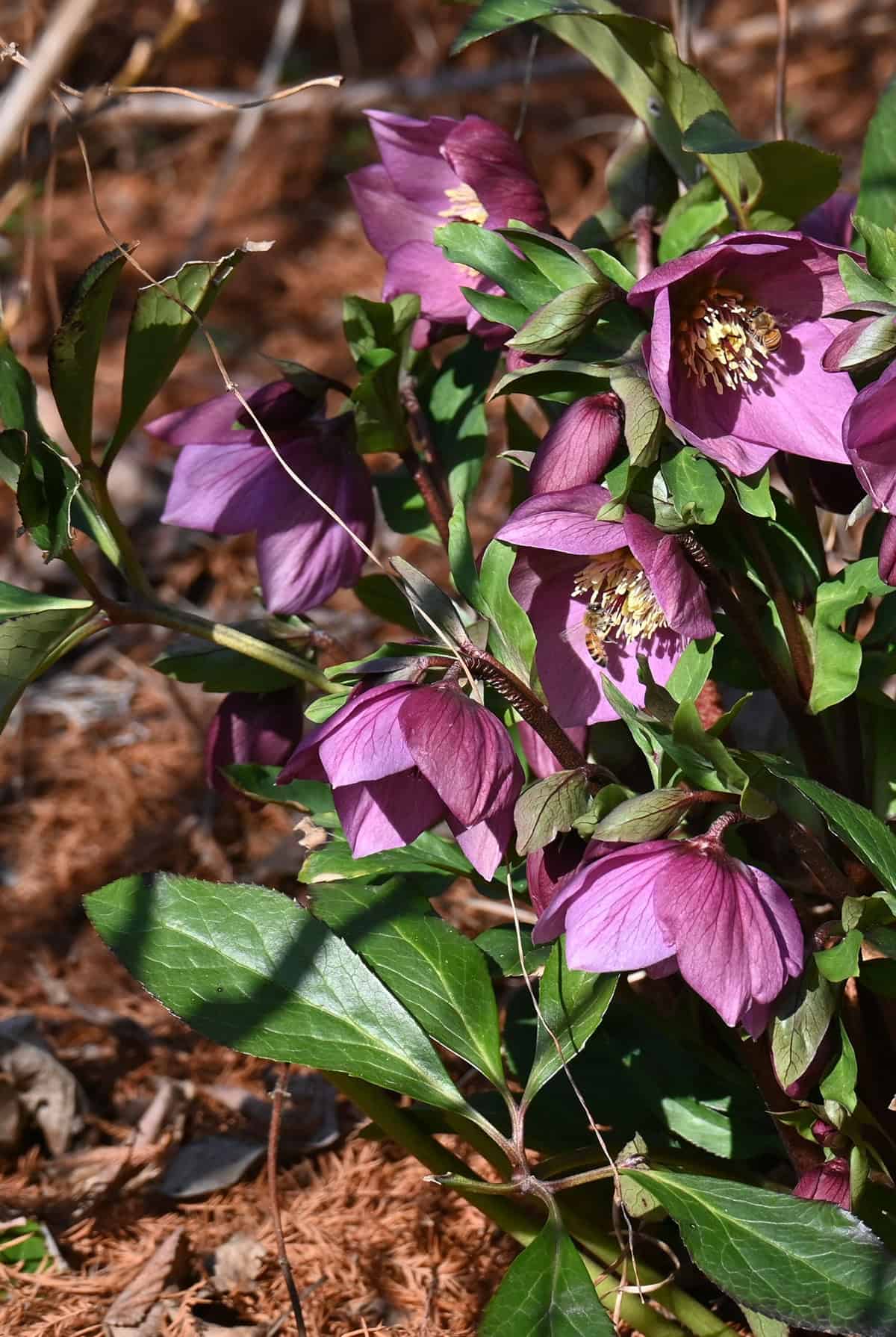
Frigid temperatures don’t scare hellebores; they’re built for it. Many can handle deep freezes (think USDA Zone 4, -30°F) and still bloom as snow lingers.
Windburn can be a problem in exposed spots, so a little shelter—from burlap or neighboring shrubs—goes a long way. Sweltering summers, on the other hand, slow them down. Shade helps keep roots cool and happy when the mercury climbs.
They’re not fussy about humidity, so long as the soil drains well. Stuffy, stagnant air can invite fungus, so give them room to breathe, especially in crowded beds.
Dry shade isn’t usually an issue for mature plants, but if drought and heat drag on, leaves may scorch. A bit of extra water during rough spells keeps them looking good.
Fertilizer
Hellebores aren’t greedy, but a little boost helps. Compost-rich soil often covers their needs, but if things seem lacking, sprinkle a balanced, slow-release fertilizer (like 10‑10‑10) in early spring as new shoots appear.
Keep the granules away from the crown, water in gently, and you’re set. If you want to encourage bud formation, a light feeding in late summer can help, but don’t overdo it—too much nitrogen and you’ll get lots of leaves, not flowers.
Prefer liquid feed? Go half-strength, once a month in spring, then stop by midsummer so they can shift gears for blooming. Strong, dark green leaves and plenty of flowers mean you’re on the right track. If the plant looks pale or sluggish, try adding more compost.
Potting & Repotting
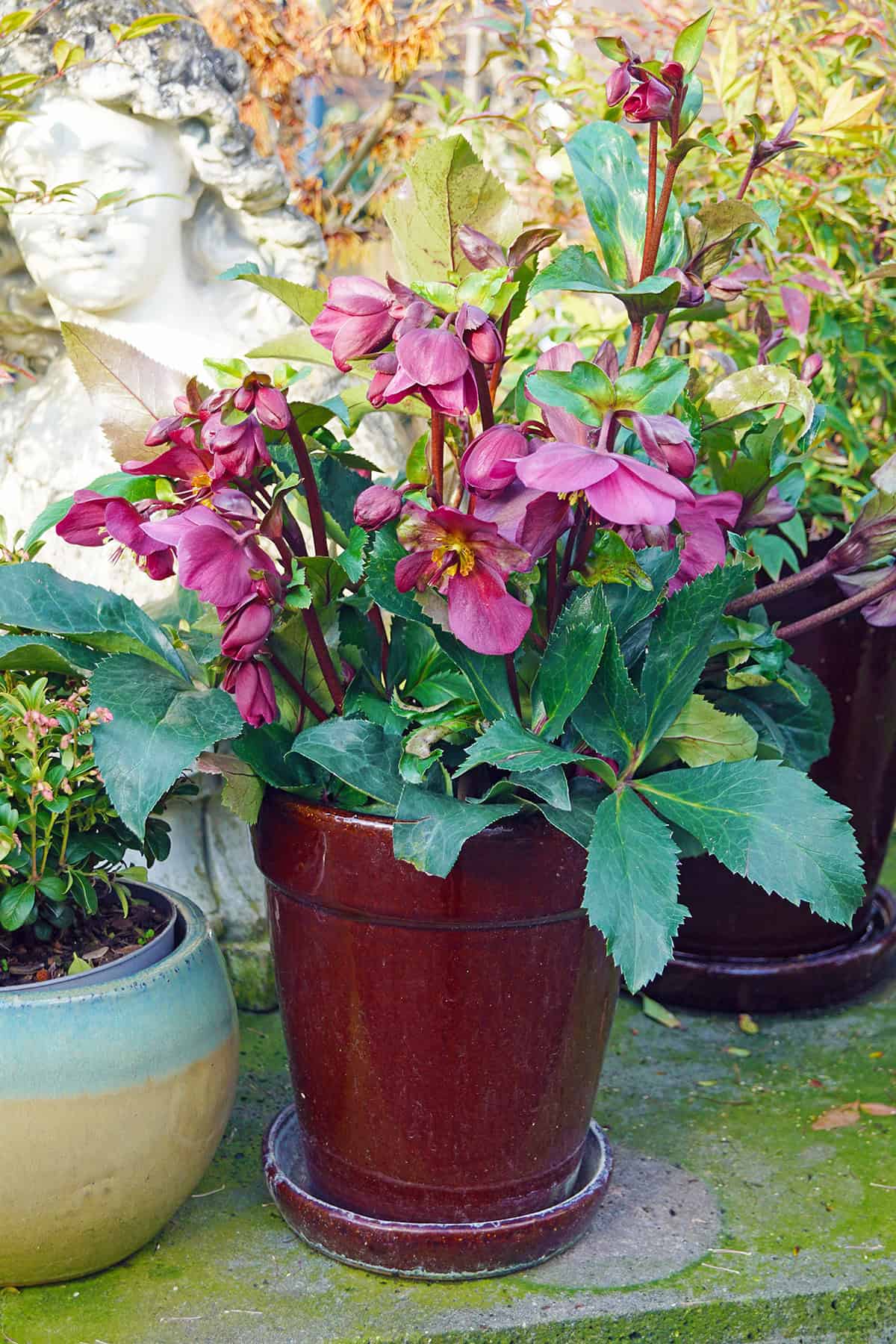
Container hellebores need a bit of extra planning. A roomy pot with drainage holes is essential—roots are chunky and need space to stretch. Skip the shallow containers.
Fill with a well-draining mix that includes organic matter. The soil should stay moist but never soggy, and a neutral to slightly alkaline pH is best. Good drainage is non-negotiable or you’ll be battling rot.
Before repotting, water the plant in its old pot about an hour ahead. It helps minimize shock and keeps the root ball together. Slide it out gently, tease apart any circling roots, and set the crown at the same depth as before. Firm the soil and water well.
Younger plants benefit from repotting every couple of years. Older ones prefer to be left alone—just refresh the top few inches of soil each spring. Always keep pots in partial shade, away from harsh sun.
Pruning
By late winter, hellebore leaves can look a bit rough around the edges. Snip off the old foliage right before new growth kicks in—this lets the flowers shine and cuts down on disease.
Sharp, clean pruners are a must. Wipe blades down with alcohol, and wear gloves (the sap can be irritating). Focus on leaves that are damaged, spotted, or flattened by winter. Removing these helps keep things healthy and tidy.
Once the flowers finish, trim back the spent stems to the base. If you’re hoping for seedlings, leave a few seed heads on; just know babies might not look like the parent. In early fall, check for any battered or diseased leaves and trim as needed, but don’t go overboard—strong foliage protects the plant through winter.
Propagation
Starting new hellebores can be a test of patience. Seeds work, but you never quite know what you’ll get—colors and forms can surprise you. Division, meanwhile, gives you clones of the parent.
For seeds, sow them fresh in moist, well-draining soil and leave the pots outside to catch the cold. Germination can be slow (think months), and seedlings may need a few years before their first bloom.
Dividing established clumps is best done after flowering, usually in early spring. Gently lift the plant, then slice the crown into chunks with healthy roots and at least one bud each. Replant right away at the same depth, water thoroughly, and let them settle in.
Common Problems
Most of the time, hellebores just get on with it, but now and then you’ll spot trouble. Aphids sometimes gather on tender shoots and buds, leaving leaves twisted or flowers a bit off. A strong spray of water or a dose of insecticidal soap usually sorts them out.
Fungal spots—black or brown patches—show up if things get too damp and crowded. Snip off affected leaves, toss them (don’t compost), and keep plants spaced out with good airflow. Water at the base, not overhead.
Root rot sneaks in when drainage is poor. If plants wilt or collapse with no obvious leaf damage, check the soil. Amending with compost or planting higher can help.
Yellowing leaves may hint at a nutrient gap; a balanced, slow-release fertilizer in spring and fall usually fixes it. Deer and rabbits tend to leave hellebores alone, but keep kids and pets away—every part of the plant is toxic if eaten.
Varieties
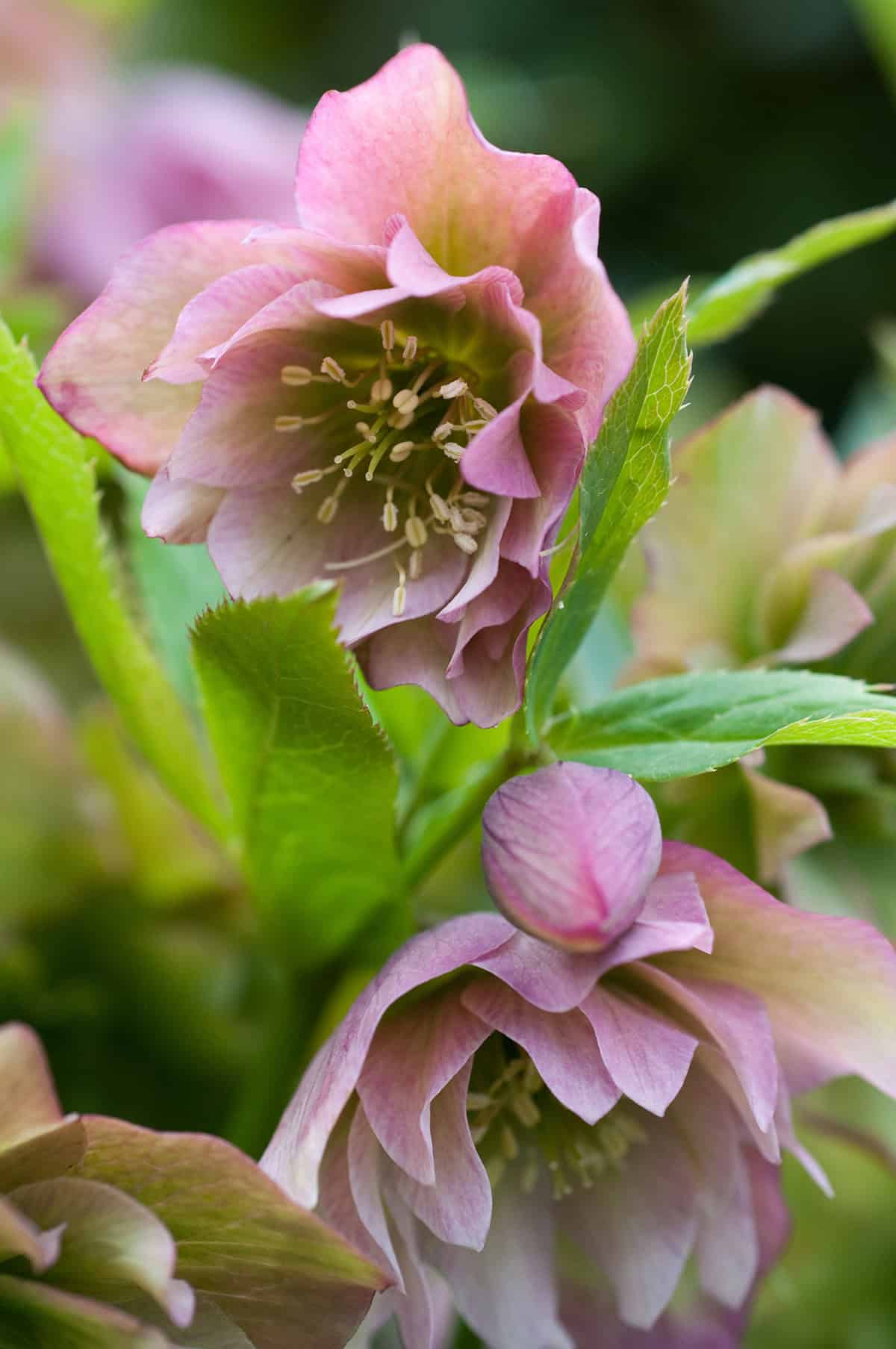
With nearly 20 species to explore, hellebores offer more choices than most folks realize—yet, in practice, it’s usually the modern hybrids that steal the show in garden beds. Breeders have poured their energy into Helleborus × hybridus (the Lenten rose), chasing after unusual colors and dependable late winter blooms that help shake off the gloom.
Petals come in a surprising palette: creamy whites, dusky pinks, deep reds, purples bordering on black, and even buttery yellows. Some cultivars throw in quirky features like speckles, ruffled edges, or extra rows of petals. Outward-facing flowers make the color pop, especially when you’re wandering by on a cold February morning.
For a lot of these hybrids, Helleborus orientalis is in the family tree. It’s a tough one—happy in most gardens, forming dense clumps that hover around a foot or so high. The leathery, evergreen leaves stick around after the flowers, adding interest when not much else is happening.
Certain species carve out their own niche. Take Helleborus niger, the so-called Christmas rose, with its crisp white blossoms and tidy, compact habit. Or maybe you’re drawn to Helleborus foetidus, which leans into a wilder look—think lime-green blooms and lacy foliage, perfect for a shady corner or under mature trees.