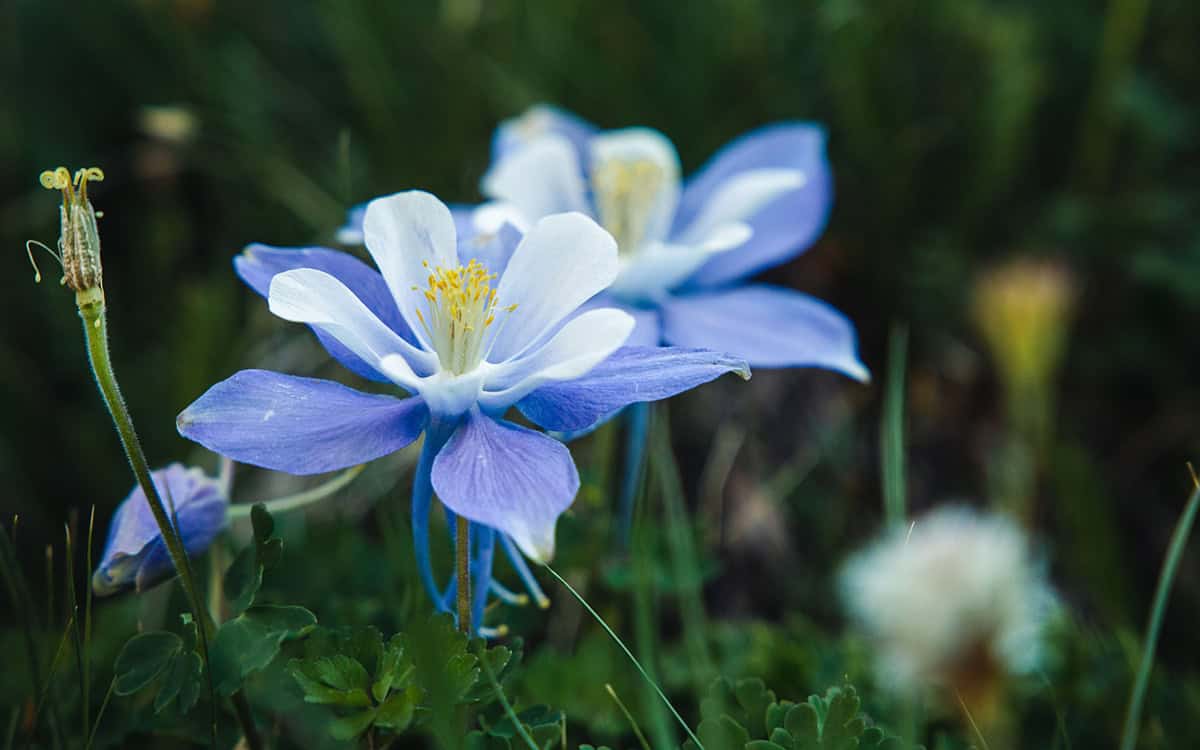
Columbine brings a breezy splash of color and those whimsical, nodding blossoms to beds, borders, and even the wilder edges of the yard. It’s honestly not a fussy plant—as long as you give it a decent spot, it’ll usually reward you with cheerful blooms and soft, lacy foliage. Bees and hummingbirds seem to love it, and if you let a few flowers go to seed, you’ll probably find new plants popping up on their own next year.
For healthy columbine, tuck it into partial shade with soil that drains well but doesn’t dry to dust, water if things get parched, and snip off old stems after blooming. Most types shrug off chilly weather and handle average garden dirt just fine. Sowing from seed is easy, and you’ll get flowers from late spring into early summer.
Below, you’ll find care details on light, water, soil, temperature, and feeding—plus a rundown on pruning, propagating, and picking varieties that’ll actually work in your space. No guesswork, just practical steps to keep your columbine happy for seasons to come.
Table of Contents
Quick Care Summary
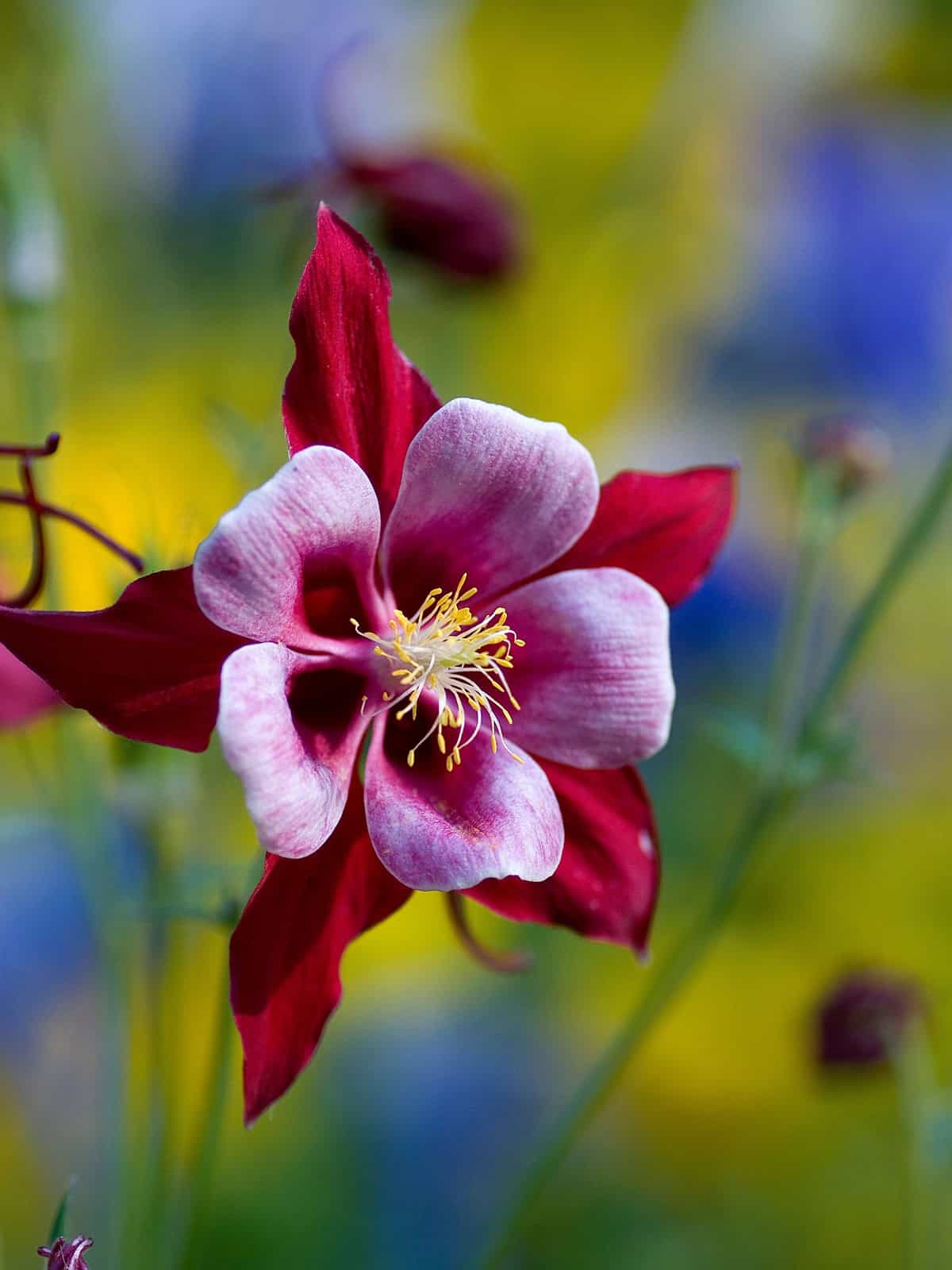
Columbine feels right at home when conditions echo its woodland roots. Moderate sun, reliable moisture, and a little space for seedlings to wander is pretty much the recipe.
- Light: Full sun works in cool zones; go for partial shade where summers get hot
- Soil: Needs to drain well and hold some moisture; average garden soil is fine
- Watering: Keep things lightly moist; don’t let roots sit in water
- Temperature: Cool to mild is best; hardy across most temperate regions
- Humidity: Handles normal outdoor humidity
- Fertilizer: Just a light spring feed with balanced fertilizer
- Propagation: Seeds, or divide young plants if you’re patient
Peak bloom usually hits from spring into early summer. Plants themselves don’t last forever—two or three years is common—but with a little luck, they’ll reseed and keep your patch going.
Works well in borders, woodland gardens, or tucked among other natives. Hummingbirds and pollinators will show up if you let it.
- Botanical name: Aquilegia spp.
- Common names: Columbine, Eastern red columbine, Wild columbine
- Plant type: Herbaceous perennial
- Mature size: 1 to 3 feet tall, 1 to 2 feet wide
- Growth rate: Moderate
- Toxicity: Mildly toxic if eaten—don’t let pets or kids nibble
- Native region: Meadows and woods across the Northern Hemisphere
Most garden columbines are hybrids or native species. If you care about exact flower color or form, buy seed from a source you trust.
Plant Overview
Spring and early summer feel a little brighter with columbine around. The flowers dangle on slender stems, spurred and nodding, in a jumble of colors—red, pink, yellow, white, purple, blue. Hummingbirds and bees seem to notice before anyone else. Foliage stays fresh if you don’t let the soil dry out.
Versatility is part of the charm. Whether you’re working with a woodland edge, a cottage-style border, or a mixed perennial bed, there’s probably a columbine that fits. Sun is fine in cool places, but in warmer climates, you’ll want to offer some shade.
Plant Details
- Botanical name: Aquilegia spp.
- Common names: Columbine, Wild columbine, Eastern red columbine
- Plant type: Herbaceous perennial
- Mature size: 1–3 feet tall, 1–2 feet wide
- Growth rate: Moderate
- Toxicity: Mildly toxic if ingested—best to keep pets and little ones away
- Native region: North America, Europe, parts of Asia (varies by species)
Self-seeding happens easily if you let a few flower heads go to seed. Native types like Aquilegia canadensis are especially reliable in the right climate.
Quick Care Summary
- Light: Full sun to partial shade
- Soil: Well-drained, slightly acidic to neutral, sandy or loamy
- Watering: Moderate; don’t let soil dry out completely or stay soggy
- Temperature: Prefers cool to mild climates
- Humidity: Typical garden humidity is fine
- Fertilizer: Light spring feeding if soil is lacking
- Propagation: Seed, or careful division in early spring or fall
Light
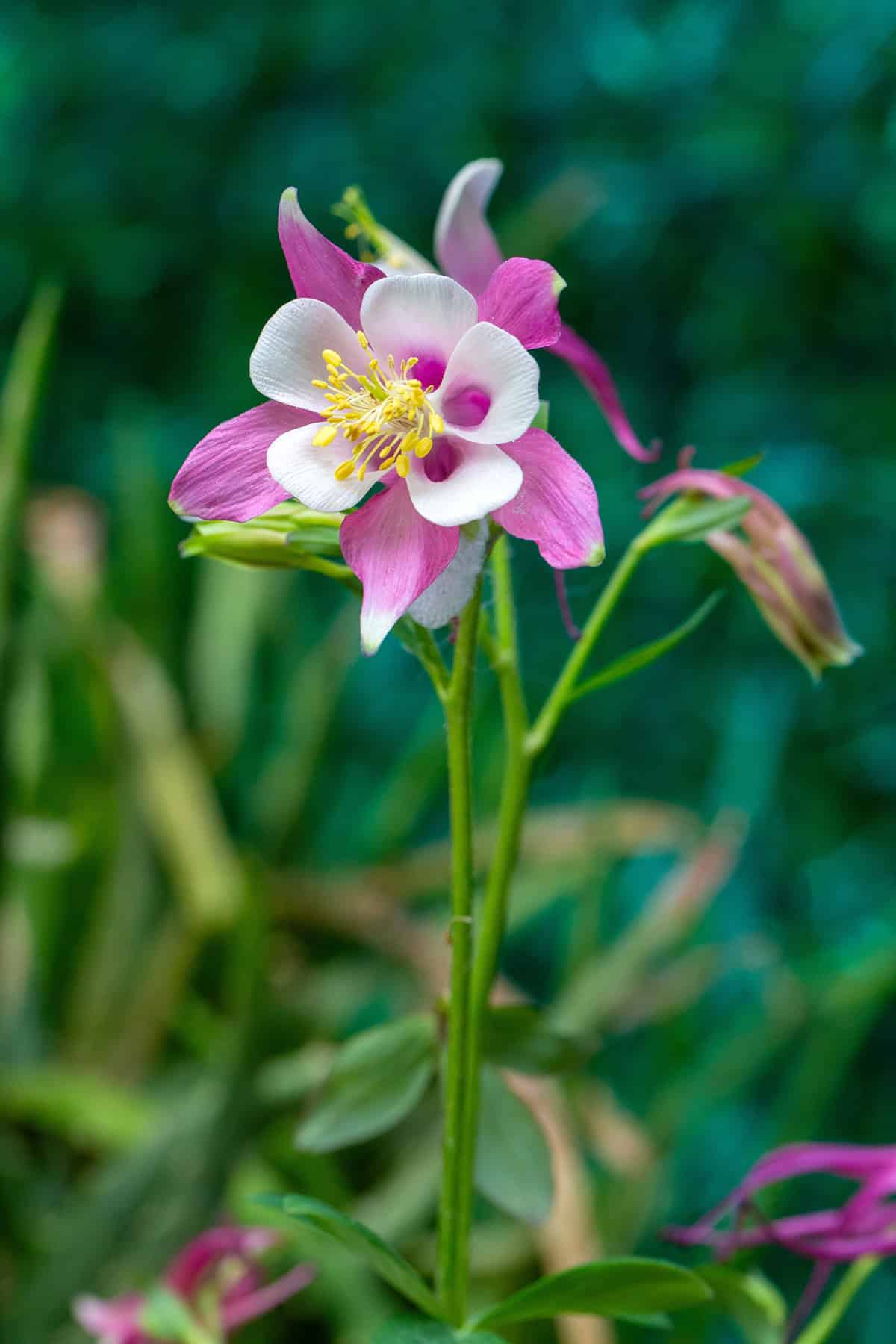
Early morning in the garden, columbine’s flowers seem to glow when they catch a few hours of sunlight. In cooler regions, they’ll handle full sun without complaint. Hotter climates? Afternoon shade is a must, or you’ll see scorched leaves and fewer blooms.
Light shade—especially after lunch—keeps stems sturdy and flowers coming. Tuck plants along woodland edges, or in beds that get dappled light. Native species like Eastern red columbine thrive with some protection from harsh rays. Many hybrids can take a bit more sun if the ground doesn’t dry out.
If leaves start looking crispy or washed out, it’s probably too much sun. Sparse flowers? Maybe it’s too shady. Plants in pots need at least four to six hours of light, but you might need to shuffle containers around as the season heats up. Adjust things as needed; columbine won’t mind a little experimentation.
Water
A steady rhythm of moisture is what young columbine wants. When plants are settling in, check the top inch of soil—if it feels dry, give them a drink. Just don’t let them sit in soggy ground.
Once they’re established, they’ll get by with less fuss. Deep watering once a week is plenty in most areas, but crank it up if the weather turns hot and dry. Sandy or loamy soils help prevent root rot by letting excess water escape.
If you’re growing in containers, expect to water more often. Pots dry out quickly, especially in sun or wind. Always empty saucers so roots don’t drown.
Soil
Loose, crumbly earth with decent drainage sets columbine up for success. Water pooling after a rain? That’s a problem—roots won’t last in heavy, sticky clay. If your soil’s dense, work in compost before planting.
A sandy or loamy blend with some organic matter is ideal. Most columbines are happy with slightly acidic to neutral pH. Richer soils mean sturdier stems and better flowering, though they’ll still bloom in average dirt.
Mulch helps keep moisture steady and roots cool, but don’t pile it against the stems. In full sun, check the soil more often—dryness sneaks up fast. Partial shade keeps things more stable, but drainage still matters.
Temperature & Humidity
Cool, mild days and chilly nights let columbine put on its best show. When temperatures hover between 60°F and 75°F, expect lush growth and a longer bloom. Hot spells, on the other hand, can cut the flowering period short and stress the plant.
Afternoon shade and consistent moisture help in regions where summers get intense. Most cultivars shrug off a light frost, but relentless heat can wear them down.
Humidity? Not usually an issue unless you’re dealing with crowded beds or poor air flow. If you’re in a muggy spot, space plants out to keep leaves dry and disease at bay.
Fertilizer
Columbine isn’t greedy about feeding. Too much fertilizer actually leads to floppy stems and fewer flowers. A single dose of slow-release, balanced fertilizer in early spring is enough—something like 10‑10‑10, mixed lightly into the soil and watered in.
If your ground is poor, compost does wonders. It boosts structure and offers a gentle nutrient boost without overdoing it. For really tired soil, a weak liquid feed once a month during growth can help, but don’t go heavy—roots burn easily.
Container-grown plants need a bit more attention since nutrients wash out faster. Feed every four to six weeks with a diluted balanced fertilizer while plants are actively growing.
No need to fertilize once blooming wraps up. Let the plant focus on roots and (if you want seedlings) seed production instead.
Potting & Repotting
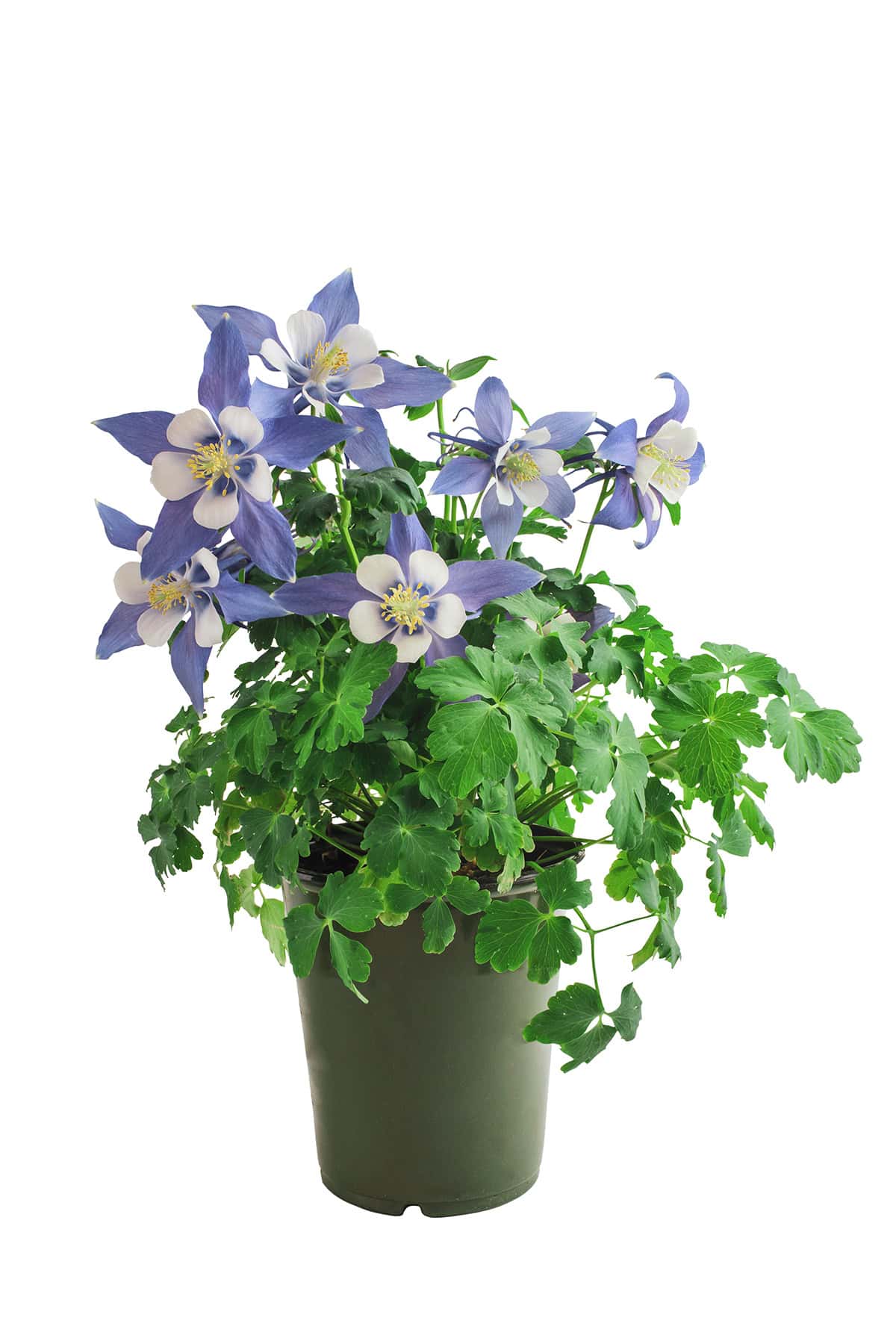
Containers can work surprisingly well for columbine, provided you’re picky about drainage. Go for pots with holes and at least 8 to 12 inches across. Mix in some compost and grit—sand or fine bark both work—to keep things airy. The goal is soil that holds a bit of moisture but never feels swampy.
Plant at the same depth as in the nursery pot, then press the soil gently around the roots and water deeply. Placement depends on your weather—full sun in cool spots, light shade if you’re somewhere hot. Afternoon sun on a metal or dark pot can bake the roots, so move pots if needed.
Columbine roots don’t get massive, but fresh soil every couple of years helps. Repot in early spring, teasing out any dead roots and upgrading to a slightly bigger pot only if the plant is truly rootbound. Too much space just means wet soil and unhappy roots.
Pruning
Once blooms start to fade, grab your snips and cut flower stems down to the base or a strong set of leaves. This tidies things up and sometimes triggers a smaller second flush of flowers.
If the foliage starts looking rough—maybe from leaf miners or just summer heat—feel free to shear the whole plant back to a few inches above ground. This gets rid of damaged leaves and can spark fresh growth.
Always toss pruned material in the trash, not the compost, especially if there’s any sign of pests or disease. Clean your tools before and after to avoid spreading issues like powdery mildew or leaf spot.
When frost finally knocks the plant down in late fall, cut stems to ground level. Leave the crown alone so it can push up new growth in spring.
Propagation
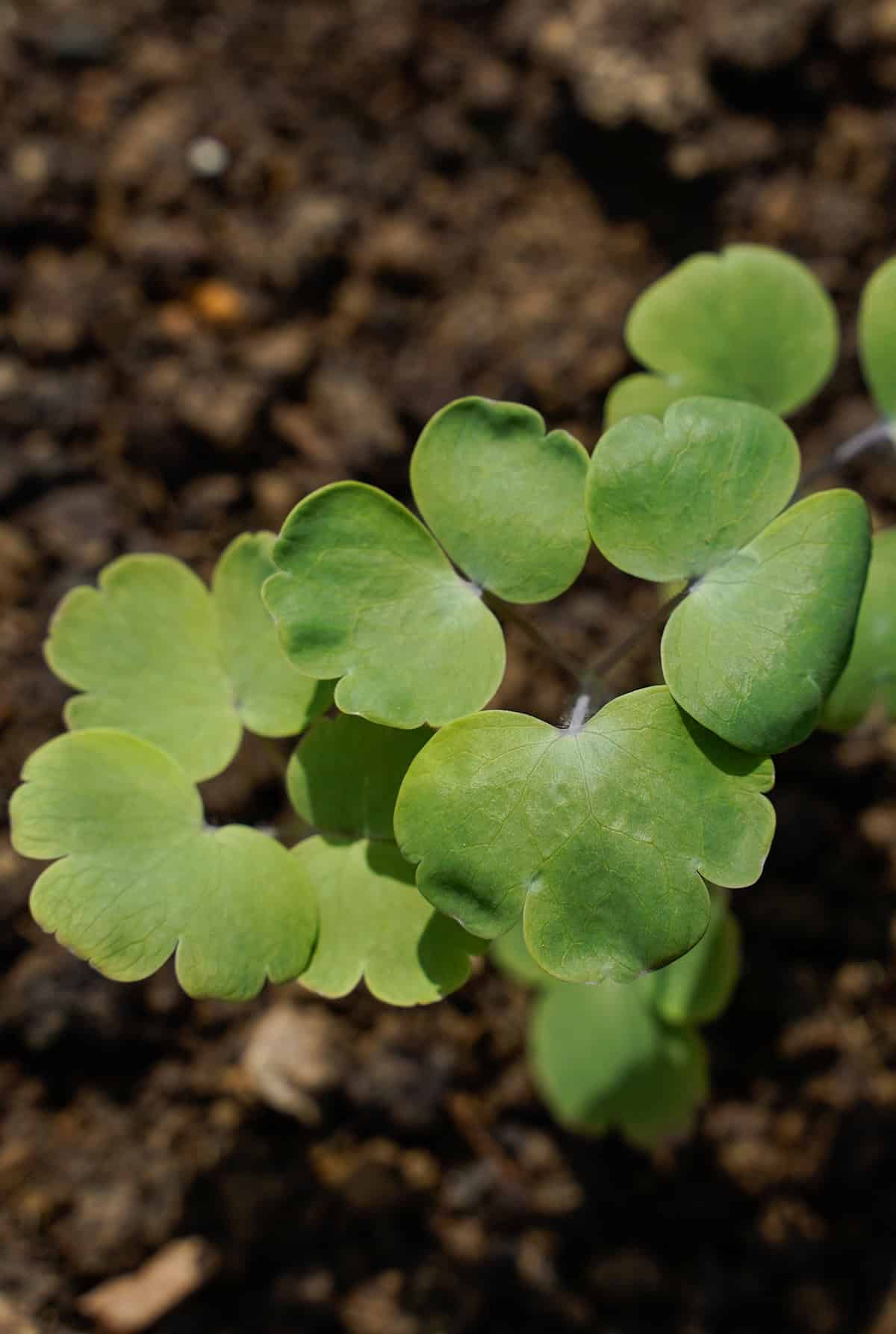
Growing columbine from seed is straightforward and gives you the most options. Most types self-sow, so you’ll often find baby plants near the originals. Just know that hybrids won’t always come true from seed—expect surprises.
Scatter seeds outside in fall or very early spring. Most need a cold spell to wake up, so winter’s natural chill helps. Press seeds into the soil surface and keep things moist. Flowers usually show up the second year.
If you prefer starting seeds indoors, chill them in the fridge for a few weeks before moving trays to light. Keep soil damp but not soggy, and transplant seedlings after frost has passed.
Division is possible, but roots aren’t thrilled by disturbance. If you try, do it in early spring, keep as much root intact as possible, and water well after. Don’t be surprised if it takes a while for divided plants to bounce back.
Common Problems
Columbine is pretty tough, but a few pests and diseases can show up. Leafminers are the most common headache—they tunnel through leaves, leaving pale squiggles behind. Snip off and trash any damaged foliage as soon as you see it. Bad infestations can really set plants back.
You might also spot aphids, spider mites, or caterpillars (like columbine sawfly larvae) munching on leaves or stems. Sometimes a strong blast of water is enough to dislodge aphids. If things get out of hand, reach for insecticidal soap—just follow the label.
Fungal issues crop up in damp or crowded spots. Powdery mildew shows as a gray-white film, and you might see leaf spots, rust, or southern blight too. Good airflow and avoiding overhead watering help keep these at bay.
Poor drainage is a killer—crown rot shows up as yellow leaves and a limp, collapsing plant. Make sure soil drains well and skip heavy clay unless you’ve improved it with organic matter. Pull and toss any sick plants to protect the rest.
After a couple years, columbine often fades out naturally. Since most types are short-lived perennials, let a few plants go to seed and you’ll have replacements popping up for seasons to come.
Varieties
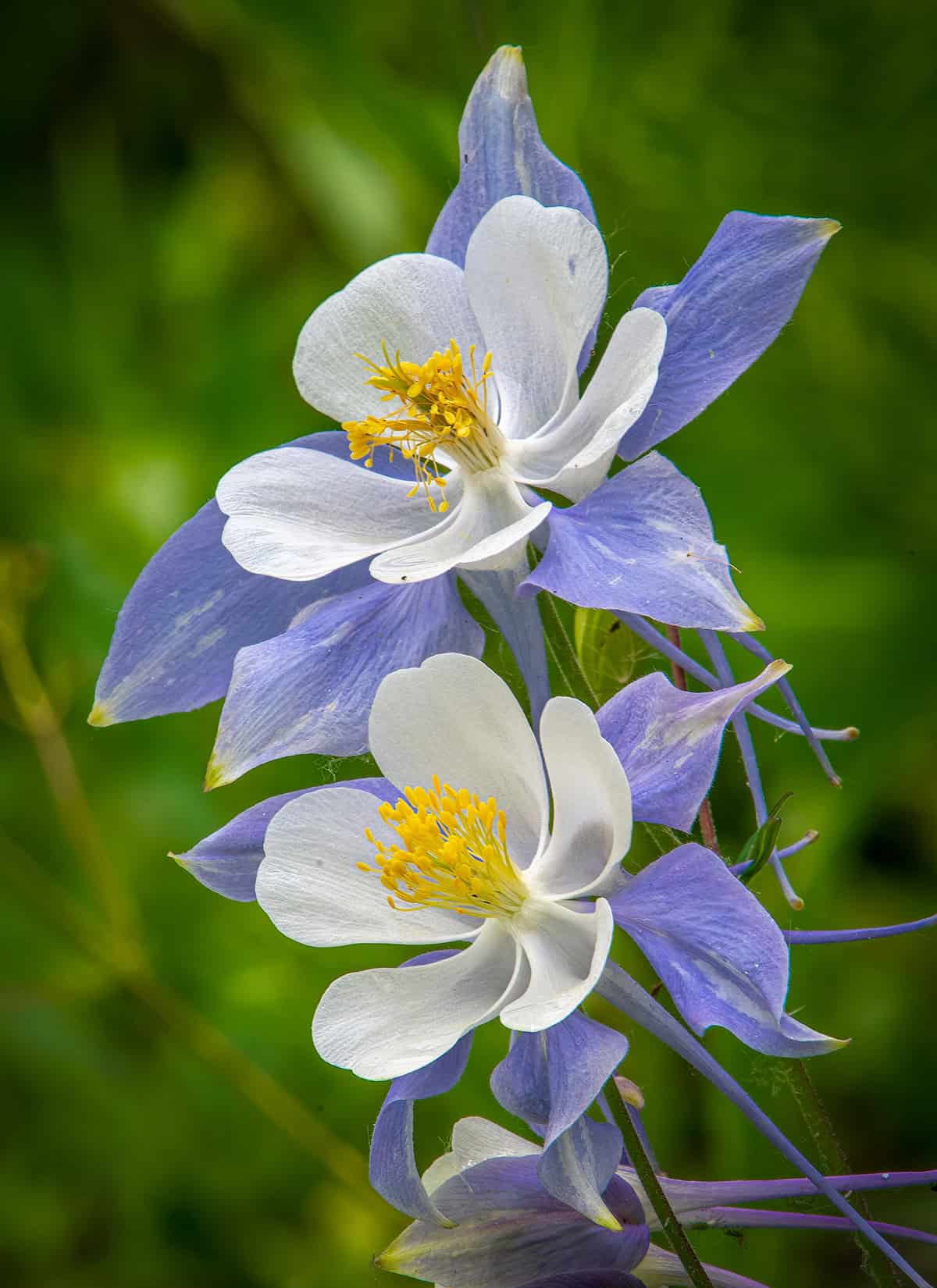
Roughly 60 to 70 species of Aquilegia exist, not to mention a dizzying array of hybrids and cultivars. The flowers? They show off in just about every color: deep blues and purples, bright reds, soft pinks, cheery yellows, and clean whites. Some types even flaunt two-toned petals or those distinctive spurs curling back behind the bloom.
With Aquilegia canadensis—better known as eastern red columbine—you get nodding blossoms in red and yellow that seem made for hummingbirds. It doesn’t mind a bit of shade and isn’t fussy about soil, which is always a relief.
In contrast, Aquilegia caerulea, the Colorado blue columbine, stands tall with blue and white flowers and extra-long spurs. People often plant it for its upright stance and the way the colors pop. It’s a favorite in borders or tucked among native perennials.
Over in Europe, Aquilegia vulgaris has spawned plenty of compact hybrids. Series like ‘Winky’ catch the eye with upward-facing blooms perched on shorter stems—handy for containers or tight spaces where you want a quick burst of color.
Some forms barely reach a foot in height, perfect for squeezing into rock gardens, while others stretch up to three feet and hold their own in a crowded perennial bed. Self-seeding happens pretty freely, so don’t be surprised if flower colors shift or new surprises pop up from year to year.