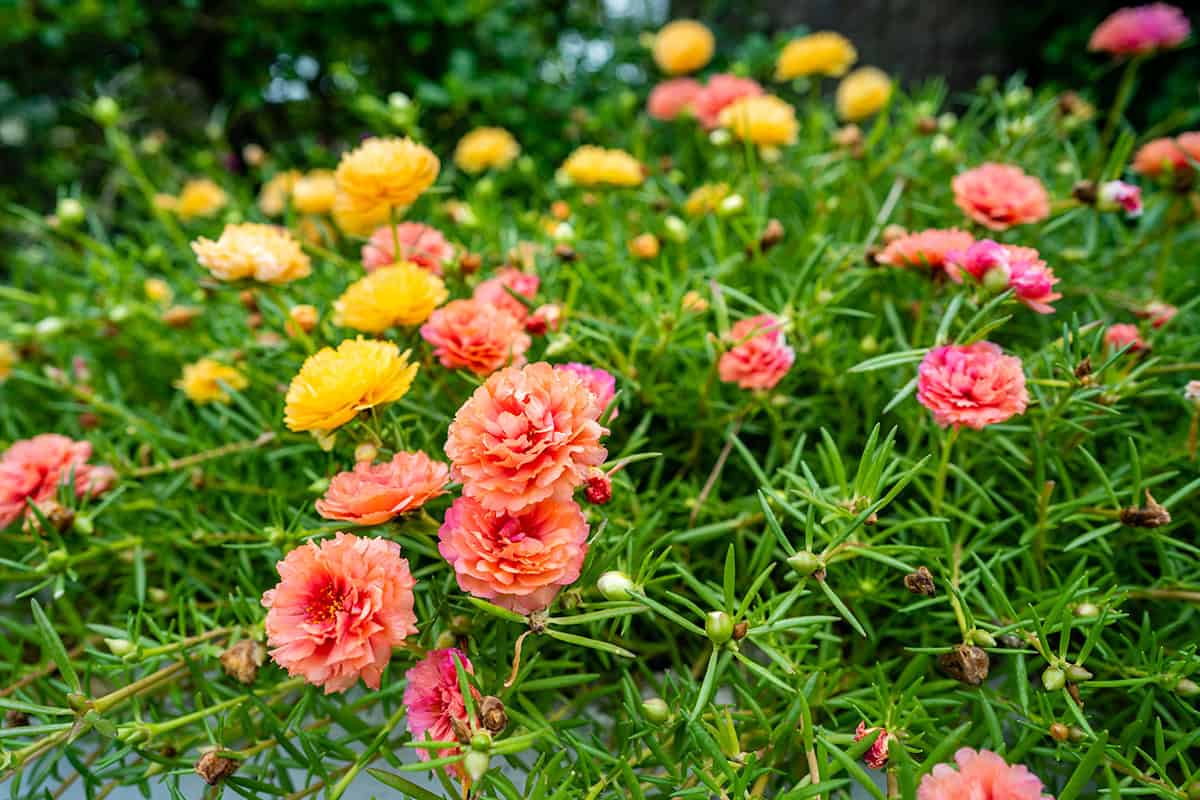
Set a pot of Portulaca out on a sun-baked patio, and you’ll find it thriving even when other plants wilt. The flowers open wide in direct sunlight, then quietly close up when the light fades. All you really need is a spot with full sun, gritty soil, and a light hand with the watering can.
Heat and drought are barely a challenge for this tough annual. Drop it in a garden bed, wedge it between rocks, or let it spill from a container—Portulaca doesn’t fuss. The blooms are bright and persistent, sticking around for months with barely any extra work.
Given a little attention, the plant spreads into a dense, colorful mat. Let’s get into what keeps those flowers coming: the right light, soil, and water, plus a few tricks for keeping things tidy during the growing season.
Table of Contents
Light
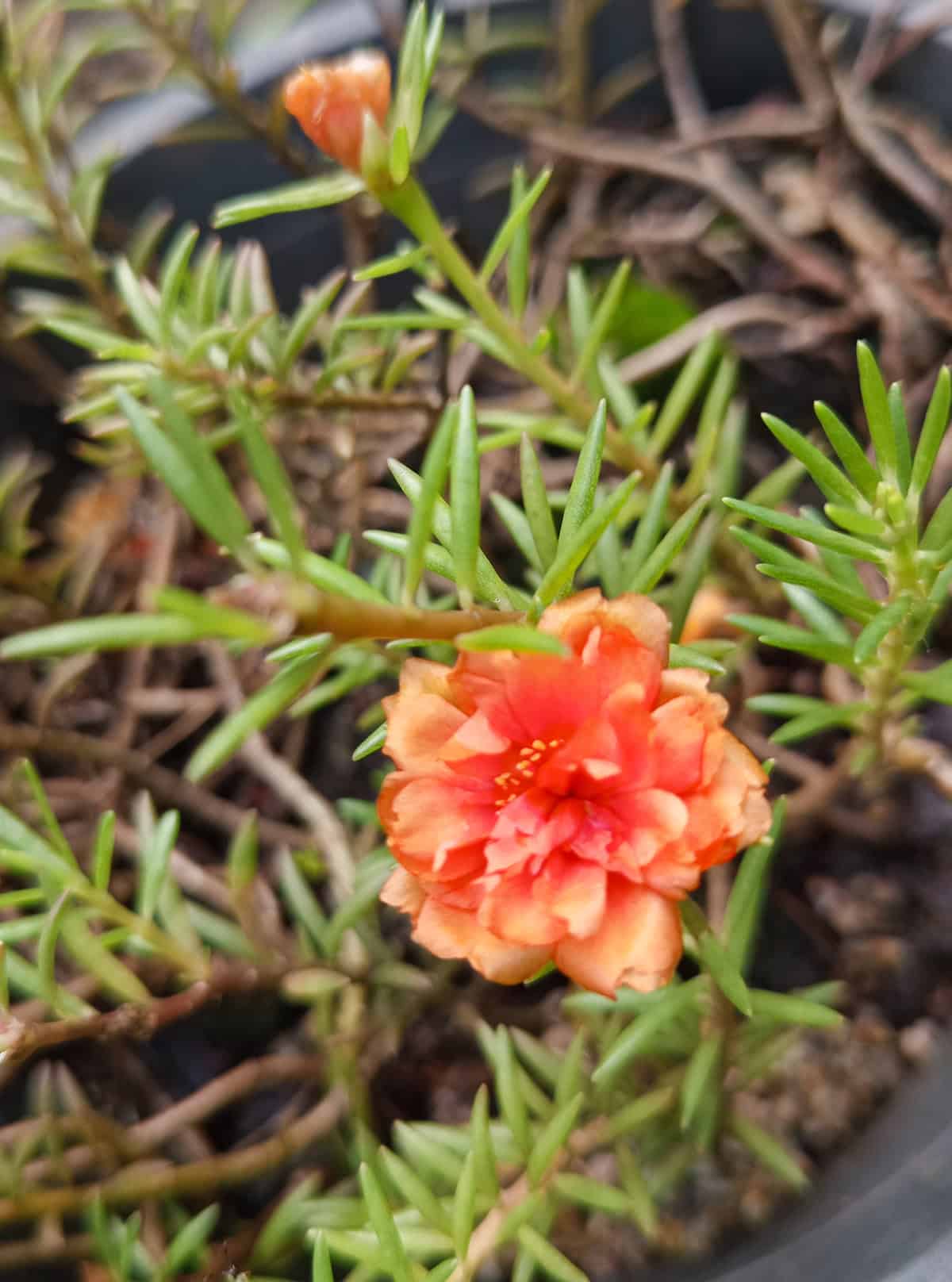
Sun-soaked spots are where Portulaca shows off. Shoot for a minimum of six hours, but eight is better—less than that, and the plant gets lanky and stingy with its blooms.
Look for spaces free from shade—no trees, fences, or overhangs stealing the light. Indoors, a south-facing window or strong grow lights get the job done.
With solid light, you’ll see tight growth and a riot of flowers. Skimp on sunlight, and the buds might not even bother to open. Enough light also keeps the foliage looking sharp and healthy.
In really hot regions, Portulaca barely notices the midday glare. Shade is almost never needed, so don’t worry about babying it when the temperature climbs.
If you’re growing inside, keep an eye on how the light hits. Every few days, give the pot a quarter turn so it grows evenly—otherwise, you’ll end up with a lopsided plant.
Soil
Quick drainage is non-negotiable here. Waterlogged roots spell trouble, so soggy spots are out.
Lean, sandy soil is perfect. Working in coarse sand or grit can give heavy garden soil a much-needed boost. Dense clay just holds too much moisture—skip it.
While it doesn’t crave rich soil, a touch of fertilizer now and then can keep the flowers coming. Nothing fancy, just a balanced feed during the main growing stretch.
Soil pH anywhere from 5.5 to 7.5 is fine. Not sure? Test it and tweak with lime or sulfur if you really want to dial it in.
Dry beats wet for Portulaca. Once it’s settled in, drought hardly slows it down. Too much water, though, and you’ll run into problems fast.
Water
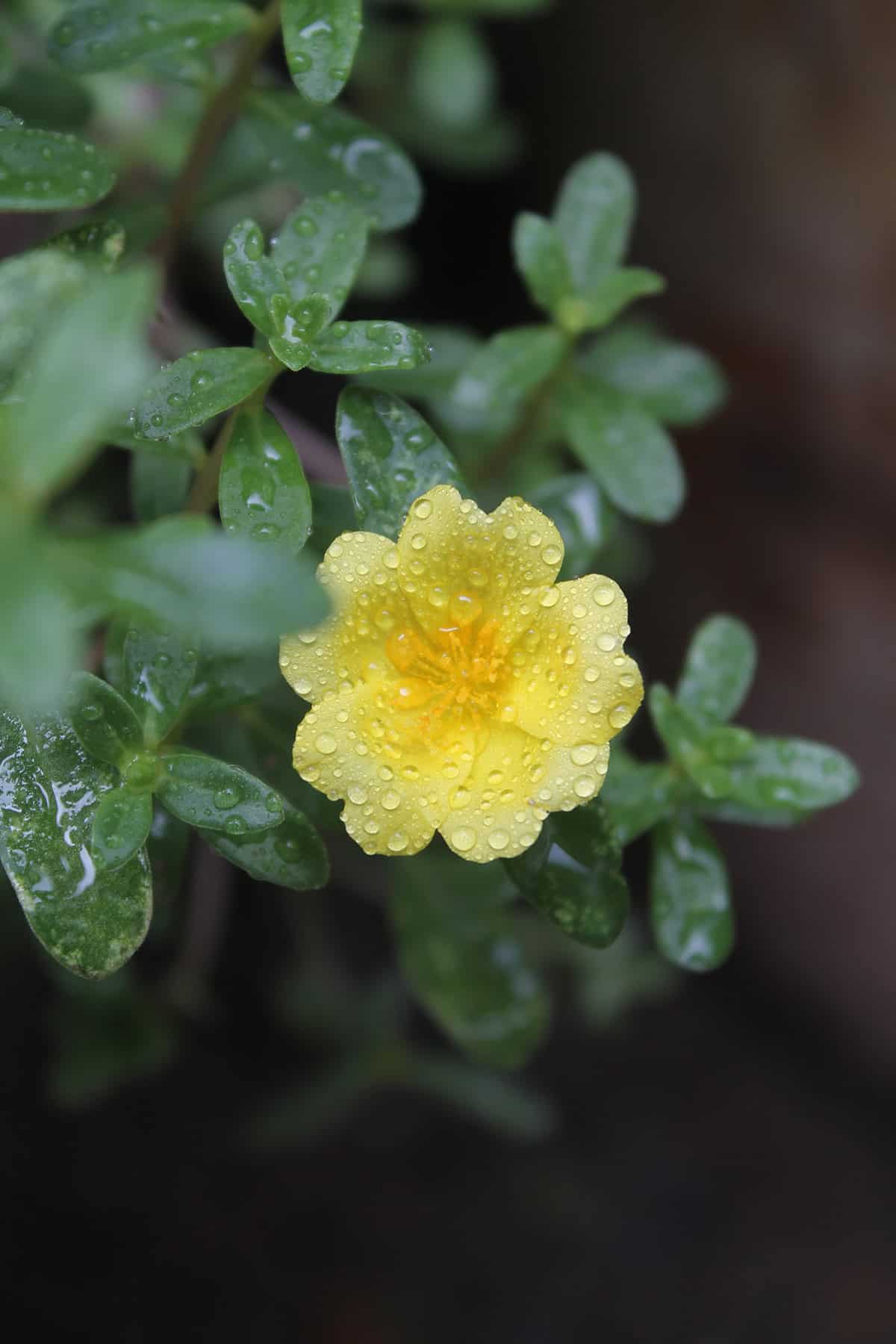
This plant is a camel. The leaves stash moisture, so it shrugs off dry spells that would finish off fussier annuals. Too much water, on the other hand, is a fast way to rot the roots.
When you water, do it deeply—then wait. Let the soil dry out before reaching for the watering can again. This habit builds strong roots and keeps fungus at bay.
During peak summer, you might water once or twice a week. Always check the soil first; if the top inch is dry, go ahead and water.
Early morning is the sweet spot for watering. The plant can soak up what it needs before the heat kicks in, and you’re less likely to encourage disease that way.
Pots dry out quicker than garden beds, especially in full sun. Keep a closer eye on those, and adjust as the weather shifts.
Temperature and Humidity
Warmth brings out the best in Portulaca—daytime temps between 70°F and 85°F are ideal. Cold snaps? Not so much; growth slows or stops if it gets chilly.
Once temperatures dip below 50°F, you’re in the danger zone. If frost threatens, bring containers inside or cover outdoor plants.
Even scorching heat doesn’t faze it, as long as the soil drains fast. Shade isn’t necessary, and the flowers keep coming.
Humidity doesn’t make much difference. Whether the air is bone-dry or sticky, Portulaca gets by. In muggy climates, just make sure the soil isn’t always wet—good airflow helps keep fungus in check.
In drier regions, you’ll barely need to water. Where it’s humid, space plants so air can circulate and avoid crowding.
Fertilizer
Balanced nutrition keeps things humming along. Look for a water-soluble formula with equal or slightly more nitrogen, like 20-10-20 or 20-20-20. Don’t go overboard—always stick to the label’s instructions.
Feed every couple of weeks while the plant is actively growing. Water first, then fertilize, to avoid burning the roots. Never dump fertilizer onto dry soil.
For containers, dilute the fertilizer a bit more. Pots lose nutrients faster, so a regular but gentle approach keeps leaves healthy and flowers steady.
As growth slows later in the season, ease up on feeding. Too much late fertilizer just leads to soft, weak growth that won’t handle stress well.
Propagation
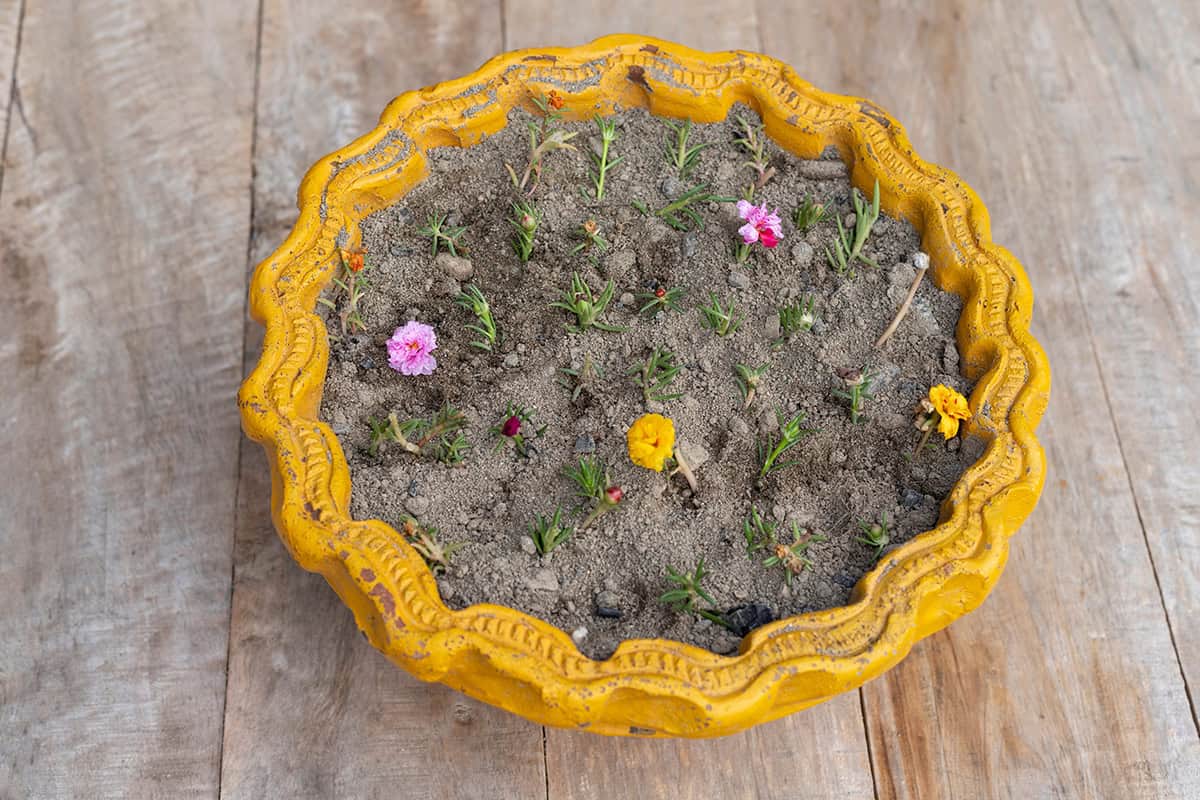
Starting new Portulaca is simple, whether you go with seeds or cuttings. Seeds are the pick for annuals, while cuttings suit perennial or succulent forms. Both methods are pretty straightforward if you get the basics right.
With seeds, sow them outside after frost is past, or start indoors six to eight weeks before planting out. Skip covering them—light actually helps them sprout. Keep things warm (70°F to 85°F), and seedlings usually show up in 10 to 14 days.
Cuttings should be a few inches long, with the lower leaves stripped off. Let the ends dry for a day before planting—this helps fend off rot. Stick them in coarse sand, perlite, or sterile mix.
Water sparingly until roots develop, which usually takes a week or two if it’s warm. Wet soil is trouble, so err on the dry side.
Choose seeds for big plantings, or cuttings if you want to quickly clone a favorite. Both are fast and reliable with a little attention.
Pruning
Keeping Portulaca looking sharp means occasional pruning. Deadheading spent blooms encourages new ones and keeps things tidy. It also stops the plant from scattering seeds where you might not want them.
If stems start sprawling too far, trim them back. Shorter stems mean denser growth and more flower buds. Clean, sharp scissors or pruners do the trick.
Any stems that look sick or damaged should come off right away—don’t let disease spread. Toss clippings in the trash, not the compost.
Rather than a big haircut all at once, take off a little here and there as needed. The plant recovers better and stays neat.
Pinching the tips can also boost branching. More branches, more flowers, fuller look. Just don’t remove more than a third of the plant at once to avoid stressing it out.
Potting And Repotting
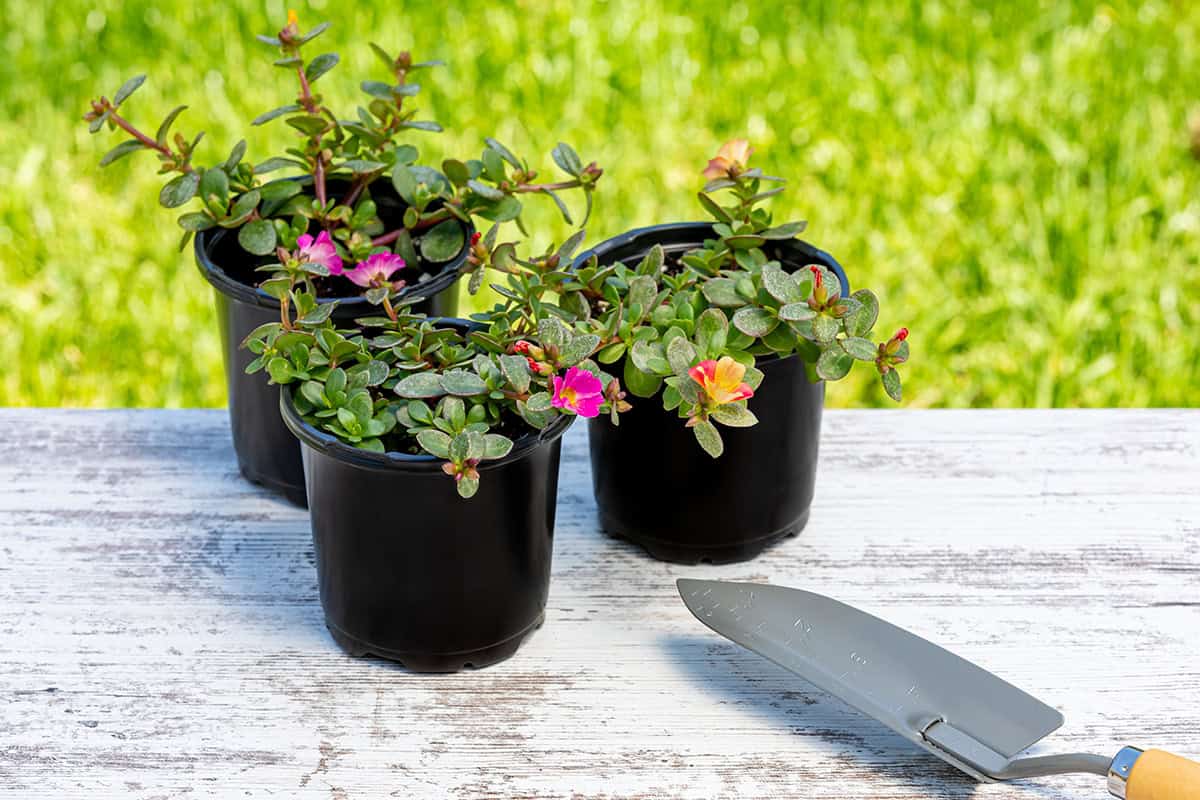
Drainage is key—pick pots with holes and use a cactus or succulent mix. Soggy soil is a dealbreaker for Portulaca.
Wide, shallow containers suit its spreading habit. Clay pots help moisture evaporate, which keeps roots happy.
When planting, keep the same depth as before and gently firm the soil. Water lightly to settle things in.
You won’t need to repot often; Portulaca is fine with a bit of crowding. Only repot if it’s truly outgrown its space or the soil turns to brick.
If you do move it, handle roots gently and swap in fresh, dry mix. Give it a day before watering so any nicks can heal.
Common Problems & Troubleshooting
Aphids, gnats, snails, and slugs sometimes show up. Knock them off by hand or use a targeted control if they get out of hand.
Standing water or soggy soil leads to rot. Make sure drainage is solid and don’t overwater—Portulaca wants things dry.
Weak growth or few blooms? Usually, it’s a sunlight issue. Shift the plant to a brighter spot for a quick fix.
Flowers closing up on gray days isn’t a problem—it’s just what they do. Bright sun brings them back.
If the plant looks tired or blooms less, a light dose of balanced fertilizer can perk it up. Just don’t overdo it.
Plant Varieties
Wild splashes of color, low mounds spilling over the edge of a pot, or a tight cluster of blooms—Portulaca’s got a look for every mood. Shapes run the gamut from trailing mats to upright little domes. Petals can be ghostly pale, flaming yellow, or deep enough to pass for velvet at dusk. Some even flash a purple that feels a bit unexpected.
The ‘Margarita’ series seems made for cramped patios or window boxes, with its early bursts of color and tidy, compact growth. Mounds stay neat, rarely flopping, and the palette’s generous—lots of options if you’re picky about shades.
Double petals that almost look like tiny roses? That’s the ‘Sundial’ series. These bloomers hug the ground, so they’re a favorite for lining walkways or filling gaps where grass won’t grow. Early flowers, lots of hues, but never too tall.
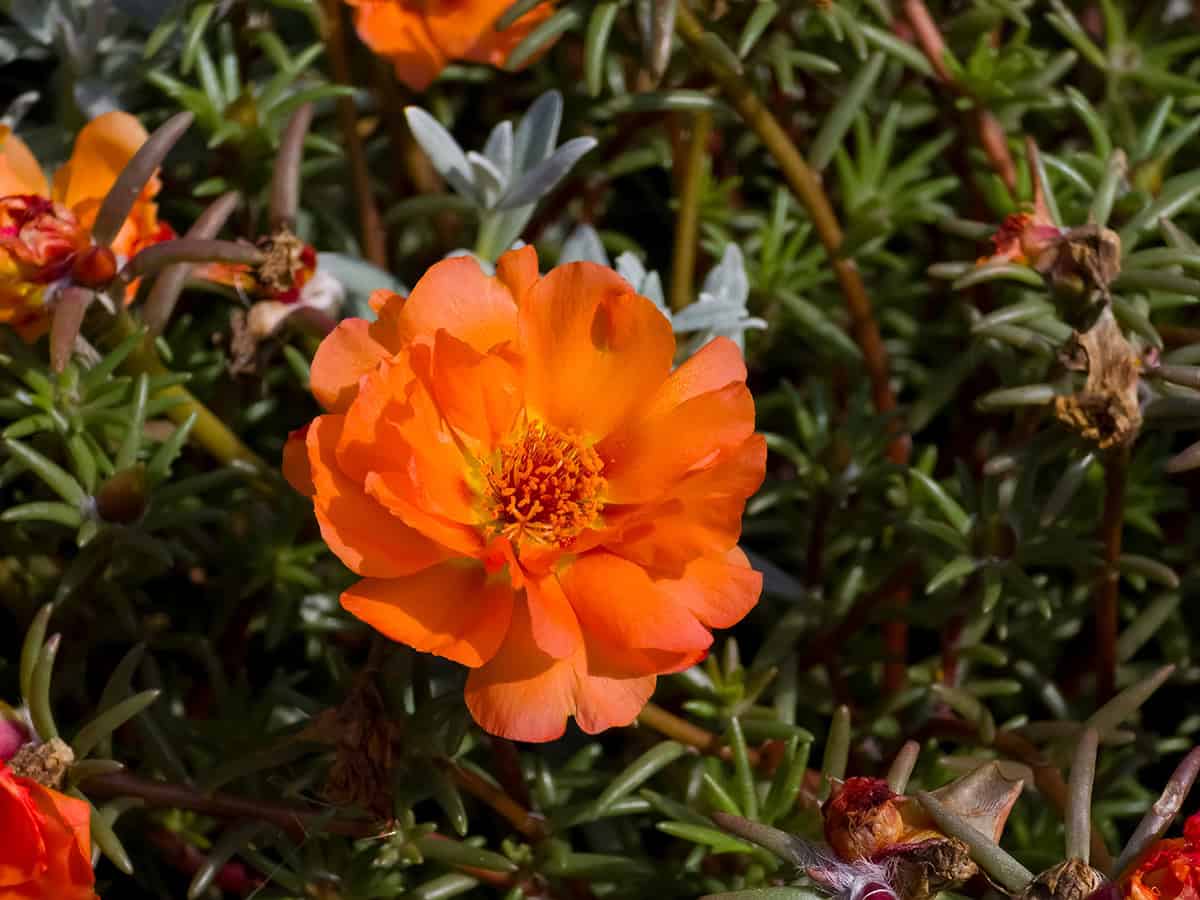
When the sun’s blazing and the soil’s bone-dry, Portulaca grandiflora (aka moss rose) doesn’t flinch. Its fleshy little leaves and neon blooms are right at home in rock gardens or sunbaked beds. Flowers only bother to open when the light’s strong—almost like they’re showing off.
For something a little different, Portulaca oleracea (common purslane) is more than just a pretty face. The leaves are softer, rounder, and edible—some folks actually grow it for salads. It shrugs off poor soil and heat, so it’s a survivor whether you want it for looks or lunch.
Some types will scatter seeds and pop up again next summer, especially if winters are mild. Others are more disciplined, staying put until you replant. It’s all about what fits your space and how much fuss you want to make over them.