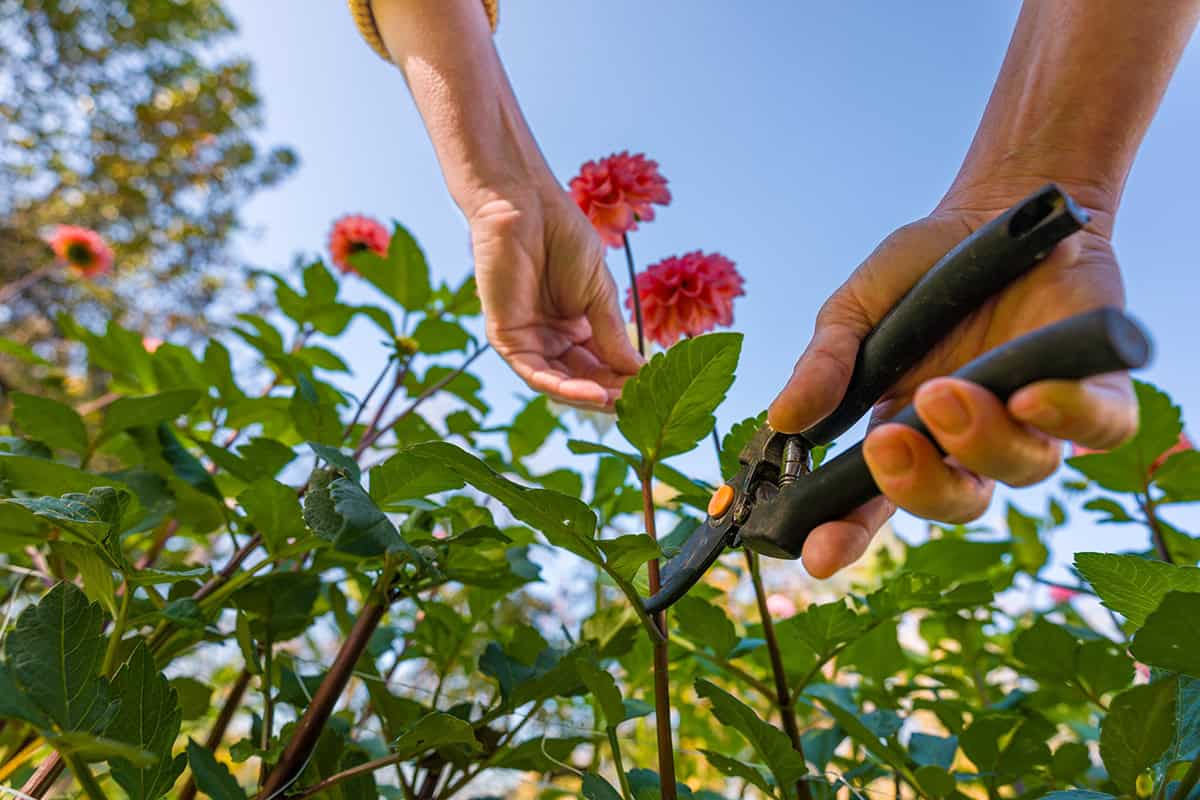
A good cutting flower needs a strong stem, a long vase life and a bloom worth looking at. Weak necks and petals that drop overnight leave a bouquet bare by midweek.
Spring bulbs, summer annuals and late perennials make up the 25 picks here, each with a note on the right stage to cut. Anyone tired of remaking bouquets midweek will find six long-lasting picks named in the sorting guide at the end.
Table of Contents
Best Flowers for Cutting
Every bouquet needs structure, mass and a few blooms that hold up long after the water needs changing.
Spring bulbs, summer annuals and a handful of sturdy florist favorites cover the season, and the mix supplies stems from the first spring flush into late autumn.
Roses
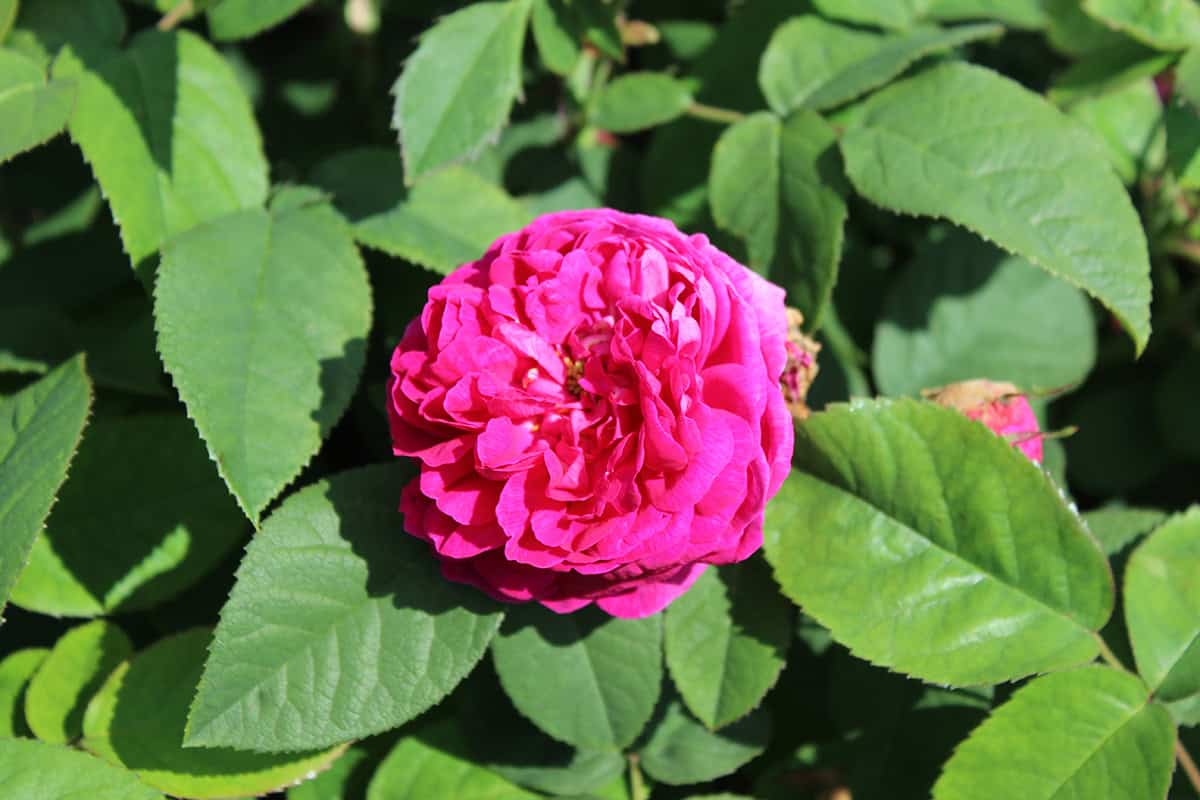
Roses pair garden drama with dependable vase life. Cut stems early in the morning, when the buds are just opening and still short of full bloom.
Shrub and garden roses produce branching stems and repeat flushes, plus fragrance and plenty of color. Mind the thorns, and expect old-fashioned varieties to drop their petals fast.
Dahlias
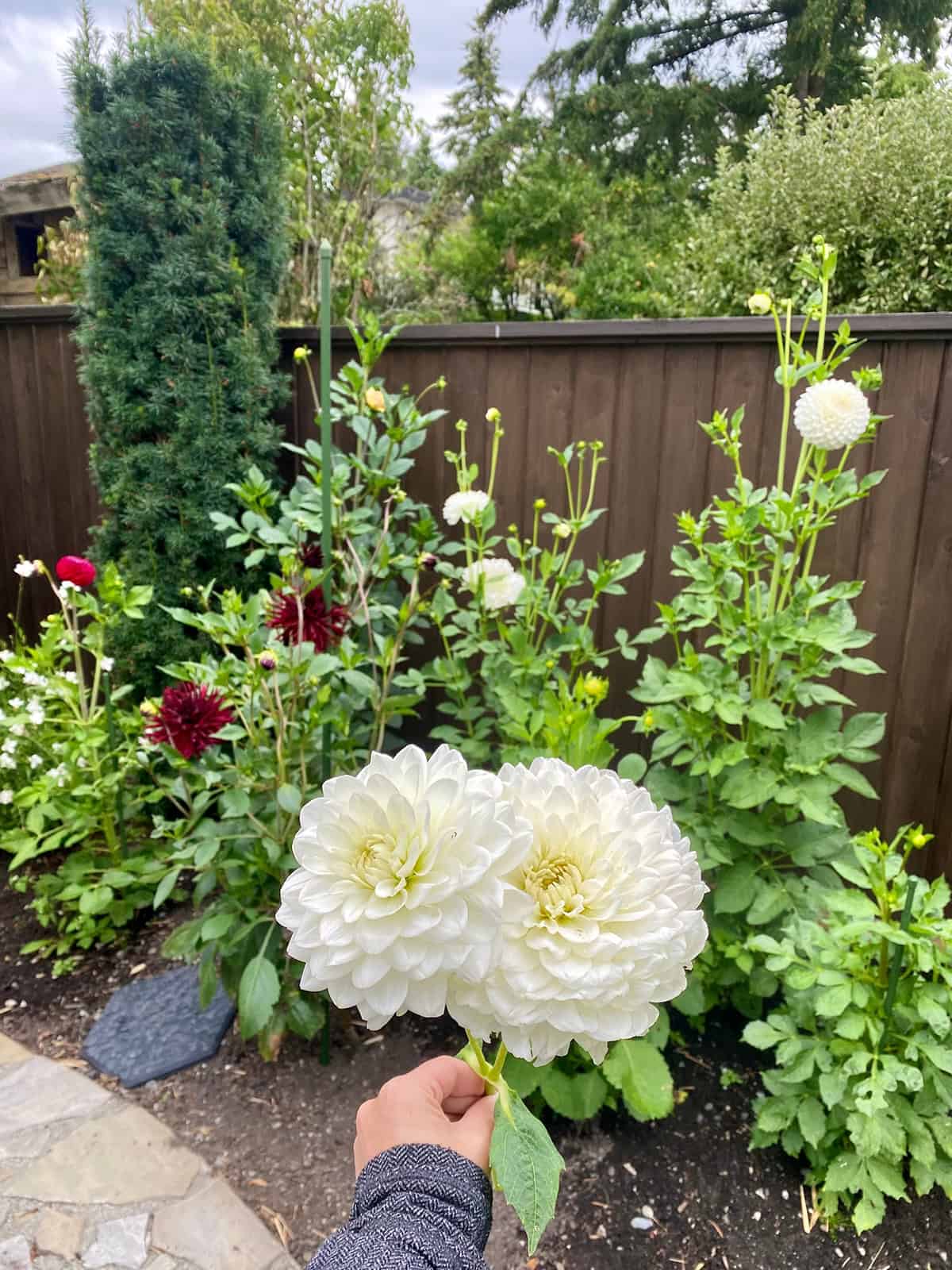
Late summer belongs to dahlias, with masses of showy blooms in every size and color. Production runs nonstop, and a few bold flowers pull a bouquet together in seconds.
Cut dahlias when fully open, since the buds stop opening after harvest. Vase life runs short, about five days, and the sheer volume of blooms makes up for it.
Peonies
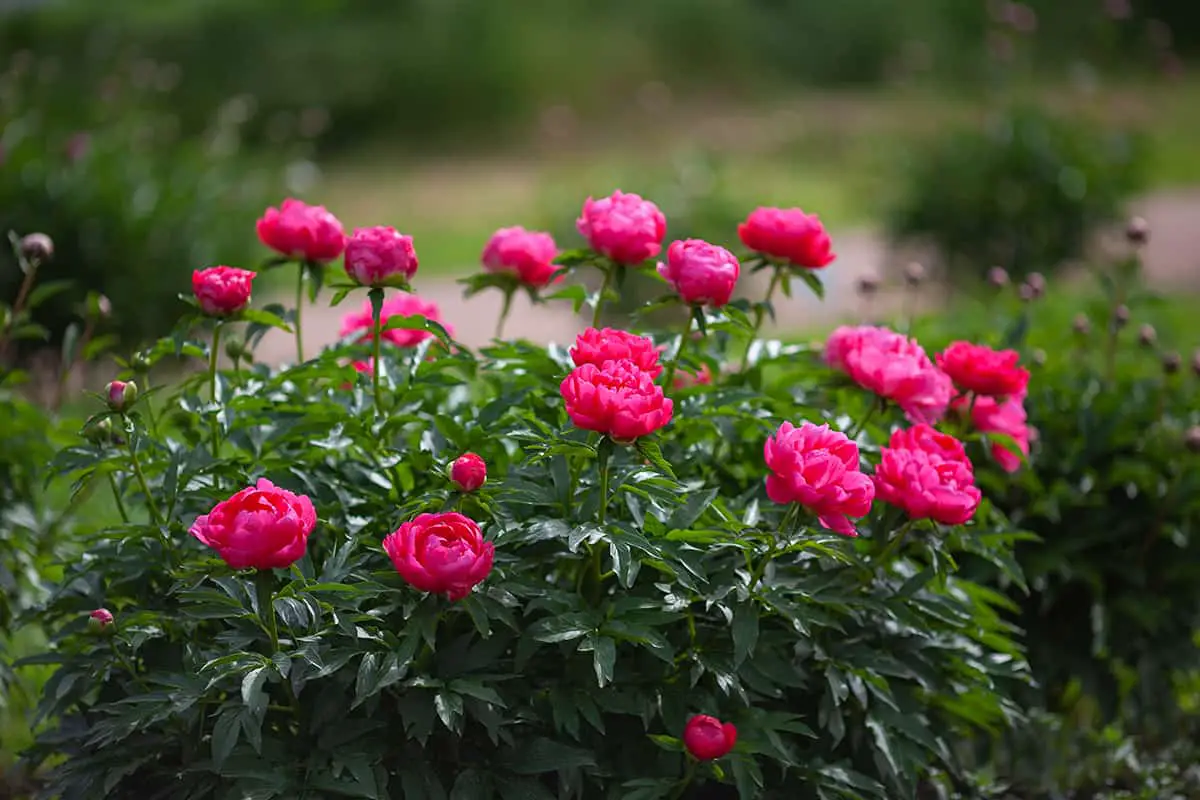
A single peony stem anchors a spring arrangement. The season passes quickly, so treat peonies as a concentrated reward.
Harvest at the marshmallow-bud stage, when the bud yields slightly to a gentle squeeze. Established plants return for decades, though new ones take two or three years to bloom well.
Zinnias
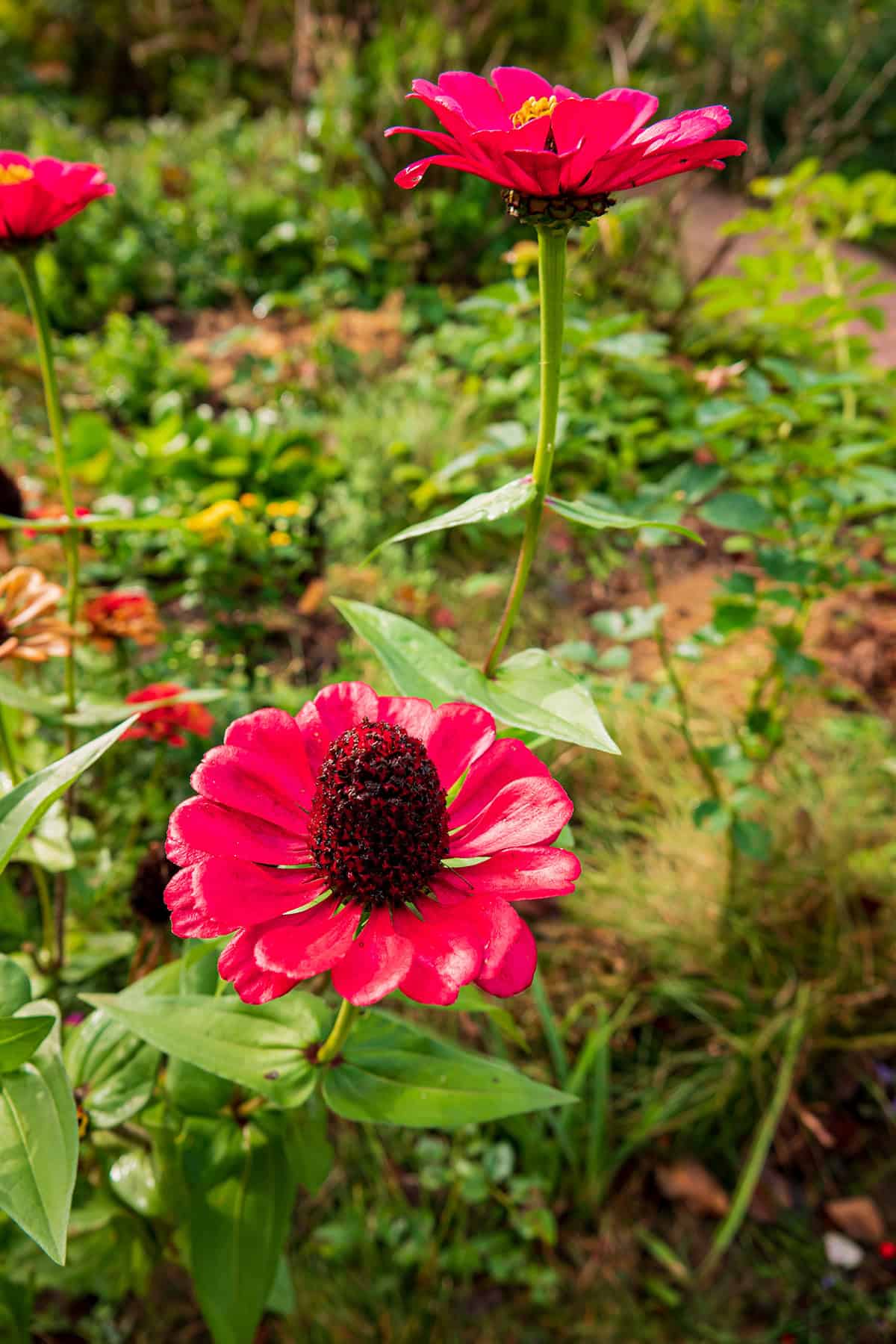
Heat-loving and branchy, zinnias grow easily from seed and reward regular cutting with more blooms.
Check readiness with the wiggle test. Hold the stem about 8 inches below the flower and shake it gently, and a stem that holds upright is ready to cut. Few cutting gardens skip them.
Sunflowers
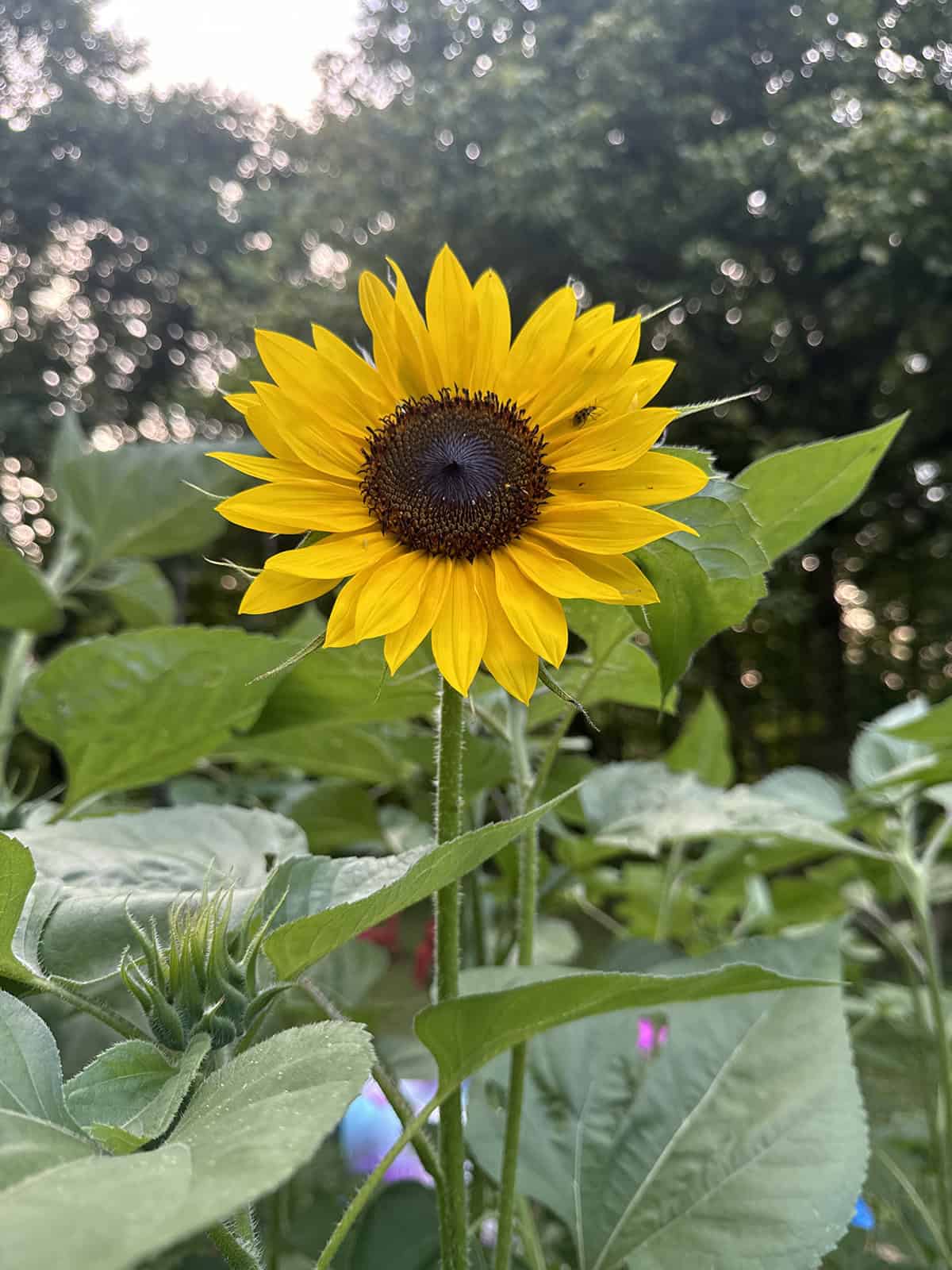
Sunflowers deliver big impact and height. Cut-flower types have pollenless blooms and longer, slimmer stems, a better fit for vases than the giant garden kinds.
Single-stem varieties produce one clean bloom each, and multi-stemmed types stretch the harvest window. Their stiff stems look awkward in mixed bouquets, though a bold summer bunch of sunflowers alone looks great.
Cosmos
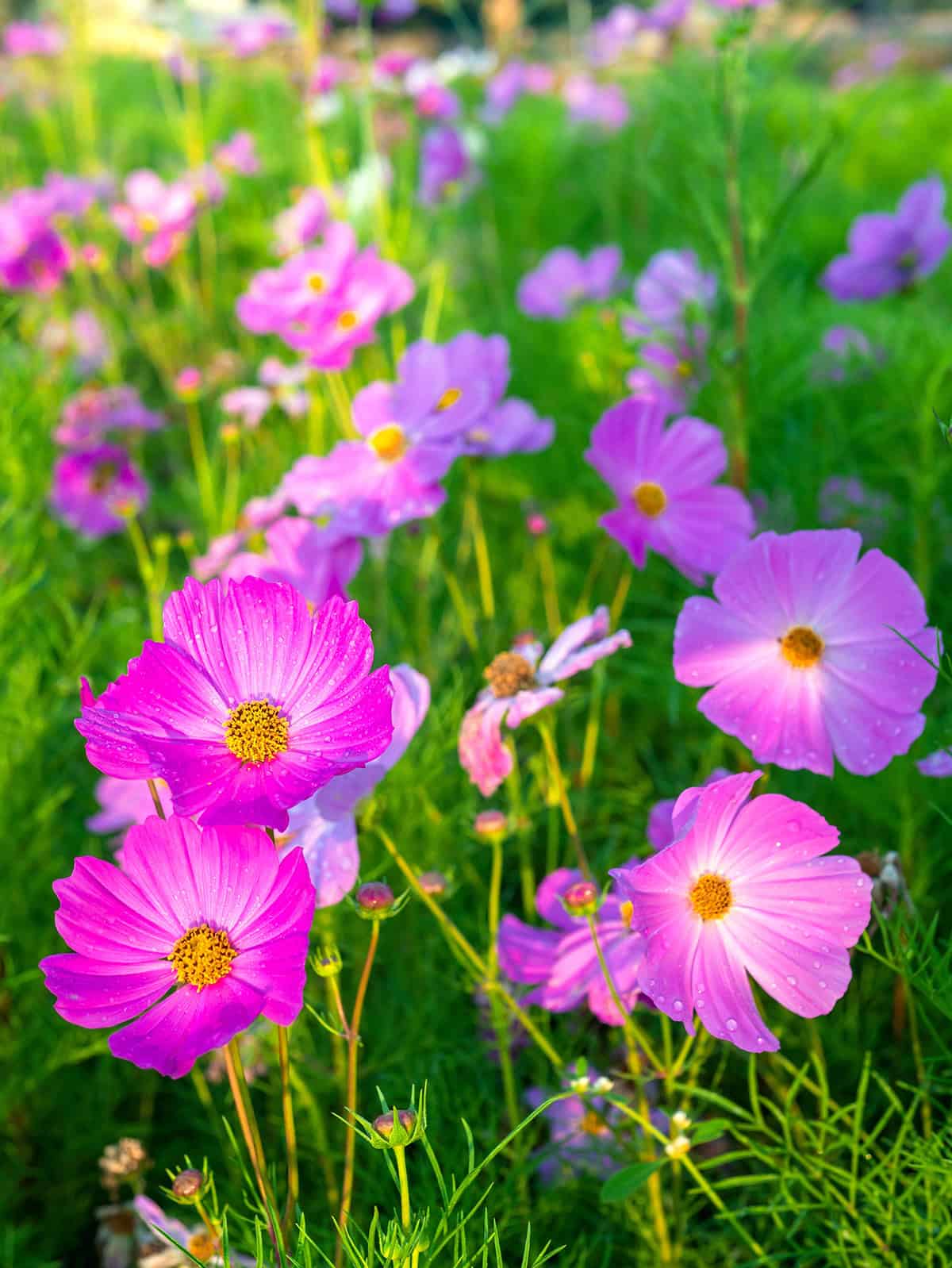
For movement and a touch of whimsy, cosmos have few rivals. Their airy stems weave through heavier blooms and soften a stiff arrangement.
Cut when the stems are sturdy and the first buds are just opening. Plants fill space fast and bloom on and on with regular snipping.
Snapdragons
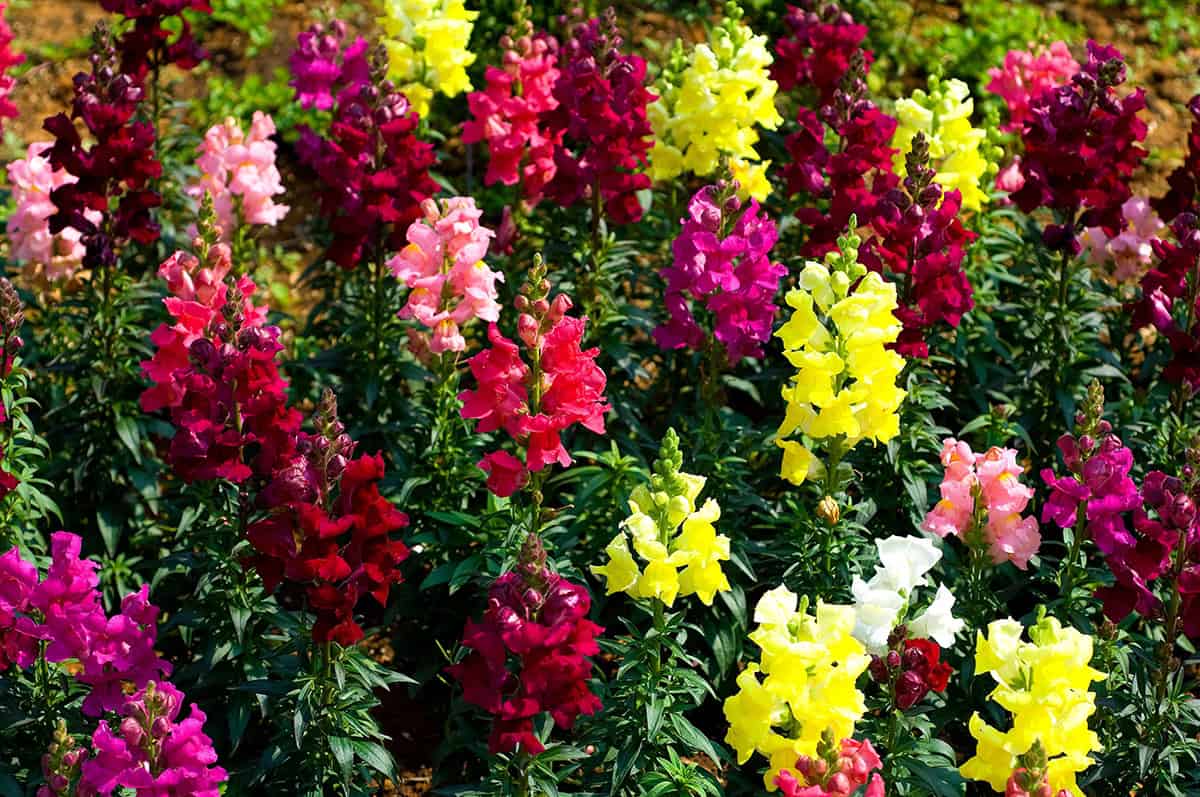
Snapdragons add vertical lines and a painter’s palette of color, with spires that hold up nicely in water.
Staggered sowings extend the harvest. Cut when the lower third of the florets are open and the tops are still tight. Tidy lines and reliable stems make snapdragons a staple for any arrangement.
Lisianthus
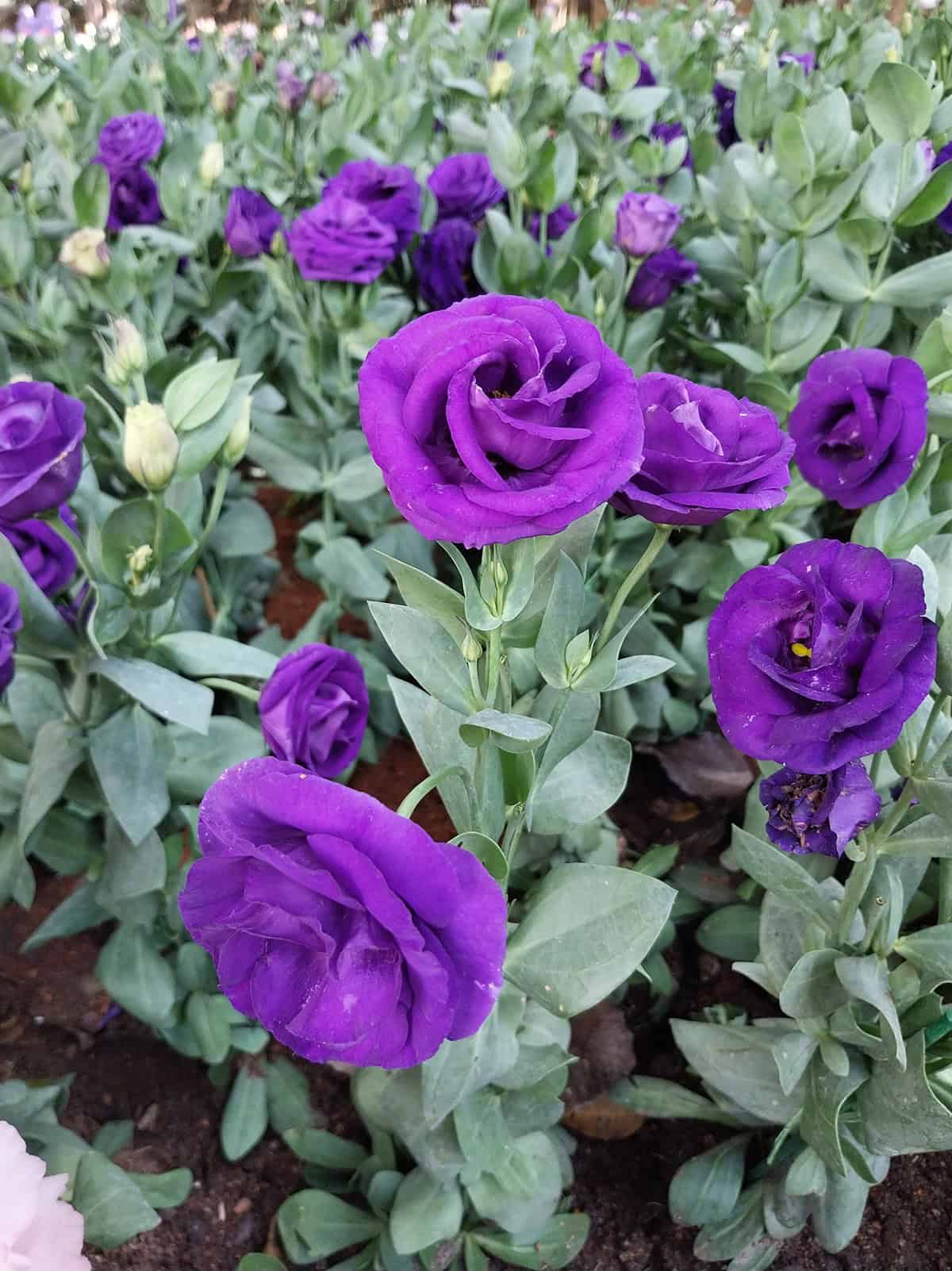
Lisianthus, also called eustoma, carries refined, rose-like blooms on light, many-armed stems that slip easily into mixed bouquets.
Slow growth from seed, five to six months to bloom, tests patience, and the payoff comes as a vase life of two weeks or more. For weddings and formal arrangements, lisianthus punches above its weight.
Ranunculus
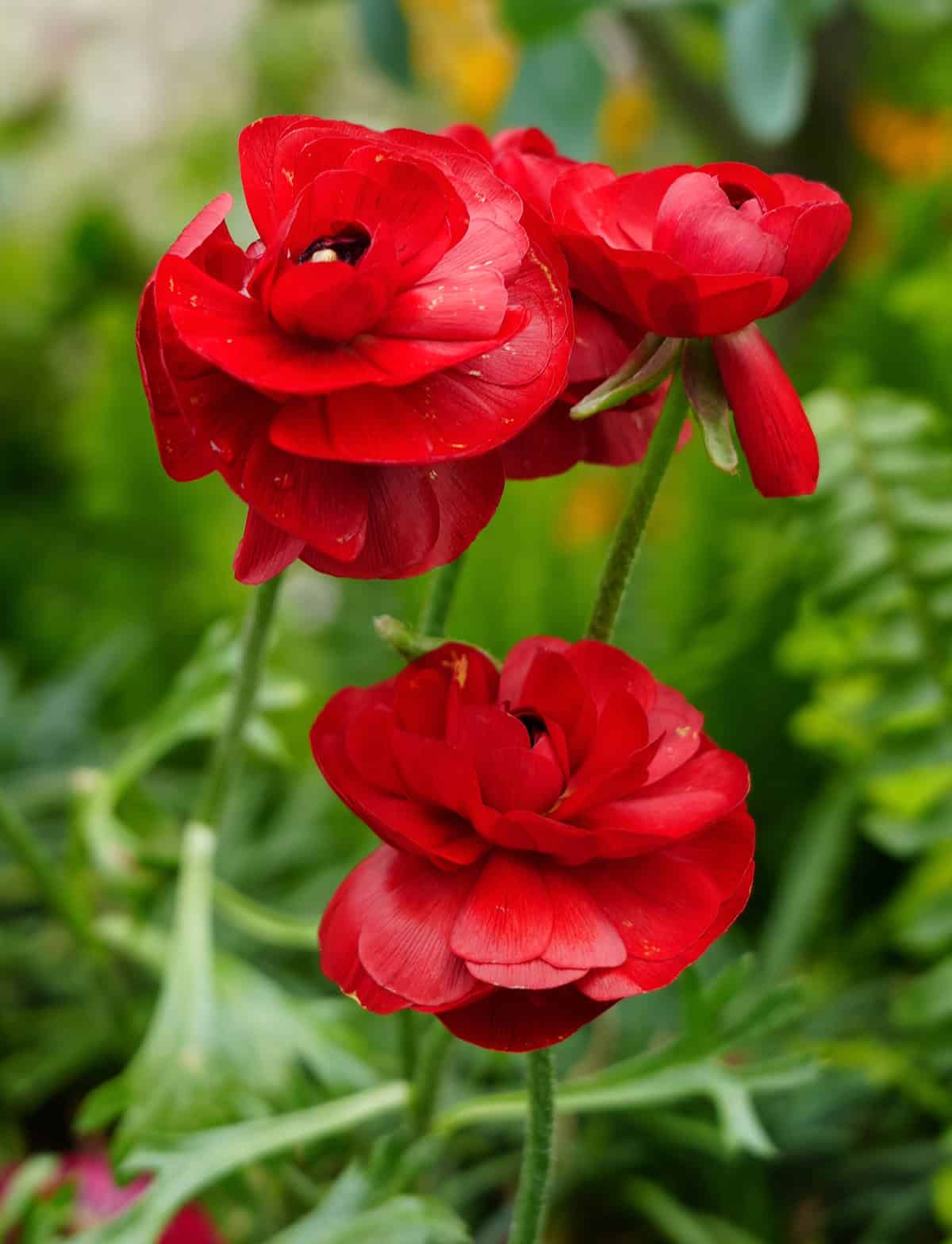
Layer upon layer of petals packs each ranunculus bloom, a match for roses in complexity. Cool spring weather produces the best flowers.
Cut when the buds show color and yield softly to a squeeze, like a marshmallow. Stems fit hand-tied bouquets nicely, and in a climate with a cool spring, these deliver a seasonal highlight.
Tulips
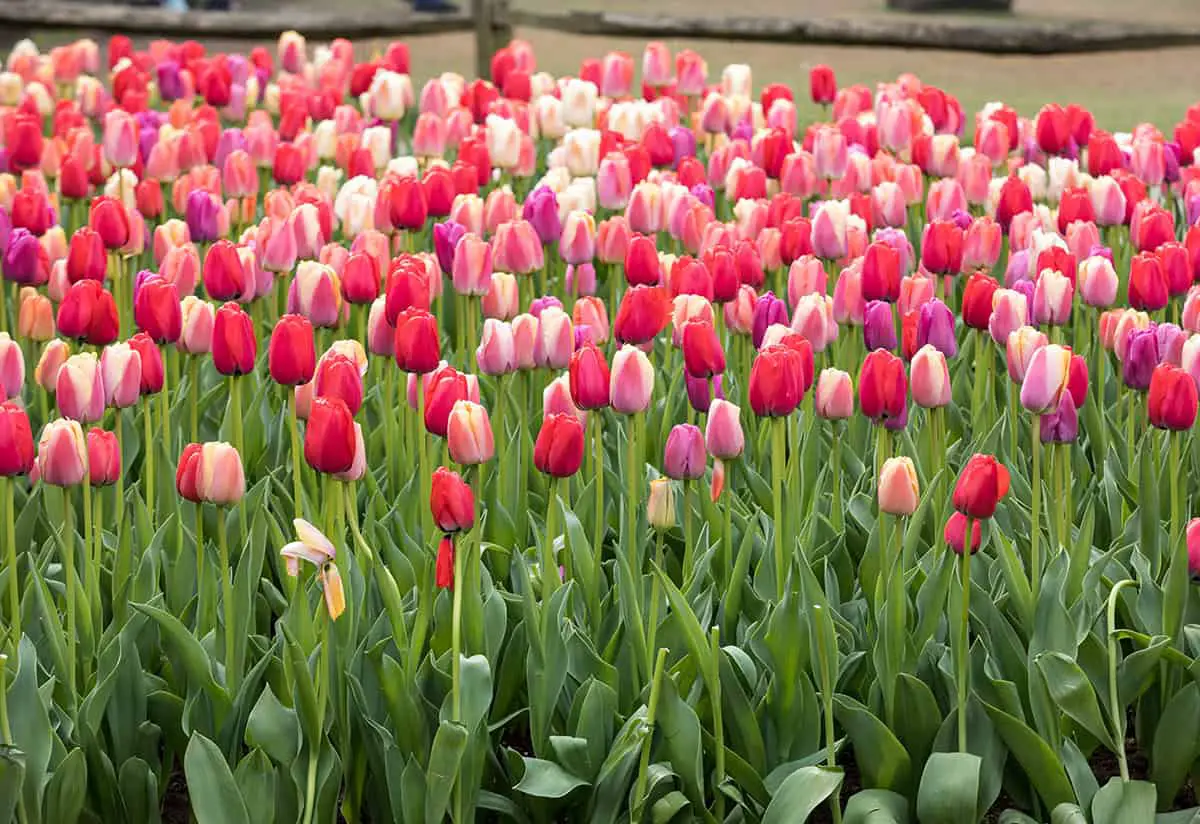
Tulips supply clean stems and bold blocks of color. Arranging them is simple, though the stems lengthen after cutting, so allow extra vase height.
Harvest at the colored-bud stage for a longer show. Most hybrids decline after the first year, and their early splash justifies a generous planting each fall.
Daffodils
Daffodils open the cutting season with cheerful yellows, whites and soft apricots on sturdy stems. The bulbs multiply year after year, and deer and rodents leave them alone.
Cut at the gooseneck stage, when the bud bends sideways and shows color. Fresh stems leak a sap that harms other flowers, so stand them in their own water overnight before mixing them into a bouquet.
Hydrangeas
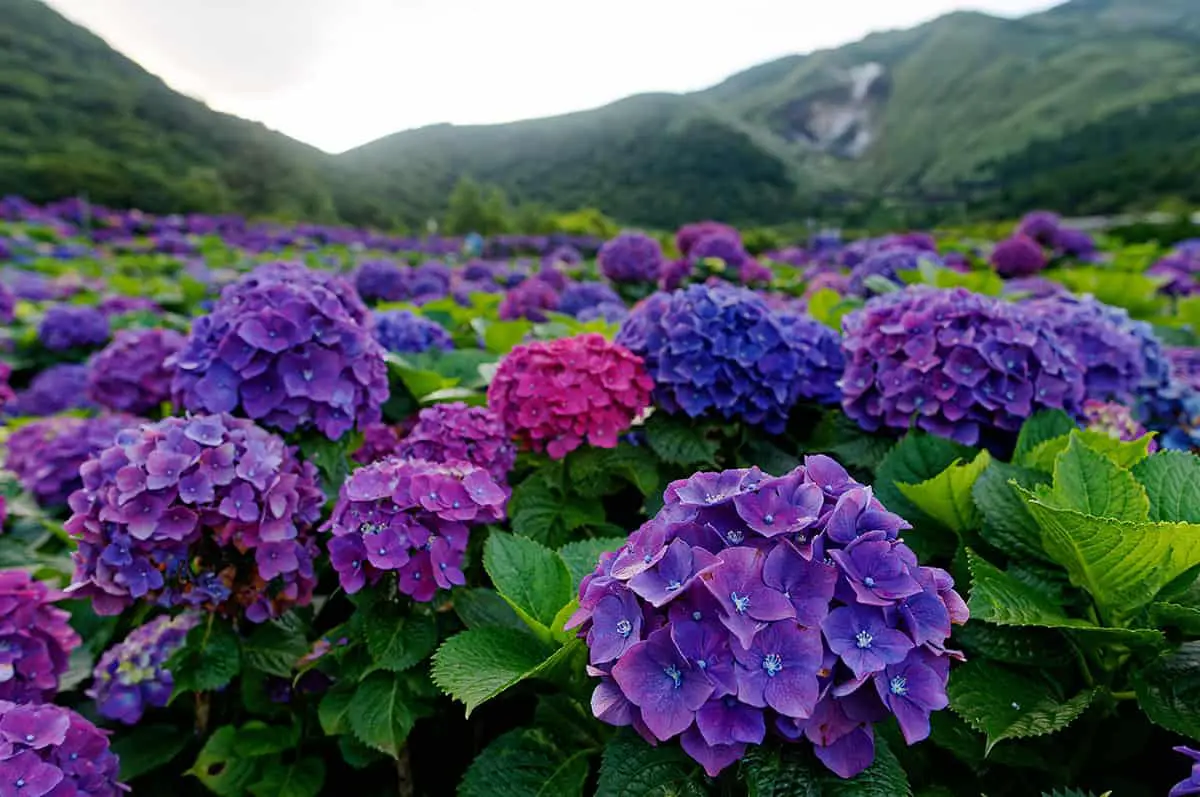
Hydrangeas fill space in a hurry, a natural fit for big vases and event centerpieces. A handful of heads covers the ground of a dozen smaller stems.
Timing matters most. Cut once the florets mature and develop a papery, leathery touch, since soft, fresh heads wilt fast. Hydrangeas shine in late-summer arrangements, though they overwhelm small, casual bunches.
Lilies
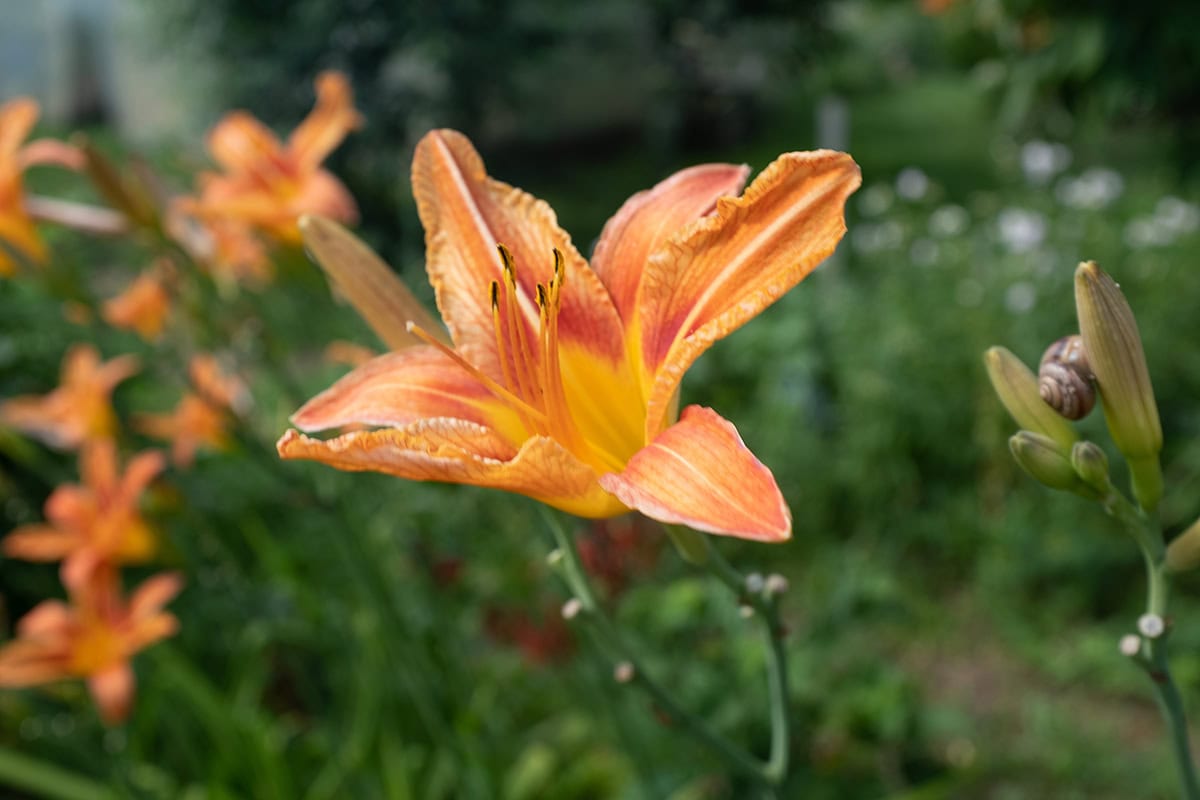
Drama, scent and height define lilies. Tall stems fit large arrangements, and the fragrance fills a room.
Remove the pollen-heavy anthers to prevent stains, and leave at least a third of the stem and its leaves on the plant to feed the bulb. Oriental and Asiatic types both last well in water. True lilies are highly toxic to cats, so skip them in homes with cats.
Gladiolus
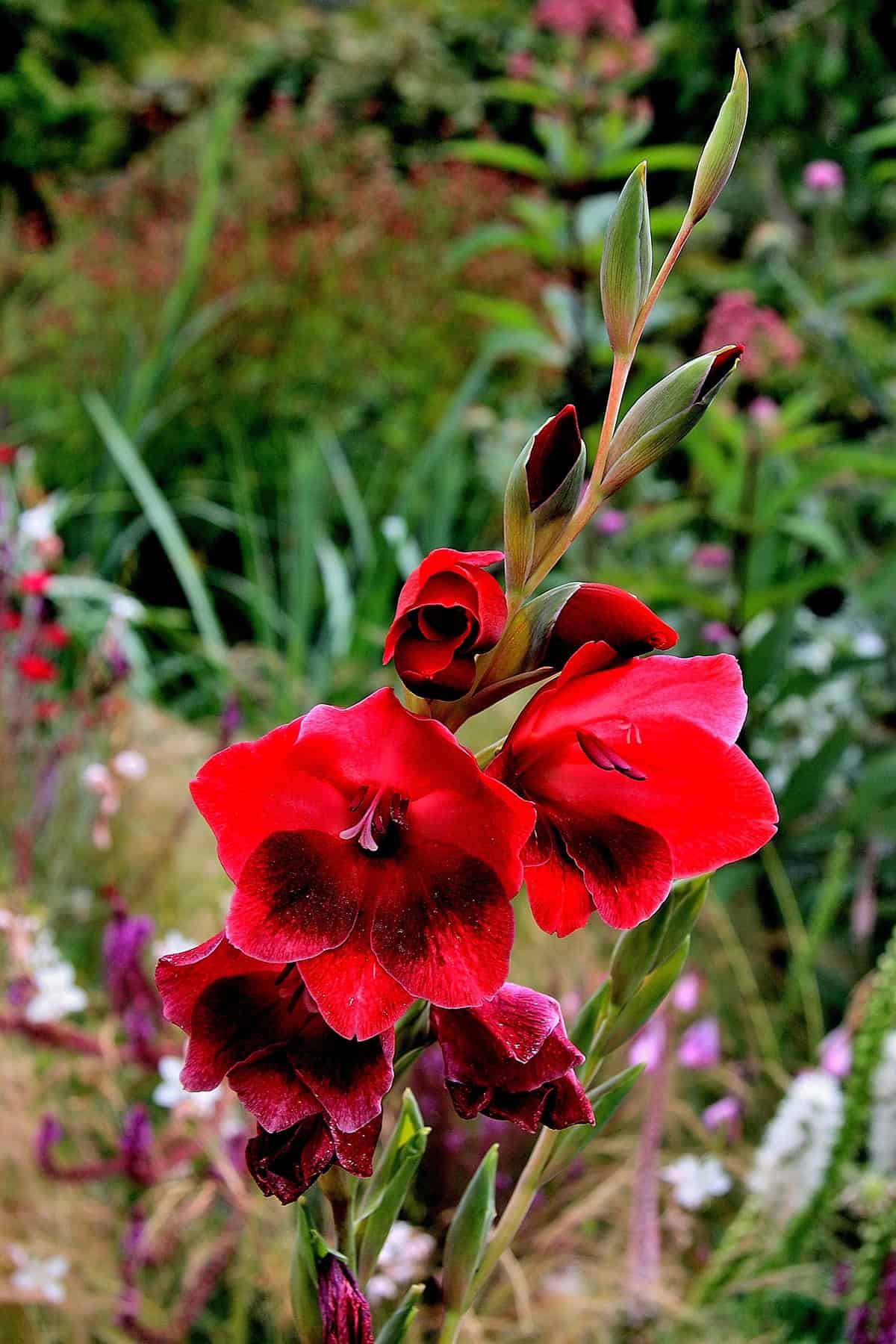
Gladiolus delivers line and a formal look. Its spikes tower above most other stems and anchor a big vase.
Cut when the lowest florets show color. Like snapdragons, the florets open in sequence after cutting. Trends come and go, and gladiolus still supplies height on demand.
Delphiniums
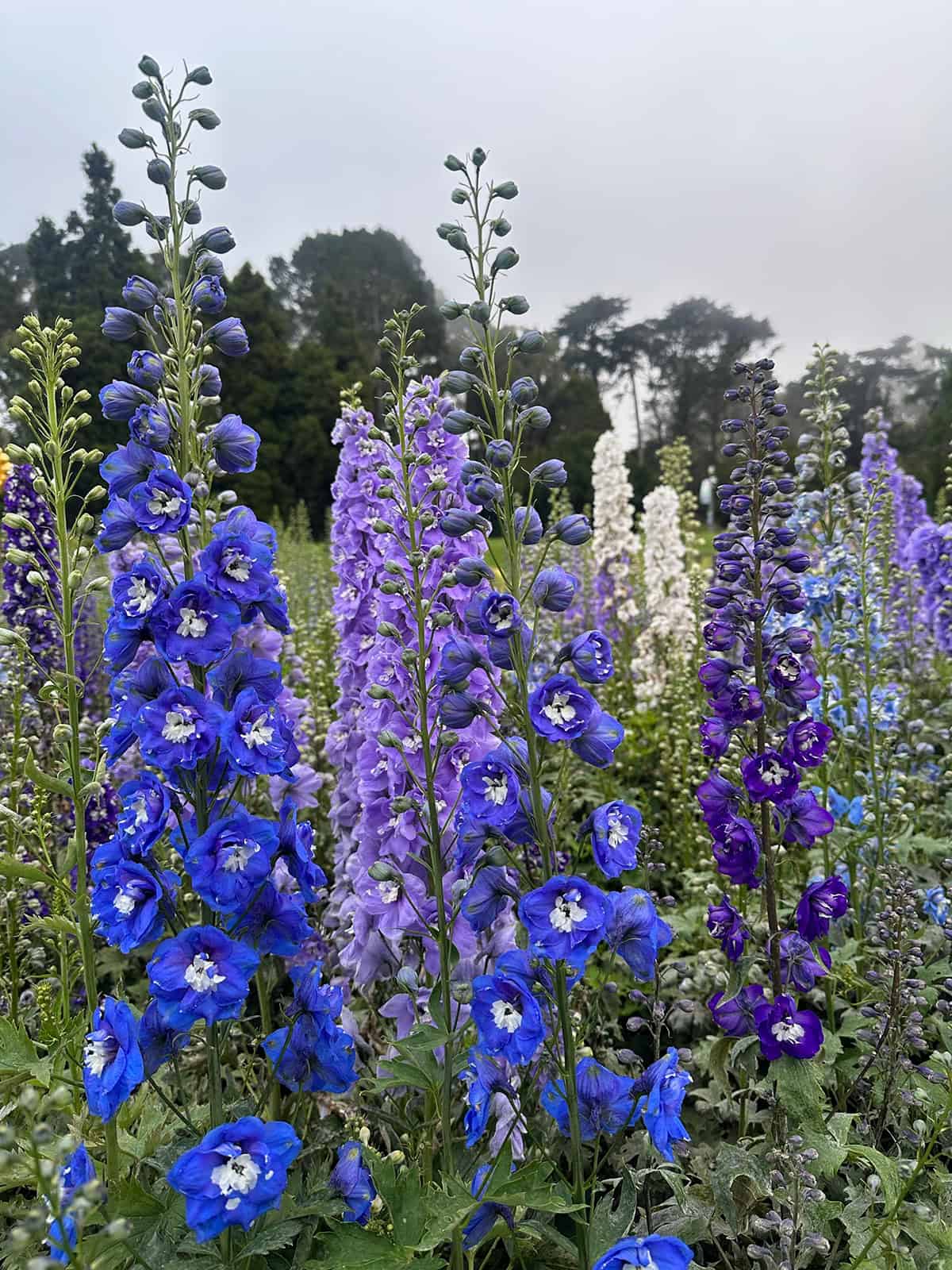
Delphiniums supply electric blues and purples few other flowers match. Their tall spikes command attention and cool down a summer palette.
The stems snap easily, so handle them with care. For true blue in an arrangement, delphinium has few equals.
Stock
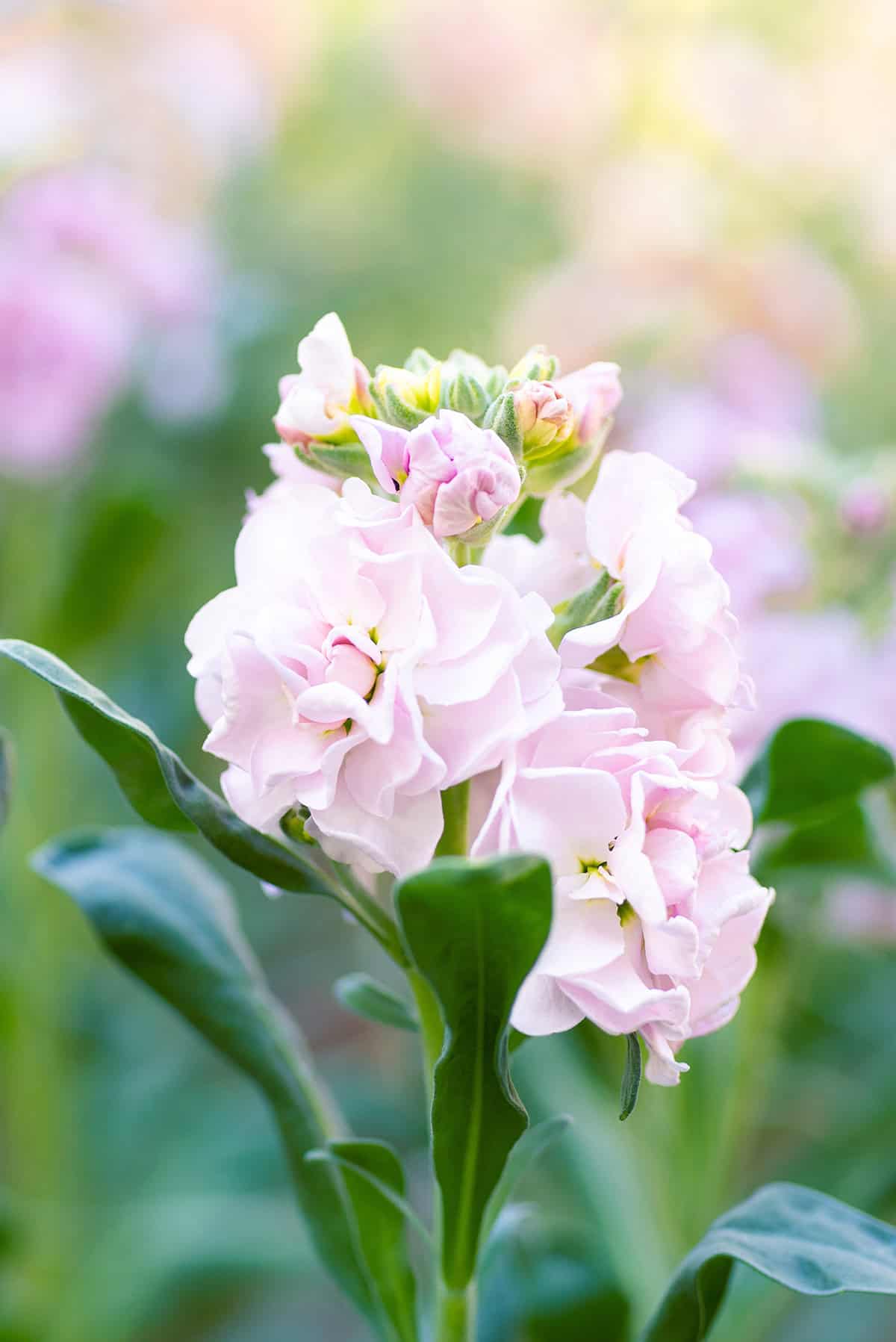
Scent comes first with stock. The dense spikes come in soft, painterly colors with a springtime look.
Stock produces one main spike per plant, unlike zinnias, and the fragrance and tidy form make up for it. In a mixed bouquet, stock adds heft and looks neat.
Chrysanthemums
Chrysanthemums earn hero status as reliable, long-lasting stems. Forms range across simple daisies, spiders, pompons and lush, full-petaled types.
Vase life reaches two weeks or more, and mums extend the season into fall as annuals fade. For bouquets that hold up past a week, set aside a row for them.
Carnations
Carnations, a type of dianthus, surprise plenty of gardeners. Modern varieties last up to three weeks in water, and many carry a spicy, clove-like scent.
They hold up especially well in warm rooms. Flashy? Hardly. Dependable? Absolutely.
Alstroemeria (Peruvian Lily)
Alstroemeria produces stems in quantity for a perennial. Once established, plants yield armloads of blooms with minimal fuss.
Pull the stems from the base with a gentle twist, a florist trick that encourages new shoots. Smaller than most true lilies, the blooms fit everyday bouquets and last two weeks in water.
Sweet Peas
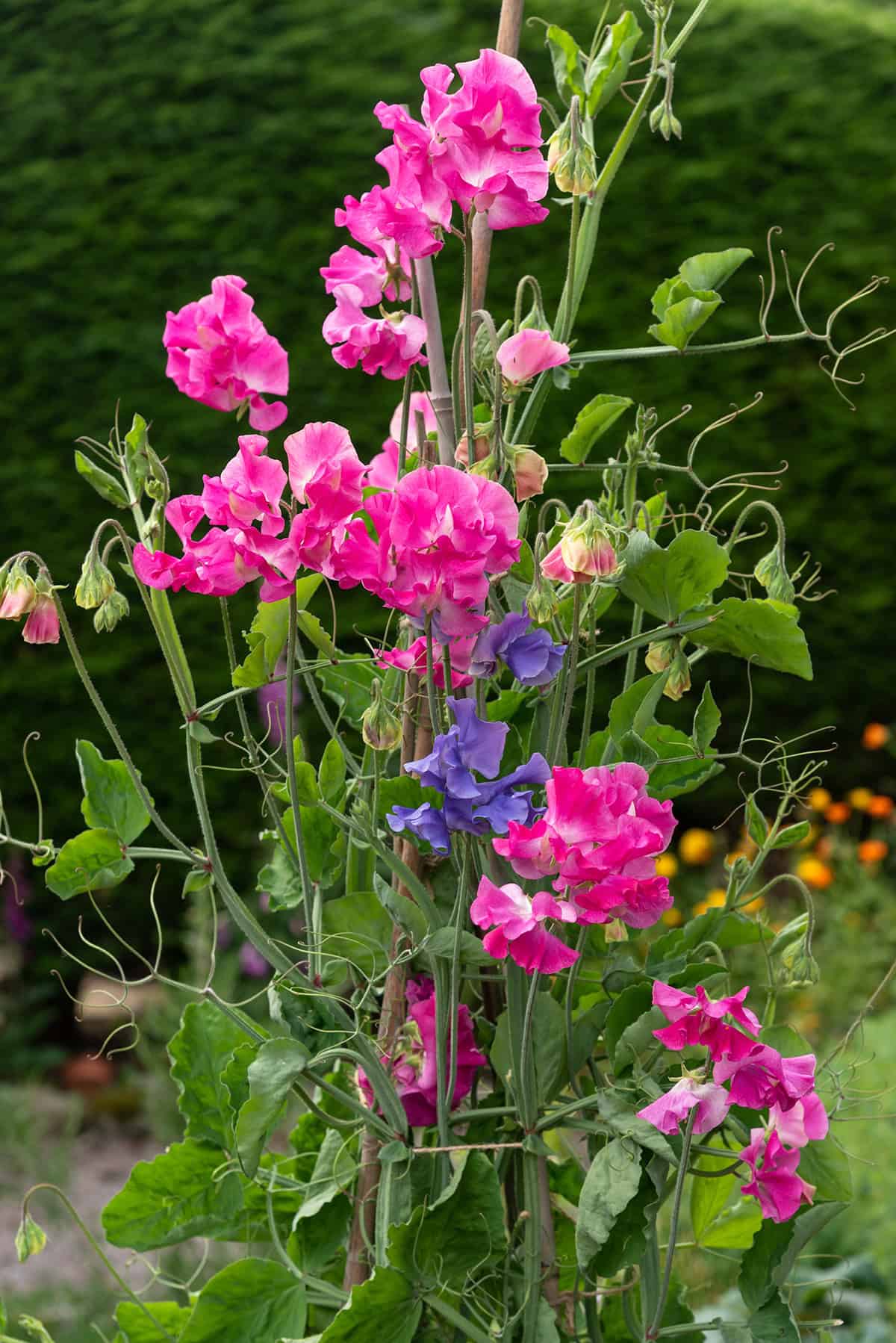
Sweet peas earn their place through scent, a perfume few other flowers match. The blooms look delicate, and the fragrance justifies the extra care.
Plants prefer cool weather and need picking every few days to prevent seed pods. Vase life runs brief, three to five days, and for a spring wedding or a special occasion, few flowers charm as much.
Asters
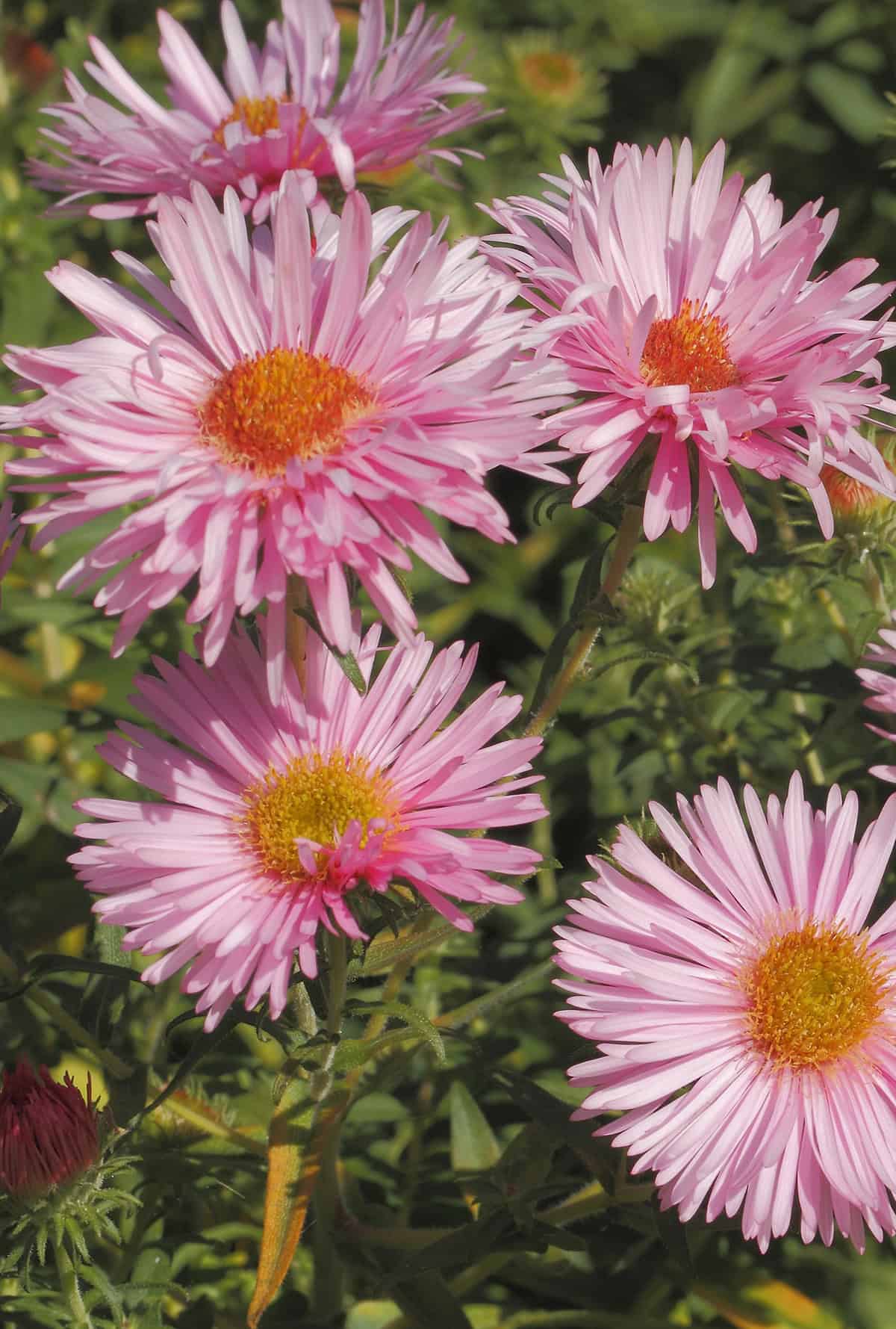
Asters step up as summer flowers fade and bridge the gap into fall with daisy-like blooms and reliable stems.
Use them as supporting players around bigger focal flowers. Plants produce stems generously, a practical fit for any cutting patch.
Scabiosa
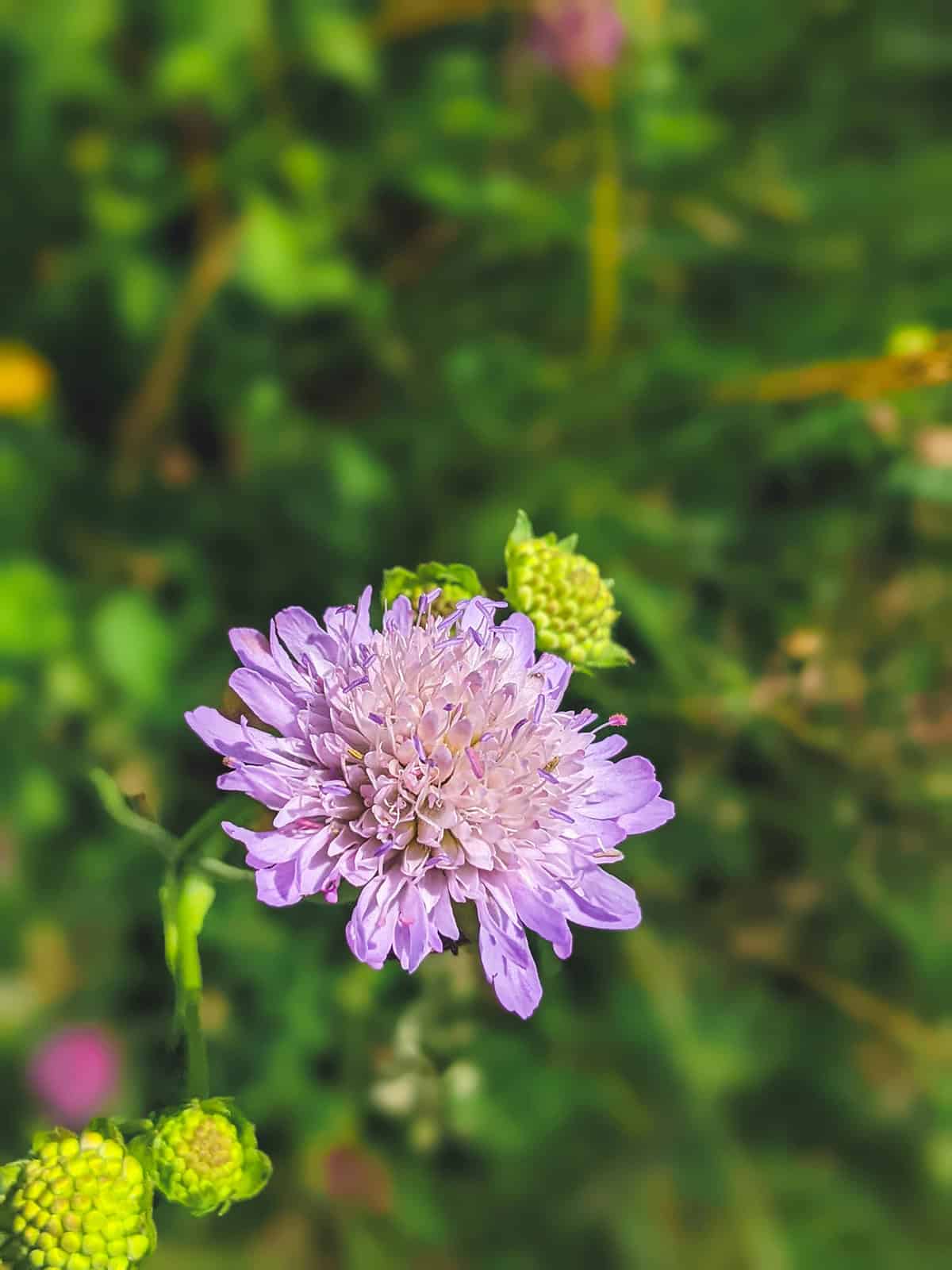
Wiry stems and pincushion blooms lend scabiosa an airy quality that slips easily into hand-tied bunches. The papery seed heads of Scabiosa stellata add another layer of interest.
Loose, informal designs show scabiosa at its best, ahead of tight, formal arrangements. Fresh blooms and dried pods both earn it a row.
Strawflowers
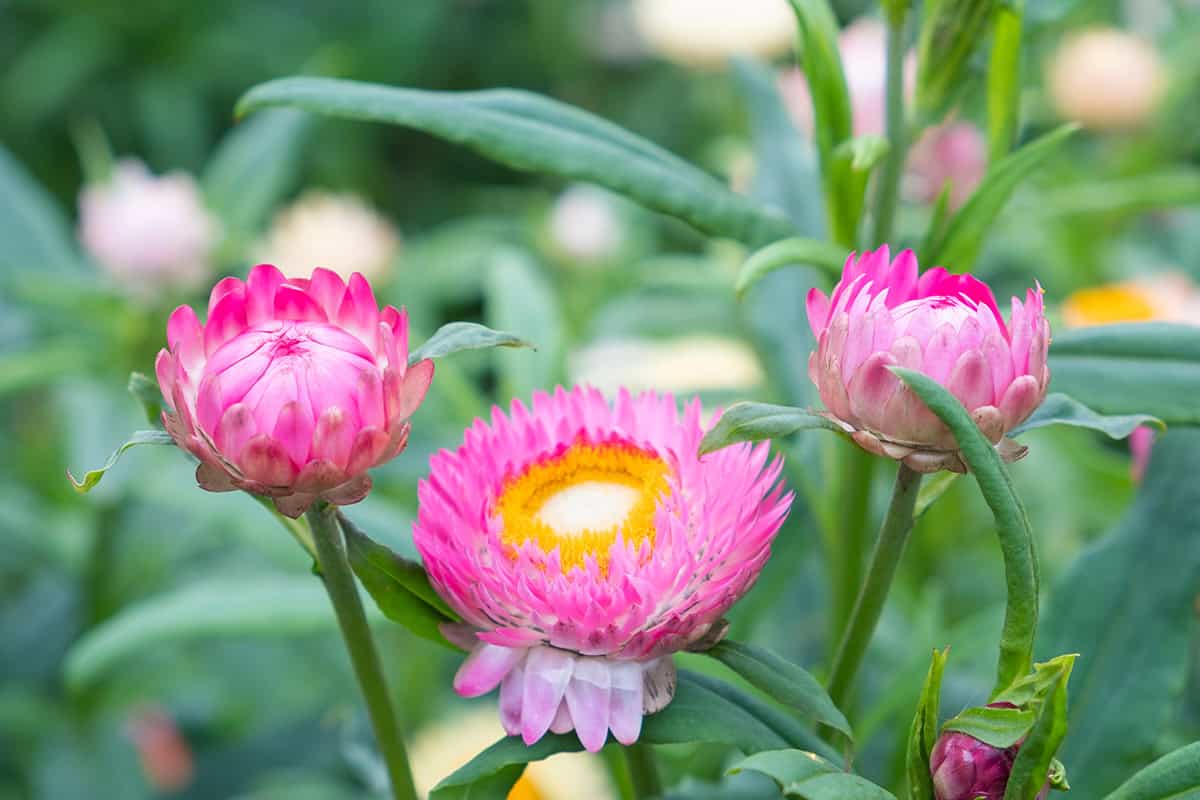
Strawflowers, or Xerochrysum bracteatum, serve double duty, with fresh color in the vase and dried flowers that last for years. The papery blooms hold shape and color well after drying.
For drying, cut when the outer petals just begin to open. For fresh use, let them open a bit more. Productive and weather-hardy, strawflowers earn a permanent spot in many cutting gardens.
Celosia
Celosia comes in three main forms, plumed, crested and wheat-type spikes, in hot reds, pinks, oranges and golds. Plants thrive in summer heat and produce stems until frost.
Cut when the plumes or crests reach full size, before seeds form. The stems last one to two weeks in water and dry well for winter arrangements.
Yarrow
Yarrow supplies flat, lacy flower heads in white, yellow, pink and terracotta, a reliable filler for mixed bouquets. Plants shrug off drought and poor soil and return each year.
Cut when most of the tiny florets in a head have opened and the pollen shows, since immature heads wilt. Yarrow also air-dries beautifully.
How to Choose the Right Stems for Your Vase
A good bouquet starts long before the flowers reach the water. Stem strength, harvest timing and vase life matter more than bloom size, and home-grown flowers succeed or fail on those three points.
Sort the harvest into three groups, the long-lasting stems, the quick rebloomers and the ones cut for scent or a special occasion. That simple system fills the vases and justifies the effort.
Best Picks for Long Vase Life
For blooms that last, choose chrysanthemums, lisianthus, carnations, alstroemeria, snapdragons and strawflowers, the go-to stems for a bouquet that holds up past midweek.
Hydrangeas cut at the right stage and tulips taken at bud also hold up well. For maximum longevity, recut the stems, strip any leaves below the waterline and place arrangements away from sun and heat.
Best Picks for Repeat Harvests
For a steady stream of stems, zinnias, cosmos, dahlias, sweet peas, snapdragons, scabiosa and strawflowers lead the pack. These relentless bloomers fill buckets all season.
Alstroemeria and multi-stemmed sunflowers also stretch the picking window, and a garden planted heavily with these rarely leaves the vase empty.
Best Picks for Fragrance and Event Arrangements
Roses, sweet peas, stock and clove-scented carnations announce themselves the moment you step into a room. Lilies flood the air too, and their strong scent fits grand settings such as big halls and formal displays.
Bridal bouquets and event pieces call for a different mix. Peonies, ranunculus, lisianthus, roses and hydrangeas carry an unmistakable sense of polish, and a touch of something airy, such as scabiosa or cosmos, lightens the whole arrangement. That mix draws the eye quietly and still steals the show.