
Huy Pham
Posts by Huy Pham:
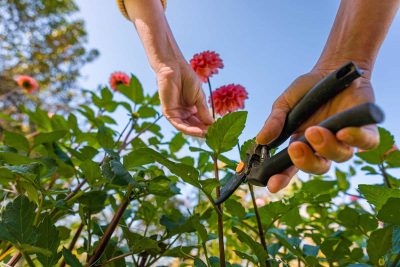
Plenty of flowers look gorgeous outdoors and disappoint the minute they enter the house. Short stems, weak necks, and petals that drop overnight leave little for a vase. A good cutting flower needs more than a pretty bloom. See which 25 varieties pass the test.

The best pumpkin designs are rarely the hardest ones. One oversized eye, a sleepy face, or a row of square teeth may earn more laughs than an intricate stencil. This article gathers approachable ideas with clear shapes and plenty of creative variety. Pick a favorite from the 36 designs ahead and start planning your first cut.
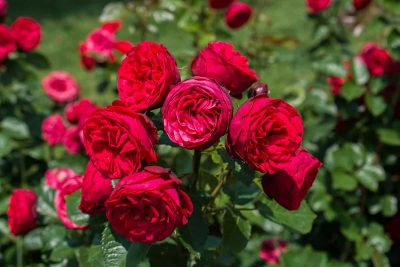
There’s something about a rose bush in full bloom that just draws the eye—maybe it’s the color, maybe the scent. The good news? You can multiply your favorites without buying new plants. Growing roses from cuttings means snipping a healthy stem, prepping it right, and rooting it under the right conditions. The new plant is a true clone, so you keep all the best traits of the original.
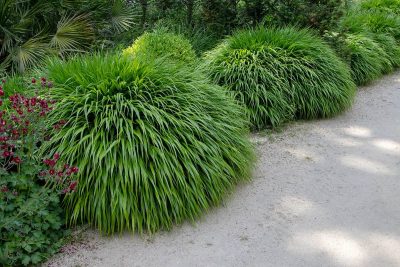
Growing ornamental grasses in shade isn’t always easy, but the right varieties can surprise you. While most favorites want sun, some actually thrive with less light and even soggy soil. Options like Northern sea oats, tufted hair grass, and a range of sedges handle limited sun with ease.
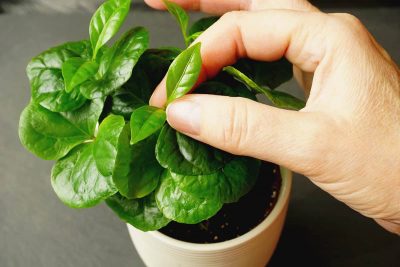
Deep green leaves, elegant branching, and a neat shape give coffee plants plenty of ornamental value. They adapt well to containers and can thrive indoors for years with proper care. Take a look at the tips in this guide before bringing one home.

Many gardeners learn the hard way that not every plant survives in areas with heavy deer activity. Fortunately, plenty of attractive options hold up surprisingly well under those conditions. Explore this article to find deer-resistant plants that deserve a spot in your landscape.
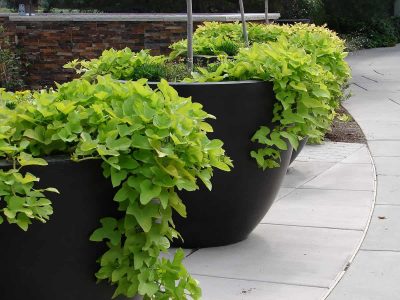
You spot a pot on your patio with rich soil, but nothing is growing in it. That space could give you fresh sweet potatoes in just a few months. You don’t need a big garden or a lot of tools to get started.
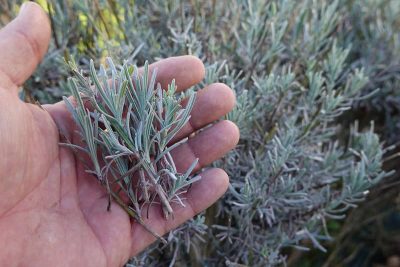
A healthy lavender plant can provide far more than fragrance and flowers. One established plant has the potential to become several new plants with just a few careful cuts. The guide below explains how to turn simple cuttings into thriving lavender plants.
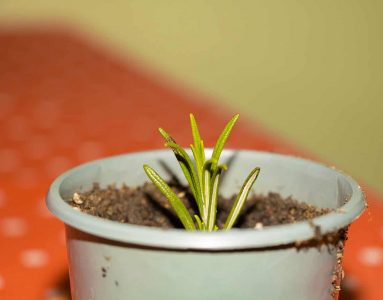
You bring home a rosemary plant, toss it in a few dishes, and before you know it, you’re wishing you had more—without paying for another one. Good news: with one healthy stem, you can multiply your rosemary and keep it coming for years.
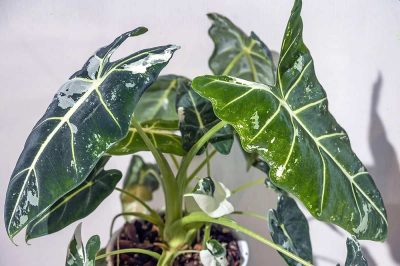
Alocasia Frydek is the kind of plant that makes people stop and ask questions. The dark green leaves and bold white veins create a look that feels almost unreal. Its beauty comes with a reputation for being a little particular about its growing conditions. The tips ahead can help you keep this striking plant happy and healthy.
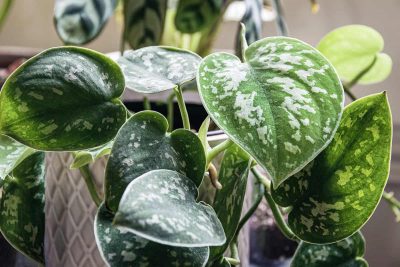
Scindapsus Pictus Exotica does not need bright flowers or giant leaves to get attention. The silver splashes across the foliage create a look that stands out even in a crowded plant collection. The article below explains how to keep those leaves looking their best.
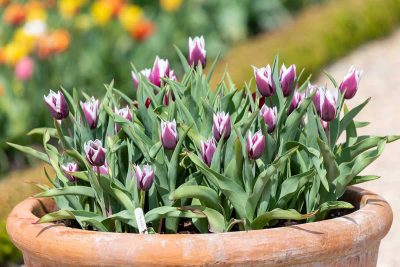
Ever tried tulips in pots? It’s a game-changer. You get to control the soil and water, dodge the worst pests, and skip the garden’s unpredictable mess. Containers keep things tidy and let you move those blooms wherever you want a splash of spring.