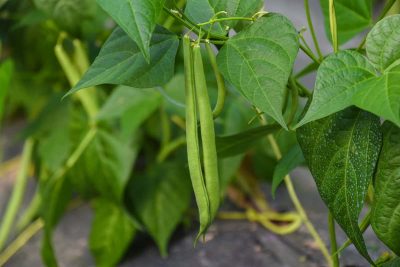
Every thriving green bean plant starts with healthy soil and plenty of sunlight. Consistent watering and regular harvesting encourage vigorous growth and even more pods. Read this guide to give your plants the best possible start.
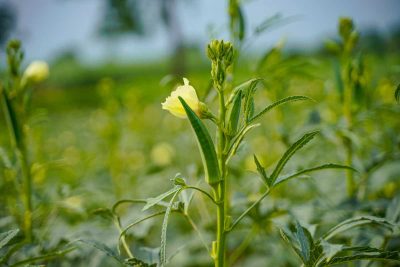
Growing okra at home is a simple way to enjoy fresh vegetables straight from your garden. With proper care, you’ll harvest tender pods again and again throughout the warm months. Explore this guide for easy advice that helps your okra plants thrive.
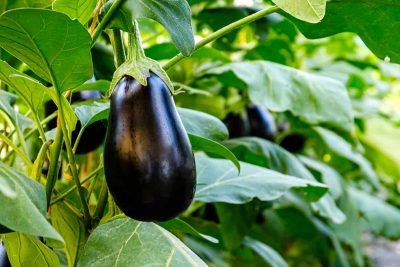
If you’re looking for a productive vegetable that’s easy to grow, eggplants are an excellent choice. A sunny location and fertile soil create the perfect foundation for strong plants and plentiful harvests. Check out this guide for everything you need to know.
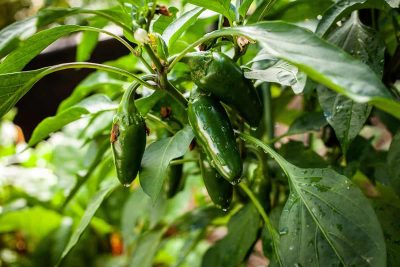
Jalapeño peppers are one of the easiest and most rewarding vegetables to grow at home. Healthy plants produce plenty of crisp, flavorful peppers throughout the growing season with just a little care. Read this guide to learn how to grow a productive jalapeño garden.
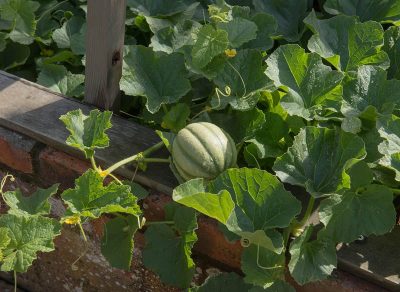
Honeydew plants grow quickly once the weather warms up. With enough space and proper care, the vines reward gardeners with smooth, sweet melons at harvest time. Keep reading to learn the best ways to care for them throughout the season.
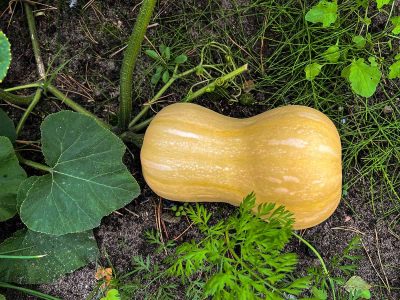
Growing butternut squash at home is easier than many people expect. A sunny location, regular watering, and healthy soil give the vines everything they need to flourish. This guide will show you how to grow a successful crop from start to finish.

If you’re looking to expand your vegetable garden, jicama is a great choice. It’s easy to grow once the weather stays warm, and the crisp roots are worth waiting for. This guide covers every step to help you grow a successful crop.

A thriving taro plant adds bold greenery to the garden long before harvest time arrives. With the right care, you’ll enjoy vigorous growth and healthy corms at the end of the season. Explore this guide for simple advice that helps your taro plant flourish.
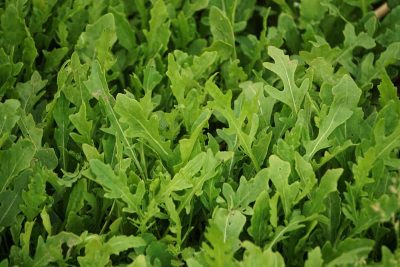
You don’t need a large backyard to grow arugula successfully. A container on a patio, balcony, or sunny windowsill is enough to produce fresh harvests throughout the season. Check out this guide for practical growing tips that are easy to follow.

A thriving cardamom plant adds beauty long before it produces its famous spice. Its graceful leaves create a rich tropical look that stands out in any garden. Explore this guide for simple growing and care advice that leads to lasting success.
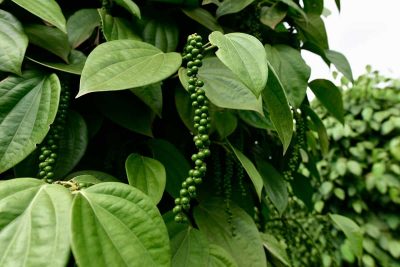
Black pepper isn’t just a grocery store staple. It’s a fascinating tropical vine that grows well with consistent warmth and moisture. Keep reading to discover the growing habits and care routine that help it flourish.
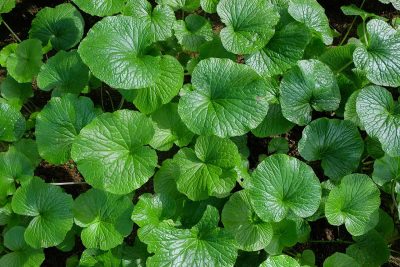
Growing wasabi takes patience, but watching it develop into a mature plant is incredibly rewarding. Every stage becomes easier when you understand its growing habits and care requirements. Explore this guide for helpful tips that set your wasabi plant up for success.