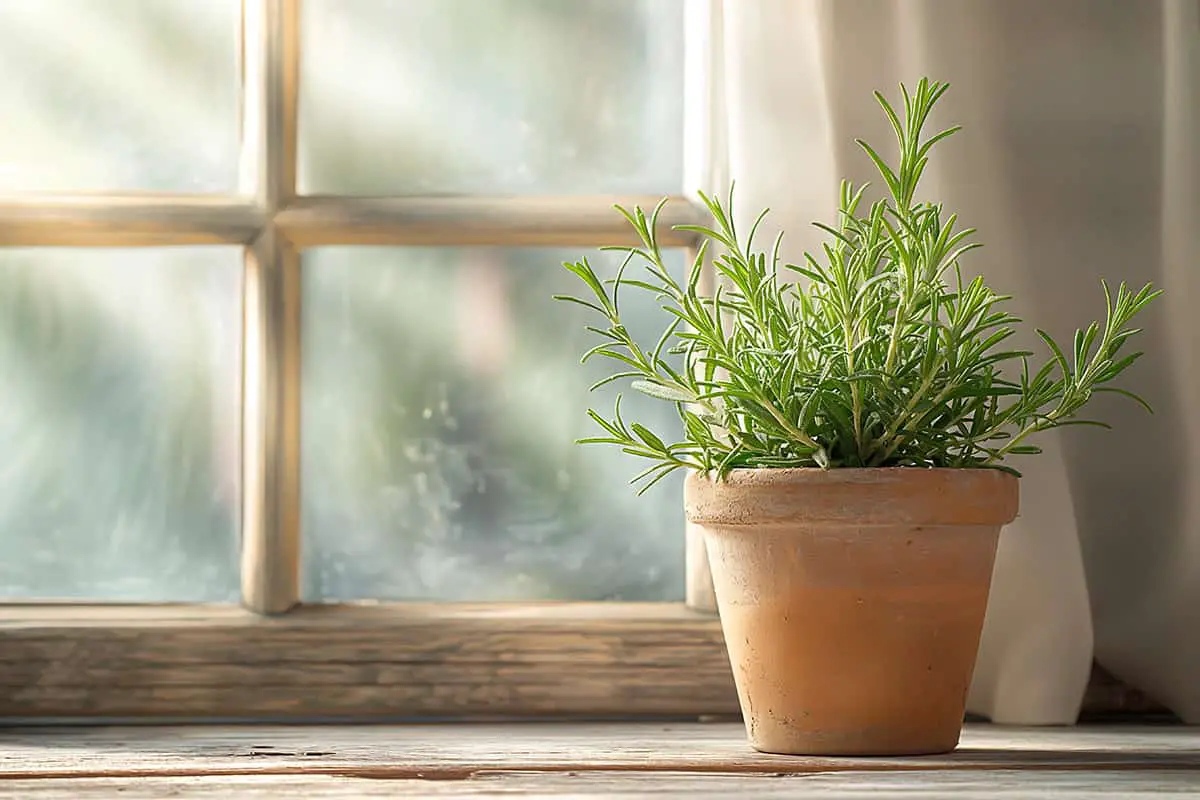
A healthy rosemary bush sends up fresh sprigs all year, and a tray of roast potatoes only uses a handful.
The rest of the harvest flavors vinegar and honey, scents candles and drawers and even goes into a hair rinse. The cooking ideas lead off, and the household uses near the end find a job for the woody, older stems.
Table of Contents
- Ways to Use Rosemary
- Infusing Olive Oil with Rosemary
- Making Rosemary-Infused Vinegar
- Adding Rosemary to Roasted Vegetables
- Enhancing Grilled Meats with Rosemary
- Flavoring Soups and Stews with Rosemary
- Baking Rosemary Bread
- Creating Rosemary-Infused Desserts
- Making Rosemary-Infused Butter
- Brewing Rosemary Tea
- Crafting Rosemary-Infused Cocktails
- Using Rosemary in Marinades
- Making Rosemary-Infused Honey
- Making Rosemary-Infused Oil for Skin
- Using Rosemary in Aromatherapy
- Making Rosemary-Scented Candles
- Crafting Rosemary Potpourri
- Using Rosemary in Skincare Products
- Making a Rosemary Hair Rinse
- Creating Homemade Rosemary Cleaning Products
- Using Rosemary in Homemade Sachets
Ways to Use Rosemary
Rosemary’s uses run through the kitchen, the bathroom and the linen closet. Fresh sprigs taste best in cooking, and dried sprigs last longer in crafts and sachets.
Infusing Olive Oil with Rosemary
Wash fresh sprigs and dry them completely, since water left on the leaves spoils oil. Warm olive oil gently, pour it over the sprigs in a clean bottle and let it cool.
Store homemade herb oil in the refrigerator and use it within a week, since fresh herbs in oil carry a risk of botulism. For a longer-lasting version, use fully dried rosemary. Drizzle the oil over bread, salads and grilled vegetables.
Making Rosemary-Infused Vinegar
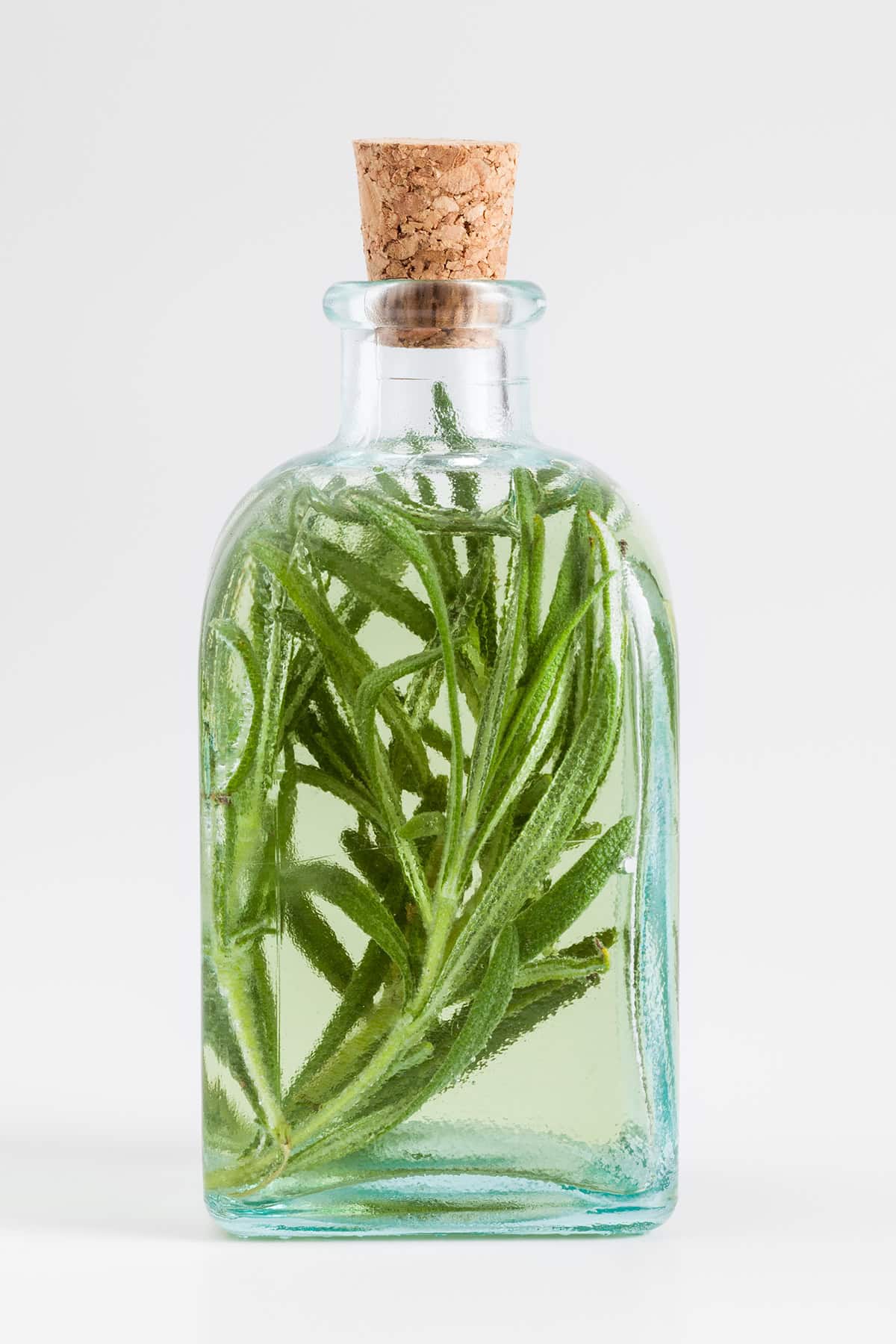
Push several fresh sprigs into a clean glass jar and fill it with white wine or apple cider vinegar. Seal it, let it steep for a couple of weeks, then strain out the rosemary. The vinegar adds an herbal edge to dressings and marinades.
Adding Rosemary to Roasted Vegetables
Toss chopped vegetables with olive oil, salt, pepper and minced fresh rosemary. Spread them on a baking sheet and roast at 400°F until tender and caramelized at the edges. Potatoes, carrots and squash take especially well to it.
Enhancing Grilled Meats with Rosemary
Rub fresh or dried rosemary onto lamb, chicken or beef before grilling, or blend it into a paste with garlic, olive oil, salt and pepper. Let the meat rest in the rub for at least an hour. Whole sprigs also double as skewers or a basting brush.
Flavoring Soups and Stews with Rosemary

Drop a sprig or two into soups and stews as they simmer, then fish them out before serving, since the needles are tough. Rosemary pairs especially well with white beans, tomatoes, lentils and slow-cooked meats.
Baking Rosemary Bread
Chop fresh rosemary finely and knead it into bread or focaccia dough. A sprinkle on top before baking, with olive oil and flaky sea salt, adds aroma and crunch.
Creating Rosemary-Infused Desserts
Infuse sugar or honey with rosemary for an herbal note in cookies, cakes and custards. For panna cotta or ice cream, heat cream with a few sprigs until just simmering, steep it, then strain.
Making Rosemary-Infused Butter

Soften a stick of unsalted butter and mix in finely chopped rosemary, minced garlic and a pinch of sea salt. Roll it into a log in plastic wrap and refrigerate until firm. Slice off rounds for steak, corn or warm bread.
Brewing Rosemary Tea
Place a fresh sprig in a mug, pour boiling water over it and steep for 5 to 10 minutes. Remove the sprig, then add lemon or honey to taste. Rosemary tea has a long history as a digestive aid.
Crafting Rosemary-Infused Cocktails
Muddle a sprig into gin or vodka drinks, shake with citrus or berries, strain and top with soda water. A lightly charred sprig as garnish adds a smoky aroma.
Using Rosemary in Marinades
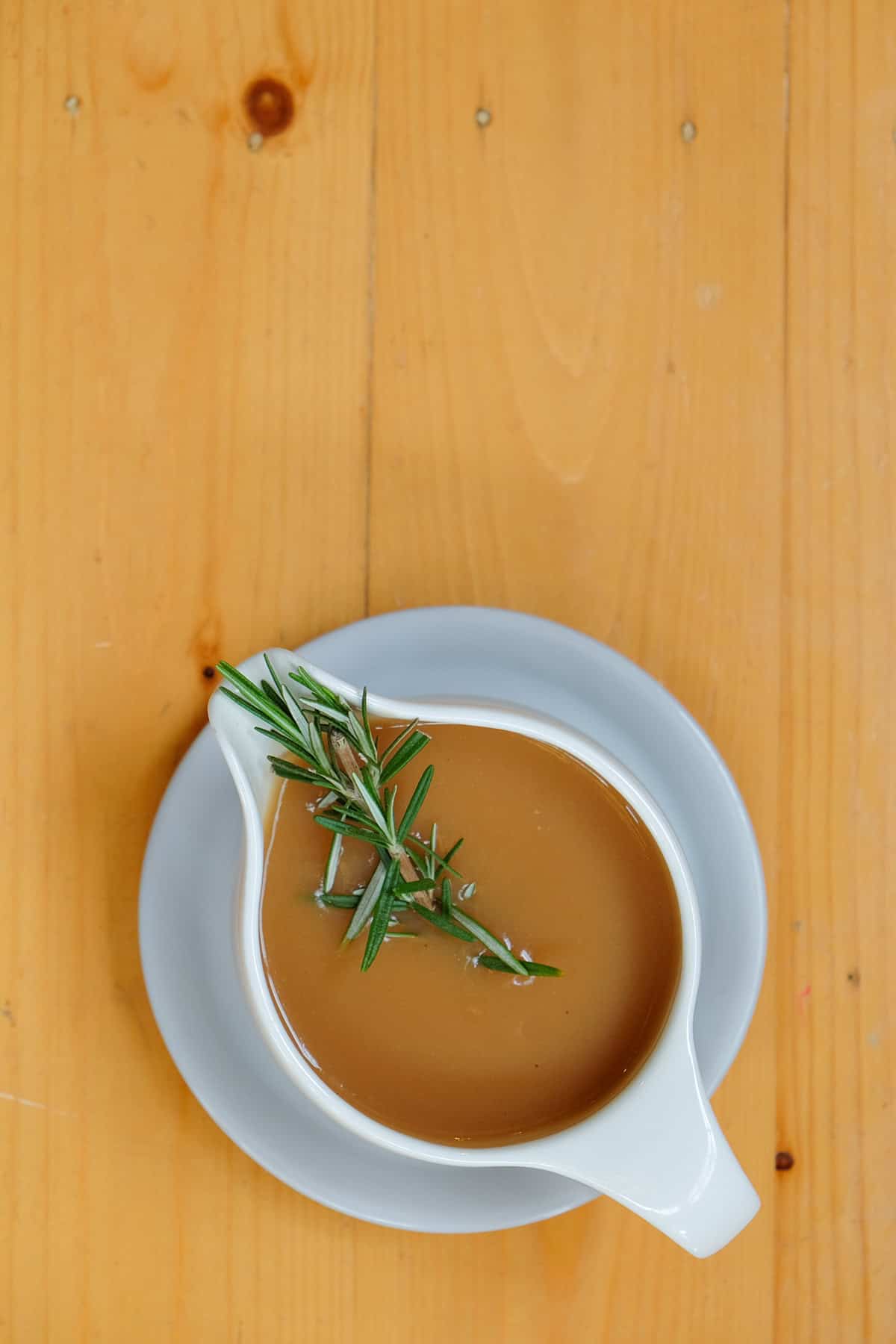
Blend rosemary, olive oil, garlic and lemon for a marinade that flatters meat and vegetables alike. Allow at least an hour for the flavors to soak in, and the rosemary picks up a hint of smokiness on the grill.
Making Rosemary-Infused Honey
Drop a dried sprig into a jar of honey and let it rest for about a week. Drizzle it over goat cheese, warm biscuits or fresh fruit. Dried sprigs are the safer choice here, since moisture from fresh herbs spoils honey over time.
Making Rosemary-Infused Oil for Skin
True essential oil requires steam distillation, and the homemade version is an infused oil. Steep dried sprigs in a carrier such as almond or jojoba oil for a couple of weeks in a warm spot, then strain. Use it for massage or in simple skincare recipes.
Using Rosemary in Aromatherapy
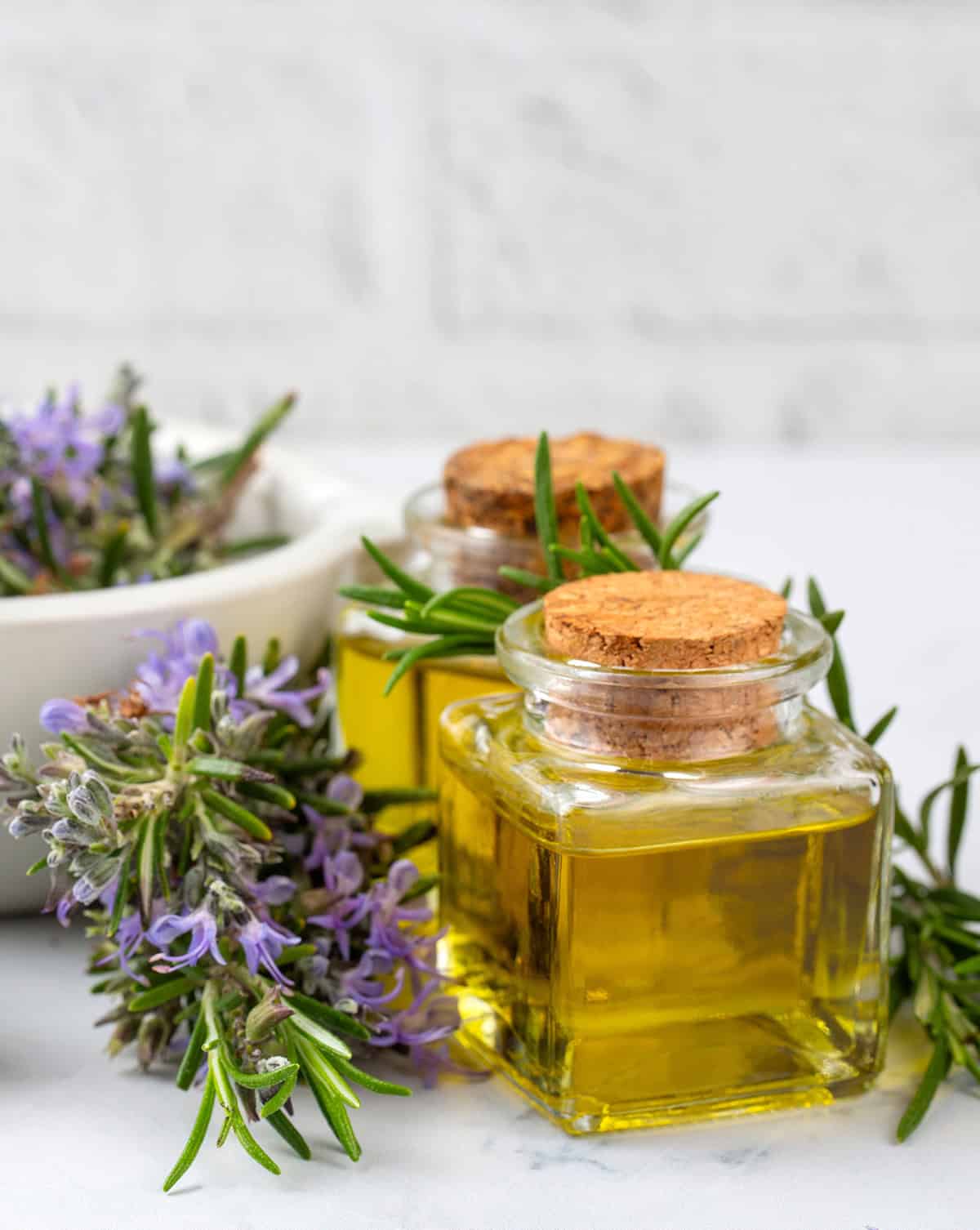
Diffuse a few drops of rosemary essential oil for a fresh, herbal scent. Many people find it clears their head on a slow afternoon. Mix it with a carrier oil before it touches skin, and use it cautiously around pets, especially cats.
Making Rosemary-Scented Candles
Melt soy wax, stir in rosemary essential oil and pour it into a heat-proof container with a wick in place. Once it cools and sets, the candle releases a clean, piney scent as it burns.
Crafting Rosemary Potpourri
Mix dried sprigs with lavender, rose petals or dried citrus peel. Set the blend in bowls or sachets around the house for a light, steady fragrance in closets and on nightstands.
Using Rosemary in Skincare Products
Rosemary contains antioxidants that make it a popular addition to toners and lotions. Steep it in water for a simple facial spray, or add a few drops of essential oil to unscented cream. Patch-test first, since some people react to it.
Making a Rosemary Hair Rinse
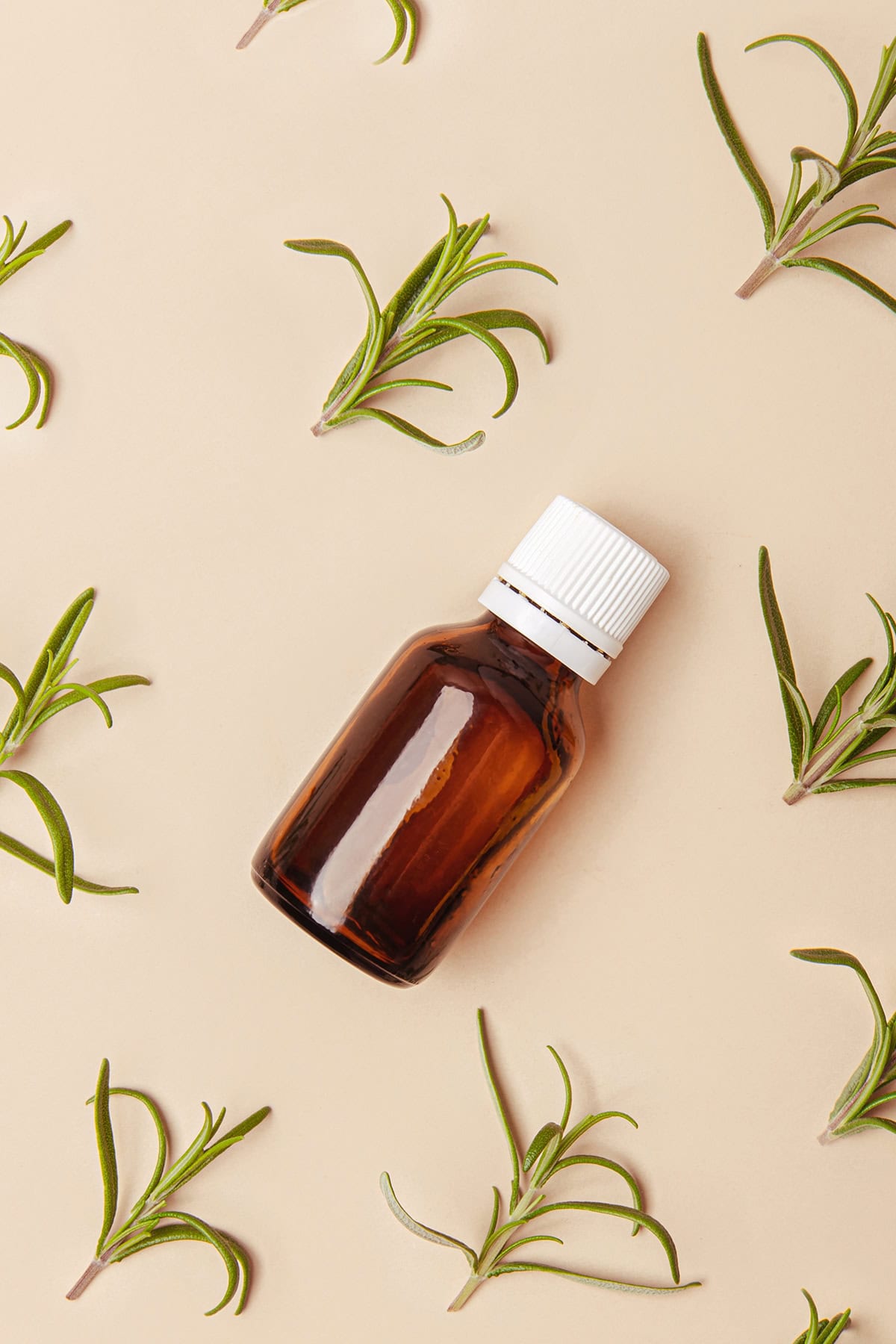
Steep rosemary in hot water, let it cool and pour it slowly over your hair after shampooing. Leave it on for a few minutes, then rinse. Fans of the rinse credit it with shinier hair and less dandruff, though research on it is limited.
Creating Homemade Rosemary Cleaning Products
Steep rosemary in white vinegar for a couple of weeks, strain it and dilute it with water. The herbal vinegar cuts grease on counters and stovetops and smells far nicer than plain vinegar. Skip it on marble and granite, since vinegar etches stone.
Using Rosemary in Homemade Sachets
Tuck dried rosemary into small cloth bags for drawers, closets and linen chests. The scent freshens fabric and helps deter moths. Slip one under a pillow for a light, herbal aroma at night.