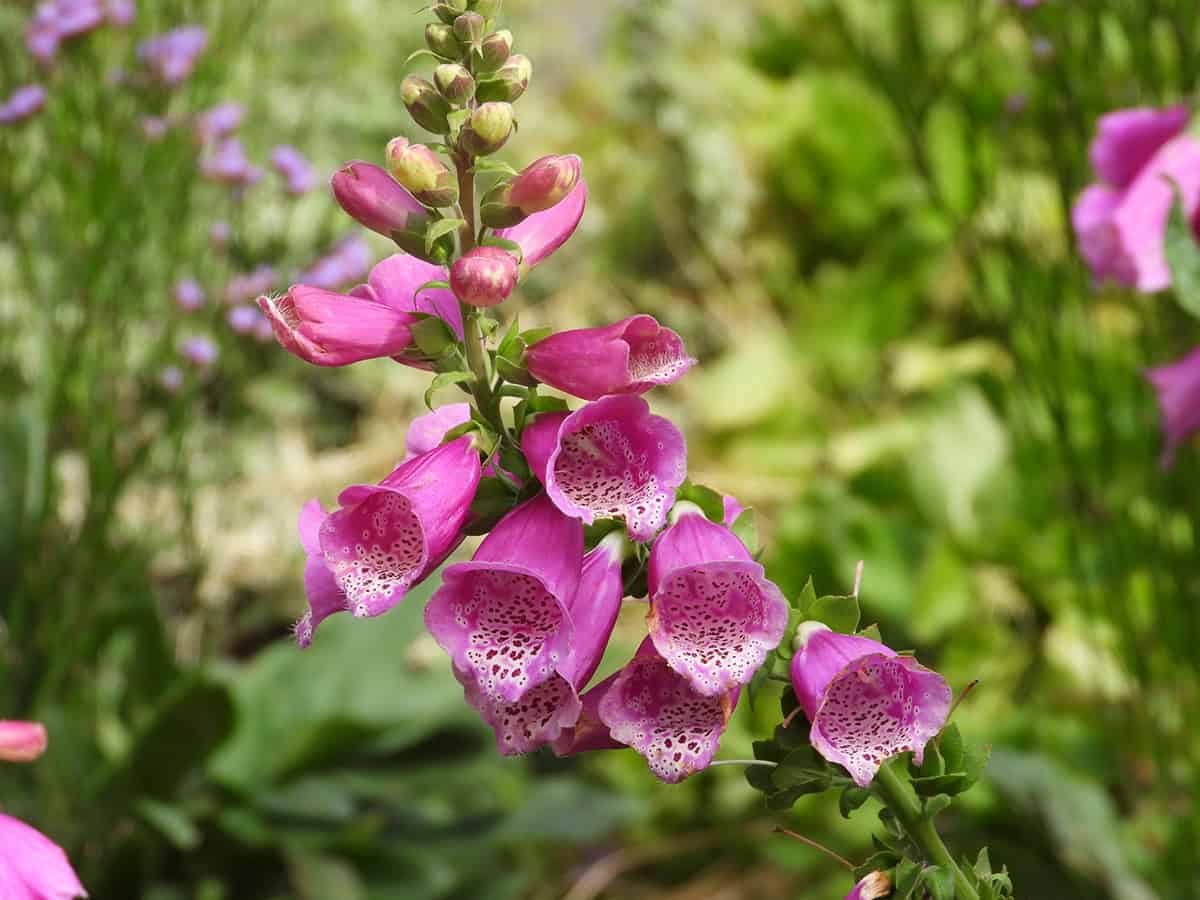
Growing foxgloves is easier than many gardeners expect. Give them the right location and a little routine care, and they’ll reward your efforts with towering stems covered in colorful blooms. Read on for helpful tips that make growing these classic flowers much simpler.
Table of Contents
Quick Care Summary
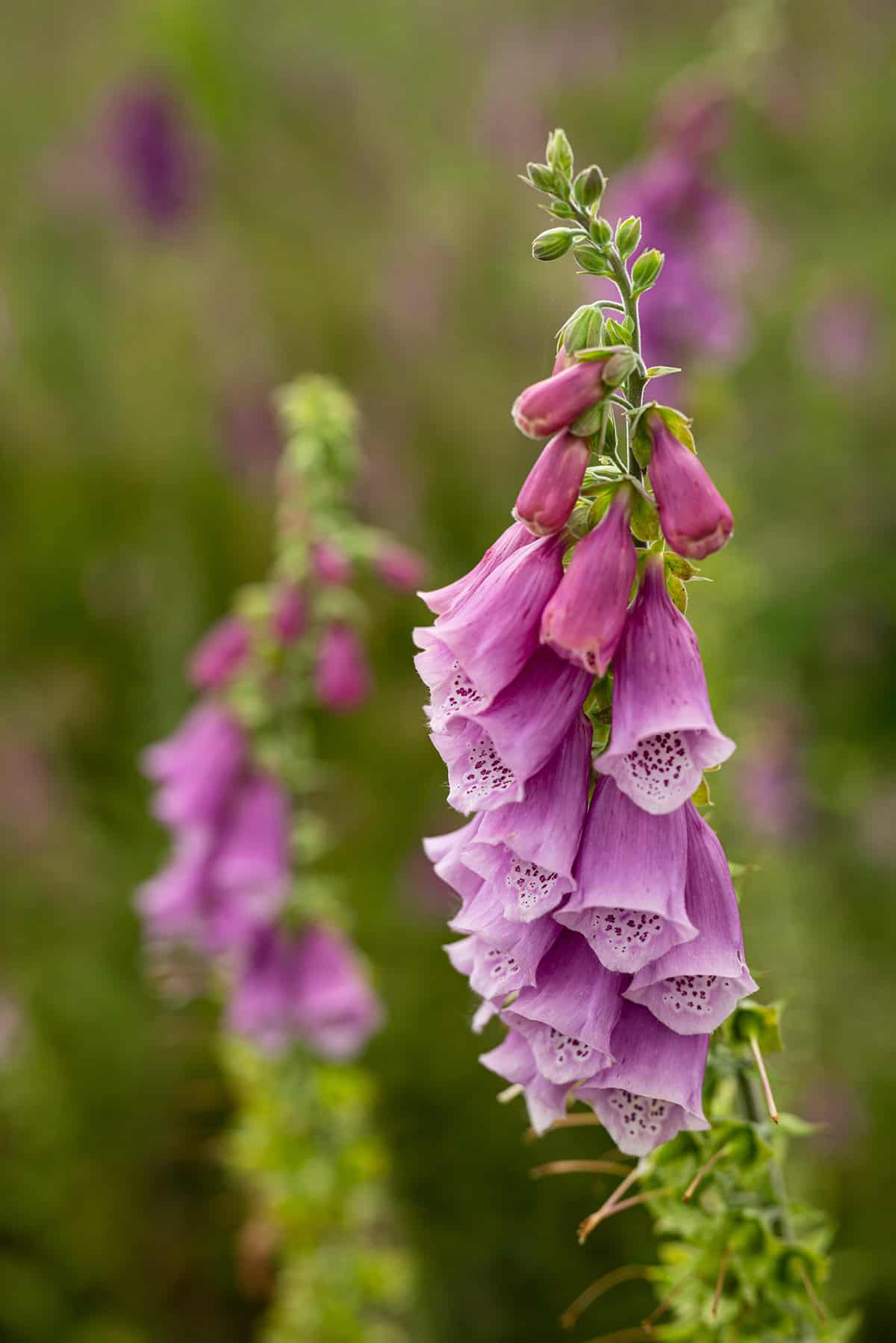
Foxglove’s upright habit and bold flowers are a classic fit for borders and cottage gardens. Most familiar varieties bloom in their second year, so plan on reseeding or adding new plants if you want a steady show. Every part is toxic, which means you’ll want to keep it out of reach of curious pets and kids.
It’s adaptable to most temperate zones and looks great tucked among shrubs or along fences, where tall stems get a bit of support. In hotter climates, some afternoon shade is a must. Want foxglove to come back on its own? Let a few spikes go to seed.
- Light: Full sun to partial shade; afternoon shade in hot regions
- Soil: Moist, rich, and well-drained; average garden soil is usually fine
- Watering: Even moisture—avoid soggy roots
- Temperature: Thrives in cool to moderate temps; hardy in USDA zones 4–8
- Humidity: Handles average garden humidity
- Fertilizer: Light, balanced feed in early spring
- Propagation: Seed; self-seeds if you leave some spikes standing
- Botanical name: Digitalis purpurea
- Common names: Foxglove, common foxglove
- Plant type: Biennial or short-lived perennial
- Mature size: 2–5 feet tall; 1–2 feet wide
- Growth rate: Moderate
- Toxicity: Toxic to pets and people
- Native region: Western Europe
Plant Overview
A foxglove’s tall flower spikes and vivid colors make it a head-turner in just about any garden. It usually finishes its life cycle in two years, though some types stick around a bit longer as short-lived perennials.
During the first year, expect a tidy rosette of leaves hugging the ground. Come year two, a single stem shoots up, packed with tubular flowers that bees and pollinators can’t resist. If you let some seed heads mature, you’ll often get seedlings popping up on their own.
- Botanical name: Digitalis purpurea
- Common names: Foxglove, Common foxglove
- Plant type: Biennial or short-lived perennial
- Mature size: 2 to 5 feet tall, 1 to 2 feet wide
- Growth rate: Moderate
- Toxicity: Toxic to pets and people if ingested
- Native region: Western Europe
All parts are toxic—handle with care. The same compounds used in heart medicine are potent and dangerous if eaten straight from the plant.
Quick Care Summary
- Light: Full sun to partial shade
- Soil: Moist, well-drained, rich; slightly acidic preferred
- Watering: Even moisture, no soggy feet
- Temperature: Likes it cool to moderate
- Humidity: Average outdoor humidity is fine
- Fertilizer: Light, balanced feed in spring
- Propagation: Seeds; self-sows easily
Light
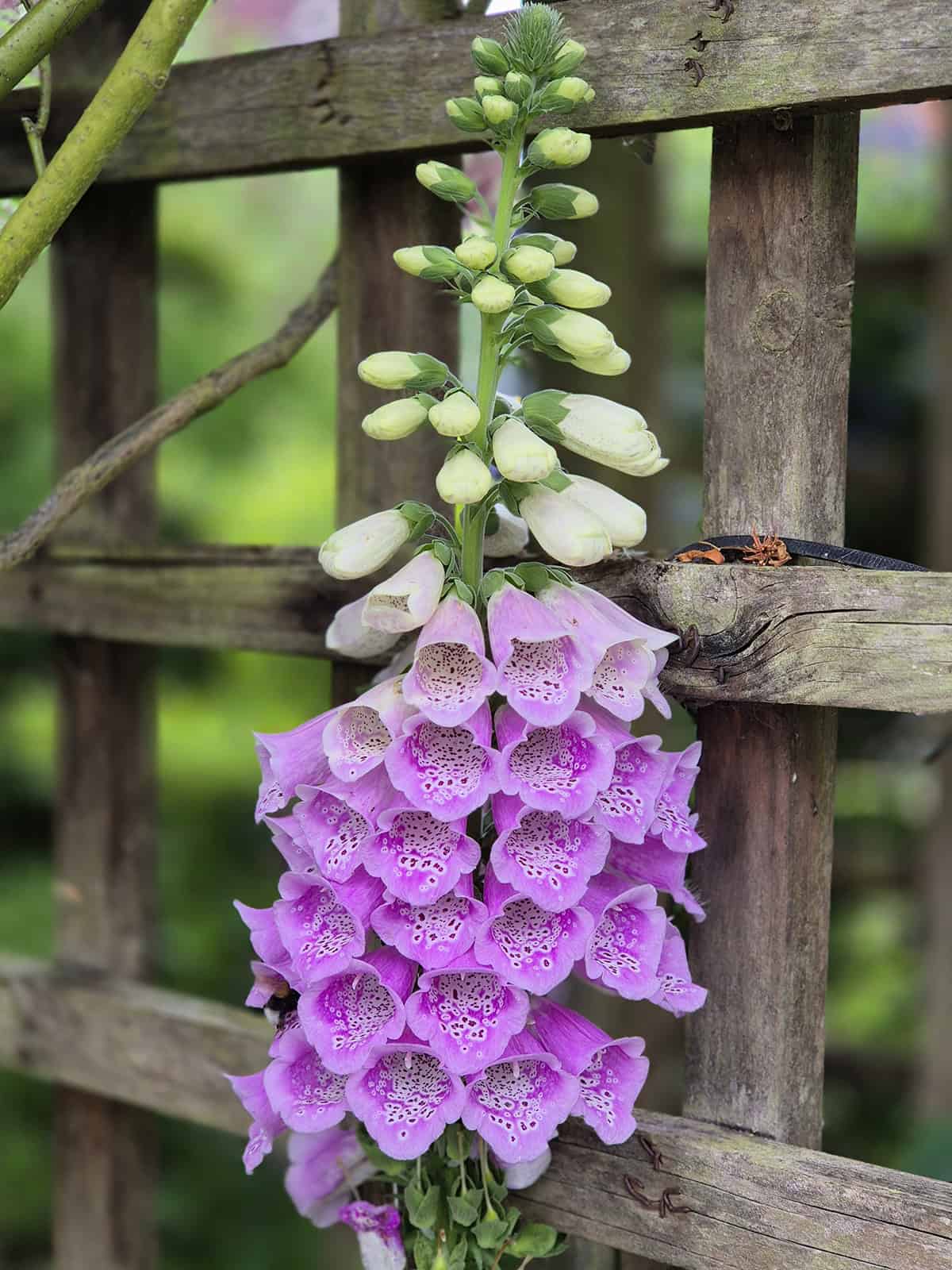
Early morning sun followed by some dappled shade is a sweet spot for foxglove, especially if you’re gardening in a region that gets hot afternoons. Three or four hours of direct sun is enough to get sturdy flower spikes. In cooler places, you can get away with more sun.
When the sun gets intense, especially in the South, plants benefit from a break in the afternoon. Too much shade, though, and you’ll get lots of leaves and not many flowers—plus, stems can get floppy as they reach for light.
Starting from seed? Those tiny seeds need light to sprout. Just press them onto the soil surface—don’t bury them. A spot with filtered light helps seedlings build strong rosettes their first year.
Water
Moisture is something foxglove wants, especially while it’s getting established. You’ll want to water deeply so moisture reaches below the surface. Once roots are settled, let the top inch of soil dry before watering again—this encourages roots to go deep.
In rainy, cool climates, nature usually takes care of things. Drought or heat spells, though, call for extra watering. Always water at the base to keep leaves dry and disease at bay.
Drainage is just as important as frequency. Rich, crumbly soil that doesn’t puddle around the crown is ideal. If you’re growing in pots, check moisture more often—pots dry out fast.
Soil
A generous helping of compost or leaf mold mixed into the planting area gives foxglove the rich, moisture-retentive but well-drained soil it loves. Aim for a pH in the 5.5 to 6.5 range—a soil test kit from the garden center will tell you where you stand.
If you’re dealing with clay, lighten things up with plenty of organic matter. Sandy soils, on the other hand, benefit from compost to help hold water. Keep the soil moist but not soggy, or you’ll see fewer flowers and weaker plants.
Temperature & Humidity
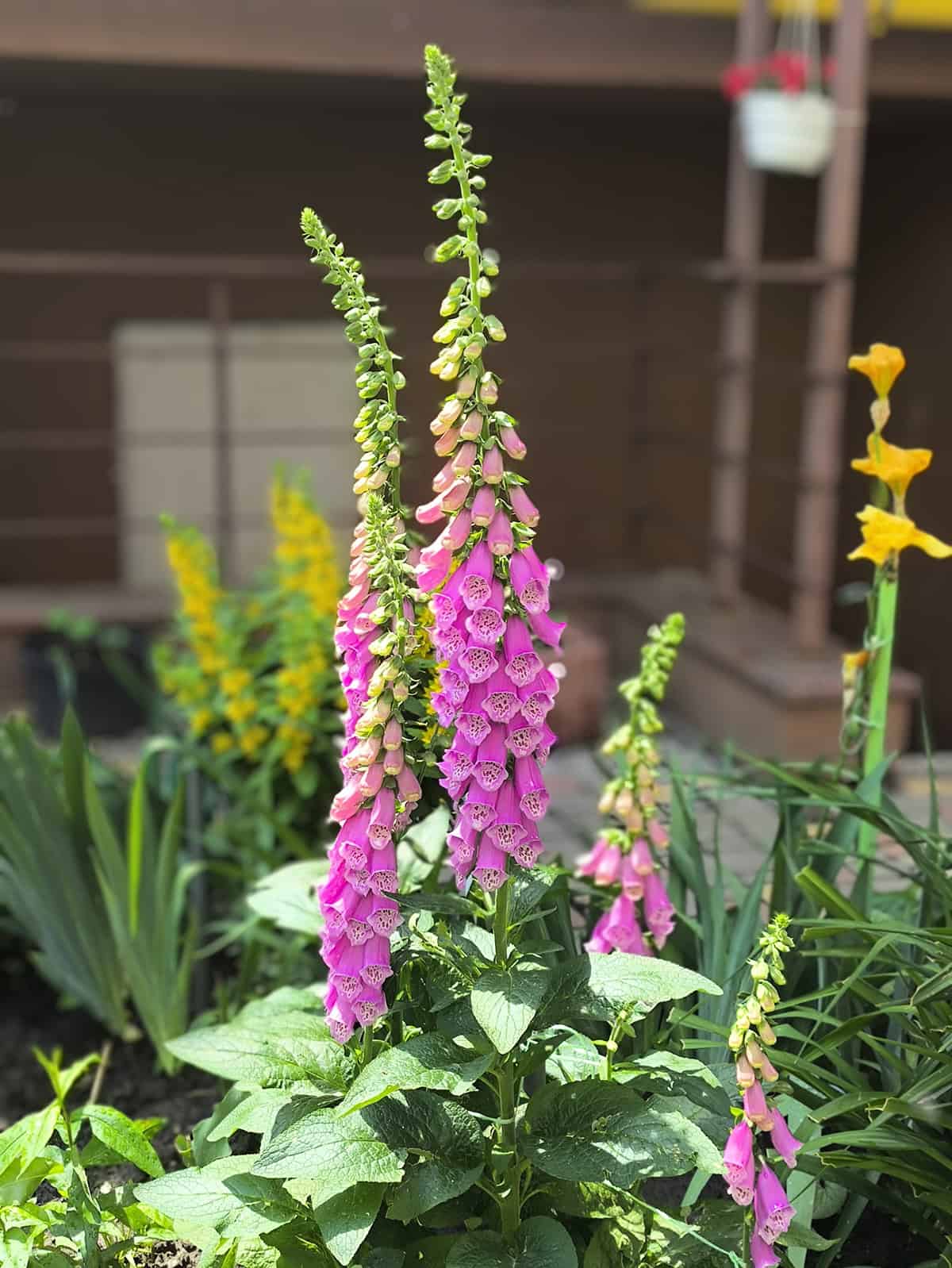
Cool, mild weather brings out the best in foxglove. Growth is strongest when days hover between 60°F and 70°F. Light frost isn’t usually a problem, especially before flowering. Once temps climb past 85°F, blooms fade faster and leaves can scorch.
Afternoon shade helps in hotter zones, and keeping the soil damp lets plants handle a bit more heat. Dry winds can be tough on foliage, so pick a sheltered spot if your summers get blustery.
Humidity? Average conditions are just fine. Too much moisture in the air, especially with crowded plants, can invite fungal problems. Give each plant enough space and avoid late-day overhead watering to keep things healthy.
Fertilizer
A heavy feeding schedule isn’t necessary here. If your soil is already rich and loose, you’re most of the way there. Before planting, dig in compost or well-rotted manure to boost fertility and structure.
Come spring, a light dose of balanced fertilizer (like 10-10-10) does the trick. Don’t overdo it—excess nitrogen leads to leafy growth at the expense of flowers.
If you’re working with poor or sandy soil, a little extra compost in midsummer can help keep things going without overwhelming the plant. Always water after fertilizing so nutrients reach the roots.
It’s tempting to feed more, but honestly, good soil and a light touch with fertilizer work best for foxglove.
Potting & Repotting
Container-grown foxglove can be surprisingly striking. Pick a pot with drainage holes and at least 10–12 inches of depth. Use a loose, fertile mix—something designed for flowering perennials is usually spot-on.
Settle the plant at the same depth it was growing before, firm the soil around the roots, and water well to settle everything in. Sun to partial shade works for containers, too.
When roots start circling the pot or poking out the bottom, it’s time to repot. Swap in fresh soil to keep nutrients up. Be gentle—foxglove roots can be a bit fragile. After repotting, water in and keep the soil just moist until new growth kicks in.
Pruning
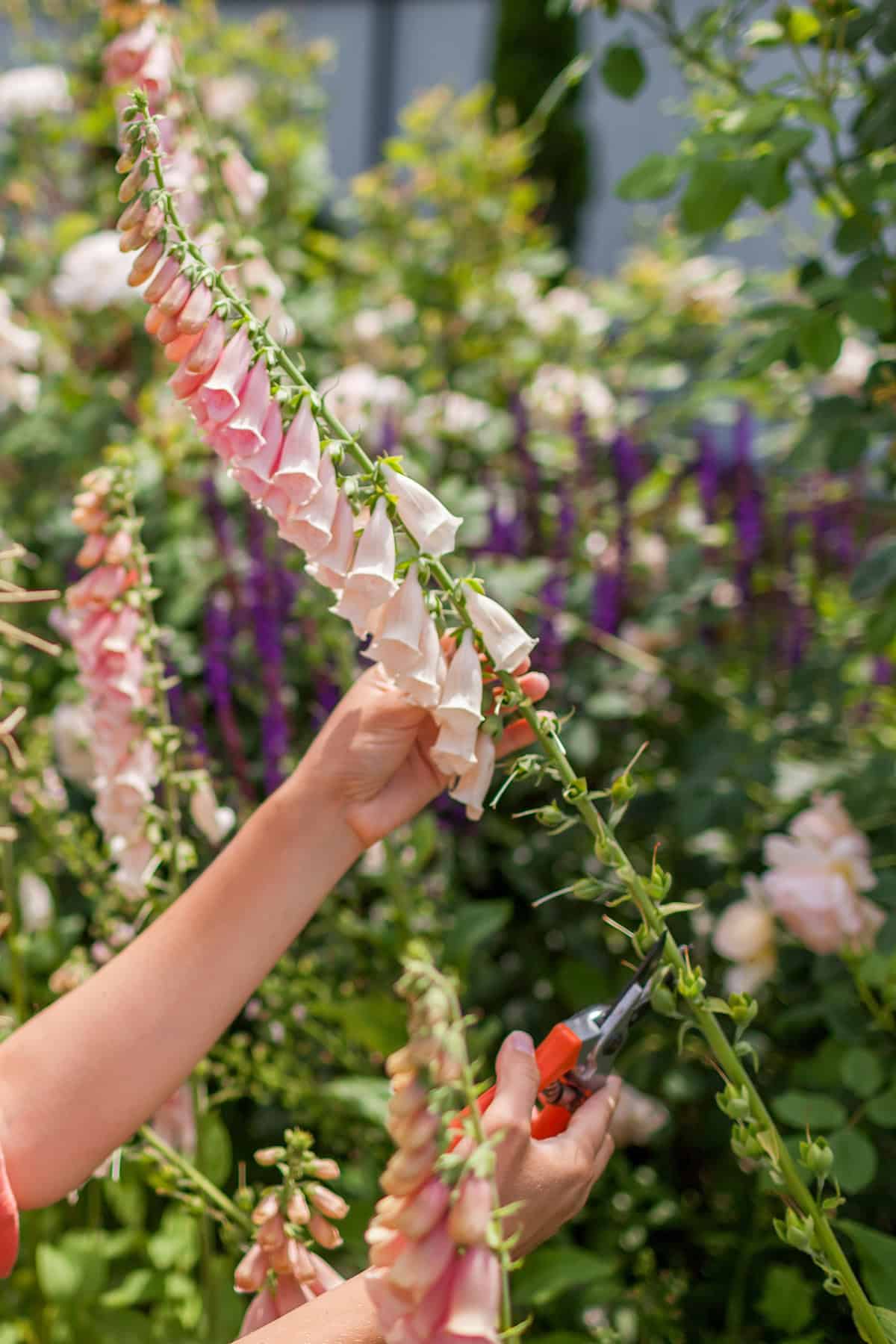
Keeping foxglove tidy doesn’t take much. Most of the action happens in the second year, when flower spikes shoot up. Snip off the main spike at the base once flowers fade if you want to cut down on seedlings or encourage side shoots.
If you’re after natural reseeding, leave a few spikes standing so seed pods can mature and scatter. Come spring, thin out any crowded seedlings to keep air moving between plants.
Dead stems can be cut to ground level at season’s end. Always handle clippings carefully—every bit of the plant is toxic. A quick wash of hands and tools after pruning is smart.
Propagation
Starting foxglove from seed is straightforward. Indoors, sow seeds in late winter or early spring, about 8–10 weeks before your last frost. Scatter them on moist seed mix—don’t cover, since they need light. A steady 70°F and gentle moisture usually gets them sprouting in two or three weeks.
Once seedlings have a couple of true leaves, move them to bigger pots, then outside after frost risk passes. Direct sowing outdoors works too—late spring or early summer is best. Give young plants 12–18 inches of space for good airflow. Most types flower in their second year, though a few newer varieties bloom the first season.
Common Problems
Soggy, heavy soil is a recipe for disaster—roots rot quickly and plants can collapse overnight. Stick with well-drained ground and avoid watering too often, especially in clay. Always water at the base and let the top layer dry a bit between waterings.
Powdery mildew sometimes pops up in muggy weather with little airflow. Look for a pale, dusty coating on leaves. Space plants well, remove affected leaves right away, and skip overhead watering when you can.
Aphids can cluster on stems and buds, distorting new growth. A hard spray of water or a little insecticidal soap usually knocks them back. Check under leaves every week or so.
Foxglove drops plenty of seed—sometimes too much. If you don’t want a forest of seedlings, snip off spent spikes. Or let a few go to seed if you’re happy to have them return.
Hot, dry spells can stress plants and cut bloom time short. Afternoon shade and extra water help keep things going when summer turns up the heat.
Varieties
In the garden, foxgloves show off a surprising range of personalities—color, stature, and even lifespan all shifting from one type to the next. The classic Digitalis purpurea tends to steal the spotlight, flaunting tall spires decked in shades from deep purple to creamy white, each bell flecked with little speckles. Most of these are biennials, though every now and then, you’ll spot one stubbornly returning for another round.
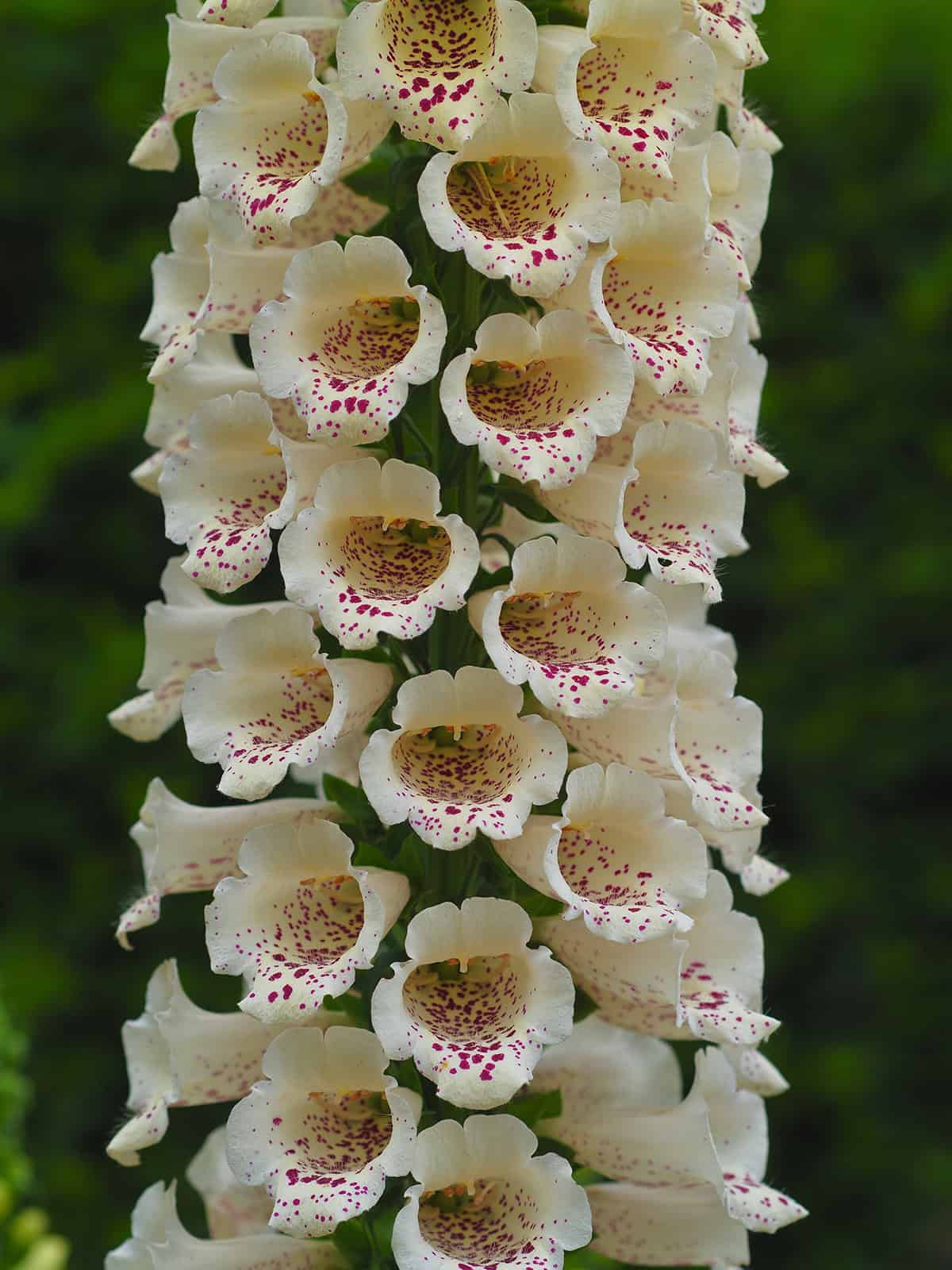
Some folks lean toward compact, fast-flowering options. ‘Camelot’ and ‘Dalmatian’ come to mind—these jump right into blooming their very first season, skipping the wait and keeping their size in check. They’re honestly great for tighter spaces or pots. If pure white is your thing, ‘Alba’ delivers a crisp, unfussy vibe that feels almost modern.
Step outside the usual and you’ll run into less familiar faces. Digitalis grandiflora brings a softer yellow to the mix and doesn’t mind a bit more sun. There’s also Digitalis lutea, which sends up slender stalks dotted with pale yellow bells, lending a lighter, almost airy feel. Just a heads-up: all these types pack toxic compounds, so maybe think twice before planting where pets or little kids roam.