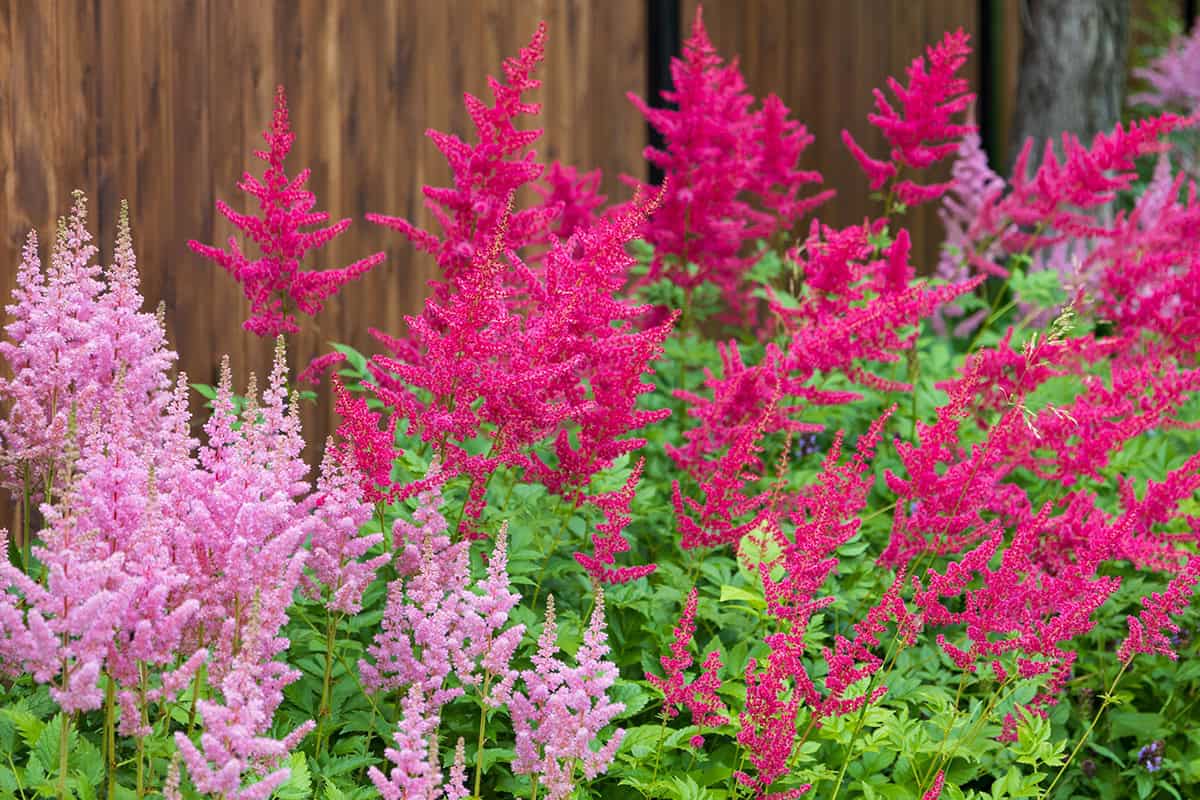
Astilbe brings a reliable pop of color to those shadier corners of the garden, sending up feathery plumes of pink, white, or purple that return each year if you treat them right. Partial shade, rich soil that stays damp, and a spring-and-fall feeding routine set you up for healthy, showy blooms.
Curious how light, water, and soil shape flower size and leaf health? It’s all about keeping the roots happy—consistent moisture stops crispy leaves, and a fertile bed powers steady growth. Occasional pruning and well-timed fertilizer help keep things lush and compact.
You’ll find tips here for growing astilbe in containers, dividing mature clumps, and troubleshooting issues like leaf scorch or sparse flowering. Whether you’re working with a tiny border or a sprawling bed, there’s a variety to fit. The steps below walk you through every phase, from planting to peak bloom.
Table of Contents
Quick Care Summary
Few plants deliver as much color and texture to shade gardens with so little fuss. Astilbe’s plumes and pretty leaves stick around for years if you give them what they want.
- Light: Thrives in part shade; can handle sun if soil stays moist.
- Soil: Needs rich, humus-packed soil that holds water but doesn’t get soggy.
- Watering: Keep things evenly moist; dry spells brown the leaves.
- Temperature: Grows best in cool to moderate climates; shrugs off cold winters.
- Humidity: Average to high humidity is ideal for leaf health.
- Fertilizer: Feed in spring, then again in fall; bump up nitrogen in fall.
- Propagation: Divide rhizomes in early spring or fall.
Scout out your planting spot before you dig. Somewhere that won’t bake dry in summer is key. Sandy or fast-draining soil? Mix in plenty of compost.
- Botanical name: Astilbe spp., with hybrids like Astilbe x arendsii
- Common names: Astilbe, false spirea
- Plant type: Herbaceous perennial
- Mature size: 1–3 feet tall, 1–2 feet wide, sometimes more
- Growth rate: Moderate, clumping up a bit more each year
- Toxicity: No known risks to pets or kids
- Native region: China, Japan, Korea
Plant Overview
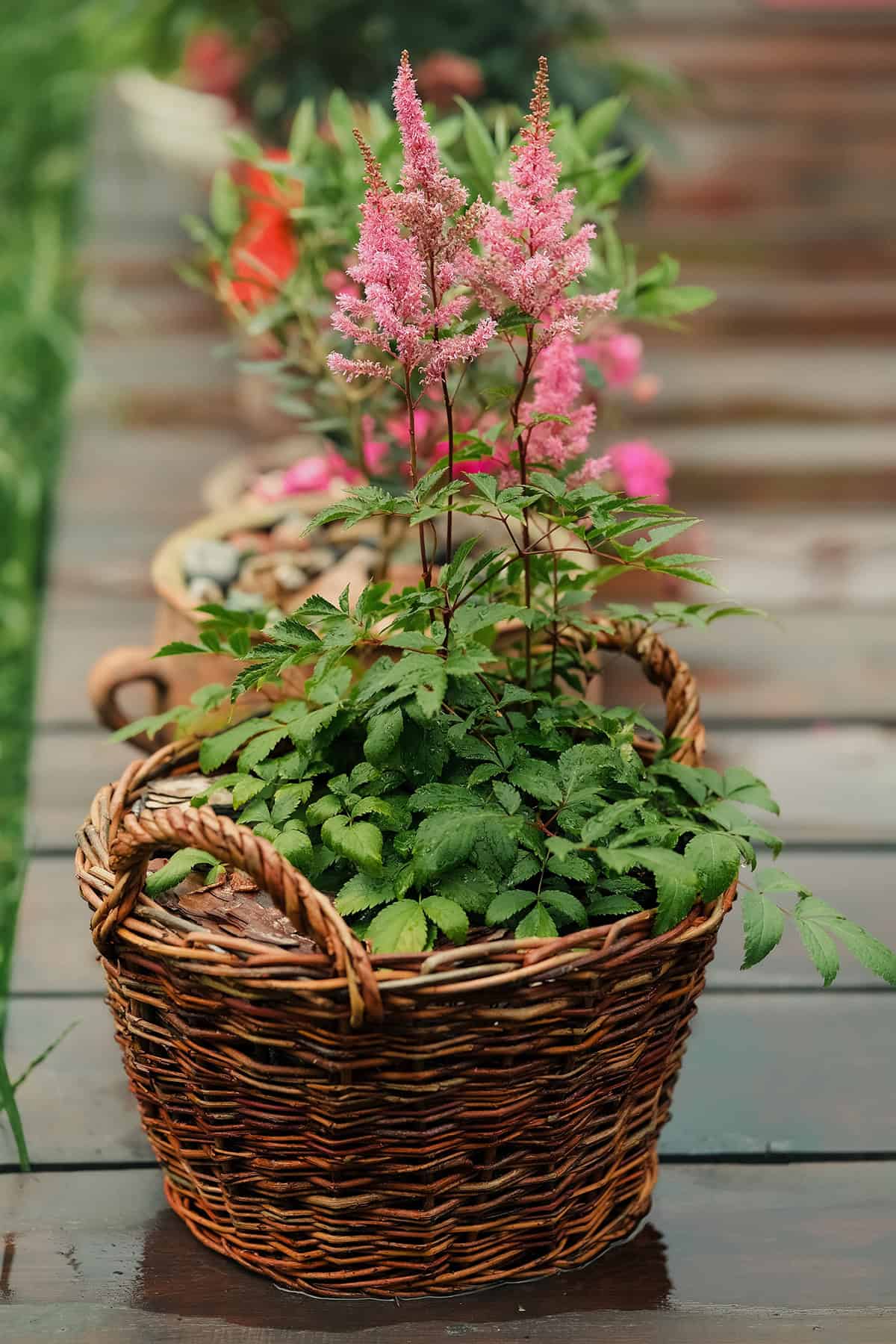
Bright plumes and dense, ferny foliage fill in those tricky shaded beds where most flowers just give up. Woodland gardens, in particular, benefit from the way astilbe spreads out and returns reliably each year, with most types blooming between late spring and summer.
Clumps expand slowly and appreciate being divided every so often. Moist soil and filtered sunlight help build sturdy stems and big, full flower heads.
- Botanical name: Astilbe spp. and hybrids
- Common names: Astilbe, false spirea
- Plant type: Herbaceous perennial
- Mature size: 1.5–3 feet tall, 1.5–2 feet wide
- Growth rate: Moderate
- Toxicity: Not considered toxic to pets or children
- Native region: East Asia, Japan, with a few species native to North America
Hybrid varieties abound, most tracing back to Asian species. Blooms range from white and pink to deeper reds and lavenders, and they’re a magnet for pollinators. They also last well if you like to cut flowers for the vase.
Quick Care Summary
- Light: Partial to full shade; tolerates sun with enough water
- Soil: Rich, well-drained, loaded with organic matter
- Watering: Keep soil evenly moist; drought isn’t tolerated
- Temperature: Cool to moderate climates preferred
- Humidity: Moderate to high
- Fertilizer: Feed in spring and fall
- Propagation: Divide clumps every 3–4 years in spring
Light
A pocket of partial shade sets the mood for the best flower show. Morning sun followed by afternoon shade works in most climates, while dappled light beneath trees also keeps astilbe happy.
Plants can handle brighter spots, but only if you’re on top of watering. In hot areas, harsh afternoon sun usually means scorched leaves—edges go brown fast when moisture can’t keep up with the heat.
Stick astilbe in deep shade and you’ll get plenty of leaves but not much in the way of flowers. The plumes shrink and stems can flop. Aim for a bright, filtered light—not a gloomy corner.
Up north, a bit more direct sun is fine. Down south, you’ll want to lean into shade to keep foliage and blooms looking fresh. Adjust your watering to match the light and keep growth on track.
Water
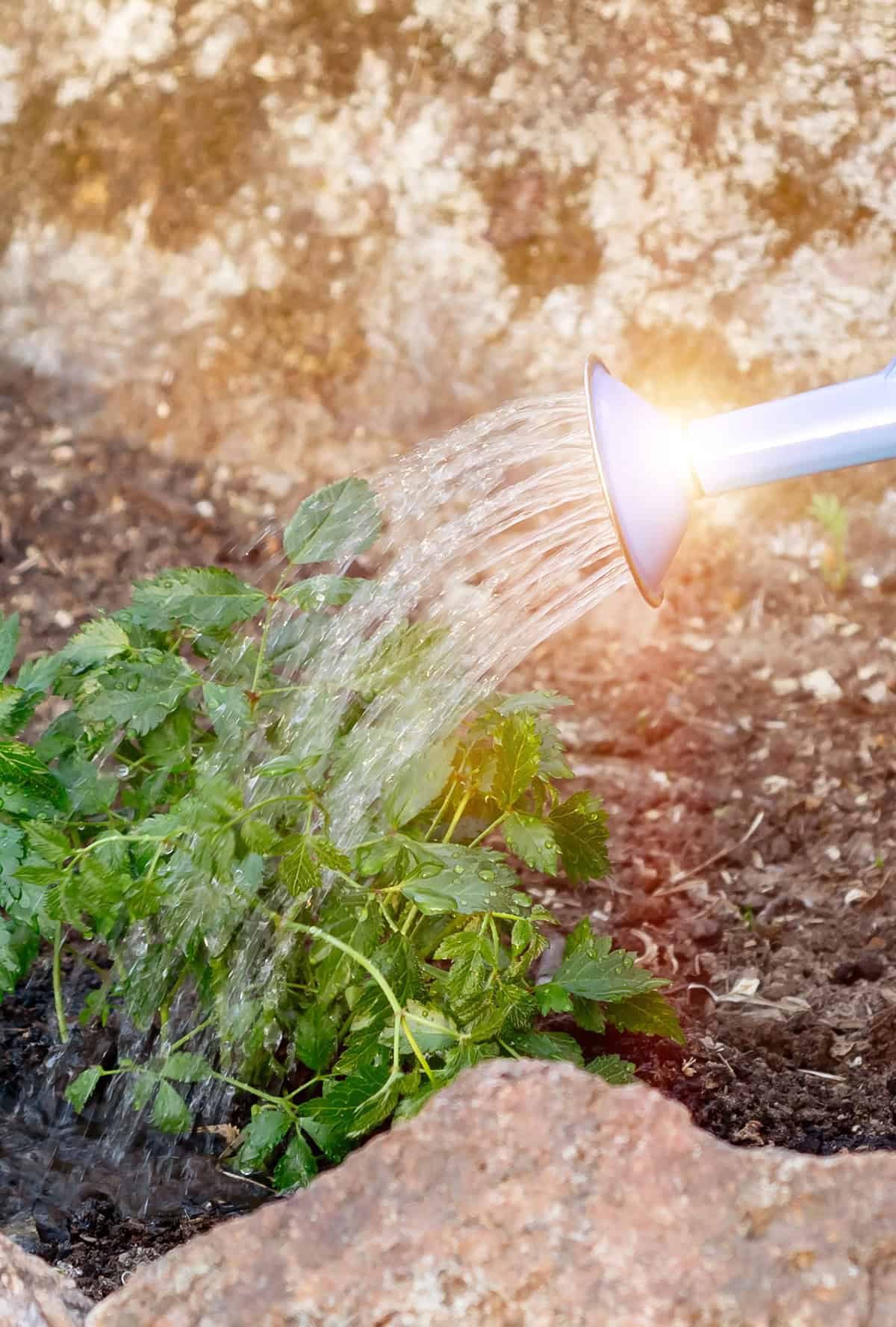
Moisture is non-negotiable—let the soil dry out and you’ll spot crispy leaves and fewer blooms in no time.
Check with a finger: if the top inch feels dry, it’s time for a thorough soak so water reaches deep roots. Light, frequent watering just won’t cut it and leads to weak, stressed plants.
During heat waves or sunny stretches, you’ll need to water more often, especially for plants in sun. High temps plus dry soil zap bloom quality.
A thick mulch layer helps lock in moisture and keeps roots cool. Go for organic mulch like shredded bark. Rich, compost-laden soil holds water better, so amend as needed for lasting dampness without swampy conditions.
Soil
A bed with deep, spongy richness sets astilbe up for success. Soil needs to hold onto moisture but still drain well—dry, sandy spots just won’t cut it, and heavy clay needs plenty of compost to loosen things up.
Add organic matter like compost, leaf mold, or well-aged manure to the top 8–12 inches before planting. This boosts both water retention and nutrients, giving roots room to spread.
Aim for a soil that stays evenly damp through the season. If things dry out, expect brown leaves and weak flowers. Astilbe isn’t built for drought, so fix quick-drying beds with compost or peat before you start.
Slightly acidic to neutral pH is best. If growth stalls for no clear reason, test the soil. Top up with a thin layer of compost each spring to keep conditions prime for flowers.
Temperature & Humidity
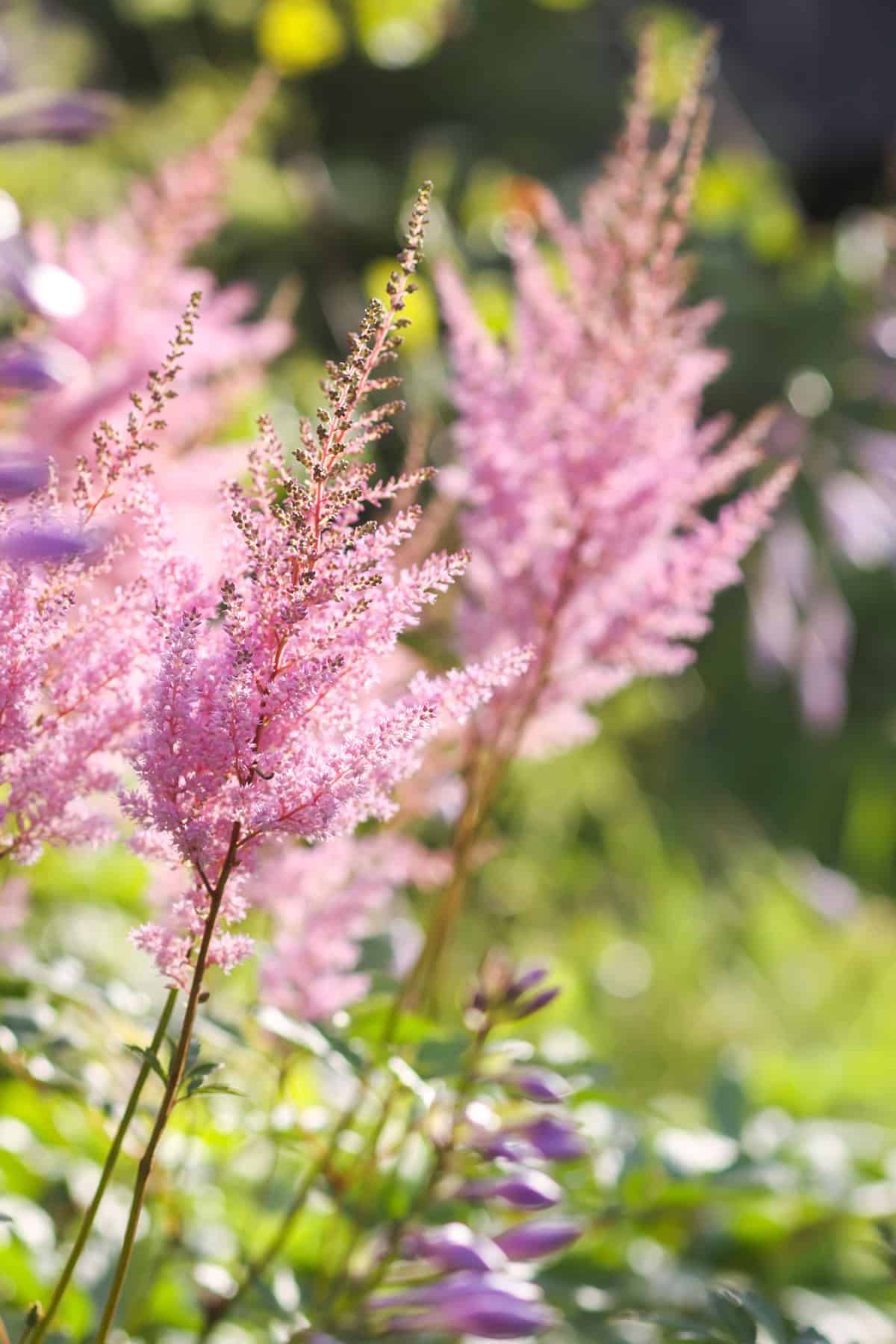
Cool, moderate weather brings out the best in astilbe. Growth is strongest with daytime temperatures hovering between 60°F and 75°F. Extended spells above 85°F tend to reduce flowering and burn leaf edges, especially if sun exposure is high.
Southern gardeners should provide afternoon shade and keep up with watering when the heat’s on. Dry, hot spells stress roots and cut bloom time short.
Cold snaps aren’t much of a worry. Most types shrug off freezing winters and bounce back in spring. If you get harsh winters or lots of freeze-thaw cycles, a late fall mulch layer helps protect crowns.
While soil moisture matters most, moderate humidity supports lush leaves. Dry air, especially with heat, speeds up water loss from foliage—deep watering and organic-rich soil help offset this.
Skip exposed, windy spots that dry out soil and leaves. Tuck astilbe into a sheltered area with steady moisture and a break from harsh afternoon rays.
Fertilizer
Nutrient-rich soil is the foundation for strong leaves and full flower plumes. Amending with compost before planting is a solid start—it helps roots access moisture and nutrients. Weak growth and sparse blooms are common in poor soils.
Start feeding in early spring as new shoots poke through. A balanced, slow-release fertilizer at the recommended rate does the trick. Astilbe likes a bit more nitrogen for lush leaves and bud development, but don’t overdo it—too much can burn roots.
A lighter feeding in early fall supports bud formation for next year. Some gardeners switch to a higher-nitrogen formula at this time. Always water after fertilizing to move nutrients down to the roots. Never fertilize dry soil; that’s a recipe for stress.
Potting & Repotting
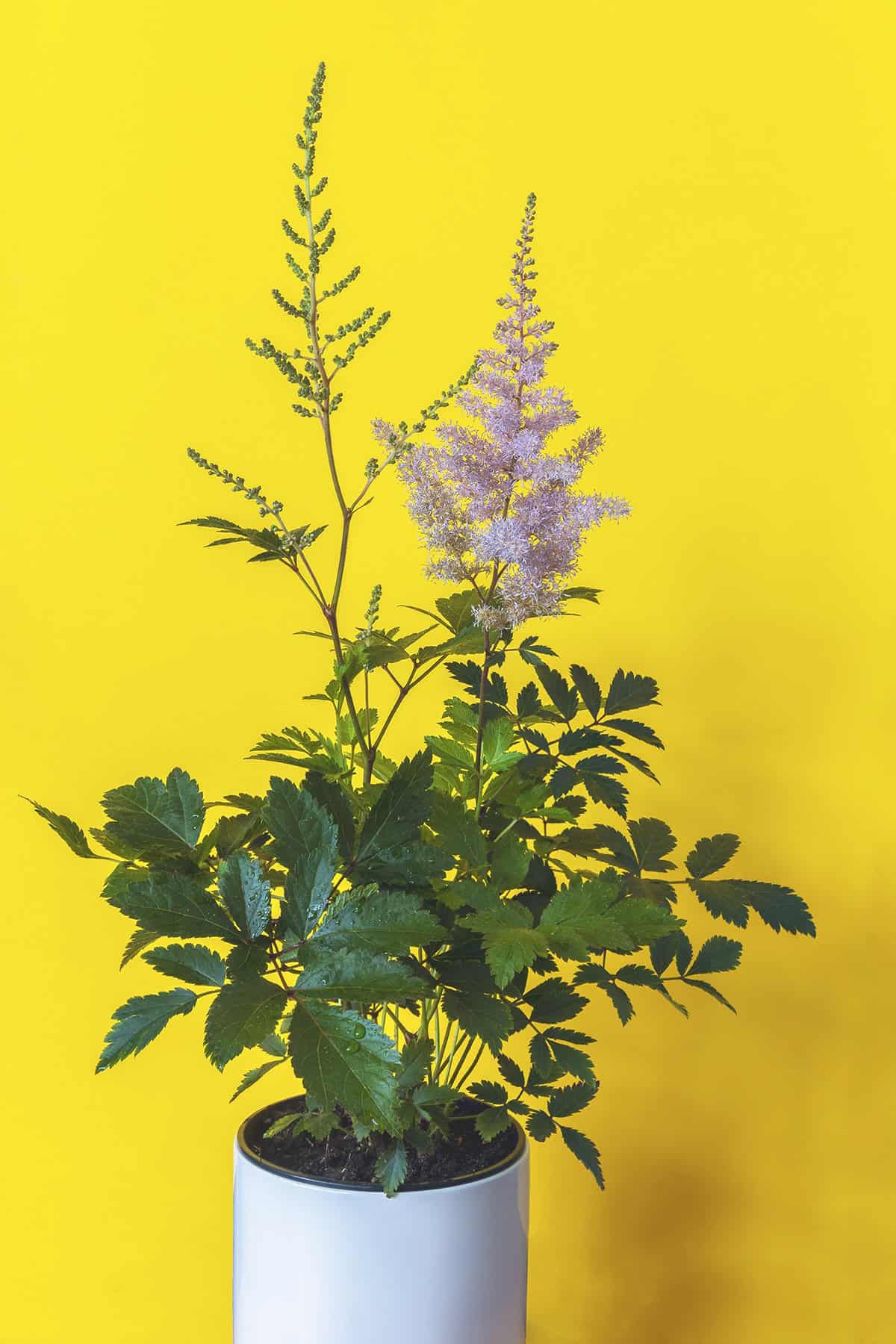
Container-grown astilbe can thrive if you’re attentive to watering. Pick a pot with drainage holes and enough space for roots to spread. Fill with a rich, humus-heavy mix that stays moist but doesn’t stay soggy. Keep the plant’s crown at soil level.
Container soil dries out faster than garden beds, so keep an eye on moisture—don’t let the root ball dry out or leaves will brown in a hurry. Part shade to full shade is best for blooms. In cool climates, a bit more sun is fine if you’re diligent about watering.
Every three or four years, plan to divide and repot. Lift out the root ball, trim away old, woody rhizomes, and replant only the healthy, firm sections. Refresh the potting mix each time to give roots a nutrient boost.
Feed potted plants in early spring and again in fall. Use a balanced fertilizer in spring, switching to higher nitrogen in fall to set buds. Avoid undersized pots that cramp roots; bump up a pot size when roots fill the container.
Pruning
Tidiness and plant health both benefit from a bit of attention with the pruners. Focus on removing spent blooms and clearing out old growth, using sharp, clean tools to avoid damaging the crown.
Once flowering wraps up, snip off faded plumes if you want a cleaner look—this won’t prompt more blooms, but it does keep things neat. Some gardeners actually leave the flower heads up for winter interest.
Hold off on cutting plants to the ground in fall. The old leaves offer some cold protection for the crown. Too much fall cleanup can leave plants vulnerable in harsh winters.
Come early spring, trim away dead stems and leaves right down to the soil as new growth starts. Be gentle to avoid nicking the fresh shoots.
Crowded clumps benefit from division every few years—lift, separate healthy sections with firm roots, and replant. Discard any woody, spent centers.
Propagation
Dividing clumps is the go-to for vigorous, healthy plants. Early spring, just as shoots emerge, is ideal—though in mild climates, early fall works too. Skip hot, dry periods for this chore.
Use a spade to lift the whole clump, keeping roots as intact as possible. Slice into smaller chunks with a sharp knife or spade, making sure each piece has several roots and at least one healthy bud. Toss out tired, woody centers.
Set divisions at the same depth as before, spacing 18–24 inches apart for airflow and room to grow. Water well to settle soil, then mulch to hold moisture and reduce stress.
Aim to divide every three to four years. Overgrown clumps bloom less and get crowded. Regular division keeps flowers coming and plants healthy.
Growing astilbe from seed is possible, but results can be unpredictable. Seeds need light and steady moisture to sprout, but division is by far the most reliable way to keep colors and forms consistent.
Common Problems
Crispy brown leaves? That’s usually a sign of dry soil or too much sun. Astilbe really needs steady moisture and shelter from harsh afternoon rays—once the soil dries, decline sets in fast. Regular watering and a good mulch layer help prevent this.
Sparse flowering often ties back to light or nutrition. Deep shade means fewer blooms, even if the plant looks healthy otherwise. Full sun without enough water also cuts back on flowers. Stick with a balanced fertilizer in spring and fall to boost bud set.
Root and crown issues pop up in compacted or soggy soils. Wet feet stress roots and can lead to rot, so improve drainage with organic matter before planting. Deer tend to ignore astilbe, but in humid stretches, you might see leaf spots or mildew—remove affected leaves and give plants more airflow to help curb the problem.
Varieties
Shady borders come alive with astilbe, and the sheer range of cultivars almost feels overwhelming. Height, color, and bloom time all shift dramatically depending on which group you pick—most of what’s out there in nurseries traces back to hybrid lines like Astilbe x arendsii, themselves descended from wild plants in East Asia.
Along the back of a border, those classic Astilbe x arendsii hybrids bring a certain upright drama. You’ll see them stretching up to three feet, with feathery plumes that show off in shades from icy white to deep red and lavender. They’re broad enough to fill space but don’t sprawl out of control.
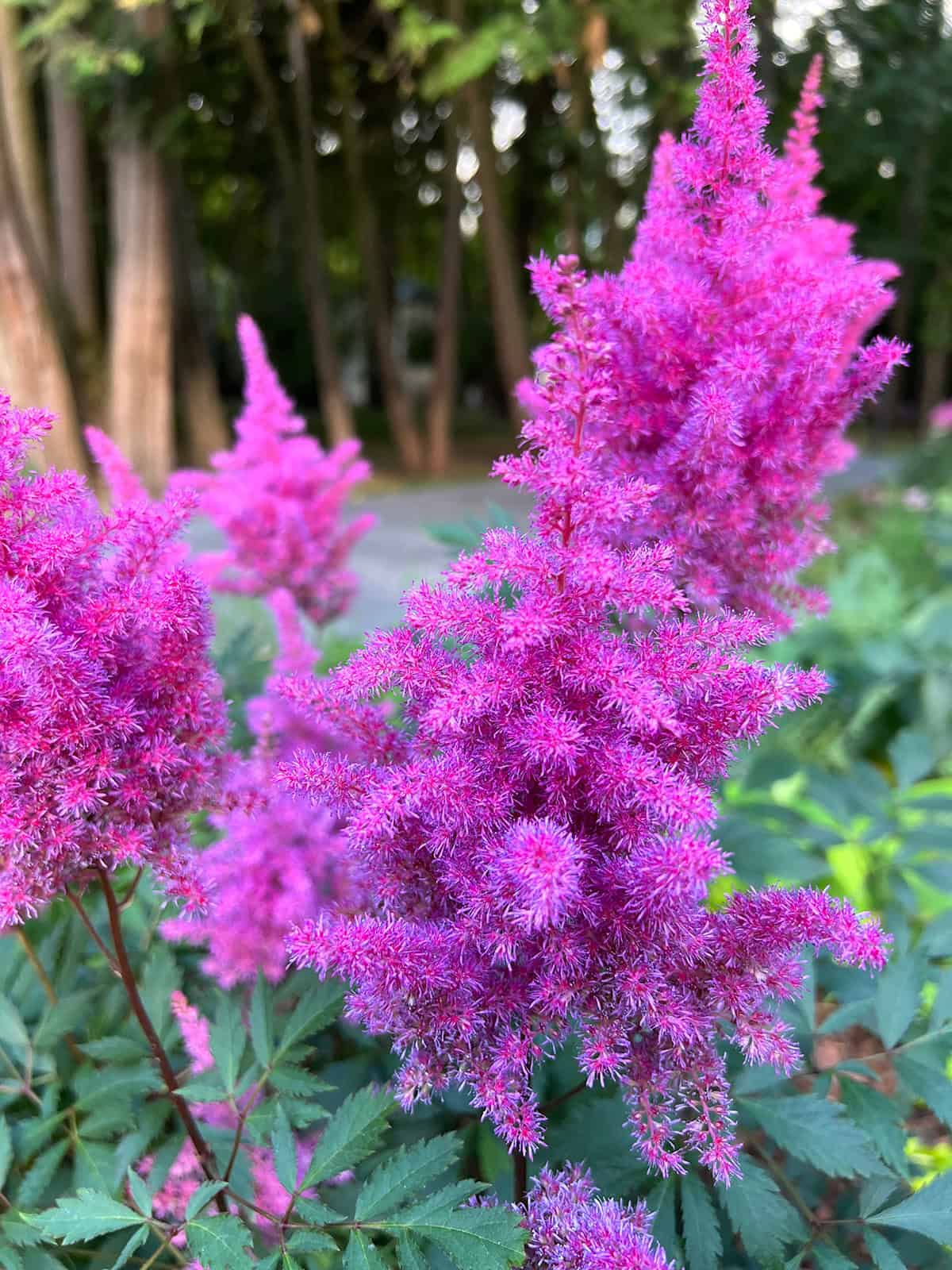
In tighter quarters, or if you just prefer a tidier look, the dwarf selections—especially from Astilbe chinensis—keep things compact. Twelve to eighteen inches is about as tall as they get, and they’re surprisingly tolerant of spots that dry out a bit between waterings. These shorter forms look right at home edging a path or crowding the front of a shady bed.
Then there are the giants, which honestly can steal the whole show. ‘Mighty Chocolate Cherry,’ for example, throws up dramatic, dark-stemmed plumes that tower over four feet, splashed with intense pink. If you’re after late summer color, these taller types keep the party going well after earlier bloomers fade out.
Staggering bloom times is another trick some gardeners swear by. Early, mid, and late-flowering cultivars let you stretch out the season, so if you’re the sort who hates empty patches, mixing a few types can keep those borders vibrant for weeks on end.