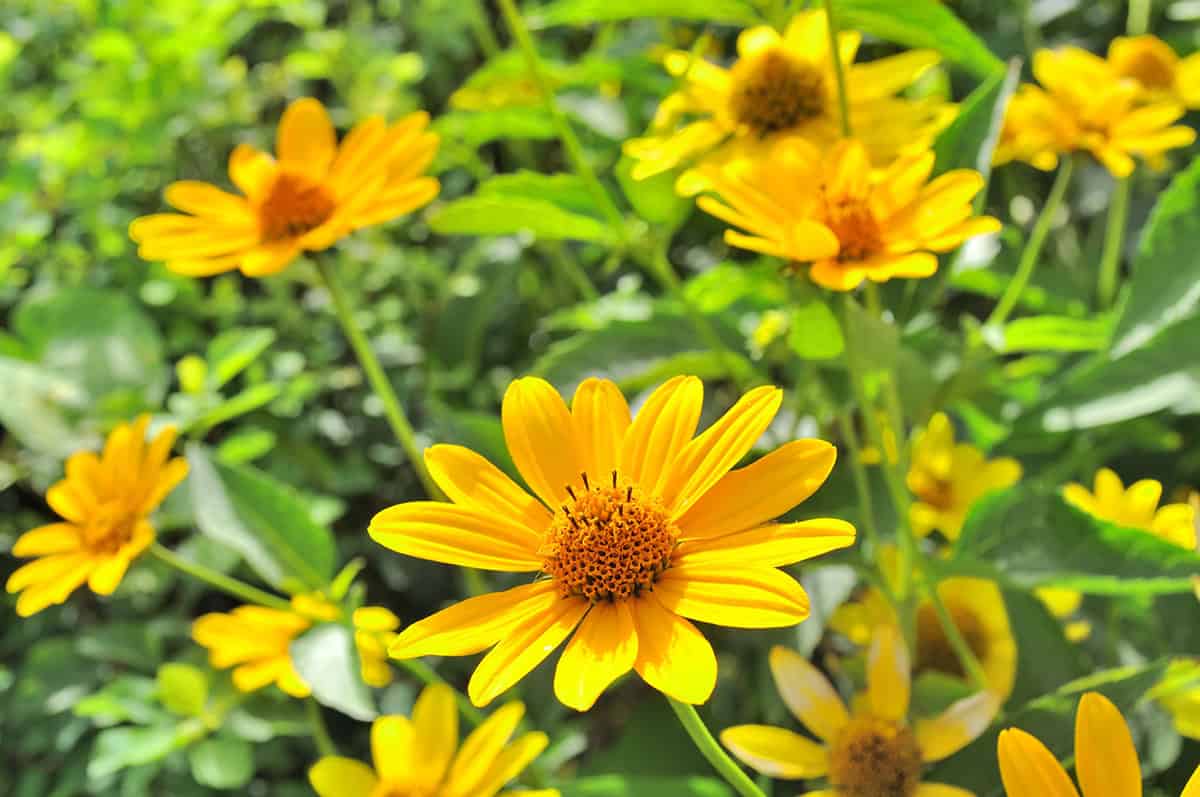
Jerusalem artichoke, also called sunchoke, is a North American sunflower (Helianthus tuberosus) that produces crisp, nutty tubers underground and yellow flowers on stalks up to 10 feet tall. Tubers go into the ground in early spring and come out in fall after the first frost.
The plant spreads hard, and one forgotten tuber starts a new patch the following year. Plan for that before planting, since a sunchoke bed is very hard to get rid of.
Table of Contents
Soil
Jerusalem artichokes prefer loose soil that drains well after rain. In heavy clay, mixing in compost or other organic matter helps a lot. The plants tolerate poorer soil than most vegetables, though richer ground produces a noticeably bigger harvest.
Avoid soggy ground, which leads to rot. Aim for soil that holds moisture but never puddles. A neutral to slightly alkaline pH is fine.
Mix compost into the bed before planting, since it feeds the plants and loosens the soil. Skip high-nitrogen fertilizers, which push tall growth and produce small tubers.
Once established, the plants handle dry spells with little trouble.
Planting
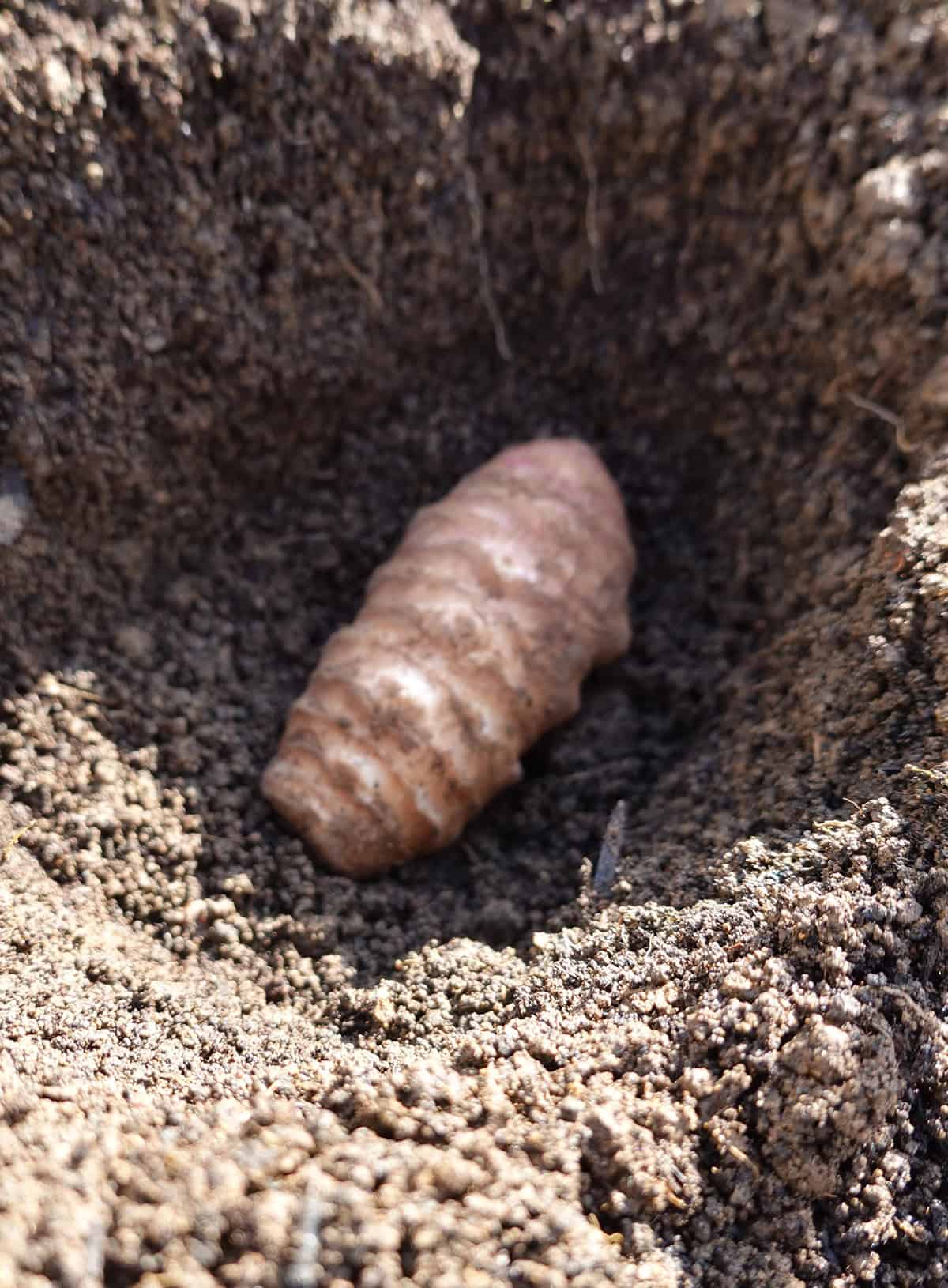
Choose firm, unblemished tubers. Cut large ones into pieces with at least one or two eyes each, and let the cut surfaces dry for a day before planting.
Pick a sunny, well-drained spot, since full sun produces the strongest stalks and the best tubers. Avoid low, wet areas.
Plant in early spring once the ground has thawed and is workable. Set tubers 4 to 6 inches deep and 12 to 18 inches apart, with rows about 3 feet apart. The plants grow 6 to 10 feet tall, so place them on the north side of the garden, where their shade falls clear of other crops.
Water after planting, and hold the soil evenly moist in the early weeks. Mulch suppresses weeds and slows evaporation.
Placement matters for years to come. Even a small leftover piece of tuber sprouts the next spring, so a dedicated bed or a deep root barrier is a smart idea.
Recommended Varieties
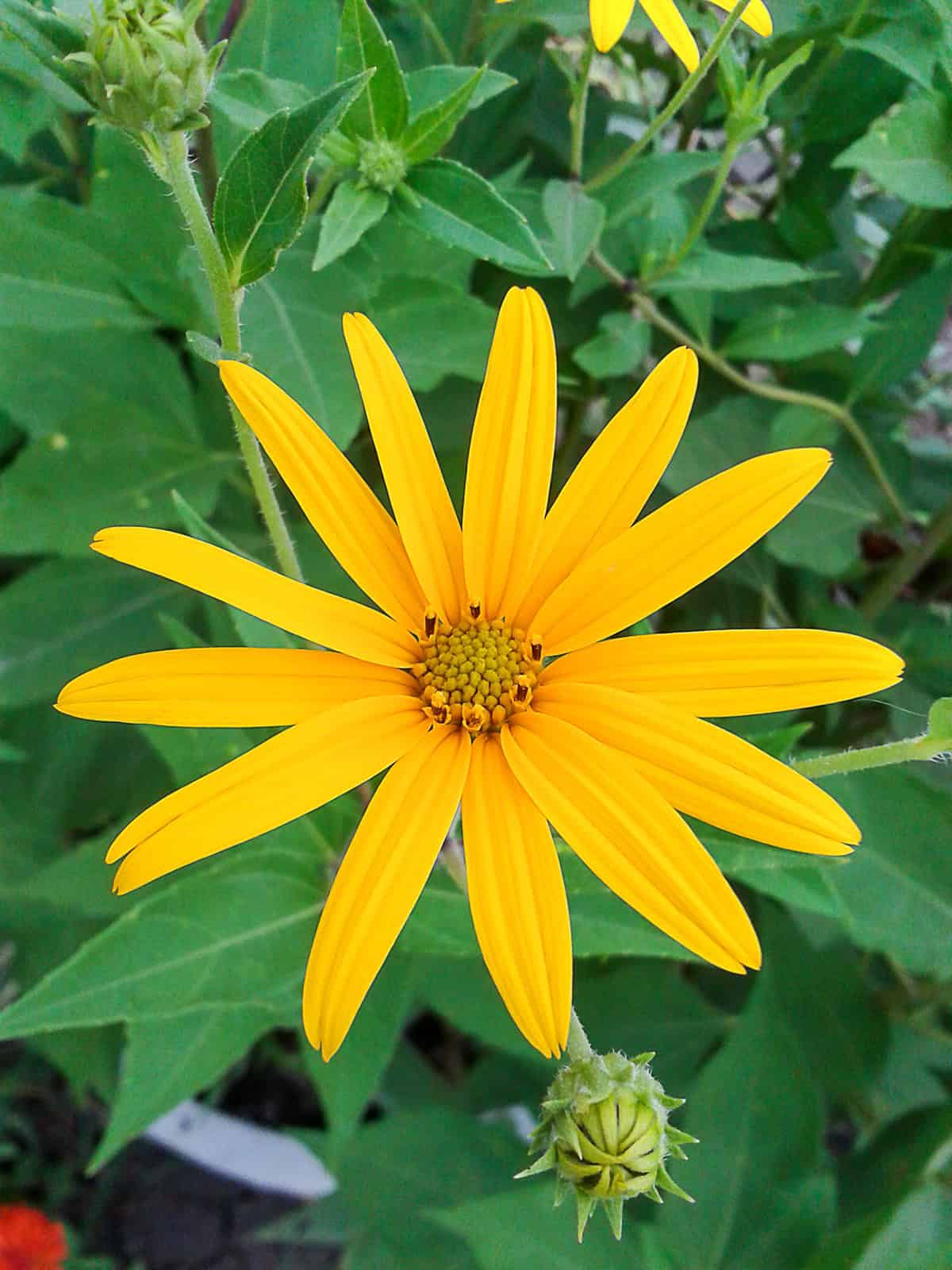
Variety affects plant height, tuber shape and how easy the tubers are to clean, and some types are much better for home gardens.
Stampede is an early variety that matures in about 90 days, with large, knobby white tubers. It flowers early and is a good choice for short-season regions.
Fuseau produces long, smooth, tapered tubers about an inch wide that are easy to scrub and slice. Red Fuseau has a similar shape with red skin.
Clearwater is a slower-growing white type with long tubers that peel easily.
Dwarf Sunray is shorter than most and flowers freely, which makes it attractive in borders. Its tubers are crisp and tender enough to eat unpeeled.
Unnamed or wild types spread aggressively and produce lumpy, knobby tubers that are hard to clean, so named varieties are the better choice.
Light
Sun makes a big difference. Aim for at least six hours of direct light, and eight is better. Low light produces lanky plants and fewer tubers.
Partial shade reduces the harvest considerably. In hot regions, a little afternoon shade is acceptable, though deep shade leads to floppy stems and sparse tubers. Avoid spots shaded by buildings or trees.
Sun also affects flowering. Yellow blooms appear in late summer, and the brightest spot available produces the most.
Water
A good start matters. Soak the soil after planting, and water to hold it evenly moist while the shoots establish.
Established plants handle an occasional dry spell, though tubers grow larger in soil that never dries out completely. During hot weather, check the top few inches and water when dry.
Drainage matters as much as watering frequency. Waterlogged soil harms even these tough plants, so reduce watering and improve drainage wherever puddles linger.
Late summer is when the plants need water most, since the tubers are bulking up. After frost kills the tops, stop watering and let the ground dry a little before digging.
Feeding
Jerusalem artichokes are light feeders. Rich soil at planting is enough in most gardens, and excess fertilizer, especially nitrogen, produces tall plants with small tubers.
Mix finished compost into the bed before planting, which covers most of their needs. Skip fresh manure, which interferes with tuber growth.
Go easy on nitrogen all season. If the leaves go pale, a light side-dressing of compost in early summer is plenty.
Potassium matters more for tuber growth, and most soils already have enough phosphorus. A soil test removes the guesswork.
Container plants need a bit more attention. Apply a balanced, slow-release organic fertilizer at planting, and go light on liquid feeds, which produce soft stems and lower yields.
Growth Time
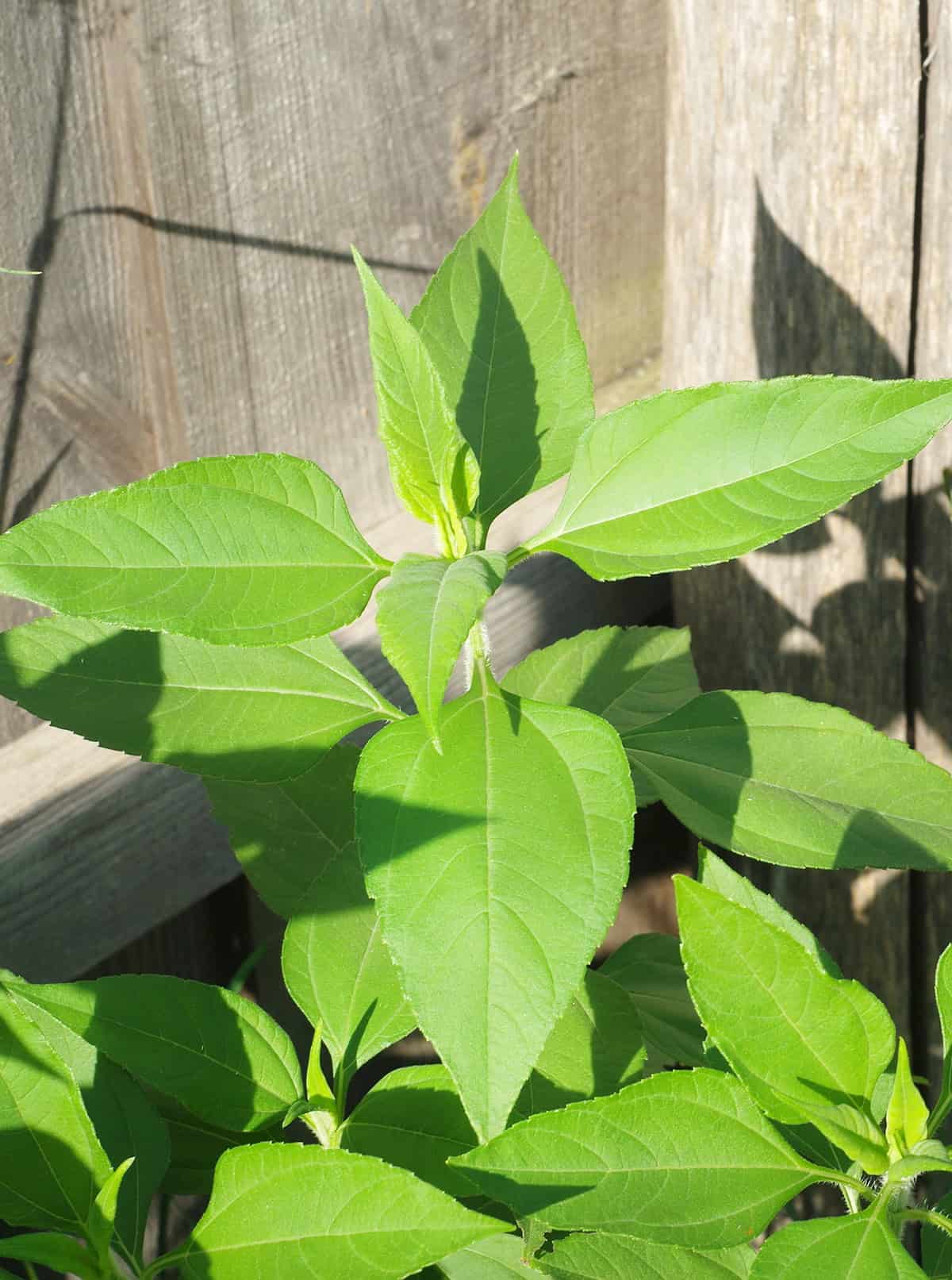
The season is long but simple. Shoots appear two or three weeks after spring planting once the soil warms, and the stalks grow quickly in early summer to reach six to ten feet by fall.
Tubers form throughout the season, and most varieties need about four months before they are worth digging. Cool fall weather improves the flavor, and many growers wait until after a frost.
As perennials, the plants return every year from tubers left in the ground, and established patches sprout earlier than new ones. To limit the spread, dig thoroughly every fall and limit the bed to a set size.
Growing in Containers
Containers are a good option for small spaces. A large pot holds the spreading tubers in check and makes harvesting much easier.
Choose a container at least 18 to 24 inches deep and wide, which leaves the tubers room to develop. Plastic, wood and fabric pots are all fine, as long as they are heavy and stable enough to resist tipping under tall stalks.
Fill the pot with a loose, fertile mix with compost, and set it where it receives six to eight hours of sun.
Water when the top layer of mix dries out, which happens faster in containers, so check daily in summer. Feed lightly once or twice during the season with a balanced fertilizer, and avoid excess nitrogen.
The tubers tolerate cold well. In mild climates, leave the pots outdoors over winter, and in colder regions, move them into an unheated shed or garage to protect them from freezing solid.
Harvest
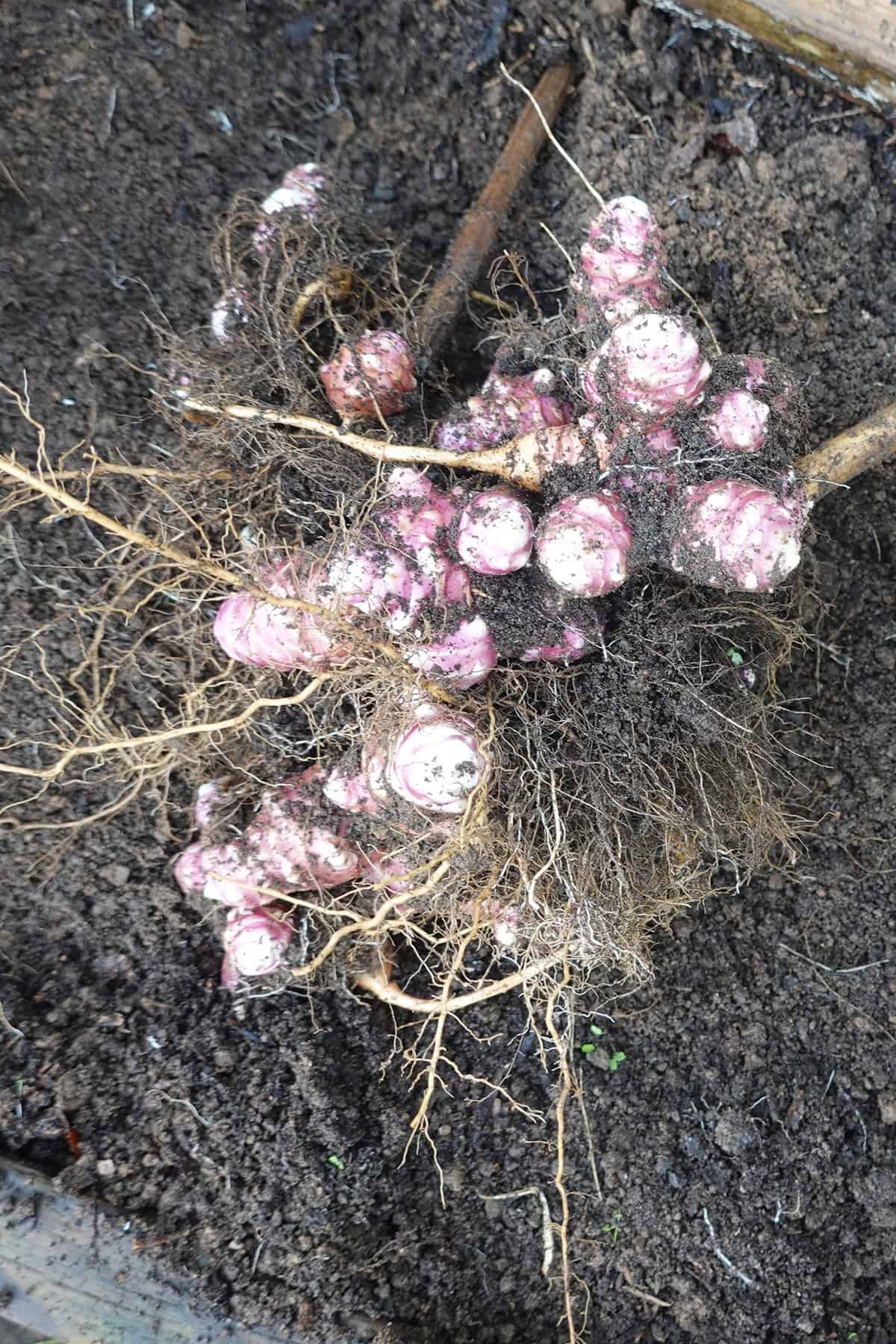
Wait for cold weather before digging, ideally after the first hard frost. Browning tops signal harvest time. Cold weather converts some of the inulin in the tubers to sugars, so late-fall tubers taste sweeter.
Use a garden fork and start well outside the stalks to avoid spearing the tubers, which spread wide. Small pieces left behind sprout the following year.
There is no need to dig the whole patch at once. Tubers store well in the ground through winter as long as the soil is unfrozen, so dig what is needed and mulch over the rest.
After digging, brush off the soil and wait to wash the tubers until just before use, since extra moisture shortens their storage life. Refrigerate unwashed tubers in a plastic bag in the crisper drawer for up to about three weeks.
Common Problems and Troubleshooting
Spreading is the biggest headache with this crop. Tubers grow outward in every direction and take over a bed unless contained. Deep edging and a thorough harvest every fall are the best ways to manage a patch.
Floppy stems and few tubers point to shade. Low light produces tall, weak stalks, small tubers and plants that topple in wind.
Curling leaves and slow growth point to water problems. Dry summer soil slows the plants, while soggy ground invites rot, so aim for even moisture, especially in hot weather.
Pests are rarely a serious problem, though disease appears during wet spells. White mold is the main culprit in damp soil with poor airflow. Generous spacing, clean beds and rotating the planting site help a lot.
Bland tubers come down to timing. Tubers dug after a frost taste sweeter, while early-dug ones are firm and milder.
Start with small servings. The tubers are rich in inulin, which causes gas and digestive upset in large amounts, and thorough cooking makes them easier to digest.