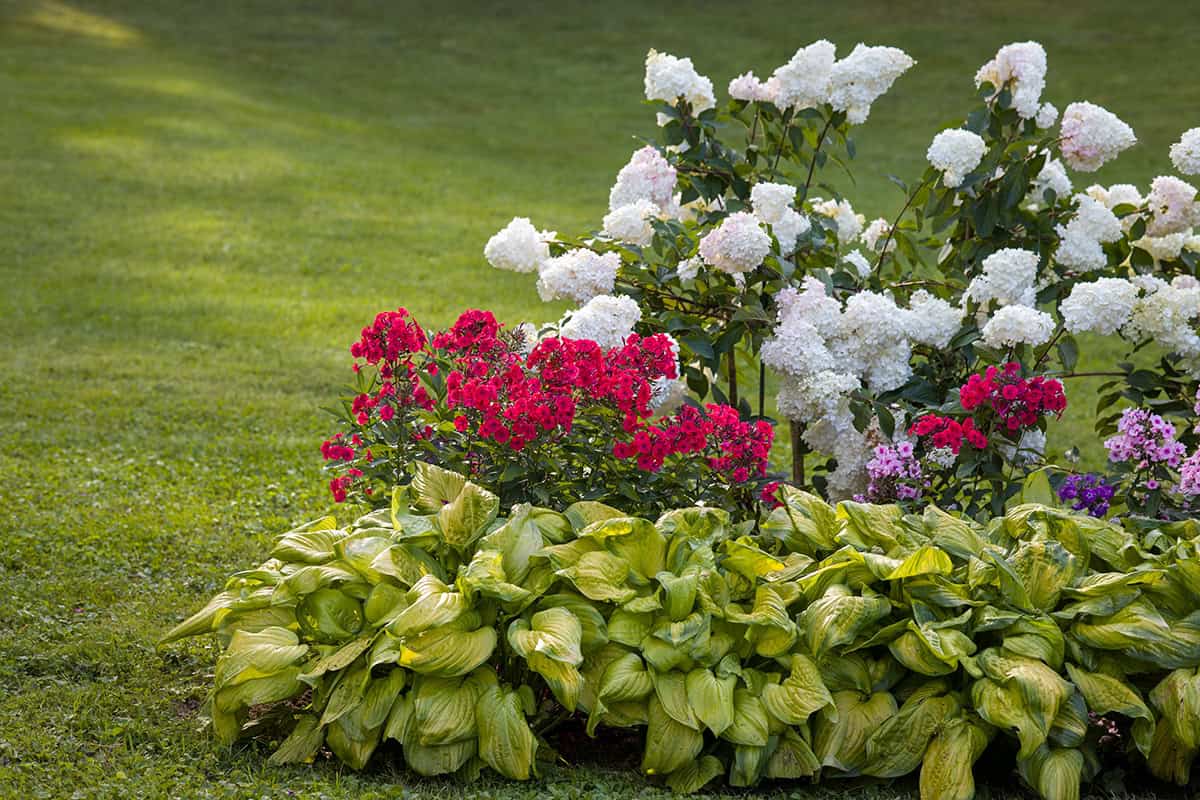
Hydrangeas might be the stars with their big blooms and bold leaves, but it’s the plants around them that really make a garden hum. The right mix brings out the best in your hydrangeas—more color, better soil coverage, and a healthier patch overall. Pairings can even help you juggle moisture and light in busy beds.
Shade-lovers like hostas, ferns, astilbe, coral bells, and woodland groundcovers are a natural fit with hydrangeas in those moist, well-drained spots. They all get along in terms of light and water, so you’re not fighting nature. Plus, their different leaves and bloom times keep things lively and stop the garden from feeling flat or empty.
Table of Contents
- Best Companion Plants To Pair With Hydrangeas
- Hostas
- Ferns
- Astilbe
- Heuchera (Coral Bells)
- Hellebores (Lenten Rose)
- Japanese Forest Grass (Hakonechloa macra)
- Brunnera (Siberian Bugloss)
- Lungwort (Pulmonaria)
- Tiarella (Foamflower)
- Bleeding Heart (Dicentra)
- Japanese Anemone
- Hardy Geranium (Geranium macrorrhizum)
- Solomon’s Seal (Polygonatum)
- Lamium (Dead Nettle)
- Sweet Woodruff (Galium odoratum)
- Carex (Ornamental Sedge)
Best Companion Plants To Pair With Hydrangeas
Go for neighbors that won’t complain about the same dappled shade, rich earth, and steady moisture. That way, you’re not stuck catering to fussy outliers or patching up bare spots every spring.
Hostas
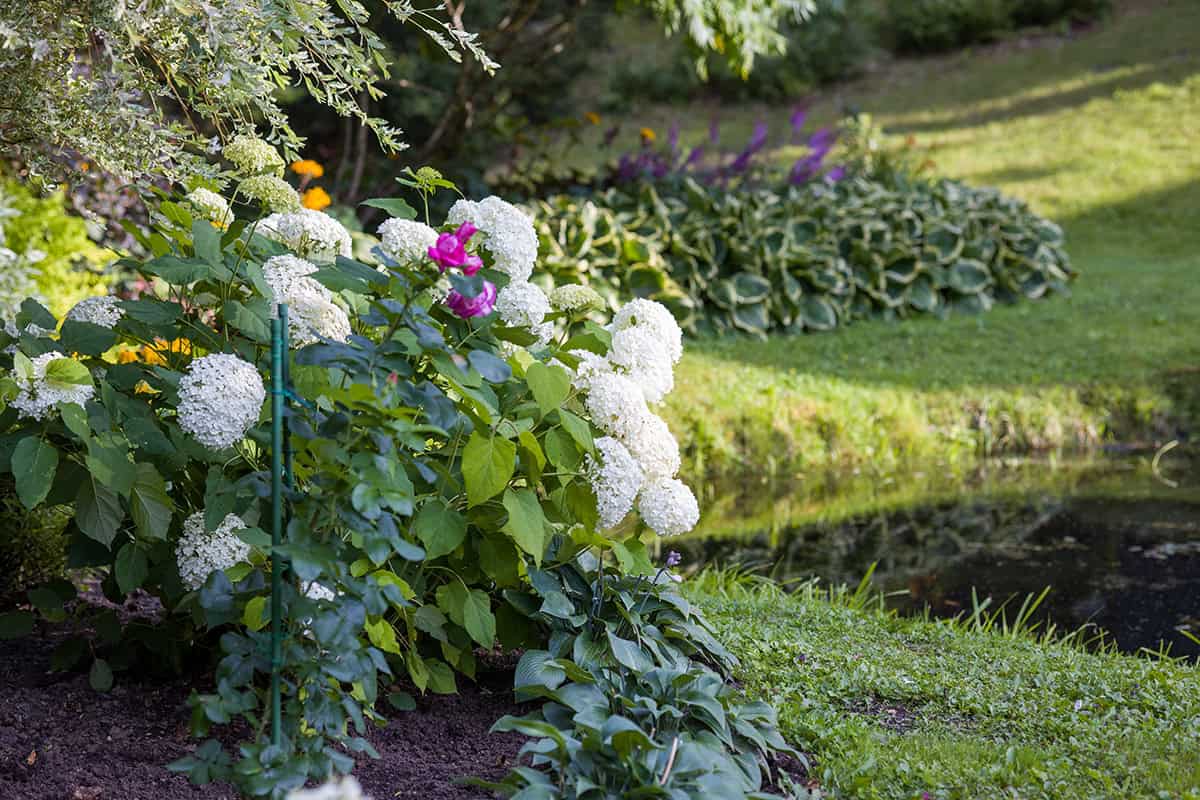
Moody, dramatic leaves on hostas set up a striking visual clash with those hydrangea blooms. Underneath the taller shrubs, their big foliage fills the voids and gives the bed some heft. If you’re after a punch of color, blue, chartreuse, or variegated varieties can echo or play off the hydrangea flowers. Just don’t cram them in—good spacing means less mildew and happier plants, especially when humidity ramps up.
Ferns
There’s a softness to feathery fern fronds that takes the edge off the hydrangea’s bulk. Ferns excel in those shadowy, cool pockets where other flowers sulk. They’re happiest in soil that’s loose and rich, much like hydrangeas. Tuck them behind or beside your shrubs for a layered look that doesn’t crowd out the stars. The finer texture keeps everything from feeling too blocky.
Astilbe
Early summer brings up those fluffy astilbe plumes, sometimes overlapping perfectly with hydrangea blooms for a double hit of color. Both need regular drinks and a break from harsh sun, so they’re easy to group together. White or soft pink astilbe can tone down or highlight the hydrangea shades, and you can play with compact or tall types depending on where you need a burst of height or a front-row filler.
Heuchera (Coral Bells)
Heuchera’s got the foliage game on lock, showing off in deep purples, limes, and metallic silvers even when hydrangeas aren’t doing much. These guys handle shade and decent drainage, and while they don’t wilt at the first sign of dryness, they’ll look even better with regular water. Edging a bed with heuchera gives a clean border and draws the eye to the hydrangea stems—no more awkward bare patches.
Hellebores (Lenten Rose)
When winter drags on, hellebores step up with blooms before hydrangeas even think about leafing out. They settle in nicely under trees, thriving in rich, shaded soil that matches what hydrangeas like. Get up close to appreciate those nodding flowers, and let their evergreen leaves carry some structure through the colder months when everything else disappears.
Japanese Forest Grass (Hakonechloa macra)
Movement comes from the arching blades of Japanese forest grass, softening the base of hydrangea shrubs with a gentle cascade. It hates blazing sun, so stick it in the same filtered light your hydrangeas crave. Gold or variegated types light up shady corners and help blur the lines along paths or patios, making the whole area feel more relaxed.
Brunnera (Siberian Bugloss)
Brunnera’s heart-shaped leaves mirror the hydrangea’s boldness, but with a silvery twist that bounces light around. Spring brings tiny blue flowers—think forget-me-nots on a leafy base. This one really dislikes dry spells, so if your hydrangeas are happy, brunnera will be too. Let it sprawl at the front of beds for a splash of detail at ground level.
Lungwort (Pulmonaria)
Spots and splashes on lungwort leaves add a quirky layer, and its early flowers show up before hydrangeas get going. It’s not a fan of dry soil, so keep it in those damper, shaded spots. The mix of pink and blue blooms on a single plant is a neat trick, especially if you’ve got hydrangeas that shift color with the soil’s pH.
Tiarella (Foamflower)
Foamflower sends up delicate spikes of bloom in spring, floating above lobed leaves that hug the ground. It likes a woodland vibe—moist, compost-rich soil, and a little mulch goes a long way. Drop it in under taller shrubs, where it’ll help keep weeds down and the soil cool when summer heat hits.
Bleeding Heart (Dicentra)
Spring gets a romantic twist with bleeding heart’s arching stems and signature heart-shaped flowers. It’s right at home in the dappled light hydrangeas enjoy. When summer gets hot, some types will fade away, so set them where hydrangea leaves can cover up any disappearing act. The blooms—soft pink or white—blend easily with pastel hydrangea shades, and the finer stems keep the look from getting too heavy.
Japanese Anemone
Just when hydrangeas start to wind down, Japanese anemone steps in with tall, elegant flowers that float above tidy foliage. It likes the same moist, fertile soil and partial shade, and if you keep it watered, it won’t flop over. Use it as a backdrop for lower hydrangea varieties—those pale blooms really pop against deep green leaves.
Hardy Geranium (Geranium macrorrhizum)
This geranium sprawls into a thick mat, shutting out weeds and covering up bare earth under hydrangeas. It’s pretty tough, tolerating some dryness once it’s settled, and doesn’t mind the shade. The foliage smells great, and late spring brings a flush of pink or magenta flowers that play nicely with early hydrangea growth.
Solomon’s Seal (Polygonatum)
There’s a quiet elegance to Solomon’s seal, with its arching stems and dangling white flowers. It fits right into woodland borders where light filters through. Moist, humus-rich soil keeps it happy, and those needs overlap with hydrangeas in the shade. Variegated types add a little brightness in dark corners, and it works best at the back where it can lean without getting trampled.
Lamium (Dead Nettle)
Lamium brightens up shadowy spots with its silver or variegated leaves, creeping along as a low groundcover. It’s not fussy about soil as long as it drains, and steady moisture keeps it looking sharp. Let it soften the edges of hydrangea beds, but don’t be afraid to rein it in if it gets too ambitious.
Sweet Woodruff (Galium odoratum)
Sweet woodruff weaves a soft, fragrant carpet under shrubs, sending up tiny white flowers before hydrangeas start their show. It thrives in shade with moist, slightly acidic soil, so it’s right at home with most hydrangeas. The dense mat blocks weeds and keeps the soil cool—ideal for a tidy, low-maintenance ground layer beneath taller plants.
Carex (Ornamental Sedge)
Soft, slender blades weave a gentle texture through the garden, sidestepping the height you’d expect from most grasses. Some types thrive even where sunlight is a bit stingy and the soil stays damp.
Climate matters—certain selections handle chill better than others, so it’s worth checking what does well in your area. Generally, they’re happiest in spots with dappled light and steady moisture.
Threading carex between shrubs or around hydrangeas brings subtle contrast, especially when you go for variegated varieties. Those streaks of cream or gold can really lift deeper greens and keep things from feeling heavy.