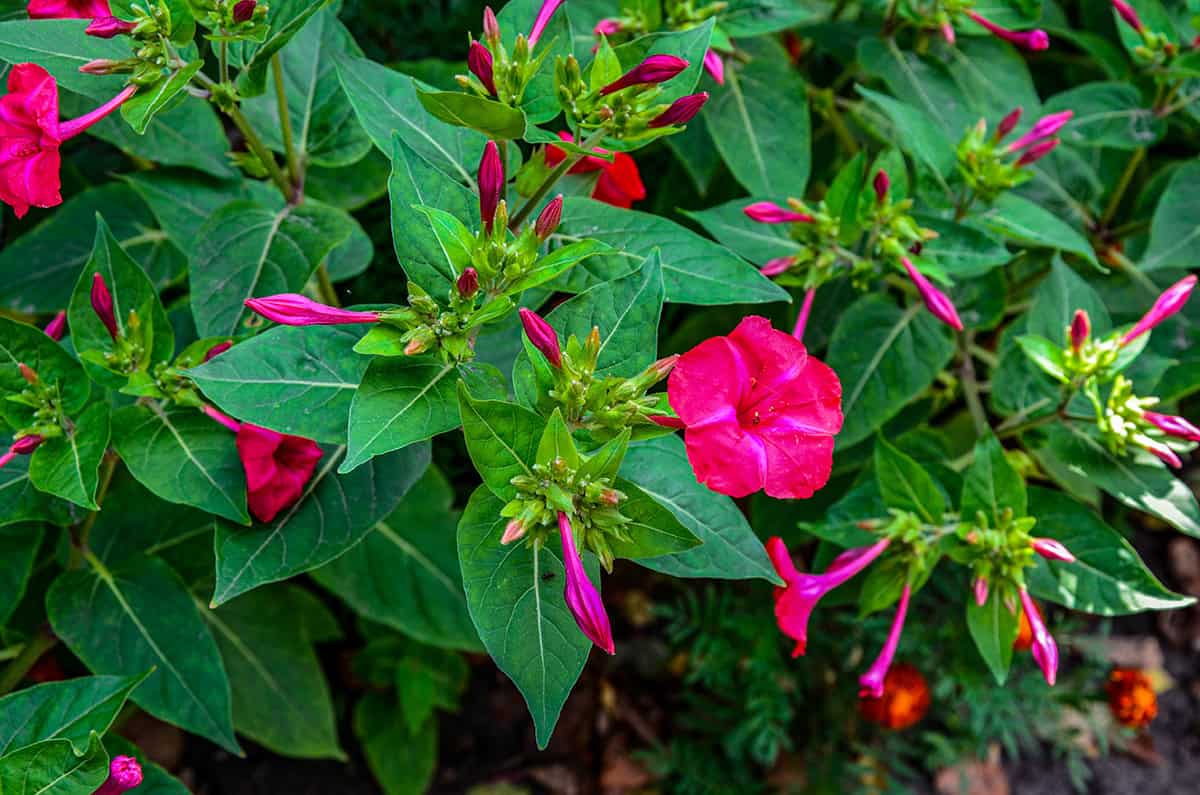
Four o’clocks run on a strange schedule. The trumpet-shaped flowers hide away through the heat of the day, then pop open in late afternoon and perfume the garden for hawk moths until the next morning.
Plants grown from a single packet of seed come up in a muddle of pink, yellow, white and streaked blooms, occasionally on the same bush. Growing them takes one sunny bed and a handful of seeds the size of peppercorns.
Table of Contents
Light
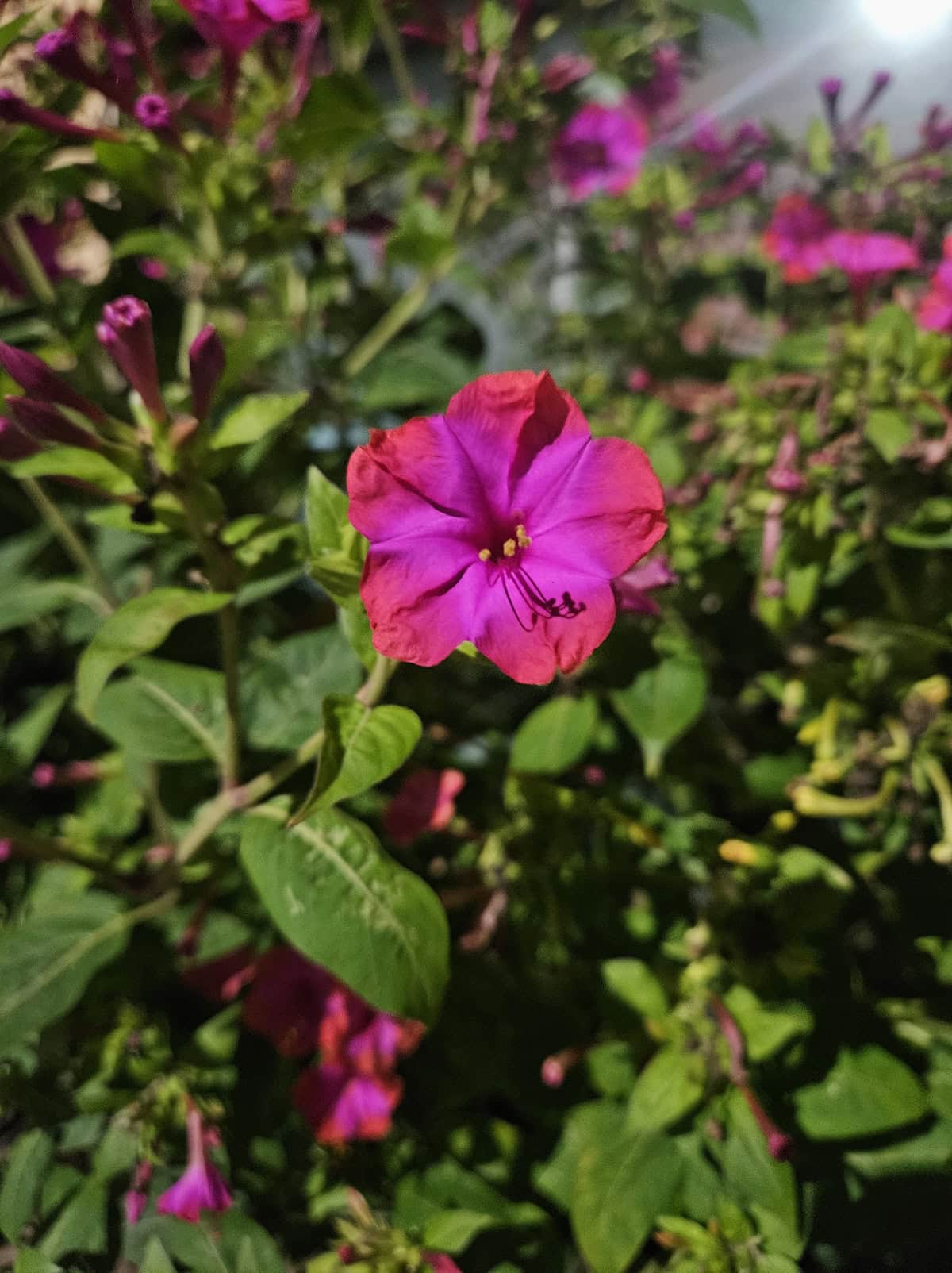
Four o’clocks bloom best with at least six hours of direct sun a day. In regions with scorching summers, a little afternoon shade helps.
Partial shade is fine, though the plants produce fewer flowers. Full sun means more blooms and richer colors.
Choose a spot away from the shade of buildings and large trees. Garden beds, sunny borders and large patio containers are all good homes.
In very hot climates, morning sun with dappled afternoon shade reduces heat stress, and flowering continues through heat waves.
Pale, stretched stems point to a lack of light. Moving the plant to a brighter spot fixes the problem quickly.
Soil
Four o’clocks adapt to most soils, though good drainage matters a great deal.
Soil rich in organic matter produces stronger growth and more flowers. They tolerate short dry spells, and evenly moist soil is ideal. In heavy clay, mix in compost to loosen the structure.
Puddles after rain mean the bed needs amending. Compost improves both drainage and fertility.
Mirabilis jalapa survives in sandy or poor soil, though richer ground produces better results. Aim for soil that crumbles in the hand. Waterlogged ground rots the tuberous roots.
Water
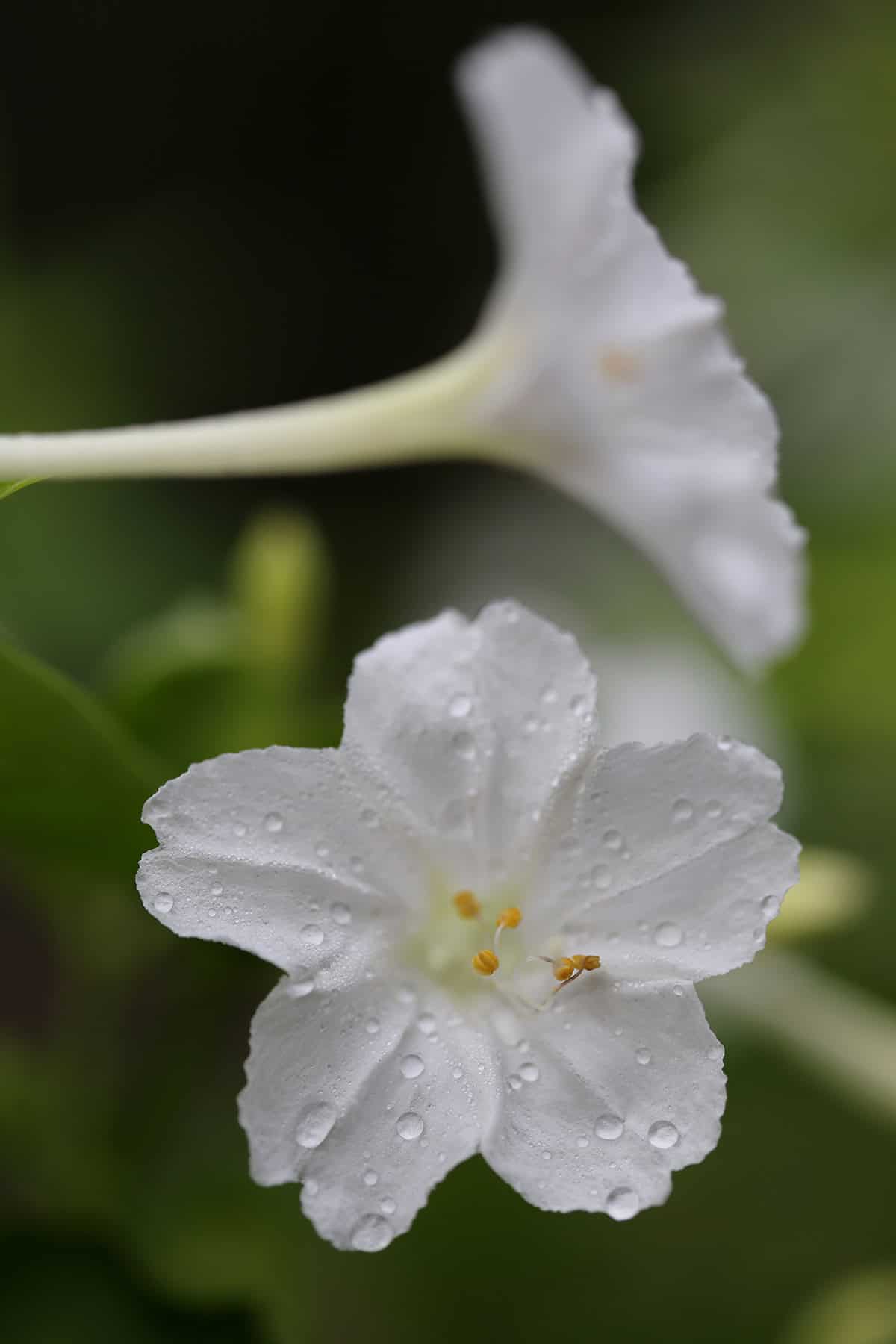
Young four o’clocks need steady moisture until their roots take hold. The soil should be evenly damp but never soggy.
Established plants handle short dry spells well. During long rainless stretches, water deeply once a week.
Let the top inch of soil dry before watering again. Heavy soil holds moisture longer and needs less frequent watering.
When leaves wilt during a heat wave, water deeply in the morning at the base of the plant, which reduces the risk of leaf disease.
A layer of mulch cools the soil and holds moisture, cutting down on watering.
Containers dry out much faster, especially in hot or windy spots. Check potted plants daily in summer.
Temperature and Humidity
Four o’clocks like warm weather, with ideal temperatures between 65°F and 85°F. Long stretches below 55°F slow growth.
Plant only after all danger of frost has passed and the soil has warmed. Cold soil stalls the seeds and young plants.
Average garden humidity is fine, and no extra moisture in the air is necessary.
In humid regions, space plants to allow airflow, which helps prevent fungal disease.
Established plants handle summer heat well, provided they receive water during dry spells.
Frost kills the top growth. In USDA zones 7 to 11 the tuberous roots survive winter in the ground. In colder areas, dig the tubers after the first frost and store them in dry peat in a cool, frost-free place, as with dahlias.
Fertilizer
Four o’clocks need very little fertilizer. Too much produces lush leaves and few flowers.
A light application of balanced, all-purpose fertilizer at planting is enough for most gardens. Avoid high-nitrogen formulas.
In very poor soil, feed once a month during the growing season with a diluted balanced fertilizer at the rate on the label. Water after each feeding.
A layer of compost in spring is all most beds need. Overfeeding leads to weak stems and dull color.
How to Grow Four O’Clock Plants From Seed
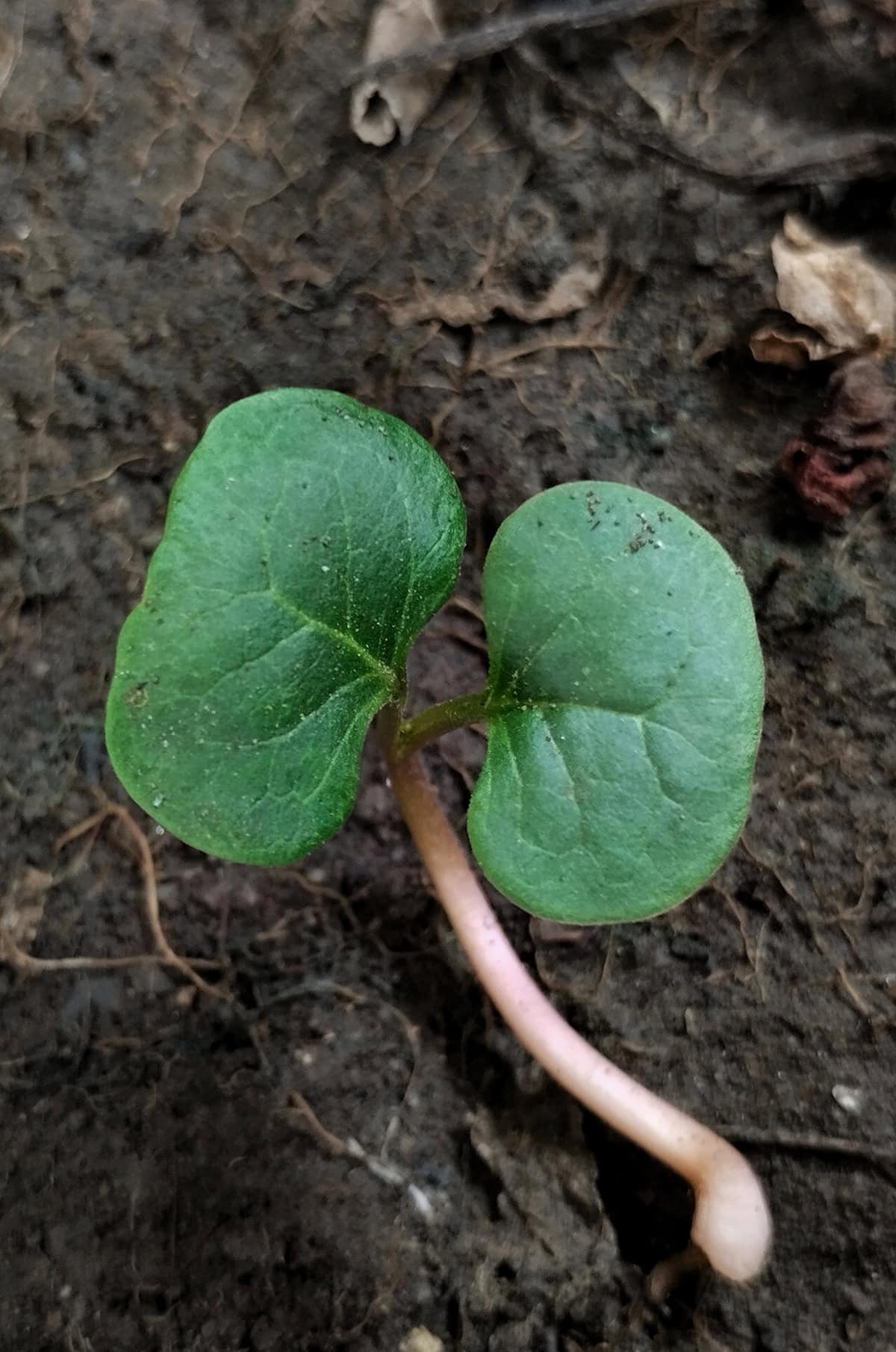
Four o’clock seeds are large, black and wrinkled, which makes them easy to handle. Collect them from last year’s plants or buy a packet.
Soak seeds overnight before planting to soften the tough coat and speed germination. Sow outdoors after the last frost, or start indoors four to six weeks earlier in peat pots.
Plant seeds about half an inch deep and hold the soil moist. Sprouts appear in one to two weeks in warm soil. Space plants 12 to 24 inches apart.
A sunny spot with well-drained soil is ideal. Thin crowded seedlings once they have a few leaves.
Direct sowing is simplest, since the seedlings grow quickly where planted. Plants self-seed freely and return the following year. All parts of the plant, especially the seeds and roots, are toxic if eaten, so collect and store seeds away from children and pets.
Pruning
Light trimming holds four o’clocks bushy and prevents sprawling stems.
Deadheading is optional, since the plants flower nonstop, though removing spent blooms tidies the plant and reduces self-seeding.
Cut back stems that grow too long just above a leaf node. Four o’clocks spread wide and crowd neighbors, so a little shaping goes a long way.
At season’s end, remove dead or damaged stems. Frost kills the top growth, and clearing it away reduces overwintering pests.
Use sharp, clean pruners. Tearing thick stems by hand damages the plant and spreads disease.
Potting and Repotting
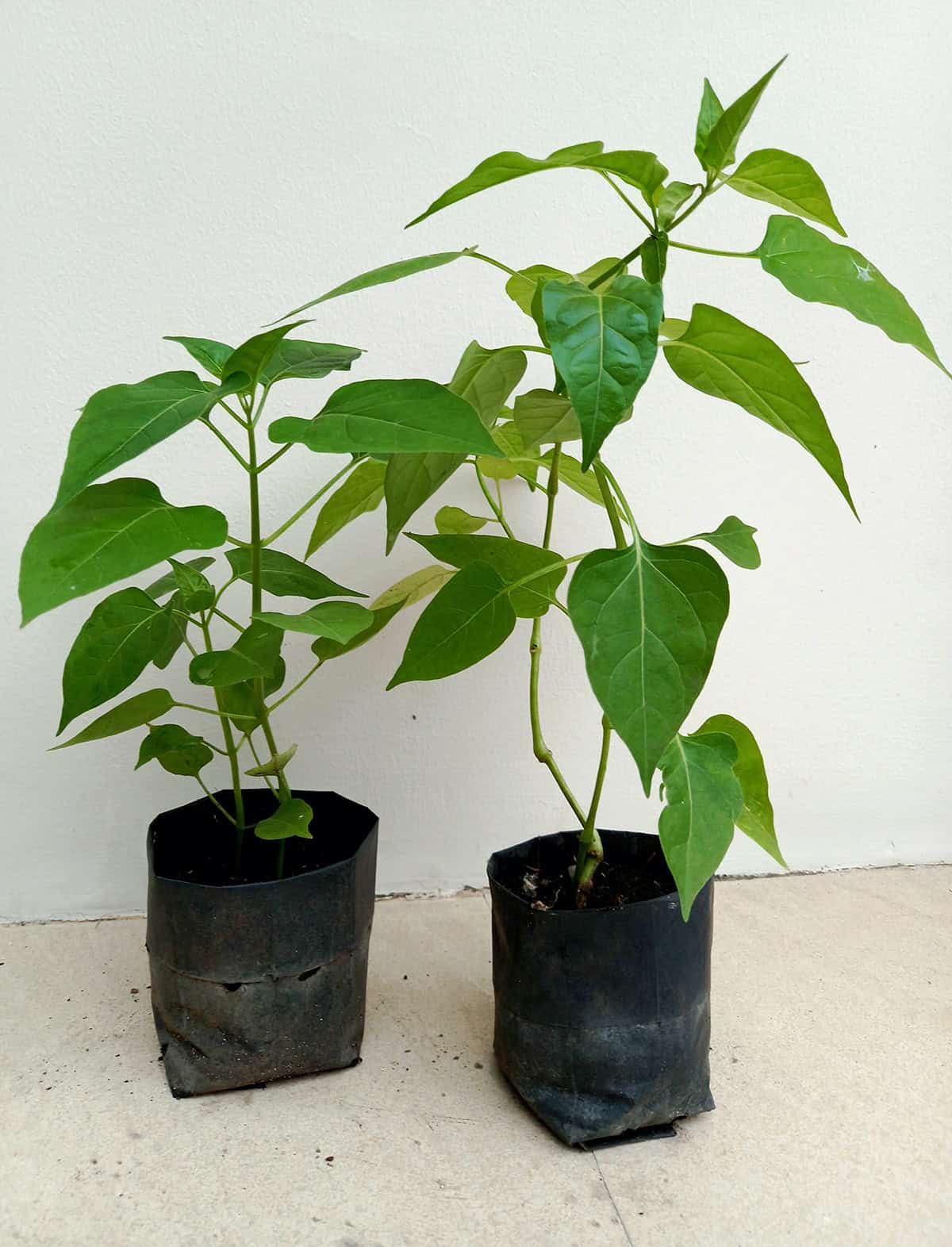
For containers, choose pots at least 12 inches wide and deep with drainage holes, filled with fresh, well-draining potting mix.
Plant seeds half an inch deep or tubers about 2 inches deep. Water until the mix is moist, then let the excess drain, and place the pot where it receives six or more hours of sun.
Repot when roots push out of the drainage holes or growth slows. Move up to a slightly larger pot and gently loosen the roots.
Set the plant at the same level as before in fresh mix, and water to settle it in.
Potted four o’clocks bloom best outdoors. In cold regions, move the pot into a garage or basement after frost and let the tuber rest dry until spring.
How to Get Four O’Clock Plants to Bloom
Sunlight is the biggest factor in flowering. Aim for at least six hours a day, since less light means fewer blooms.
Well-drained soil is essential. The plants handle dry spells, and moist, fertile soil produces the best display. Avoid heavy, waterlogged ground.
Water new plants regularly while they establish. Afterward, water during dry spells and let the soil dry slightly between waterings.
Extra fertilizer is rarely needed. A balanced slow-release product in spring helps in poor soil, and heavy feeding leads to leaves at the expense of flowers.
Flowers open in late afternoon and close by the next morning, so check the plants in the evening before deciding they have stopped blooming. Avoid moving established plants, since stress reduces flowering.
Removing faded blooms redirects energy from seed production into new flowers.
Check for aphids and spider mites in hot, dry weather, and treat with insecticidal soap if needed.
Common Problems and Troubleshooting
Four o’clocks are generally trouble-free, though a few issues come up.
Japanese beetles feed on the leaves, and the foliage is toxic to them, which is why some gardeners plant four o’clocks as a trap crop near roses.
Sparse flowering almost always comes down to too little sun or poor drainage. Move plants to a brighter, better-drained spot if needed.
Yellow or spotted leaves suggest overly wet soil. Water only when the top inch is dry.
Slugs nibble young seedlings in damp weather. Clearing debris and weeds around the bed reduces their numbers.
Self-seeding is the most common complaint. Pull unwanted seedlings while small, and remove spent flowers before seeds ripen to limit the spread.
Plant Varieties
Four o’clocks come in a wide range of colors, and many plants carry more than one color at once. Most are sold as color forms or seed mixes rather than named cultivars, and the choices include solid shades, bicolors and wildly streaked petals.
Mirabilis jalapa ‘Red’
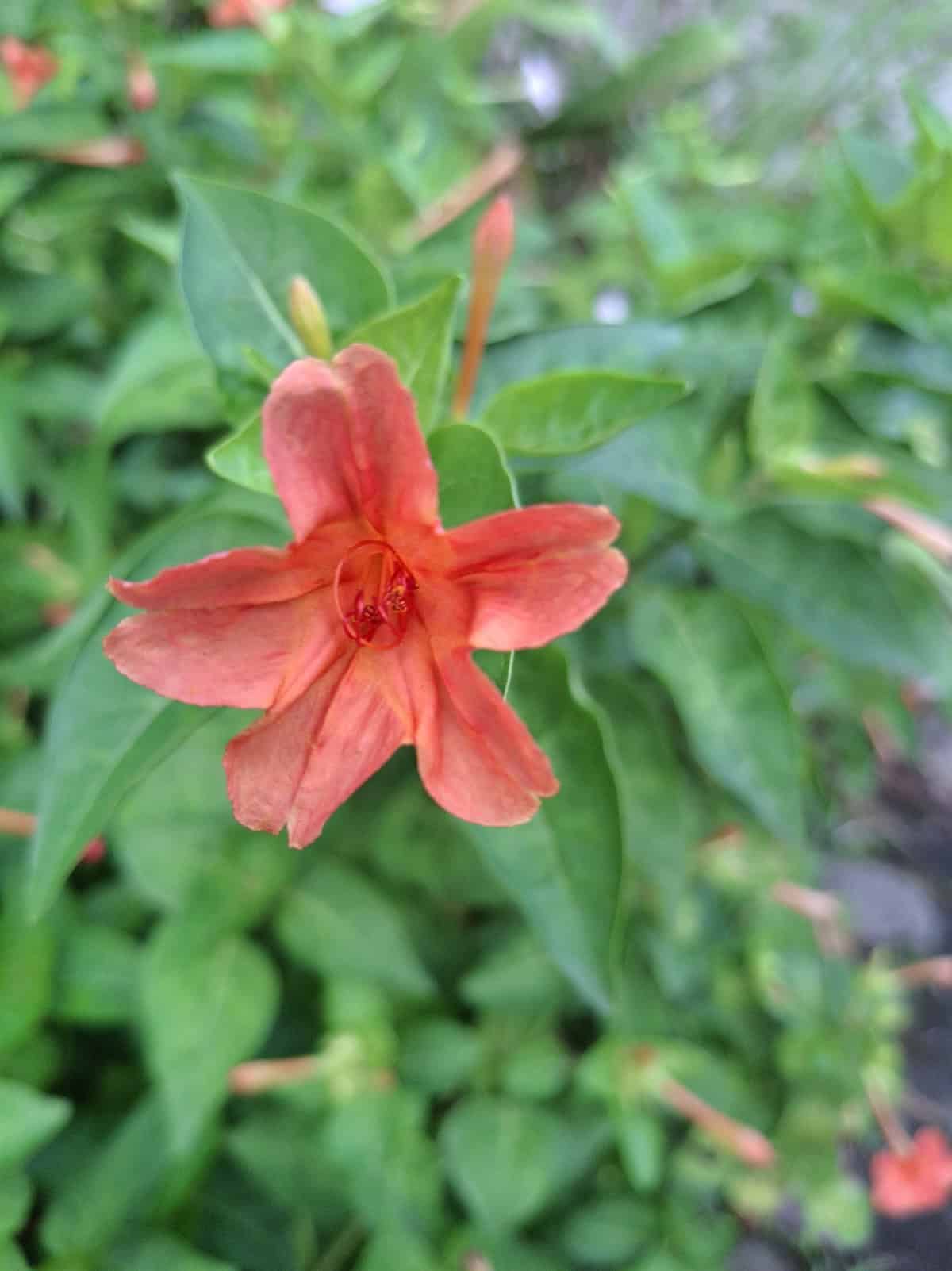
Red four o’clocks produce deep, rich color in late afternoon, with a light, sweet fragrance. They stand out boldly against the green foliage.
Plants reach about 2 to 3 feet tall and prefer sunny, well-drained spots. They make bright borders and focal points, and hawk moths visit the flowers at dusk.
Blooms run from midsummer until frost. Buy fresh seed of a single-color strain for the purest reds, since saved seed from mixed plantings produces other colors.
Mirabilis jalapa ‘Yellow’
Yellow four o’clocks have a cheerful, sunny color that glows in evening light. They mix well with reds and pinks in a cottage border.
The flowers open reliably at the end of the day with a mild scent that strengthens at dusk. Plants reach up to 3 feet and handle heat and drought well. The color holds in full sun.
Self-seeding is common, and plants return on their own the next year. Evening pollinators visit regularly.
Mirabilis jalapa ‘Pink’
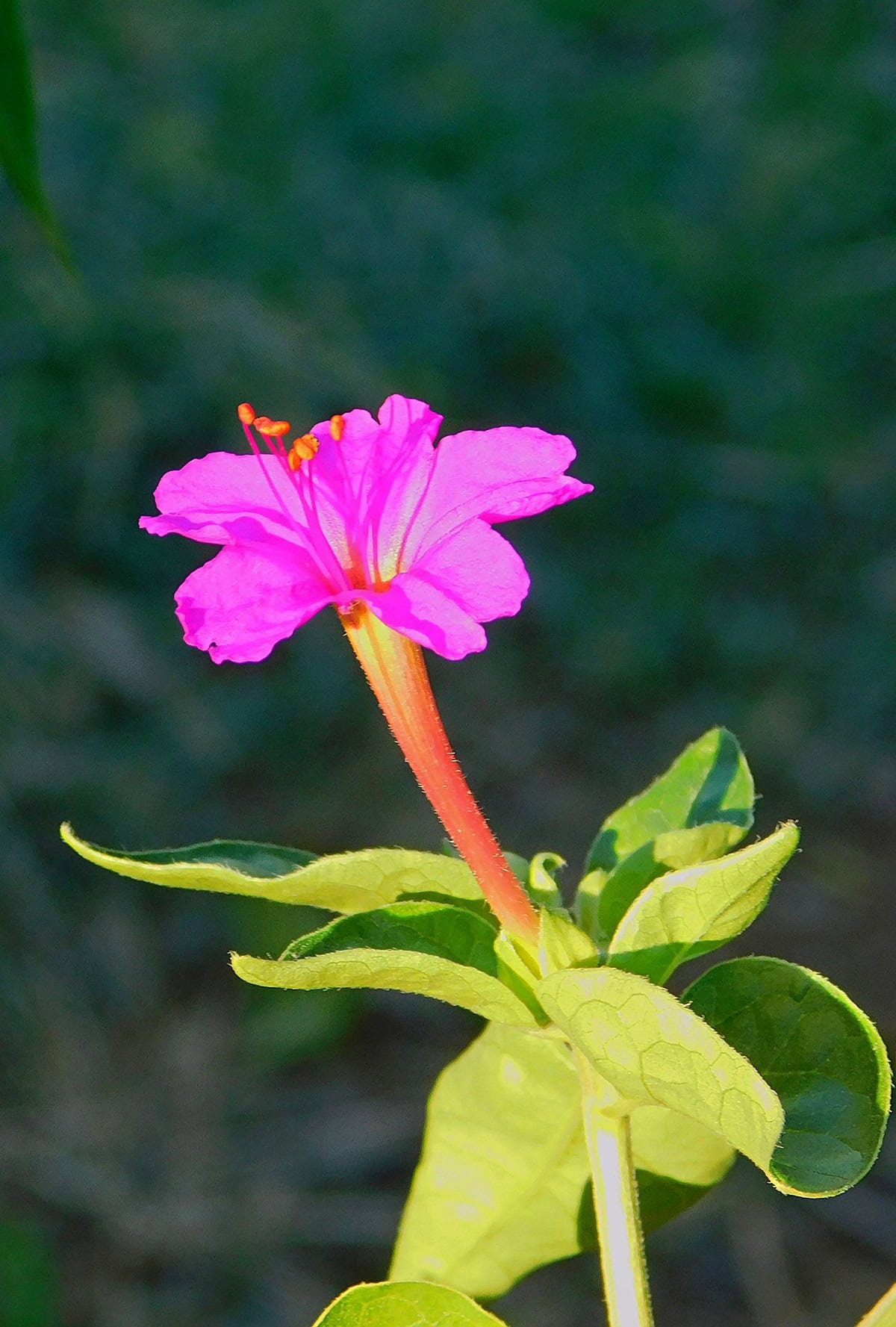
Pink four o’clocks are a classic cottage-garden choice, with blooms in pale rose to deep magenta, at times streaked with white or yellow. They add a soft touch to the evening garden.
The sweet fragrance is strongest as the flowers open in late afternoon. Most plants reach 2 to 3 feet and grow happily in containers or beds.
Pink blends well with white or bolder shades. Expect steady blooming until frost with very little care.
Mirabilis jalapa ‘White’
White four o’clocks look crisp against green leaves and nearby blooms. At dusk the flowers seem to glow, which makes them easy to spot along a path or patio.
They are a favorite for moon gardens, planted where people gather in the evening. The scent is faint in daylight and much stronger after dark. Plants reach about 2 feet and fit into mixed borders with ease.
Pests rarely bother them, and they handle dry spells well. Start them from seed in a sunny bed, since white forms bloom poorly in shade like every other color.
Mirabilis jalapa ‘Salmon’
Salmon four o’clocks have a peachy coral color that sits between pink and orange. The shade looks great next to reds, yellows and whites.
They fit naturally in tropical or Mediterranean-style plantings. Growth is upright and bushy to about 3 feet, and they tolerate a range of soils.
Flowers open late in the day and continue into fall. Moths and other pollinators are drawn to the gentle scent and soft color.
Mirabilis jalapa ‘Marble Mix’
‘Marble Mix’ produces blooms with marbled, streaky patterns, such as pink with yellow or red with flashes of white. Each flower looks slightly different.
The marbled petals are especially eye-catching as the sun goes down, and a few plants among solid colors add a lively, unpredictable mix.
These plants are easygoing and self-sow freely. Seeds produce a range of patterns, and the exact combination changes from plant to plant.
Mirabilis jalapa ‘Broken Colors’
‘Broken Colors’ has petals that look splashed with paint, with streaks, speckles and flecks of contrasting color, at times all on one flower. Deep hues appear on pale backgrounds, or several shades crowd a single bloom.
No two flowers are quite the same, which adds an element of surprise each evening as new buds open.
Plants reach about 3 feet and need little more than regular water in dry weather. Saved seed produces even more variation, and part of the fun is seeing which patterns appear the following summer.