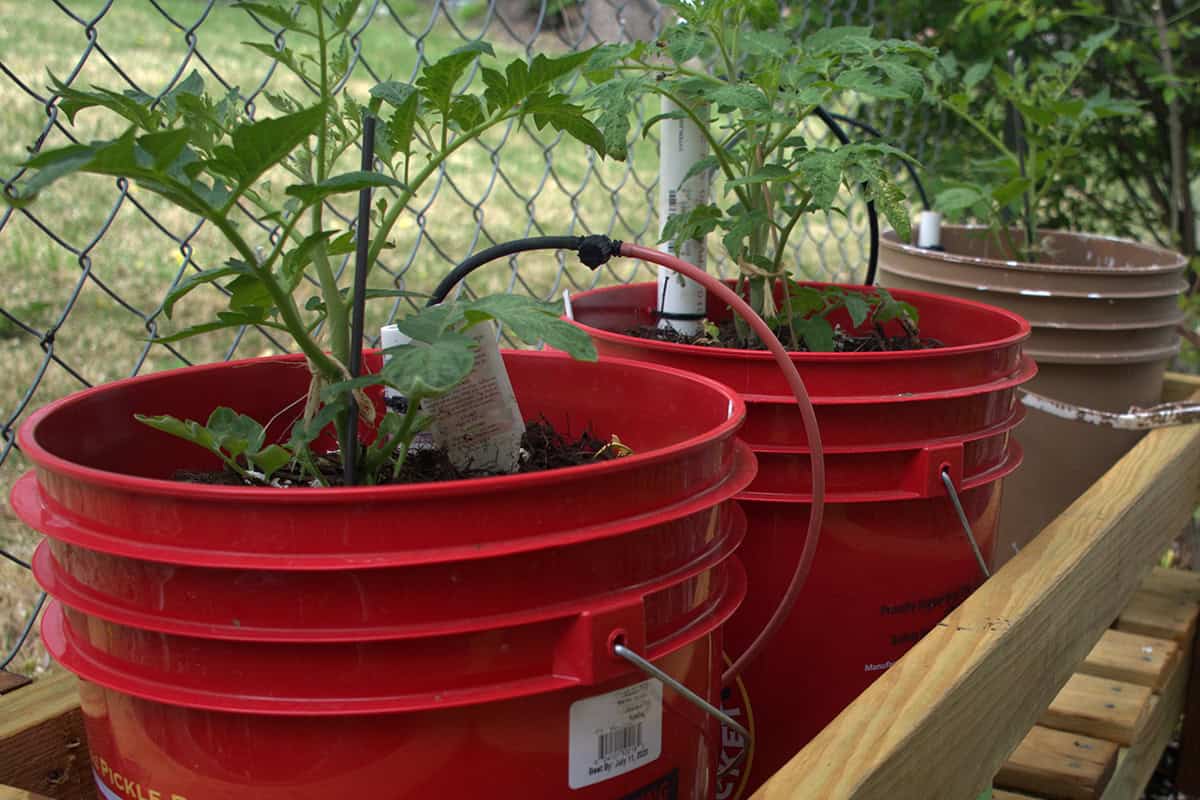
No sprawling backyard? Doesn’t matter. A 5-gallon bucket, some decent soil, and a few drainage holes are all it takes to start harvesting fresh food from a porch, balcony, or even the driveway. Sunlight’s key, but you don’t need much else to get things going.
Tomatoes, peppers, eggplant, bush beans, leafy greens, root crops like carrots and beets, plus herbs—basil, parsley, chives, thyme—all handle life in a 5-gallon bucket just fine. Big-fruited crops like tomatoes and peppers want the whole bucket to themselves, while greens and herbs are less picky as long as they stay watered and don’t get soggy feet.
Let’s dig into which veggies and herbs actually thrive in buckets, and how to tweak your setup for each one so you’re not just growing, but picking real harvests from a surprisingly small footprint.
Table of Contents
- Vegetables & Herbs You Can Grow in 5 Gallon Buckets
- Cherry Tomatoes
- Patio Tomatoes (Dwarf Varieties)
- Chili Peppers
- Bell Peppers
- Eggplant
- Cucumbers (Bush or Compact Varieties)
- Zucchini (Compact Bush Types)
- Bush Beans
- Peas (With a Small Trellis)
- Lettuce
- Spinach
- Arugula
- Kale
- Swiss Chard
- Radishes
- Green Onions (Scallions)
- Carrots (Short or Nantes Varieties)
- Beets
- Turnips
- Bok Choy / Pak Choi
- Mustard Greens
- Basil
- Parsley
- Cilantro (Coriander)
- Thyme
- Oregano
- Chives
- Dill
Vegetables & Herbs You Can Grow in 5 Gallon Buckets
That humble five-gallon bucket? Turns out, it’s roomy enough for a surprising variety of plants. Fruiting crops, greens, roots, and staple herbs can all settle in nicely if you drill some drainage holes and give them their share of sunlight.
Cherry Tomatoes
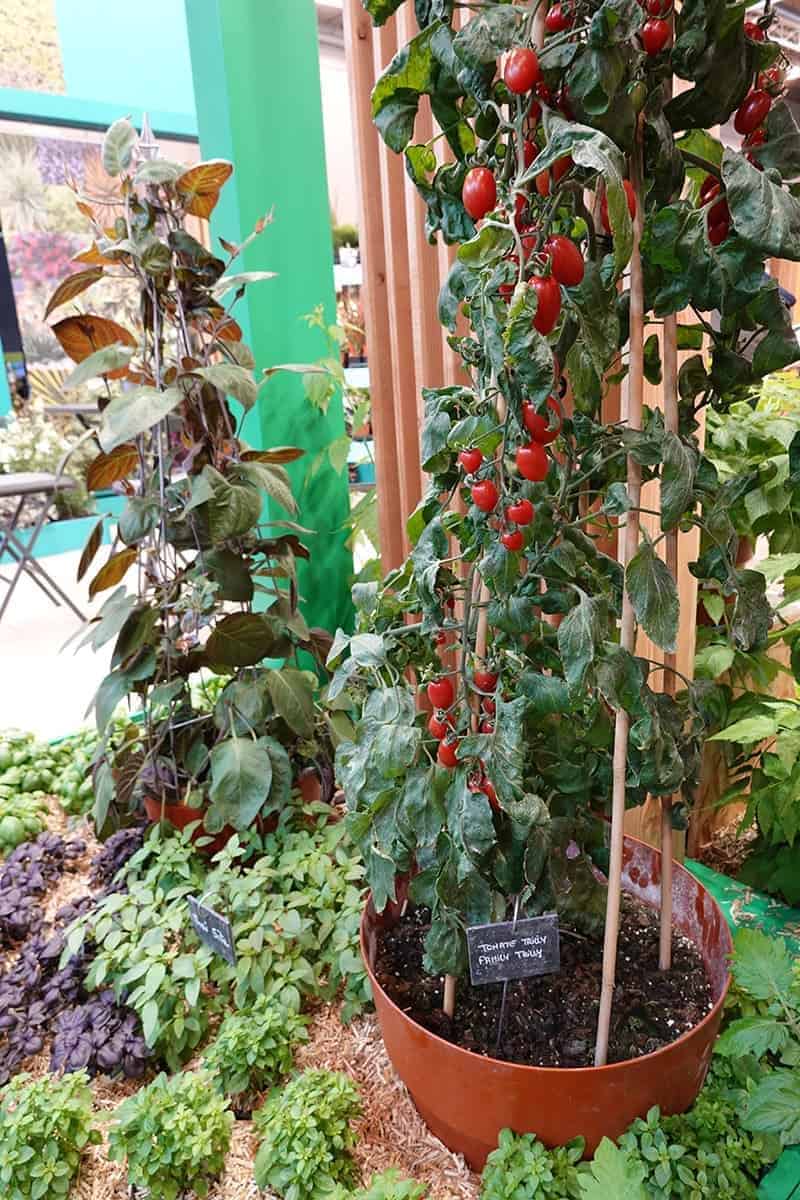
Summer’s energy seems to collect in a single bucket when you plant cherry tomatoes. One plant per bucket keeps things manageable, and you’ll want a sturdy cage or stake from the get-go—these vines don’t mess around.
Direct sun for at least 6–8 hours is non-negotiable. Rich potting mix, a bit of compost, and keeping the soil evenly damp (but not swampy) helps avoid that sad, wilted look.
Once flowers show up, feed every couple weeks with a balanced fertilizer. Pinching lower leaves? Worth it for airflow and fewer leaf problems.
Patio Tomatoes (Dwarf Varieties)
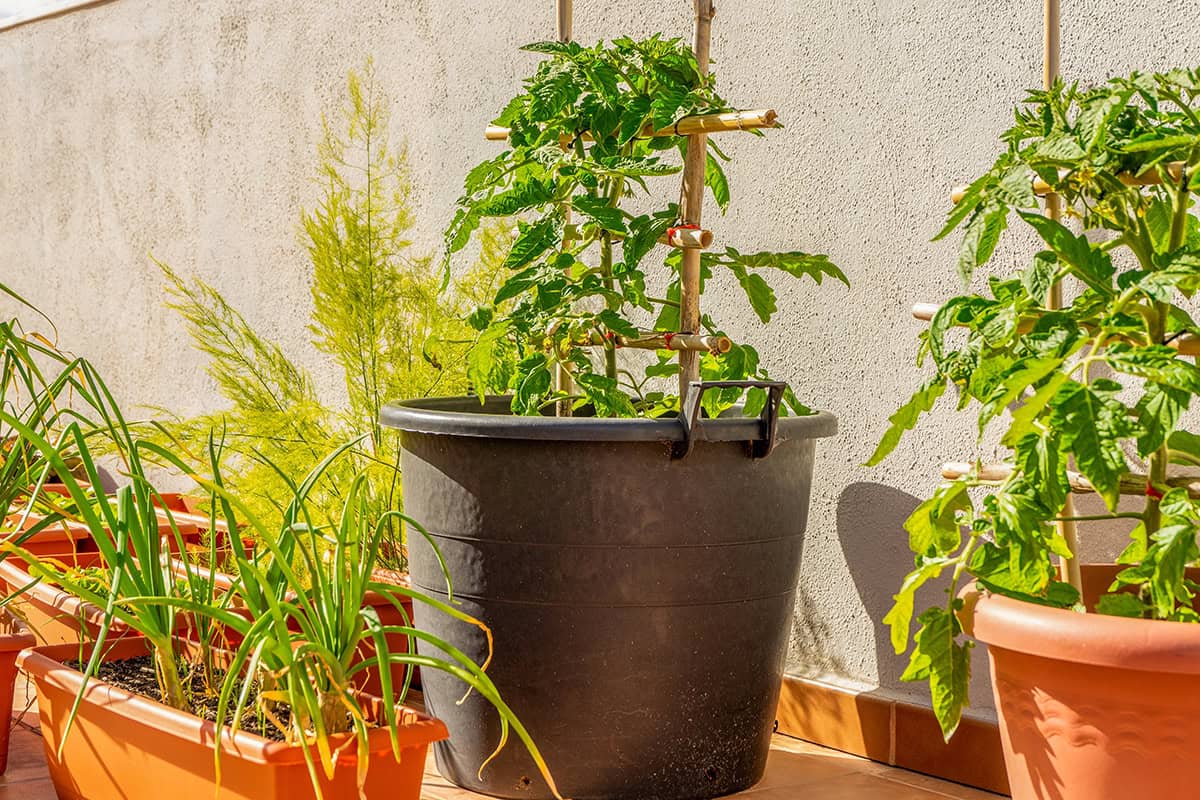
Compact and tidy, these dwarf tomatoes don’t sprawl all over the place. Usually maxing out at 2–4 feet, they’re a solid pick for buckets.
Go with one plant per container, and bury the stem deep—roots will pop out along the stem and anchor the plant better.
Full sun’s a must. Water deep when the soil dries out on top. Even these little guys appreciate a cage once fruit starts to weigh things down.
Chili Peppers
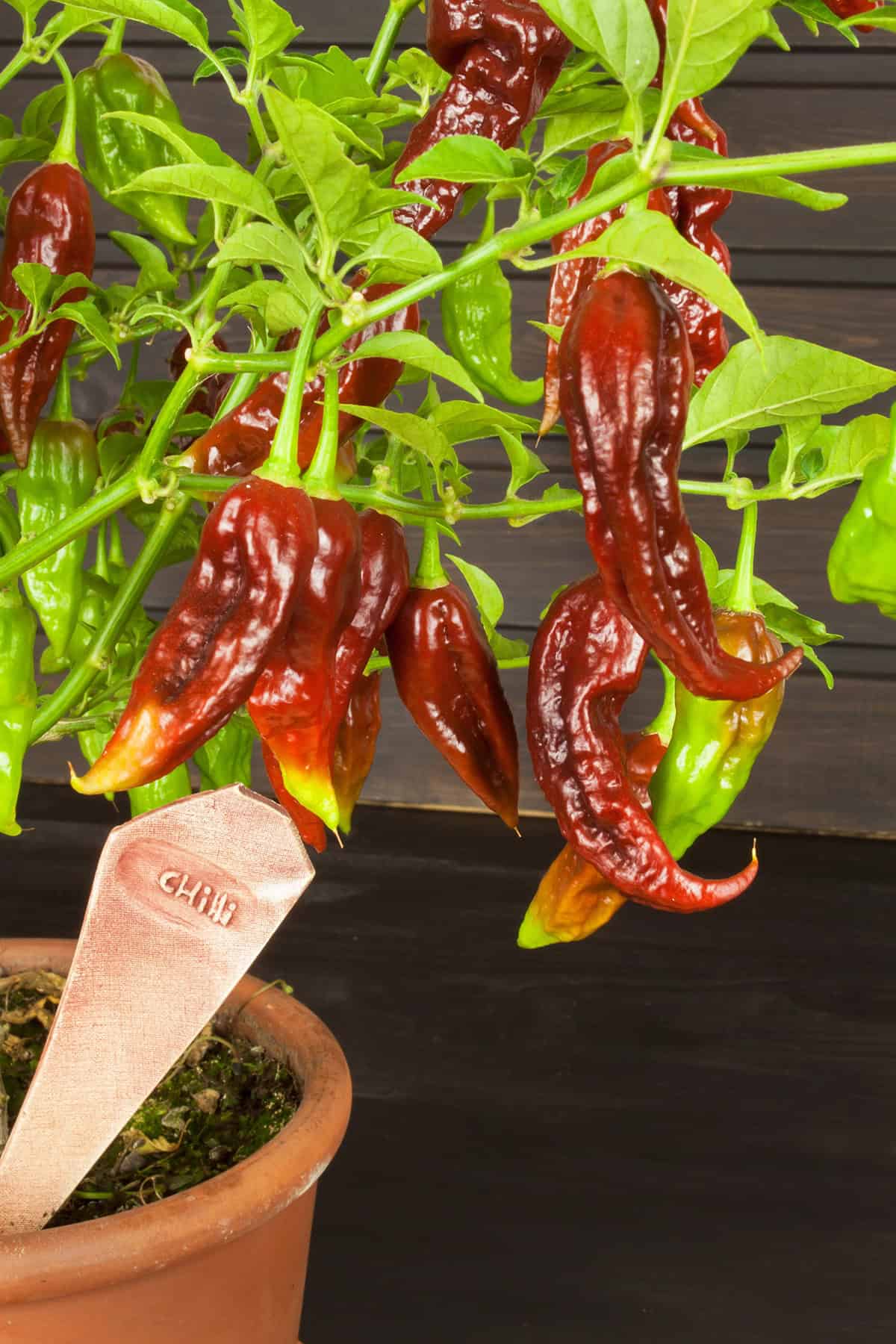
Hot peppers, with their flashy colors and spicy punch, actually love containers—as long as the drainage is handled. One per bucket is plenty.
Wait until nights stay above 55°F before moving them outside. Warmth and sunshine bring out the best in them.
Soil should stay just moist, never soggy. Light feedings every few weeks keep the peppers coming.
Bell Peppers
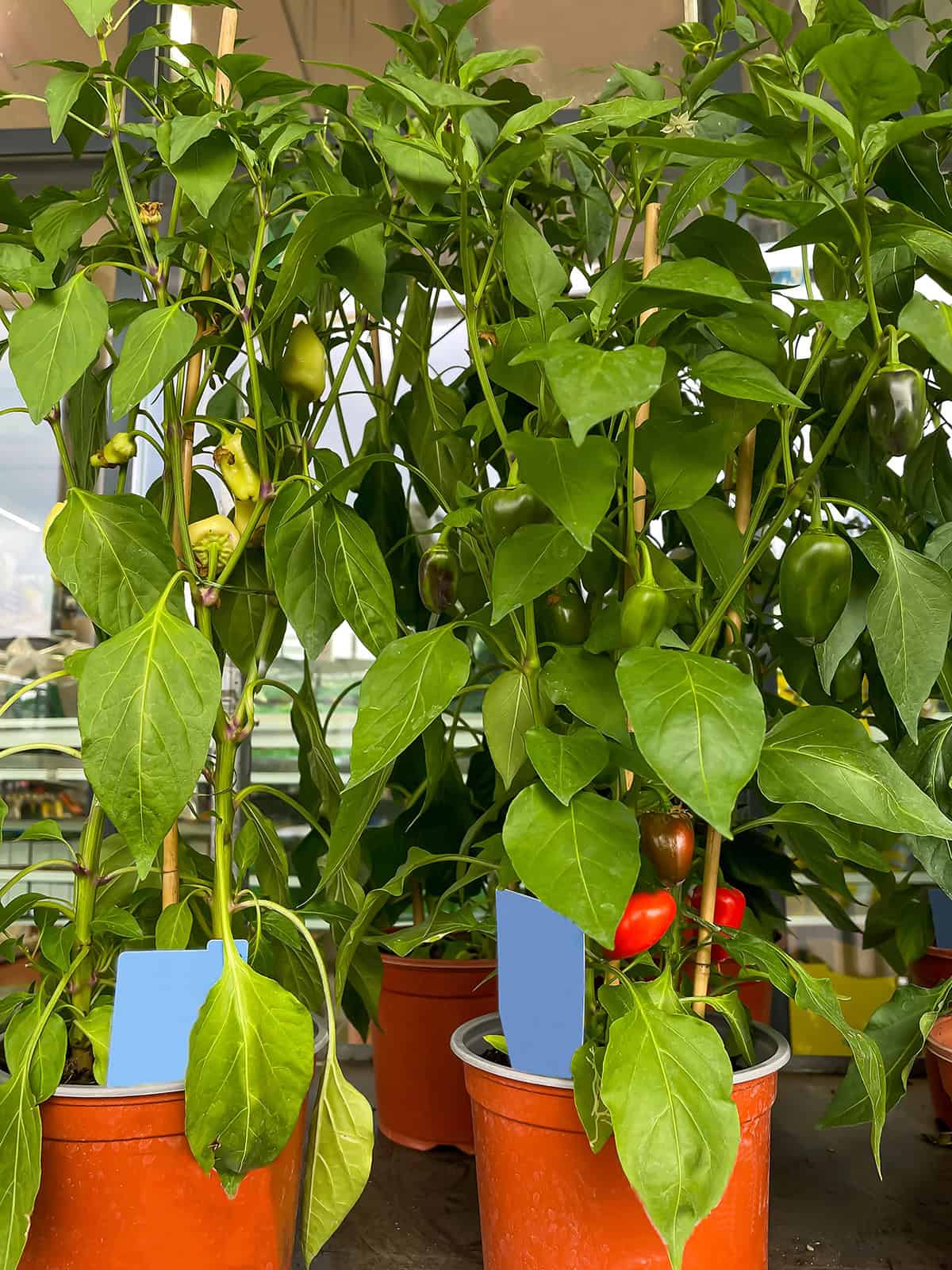
Bell peppers are a bit thirstier than hot types and need steady moisture for those hefty fruits. One per bucket is the sweet spot.
Six hours of direct sun gets them going. If the fruit starts to weigh down the plant, a stake is a lifesaver.
Choose a well-draining mix and steer clear of overwatering—root rot and blossom end rot are real headaches.
Eggplant
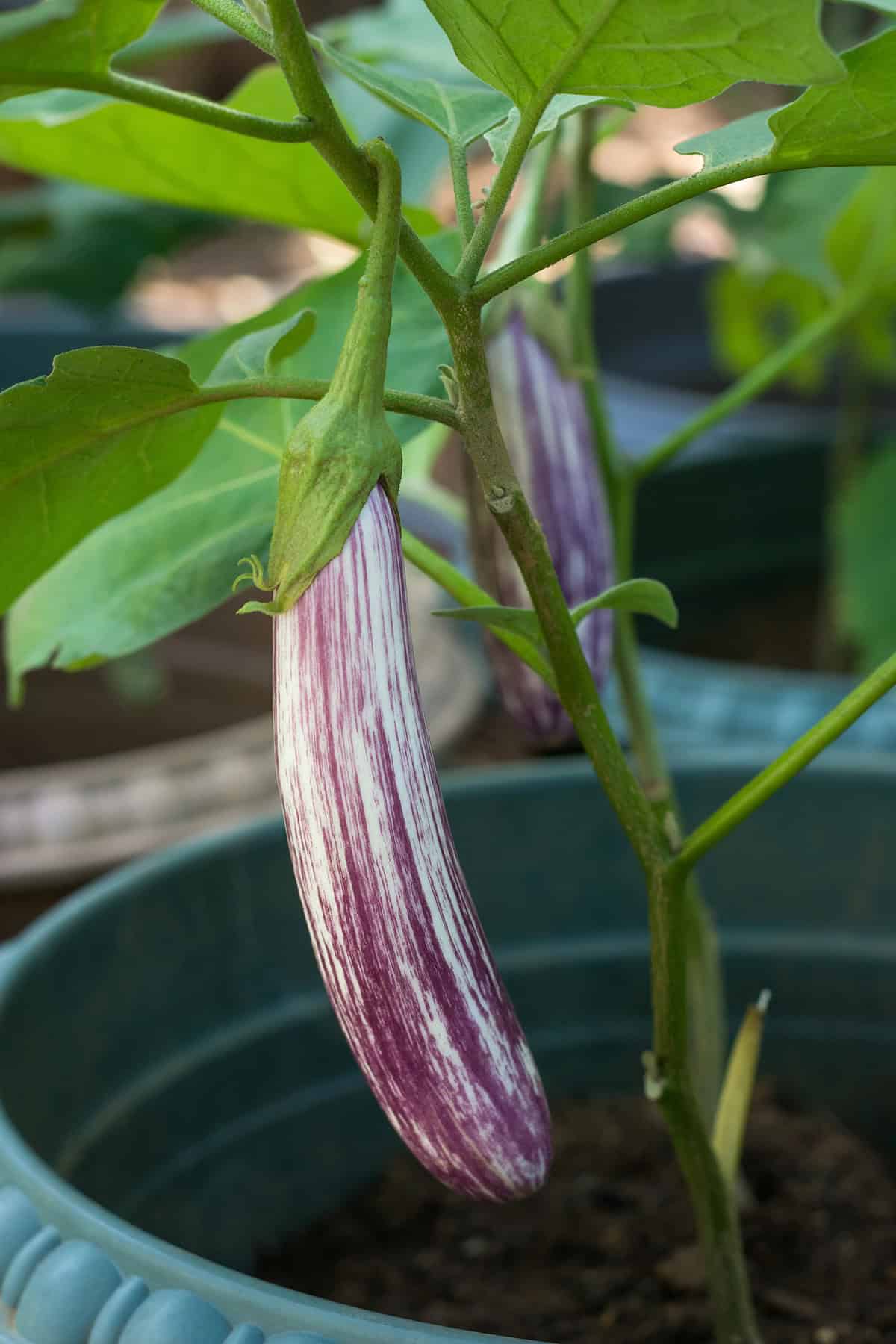
Eggplant, especially the compact varieties, finds a happy home in a bucket. Give each plant its own space for roots to stretch.
Sheltered, sunny spots are best. Eggplants are sun worshippers and won’t be happy in the cold.
Let the top inch of soil dry before watering again. Stake early so the main stem doesn’t flop when fruit starts to set.
Cucumbers (Bush or Compact Varieties)
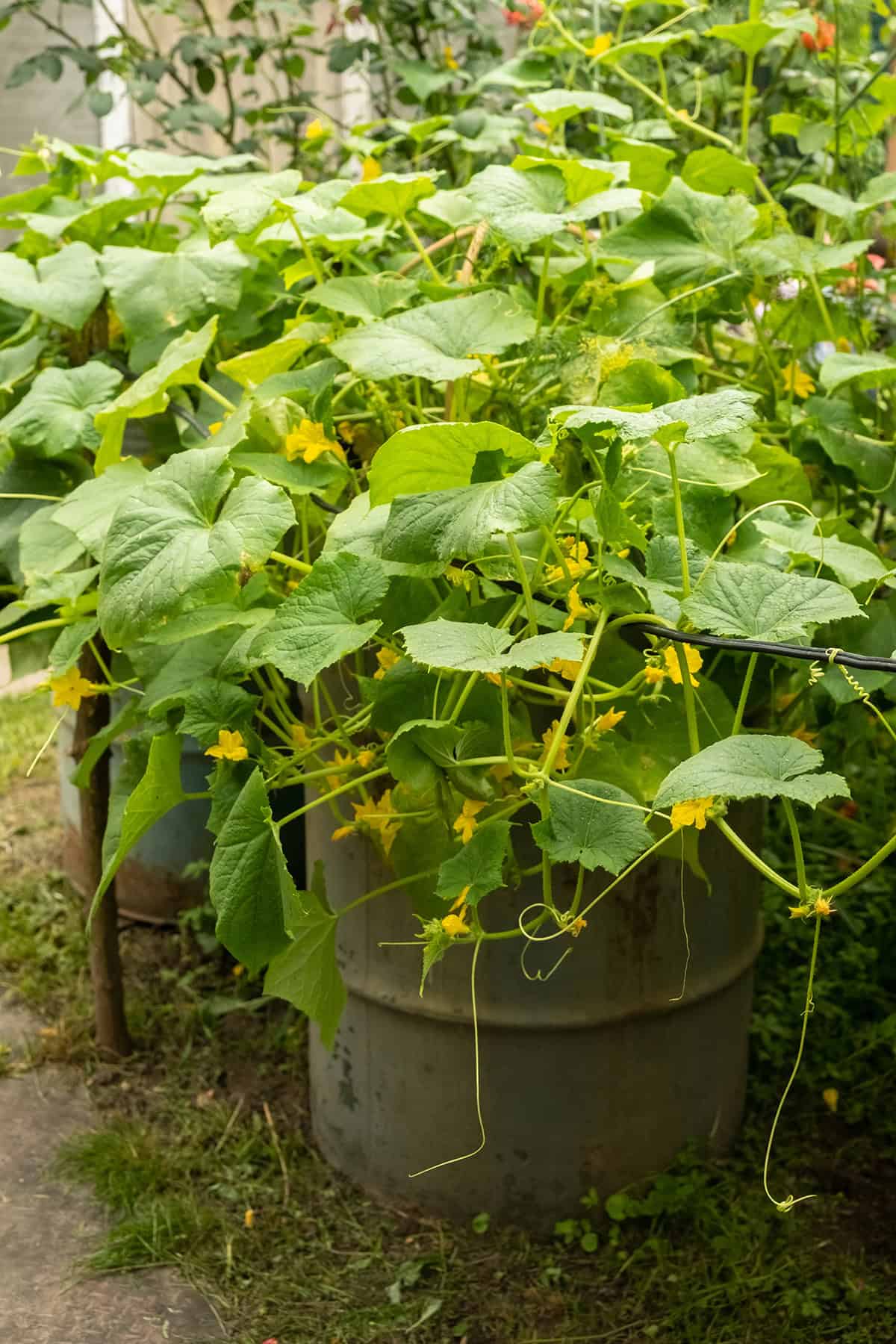
With cucumbers, bush types are a lot less needy in a bucket than their vining cousins. One per container keeps things from getting crowded.
Stick a small trellis or cage in at planting time. Even the bush types like a little lift.
Consistent moisture is the difference between crisp and bitter fruit. Snip fruits often—plants will keep producing if you keep picking.
Zucchini (Compact Bush Types)
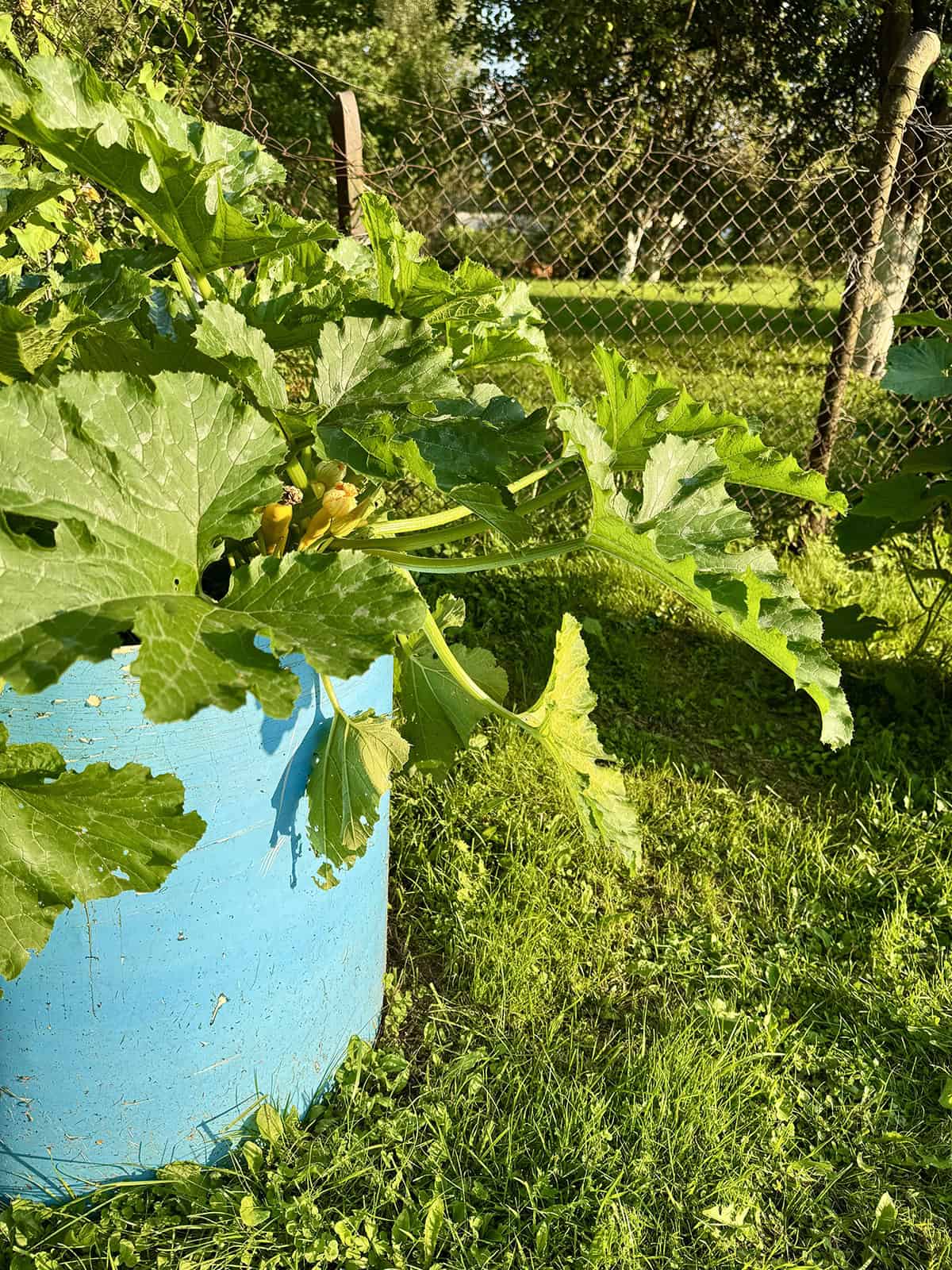
Zucchini’s big leaves and fast growth can fill a bucket quickly—stick with compact bush types and just one per pot.
Full sun and regular watering are non-negotiable. Those huge leaves lose water fast, especially when it’s hot out.
Keep an eye out for pests. Harvest while fruits are still small for tender, tasty results.
Bush Beans
Buckets suit bush beans just fine, and you can pop in a handful of seeds spaced a few inches apart.
Plenty of sun and moderate watering are all they ask. Skip the heavy nitrogen—too much and you’ll get leaves instead of beans.
Pods show up fast, so pick often. Most types are ready in under two months.
Peas (With a Small Trellis)
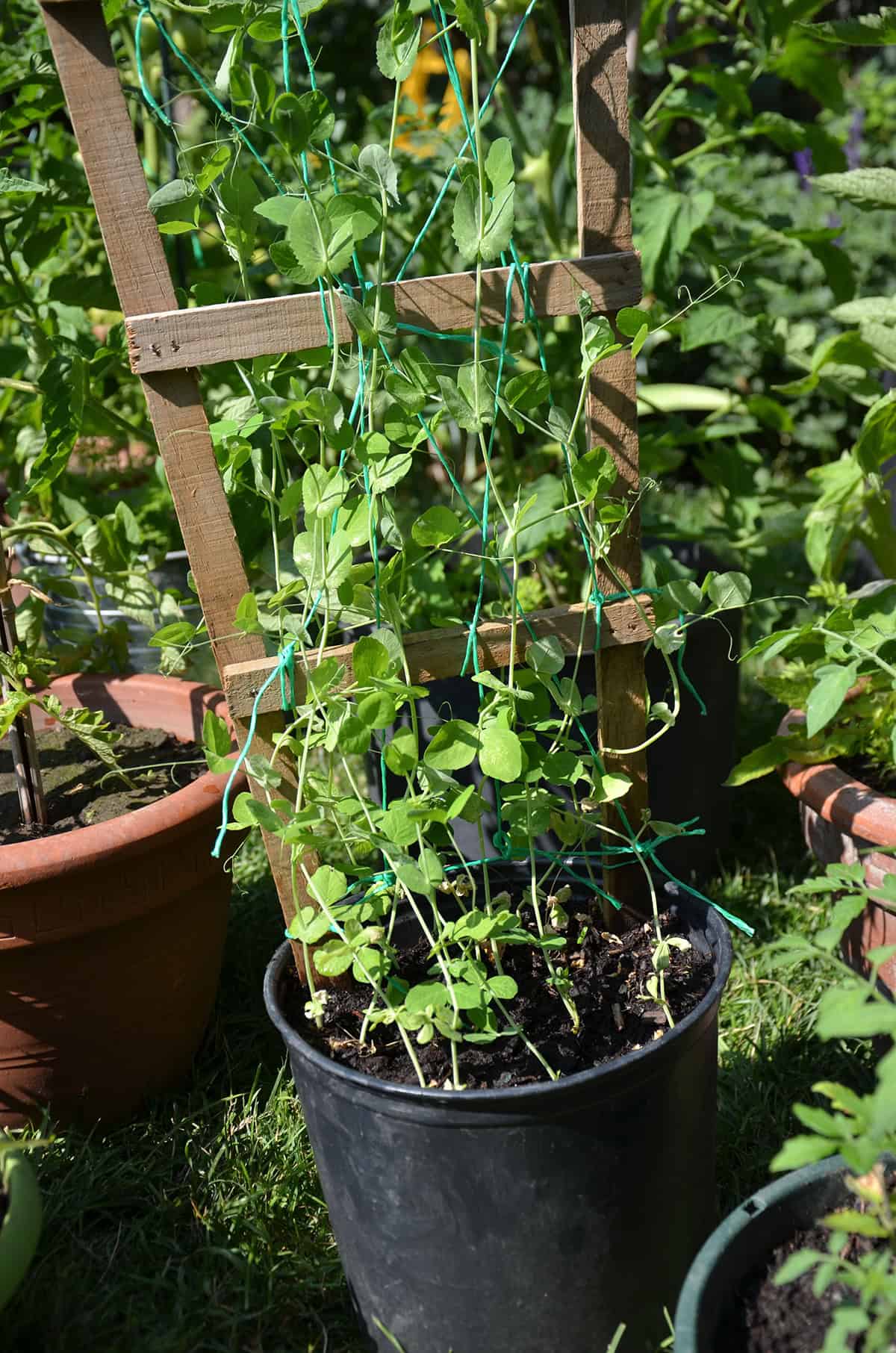
Peas like things cool and don’t mind a touch of frost. Sow several seeds, then thin out the crowd.
Short trellises or stakes make life easier for these climbers—even compact types need something to grab onto.
Keep soil moist, not wet. Pick pods while they’re plump but still tender.
Lettuce
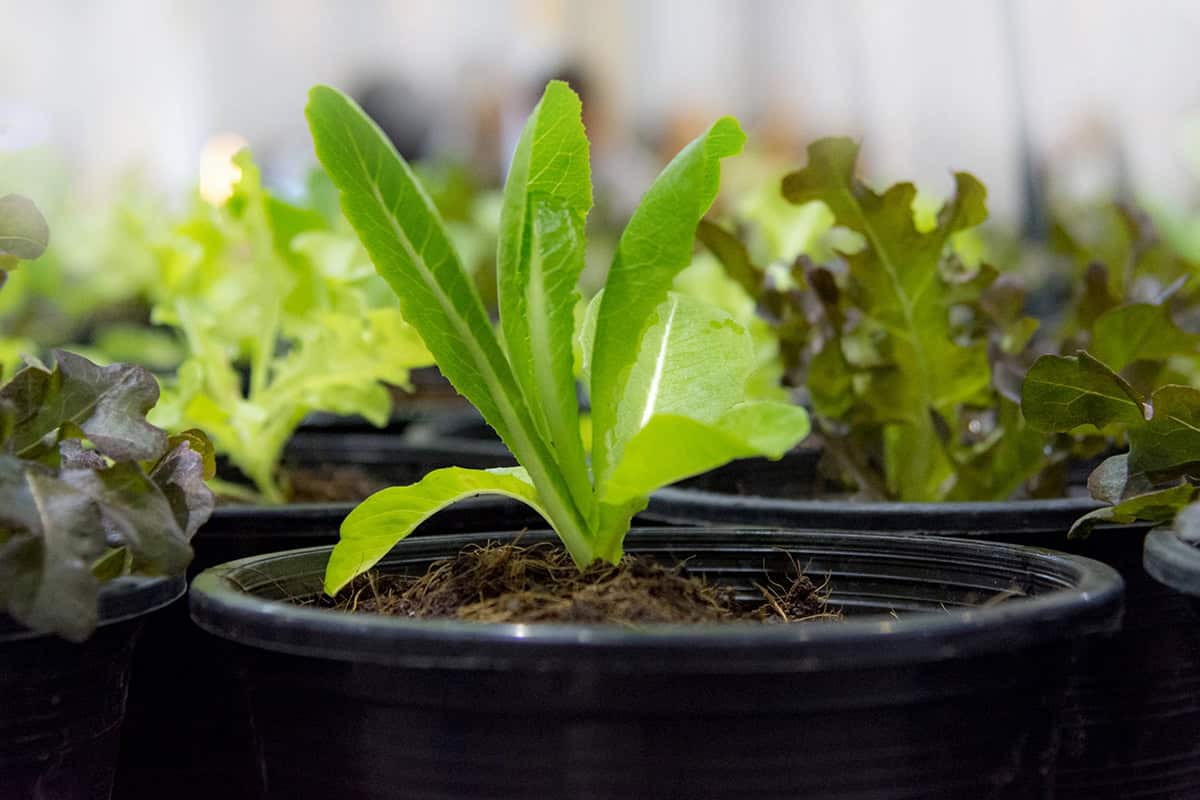
Loose-leaf and mini-head lettuces don’t mind sharing a bucket. Tuck in a few plants, leaving just enough space between them.
Partial sun works, especially where summers get brutal. Shade in the afternoon helps keep leaves sweet.
Water often to keep bitterness at bay. Snip outer leaves as needed, or harvest the whole head when it’s ready.
Spinach
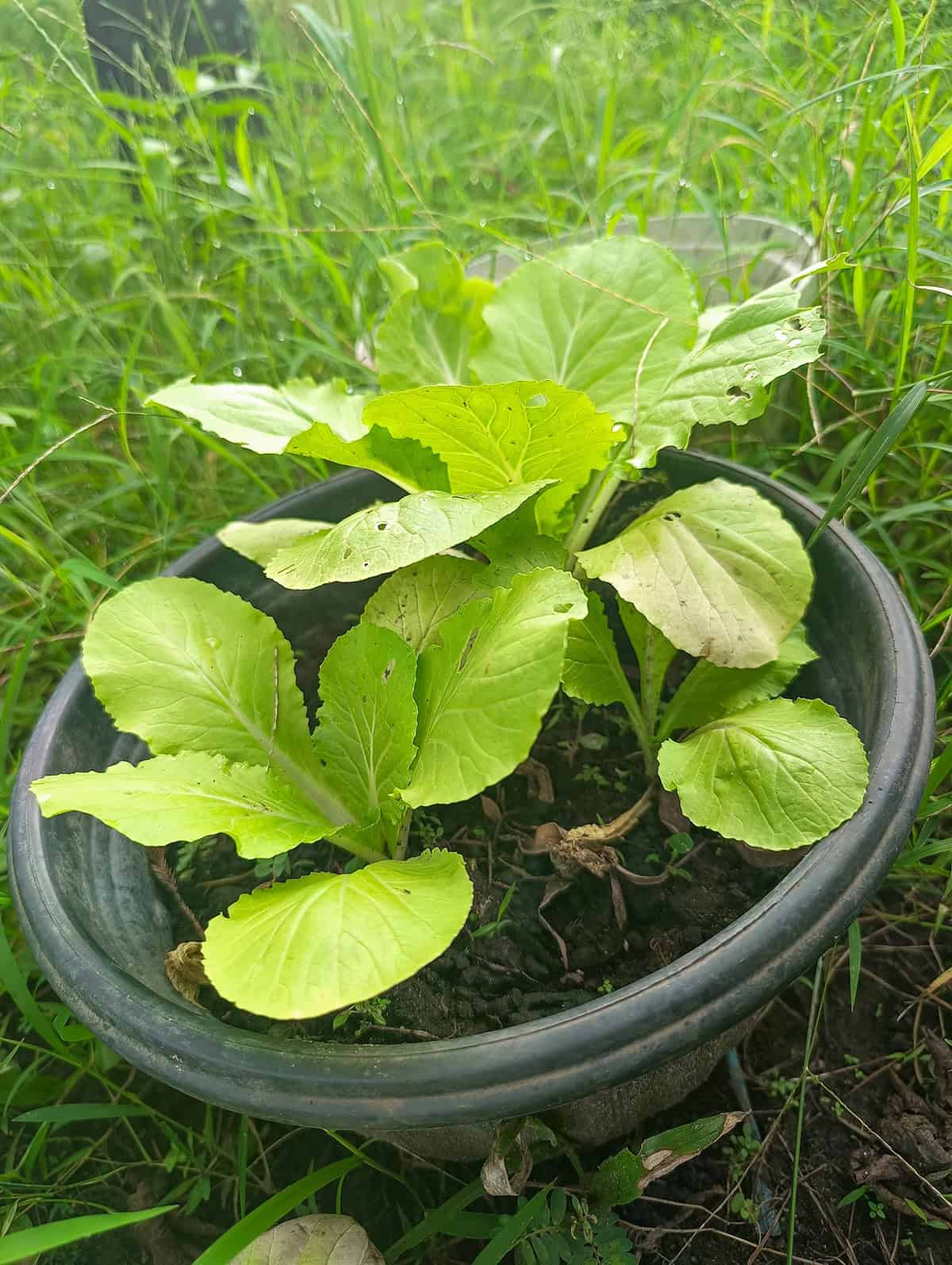
Cooler seasons are spinach’s sweet spot. Direct sow seeds and thin out the extras.
Full sun’s best in spring or fall, but some shade helps if the weather heats up.
Keep the soil damp. Pick outer leaves first and the plant will keep giving.
Arugula
Fast-growing and peppery, arugula doesn’t need much space. Scatter seeds lightly and cover with a thin layer of soil.
Four to six hours of sun works. Water regularly for tender, less spicy leaves.
Harvest young for milder flavor. Want more? Replant every couple weeks.
Kale
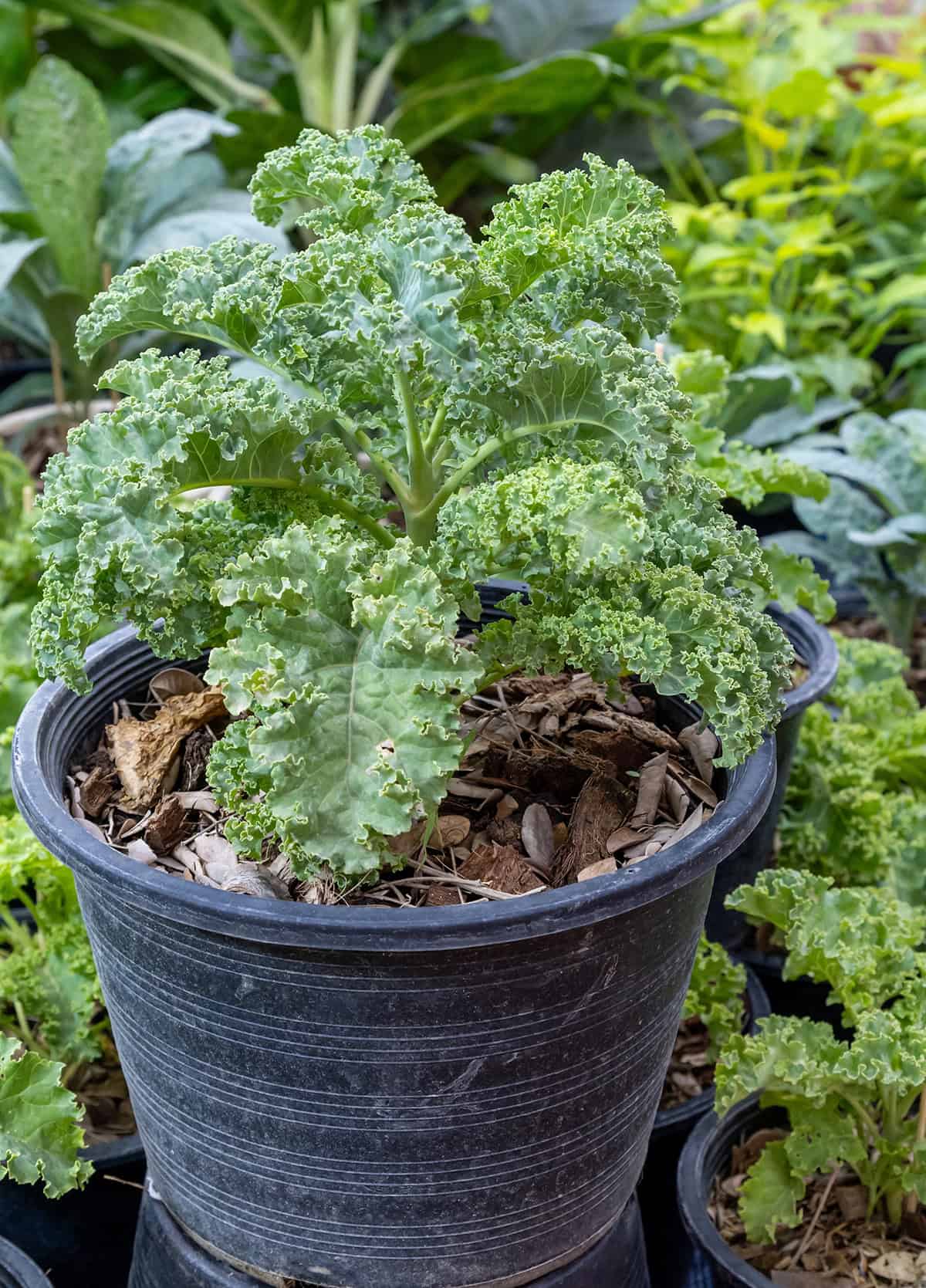
Kale shrugs off cold and even light frost. Depending on the variety, one or two plants per bucket is about right.
Full sun is ideal, but a bit of shade helps in hot weather. Water when the top layer dries out.
Pick lower leaves first and the plant will keep going for months.
Swiss Chard
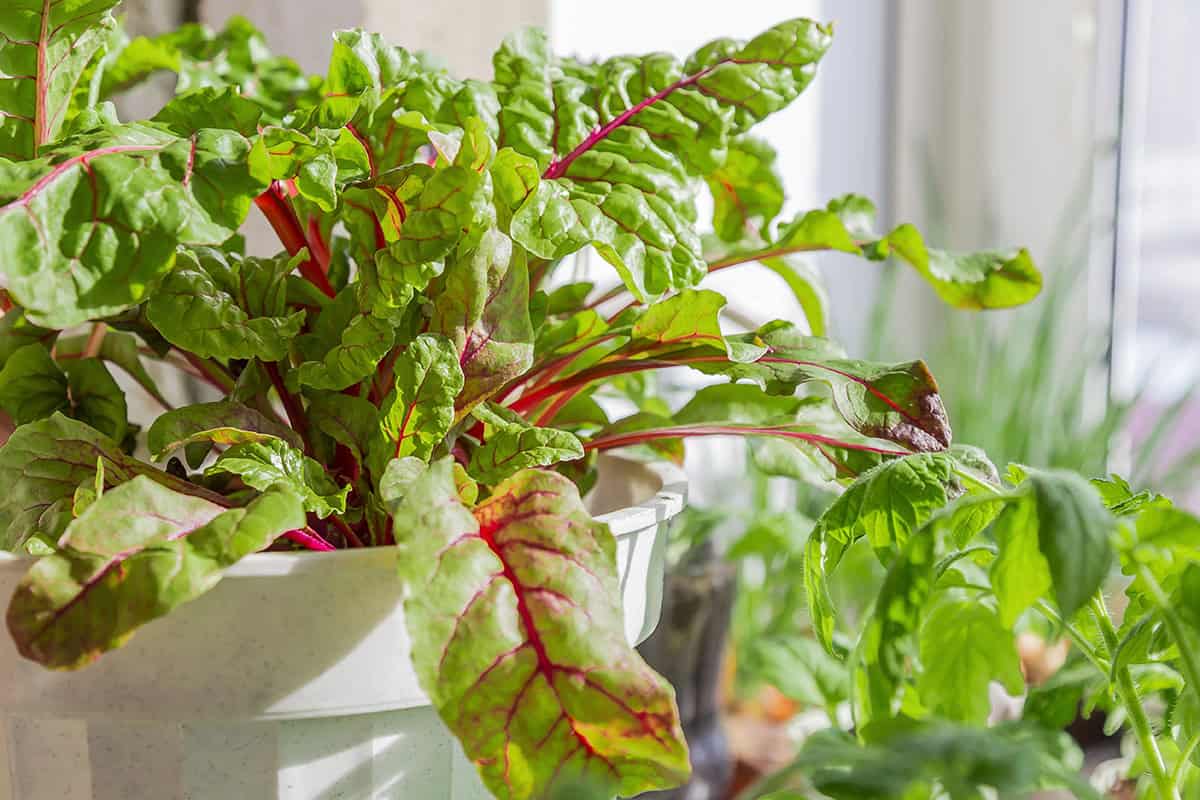
Swiss chard handles heat better than most greens. Two plants fit nicely in a bucket without crowding.
Full sun or partial shade both work. Steady moisture keeps leaves tender.
Pick the outer stalks and new ones will keep coming from the center.
Radishes
Radishes are quick to mature and don’t need much depth. Sow generously and thin as they pop up.
Sunlight helps roots fill out. Damp soil prevents toughness and cracking.
Most varieties are ready in three to five weeks—don’t wait too long or they’ll get woody.
Green Onions (Scallions)
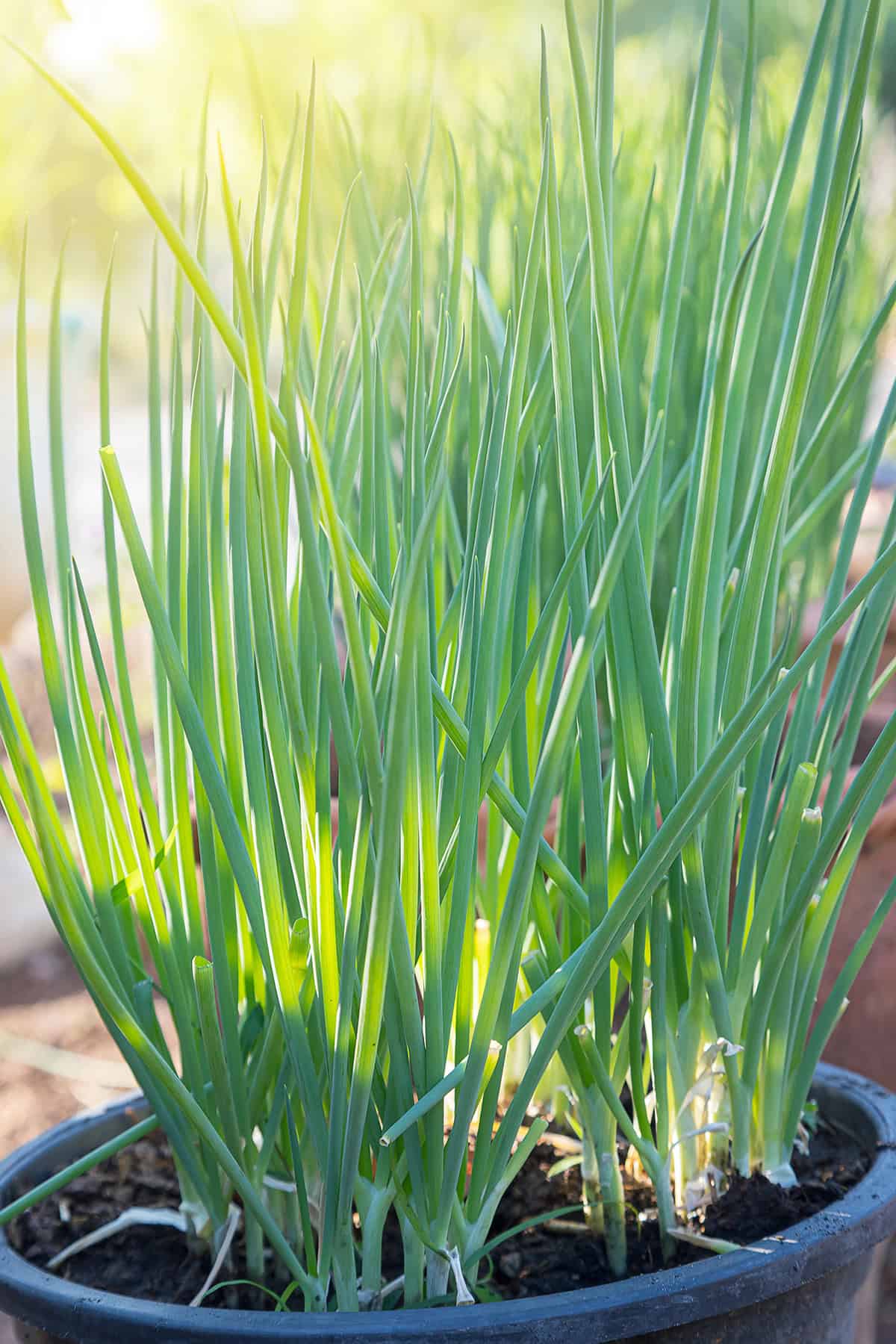
Scallions are easygoing in buckets. Plant sets or seeds close together for a full look.
Sun and moderate watering are all they need. Good drainage keeps rot away.
Snip when stems are thick enough. Tops regrow for a second harvest.
Carrots (Short or Nantes Varieties)
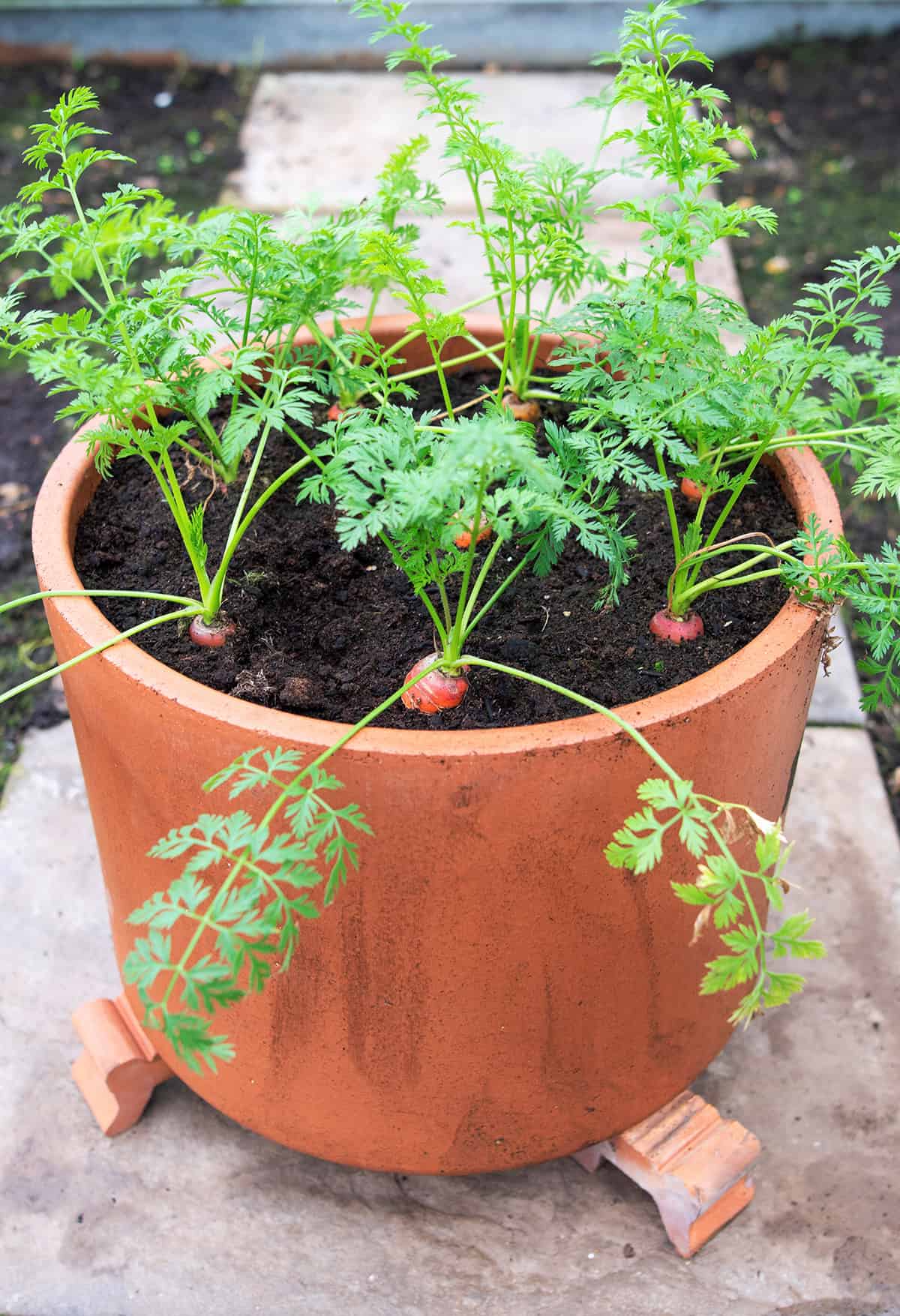
Carrot roots don’t like to fight rocks, so fill buckets with loose, stone-free mix. Short or Nantes types do best.
Sow directly, then thin so roots have space. Sunlight is key for sweet flavor.
Moisture should be steady—dry spells cause cracks. Pull when roots reach a size you like.
Beets
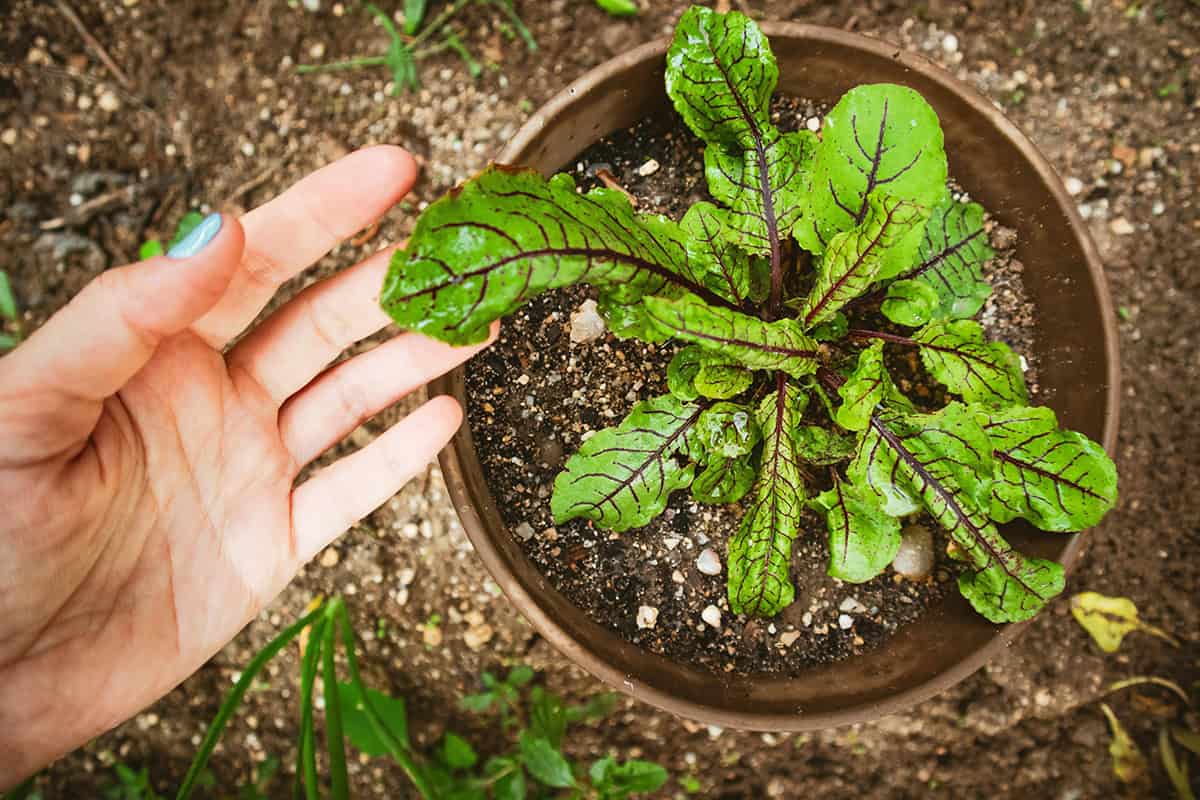
Beets give you both roots and greens. Plant a handful of seeds, thinning as they grow.
Sun brings out the best color and flavor. Even moisture keeps roots from getting tough.
You can pick greens early, or wait for the roots to bulk up—usually in about two months.
Turnips
Turnips are speedy and don’t mind the cold. Direct sow and thin to give each plant room.
Full sun helps with root growth. Water keeps them tender.
Small roots taste best. The greens are edible too—think mustard or spinach.
Bok Choy / Pak Choi
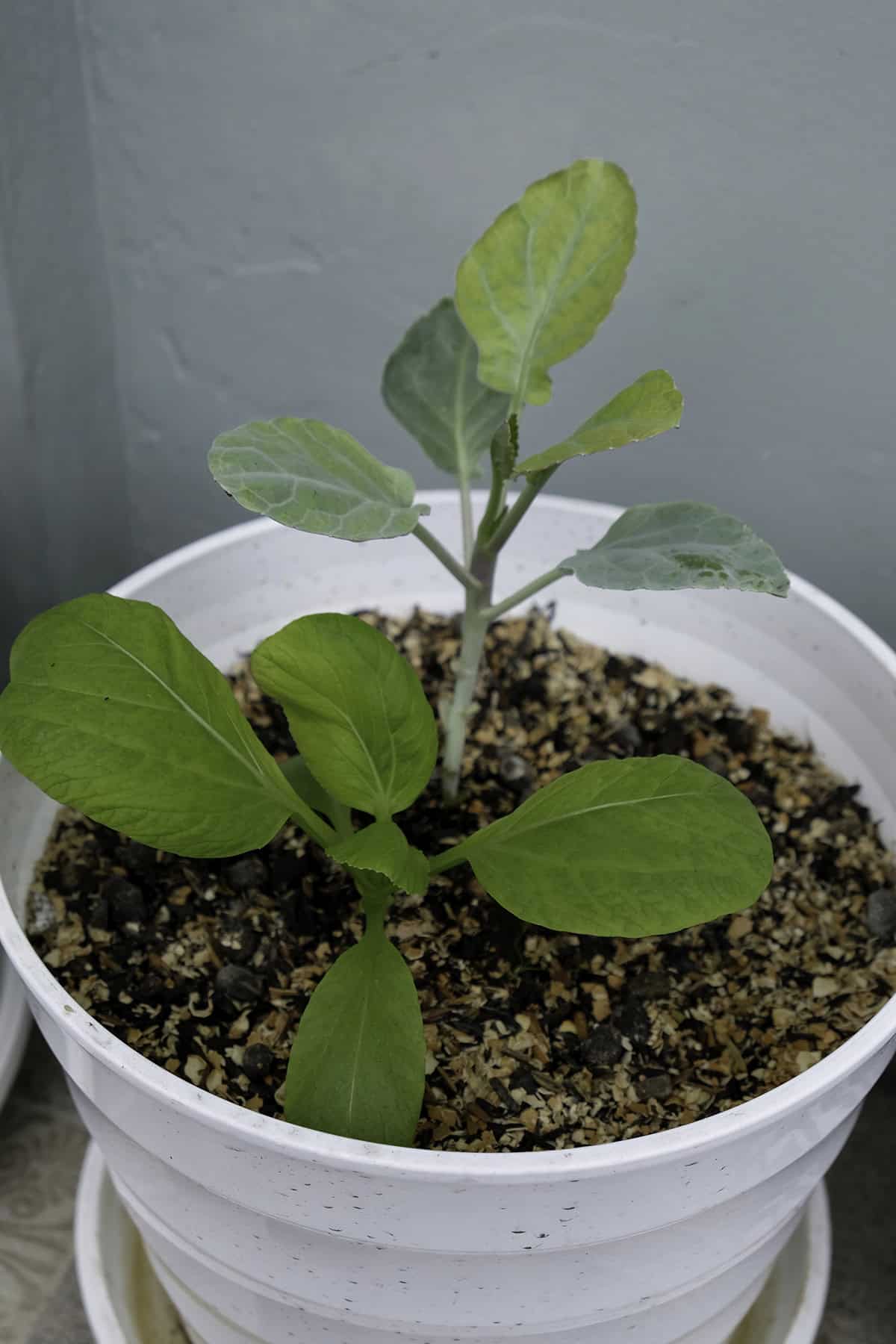
Bok choy is a cool-season favorite for buckets. Several seedlings can share if spaced right.
Sun in cooler weather, a bit of shade when it’s hot. Consistent watering keeps plants from bolting.
Harvest whole or just take a few leaves at a time.
Mustard Greens
Mustard greens laugh at chilly weather. Direct sow into the bucket and let them do their thing.
Sunlight encourages lush leaves. Moist soil means milder, more tender greens.
Pick young for subtle flavor, or let them mature for a spicy kick.
Basil
Basil soaks up heat and sun. One or two plants per bucket is plenty.
Water when the soil’s dry on top. Skip wetting the leaves late in the day to avoid spots.
Pinch the tips often—bushy plants and delayed flowering are your reward.
Parsley
Parsley’s taproot digs deep, so buckets are a good fit. One to three plants work without crowding.
Partial sun is fine. Even moisture keeps growth steady.
Snip outer stems first. The plant will keep producing for ages.
Cilantro (Coriander)
Cilantro bolts in the heat, so it’s happier in cooler weather. Sow seeds right in the bucket.
Full sun when it’s cool, light shade when it’s hot. Regular water helps prevent early flowering.
Pick leaves early and often. Let a few plants go to seed if you want coriander spice.
Thyme
Thyme’s a low-maintenance herb for buckets, needing only well-drained soil and lots of sun. Over time, one plant will fill out the space.
Once established, go easy on the water. Let the surface dry before watering again.
Trim stems now and then to keep it tidy and encourage fresh growth.
Oregano
Oregano brings a wild energy to containers—one plant is enough or it’ll take over. Sunlight brings out its best flavor.
Water only when the topsoil dries. Too much and it gets leggy.
Snip stems regularly for a bushier, healthier plant.
Chives
Chives clump up nicely in a bucket. Plant a few starts together for a lush pot.
Sun or partial shade both work. Keep the soil just moist enough.
Cut leaves low and they’ll bounce right back for another round.
Dill
Sunlight pours over dill, and it seems to stretch downward just as much as up—those taproots really dig in. Five-gallon buckets? They’re a good bet. Best to drop seeds right where you want them, since moving dill around usually ends in disappointment.
Keep the soil damp, and don’t skimp on the sunshine. Roots don’t like to be bothered, so skip the transplanting drama.
Snip leaves whenever you need a fresh hit of flavor. If you’re after seeds, let a few plants bolt and do their thing.