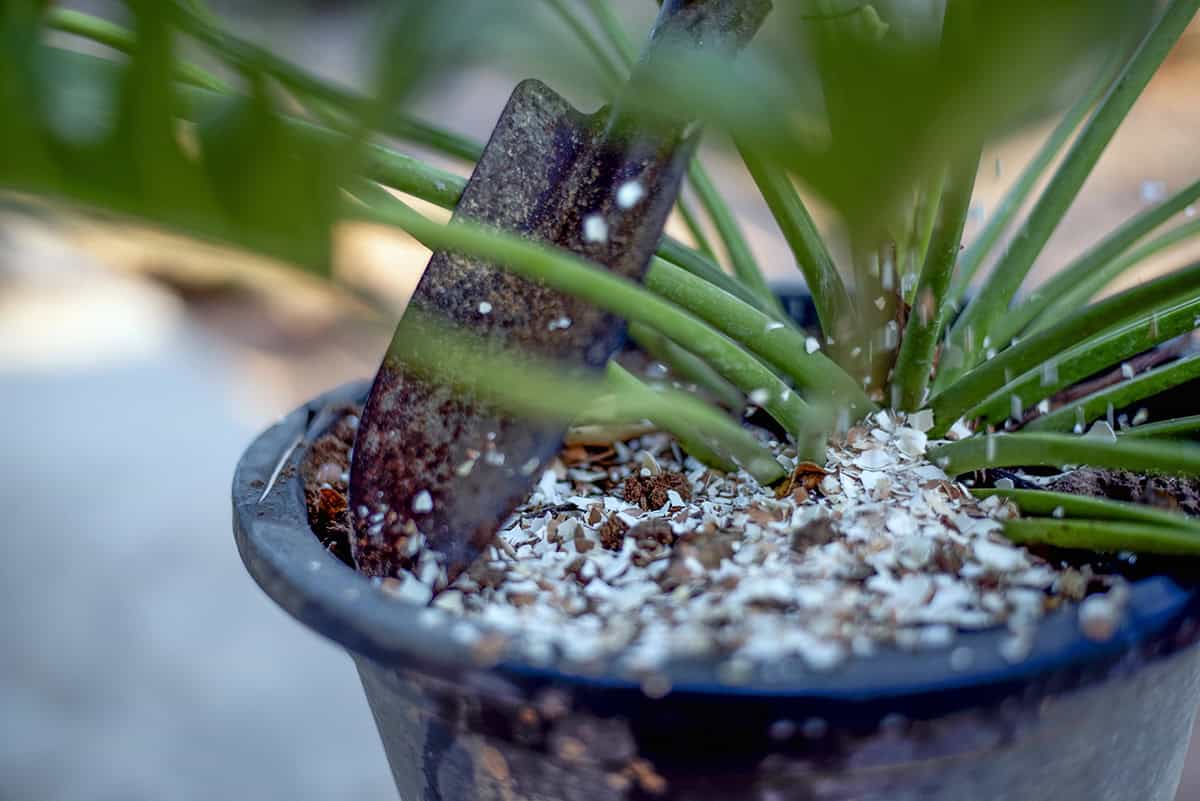
Maybe you’ve seen the advice: toss crushed eggshells into your houseplant pots for a natural calcium boost. It’s a tidy idea, but reality’s a bit messier. Eggshells do release calcium into soil, just extremely slowly—so don’t expect miracles or any kind of quick fix.
Most indoor plants aren’t exactly starving for calcium anyway. Unless you grind the shells to a near powder, they’ll linger intact in the pot for ages. Over time, sure, they might help with soil texture, but if you’re hoping for a fast turnaround, you’ll be disappointed. Sometimes, they’re just taking up space.
Still, it’s not a totally useless habit. Some plants might get a minor benefit, especially if you’re careful about how you use the shells. The trick is knowing which species might appreciate the extra calcium and how to actually make it available. We’ll explain in-depth below.
Table of Contents
Do Houseplants Actually Benefit From Eggshells?
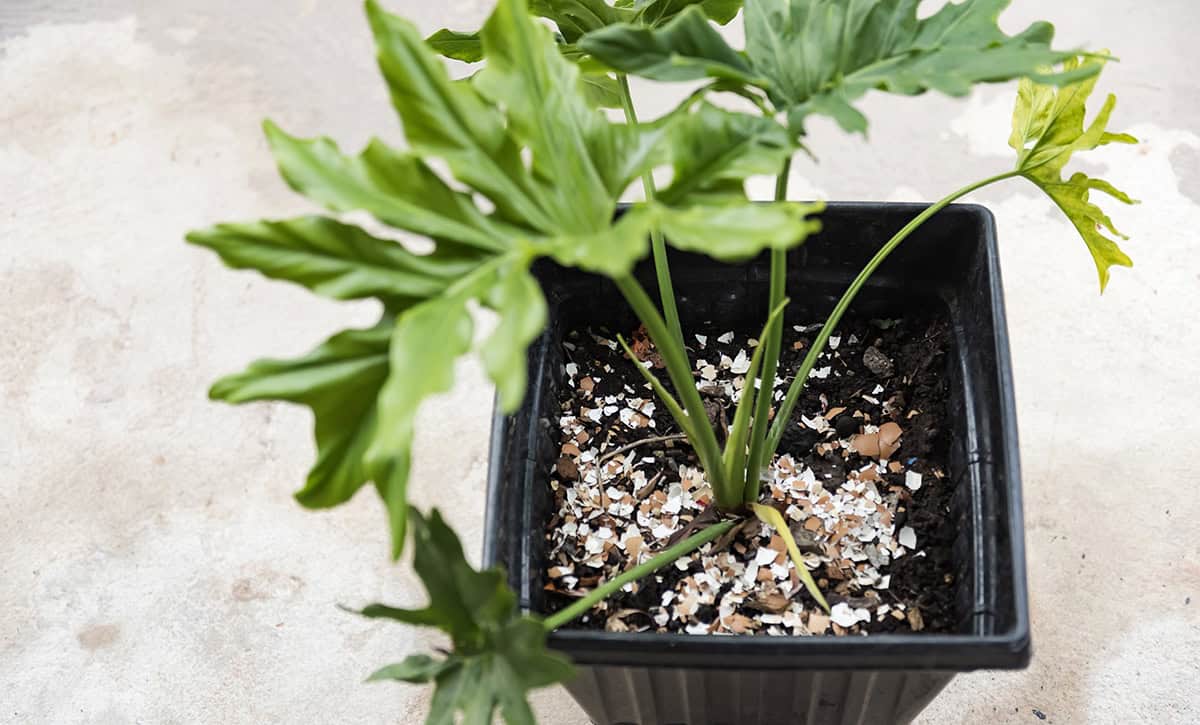
It’s tempting to assume eggshells will perk up your plants thanks to their calcium content. Calcium does matter for plant structure and growth, but unless those shells are ground ultra-fine, they’ll just sit there, locked away from roots.
University extension research doesn’t really support the eggshell hype. Take blossom end rot, for example—usually a water issue, not a lack of calcium. Indoor plants in decent potting soil almost never have true calcium shortages. Most commercial mixes already cover those bases.
If you do go through the trouble of powdering shells, the calcium release is still minimal unless you add a lot. Too much, though, and you risk messing with the soil’s texture—kind of a big deal when roots are boxed in.
Honestly, a complete houseplant fertilizer with calcium listed is a much surer bet if you’re worried about nutrients. If you’re after organic matter, composting the shells first is smarter than tossing them straight in. Consistent care beats kitchen scraps every time.
Why These Houseplants Can Benefit From Eggshells
Some houseplants do like their soil on the neutral-to-slightly-acidic side and can use a steady trickle of calcium for sturdy growth. When shells are ground fine and blended into compost or soil, they can provide a slow, subtle boost—nothing dramatic, but not pointless either.
Rubber Plant (Ficus elastica)
Those thick, shiny leaves rely on strong cell walls. Over years in the same pot, nutrients get depleted. Adding finely ground eggshell at repotting can trickle in some calcium as the plant settles in, but don’t expect it to fix any urgent issues. Big shell pieces on top? They just hang around, doing little. If you’re seeing growth problems, a balanced fertilizer will do more.
Fiddle Leaf Fig (Ficus lyrata)
Big, dramatic leaves need steady nutrition, and calcium is part of the equation. Still, actual deficiencies are rare with good potting soil. If you’re feeling ambitious, you could blend powdered shells into the mix when repotting. Just know that anything chunkier than powder might take a year (or more) to break down. And again, eggshells won’t fix watering mistakes or poor drainage—those are bigger threats.
Weeping Fig (Ficus benjamina)
Quick to drop leaves when stressed, this plant benefits from robust roots. Calcium helps with root tips and cell strength. If you’re refreshing soil, a pinch of powdered shell can be included, but the effect is gentle and slow. If a soil test actually points to low calcium, a labeled fertilizer or compost with shells is a better move than raw shell chunks.
Jade Plant (Crassula ovata)
Succulents like jade store water in their leaves and need sharp-draining soil. Overfeeding is more dangerous than underfeeding here. Still, a light sprinkle of finely crushed shell can reinforce tissue strength, but keep the amount tiny—too much clogs up the mix. Eggshells won’t stop rot; that’s all about letting soil dry out.
Aloe Vera
Aloe’s not a heavy feeder—sandy, well-drained soil is its thing. Calcium is part of cell structure, but you’re unlikely to see a deficiency if you’re using a decent succulent mix. DIY soil mixers might toss in a bit of powdered shell, but skip big shards. As for “eggshell water” from boiling eggs? Not much actual calcium makes it into the liquid. Focus on sunlight and measured watering for happy aloe.
Kalanchoe
When these bloom, they appreciate steady nutrition, including calcium for sturdy stems. Most store-bought fertilizers already have it covered. If you want to use eggshells, composting them first is the way to go—otherwise, expect them to just sit in the pot. Don’t look to eggshells for quick fixes to leaf or flower problems; light and feeding matter more.
Hoya (Hoya carnosa)
Hoyas like their soil loose and a bit on the acidic side. A small amount of finely ground shell mixed in at repotting won’t upset that balance and can offer a slow calcium trickle. If you’re seeing weak growth, check your light and watering habits before blaming the soil. Regular fertilizer usually covers any real nutrient needs.
Geranium (Pelargonium)
For big blooms and sturdy stems, pelargoniums need reliable nutrients and lots of light. As containers age, calcium can get used up. Mixing a bit of shell powder into fresh soil at planting time can help, but don’t expect a fast turnaround. For lush flowering, stick with a bloom-focused fertilizer and treat eggshells as a minor, slow supplement—never the main act.
How To Use Eggshells For Houseplants
Grab some shells that are totally dry—give them a good rinse first, and try to peel off any of that clingy inner membrane. Let them air out completely before tossing them in a jar or bag. Skipping this step? Well, you’ll probably regret it when the kitchen starts to smell or you spot a few unwelcome bugs.
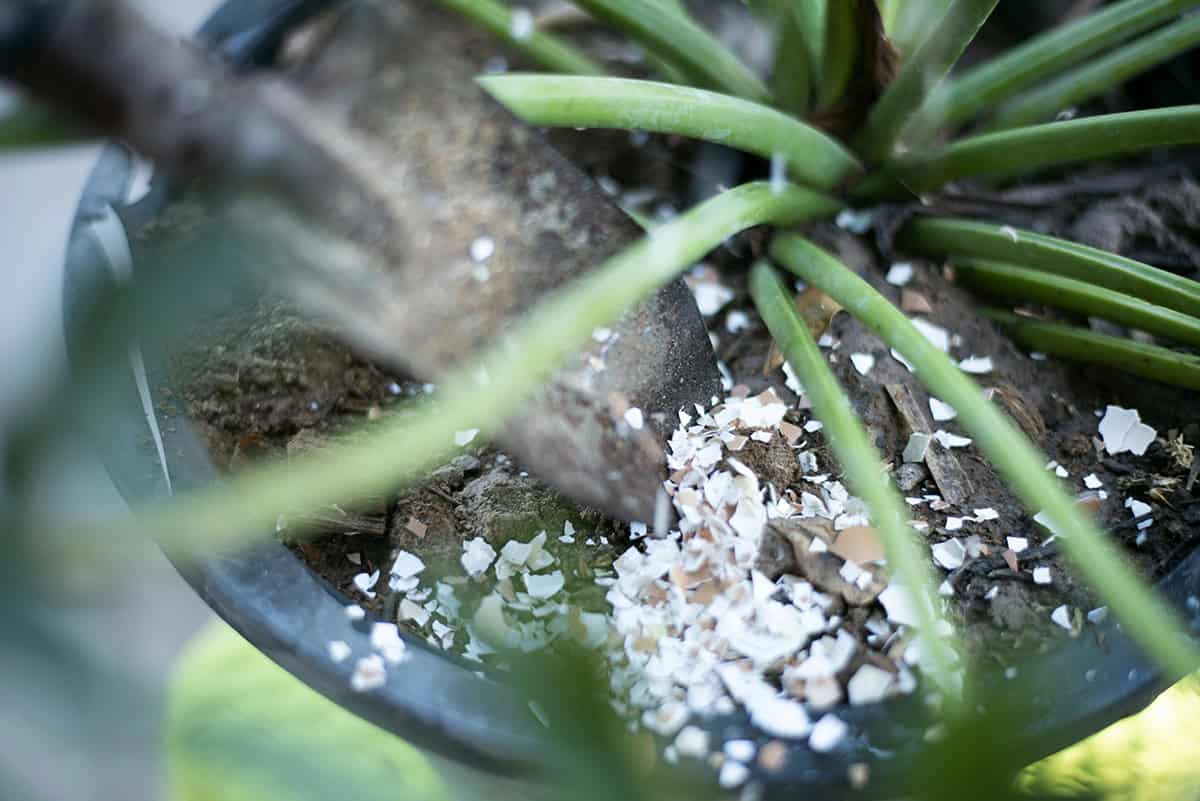
For best results, pulverize those shells until they’re almost a powder. Honestly, a coffee grinder is a lifesaver here (just maybe don’t use your main one unless you like gritty coffee). Big chunks just sort of hang around in the soil forever, barely breaking down. Finer bits, though, actually do something—you’ll get more calcium into the mix, and it happens a bit quicker.
Sprinkle just a little of the powder over the top of your potting soil—don’t go overboard. Most houseplants are perfectly happy with the nutrients in commercial potting mixes, so adding too much can actually throw things out of whack. A pinch per pot is plenty.
Some folks prefer tossing crushed shells straight into the compost pile. Microbes will eventually break them down, though you might still spot some stubborn white flakes even after the compost is “done.” No big deal; they won’t hurt anything.
Skip the old advice about lining the bottom of pots with big shell pieces. They don’t help drainage, and honestly, it’s just a myth that won’t die. And if you’re hoping eggshells will save tomatoes or fix blossom end rot—don’t count on it. If you’re worried about a real calcium problem, grab a soil test before reaching for home remedies.