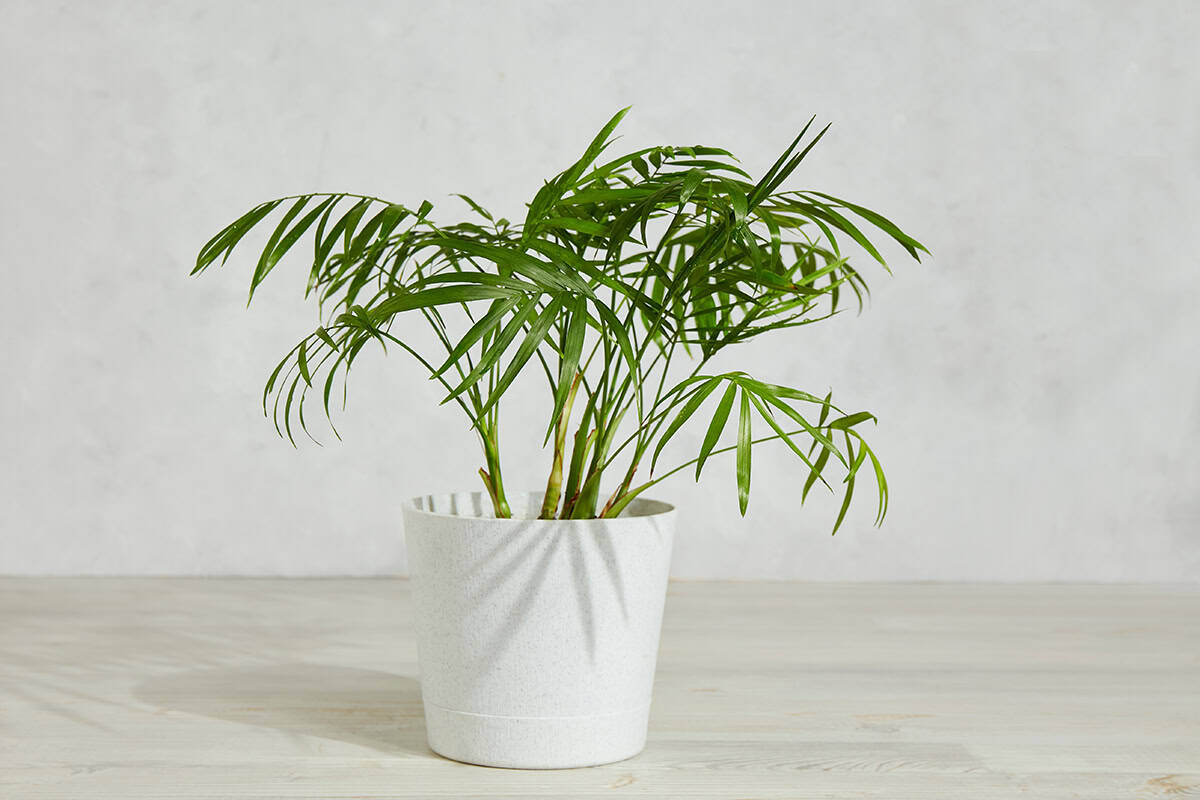
A small palm in the corner of a room can make the whole space feel more alive. The green fronds add texture and a sense of calm. To grow and care for indoor palm trees, give them the right light, water, and humidity so they stay healthy year-round.
You can keep most indoor palms thriving by placing them in bright, indirect light and watering only when the topsoil feels dry. The right soil mix, steady temperatures, and occasional feeding help them maintain strong growth.
Some varieties handle low light better, while others need more sun. Knowing the needs of your specific palm makes care much easier and prevents common problems.
Table of Contents
Light
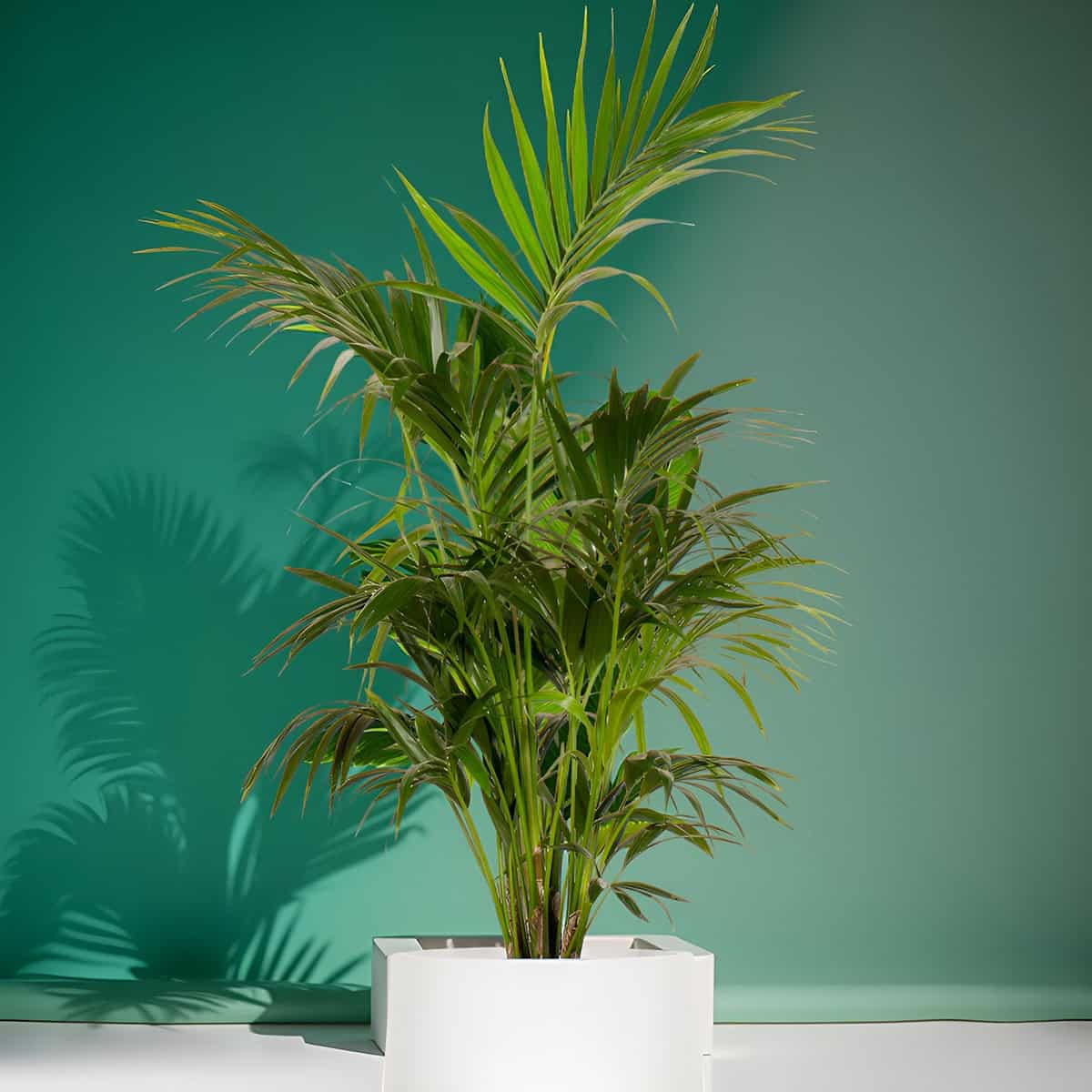
Your palm tree needs the right amount of light to grow well indoors. Most palms prefer bright, indirect light. Place the plant near a south-, east-, or west-facing window with filtered sunlight.
Direct midday sun can burn the leaves. Sheer curtains can help soften strong light. If your space is dim, you can use a grow light to supplement natural light.
Some palm varieties tolerate lower light, but growth may slow. Avoid placing the plant in dark corners for long periods. Rotate the pot every few weeks so all sides receive consistent light.
In winter, natural light levels drop. Move the palm closer to a bright window or extend its exposure with artificial lighting. Aim for about 12 to 16 hours of total light each day if possible.
Check the leaves for signs of light stress. Pale or yellowing leaves may indicate too little light, while scorched patches can mean too much direct sun. Adjust placement as needed.
Soil
Your palm needs soil that drains well yet holds some moisture. A mix designed for palms or tropical plants works best. It should be light and airy to prevent root rot.
Choose a medium with a balance of organic matter and coarse material. Peat or coco coir helps retain moisture. Perlite or sand improves drainage and keeps the roots from staying waterlogged.
The pH should be slightly acidic to neutral, around 6.0 to 7.0. This range supports nutrient uptake. Avoid heavy garden soil because it compacts and limits root growth.
Replace or refresh the soil every two to three years when repotting. Over time, nutrients deplete and the structure breaks down. Fresh soil supports healthy fronds and steady growth.
Check that your container has drainage holes. Excess water should escape easily to prevent fungal problems. Good soil and proper drainage work together to keep your palm healthy indoors.
Water
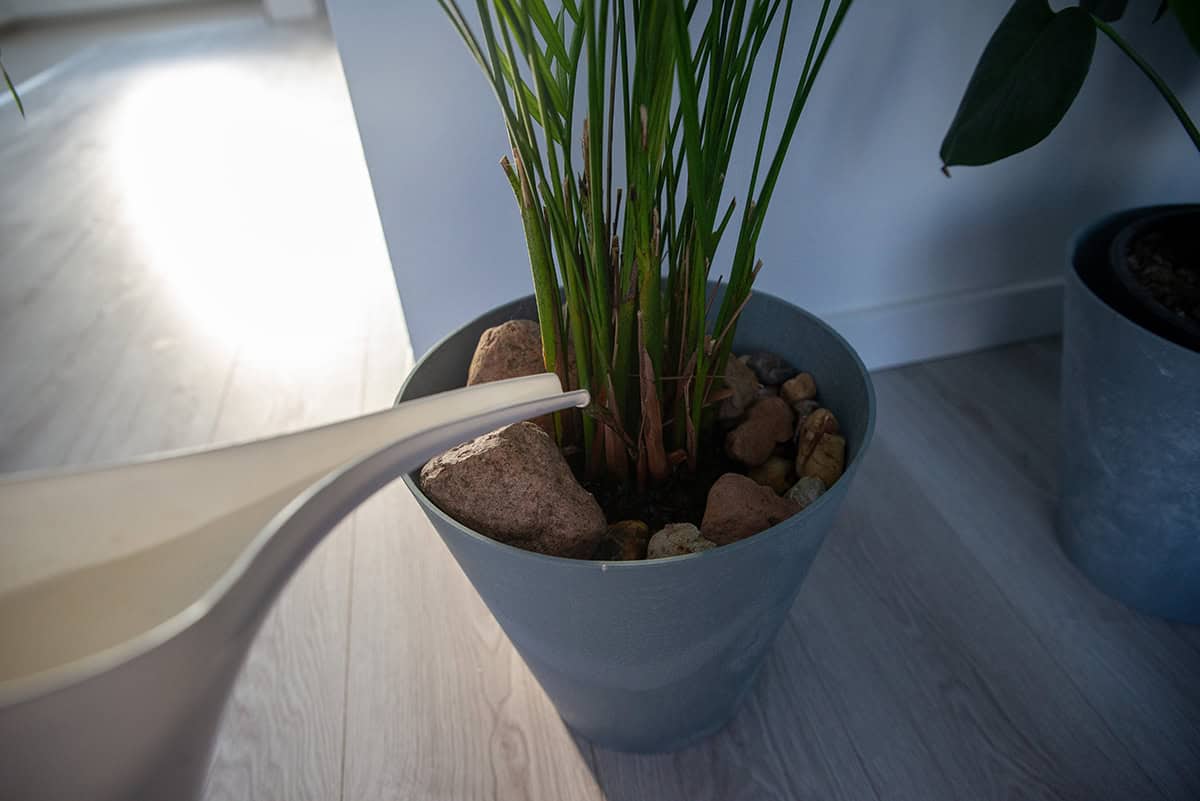
You need to keep the soil evenly moist for most indoor palm trees. Let the top inch of soil dry before watering again. This helps prevent root rot.
Use room-temperature water to avoid stressing the plant. If your tap water has high salts or chlorine, use filtered or distilled water. Poor-quality water can damage palm leaf tips.
Water more often in warmer months when the plant grows actively. Reduce watering in cooler months when growth slows. Always adjust based on your home’s temperature and humidity.
Make sure the pot has drainage holes. Standing water at the bottom of a container can harm roots quickly. Empty any saucer under the pot after watering.
Check the soil moisture by pressing your finger into it. If it feels dry below the surface, it is time to water. Avoid guessing based on a set schedule.
Temperature and Humidity
Indoor palms grow best in stable, warm conditions. You should keep the temperature between 65°F and 75°F during the day. Night temperatures can drop slightly but should not fall below 55°F.
Sudden temperature changes can stress palms. Avoid placing them near heating vents, air conditioners, or drafty windows. Consistent conditions help prevent leaf damage and slow growth.
Most palms come from tropical regions, so they need higher humidity than most homes provide. Aim for 40–60% relative humidity for healthy foliage.
You can raise humidity by placing a humidifier in the room. Another option is to set the pot on a tray filled with water and pebbles, making sure the pot base stays above the waterline.
Dry air can cause leaf tips to turn brown. If this happens, check the humidity and make adjustments. Regular misting can help, but it is less effective than a humidifier.
Keep your palm away from direct blasts of hot or cold air. Even short exposure to extreme conditions can cause fronds to yellow or drop prematurely.
Fertilizer
Your indoor palms need the right nutrients to maintain healthy green fronds. A balanced, slow-release fertilizer works well during the active growing months. Choose one with magnesium and micronutrients to prevent yellowing leaves.
Fertilize only during spring and summer when the plant grows most. Apply every two to three months based on the product directions. Avoid frequent feeding in fall and winter since growth slows.
Use a formula close to 8-2-12 plus 4% magnesium for best results. This ratio supports strong leaf color and steady growth without excess salts. Read the label to confirm nutrient content.
Water the soil before applying fertilizer to protect the roots. Spread the product evenly over the soil surface, keeping it away from the trunk base. Follow the recommended amount to avoid nutrient burn.
Watch your plant for signs of nutrient issues such as pale leaves or weak growth. Adjust your feeding schedule or product type if problems appear. Consistent care will keep your indoor palm healthy year-round.
Propagation
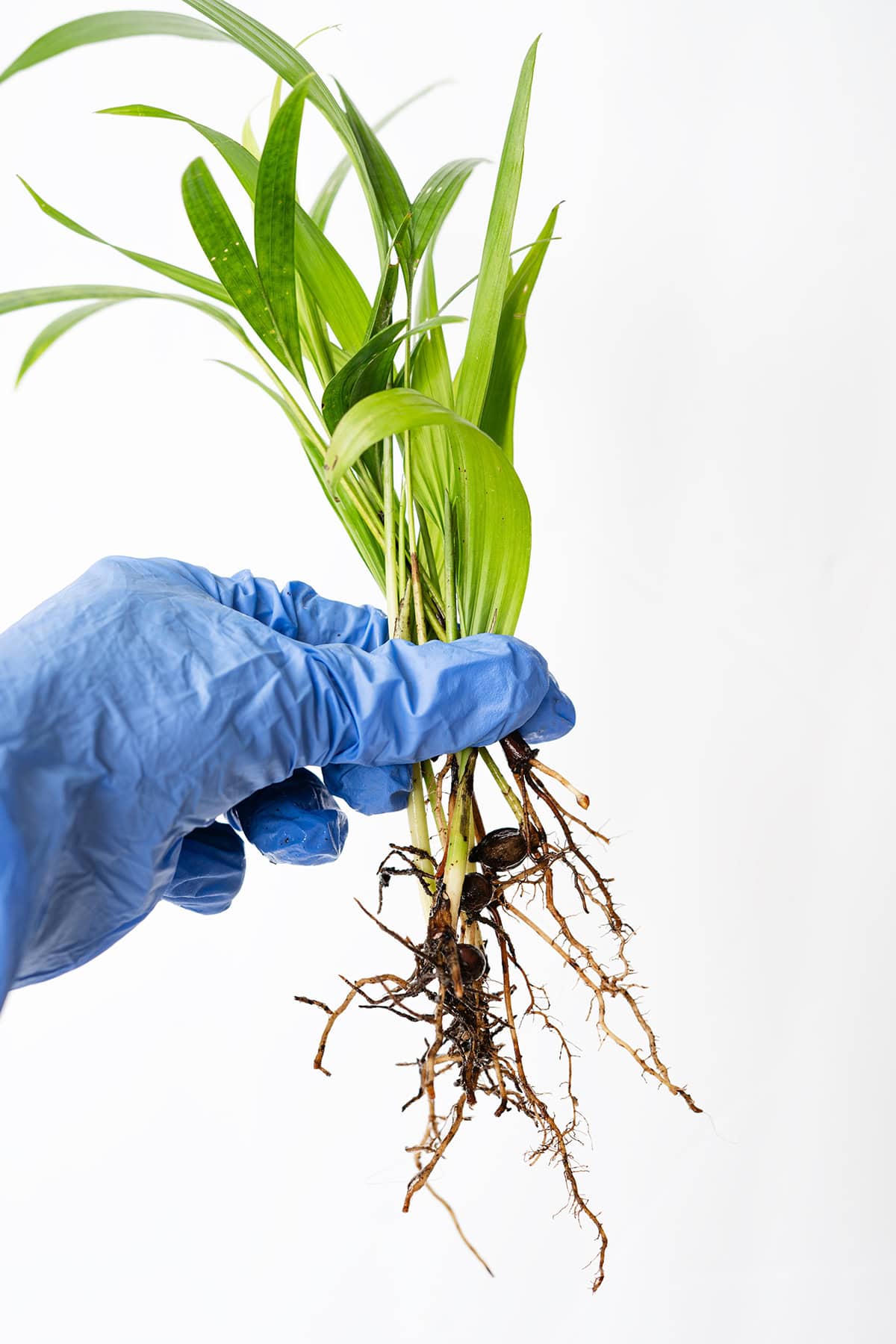
You can propagate most true palms only from seed. Unlike many houseplants, palms do not grow from cuttings or divisions. This means you need viable seeds from a mature plant.
Fresh seeds give the best results. Old seeds often lose viability and may not sprout. Some palm species take months to germinate, and germination rates can be low.
Clean the seeds before planting. Remove any fruit pulp, then soak them in water for one to two days. This softens the seed coat and can speed germination.
Plant seeds in a moist, well-draining potting mix. Keep the soil evenly damp but not soggy. Warm temperatures and bright, indirect light help seeds sprout.
Be patient during this process. Some species germinate within weeks, while others may take over 100 days. Monitor soil moisture and avoid letting seeds dry out.
Pruning
You should prune indoor palms only to remove dead or damaged fronds. Healthy green leaves are essential for photosynthesis and energy production. Cutting too many fronds can weaken the plant and slow its growth.
Focus on fronds that are brown, dry, or broken. Remove them close to the trunk without cutting into the stem tissue. This helps reduce the risk of pests and disease entering the plant.
Avoid cutting healthy green fronds, even if they appear older. Palms produce new leaves only from the top growing point. Once a frond is removed, it will not regrow from that spot.
You can also remove flower or fruit stalks if they appear. This prevents unwanted seedlings and reduces mess around the plant. It also helps the palm direct energy toward healthy leaf growth.
Prune during the plant’s active growth season for faster recovery. Use clean, sharp tools to make precise cuts and avoid tearing the fronds.
Potting And Repotting
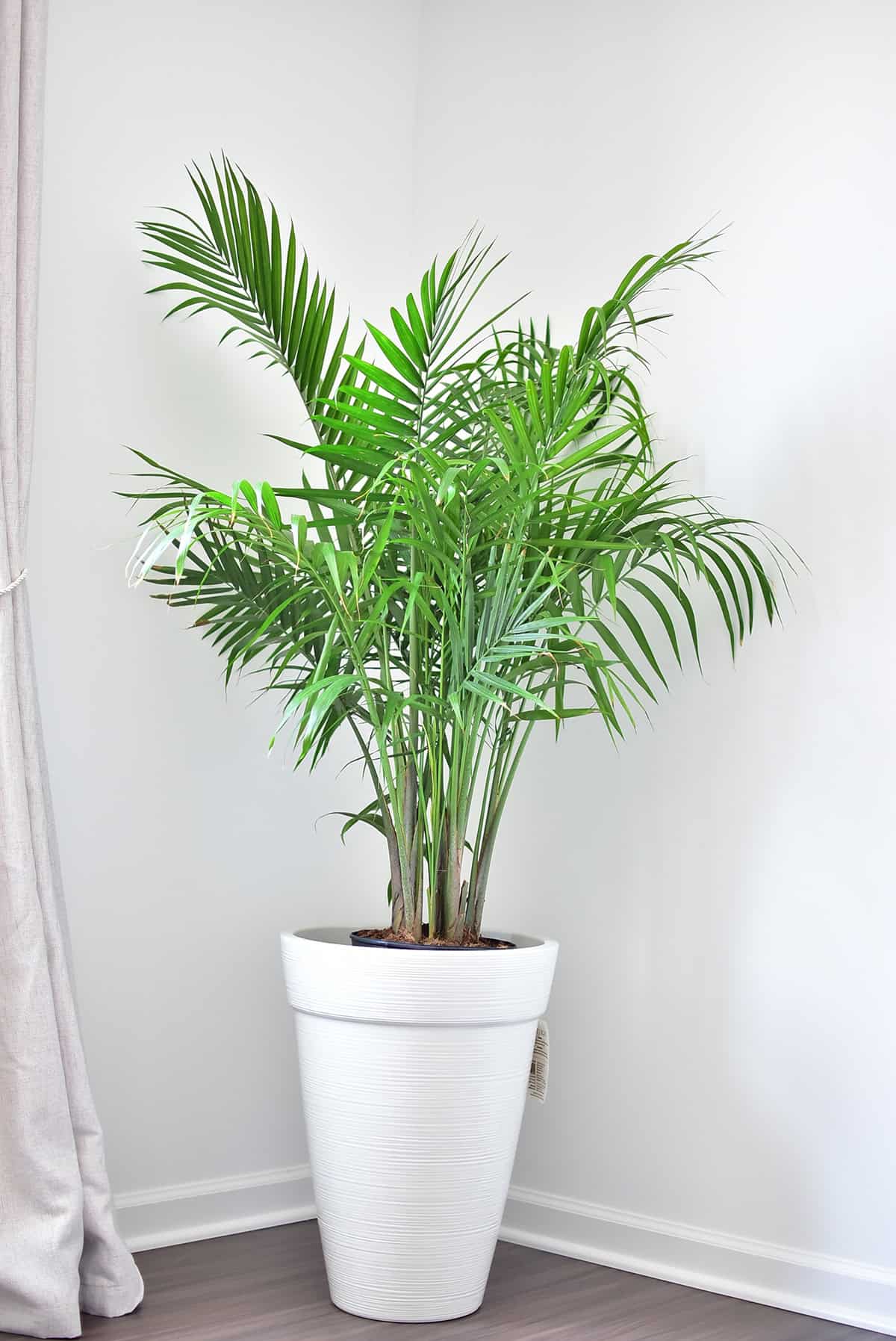
You should choose a container with drainage holes to prevent water buildup. Use a well-draining potting mix made for palms or indoor tropical plants. Avoid using garden soil because it can compact and suffocate roots.
When moving a palm to a larger pot, select one only one or two sizes bigger. A pot that is too large can cause excess moisture in the soil. This can lead to root rot and slow growth.
Repot only when roots fill the container or grow out of the drainage holes. Most indoor palms need this every two to three years. Spring or early summer is the best time because the plant is actively growing.
Handle the root ball gently to avoid damage. Keep the palm at the same soil depth it had in its old pot. Planting too deep can suffocate roots and cause leaf yellowing.
If the palm has reached its desired size, replace the top layer of soil once a year instead of repotting. This refreshes nutrients without stressing the plant.
Common Problems & Troubleshooting
Indoor palms can suffer from improper watering. Overwatering often leads to root rot, while underwatering can cause leaf tips to dry and turn brown. Let the soil partially dry before watering again.
Nutrient deficiencies may show as yellowing leaves or poor growth. A balanced fertilizer during the growing season can help. Avoid over-fertilizing, which can damage roots and cause leaf burn.
Low humidity can cause leaf edges to brown. You can increase humidity by placing the pot on a tray with water and pebbles. Keep the container above the waterline to prevent soggy soil.
Pests such as spider mites, scale, and mealybugs can damage fronds. Check the undersides of leaves for small spots or webbing. Treat infestations early with insecticidal soap or horticultural oil.
Improper light levels may weaken your palm. Too little light can slow growth, while direct sunlight can scorch leaves. Place your plant in bright, indirect light for best results.
Plant Varieties
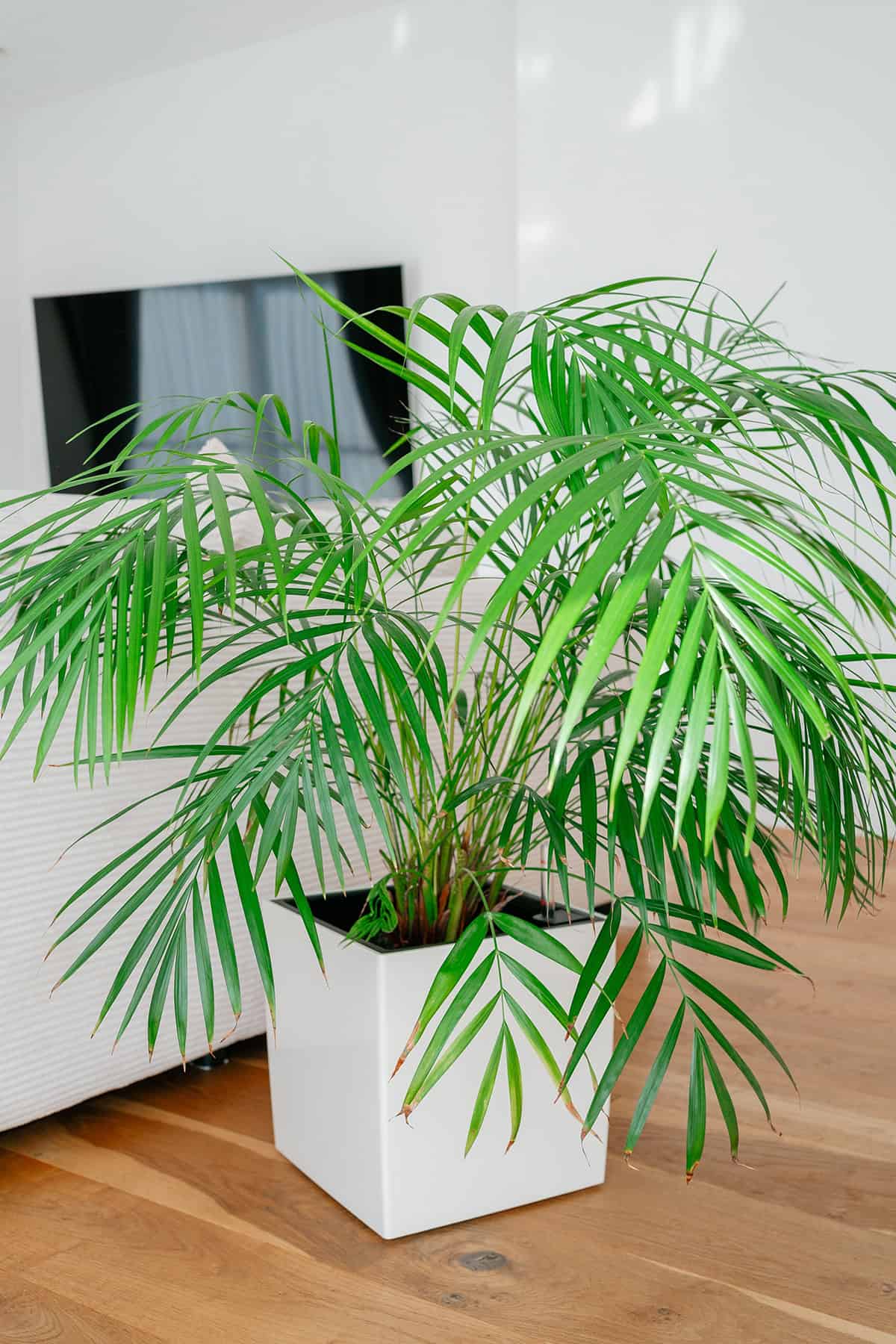
You have many palm species to choose from for indoor growing. Some stay compact, while others reach taller heights over time. Your choice depends on light, space, and care preferences.
The Parlor Palm is a popular low-light option. It grows slowly and fits well in small rooms. The Kentia Palm tolerates lower light but can reach several feet indoors.
For a fuller, bushy look, you can try the Areca Palm. It has feathery fronds and prefers bright, indirect light. The Lady Palm works well in cooler indoor conditions and has fan-shaped leaves.
If you want a tropical appearance, the Majesty Palm offers long, arching fronds. It needs higher humidity and more consistent watering. The Bamboo Palm is another choice for filtered light and can help freshen indoor air.
Some varieties, like the Mediterranean Fan Palm, grow more slowly indoors but offer a unique leaf shape. Smaller palms such as the Bottle Palm add visual interest without taking much space.