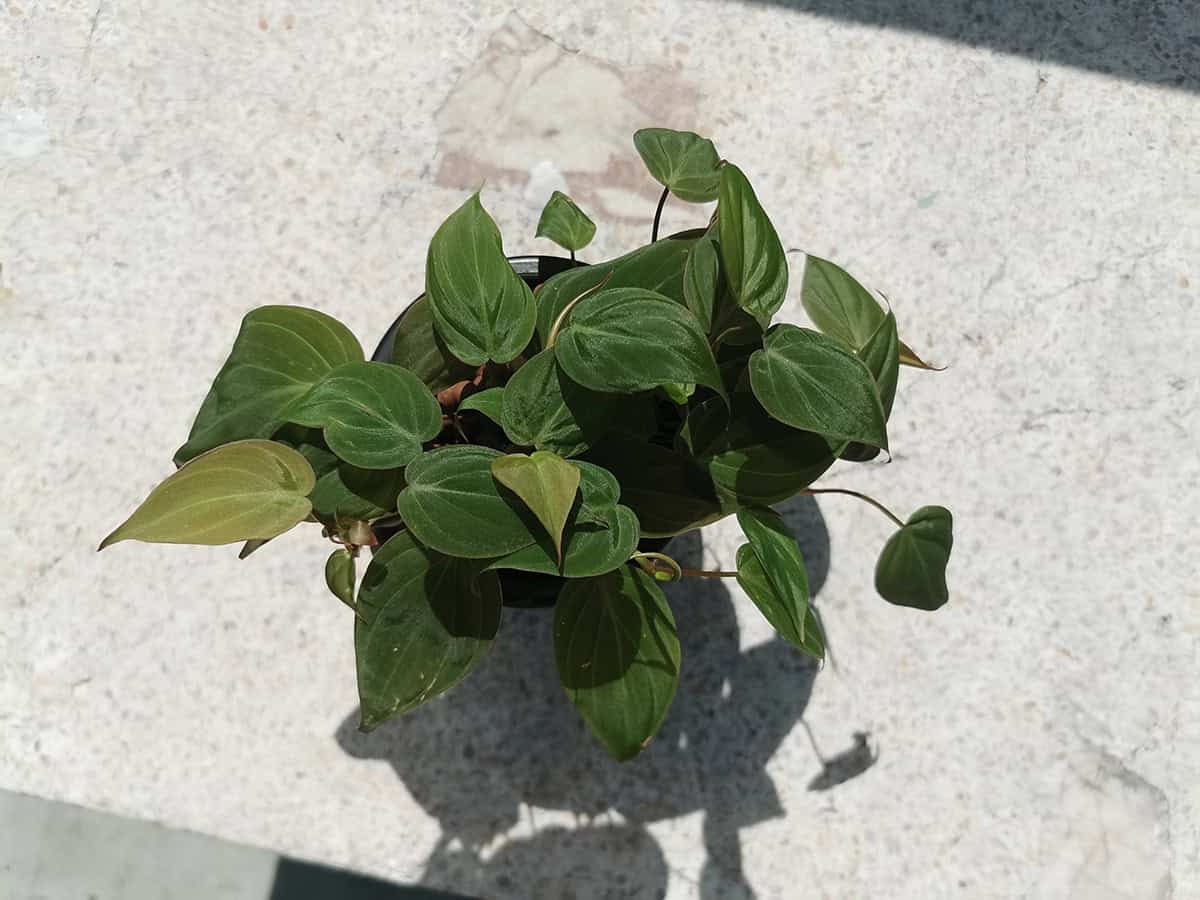
You see a Philodendron micans at the store. Its velvety, heart-shaped leaves stand out. You want to take it home, but wonder if it will thrive in your space.
Philodendron micans grows best in bright, indirect light, with lightly moist soil and regular care. With the right conditions, its trailing vines and unique texture can become the highlight of your collection.
You can grow a healthy micans indoors, even if you are new to houseplants. A few practical steps will keep it looking lush and beautiful for years.
Table of Contents
Light
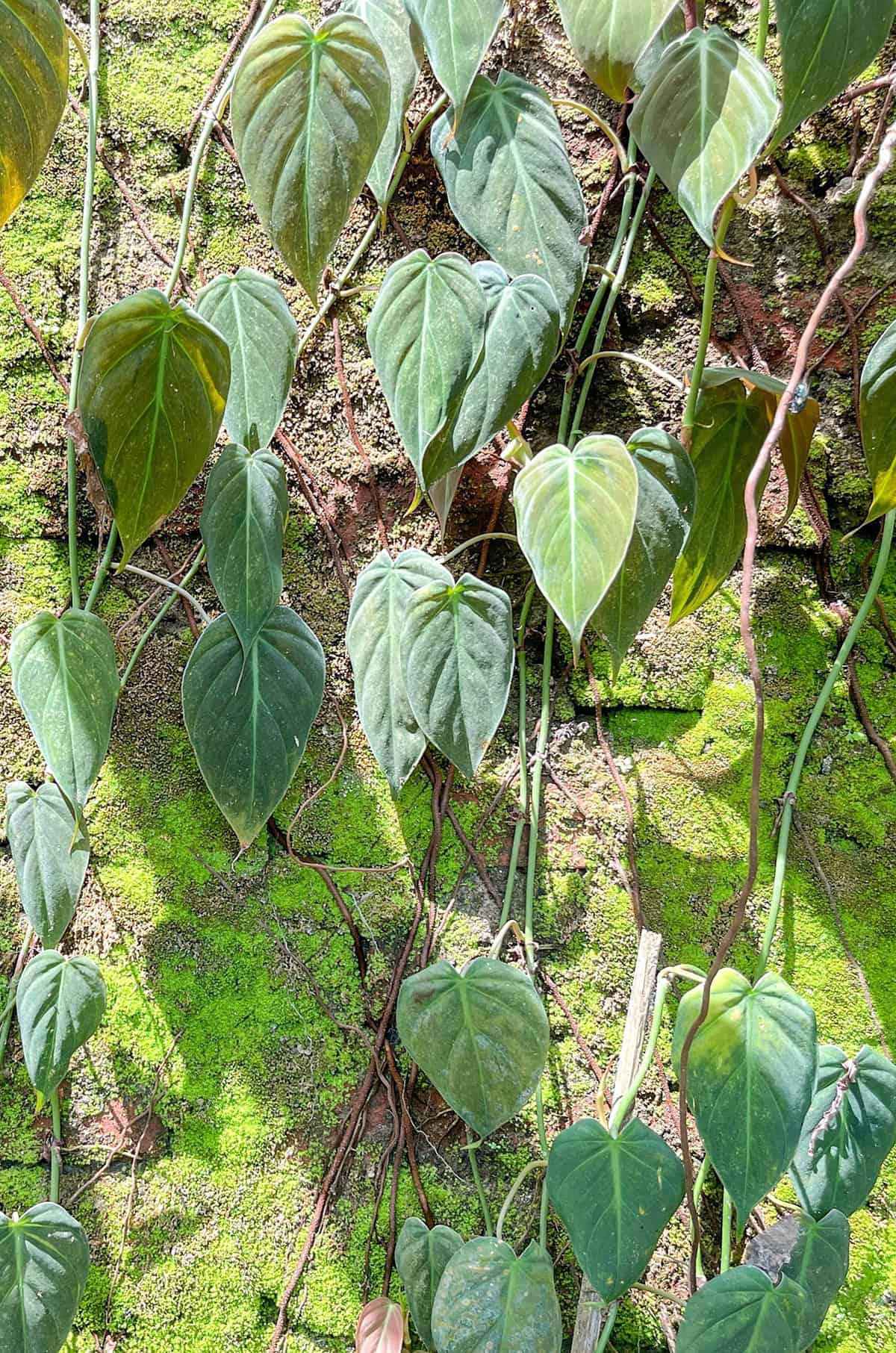
You need to give Philodendron micans the right amount of light for healthy growth. This plant likes moderate to bright indirect light. Harsh direct sunlight can easily scorch its velvety leaves.
Place your micans near a window with filtered light. North or east-facing windows work well in most homes. Avoid hot afternoon sun, especially if you have west or south-facing windows.
Low light is tolerated. However, you may notice slower growth or less vibrant foliage. The leaves might look more green and less bronze if there is not enough light.
You can use sheer curtains to diffuse strong sunlight. Artificial grow lights also help if you do not have enough natural light indoors. Keep the light source about a foot away from the plant.
Check for signs of too much light, such as pale or crispy edges. If you see leggy growth or small leaves, the plant likely needs more light. Adjust your plant’s location if you notice these problems.
Proper light encourages richer color and fuller vines. With the right spot, you will see lush, healthy leaves all season.
Soil
You need soil that drains well for Philodendron micans. Heavy or soggy soil keeps roots too wet and can cause rot. A loose, airy mix helps water drain fast and keeps roots healthy.
Mixing standard potting soil with perlite or coarse sand creates a better environment for your plant. A ratio of two parts potting soil to one part perlite often works well. This balance improves drainage but retains enough moisture for the roots.
Choose a container with drainage holes. This step prevents water from building up at the bottom. Sitting water can harm philodendrons over time.
Keep the soil lightly moist but never soaked. Let the top inch dry before watering again. Dry, compacted soil makes it difficult for roots to grow and breathe.
Add some organic matter like peat moss or coconut coir to your mix if you want to boost humidity. These amendments hold moisture but do not drown the roots. Use a fresh mix when repotting to keep nutrients available and the texture loose.
Water
Your Philodendron micans needs consistently moist soil, but it does not like sogginess. Only water when the top inch of soil feels dry. Stick your finger into the soil to check before adding water.
Soak the soil thoroughly until water drains out from the bottom. Empty any excess water from the saucer. Leaving your plant in standing water may lead to root rot.
During active growth in spring and summer, the plant may use water more quickly. In fall and winter, growth slows and your micans will need less frequent watering. Adjust your schedule depending on the season.
Tap water is usually fine for Philodendron micans. However, let it sit out overnight if you are concerned about chlorine. Use room temperature water to avoid shocking the roots.
Proper watering keeps the foliage lush and prevents stress. If you notice drooping leaves, check the soil. Underwatering and overwatering can both cause leaves to wilt.
Temperature And Humidity
You should keep your Philodendron Micans in a room between 65°F and 80°F. These temperatures match what the plant prefers. Avoid putting it in spots that get chilly drafts or sudden temperature drops.
Your plant will handle regular indoor humidity, but it thrives with higher humidity. Humidity in the range of 40% to 60% works well. Dry winter heat can cause its leaves to look dull or crispy.
You might notice the plant looking unhealthy if the air gets too dry. Misting or using a humidifier will help. Placing the pot on a tray of pebbles and water can also boost local humidity.
Keep your Micans away from heating or cooling vents. Fast temperature changes can stress your plant. Stable conditions encourage healthy growth and vibrant leaves.
If the plant is in a bathroom or kitchen, it often does well. These rooms tend to have naturally higher humidity. Watch your plant for signs of stress so you can adjust the environment as needed.
Fertilizer
You need to feed Philodendron micans during active growth. The main growing season is spring through summer. Choose a balanced liquid fertilizer. Look for N-P-K ratios such as 20-20-20 or 7-7-7.
Dilute fertilizer in water before use. Apply it about once a month. Make sure the soil is already moist when you pour on the mixture. Dry soil can lead to root burn.
In fall and winter, avoid frequent feeding. Growth slows down during cooler months. Fertilizing less during this time helps prevent stress.
Too much fertilizer harms the plant. Watch for yellow leaves or salt buildup on soil. If this happens, flush the soil with water.
Use only products labeled safe for houseplants. Read and follow instructions on the package. Overfeeding does not make your plant grow faster. Using more than needed can damage roots and leaves.
Propagation
You can easily create new Philodendron Micans plants with stem cuttings. Choose a healthy stem with several leaves and cut a 3 to 6 inch section. Always use clean, sharp scissors or pruning shears.
Remove the leaves from the bottom half of the cutting. You will need a few bare nodes along the stem because these are where roots will grow. Submerge the cut end in water or place it in moist, well-draining potting mix.
If you use water, use a clear container. This lets you watch the root growth. Refresh the water every few days to prevent it from getting cloudy.
Roots often form within a few weeks. After you see a good root system, transfer the cutting to soil if you started in water. Keep the soil consistently moist but not soggy to help it adjust.
Bright, indirect light encourages strong growth. Avoid direct sun on young cuttings because it can damage them. Most cuttings have a high success rate under the right conditions.
Pruning
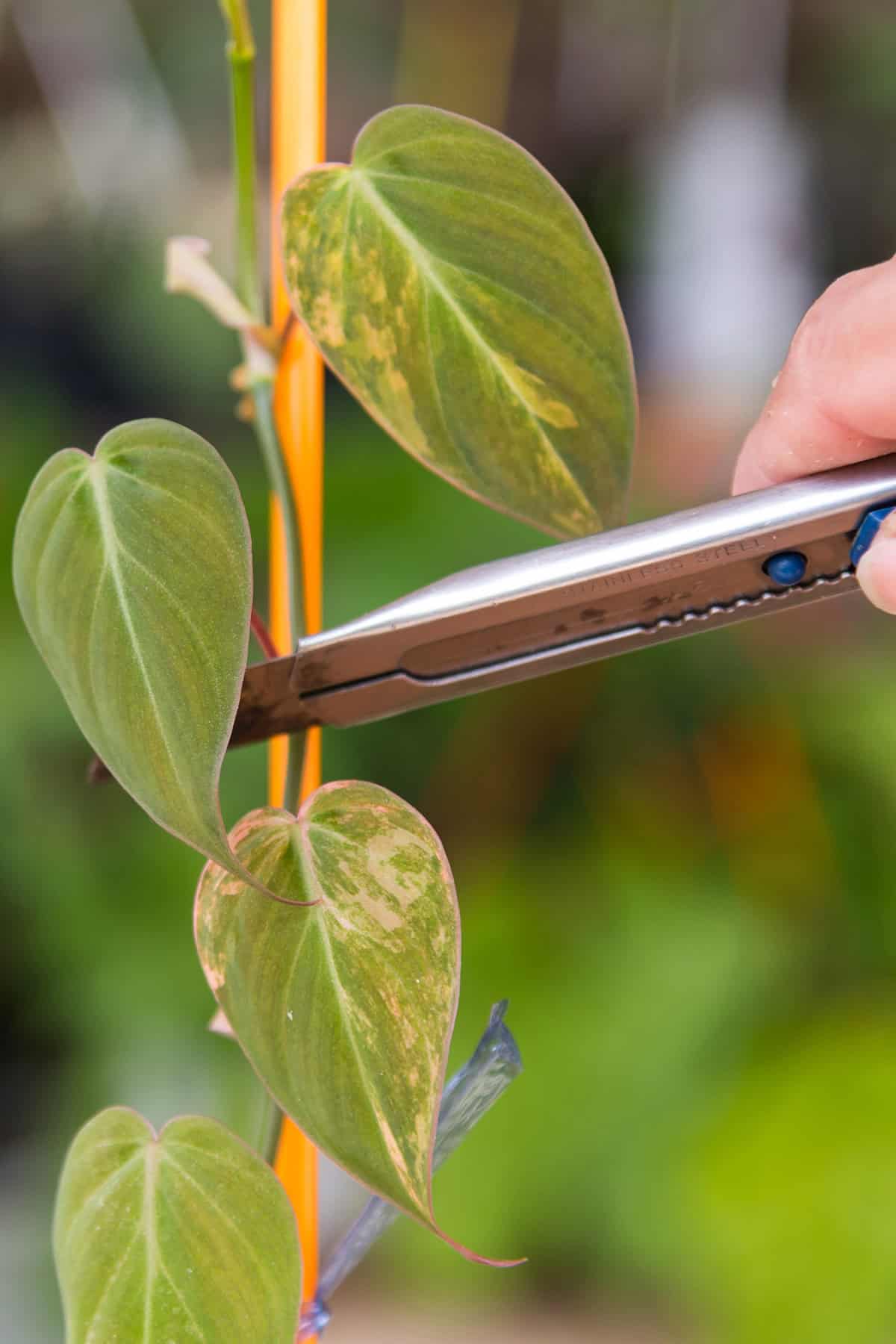
Cutting philodendron micans helps control growth and shape. Remove leggy or overcrowded stems to keep the plant looking tidy. Trim yellow, damaged, or unhealthy leaves as needed.
Make cuts just above a leaf node with clean scissors or pruning shears. You avoid spreading diseases by using tools that are sharp and sterile. Always cut at an angle to encourage healthy regrowth.
If your plant becomes too large, prune longer vines back to the desired length. This will also promote bushier growth. Limit pruning to once or twice yearly, unless you spot damaged or dying leaves that need immediate removal.
After trimming, the plant may respond with new shoots. Over time, this results in a fuller look. Regular pruning supports better airflow and can prevent pests, mold, or overcrowding.
Potting And Repotting
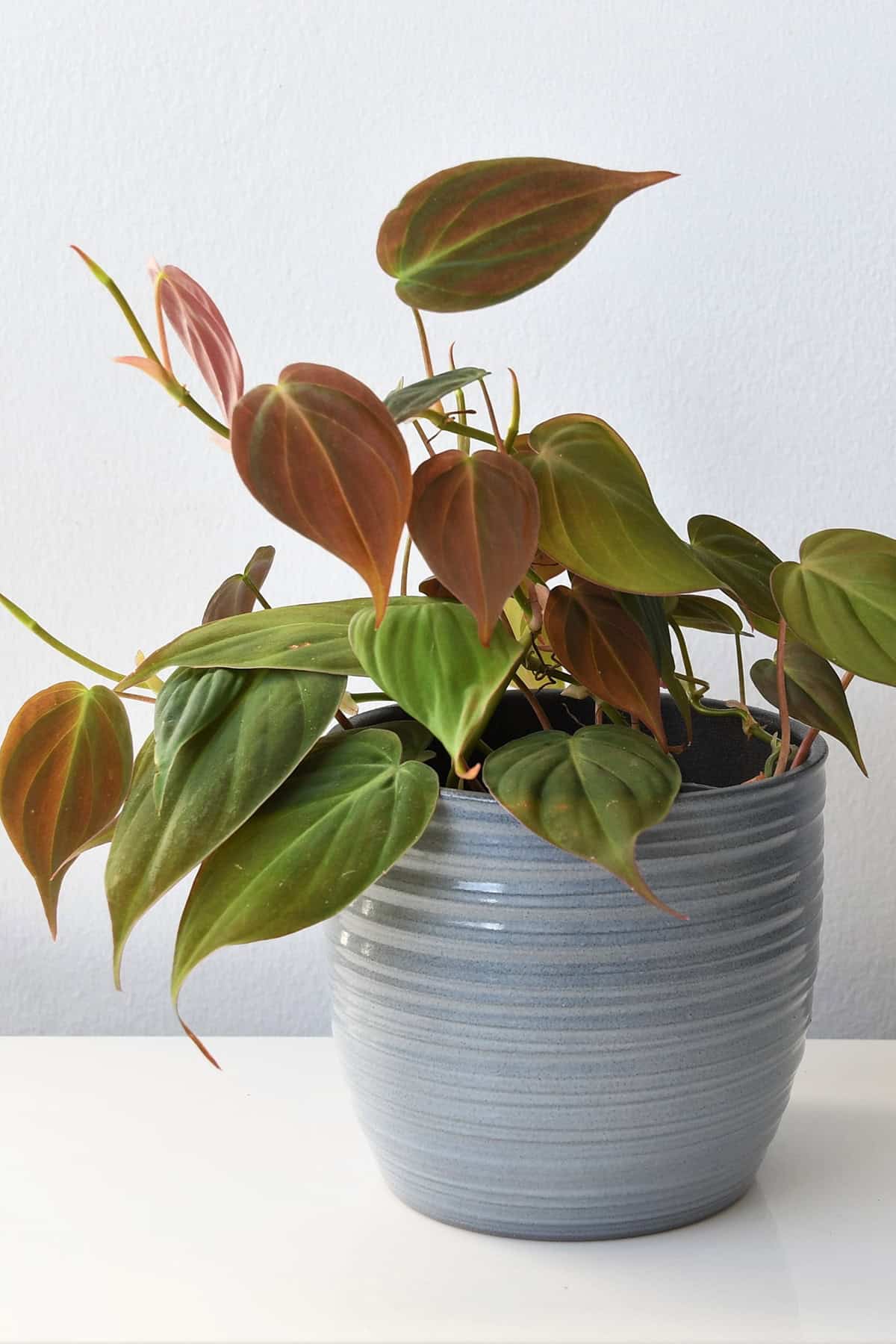
You should use a high-quality potting mix for Philodendron Micans. The soil should feel light and drain well. Avoid heavy garden soils or those that compact easily.
Choose a pot with drainage holes. Water must escape to prevent root rot. Plastic or clay pots both work.
Repot your plant when the roots start circling the pot or poke through drain holes. This can happen every one to two years. Select a container one size larger than the current pot.
Remove the plant gently from its old pot. Shake away any loose soil. Inspect the roots and trim away any that look dead or mushy.
Place your micans at the same depth as before. Add fresh potting mix around the roots. Fill until the root ball is stable but not buried too deep.
Water the plant after potting. The soil should be moist but not soggy. Keep the plant out of direct sunlight while it adjusts.
After repotting, regular care resumes. Keep the soil slightly moist and fertilize lightly during the growing season. Watch for signs of stress as the plant settles in.
Common Problems & Troubleshooting
You might see yellow leaves if your Philodendron micans gets too much water. Let the soil dry halfway before watering again. Overwatering leads to root rot.
If leaves look faded or washed out, the plant may receive too much direct sunlight. Bright, indirect light will keep its foliage looking healthy and vibrant. Move it away from harsh windows if you spot pale or crisped leaves.
Brown tips often appear when there is low humidity or the plant needs more water. Increase humidity around the plant by grouping it with other houseplants or using a pebble tray. Avoid letting the soil get bone dry.
Pests like aphids, mealybugs, and spider mites rarely cause issues but can appear. Wipe the leaves regularly and inspect for sticky residue or webbing. Treat with insecticidal soap at the first sign of pests.
Drooping leaves usually mean the plant needs water or the roots are crowded. Repot the plant if roots circle the edge of the pot. Water when the top layer of soil feels dry to the touch.
Dark patches or mushy stems may signal root rot. Cut away any blackened parts and repot in fresh, well-draining soil. Use pots with drainage holes for best results.
Proper care reduces most problems. Observing changes early helps you address issues before they spread.
Plant Varieties
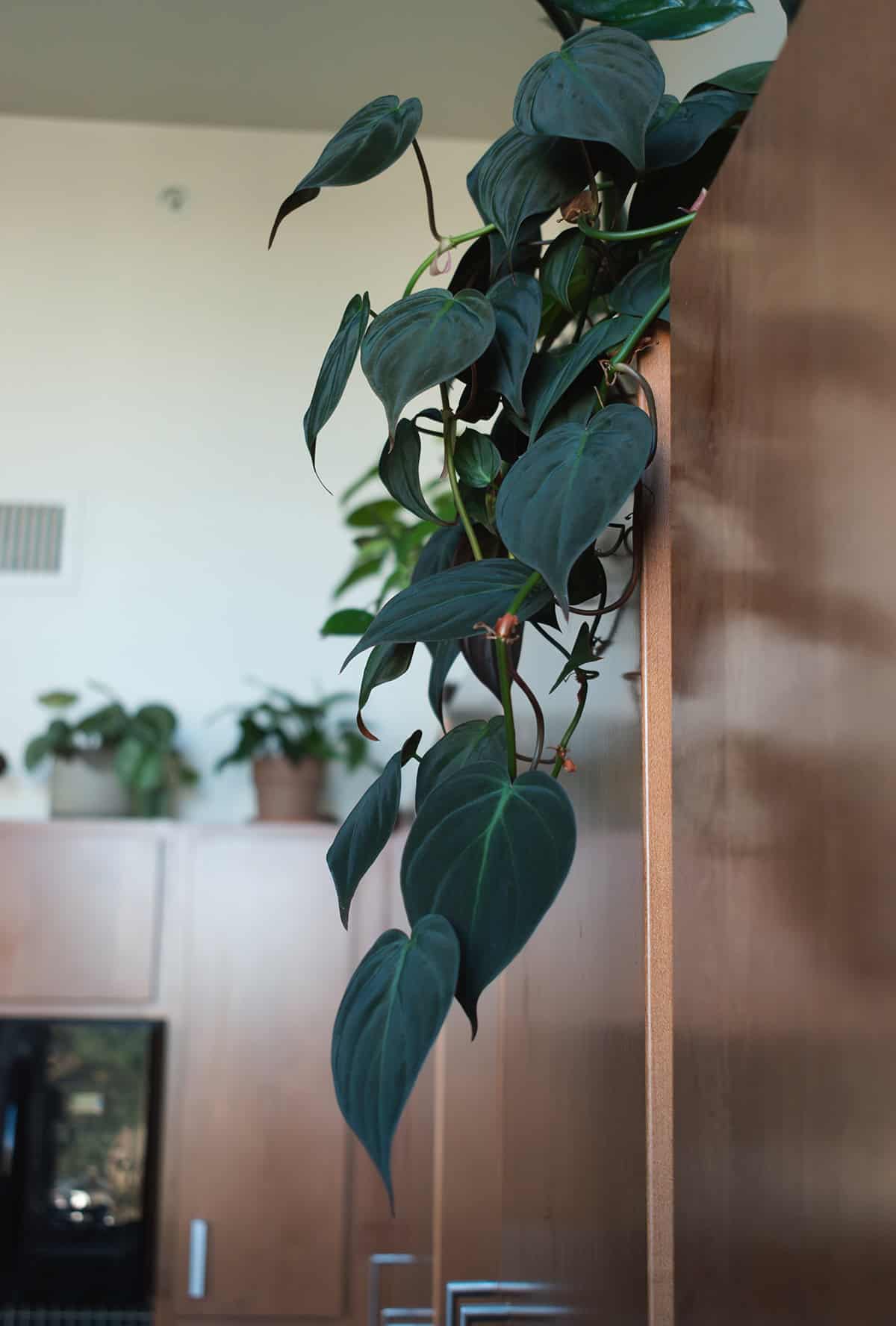
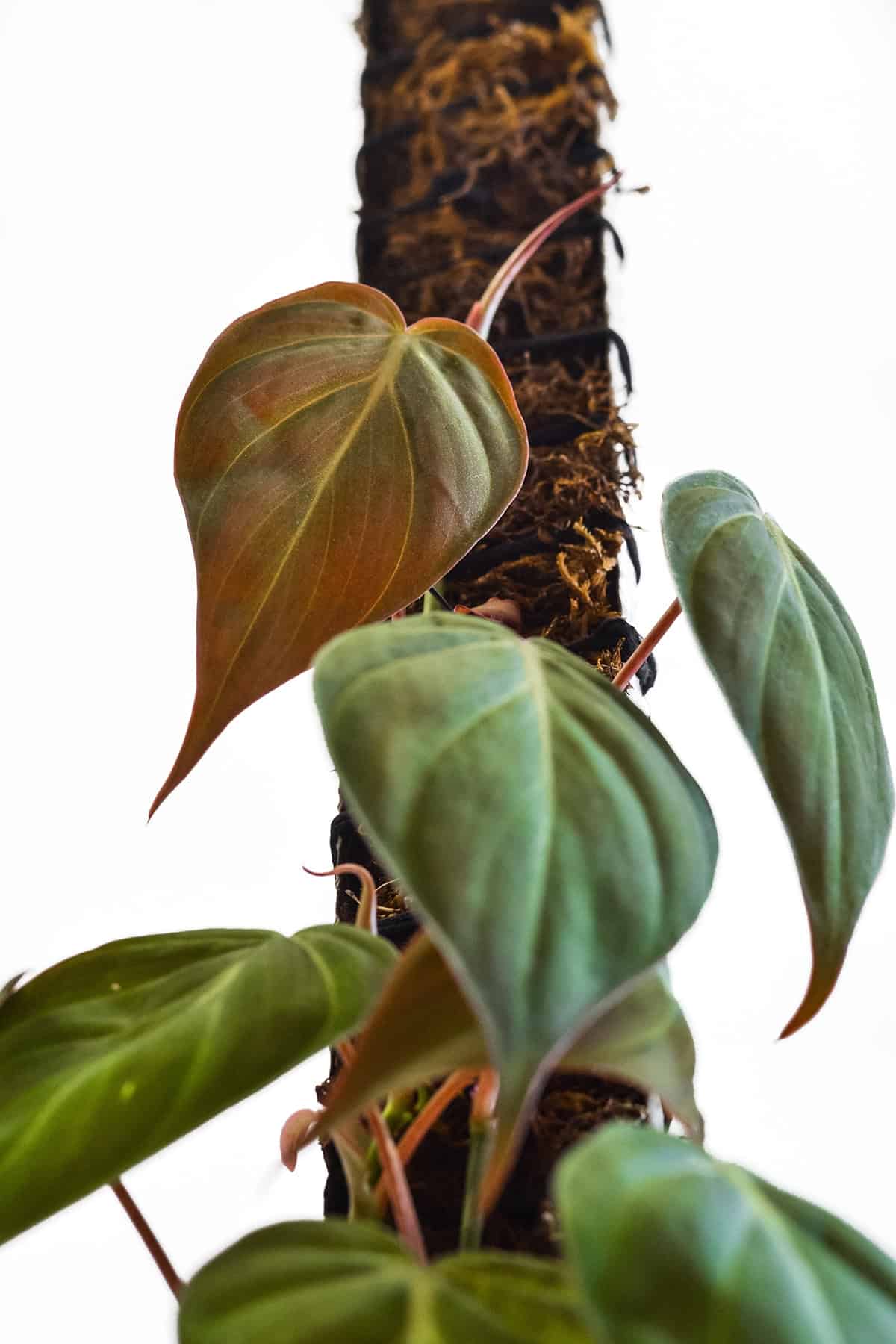
You will find Philodendron micans stands out for its velvety, heart-shaped leaves. The deep green leaves have a bronze or reddish tint. This effect appears especially strong when new leaves first emerge.
Different plants sold as Philodendron micans can show slight variations. Some have more pronounced copper tones. Others may show more muted greens.
If you compare Philodendron micans to other philodendrons, you’ll notice key differences. Micans leaves feel softer and look shimmery in certain lighting. The trailing vines look attractive in hanging baskets or on a shelf.
Philodendron hederaceum ‘Brasil’ and ‘Lemon Lime’ are sometimes mistaken for micans. These have firmer, glossy leaves and clear variegation, unlike micans. You should check labels and leaf texture to confirm you are buying true micans if that is important to you.
Your plant may look slightly different than photos online due to light, age, and growing conditions. This is normal for Philodendron micans and its relatives. All are grown mainly for their unique foliage.