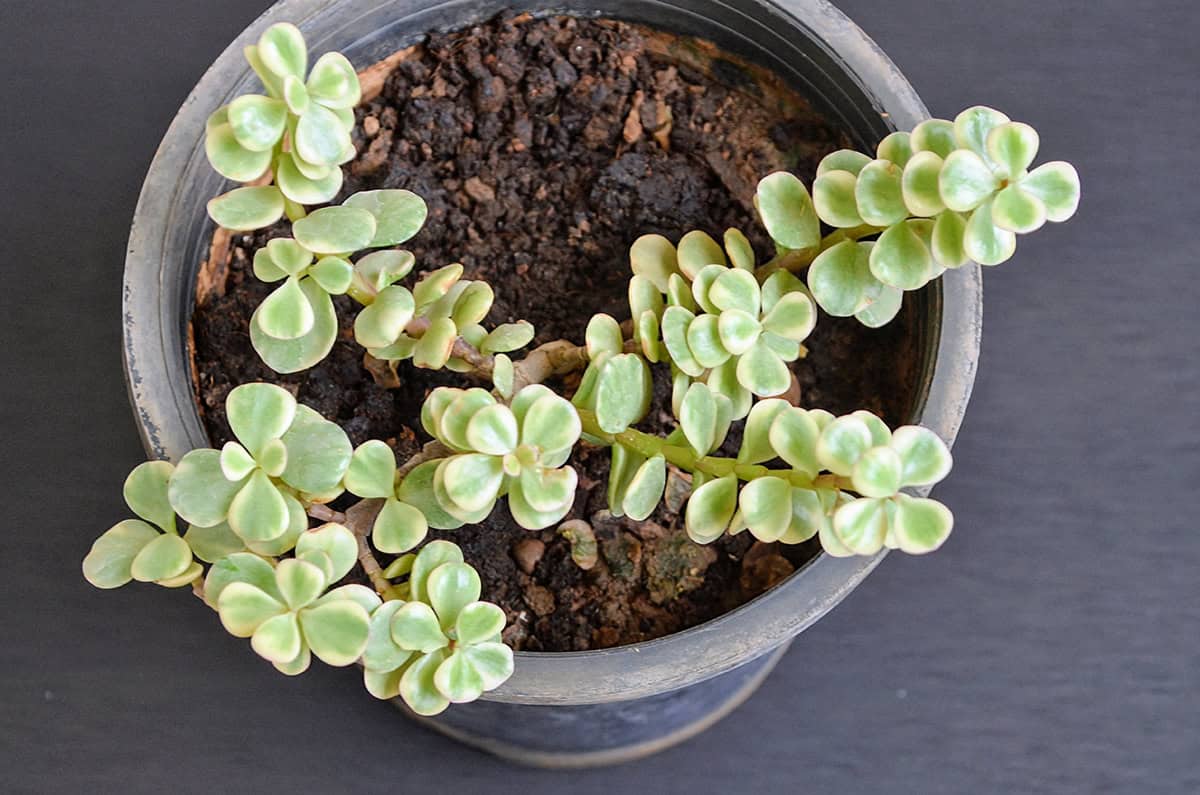
Jade plants evolved in dry, nutrient-poor South African soils, and a small amount of fertilizer goes a long way.
Overfeeding is the most common mistake. It leads to soft, stretched stems and burned roots on a plant meant to grow compact and tree-like.
Dilution and timing matter most, and the dosage notes put both into plain numbers.
Table of Contents
Do Jade Plants Actually Need Fertilizer?
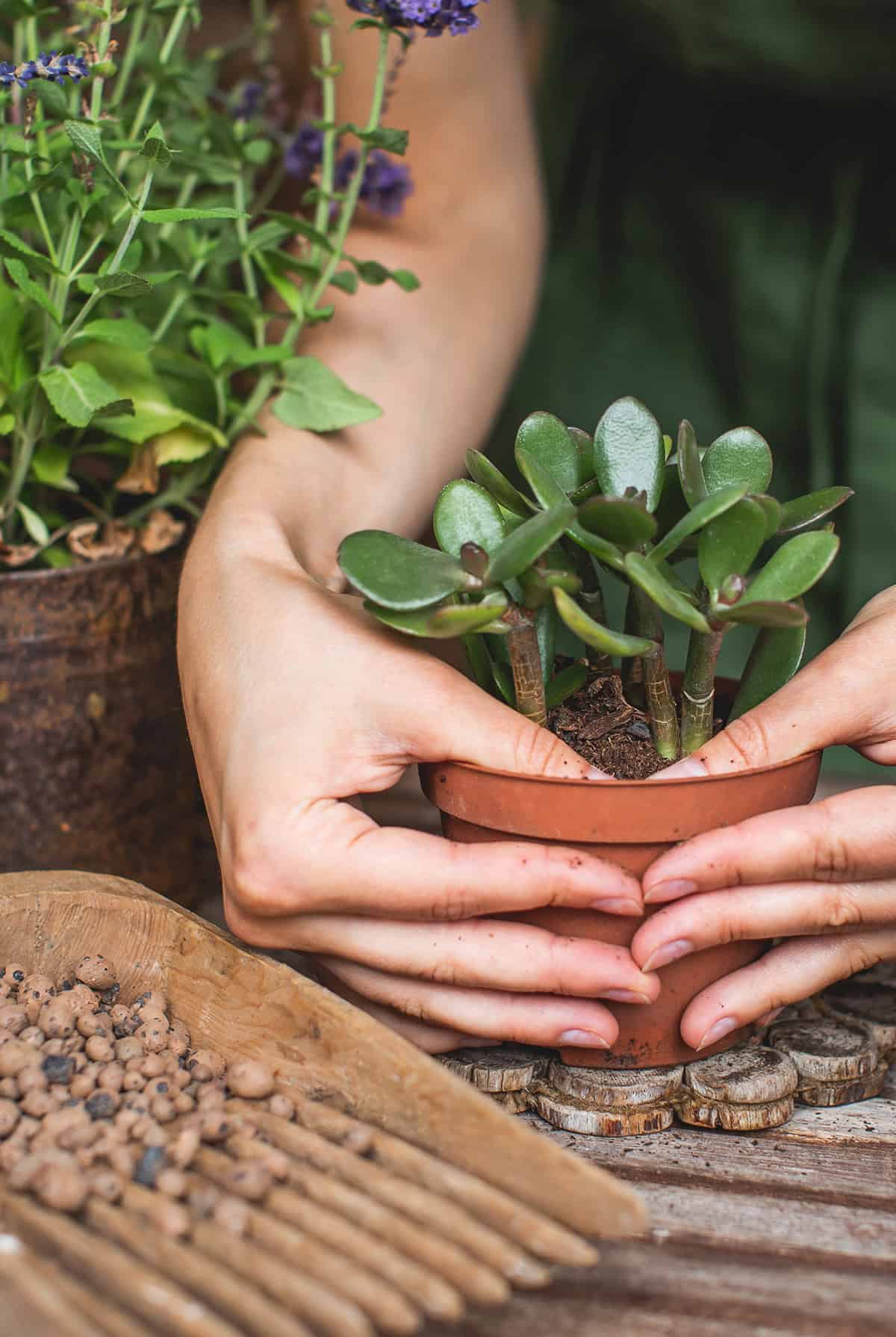
Jade plants are easy to grow and live for decades, which leaves many owners unsure whether feeding is necessary. Timing and method both affect growth, indoors and out.
Understanding Jade Plant Growth Habits
Thick, fleshy leaves and stems store water and help the jade plant survive long dry spells with few nutrients. Growth is slow compared with many houseplants.
Most growth happens in spring and summer, when a mild, balanced fertilizer every four to six weeks supports it. Extra fertilizer has no effect on speed and leads to weak, leggy growth or root burn.
Fresh potting mix supplies nutrients after repotting, so wait about four months before feeding. A healthy, steadily growing plant needs very little fertilizer.
Indoor vs. Outdoor Fertilization Needs
Indoor jade plants need less fertilizer, since most potting mixes supply nutrients for months. Indoor light is weaker, and frequent feeding pushes soft, stretched growth. Every six to eight weeks in spring and summer is plenty indoors.
Outdoor jade plants in full sun grow faster, and rain and irrigation leach nutrients from the soil. A regular, light feeding routine during the growing season supports them.
Outdoor plants in poor soil or containers benefit from more frequent but weaker doses. Use well-draining soil, and skip fertilizer in winter.
What Type of Fertilizer Is Best for Jade Plants?
The right fertilizer supports steady growth and affects everything from leaf color to root health.
Balanced vs. Specialized Fertilizers
A balanced, water-soluble fertilizer such as 10-10-10 or 20-20-20, with equal parts nitrogen, phosphorus and potassium, supplies the basic nutrients jade plants use during the growing season.
Succulent fertilizers contain less nitrogen, which encourages compact, sturdy growth and prevents thin stems.
A specialized product is optional. General-purpose balanced fertilizers perform well at half strength, and doses above the label rate damage the roots.
Organic Options for Succulents
Compost tea and worm castings feed jade plants slowly and support soil microorganisms that improve root health.
Commercial organic products such as fish emulsion or Plant-tone contain a range of nutrients at low concentrations, which makes burn less likely when applied correctly.
Organic fertilizers break down slowly in dry soil, so apply them to moist potting mix.
Liquid, Slow-Release, or Granular?
Liquid fertilizer is absorbed quickly and is the most popular choice for jade plants. It dilutes easily to a safe strength and is simple to apply during spring and summer.
Slow-release pellets feed for several months, a help for forgetful owners. Very wet soil makes them release nutrients faster, which risks overfeeding.
Granular fertilizers release nutrients with each watering, and heavy doses cause salt buildup. Measure slow-release and granular products carefully.
How Often Should You Fertilize a Jade Plant?
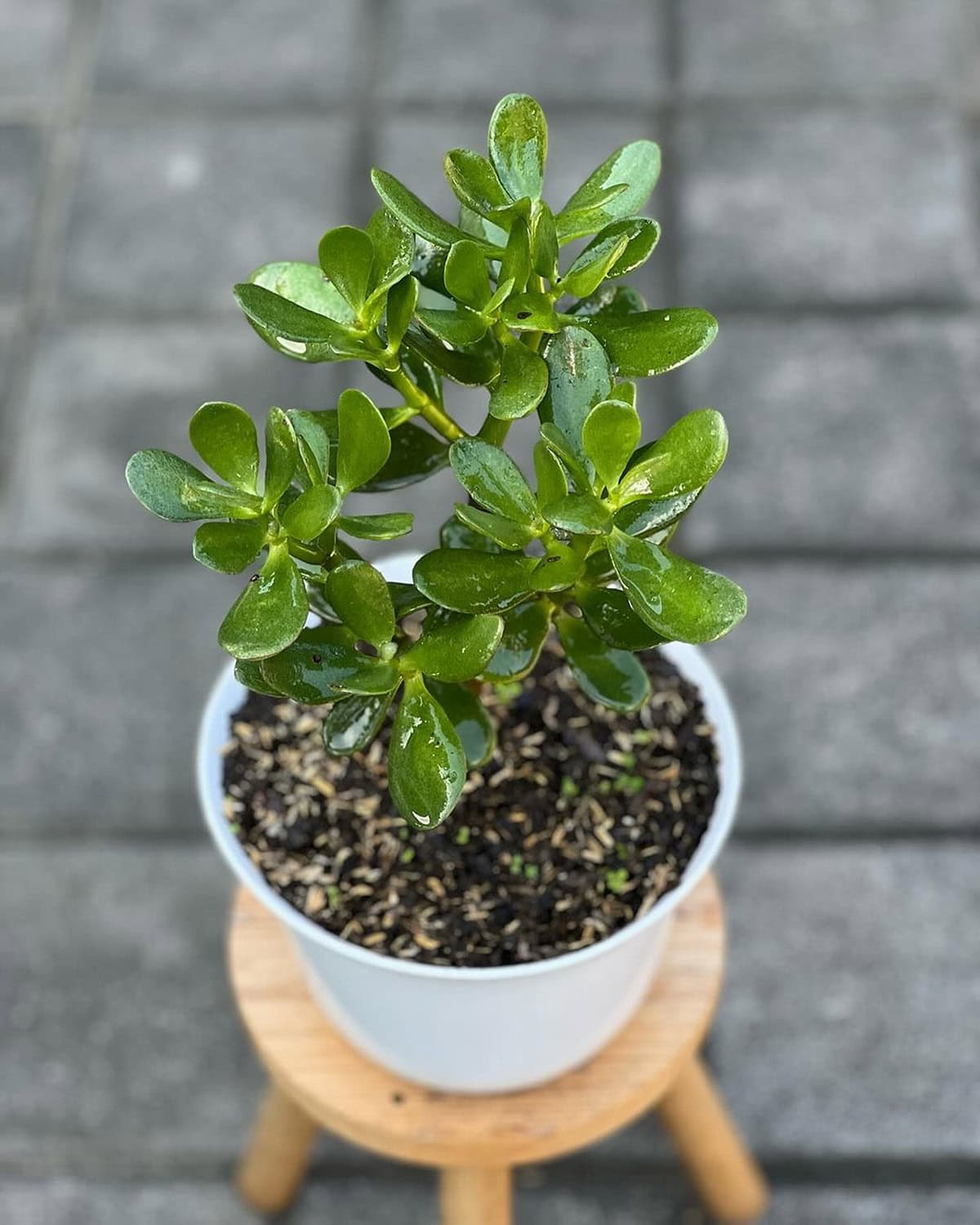
A clear routine based on season and growth cycle produces a healthy plant with few nutrient problems.
Fertilizing Schedule for Spring and Summer
Feed jade plants only during active growth in spring and summer. A diluted, balanced liquid fertilizer every four to six weeks between April and September is ideal.
Moisten the soil before each application, since fertilizer on dry soil damages roots. Frequent or strong feeding makes the plant leggy and weak, so stick to the schedule and the label directions.
Should You Fertilize During Fall and Winter?
Jade plants slow down or go dormant once cooler weather arrives. Skip fertilizer from October through March unless the plant is putting out strong new growth, which is rare indoors.
Dormant roots take up few nutrients, and unused fertilizer builds up and harms them. After repotting, wait about four months before the first feeding.
Signs You’re Fertilizing Too Often
Yellow leaves, soft stems and a white crust on the soil point to excess fertilizer. Leaf drop and fast but weak, stretched growth are other signs.
Wilting in damp soil and stalled growth suggest burned roots. Flush the soil with plain water and pause feeding for several months until the plant recovers.
How Much Fertilizer Does a Jade Plant Need?
Jade plants need less fertilizer than most houseplants, and a light, regular dose avoids both overfeeding and deficiency.
Dilution Ratios and Dosage Tips
Use a balanced, water-soluble fertilizer such as 10-10-10 or 20-20-20, diluted to half or even a quarter of the label rate, since strong fertilizer burns the roots.
Apply the diluted solution every four to six weeks during spring and summer. Water the plant a day before feeding so the roots are moist.
How to Avoid Overfertilization
Excess fertilizer causes yellow leaves, root damage and weak, leggy stems. Stop feeding if growth stalls or leaves drop, and resume once the plant recovers.
Feed rarely, if ever, during fall and winter. Check the soil surface for salt buildup, and flush the pot with water every few months to prevent mineral accumulation.
How to Fertilize a Jade Plant the Right Way
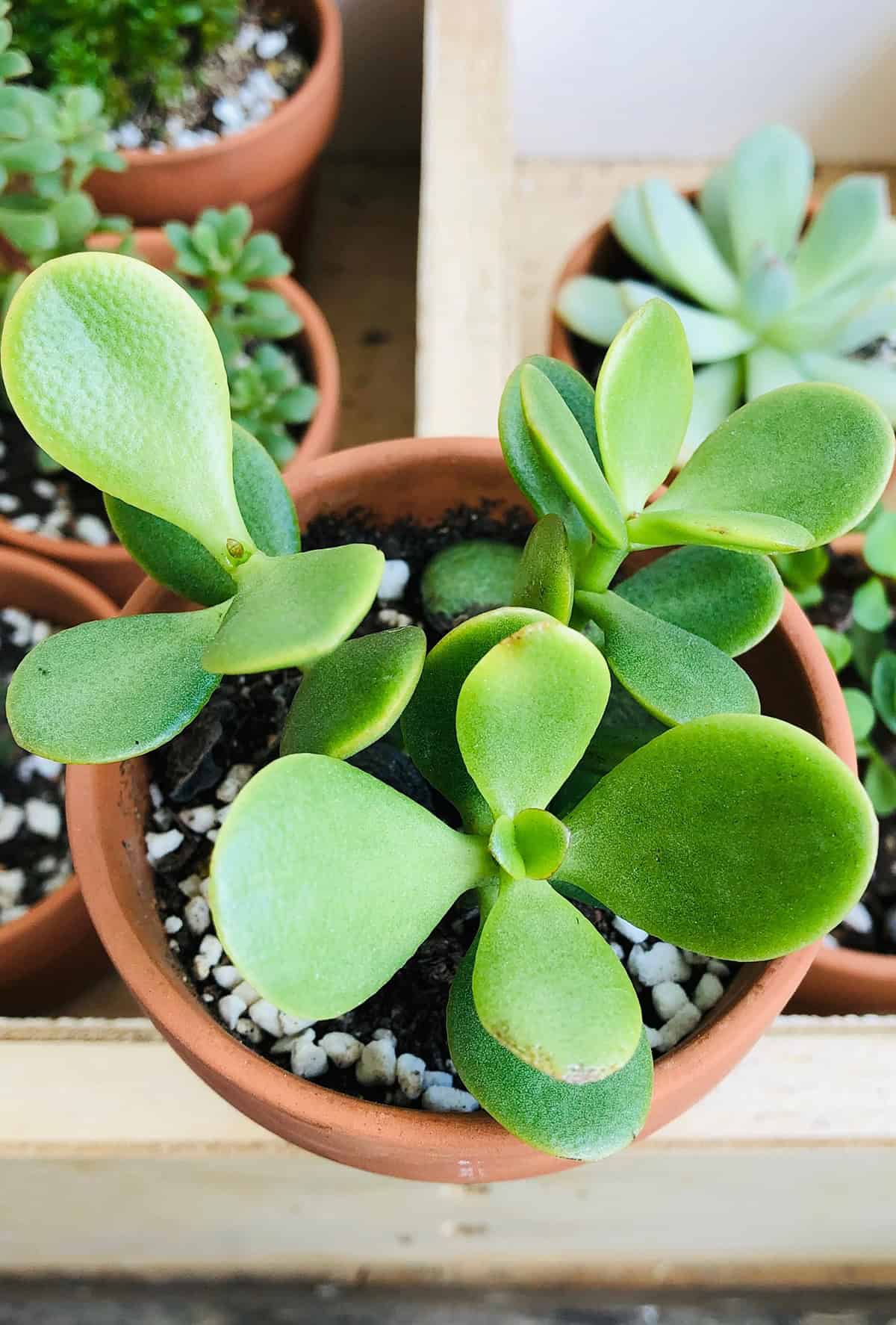
A consistent routine, adjusted for young or newly repotted plants, is all a jade plant needs.
Step-by-Step Fertilizing Process
Start feeding in early spring with a balanced liquid houseplant fertilizer at half strength, applied to moist soil.
Repeat every four to six weeks through summer. Longer gaps between feedings are safer than overfeeding, which makes the plant leggy and weak.
Water thoroughly after each feeding. Stop in fall and winter, and skip fertilizer entirely if the plant shows stress or damage.
Tips for Newly Repotted or Young Plants
Hold off on fertilizing a freshly repotted jade for about four months, since fresh potting mix supplies enough nutrients and new roots burn easily.
Young or small jade plants need weaker doses, at half or quarter strength, applied every six to eight weeks.
Watch growth before increasing the schedule, since steady growth means the current routine is enough. Check soil moisture before every feeding.
Common Fertilizing Mistakes to Avoid
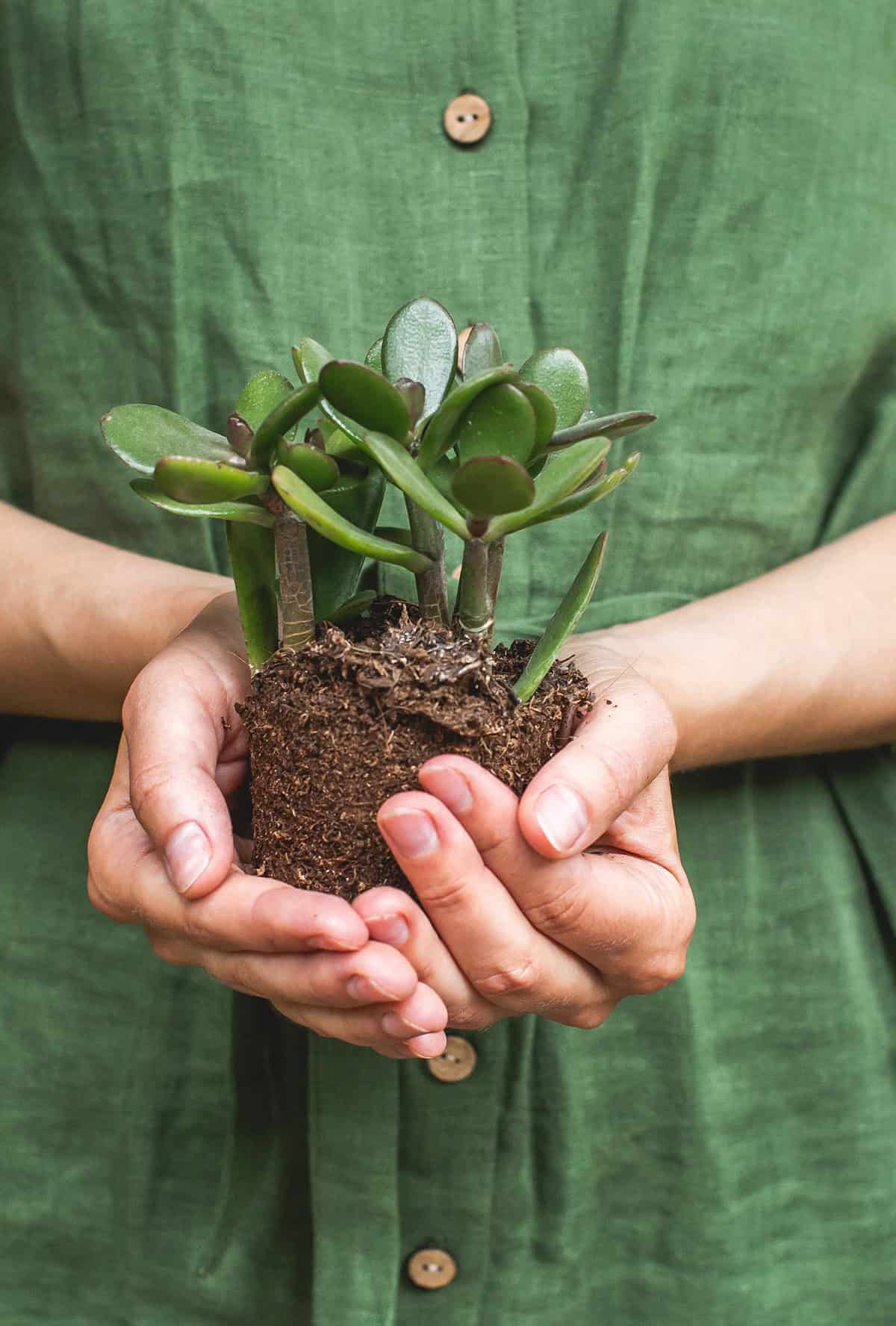
Method and timing matter as much as the fertilizer itself.
Using the Wrong Formula
Many houseplant fertilizers carry high nitrogen for leafy plants, and jade plants prefer balanced or low-nitrogen formulas.
A 10-20-10 or 20-20-20 formula at half strength is a good choice. Soft, leggy growth signals too much nitrogen and a need to cut back or switch products. Check the label before every purchase.
Cactus and succulent fertilizers are also good choices. Measure every dose, since excess nutrients slow growth and damage roots, and watch for pale or burned leaf edges.
Fertilizing Dry Soil
Fertilizer on dry soil injures roots, since concentrated salts burn them. Water thoroughly before feeding.
The damage appears weeks later as dark, shriveled leaves or stunted growth.
Check the soil an inch down with a finger. If it is dry, water first, then fertilize once the moisture soaks through, even a day later.
Ignoring Seasonal Adjustments
Jade plants grow actively in spring and summer and rest in fall and winter. Fertilizing during dormancy wastes product, stresses the plant and leads to weak stems and leaf drop.
During spring and summer, feed every four to six weeks with a diluted solution, and cut back or stop as temperatures cool.
After repotting, wait about four months before feeding, and adjust the schedule to the growth of the plant.