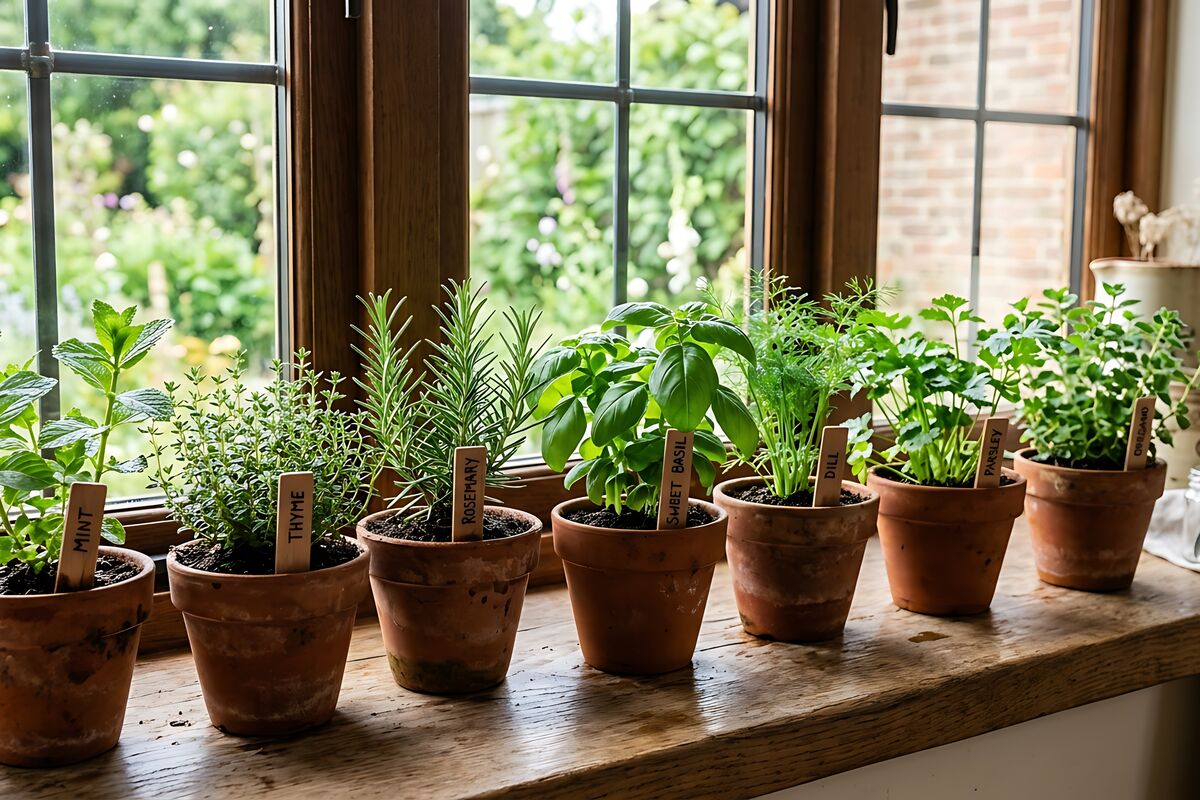
The first hard frost ends the garden herb season, but a bright window picks up right where the beds leave off. Basil, parsley, chives, thyme, mint, and rosemary all grow indoors over winter with strong light, a pot that drains, and careful watering.
Short days across much of the United States mean sun-loving herbs lean on a grow light until spring. Each of the 28 herbs below has its own quirks with cold glass, dry heat and harvesting, and the notes for every one start with basil.
Table of Contents
Basil
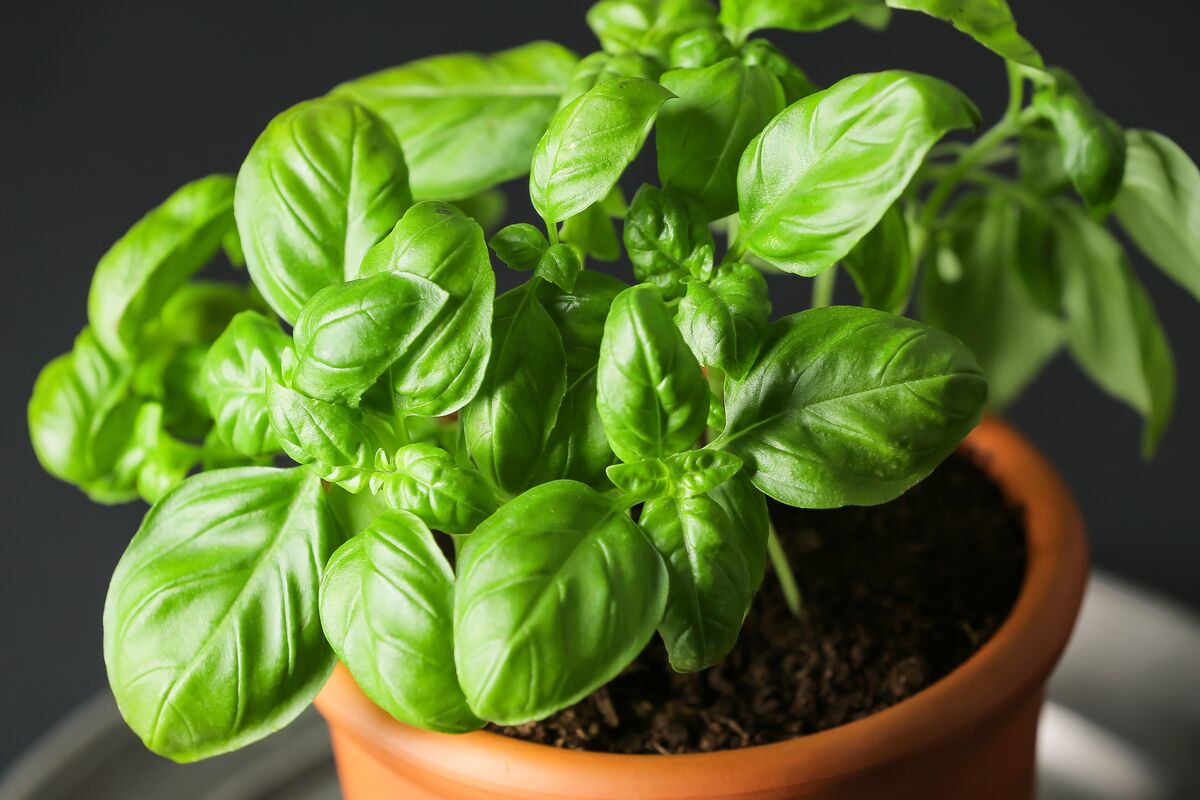
Warm-loving and quick to sulk in a chilly room, basil grows best indoors under a bright grow light. Set the lamp above the leaves for 12 to 16 hours a day at the distance its maker recommends, a few inches back from cold window glass.
Warmth and evenly moist, well-drained potting mix push out new growth.
Pinch stems just above a pair of leaves once the plant has several sets, which encourages branching and supplies tender leaves for pesto or tomato sauce. Nip off flower buds as soon as they appear, and the plant spends its energy on leaves.
Parsley
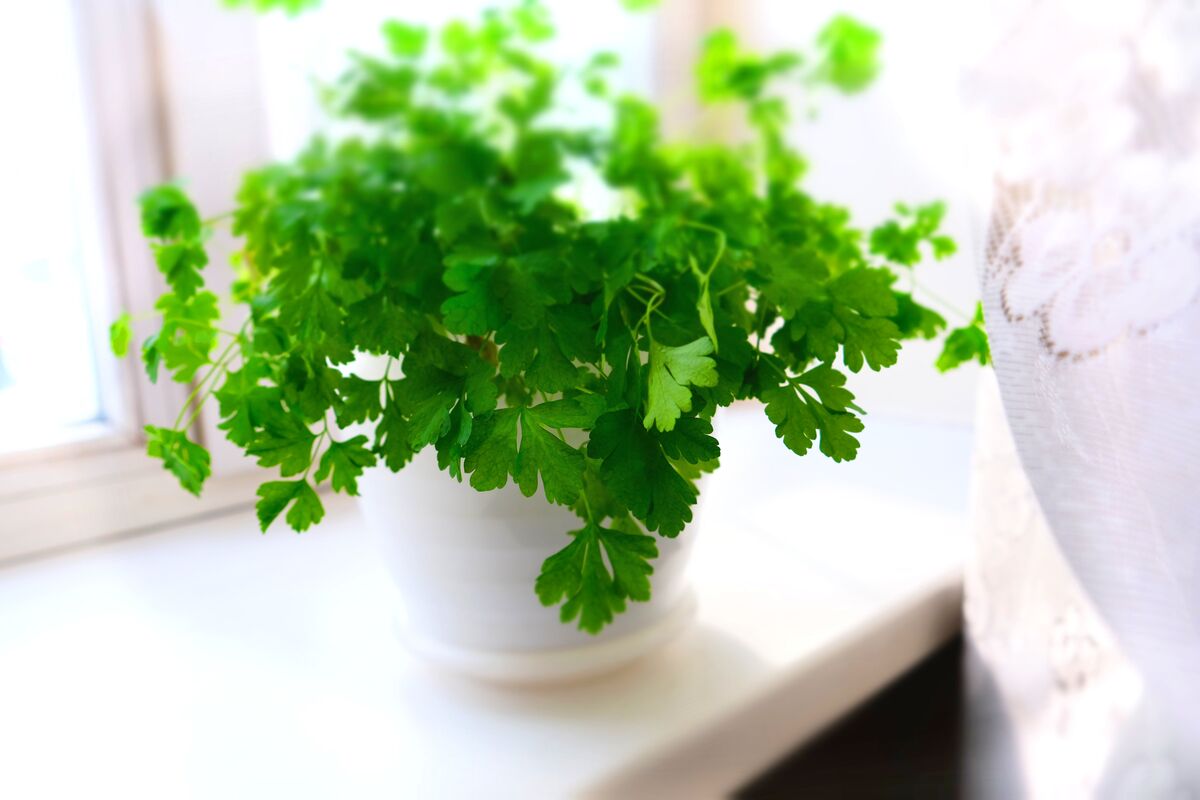
Near a bright window, an established parsley plant supplies leaves all winter. Flat-leaf and curly types both grow in containers, and flat-leaf is the favorite for cooking.
A deep pot fits the long taproot, and a drainage hole lets extra water escape.
Harvest outer stems at the base and leave the center to make fresh leaves. Seeds sprout slowly, which makes a young nursery plant the practical winter start, and a quarter rotation of the pot every few days straightens leaning stems.
Cilantro
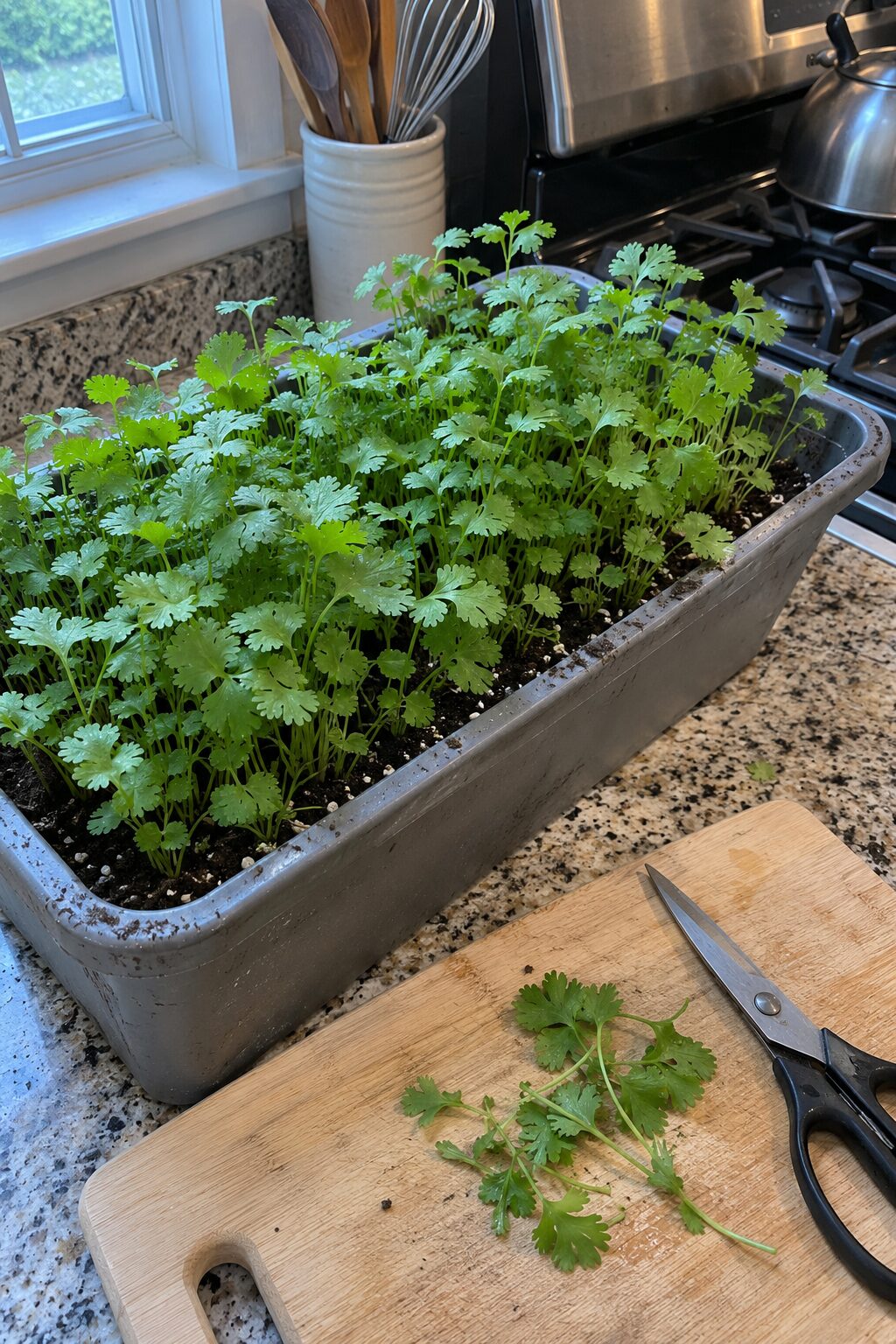
Because heat pushes cilantro to flower fast, a cool room holds it leafy for longer. Strong light and a deep container fit its needs, with water once the surface of the mix starts to dry.
Sow seeds right in the pot, since cilantro dislikes root disturbance.
Small sowings every two or three weeks supply a steadier harvest than one big planting. Snip leaves for salsa or soup before flower stalks rise from the center.
Chives
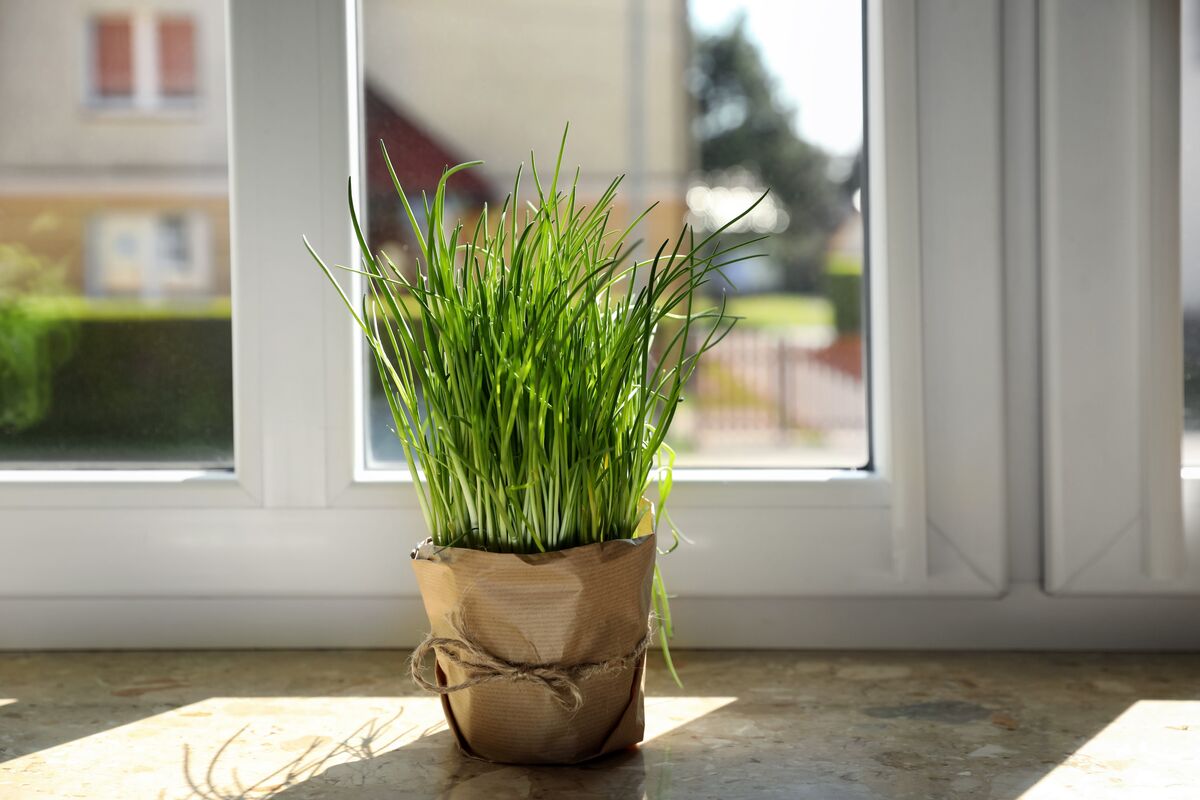
One small clump of chives takes up little windowsill space and supplies a mild onion flavor all winter. Garden clumps benefit from a few weeks of cold before they come indoors, and a nursery plant is the easy alternative.
Either one needs a pot with drainage and bright light.
Cut the hollow leaves about an inch above the soil once they reach a useful length, and new shoots rise from the base. A crowded clump divides easily into smaller pots, each with healthy roots.
Thyme
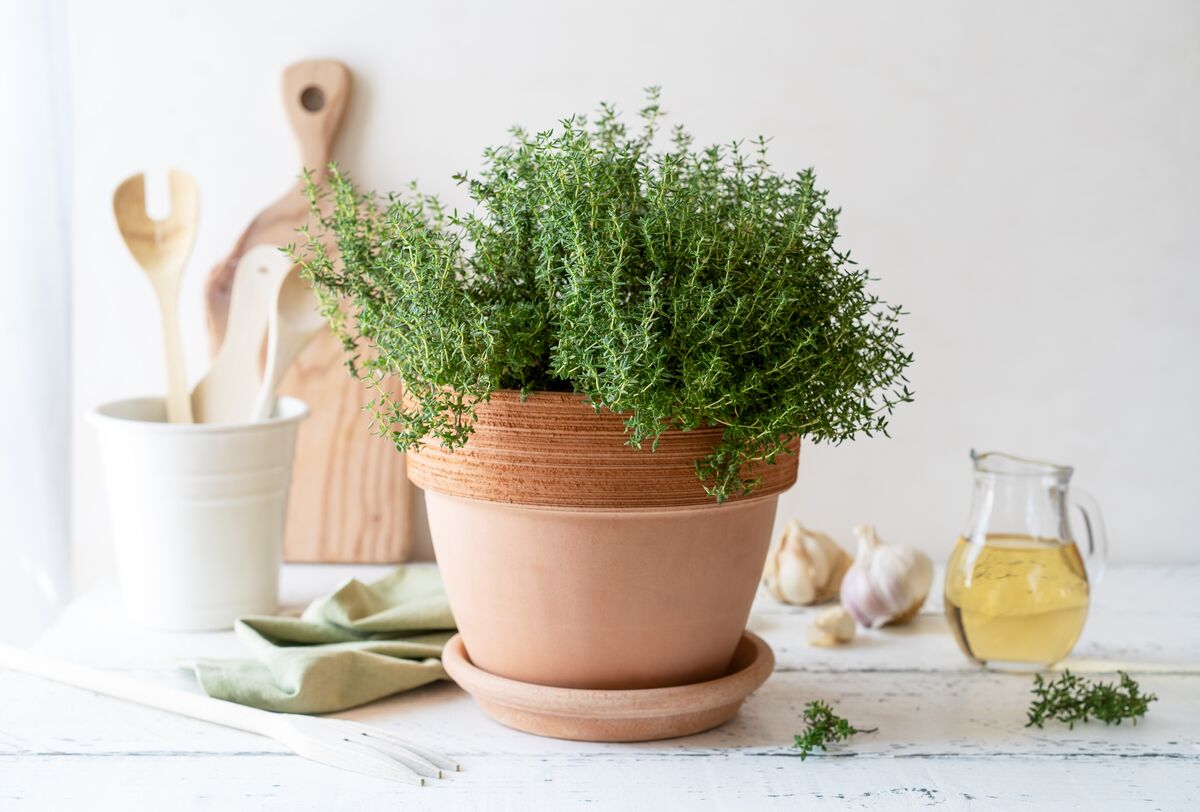
Snip a few soft stem tips whenever roasted vegetables or beans need seasoning. Tiny leaves on short stems make small harvests easy.
A sunny window or grow light and potting mix that dries slightly between waterings fit thyme best. A compact pot is easier to manage than a big one that holds water for days.
Cuts into old, bare wood leave fewer points for new growth, so regular light harvests are the better habit. Good airflow around the foliage helps a lot in winter.
Rosemary
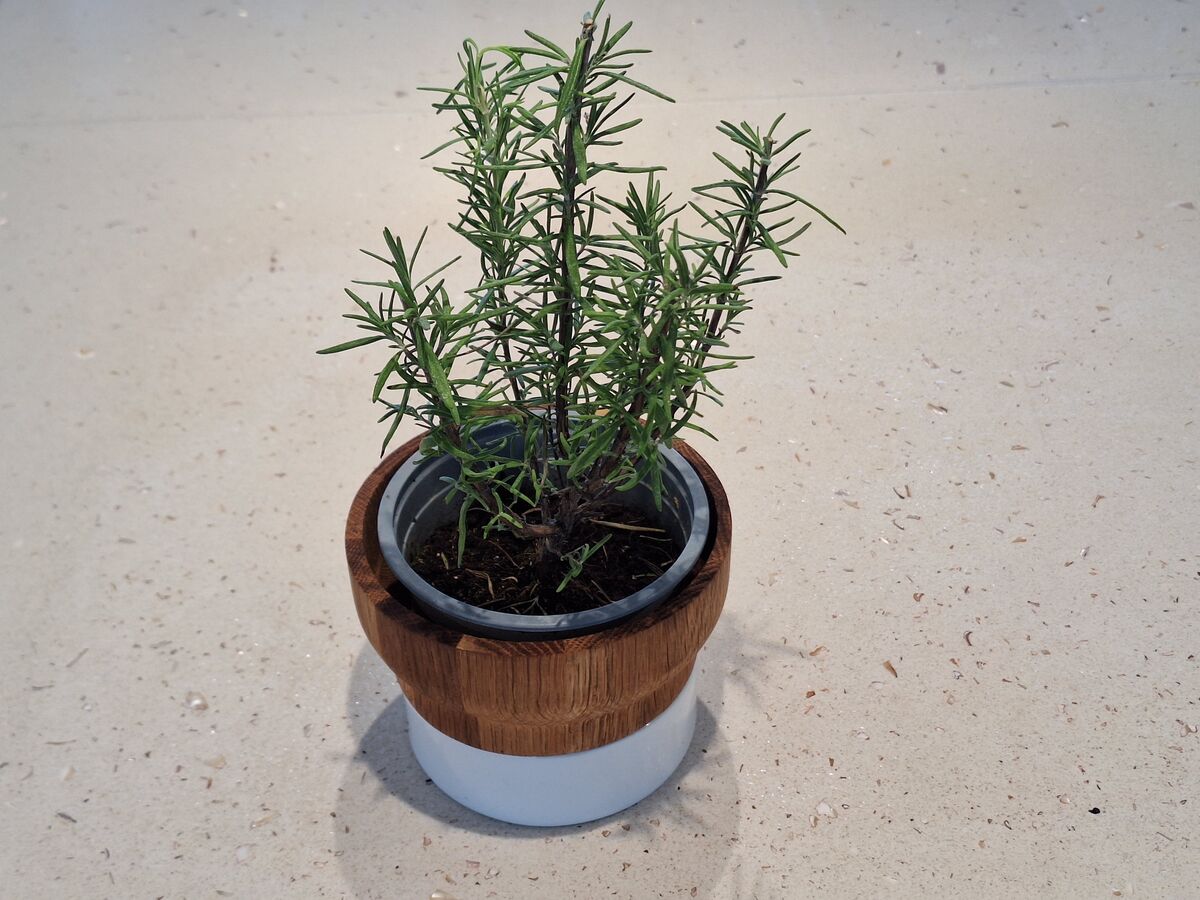
During the short days of winter, rosemary needs the strongest light in the house and careful watering. A south-facing window with clear sun helps, and a grow light fills in where daylight runs short.
Water thoroughly once the top of the mix dries, then empty the saucer.
Heating vents dry the foliage fast, so the pot belongs well away from them. Clip tender tips for potatoes or bread in modest amounts, and check light, moisture and drainage at the first sign of dropping leaves or browning branches.
Oregano
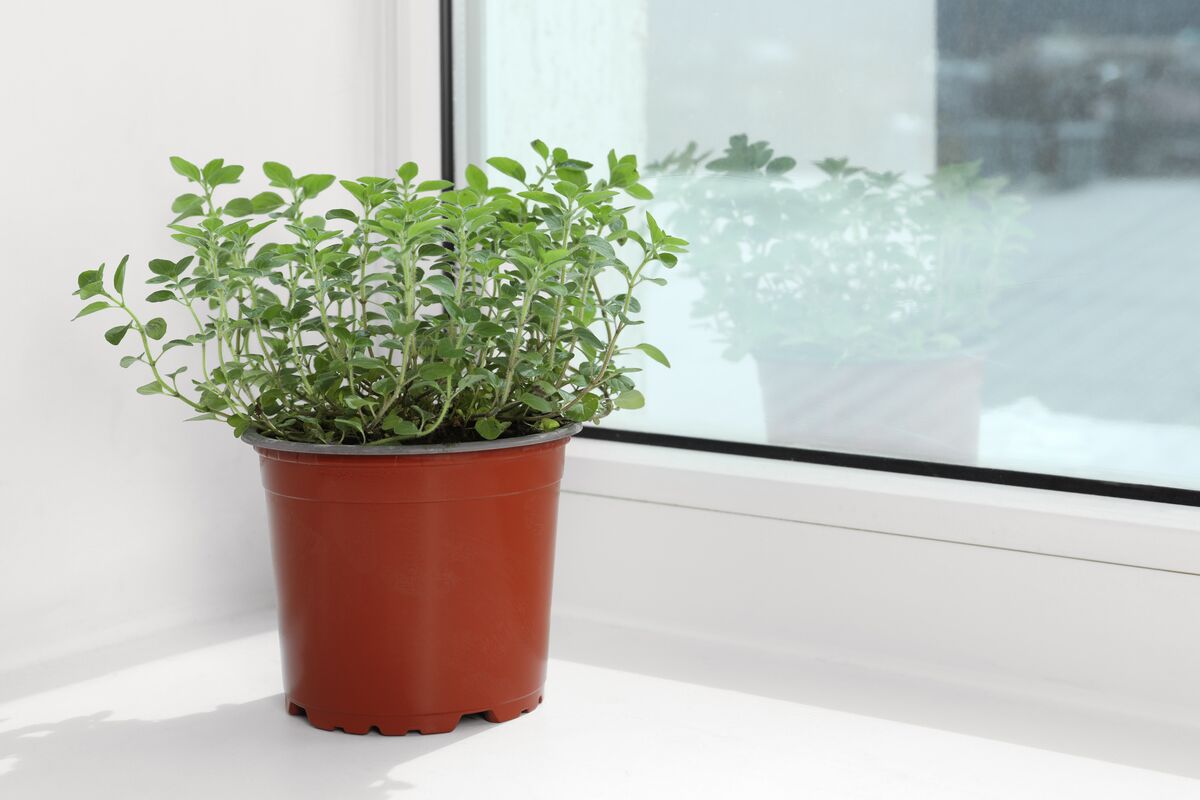
Along a bright shelf, oregano’s trailing stems have room to spread. It likes strong light and a container that drains freely, with the top of the mix dry before each watering.
Pinching the growing tips holds the stems compact and leafy.
Fresh oregano has a pungent flavor for tomato dishes and cooked beans. Harvest small sprigs as needed, and check plants brought in from the garden for insects, especially under the leaves.
Sage
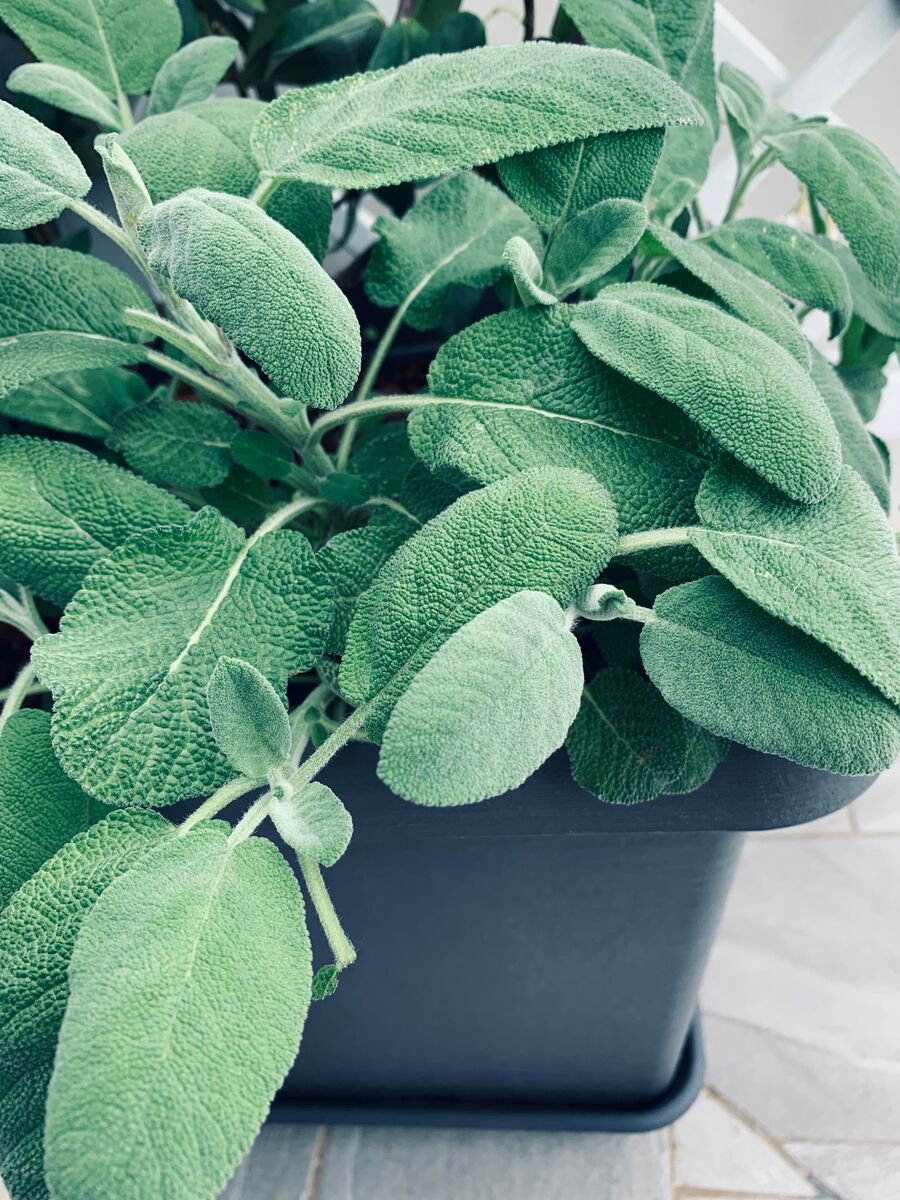
Because sage has broad, gray-green leaves, it is easy to harvest one leaf at a time. Set the plant under strong light and let the mix dry slightly between waterings.
Open space around the pot helps in rooms with little airflow.
A single leaf flavors browned butter or roasted squash. Pick from several stems to hold the plant’s shape, and harvest lightly in winter, when growth slows.
Mint
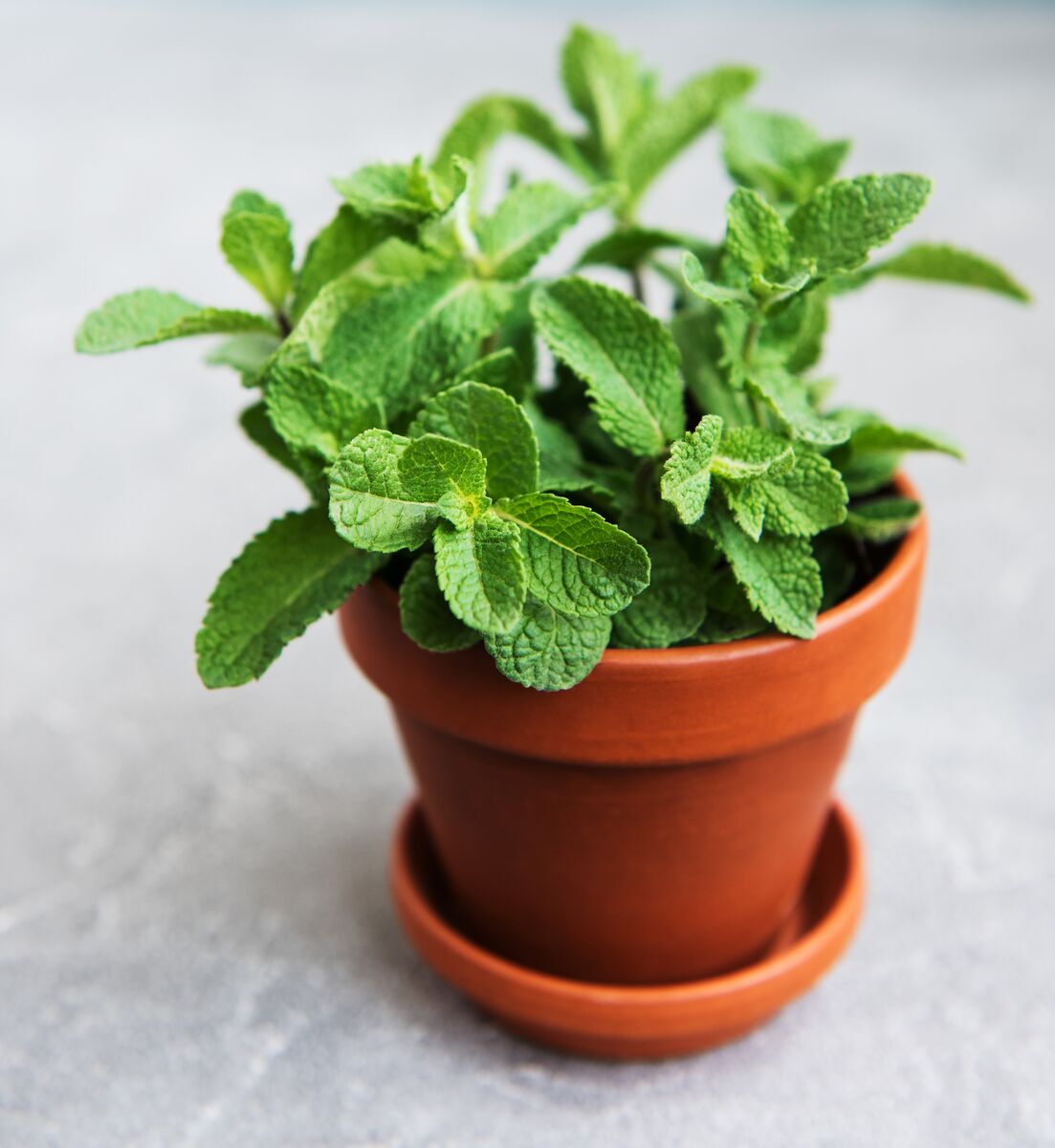
A separate pot holds mint’s spreading roots in check indoors. It grows in bright light, even at a window with gentler sun, and likes evenly moist soil.
The surface should start to dry between waterings, though the whole root ball should never dry out.
Cut stems above a pair of leaves for tea, fruit or a fresh garnish. Long stems with wide gaps between leaves call for stronger light and a trim. Peppermint and spearmint taste quite different, and the label is worth a look before buying.
Lemon Balm
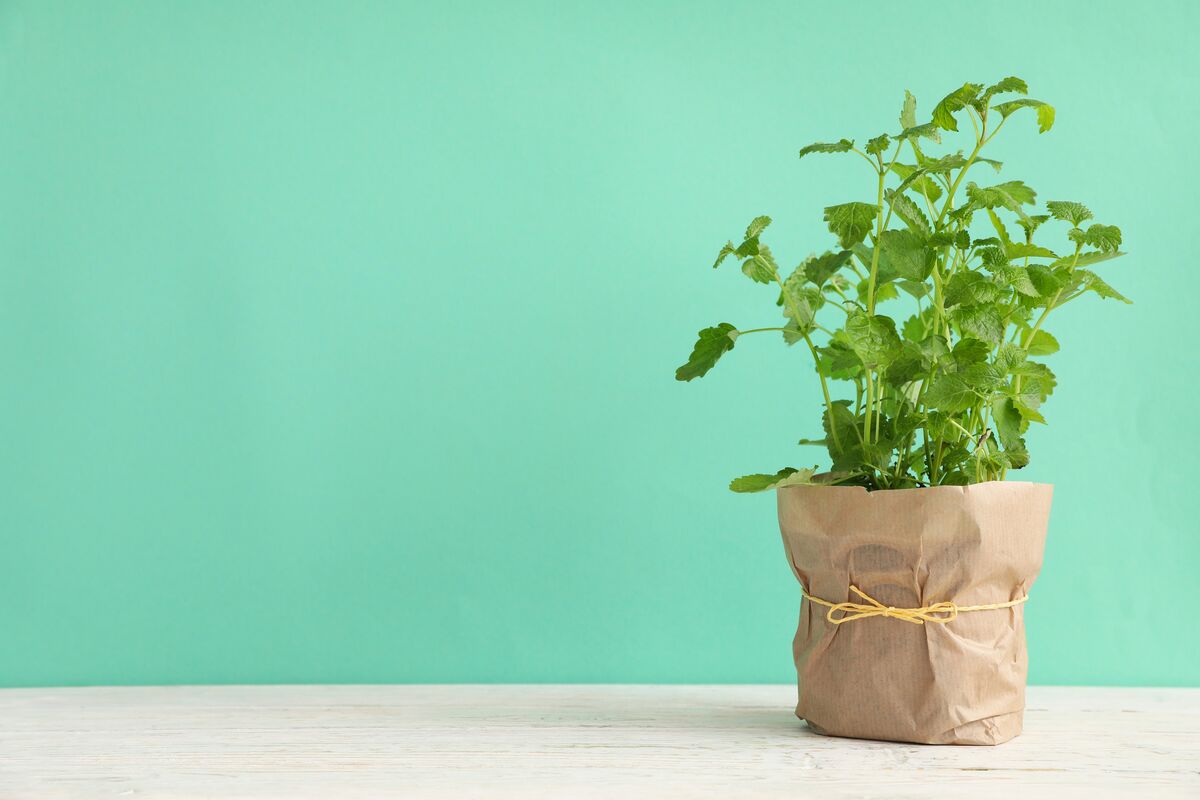
Whenever its leaves are cut, lemon balm releases a light lemon scent. A bright window or a grow light, a pot with drainage and moderately moist mix are all it asks for.
Pinching the tips encourages fresh, tender growth.
Steep the leaves for tea, or chop them into fruit salad just before serving. Like mint, lemon balm spreads quickly through a container, and leggy stems trimmed back to a leafy node spare the pots nearby.
Dill
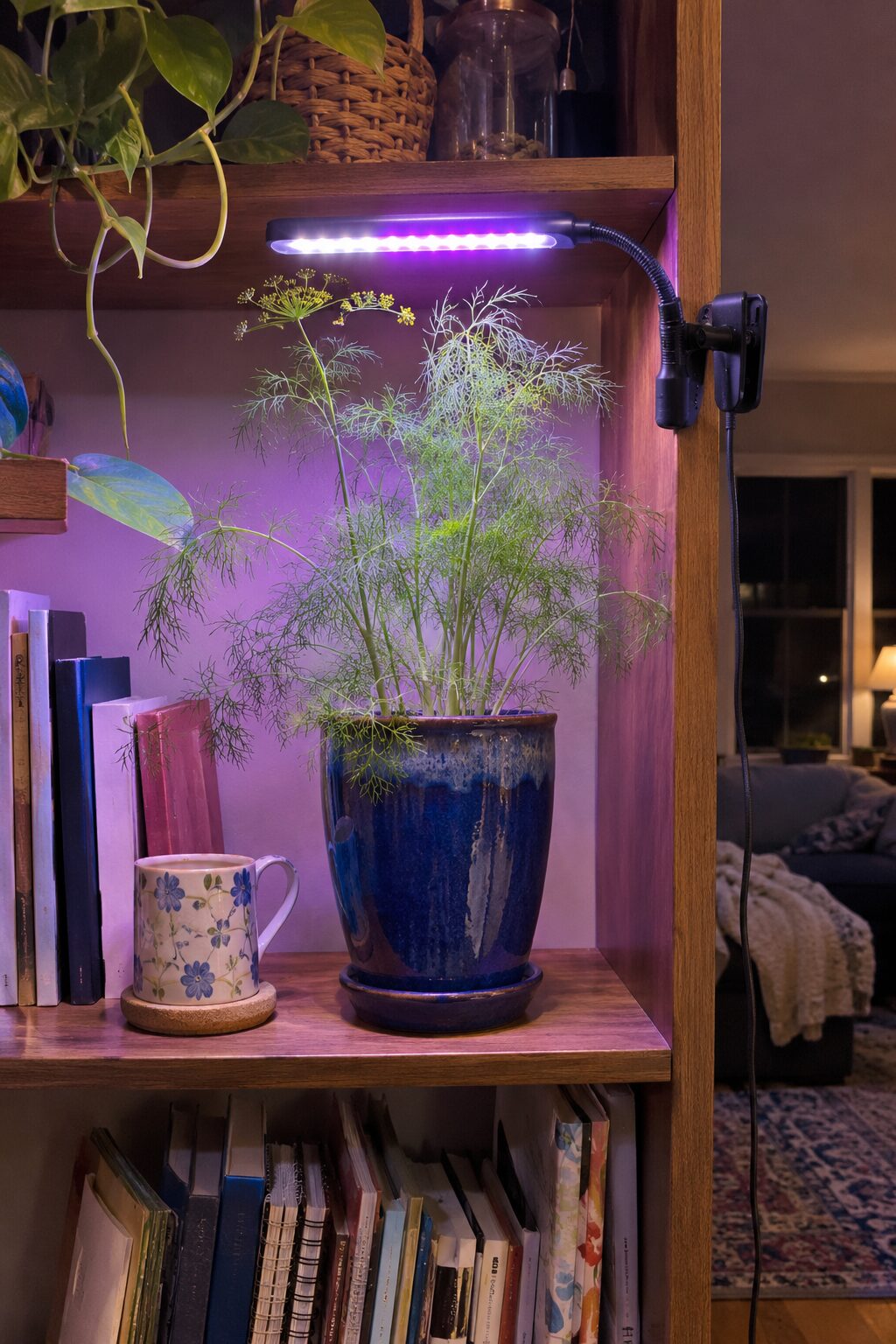
Feathery and best picked fresh, dill rewards frequent cooks with a winter pot. Sow seeds directly into a deep container to fit the taproot, and provide strong light.
A cool room slows the rush toward flowering.
Harvest fronds once the plant has several leaves, and leave enough growth to sustain it. Fresh dill belongs in yogurt sauces or on cooked fish, and new sowings every few weeks replace plants that bolt.
Tarragon
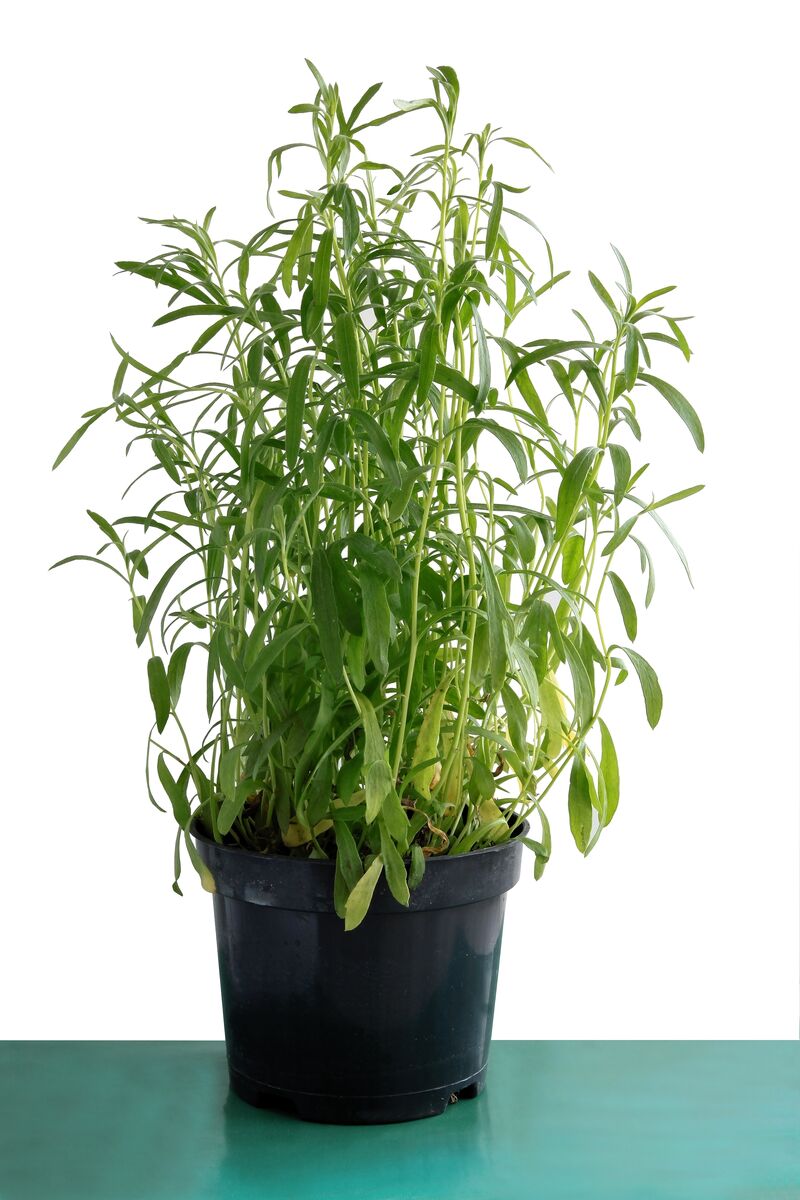
Because French tarragon needs a cool rest period, its indoor winter harvest is limited. An established plant moved inside after a few chilly autumn weeks may push fresh shoots under bright light.
Water lightly while it rests, then increase moisture as growth returns.
Its narrow leaves carry a delicate anise flavor for eggs and chicken. Seed-grown tarragon is generally the milder Russian type, so a plant labeled French tarragon is the one to buy, with tender tips harvested once active growth resumes.
Marjoram
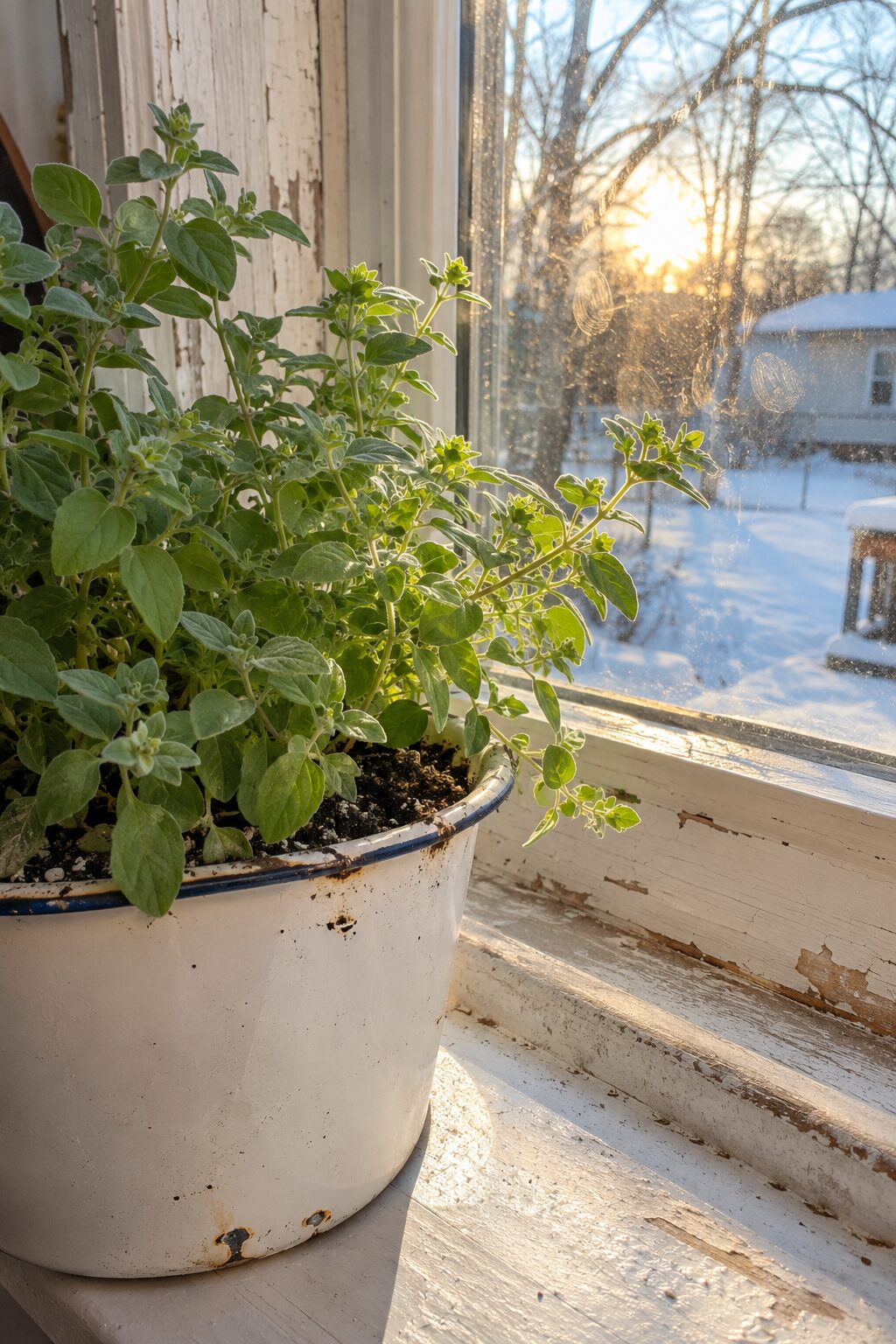
In a pot on a sunny sill, sweet marjoram grows as a tender perennial through a cold winter. Small, rounded leaves add a gentle herbal flavor to soups and cooked vegetables.
Strong light and a mix that dries on top before each watering are its basics.
Frequent light trims hold the stems branching. Cut leafy tips before stems grow long and sparse, and add the leaves near the end of cooking, since the flavor is delicate.
Bay Laurel
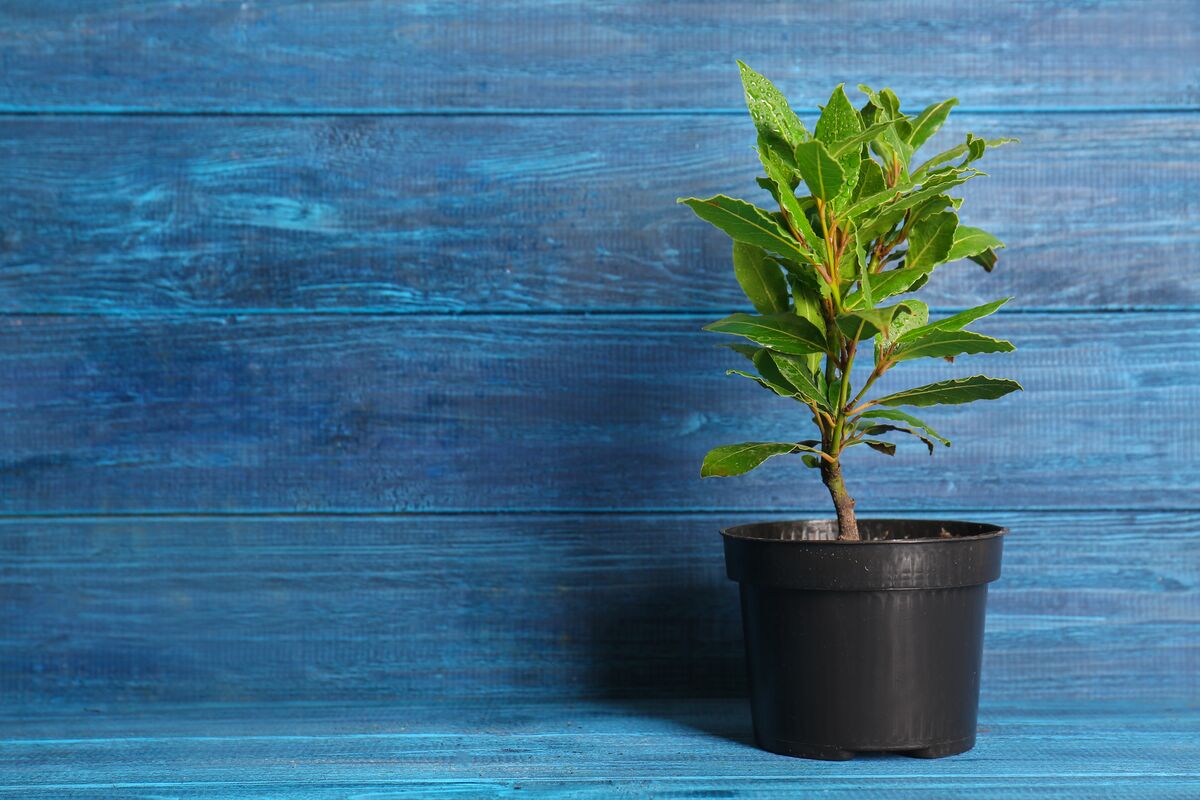
Because bay laurel grows slowly, one potted shrub supplies single leaves for long-simmered dishes for years. The evergreen shrub needs bright light and a container with reliable drainage.
Water thoroughly when the top inch or two of mix dries, and set the pot clear of cold drafts.
Choose a plant labeled Laurus nobilis, the culinary bay laurel. A mature leaf goes into stock or stew and comes out before serving.
Chervil
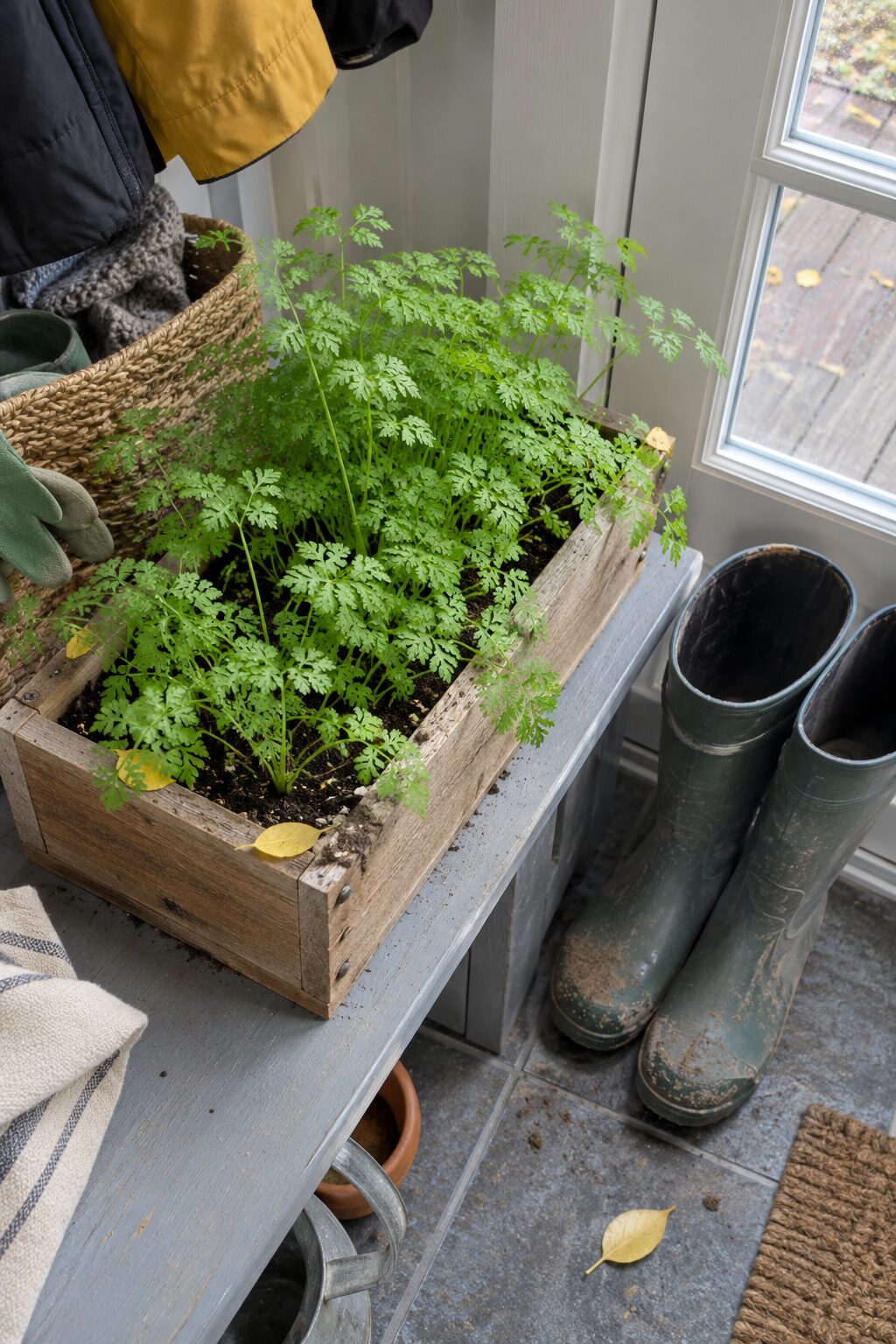
Delicate, parsley-like leaves make chervil a favorite for cool rooms. A bright spot away from heating vents fits it, since midday sun through glass may overheat the pot.
The mix needs even moisture, and seeds sown in place protect the roots.
Its mild anise note fades with long cooking, so snip the leaves just before serving eggs or soup. Like cilantro, chervil has a short leafy phase, and small repeat sowings supply fresh growth.
Summer Savory
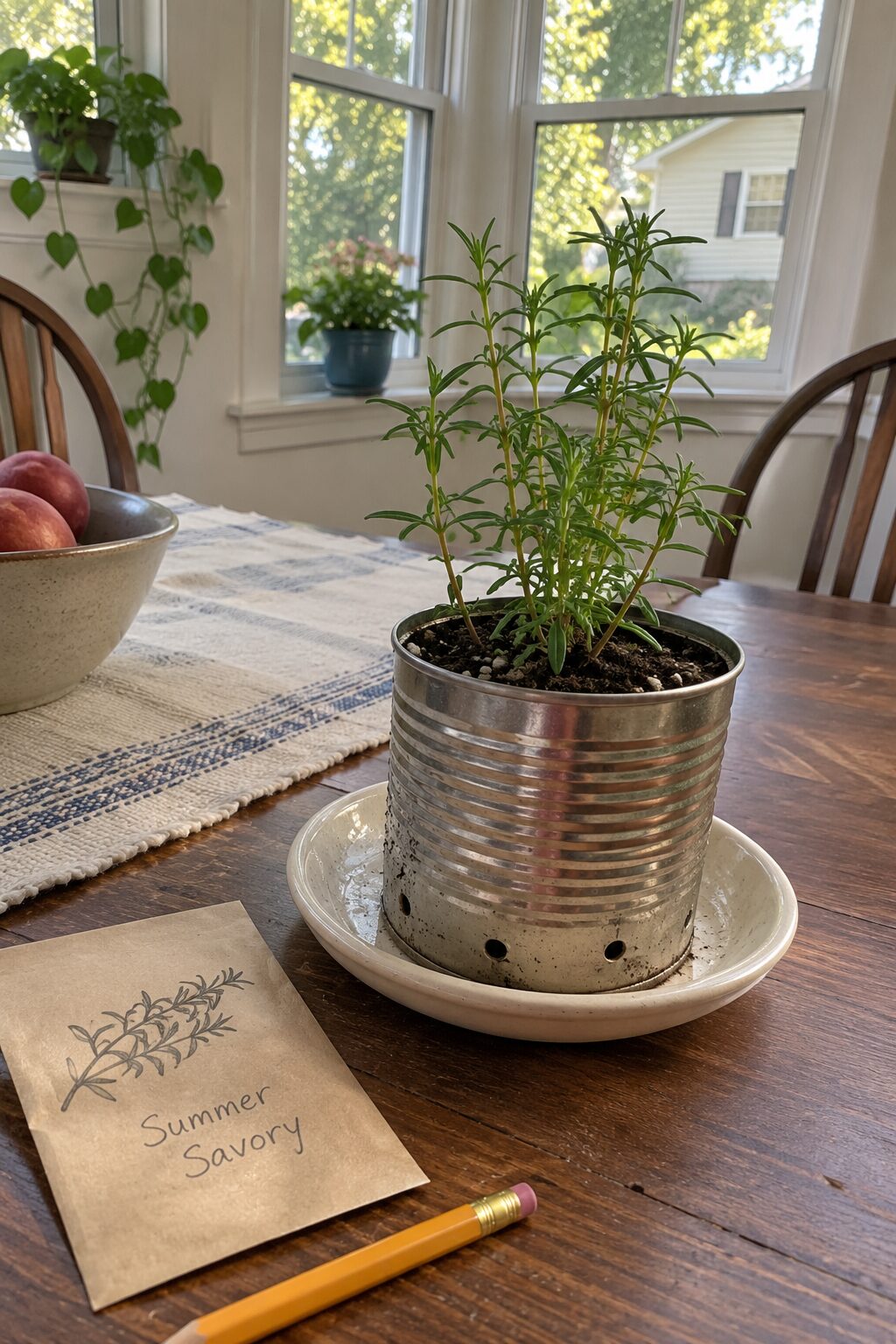
Two or three seeds per spot in a small pot are enough to start summer savory, an annual with peppery leaves and quick growth. Provide strong light and a pot with drainage, and let the surface dry between waterings.
Pinch the tips before flower buds form for a bushier plant.
A small amount seasons beans or roasted vegetables. Fresh sowings replace plants as they mature, and the narrow leaves dry easily for the pantry.
Lemongrass
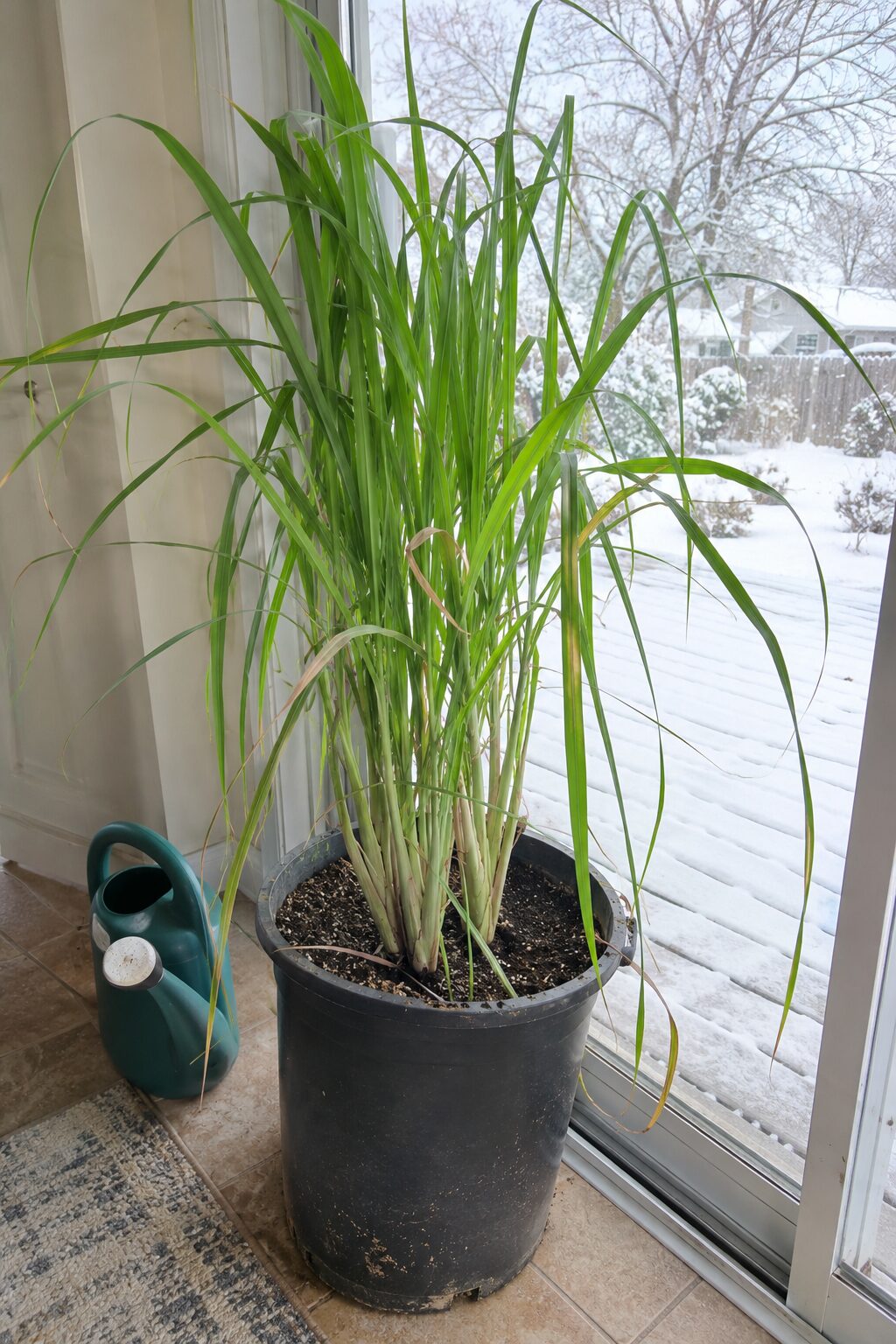
Because lemongrass grows into a tall clump, it needs a roomy pot from the start. A rooted stalk thrives with warm temperatures and abundant light.
Water to hold the soil moderately moist during active growth, and water less as growth slows in winter.
The thick lower stalk goes into curry pastes and broths, and the long leaves steep into tea. Wait until several sturdy shoots develop before cutting a whole stalk at the base.
Vietnamese Coriander
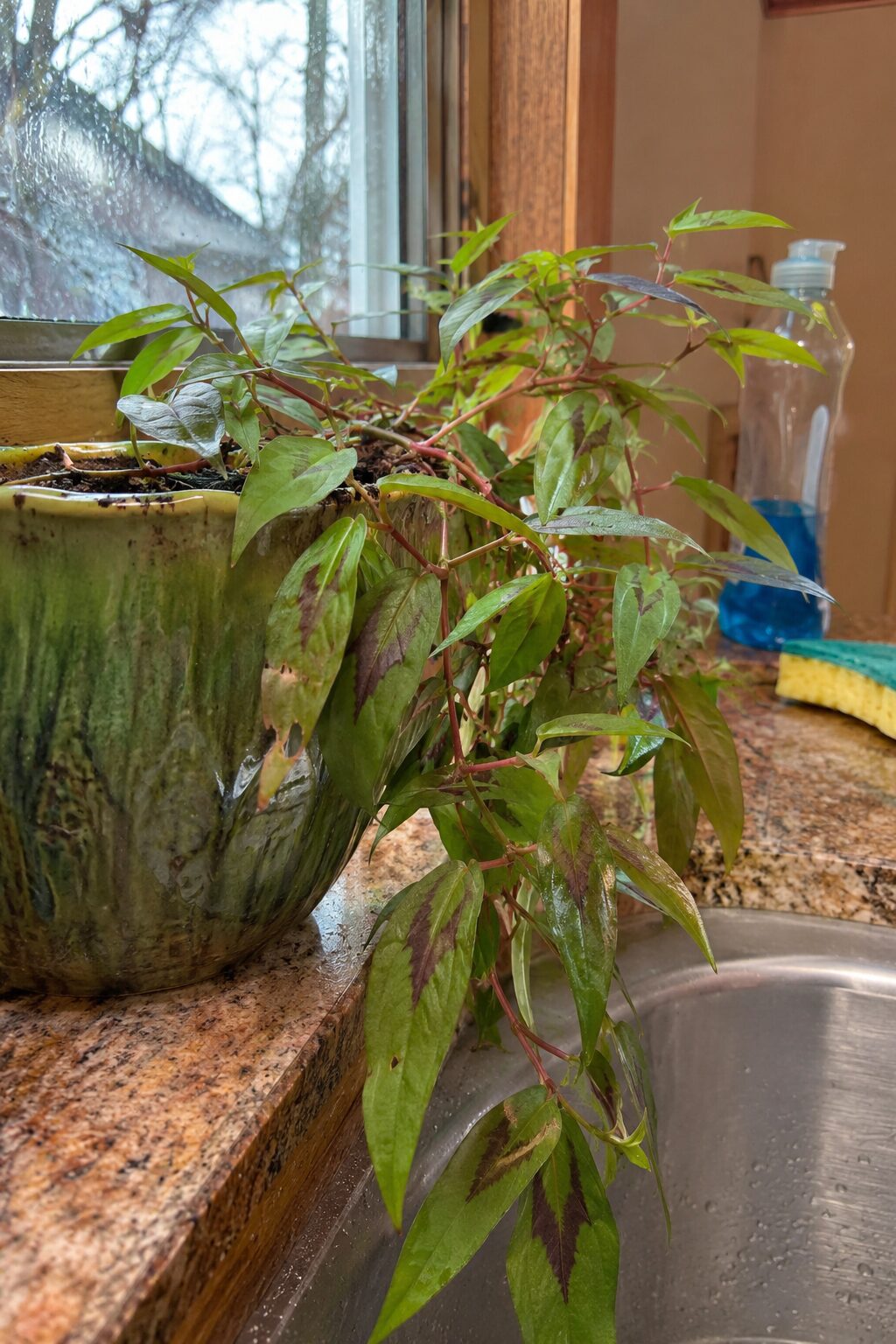
In a warm kitchen, Vietnamese coriander grows fast from a rooted cutting. Its leaves taste peppery and cilantro-like.
Bright indirect light or gentle sun and evenly moist mix are its basics, though the pot should never sit in water.
Stems trail over the pot edge, so pinch the tips to encourage branching. Add fresh leaves to noodle bowls or salads just before serving, and check for wilting near heating vents.
Culantro
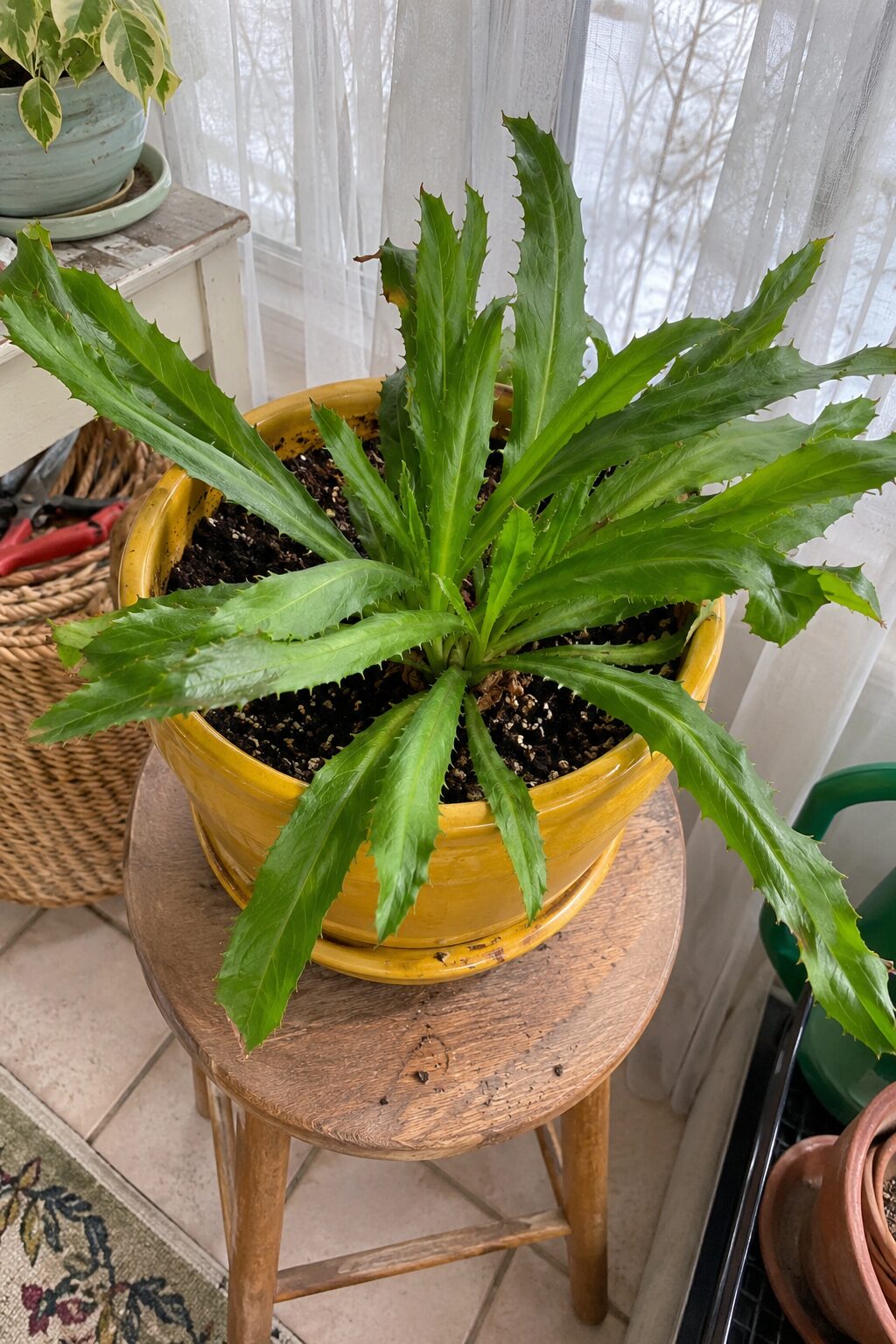
Long and serrated, culantro leaves look very different from the frilly foliage of cilantro. It prefers warmth, moist mix and bright indirect light, because harsh sun through glass may scorch its leaves.
A container deep enough for the roots supports steady growth.
The strong flavor is a staple of Caribbean and Latin American cooking. Cut outer leaves near the base, leave the center intact and remove flower stalks as they appear.
Stevia
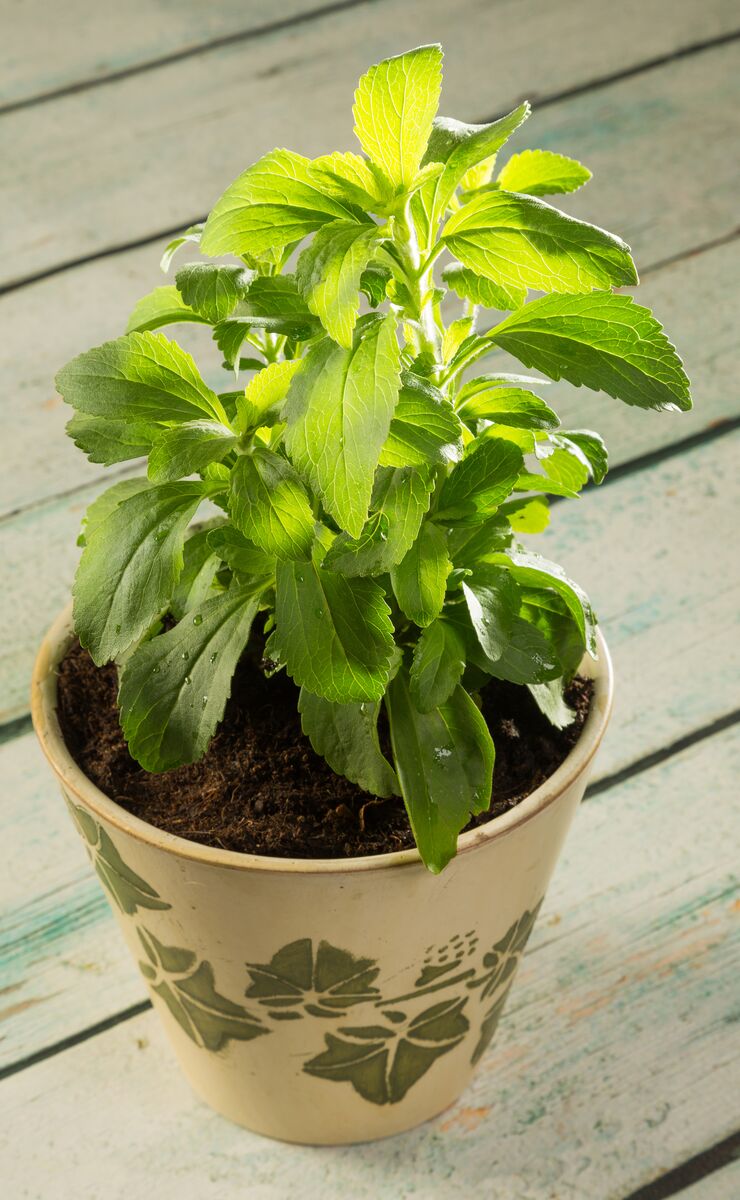
During winter, a compact stevia plant still supplies intensely sweet fresh leaves. Strong light, warmth and a pot that drains freely are its needs.
Water when the soil surface starts to dry, and never leave the roots waterlogged.
Pinch stem tips to encourage branching, then drop a leaf into tea. Fresh leaves taste more herbal than purified stevia sweeteners, and light harvests protect a plant that grows slowly in short days.
Catnip
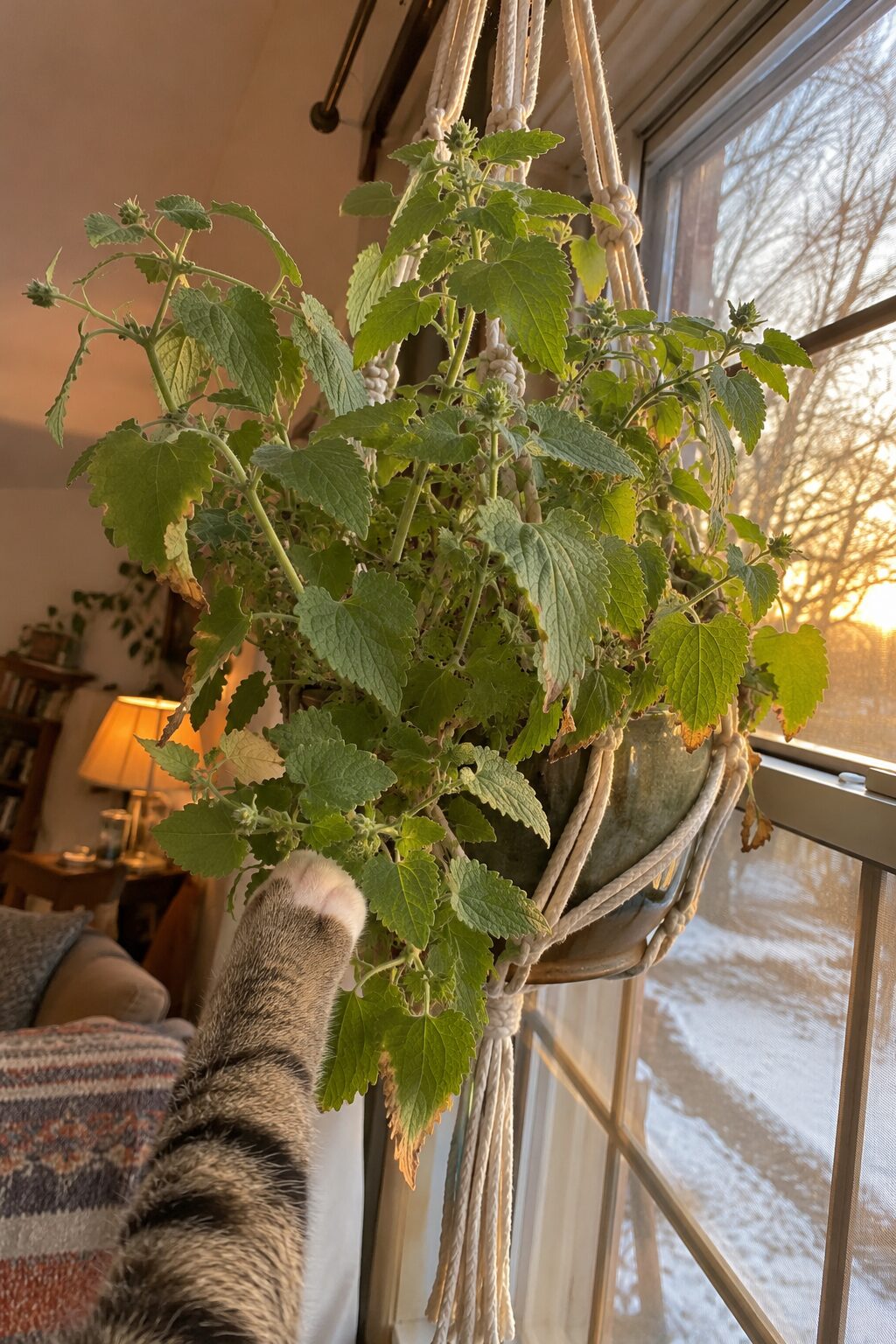
Cut a small sprig for the cat and hand it over well away from the pot. On a bright shelf, catnip grows on past the outdoor season.
It needs a container with drainage, water after the surface dries and regular tip trims to prevent lanky growth.
Place the living plant beyond the cat’s reach to protect its stems and roots. Trimmed leaves dry well and hold their scent, and extra cuttings never go to waste.
Garlic Chives
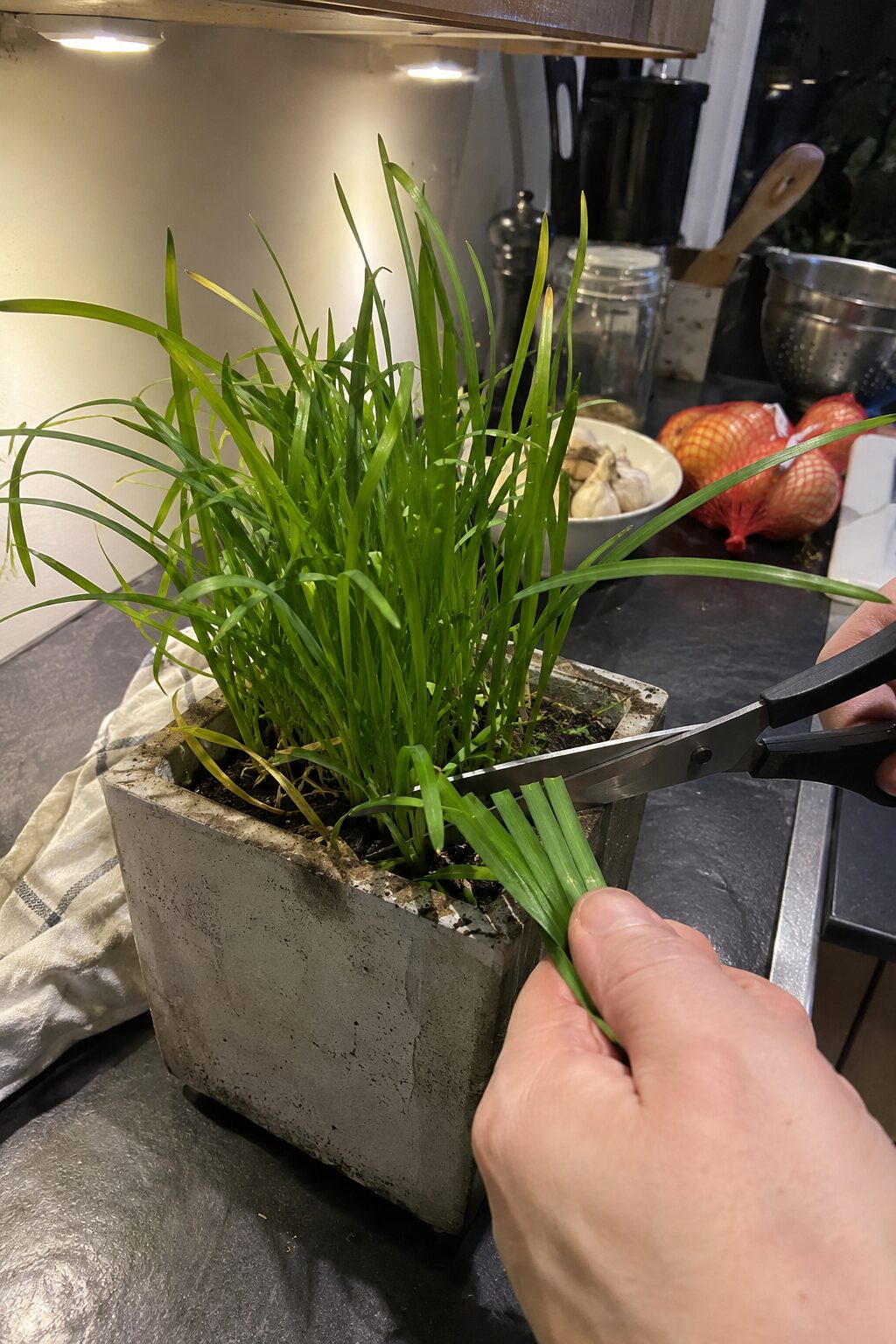
Flat leaves and a mild garlic flavor set garlic chives apart from common chives. A potted clump grows under bright light with even moisture.
Garden divisions may pause after the move indoors before fresh leaves appear.
Snip leaves above the base for dumpling fillings or stir-fries, and leave several inches to regrow. Divide an overcrowded clump once roots fill the pot and new shoots thin out.
Sorrel
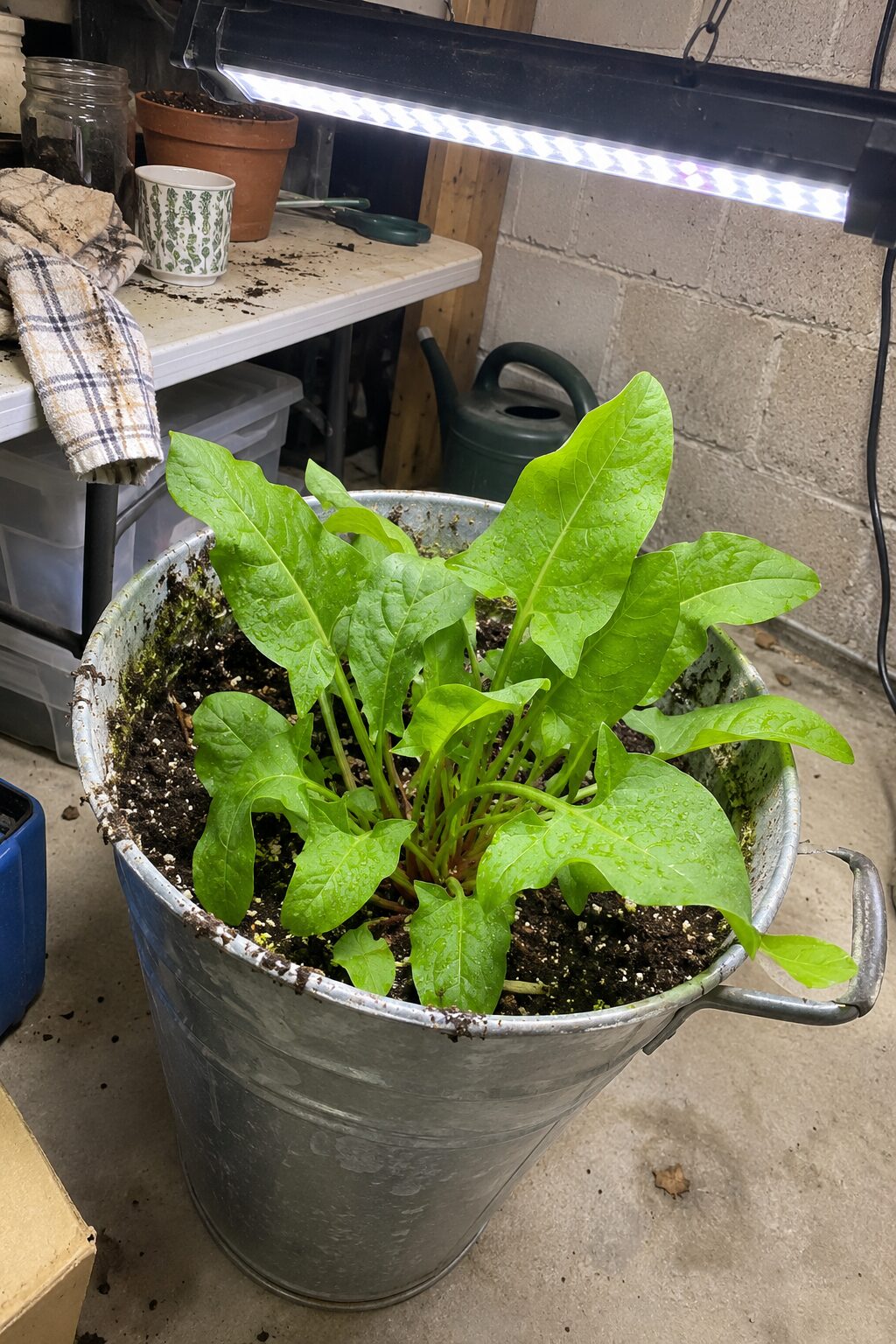
During months short on garden greens, sorrel’s tart leaves add a sharp accent. Grow it in a deep pot under bright light with evenly moist soil.
Harvest young outer leaves as they reach a useful size, and leave the center to grow.
Chopped sorrel adds a lemony edge to salads or sauces. The leaves contain oxalic acid, so modest portions are wise, especially for anyone told to limit high-oxalate foods.
Fennel
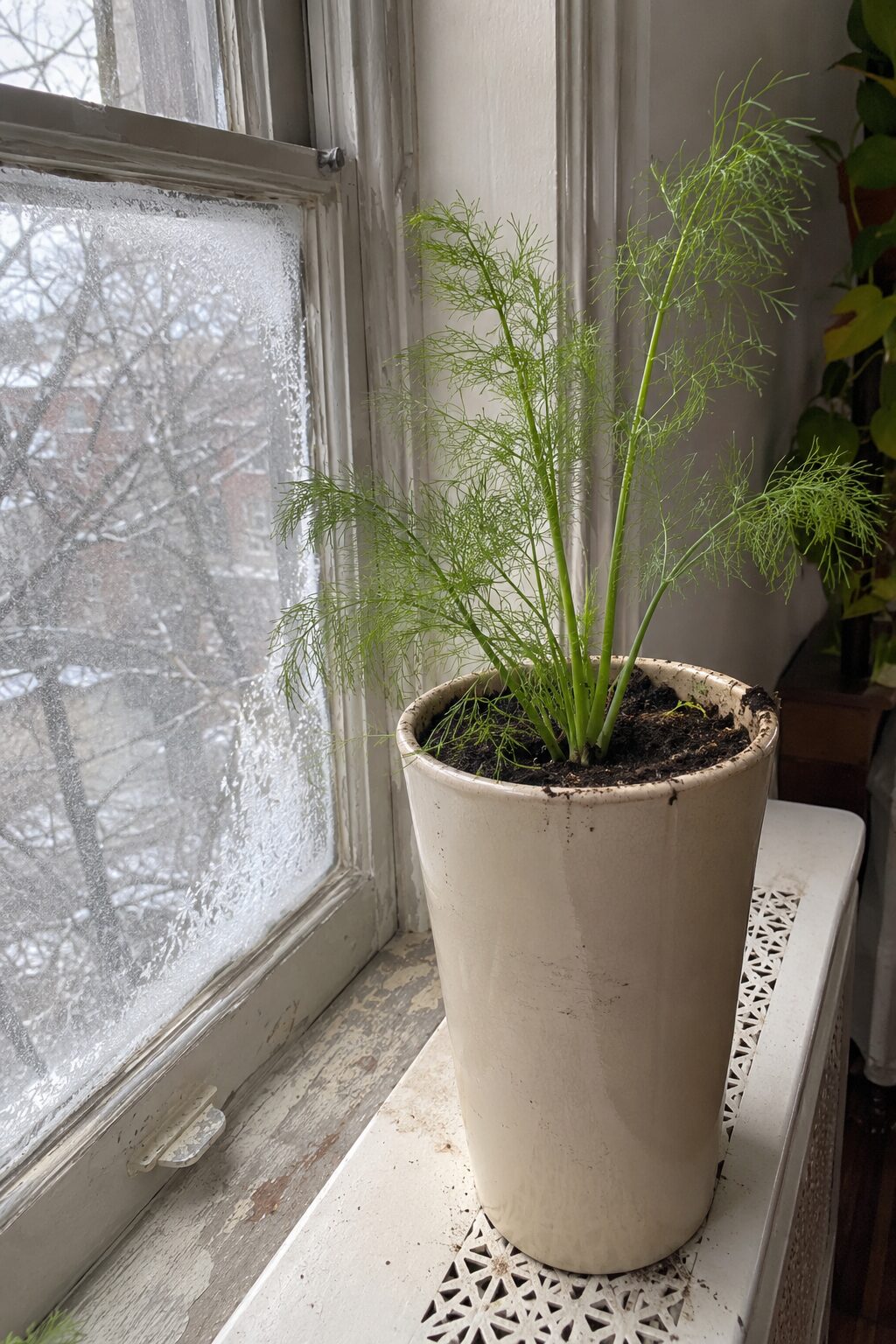
Because the fronds are the goal indoors, leafy fennel needs no full-size bulb. Sow seeds directly into a deep container and provide strong light for the seedlings.
Thin crowded plants early, since each stem needs space for its roots.
Clip small amounts of foliage for fish or salads once plants settle in. A grow light prevents the weak stems that lean toward dim winter sun.
Lavender
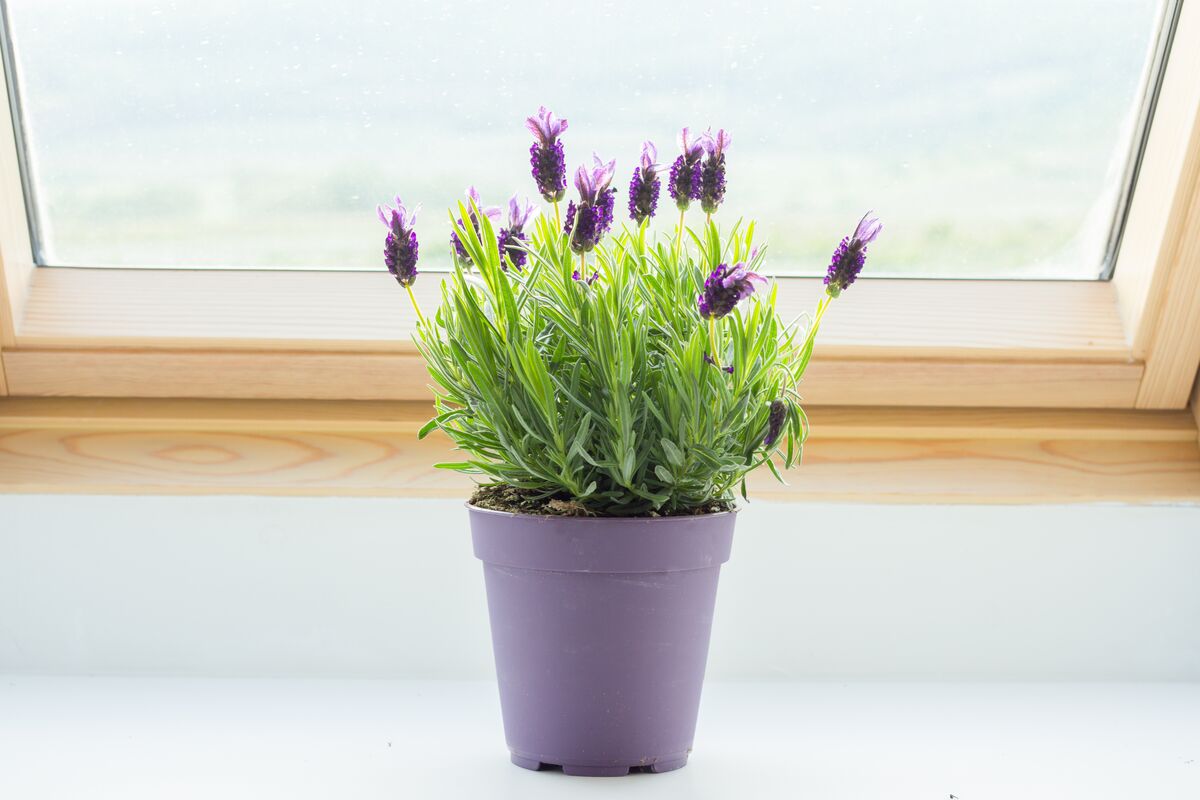
Sun-hungry and fussy about drainage, potted lavender needs the brightest window in the house. A grow light helps where daylight falls short, and the top layer of soil should dry before each watering.
Good airflow and a pot sized to the root ball prevent soggy soil.
For cooking, choose an English lavender labeled Lavandula angustifolia and use the flowers sparingly in baking or tea. Indoor blooming depends on light, but healthy foliage is still worth growing through winter.
Winter Savory
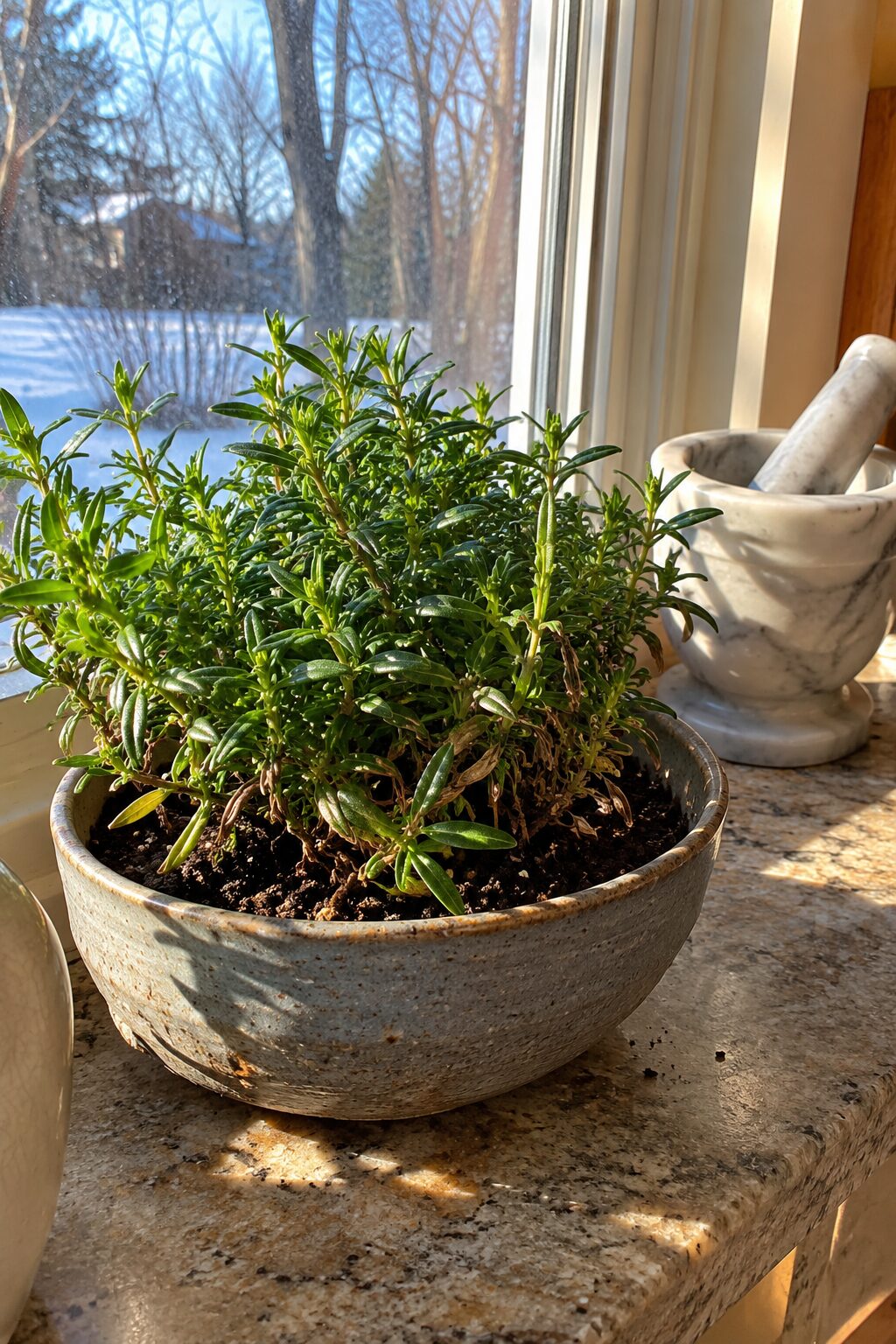
All winter, the small evergreen leaves of winter savory hold steady in a bright indoor pot. This woody perennial needs freely draining soil and water once the top of the mix dries.
Trim tender growth lightly during short days.
Its robust, peppery flavor holds up in slow-cooked beans and stews. A young plant adapts easily to a container, while a large garden clump needs root trimming and a gradual move inside.
Cuban Oregano
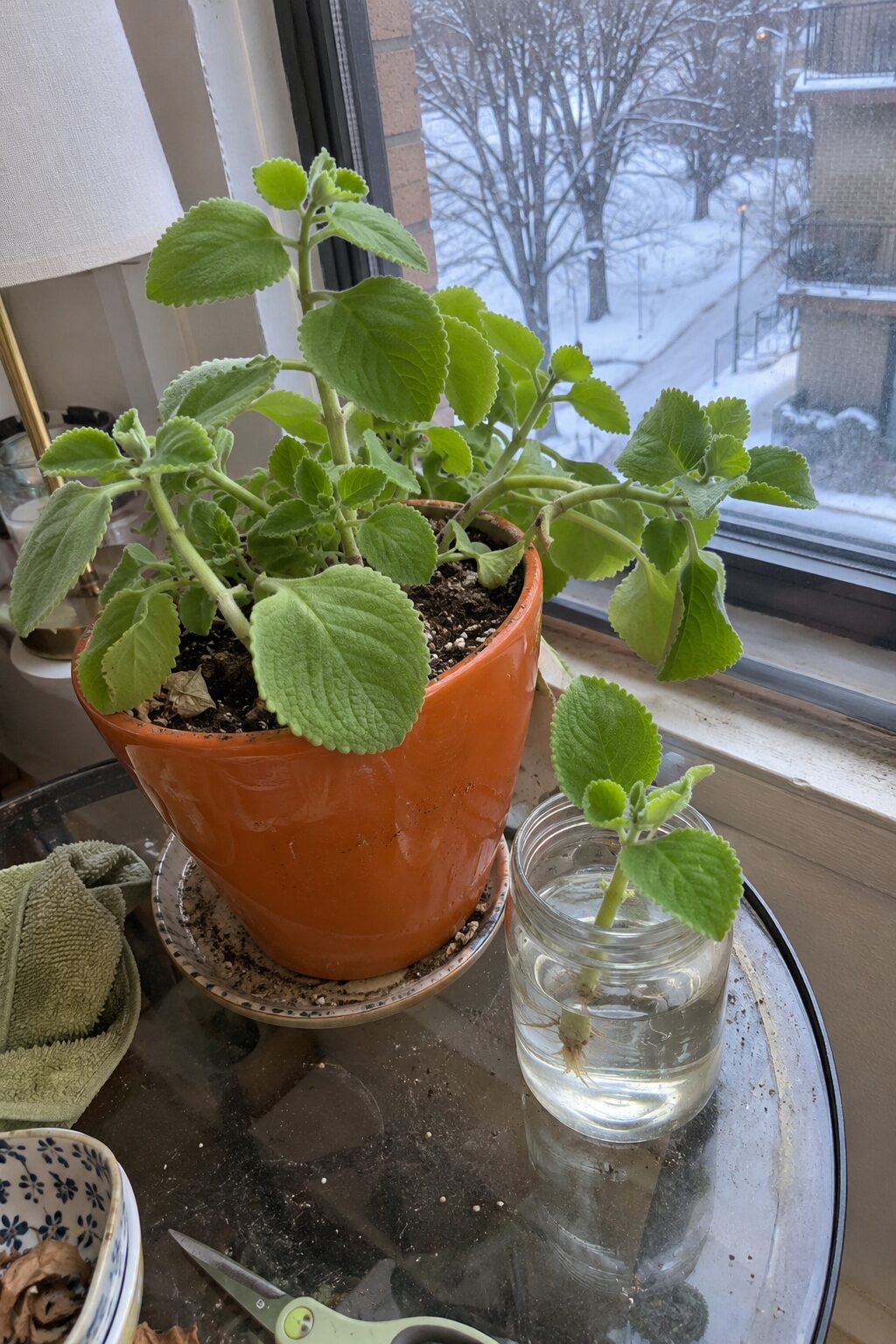
Root a cutting in a glass of water and pot it up once roots form. Cuban oregano, Plectranthus amboinicus, is a fuzzy, succulent-leaved member of the mint family with a strong oregano-thyme scent.
It needs bright light and a fast-draining mix that dries between waterings, since soggy soil rots the stems.
A single leaf flavors black beans, stews and Caribbean dishes. Pinch the tips to hold the plant bushy and compact.
Thai Basil
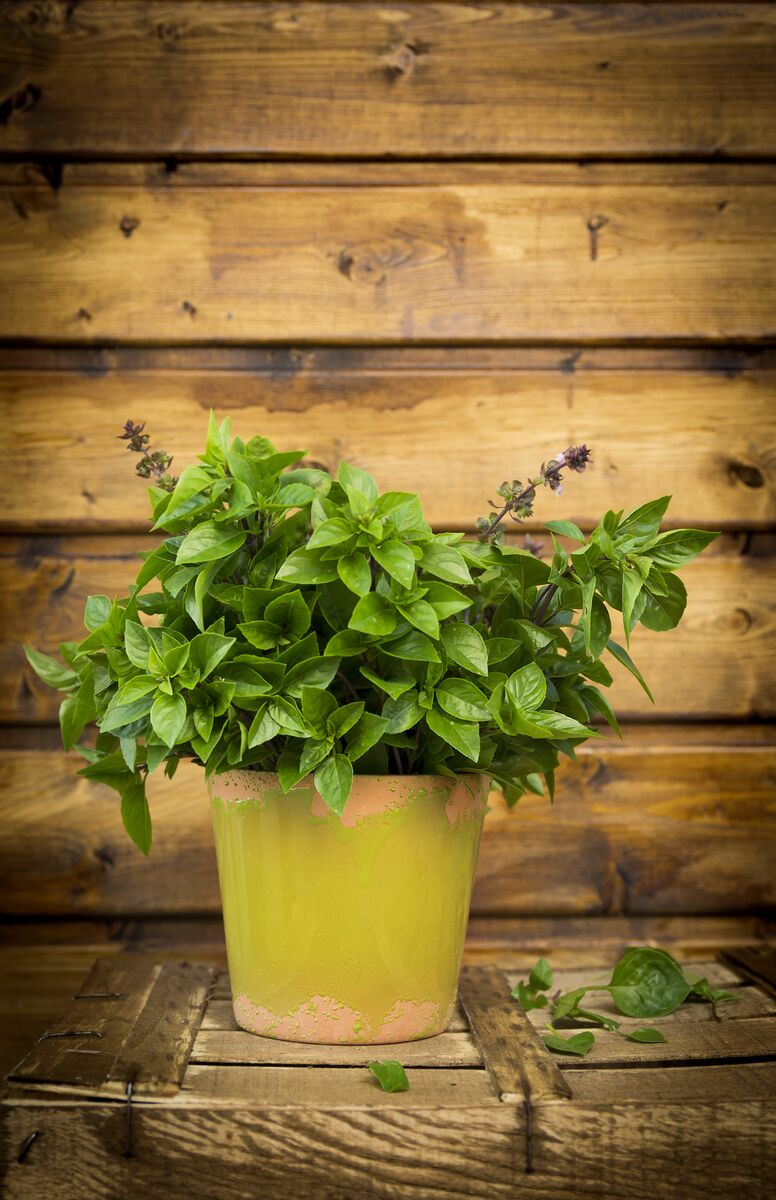
Purple stems and narrow leaves mark Thai basil on a winter herb shelf. The anise-like flavor holds up in noodle dishes and curries, especially when the leaves go in near the end of cooking.
Warmth and abundant light, with a grow light on dim weeks, support steady growth. Water to hold the mix evenly moist and pinch above leaf pairs to encourage branching.
Remove flower spikes for a longer leafy harvest. Like sweet basil, Thai basil hates cold window glass, so a few inches of space protect the nearest leaves.