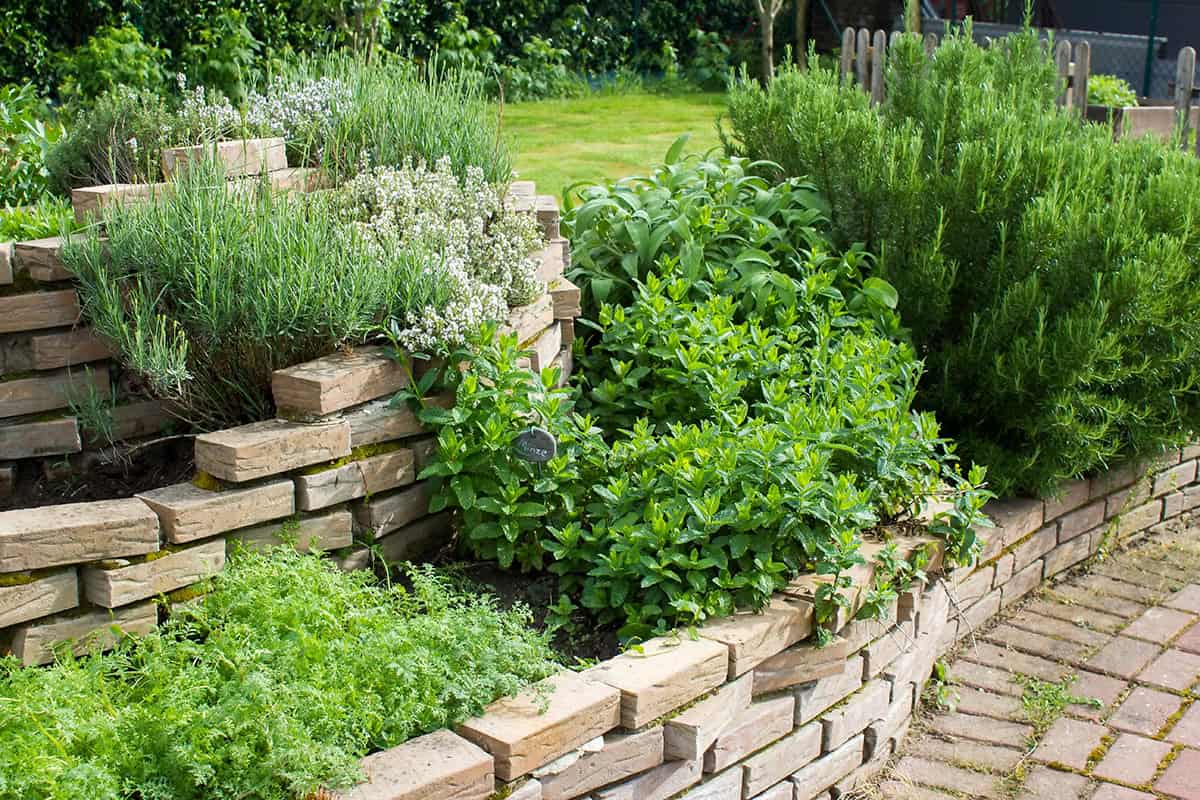
Long before pharmacies, kitchen gardens held the first-aid kit, with chamomile for upset stomachs, aloe for burns and yarrow for scrapes.
Many of those plants still earn a spot in the herb bed today, both for their traditional uses and for the bees they feed.
Several of these herbs interact with medications, and each entry flags those risks next to the growing tips.
Table of Contents
Medicinal Herbs You Should Grow in Your Garden
The uses below come from long tradition, and scientific support ranges from solid to thin. Herbs carry real effects, so talk with a doctor or pharmacist before using any of them as medicine, especially during pregnancy or alongside prescription drugs.
Aloe Vera
Aloe vera’s clear inner gel soothes minor burns, sunburn and dry skin, one of the better-supported herbal uses. Use the gel only on the skin, since the yellow latex just under the leaf surface acts as a harsh laxative. This succulent grows best in bright light with some direct sun, in gritty soil that dries out between waterings. Move it indoors when temperatures drop below 50°F.
Lavender
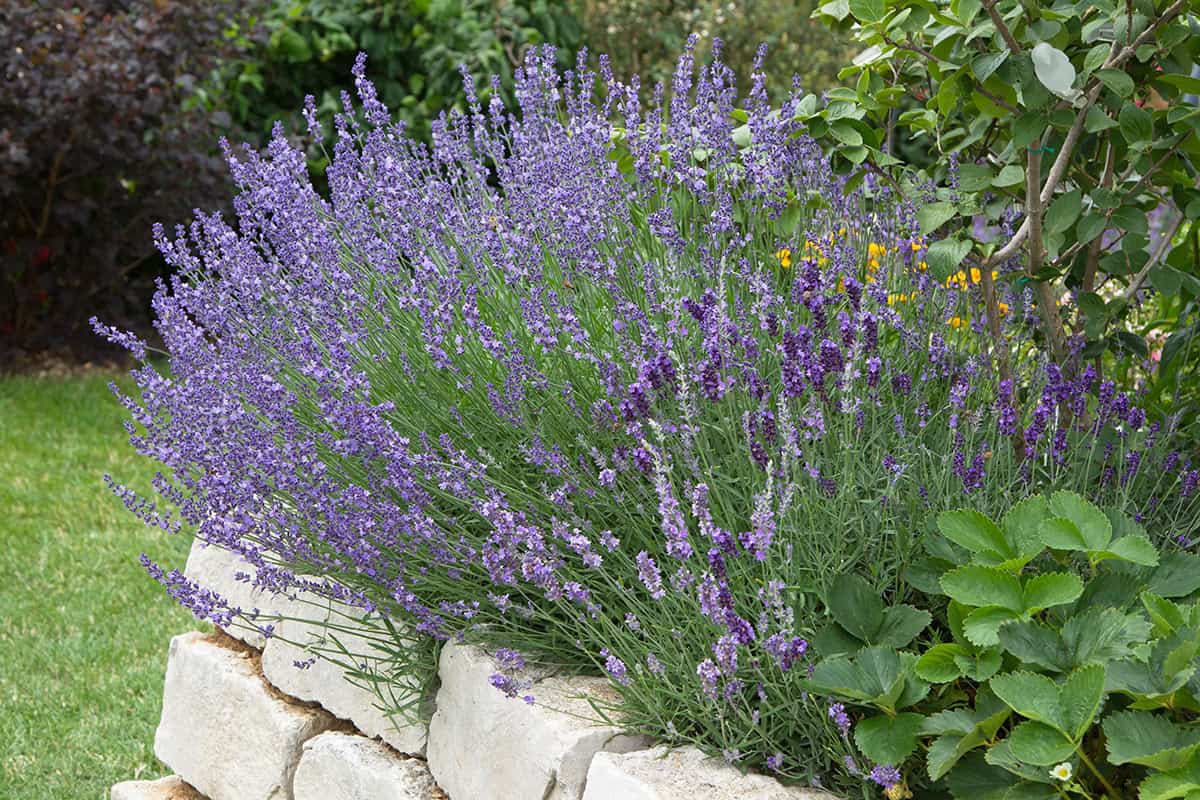
People reach for lavender’s scent to ease stress and support sleep, and small studies back its calming effect when inhaled. Dried buds fill sachets and flavor teas and baked goods. The plant needs full sun and sandy, sharp-draining soil, and bees swarm the purple spikes in summer.
Chamomile
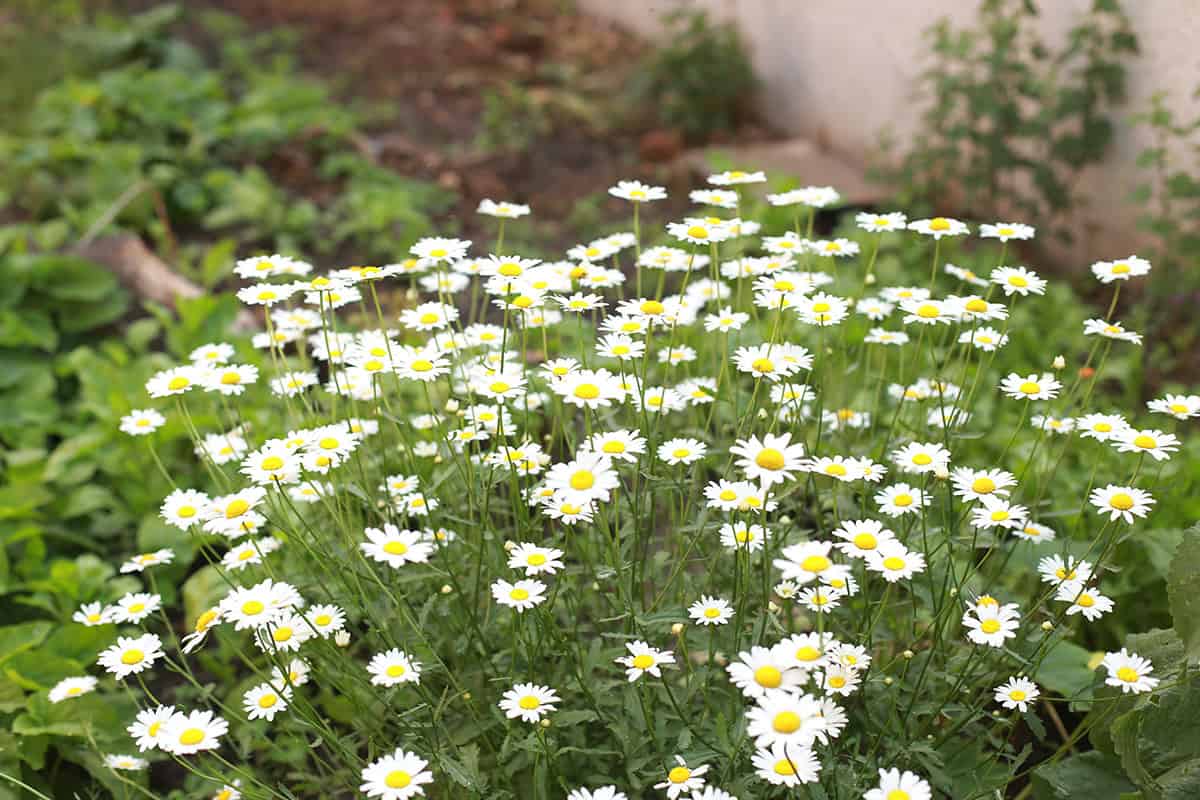
German chamomile produces small, apple-scented daisies that dry into a gentle tea for sleep and upset stomachs. People with ragweed allergies may react to it.
Sow seeds on the soil surface in spring in full sun, and harvest the flowers once they open fully. The plants self-sow freely.
Peppermint
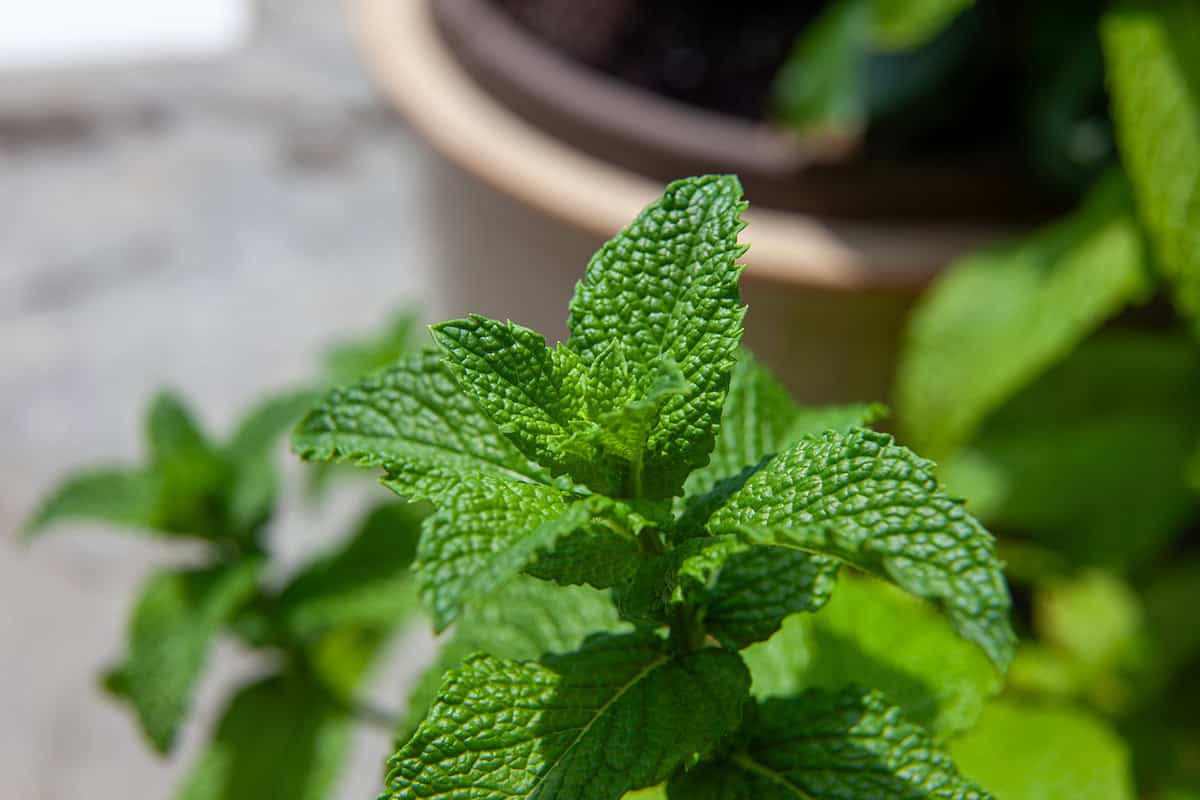
Peppermint tea has long been used for indigestion, and peppermint oil capsules show good evidence for easing irritable bowel symptoms. The plant spreads aggressively by runners, so grow it in a pot or a buried container. It handles sun or partial shade and moist soil. People with acid reflux may find that mint worsens heartburn.
Echinacea (Coneflower)
Purple coneflower roots and flowers go into popular cold remedies, though studies on shortening colds show mixed results. The native perennial thrives in full sun and well-drained soil and tolerates drought once established. Butterflies and bees visit all summer, and goldfinches eat the seeds in fall.
Lemon Balm
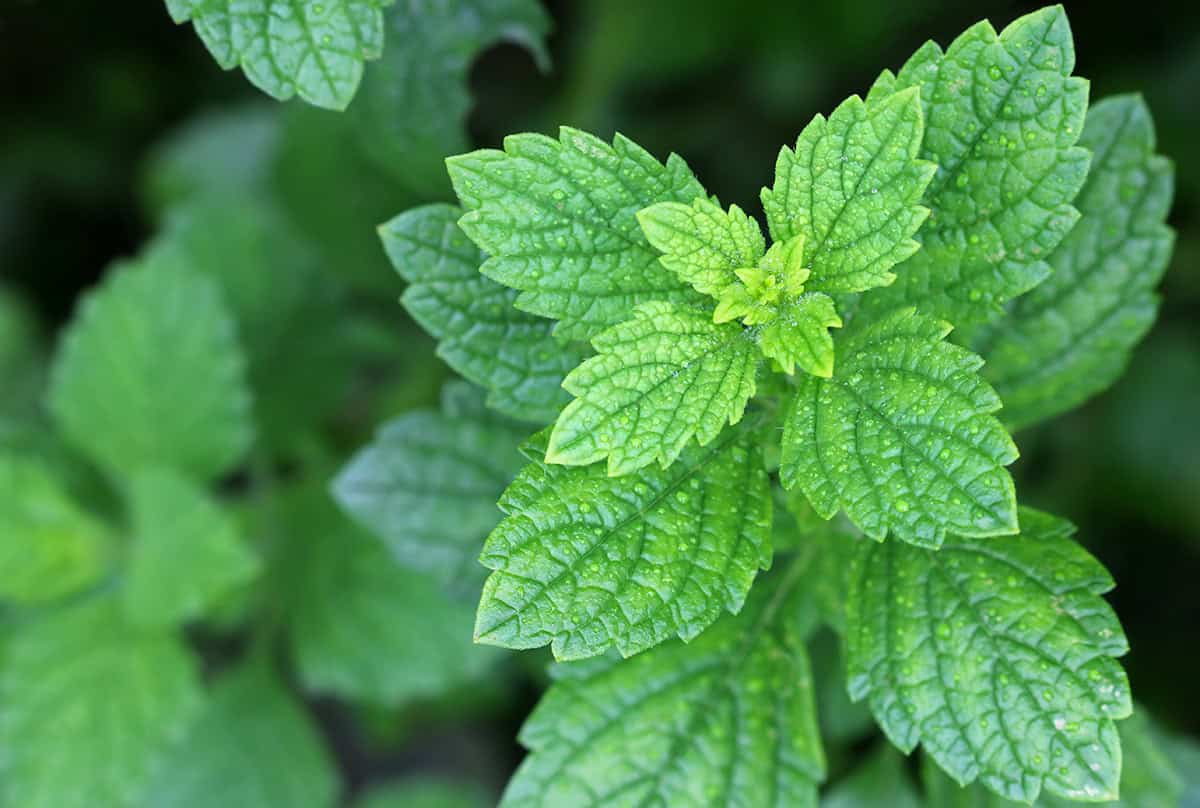
Lemon balm leaves carry a bright citrus scent and brew into a mild, gentle tea. A member of the mint family, it grows in sun or partial shade and self-sows freely, so snip the flowers before they set seed. Grown in a pot, it holds its shape better and spreads less.
Calendula
Calendula petals go into salves and creams for minor cuts, rashes and dry skin. The orange and gold flowers bloom best in cool weather and grow easily from seed in average soil. Pick the flowers regularly to encourage more, and dry them on a screen for later use.
Rosemary
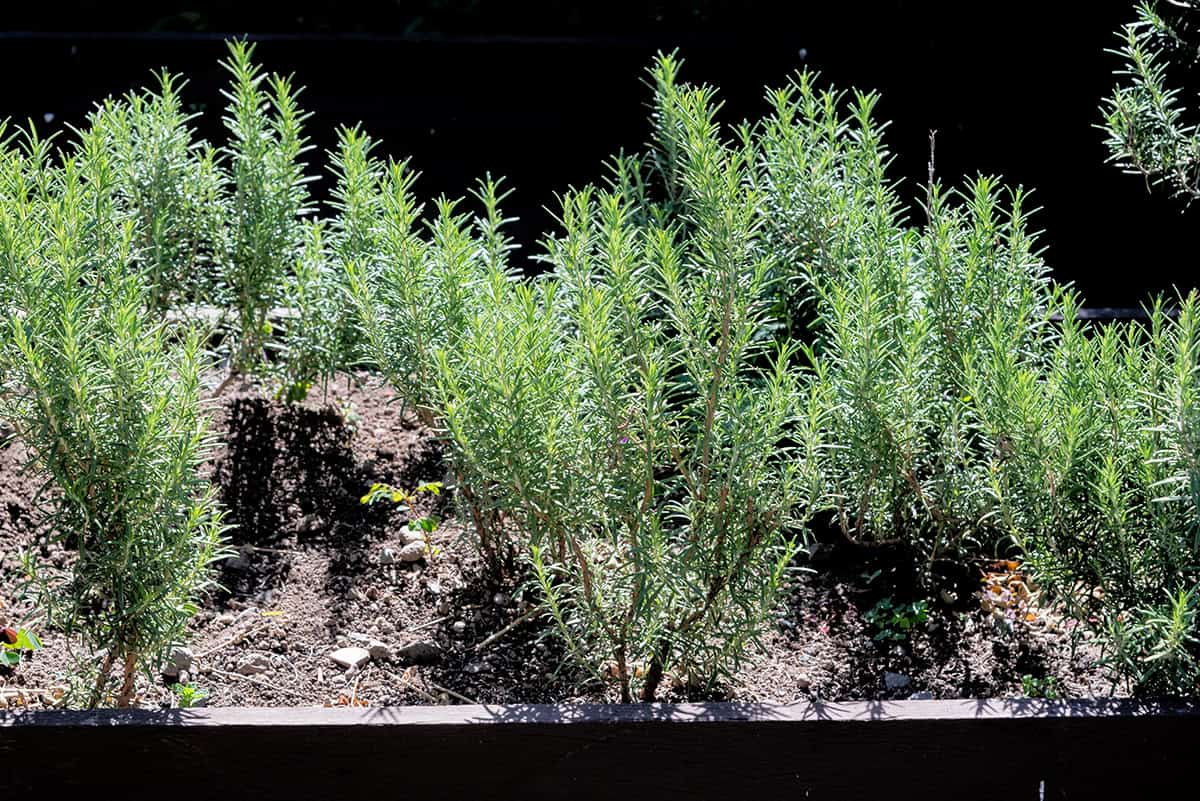
Rosemary has a long folk reputation for memory and circulation, and it shines as a cooking herb. The woody shrub needs full sun and fast-draining soil, and terracotta pots help the roots dry between waterings. In zones colder than 7, grow it in a container and move it to a bright, cool spot for winter.
Thyme
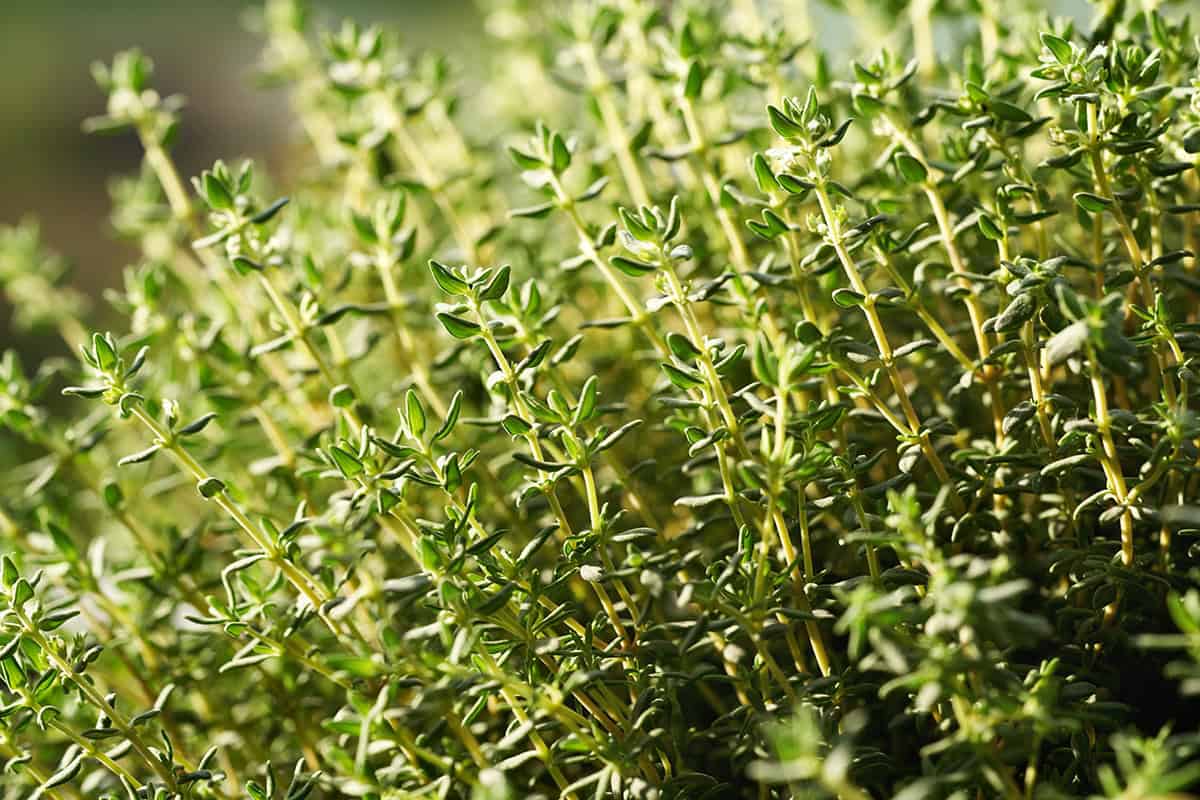
Thyme contains thymol, an antiseptic compound used in mouthwashes and old cough remedies. The low, mat-forming plant handles dry, rocky soil and full sun. Tiny pink or purple flowers draw bees in early summer. Trim the stems after flowering to prevent woody, bare centers.
Sage
Garden sage was once gargled for sore throats, and its soft, gray-green leaves still anchor plenty of recipes. It handles heat, drought and lean soil in full sun. Large medicinal doses carry risks because of a compound called thujone, so culinary amounts are the safe range.
Basil
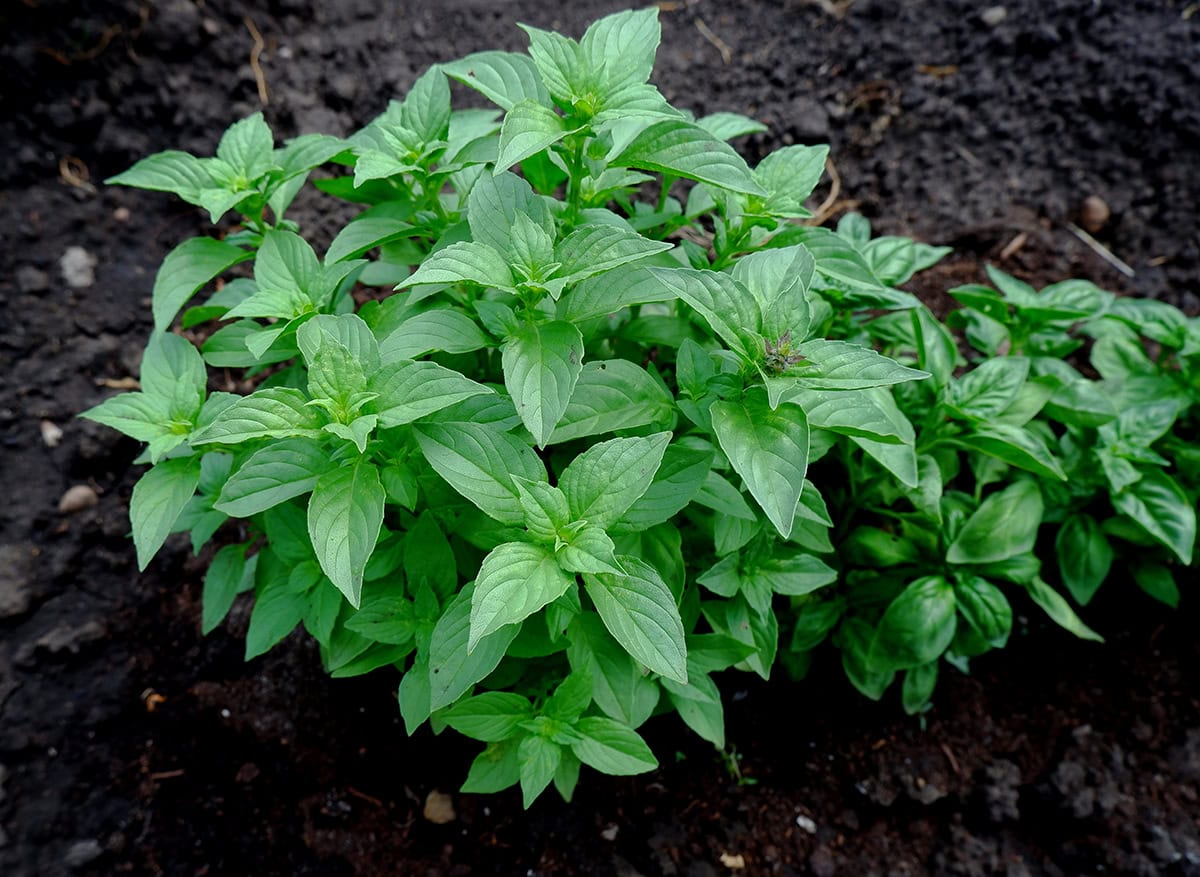
Sweet basil has a traditional reputation for easing digestion, though it shines brightest as a fresh kitchen herb. It needs full sun, warm temperatures and rich, well-drained soil. Pinch the flower buds as they form for a longer leaf harvest, and plant after the last frost, since cold blackens the leaves.
Oregano
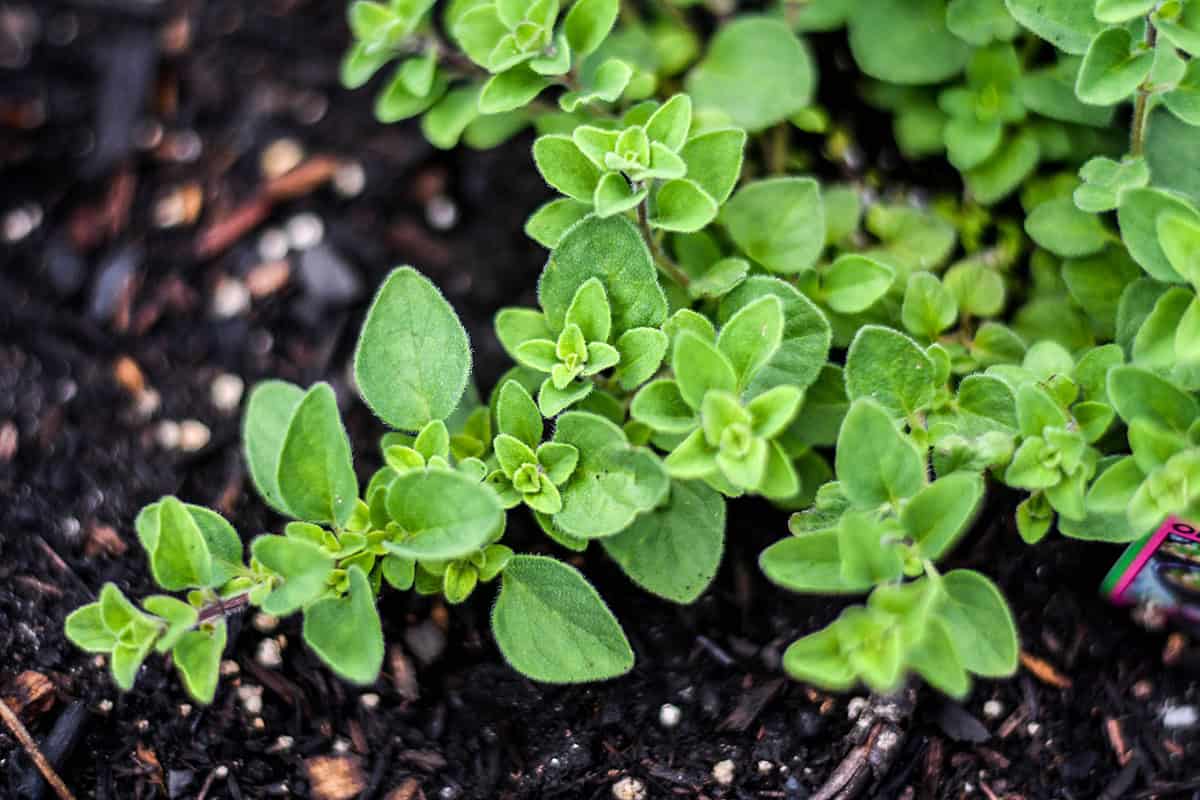
Oregano contains carvacrol and thymol, compounds with antibacterial activity in lab studies. The perennial loves full sun and lean, well-drained soil, and the flavor intensifies in dry conditions. It spreads steadily, so divide clumps every few years. Concentrated oregano oil irritates skin and needs heavy dilution.
Holy Basil (Tulsi)
Holy basil, or tulsi, holds an important place in Ayurvedic medicine as an adaptogen for stress. Small studies suggest modest effects on stress and blood sugar. The plant needs heat, full sun and rich soil, and it grows as an annual outside the tropics. Its clove-like aroma makes a fragrant tea.
Yarrow
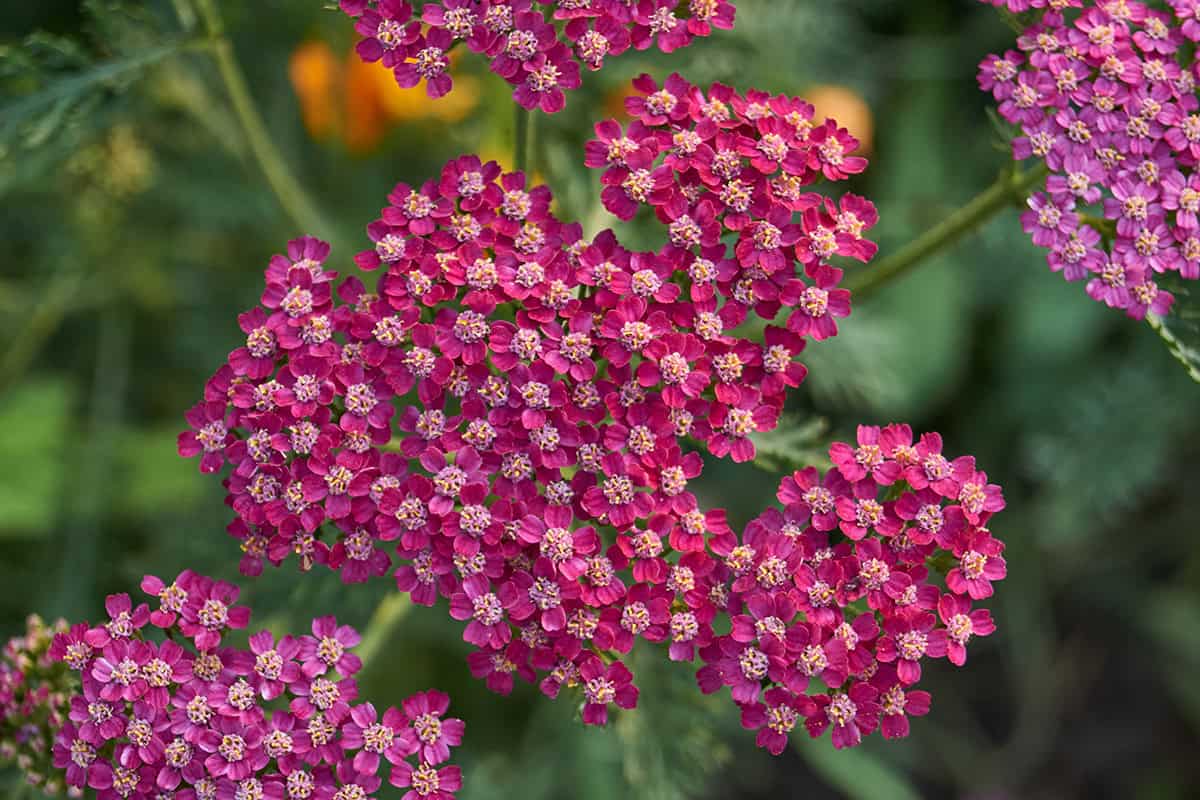
Yarrow’s species name, millefolium, refers to its feathery leaves, and its genus name honors Achilles, who legend says used it on soldiers’ wounds. The flat flower clusters in white, yellow, pink or red draw beneficial insects. It thrives in full sun and poor, dry soil. Avoid it during pregnancy and with ragweed allergies.
Marshmallow Root
Marshmallow roots hold a slippery mucilage traditionally used to soothe sore throats and coughs, and early marshmallow candy was made from it. The tall perennial grows 4 to 5 feet in moist, loamy soil and full sun to partial shade. Harvest roots from plants at least two years old in fall.
Fennel
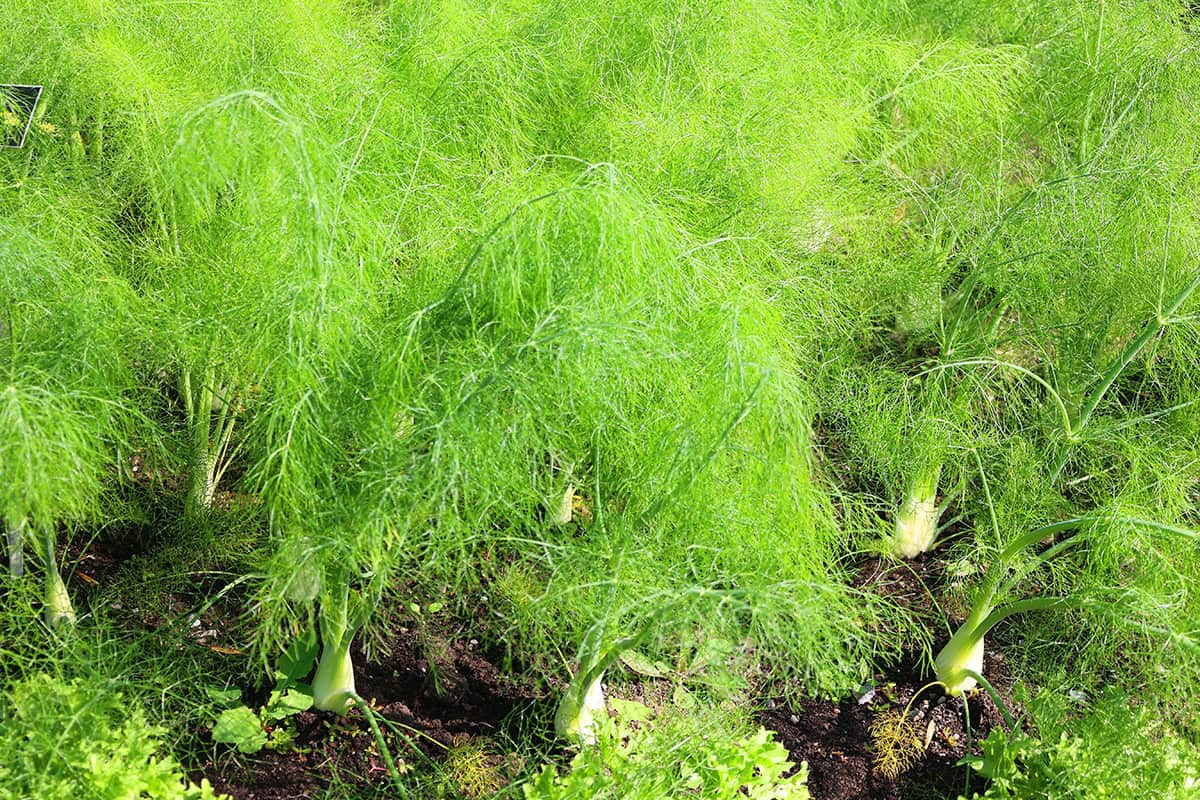
Fennel seeds have long been chewed after meals to ease gas and a bloated stomach. The feathery foliage and yellow flower umbels draw ladybugs, lacewings and swallowtail caterpillars. Plant it in full sun and away from other vegetables, since fennel slows the growth of many neighbors.
Dandelion
Dandelion leaves and roots appear in teas sold for digestion and as a mild diuretic, though detox claims lack strong evidence. The young leaves taste good in salads, and the flowers feed early bees. Harvest only from lawns free of herbicides, and check with a doctor before use alongside diuretics or blood thinners.
Feverfew
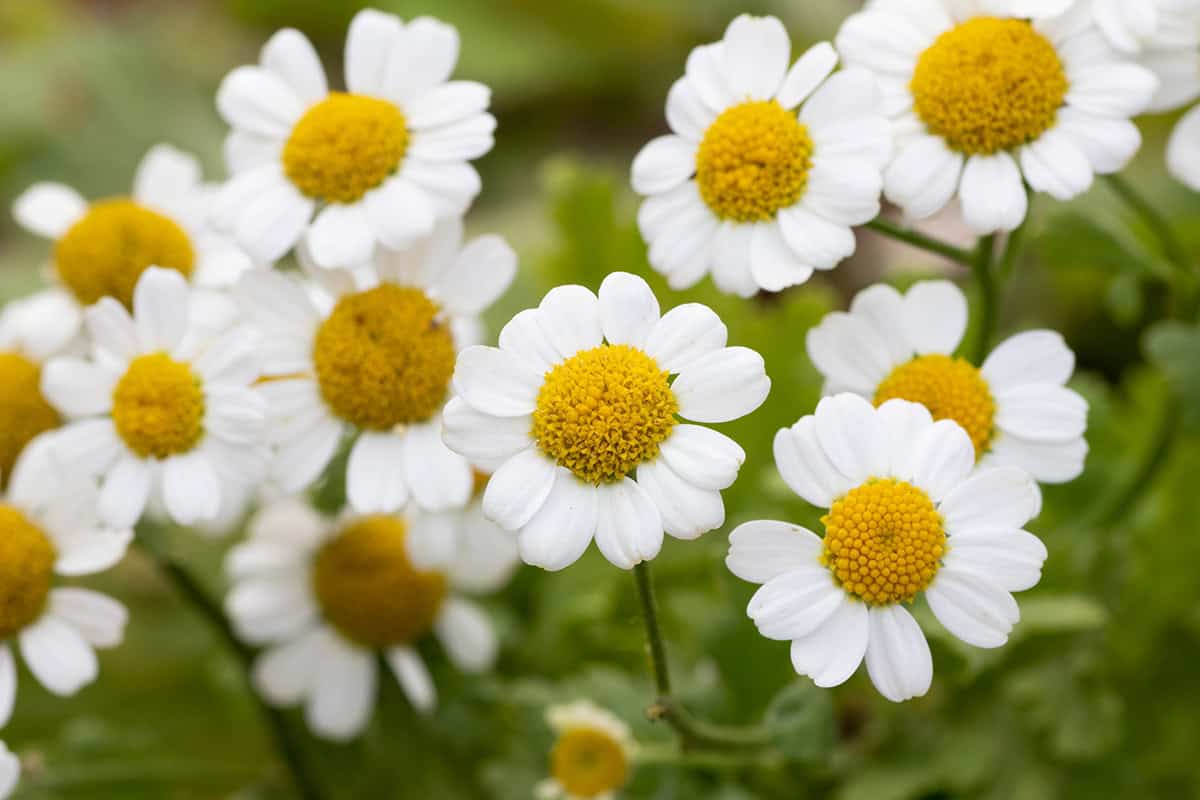
Feverfew has a traditional reputation for preventing migraines, and some clinical trials show a modest benefit. The bushy plant carries small white daisies with yellow centers and self-sows freely in sun and average soil. Pregnant women and anyone on blood thinners should avoid it, and fresh leaves cause mouth sores in some people.
Valerian Root
Valerian root has a long history as a sleep aid, and some studies show it helps people fall asleep a little faster. Tall stems carry clusters of sweet-scented white or pale pink flowers in early summer. The plant grows in moist soil in sun or partial shade and self-sows aggressively, so cut the flowers before seeds form. The dried root smells strongly unpleasant to people, though cats love it.
Catnip
Catnip sends cats into a frenzy, while for people it brews into a mild, restful tea traditionally used for sleep and upset stomachs. The gray-green perennial grows in almost any soil in sun or light shade. It self-sows readily, so grow it in a pot or trim the flowers before they drop seed.
Comfrey
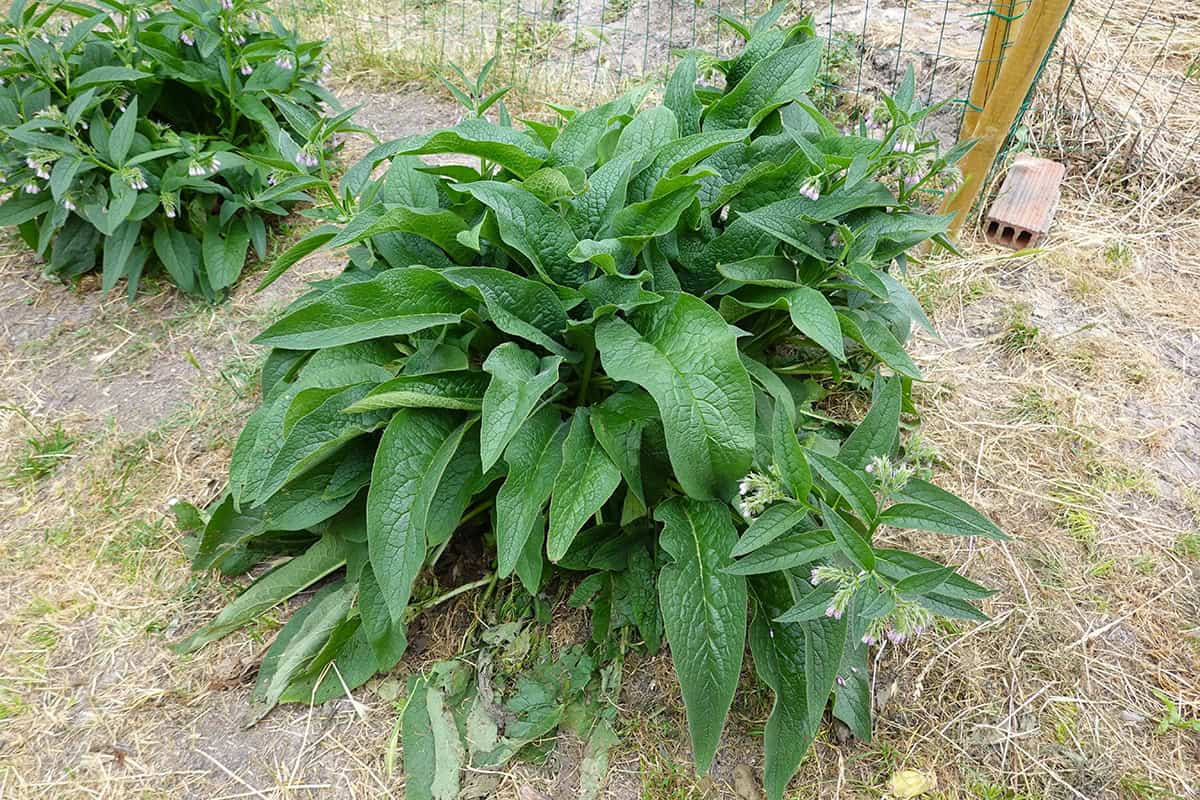
Comfrey’s deep roots pull minerals from the subsoil, and gardeners chop the big leaves as mulch or steep them into a liquid fertilizer. Traditional salves made from the leaves soothe bruises and sprains. Comfrey contains pyrrolizidine alkaloids that damage the liver, so use it only on unbroken skin and never as a tea. Once planted, it regrows from tiny root fragments, so choose its spot carefully.
Plantain Leaf
Broadleaf plantain, the common lawn weed, has long served as a field remedy for insect bites, stings and scrapes. Crushed leaves pressed on the skin soothe itching. It grows almost anywhere, including compacted paths. Harvest only from areas free of lawn chemicals and pet traffic.
Garlic
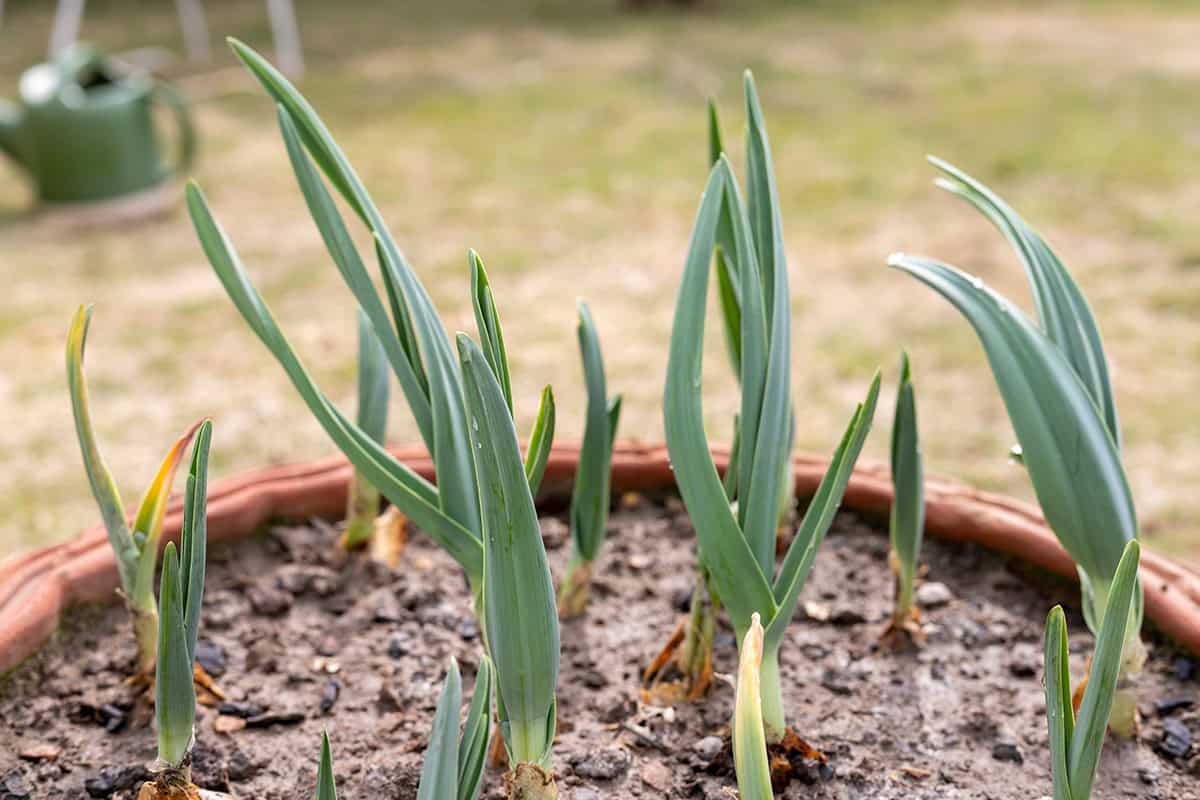
Garlic contains allicin, a compound with antibacterial activity, and regular garlic intake shows a modest effect on blood pressure in studies. Plant cloves in fall, pointy end up, 2 inches deep in full sun, and harvest the following summer once the lower leaves brown. Large supplemental doses thin the blood, so mention garlic supplements to a doctor before surgery.
Ginger
Ginger root has solid evidence for easing nausea, including morning sickness and motion sickness. In spring, plant fresh, plump rhizomes from the grocery store in a wide pot of rich mix, with the buds facing up. It needs warmth, filtered light and steady moisture. Harvest small pieces after about four months, or the whole plant after eight to ten months.
St. John’s Wort
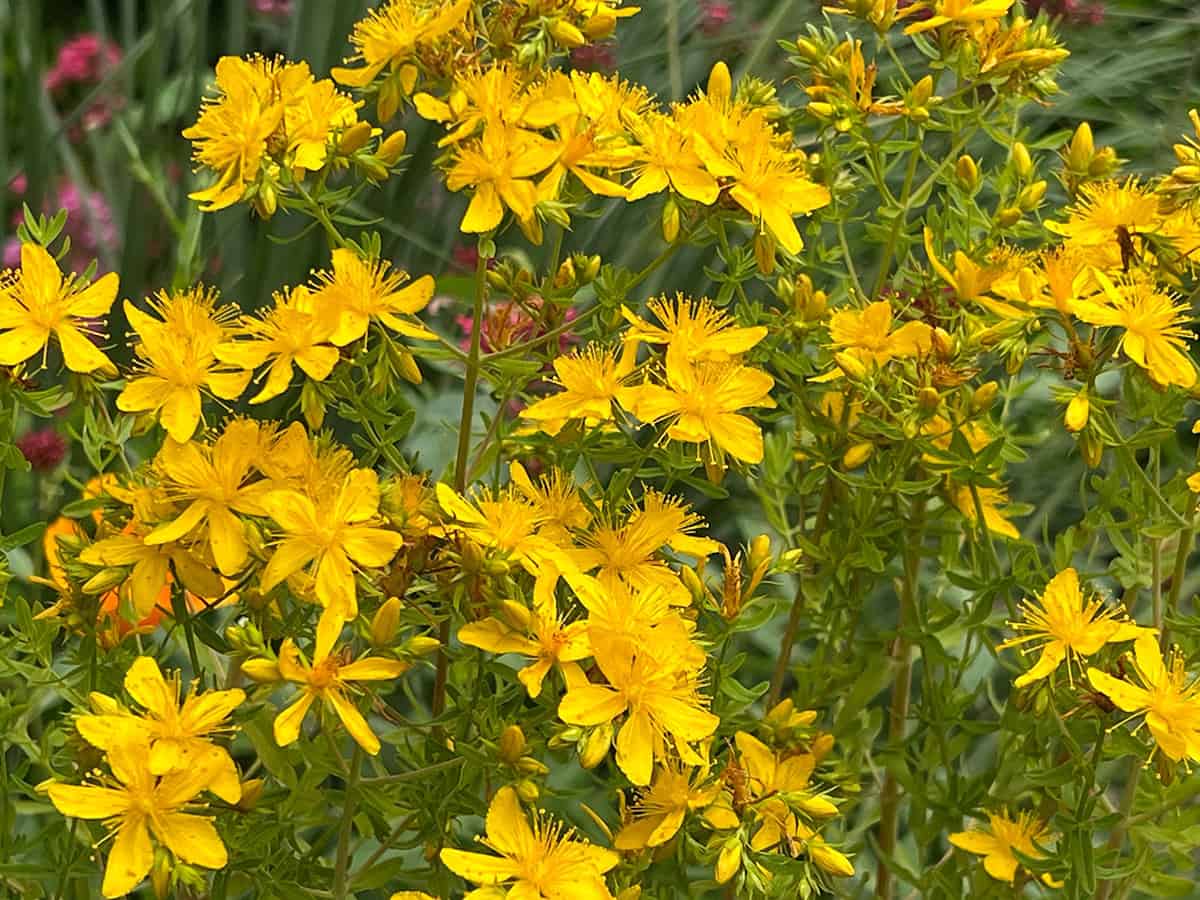
St. John’s wort shows real benefit for mild to moderate depression in clinical studies. It also interacts dangerously with many medications, including antidepressants, birth control pills and blood thinners, so a doctor’s advice comes first. The shrubby perennial produces bright yellow, star-shaped flowers in summer and grows in full sun and well-drained soil. It spreads invasively in parts of the western United States.