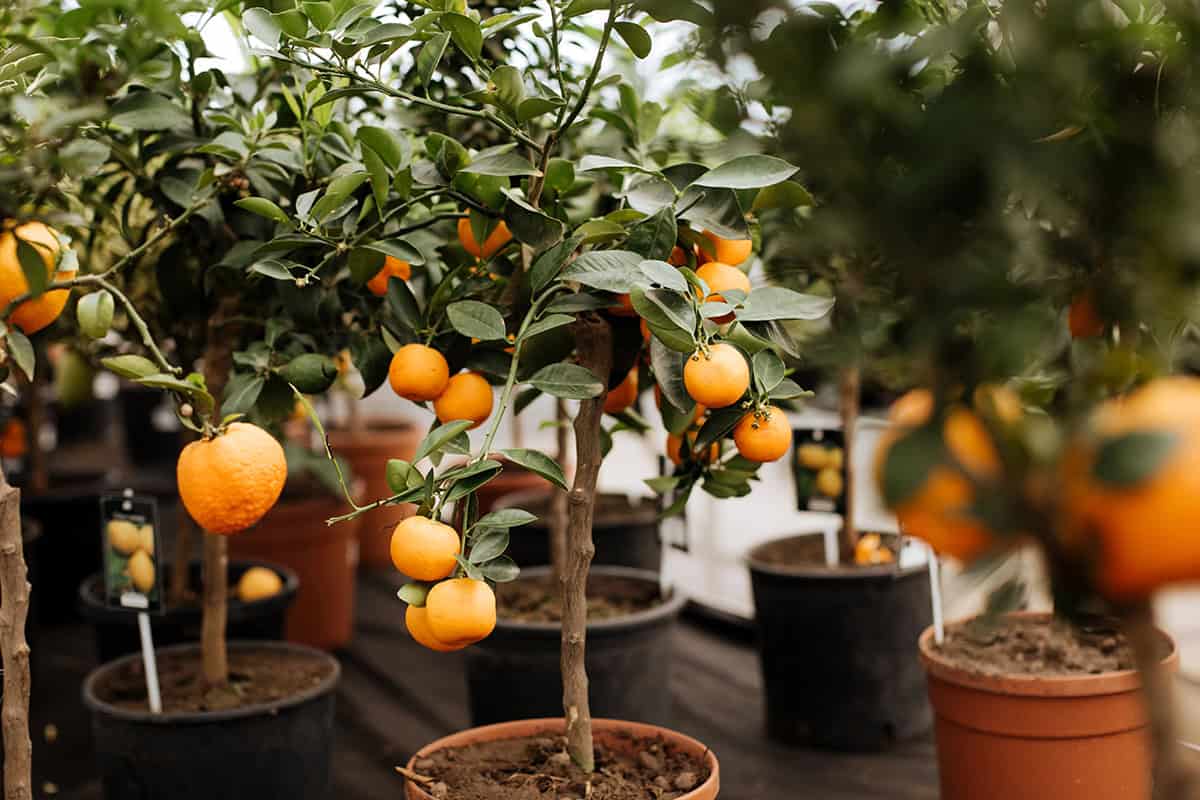
No yard, no problem — that stopped being an excuse the moment dwarf fruit trees became a thing. A sunny spot and a decent pot is all the real estate you actually need. I put together 25 of the easiest options so you don’t have to guess. Check them out.
Table of Contents
- Fruit Trees You Can Grow In Pots
- Meyer Lemon
- Calamondin Orange
- Dwarf Lime (Key Lime or Persian Lime)
- Dwarf Fig Tree
- Dwarf Apple Tree
- Dwarf Peach Tree
- Dwarf Nectarine Tree
- Dwarf Cherry Tree (Sweet or Sour Varieties)
- Dwarf Plum Tree
- Dwarf Apricot Tree
- Dwarf Pear Tree
- Pomegranate
- Dwarf Banana Plant
- Dwarf Avocado (Wurtz/Little Cado)
- Olive Tree
- Guava Tree
- Mulberry (Dwarf or Compact Varieties)
- Loquat Tree
- Dwarf Papaya
- Kumquat Tree
- Strawberries
- Blueberries
- Raspberries
- Grapes
- Kiwi (Hardy Kiwi)
Fruit Trees You Can Grow In Pots
Compact fruit trees make it possible to harvest from patios, balconies, or rooftops. Picking dwarf or container-friendly varieties helps you manage soil, moisture, and space, while still enjoying a steady supply of fruit. Pruning, feeding, and getting the sunlight right go a long way—these little trees can stay healthy and keep producing for ages.
Meyer Lemon
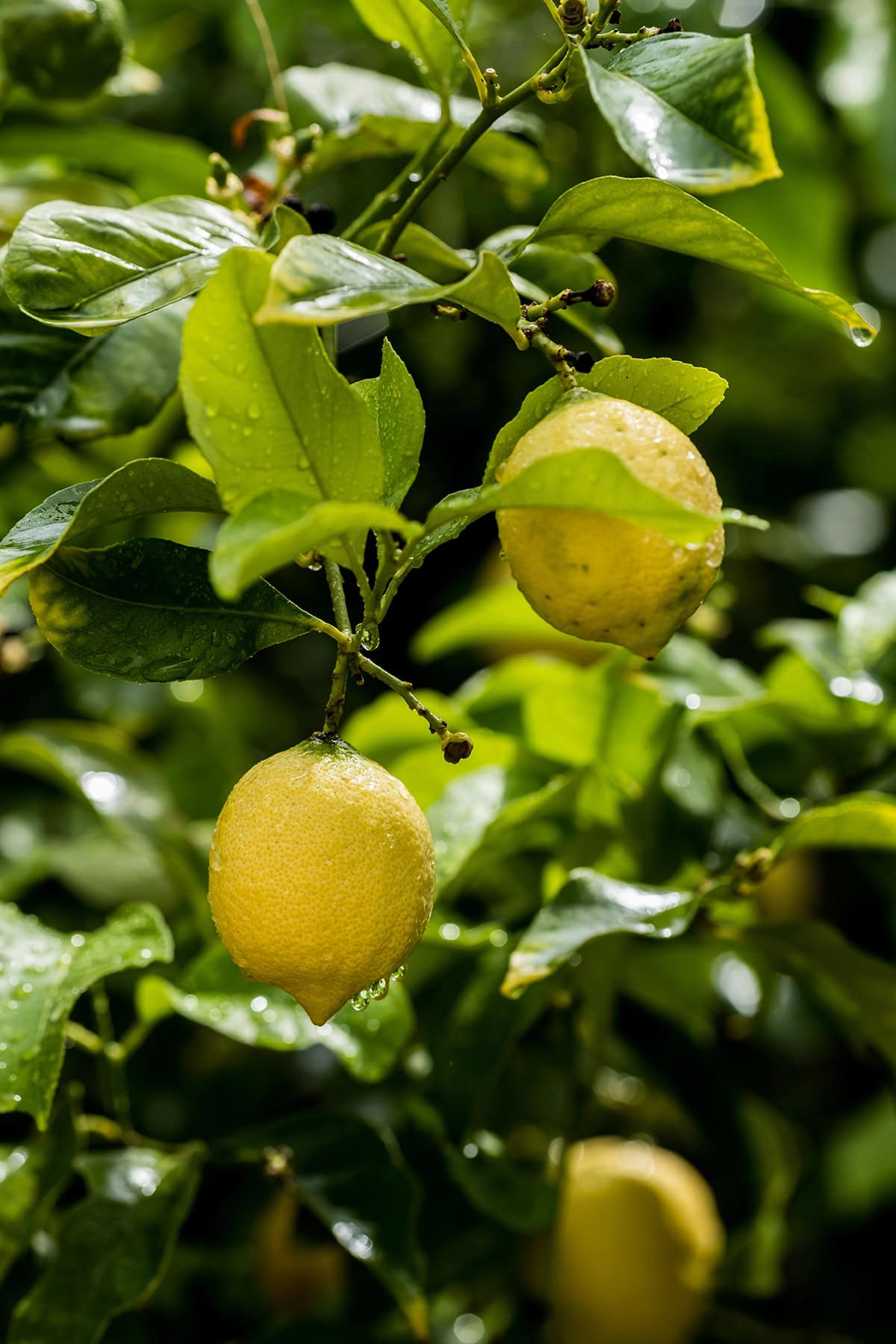
This citrus is a classic for pots, with fragrant flowers and sweet, thin-skinned lemons. Give it a roomy pot—10 to 15 gallons is about right—and lots of sun, at least six hours a day if you can swing it.
Let the soil dry out a bit between waterings, but don’t let it bake. Use a citrus-specific soil that drains well, and toss on some balanced fertilizer every month when it’s growing. If you get cold winters, drag it inside before frost. It’s possible to get several crops a year if you’re attentive.
Calamondin Orange
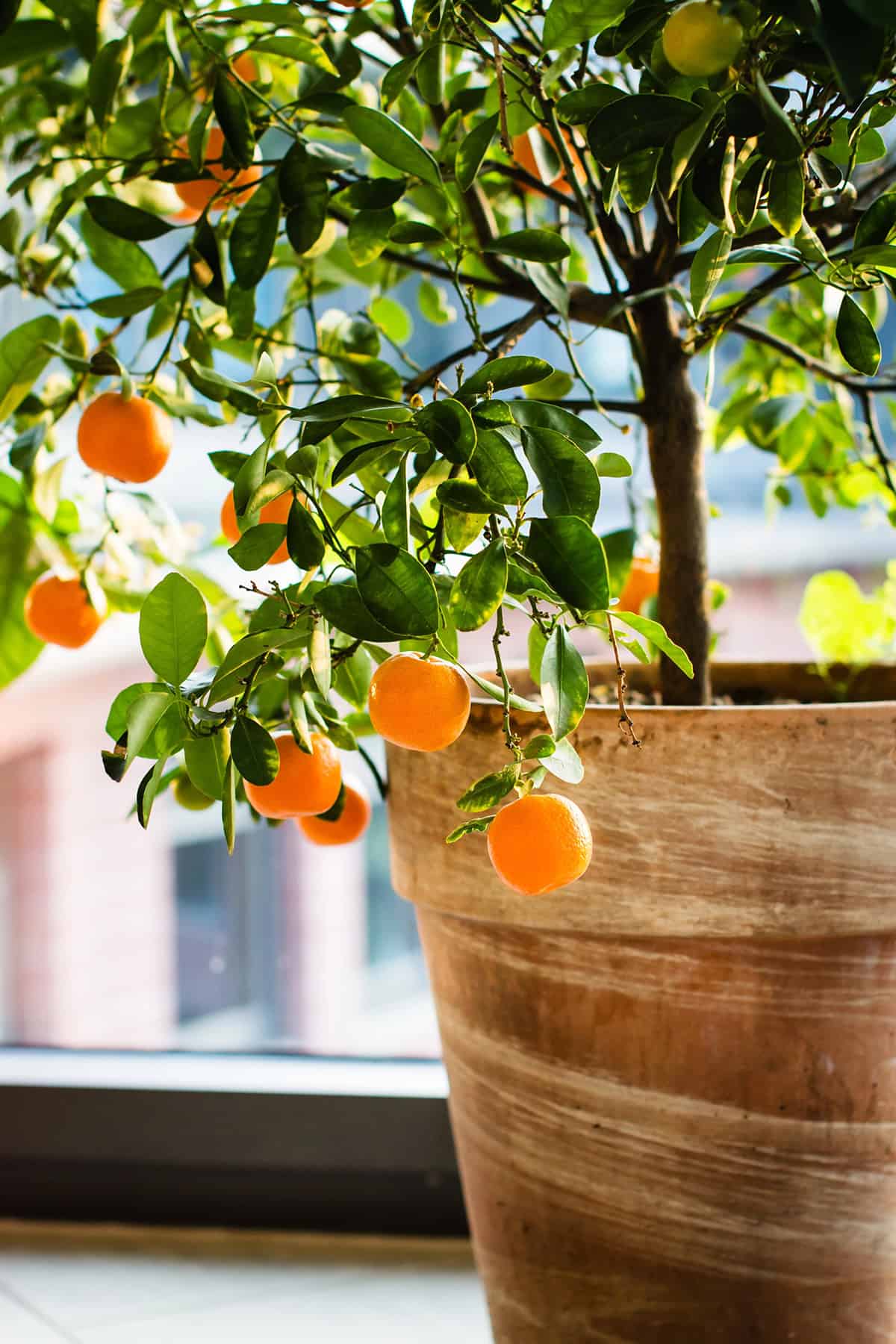
This little hybrid gives you small, tart fruits that look like mandarins. It’s happy in bright spots and tolerates life indoors. The glossy leaves and white flowers look great, too.
Keep the soil moist but not soggy, and mix in some perlite for drainage. Trim it a bit after you pick the fruit to keep things tidy. Feed regularly in spring and summer. With enough warmth and light, you might see fruit all year.
Dwarf Lime (Key Lime or Persian Lime)
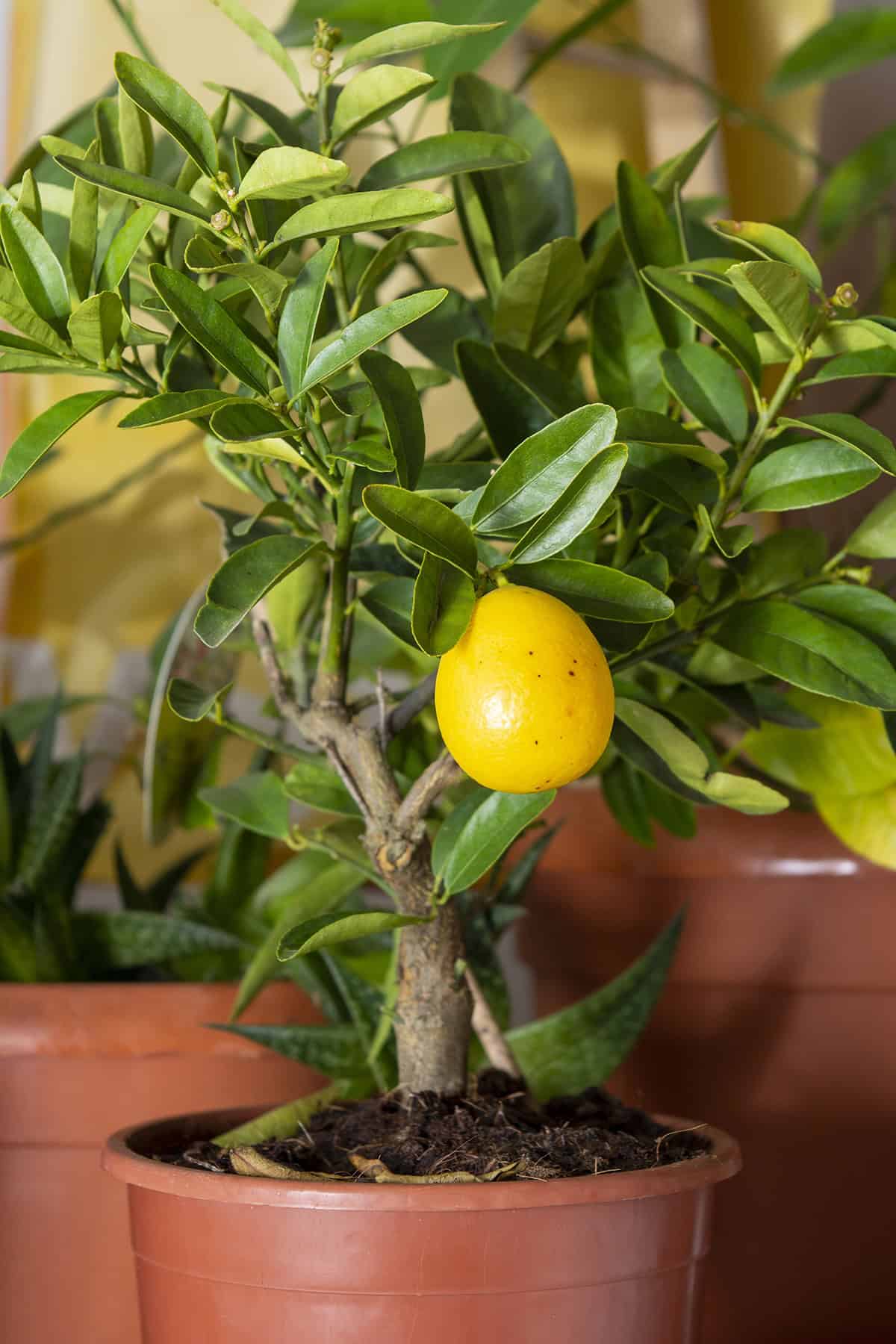
Dwarf limes need warmth and sun for good fruit. They like well-aerated pots and quick-draining, rich soil. Both Key and Persian limes can fit on a small patio and still give you a decent crop once they settle in.
Water when the top inch of soil feels dry. If it gets chilly—below 50°F—move them inside. Prune out dead or tangled branches. Fertilize about every six weeks during the growing months. Limes usually ripen eight to nine months after the flowers show up.
Dwarf Fig Tree
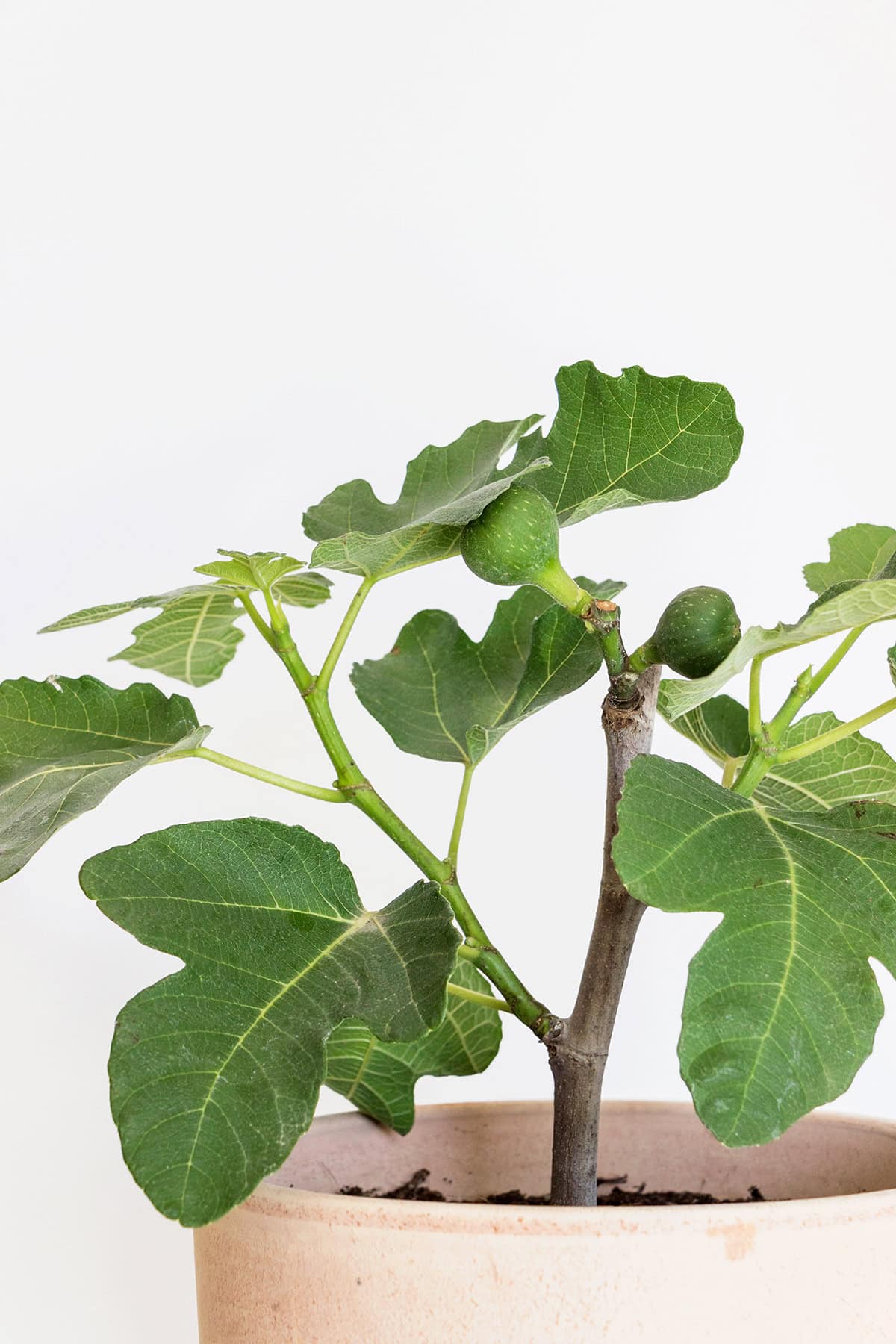
Compact figs are surprisingly adaptable in pots and will fruit on new wood. They’re happiest with at least six hours of sun and a warm, sheltered spot. Go for a coarse, fast-draining soil mix.
Water deeply, but let the soil dry a bit before watering again. Feed monthly in summer. When winter comes, move the pot somewhere protected. You might even get two crops a year if you keep up with pruning and care.
Dwarf Apple Tree
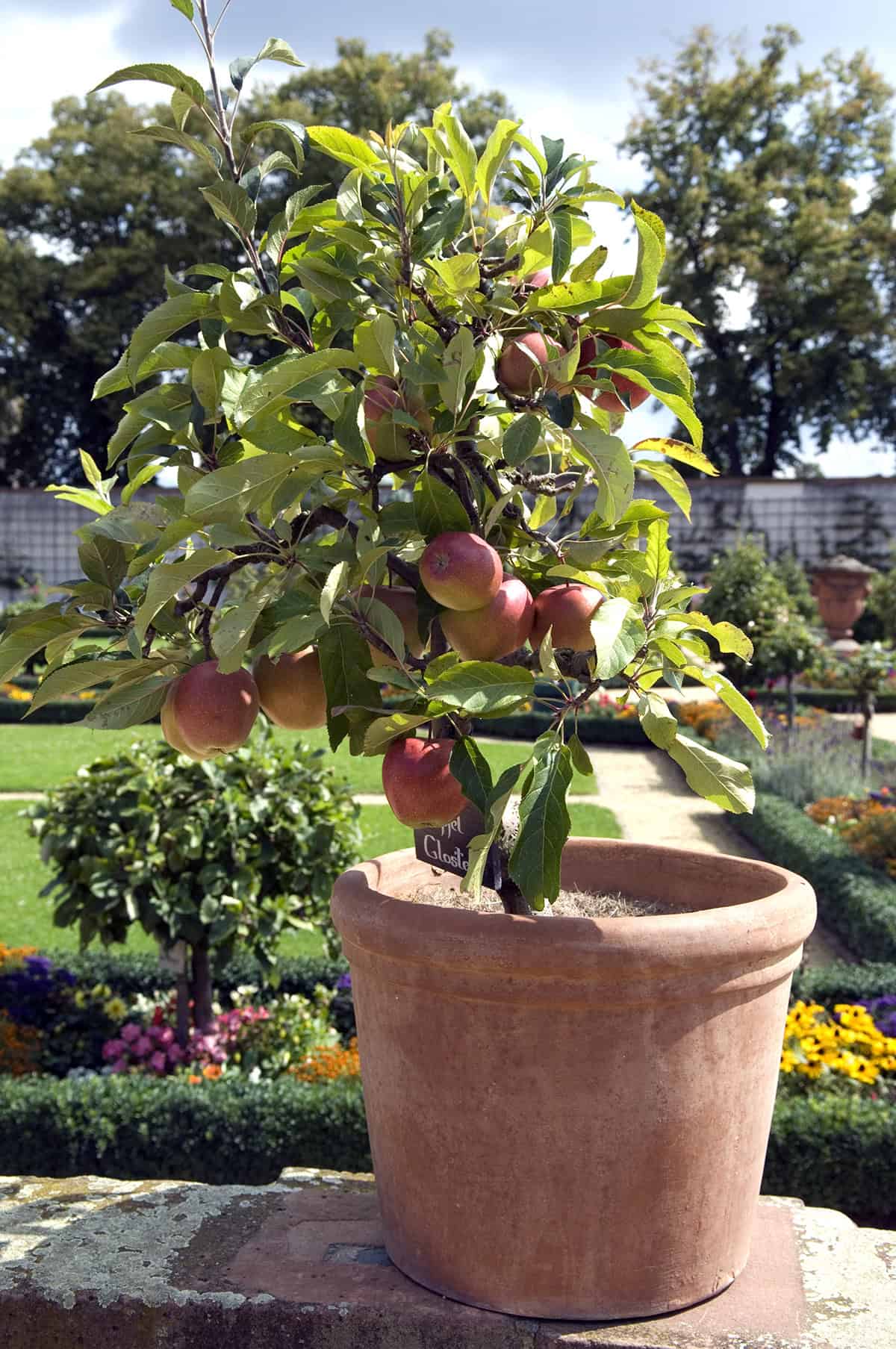
These are grafted on dwarf rootstocks, so they stay small but still give you full-sized apples. Pick a variety that works with your local climate and chill hours. A ten-gallon pot is plenty for several years.
They want full sun for the best color and flavor. Some need a pollinator, so check if your variety is self-fertile. Keep soil moist but not soggy, and feed in spring and summer. A good annual prune helps keep branches strong and air moving through the canopy.
Dwarf Peach Tree
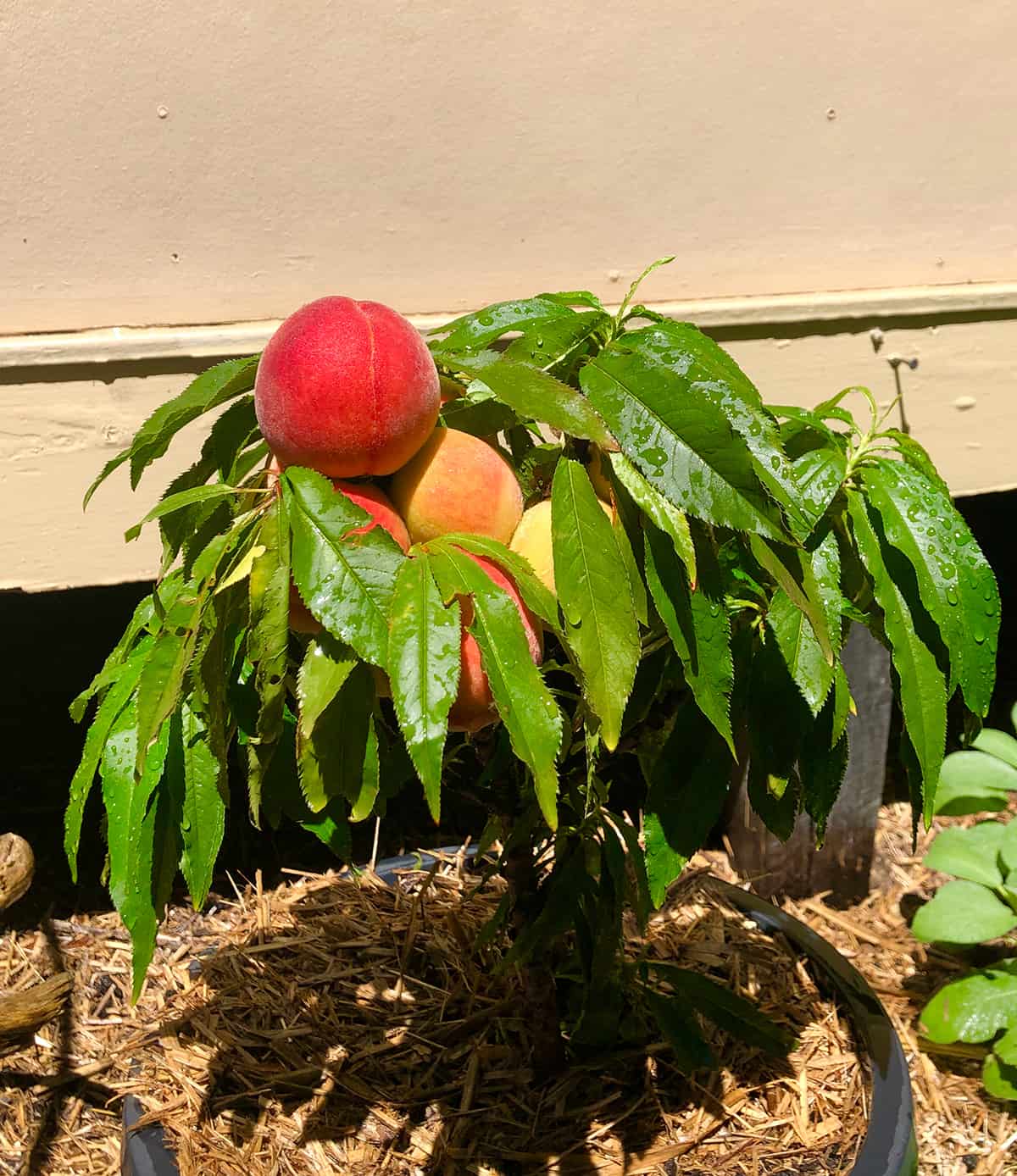
Peaches in pots? Absolutely, if you stick with dwarf types and lots of sun. They need warmth and a steady supply of food. Sandy loam soil drains well and keeps roots happy.
Water when the top of the soil dries out. Mulch helps keep things even. If you get frost, bring the tree inside. Thin the fruit early for bigger, tastier peaches. Prune in spring to remove dead wood and push new growth. With luck, you’ll see fruit in two to three years.
Dwarf Nectarine Tree
Dwarf nectarines like ‘Nectazee’ are made for pots. They need full sun and soil that drains easily. The fruit is best if you let it ripen right on the tree.
Water evenly during the growing season. Feed monthly with a nitrogen- and potassium-rich fertilizer. Snip off suckers below the graft. After harvest, prune lightly. If winter gets cold, protect or bring the tree inside.
Dwarf Cherry Tree (Sweet or Sour Varieties)
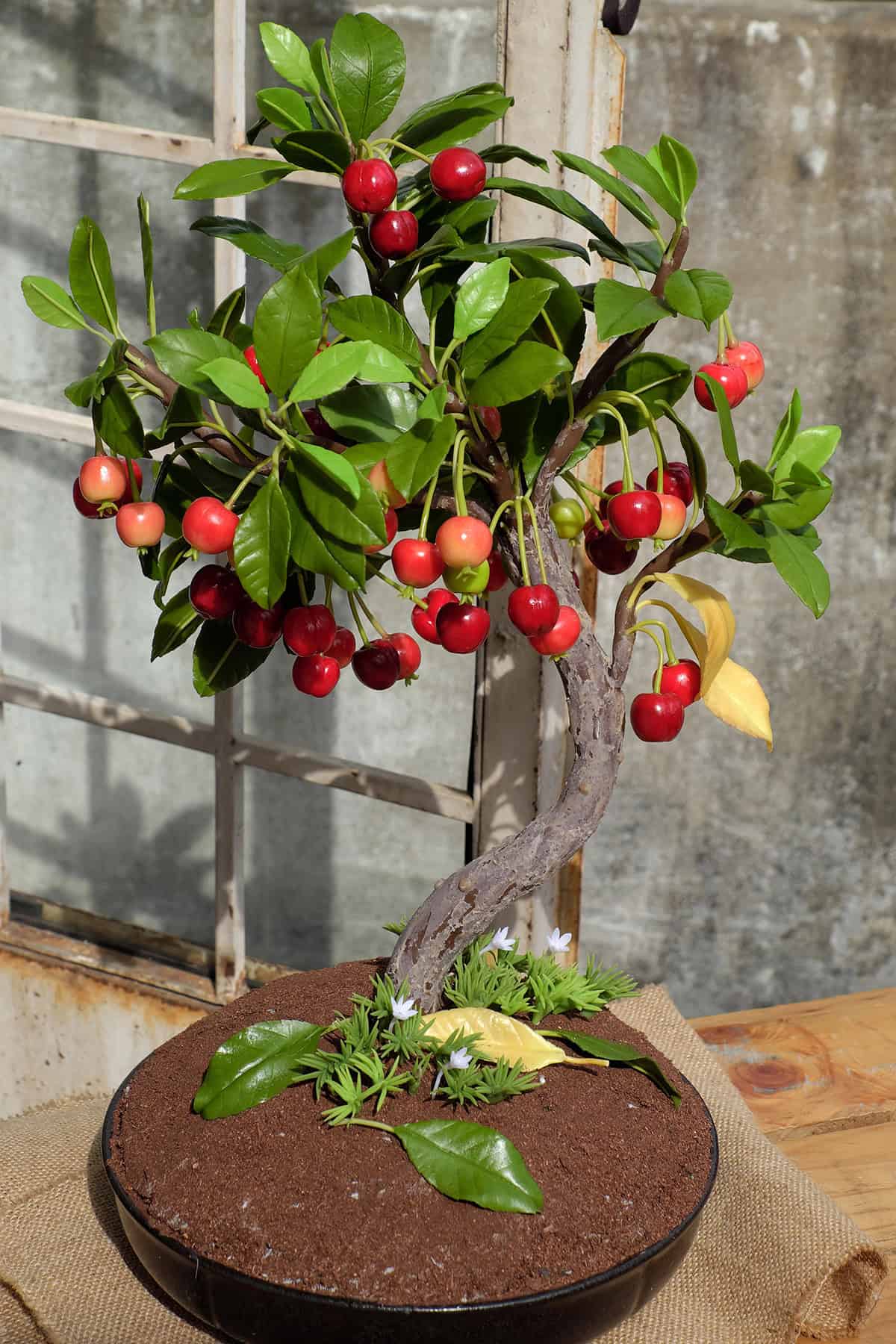
Cherries can work in big containers—16 inches wide is a good start. Self-fertile types like ‘Stella’ or ‘Compact Stella’ are easiest. They’re fussy about drainage and need plenty of light for flowers.
Eight hours of sun is ideal. Keep the soil evenly moist, but ease up in winter. Use a potassium-rich fertilizer to help fruit set. Prune after harvest to keep the canopy open. Birds love cherries, so you might want to cover the tree when fruit is ripening.
Dwarf Plum Tree
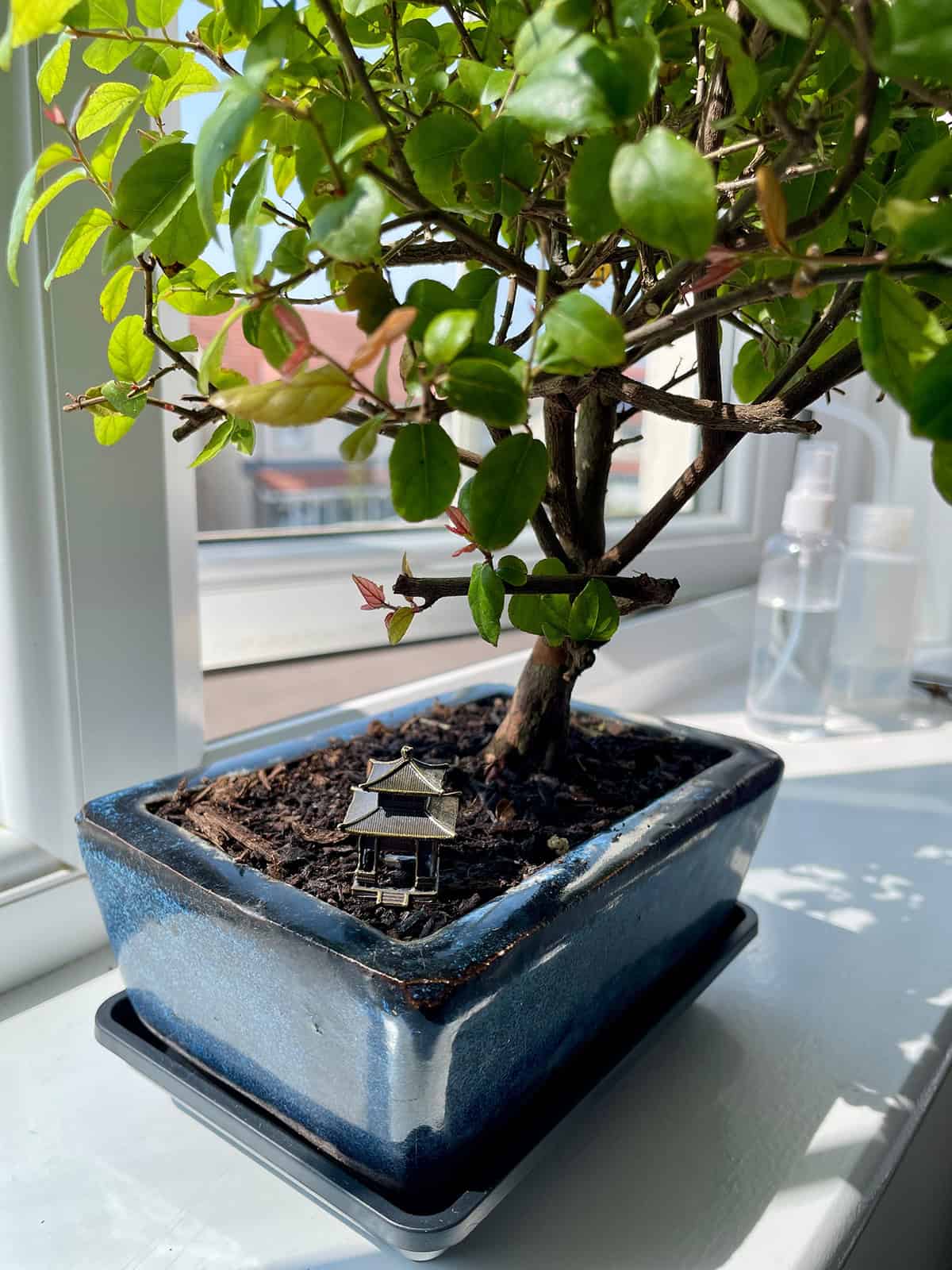
Dwarf plums can crank out fruit fast in pots if you give them what they want. Go for self-pollinating types like ‘Santa Rosa’. They like full sun and rich, well-drained soil.
Water during flowering and fruiting. A balanced fertilizer in spring helps. Lightly prune after harvest. Watch for pests like aphids and treat quickly. In steady conditions, you’ll get plums by midsummer each year.
Dwarf Apricot Tree
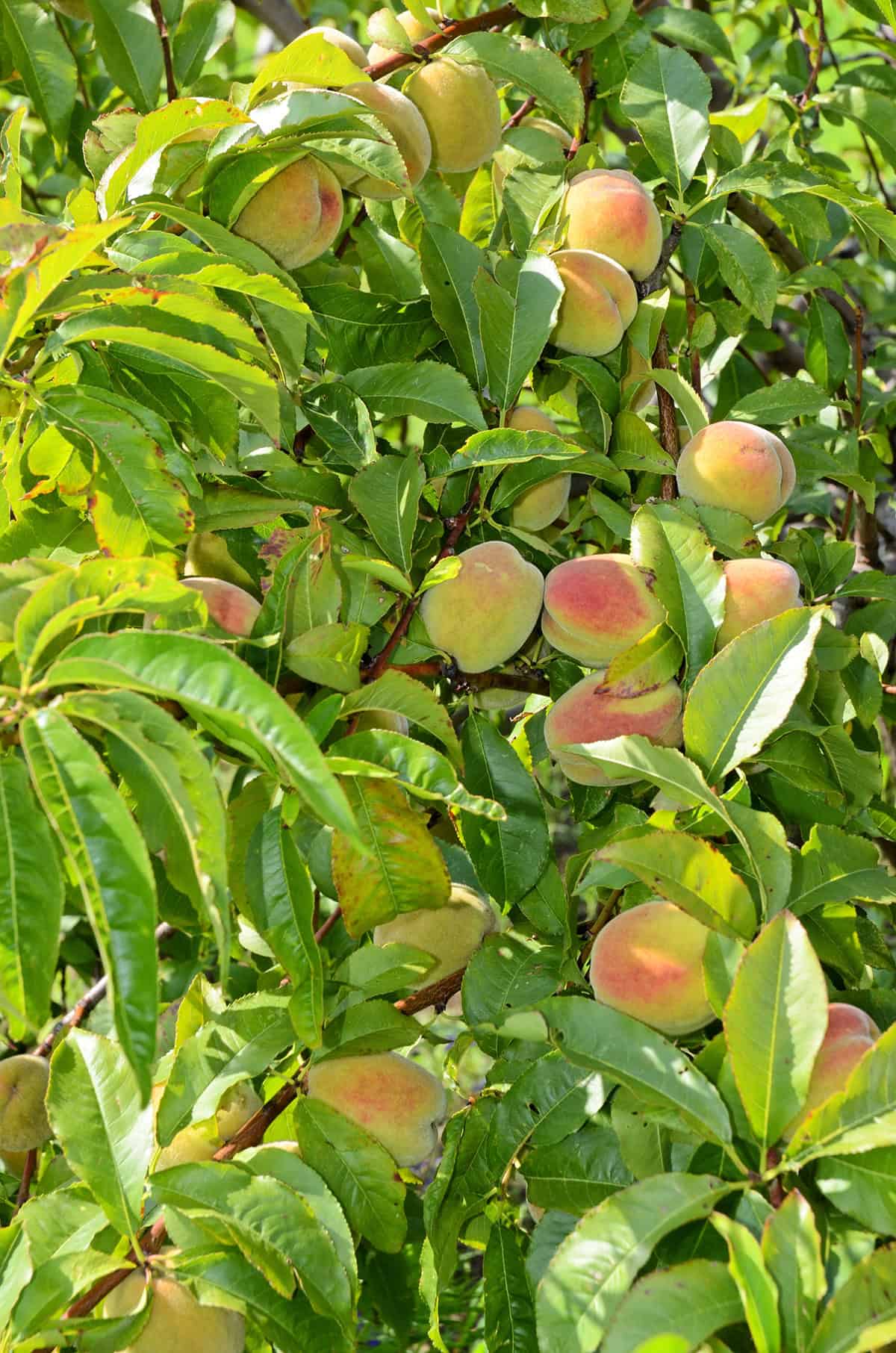
Apricots in pots bring color and sweetness to a small area. Try a dwarf like ‘Garden Annie’. They need full sun and warmth to really thrive.
Deep containers with loamy, well-drained soil work best. Water when the top layer dries out. Fertilize every few weeks in spring and early summer. Cover flowers if frost threatens. Thin fruit when it’s marble-sized for bigger, healthier apricots.
Dwarf Pear Tree
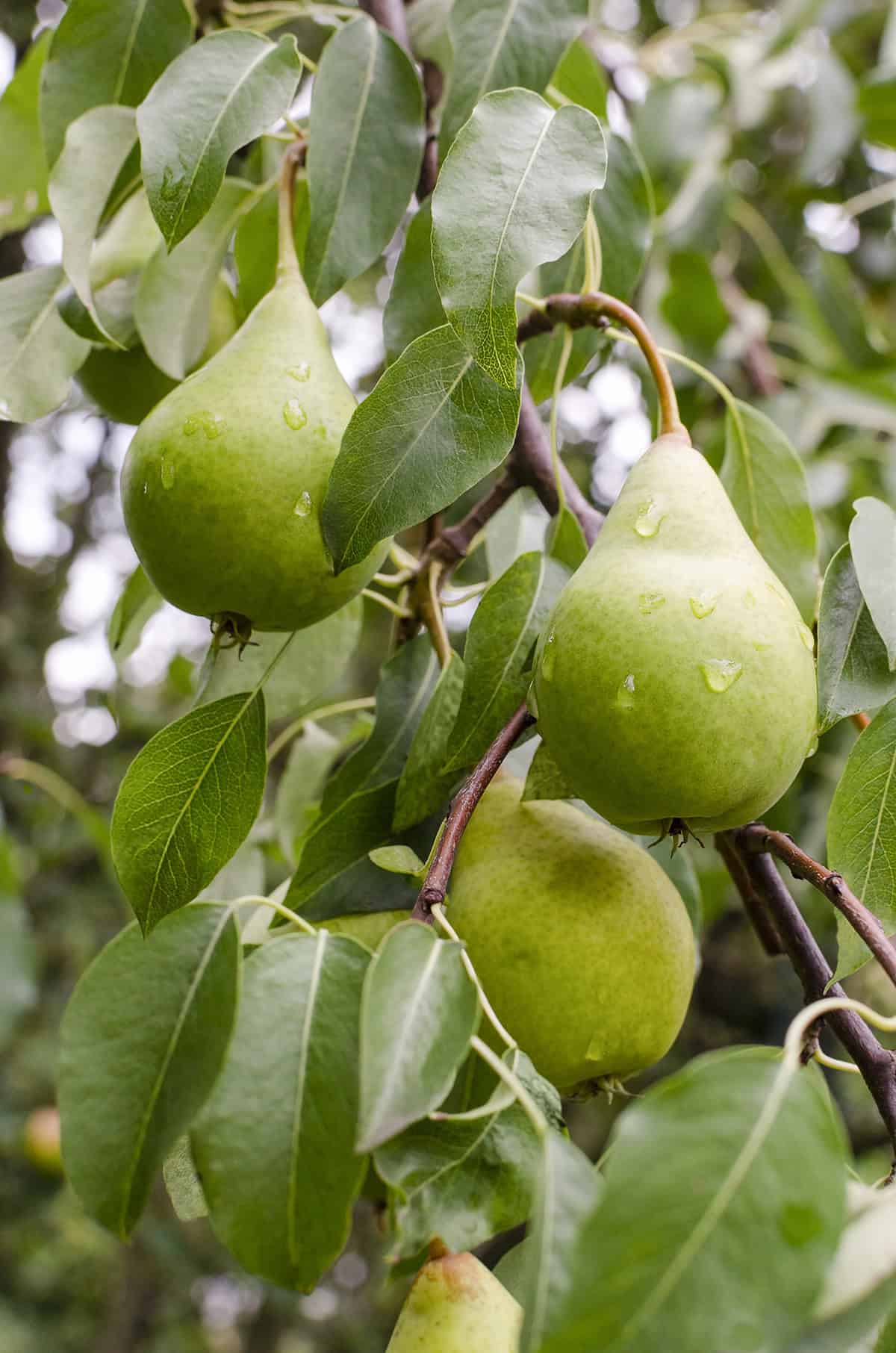
Dwarf pears need plenty of sun and good soil to make crisp fruit. Some are self-pollinating, but two trees can mean more pears. A medium-sized pot gives roots room to spread.
Water deeply once a week, more if it’s hot. Use organic fertilizer in spring and midsummer. Thin heavy clusters to protect branches. Pears need some winter chill, so outside is usually best. Prune when dormant to shape and space the fruit.
Pomegranate
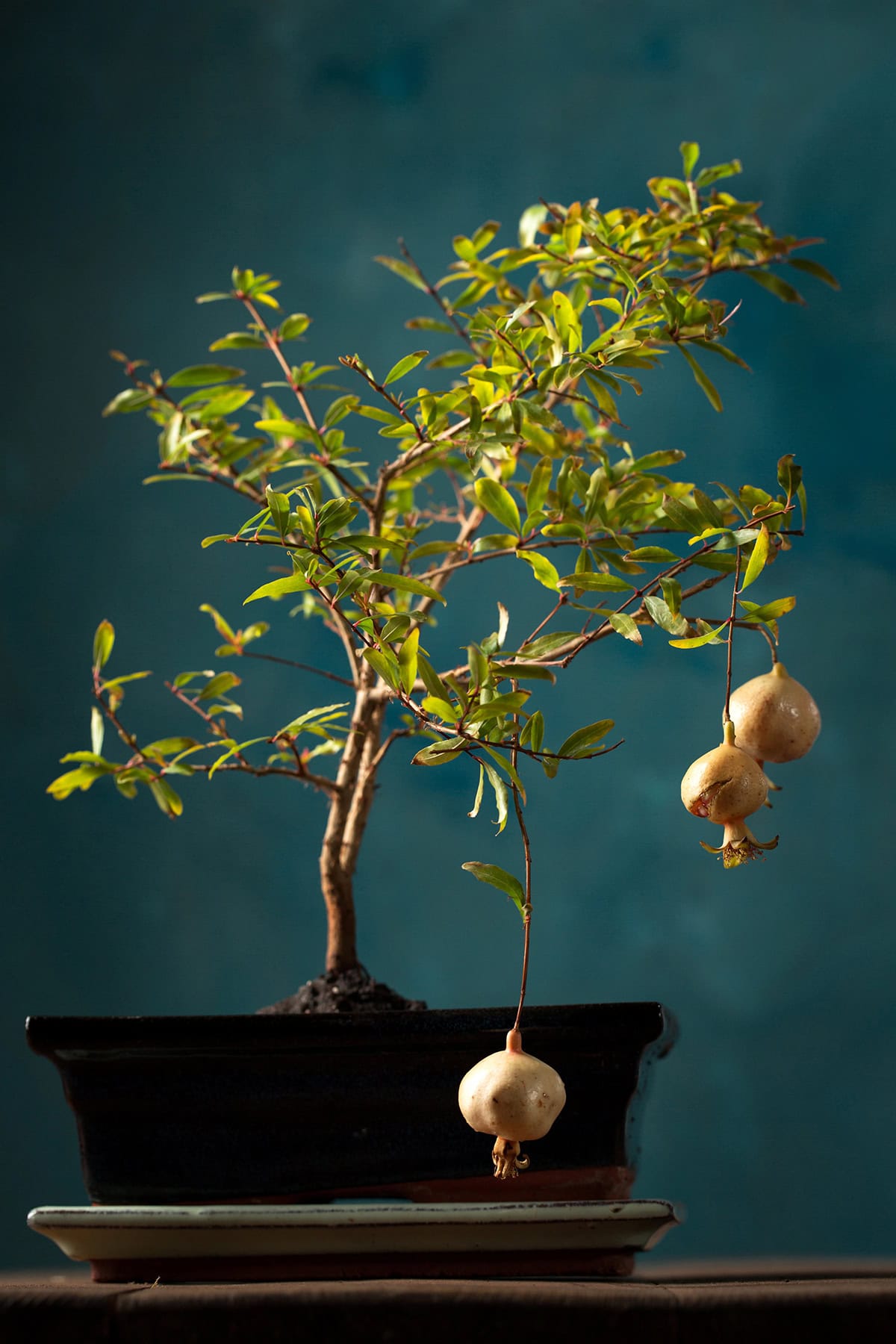
Pomegranates don’t mind heat and actually do well in pots with sun. Dwarf types like ‘Nana’ give you small but tasty fruit, and the flowers are a bonus.
Good drainage is a must. Water when the top dries out. Feed monthly during growth. Bring inside if it freezes where you live. Prune after harvest to keep it compact and healthy.
Dwarf Banana Plant
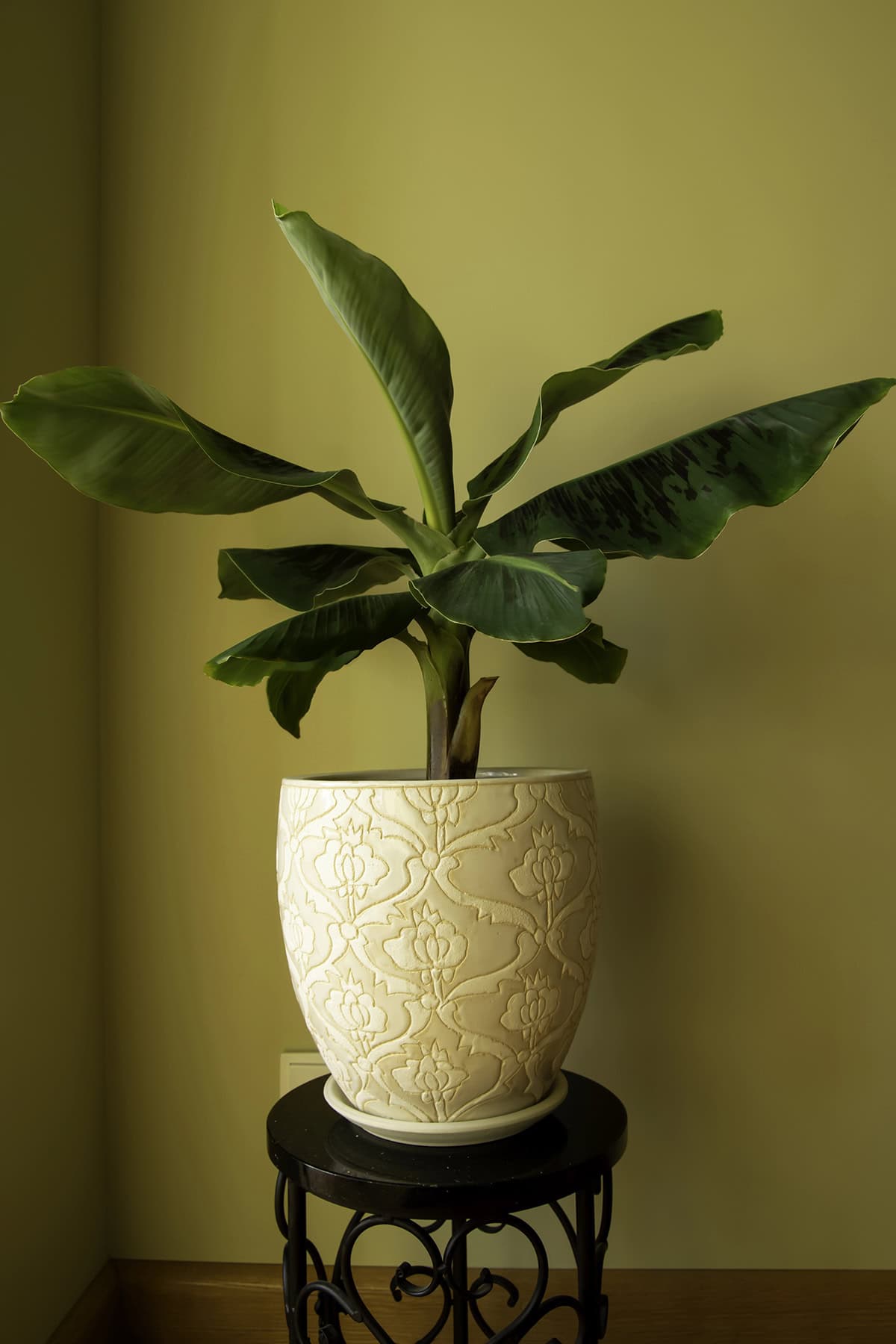
You can even get bananas indoors if you pick a compact variety like ‘Super Dwarf Cavendish’. They top out under eight feet and like rich, airy soil.
Keep soil moist but not soaked. Bright light—near a window or under grow lights—is a must. Feed monthly with potassium-rich food. Bananas need warmth, so keep them above 60°F. If conditions are right, you’ll see bananas in a year or two.
Dwarf Avocado (Wurtz/Little Cado)
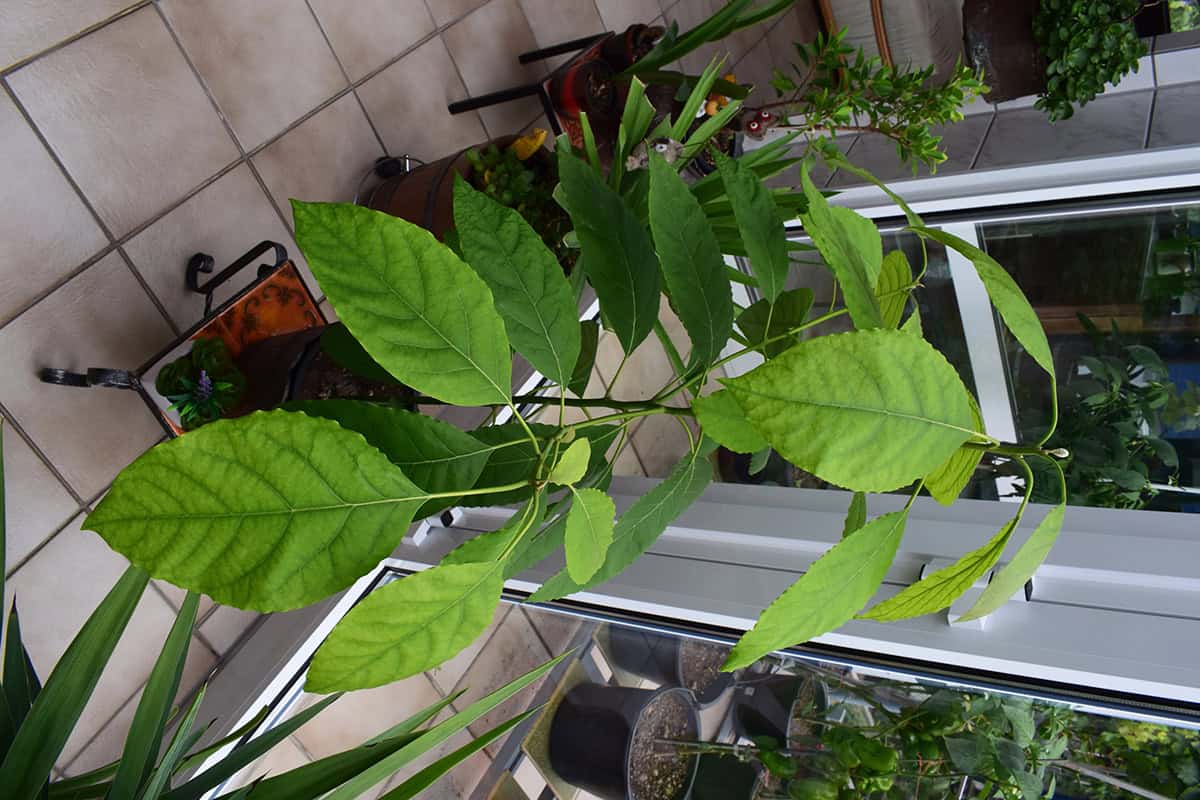
‘Wurtz’ or ‘Little Cado’ is a good pick for creamy avocados on a small tree. Needs full sun and a deep, sandy, well-drained pot.
Keep the soil moist but never soggy. Fertilize three times a year with citrus food. If frost is in the forecast, move it inside. Prune just enough to keep it manageable. Fruit can take three or four years, but it’s worth the wait.
Olive Tree
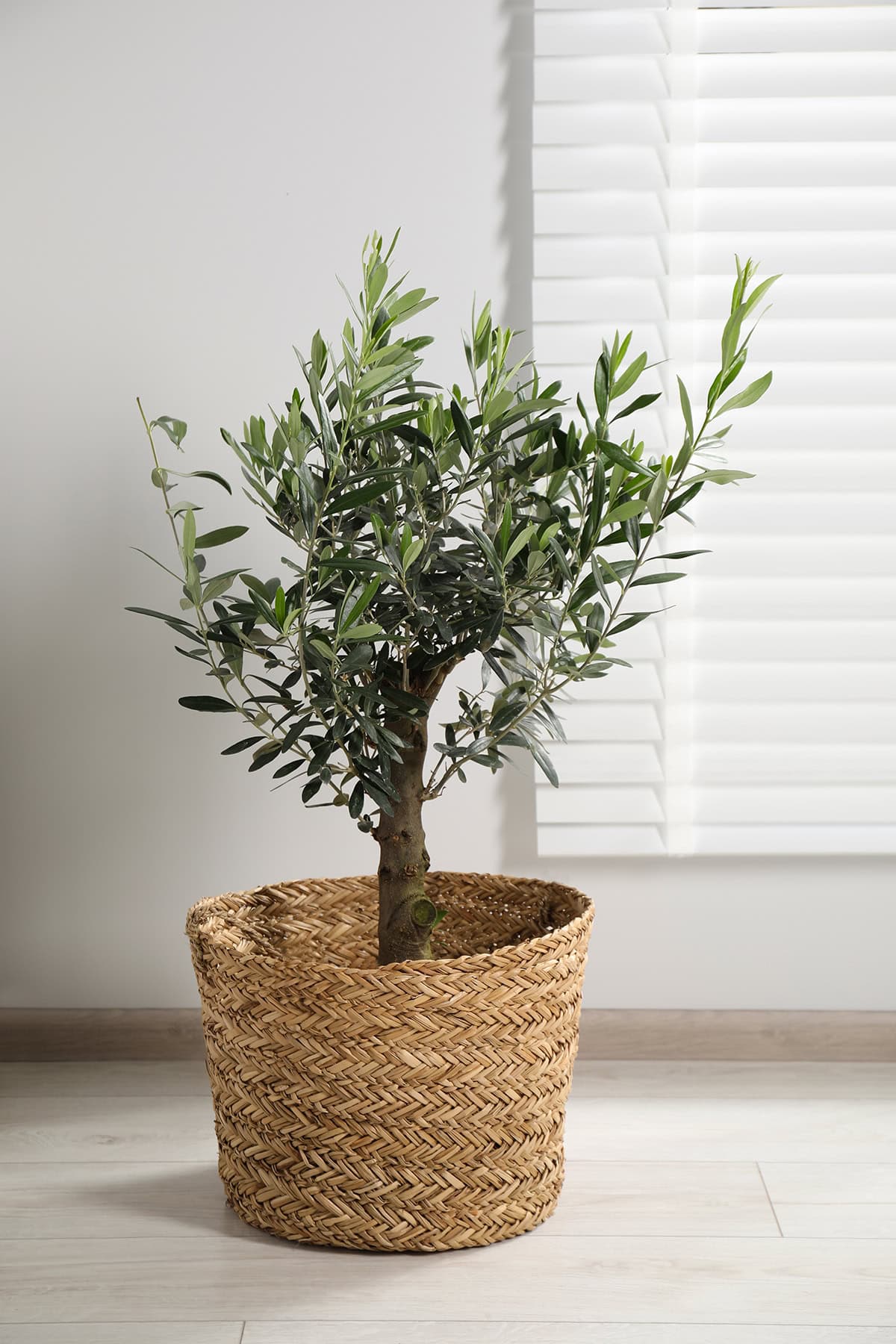
Olives are surprisingly easy in containers. Dwarf types like ‘Arbequina’ are perfect. They want full sun and don’t like humidity.
Let the soil dry out between waterings. Olives are drought-tolerant, but hate soggy roots. Fertilize lightly in spring and midsummer. If winter is harsh, bring them inside or into a greenhouse.
Guava Tree
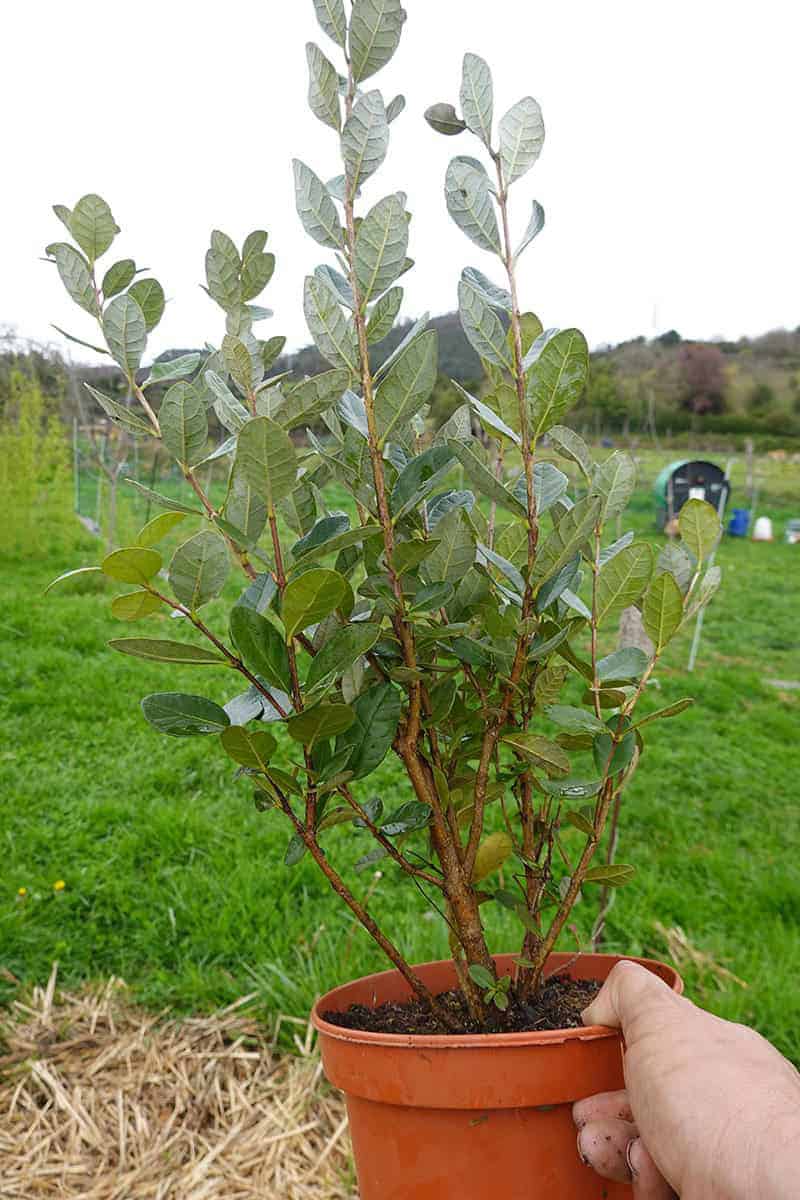
Guavas are tropical, but you can grow them in pots with enough sun and warmth. Loamy, well-aerated soil with some organic matter works best.
Water more when young, less as they mature. Feed every few weeks during the growing season. Prune to keep the shape and let light in. You might see fruit in two or three years if you keep it warm.
Mulberry (Dwarf or Compact Varieties)
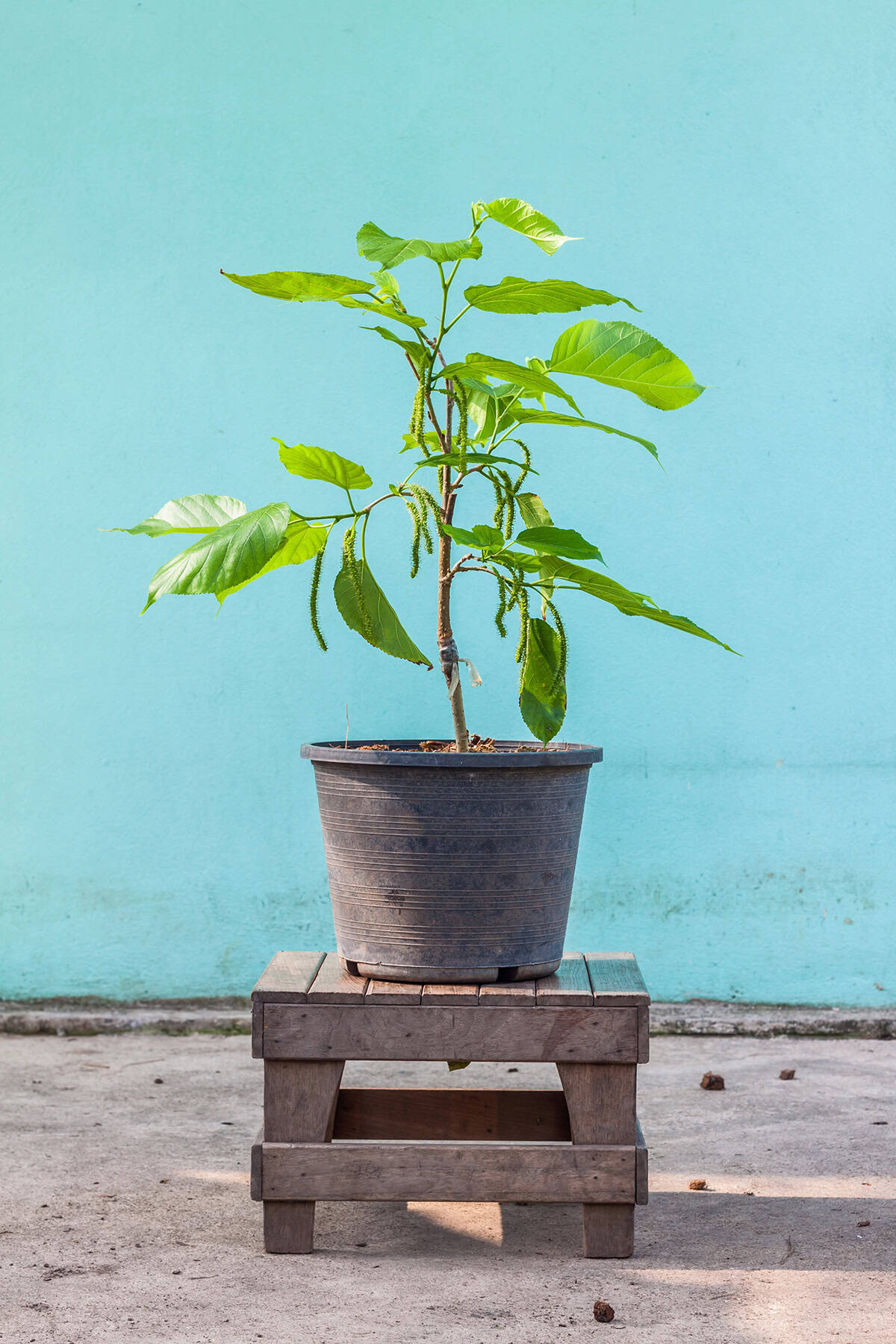
Dwarf mulberries are fun—sweet berries on a tree that fits in a pot. They like full sun and a rich, slightly acidic soil. A 12- to 15-inch pot is enough to start.
Keep soil moist during fruiting, but ease up in cooler months. Fertilize in spring and early summer. Prune after harvest to keep things tidy. Birds will go after the berries, so netting might be needed.
Loquat Tree
Loquats give you clusters of mild, sweet fruit and can handle life in a container. They need lots of light and moderate watering. A loamy soil with compost is a good bet.
Water deeply, then let the soil dry halfway before watering again. Fertilize two or three times a season. Move the pot somewhere sheltered if frost threatens. Trim regularly to keep the canopy balanced.
Dwarf Papaya
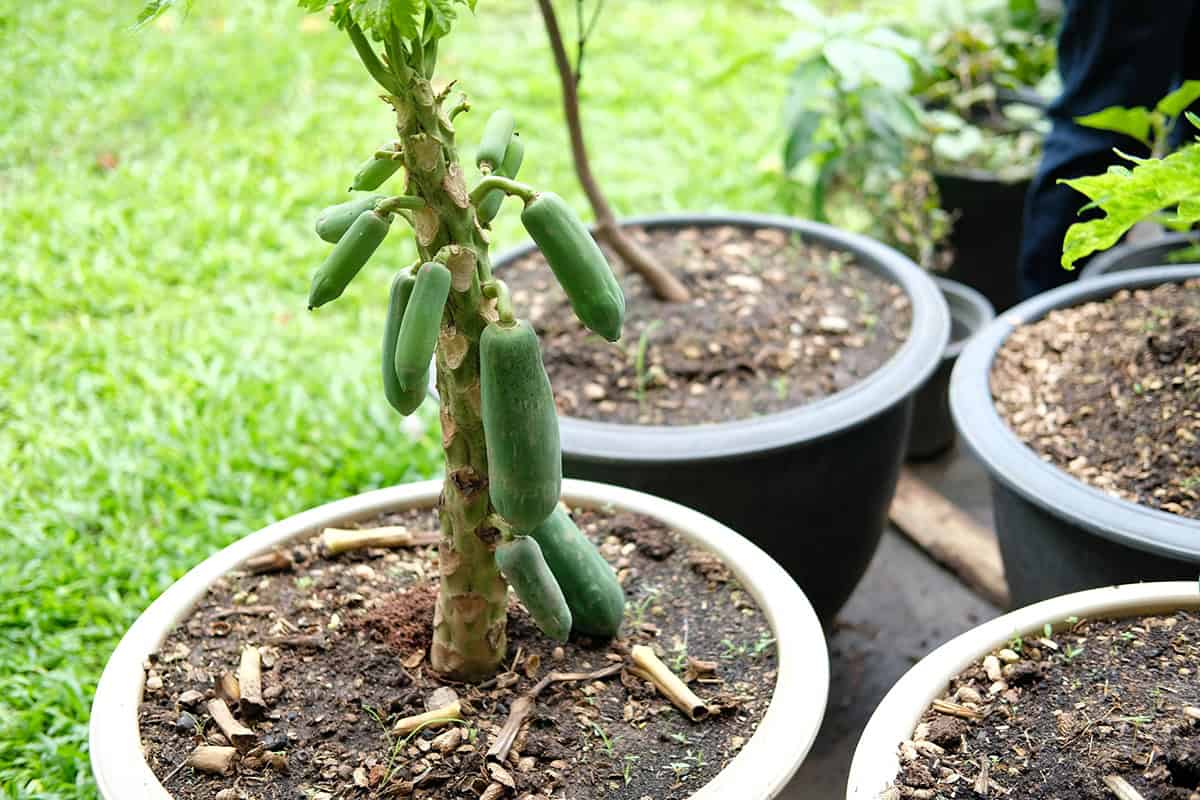
Papayas grow fast and can fruit in under a year if you pick a dwarf variety. They need warmth and direct sun, no getting around it.
Use a large pot with drainage holes and light, airy soil. Keep the root zone moist, but not waterlogged. Feed monthly with a high-nitrogen fertilizer. Protect from cold and wind, especially when young. Remove old leaves now and then for better airflow and light.
Kumquat Tree
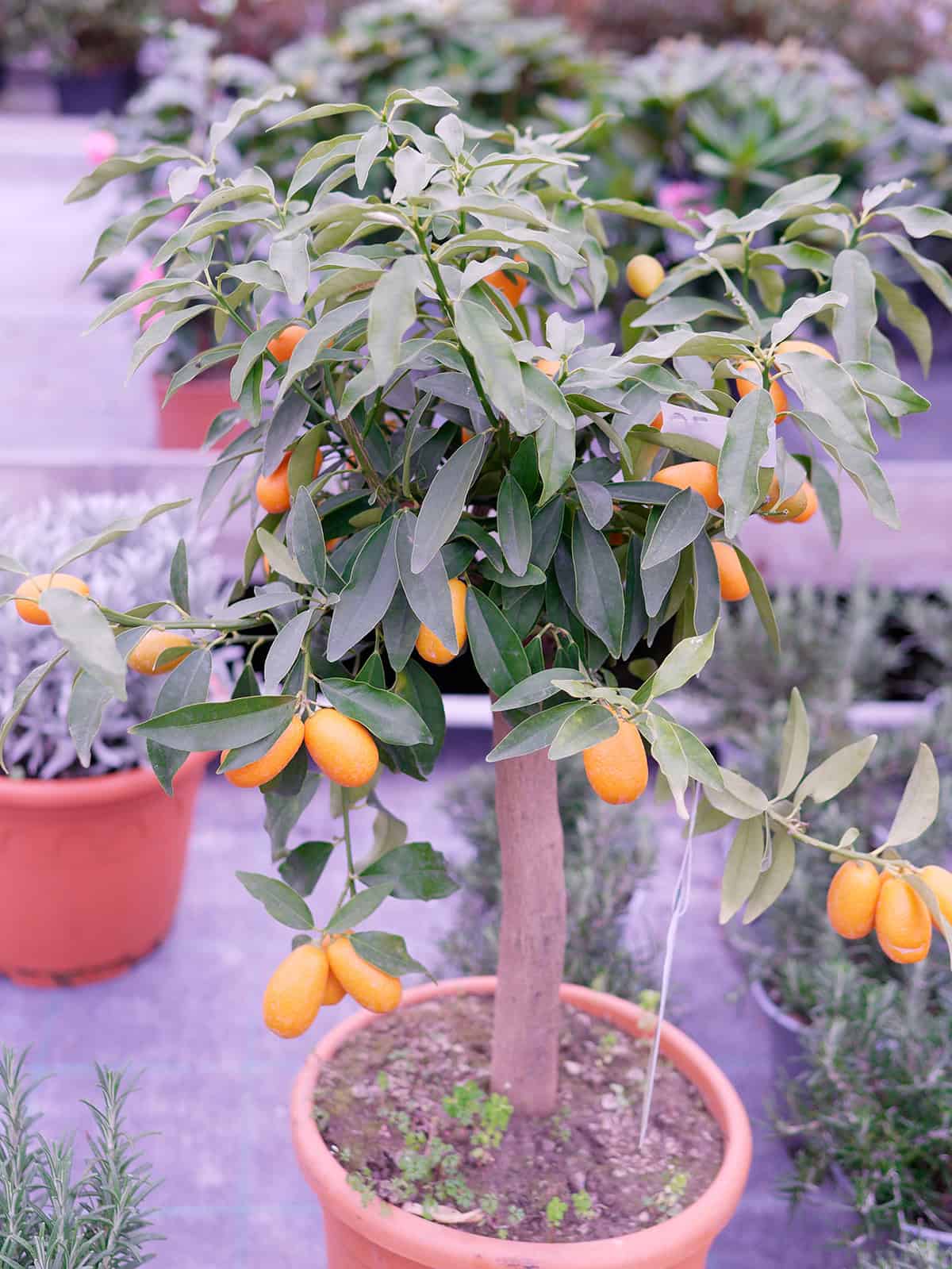
Kumquats produce these quirky little fruits—tiny, edible, with that sweet peel and a punchy tart inside. They’re surprisingly happy in pots, as long as you’re willing to give them a bit of attention. Sunlight really makes the flavor pop, so don’t skimp on that.
Water deeply when the topsoil feels dry to the touch. Citrus fertilizer every month or so during the warmer seasons keeps them humming along. Snip them back after you pick the fruit if they’re getting a bit wild. If you’re somewhere chilly, you’ll want to drag the pot inside once winter starts nipping. With steady care, you might even get a few rounds of fruit each year—nature’s little bonus.
Strawberries
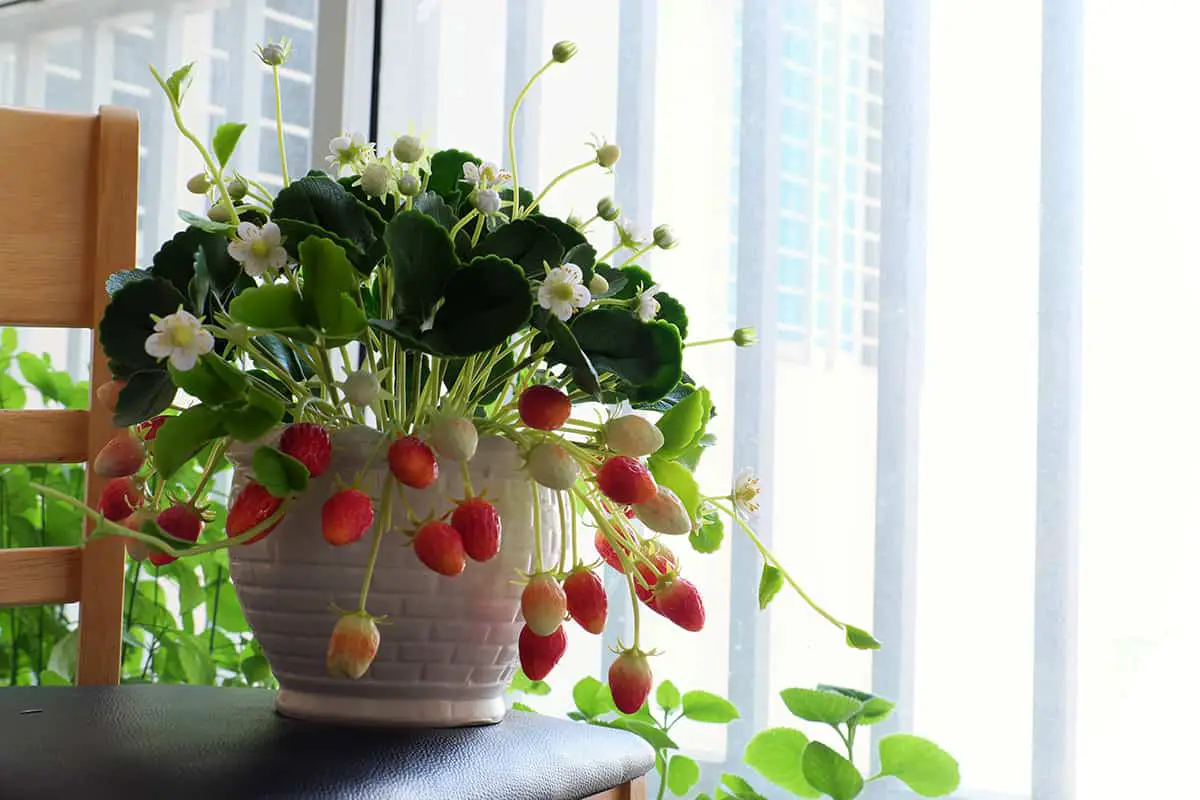
- Pot Size: Choose pots at least 18 inches across and 8 inches deep.
- Recommended Varieties: Consider ‘Albion’ or ‘Seascape’ for their hardiness.
- USDA Zones: Ideal for zones 5-8, but can vary with the variety.
Strawberries settle comfortably into wide containers and begin producing fruit sooner than many other berries. Their shallow roots make them a natural fit for pots, especially on patios, balconies, or small garden corners that receive plenty of sun.
Fill the container with fertile potting mix that drains easily. The soil should remain evenly moist without staying wet. A sunny location encourages strong flowering and sweeter berries.
Leave about 12–18 inches between plants so air can circulate around the leaves and fruit. Feed lightly during the growing season with a balanced fertilizer. With steady care, a small container can provide repeated harvests through the season.
Blueberries
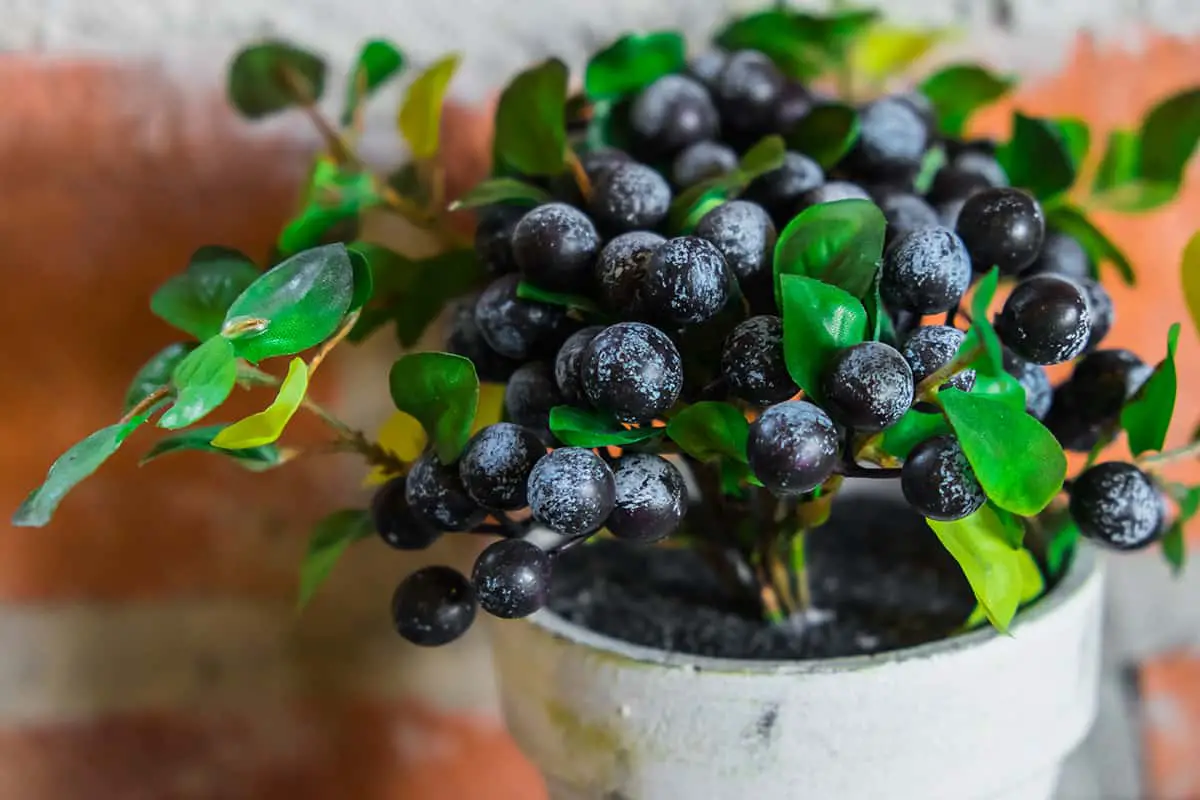
- Pot size: Minimum 24 inches deep, 24-30 inches wide.
- Recommended varieties: ‘Top Hat’, ‘Jelly Bean’, ‘Peach Sorbet’.
- USDA zones: Zones 3-10 with proper care.
Blueberries respond well to container life because the soil conditions can be carefully controlled. These shrubs prefer acidic soil, something that can be difficult to maintain in many garden beds but much easier to manage inside a pot.
<p”>A wide container gives their shallow root system enough room to spread while holding moisture longer. Fill the pot with an acid-loving plant mix and place it where the shrub receives at least six hours of sunlight each day.
<p”>Consistent watering keeps the soil slightly damp. A layer of mulch helps slow moisture loss. Fertilize with an acid-forming fertilizer designed for blueberries or azaleas to keep the plant healthy and productive.
Raspberries
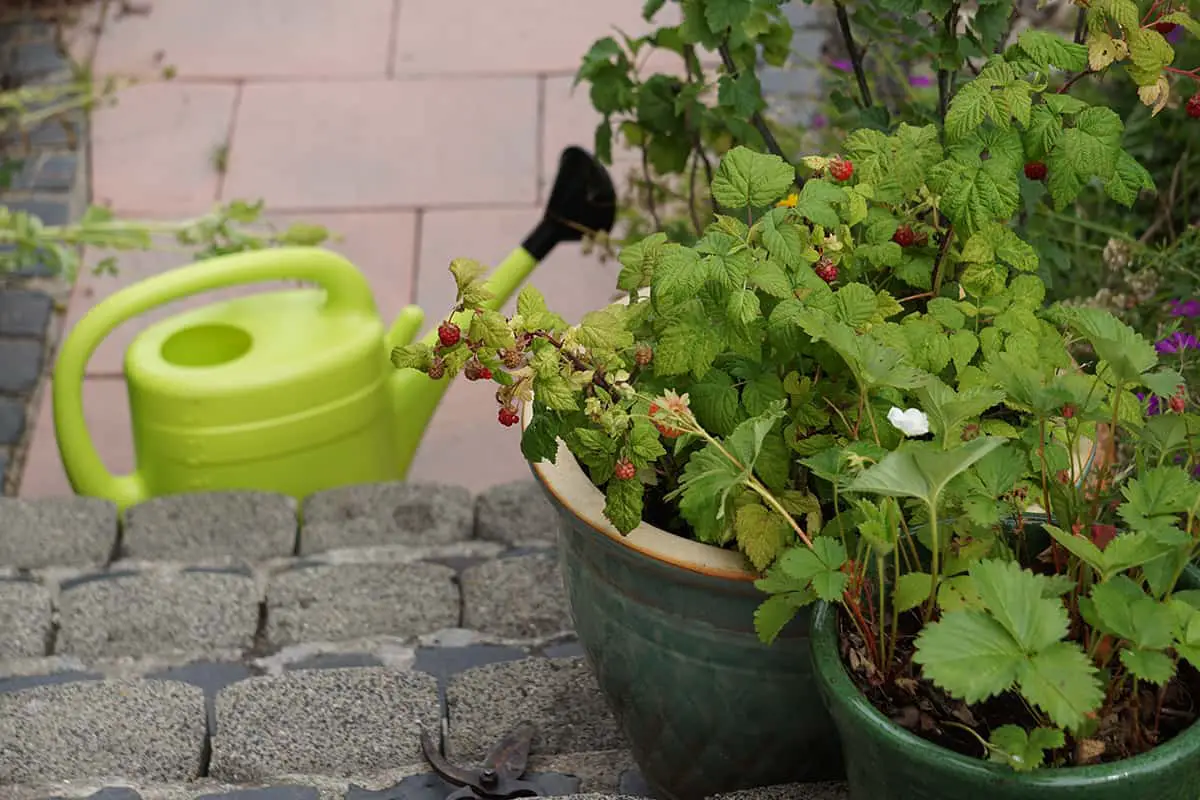
- Pot Size: Minimum 24 inches in diameter
- Recommended Varieties: Heritage, Autumn Bliss
- USDA Zones: 3-9
Raspberry canes can flourish in a large container when they receive enough sunlight and steady moisture. A deep, sturdy pot gives the roots room to develop while keeping the plant manageable in smaller spaces.
Place the container where it receives full sun for most of the day. The soil should stay consistently moist, especially once fruit begins forming. Containers dry faster than garden soil, so regular watering becomes important during warm weather.
Old or damaged canes should be removed each spring to allow fresh growth to replace them. Occasional feeding with a balanced fertilizer supports strong stems and reliable fruit production.
Grapes
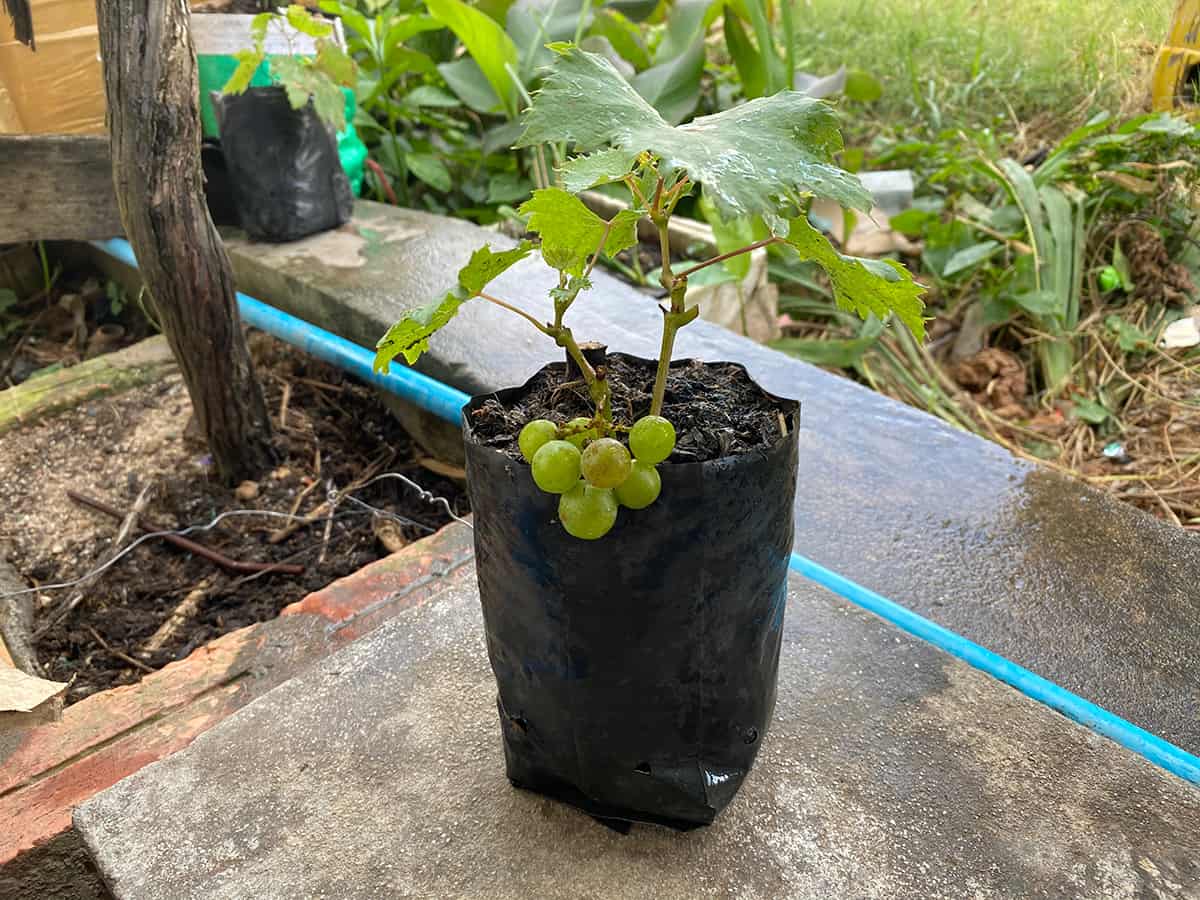
- Pot size: At least 15-20 gallons, 16-18 inches deep, and 18-24 inches wide
- Recommended varieties: ‘Pixie’, ‘Reliance’, or ‘Thomcord’
- USDA zones: Generally suited for zones 5-9
A grapevine can adapt well to a large container when provided with sunlight and a sturdy structure for climbing. The container must be spacious enough to support the expanding root system and include drainage holes to prevent water buildup.
Position the pot in a bright location where the vine receives full sun. Grapes depend on strong light to develop healthy foliage and flavorful fruit.
A trellis, stake, or pergola helps guide the vine upward as it grows. Regular watering and occasional fertilizing during the growing season encourage steady development and improve fruit production.
Kiwi (Hardy Kiwi)
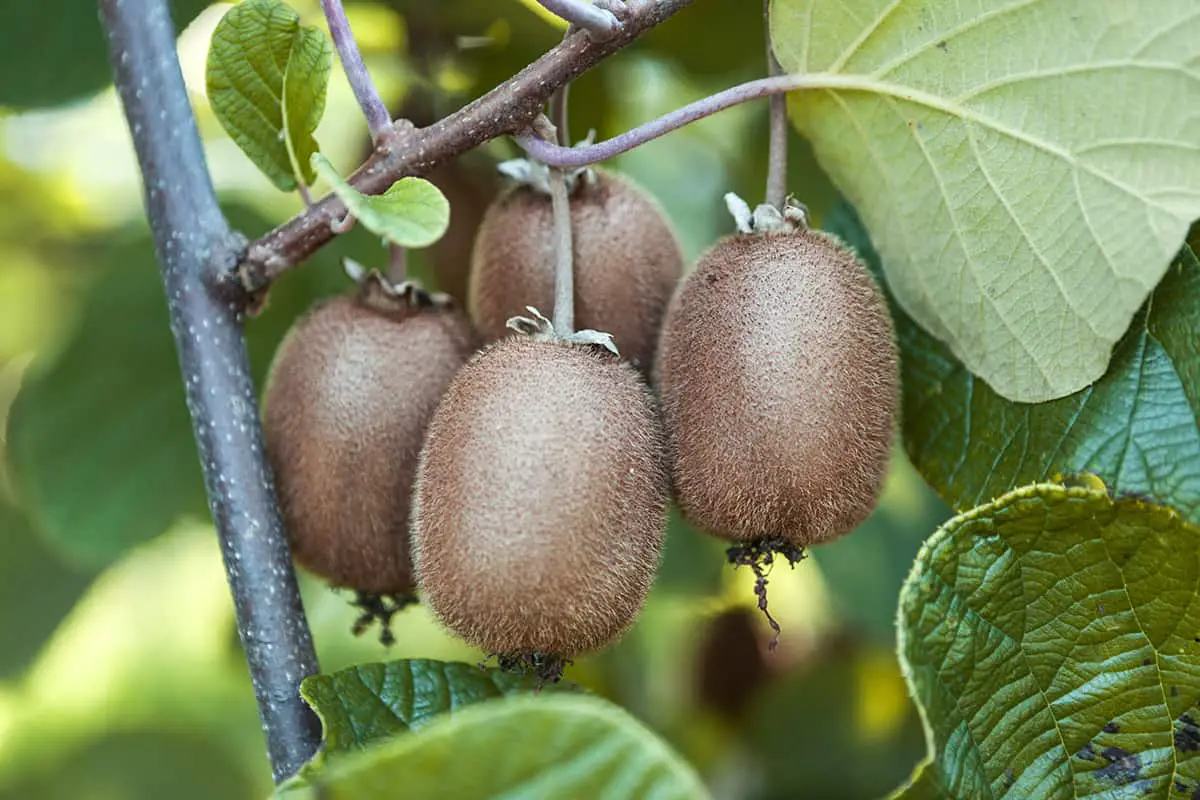
- Pot Size: Minimum 5-gallon container
- Recommended Varieties: ‘Issai’ and ‘Ananasnaya’
- USDA Zones: 4 to 8
Hardy kiwi vines bring an unusual fruit option to patios and container gardens. These vigorous climbers develop quickly and benefit from a large pot paired with a sturdy support structure.
Use well-draining soil that holds moisture without becoming compacted. The container should sit in a sunny location where the plant receives strong light for most of the day.
Vines grow rapidly, so training them along a trellis or arbor helps control their shape. Many varieties require both male and female plants for fruit production, though self-fertile types like Issai can produce on their own. Regular watering, seasonal pruning, and spring fertilizing keep the vine productive.