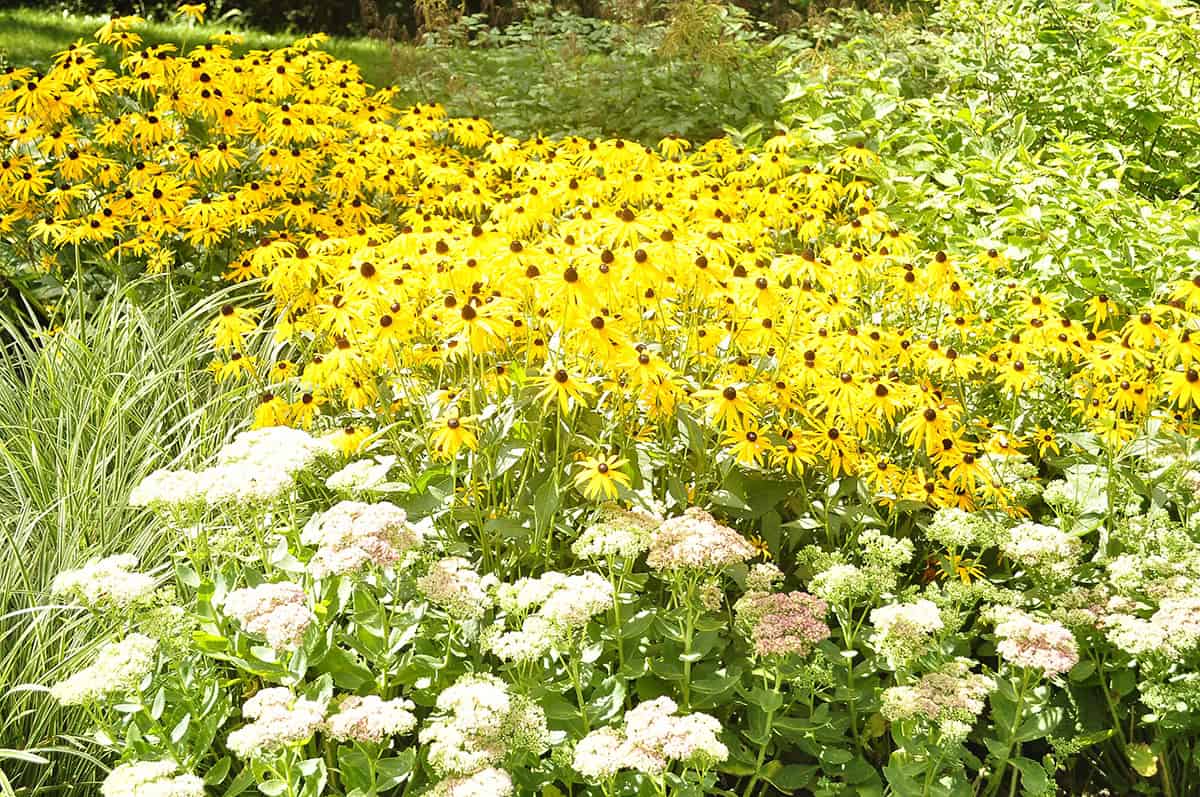
Every yard seems to have that one blazing corner that gets sun all day long. Mine used to be a problem area I avoided. Nothing stayed happy for long, and replanting got old fast. Once I focused on hardy perennials made for intense light, everything changed. The garden started looking fuller and far less dramatic.
If you’ve got a sun-soaked space, you’ll want to read through all 28 full-sun perennials I’ve rounded up.
Table of Contents
- Full-Sun Perennials
- Coneflower (Echinacea)
- Black-Eyed Susan (Rudbeckia)
- Daylily (Hemerocallis)
- Shasta Daisy
- Coreopsis
- Yarrow (Achillea)
- Russian Sage (Salvia yangii)
- Blanket Flower (Gaillardia)
- Perennial Salvia (Salvia nemorosa)
- Catmint (Nepeta)
- Sedum (Stonecrop)
- Peony
- Veronica (Speedwell)
- Blazing Star (Liatris)
- Globe Thistle (Echinops)
- Baptisia (False Indigo)
- Helenium (Sneezeweed)
- Sea Holly (Eryngium)
- Agastache (Hyssop)
- Scabiosa (Pincushion Flower)
- Kniphofia (Red Hot Poker)
- Tickseed (Coreopsis verticillata)
- New England Aster (Symphyotrichum novae-angliae)
- Lupine (Lupinus)
- Hardy Geranium (Sun-Tolerant Varieties)
- Ornamental Allium
- Coreopsis grandiflora
- Euphorbia polychroma (Cushion Spurge)
Full-Sun Perennials
Some perennials don’t just tolerate direct light—they seem to revel in it. When given enough space and soil that drains well, these plants reward you with upright stems, persistent blooms, and a toughness that doesn’t quit in the heat.
Coneflower (Echinacea)
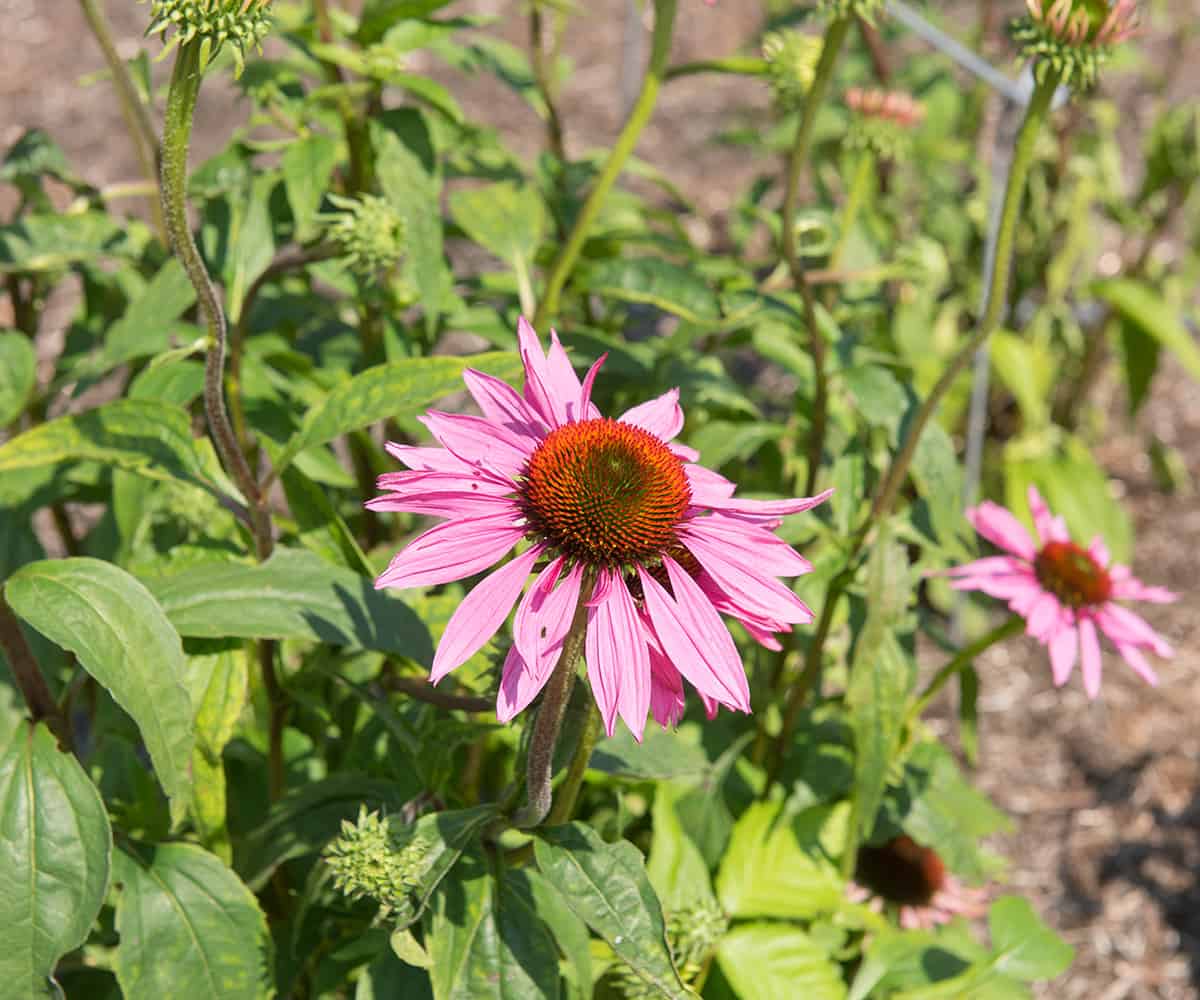
Zones: 3–9
Height/Spread: 2–4 feet tall, 1–2 feet wide
Habit: Upright clump
Bloom time: Early to late summer
Those bold, daisy-like flowers with their raised cones—purple, pink, white, orange, or yellow—draw pollinators in droves. Later, birds pick at the seed heads as the season winds down.
Stick them in full sun and average, well-drained soil. Once their roots dig in, they don’t mind heat or short dry spells.
Deadhead if you want more blooms, or let the seed heads stand through winter. Every few years, divide clumps to keep them lively.
Black-Eyed Susan (Rudbeckia)
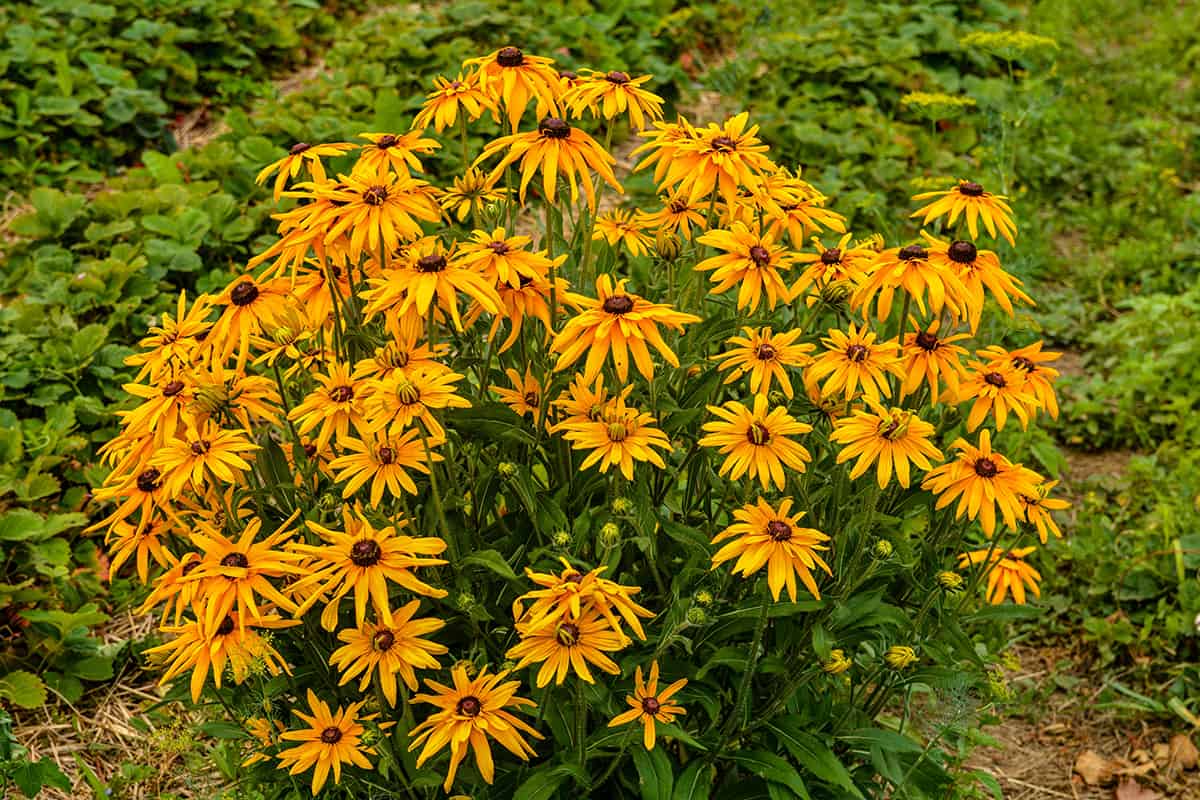
Zones: 3–9
Height/Spread: 2–3 feet tall, 1–2 feet wide
Habit: Upright, clump-forming
Bloom time: Mid to late summer
Golden petals with deep brown centers glow in the sunlight. Pretty adaptable, they do well in most soils—just not spots that stay soggy.
Expect a burst of summer color with barely any intervention. They’ll get by in part shade, but blooms pop best in full sun.
Cut back after flowering if they start to wander. Divide in spring if things get crowded.
Daylily (Hemerocallis)
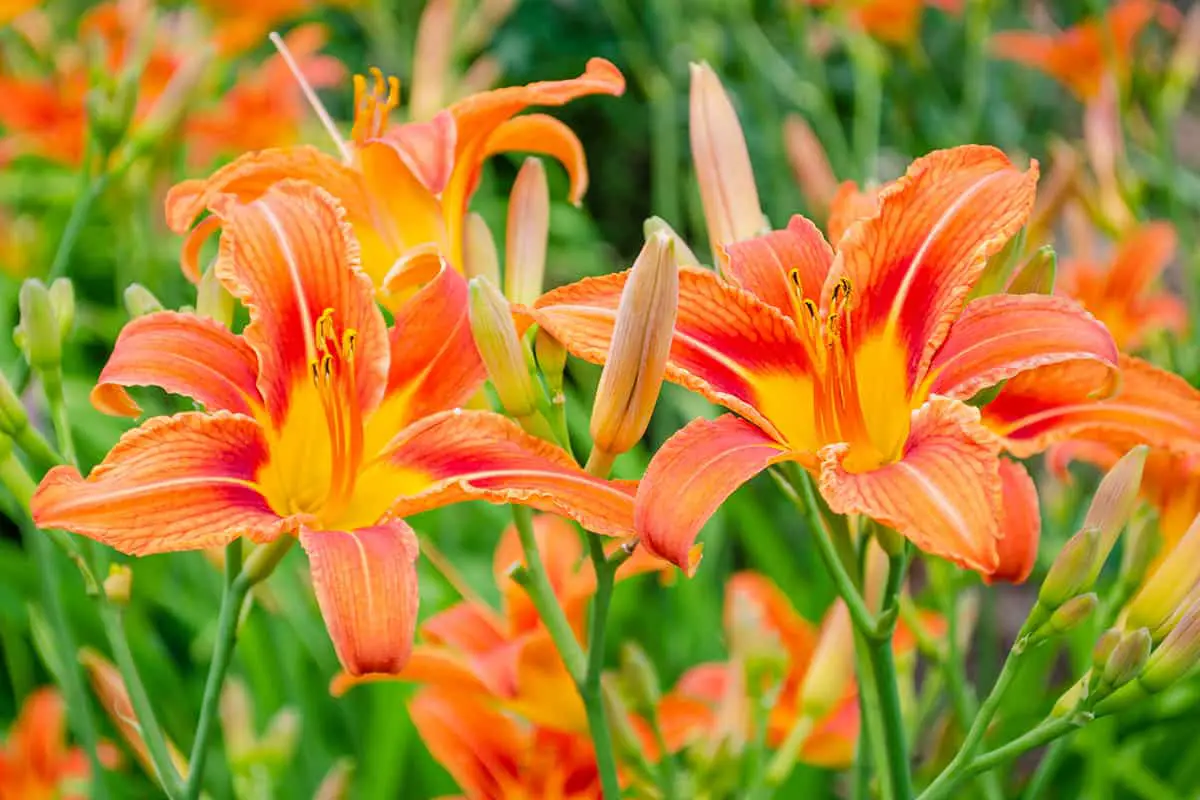
Zones: 3–10
Height/Spread: 1–4 feet tall, 1–3 feet wide
Habit: Arching clump
Bloom time: Early summer to late summer, depending on variety
Each bloom lasts just a day, but mature plants throw up so many buds you’d hardly notice. Colors run the gamut—yellow, red, orange, pink, and plenty of bicolors.
Full sun is ideal, but they’ll tolerate a bit of shade. Clay, loam, sandy soil—they’re not picky as long as drainage is decent.
Snip off old flower stalks once they’re done. Every four or five years, dig and divide to keep them blooming strong.
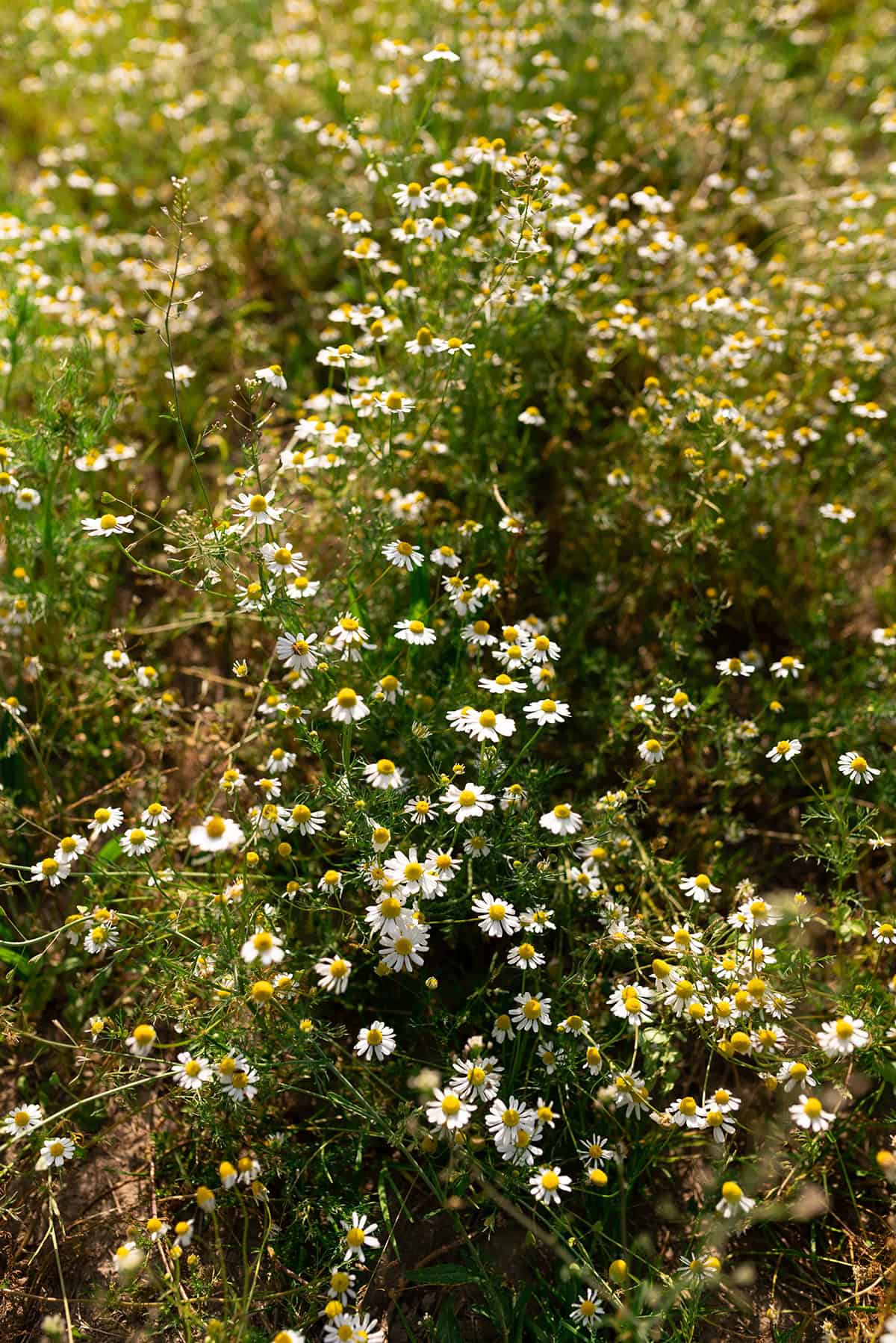
Shasta Daisy
Zones: 5–9
Height/Spread: 1–3 feet tall, 1–2 feet wide
Habit: Upright clump
Bloom time: Early to late summer
Clean white petals and sunny yellow centers add a classic note to borders or cutting gardens.
Give them fertile, well-drained soil and keep them out of soggy spots, especially in winter.
Deadhead for longer bloom, and divide every couple of years to prevent crowding.
Coreopsis

Zones: 4–9
Height/Spread: 1–3 feet tall, 1–2 feet wide
Habit: Mounded or upright
Bloom time: Early summer to fall
Cheerful golden, red, or bi-color flowers float above delicate or broad foliage. With regular deadheading, some types flower for months.
Average soil, good drainage, and plenty of sun keep them happy. Drought doesn’t faze established plants.
After the first flush, give them a light trim to spark new growth and more blooms.
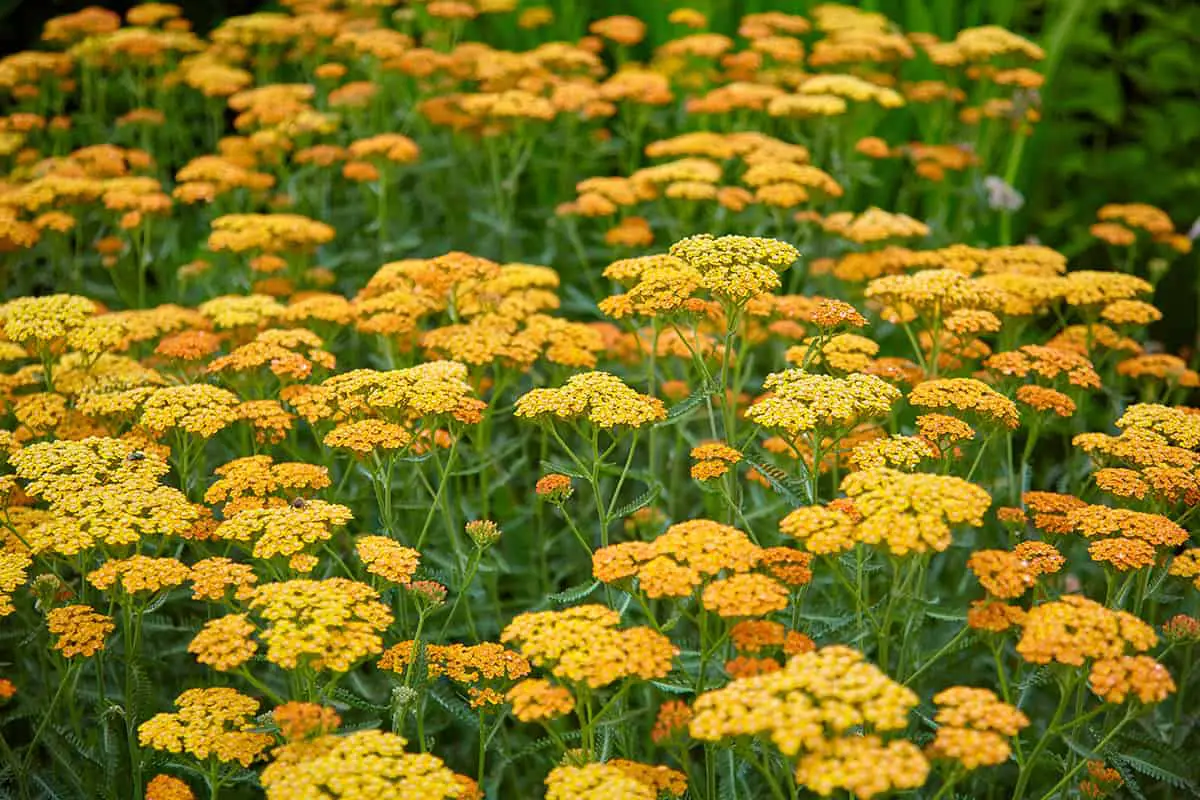
Yarrow (Achillea)
Zones: 3–9
Height/Spread: 1–3 feet tall, 1–2 feet wide
Habit: Upright, spreading clump
Bloom time: Late spring to summer
Flat-topped clusters in white, yellow, pink, or red bring a wildflower vibe, while the feathery foliage adds some texture.
Well-drained soil is a must—too rich, and you’ll get floppy stems.
Cut back after flowering for a possible encore. Divide when they start to take over.
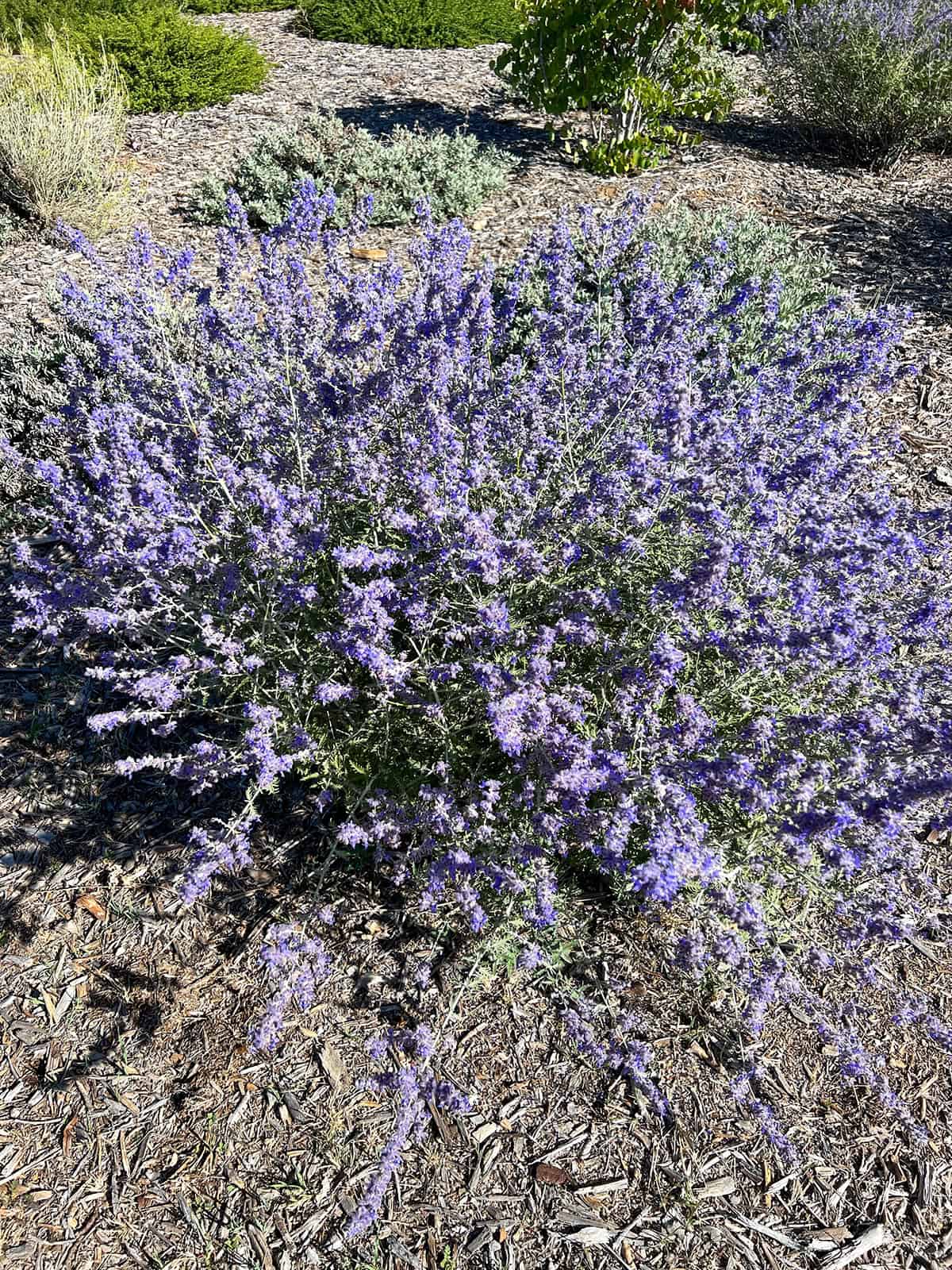
Russian Sage (Salvia yangii)
Zones: 4–9
Height/Spread: 3–5 feet tall, 2–4 feet wide
Habit: Woody-based perennial
Bloom time: Mid to late summer
Silvery leaves and spires of lavender-blue blooms bring a cool, airy contrast, especially on hot, dry days. Upright stems rarely droop, even in tough weather.
Needs lots of sun and sharp drainage. Not fussy about soil quality. Once settled, drought barely registers.
Chop stems back to 6–12 inches in early spring. Don’t overwater—less is more here.
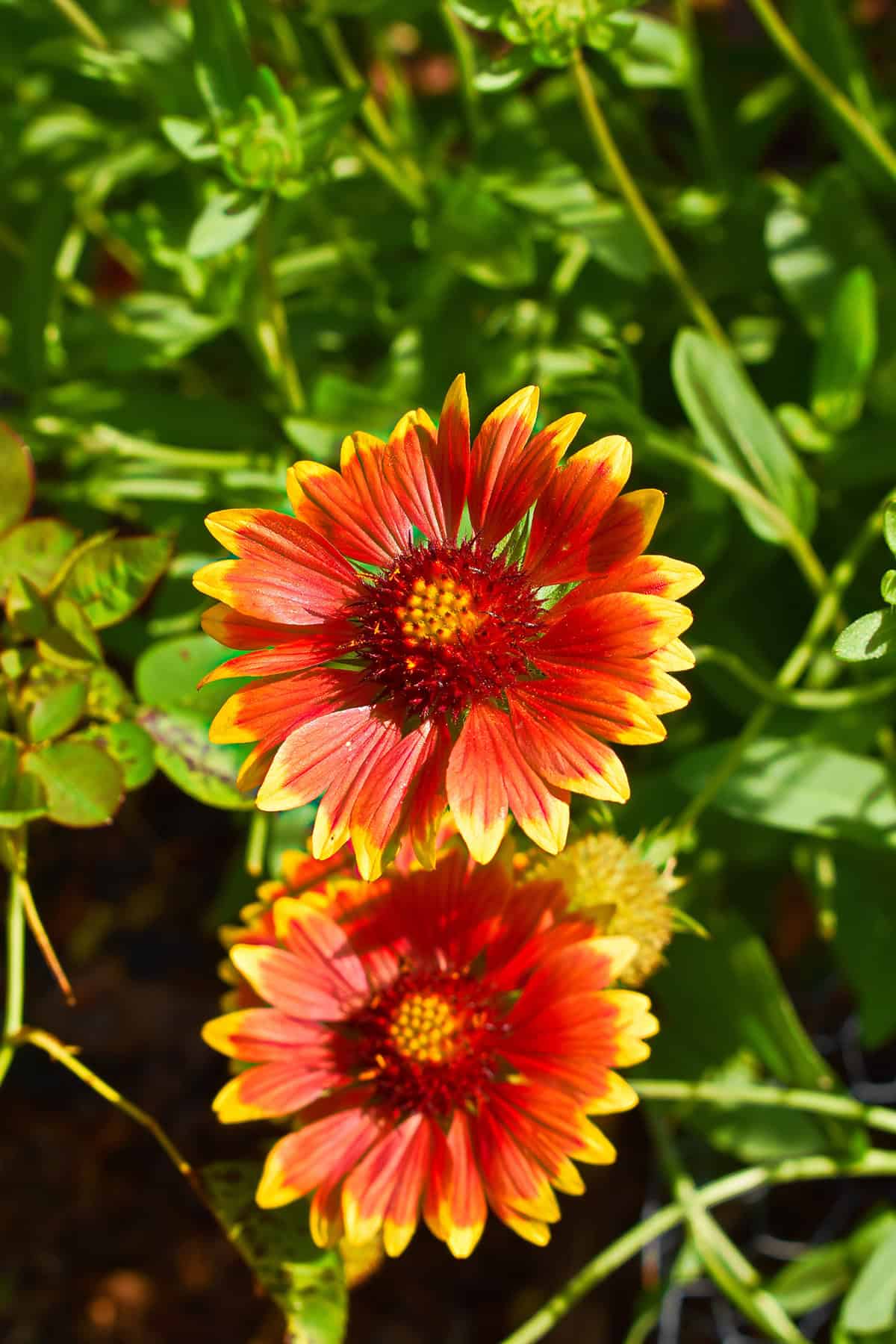
Blanket Flower (Gaillardia)
Zones: 3–10
Height/Spread: 1–3 feet tall, 1–2 feet wide
Habit: Mounded
Bloom time: Early summer to fall
Fiery red and yellow blooms look a bit like miniature suns—perfect for heat lovers.
Stick with well-drained soil and full sun. Heavy, wet clay is a no-go.
Deadhead to keep the flowers coming. If plants start to fade, it might be time to replant.
Perennial Salvia (Salvia nemorosa)
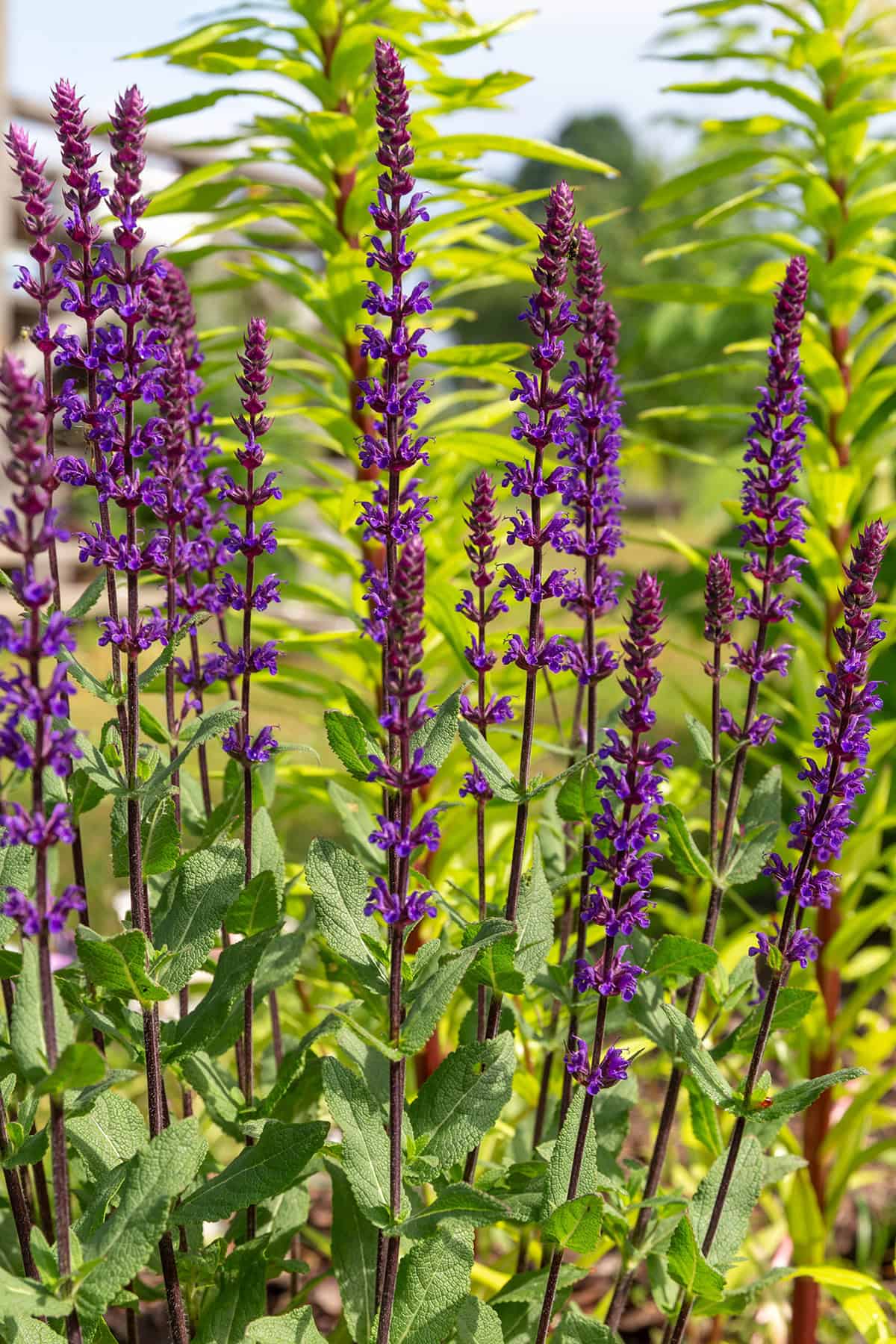
Zones: 4–8
Height/Spread: 1–2 feet tall, 1–2 feet wide
Habit: Upright clump
Bloom time: Late spring to summer
Vertical spikes in purple, blue, pink, or white rise above neat mounds of foliage. Bees can’t get enough.
Full sun and well-drained soil are key. Handles heat and a bit of drought without drama.
Shear after the first round of blooms for a late-summer encore.
Catmint (Nepeta)
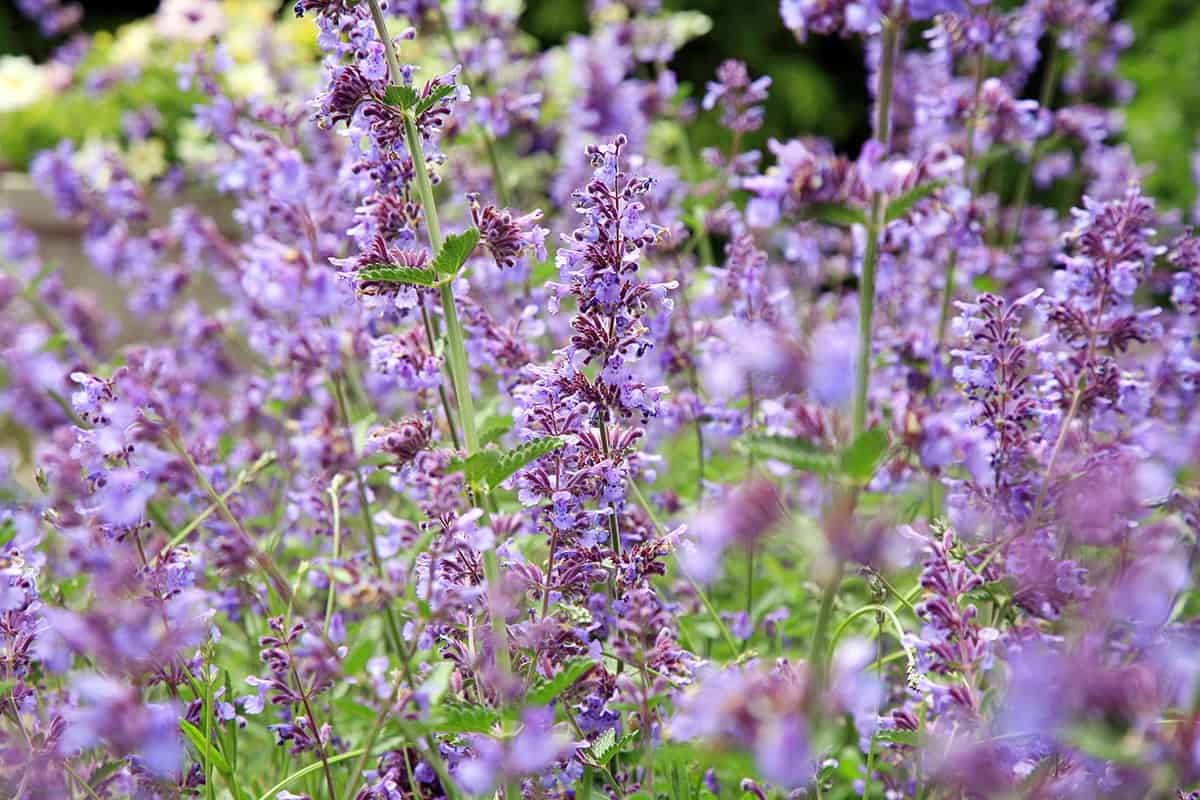
Zones: 3–8
Height/Spread: 1–3 feet tall, 2–3 feet wide
Habit: Spreading mound
Bloom time: Late spring to summer
Soft, gray-green leaves and clouds of lavender-blue flowers create a laid-back, cottage-garden feel. Brush past, and you’ll catch a whiff of their scent.
Average, well-drained soil and a sunny spot are all they ask. They don’t mind poor soil or dry spells.
After flowering, cut back by half to keep things tidy and encourage another round of blooms.
Sedum (Stonecrop)
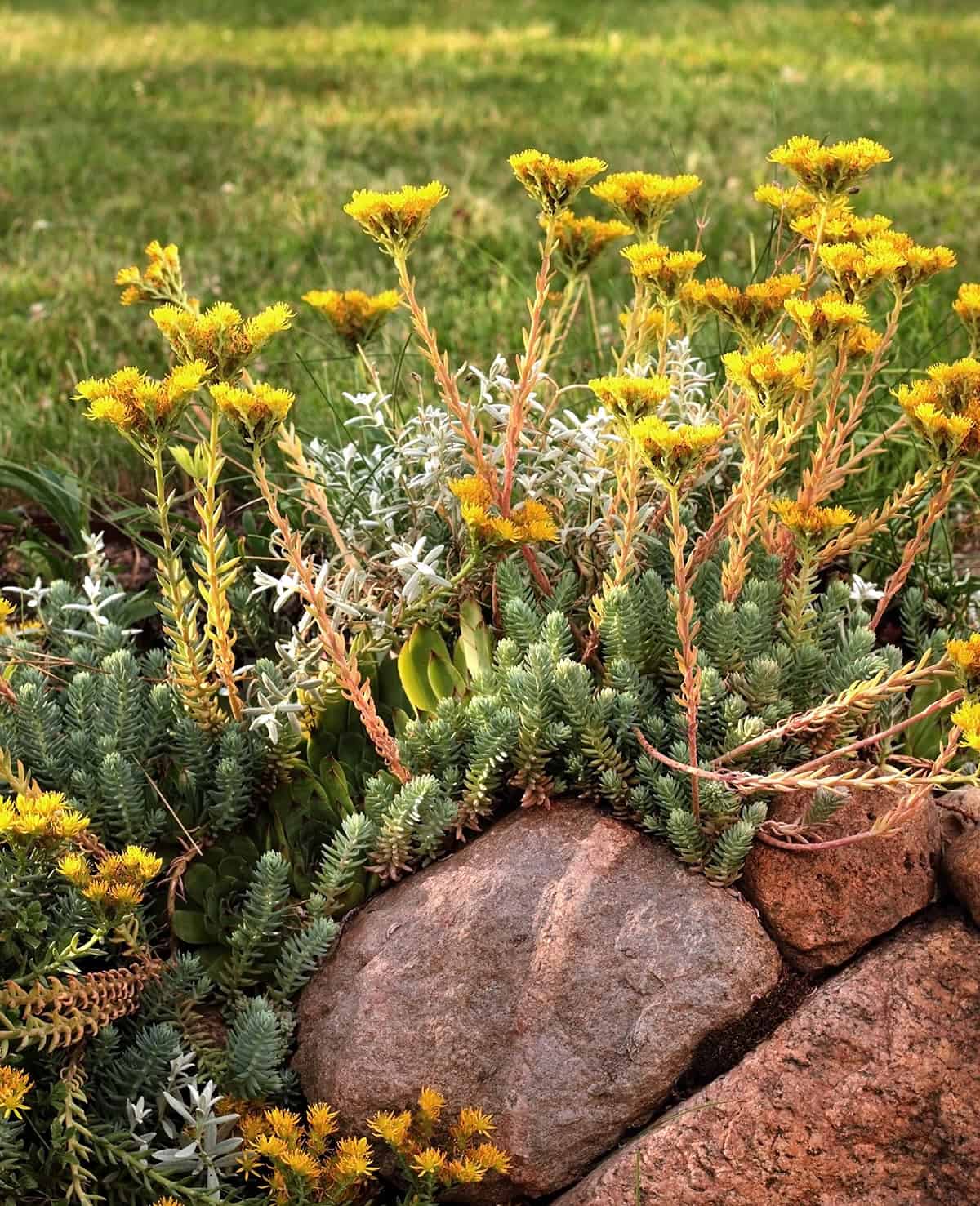
Zones: 3–9
Height/Spread: 6 inches to 2 feet tall, 1–2 feet wide
Habit: Upright or creeping
Bloom time: Late summer to fall
Thick, water-storing leaves give these plants an edge in drought. Clusters of pink, red, or white flowers show up late in the season.
Sharp drainage and full sun are non-negotiable. Overwatering, especially in winter, is a quick way to lose them.
Leave seed heads for winter interest, then cut back in spring.
Peony
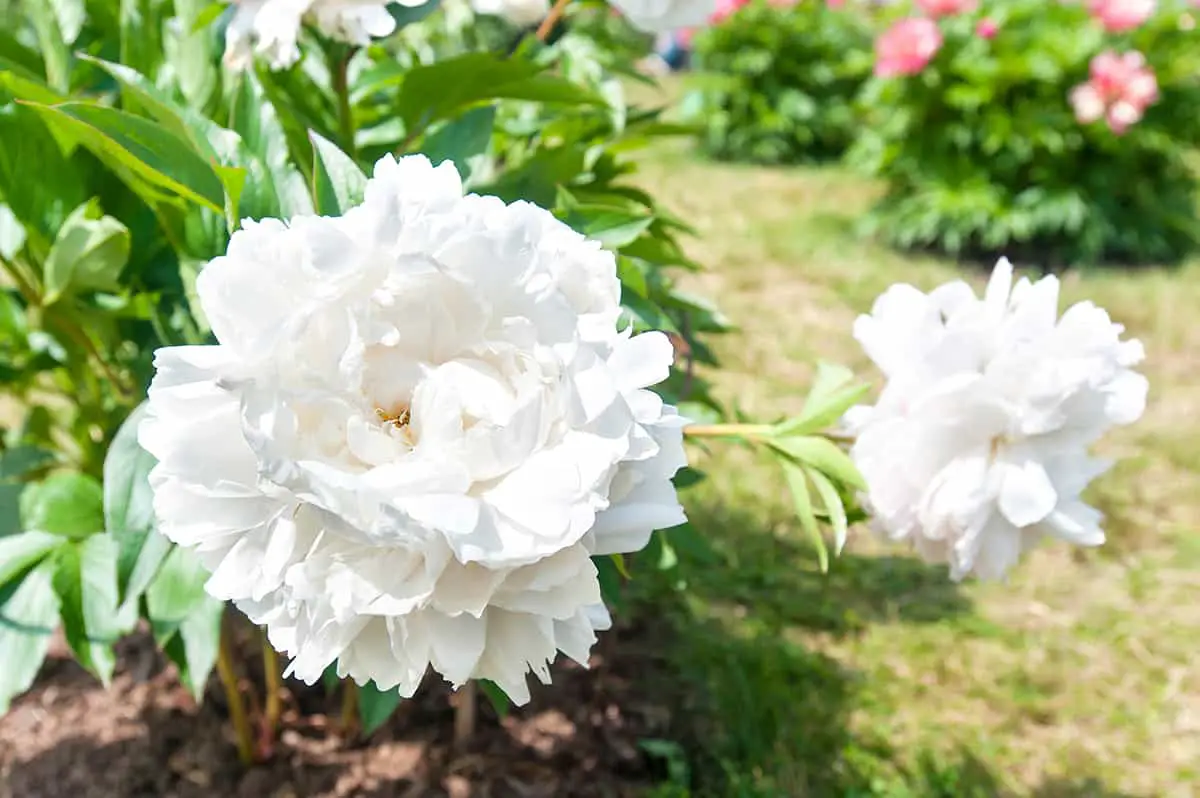
Zones: 3–8
Height/Spread: 2–3 feet tall and wide
Habit: Bushy clump
Bloom time: Late spring to early summer
Massive, fragrant blooms in white, pink, red, or yellow steal the show. Sometimes the stems need a little help to stay upright when fully loaded.
They want fertile, well-drained soil and as much sun as you can give. Plant shallowly—too deep and you’ll wait forever for flowers.
Peonies hate being moved. Only divide if you absolutely have to, and only after many years.
Veronica (Speedwell)
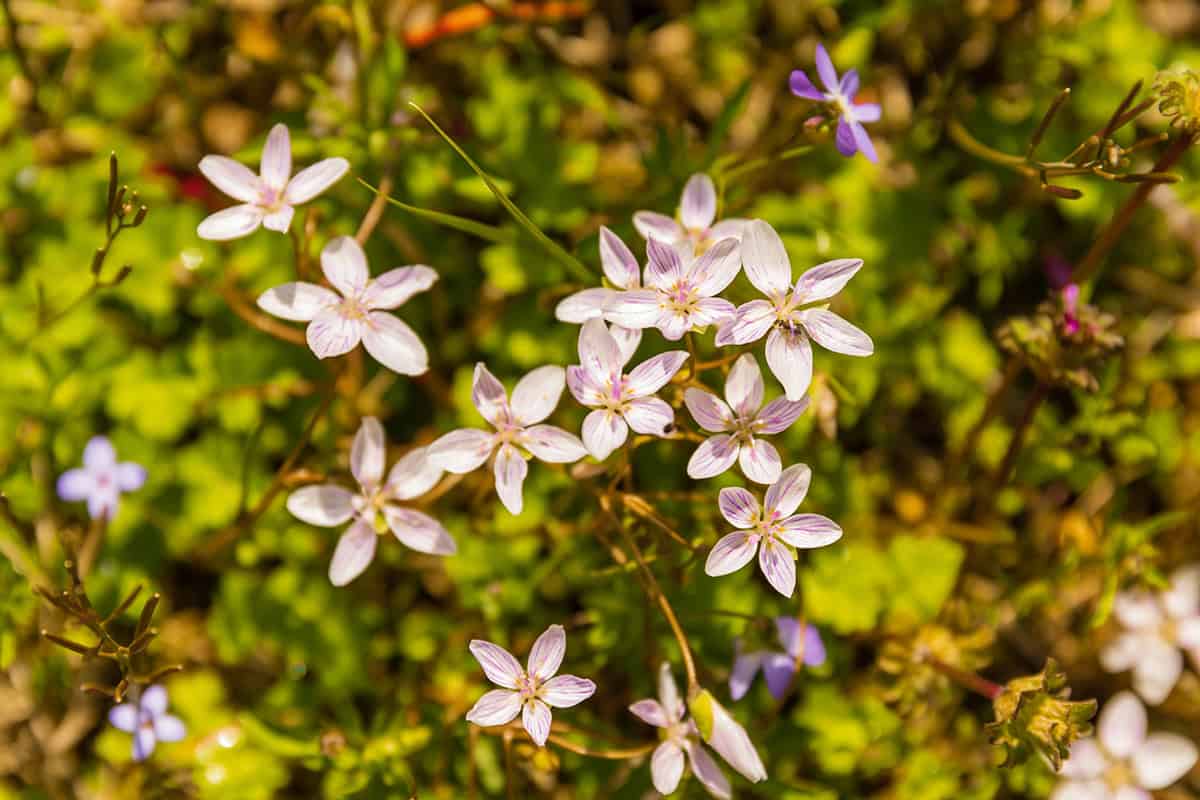
Zones: 4–8
Height/Spread: 1–3 feet tall, 1–2 feet wide
Habit: Upright clump
Bloom time: Early to mid-summer
Slender spikes in blue, purple, pink, or white add vertical energy. They’re good for breaking up mounded shapes.
Best in full sun and soil that drains well. Skip heavy shade if you want serious blooms.
Trim spent spikes for more flowers. Divide every few years if things get tired.
Blazing Star (Liatris)
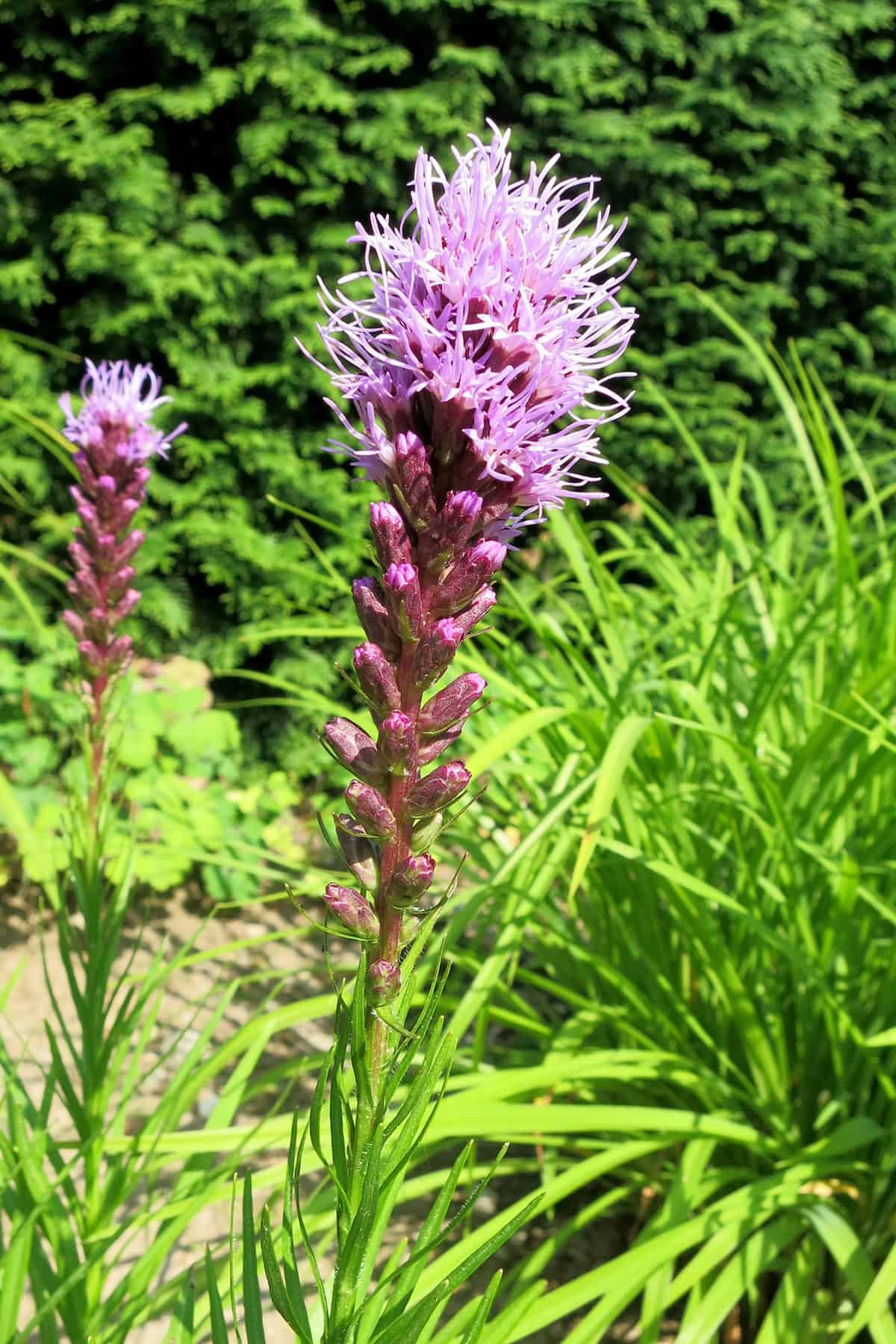
Zones: 3–9
Height/Spread: 2–4 feet tall, 1–2 feet wide
Habit: Upright, clump-forming
Bloom time: Mid to late summer
Spikes of purple or white open top-down, drawing in butterflies left and right.
They’re happiest in full sun and soil that doesn’t stay wet. Summer heat and drought don’t bother them.
Leave the seed heads for winter texture. Divide corms if clumps get crowded.
Globe Thistle (Echinops)
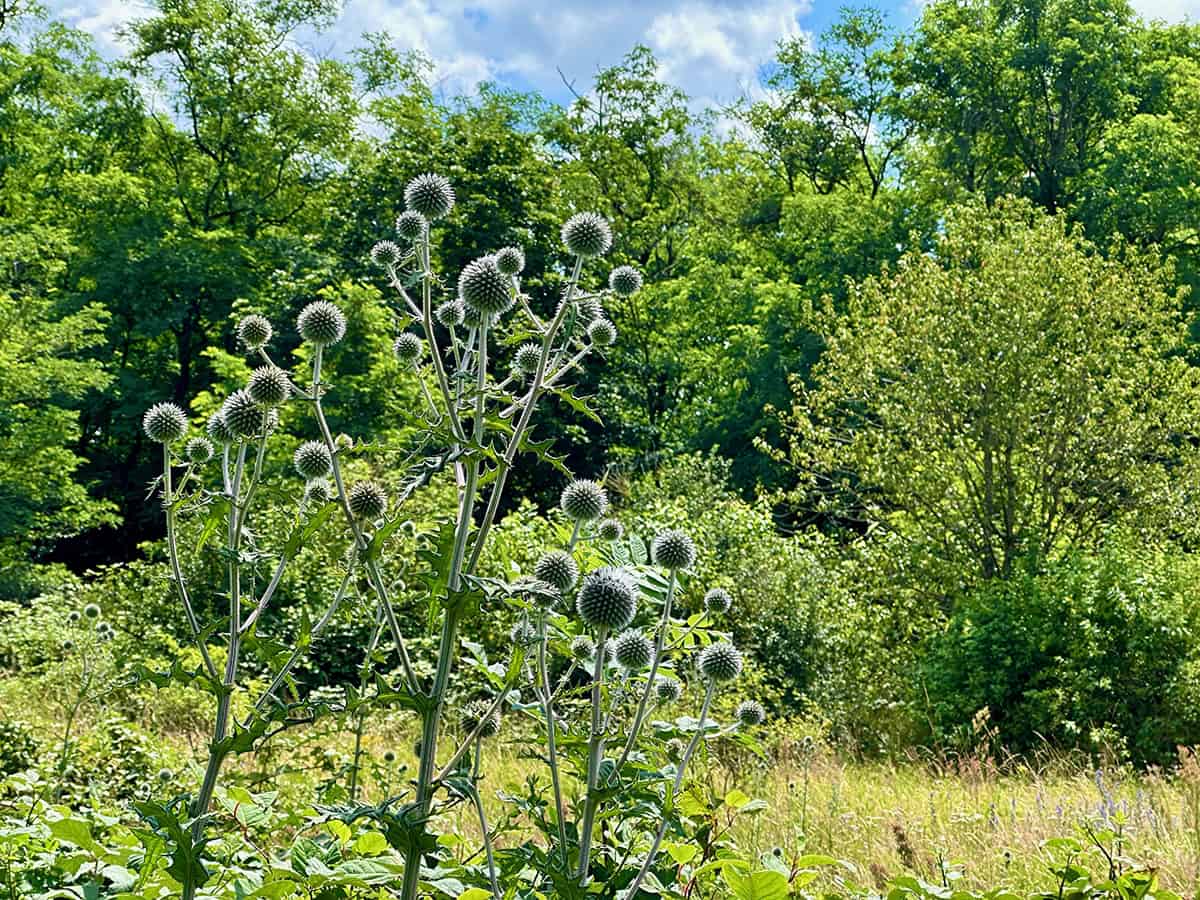
Zones: 3–9
Height/Spread: 2–4 feet tall, 1–3 feet wide
Habit: Upright clump
Bloom time: Mid to late summer
Steel-blue, globe-shaped flowers sit atop sturdy stems, pairing well with yellows and whites for a punchy combo.
Needs full sun and soil that drains quickly. Overly rich soil makes them floppy.
Cut back after bloom if you want to keep seedlings in check. Save a few stems for dried bouquets.
Baptisia (False Indigo)
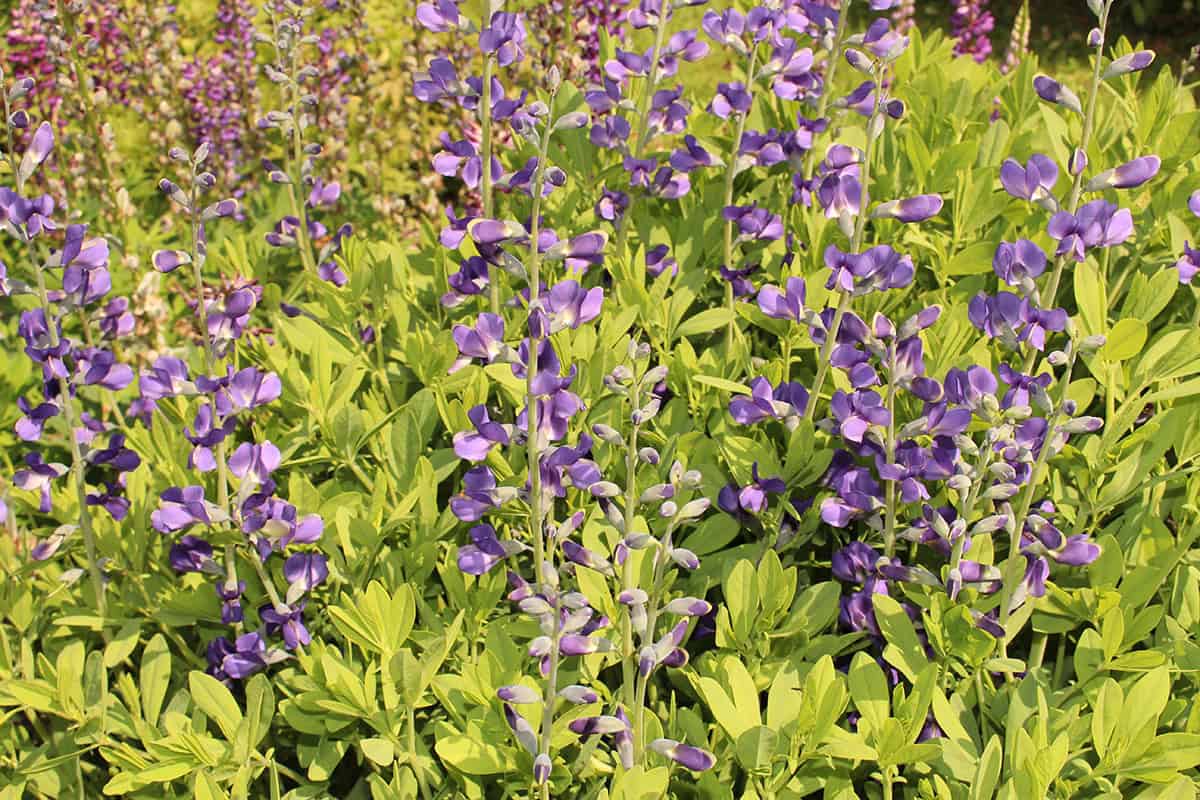
Zones: 3–9
Height/Spread: 3–4 feet tall, 3–4 feet wide
Habit: Shrub-like clump
Bloom time: Late spring
Tall spikes of pea-like blooms—blue, purple, yellow, or white—rise above rounded mounds. Mature plants get impressively wide, so plan ahead.
Deep roots mean they’re tough once established, but don’t like to be moved. Give them space and sun, with well-drained soil.
Cut back stems after they finish flowering if needed, but mostly, let them do their thing.
Helenium (Sneezeweed)
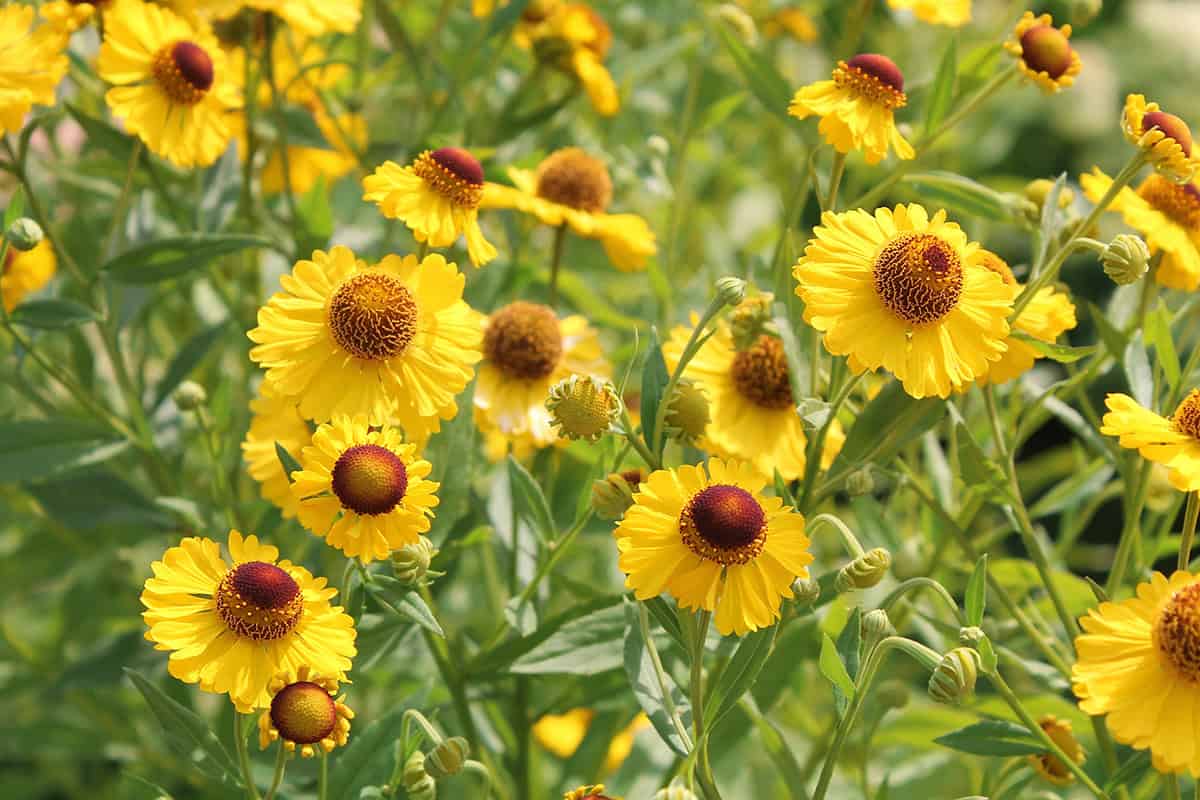
Zones: 3–8
Height/Spread: 3–5 feet tall, 2–3 feet wide
Habit: Upright clump
Bloom time: Late summer to fall
Warm-toned, daisy-like flowers—red, orange, yellow—carry the garden’s color into autumn. Centers are usually raised and darker.
They’re fine with heavier soil than most sun perennials, as long as it drains. Full sun helps keep them upright.
Pinch stems in early summer for bushier plants. Divide every few years to keep them vigorous.
Sea Holly (Eryngium)
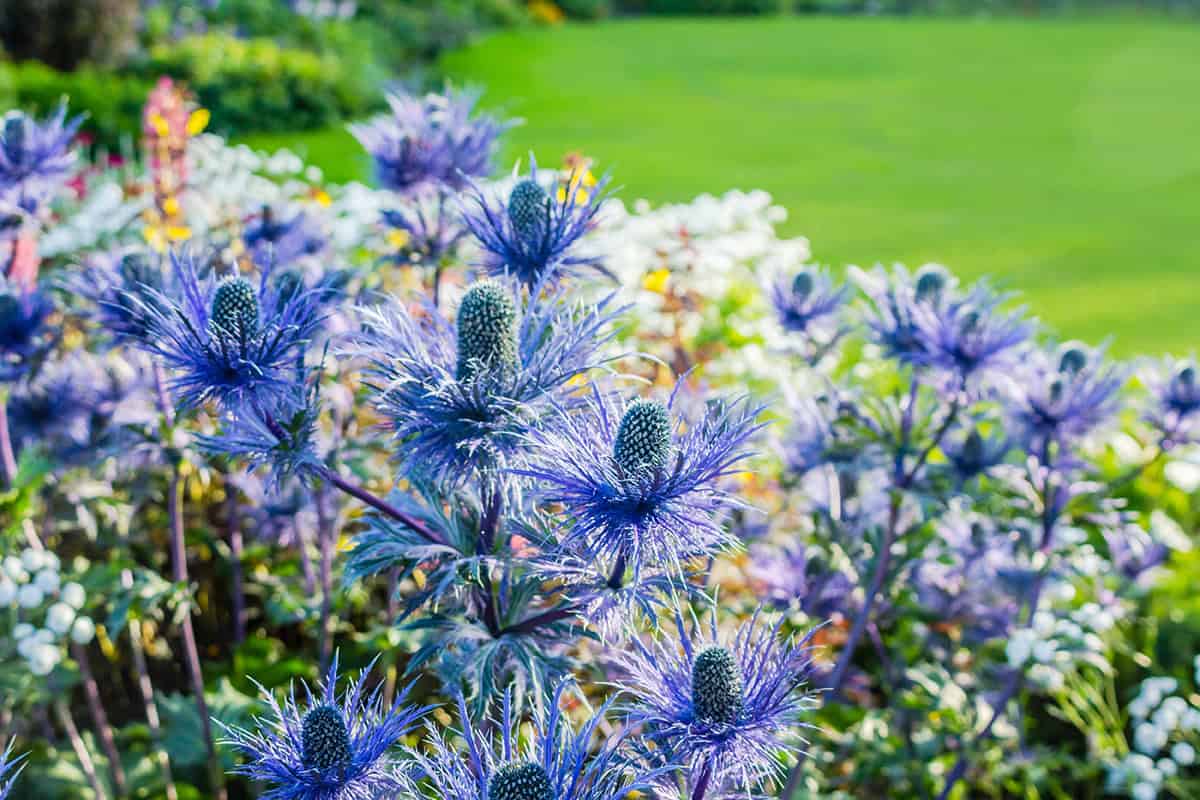
Zones: 4–9
Height/Spread: 1–3 feet tall, 1–2 feet wide
Habit: Upright clump
Bloom time: Summer
Spiky blue or silver bracts around cone-like flowers add drama and texture, especially among softer neighbors.
Full sun and sharp drainage are essential. Too much moisture or rich soil spells trouble.
Leave seed heads for winter or cut for arrangements. Once established, leave roots undisturbed.
Agastache (Hyssop)
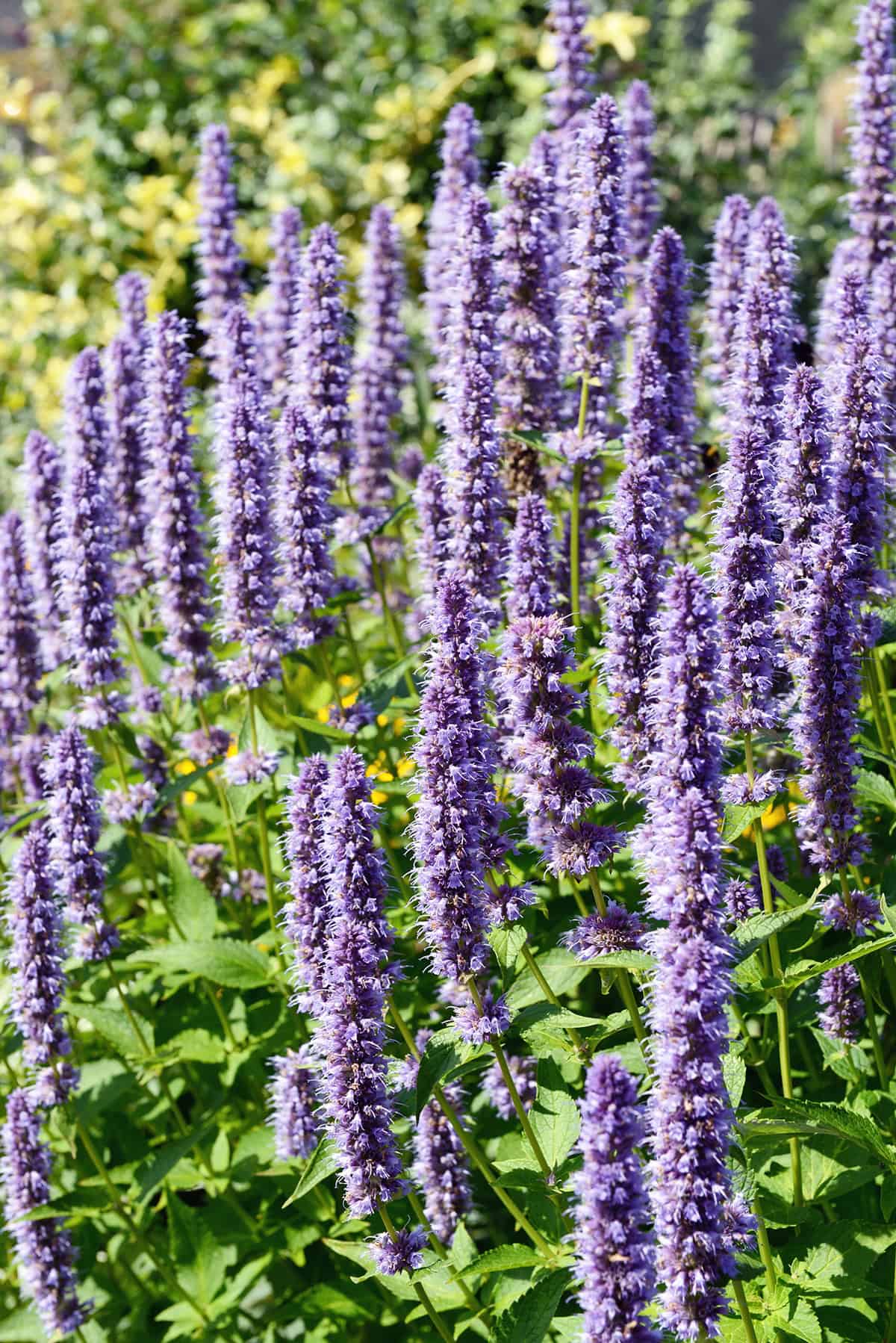
Zones: 5–10, depending on species
Height/Spread: 1–4 feet tall, 1–3 feet wide
Habit: Upright clump
Bloom time: Summer to fall
On a breezy summer afternoon, those upright stems burst with tubular blooms—purple, pink, orange, sometimes blue—always drawing in hummingbirds. Lean in, and you might catch a whiff of mint or anise drifting from the foliage.
Best results come with full sun and sharp drainage; most types actually seem to prefer soil that’s a bit on the stingy side.
In early spring, trim back only after you spot new shoots pushing through. Wet winters? Plants will sulk or rot, so steer clear of soggy spots.
Scabiosa (Pincushion Flower)
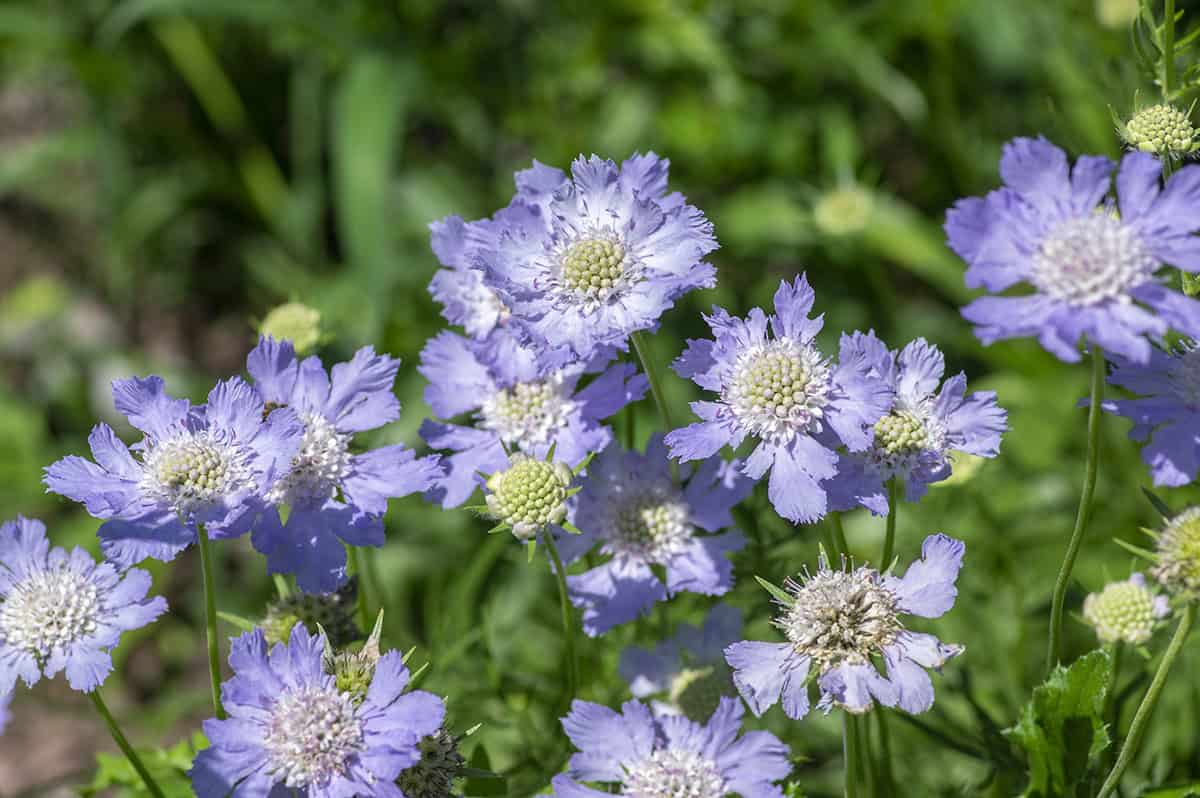
Zones: 3–9, depending on type
Height/Spread: 1–2 feet tall, 1–2 feet wide
Habit: Clump-forming
Bloom time: Late spring to fall
Blue, pink, white, or burgundy blossoms float like little satellites on wiry stems, their pincushion centers nodding in the breeze. Deadheading really keeps the show going for months.
Sun-soaked spots and soil that drains fast keep these perennials happiest. Soggy ground? That’s a recipe for trouble.
Snip off spent blooms for more color. When the middle of a clump thins out, it’s time to dig and split.
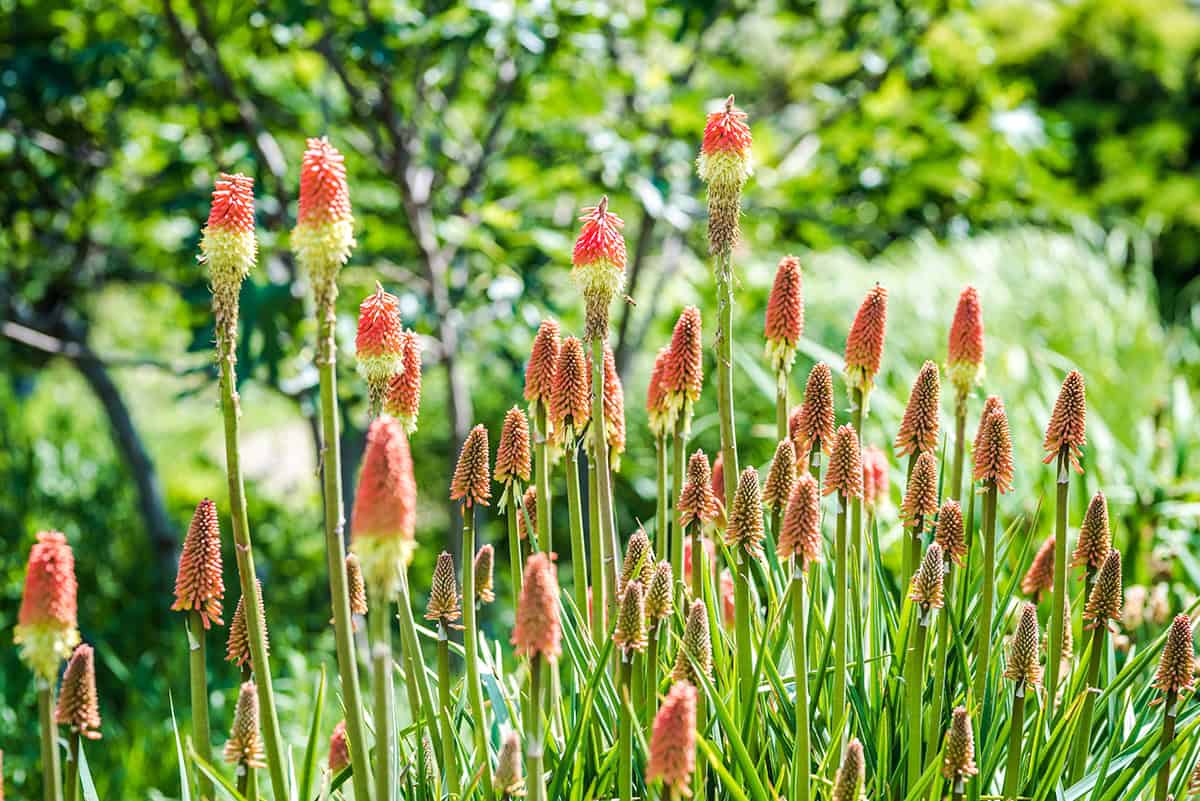
Kniphofia (Red Hot Poker)
Zones: 5–9
Height/Spread: 2–5 feet tall, 1–3 feet wide
Habit: Clumping
Bloom time: Late spring to summer
Spikes shoot up like fireworks, tipped with torch-like flowers in bold reds, oranges, and yellows—sometimes all at once. The effect is hard to ignore, especially with that two-tone look.
Heat and sun are non-negotiable, and dry feet are a must. Mulch the crowns if winter gets rough, especially up north.
Spent stalks should go, and if the patch starts crowding itself, spring is the moment to divide and conquer.
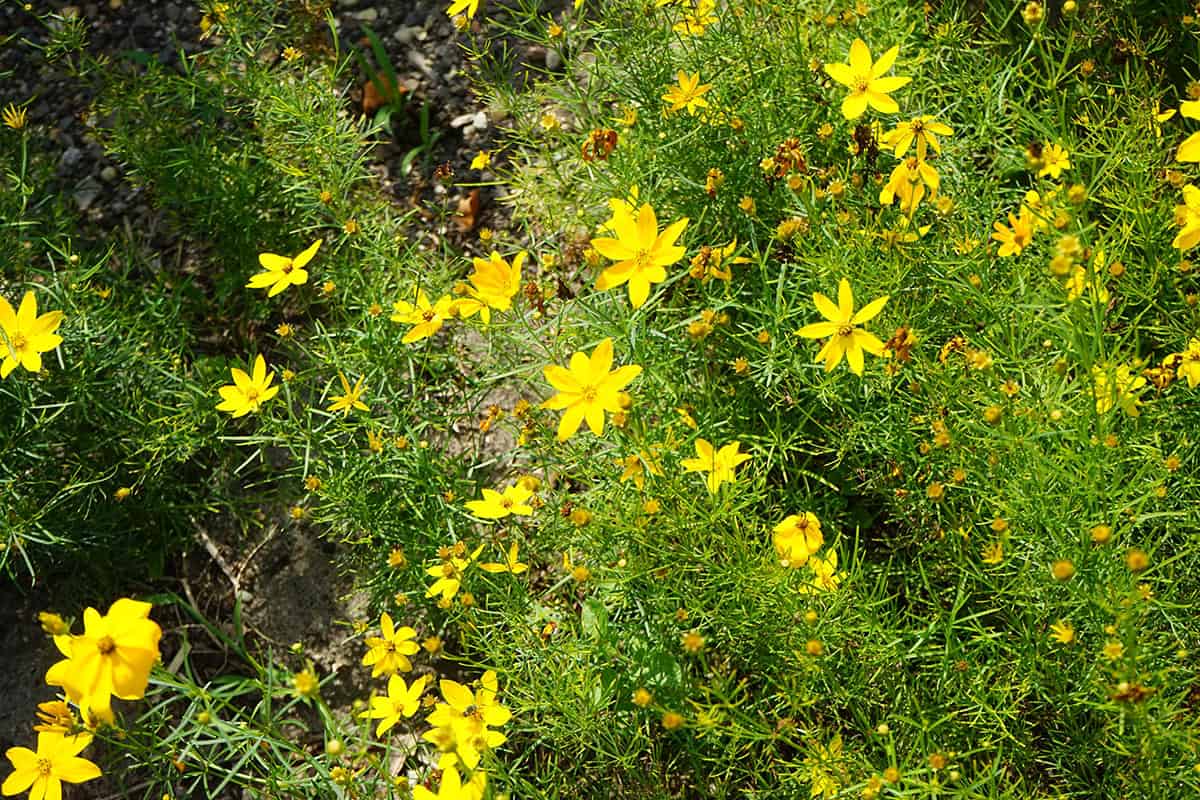
Tickseed (Coreopsis verticillata)
Zones: 3–9
Height/Spread: 1–2 feet tall, 1–3 feet wide
Habit: Airy mound
Bloom time: Early summer to fall
That feathery, almost cloud-like foliage sets a gentle backdrop for the bright yellow flowers that seem to smother the plant for weeks. It’s a soft, cheerful presence.
Strong sunlight keeps them blooming and compact, while soil that drains fast wards off root rot.
A quick shear after the main flush perks up the leaves and sparks another round of blooms.
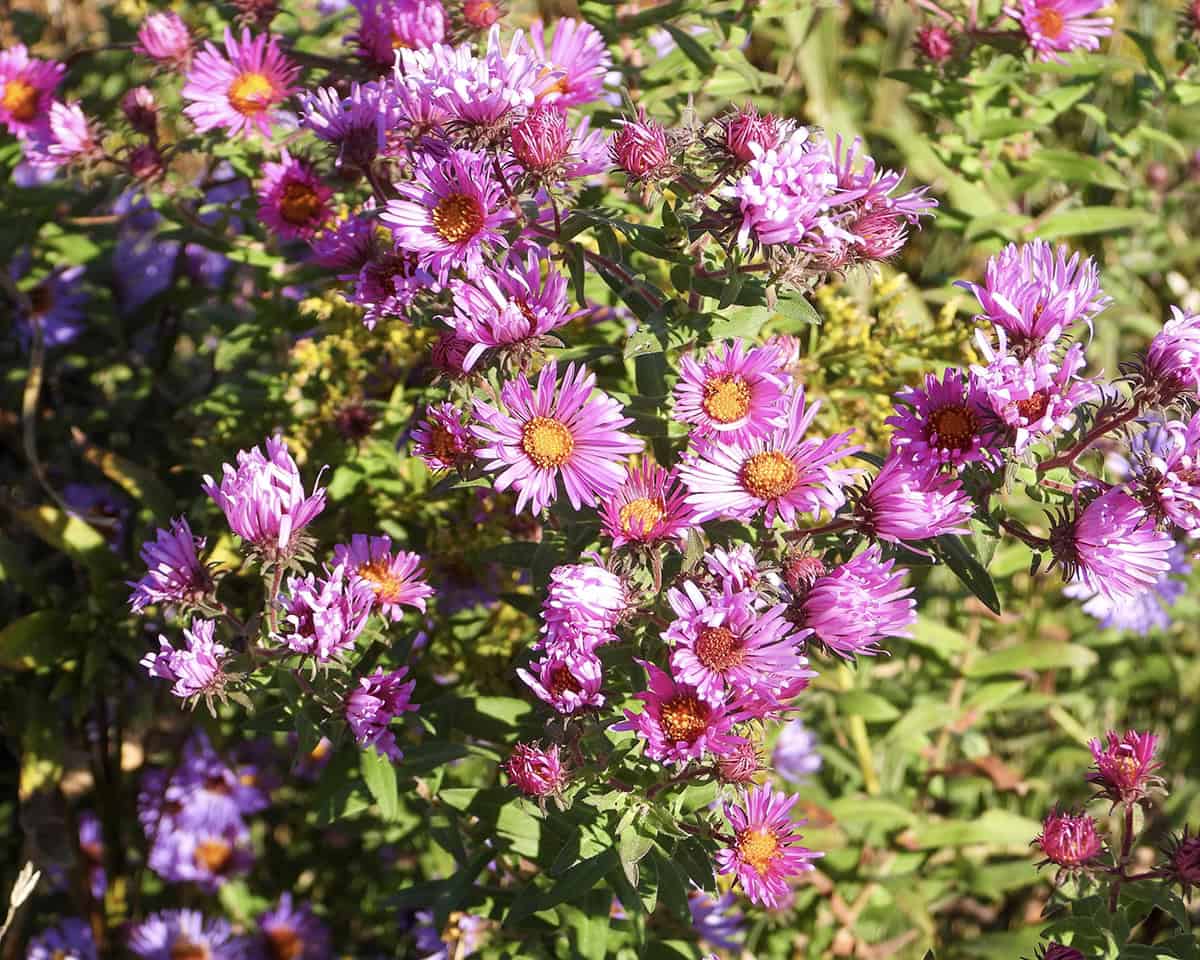
New England Aster (Symphyotrichum novae-angliae)
Zones: 4–8
Height/Spread: 3–6 feet tall, 2–3 feet wide
Habit: Upright clump
Bloom time: Late summer to fall
Late in the season, these plants explode with daisy-like flowers—purple, pink, or white, always with those sunny yellow centers. Pollinators seem to flock to them when little else is blooming.
They ask for full sun and moist but not soggy soil. Pinching back the stems early on keeps them from getting too tall and floppy.
Every few years, dig and divide to keep the patch healthy and contained.
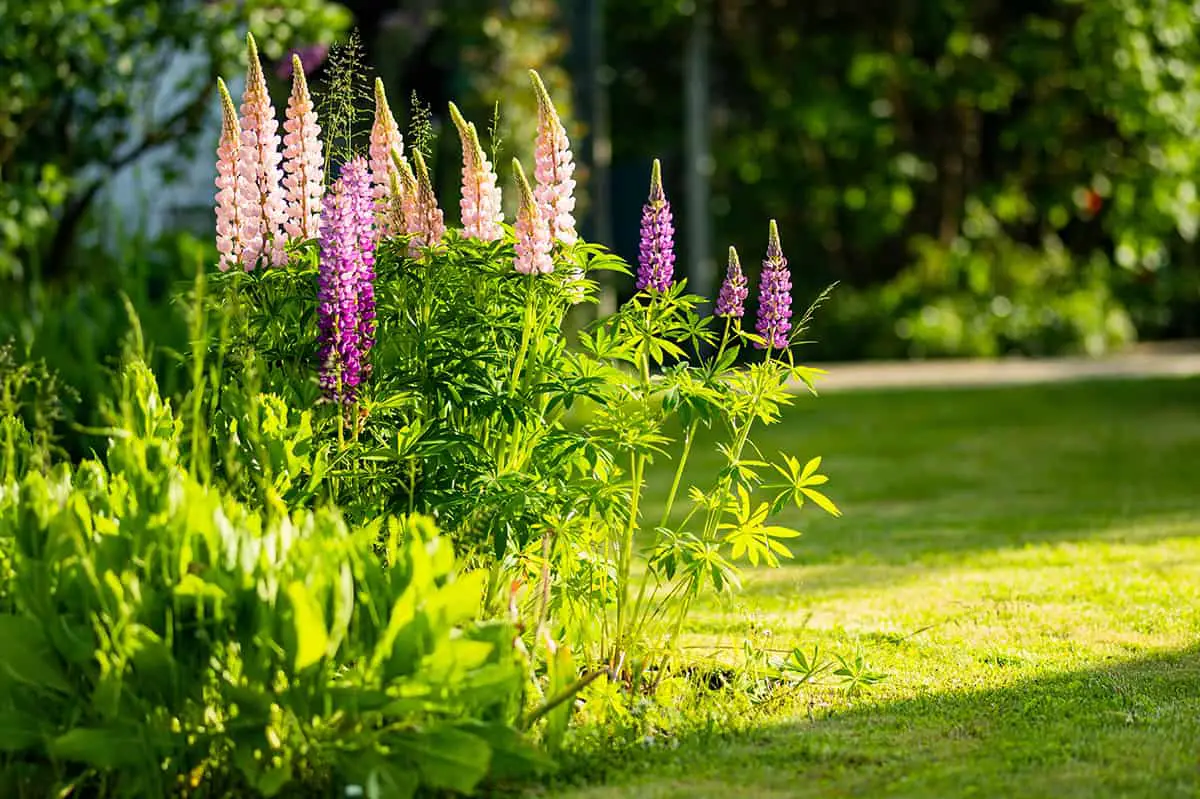
Lupine (Lupinus)
Zones: 4–8
Height/Spread: 2–4 feet tall, 1–2 feet wide
Habit: Upright clump
Bloom time: Late spring to early summer
Stately flower spikes in a painter’s palette of blues, purples, pinks, yellow, or white rise above bold, star-shaped leaves. The foliage alone makes a statement, even when not in bloom.
Full sun and a touch of acidity in the soil seem to suit them best. Heavy clay? Not so much.
Deadheading can coax out a few extra blooms on the sides, but don’t mess with those deep taproots—they don’t appreciate disturbance.
Hardy Geranium (Sun-Tolerant Varieties)
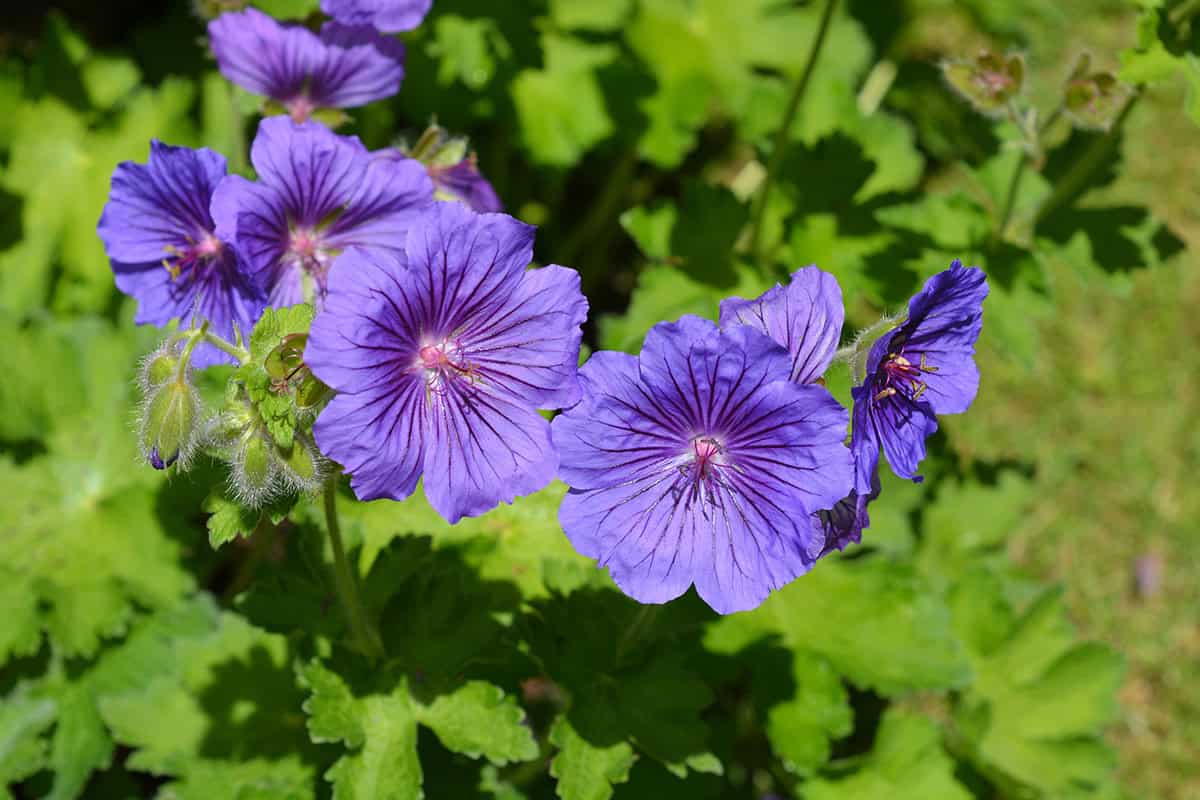
Zones: 4–8
Height/Spread: 1–2 feet tall, 1–3 feet wide
Habit: Low mound
Bloom time: Late spring to summer
Some varieties shrug off the sun, offering up pink, purple, blue, or white flowers above foliage that’s often cut and lobed for extra texture.
Average, well-drained soil is all they ask for, though in blistering heat, a bit of afternoon shade won’t hurt.
After flowering, a quick trim tidies up the leaves. Clumps can be divided when they start to sprawl or thin out.
Ornamental Allium
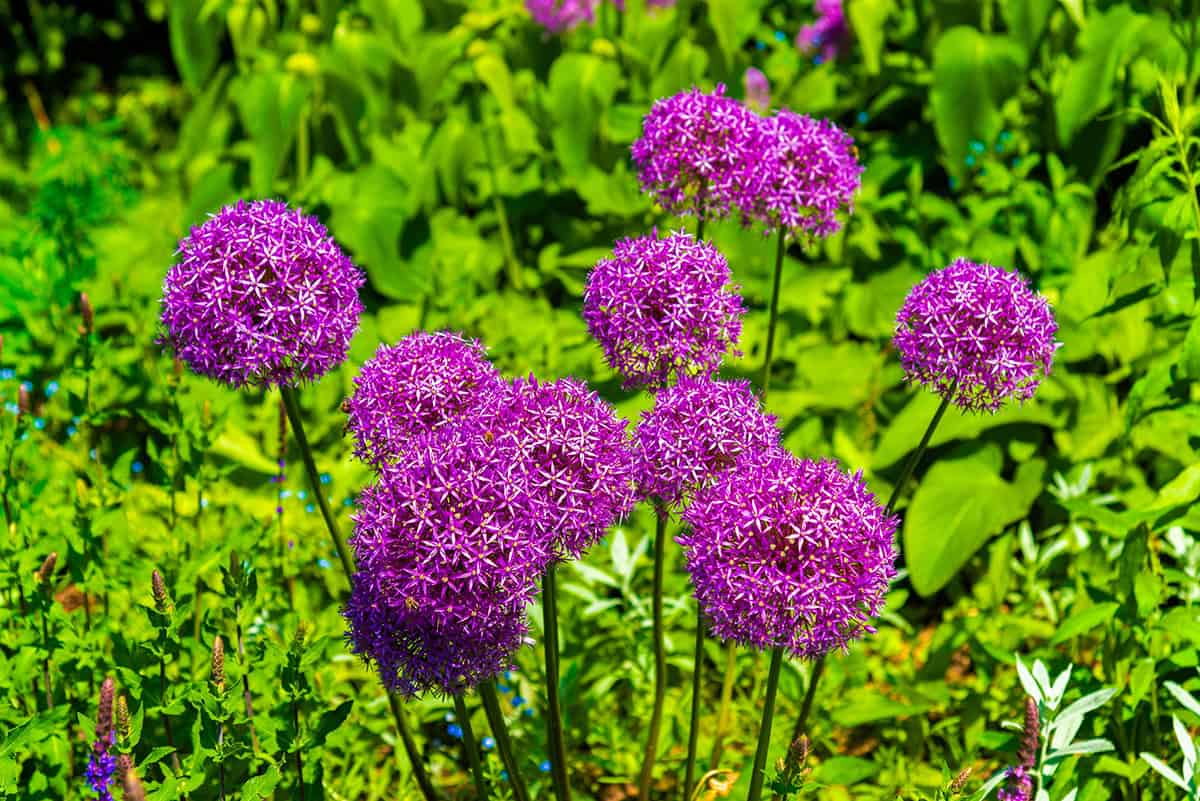
Zones: 4–9
Height/Spread: 1–4 feet tall, 6–12 inches wide
Habit: Upright bulb
Bloom time: Late spring to early summer
Globes of purple or white perch on stiff stems, giving a whimsical, architectural vibe to the border.
Bulbs want a sunny spot with quick drainage. Let the leaves yellow and wither naturally after the show’s over.
Pair with perennials that fill in later—those fading leaves aren’t much to look at.
Coreopsis grandiflora
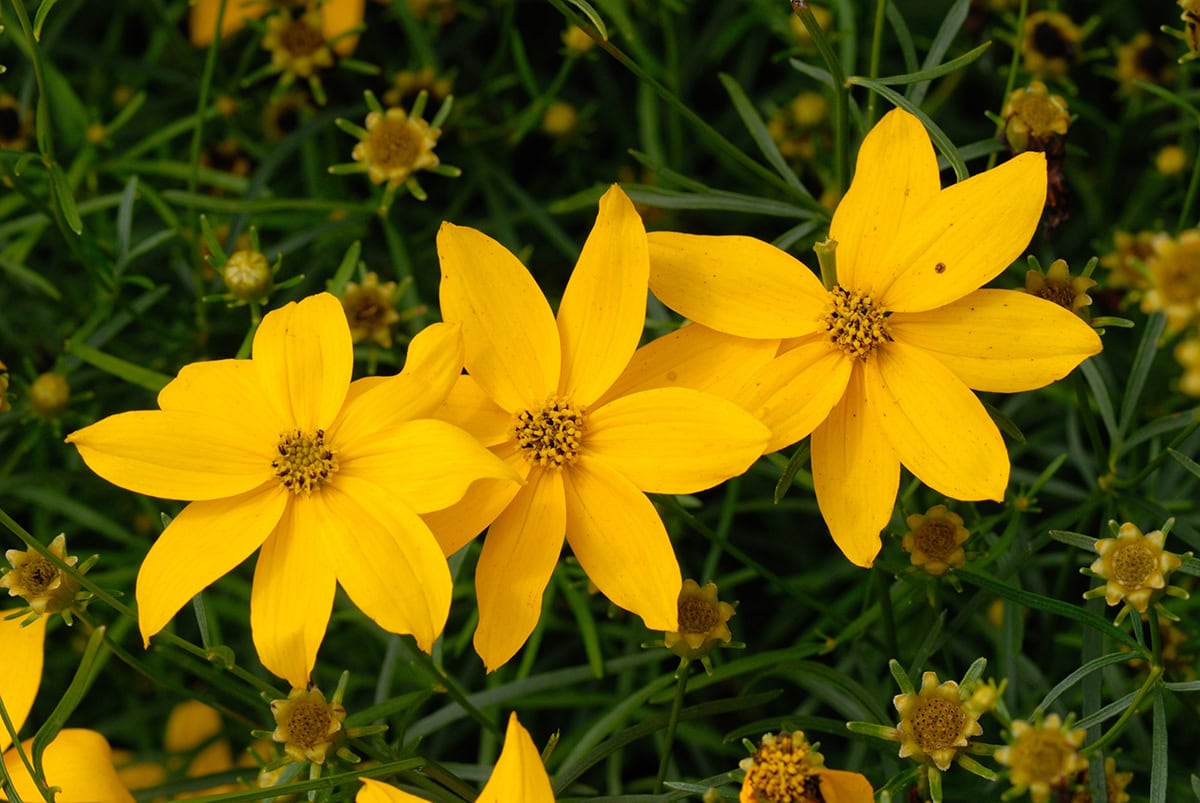
Zones: 4–9
Height/Spread: 1–2 feet tall, 1–2 feet wide
Habit: Upright clump
Bloom time: Early summer to fall
Golden-yellow flowers rise in profusion, standing out against slender foliage. In the right spot, the display can be almost nonstop.
Sun and lean, well-drained ground build sturdy stems. Overly rich soil? You’ll likely get more leaves than flowers.
Deadhead for more blooms, but if older plants start to fizzle, it’s probably time to swap in fresh ones.
Euphorbia polychroma (Cushion Spurge)
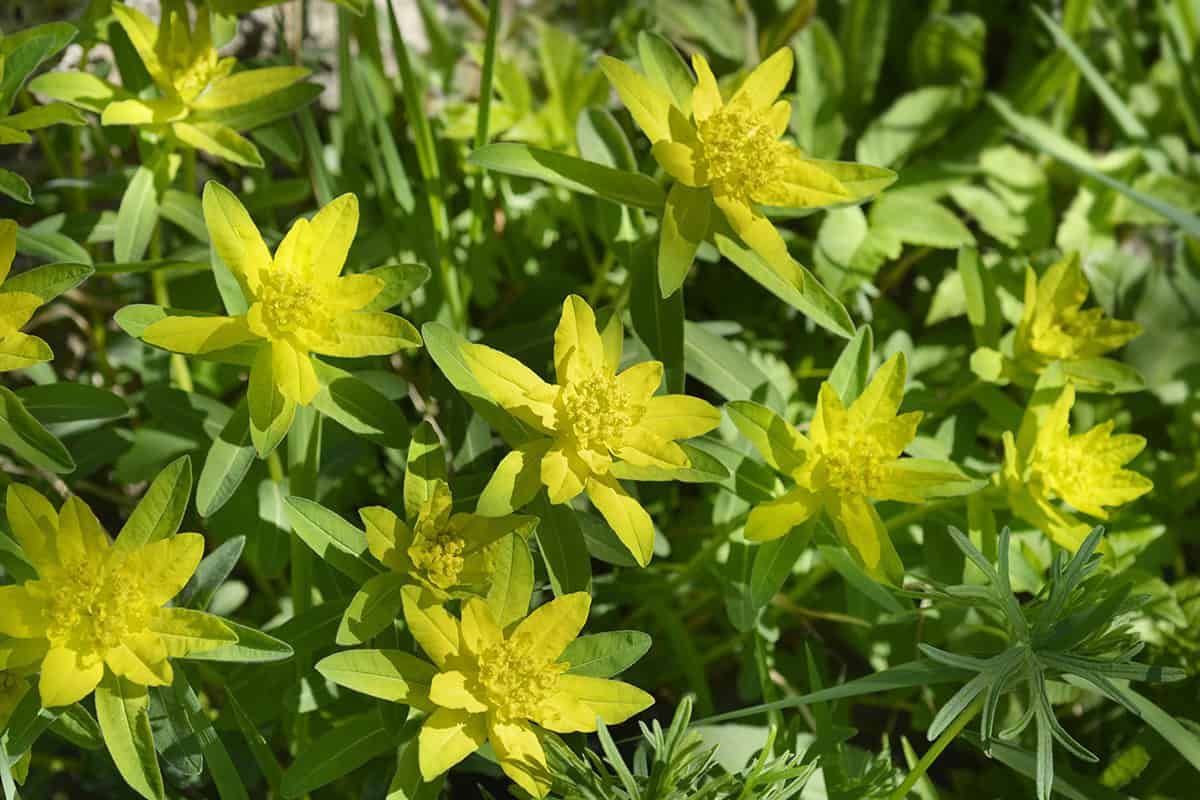
Zones: 4–8
Height/Spread: 12–18 inches tall, 18–24 inches wide
Habit: Rounded mound
Bloom time: Mid to late spring
Chartreuse-yellow bracts form a dense dome over blue-green foliage, creating a bright cushion effect that stands out in sunny borders. In fall, leaves often shift to warm red or bronze tones.
Prefers full sun and sharply drained soil. Once established, it handles dry conditions well and doesn’t need frequent watering. Avoid heavy, wet soil, especially in winter.
Cut stems back after flowering to keep the mound tidy. Wear gloves when pruning, since the milky sap can irritate skin. Divide in early spring if the clump becomes too dense.