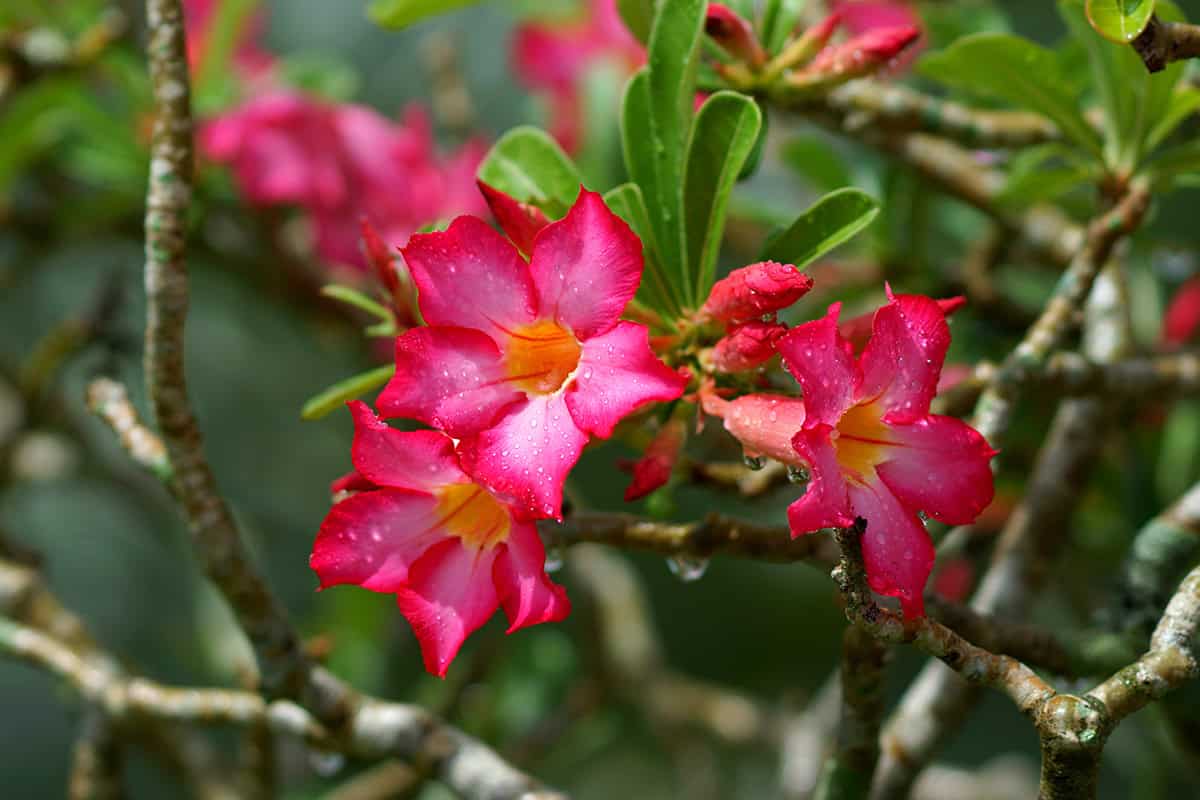
Desert rose gives you bold flowers and a striking, sculptural look, but only if you really nail the basics. It needs loads of light, warmth, super-fast-draining soil, and a watering routine that’s more desert survival than houseplant pampering. Miss the mark on any of these, and it’ll let you know—fast. Get it right, though, and it just keeps trucking along.
This isn’t your usual houseplant; it acts much more like a succulent. How much sun it gets, how hot it is, and what you put it in all matter right from the start. Water is the big one—too much and you’re in trouble, but it’ll forgive you for going a bit dry. Feeding and pruning? Those just help you control the size, shape, and when it decides to bloom.
As the seasons shift, so does the plant’s mood. When it’s growing, you can feed a bit and water more deeply, but in the cooler months, you’ve got to back off. Most issues—pests, rot, dropping leaves—usually trace back to some simple care slip. With a little know-how, you can keep it happy and blooming for years.
Table of Contents
Desert Rose Basics
Strong light, warmth, and careful watering—those are the non-negotiables. Deciding whether it should live inside or outside? That’s mostly about your weather.
What Desert Rose Needs to Thrive
Sun is everything. Aim for at least six hours of direct light daily. If you stick it somewhere dim, expect weak growth and barely any blooms. South or west-facing spots are usually best.
Keep it warm—over 60°F, ideally between 70°F and 90°F. Cold air slows it down and can wreck the roots, so frost is a hard no.
The soil has to drain fast. Skip regular potting soil; go for cactus or succulent mix. Make sure your pot has plenty of drainage holes. Only water when the soil is totally dry, all the way through.
Indoor vs. Outdoor Growing (Quick Choice)
Your local climate usually calls the shots. If you’ve got warm, dry summers, it’ll love being outside in direct sun—just bring it in before the cold hits.
Colder climates? Indoors is safer. Park it in a spot that gets a ton of sun. Give the pot a spin every couple weeks so it grows evenly. And don’t water as much as you would outside.
Airflow helps, no matter where it lives. Outdoors, wind keeps disease down. Indoors, a cracked window is good—just keep it away from cold drafts or blasting heat vents.
Light and Temperature
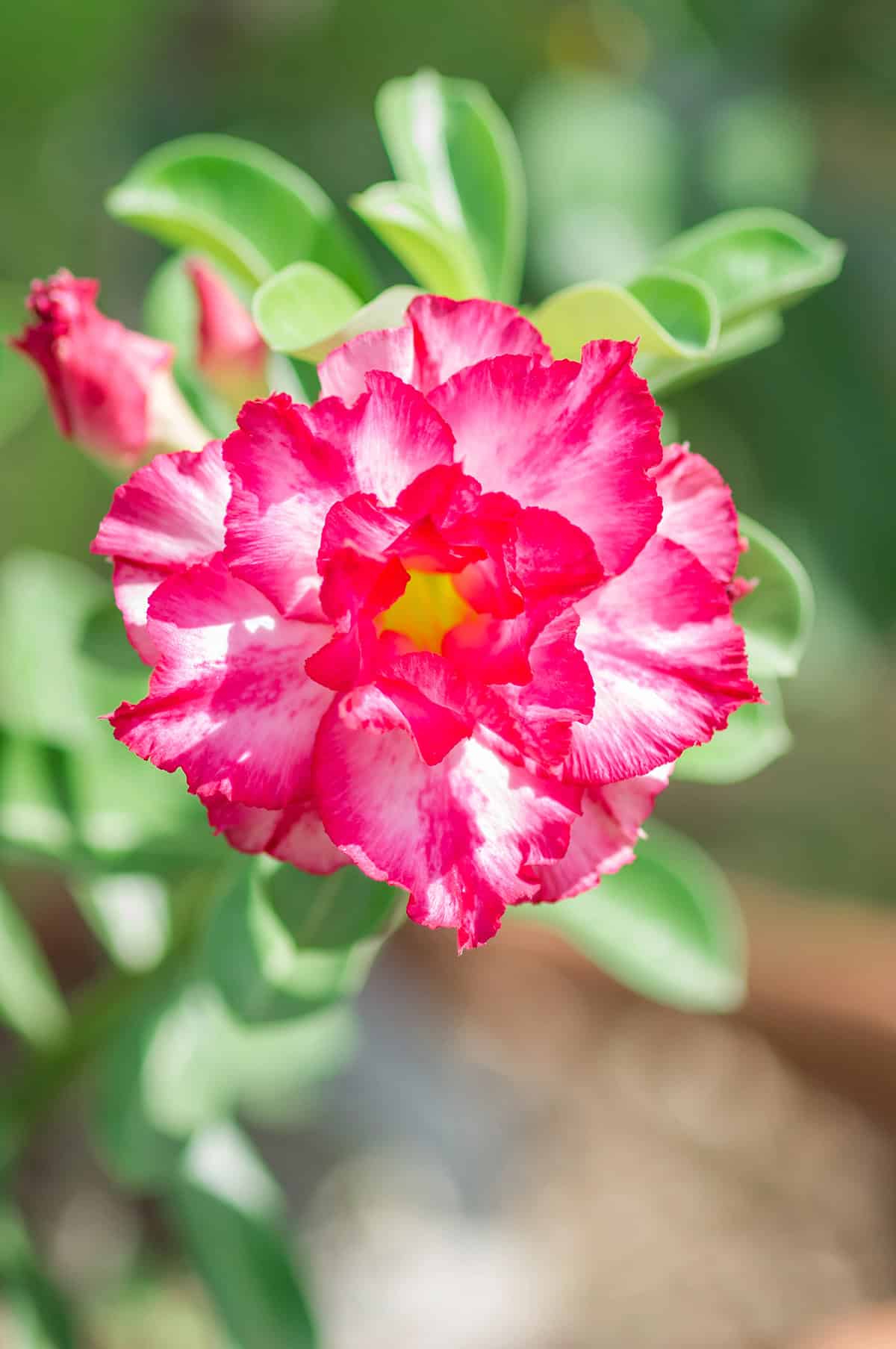
Light and heat are what keep desert rose sturdy and blooming. If you get those right, you’re already ahead of most problems.
Best Light Setup
Find a spot with at least six hours of direct sun every day. That’s how you get thick stems and lots of buds. South or west windows do the trick indoors.
If it’s not getting enough sun, you’ll see stretched-out branches and barely any flowers. Outdoors, pick an open area with zero shade. Spin your pots now and then so all sides get their turn.
Natural sunlight beats grow lights, though those work in a pinch. Just don’t let the leaves fry from being too close.
Temperature Range and Cold Protection
Desert rose likes it warm—65°F to 90°F during the day is perfect, with nights above 55°F. Anything below 40°F is risky, and frost is a death sentence. Move it inside before chilly nights arrive.
Indoors, keep it away from drafty spots and unheated rooms. Doors that open all the time in winter? Not ideal. Steady warmth keeps the base healthy and stops rot after cold stress.
Soil and Potting
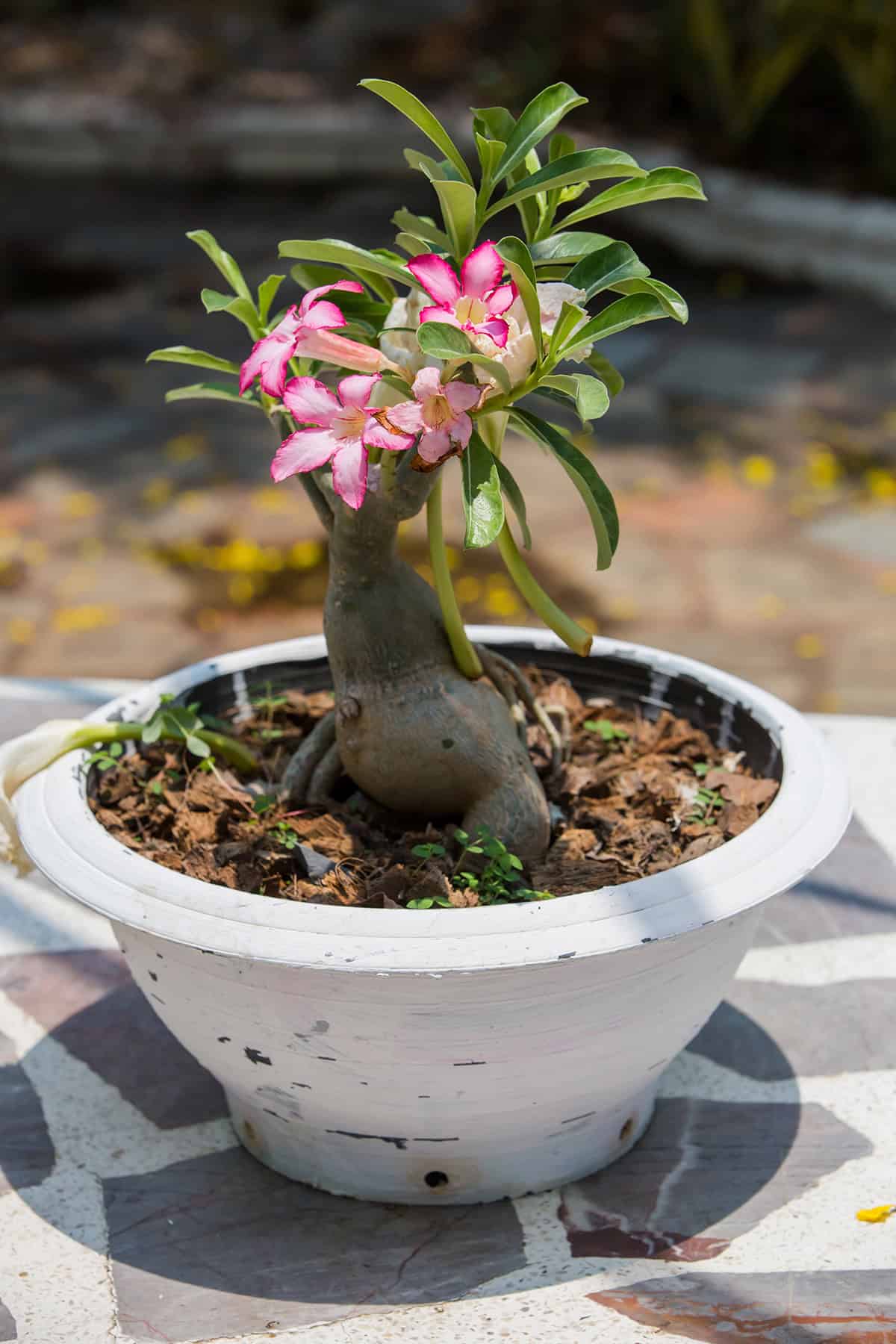
Roots need fast-draining soil, a pot that breathes, and just the right amount of room. If the soil dries fast and the pot isn’t huge, you’re on the right track.
Best Soil Mix (Fast Recipe)
Dense soil spells disaster. You want a mix that drains almost instantly. Start with cactus mix, but add in coarse sand or pumice and perlite—equal parts of each usually works. The mix should feel gritty, never sticky.
Keep the soil layer shallow under the swollen caudex. When you water, it should run right through—no puddles or dark, soggy patches.
Pot Type and Drainage Rules
Pot material matters less than drainage, but clay or unglazed ceramic helps wick away moisture, especially indoors. Plastic’s fine outdoors if you’re on top of drainage.
Multiple wide drainage holes are better than one tiny one. Elevate the pot a bit so water escapes easily and doesn’t pool under the base.
Don’t go too big with the pot. A snug fit keeps moisture in check and helps the plant stay upright. Oversized containers just stay wet for too long.
Repotting Timing
Only repot when the roots are crowded or pushing up the soil. Best time is spring or early summer, when it’s warm enough for the plant to bounce back. Skip cold months—roots won’t recover well then.
When you repot, knock off the old soil and check the roots. Cut away anything soft or dark with clean tools, and let the cuts dry out for a day before replanting.
After repotting, hold off on watering for a few days. Let any little wounds seal up before you get back to your usual routine.
Watering (The Big Mistake Zone)
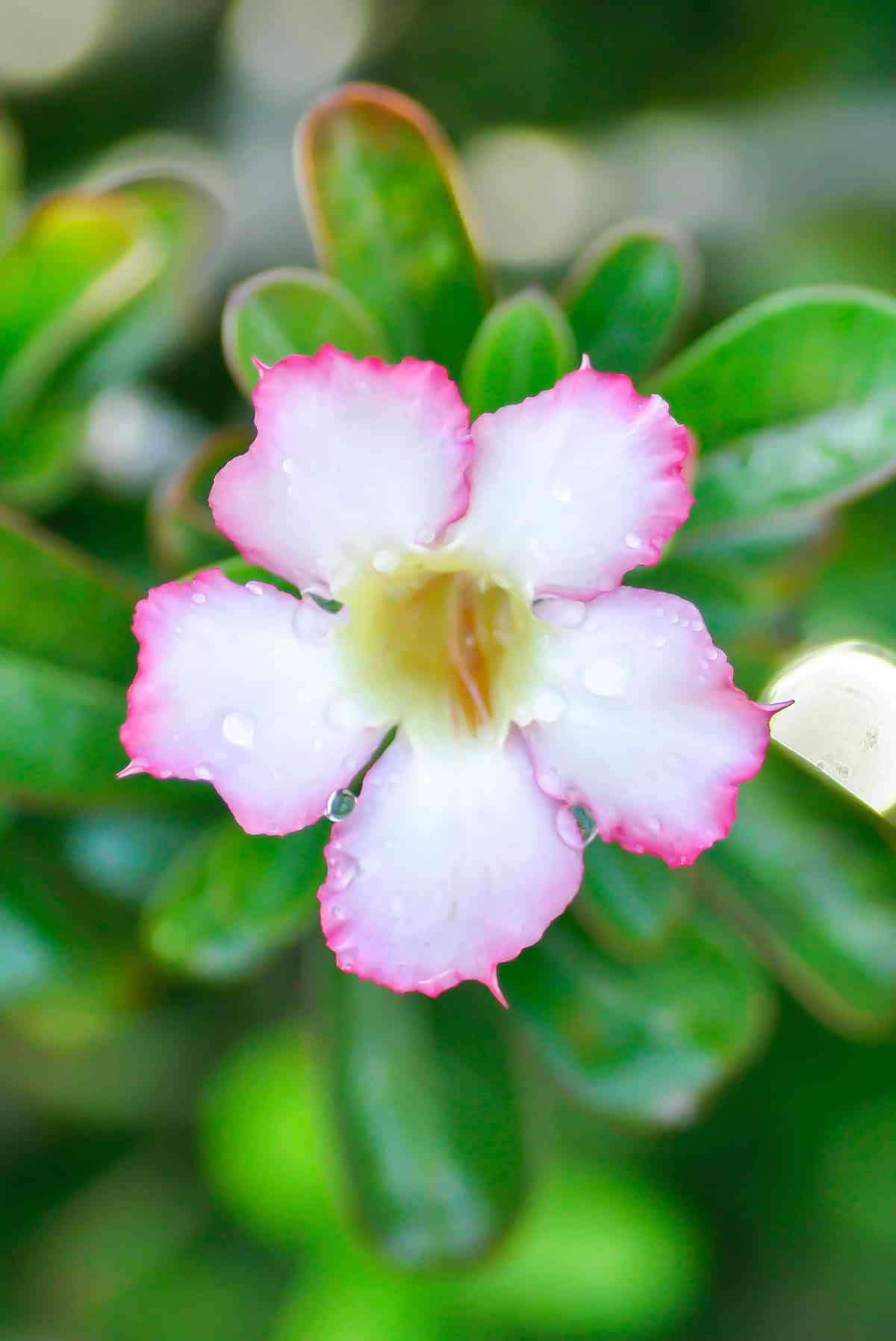
Watering is where most people mess up. You’ve got to adjust based on heat, light, and what the plant’s actually doing. Pay attention to early warning signs before things go south.
How Often to Water by Season
During spring and summer, only water once the soil is bone dry—even deep down. In hot, sunny conditions, that might mean every 7–14 days. When you do water, soak it thoroughly, let the excess run out, and then stop.
In fall, cut back as growth slows. Wait longer between waterings—every 2–3 weeks is typical, but it depends on your conditions.
Winter is even slower. If it’s cool and the plant’s not growing, maybe water every 4–6 weeks—or not at all. It’ll survive dry soil way better than soggy roots.
Signs of Overwatering vs. Underwatering
If the stems are soft or swollen, or leaves turn yellow and drop without ever drying, you’re overdoing it. A funky smell from the soil? That’s rot—roots are already in trouble, and the base will start to collapse.
Underwatering looks different: leaves curl and feel firm, the caudex shrinks and hardens, flowers drop early, but the stems stay solid.
Trust your touch. If the caudex is firm and the soil’s dry, wait. If it’s soft, stop watering and fix the drainage, fast.
Feeding and Growth
Keep feeding light and don’t overdo it. Blooms depend on the right nutrients, enough sun, and letting the plant dry out between waterings.
Simple Fertilizer Plan
Go easy on fertilizer. Use a diluted, balanced formula (think 10-10-10 or 20-20-20, but at half strength) every four to six weeks during active growth in warmer months.
Too much nitrogen means floppy growth and fewer flowers. Less is more, honestly. When it cools down or growth slows, skip the fertilizer altogether.
Let the soil dry almost completely before watering or feeding. Combining too much water and fertilizer is a recipe for root rot and a sad-looking plant.
How to Encourage Blooms
Sunlight is the main driver for flowers. Make sure it gets at least six hours of direct sun, with morning and bright afternoon light being ideal for potted plants.
If you let it go a little dry between waterings, that often triggers more buds. The plant might drop a few leaves, but it’ll bounce back just fine.
A bit more phosphorus can help flowers, but don’t go overboard—too much causes salt to build up. Use a slightly higher phosphorus fertilizer once or twice a season, tops. Warm temps (over 70°F) also help keep the blooms coming.
Pruning and Shaping
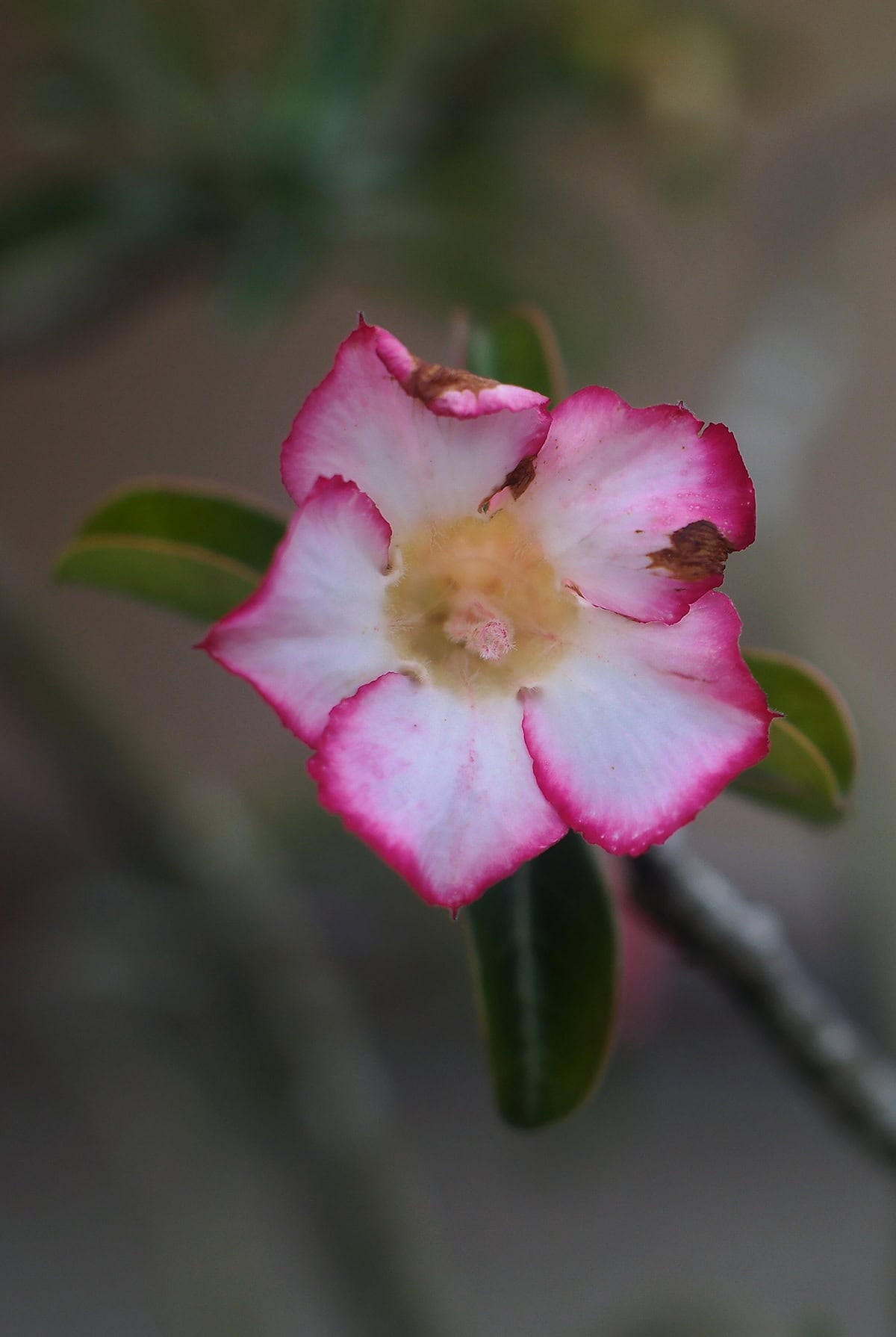
Smart pruning keeps desert rose looking good and able to hold up heavy blooms. The timing and technique make all the difference.
When to Prune
Late winter to early spring is your window. That’s when you can encourage new branches before the main growth kicks in. Warm air helps cuts heal quickly and lowers the risk of rot.
Don’t prune in cold or damp weather. Recovery will drag, and you’re more likely to get fungal issues. If you’re in a hot area, wait until nights are reliably above 55°F.
Always use clean, sharp tools. Start by removing anything dead or damaged. Cut just above a leaf node so new shoots grow outward, keeping the plant open and airy.
Shaping Tips for a Thicker Plant
Trim long branches back by about a third to force energy into side shoots. This makes the plant bushier without stressing it too much.
Go for a rounded shape with space between branches. That way, light gets to the middle and you avoid crowding. Balanced spacing helps the whole plant flower evenly.
Wear gloves—seriously, the sap is irritating. Let cuts dry for a few hours before watering again to avoid any issues with infection or rot.
Common Problems and Fixes
Desert rose doesn’t hide its problems. Watch for changes in leaf color, stem feel, or pest activity. Quick fixes and getting back on track with care usually save the day.
Yellow Leaves and Soft Caudex
Yellowing leaves and a squishy base almost always mean too much water or lousy drainage. Roots suffocate in wet soil, and the caudex starts to store up the damage. Leaves fade and drop, and the base goes spongy if you press it.
Check your pot and soil first. Use a well-draining mix—lots of grit or coarse sand helps. Let the soil dry completely between waterings, then water thoroughly and back off again.
Don’t forget about light. At least six hours of direct sun is a must. Dim spots just keep the soil wet longer, making things worse.
Pests (Mealybugs, Spider Mites)
White fuzz near leaf joints? Mealybugs. Fine webs and pale specks? Spider mites. Both drain sap and can mess up new growth quickly.
Check stems and the undersides of leaves weekly. Dab pests with a cotton swab dipped in alcohol. Follow up with insecticidal soap or neem oil, and repeat after a week.
Spider mites love dry air, so bump up airflow and avoid letting the plant get heat-stressed. Keep it away from other succulents until the bugs are gone.
Root Rot: What to Do Immediately
Root rot works fast and starts out of sight. If there’s a bad smell, black roots, or a squishy base, act now. Waiting just makes things worse.
Pull the plant out of its pot right away. Cut off any black or mushy roots with a sterile blade. Let what’s left dry out for a few days somewhere warm and shaded.
Don’t replant until the cuts have sealed. Use dry, gritty soil and a clean pot. Hold off on watering for at least a week, then get back on a careful schedule.
Propagation
You can get more desert rose plants from cuttings or seeds. Each method has its perks—cuttings bloom faster, but seeds give you that classic swollen base right from the start.
From Cuttings (Fast Method)
Stem cuttings are a quick way to get a blooming plant going. Pick a healthy branch—firm wood, no bugs. Snip off a piece, about five or six inches, and let it sit out for a few days so the end can callus over.
Stick the cutting upright in a dry, gritty cactus mix. Don’t overdo it with water—just enough to keep things from turning to dust. Too much moisture and you’ll just end up with a mushy mess.
Roots usually appear in four to eight weeks if it’s warm and bright. The flowers will look just like the parent’s, but don’t expect a big, showy caudex; cuttings just don’t get that fat base like seed-grown ones do.
From Seeds (Best for Caudex)
Starting from seed puts you in the driver’s seat for shape and style. Go for fresh seeds—they’re way more reliable. Just press them onto the surface of your potting mix (don’t bury them), and use something clean and well-draining.
Keep things a little damp, not soggy, and aim for warmth—somewhere around 75 to 85°F is ideal. Most seeds pop up in about a week or so.
These seedlings develop a beefier caudex as they mature. The flowers? They’ll surprise you—color isn’t always predictable, even with seeds from the same plant. It’s a longer wait for blooms (think a year or two), but the shape usually ends up looking more balanced and, honestly, just better.
Seasonal Care
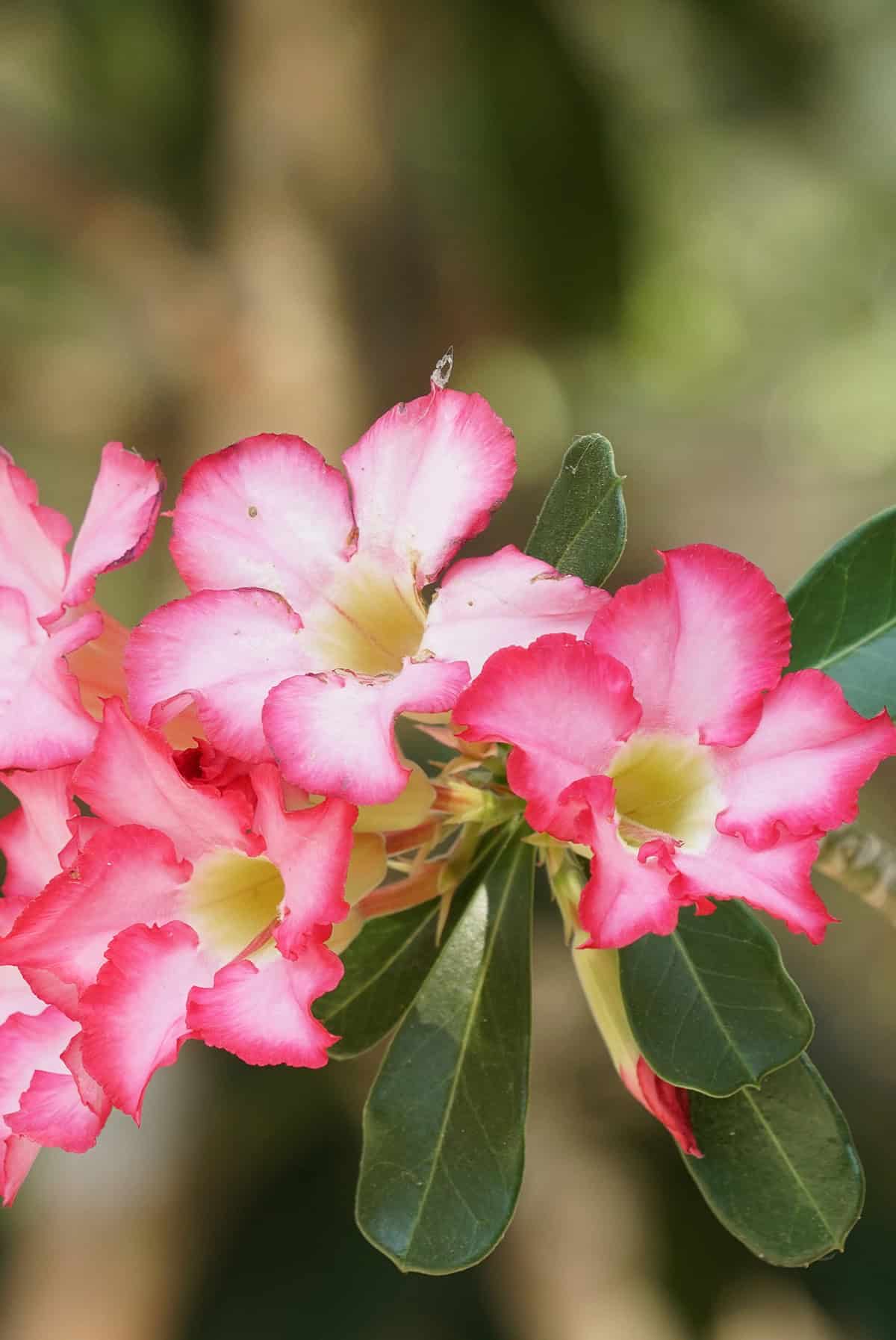
How your plant grows, drinks, and blooms changes with the seasons. You’ll want to tweak light, water, and temperature as the year rolls along—no one-size-fits-all here.
Winter Rest and Dormancy Care
Once it gets chilly, growth slows and the plant might just call it quits for the season. Cut way back on watering when temps dip below 60°F—let the soil dry out between sips or you’ll risk root rot.
Give it as much light as you can; south-facing windows are your friend. Just don’t let it get too cold—anything under 40°F can scar it for good. If it’s in a pot, bring it inside before the frost sneaks up on you.
Leaves dropping off in winter? No big deal, that’s just the plant taking a breather. Skip the fertilizer—feeding now just stresses it out. Wait for solid new growth in warmer weather before you get back to regular care.
Summer Heat and Airflow Tips
High heat can actually boost growth and flowering, as long as you keep stress in check. Shoot for at least six hours of direct sun—these plants are sun-lovers. If it gets blazing out, a little afternoon shade helps keep the leaves from frying.
Let the water really soak in, but make sure it drains out quickly. Go for a gritty cactus or succulent soil and a pot with plenty of holes at the bottom. If the soil stays soggy, roots will rot, even during summer.
Airflow’s a big deal when it’s hot. Don’t crowd your plants together or shove them in corners on the patio. With some space and a bit of breeze, you’ll see fewer fungal issues and sturdier stems, even in a heat wave.