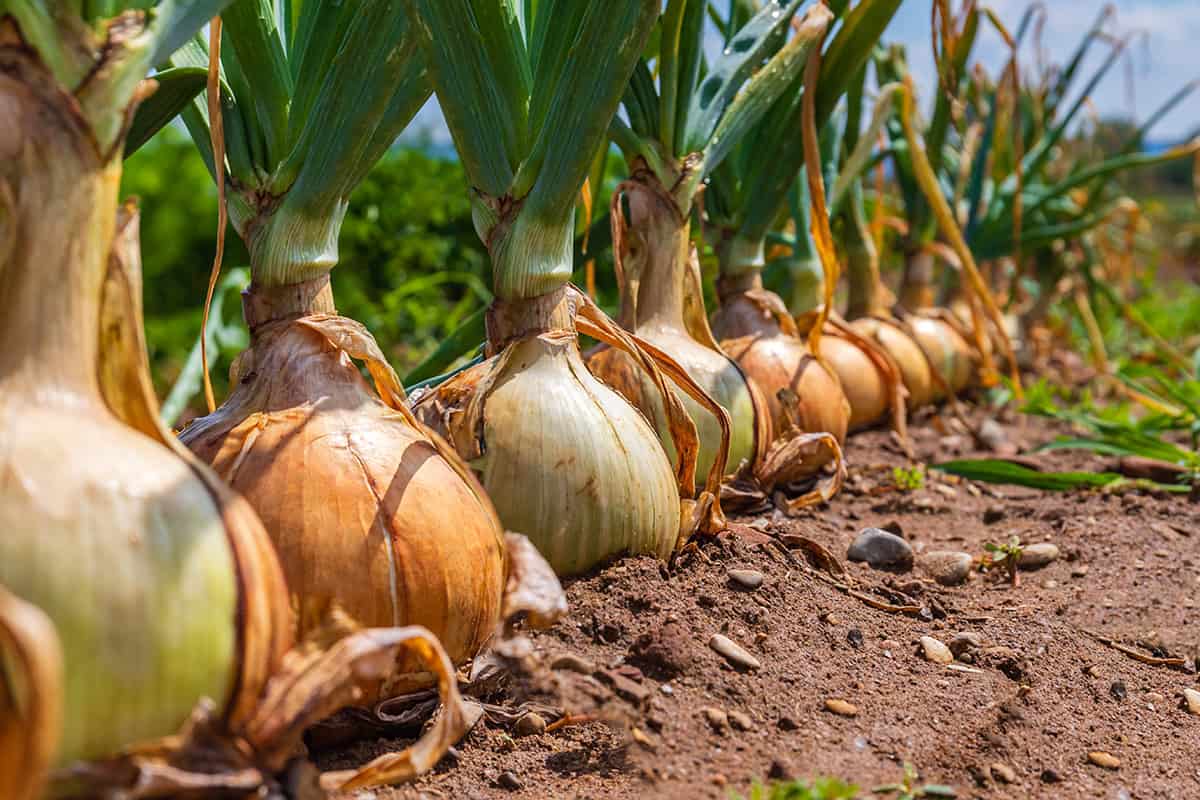
Growing onions sounds simple until harvest day proves otherwise. Thin bulbs, early bolting, and uneven growth frustrate even experienced gardeners. Soil conditions, spacing, and timing quietly decide how large your onions get.
Many gardeners focus on watering but miss other critical factors that matter just as much. A few small adjustments can make a noticeable difference in bulb size. The good news is these fixes don’t require fancy tools or expensive products.
Check out the article to learn how to grow onions that actually reach their full size.
Table of Contents
- Choose The Right Onion Variety
- Provide Plenty Of Sunlight
- Prepare Nutrient-Rich Soil
- Water Consistently, But Not Excessively
- Space Onions Correctly When Planting
- Fertilize At The Right Time
- Keep The Garden Weed-Free
- Remove Flower Stalks (Bolting Prevention)
- Support Growth With Mulching
- Be Patient And Harvest At The Right Time
Choose The Right Onion Variety
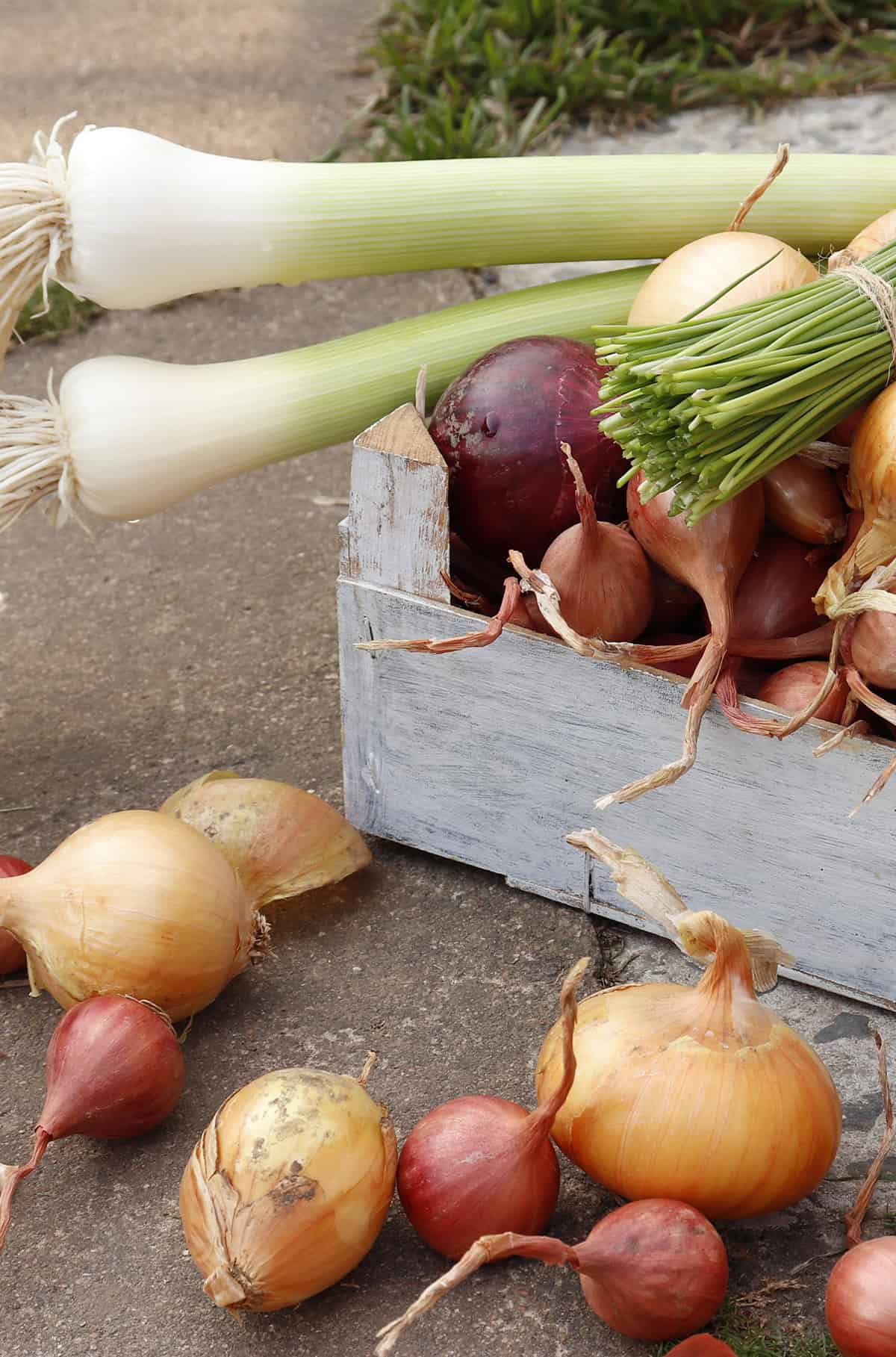
Selecting the appropriate onion variety is crucial for achieving large bulb growth. Climate plays a significant role in determining which type will thrive, as onions adapt differently to varying amounts of daylight.
Short-Day Vs. Long-Day Vs. Intermediate-Day Onions
Onions are categorized by the day length required to begin bulb formation. Short-day onions need about 10-12 hours of daylight. They perform well in southern regions with milder winters. These onions often produce bulbs faster due to the shorter growing season.
Long-day onions, needing 14-16 hours of daylight, are suited for northern areas. This type thrives during long summer days. These onions can achieve larger sizes because of the extended sunlight exposure.
Intermediate-day onions fall between the two. They are adaptable to a broader range of locations. These onions need approximately 12-14 hours of daylight. Consider your region’s latitude when choosing the variety for optimal growth.
Best Varieties For Large Bulbs
Your choice of variety can significantly affect bulb size. Walla Walla and Sweet Spanish are renowned for producing large bulbs. They favor long-day conditions, making them ideal for northern gardens.
Texas Super Sweet onions are great for short-day regions. They are known for their sweet taste and impressive size. In intermediate-day areas, consider Candy onions, a variety celebrated for its versatility and substantial bulb growth.
Research your local climate and soil conditions. This helps in selecting the best onion type for size and taste. Ensure your onions have plenty of sun and appropriate growing conditions for maximum size potential.
Provide Plenty Of Sunlight
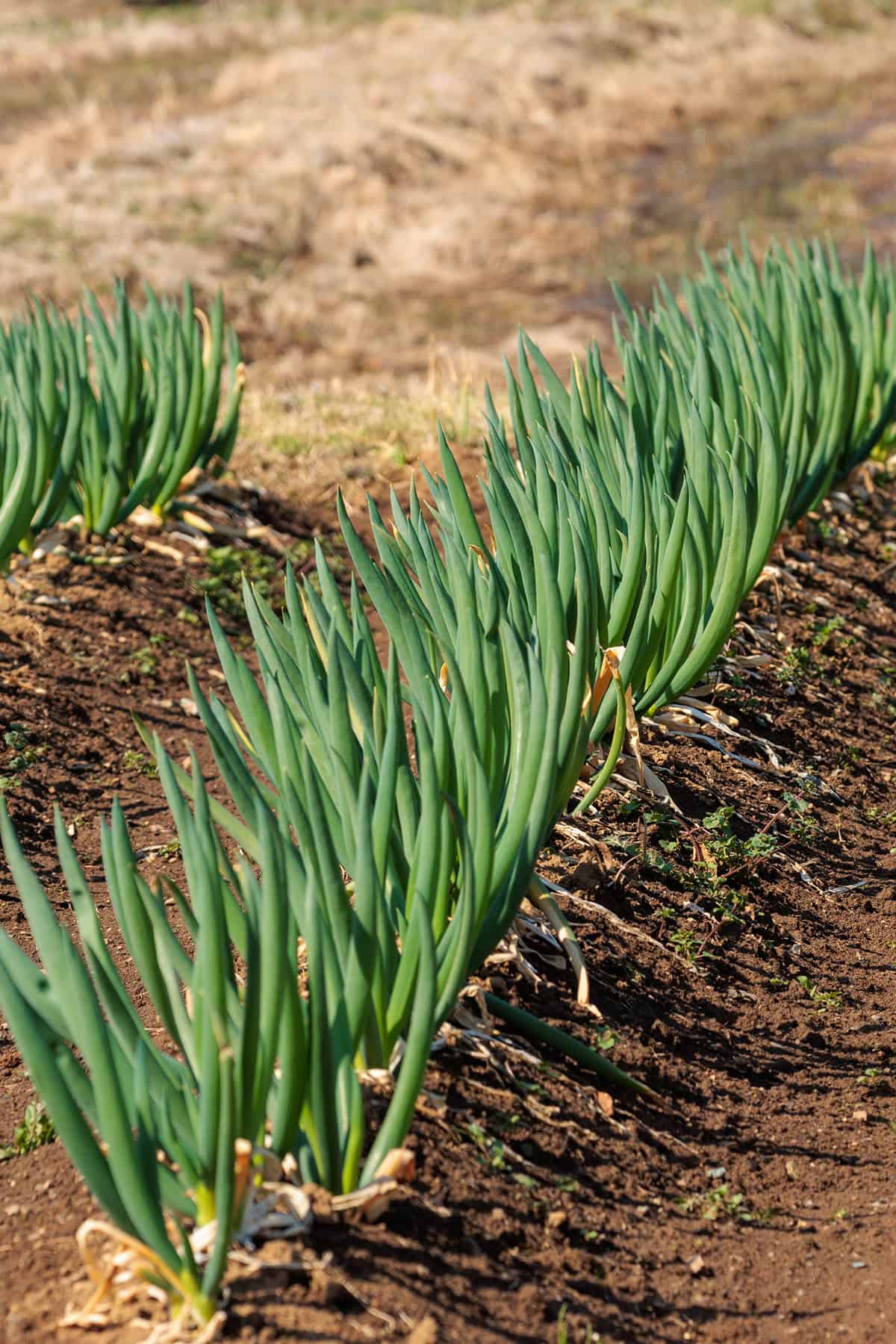
Ensuring your onions receive adequate sunlight is key to their successful growth. Sunlight facilitates photosynthesis, which is crucial for bulb formation and development.
Ideal Sunlight Requirements For Onion Growth
Onions thrive with ample sunlight. Aim for full sun exposure, which means at least 14 hours of light daily. This duration matches onions’ natural tendencies and helps them form bulbs efficiently, especially for long-day varieties. Selecting a location for your garden where the sun is unobstructed can maximize growth potential.
Full sun locations ensure that onions aren’t competing with shadows or other vegetation blocking their light, which could otherwise hinder their growth.
Why Full Sun Matters For Bulb Development
Full sun is vital for onions because it drives photosynthesis. Photosynthesis is the process by which plants convert light into energy. Adequate energy is essential for plants to form large, healthy bulbs. Without enough sunlight, bulb development slows, and onions may remain small and underdeveloped.
Additionally, full sunlight helps maintain the soil’s warmth. Warm soil is beneficial for onion growth as it enhances nutrient uptake and overall plant health. By ensuring full sun exposure, you can significantly improve onion bulb size and quality.
Prepare Nutrient-Rich Soil
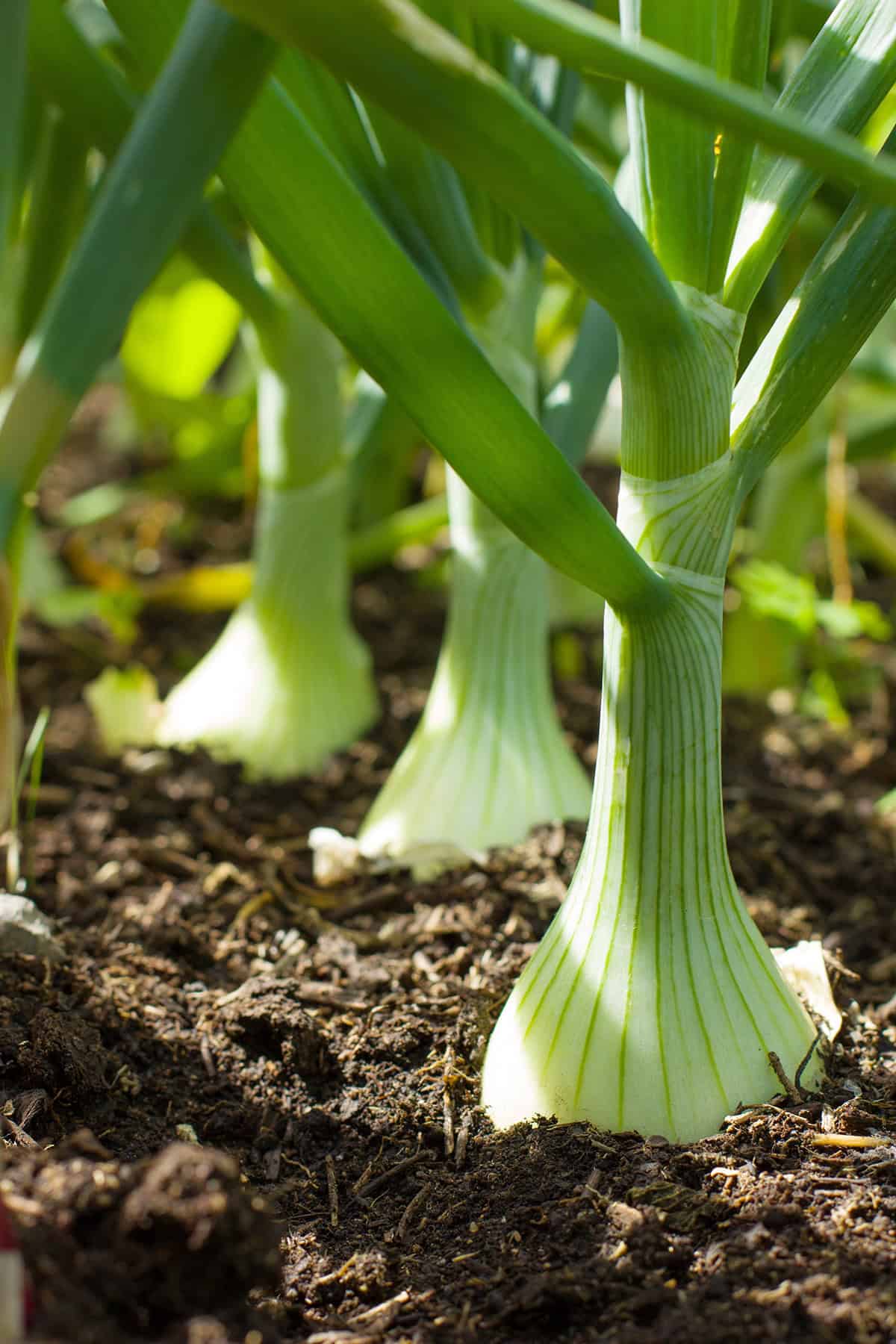
Creating the right growing conditions is essential for cultivating large onions. Focus on soil type and amendments to provide the necessary nutrients required for robust growth.
Ideal Soil Type And PH Level
The type of soil you use significantly impacts onion growth. Onions thrive in well-drained, sandy-loam to silt-loam soils. These soils encourage proper drainage while retaining essential nutrients. A pH level between 6.0 and 7.0 creates an ideal environment for onions, promoting healthy root and bulb development.
Testing your soil’s pH is recommended before planting. If the pH is too low, consider adding lime to increase it. Keep organic matter high to provide essential nutrients and improve soil structure.
How To Amend Soil For Bigger Onions
Enhancing soil quality boosts onion size. Add organic matter like compost or well-rotted manure. These amendments enrich the soil with nutrients and improve soil texture.
Side-dress your onions with nitrogen-rich fertilizers in May and June. This promotes foliage growth, which is critical for bulb size. Ensure your amendments are evenly incorporated into the soil. Consistent watering is vital, as moisture helps soil amendments reach the roots. Regular watering ensures that nutrients are continually available to the growing plants.
Water Consistently, But Not Excessively
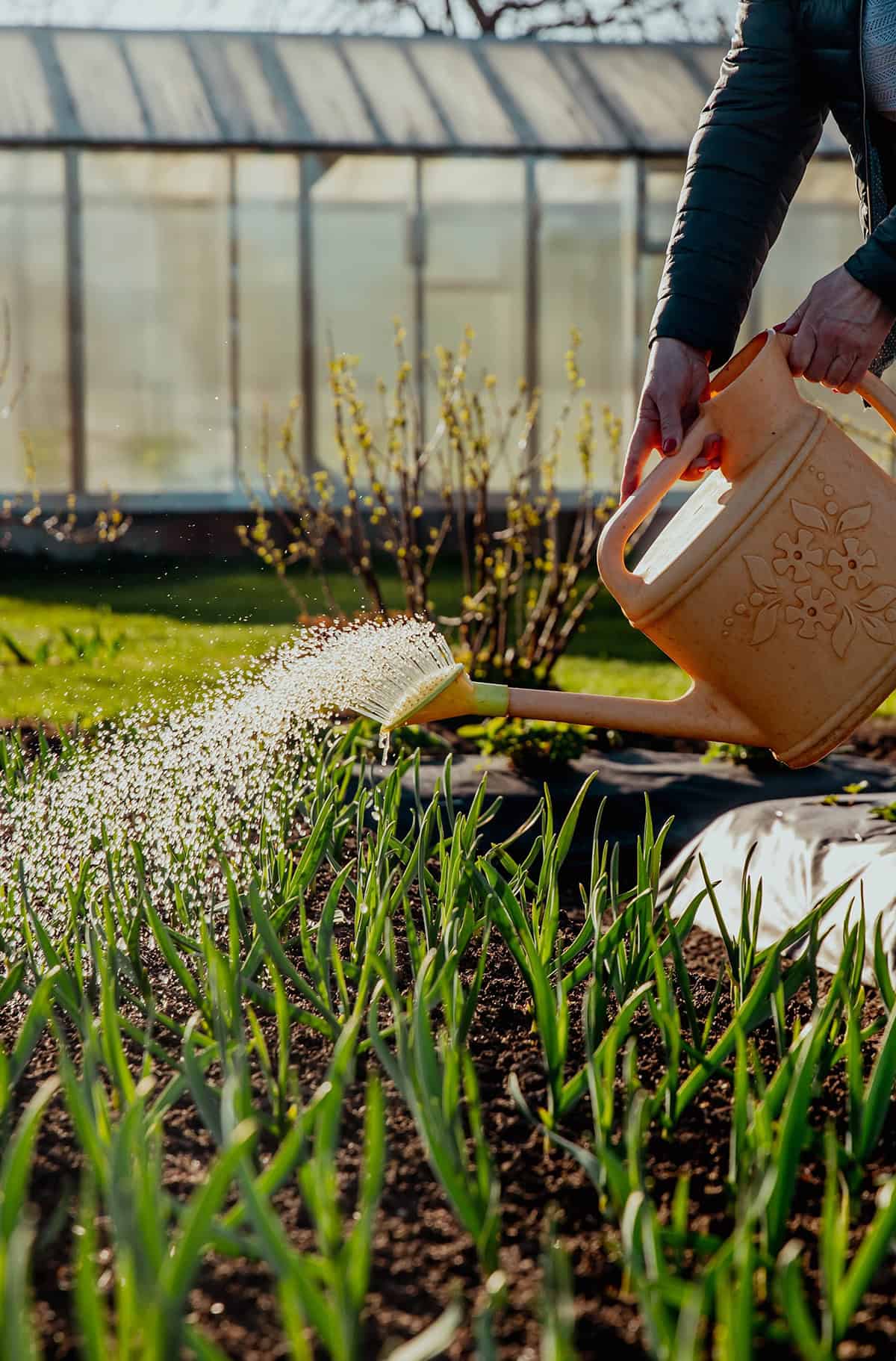
Ensuring onions get the right amount of water is crucial for growth. They need moisture but can suffer from rot and diseases if overwatered. Paying close attention to timing and quantity can help you achieve bigger, healthier onions.
Proper Watering Schedule
Onions require regular watering to thrive. Aim to provide about one inch of water weekly, as onions need constant soil moisture but not standing water. Morning watering is best; it allows the soil to dry out slightly during the day, reducing disease risk.
Use a rain gauge to track rainfall. If rainfall is insufficient, supplement with irrigation. This consistency helps onions grow larger by ensuring they receive the hydration they need throughout their growth cycle.
How To Avoid Overwatering And Rot
Overwatering leads to poor onion growth. It also increases the risk of root rot. Ensure soil drains well. Sandier soils work best. Raised beds help if your garden soil retains excess moisture. Feel the soil with your fingers; it should be damp but not soggy. If waterlogged soil is an issue, adjust irrigation frequency. Ensuring good drainage prevents diseases and promotes healthy bulb development, resulting in bigger onions.
Space Onions Correctly When Planting
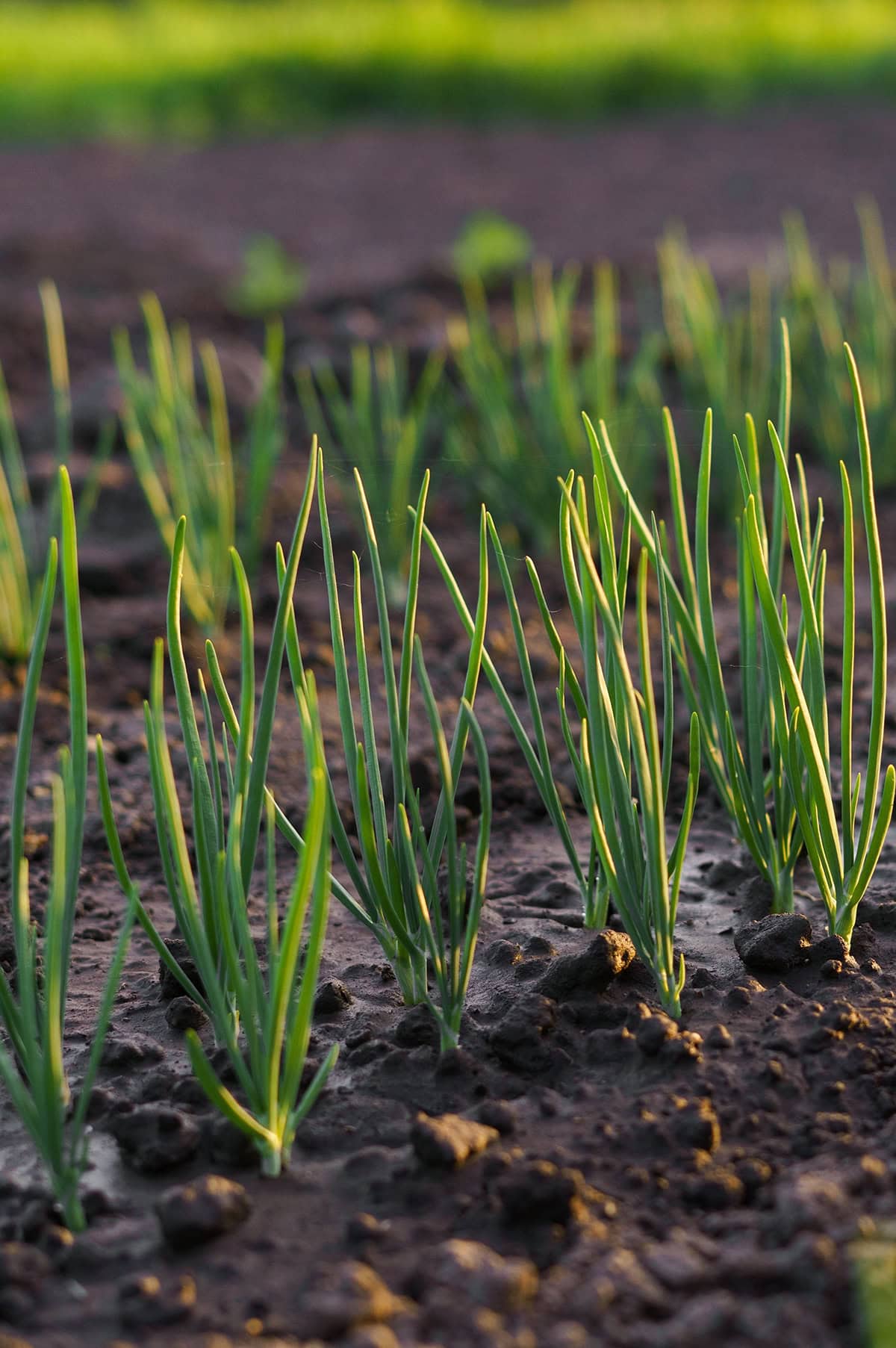
Ensuring onions have enough space when planting is crucial for their growth. Proper spacing between onion plants and rows influences the development of larger bulbs, maximizing yield and quality.
Recommended Spacing Between Plants And Rows
For optimal growth, planting onions with the correct spacing is essential. When using onion sets, ensure each plant is spaced 2 to 3 inches apart. This distance allows each onion to access nutrients and sunlight efficiently.
Rows should be spaced about 12 inches apart. This provides room for air circulation and ease of access for maintenance. In wider beds, keep a 4-inch distance between each plant to ensure adequate growth space.
How Crowding Affects Bulb Size
Crowding significantly impacts the size of onion bulbs. When plants are too close together, they compete for resources such as water, light, and nutrients. This competition often results in smaller, less developed bulbs.
Inadequate spacing can also limit air circulation, increasing the risk of diseases that affect growth. Avoid crowding by following recommended spacing guidelines to reduce competition. This practice contributes directly to producing larger, healthy onions.
Fertilize At The Right Time
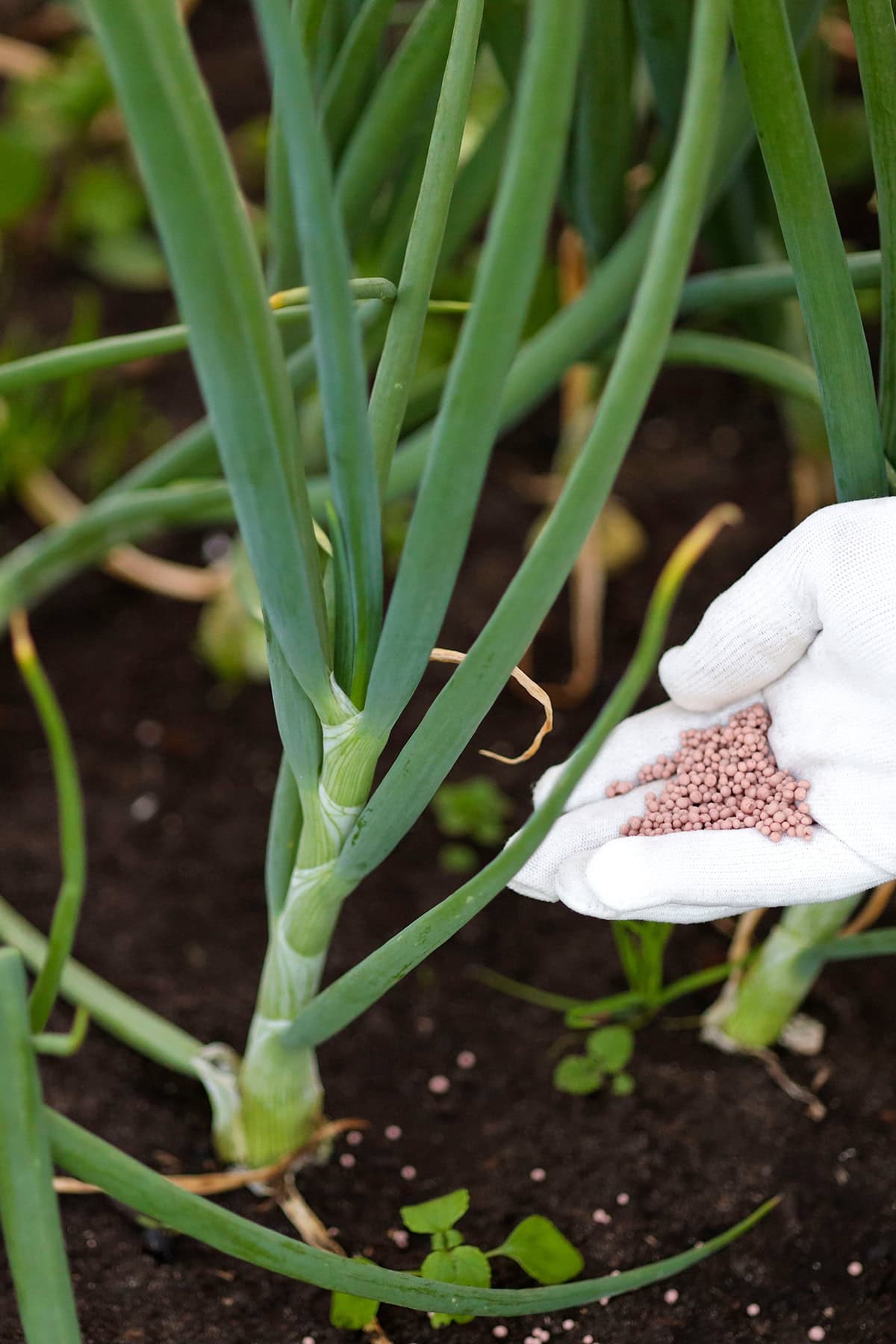
Providing the right nutrients at the appropriate times can greatly enhance onion growth. You’ll find that choosing the best fertilizers and applying them at key intervals is crucial for achieving larger onion bulbs.
Best Fertilizers For Onion Growth
Selecting the right fertilizer involves focusing on essential nutrients. Onions thrive with nitrogen-rich fertilizers, which support leaf growth, ultimately contributing to larger bulbs. Common recommendations include urea (45-0-0) or ammonium sulfate (21-0-0), both known for their effectiveness in boosting onion development.
Look for a balanced fertilizer that includes phosphorus and potassium; these nutrients support healthy root systems and bulb formation. Formulations like 10-10-10 can provide an all-around nutrient base. Consider organic options such as compost or well-rotted manure if you prefer natural fertilizers.
Timing And Frequency For Bigger Results
Timing your fertilizer applications is vital. Start fertilizing around the time onions begin to form bulbs, typically in mid-spring. Applying fertilizer at the right intervals ensures consistent nutrient availability. Initiate the first application 40 to 60 days after planting. This period helps support early growth stages.
Plan subsequent applications throughout the growing season. For best results, side-dress with nitrogen-based fertilizers in mid-May and again in late June. Adjust these intervals based on your local climate and growth conditions. Always follow package instructions for exact amounts. Too much fertilizer can lead to excessive leaf growth at the expense of bulb development.
Keep The Garden Weed-Free
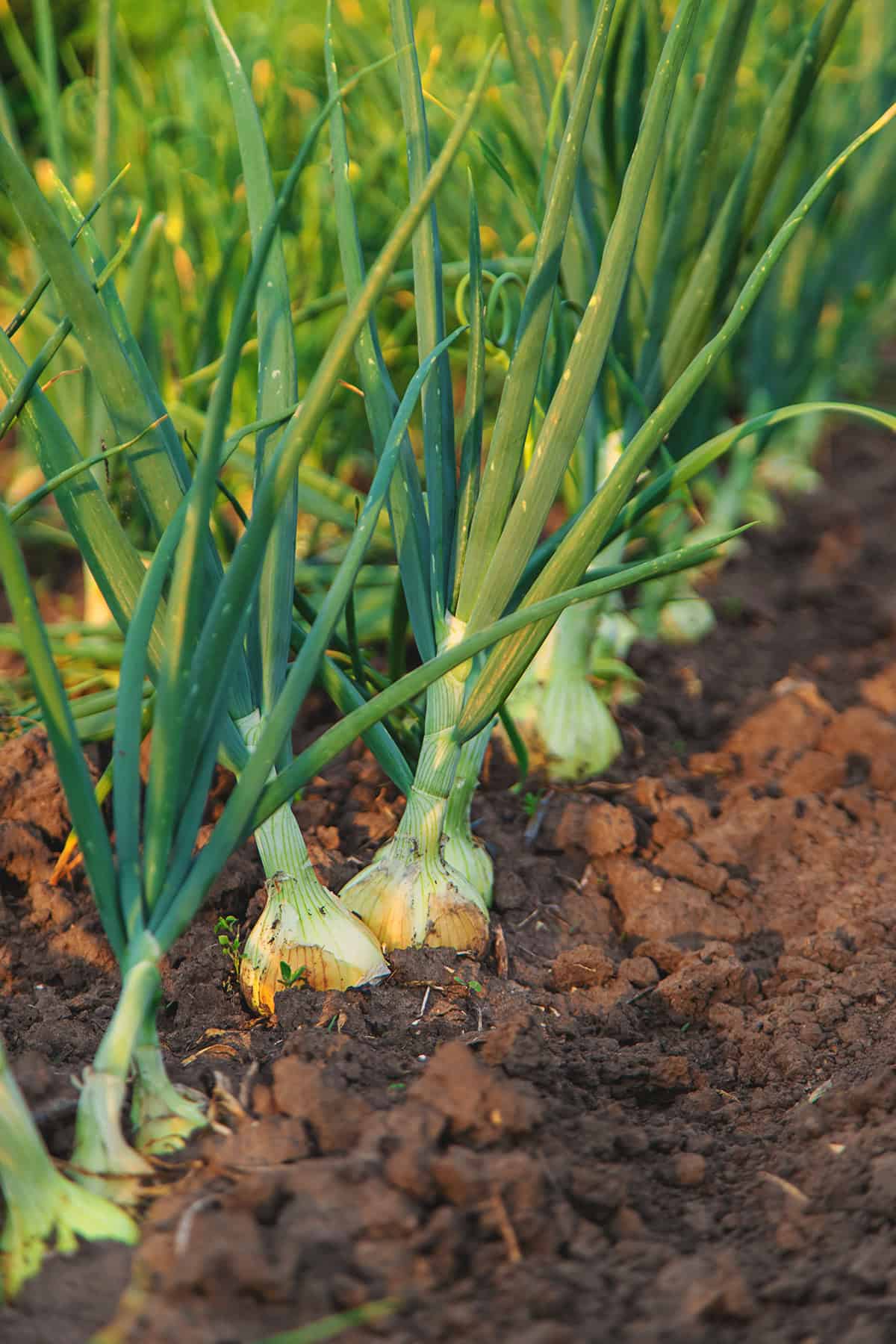
Maintaining a weed-free garden is crucial for growing big onions. Weeds compete for essential nutrients and moisture, affecting onion growth. Managing weeds effectively can significantly enhance yield.
How Weeds Compete For Nutrients
Weeds are aggressive competitors. They siphon nutrients, water, and sunlight away from your onion plants. This competition stunts onion growth, as they’re deprived of vital resources needed for development.
In the early stages, when onions are establishing their roots, weeds can outgrow and overshadow them. As a result, onions struggle to access light and nutrients. This hindrance reduces their size and overall yield.
Tips For Easy Weed Management Around Onions
Effective weed management can transform your onion garden. Start by mulching with a layer of grass clippings or straw. This suppresses weeds while retaining moisture.
Regularly inspect your garden. Remove any weeds by hand early to prevent them from spreading. Cultivate carefully around your onions to avoid disturbing their shallow roots.
Consider using pre-emergent herbicides specific for onions if manual weeding isn’t enough. Selective herbicides target weeds without harming your onion plants, offering a reliable alternative for controlling persistent weeds.
Ultimately, a strategic combination of mulching, careful weeding, and appropriate herbicide use can ensure onions grow larger and healthier by maintaining a weed-free environment.
Remove Flower Stalks (Bolting Prevention)
Ensuring onions don’t bolt is crucial for larger bulbs. Bolting happens when onion plants turn to flowering, impacting bulb growth and size.
Why Onions Bolt And How It Affects Size
Onions may bolt due to temperature fluctuations. This bolting typically happens when a cold spell follows warm weather. Young onion plants exposed to this cycle might start flowering. Once flowering begins, energy diverts from bulb growth to seed production. This results in smaller onions, as the plant focuses its resources on the stalk instead of the bulb. The disruption in energy allocation can significantly hinder the bulb’s development. Recognizing environmental triggers for bolting and providing stable growing conditions are essential.
What To Do If Your Onion Starts Flowering
When an onion begins to flower, quick action is needed. Immediately remove the flower stalks by cutting them close to where they emerge. Removing the stalks allows the plant to redirect its energy back to the bulb rather than seed production.
Continue regular care, ensuring soil remains healthy and water is adequate. Staying vigilant during growth, especially when weather changes, can mitigate the effects of bolting.
Support Growth With Mulching
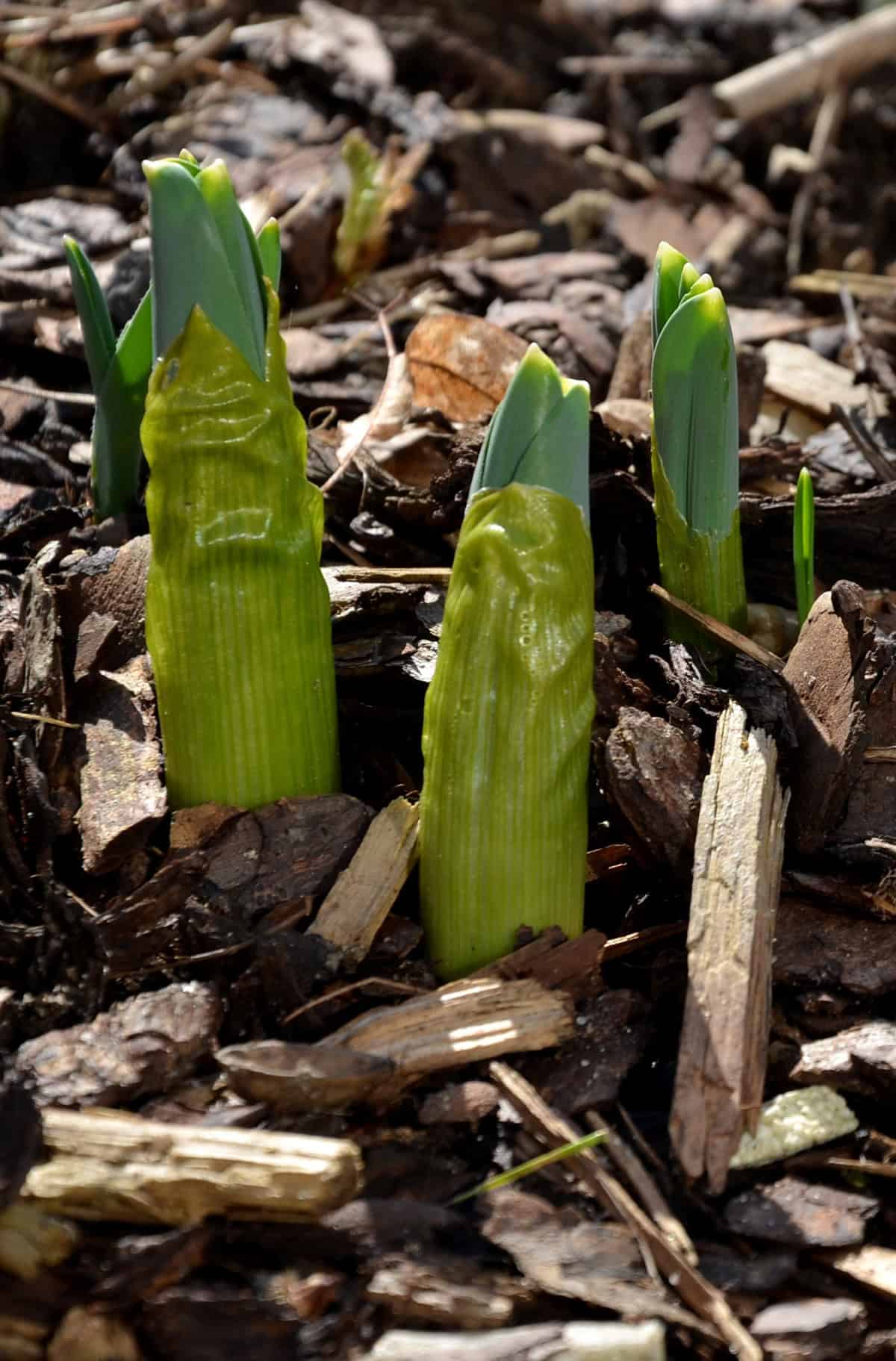
Effective mulching can significantly impact onion growth by enhancing soil conditions. Using the right materials provides a favorable environment for your onion plants.
Benefits Of Mulch For Onion Development
Mulching offers several advantages. It helps maintain consistent soil moisture. This is crucial for onion growth, as moisture stress can stunt bulb development. Mulch also prevents weed competition. Weeds can steal nutrients and sunlight, hindering your onions.
Mulch regulates soil temperature. This creates stable conditions for root growth. It can also add organic matter to the soil. Over time, this enriches the soil, supporting healthier plants.
Best Mulching Materials For Onion Beds
Selecting the right mulch materials is essential. Grass clippings, shredded leaves, and clean straw are effective choices. These materials are readily available and work well to suppress weeds. They also decompose over time, enriching the soil with organic nutrients.
Peat moss is another good option. It retains moisture and keeps the soil environment ideal for onion root development. For gardens where water conservation is crucial, opt for organic mulches. These can significantly reduce water evaporative losses, essential for maintaining productivity and bulb size.
Ensure that mulches are applied in a thick, even layer. This maximizes their benefits while ensuring your onion plants thrive.
Be Patient And Harvest At The Right Time
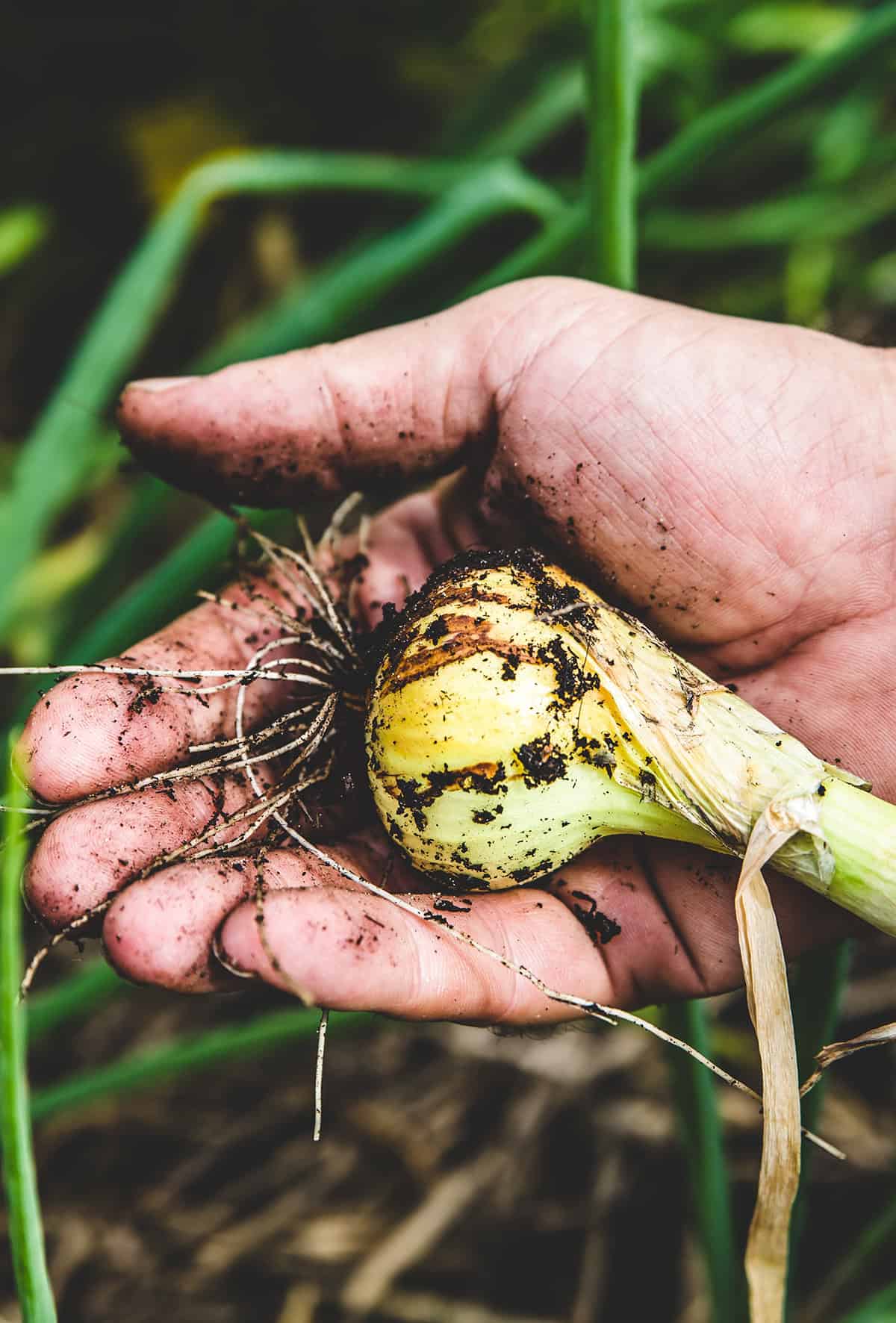
Growing onions to their full potential requires patience and the right timing for harvesting. It’s crucial to recognize the signs of maturity and understand how premature harvesting can impact the size and quality of your onions.
Signs That Onions Are Ready For Harvest
You need to look for several indicators to determine when your onions are ready to be harvested. One key sign is the foliage. As the onions mature, the tops begin to yellow and fall over naturally. This is a strong indicator that the bulbs have finished growing.
Another factor is the neck of the onion. It should become soft and pliable. This change signals that the onion is no longer using its leaves for growth. Inspect the size of the bulbs, as they should have reached optimal size by this time. Ensure that you handle the mature onions carefully to avoid damage.
How Premature Harvest Affects Size And Storage
Harvesting your onions too soon can result in underdeveloped bulbs. These onions might not reach their full size, reducing their potential yield. Smaller bulbs often lack the desired culinary qualities.
Additionally, early harvesting impacts storage life. Onions harvested too soon are more prone to spoilage. They may have thin skins, making them susceptible to damage and rot. For onions that last, proper timing is crucial. Waiting for complete maturation ensures they develop robust skins. This skin provides natural protection during storage.