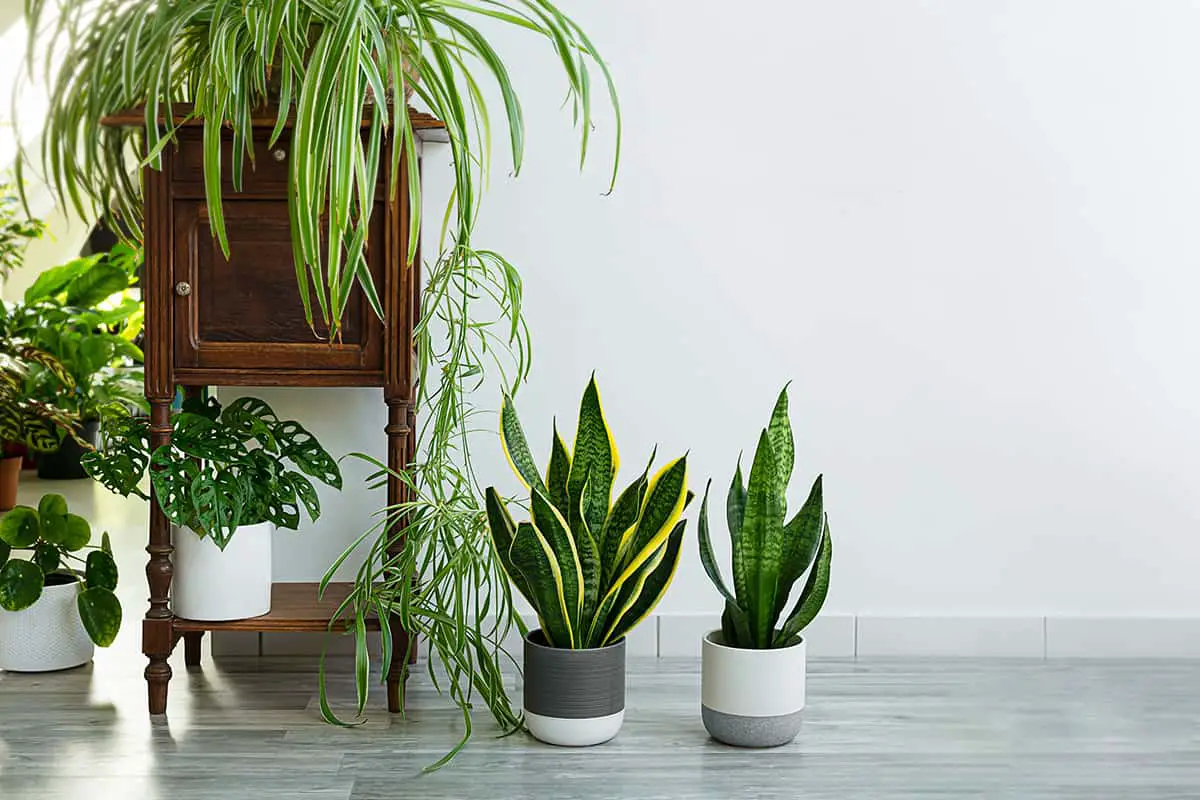
Having houseplants can brighten up your living space and improve indoor air quality. However, not all homes have ample sunlight for typical plants to thrive. Fortunately, there are a variety of houseplants that prefer shade or dim conditions rather than direct sunlight, making them perfect for rooms with limited natural light.
Here, we’ll guide you in selecting the right type of indoor plants that don’t need sunlight.
Table of Contents
- Aglaonema (Chinese Evergreen)
- Bromeliads
- Cast Iron Plant
- Dragon Tree
- Heartleaf Philodendron
- Ivy (English Ivy)
- Lucky Bamboo
- Maidenhair Fern
- Money Tree
- Monstera Varieties
- Parlor Palm
- Peace Lily
- Philodendron (Philodendron)
- Ponytail Palm
- Pothos (Golden Pothos, Hawaiian Pothos)
- Prayer Plant (Maranta)
- Snake Plant (Sansevieria trifasciata)
- Spider Plant
- Staghorn Fern (Platycerium spp.)
- Watermelon Peperomia
- Wax Plant (Hoya)
- ZZ Plant
- Bird of Paradise
- Bird’s Nest Fern (Asplenium nidus)
- Corn Plant (Dracaena fragrans)
- Dieffenbachia
- Kentia Palm (Howea forsteriana)
- Lady Palm (Rhapis excelsa)
Aglaonema (Chinese Evergreen)
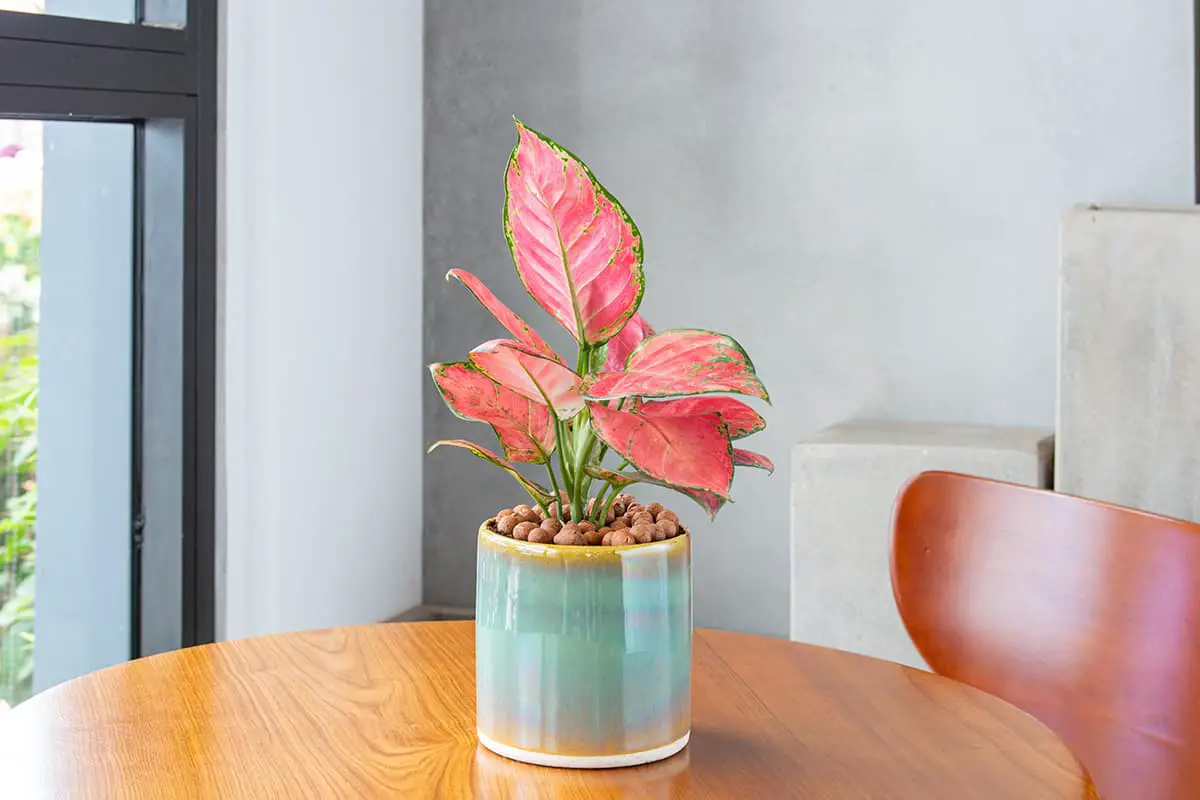
Dim corners aren’t much of a challenge for Chinese evergreen. This one’s pretty unfazed by low light and even seems content under buzzing fluorescent tubes. Its leaves keep their color, dodging the faded look that plagues pickier plants.
Skip the direct sun—especially those harsh afternoon beams. Just water when the top inch dries out, and in winter, go easy. It’s not picky about humidity, but if you can bump it up a little, all the better.
Bromeliads
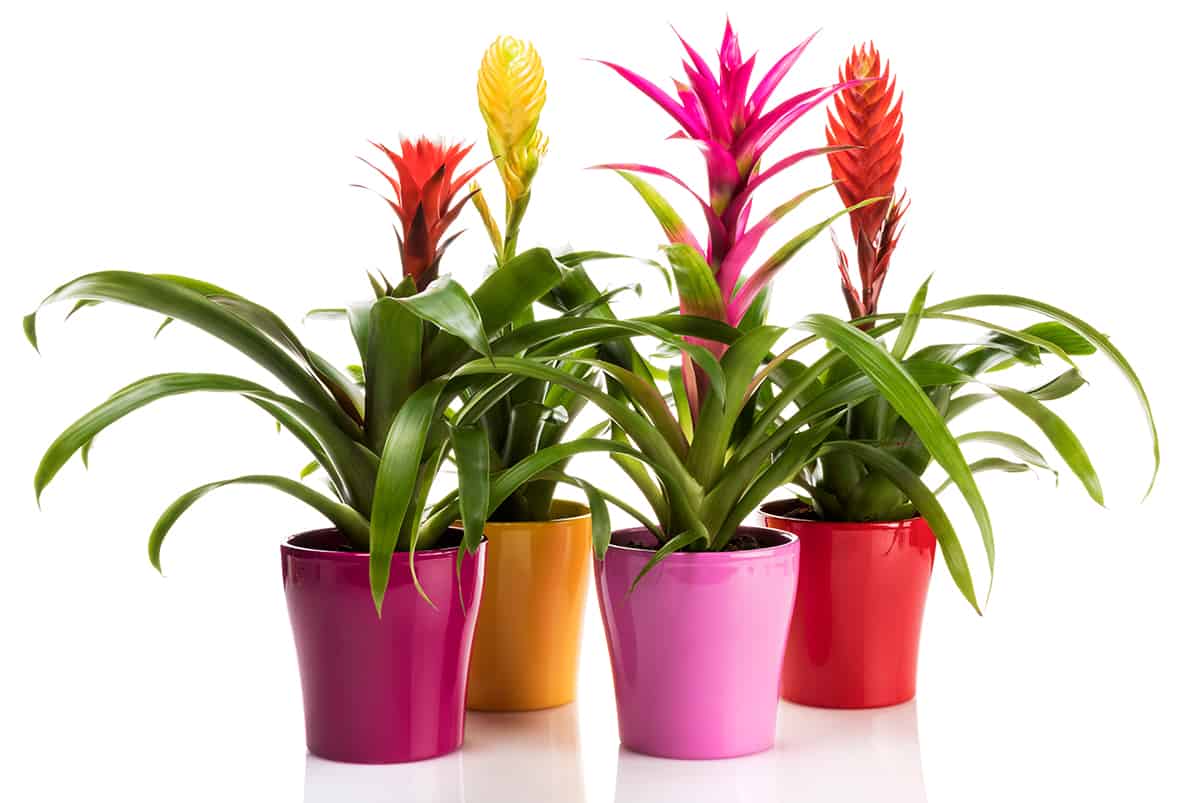
While some bromeliads lean toward bright, filtered light, others seem fine in shadier spots. Their upright leaves form a water-holding cup right in the center—sort of a built-in reservoir.
Keep that cup fresh and rinse it out now and then. Let soil dry a bit before watering again. They’re not fussy about humidity, and though blooms might stall in deep shade, the leaves still look sharp.
Cast Iron Plant
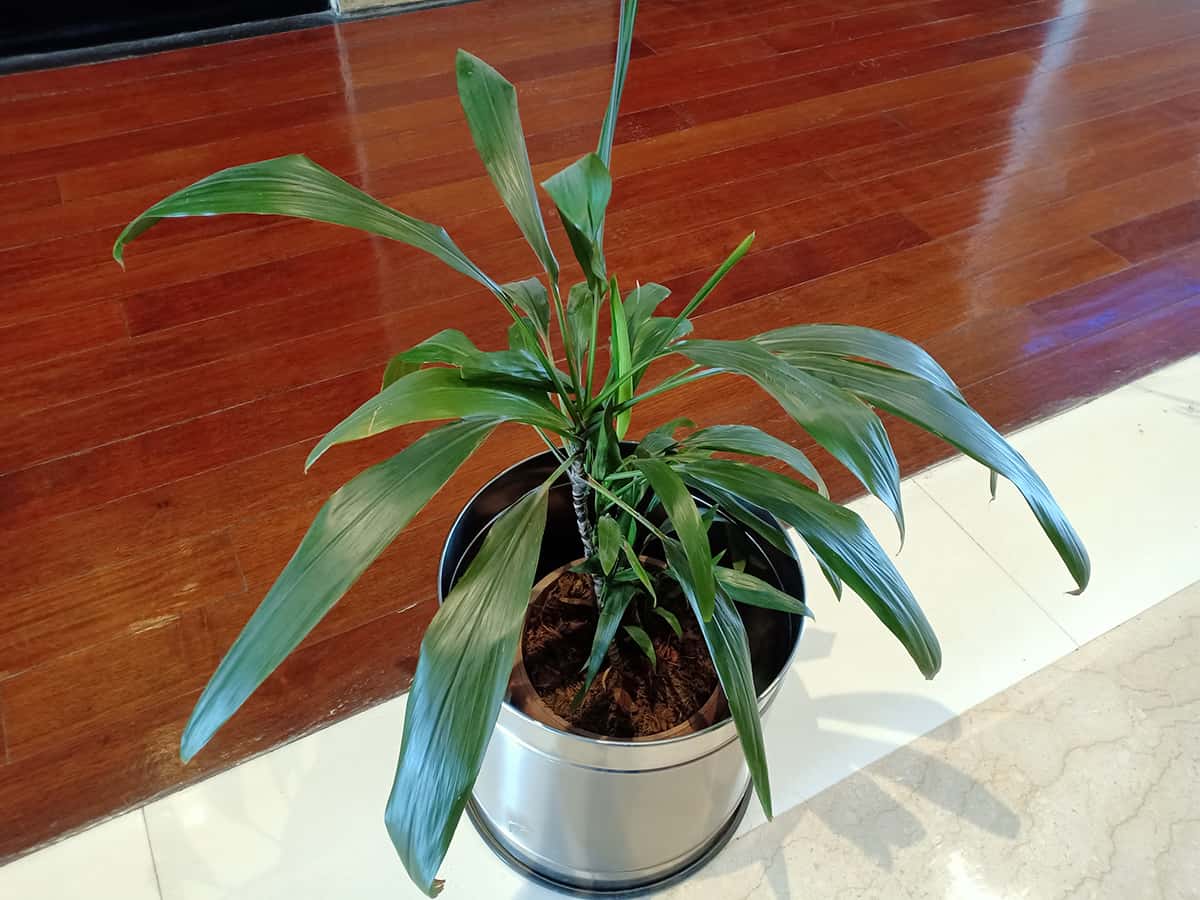
Stubbornly tough, cast iron plant shrugs off deep shade, skipped waterings, and drafty rooms. Sunlight is more a threat than a friend here—set it well away from hot windows.
Stick a finger into the soil; if it’s dry a few inches down, it’s time to water. Growth isn’t speedy, but the dark green leaves keep their shape. Great for those out-of-the-way spots you forget about.
Dragon Tree
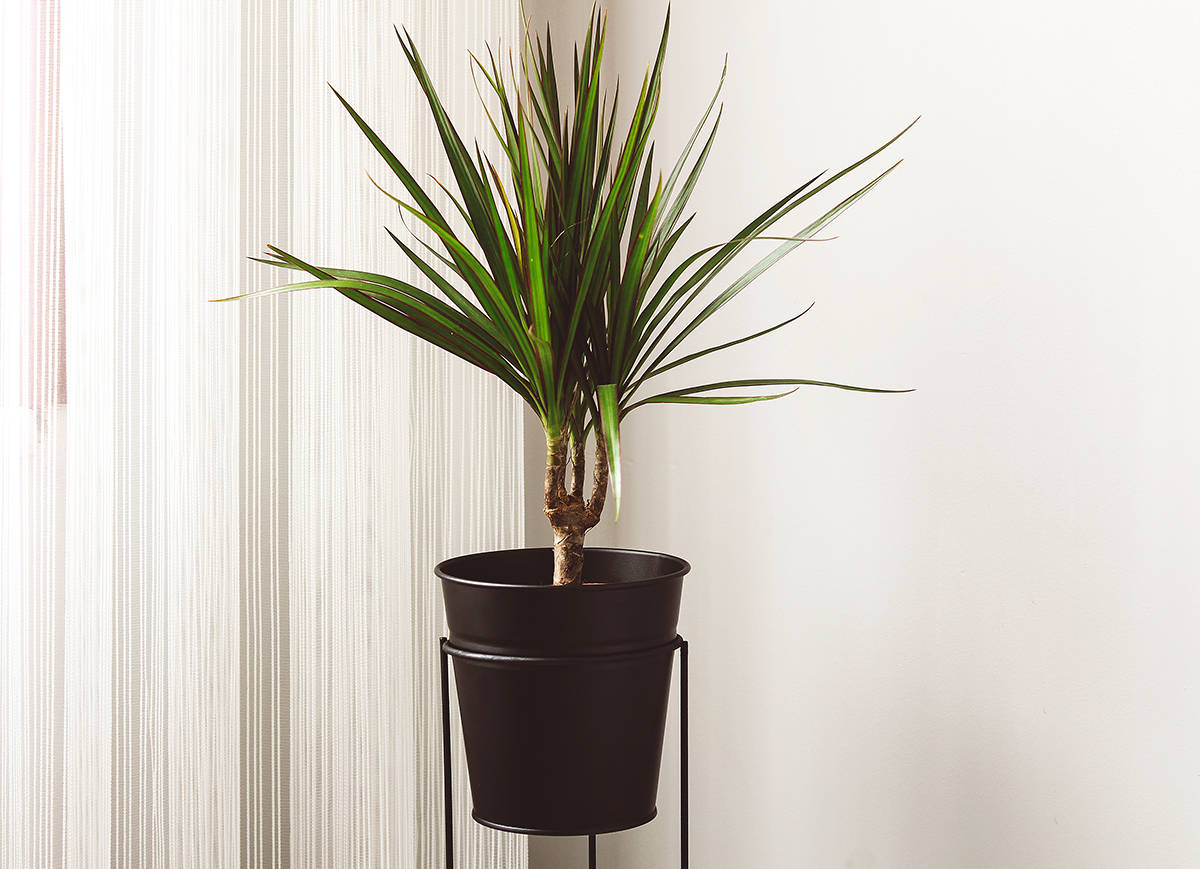
Dragon tree doesn’t mind the gloom of an office or the weak light in a hallway. Its slender, red-edged leaves keep their structure even when sunlight is scarce.
Let half the soil dry out before watering. Honestly, too much water is a bigger risk than too little light. If it gets leggy, just trim it back. It’s hard to upset this one.
Heartleaf Philodendron
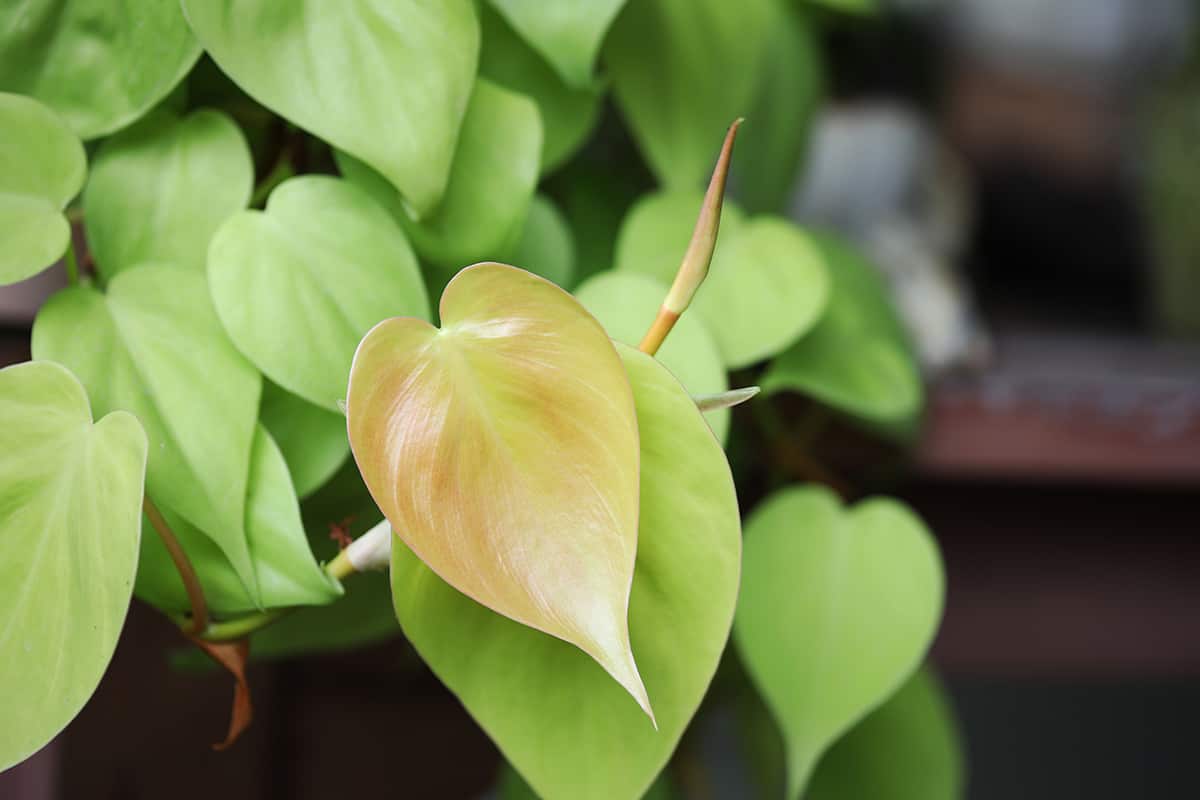
Trailing vines that don’t pout in the shade? This philodendron fits the bill. It keeps growing under fluorescents or in a shadowy nook, rarely missing a beat.
Water once the top inch dries out, and make sure the pot drains. Stems look great trailing or hanging, and a quick snip keeps things tidy.
Ivy (English Ivy)
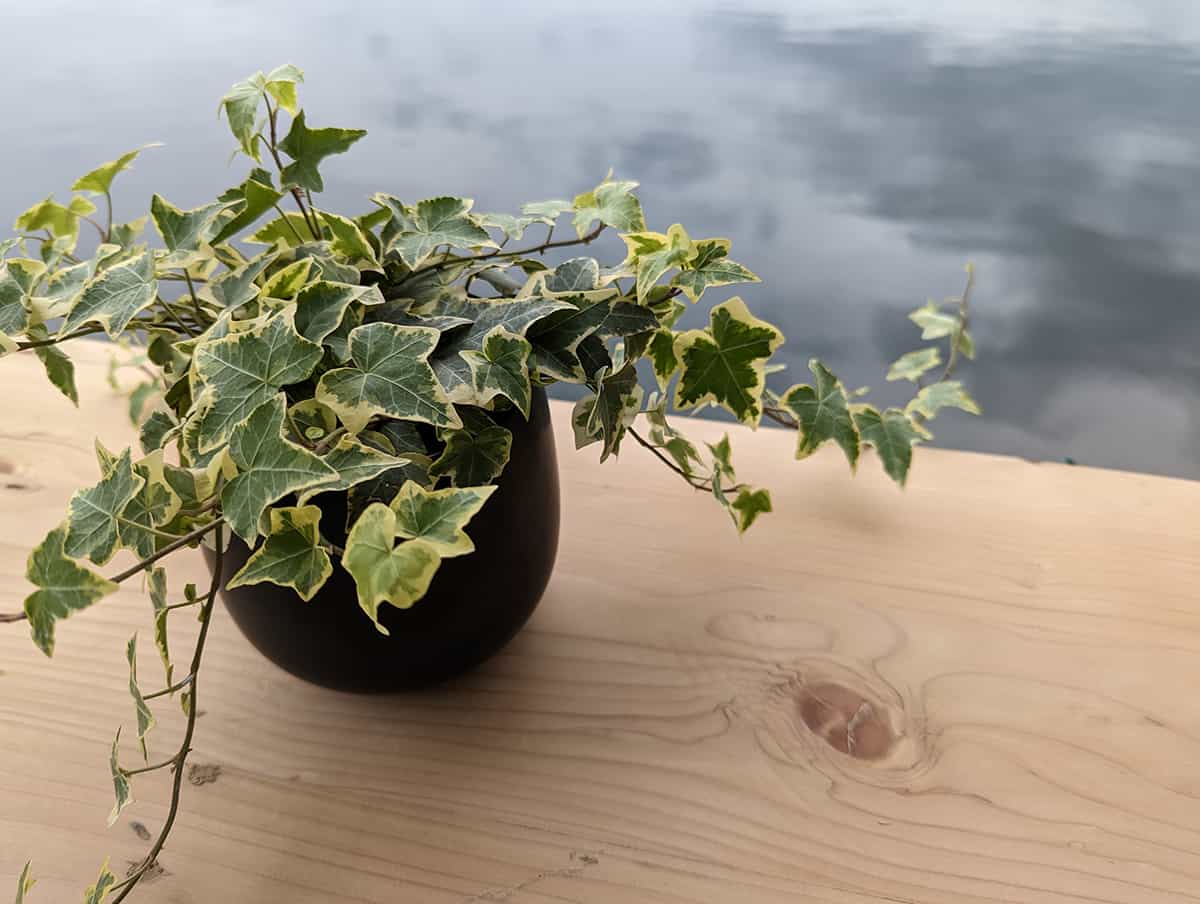
English ivy isn’t just for sunny gardens. Indoors, it keeps plugging along in lower light, though it’ll slow down a bit.
Soil should be barely moist—never soggy. Air movement helps fend off pests. A spot near a cool window or under a lamp is usually enough. Just don’t blast it with hot, dry air.
Lucky Bamboo
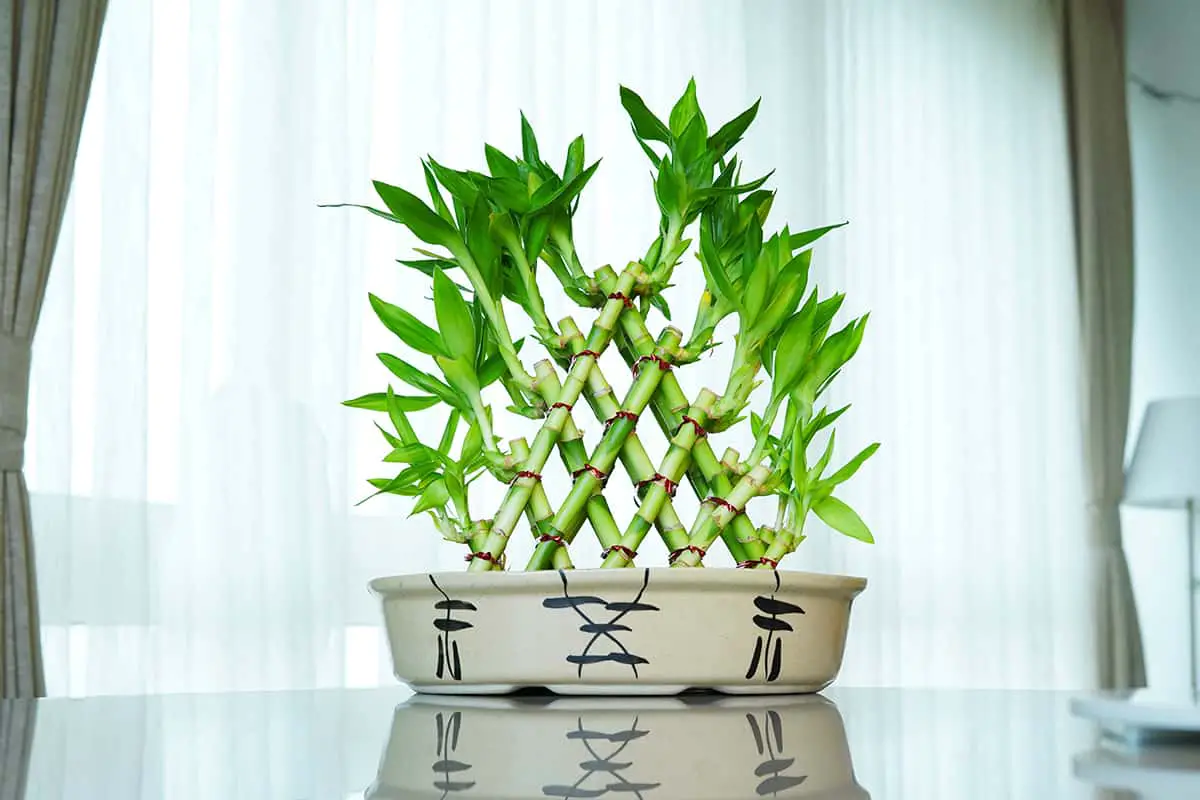
Lucky bamboo seems content in dim conditions, whether rooted in water or soil. It doesn’t crave sunlight to stay green.
If it’s growing in water, swap out the water every week or two, and filtered water’s best if you can swing it. Keep it away from harsh rays, which turn the leaves yellow.
Maidenhair Fern
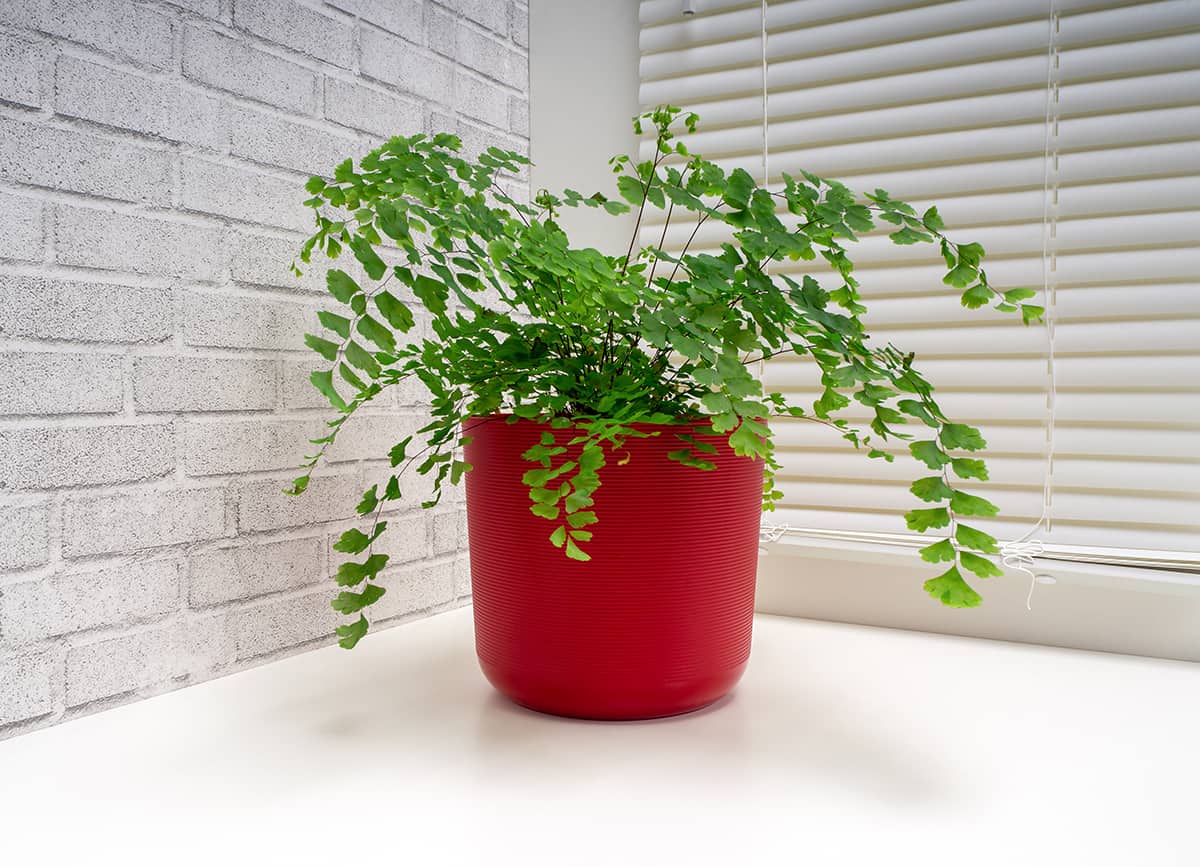
Maidenhair ferns crave humidity and despise direct sun. They’re happiest in the softest, indirect light—think bathrooms or near a humidifier.
Soil should never dry out, or the delicate leaves drop fast. It’s a bit dramatic, but worth it if you can keep the air moist.
Money Tree
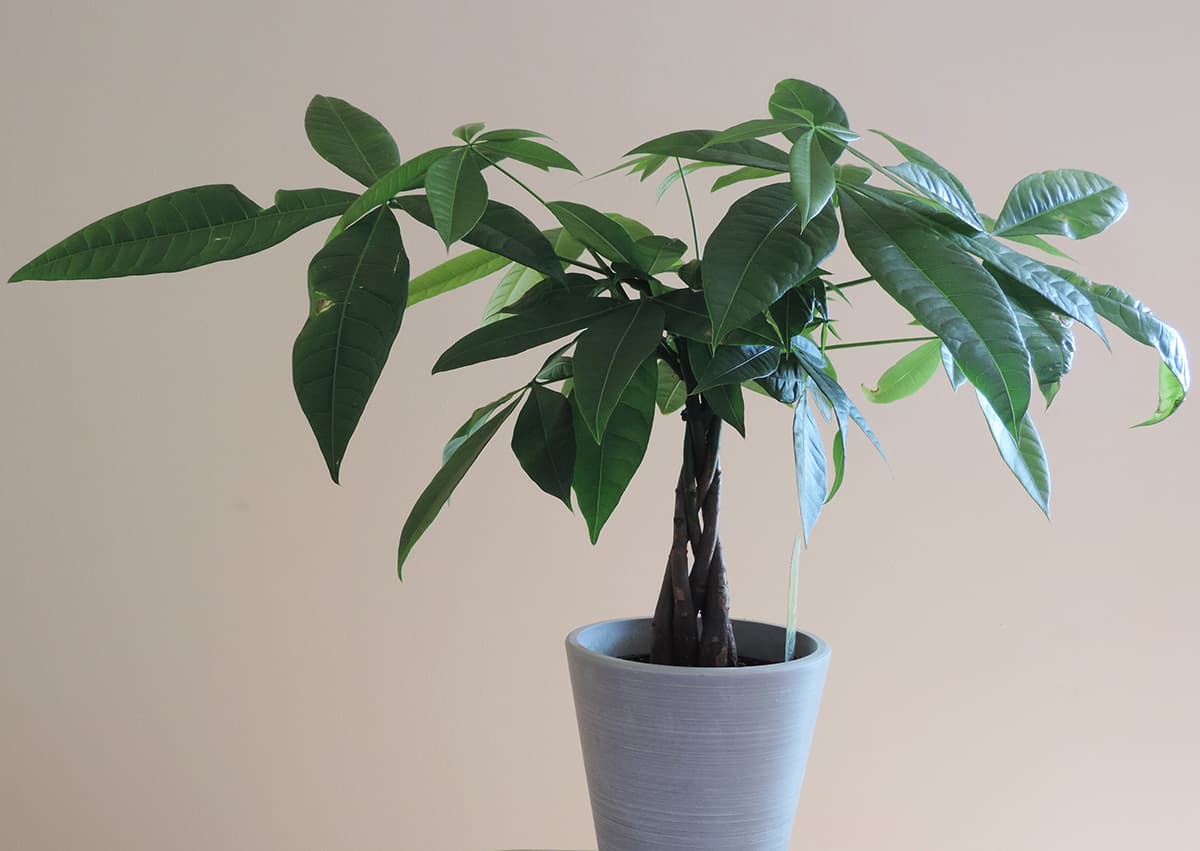
In offices with limited sunlight, money tree hangs in there. It’s not the fastest grower in low light, but it doesn’t complain much either.
Let the top two inches of soil dry before watering again. Rotate it now and then to keep it from leaning. Afternoon sun is a no-go; it’ll scorch.
Monstera Varieties
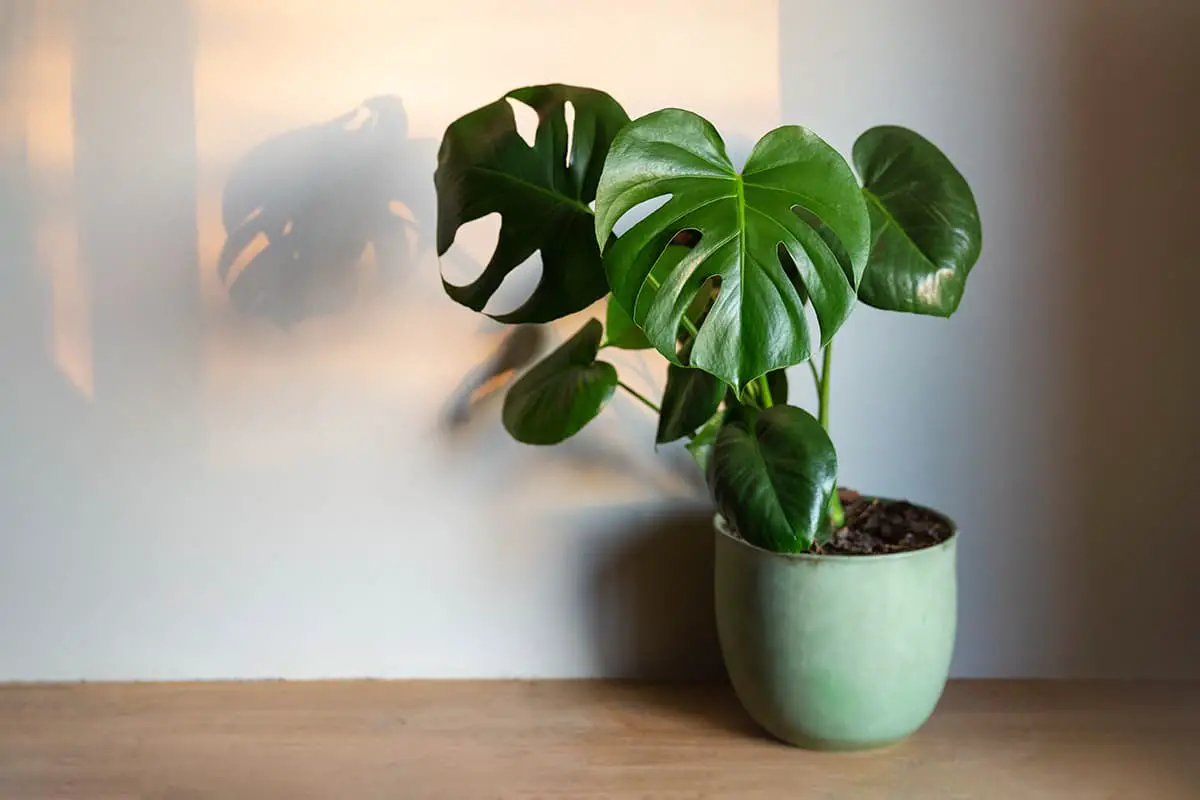
Many types of Monsteras such as Monstera deliciosa, Monstera adansonii, Monstera siltepecana aren’t strangers to shady rooms. In low indirect light, they’ll keep growing, though those signature leaf splits might be fewer.
Water when the soil dries down an inch or two. Give climbing types a stake or pole. Keep them out of harsh sun, and they’ll do fine—even under artificial lights.
Parlor Palm
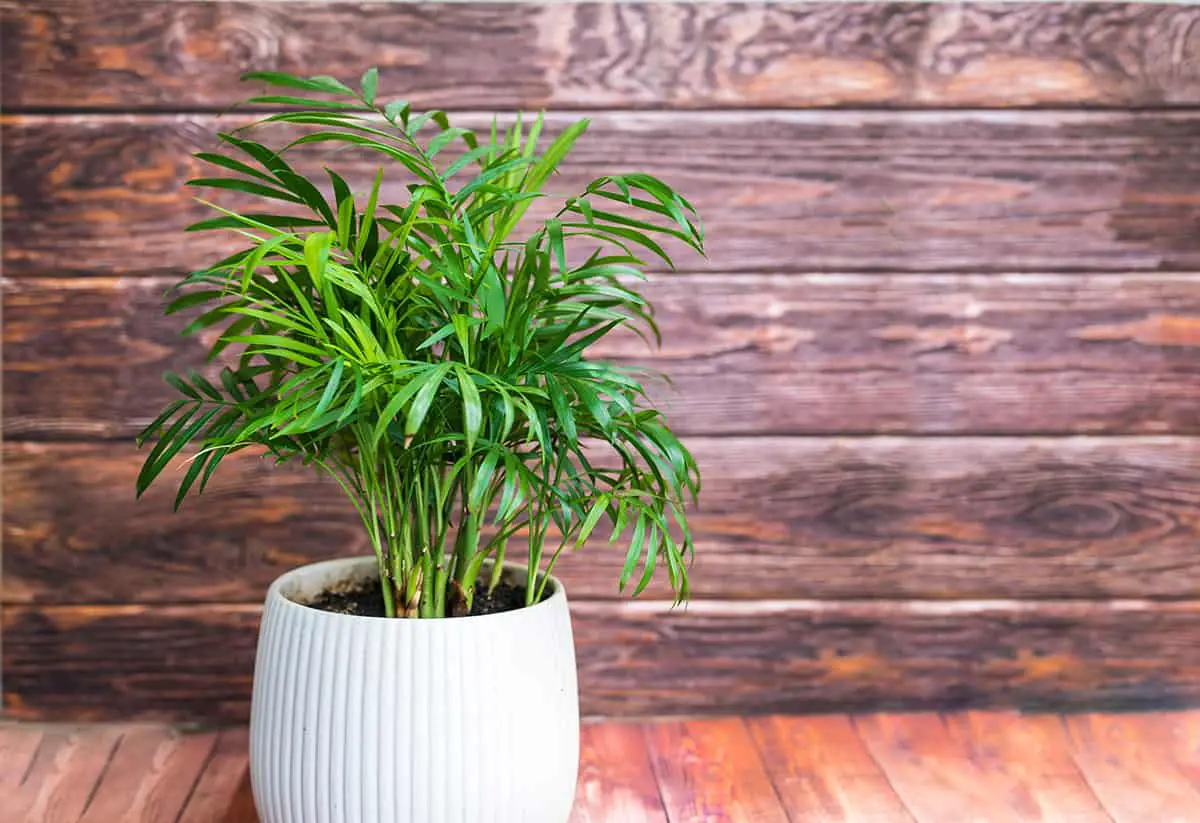
Parlor palm feels right at home in the shade of a living room or the glow of an overhead fixture. It doesn’t stretch much, staying compact and manageable.
Let the top layer of soil dry out before watering. Standing water? Big mistake. Humidity isn’t a big deal here.
Peace Lily
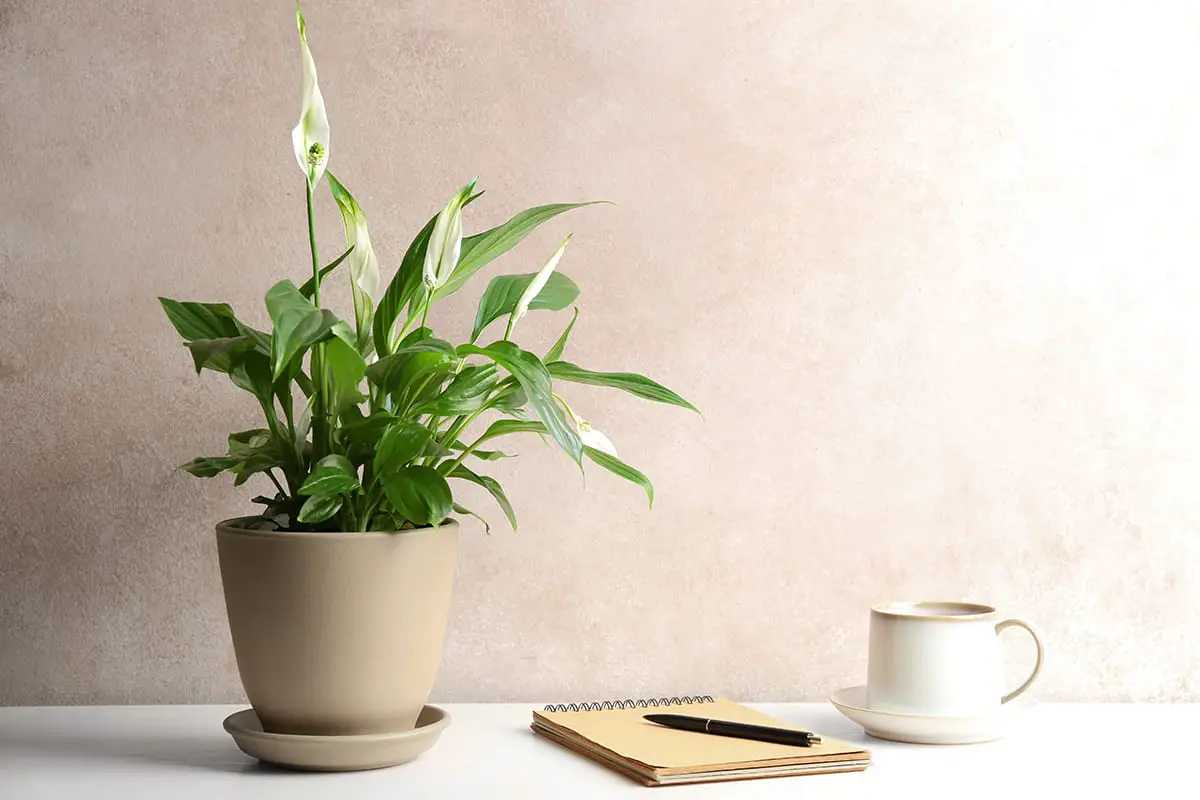
Peace lilies soldier on in dim corners, sometimes even throwing out a flower or two. They’ll get taller—sometimes up to four feet—without much fuss.
Soil should stay moist, but not soggy. If the leaves droop, that’s your cue to water. North-facing windows or a spot away from direct sun keeps them happiest.
Philodendron (Philodendron)
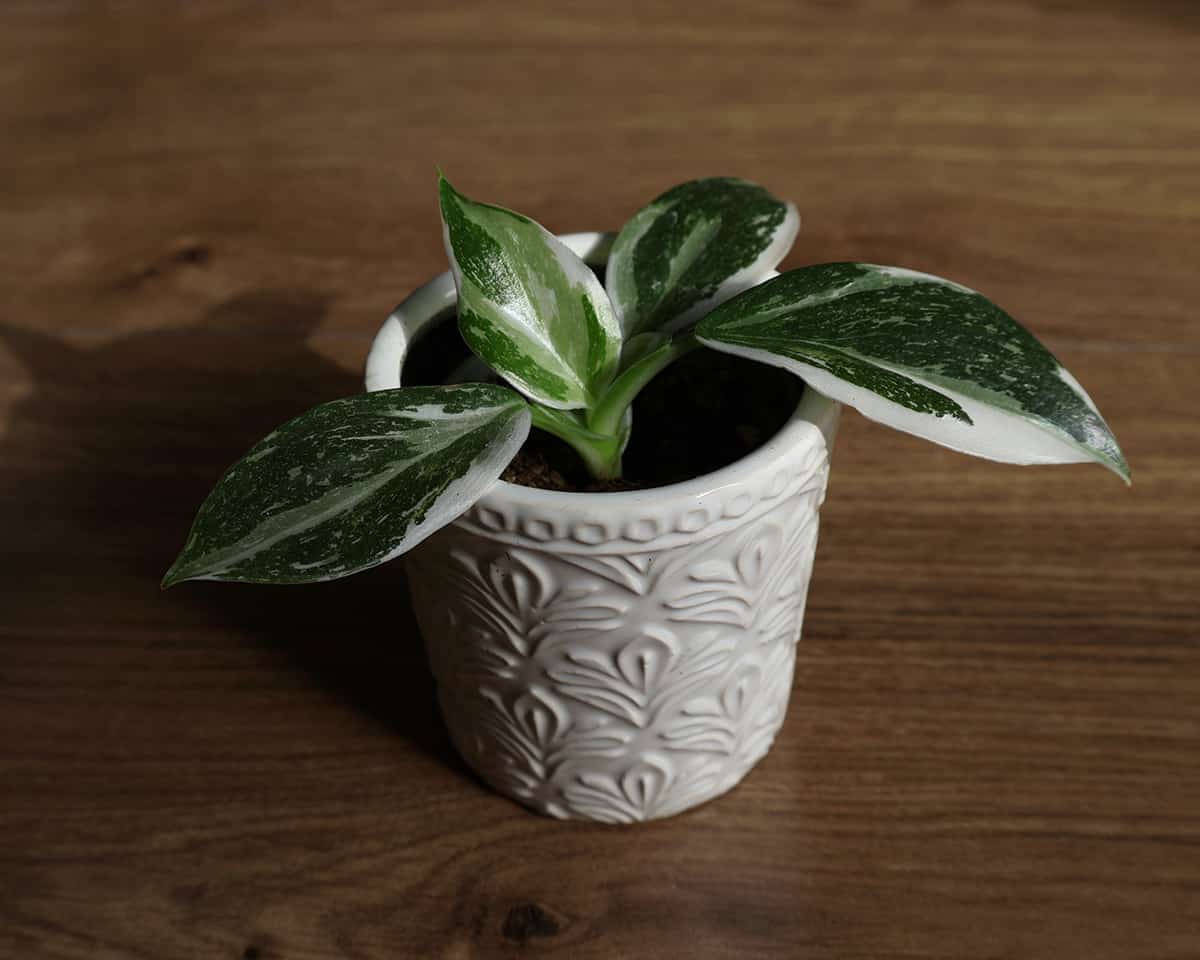
Philodendrons are about as forgiving as houseplants get. Most varieties don’t blink at low or artificial light.
Top inch dry? Time to water. Overwatering is the real enemy. Let them climb or trail as you like, and trim if they get unruly.
Ponytail Palm
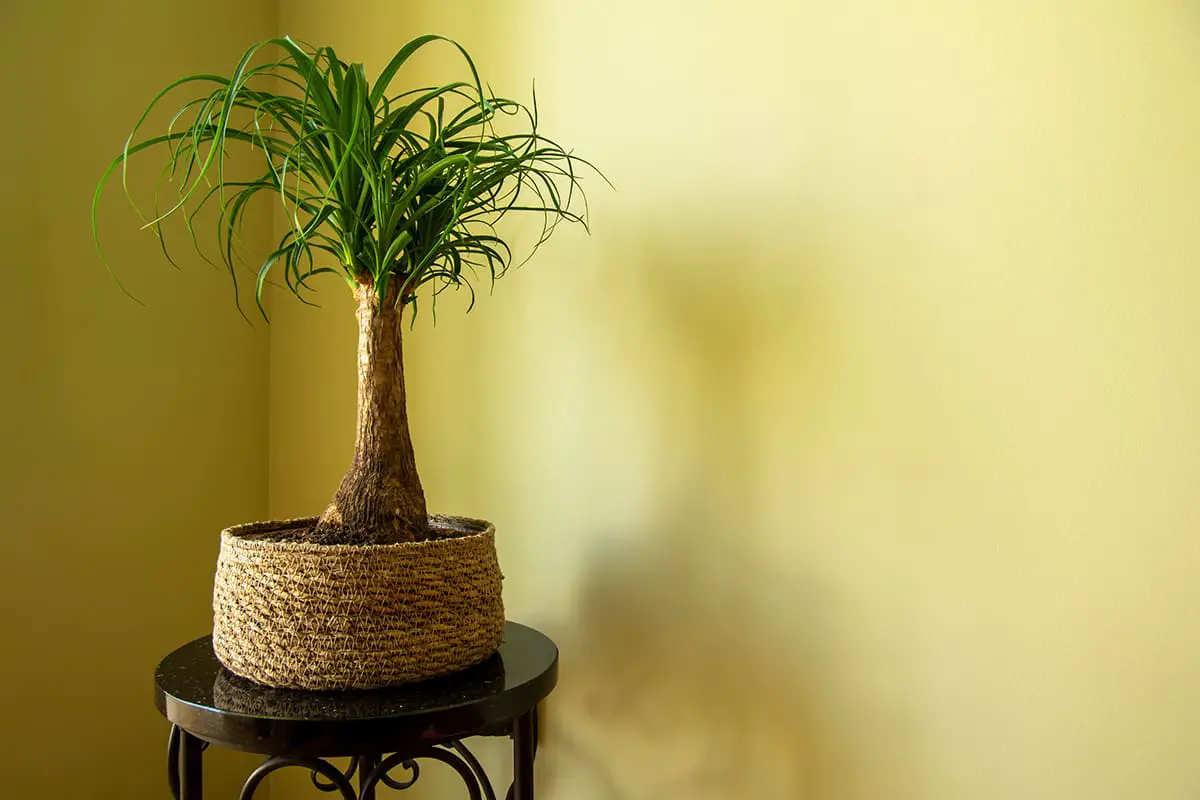
Ponytail palm is more flexible than its name suggests. It’ll tolerate a dim room but perks up with a bit more light. Water is stored in its thick base, so it’s not needy.
Wait until the soil is bone dry before watering again. Too much water is a surefire way to kill it. Handles the usual indoor air just fine.
Pothos (Golden Pothos, Hawaiian Pothos)
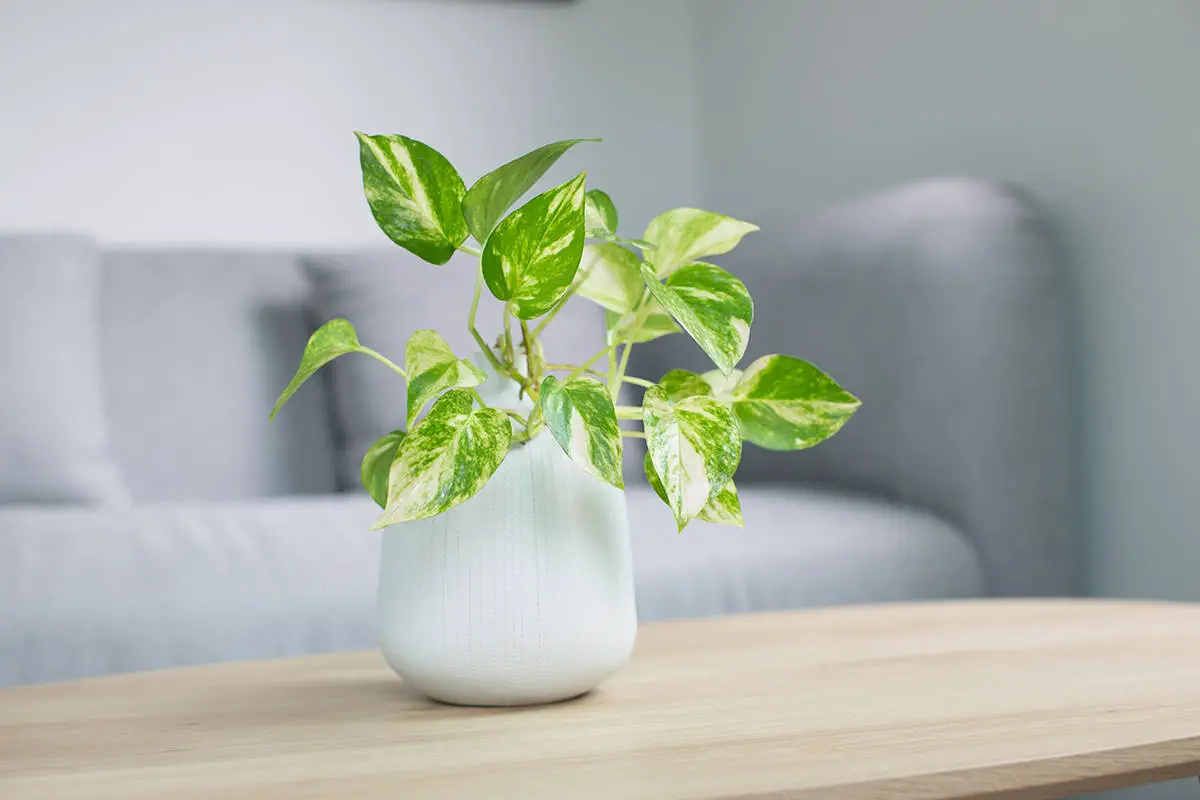
Pothos is the classic choice for low light or fluorescent-lit spaces. If the leaves lose their variegation, it’s telling you it wants more light, but it’ll survive either way.
Let the surface dry out before watering. Good drainage is a must. Vines will happily drape or climb, and a quick trim keeps things bushy.
Prayer Plant (Maranta)
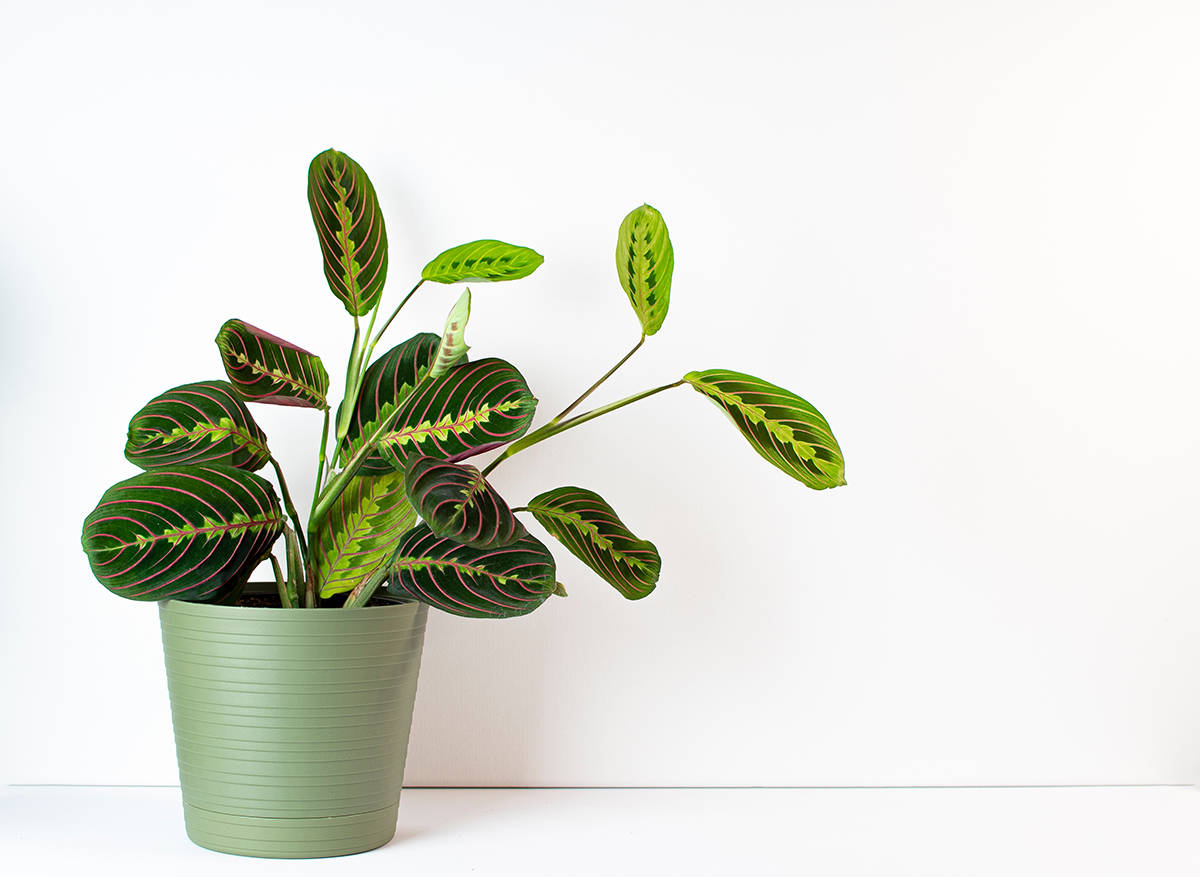
Patterned leaves that fold up at night—prayer plant brings a bit of movement to dim rooms. Direct sunlight is a no-go.
Soil should be moist, never soggy. If you can boost humidity, the leaves look even better. Compact enough for desks and shelves.
Snake Plant (Sansevieria trifasciata)
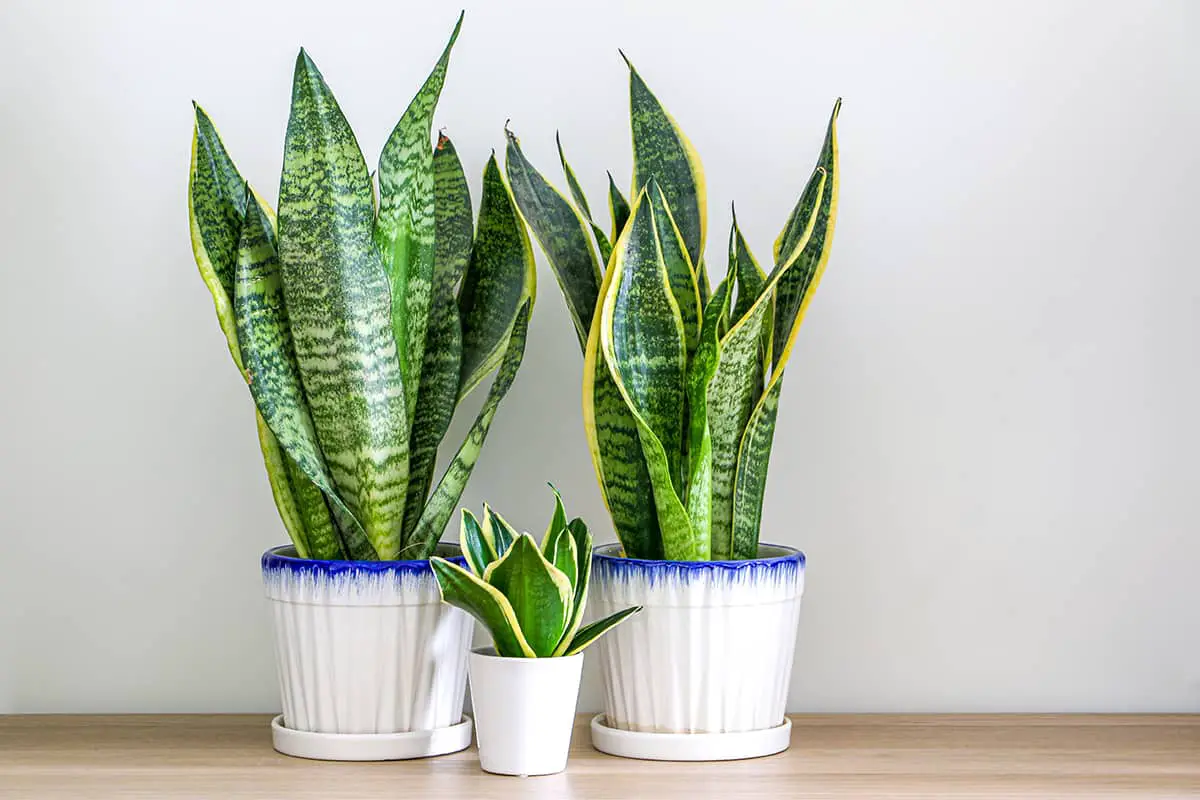
Snake plant almost dares you to neglect it. North windows, dark corners, dry air—it takes them all in stride. Some leaves reach impressive heights indoors.
Let the soil dry out completely before watering. Too much water is a bigger threat than low light. Seriously, don’t overdo it.
Spider Plant
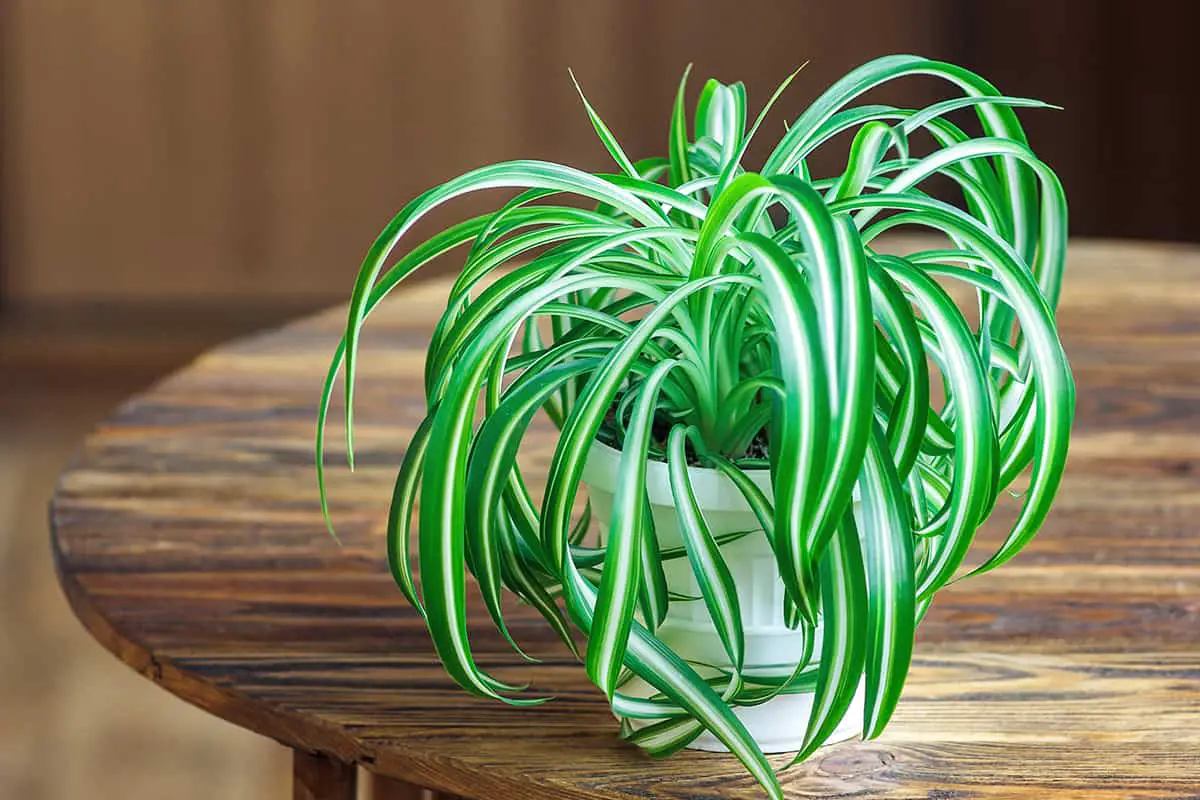
Spider plant’s arching leaves and baby plantlets bring a bit of whimsy to low-light rooms. It’s fine under artificial lights, too.
Top inch dry? Water it. Flush the soil every so often to clear out salts. Keep it out of direct sun to avoid crispy tips.
Staghorn Fern (Platycerium spp.)
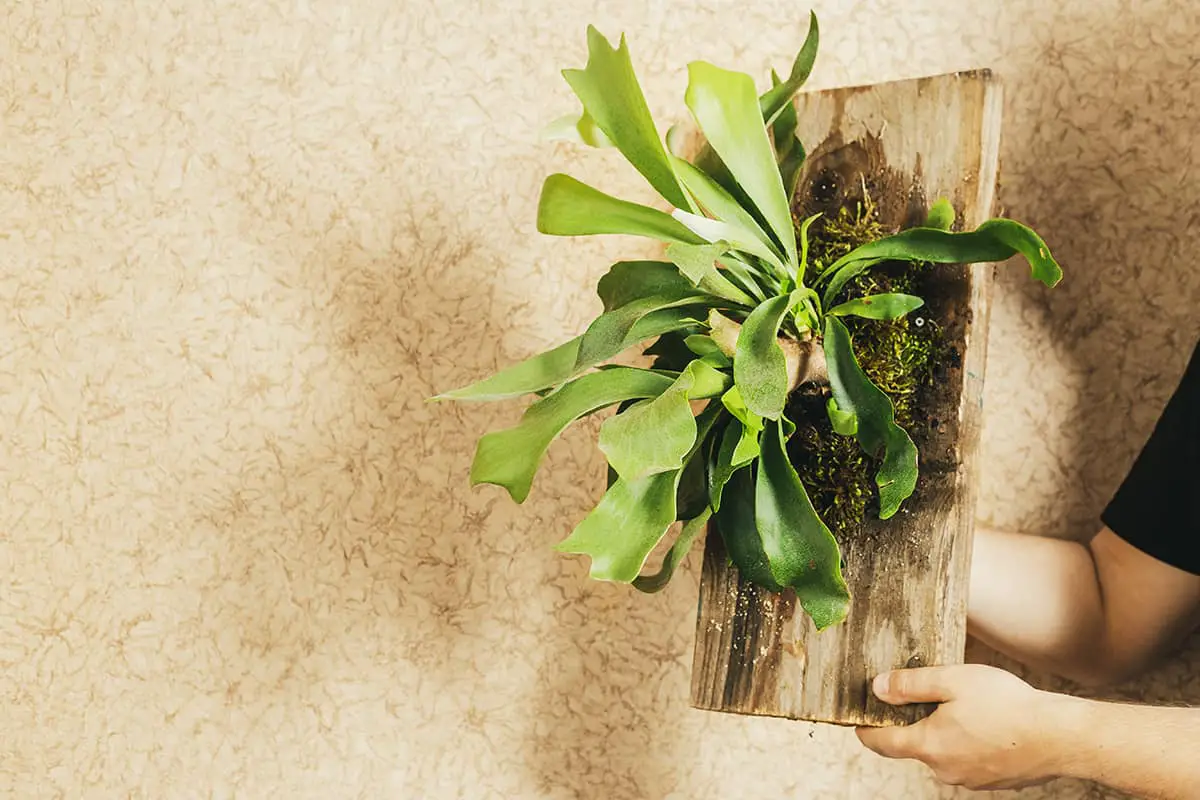
Staghorn ferns hang on walls or perch in baskets, thriving in filtered light but coping with moderate shade. Direct sun is a definite no.
Soak the root ball when dry, and don’t forget about airflow—fronds appreciate it. Humidity helps, but they’re not overly fussy.
Watermelon Peperomia
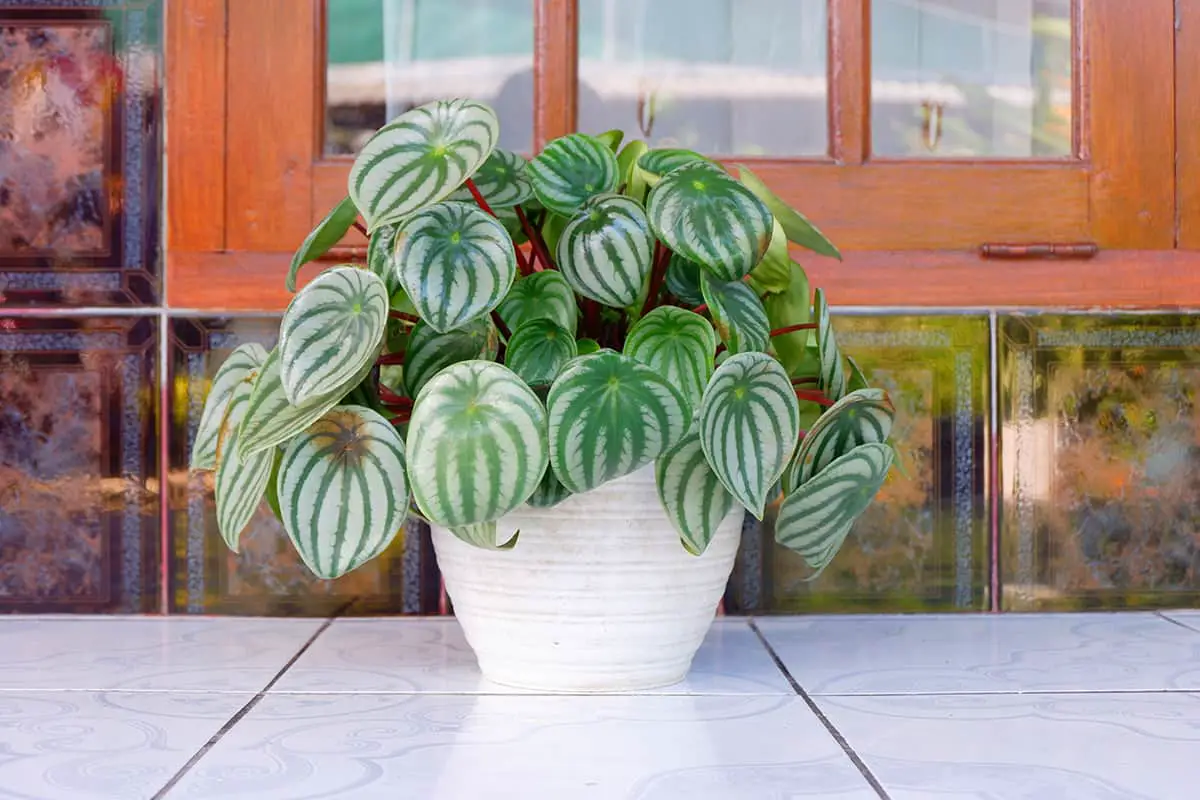
Small spaces suit watermelon peperomia, especially where light is low to moderate. Its striped leaves don’t need sun to look good.
Water when the top inch is dry; soggy soil spells trouble. Moderate humidity keeps the leaves at their best.
Wax Plant (Hoya)
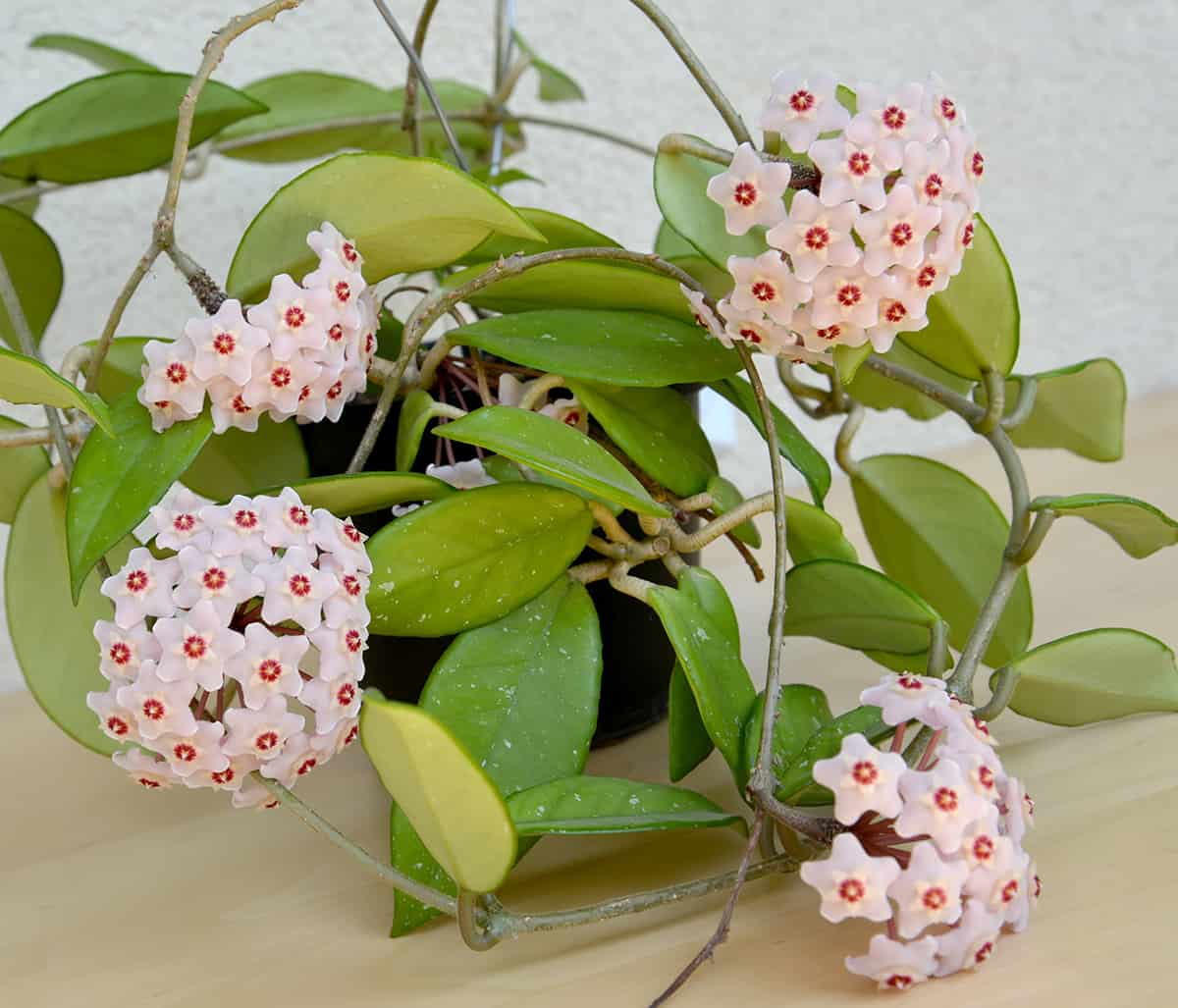
Hoyas get by in low light, though they’ll only bloom with more brightness. Their thick, waxy leaves store moisture for lean times.
Let the soil dry out between waterings. Drainage is key. Filtered light from a window works well, and they’re fine with typical indoor temps.
ZZ Plant
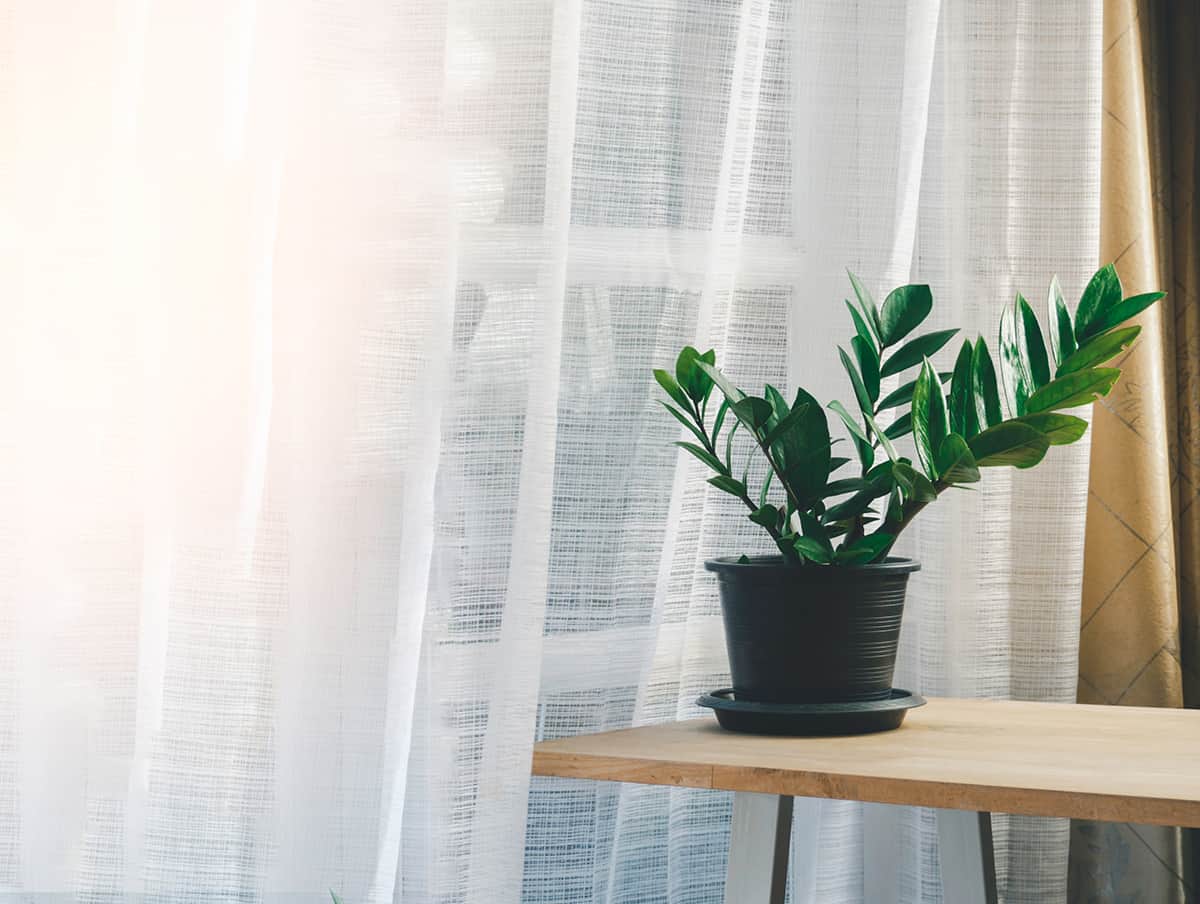
Glossy, sturdy leaves and a knack for thriving in dim rooms make ZZ plant a favorite for forgetful plant owners. It’s nearly impossible to overstate its tolerance for low light.
Let the soil dry out all the way before watering. It handles missed waterings better than soggy roots. Direct sun? Don’t even think about it.
Bird of Paradise
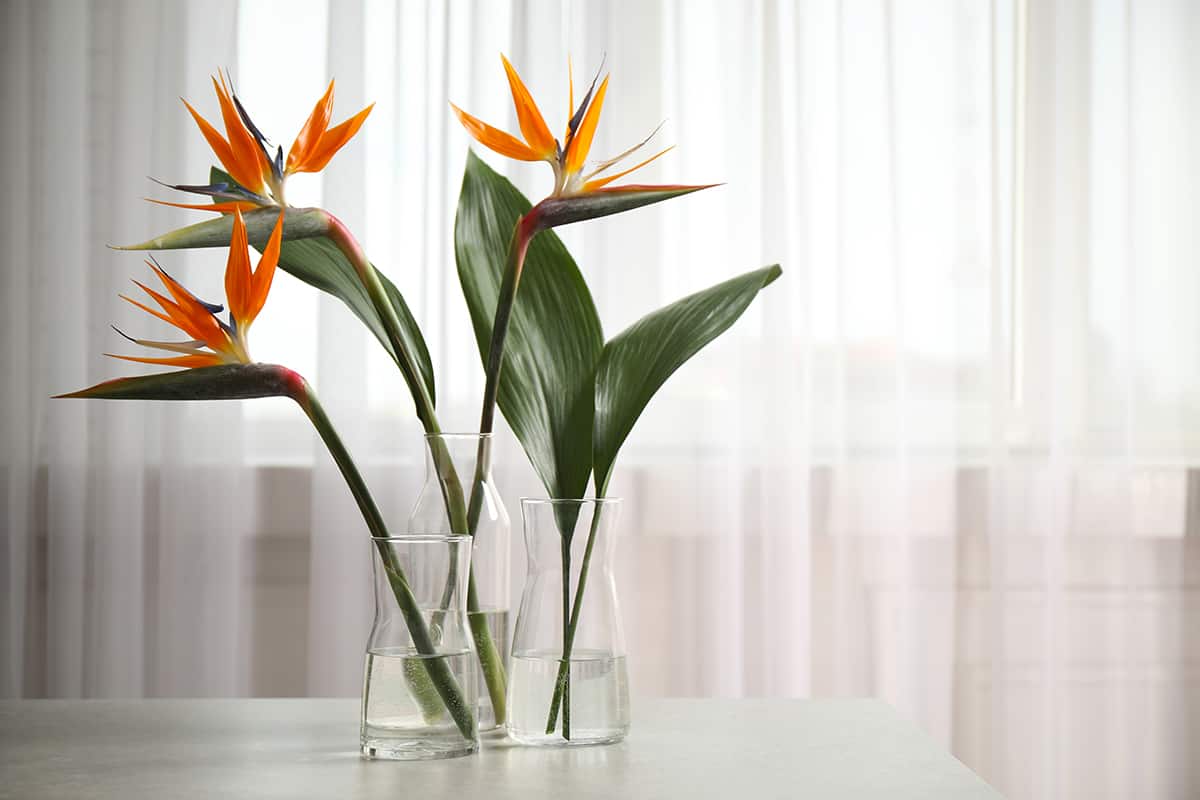
Bird of Paradise looks dramatic, but in low light, it won’t put on much of a show. It needs bright, indirect light to really thrive and flower, though it’ll survive in moderate conditions.
Water when the top inch dries out, and make sure water drains freely. The brightest spot you have—minus the midday sun—is best, but don’t expect blooms in the shade.
Bird’s Nest Fern (Asplenium nidus)
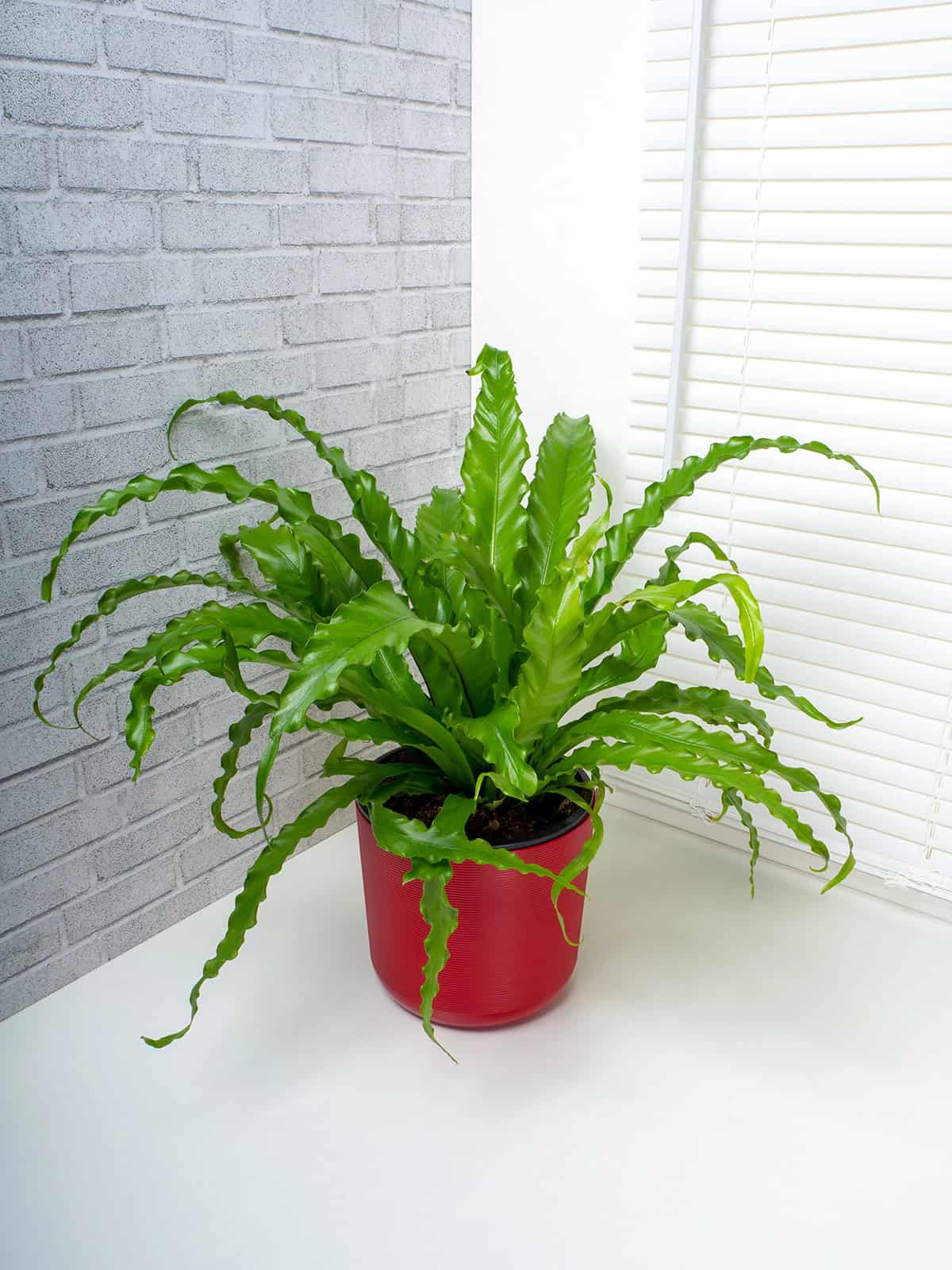
Broad, wavy fronds of bird’s nest fern hold up in low to medium indirect light. Direct sun is a quick way to ruin those leaves.
Soil needs to stay moist, but avoid dumping water into the center. Humidity helps, making bathrooms an ideal spot.
Corn Plant (Dracaena fragrans)
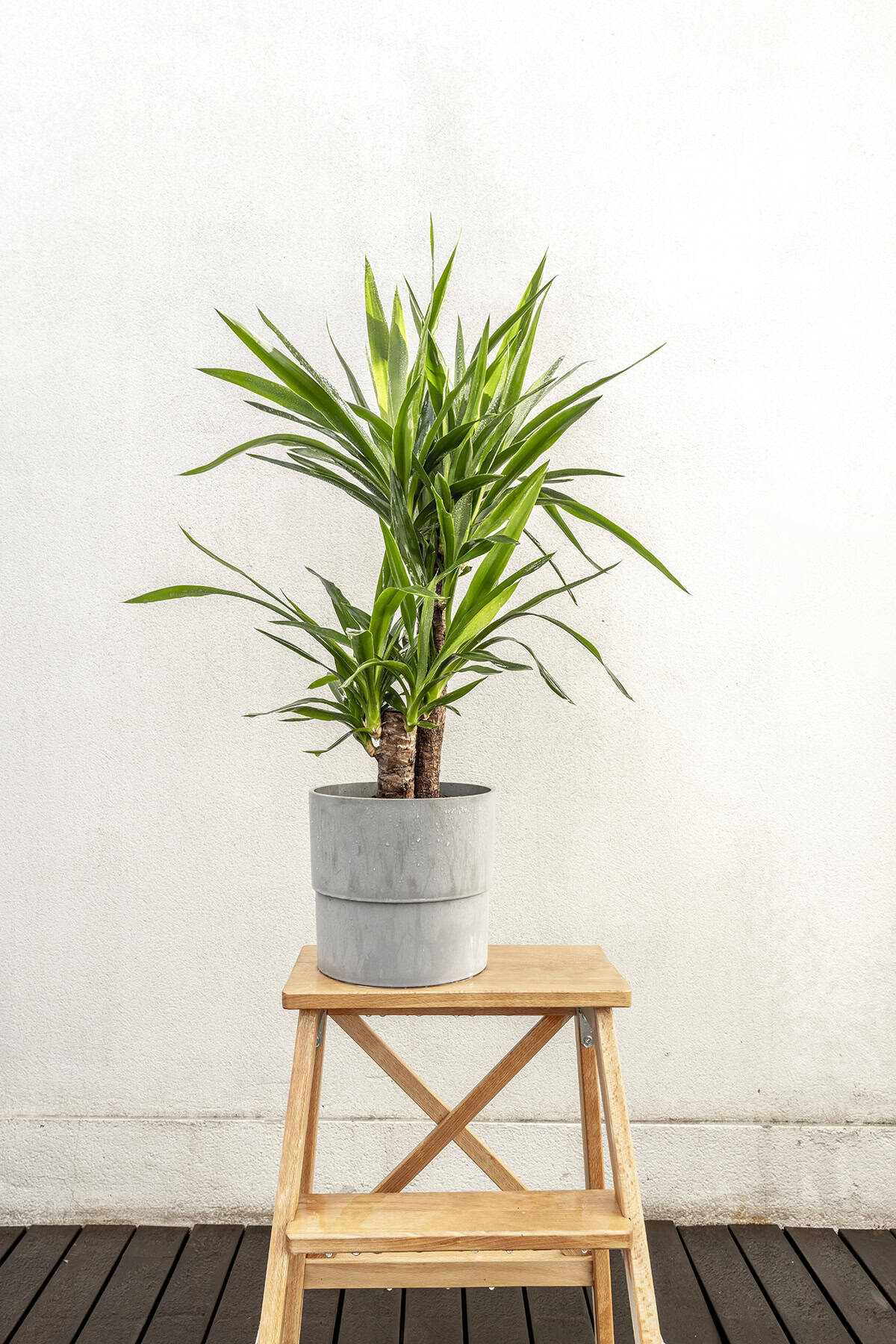
Corn plant is a staple for dim interiors, managing just fine in indirect or artificial light. Direct sun is too harsh for its leaves.
Water when the top inch dries, and cut back in winter. Over time, it develops tall canes—trim as needed to keep it in check.
Dieffenbachia
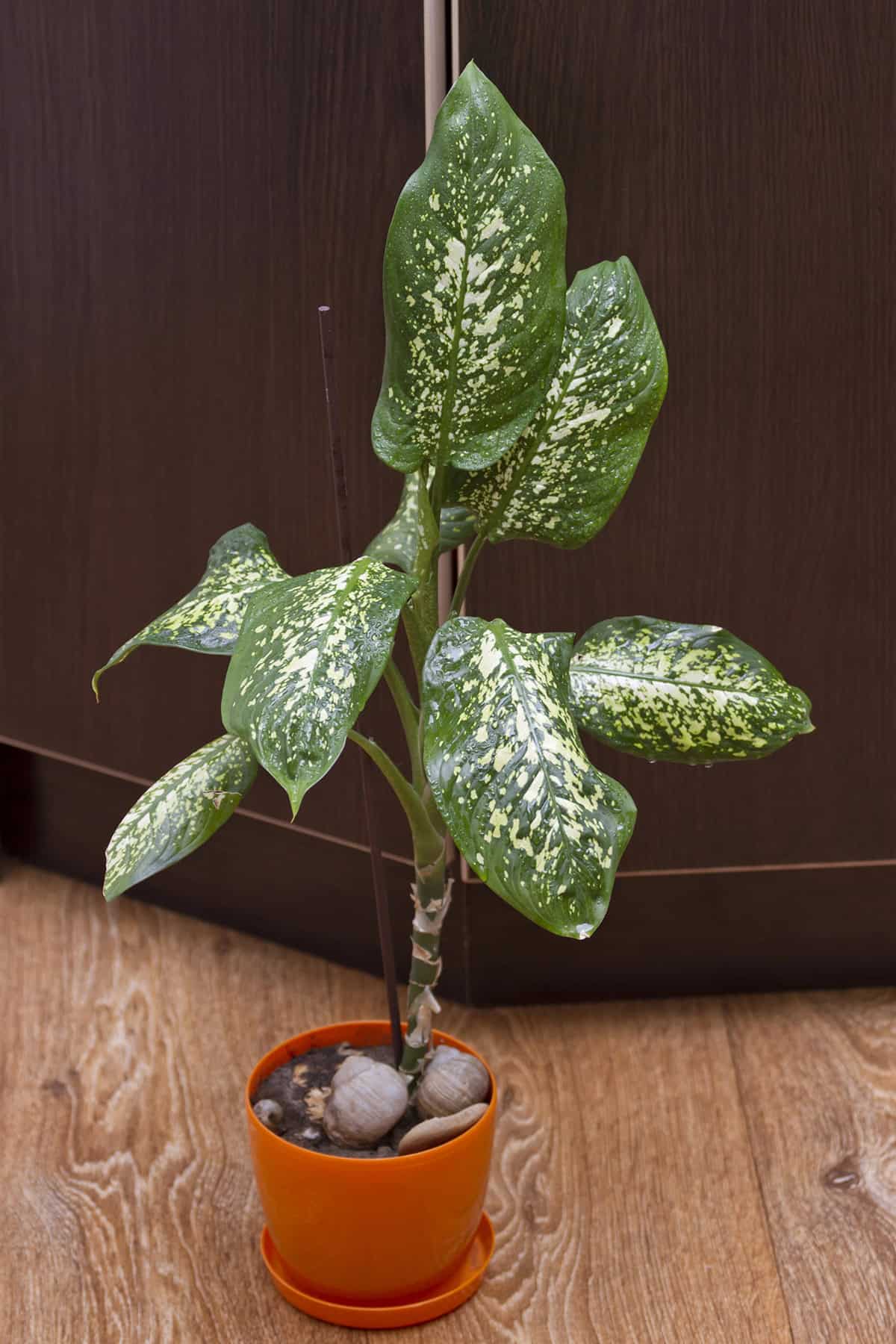
Dieffenbachia holds onto its leaf patterns even in subdued light. Sap can be irritating, so handle with care if you’re moving or trimming it.
Soil should be evenly moist, never soggy. Drainage is crucial, and direct sunlight is best avoided.
Kentia Palm (Howea forsteriana)
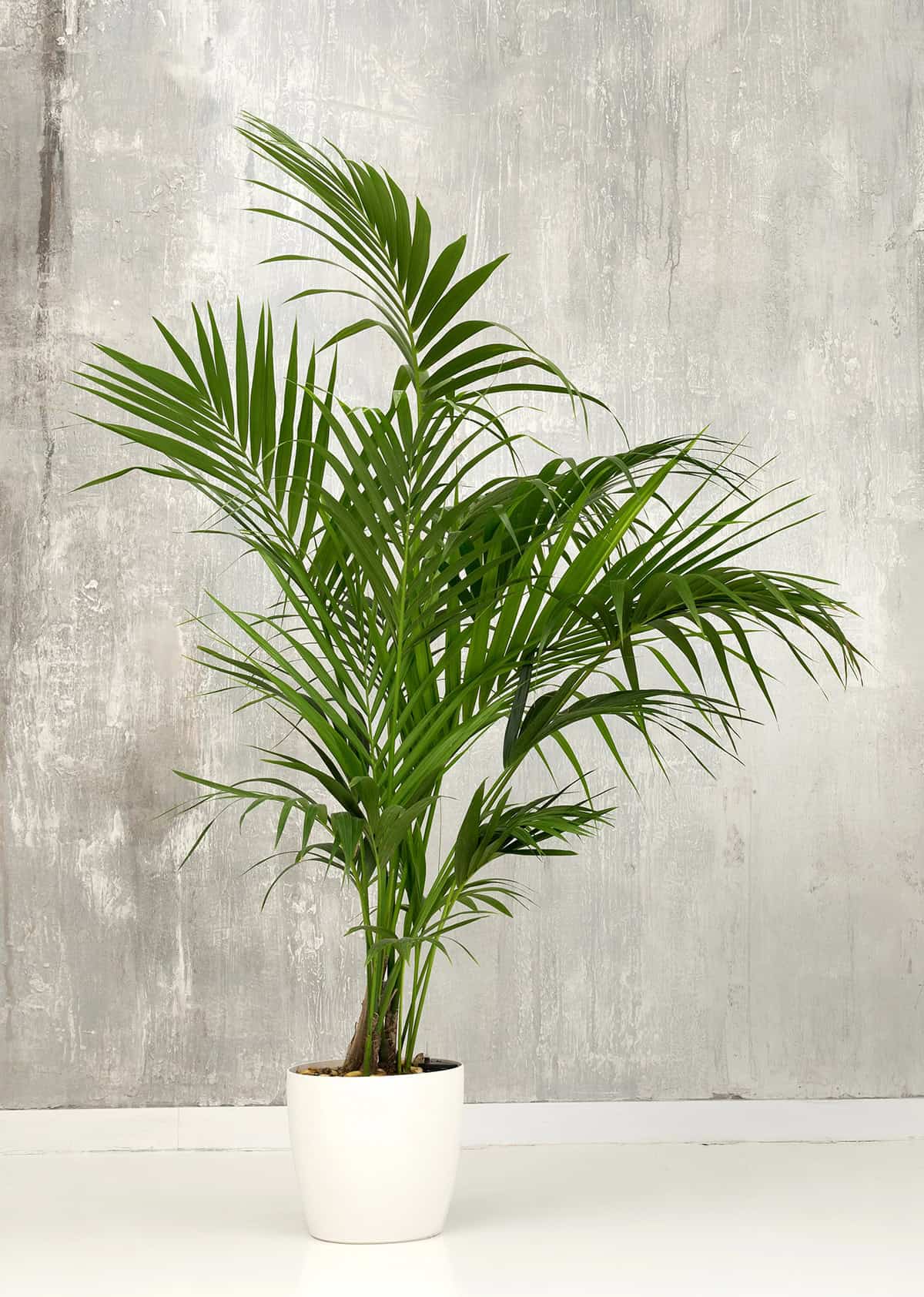
Kentia palm brings a bit of tropical flair to low-light rooms. It’s one of the few palms that doesn’t sulk in the shade.
Water when the top layer dries out, but don’t drown it. Growth is slow, and it keeps a tidy, upright shape even when neglected. Average humidity is just fine.
Lady Palm (Rhapis excelsa)
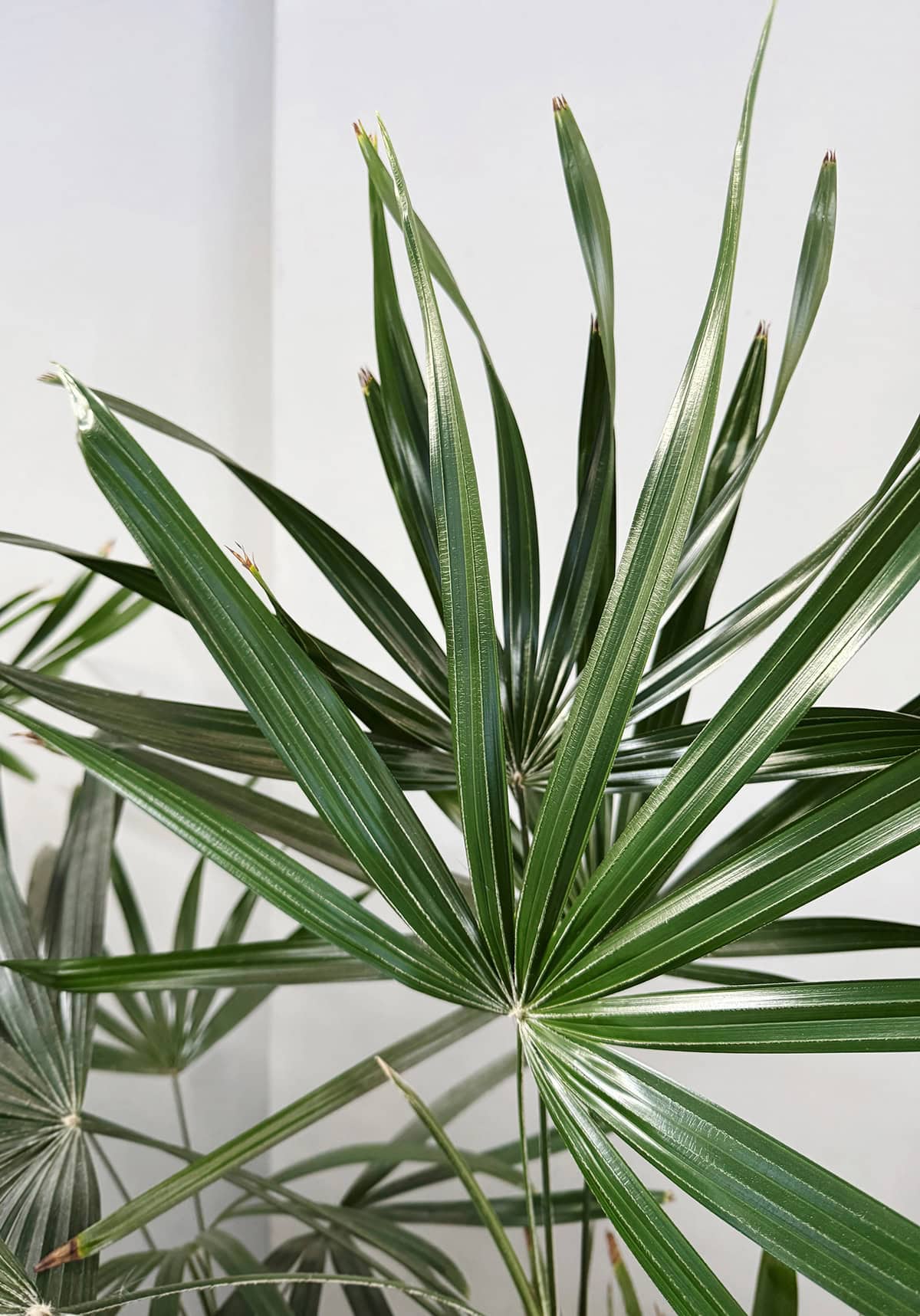
Filtered sunlight drifting through a window suits this palm just fine—harsh rays rarely scorch its leaves. Even tucked in a shadowy corner, it keeps its cool.
Soil shouldn’t be soggy, but don’t let it dry to dust either. Let water run out the bottom, and you’re golden.
Clusters of upright stems give it a sort of quiet, architectural vibe. Snip off aging fronds now and then if you want things looking tidy.