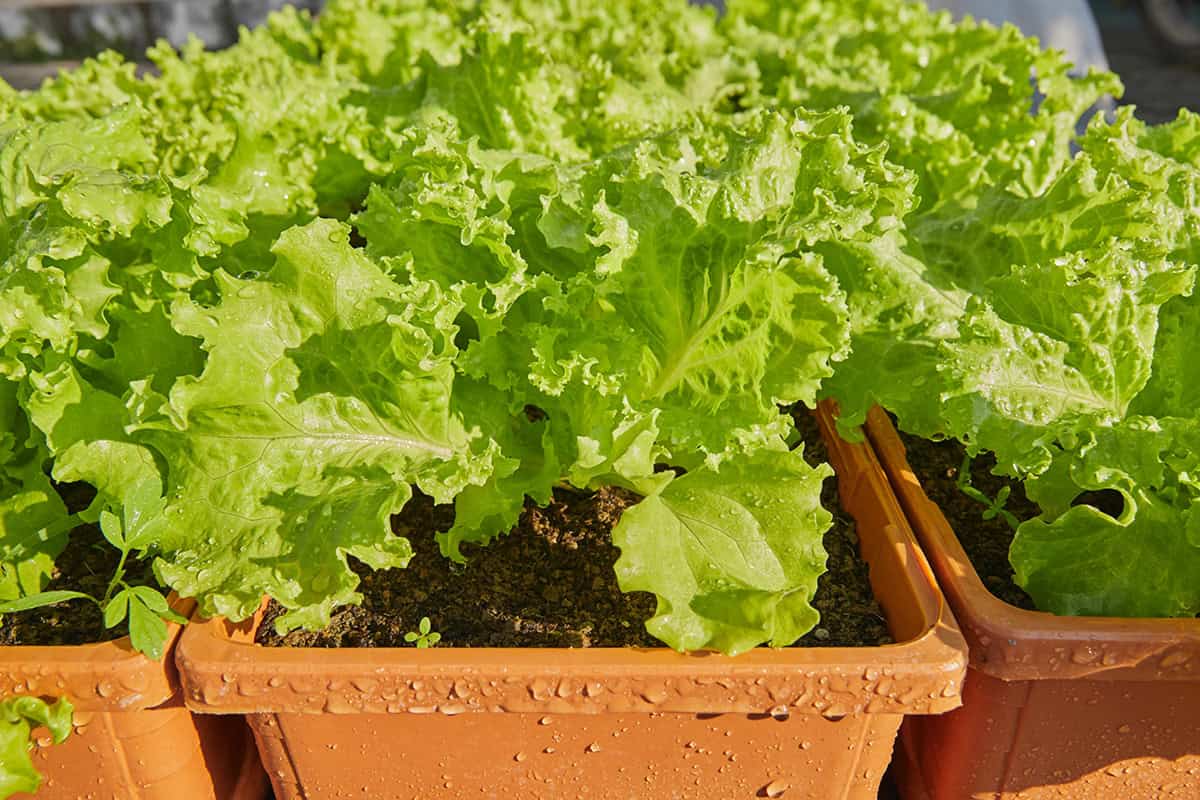
Fresh lettuce is one of the few vegetables that can fit into almost any outdoor space. A simple container can provide harvest after harvest without demanding much room at all. The tips below will help you grow healthy plants and get the most from every pot.
Table of Contents
Variety Selection
Craving something crunchy or maybe a tender, buttery bite? It all starts with your choice of lettuce. Leaf types—think loose, frilly, or smooth—are ready in a flash, sometimes just 45 days, and don’t fuss about space. Head lettuces, on the other hand, take their time and demand more room to stretch out.
For anyone working with limited square footage, loose-leaf varieties are the go-to. Their shallow roots don’t mind smaller pots, and you can snip a few leaves without slowing them down. Mix up green and red, smooth and ruffled, for a container that looks as good as it tastes.
Butterhead or romaine fans: these need a deeper, more generous pot—at least two gallons of soil and a good 4 to 6 inches of depth for the smaller kinds. Dwarf or compact options are best if you’re tight on space. Always check the seed packet for clues about size, harvest time, and how well they handle heat.
Container Size And Depth
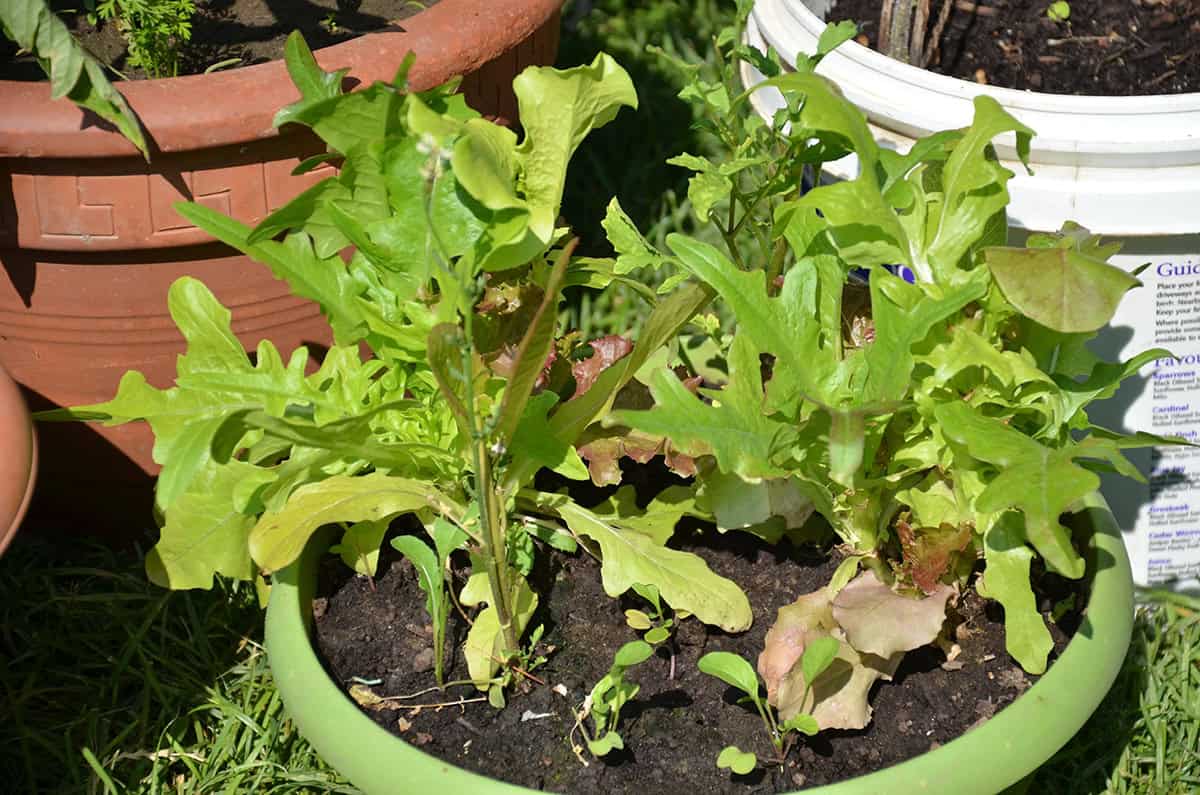
Think about the space beneath the soil as much as what’s above. Lettuce roots don’t dive deep, but they do need a solid 6 to 9 inches to feel at home. A two-gallon pot is about right for smaller types, but bigger containers make watering less of a chore since they stay damp longer.
Don’t overlook width. Spreading plants out—about 4 to 6 inches apart—lets each one thrive. Tighter quarters work for baby greens, but full heads want elbow room. If you’re aiming for a steady harvest, pick a container wide enough to stagger your plantings.
Those tiny decorative pots? Skip them. Soil dries out in a blink and roots get cramped. Heavy containers keep moisture in, but moving them after watering is another story. Always go for pots with drainage holes so water doesn’t pool and roots stay happy.
Soil
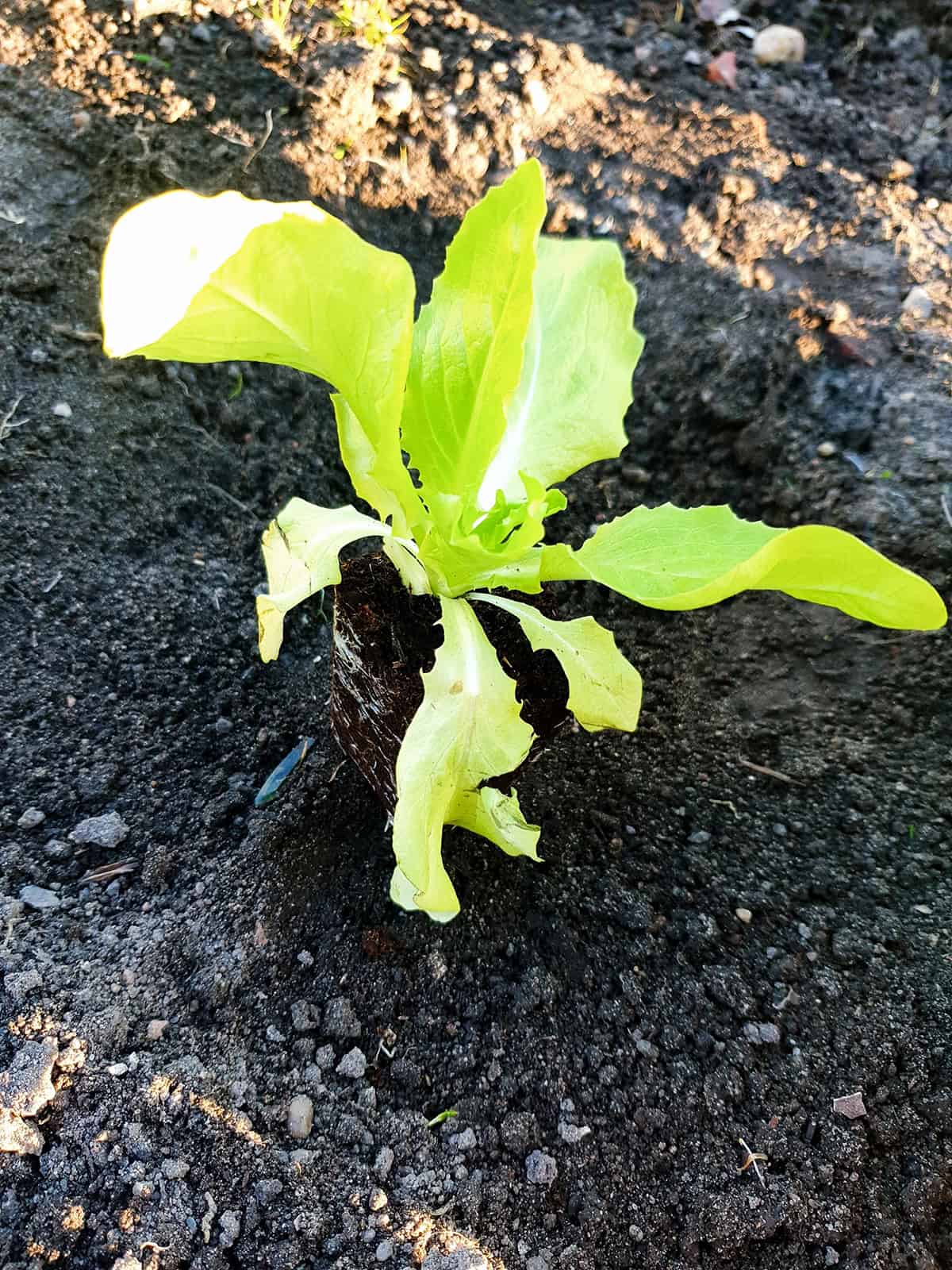
Forget digging up dirt from the yard—containers call for a loose, fluffy potting mix that drains well but doesn’t dry out too fast. Lettuce hates soggy feet but needs steady moisture, so the right blend is key.
Aim for a pH right around 6.0 to 6.5. Most bagged mixes for veggies or containers hit this mark. If your mix is plain, toss in some balanced organic fertilizer before planting. A scoop of compost perks up structure and keeps growth humming.
If you’re tempted to add garden soil, keep it to one-third or less of your mix. More than that, and you risk compacted roots and sluggish plants. Drainage holes are non-negotiable. Keep the top layer moist but never swampy for the best-tasting leaves.
Planting
Grab a bag of potting mix with good drainage—don’t skimp here. Fill your container so the soil sits about an inch below the rim, then level it off. Pre-moisten the mix before sowing; dry soil can slow germination.
Scatter seeds thinly and barely cover with 1/4 inch of soil. If you’re transplanting, plant them at the same depth as in their nursery pots. Leaf types can be spaced 4 to 6 inches apart for baby greens, while head lettuce needs more like 6 to 8 inches for a full rosette.
Find a spot that gets at least four to six hours of sunlight. Some shade is fine, especially when the weather heats up. Keep the soil damp for the first week or so—don’t let it dry out. Most lettuces are ready to pick in 45 to 60 days, but you can start harvesting outer leaves much sooner.
Light
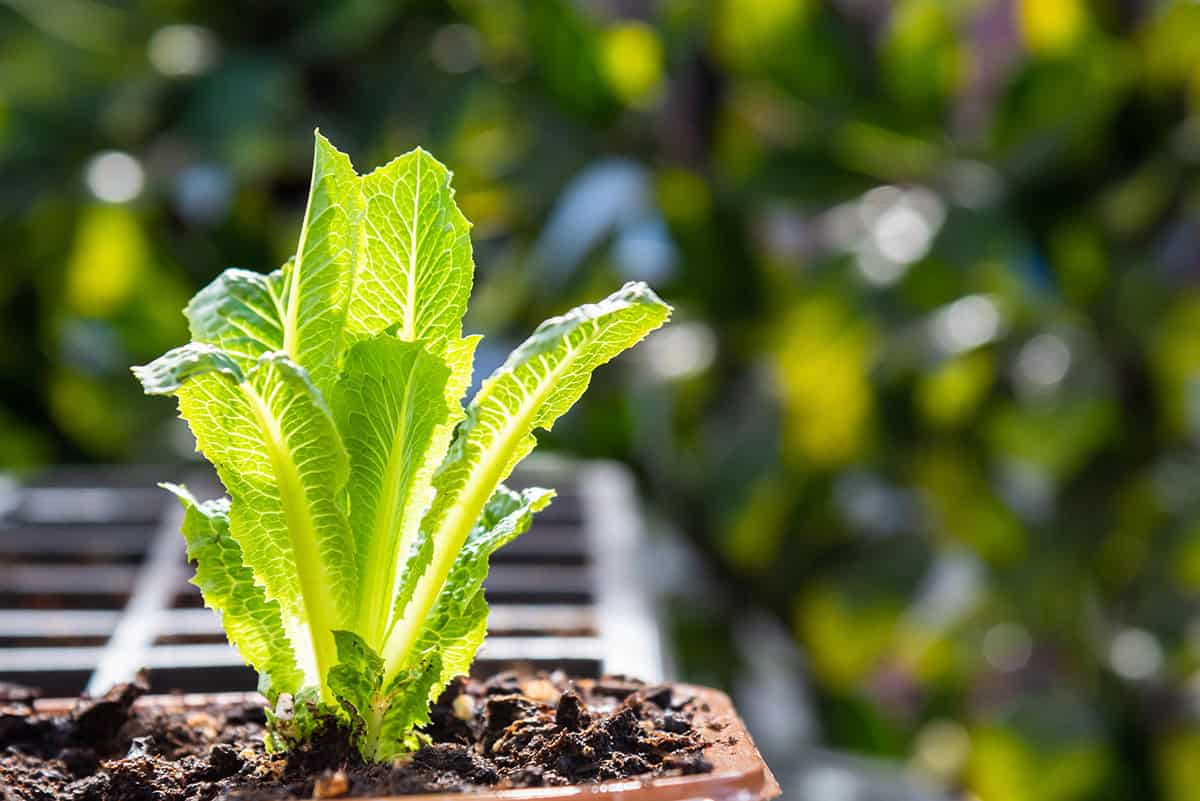
Sunlight sets the rhythm for lettuce. Around 6 hours of direct sun—especially in the cooler months—keeps growth compact and leaves sweet. Morning rays are gentle, giving enough light without baking your plants by afternoon.
When summer cranks up the heat, harsh afternoon sun can turn leaves bitter. Slide containers into partial shade after lunch or hang a bit of shade cloth to keep things cool but still bright enough for steady growth.
Indoors, a sunny south- or west-facing window usually does the trick. If daylight is lacking, set up grow lights just above the leaves and run them 12 to 14 hours daily.
Every few days, give the pot a spin so all sides catch the light. Otherwise, you’ll end up with lopsided, floppy plants. Balanced light keeps everything tidy and productive.
Water
With roots close to the surface, lettuce is quick to wilt if the soil dries out. Poke your finger in the top inch of soil—if it feels dry, it’s time to water until you see drips from the bottom.
Containers lose moisture faster than garden beds, especially when it’s hot or breezy. Sometimes you’ll be watering daily during a heatwave. Lettuce likes its moisture steady, not bouncing between drought and flood.
Good drainage is essential—roots hate sitting in soggy soil. Dump any leftover water from saucers after watering. You want the soil to feel like a wrung-out sponge: moist, not mushy.
Feeding
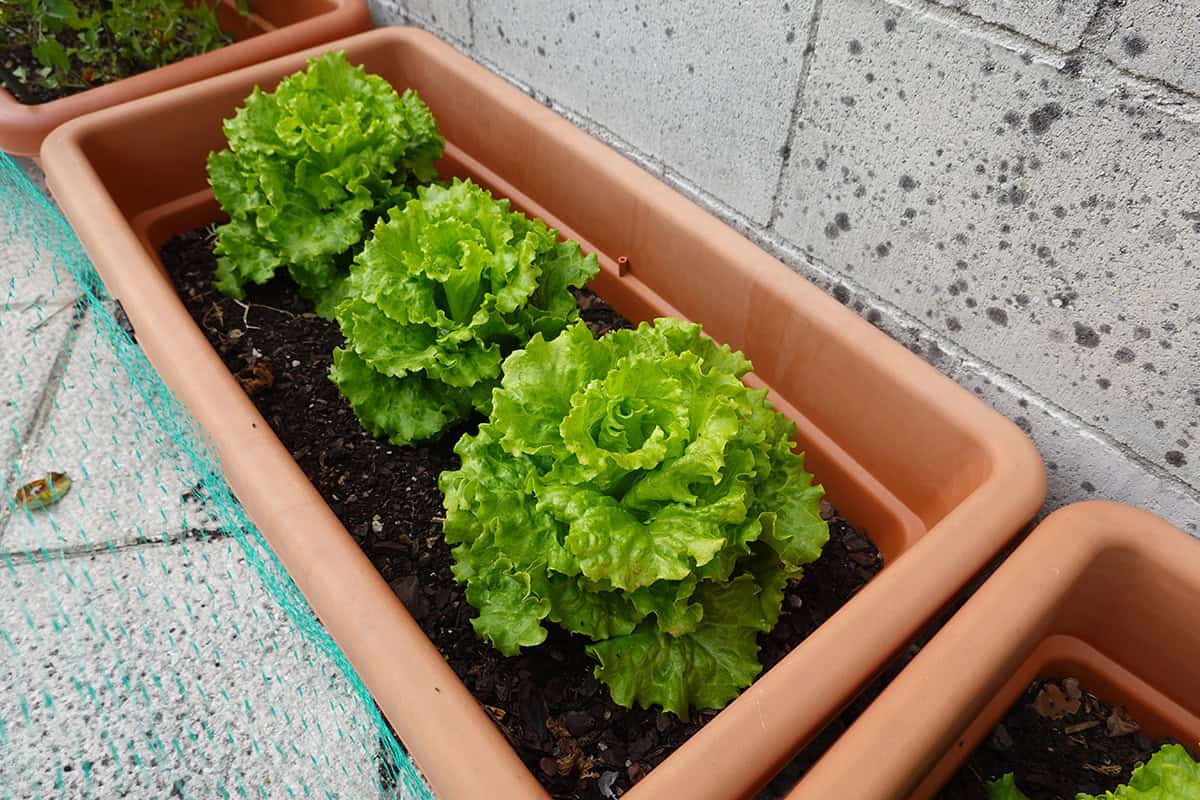
Quick-growing lettuce can chew through nutrients in a pot faster than you’d think. Potting mix drains well, but that means fertilizer washes out, too. Light, regular feeding is the sweet spot for tender, flavorful leaves.
Go with a balanced liquid feed—10-10-10 or 5-5-5 works—mixed at half strength. Start feeding every week or two once seedlings are up and running. Always water first, then add the diluted fertilizer to avoid burning roots.
Prefer less fuss? Slow-release granules can be mixed into the top inch of soil when you plant. Stick to products made for veggies, and don’t go overboard—too much and you’ll get floppy, soft growth.
Keep an eye on leaf color. Yellowing usually means not enough nitrogen, while super-dark, oversized leaves might be a sign you’re overdoing the feeding. Adjust as you go, letting the plants tell you what they need.
Growth Time
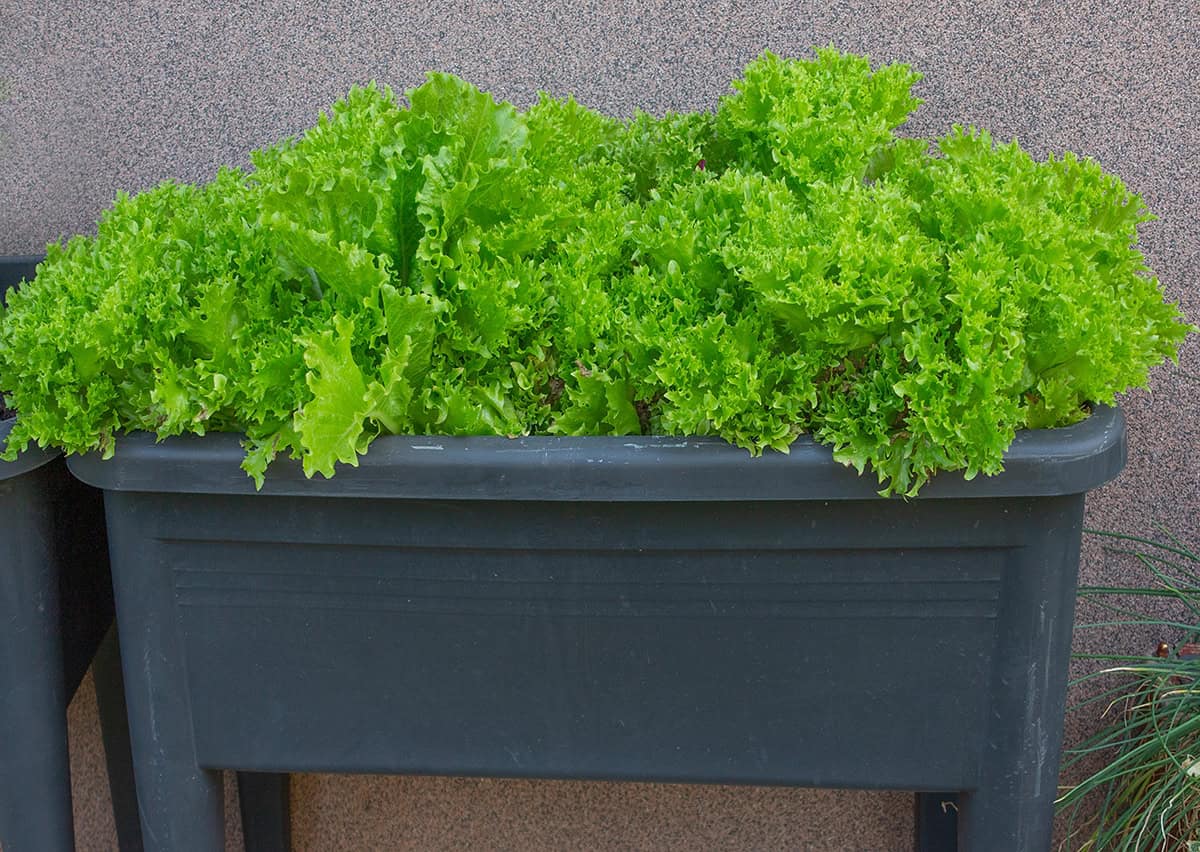
Speed is one of lettuce’s best qualities in containers. You’ll see baby leaves ready for picking in as little as 30 days. Full-size heads typically take 45 to 60 days, with loose-leaf types usually winning the race.
Cooler weather encourages fast, sweet growth. Spring and fall are prime time. If things get too warm, lettuce bolts—shoots up flowers and turns bitter—so watch those nighttime temps. Anything over 70°F at night can bring on early flowering.
Want a non-stop supply? Sow a new batch every couple of weeks. Snip just the outer leaves and let the center keep going, or cut the whole thing a few inches above the soil if you’re feeling bold. As long as temperatures are mild and soil stays moist, one planting can give you several rounds of harvest.
Harvest
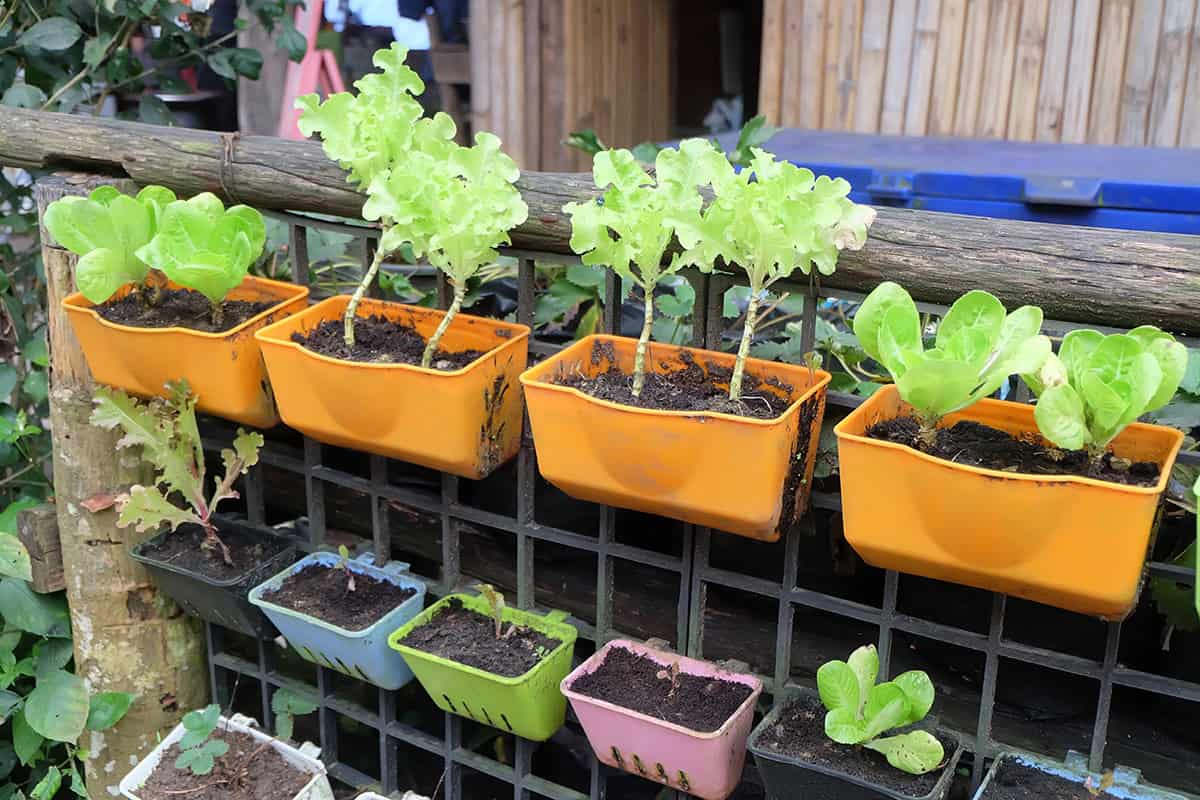
Harvesting is flexible—take baby greens or wait for full heads. Most types are ready between 30 and 60 days, but always check your seed packet for the details. Leaves should be plump and crisp when you cut.
For baby greens, grab clean scissors and trim the outer leaves once they hit 3 or 4 inches. Don’t take more than a third at a time so the plant keeps producing.
Head lettuces need a different touch. Wait until the head is firm but not rock-hard, then slice the whole thing off just above the soil. Early morning is best—leaves are full of moisture, and moving the pot out of direct sun before cutting helps reduce stress.
Common Problems And Troubleshooting
Wilted, bitter leaves? That’s usually a sign your lettuce is thirsty. These shallow-rooted greens dry out fast, especially in containers. Stick your finger in the soil—if it’s dry an inch down, it’s time to water. Try to avoid those dramatic droughts between soakings; lettuce holds a grudge.
Hot spells can send lettuce into panic mode, shooting up a tall center stalk almost overnight. When the forecast gets steamy, drag pots into the shade or tuck them somewhere cooler. If you spot that stem stretching, don’t wait—snip those heads before the leaves get tough and weirdly sharp-tasting.
Yellowing leaves? Could be too much water, or maybe your greens are hungry. Drainage holes are non-negotiable, and don’t let pots sit in puddles. Every few weeks, a splash of diluted liquid fertilizer perks things up. Yank off any sad, yellow leaves so the plant can focus on new growth.
Cramped seedlings just sulk and seem to invite trouble. If your lettuce is packed tighter than commuters on a subway, thin them out. Let some air move between leaves. Mildew and rot love crowded, damp conditions, so don’t give them the chance.
Uninvited guests—aphids and slugs—show up when you least expect it. Flip leaves over and check for clusters of bugs. Aphids usually wash off with a sharp spray, but slugs are best picked off by hand. Wipe away debris and keep things tidy around your pots; pests like a mess.