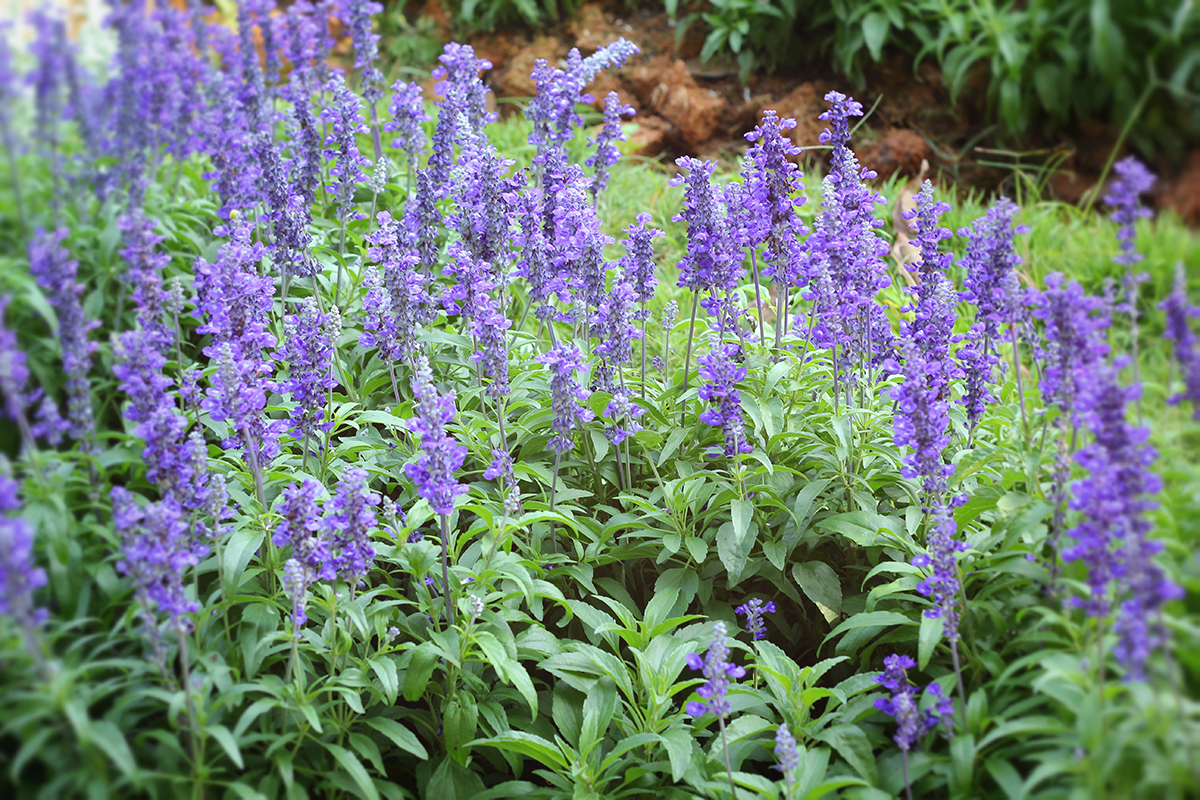
Chasing a vibrant garden without endless chores? Perennials that basically take care of themselves can do the trick—they come back year after year, shrug off most problems, and rarely ask for more than the basics. Pick the right low-maintenance perennials for your spot, and they’ll handle pests, droughts, and whatever else the weather throws at them, all while keeping your workload light. You’re left with more time to actually enjoy your garden’s color and texture.
Read through the full article on 30 low-maintenance perennials and see which ones you want to add to your space first.
Table of Contents
- Low-Maintenance Perennials
- Daylily (Hemerocallis)
- Hosta
- Coneflower (Echinacea)
- Black-Eyed Susan (Rudbeckia)
- Sedum (Stonecrop)
- Peony
- Russian Sage (Salvia yangii)
- Yarrow (Achillea)
- Catmint (Nepeta)
- Coreopsis
- Shasta Daisy
- Blanket Flower (Gaillardia)
- Perennial Salvia
- Hellebore
- Coral Bells (Heuchera)
- Baptisia (False Indigo)
- Siberian Iris
- Hardy Geranium (Cranesbill)
- Liriope (Lilyturf)
- Bergenia
- Veronica (Speedwell)
- Ornamental Allium
- Blazing Star (Liatris)
- Globe Thistle (Echinops)
- Goldenrod (Solidago, clumping types)
- Japanese Anemone
- Astilbe
- Brunnera
- Lungwort (Pulmonaria)
- Columbine (Aquilegia)
Low-Maintenance Perennials
Here are some proven survivors that keep their looks and don’t need constant dividing or fussing.
Daylily (Hemerocallis)
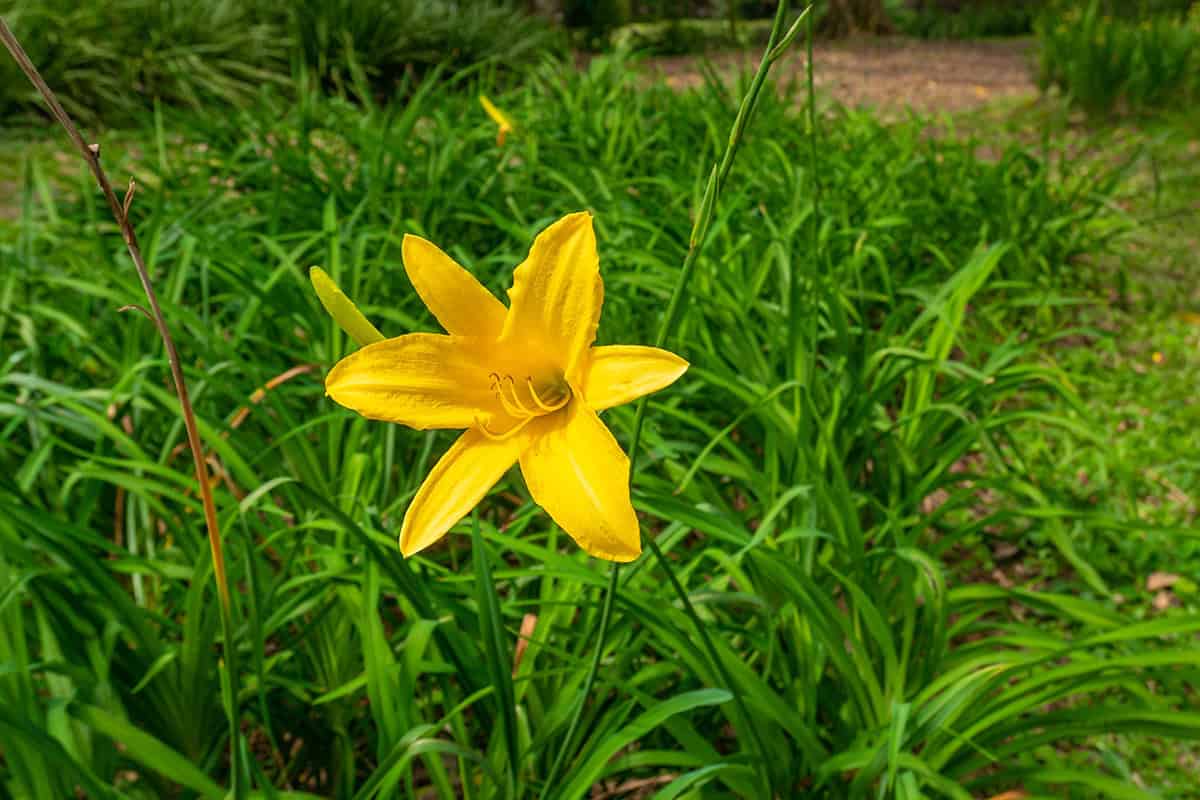
Zones: 3–9. Exposure: Full sun to light shade. Height/Spread: 1–4 feet tall, 1–3 feet wide. Bloom time: Early to late summer. Care requirements: Average soil, moderate water, divide every 3–5 years.
In tough soil or unpredictable weather, daylilies just keep going. Chunky roots stash water, so they shrug off dry spells. Most modern types don’t seem bothered by leaf diseases.
Snip off old flower stalks to keep things tidy. Foliage usually stays neat, especially on rebloomers. Give them plenty of sun for the showiest blooms.
Hosta
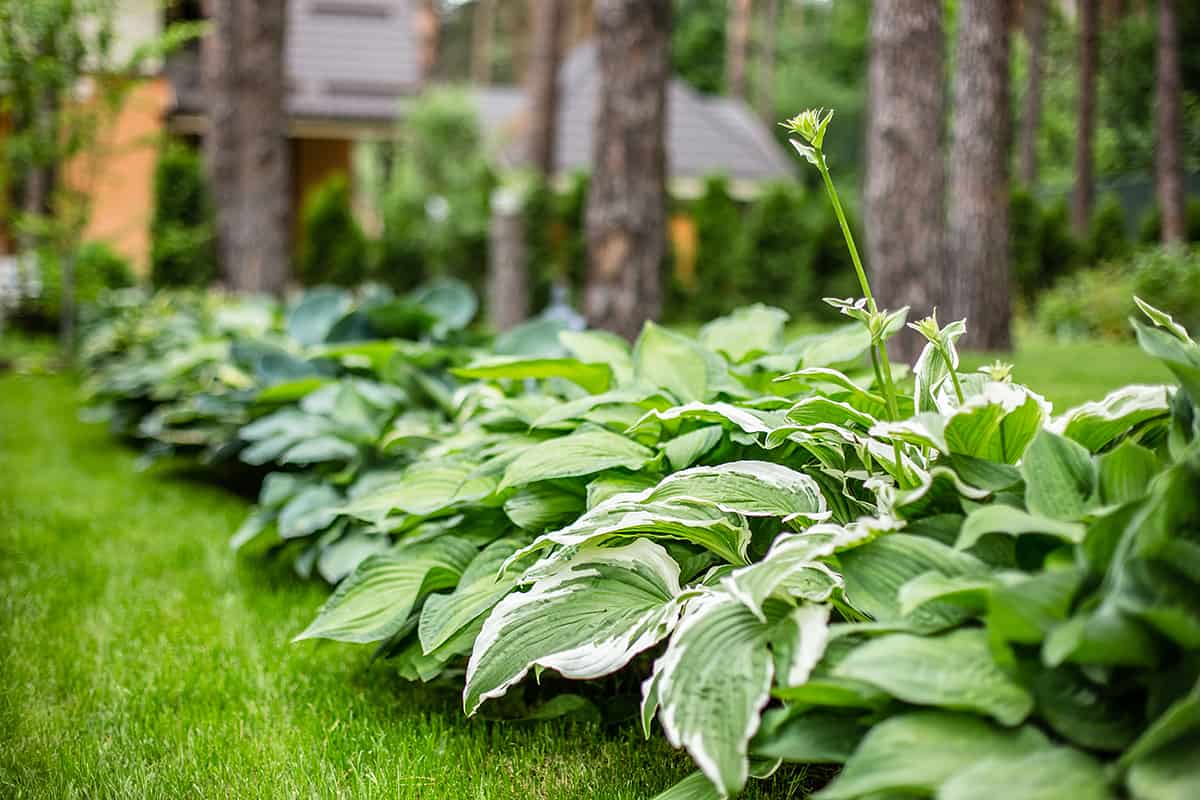
Zones: 3–9. Exposure: Partial to full shade. Height/Spread: 8 inches to 3 feet tall, 1–5 feet wide. Bloom time: Summer. Care requirements: Moist, well-drained soil, divide every 4–5 years.
For shady spots, nothing beats those bold leaves—blue, green, or streaked with white. Hostas settle in happily under trees if the soil stays damp. Some have leaves thick enough to shrug off slugs.
Water during dry stretches to avoid crispy edges. If you’re not into the blooms, just cut those stalks after they fade. Mulch helps keep roots cool and happy.
Coneflower (Echinacea)
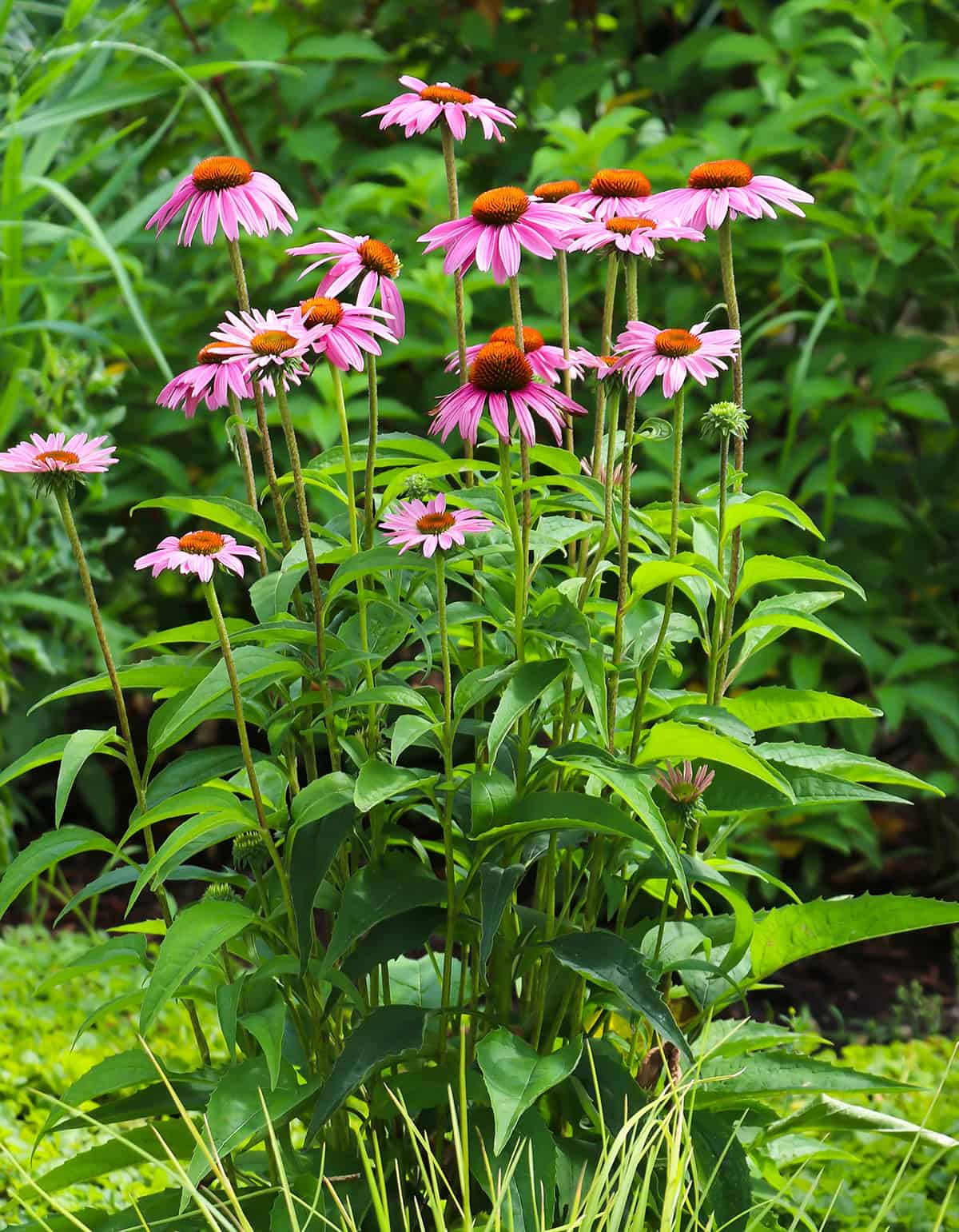
Zones: 3–9. Exposure: Full sun. Height/Spread: 2–4 feet tall, 1–2 feet wide. Bloom time: Summer to early fall. Care requirements: Well-drained soil, low fertilizer, divide every 4 years.
Heat and drought? Coneflowers barely notice. Their sturdy stems almost never flop, and the big central cones pull in bees and butterflies like magnets.
Trim them back in late winter. If you’re into birds, leave seed heads standing for winter snacks. Steer clear of wet, heavy soils.
Black-Eyed Susan (Rudbeckia)
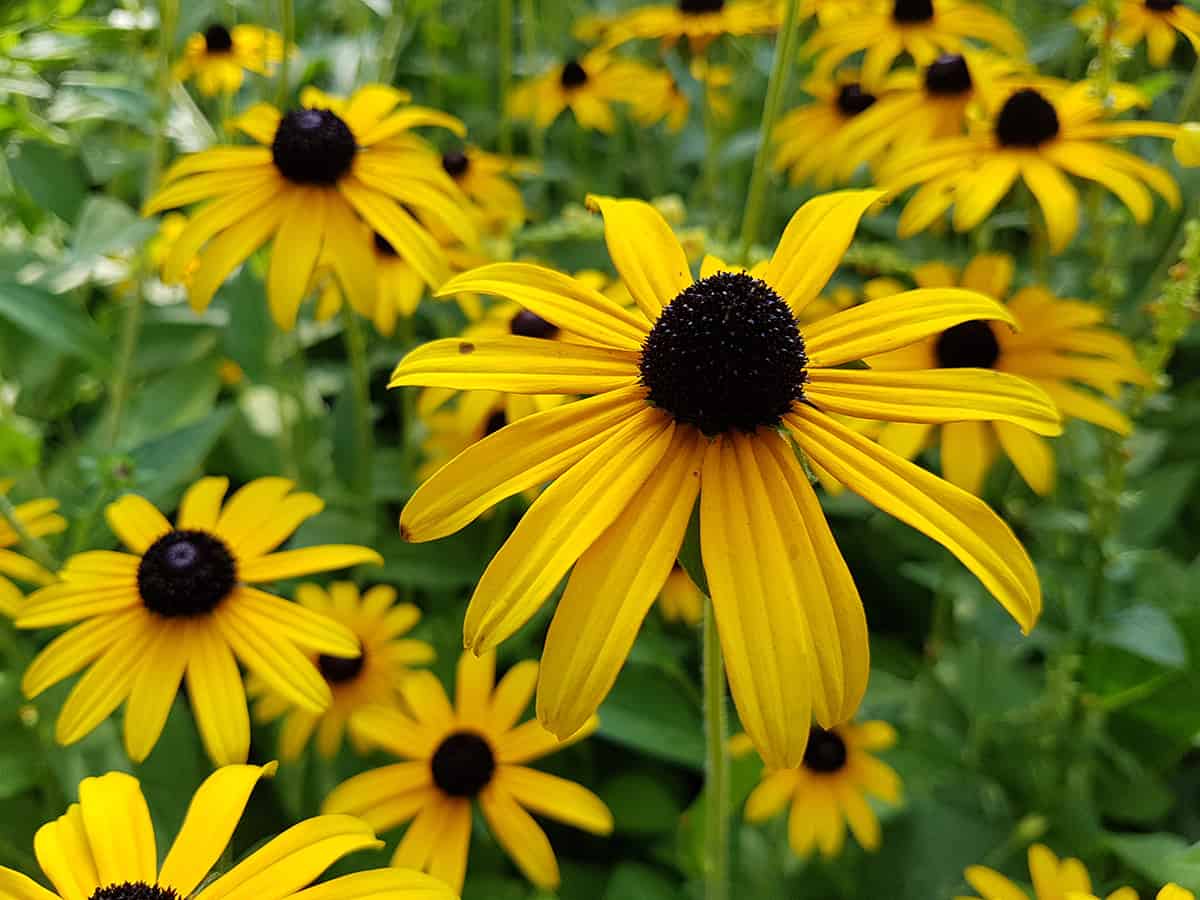
Zones: 3–9. Exposure: Full sun. Height/Spread: 2–3 feet tall, 1–2 feet wide. Bloom time: Mid to late summer. Care requirements: Average soil, moderate water, divide every 3–4 years.
Those golden petals with dark centers are hard to miss in any border. They’ll ride out heat and the occasional drought, and most won’t overrun your beds with seedlings.
Snip faded blooms for more flowers. Shear back after flowering if the foliage starts looking rough. Good air movement keeps leaf spots at bay.
Sedum (Stonecrop)
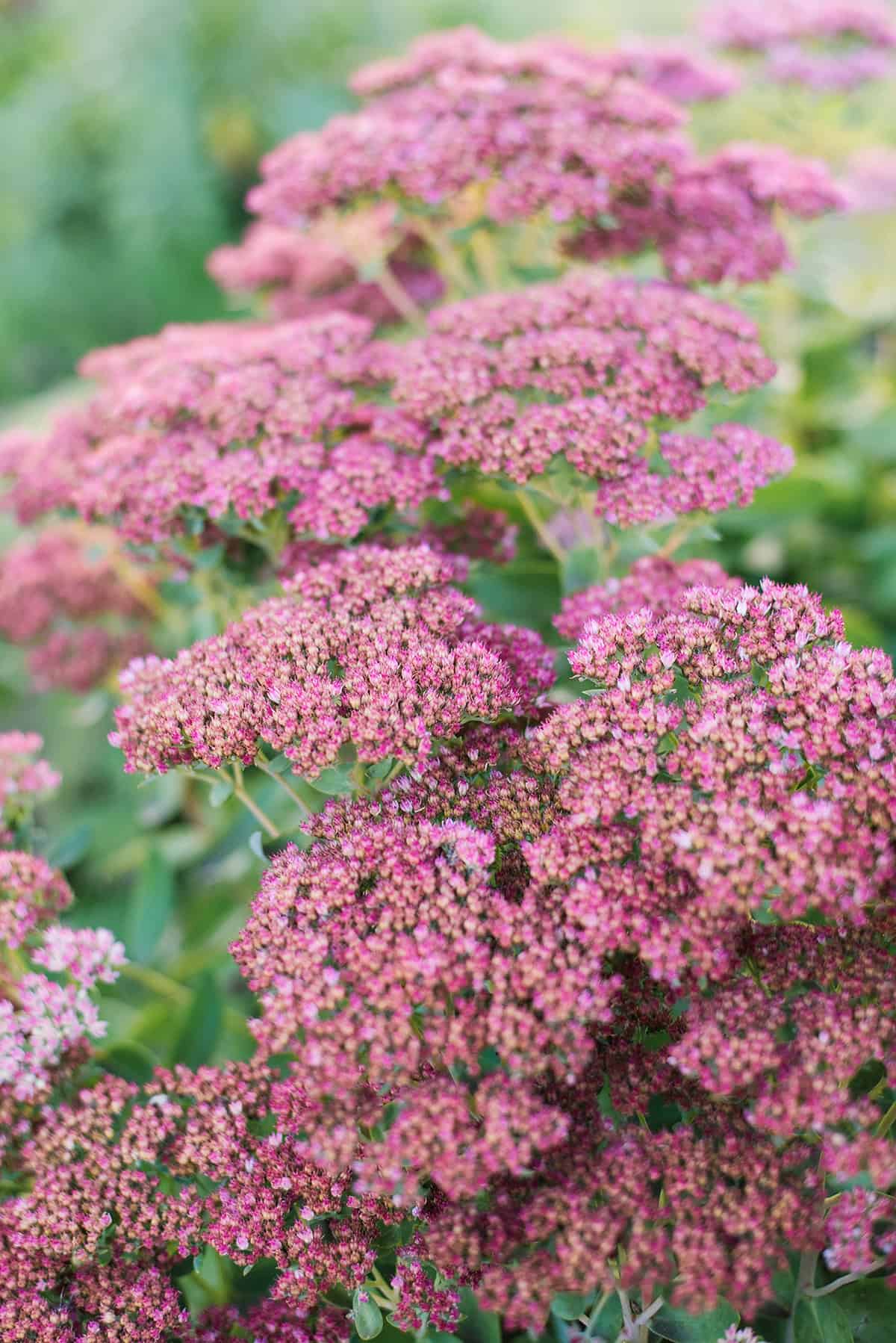
Zones: 3–9. Exposure: Full sun. Height/Spread: 6 inches to 2 feet tall, 1–2 feet wide. Bloom time: Late summer to fall. Care requirements: Excellent drainage, minimal water, divide every 4–5 years.
Thick, juicy leaves hang onto moisture, so drought isn’t much of a concern. Upright kinds make neat clumps topped with pink or rusty blooms, while creeping types fill in as groundcovers.
Skip the rich soil—too much fertilizer just makes them flop. Clear away last year’s stems in early spring.
Peony
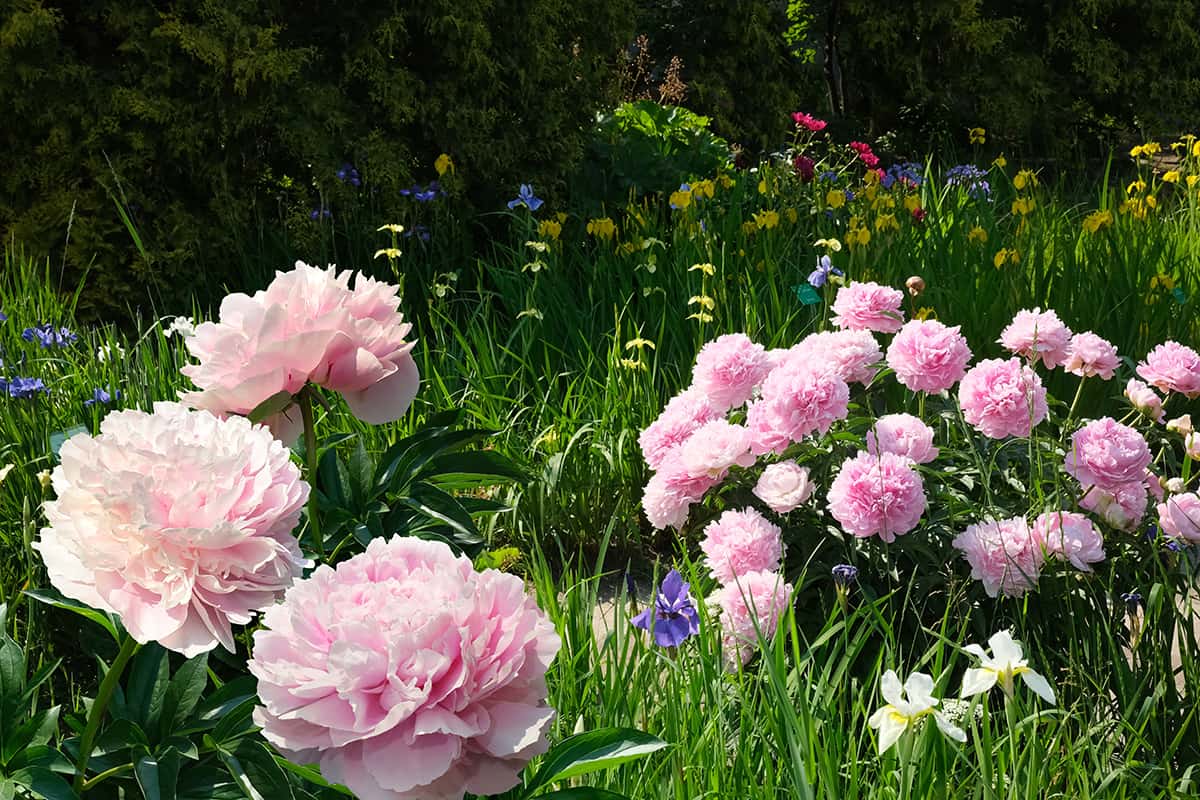
Zones: 3–8. Exposure: Full sun. Height/Spread: 2–3 feet tall and wide. Bloom time: Late spring to early summer. Care requirements: Well-drained soil, minimal division, long-term placement.
Once settled, peonies can outlast most gardeners. Big, showy flowers burst out each spring, and the foliage holds up through summer.
Set crowns so the buds are just below the soil surface—too deep and they won’t bloom. Resist the urge to move them unless you have to.
Russian Sage (Salvia yangii)
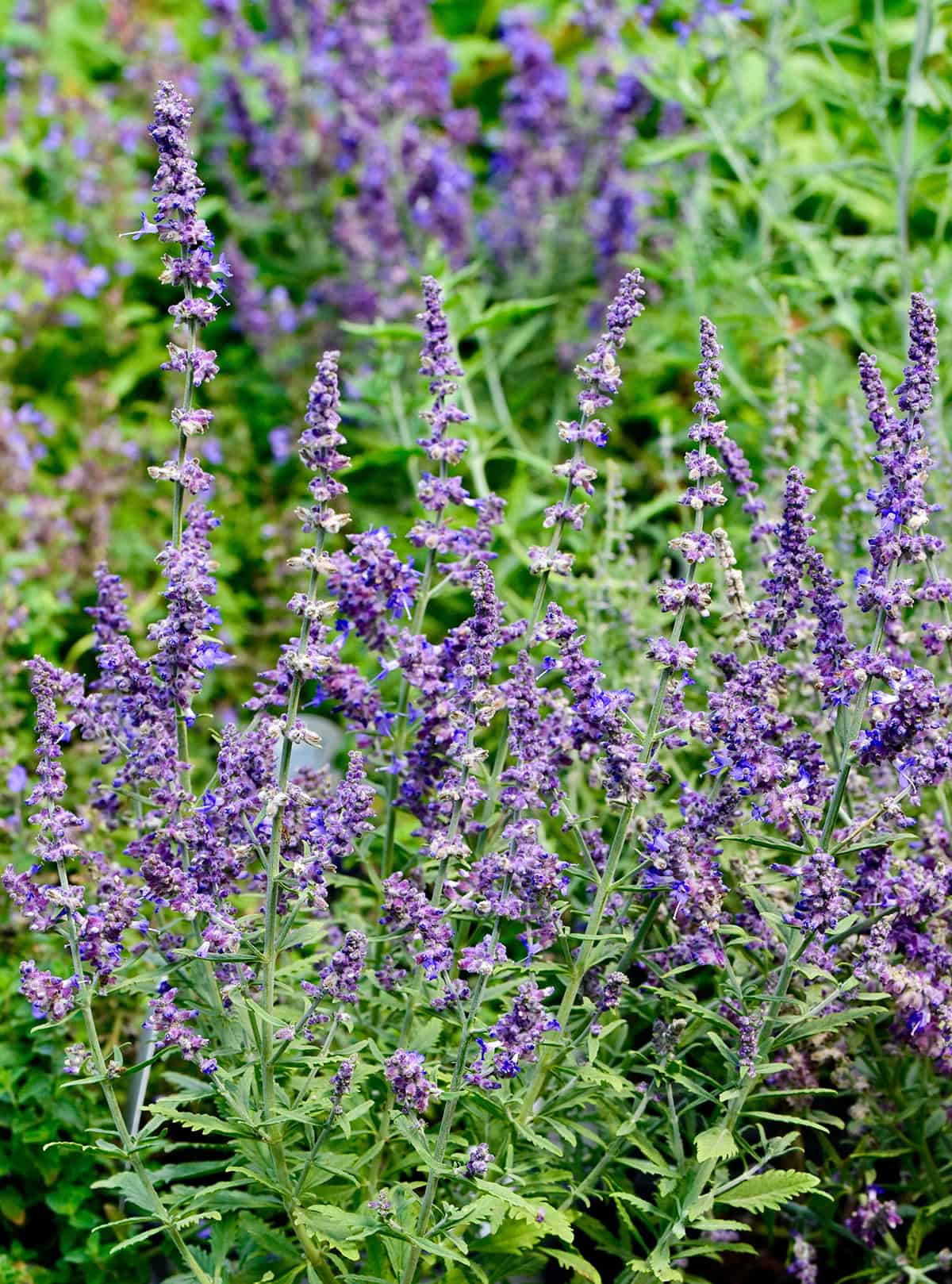
Zones: 4–9. Exposure: Full sun. Height/Spread: 3–4 feet tall, 2–3 feet wide. Bloom time: Mid to late summer. Care requirements: Excellent drainage, low water, prune in early spring.
Silvery stems and clouds of lavender-blue flowers thrive where heat and poor soil chase off fussier plants. Full sun is a must or they’ll stretch out and flop. Deer don’t seem interested in the fragrant leaves.
Chop back to about a foot in early spring. Water sparingly, and space them for air movement.
Yarrow (Achillea)
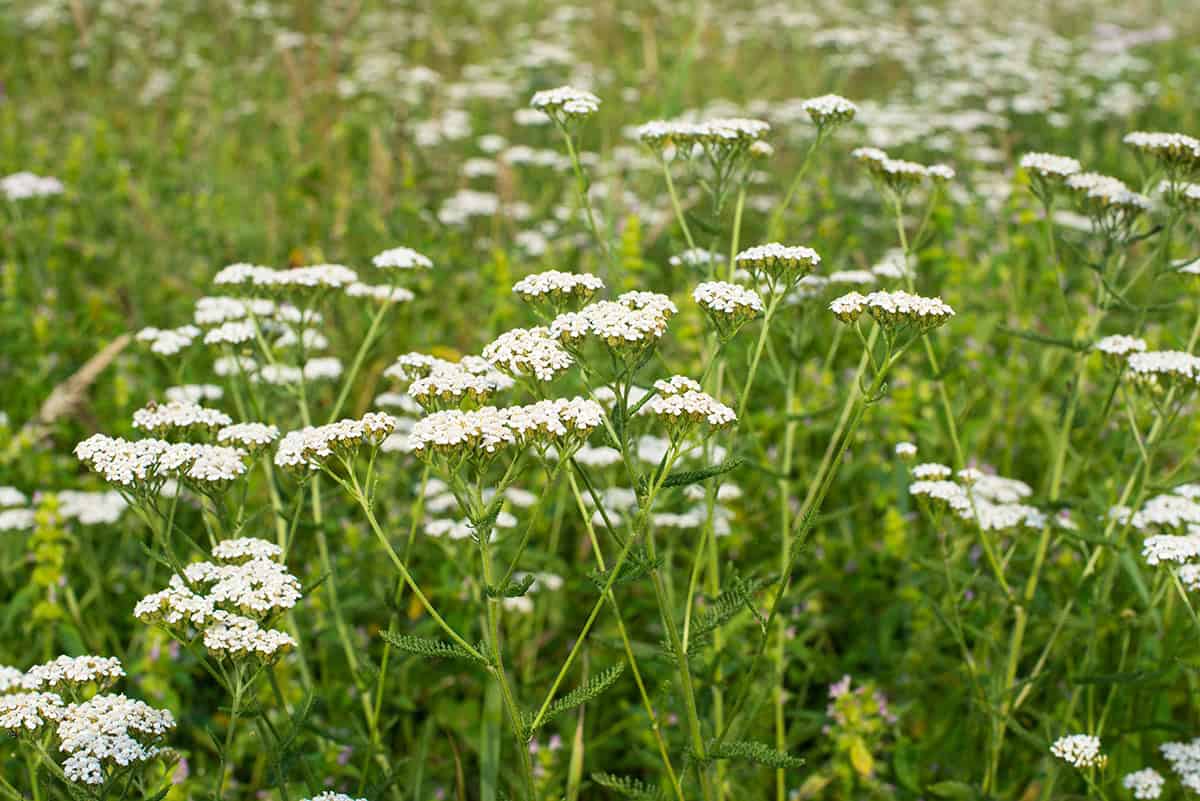
Zones: 3–9. Exposure: Full sun. Height/Spread: 1–3 feet tall, 1–2 feet wide. Bloom time: Early to late summer. Care requirements: Well-drained soil, low fertilizer, divide every 2–3 years.
Flat-topped flowers bring in pollinators, and the plants don’t mind poor, sandy, or rocky ground. Let them bask in the sun and they’ll shrug off most pests.
Shear after the first flush to coax out more blooms. Avoid soggy spots. Divide now and then to keep them lively.
Catmint (Nepeta)
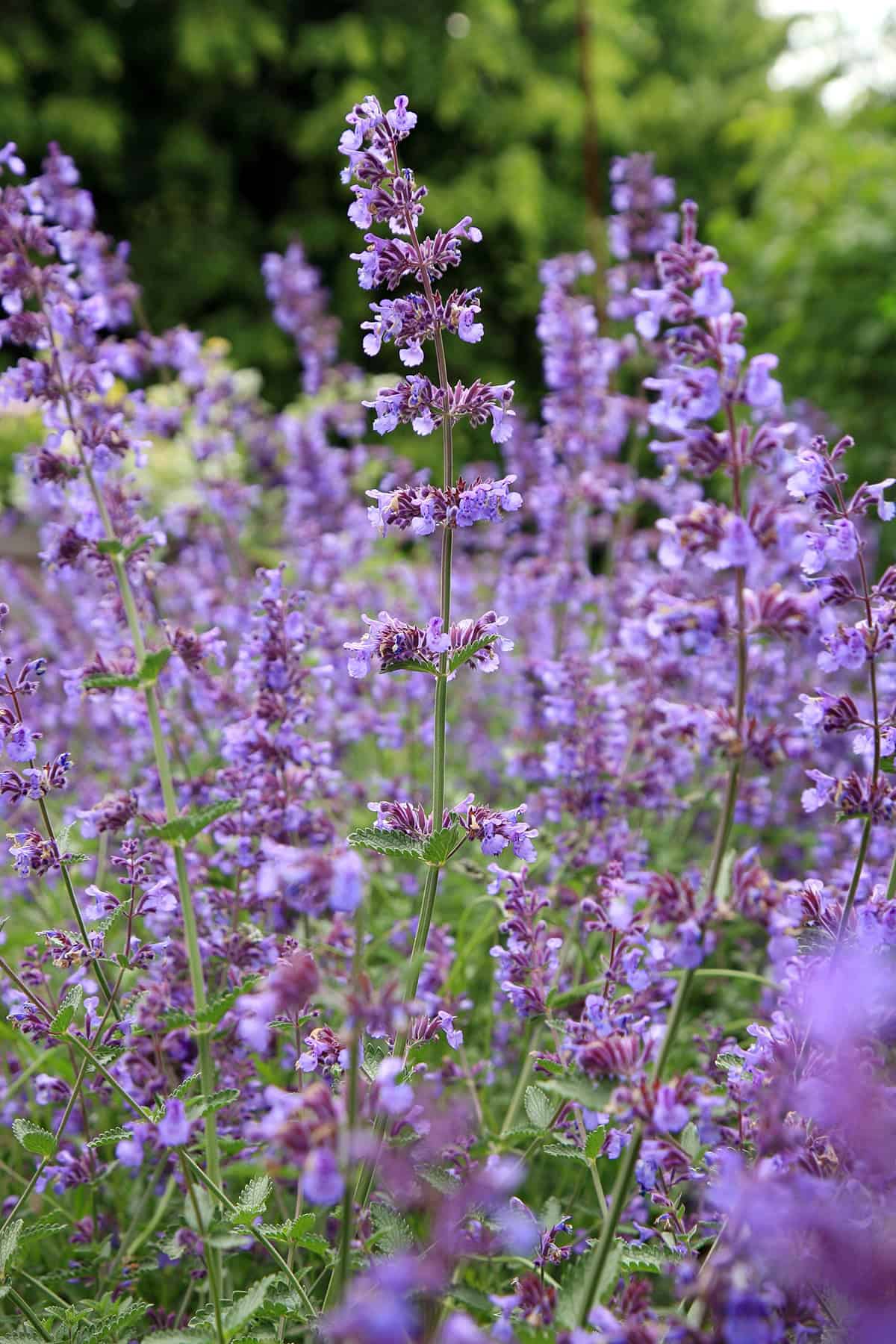
Zones: 3–8. Exposure: Full sun to light shade. Height/Spread: 1–3 feet tall, 1–3 feet wide. Bloom time: Late spring to summer. Care requirements: Well-drained soil, low water, shear after bloom.
Soft, aromatic foliage forms a weed-smothering mound, while clouds of lavender-blue flowers last for weeks. Deer and rabbits usually leave them alone.
Cut back by half after blooming for a second round of flowers. Go easy on fertilizer.
Coreopsis
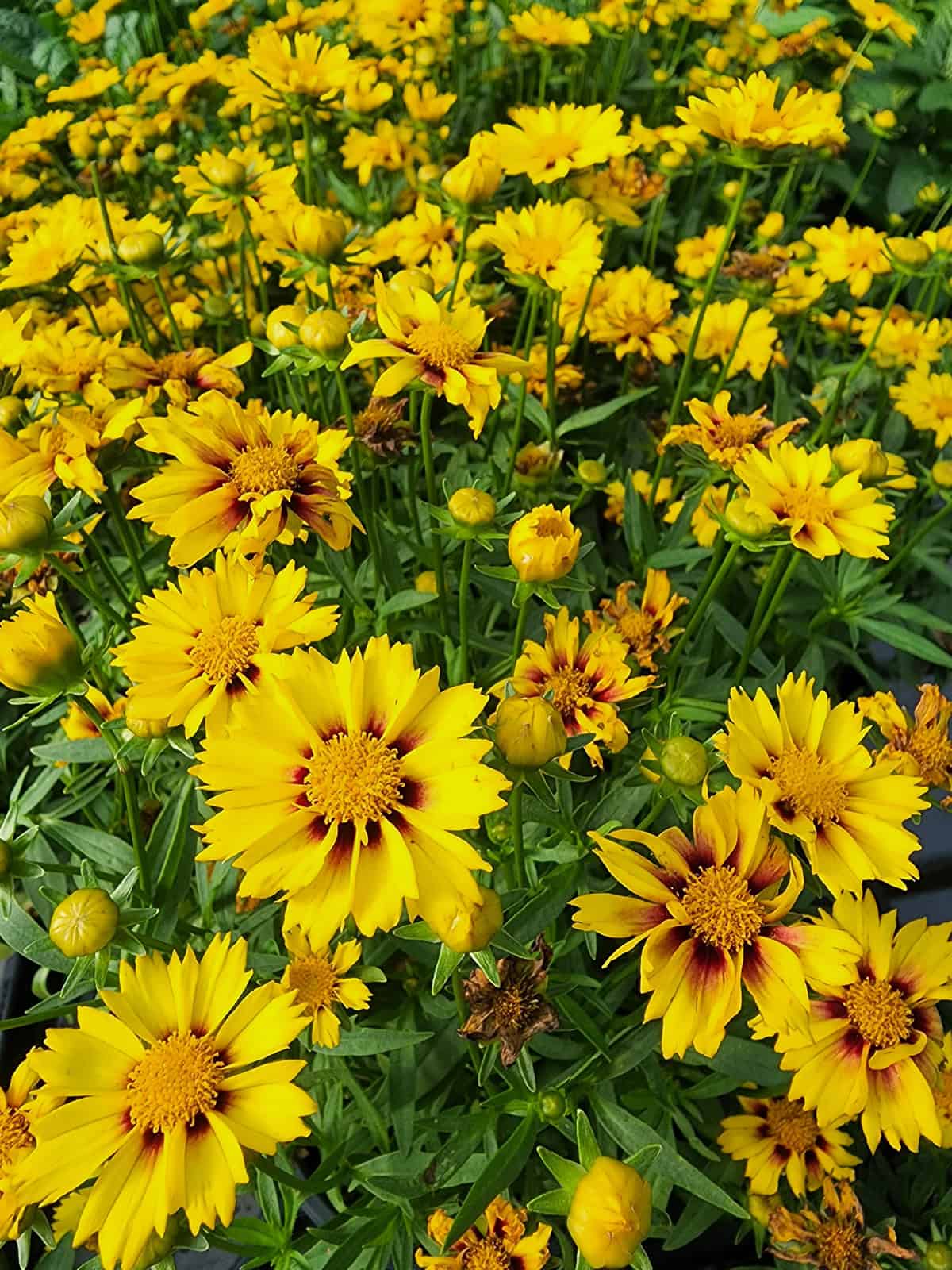
Zones: 4–9. Exposure: Full sun. Height/Spread: 1–3 feet tall, 1–2 feet wide. Bloom time: Early summer to fall. Care requirements: Well-drained soil, moderate water, divide every 3 years.
Long-lasting flowers in yellow, red, or bicolor shades keep beds lively for months. Many types shrug off heat and dry spells; smaller forms tuck into tight spots.
Deadhead to keep the show going. Drainage is key, especially in winter. Some short-lived types may need replacing every few years.
Shasta Daisy
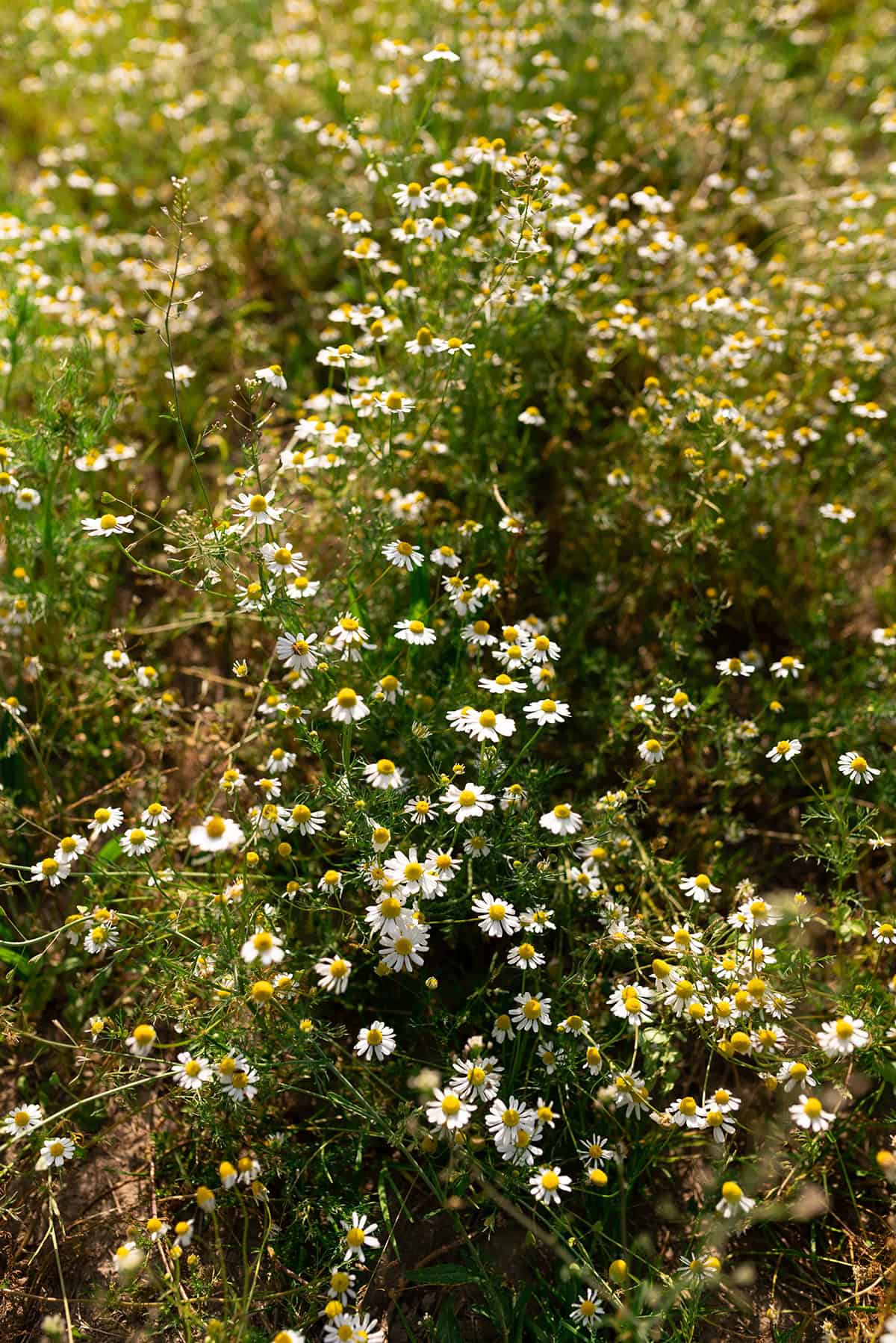
Zones: 5–9. Exposure: Full sun. Height/Spread: 1–3 feet tall, 1–2 feet wide. Bloom time: Early to mid-summer. Care requirements: Well-drained soil, moderate water, divide every 2–3 years.
Classic white petals with yellow centers brighten up sunny beds. Sturdy stems keep blooms upright, but they do better where summers aren’t scorching.
Clip faded flowers to encourage more. Wet winter soil is a no-go. Divide clumps to keep them strong.
Blanket Flower (Gaillardia)
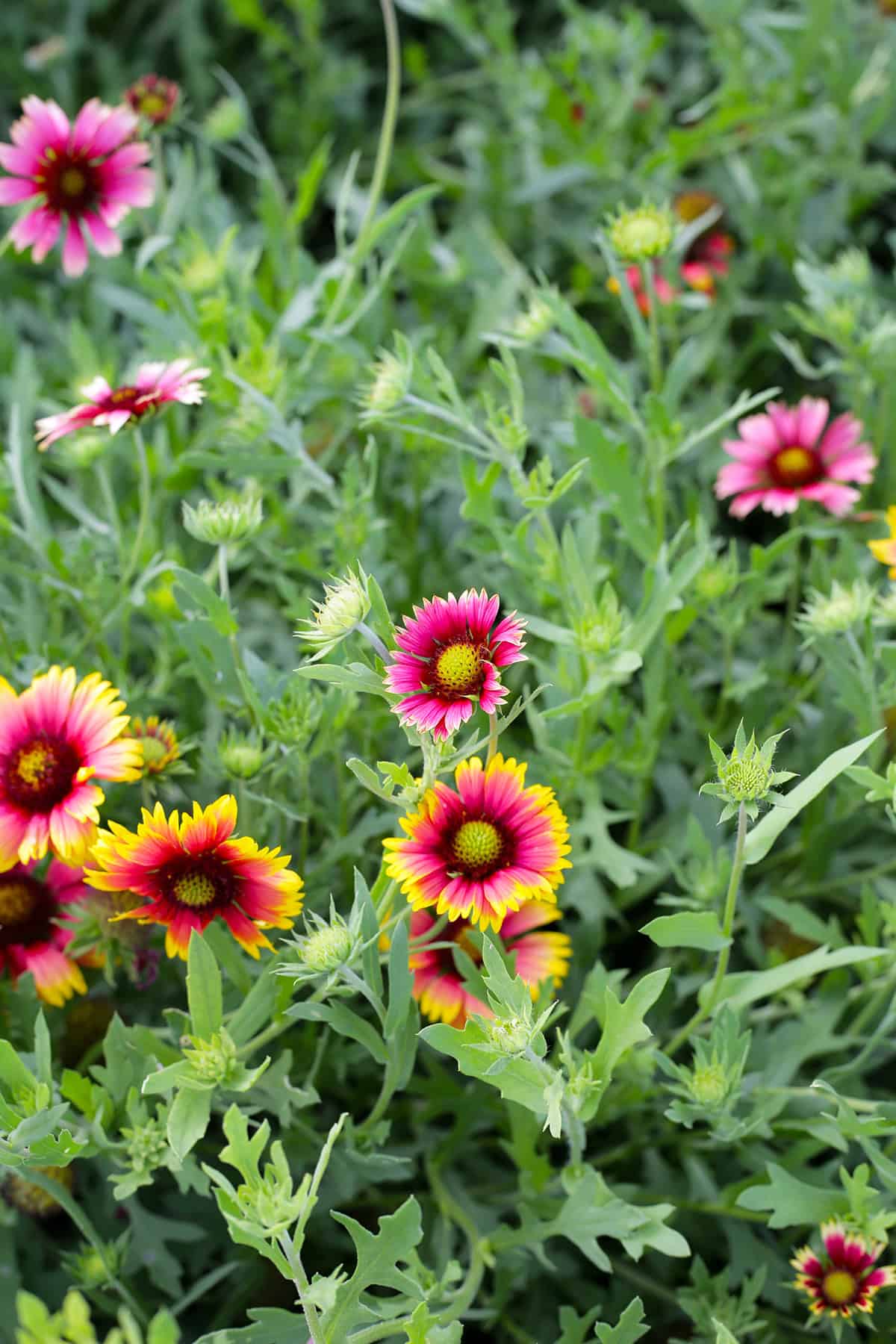
Zones: 3–10. Exposure: Full sun. Height/Spread: 1–3 feet tall, 1–2 feet wide. Bloom time: Early summer to fall. Care requirements: Excellent drainage, low fertilizer, minimal water.
Bands of red and yellow petals thrive in heat and sandy soils. They’re not needy—too much fertilizer just slows down the blooms.
Deadhead for a longer display. Sharp drainage helps them through winter. Replace older plants when they start to fade.
Perennial Salvia
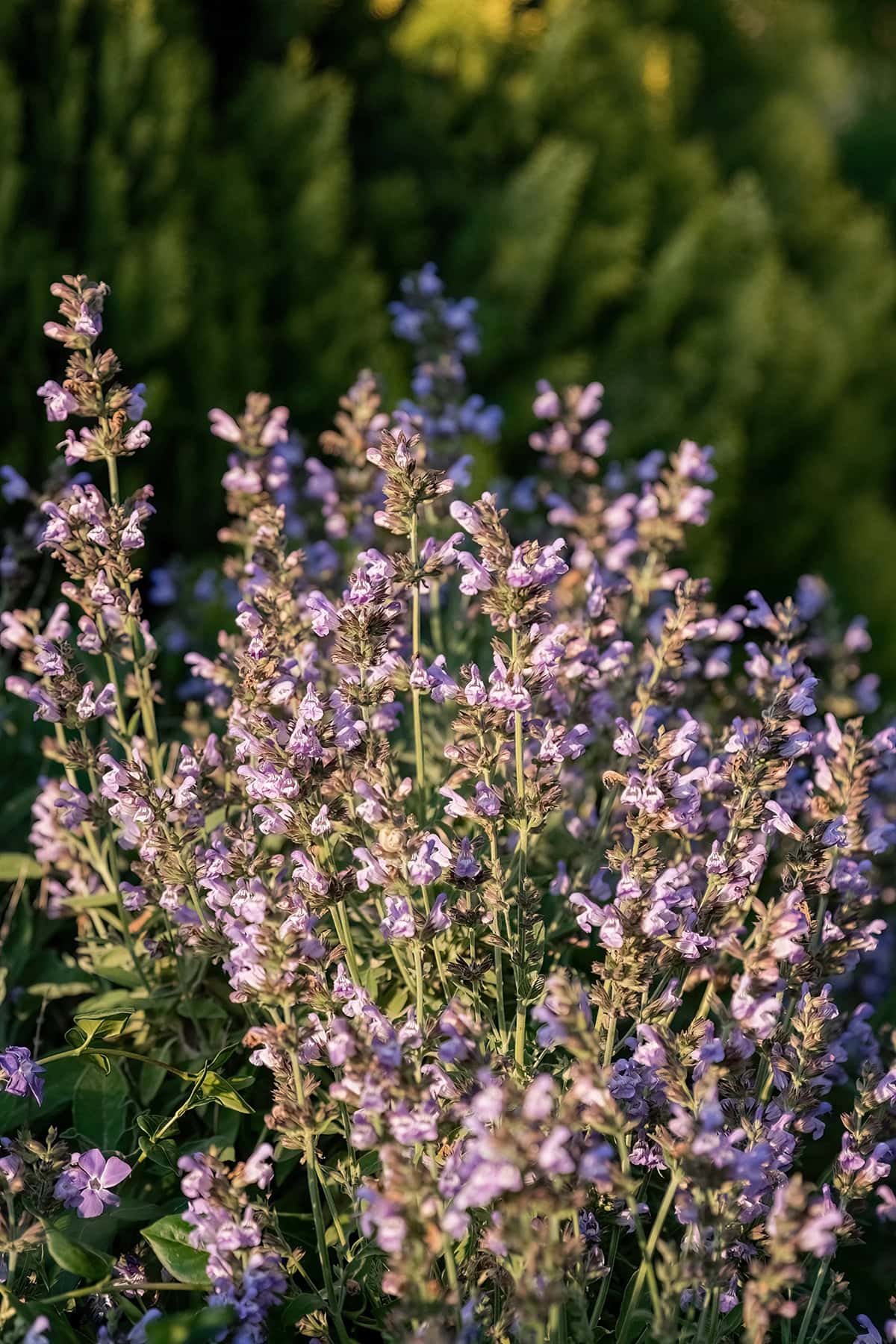
Zones: 4–9. Exposure: Full sun. Height/Spread: 1–3 feet tall, 1–2 feet wide. Bloom time: Late spring to summer. Care requirements: Well-drained soil, low fertilizer, shear after bloom.
Spire-like blooms in blue, purple, or pink lure in pollinators, and the scented leaves usually keep deer at bay. Many types will flower again if you cut them back.
Snip off spent spikes for another flush. Keep them out of soggy soils. Divide every few years as needed.
Hellebore
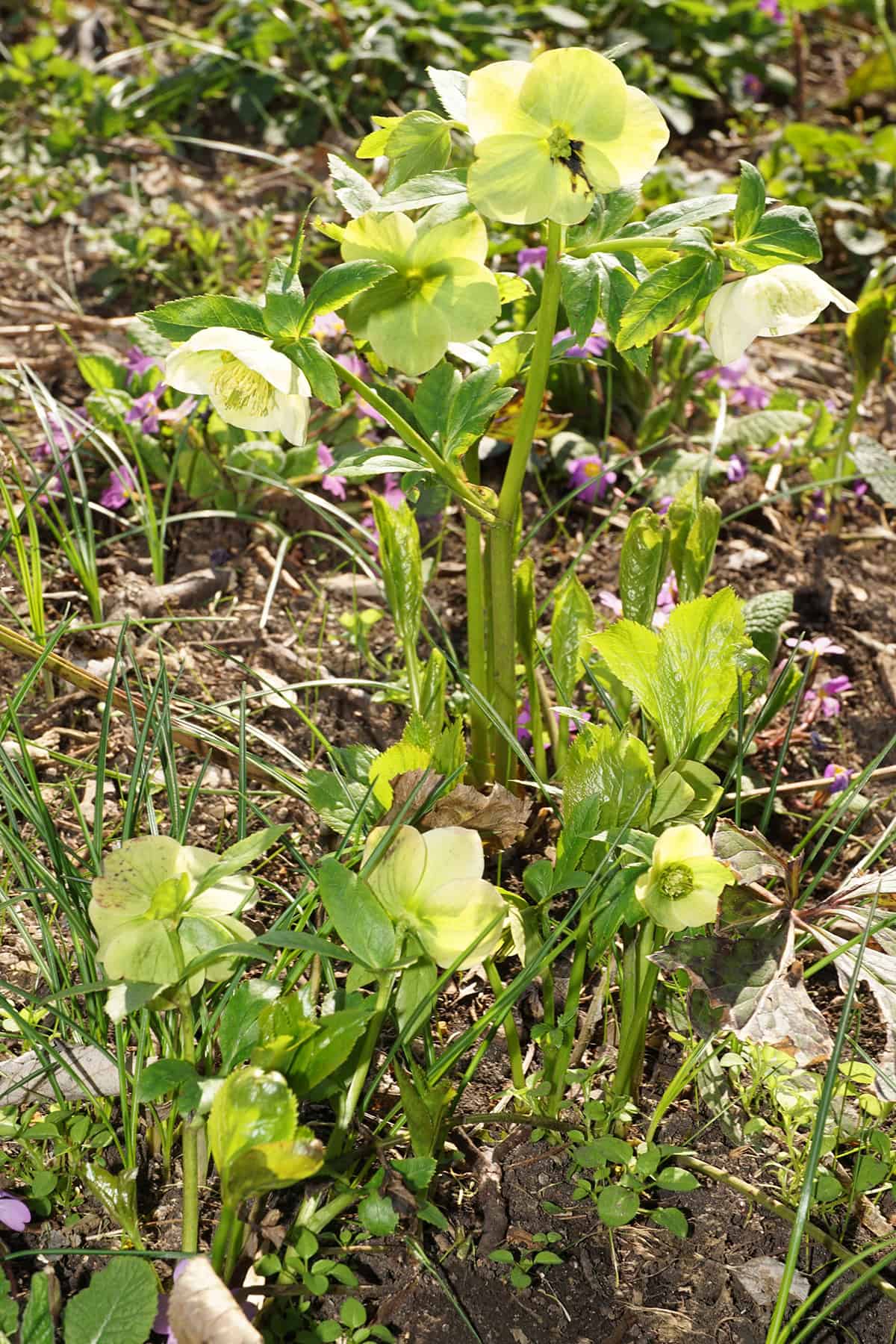
Zones: 4–9. Exposure: Partial to full shade. Height/Spread: 1–2 feet tall and wide. Bloom time: Late winter to early spring. Care requirements: Rich, well-drained soil, minimal division.
When most of the garden’s still asleep, hellebores push up early blooms. Their leathery leaves often stay green all winter in mild areas, and they handle dry shade once settled.
Trim off ratty leaves in late winter. Don’t let them sit in soggy ground. Leave them be—crowns don’t like disturbance.
Coral Bells (Heuchera)
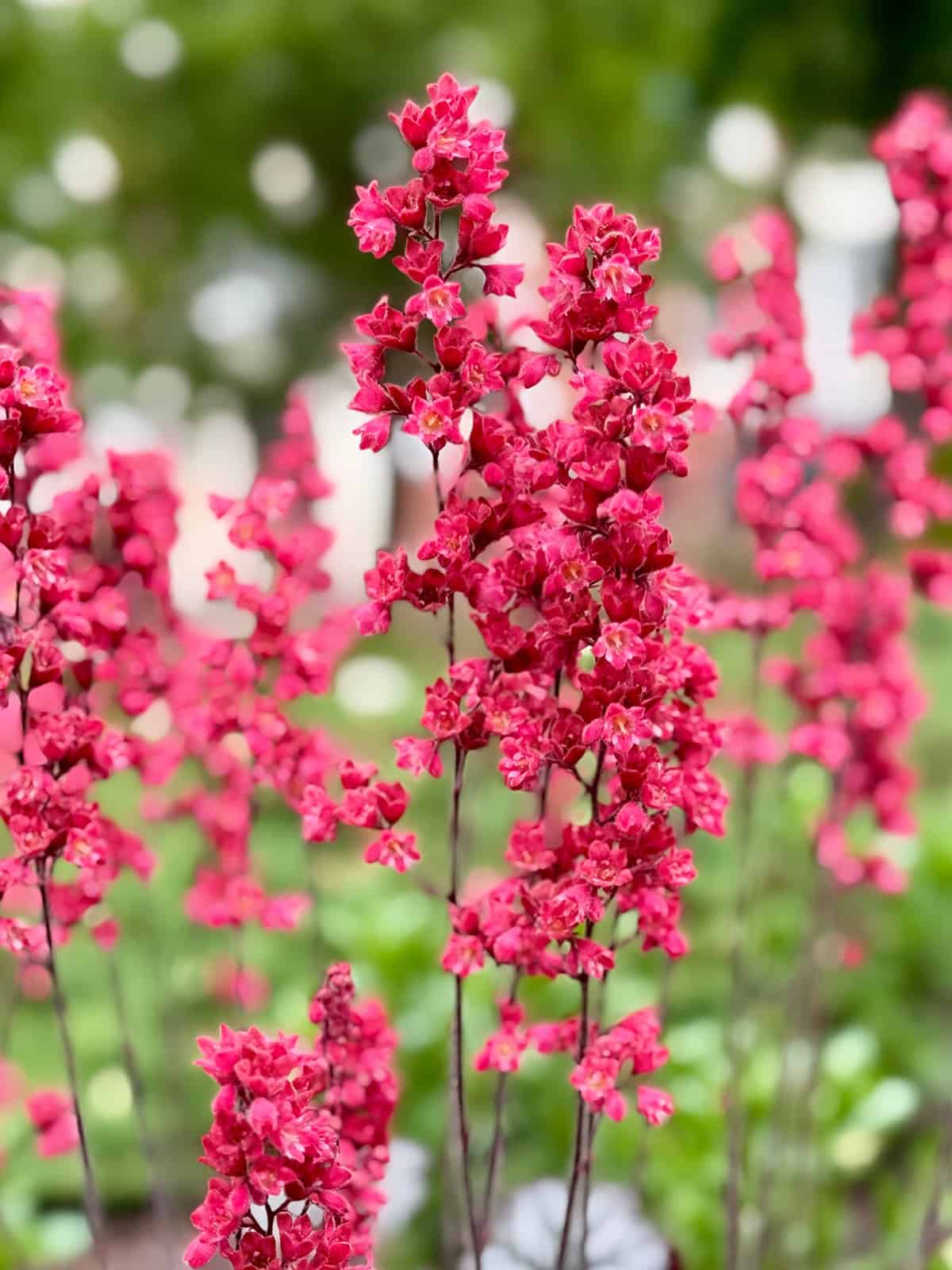
Zones: 4–9. Exposure: Partial shade to sun in cool climates. Height/Spread: 8–18 inches tall, 1–2 feet wide. Bloom time: Late spring to summer. Care requirements: Well-drained soil, moderate water, divide every 3–4 years.
Heuchera’s foliage steals the show—deep purples, bright limes, and everything in between. Dainty bell flowers float above the leaves. Drainage matters here; soggy roots rot fast.
Cut away old leaves in spring. A light mulch shields shallow roots. Wet winters can be rough on them.
Baptisia (False Indigo)
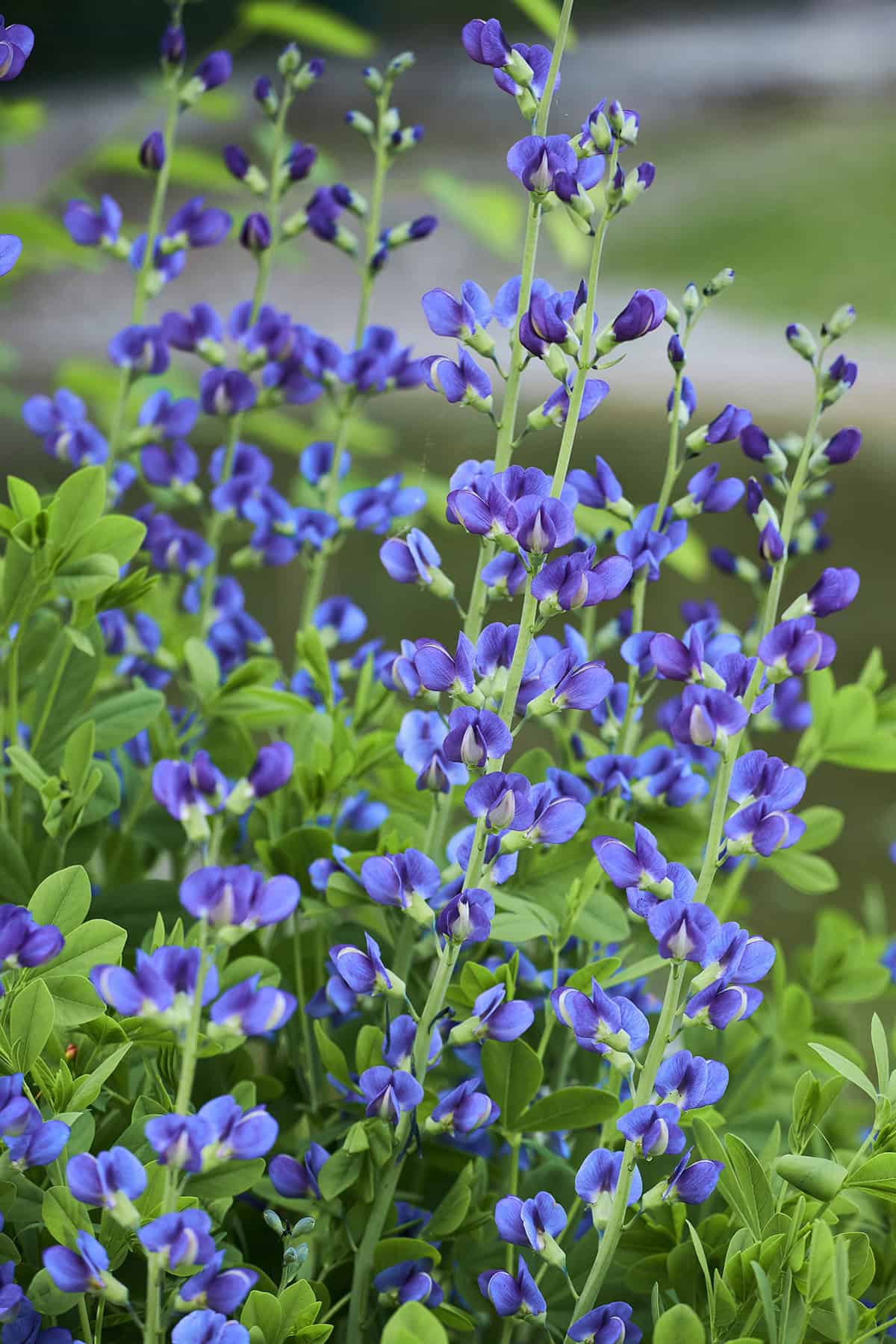
Zones: 3–9. Exposure: Full sun. Height/Spread: 3–4 feet tall and wide. Bloom time: Late spring. Care requirements: Well-drained soil, low water, avoid transplanting.
Baptisia settles in deep, sending roots far down for drought resistance. Spring brings spikes of blue, yellow, or white flowers, and older plants bulk up into shrubby clumps.
Pick a spot and leave it—they hate being moved. Cut stems back in fall or early spring.
Siberian Iris
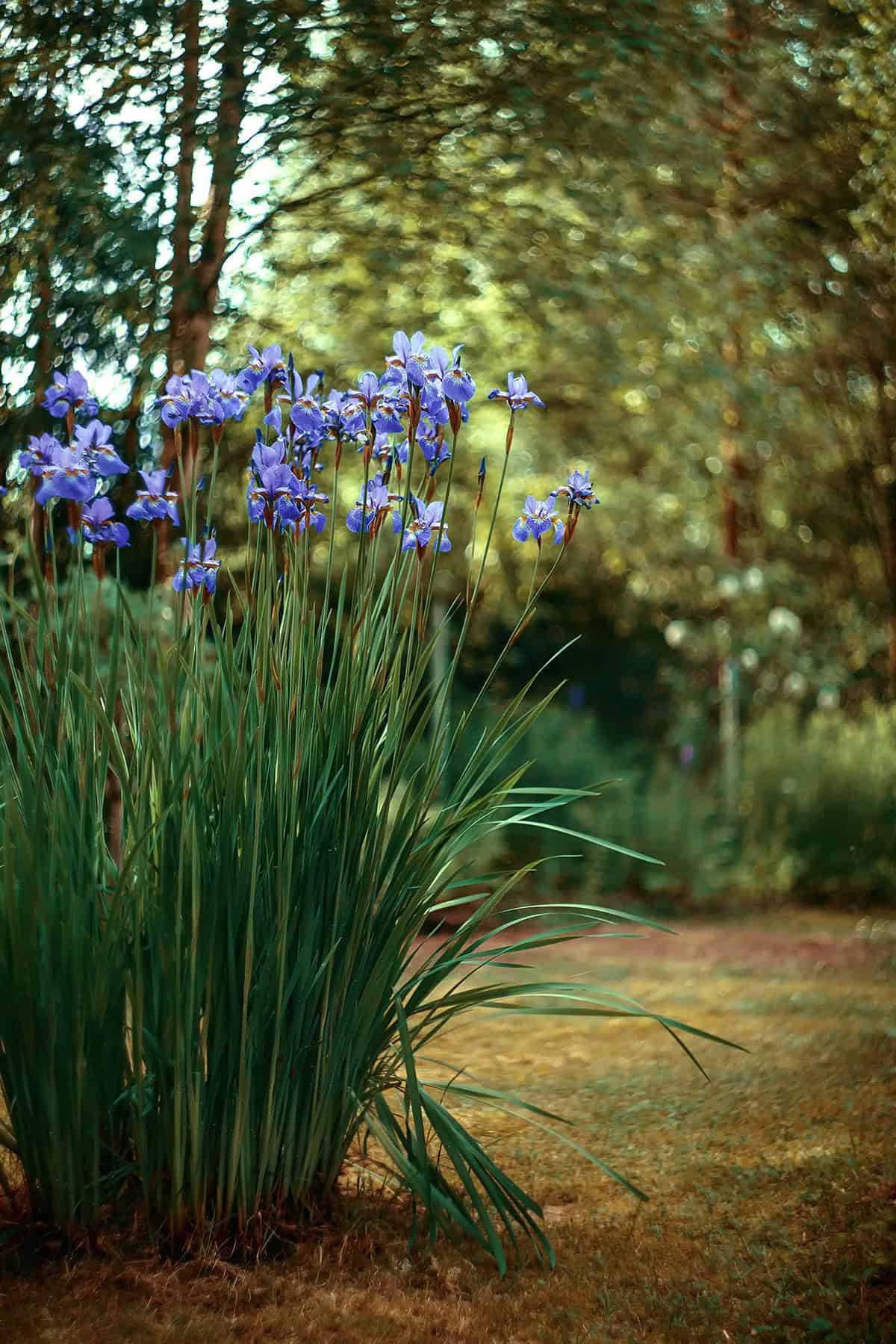
Zones: 3–9. Exposure: Full sun to light shade. Height/Spread: 2–4 feet tall, 1–2 feet wide. Bloom time: Late spring to early summer. Care requirements: Moist, well-drained soil, divide every 4–5 years.
Slender, upright leaves add sharp lines to beds, with blue, purple, or white flowers following. They’ll tolerate the occasional flood better than most.
Chop back foliage in autumn. Keep them watered in spring. Too much shade cuts down on blooms.
Hardy Geranium (Cranesbill)
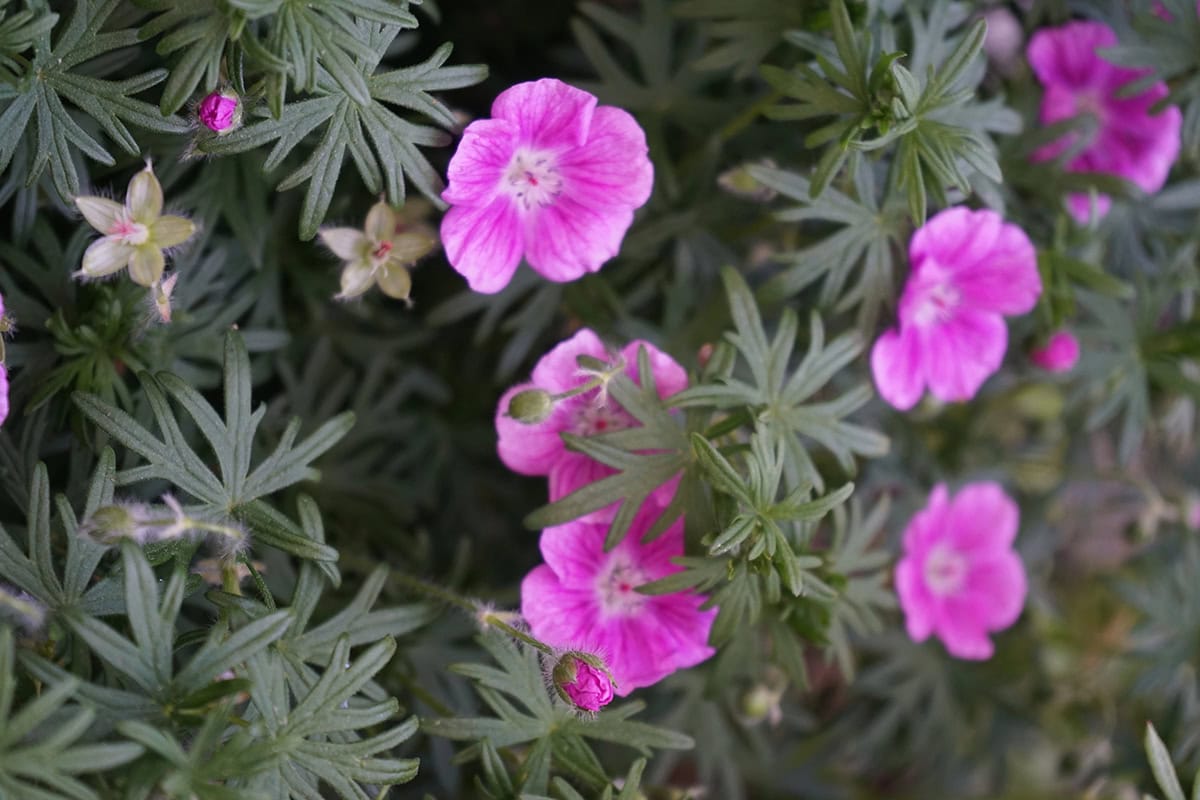
Zones: 4–8. Exposure: Full sun to partial shade. Height/Spread: 1–2 feet tall, 1–3 feet wide. Bloom time: Late spring to summer. Care requirements: Average soil, moderate water, shear after bloom.
Slow-spreading mounds smother weeds, and the flowers—think pink, blue, or purple—light up shady corners. Many types cope with dry shade just fine.
Shear after flowering for fresh leaves. Divide when clumps get crowded. Skip the rich soils.
Liriope (Lilyturf)
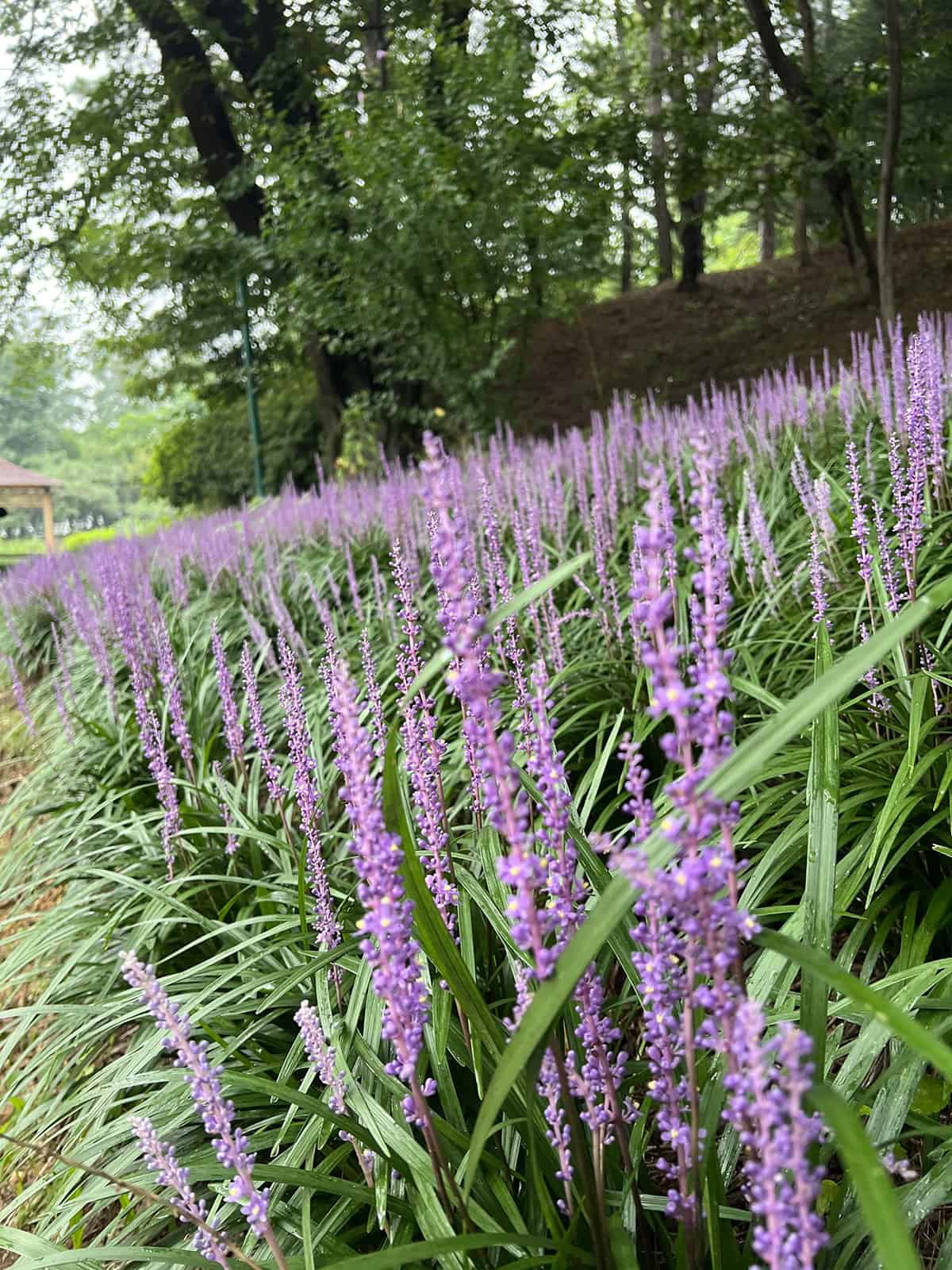
Zones: 5–10. Exposure: Full sun to full shade. Height/Spread: 12–18 inches tall, 1–2 feet wide. Bloom time: Late summer. Care requirements: Average soil, moderate water, cut back in early spring.
Dense, grassy clumps make a solid edging or groundcover. Purple flower spikes stand out above the foliage, and these plants shrug off heat and poor soils.
Trim leaves in late winter. Some types spread fast—keep an eye out. Works well along paths or under trees.
Bergenia
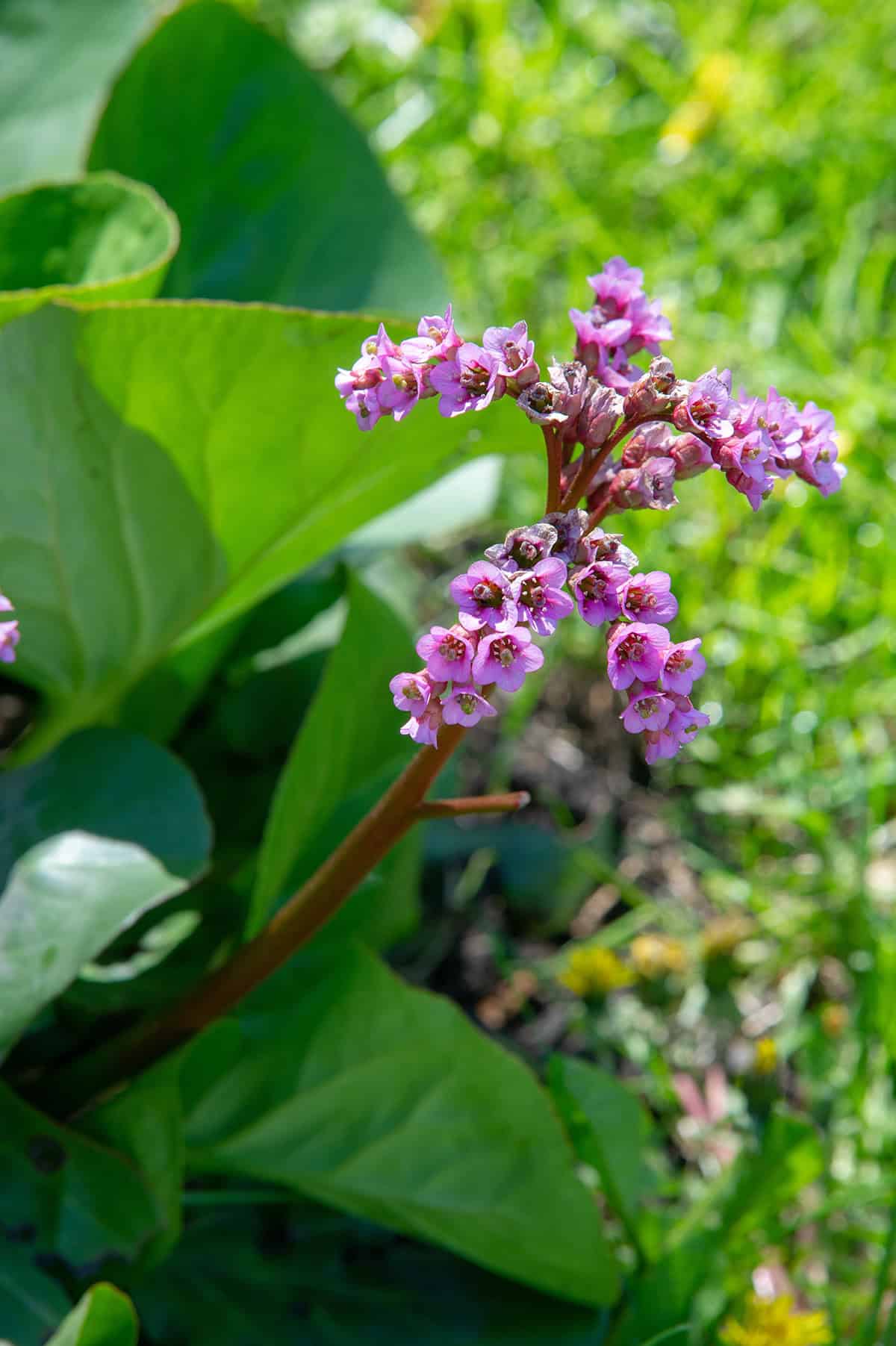
Zones: 3–8. Exposure: Full sun to partial shade. Height/Spread: 12–18 inches tall, 1–2 feet wide. Bloom time: Early spring. Care requirements: Well-drained soil, moderate water, divide every 4–5 years.
Big, leathery leaves add bold texture all year, with pink flower clusters rising up in spring. Cooler weather often turns the foliage red.
Remove battered leaves in spring. Soggy spots aren’t their thing. Divide occasionally for best growth.
Veronica (Speedwell)
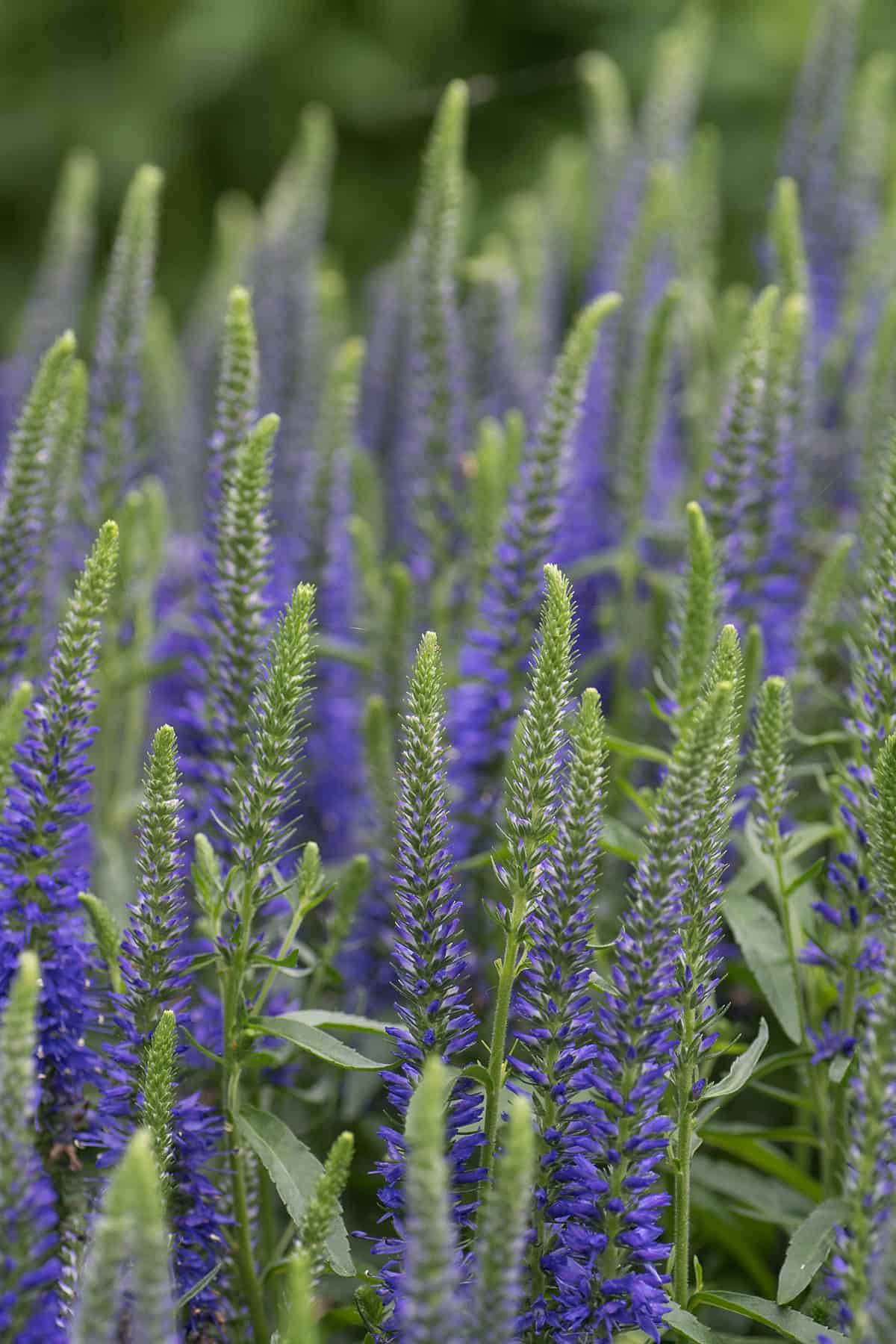
Zones: 3–8. Exposure: Full sun. Height/Spread: 1–3 feet tall, 1–2 feet wide. Bloom time: Early to mid-summer. Care requirements: Well-drained soil, moderate water, divide every 3 years.
Spikes of blue, pink, or white draw in pollinators, and sun brings out the strongest stems. Good drainage is crucial for healthy roots.
Deadhead to keep flowers coming. Trim back after the bloom cycle. Heavy clay soils are best avoided.
Ornamental Allium
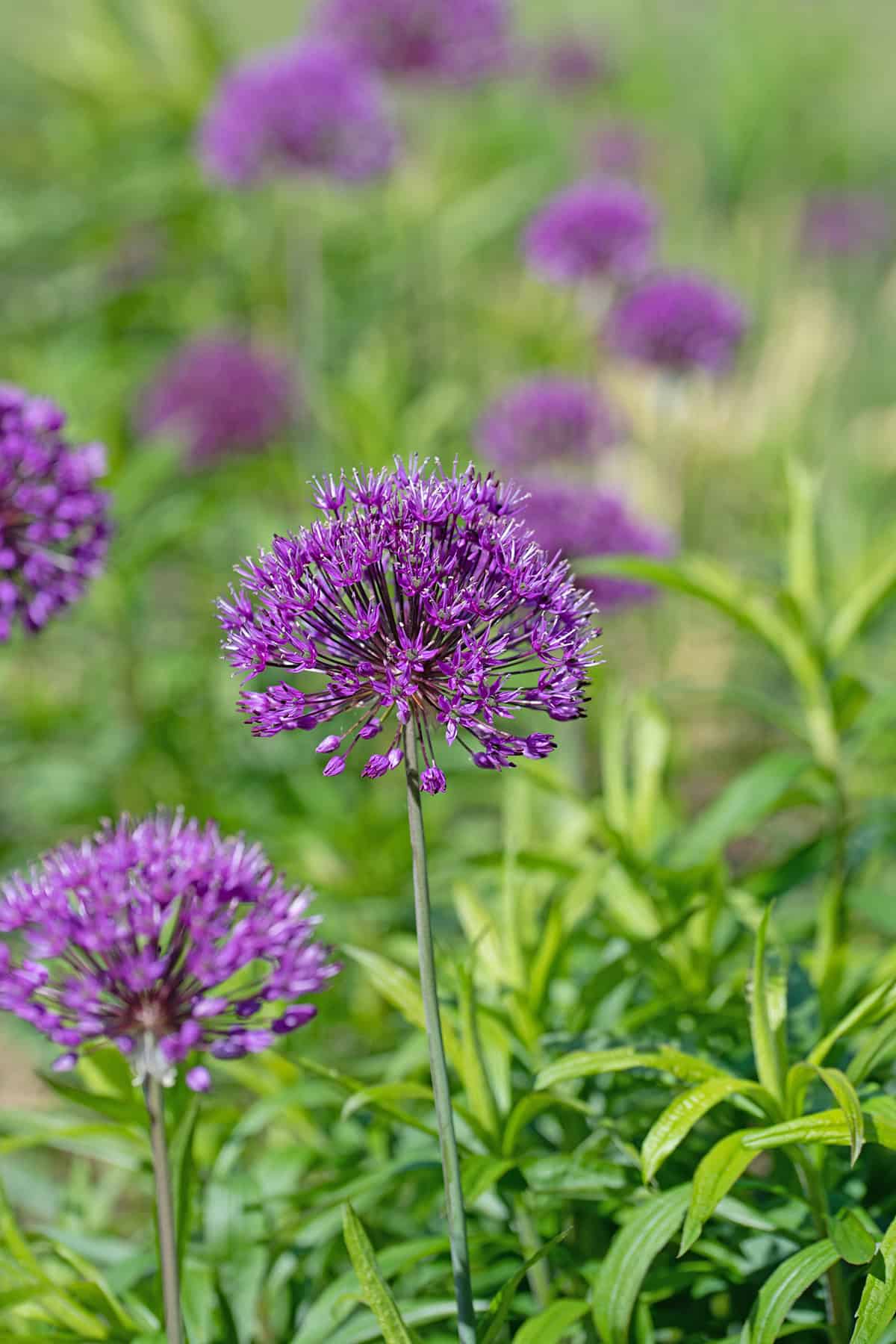
Zones: 4–9. Exposure: Full sun. Height/Spread: 1–4 feet tall, 6–12 inches wide. Bloom time: Late spring to early summer. Care requirements: Excellent drainage, low water, minimal division.
Those globes of blooms shoot up on straight stems, catching the light just as the leaves start to yellow and slip away. Deer and rodents? Not interested—these bulbs are pretty much off their menu.
Drop bulbs in the ground come fall and let the foliage do its thing before you tidy up. Soggy winter soils spell trouble, so pick a spot that drains well.
Blazing Star (Liatris)
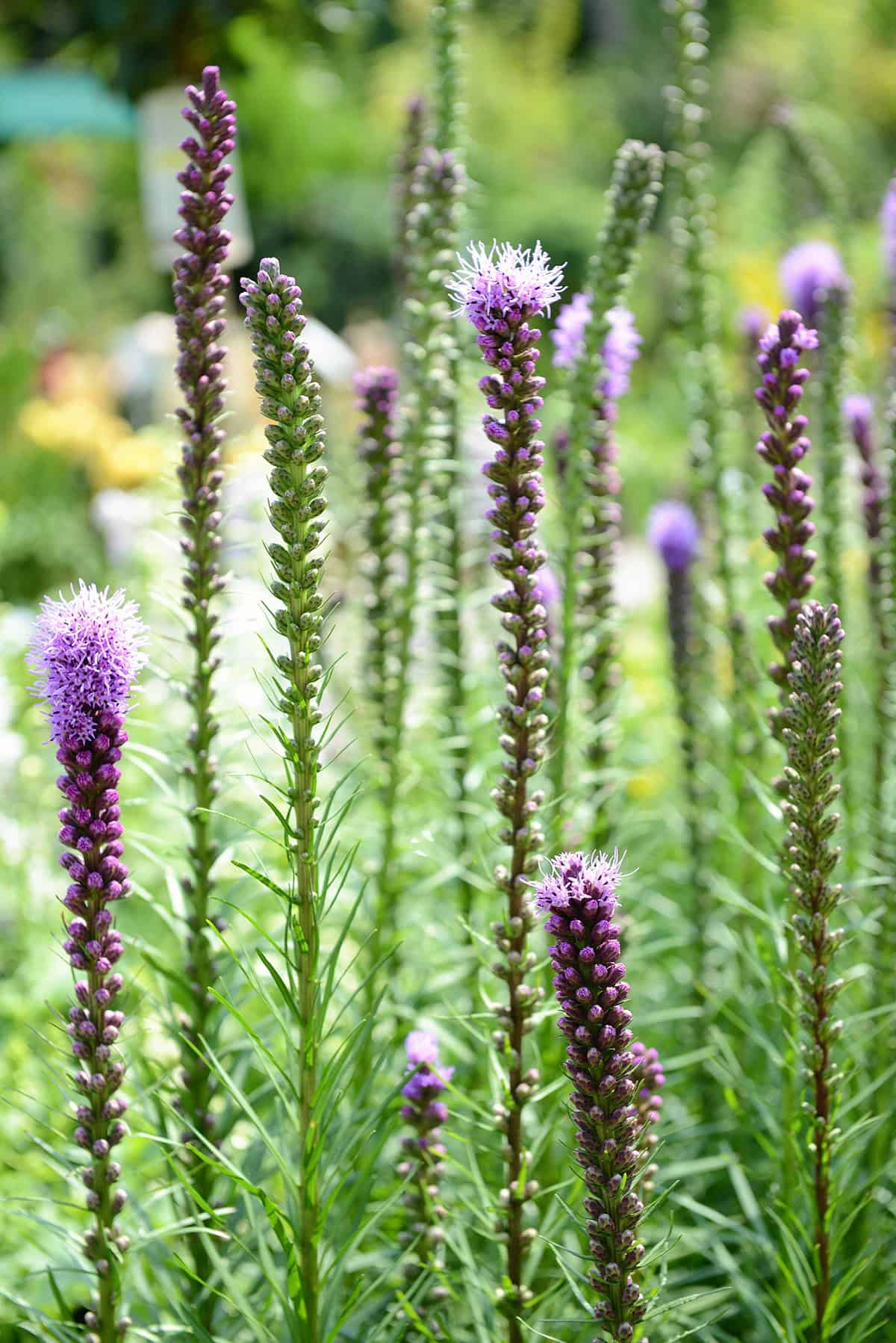
Zones: 3–9. Exposure: Full sun. Height/Spread: 2–4 feet tall, 1–2 feet wide. Bloom time: Mid to late summer. Care requirements: Well-drained soil, moderate water, divide every 3–4 years.
Vertical spikes erupt with purple, opening top-down—almost electric against summer’s greens. Butterflies can’t resist. Once these settle in, they shrug off dry spells with surprising ease.
Sharp drainage matters, especially when things get cold and wet. After frost, hack back the stems and skip spots where water lingers.
Globe Thistle (Echinops)
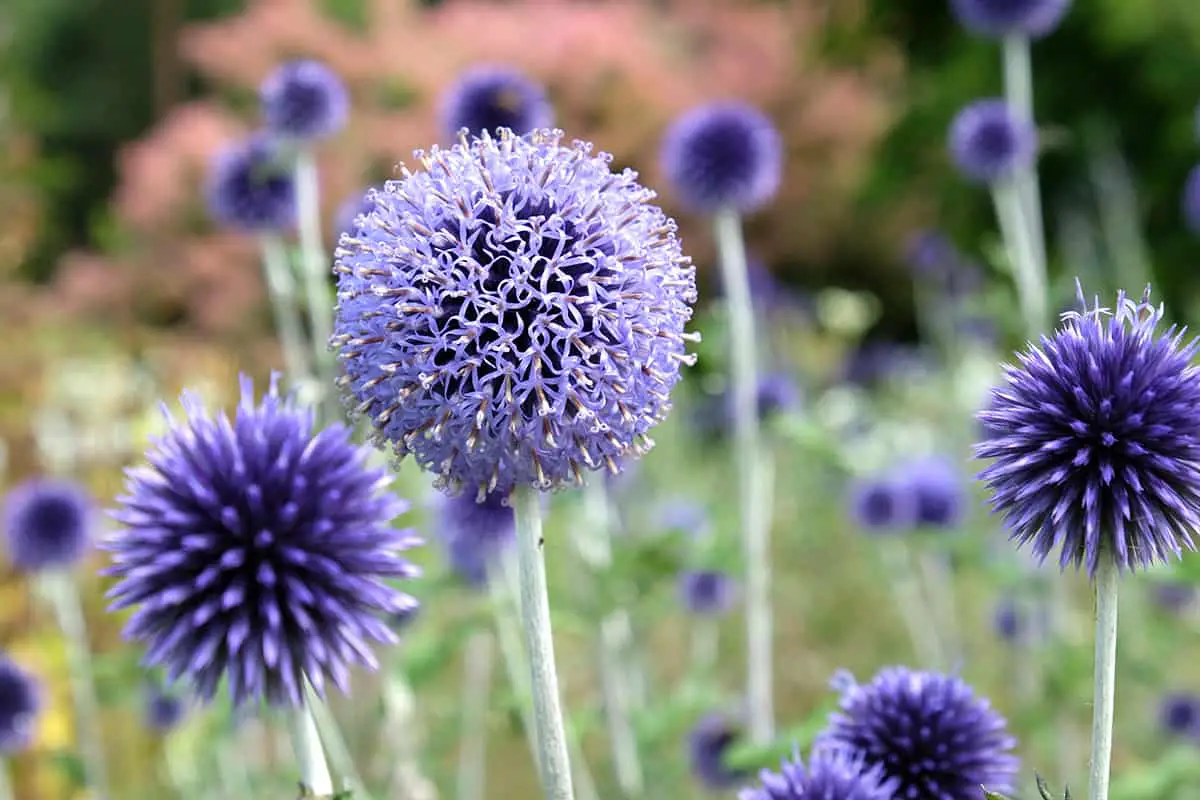
Zones: 3–8. Exposure: Full sun. Height/Spread: 2–4 feet tall, 1–2 feet wide. Bloom time: Mid-summer. Care requirements: Well-drained soil, low fertilizer, divide every 3–4 years.
Steel-blue orbs punctuate the garden with a spiky, almost architectural vibe. The stems? Practically self-supporting, even when things get gusty. Dry soils don’t faze them.
Snip faded blooms if you’d rather skip the seedlings. Rich, pampered soil isn’t their style. Come autumn, cut everything back.
Goldenrod (Solidago, clumping types)
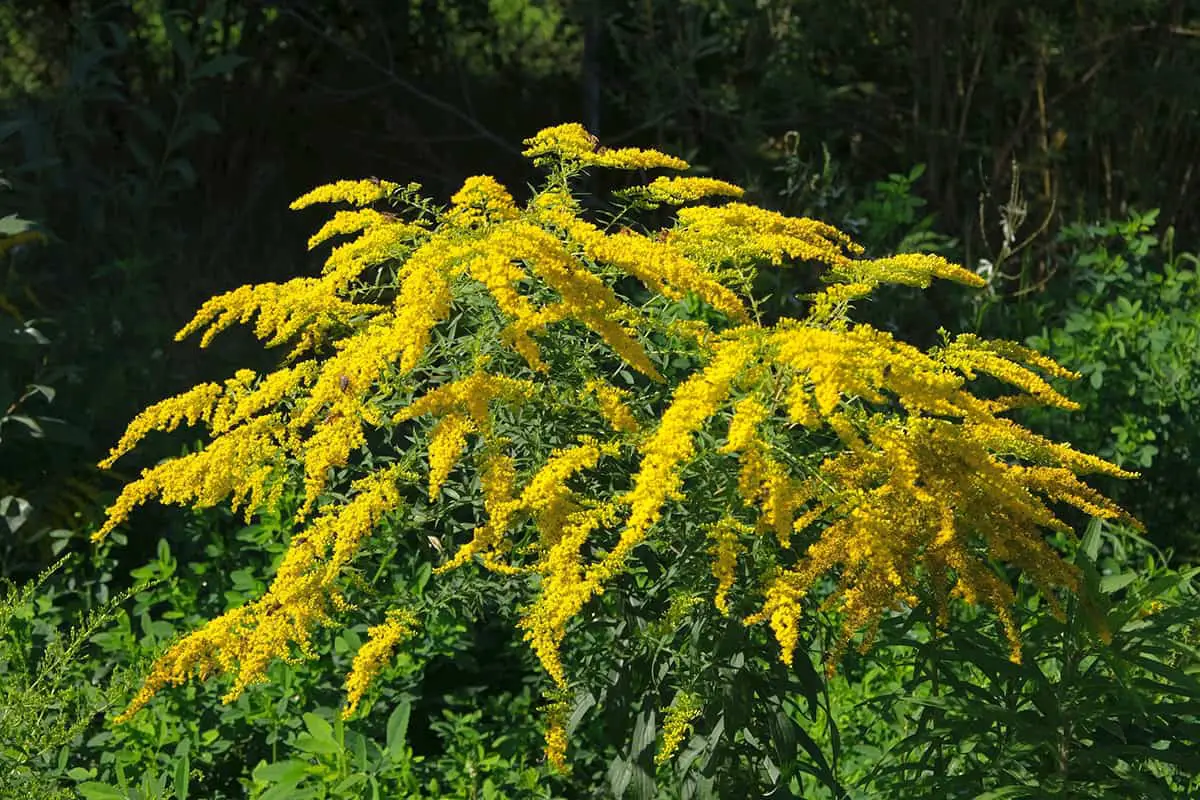
Zones: 3–9. Exposure: Full sun. Height/Spread: 2–4 feet tall, 1–3 feet wide. Bloom time: Late summer to fall. Care requirements: Average to poor soil, moderate water, divide every 3–4 years.
In late summer, yellow plumes blaze above tidy mounds, never running wild like their weedy cousins. Pollinators show up in droves. Even during heat waves, these hold up without fuss.
If you want a neater look, trim after flowering. Sun brings out the best color—skip soggy, heavy ground.
Japanese Anemone
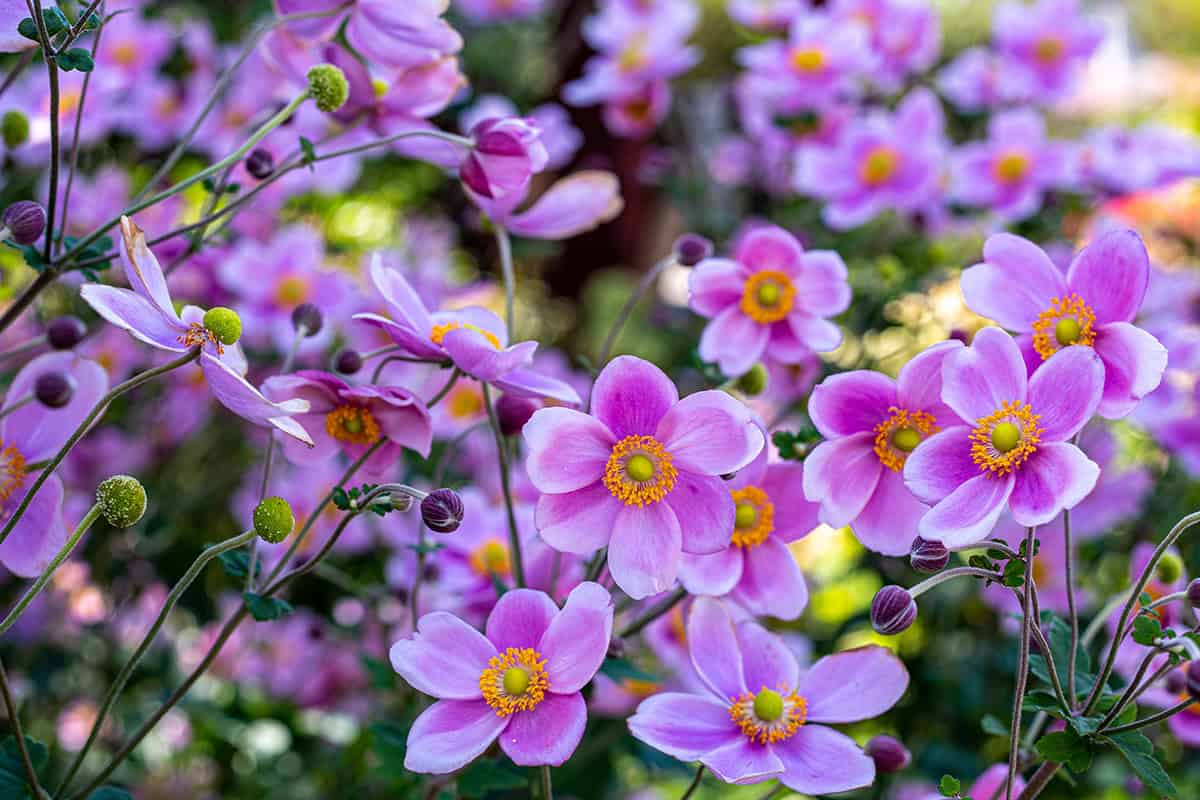
Zones: 4–8. Exposure: Partial shade. Height/Spread: 2–4 feet tall, 2–3 feet wide. Bloom time: Late summer to fall. Care requirements: Moist, well-drained soil, moderate water.
Late in the season, delicate blooms float above leafy clumps, swaying on wiry stems. Cooler spots and dappled shade let them thrive, and they’ll slowly stake out more territory over time.
Mulch helps keep moisture steady. Once frost hits, cut back. Give them elbow room—they’ll use it.
Astilbe
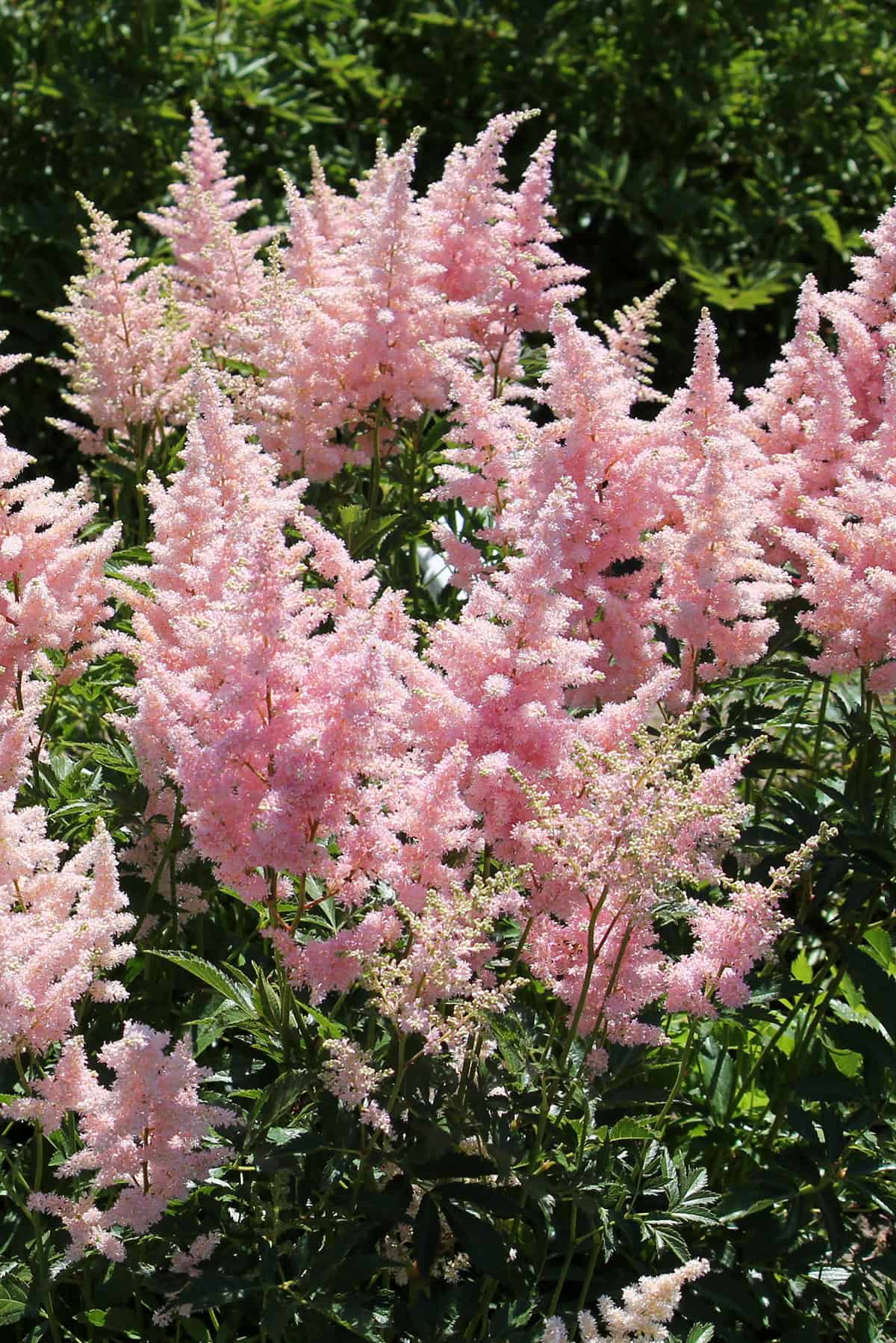
Zones: 4–9. Exposure: Partial to full shade. Height/Spread: 1–3 feet tall, 1–2 feet wide. Bloom time: Early to mid-summer. Care requirements: Moist, rich soil, consistent water.
Plumes in pinks, reds, or whites rise above foliage that looks almost feathery. Dry spells can crisp the leaves, so steady moisture is a must. Shade really brings out the best in the greenery.
Shear back after the show’s over. Every few years, dig and split. Skip those hot, parched corners.
Brunnera
Zones: 3–8. Exposure: Partial to full shade. Height/Spread: 12–18 inches tall, 1–2 feet wide. Bloom time: Spring. Care requirements: Moist, well-drained soil, moderate water.
Shaded corners brighten up with heart-shaped leaves, often dusted in silver. Tiny blue blooms in spring look a bit like forget-me-nots. Under trees, these handle low light just fine.
Come early spring, clear out the old leaves. Keep the soil damp but not soggy. Hot, blasting sun? Definitely not their thing.
Lungwort (Pulmonaria)
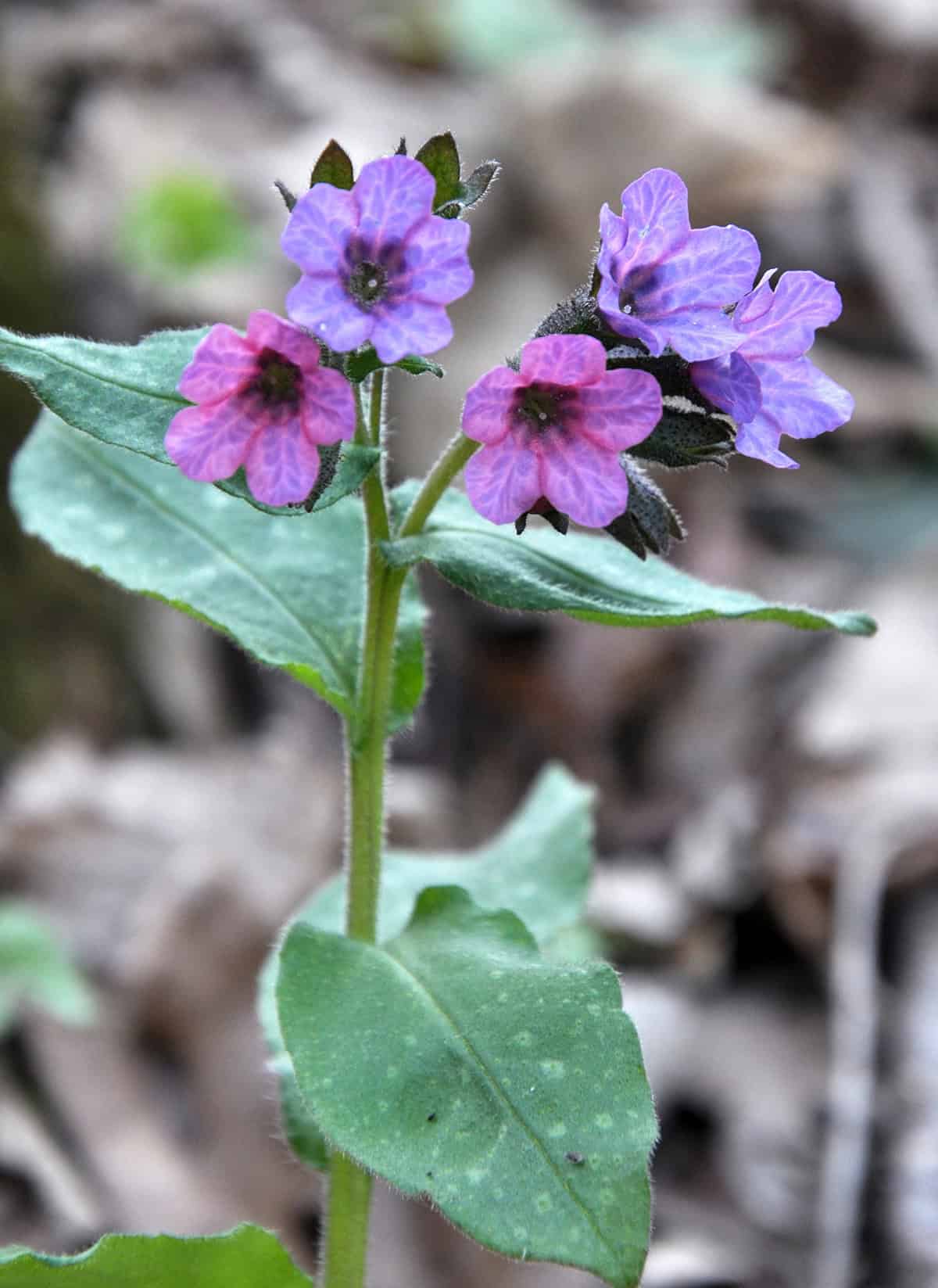
Zones: 3–8. Exposure: Partial to full shade. Height/Spread: 8–12 inches tall, 1–2 feet wide. Bloom time: Early spring. Care requirements: Moist, well-drained soil, moderate water.
Spotted, silvery leaves give a lift to dim spots, and early flowers shift from pink to blue—kind of magical, honestly. Cooler, damper areas suit them best.
After the blooms fade, trim back the tired leaves for fresh growth. Don’t let the soil dry out. Every so often, divide the clumps to keep things lively.
Columbine (Aquilegia)
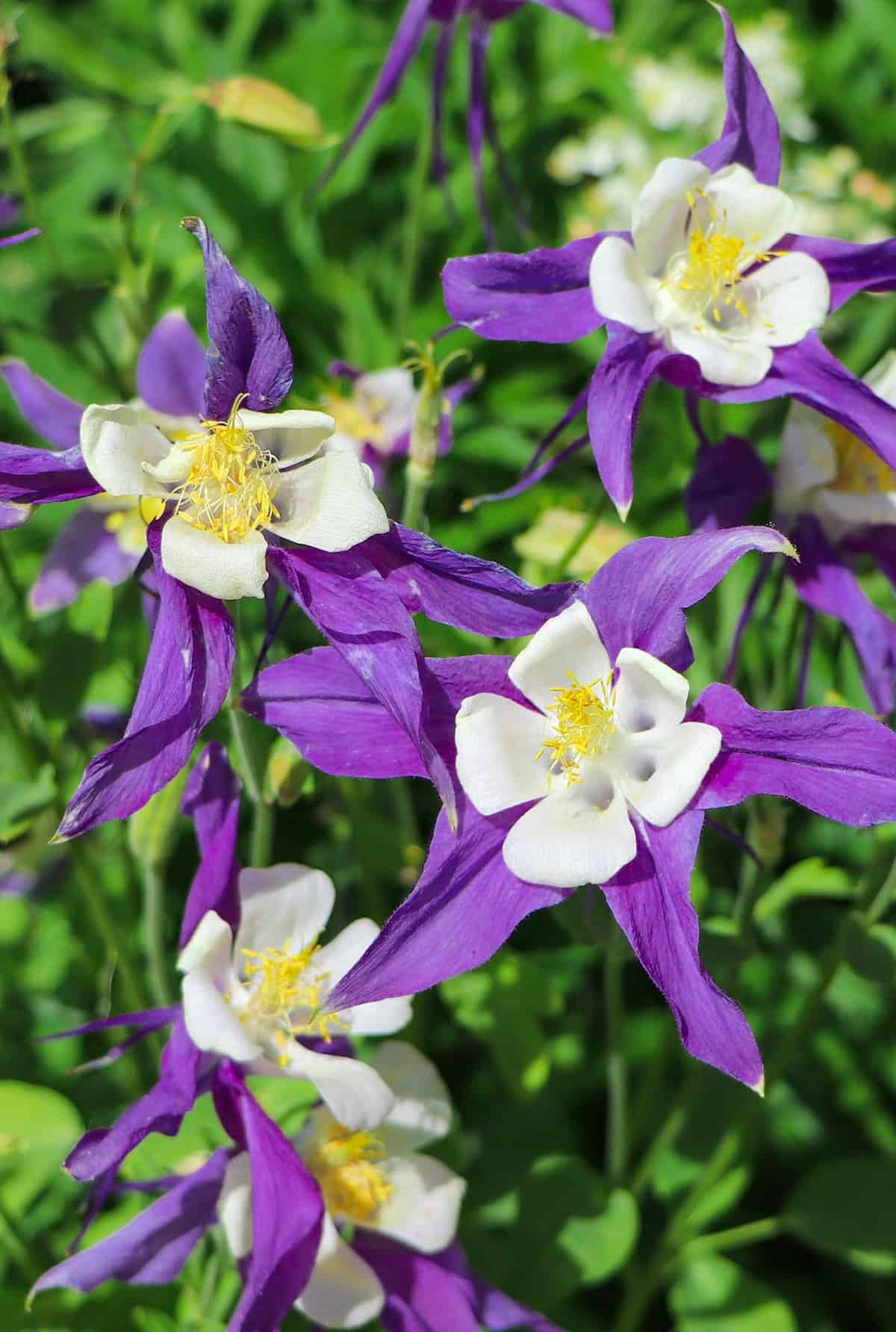
Zones: 3–9. Exposure: Full sun to partial shade. Height/Spread: 1–3 feet tall, 1–2 feet wide. Bloom time: Spring to early summer. Care requirements: Well-drained soil, moderate water, short-lived but self-seeds.
Delicate, nodding blooms dangle above slender stems, luring in hummingbirds every spring. These plants shrug off a bit of shade and aren’t too picky about soil quality. With so many types, it’s not unusual to spot new seedlings popping up year after year, though they never seem to take over.
Leaving a few young plants to grow on can keep the patch lively. Deadhead after flowering wraps up, and don’t let the soil get soggy—good drainage helps them stick around.