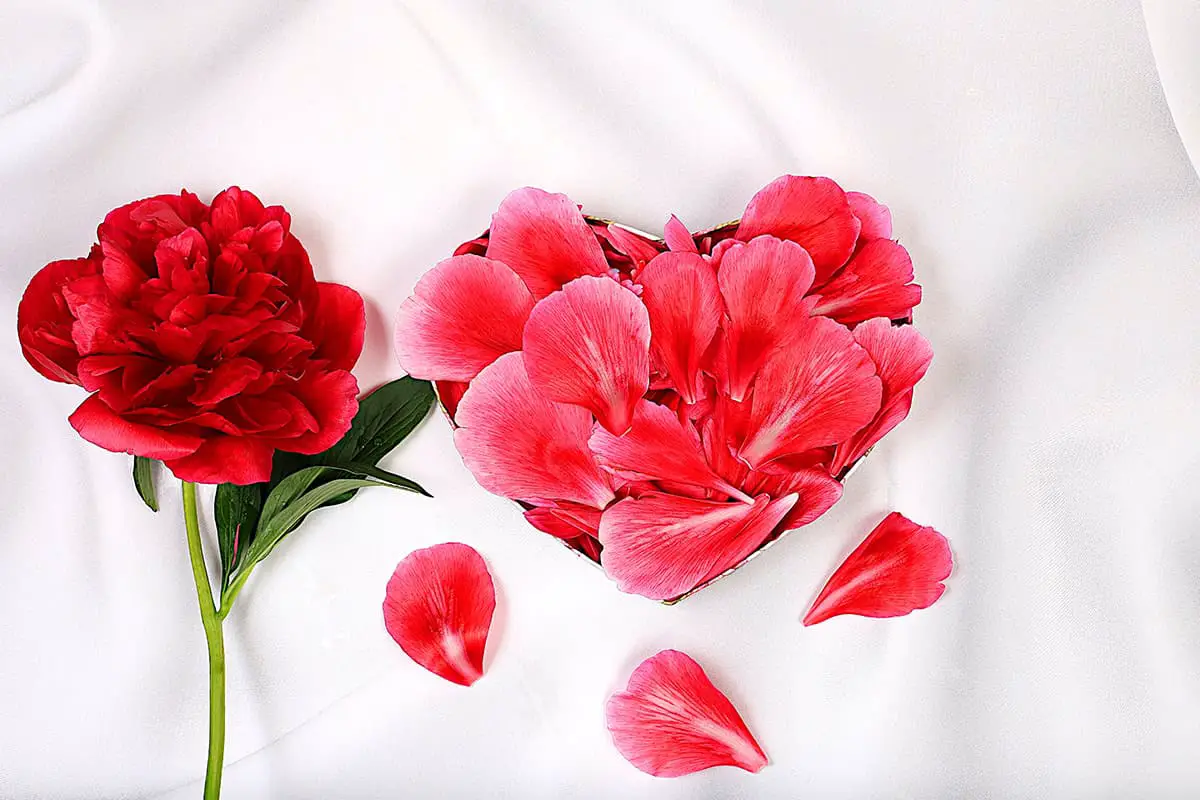
A bouquet past its prime still holds plenty of fragrance in the petals, and the same is true of garden roses at the end of their bloom.
Rose petals flavor jam and tea, scent a bath and color fabric a soft pink. Fourteen uses fill the article, and the kitchen ideas come with one firm rule about which roses are safe to eat.
Table of Contents
Common Uses of Rose Petals
Rose petals go into food, skincare, crafts and decor. For anything edible, use petals from organic or home-grown, unsprayed roses. Florist roses are heavily treated with chemicals and belong only in non-edible projects.
Culinary Uses
Rose petals flavor jams, syrups, ice cream and salads with a delicate floral note. Candied petals, brushed with egg white and dusted with sugar, decorate cakes and pastries. Snip off the bitter white base of each petal before using it.
Herbal Teas
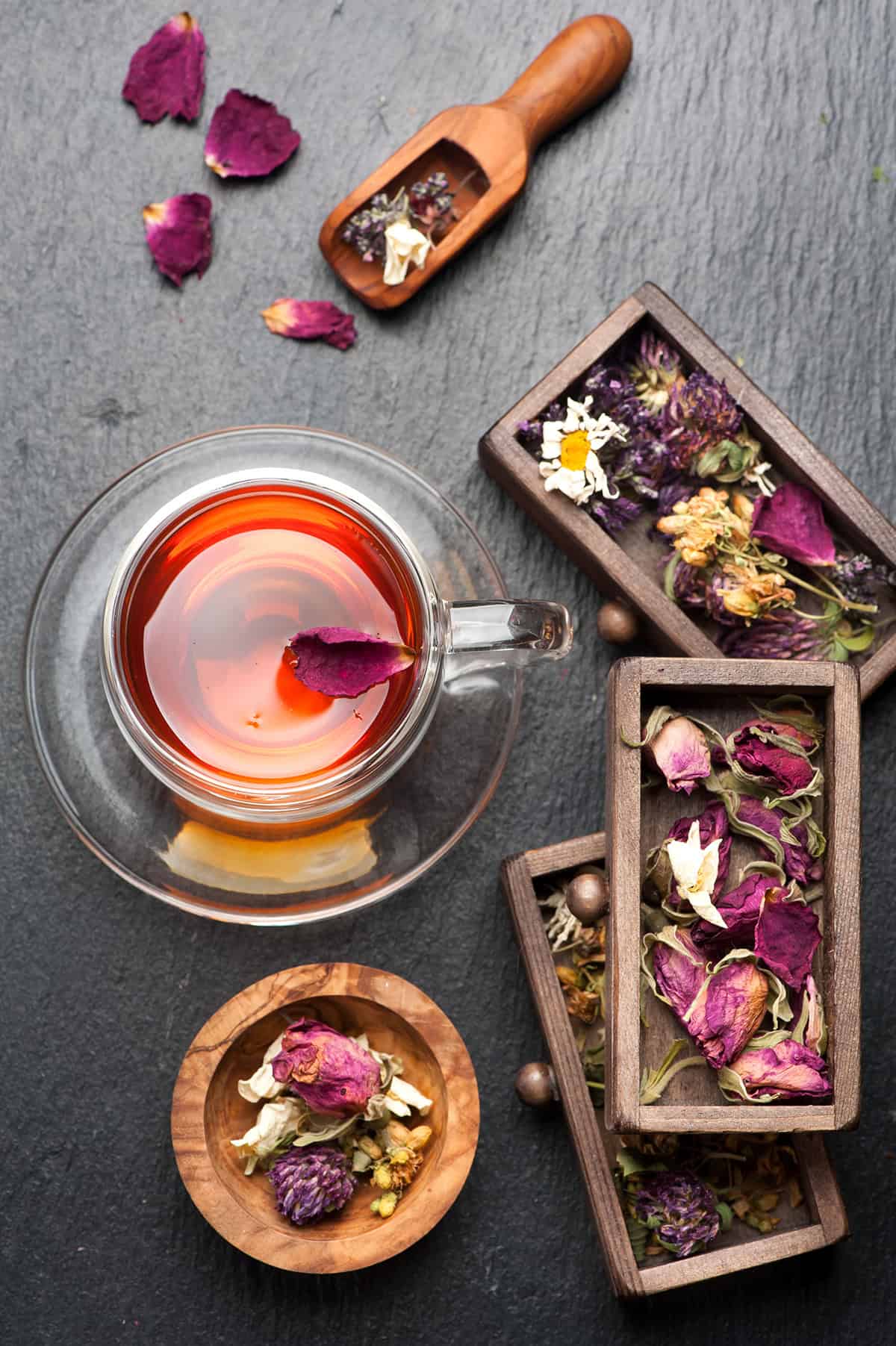
Steep a small handful of fresh petals, or a tablespoon of dried ones, in hot water for 5 to 10 minutes. The tea tastes mild and floral and blends well with green tea, hibiscus or mint. Rose tea has a long tradition as a calming drink.
Skincare Products
Rose extracts appear in toners, facial mists and creams for their soothing, mildly anti-inflammatory properties. At home, a simple rose-infused water makes a gentle facial spray. Patch-test first if your skin is sensitive.
Aromatherapy
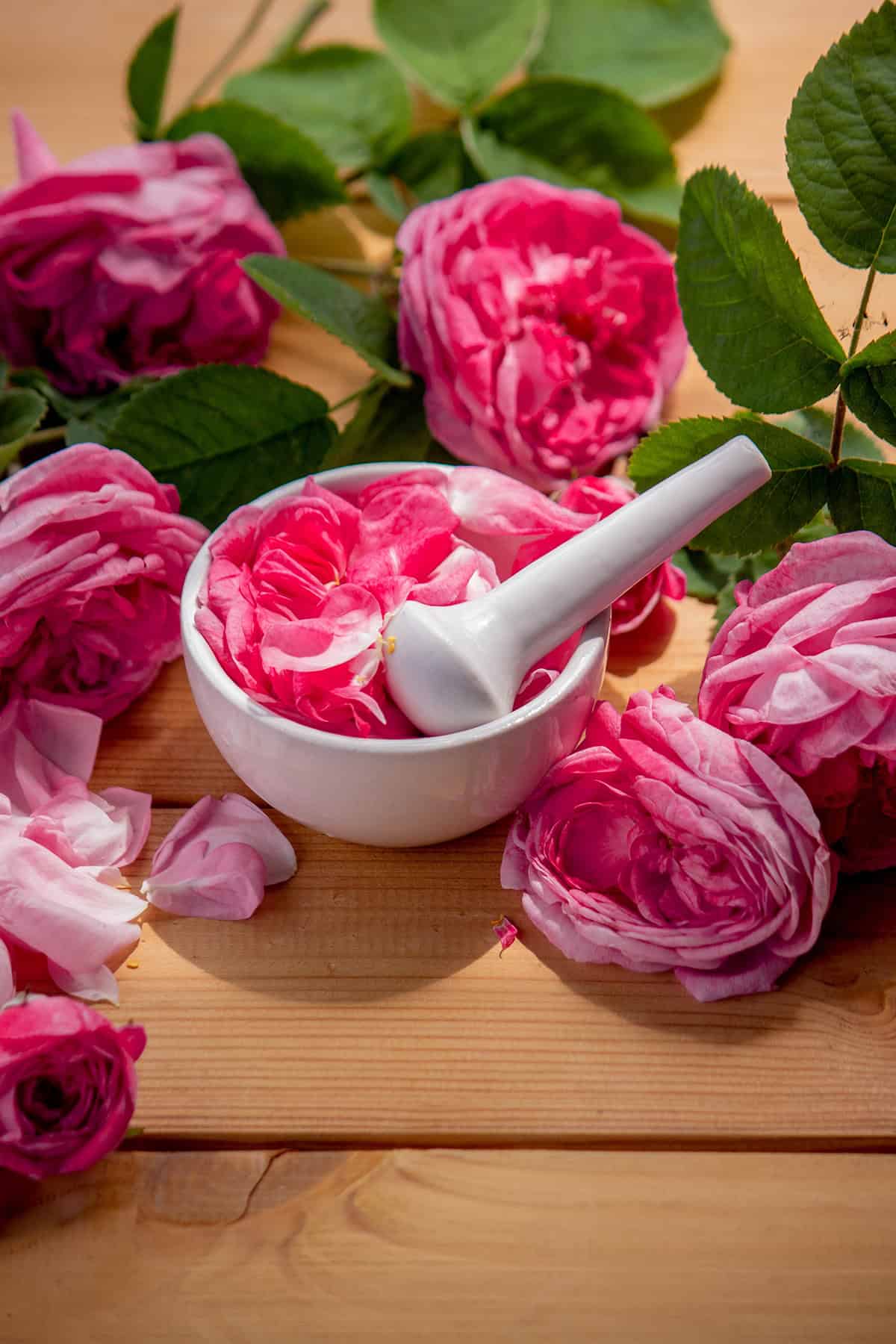
Rose essential oil ranks among the most expensive oils in the world, since it takes thousands of petals to produce a small amount. Diluted in a carrier oil, it scents massage blends, and many people find the fragrance relaxing.
Potpourri
Dry petals on a screen or paper towel in a warm, airy spot, then mix them with lavender, cloves, citrus peel or cinnamon. A few drops of rose oil refresh the scent. Set the mix in bowls or sachets, where it holds its fragrance for months.
Rose Water
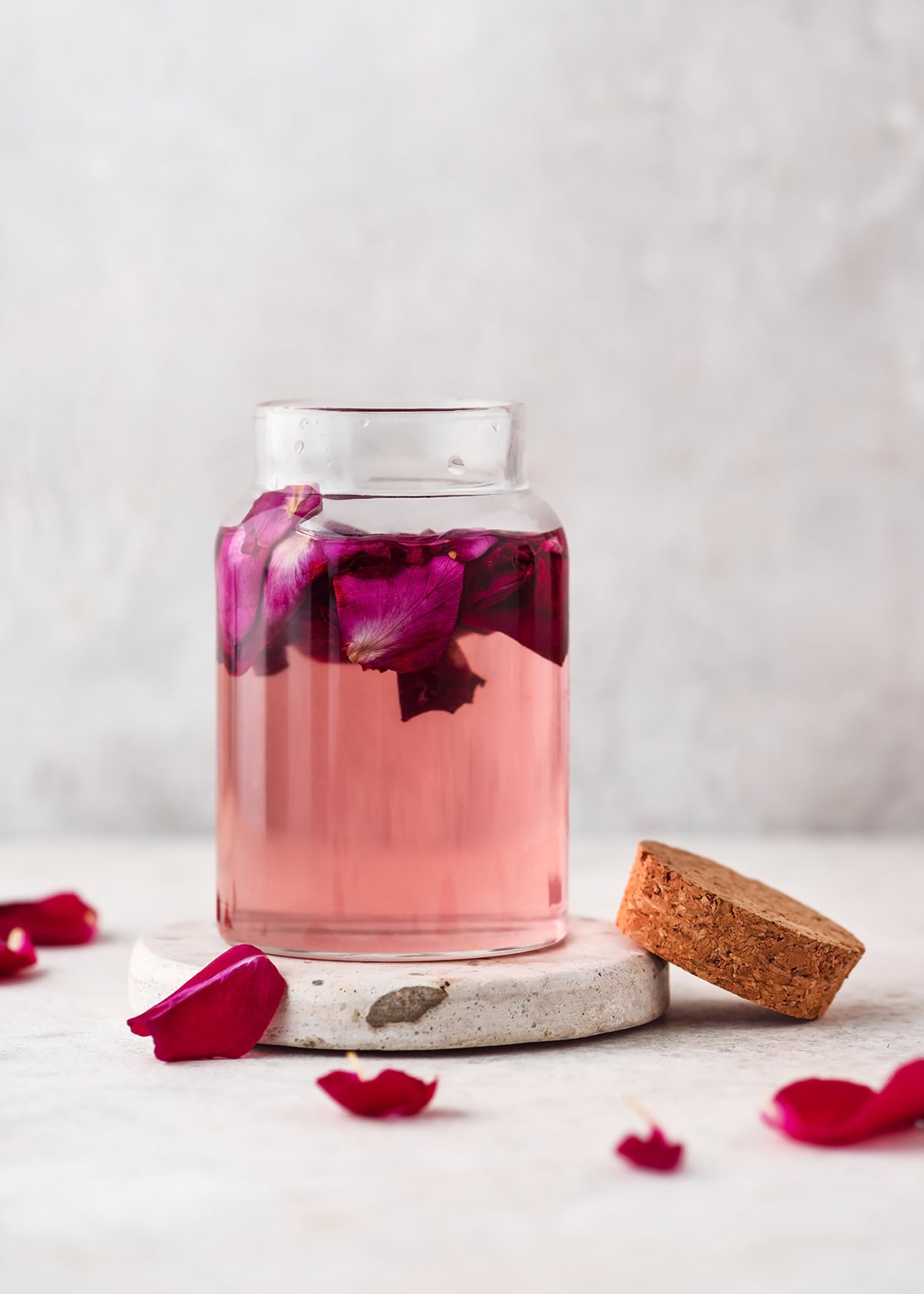
Commercial rose water is distilled. At home, simmer a cup of fresh petals in two cups of distilled water, covered, until the petals fade, then strain and refrigerate.
Use it within a week or two to flavor desserts, lemonade and lassi, or spritz it on your face as a toner.
Natural Dye
Simmer petals in water for an hour or so to extract the color, then strain and soak fabric or paper in the dye bath. Shades vary with rose color and simmer time and range across soft pinks, beiges and muted reds. A mordant such as alum helps the color last.
Bath Products
Scatter petals in a warm bath, or mix dried petals into bath salts and homemade bath bombs. The scent is relaxing, and a few drops of rose oil boost it. Tie loose petals in a muslin bag for easy cleanup.
Decorative Purposes

Fresh petals scattered on tables and walkways dress up parties and dinners. Unsprayed petals also decorate cakes, cocktails and dessert plates.
Herbal Remedies
Rose petals have a long history in traditional medicine for their antioxidant and anti-inflammatory compounds. Rose-infused oil or a cool compress of rose water soothes minor skin irritation and redness.
Perfume Making
Rose ranks among the most important scents in perfumery and sits at the heart of many classic fragrances. At home, steep petals in a neutral oil such as jojoba for a simple roll-on perfume.
Crafting and Art
Press petals between paper in a heavy book for scrapbooks, cards and framed art. Dried petals also look beautiful set in clear resin for jewelry, coasters and keepsakes.
Wedding and Event Decor

Rose petals are a wedding staple for aisle runners, flower girl baskets, confetti and centerpieces. Choose colors that match the theme. Freeze-dried petals hold their shape and color for days.
Preserves and Jams
Simmer unsprayed petals with sugar, water and lemon juice until thick for a fragrant rose petal jam. The lemon brightens the color. Spread it on toast, swirl it into yogurt or use it as a pastry filling.