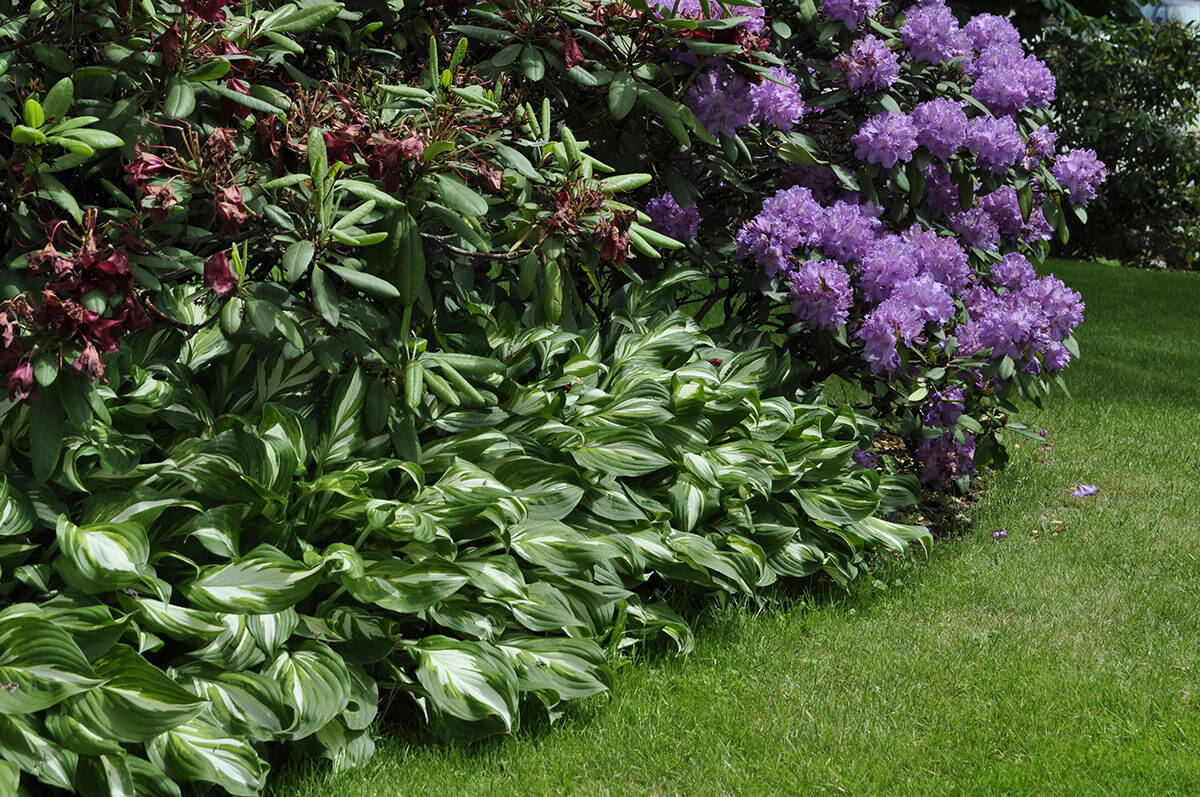
Not every yard is filled with bright, open sunlight, and that’s perfectly fine. Some of the most peaceful garden moments happen under trees or along the side of the house. I’ve grown to appreciate plants that prefer softer light and steady moisture. They create a calm, layered look that feels grounded and natural. Once I stopped forcing sun lovers into shady beds, everything improved. Growth became steady and reliable.
Take a look at this list of 20 shade-loving perennials and find the ones that will thrive in your garden.
Table of Contents
- Shade-Loving Perennials
- Hosta
- Astilbe
- Coral Bells (Heuchera)
- Hellebore
- Brunnera
- Lungwort (Pulmonaria)
- Japanese Forest Grass (Hakonechloa)
- Bleeding Heart (Lamprocapnos spectabilis)
- Foamflower (Tiarella)
- Barrenwort (Epimedium)
- Toad Lily (Tricyrtis)
- Solomon’s Seal (Polygonatum)
- Heucherella
- Lady Fern (Athyrium filix-femina)
- Christmas Fern (Polystichum acrostichoides)
- Wild Ginger (Asarum)
- Bugbane (Actaea)
- Japanese Painted Fern (Athyrium niponicum)
- Trillium
- Turtlehead (Chelone)
Shade-Loving Perennials
Low-light doesn’t mean low interest. These perennials are all about bold foliage, unexpected flowers, and a patchwork of textures. Staggering bloom times and shapes keep things moving all season long.
Hosta
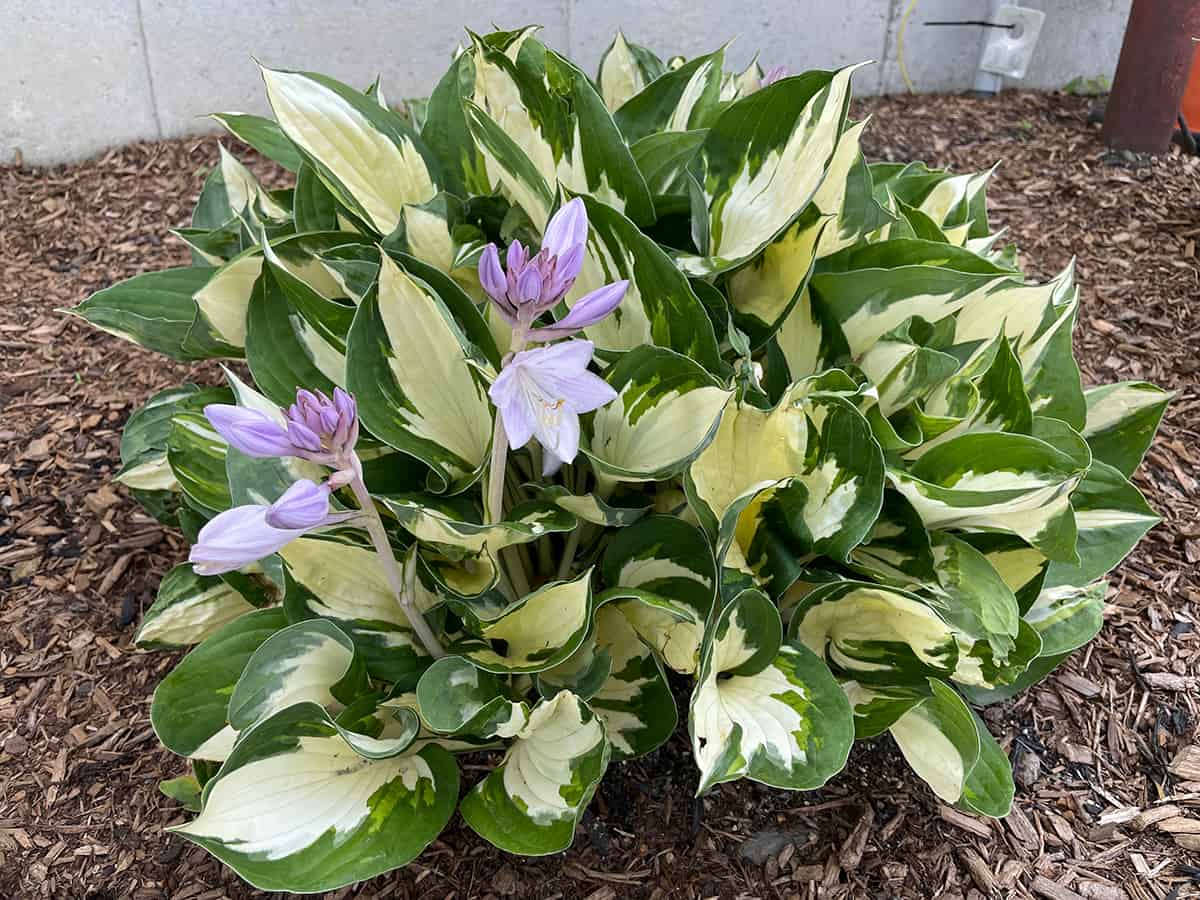
Zones: 3–9 | Height/Spread: 6 inches to 3 feet tall, 1–5 feet wide | Growing Conditions: Partial to full shade, moist well-drained soil
It’s hard to miss those broad, sculptural leaves—whether you’re drawn to blue, green, gold, or wild variegated types. Some are petite, others tip into monster territory, all heart-shaped and lush.
Rich, moisture-retentive soil helps them thrive. In cooler areas, a bit of morning sun is fine, but strong afternoon rays can burn the foliage. Slugs love them, so keep an eye on new shoots. Every few years, dividing clumps keeps things fresh.
Astilbe
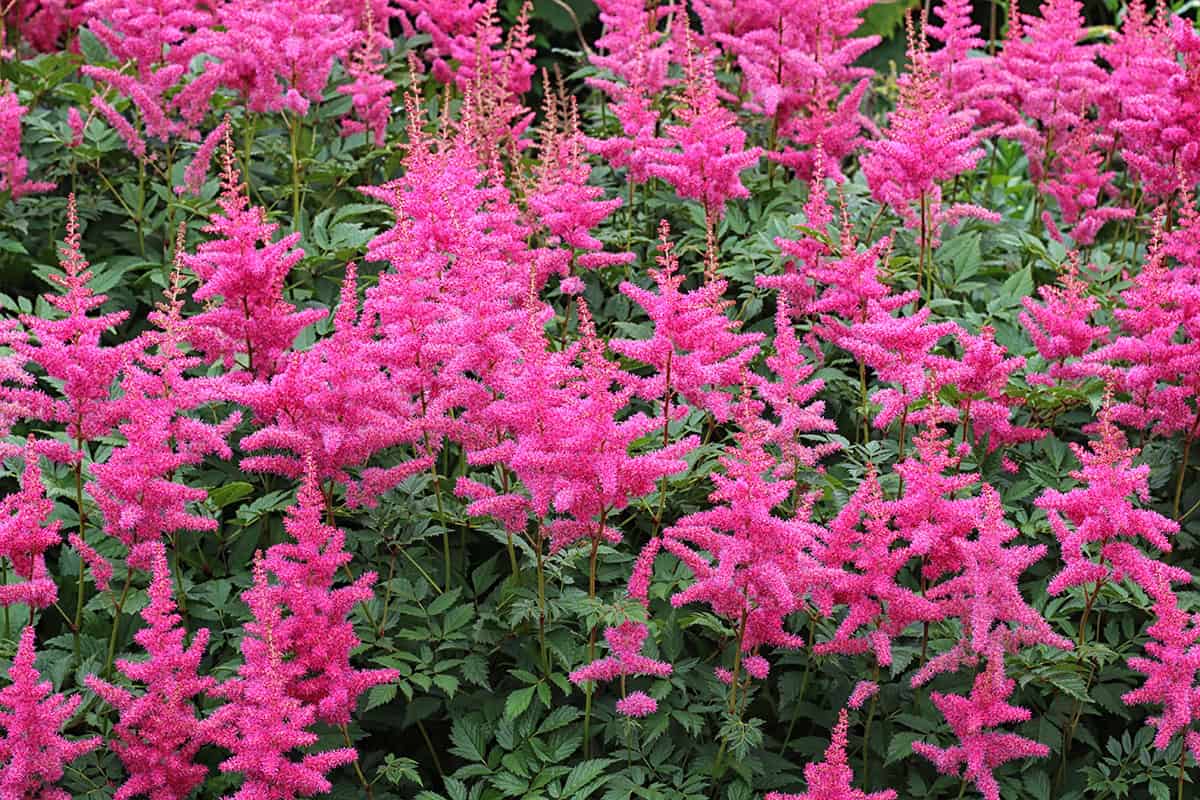
Zones: 4–9 | Height/Spread: 1–4 feet tall, 1–3 feet wide | Growing Conditions: Partial shade, consistently moist soil
There’s a certain drama in those feathery plumes rising above glossy leaves, usually peaking in early to midsummer. White, pink, red, lavender—take your pick. It’s a go-to for brightening up soggy, shadowy spots.
Let the soil dry out and you’ll see smaller blooms and crispy leaves. Compost boosts both texture and water-holding. Snip off faded flowers to keep things tidy.
Coral Bells (Heuchera)
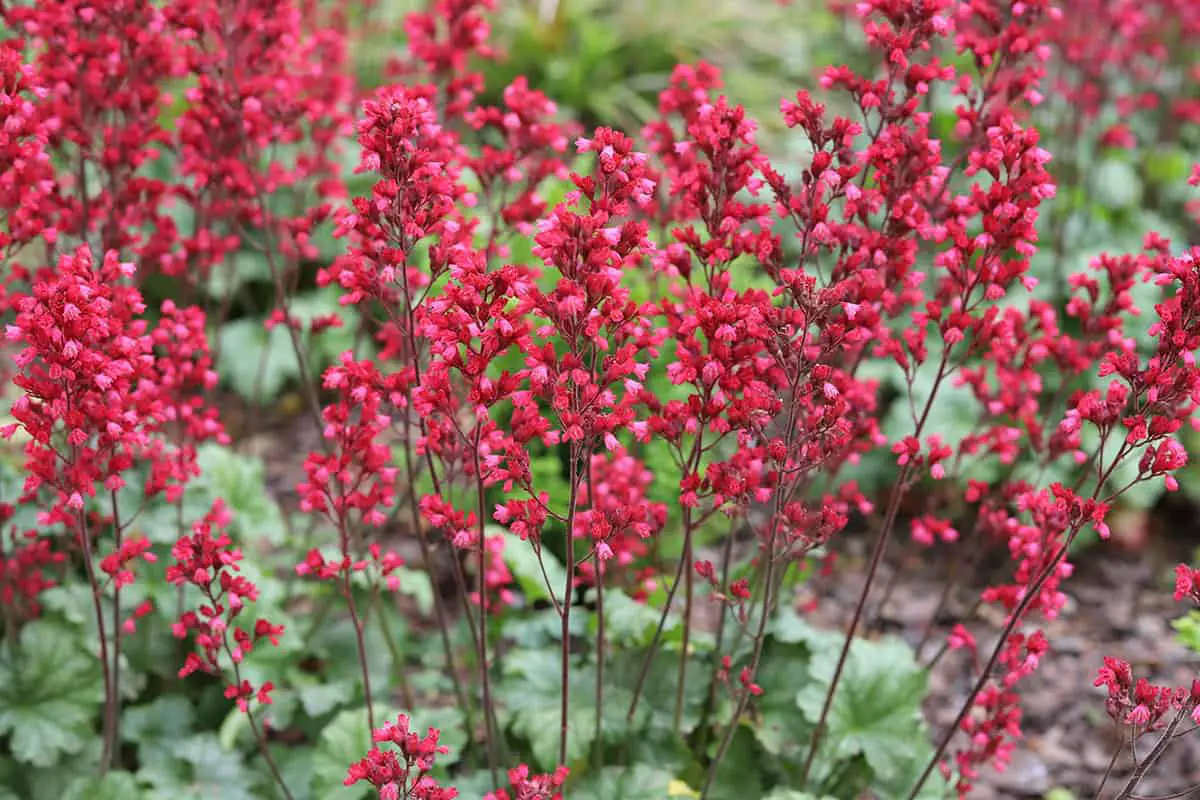
Zones: 4–9 | Height/Spread: 8–18 inches tall, 12–24 inches wide | Growing Conditions: Partial shade, well-drained soil
It’s the leaves that steal the show here, in shades from purple and amber to silver and near-black. In late spring, slender stems hoist tiny bell flowers above the foliage.
Well-drained soil is a must—otherwise, crown rot can be an issue. A bit of morning sun can intensify leaf color in certain types. Old leaves should go in early spring. If clumps get sluggish, divide and replant.
Hellebore
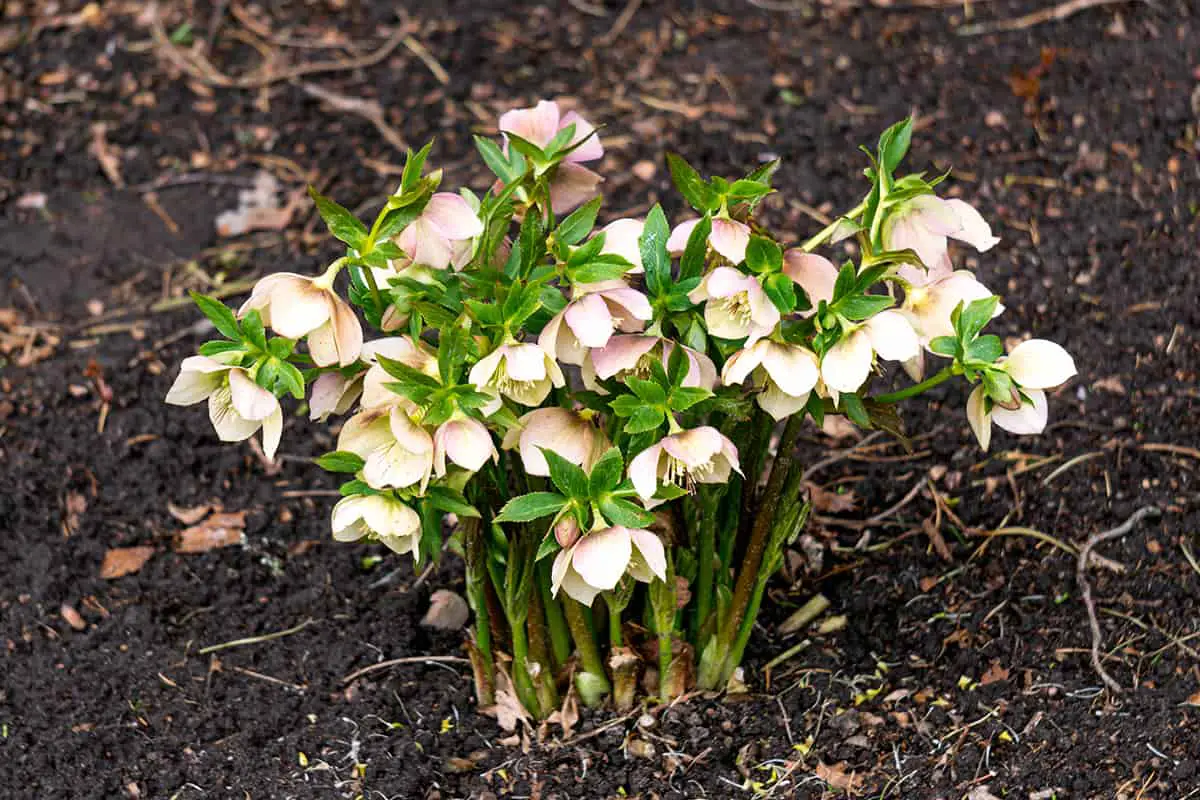
Zones: 4–9 | Height/Spread: 12–24 inches tall and wide | Growing Conditions: Partial to full shade, well-drained soil
Late winter can feel bleak, but these plants push out blooms in shades of white, cream, pink, burgundy, and nearly black. In mild climates, the evergreen foliage sticks around for structure.
Pick a sheltered, fertile spot and avoid moving them once settled—roots don’t appreciate disturbance. Old leaves should be trimmed before flowers show to spotlight the blooms and cut down on disease.
Brunnera
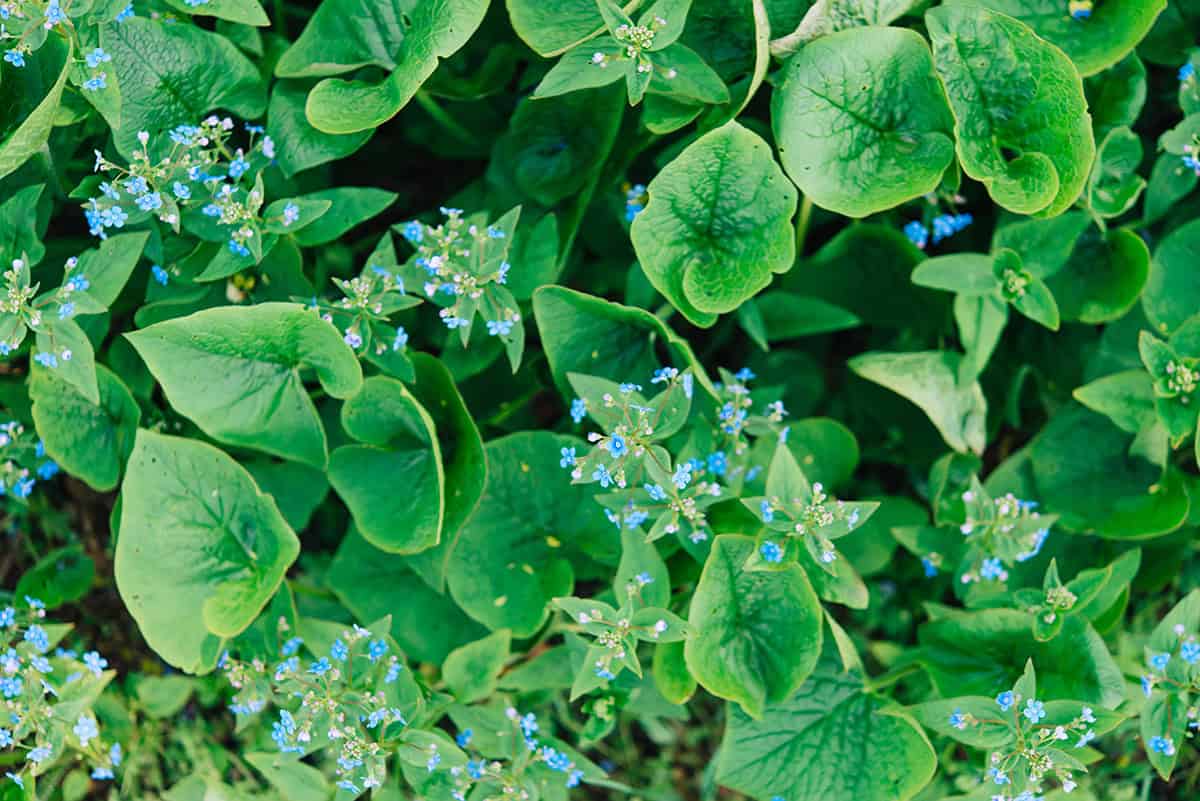
Zones: 3–8 | Height/Spread: 12–18 inches tall, 18–24 inches wide | Growing Conditions: Partial shade, moist soil
Dense mounds of heart-shaped foliage, especially silver-marked varieties, can really brighten up a dark nook. In spring, clusters of tiny blue flowers appear, reminiscent of forget-me-nots.
Consistent moisture keeps leaves looking their best. Too much sun, especially midday, can scorch them. If leaves look tired by midsummer, cut them back for a flush of new growth.
Lungwort (Pulmonaria)
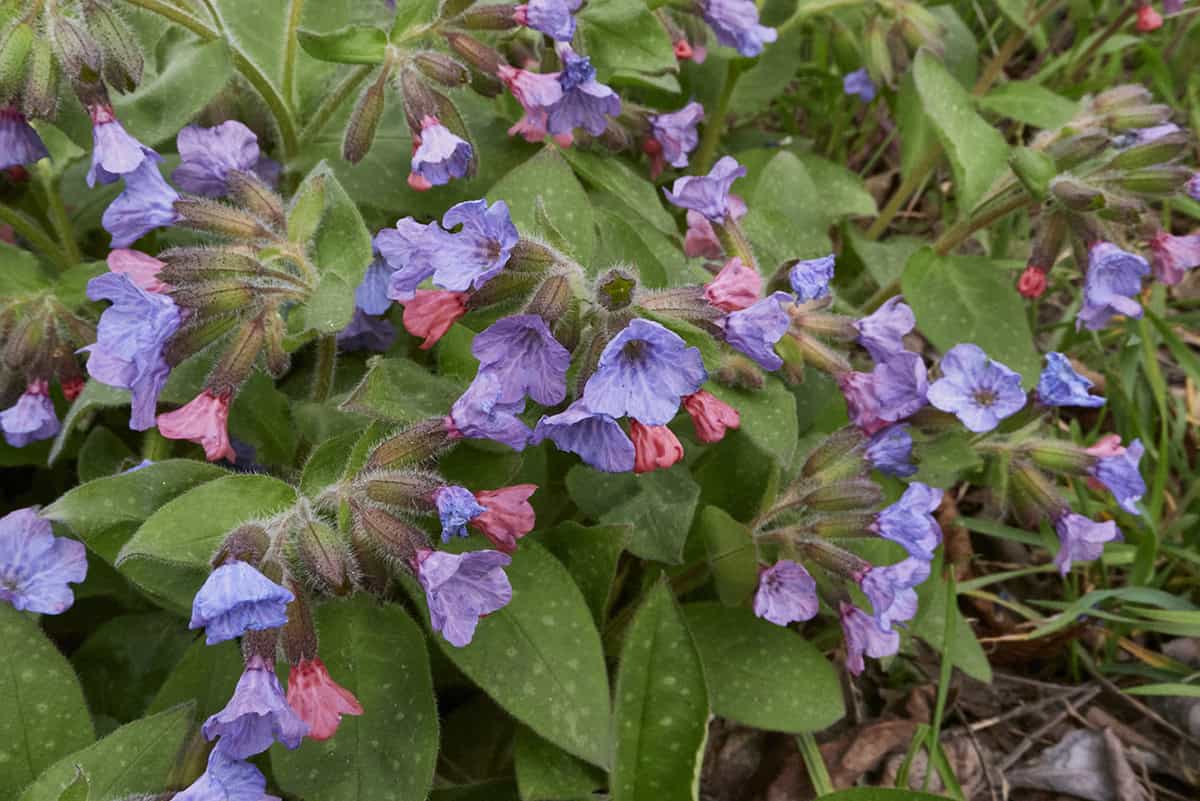
Zones: 3–8 | Height/Spread: 8–18 inches tall, 12–24 inches wide | Growing Conditions: Partial to full shade, moist well-drained soil
Spotted or silvery leaves pop up early, often before much else. Pink buds shift to blue or violet flowers, sometimes when snow is still lingering.
Cool, moist conditions suit them best. The soil should be damp, but not soggy. Once the flowers fade, cutting back old foliage encourages a cleaner look.
Japanese Forest Grass (Hakonechloa)
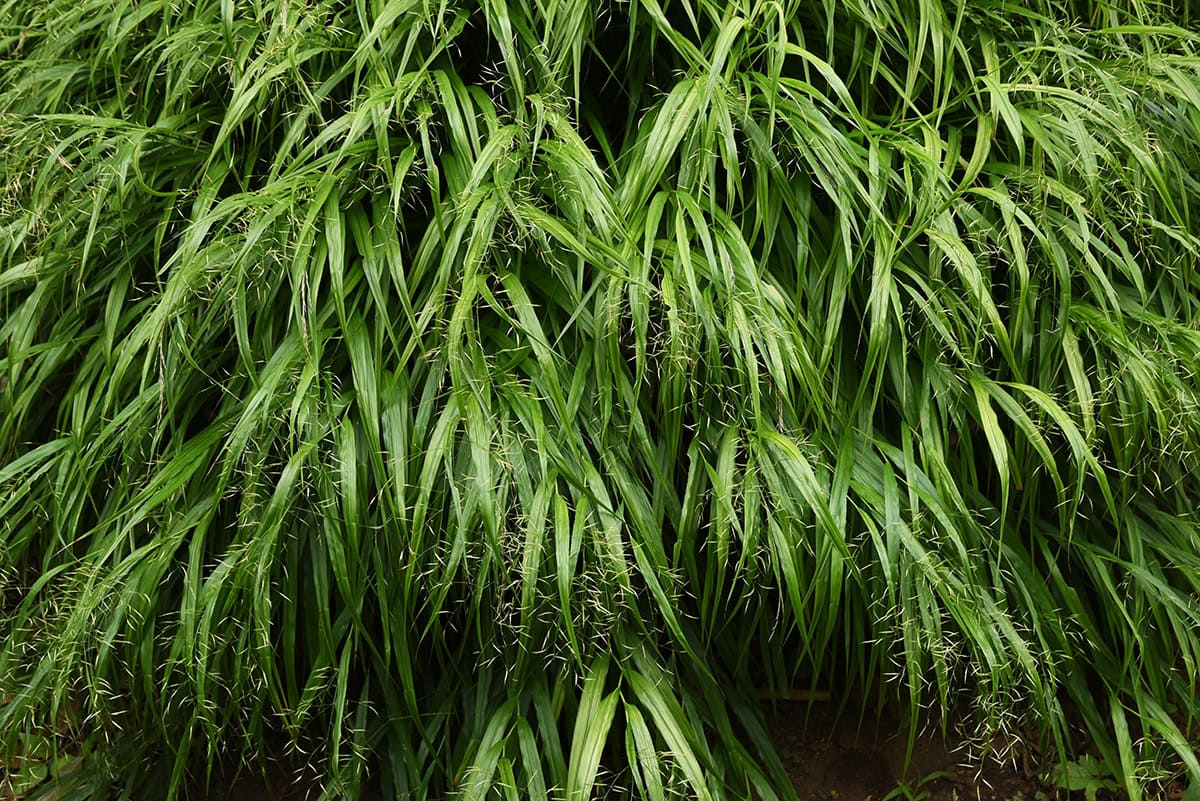
Zones: 5–9 | Height/Spread: 12–18 inches tall, 18–24 inches wide | Growing Conditions: Partial shade, moist well-drained soil
Graceful, arching blades spill over the edge of beds, especially striking in gold or variegated forms. That soft, flowing texture plays well against chunkier shade plants.
Afternoon sun is too harsh—morning light is enough. Moisture should be steady, but avoid standing water. Trim back dead leaves before new growth starts in spring.
Bleeding Heart (Lamprocapnos spectabilis)
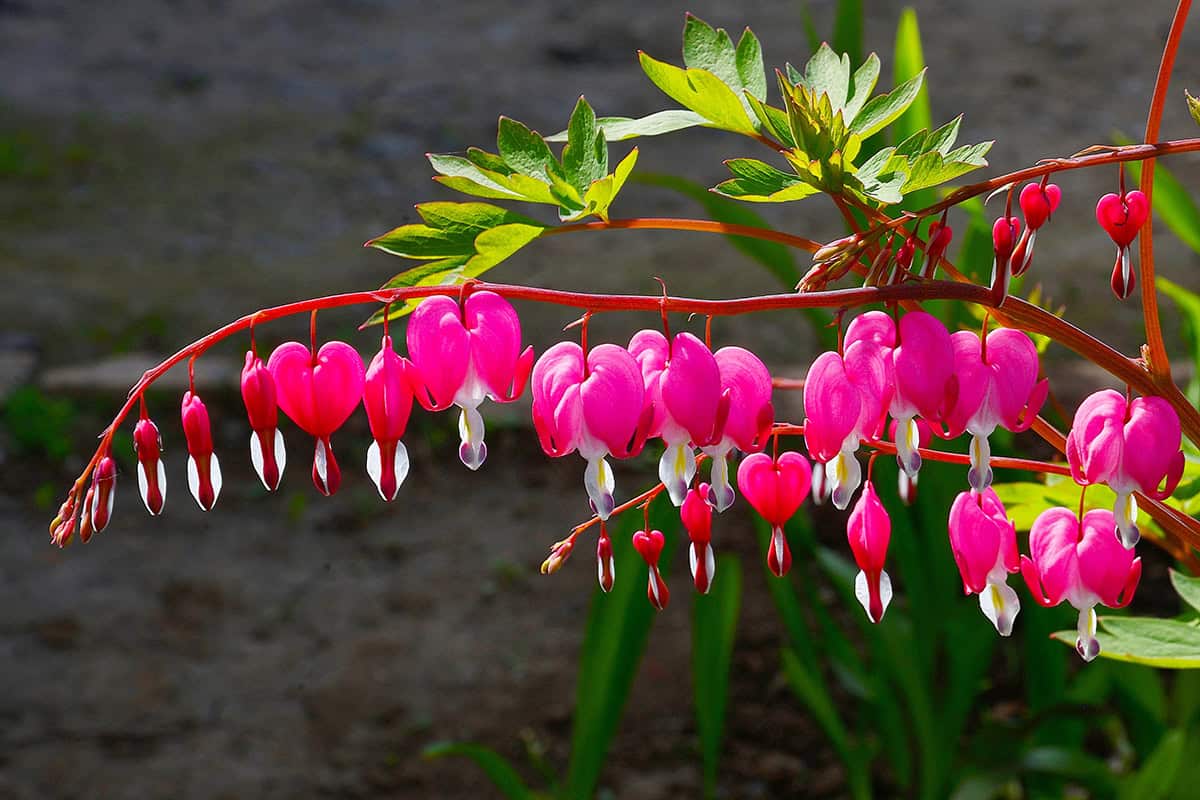
Zones: 3–9 | Height/Spread: 2–3 feet tall, 2–3 feet wide | Growing Conditions: Partial shade, moist fertile soil
In spring, arching stems dangle heart-shaped pink flowers with a white accent. The finely divided leaves soften the plant’s outline and mix easily with others.
When summer heat arrives, leaves may vanish. Tuck them near later-blooming companions to hide bare spots. Keep the soil cool and damp during their active stretch.
Foamflower (Tiarella)
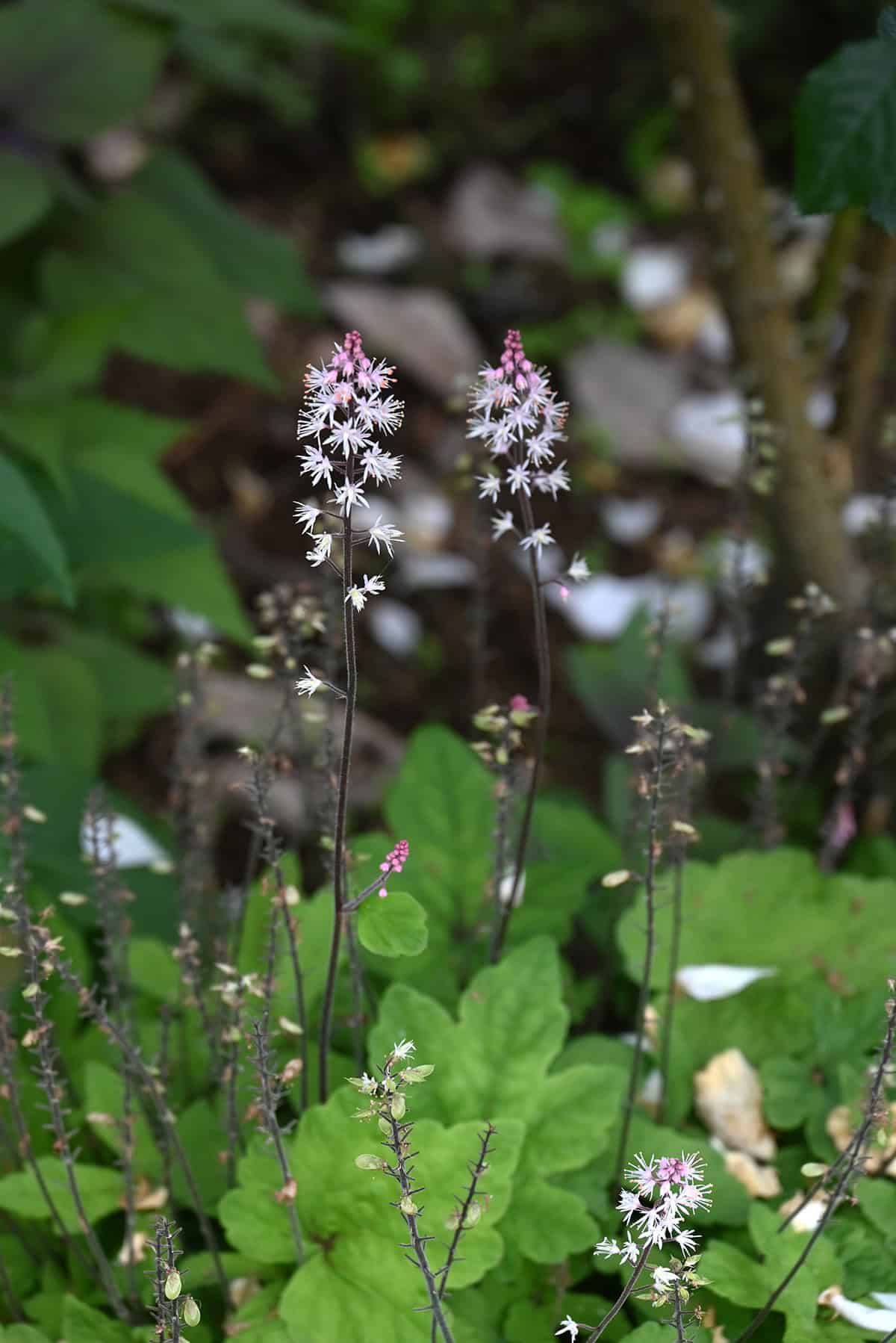
Zones: 3–9 | Height/Spread: 8–12 inches tall, 12–24 inches wide | Growing Conditions: Partial to full shade, moist well-drained soil
Low, spreading mounds of lobed leaves often show off dark central veins. In spring, delicate white or soft pink flower spikes float above the foliage.
Works well as a groundcover beneath trees. Plenty of organic matter helps it along. Snip off spent blooms to keep things looking sharp.
Barrenwort (Epimedium)
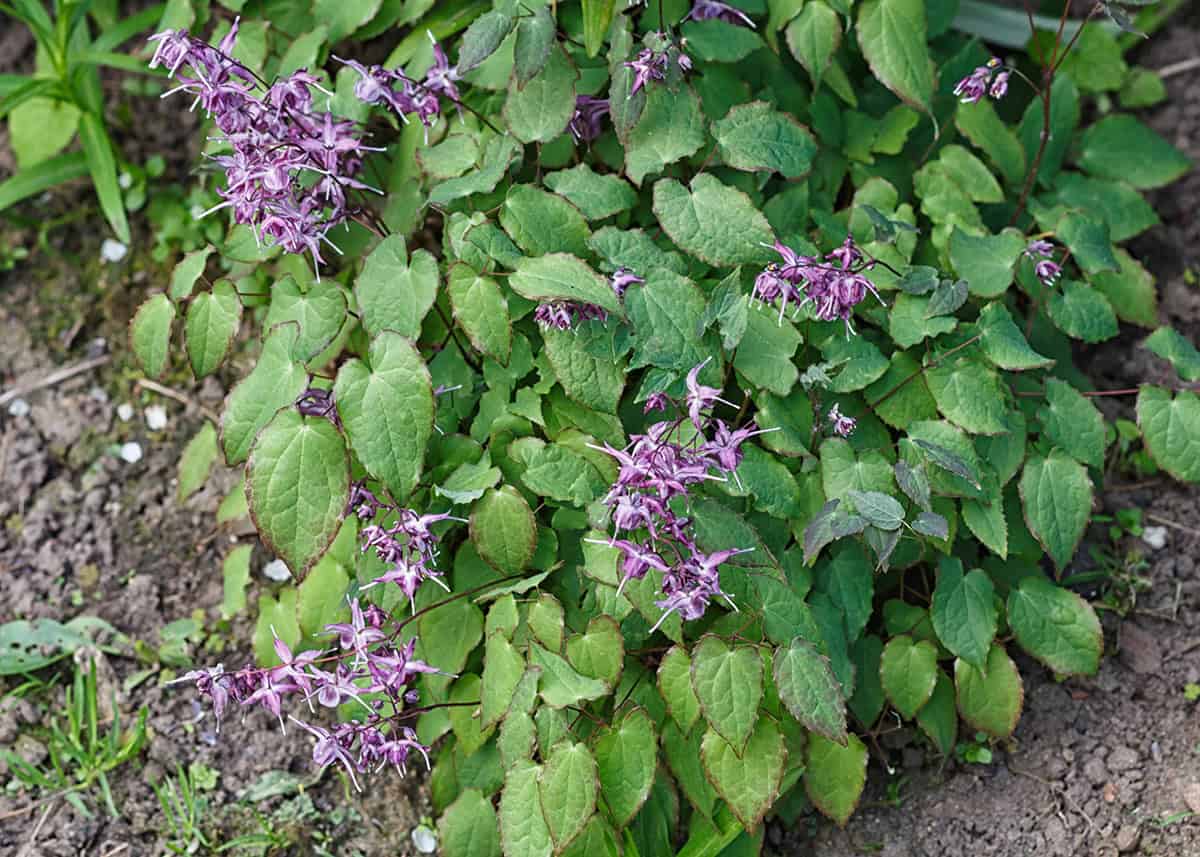
Zones: 4–8 | Height/Spread: 8–18 inches tall, 12–24 inches wide | Growing Conditions: Partial to full shade, well-drained soil
Spring brings clouds of dainty flowers—yellow, pink, white, or lavender—hovering above wiry stems. Heart-shaped leaves often show red tinges in cool weather.
Once settled, it shrugs off dry shade. Cut back ratty old leaves in late winter to show off the blooms. Slow to spread, but forms a resilient groundcover over time.
Toad Lily (Tricyrtis)
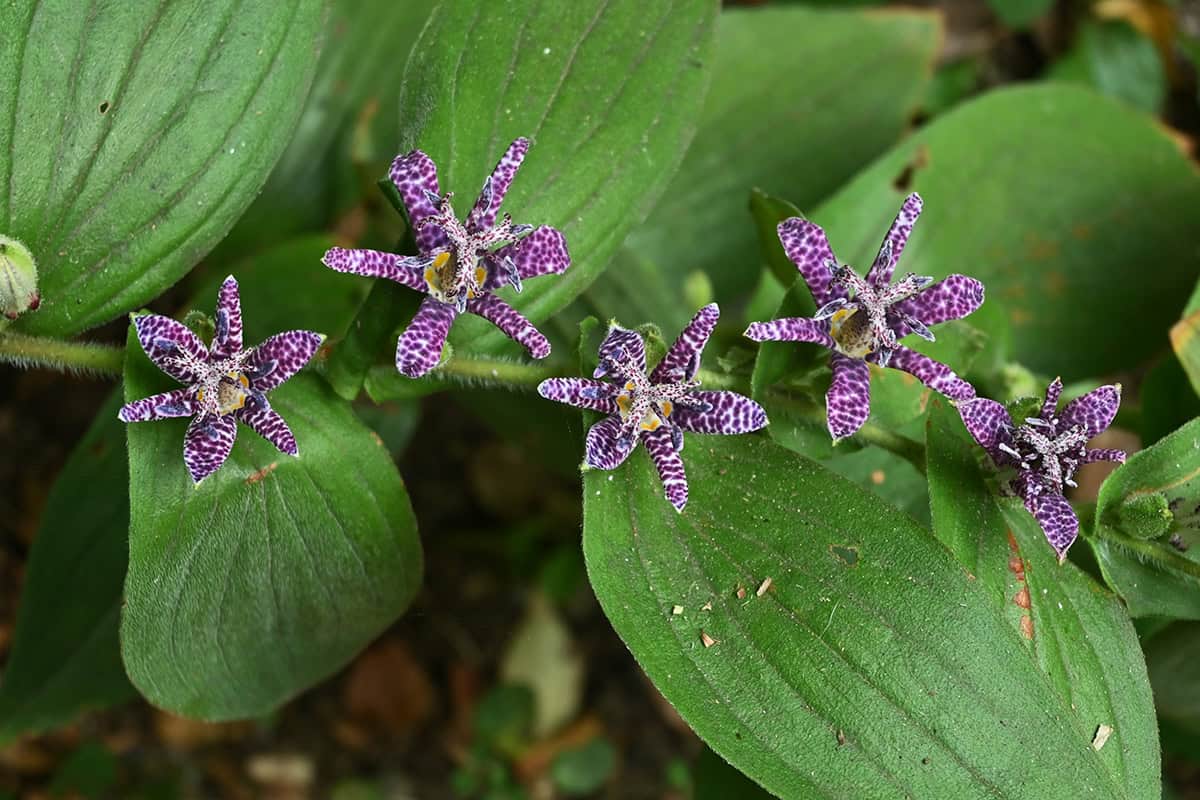
Zones: 4–9 | Height/Spread: 1–3 feet tall, 1–2 feet wide | Growing Conditions: Partial to full shade, moist soil
Late in the season, orchid-like flowers—white or pale lavender with purple spots—line upright or arching stems. It’s a surprise when much else is winding down.
Strong growth depends on steady moisture. Shelter from harsh sun and wind. If taller types flop, a discreet stake helps.
Solomon’s Seal (Polygonatum)
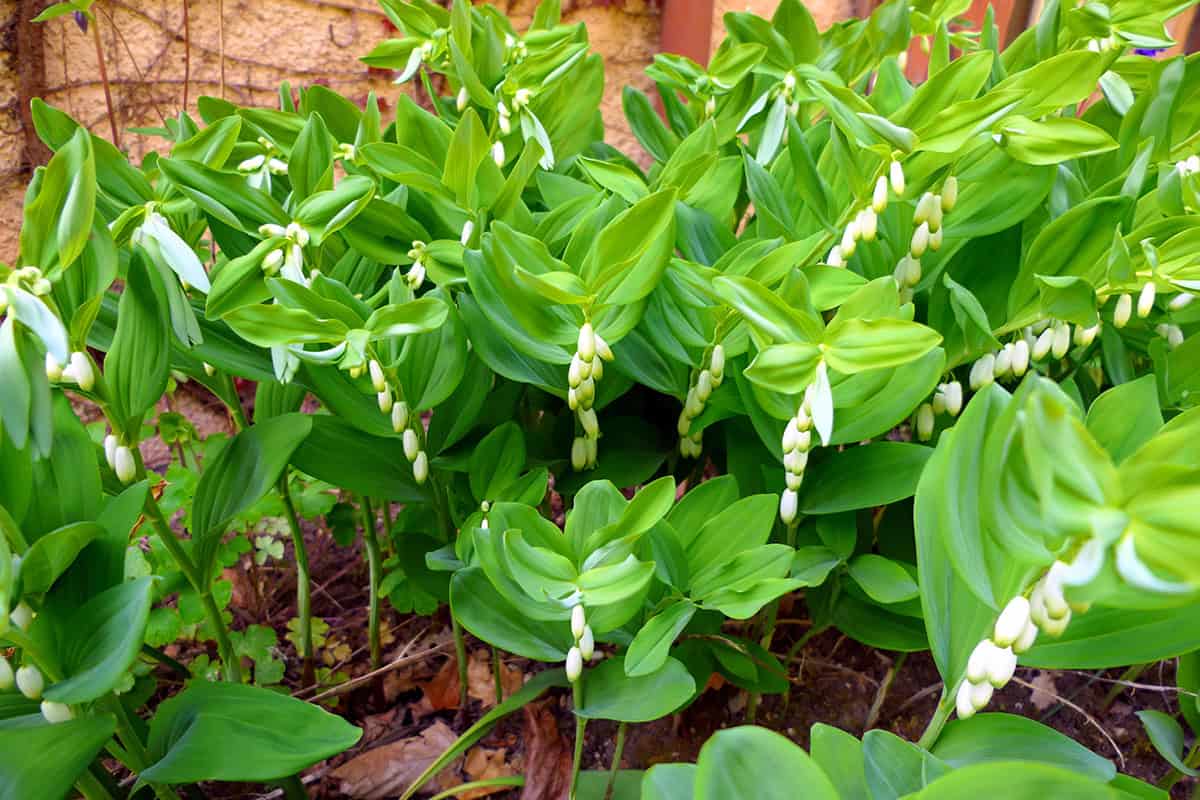
Zones: 3–8 | Height/Spread: 1–3 feet tall, 1–3 feet wide | Growing Conditions: Partial to full shade, moist well-drained soil
Elegant arching stems hold dangling white, tubular flowers in spring, followed by blue-black berries. The foliage turns gold in autumn, adding a final note of color.
Rhizomes slowly knit together to form colonies. Keep the soil evenly moist. After frost, cut stems to the ground for a clean slate.
Heucherella
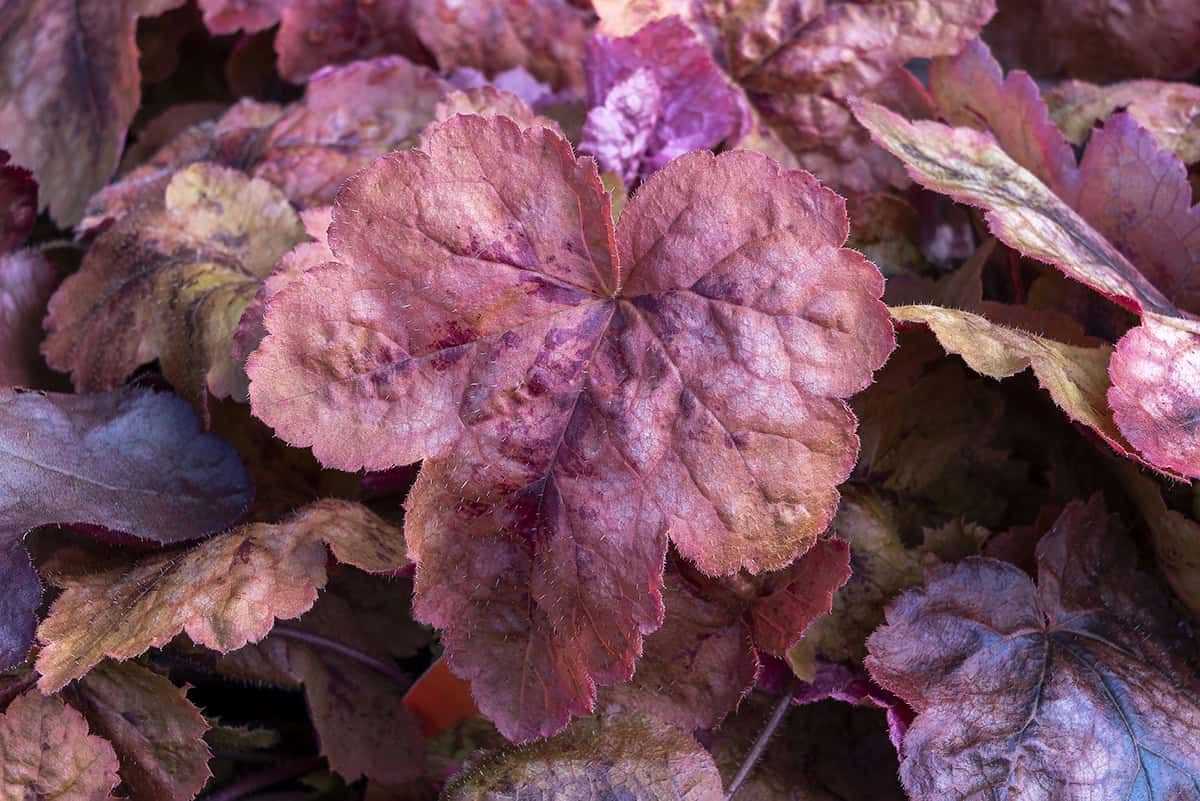
Zones: 4–9 | Height/Spread: 8–18 inches tall, 12–24 inches wide | Growing Conditions: Partial shade, well-drained soil
This coral bells and foamflower hybrid brings wild leaf patterns and colors. Airy flower spikes rise above compact, tidy mounds.
Sharp drainage is essential to avoid crown rot. In cooler spots, a touch of morning sun intensifies leaf color. Remove any winter-damaged leaves come spring.
Lady Fern (Athyrium filix-femina)
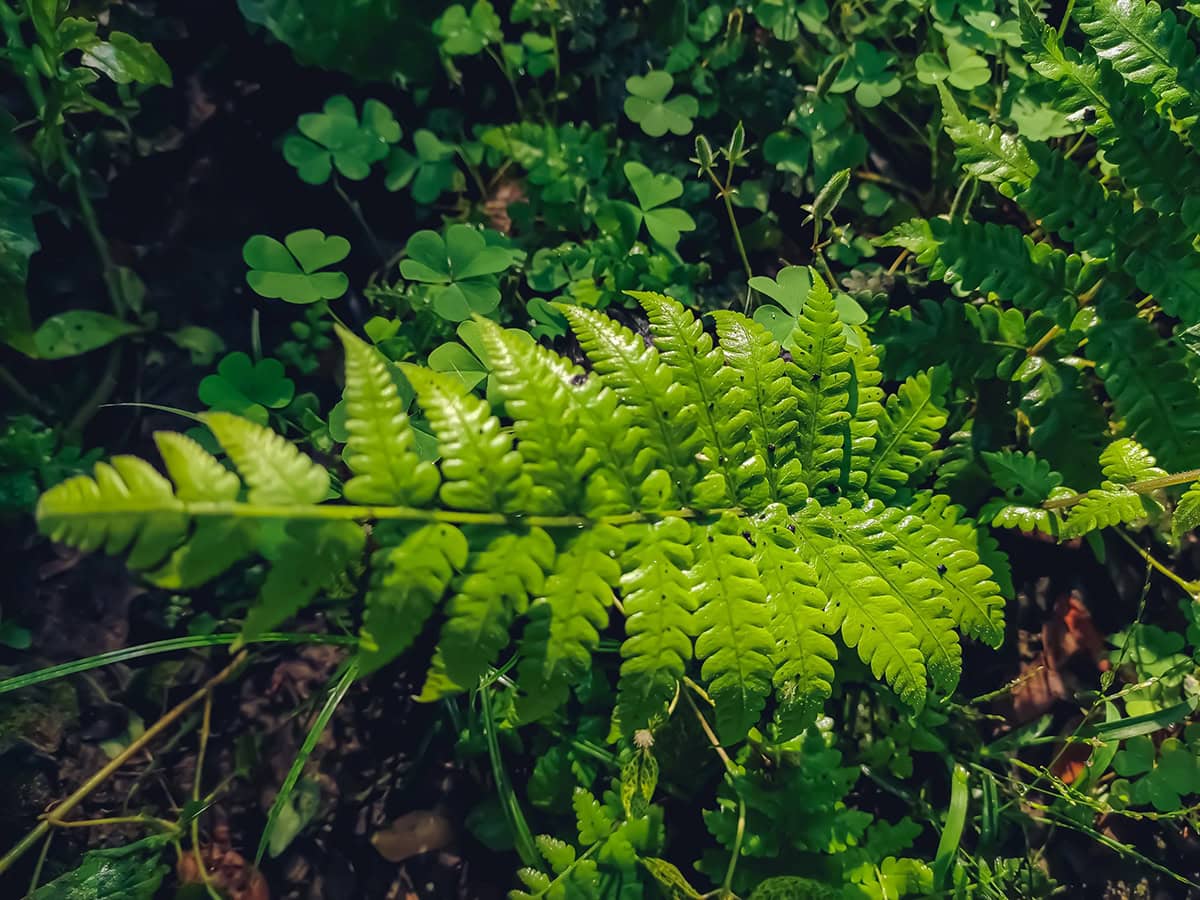
Zones: 3–8 | Height/Spread: 2–3 feet tall, 1–3 feet wide | Growing Conditions: Partial to full shade, moist soil
Fine, feathery fronds give a soft, layered look. Upright clumps work well in woodland settings and can handle chillier regions with ease.
Soil should be rich and consistently moist. Old fronds are best cut before new ones unfurl. If space gets tight, divide in spring.
Christmas Fern (Polystichum acrostichoides)
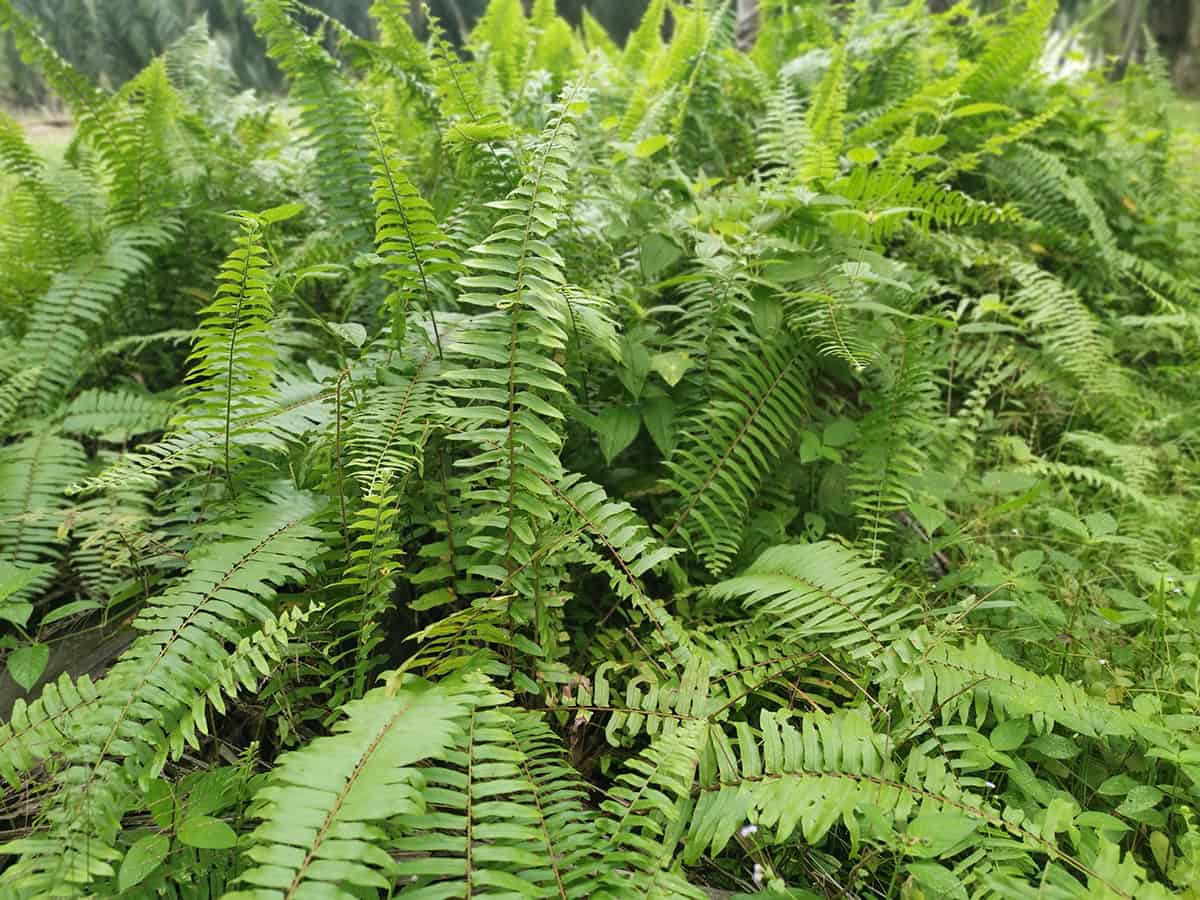
Zones: 3–9 | Height/Spread: 1–2 feet tall, 1–2 feet wide | Growing Conditions: Partial to full shade, well-drained soil
Evergreen fronds hold their deep green color through much of the year, forming neat, leathery clumps. It’s one of the more drought-tolerant ferns for shade.
Favors woodland soil that drains well. Take off damaged fronds in early spring. Avoid planting in soggy, heavy spots.
Wild Ginger (Asarum)
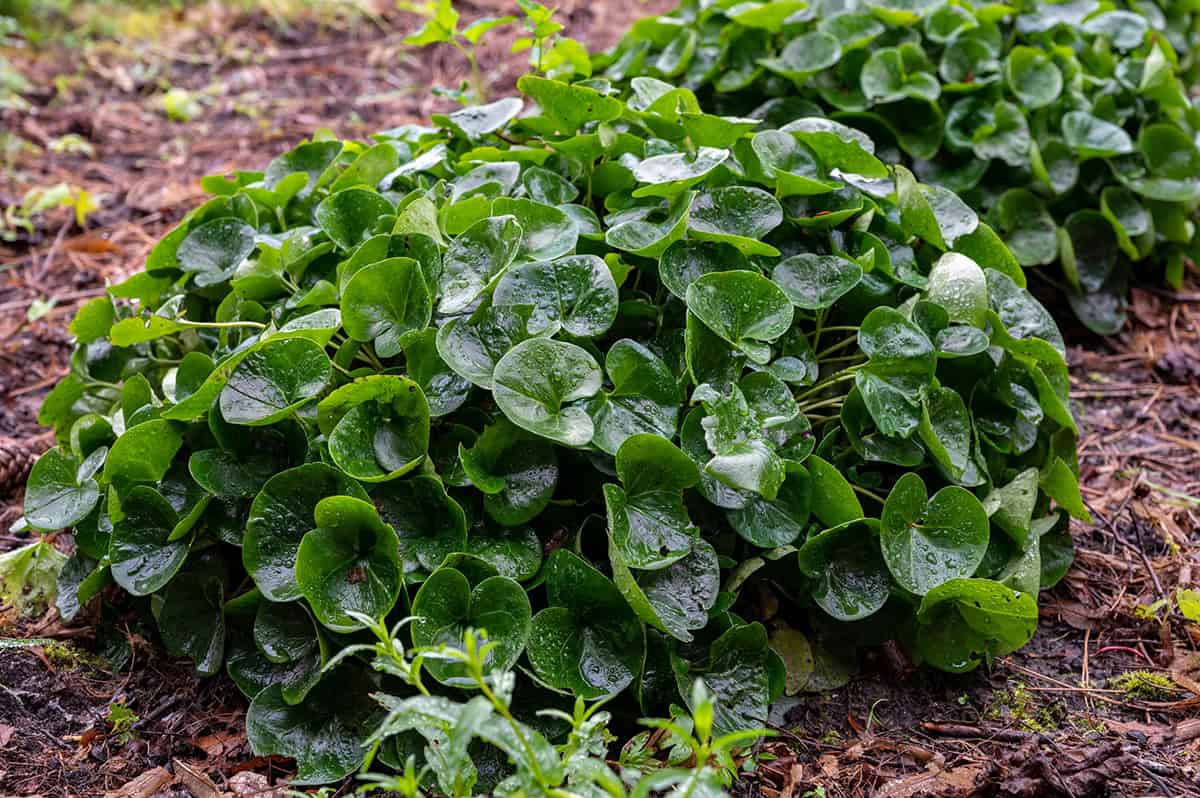
Zones: 3–8 | Height/Spread: 4–8 inches tall, spreading | Growing Conditions: Full to partial shade, moist rich soil
Glossy, heart-shaped leaves knit together into a dense mat. If you peek underneath in spring, you’ll find odd little maroon flowers. Slow but steady rhizome growth fills in bare soil.
Ideal beneath trees where grass fails. Keep the soil rich with organic matter and water during dry spells.
Bugbane (Actaea)
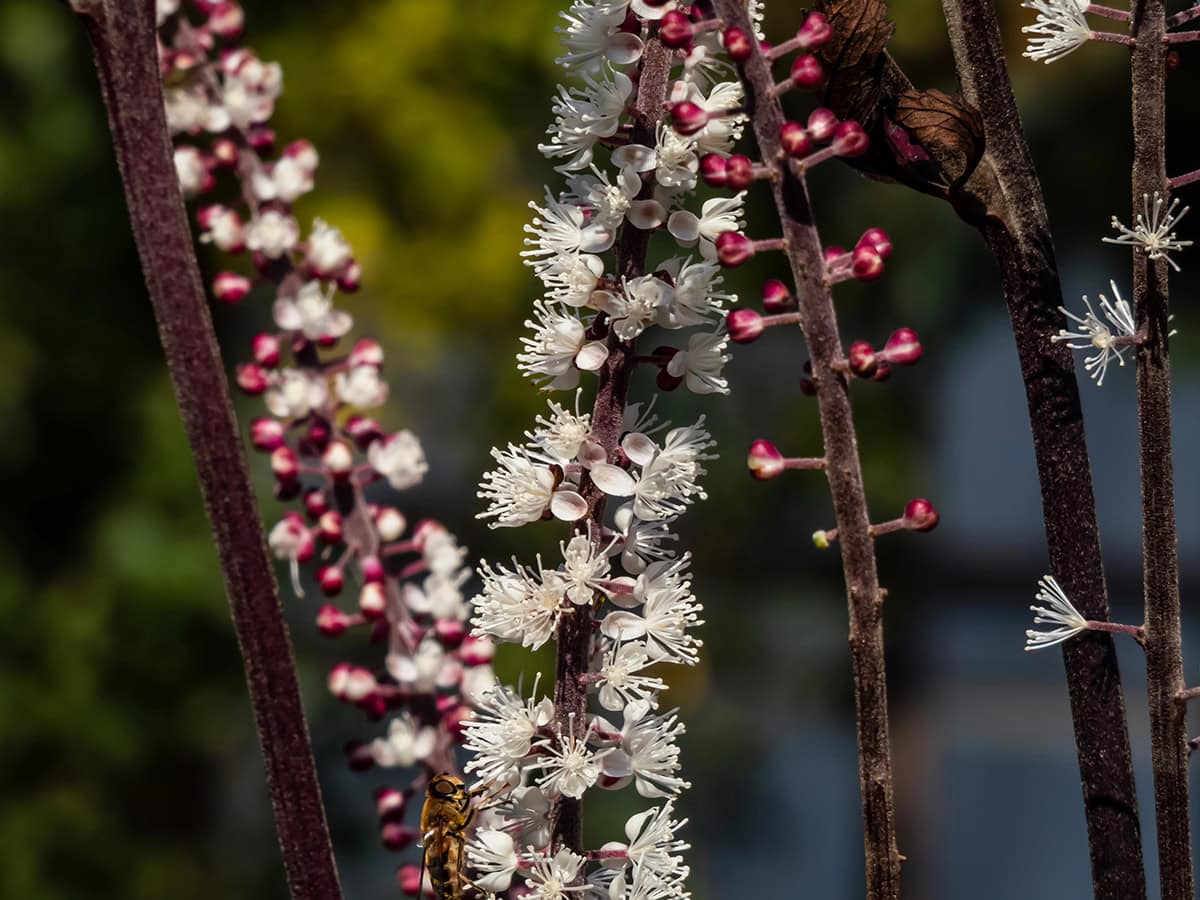
Zones: 3–8 | Height/Spread: 3–6 feet tall, 2–4 feet wide | Growing Conditions: Partial shade, moist fertile soil
Late summer brings tall white flower spikes, sometimes with a sweet scent. Dark-leaved types add a moody contrast in the border.
Give these some elbow room. Moisture is key, especially in heat. If wind is an issue, staking may be necessary.
Japanese Painted Fern (Athyrium niponicum)
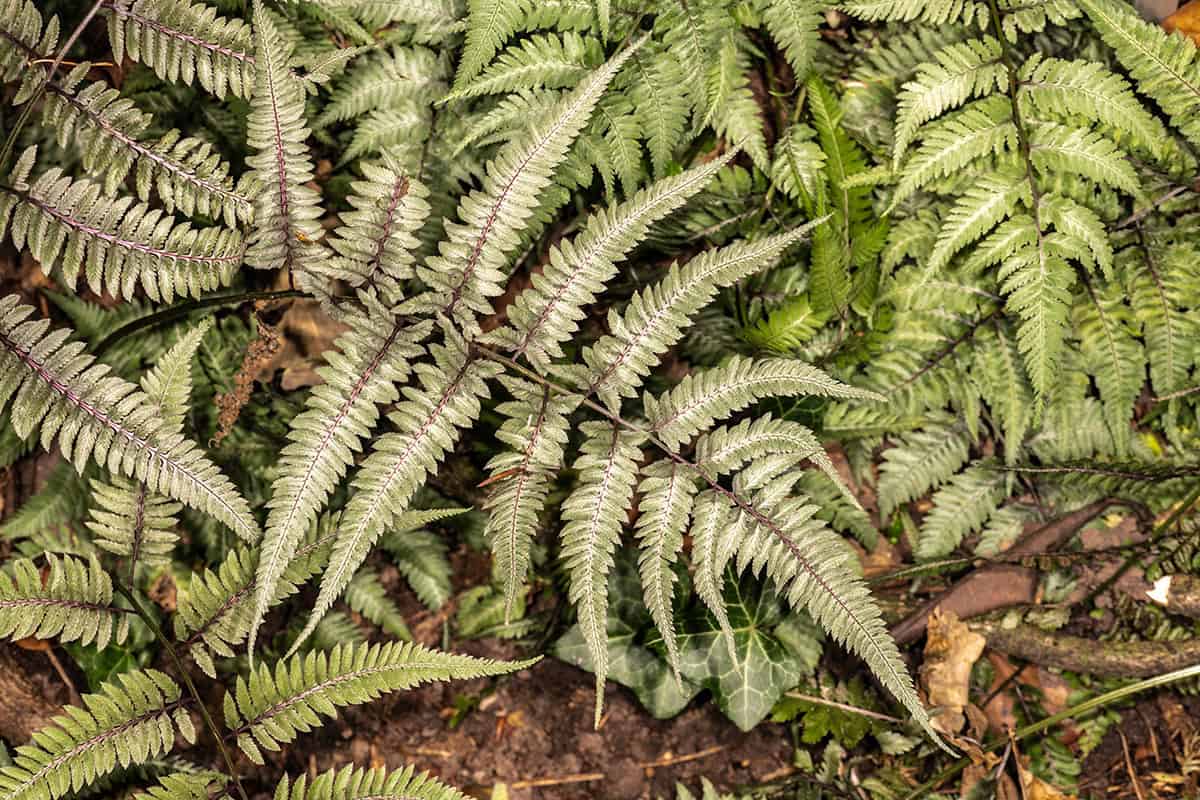
Zones: 4–8 | Height/Spread: 12–18 inches tall, 18–24 inches wide | Growing Conditions: Partial shade, moist well-drained soil
Fronds shimmer in silver, green, and burgundy, especially with a bit of morning sun. Low, spreading clumps make a striking accent against solid green companions.
Keep things evenly moist for the best color. Old fronds should be cleared away in spring.
Trillium
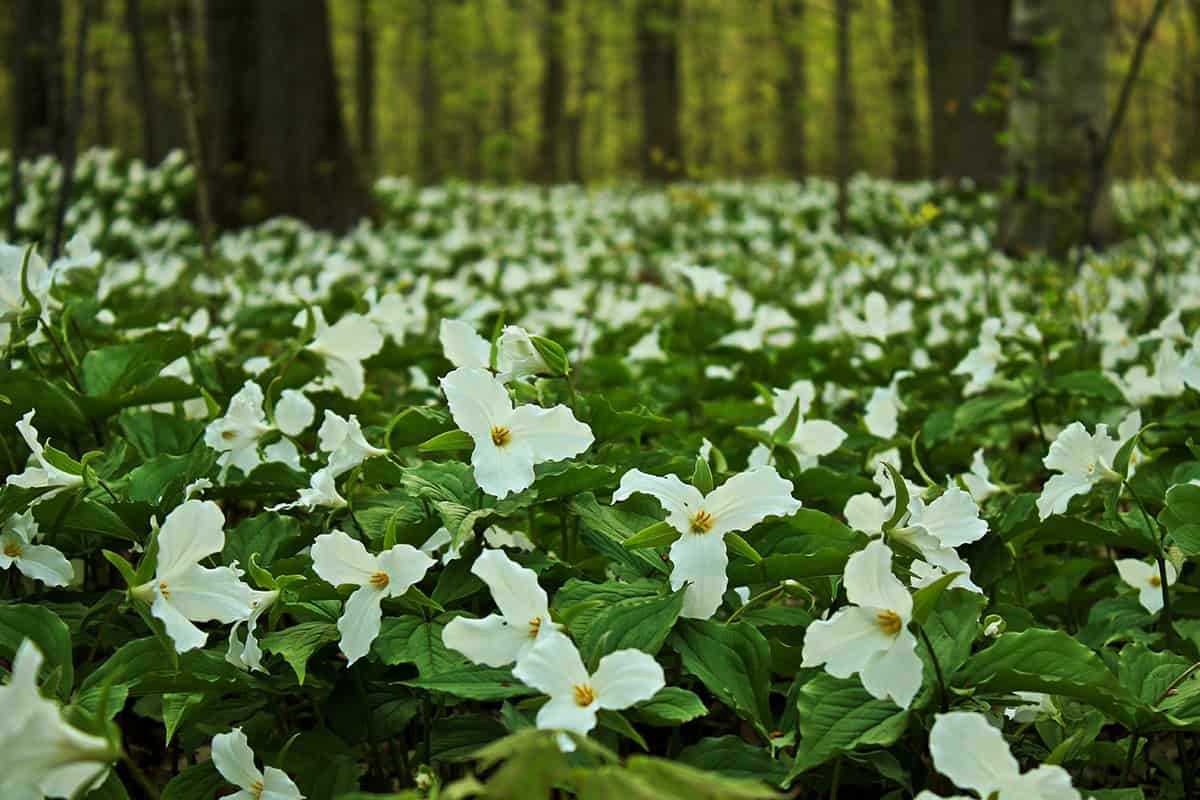
Zones: 4–8 | Height/Spread: 12–18 inches tall, slowly spreading | Growing Conditions: Partial to full shade, rich moist soil
Three broad leaves cradle a single spring bloom—white, red, pink, or yellow, depending on the species. Underground rhizomes handle the slow expansion.
Established clumps don’t like disturbance. A mulch of fallen leaves mimics their natural habitat. Patience pays off; they’re in it for the long haul.
Turtlehead (Chelone)
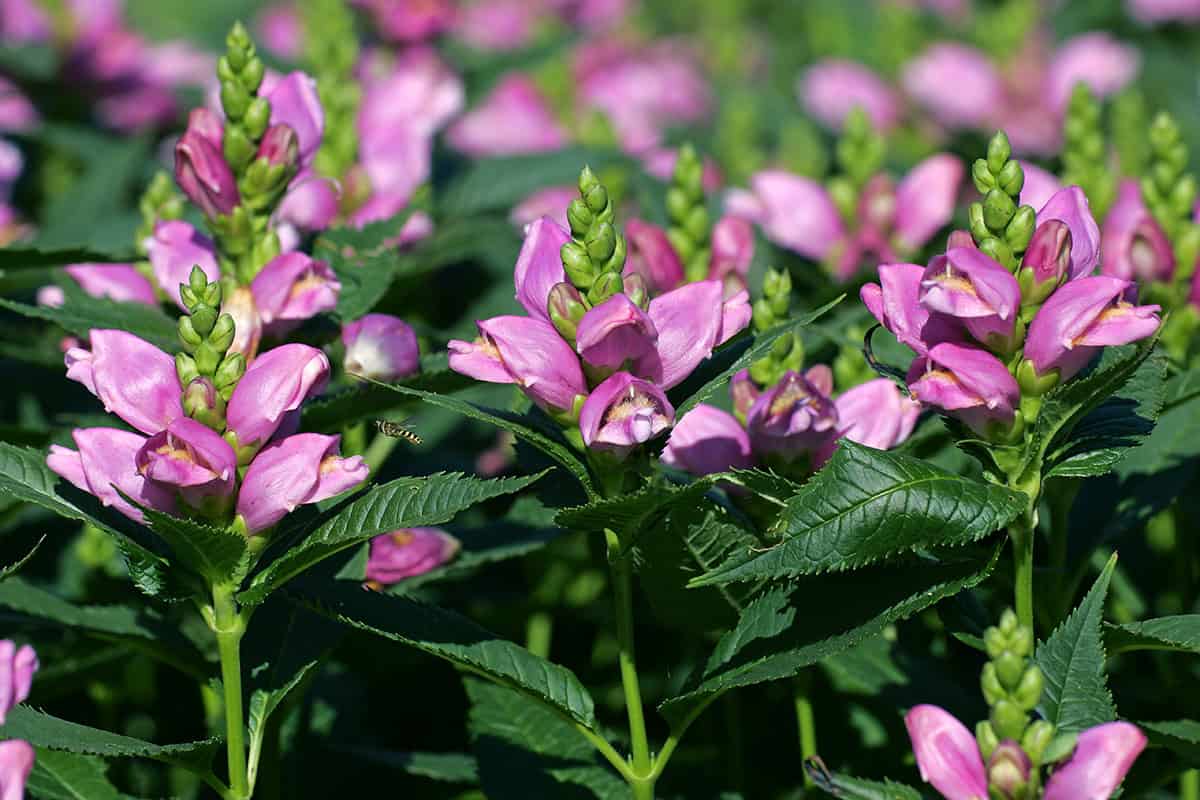
Zones: 3–8 | Height/Spread: 2–3 feet tall, 1–3 feet wide | Growing Conditions: Partial shade, moist to wet soil
Those quirky late-summer blooms—kind of like a turtle peeking out—show up in pink or white and tend to pull in pollinators. Stems stand tall, fitting right into rain gardens or any spot that stays a bit soggy.
Soil shouldn’t dry out, so regular watering pays off. After the flowers fade, trimming the stems is an option, but not a must. For anyone tired of runaway clumps, spring division keeps things in check.