Featured Articles


Latest Articles

Fraser fir and noble fir provide dense, lasting greenery for Christmas wreaths and garlands. Their clipped boughs hold a wreath’s circular shape, and their needles give the greenery a full appearance. A strand across a mantel invites a looser line, such as the drape of cedar or white pine. Needle length, stem weight, and drying behavior make each cutting worth a closer look.
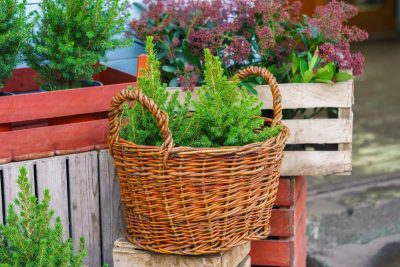
Evergreen foliage gives winter containers their shape long after flowers have faded. Dwarf Alberta spruce, mugo pine, boxwood, and wintergreen provide lasting greenery at distinct heights. Cut branches widen the palette, though living plants need drainage and protection from drying winds. The most interesting arrangements account for what happens after the first hard freeze, not just how the pot looks on planting day.
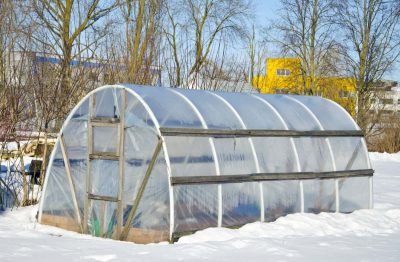
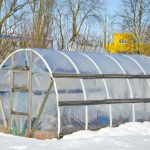
A greenhouse left unprepared for winter loses heat fast, invites pest and disease problems, and puts tender plants at risk within a single cold snap. Winterizing a greenhouse means addressing the structure, the climate inside it, and the plants living there as separate but connected tasks. Skipping any one of these usually shows up as frozen pipes, cracked panels, or a season’s worth of seedlings lost overnight. Most of this work takes a weekend, not a season, and the payoff is a structure that holds heat, sheds snow, and keeps plants alive through the coldest months. The sections below walk through exactly what to check, seal, insulate, and monitor before the first hard frost arrives.