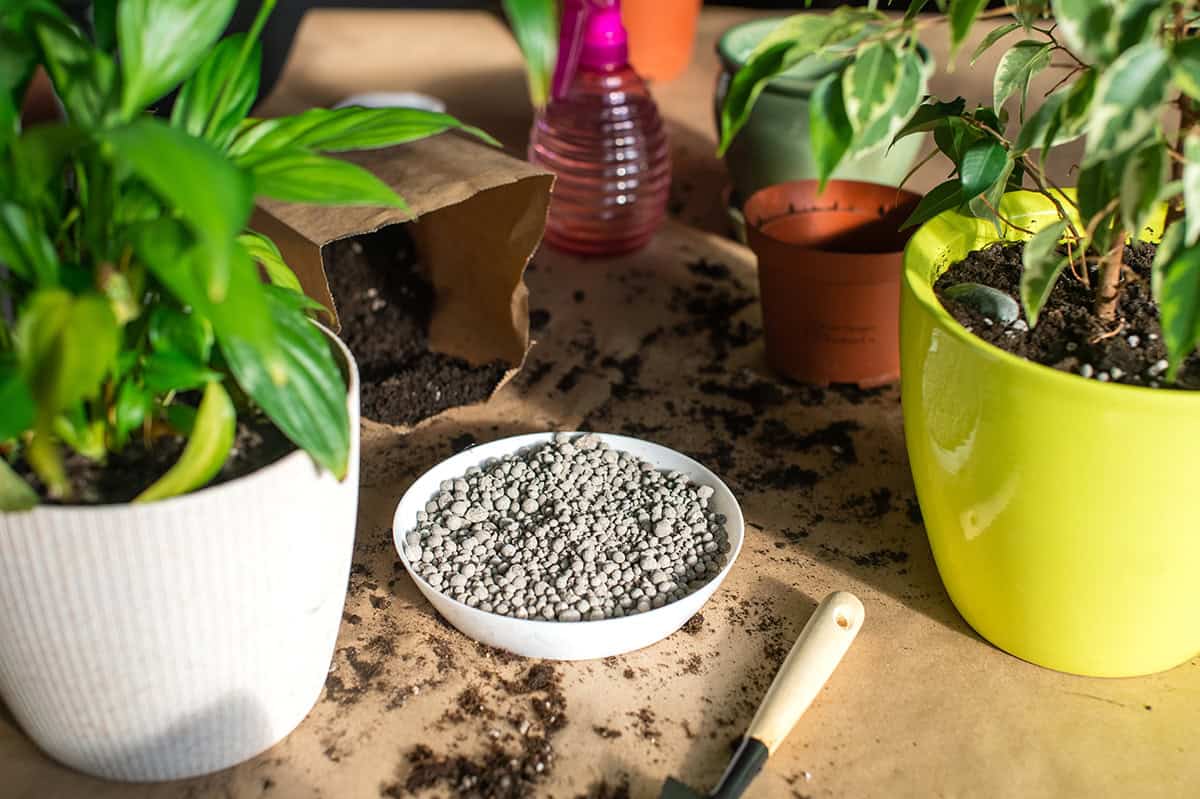
Plenty of good houseplant food sits in the kitchen bin and the fish tank already. Ten of those scraps and leftovers make gentle, low-cost fertilizers.
Homemade feeds are mild, though, and a handful of them attract mold or gnats in the wrong dose. Each entry lists a safe amount and schedule, and the milk spray at the bottom of the list doubles as a mildew treatment.
Table of Contents
Homemade Fertilizers For Houseplants
Homemade fertilizers supply small amounts of nutrients from everyday household items. They are gentle and inexpensive, and they are best used alongside an occasional balanced houseplant fertilizer, since few of them supply a full range of nutrients.
Banana Peel Fertilizer
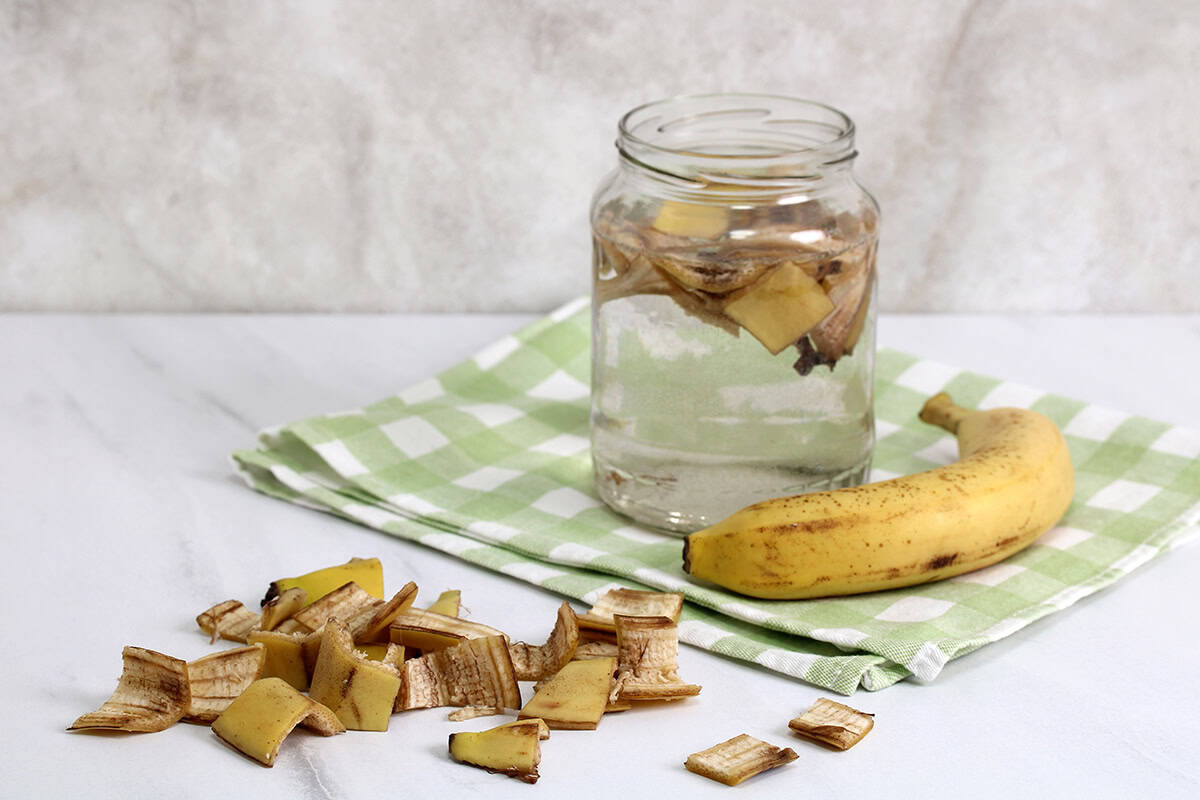
Banana peels hold potassium, along with small amounts of phosphorus and calcium, and they release it slowly as they break down.
Chop a peel into small pieces and bury them an inch or two deep in the pot, away from the stem. Peels left on the surface attract fruit flies and fungus gnats. Dried peels ground into a powder are a cleaner option for indoor pots. Mix a teaspoon into the top layer of soil once a month during the growing season.
Coffee Grounds
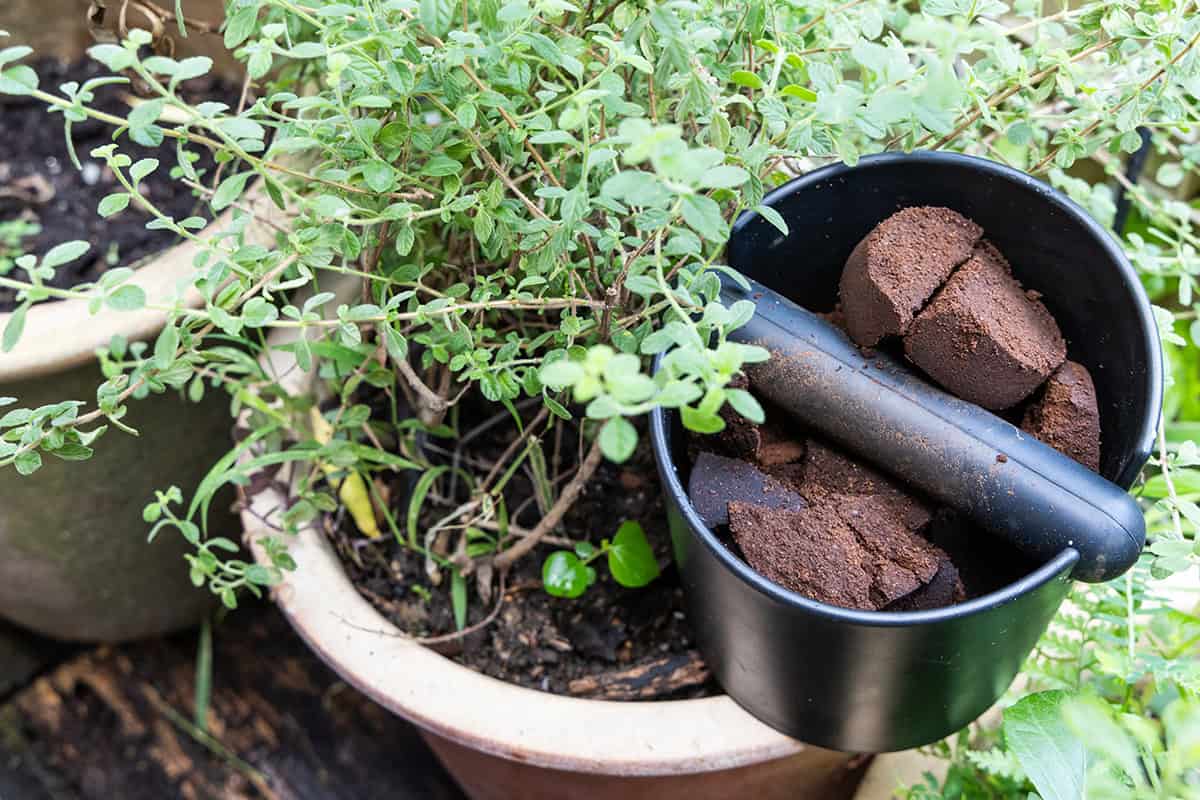
Used coffee grounds add a little nitrogen and organic matter. Brewing removes most of the acid, so used grounds are close to neutral in pH.
Dry the grounds first to avoid mold, then mix a thin layer, about a teaspoon for a medium pot, into the topsoil once a month. Thick layers on the surface crust over, block water and grow mold, so use them sparingly.
Eggshell Powder
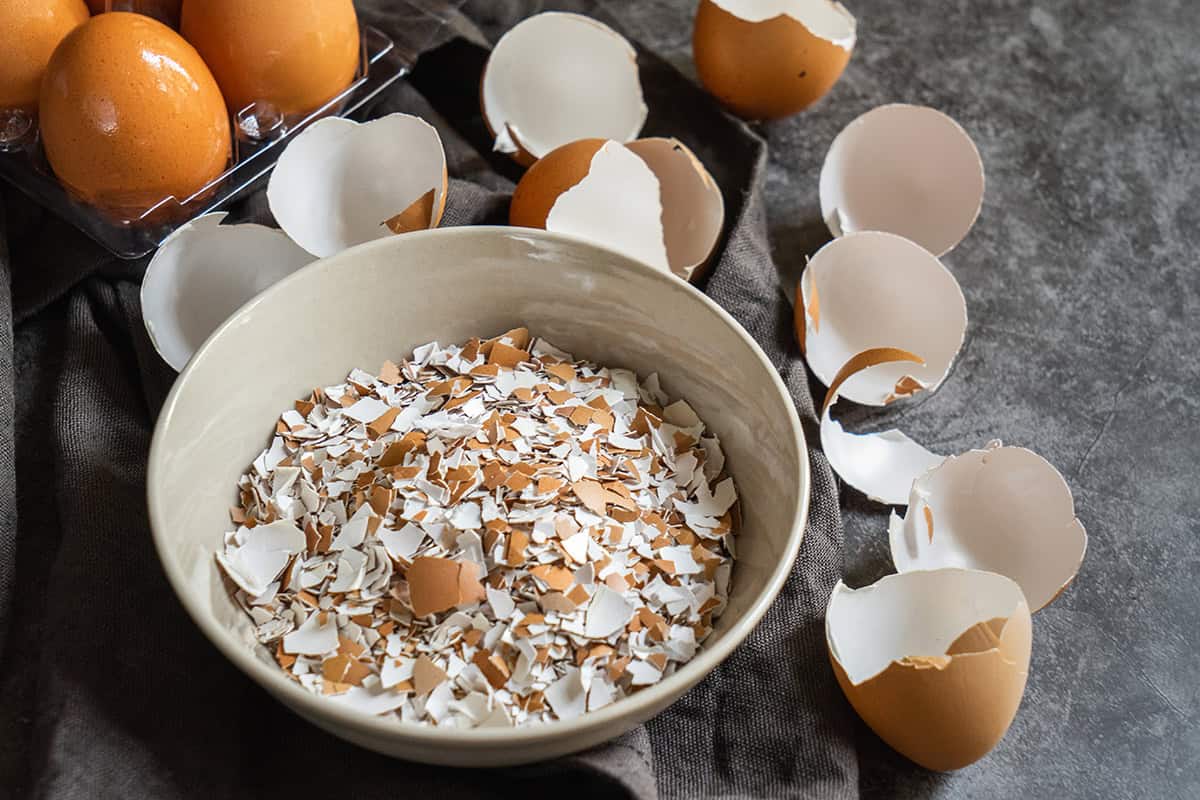
Eggshells are almost pure calcium carbonate, which strengthens plant cell walls. Whole shell pieces break down very slowly in a pot, so powder is the useful form.
Rinse the shells, dry them, and grind them to a fine powder in a blender or coffee grinder. Mix a teaspoon into the potting mix at repotting time, or scratch it into the topsoil every couple of months. Calcium deficiency is rare in houseplants, so a little goes a long way.
Aquarium Water
Water from a freshwater fish tank carries fish waste and nitrogen, plus traces of phosphorus and potassium. Use it in place of a regular watering once or twice a month when you clean the tank.
Use only freshwater tanks. Saltwater from a marine tank harms plants, and water from a tank recently dosed with fish medication is best poured away.
Used Tea Leaves Or Tea Bags
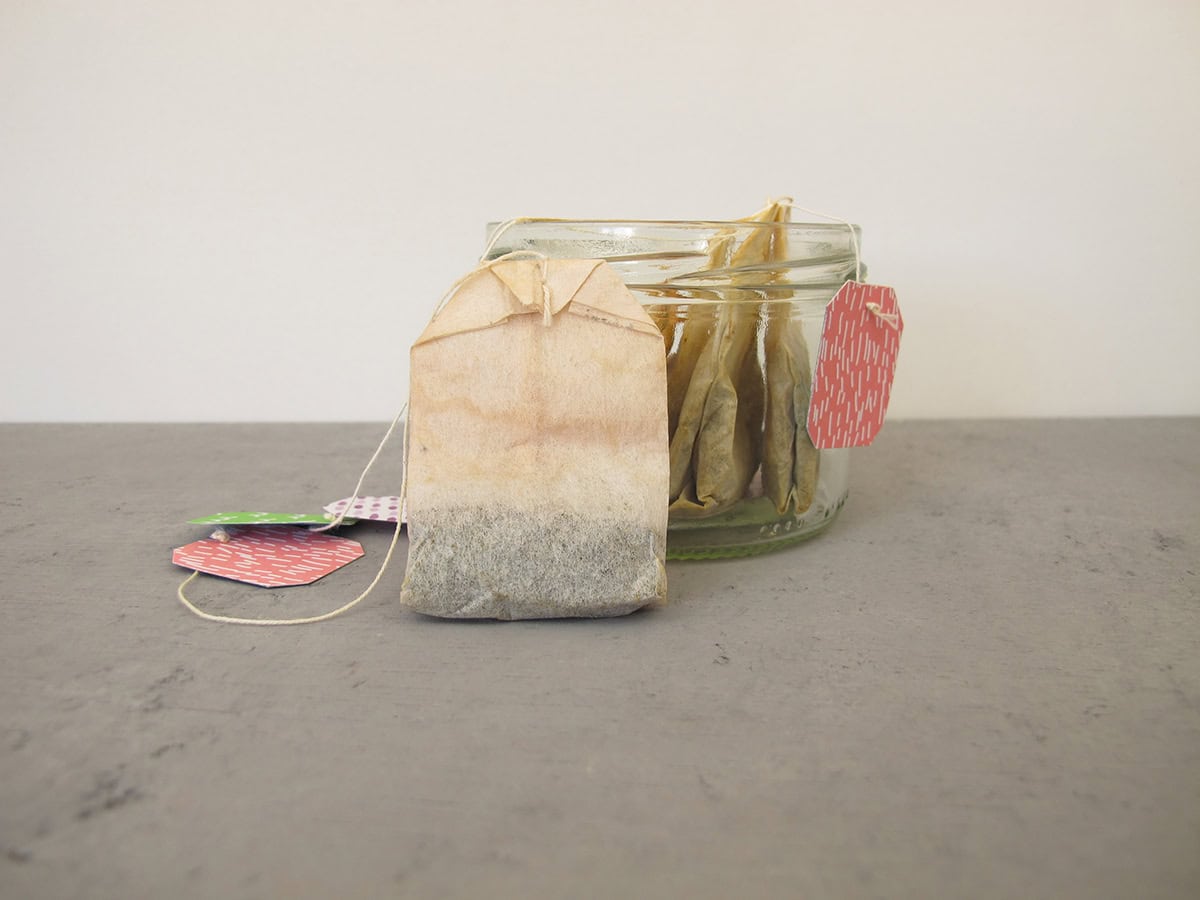
Used tea leaves add a mild dose of nitrogen and organic matter. Let them dry, then mix a spoonful into the topsoil.
Tear open the bags first, since many tea bags contain plastic mesh that never breaks down. A weak liquid feed is another option. Soak used leaves in water overnight, strain, and use the liquid for a normal watering once a month.
Epsom Salt Solution
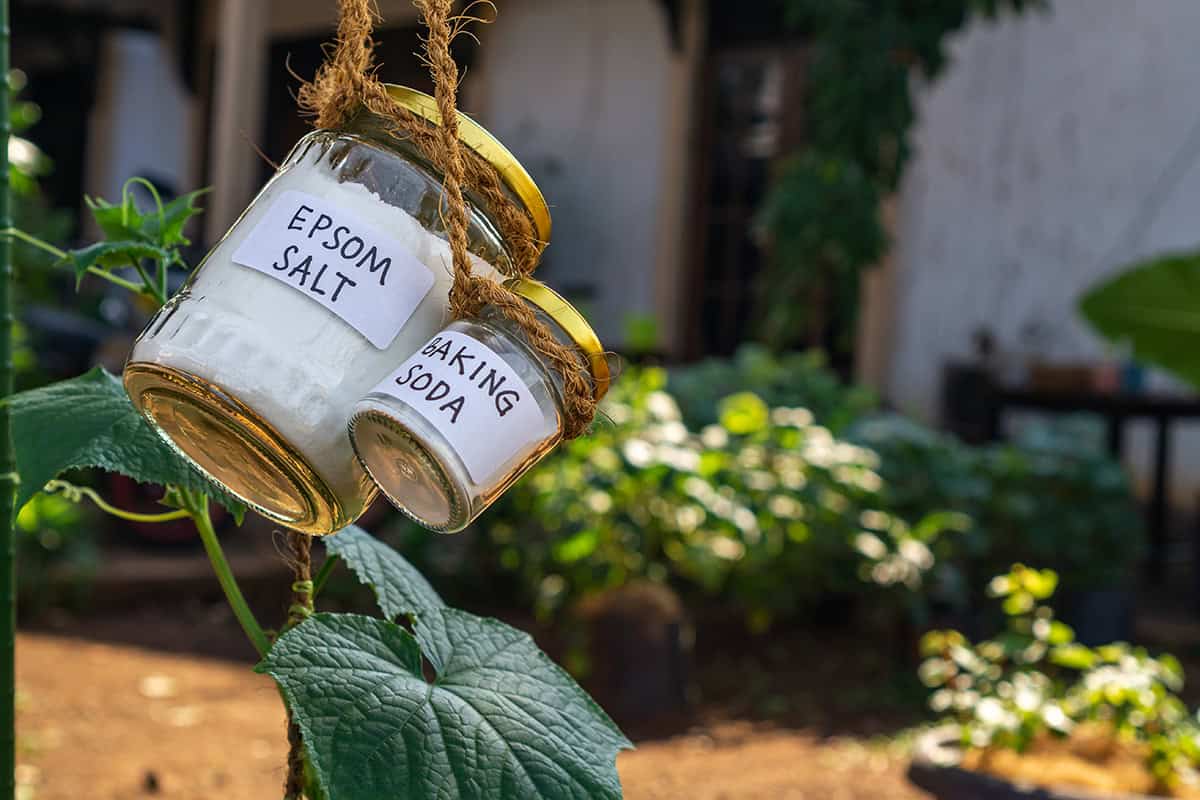
Epsom salt is magnesium sulfate. Magnesium helps plants produce chlorophyll, and a shortage shows as yellowing between the veins on older leaves.
Most potting mixes and complete fertilizers already supply enough magnesium, so use Epsom salt only for plants with these deficiency signs. Dissolve 1 teaspoon in a gallon of water and use it in place of a regular watering once a month. Extra Epsom salt builds up in the pot and adds to salt damage.
Cooking Water
Water used to boil or steam vegetables picks up small amounts of potassium, phosphorus and other minerals.
Use it only when it has cooled to room temperature and only from unsalted cooking. Salt damages roots, and starchy pasta or potato water attracts mold and gnats. Use it as an occasional watering, once every week or two at most.
Molasses Mixture
Unsulfured molasses contains sugars that feed soil microbes, along with potassium, calcium and iron.
Mix 1 tablespoon into a gallon of water and use it for a regular watering once a month. Use it sparingly indoors, since leftover sugar on the soil attracts gnats and mold.
Compost Tea
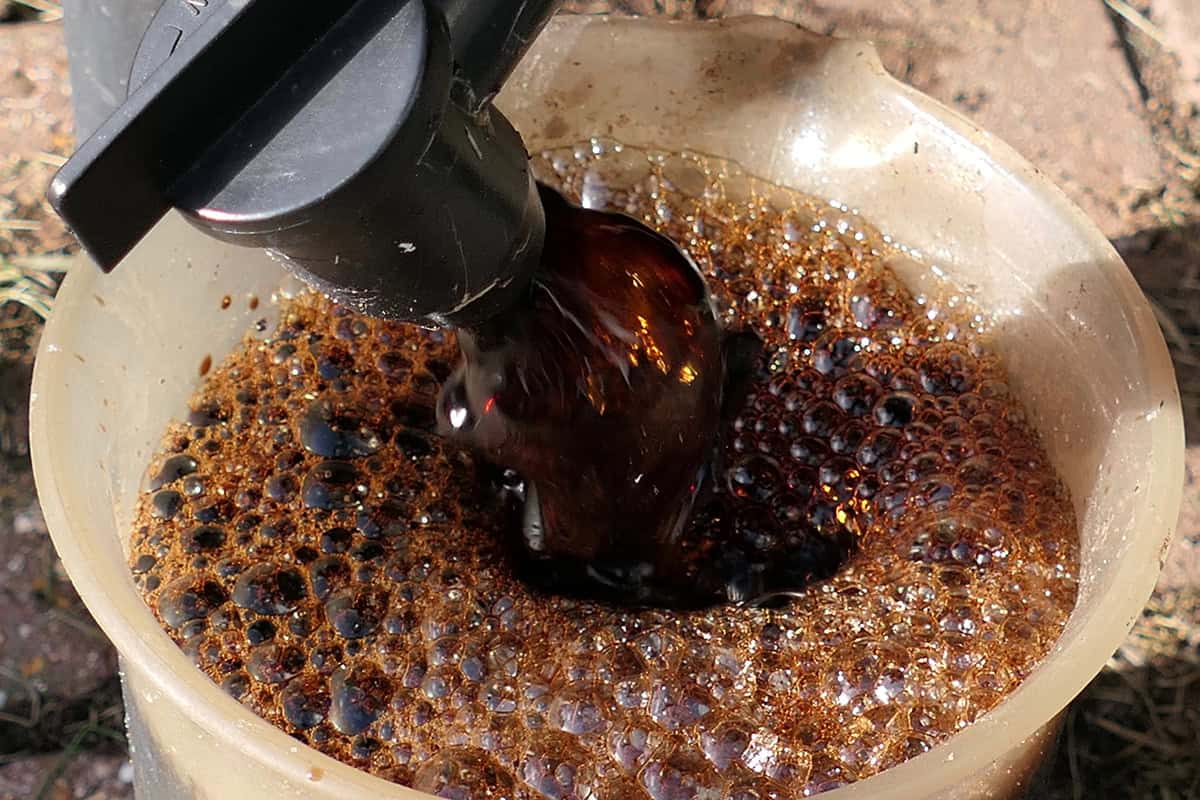
Compost tea is finished compost soaked in water and strained. It delivers a gentle mix of nutrients and beneficial microbes.
Fill a cloth bag or old pillowcase with about a cup of compost, soak it in a gallon of water for 24 to 36 hours, and stir it a few times. Strain it, dilute it until it looks like weak tea, and use it within a day. Water houseplants with it every two to four weeks during spring and summer. Use compost from a clean source, since a homemade heap with meat or manure is a poor choice for indoor plants.
Diluted Milk

Milk contains calcium and protein, but its real value for houseplants is as a leaf spray against powdery mildew.
Mix 1 part milk with 2 to 4 parts water and spray the leaves every week or two at the first sign of mildew. Pouring milk onto the soil leads to sour smells and mold, so use it only as a spray.