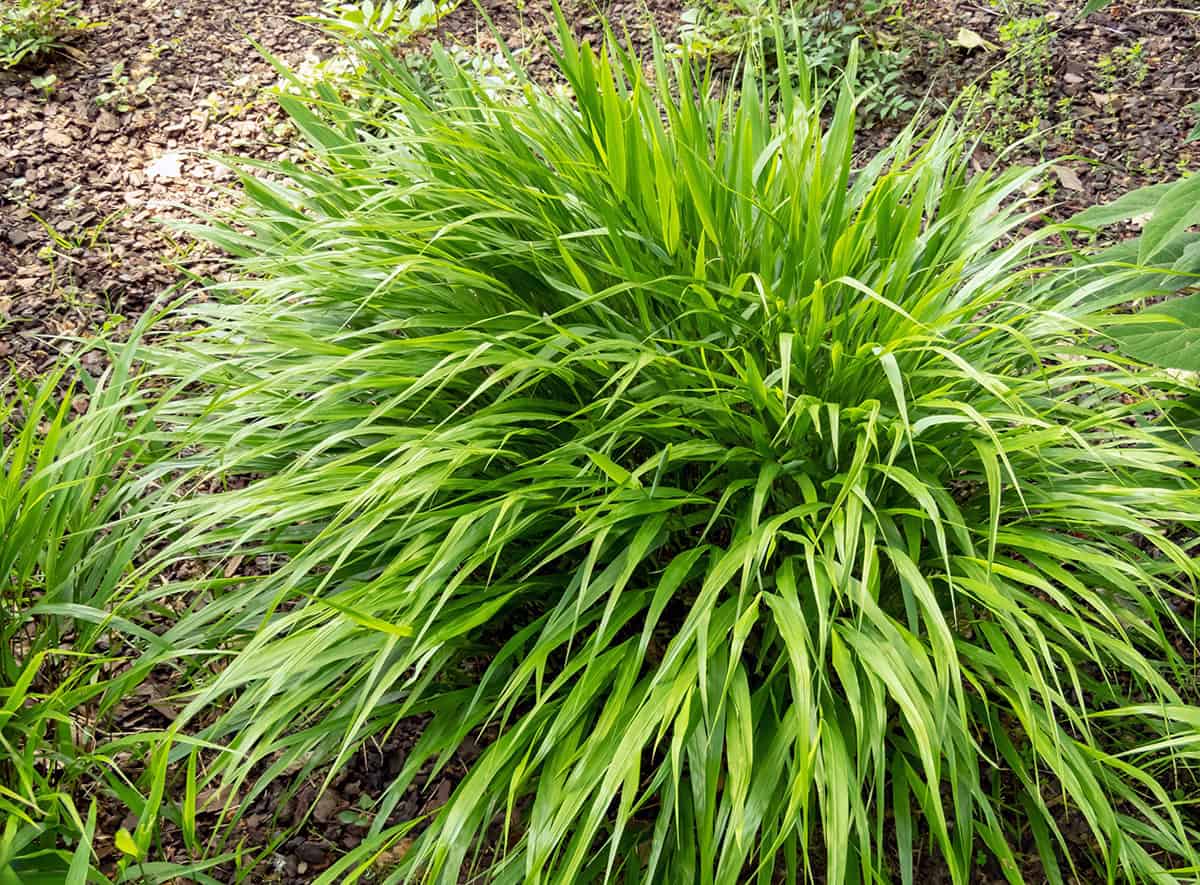
Japanese forest grass brings a gentle, almost feathery texture to those shadowy corners where most plants just seem to give up. Whether you’re tucking it along a path, letting it spill from a container, or weaving it through a woodland bed, its arching blades pile up in tidy, soft mounds that come back year after year, practically on autopilot.
Partial to full shade is the sweet spot, with soil that’s always moist but never soggy and loaded with organic matter. Cut everything back in early spring to keep that lush, arching look. This ornamental grass is happiest in humus-rich, well-drained ground and likes things cool—definitely shelter it from punishing afternoon rays. It doesn’t mind humidity, and deer usually leave it alone.
Below, you’ll get the lowdown on what it needs—light, water, soil, seasonal maintenance—so you can sidestep the usual headaches. There’s also some advice on dividing older clumps, picking standout varieties, and keeping that foliage looking sharp from one season to the next.
Table of Contents
Quick Care Summary
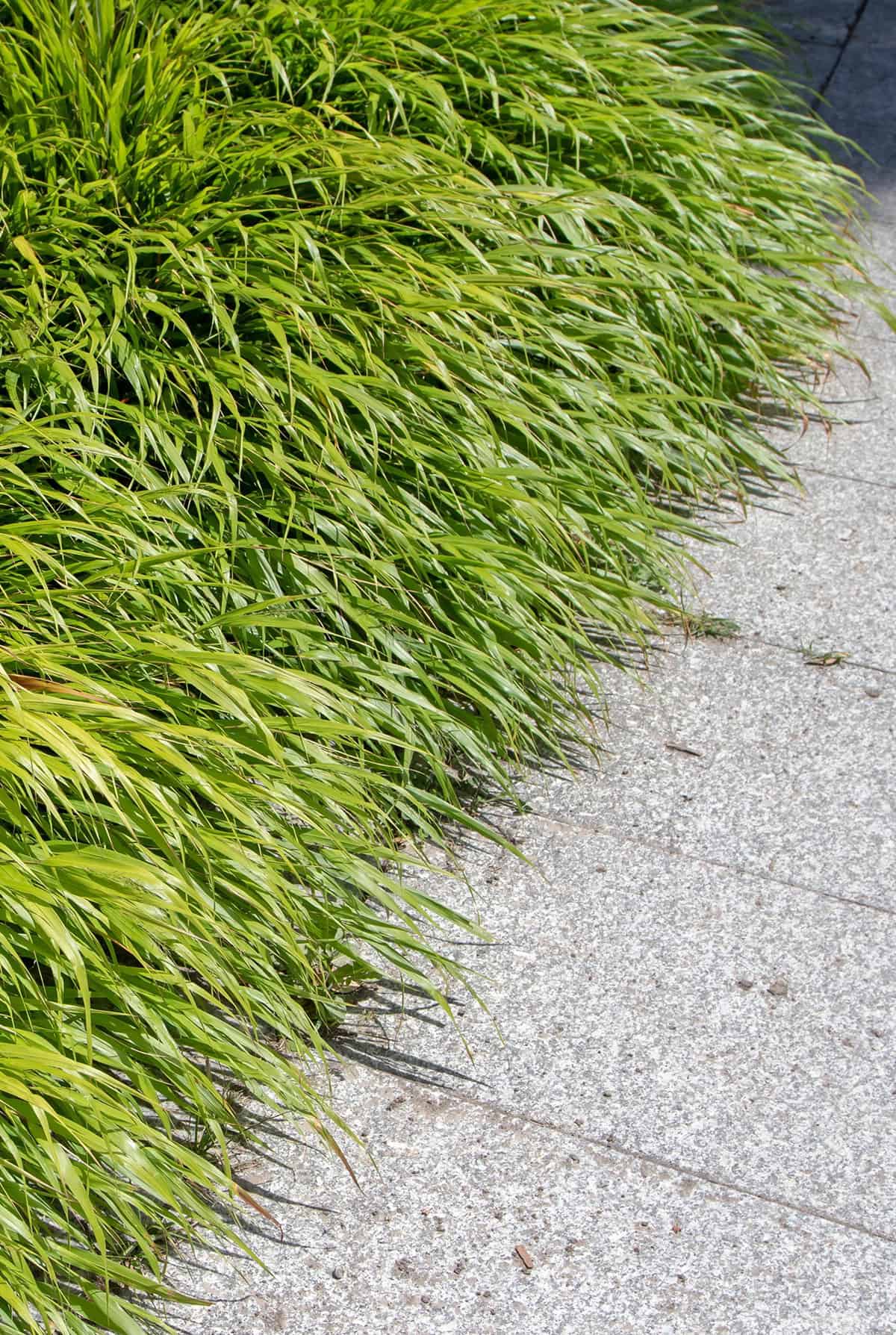
Low mounds, arching and graceful—Japanese forest grass doesn’t shout for attention, but it’s hard to ignore. It’s right at home as a ground cover in shade or as a soft accent in a pot. The foliage shifts from vibrant greens to golds, sometimes blushing red or copper in autumn.
Moisture is a must, and it wilts in strong afternoon sun. Growth is never aggressive, so it’s a great fit for tight spaces.
- Light: Partial to full shade; in cooler areas, a bit more sun is fine
- Soil: Moist, well-drained, rich in organics
- Watering: Keep soil evenly moist; avoid soggy roots
- Temperature: Hardy in USDA zones 5–9; shelter from extreme heat
- Humidity: Handles average garden humidity
- Fertilizer: Balanced, slow-release in spring
- Propagation: Divide in spring or early fall
- Botanical name: Hakonechloa macra
- Common names: Japanese forest grass, Hakone grass
- Plant type: Deciduous perennial ornamental grass
- Mature size: 12–24 inches tall, up to 24–36 inches wide (depends on variety)
- Growth rate: Slow to moderate
- Toxicity: Not considered toxic to pets or kids
- Native region: Mountainous parts of Japan
Plant Overview
A woodland mood sets the stage for Japanese forest grass. Those arching leaves sway in the lightest breeze, pooling into loose, low mounds that soften any edge—borders, containers, even rocky beds.
Shade isn’t a problem here; in fact, this grass seems to prefer the company of trees. Cool, moist soil keeps it happiest, and when autumn hits, expect a flush of copper or orange.
- Botanical name: Hakonechloa macra
- Common names: Japanese forest grass, Hakone grass
- Plant type: Herbaceous perennial ornamental grass
- Mature size: 12–24 inches tall, 18–36 inches wide
- Growth rate: Slow
- Toxicity: Not considered toxic to pets or children
- Native region: Mountainous Japan
Varieties range from gold to deep green, with some sporting pinstripes or bold chartreuse. Most spread gently by rhizomes, forming graceful clumps over time.
Quick Care Summary
- Light: Partial to full shade
- Soil: Moist, well-drained, rich in organic matter
- Watering: Even moisture
- Temperature: Favors cool to moderate climates
- Humidity: Tolerates average to high humidity
- Fertilizer: Light feeding in spring
- Propagation: Division in early spring
Light
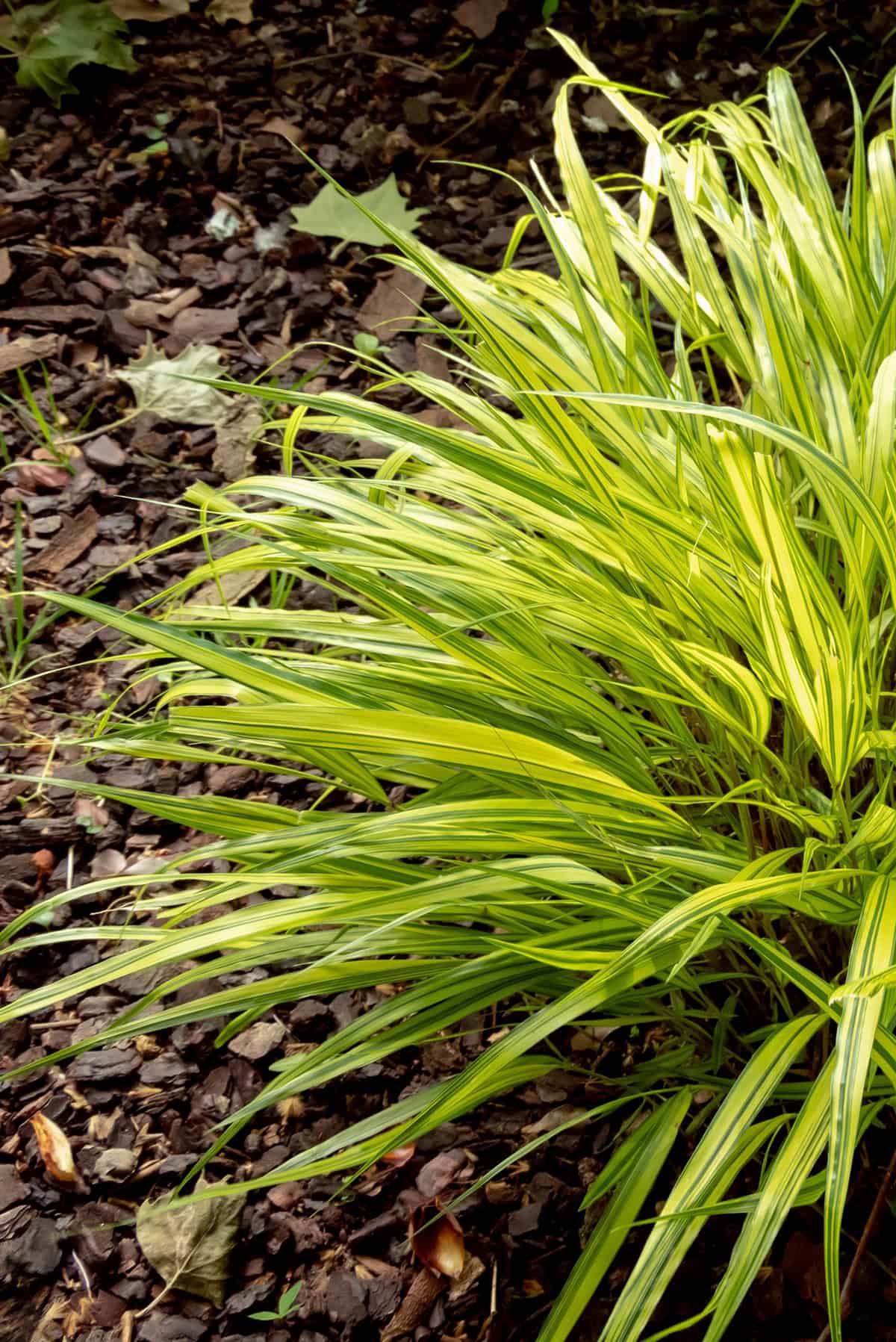
Filtered morning sun or dappled shade keeps the foliage lush and colors vivid. Toss it into harsh afternoon sun, and you’ll likely see scorched tips and faded hues, especially on variegated types. Too much direct light dries things out fast.
In chillier regions, a bit more sun isn’t the end of the world—just don’t overdo it. Four hours of direct sun is about the upper limit. Deep shade? Growth slows, and colors go a bit dull.
For indoor growers, a north or east window is your friend. Sheer curtains can take the edge off stronger light. Every now and then, give the pot a quarter turn to keep things growing evenly. If the leaves start looking stressed, that’s your cue to adjust the light.
Water
Healthy clumps really depend on steady moisture. Wait until the top inch of soil feels just barely dry before watering. Letting it dry out completely? That’s a recipe for crispy leaf tips and limp plants.
Young grass especially needs attention its first year—water once or twice a week, depending on weather. Once established, it can handle brief dry spells, but honestly, it looks its best in consistently damp soil. Hotter climates mean checking soil moisture more often.
Drainage is critical. Soggy ground will rot the roots. Pick soil that holds moisture but doesn’t stay wet. Mulch helps lock in moisture and keeps roots cool when things heat up.
Soil
Loamy, rich soil gives you the best growth and color. Heavy clay is a headache—roots struggle, and the plant just sits there. Before planting, work in compost or leaf mold; this boosts drainage and moisture retention at the same time.
A slightly acidic to neutral pH (6.0 to 7.0) is ideal. Most garden soils are in the ballpark, but a quick soil test can’t hurt.
What matters most is moisture. Dry, sandy soils need serious amending, or the grass will sulk. Avoid spots where water pools after rain—roots need air as much as water.
Container growers should use a quality potting mix with compost and make sure pots drain well. Every couple of years, swap out the soil to keep things fresh.
Temperature & Humidity
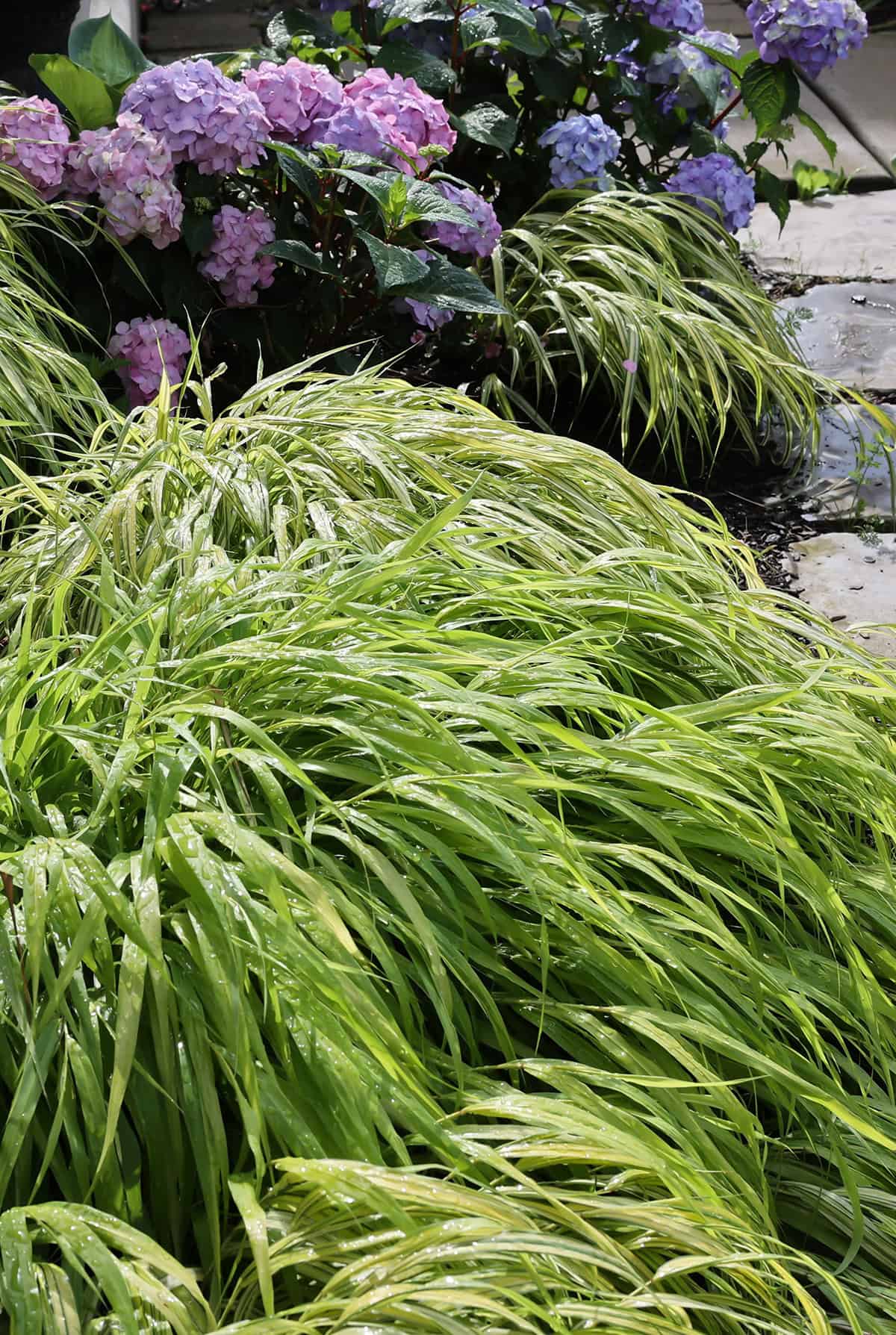
Cool, moderate days—think 60°F to 75°F—bring out the best in Japanese forest grass. When nights stay cool, colors deepen and clumps stay dense.
Cold isn’t a problem in zones 5–9; the foliage will die back with frost, but roots hang on as long as drainage is good. Mulch helps in the coldest spots.
Heat’s a challenge, especially if it’s also dry. Extended temps above 85°F tend to scorch leaves and wash out color. Deep shade and regular watering help take the edge off during heat waves.
Humidity is actually a plus. This grass hails from moist Japanese woodlands and likes the air a bit damp. Dry, hot winds can brown the tips, so mulch and steady water are your best defenses.
Fertilizer
Honestly, this isn’t a heavy feeder. If your soil’s rich, you might not need to fertilize at all. Overdoing it makes blades floppy and ruins the plant’s natural shape.
A light dose of balanced, slow-release fertilizer (10-10-10 or 14-14-14) in early spring is enough. Go easy—half the usual rate. Scatter it around the base, not right on the crown.
Container-grown plants lose nutrients faster, so a diluted liquid feed in late spring and midsummer helps. Always water after feeding to prevent root burn. Skip late-season fertilizer; it just pushes out weak growth that won’t last.
Potting & Repotting
Containers suit Japanese forest grass just fine, as long as the basics are covered: steady moisture, partial shade, and a pot that drains well. Choose something a bit wider than the root ball so the plant has room to spread.
A rich, well-drained potting mix with compost keeps roots happy. Heavy garden soil is a no-go in pots—it compacts and suffocates the roots.
Water when the top inch dries out. Pots dry faster than garden beds, especially in summer. Letting the soil go bone dry stresses the plant and browns the leaves.
Every two or three years, or when roots start circling the pot, it’s time to repot. Either size up or divide the clump and refresh the soil. Early spring is the best window—trim back old leaves, water well, and keep it in the shade until it settles in again.
Pruning
Maintenance is easy—just one big cutback a year. Late winter or early spring, before new shoots poke up, trim everything down to about 3–4 inches. This clears out dead blades and lets new growth shine.
Sharp, clean shears make the job quick. If you spot brown or battered leaves during the season, snip them off. Leave the foliage standing through winter; it protects the crown and adds a bit of winter interest.
Older, crowded clumps can be divided every few years. Dig up the plant in early spring, slice into smaller pieces with good roots, and replant at the same depth. Give them a good soak afterward.
Propagation
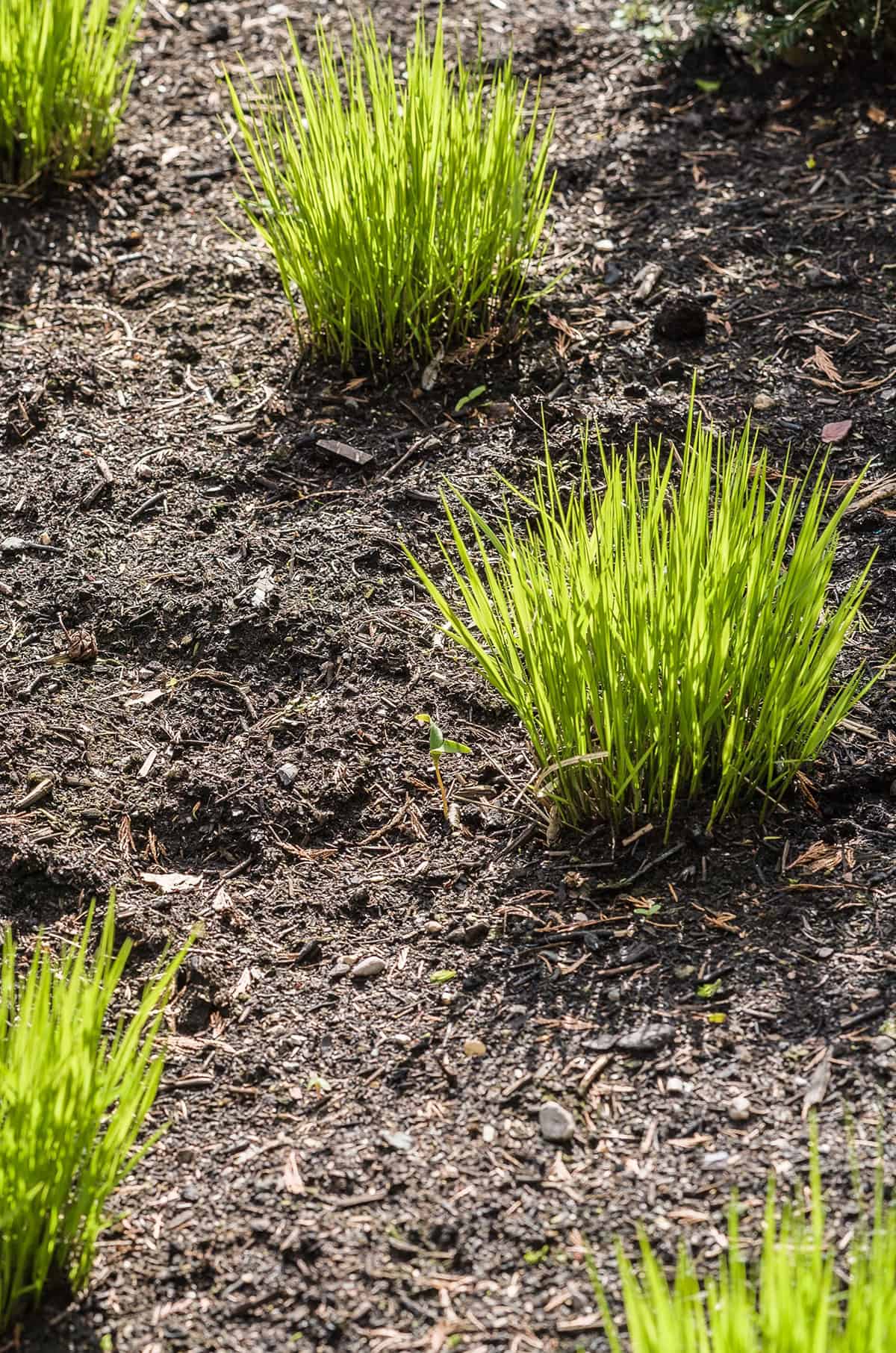
Division is the way to go for new plants that look just like the parent. Seeds don’t come true and are honestly not worth the trouble.
Early spring is prime time for dividing, just before growth kicks in. In milder climates, early fall works too. Dig up the clump, then break it into smaller chunks—each with several shoots and healthy roots.
Replant divisions at the same depth and give them space (18–24 inches apart). Keep the soil moist while new roots get established.
This grass grows slowly, so you won’t need to divide often. Every three to five years is plenty, and it helps rejuvenate older clumps.
Common Problems
Serious pests and diseases rarely bother Japanese forest grass. Most troubles come down to light, water, or weather.
Crispy brown tips and faded leaves? That’s usually sun scorch, especially on variegated types like ‘Aureola.’ Shift the plant into deeper shade and keep moisture steady to stop the damage.
Wilting and spindly growth often mean the soil’s too dry. Deep watering and a layer of mulch help keep things on track.
Yellowing, collapsing leaves can signal root rot from soggy soil. Improve drainage and avoid planting in low, wet spots.
Growth can be slow at first—this grass isn’t in a hurry. With good spacing and patience, clumps will thicken over time.
In colder areas, foliage browns out after frost. Just wait for early spring to cut it back and let the new shoots take over.
Deer usually ignore mature plants, though young shoots might get nibbled. If browsing is a problem, simple fencing can help protect new growth.
Varieties
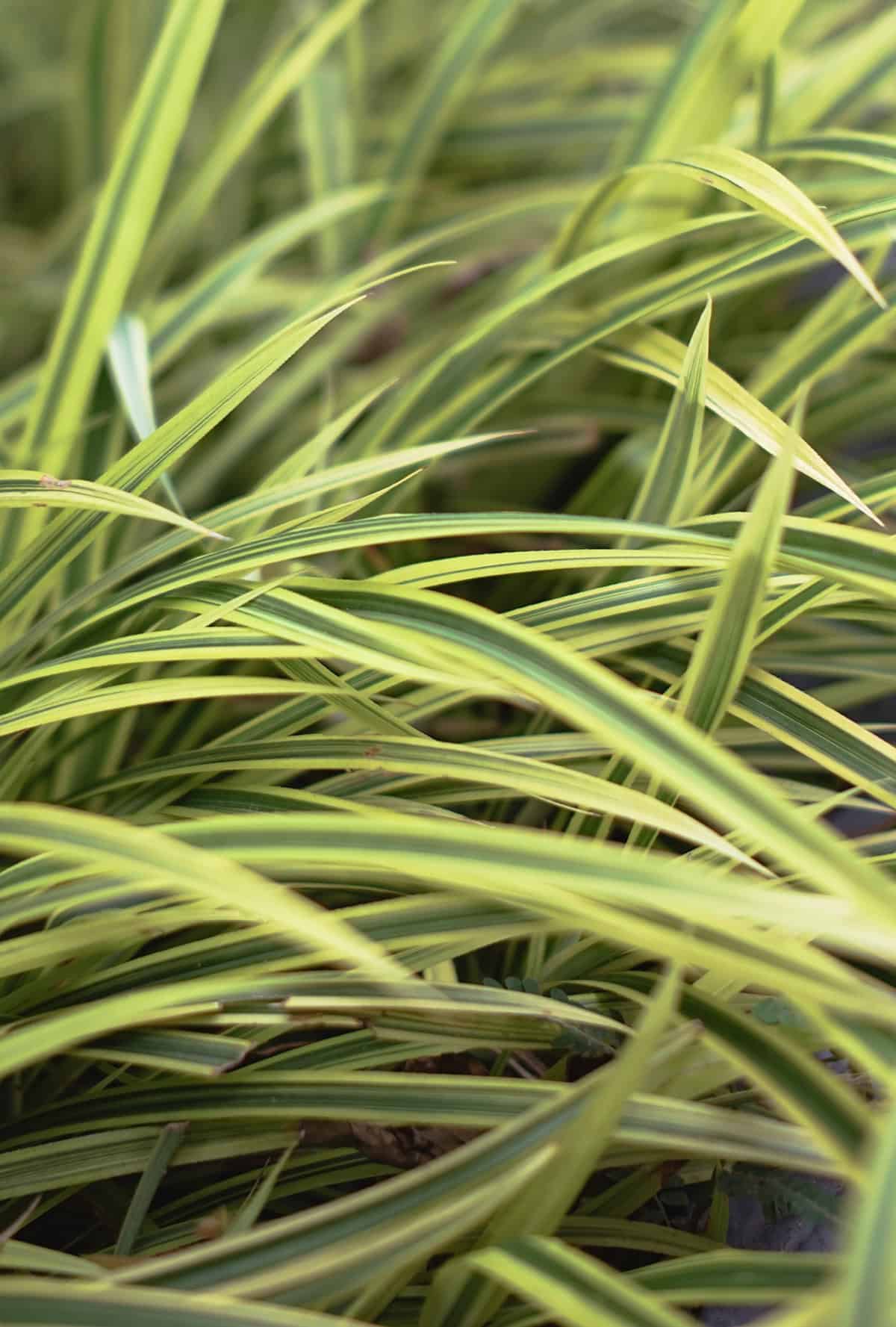
Among the available cultivars, you’ll find a surprising mix of shades and forms—some subtle, some lively. All share that signature, easygoing arch, but the foliage can really change the mood of a space. Growth tends to be unhurried, with most settling into low, relaxed mounds.
Green and gold streaks catch the eye on ‘Aureola’. In deep shade, the leaves seem to glow, and by autumn, they might pick up a bit of copper. At full size, expect a tuft about 18 to 24 inches tall, gradually spreading out to three feet if left alone.
With ‘All Gold’, it’s all about that solid chartreuse look—sometimes veering right into gold, especially when the light’s just right and the soil stays damp. This one doesn’t get too big, so it’s perfect for containers or tucking into smaller corners.
Yellow stripes run boldly through green blades on ‘Stripe It Rich’. Once the weather cools, you might notice the edges tinged with red or pink. It seems to shrug off heat and humidity, which can be a real plus in muggy gardens.
Creamy white mingles with green in ‘Samurai’, and the clumps lean gracefully, never stiff. Woodland settings suit it best, especially where the soil’s rich and moisture is reliable.
The straight species, Hakonechloa macra, goes for a fresh, bright green—nothing flashy, but come fall, a soft red blush sneaks in. It’s understated and calming, making a gentle companion for hostas and ferns, or even as a quiet ground cover along shaded borders.