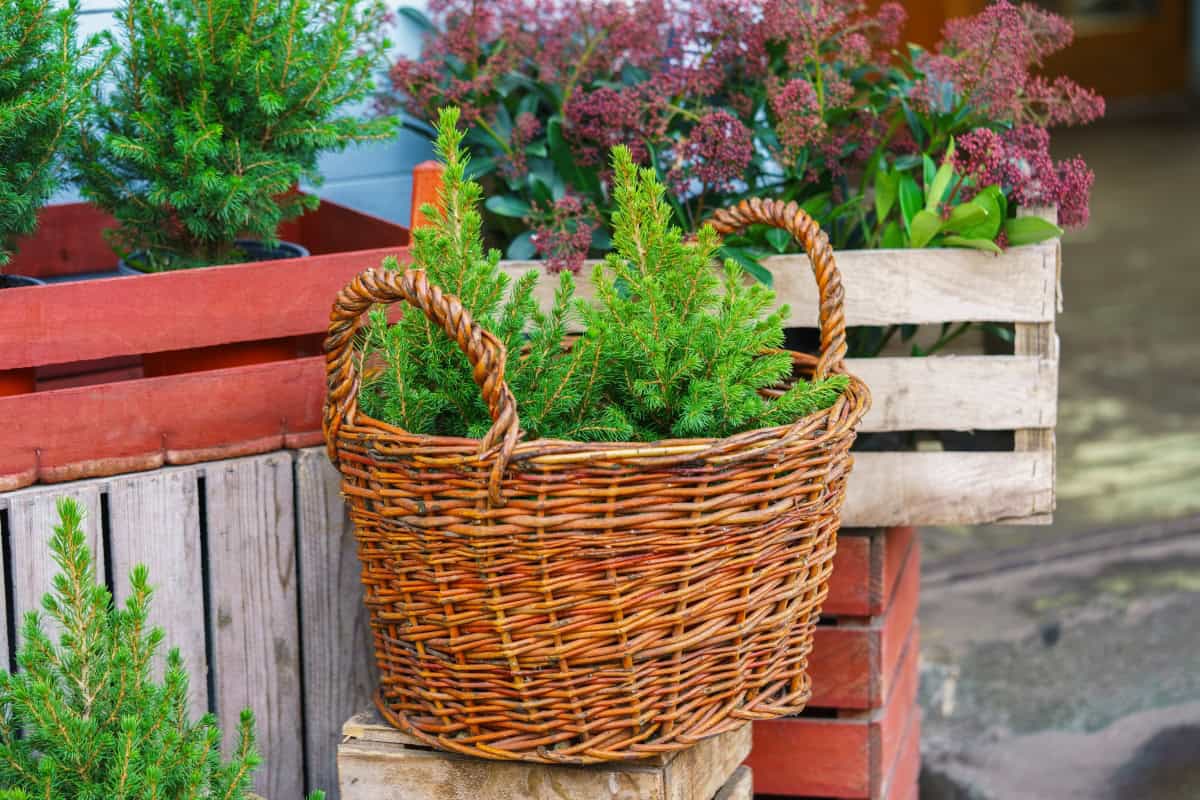
Evergreen foliage gives winter containers their shape long after flowers have faded. Dwarf Alberta spruce, mugo pine, boxwood, and wintergreen provide lasting greenery at distinct heights. Cut branches widen the palette, though living plants need drainage and protection from drying winds. The most interesting arrangements account for what happens after the first hard freeze, not just how the pot looks on planting day.
Table of Contents
- Dwarf Alberta Spruce (Picea glauca ‘Conica’)
- Colorado Blue Spruce (Picea pungens)
- Norway Spruce (Picea abies)
- White Pine (Pinus strobus)
- Mugo Pine (Pinus mugo)
- Scots Pine (Pinus sylvestris)
- Balsam Fir (Abies balsamea)
- Fraser Fir (Abies fraseri)
- Douglas Fir (Pseudotsuga menziesii)
- Eastern Red Cedar (Juniperus virginiana)
- Western Red Cedar (Thuja plicata)
- Arborvitae (Thuja occidentalis)
- Blue Star Juniper (Juniperus squamata ‘Blue Star’)
- Creeping Juniper (Juniperus horizontalis)
- Hinoki Cypress (Chamaecyparis obtusa)
- False Cypress (Chamaecyparis pisifera)
- Leyland Cypress (× Cuprocyparis leylandii)
- Boxwood (Buxus spp.)
- Inkberry Holly (Ilex glabra)
- American Holly (Ilex opaca)
- English Holly (Ilex aquifolium)
- Magnolia Greenery (Magnolia grandiflora)
- Eucalyptus (Eucalyptus spp.)
- Oregon Grape (Mahonia aquifolium)
- Wintergreen (Gaultheria procumbens)
Dwarf Alberta Spruce (Picea glauca ‘Conica’)
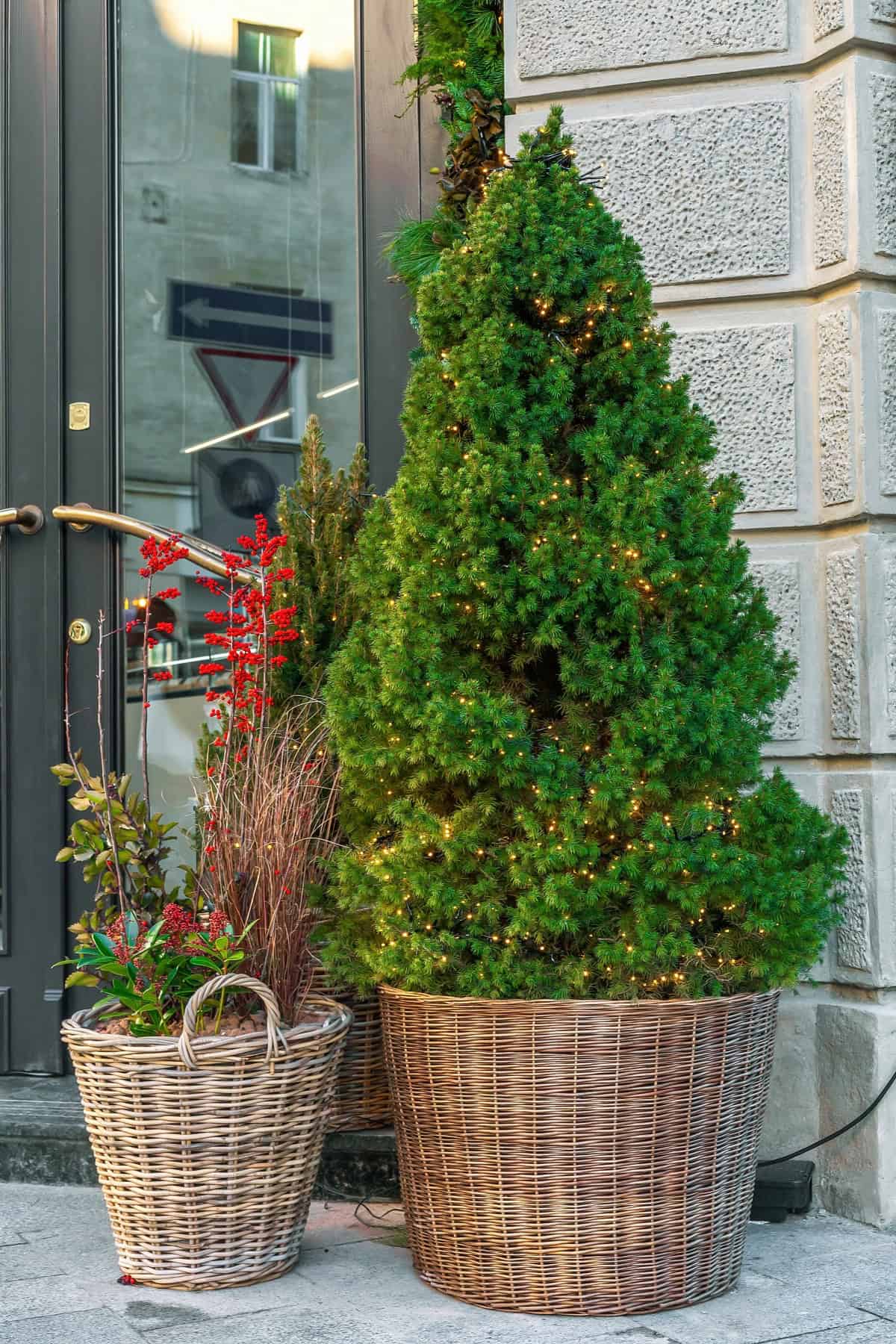
For a narrow container beside a doorway, the dense cone of a dwarf Alberta spruce provides height without spreading into the walkway. Its short needles hold a crisp outline, even under a light dusting of snow. A compact nursery plant also leaves room around its base for low greenery.
Winter sun and wind dry this spruce quickly, especially once its potting mix freezes. Place the container in a sheltered position and water during thawed spells when the mix is dry. After winter, the tree needs space in the landscape as it grows.
Colorado Blue Spruce (Picea pungens)
Silvery-blue needles give Colorado blue spruce a cool, vivid presence in a winter pot. A young tree stands out against dark siding or red brick, and its stiff branches retain a clear pyramidal shape. Needle color varies by specimen, making the actual nursery plant worth inspecting.
Choose a compact cultivar if the spruce will remain in its container beyond one season. Its roots need a generous pot with drainage; wet, compacted mix is a poor match. Sharp needles also make a location away from narrow paths prudent.
Norway Spruce (Picea abies)
A loose, woodland outline is the appeal of a young Norway spruce. Its deep green needles and slightly drooping branchlets give a large container a less formal profile than a tightly clipped evergreen. The tree grows substantially in the ground, which makes its time in a decorative pot limited.
Keep its root ball insulated during severe freezes, particularly in an exposed planter. Cut Norway spruce branches are another option for a seasonal display: insert their woody ends firmly into moist potting mix and replace them as needles begin to drop.
White Pine (Pinus strobus)
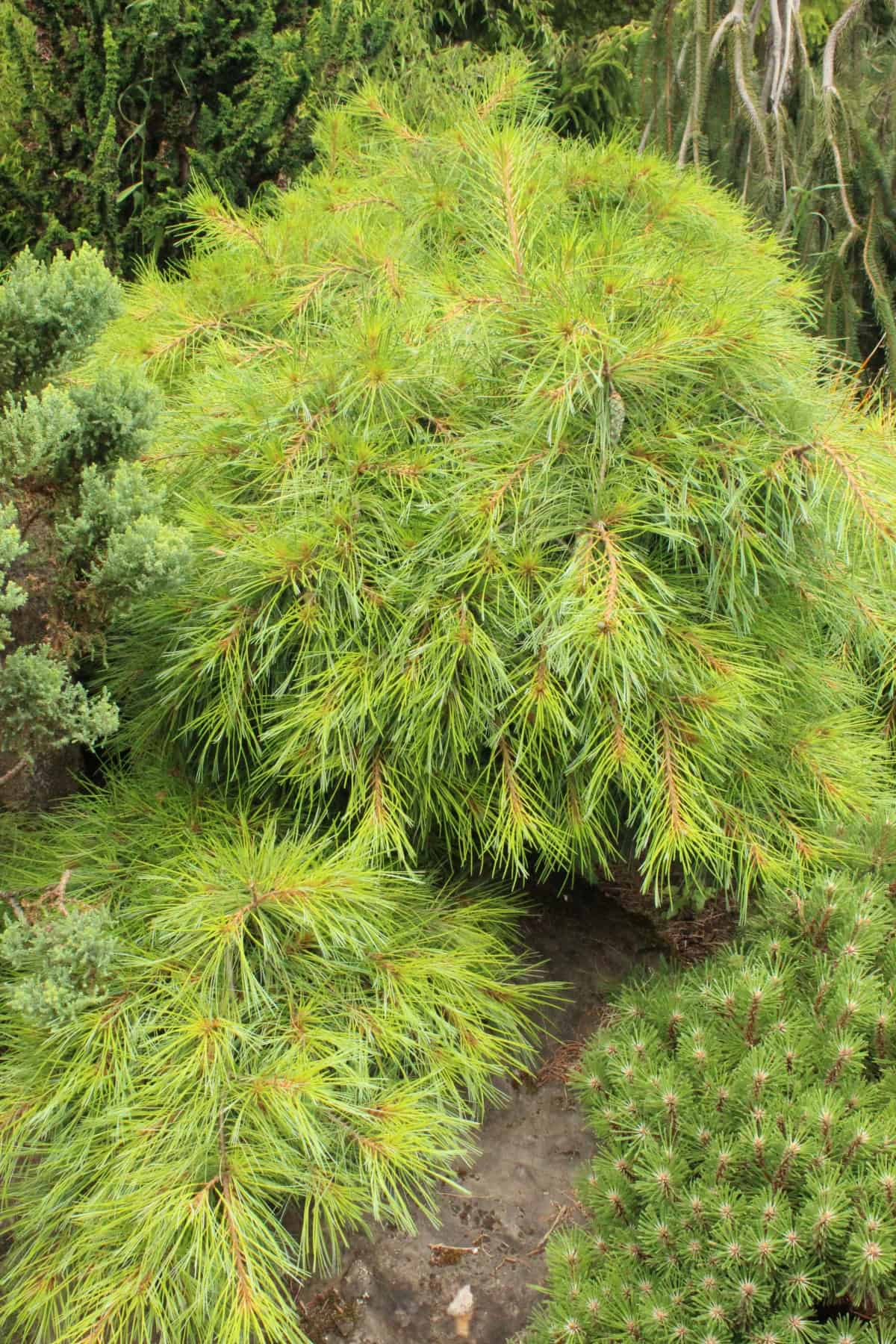
Long, flexible needles lend white pine a soft silhouette that spills beyond the rigid edge of a container. The needles grow in bundles of five, giving the branches an airy look even when several stems are grouped together. Cut boughs are particularly useful around a taller central evergreen.
A living white pine needs a large, well-drained pot and ample room above it. Its eventual size makes permanent container culture impractical for most entries. Keep cut branches out of strong afternoon sun to slow drying and needle loss.
Mugo Pine (Pinus mugo)
Low, rounded growth makes mugo pine a substantial centerpiece for a wide winter planter. Its short, dark needles hold their shape through snow and give smaller pots a full appearance without a tall trunk. Nursery labels matter here: named dwarf cultivars stay compact far longer than the species.
Set the root ball at the same depth it occupied in its nursery pot. Drainage is essential, especially where winter rain repeatedly saturates the mix. A mulch layer helps buffer the shallow roots against abrupt temperature swings.
Scots Pine (Pinus sylvestris)
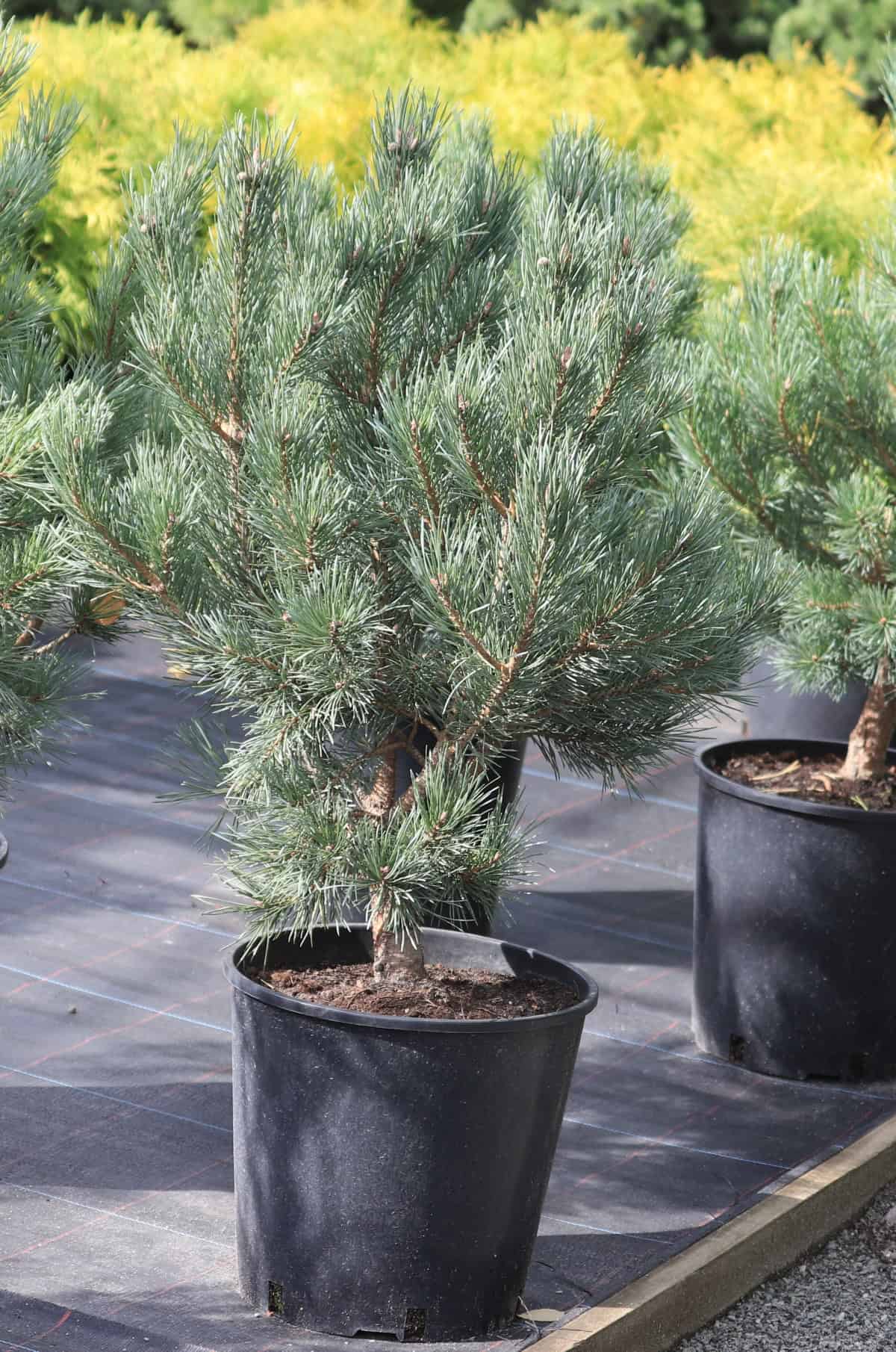
Orange-brown bark supplies an extra winter detail on a young Scots pine with an open branch structure. Its paired needles have a blue-green cast, and the irregular outline lends itself to a large, informal container. For a short-lived display, cut branches show off the bark particularly well.
A living specimen eventually outgrows even a generous planter. Give it full sun and freely draining mix during its container stay. Where Scots pine is identified as invasive locally, use purchased cut greens or select another pine for planting.
Balsam Fir (Abies balsamea)
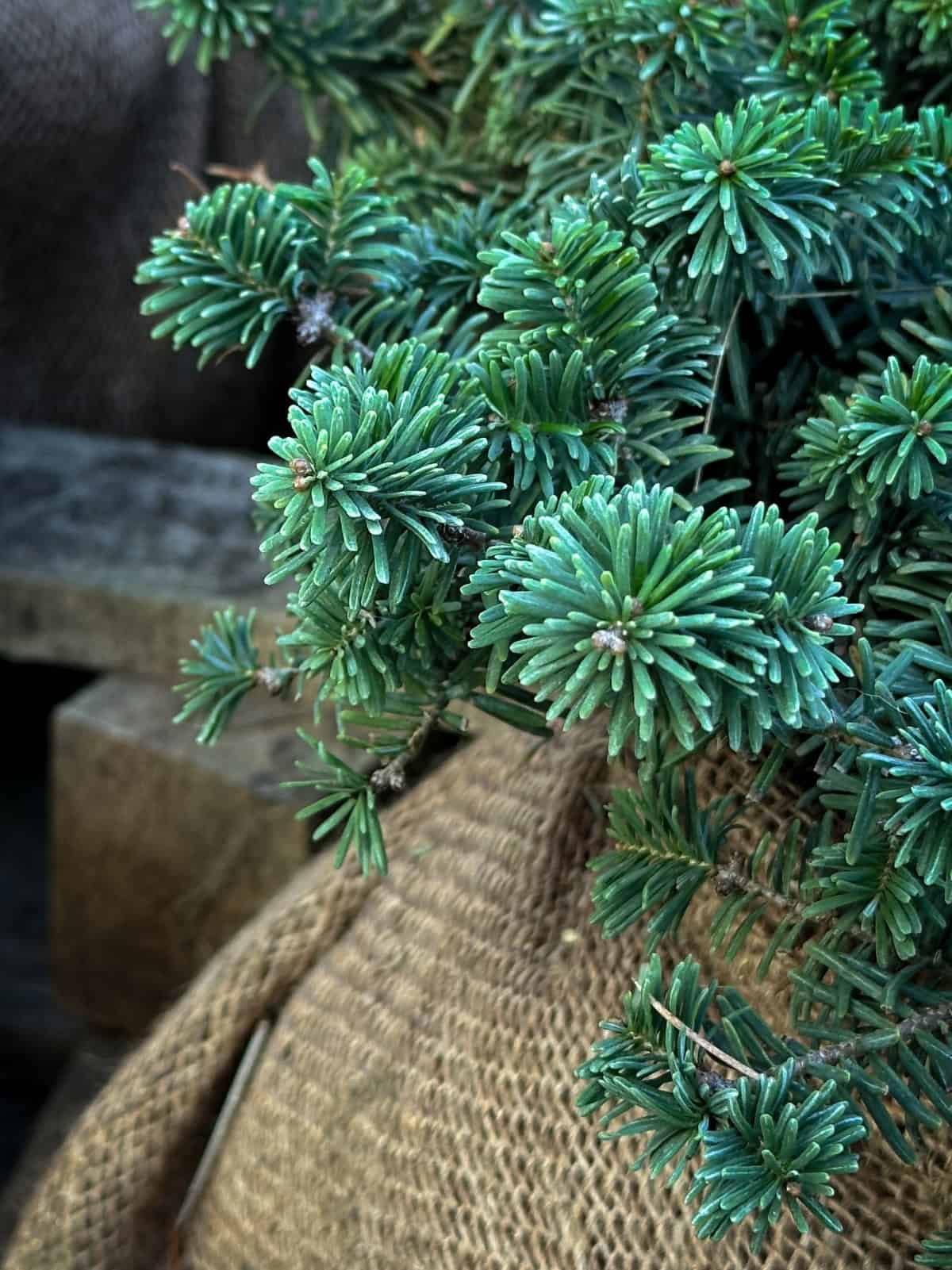
Near an entry, balsam fir’s resinous scent is as distinctive as its dark green needles. Flat, relatively soft foliage gives cut boughs a full appearance around taller branches or a bare-stemmed centerpiece. Fresh stems hold up best in a cool, sheltered spot.
Living balsam fir prefers cool conditions and consistently moist, well-drained soil. In a container, check the mix during winter thaws; an exposed root ball dries despite cold air. This fir is best matched to regions where its climate needs are met after the holiday display ends.
Fraser Fir (Abies fraseri)
The upturned branches of Fraser fir reveal pale undersides beneath glossy green needles. That two-sided color is visible in a container even without ornaments, particularly where branches extend over the rim. Cut stems also retain their needles well when kept cool.
A living Fraser fir has narrower climate preferences than many common container evergreens. It favors cool temperatures and well-drained, acidic soil, and its roots need protection in a pot during deep freezes. For a seasonal arrangement, fresh-cut branches avoid the question of where a growing tree will go in spring.
Douglas Fir (Pseudotsuga menziesii)
Full branches and soft needles give Douglas fir a familiar evergreen outline in a winter container. Cut boughs fill gaps around upright stems, and their flexible tips extend naturally beyond the pot. Freshness matters: needles should bend without falling in a shower when a branch is handled.
Though sold among holiday firs, Douglas fir belongs to a different botanical genus. A living tree requires substantial root space and grows quickly once established. In a small seasonal planter, cut greenery is the more manageable form.
Eastern Red Cedar (Juniperus virginiana)
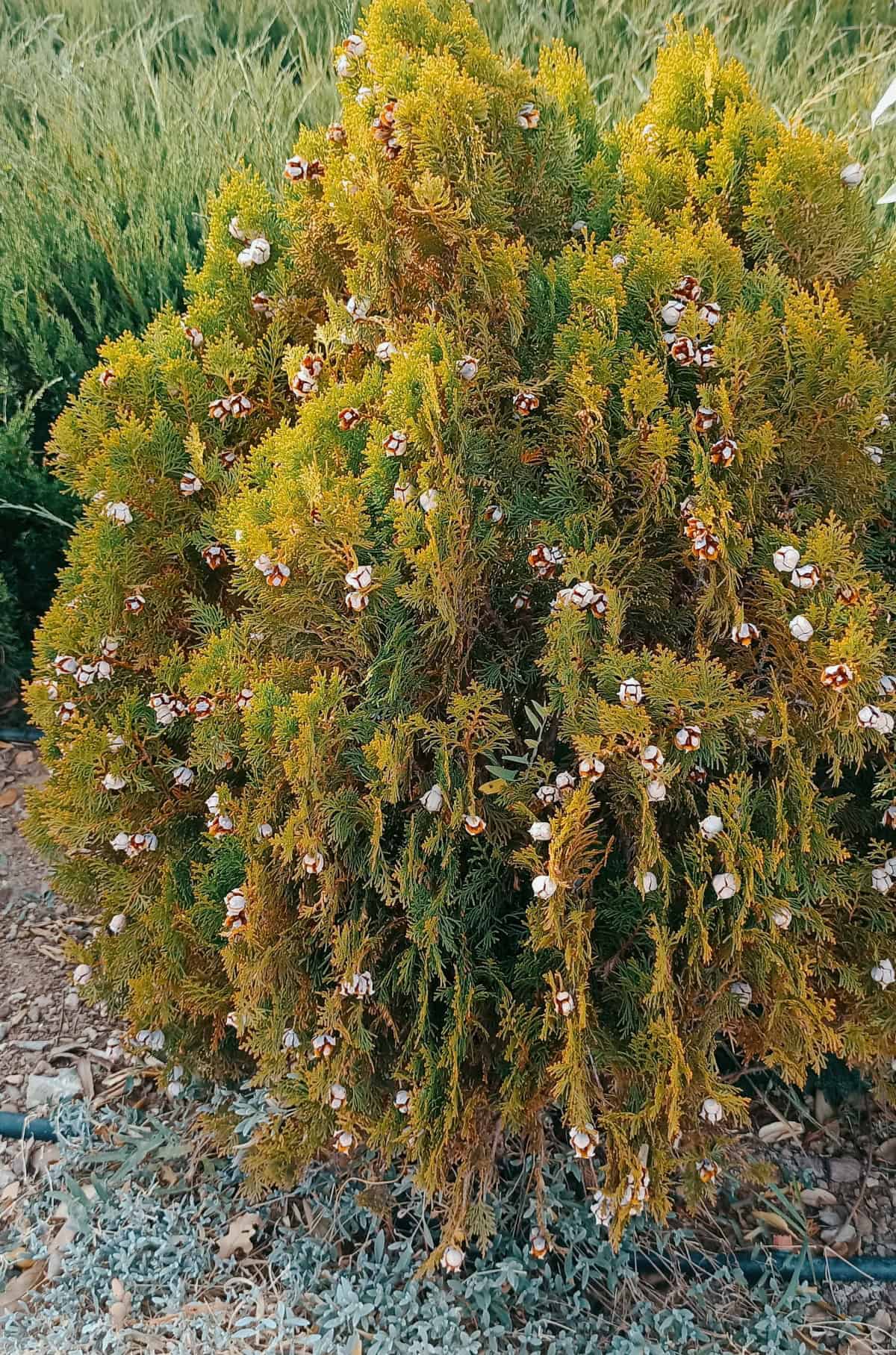
Blue, berry-like cones stand out against the scale-like foliage of female Eastern red cedars. Their branches introduce a fine, irregular outline that contrasts with broadleaf greenery in a winter display. Cone production depends on the plant’s sex and growing conditions, so inspect the branches if that detail is important.
Eastern red cedar tolerates exposed sites once established, but a container leaves its roots vulnerable to temperature swings. Use a draining pot and keep the mix from remaining saturated. Its foliage may develop a bronze cast in cold weather.
Western Red Cedar (Thuja plicata)
Flat, lacy sprays make Western red cedar valuable near the rim of a large container, where their tips drape over the edge. The foliage reads as broad panels of green rather than individual needles. Cut sprays are especially effective when inserted at alternating angles.
A living Western red cedar needs steady moisture and ample space as it matures. It is a substantial tree, not a long-term resident for a porch pot. In dry winter conditions, sheltered placement helps cut foliage retain its color.
Arborvitae (Thuja occidentalis)
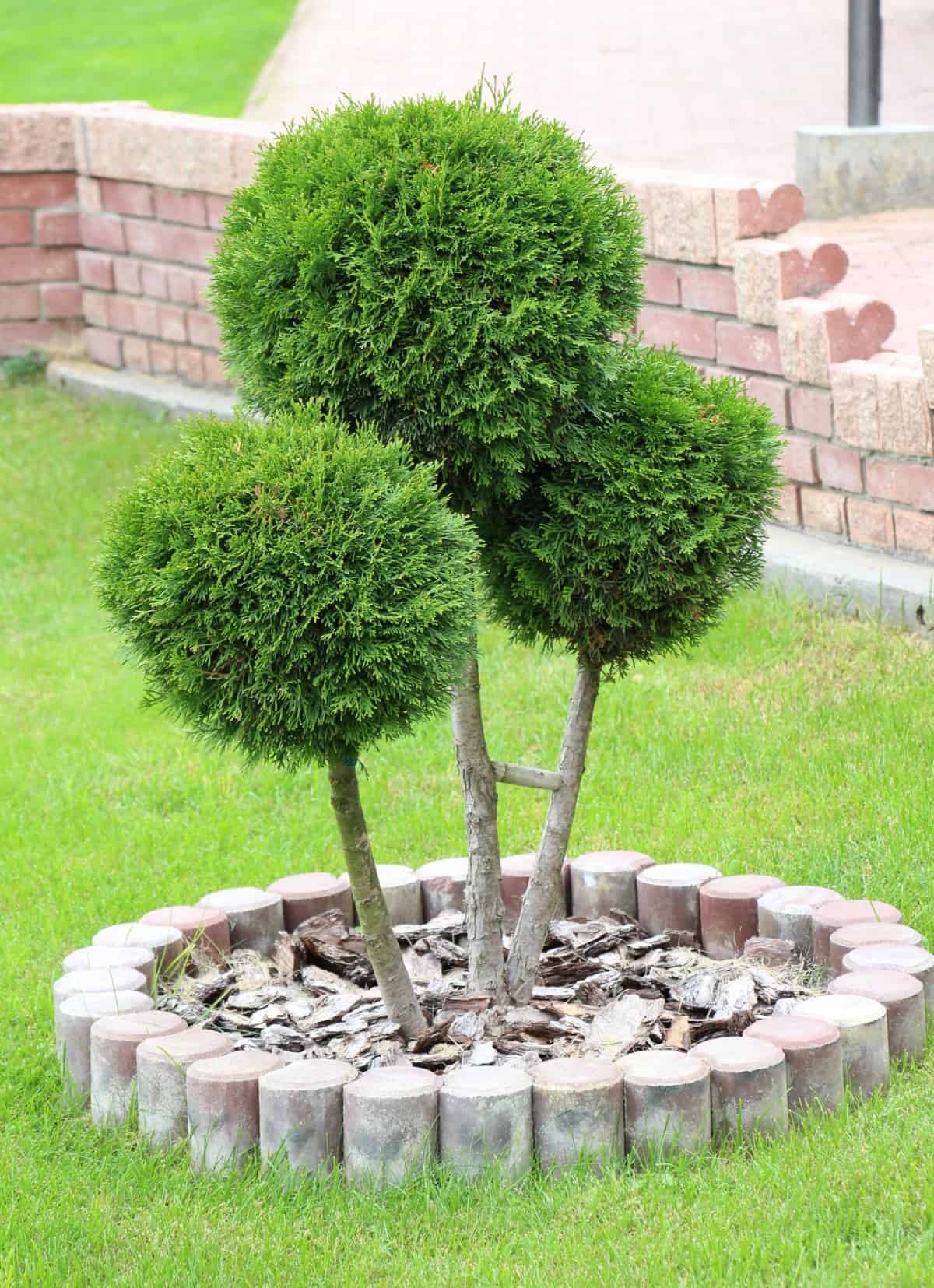
A slim arborvitae gives a pair of entry planters a strong vertical line. Its flattened foliage forms a dense column, and compact cultivars maintain that shape with limited pruning. Check the cultivar’s mature dimensions before treating a nursery plant as a permanent container specimen.
Winter damage commonly appears on the side exposed to sun and wind. A sheltered site and watering before the ground freezes reduce moisture stress. In colder regions, insulating the pot protects roots that would have greater cover in the ground.
Blue Star Juniper (Juniperus squamata ‘Blue Star’)
Blue Star juniper forms a small, rounded mound of steely blue foliage near the front of a pot. Its compact shape stays legible beside taller evergreens, and the pointed needles catch frost along their edges. Give each plant enough room to show its natural outline.
This juniper needs sharp drainage and sun. A waterlogged winter container places its roots at risk, even where the foliage withstands severe cold. Handle the prickly branches with gloves when settling neighboring plants into the mix.
Creeping Juniper (Juniperus horizontalis)
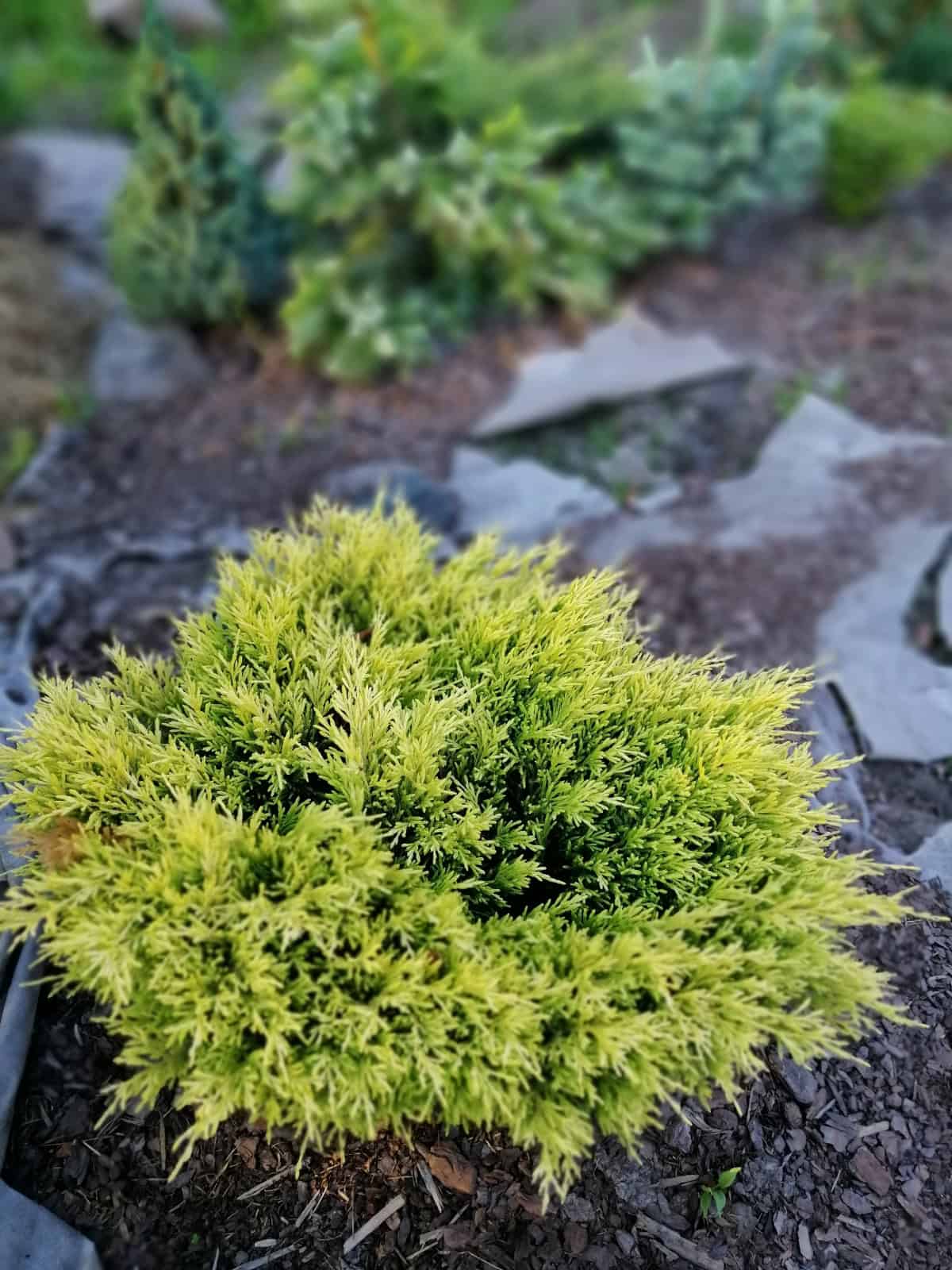
Along a wide planter’s edge, creeping juniper sends low stems outward and softens the container’s rim. Cultivars vary in color, including green, blue, and winter shades of purple. Their trailing habit is most visible in a raised pot with room for branches to extend.
Plant the root ball near the outer edge, leaving its crown above any thick mulch. Full sun and fast-draining mix keep the foliage dense. A shallow bowl demands particular attention to drainage holes before winter rain or snowmelt collects.
Hinoki Cypress (Chamaecyparis obtusa)
Curved fans of foliage give a dwarf Hinoki cypress an intricate shape at close range. Its layered branches cast small shadows through the center of a planter, making a single plant visually substantial. Growth rate varies widely among cultivars, so a named compact selection is important.
Hinoki cypress prefers well-drained mix and protection from harsh winter wind. Keep the pot watered during dry, above-freezing stretches, then allow excess water to drain freely. Dense foliage near the trunk should remain clear of buried mulch.
False Cypress (Chamaecyparis pisifera)
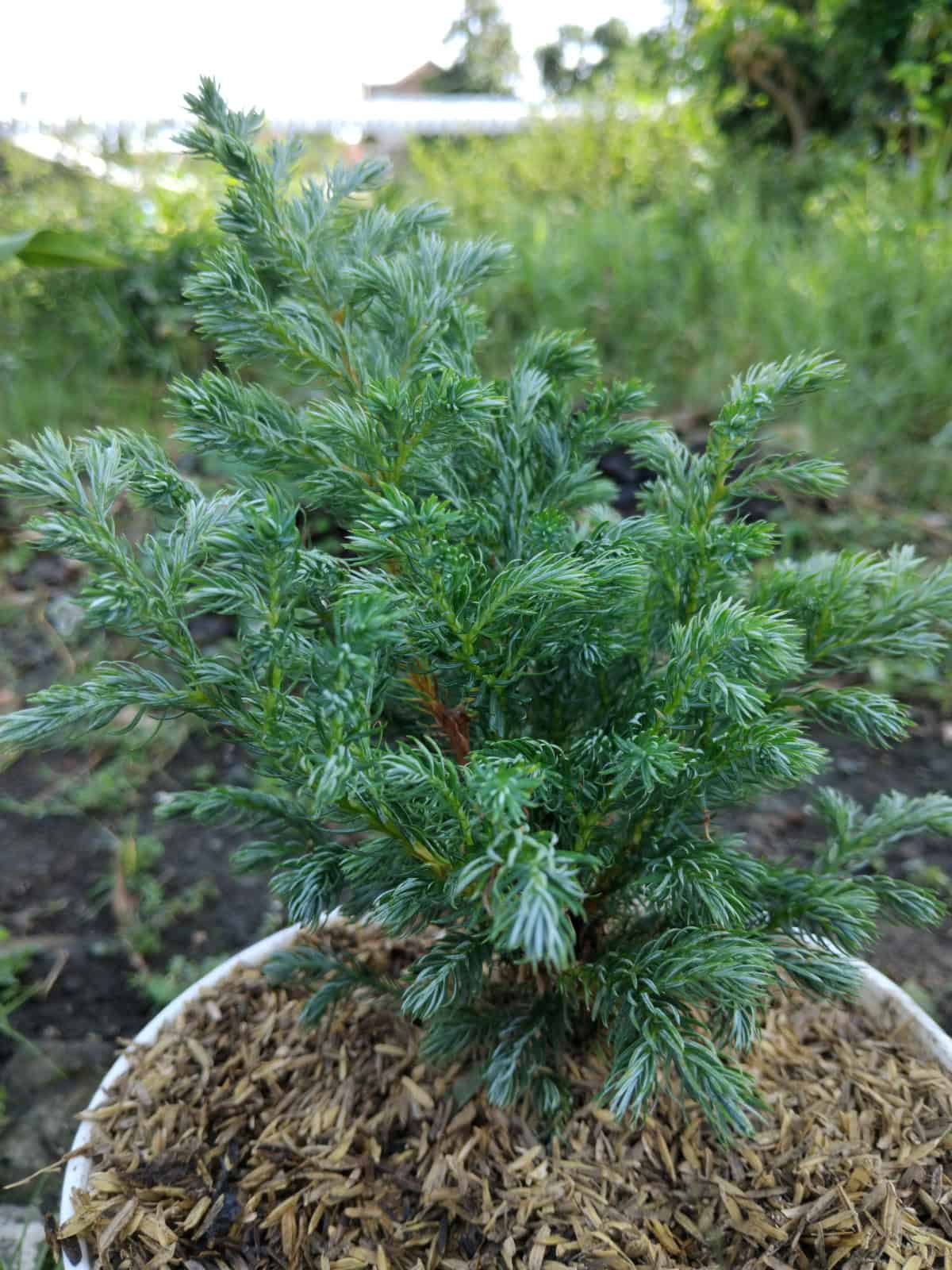
Fine, threadlike foliage distinguishes many false cypress cultivars in winter arrangements. A gold-toned selection brightens a sheltered planter, though its color depends on light and cultivar. Other forms have feathery blue-green sprays that extend beyond neighboring foliage.
Read the plant tag before selecting one: Chamaecyparis pisifera includes compact shrubs and much larger forms. Most need consistent moisture in freely draining mix. Where winter sun is intense, a site protected from drying wind helps preserve the delicate outer growth.
Leyland Cypress (× Cuprocyparis leylandii)
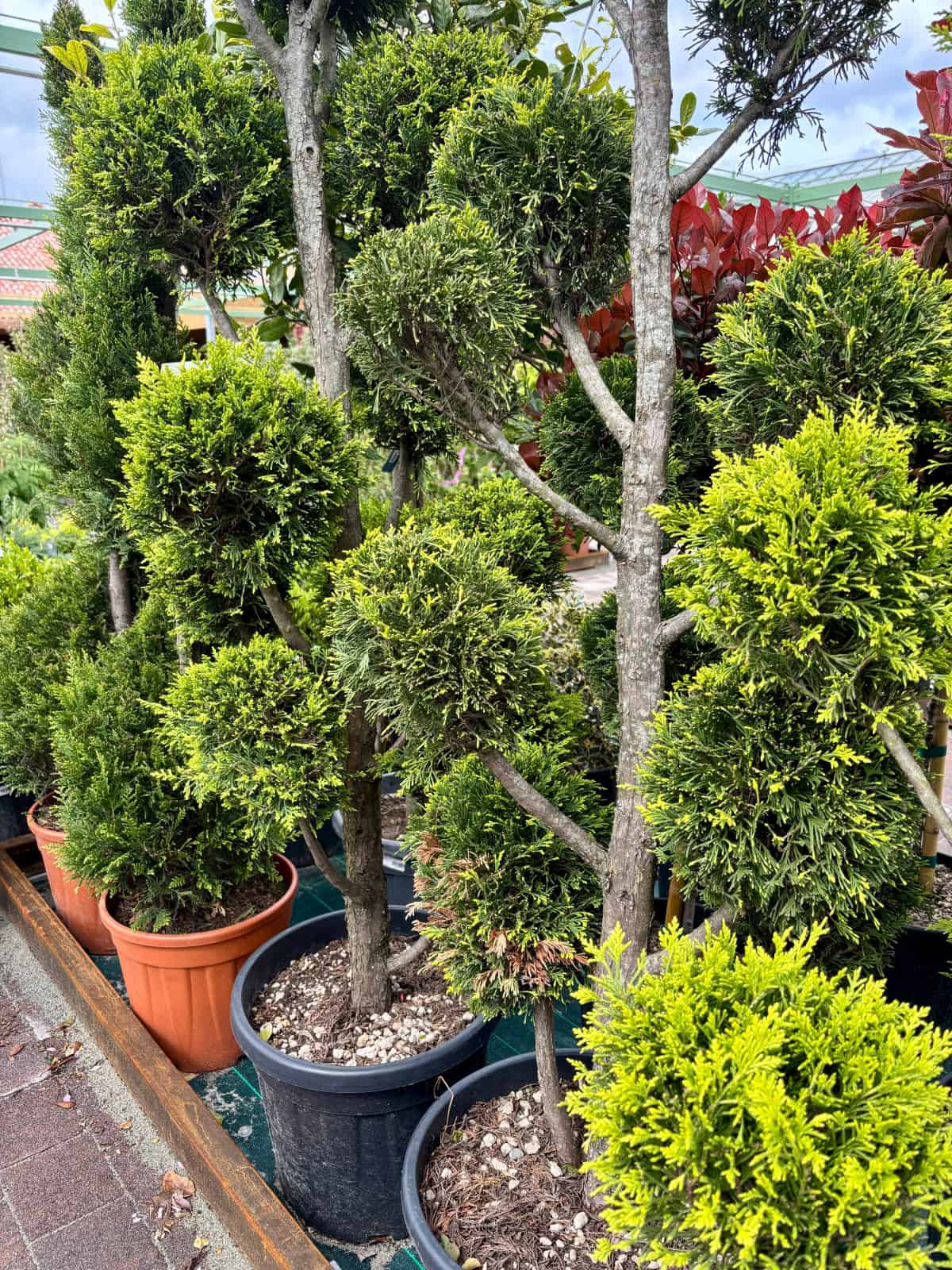
Fast, upright growth makes a young Leyland cypress useful for immediate height in a large seasonal planter. Its green sprays form a dense screen behind lower branches. That same growth rate soon makes a living specimen difficult to keep in a container.
Use a sturdy, well-drained pot that will not tip in wind. Leyland cypress also varies in cold tolerance by location, with exposed roots facing greater risk than planted roots. Cut stems give an arrangement its height without committing space to a rapidly growing tree.
Boxwood (Buxus spp.)
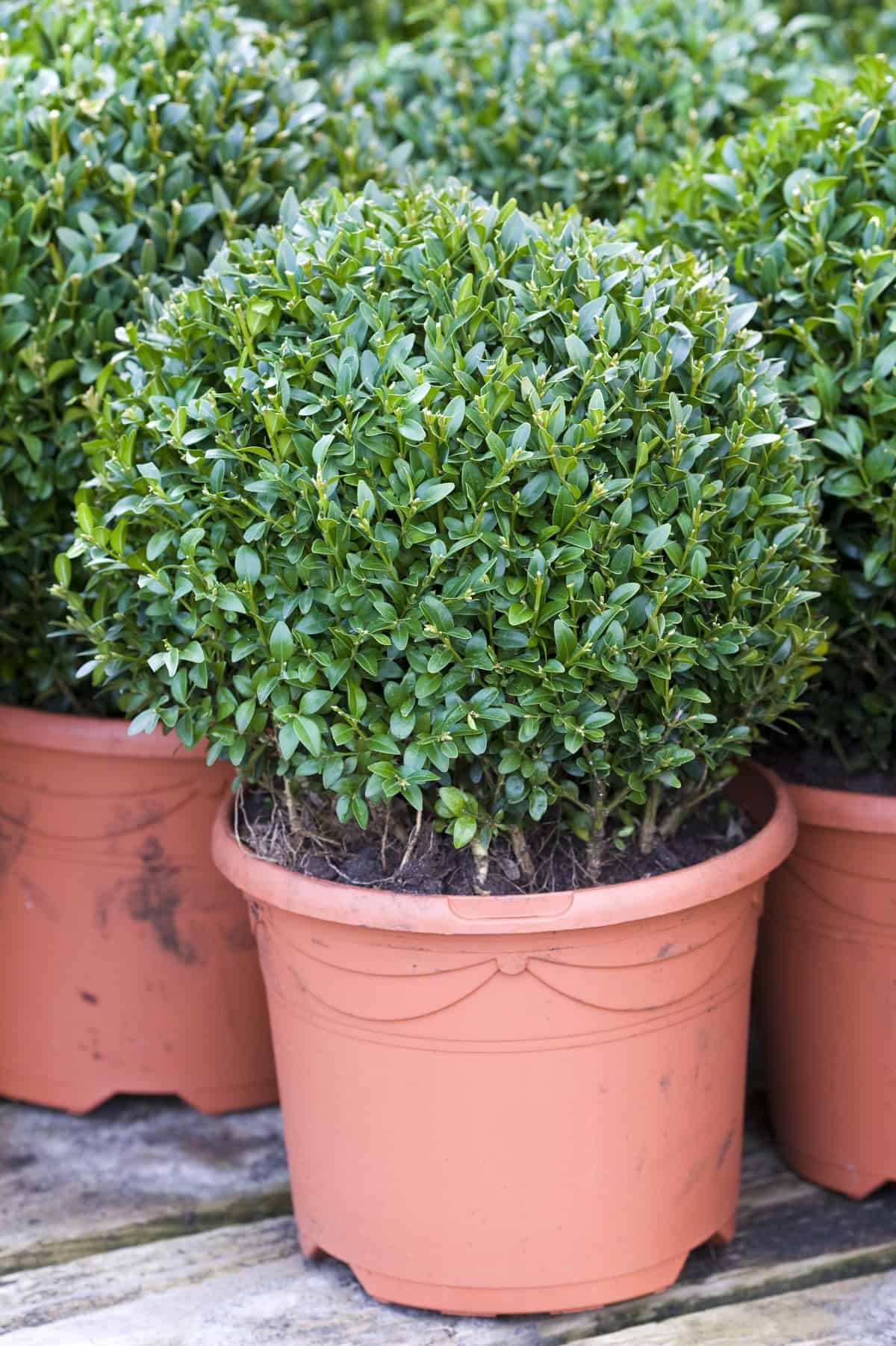
Clipped into a ball, boxwood provides a clean outline among loose evergreen branches. Its small leaves stay visible from a distance and carry a planter through the weeks after holiday accents are removed. Dense cultivars also fit narrow spaces where spreading branches would crowd a doorway.
Boxwood roots need drainage and insulation in cold climates. Winter sun may bronze exposed foliage, particularly when the soil is frozen. Watch for leaf spots or dieback before adding nursery plants to existing boxwood plantings, since boxwood blight spreads through infected material.
Inkberry Holly (Ilex glabra)
Smooth-edged leaves make inkberry holly an appealing evergreen for a container without prickly foliage. Its dark green growth has a loose shrub shape, particularly when left unclipped. Female plants produce black berries where a compatible male plant supplies pollen; the fruit is subtle among the leaves.
Inkberry prefers acidic soil and steady moisture, though its pot must still drain. Compact cultivars fit containers with less pruning. In cold locations, protect the root ball and position the pot away from persistent winter wind.
American Holly (Ilex opaca)
Glossy, spined leaves and red berries give American holly a distinct holiday presence. Berries appear on female plants with access to pollen from a male, so a nursery specimen with fruit provides the surest display for the current season. Sturdy cut stems sit neatly among conifer boughs.
For a living holly, choose a roomy container with acidic, well-drained mix. Shelter helps prevent leaf scorch during cold, windy spells. Keep berry-bearing branches away from pets and children, since holly berries should not be eaten.
English Holly (Ilex aquifolium)
Deep green, sharply edged leaves give cut English holly branches a bold outline in winter containers. Red berries on female branches draw the eye even when only a short stem is used. Gloves are useful when placing or removing the prickly foliage.
English holly is invasive in parts of the Pacific Northwest, where birds spread its seeds. Check local guidance before planting it outdoors or placing berry-bearing branches where fruit may fall into surrounding beds. Cut stems in a contained seasonal display require careful cleanup afterward.
Magnolia Greenery (Magnolia grandiflora)
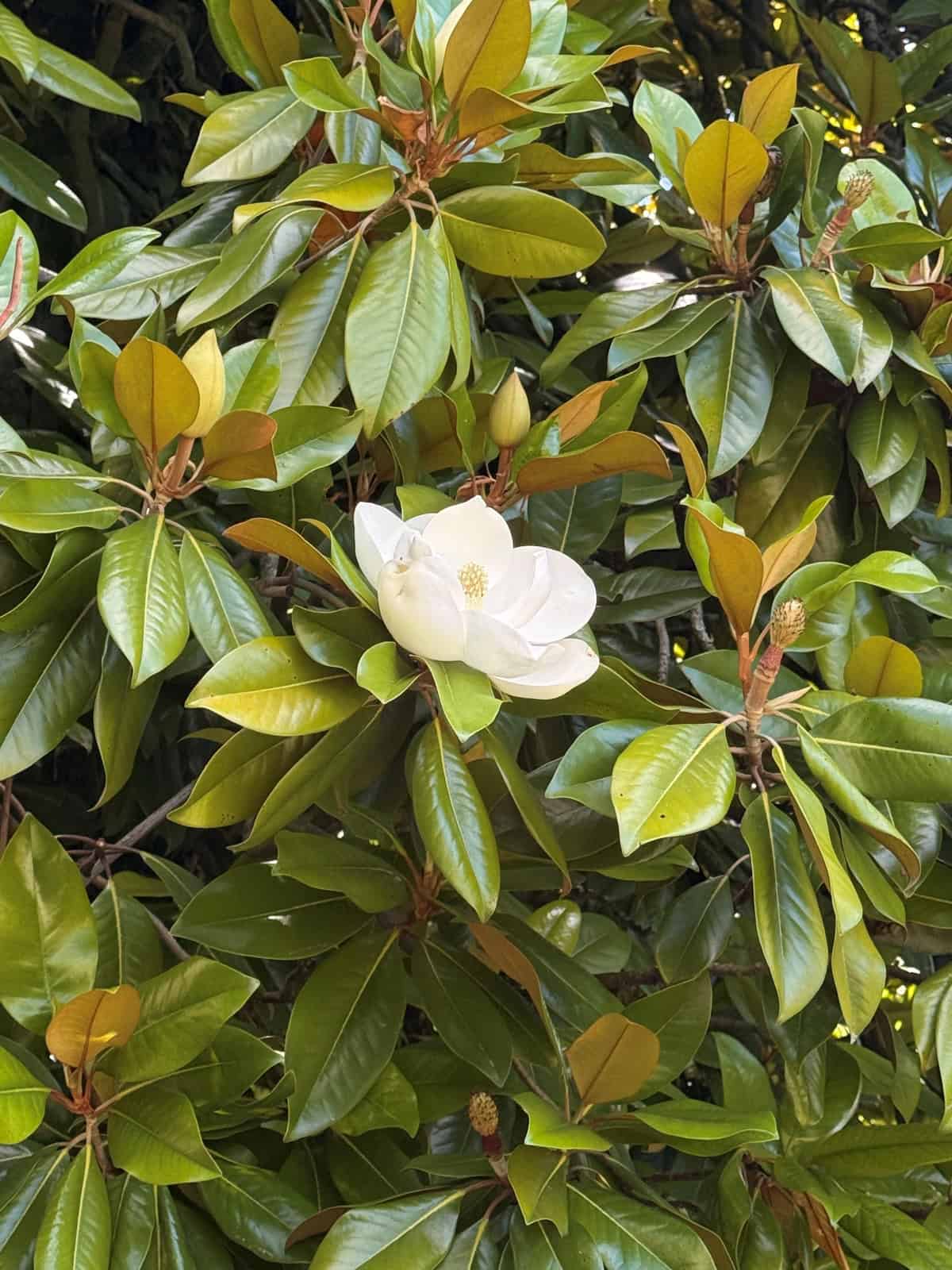
Copper-brown leaf undersides are the defining detail of Southern magnolia greenery. Turn cut branches at varied angles in a winter pot and both sides remain visible beneath the glossy green upper surfaces. The large leaves also fill space quickly around a central tree or upright stems.
Southern magnolia is best used as cut greenery in cold-winter regions. Fresh branches last longest in cool conditions; curled or brittle leaves signal that they have dried. Remove fallen leaves promptly where the display sits on a pale porch surface, since they may leave marks as they decay.
Eucalyptus (Eucalyptus spp.)
Silvery eucalyptus stems give a winter container a lighter color among dense conifers. Rounded juvenile leaves on florist varieties retain their shape as they dry, though their color gradually softens. A small number of stems is enough to show the foliage’s airy branching.
Species differ widely in cold tolerance, and cut eucalyptus is the dependable choice where hard freezes are routine. Secure its stems deeply in the arrangement so wind does not pull them loose. The strong scent is worth considering near a frequently used doorway.
Oregon Grape (Mahonia aquifolium)
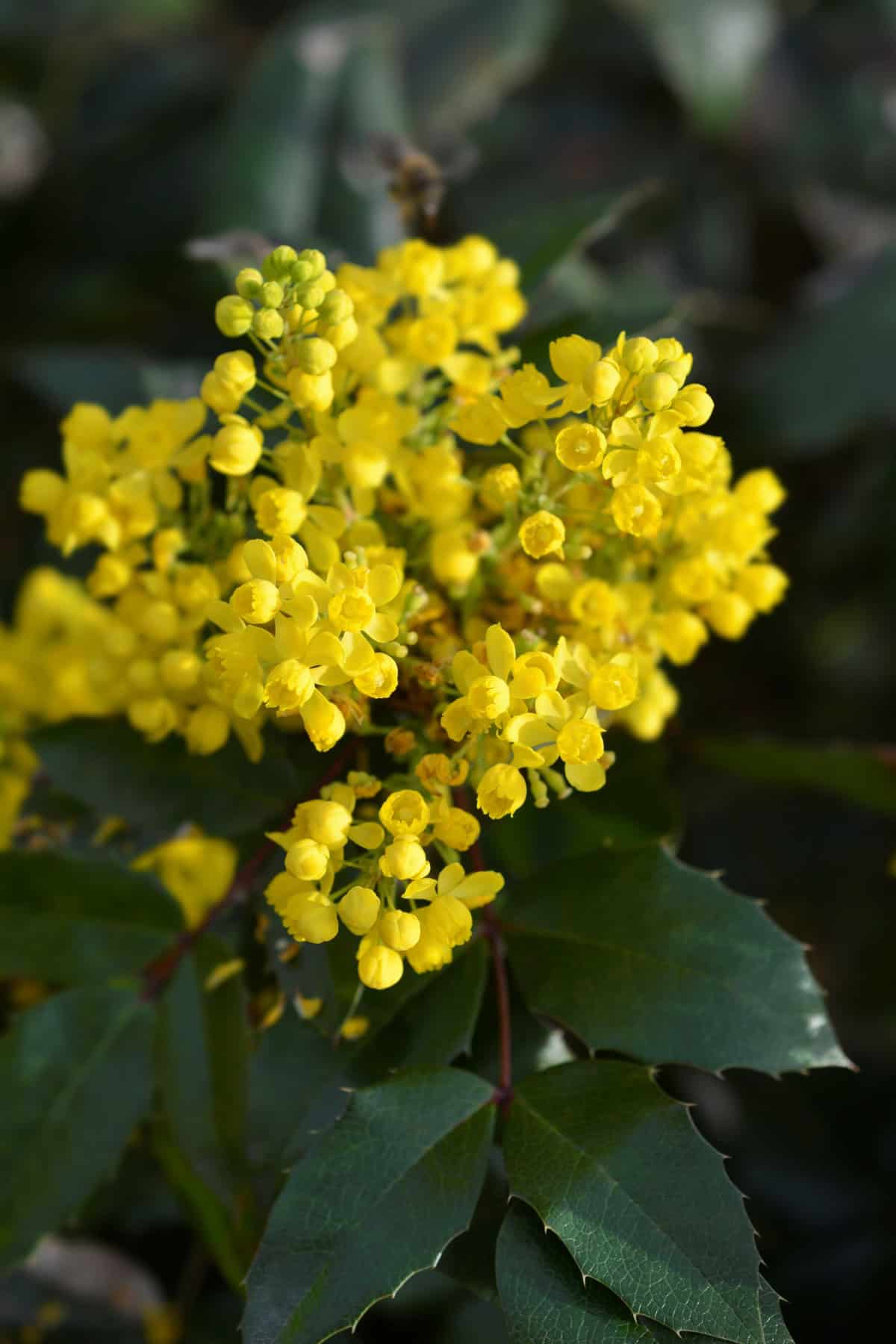
Spiny, holly-like leaflets give Oregon grape a crisp outline at the lower edge of a winter pot. Cold weather may turn its evergreen foliage bronze or purplish, adding color without berries or ornaments. Yellow flowers arrive later, followed by dark blue fruit on established plants.
This shrub prefers well-drained soil and partial shade in many regions. Keep its crown at soil level and use gloves around the pointed leaflets. Where it is planted as a living container shrub, allow space for its spreading habit after winter.
Wintergreen (Gaultheria procumbens)
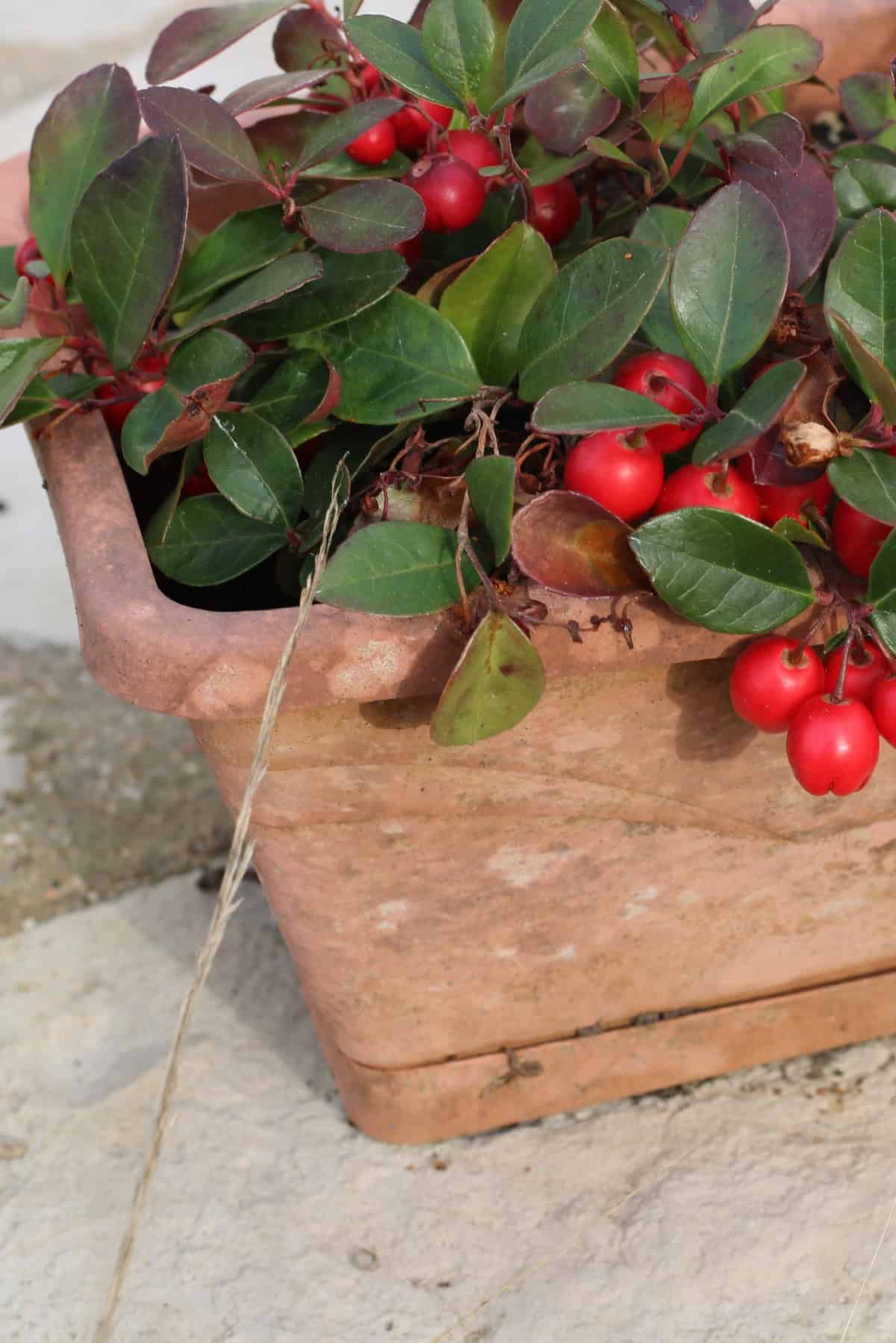
Close to the soil surface, wintergreen fills gaps beneath taller evergreens with glossy leaves and bright red berries. Its low growth is easiest to see in a shallow container or at the front of a larger arrangement.
The foliage may deepen to reddish tones in cold weather. Wintergreen needs acidic, consistently moist, well-drained mix and protection from drying sun. Its shallow roots are exposed in a small pot, making insulation useful during hard freezes.
Leave the crown uncovered when adding mulch around neighboring plants.