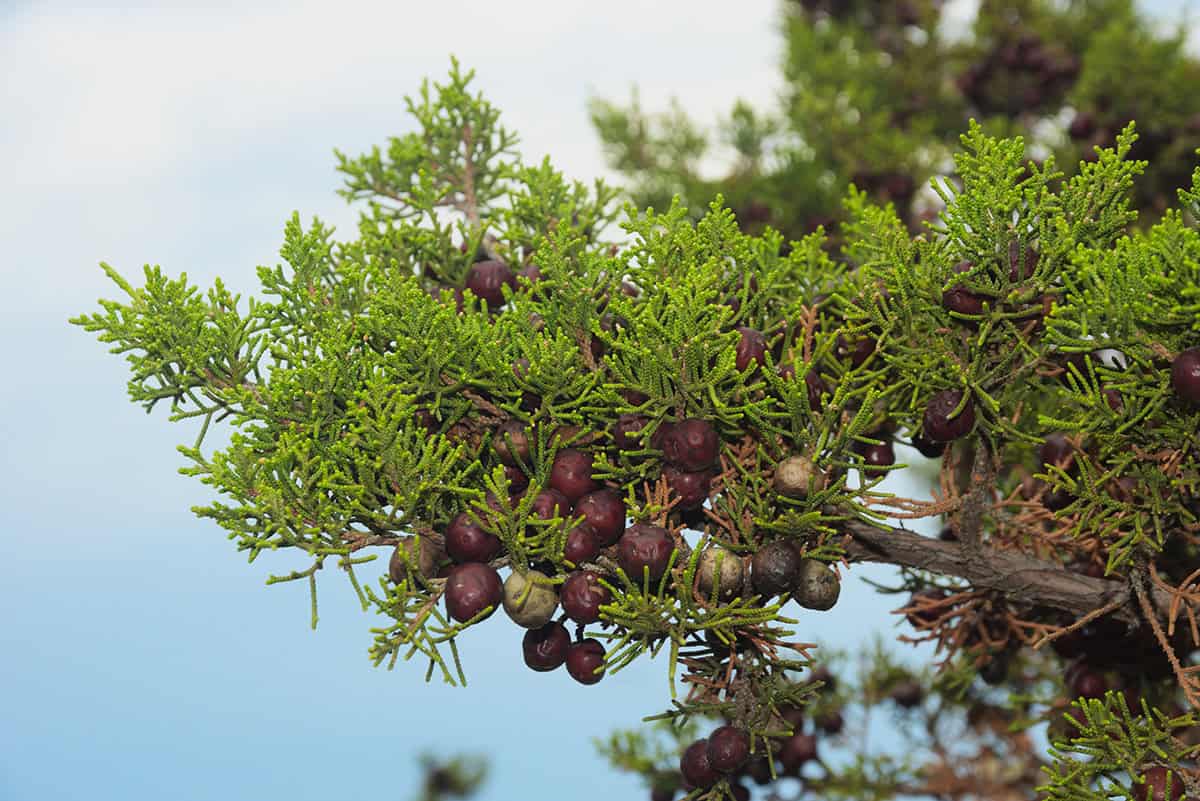
Juniper brings year-round color and structure to the garden, offering a tough, reliable choice where other shrubs might give up. It shrugs off heat, drought, and less-than-ideal soil with surprising ease. Give it full sun, plant in sharply drained soil, and don’t overwater once it’s settled in.
Whether you’re after a creeping ground cover, a chunky shrub, or a skyward accent, there’s a juniper for the job. Some hug the earth at ankle height, others build up into dense mounds or even small trees. The following tips should spare you the classic pitfalls and help you pick a variety that actually fits your space.
You’ll find the light and soil conditions that keep these evergreens happiest, plus how to handle pruning, feeding, and multiplying your plants. Disease prevention’s covered too. Get the setup right and your juniper will stay thick, healthy, and unbothered for years.
Table of Contents
Quick Care Summary
Bright sun and quick-draining soil—those are the basics. Junipers fit in as groundcovers, shrubs, or even trees, depending on which type you choose. Once roots are established, they don’t mind drought or lean soil. Good air flow can make a big difference in keeping diseases at bay.
Wet feet are a dealbreaker. Give each plant enough room for its mature spread—some stay low and wide, others get bushy or upright. Skip the heavy shearing unless you’re after a super formal look. Foliage colors range from green to silvery blue or steel-gray and stick around all year.
- Light: Needs full sun; a bit of afternoon shade is possible in hot regions
- Soil: Drains fast; sandy or rocky is just fine
- Watering: Keep moist the first year; cut back once roots are established
- Temperature: Cold hardy across many zones; handles heat if it’s dry
- Humidity: Low to moderate is best, with air movement
- Fertilizer: Balanced, slow-release if growth is weak, early spring only
- Propagation: Semi-hardwood cuttings work well; seeds are slow
Too much fertilizer loosens up the growth and ruins the plant’s natural lines. Just prune for shape or to remove dead wood.
Growth is steady if you meet its needs. Creeping varieties can spread out several feet; upright types are great for windbreaks or privacy.
Juniper Overview
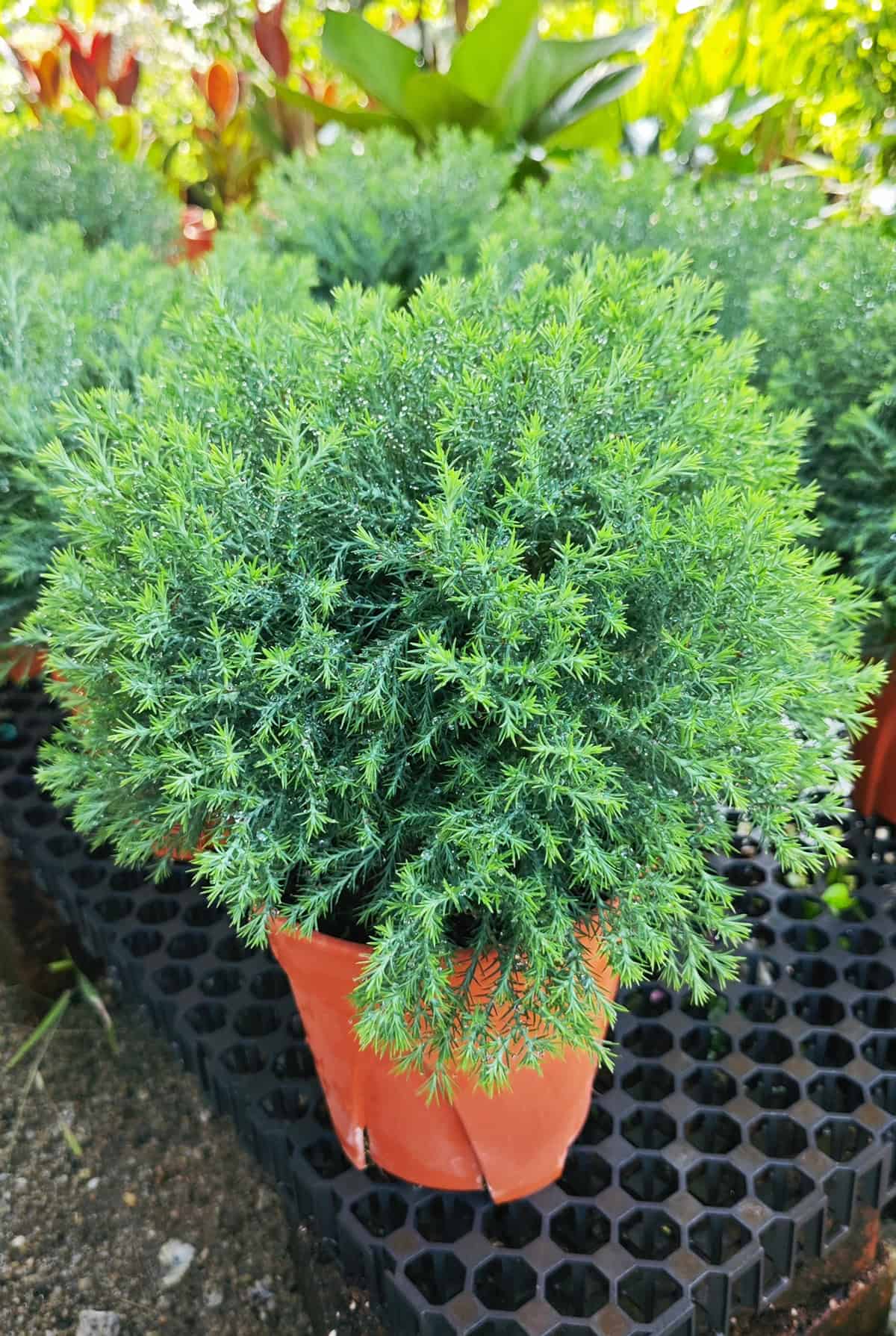
Evergreen conifers in the Juniperus genus have earned their spot in gardens for their tough, low-maintenance attitude and year-round structure. Choices range from carpeting ground covers to upright shrubs and even small trees, with foliage in shades of green, blue, or gray. Sun and dry soil are their preferred combo.
These versatile plants slot into all sorts of roles—erosion control, foundation planting, hedges, or just a standout accent. Some hug the ground at under a foot, others shoot up to 30 feet or more. Needle texture can be anything from prickly to soft and scale-like.
Quick Care Summary
- Light: Sun, sun, and more sun
- Soil: Drains well, anything from average to sandy
- Watering: Low to moderate; let it dry out between drinks
- Temperature: Hardy, but check the species
- Humidity: Handles low to moderate
- Fertilizer: Only if needed, and lightly in spring
- Propagation: Cuttings are easiest; seeds take patience
Plant Overview
- Botanical name: Juniperus spp.
- Common names: Juniper, redcedar (in some cases)
- Plant type: Evergreen shrub or tree
- Mature size: From just 6 inches up to 30+ feet, species dependent
- Growth rate: Slow to moderate
- Toxicity: Berries can upset stomachs if eaten; keep an eye on kids and pets
- Native region: Wide range across the Northern Hemisphere
Light
A spot that basks in sun for most of the day is where juniper truly thrives. Six hours or more of direct light keeps the foliage tight and colors vivid. With enough sun, some cultivars even develop richer blue or gold tones.
Partial shade is doable, though not ideal. Expect a more open, leggy look and thinner coverage, especially with ground-hugging types that might spread unevenly. Upright forms tend to get sparse in the middle if they don’t get enough light. Over time, too much shade just saps their vigor.
Slopes, rocky beds, or open borders work well. These shrubs handle reflected heat and the glare of urban settings. Down south, a touch of afternoon shade can help, but honestly, full sun still delivers the best results.
Water
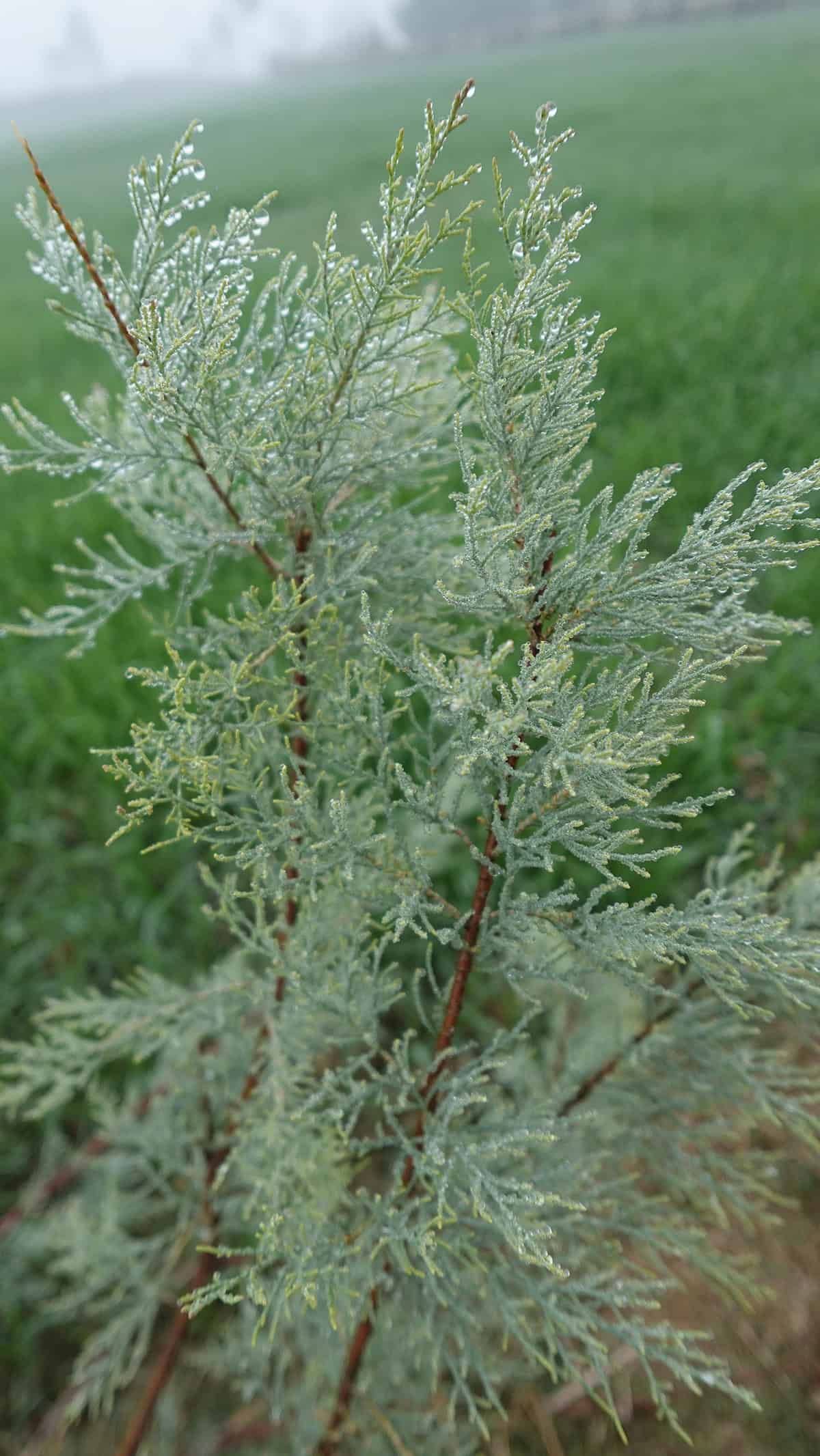
Once settled in, junipers don’t ask for much water. Deep, occasional soakings beat frequent, shallow watering every time. First-year plants need consistent moisture, but after that, they’re happy with dry spells.
When the top couple inches of soil are dry, it’s time to water. Make sure the moisture reaches 6 to 12 inches down to hit the roots. Let the soil dry out a bit before watering again—soggy conditions spell trouble.
Rainfall often covers their needs in established beds. During long droughts, a deep soak every two or three weeks is enough. Sandy soils might need a bit more; heavy clays, a bit less.
Drainage is the non-negotiable. Junipers just can’t deal with standing water or compacted soil. Skip overhead sprinklers if you can, since wet foliage encourages disease.
Container-grown plants dry out faster. Check them more often, especially in summer. Water thoroughly until it drains out the bottom, but don’t let pots sit in a puddle.
Soil
If there’s one thing juniper roots insist on, it’s quick drainage. Standing water or sticky, compacted ground leads to trouble in a hurry. Pick a spot where water disappears within a few hours after rain.
Gravelly or sandy soils are right up their alley. These plants aren’t picky about fertility and can handle a wide pH range, from slightly acidic to slightly alkaline.
Heavy clay needs work—mix in coarse sand or fine gravel to open it up, or go with raised beds if your soil stays soggy.
Sun helps, but honestly, soil structure matters more than richness. Overly fertile ground can make the growth floppy and weak. High organic matter isn’t necessary.
A thin mulch layer (two to three inches) helps keep weeds down and soil moisture steady—but keep it clear of the trunk to avoid rot.
Temperature & Humidity
Temperature swings don’t faze most junipers. Many can shrug off subzero winters in USDA zones 2 through 9, as long as you pick the right type. Common juniper endures northern blasts, while heat-tolerant cultivars are better suited for southern gardens.
Heat isn’t a big deal unless the soil stays wet. Even weeks above 90°F won’t stress them if the roots can dry out between waterings. What really causes problems is poor drainage, especially in hot weather. Open, sunny spots with good airflow are ideal.
Humidity, on the other hand, can be tricky. Most types want dry to moderate air and can struggle in muggy, stagnant conditions. Fungal diseases creep in when humidity is high and air circulation is poor, so space your plants to let the breeze through.
Both arid and coastal climates can work, depending on the species. Eastern redcedar, for example, handles humid summers, while others are happier in dry western air. Matching your variety to your local climate saves headaches down the road.
Fertilizer
Feeding isn’t high on a juniper’s list of needs. Average soil is usually enough, and overdoing it with fertilizer can make growth weak and floppy.
At planting, a small sprinkle of balanced fertilizer mixed into the backfill is plenty—about two teaspoons of 10-10-10 per gallon-sized plant. Don’t dump it right in the hole or against the roots.
For mature beds, if you must fertilize, do it from early spring to mid-summer. Use a balanced granular type (12-4-8 or 16-4-8), spread it on the soil surface, and water it in.
Treat larger areas with about half a pound of granules per 100 square feet, scratched lightly into the topsoil. Be gentle—roots are shallow and easy to damage.
Skip late-summer or fall feedings to avoid soft growth that could get zapped by winter. If your junipers look pale or sluggish, get a soil test before reaching for the fertilizer bag.
Potting & Repotting
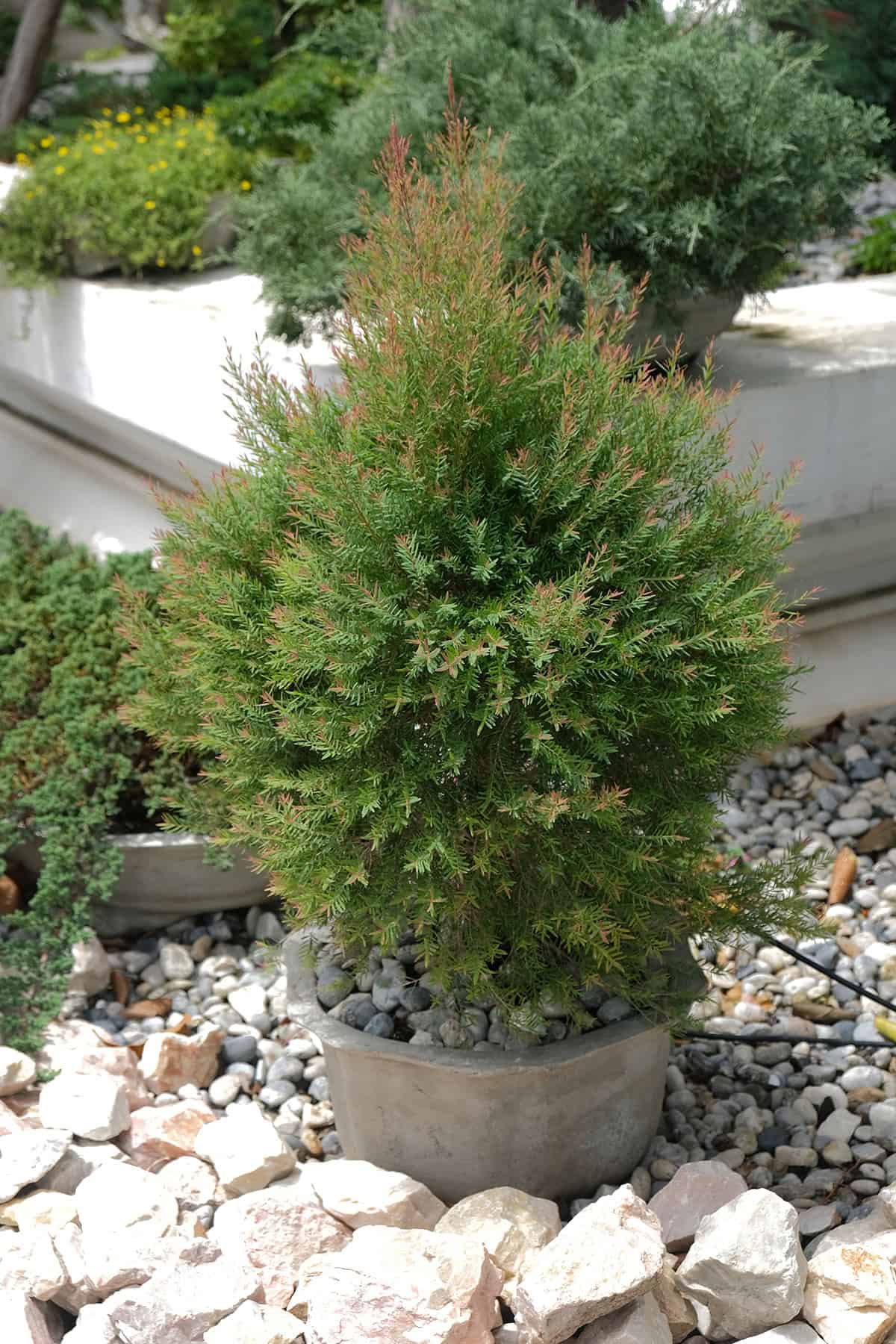
Sharp drainage and plenty of sun are the keys to keeping juniper happy in a pot. Pick a container with at least one drainage hole, and size it just a bit larger than the root ball—too big and you risk soggy soil.
Go for a gritty, fast-draining mix. Standard potting soil works if you blend in some coarse sand or fine gravel. Skip the gravel layer at the bottom; it doesn’t help drainage. Set the plant so the root ball sits an inch or two below the rim.
Water the plant well in its current pot an hour before repotting. Ease it out, tease apart any circling roots, and replant at the same depth with fresh mix packed around the roots. Water thoroughly.
Repotting is only needed every few years, when roots fill the pot or start to push against the sides. Early spring, before new growth, is the best time. Afterward, keep the soil just moist enough until you spot fresh shoots.
Pruning
With juniper, less is more when it comes to pruning. Most keep a tidy, natural look without much help. Focus on removing dead or damaged wood, thinning out crowded spots, or trimming to fit the space.
Always use sharp, clean pruners and cut back to a side branch or just above the branch collar. Avoid hacking into bare, brown wood—junipers rarely sprout from leafless stems.
Early spring is the sweet spot for pruning, right before growth kicks in. A light touch again in early summer works if you’re shaping a hedge. Hold off on late-season cuts, since tender new shoots can be damaged by cold.
Thinning the interior lets in more light and air, helping prevent disease. If you’re constantly fighting to keep a juniper in bounds, consider swapping it for a more compact variety.
Propagation
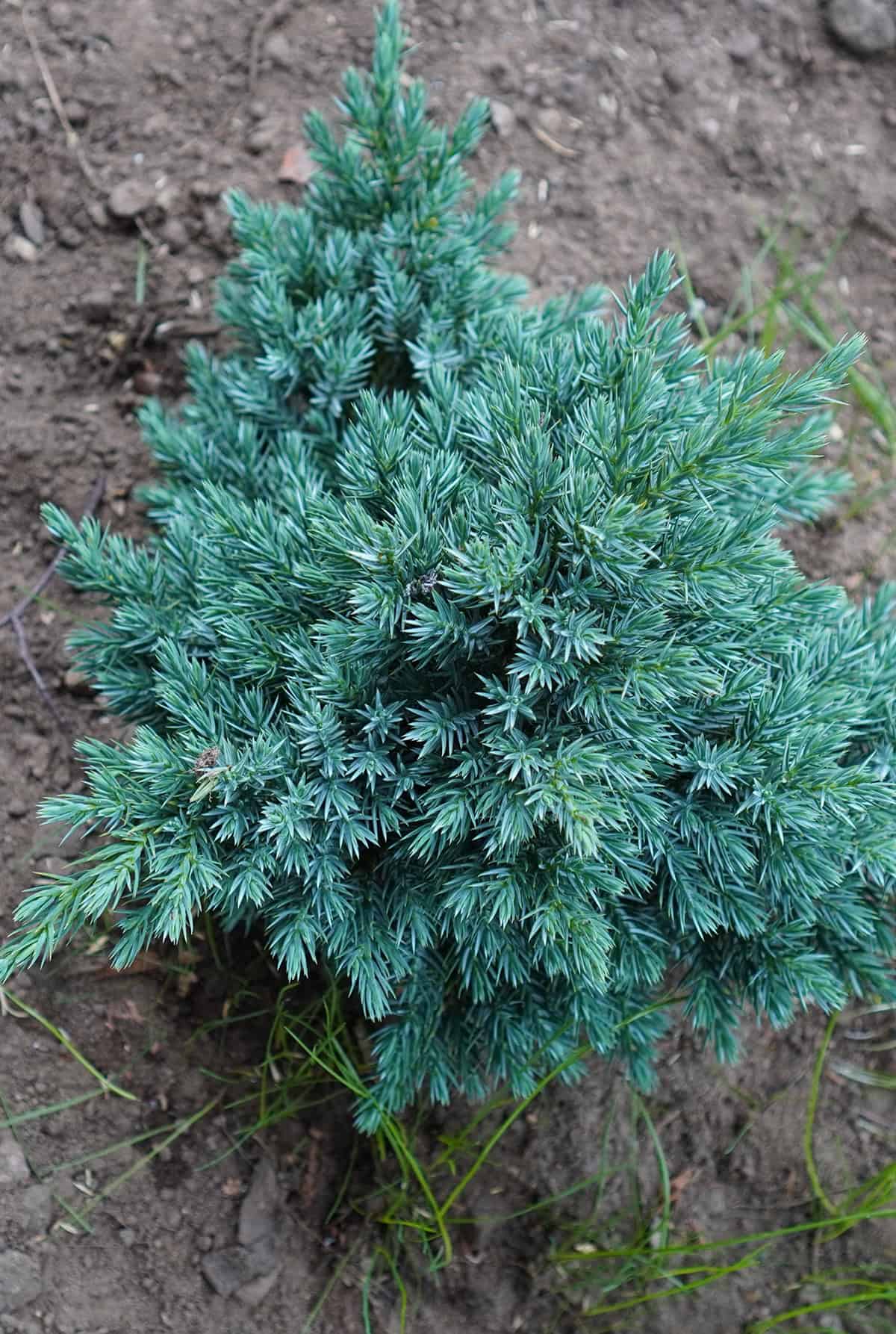
Multiplying junipers is usually done by cuttings, since they reliably copy the parent plant. Seeds are possible but slow and require more effort.
Take semi-hardwood cuttings late in summer or early fall. Snip 4–6 inch pieces of healthy, disease-free growth. Strip the lower leaves and stick the stems into a well-drained mix of sand and peat or perlite. Keep things lightly moist and set the container in bright, indirect light.
Roots may form in a few weeks, though some types take longer. Don’t let the soil get soggy. Once you see firm new growth, move the cuttings to individual pots.
Seeds need stratification—basically, a warm period followed by a cold one to trigger germination. Some species sprout best at around 55°F after months of pre-treatment. Always use mature, well-stored seeds.
Layering works for low-growing types. Pin a flexible stem to the ground, bury a section, and secure it. Once roots develop, cut the new plant free and replant.
Common Problems
Junipers tend to run into trouble when their basic needs aren’t met. Sparse growth, dull foliage, or dying branches often point to poor planting—too much shade, compacted soil, or planting too deep.
Too much water is a common culprit, leading to root stress and yellow or brown needles. Always check the soil before watering, and ease up during cool or rainy spells.
Fungal diseases like Phomopsis or Kabatina tip blight show up as browning at branch ends. Cedar-apple rust causes orange galls or swellings. Prune out affected branches and improve air movement to help limit spread.
Pests aren’t unheard of. Spider mites cause stippling and bronzing, especially in hot, dry spells. Juniper scale looks like small white or tan bumps and can lead to yellowing and dieback.
Varieties
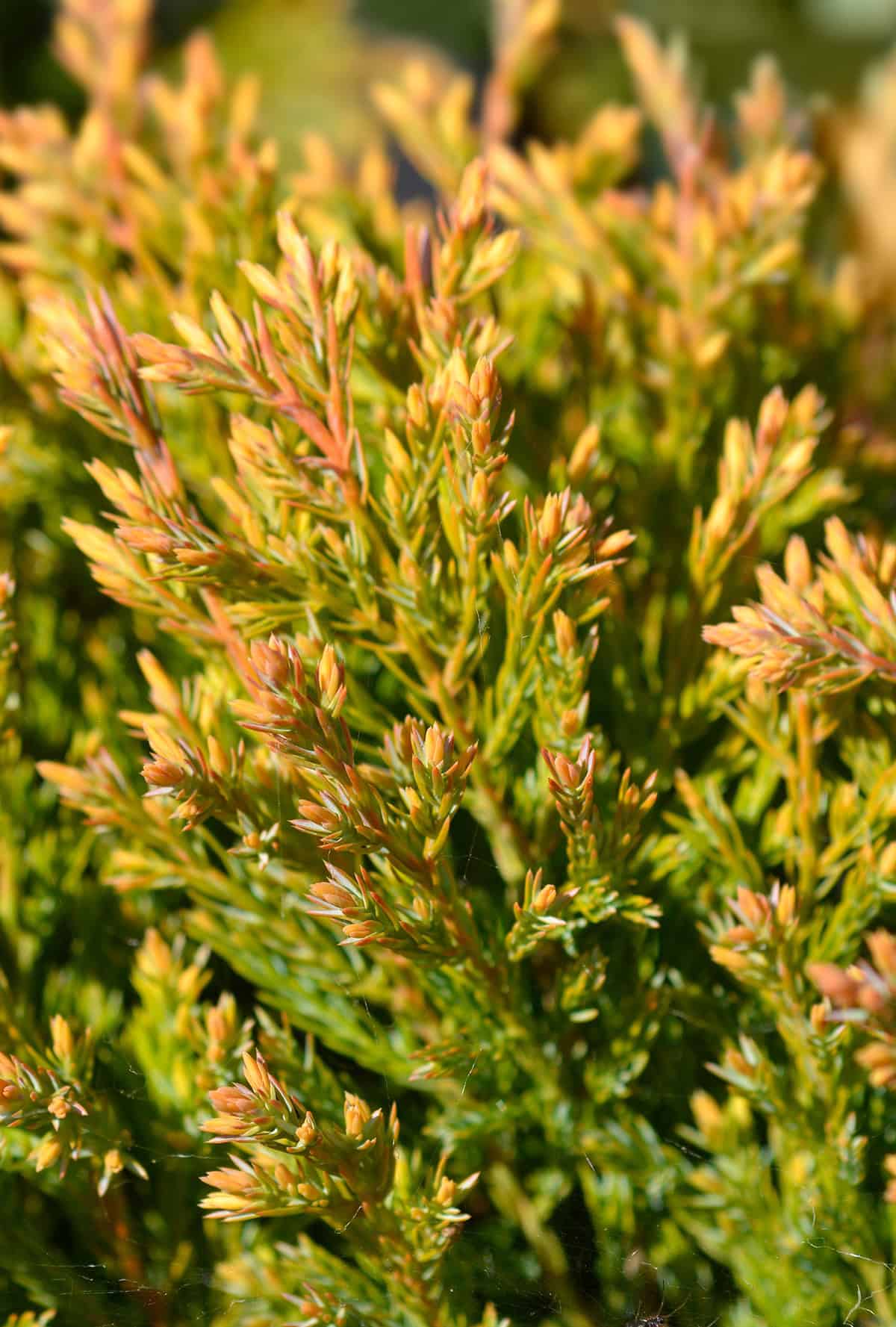
Among the more than 60 species of junipers, the diversity is honestly impressive. Some hug the ground, barely poking up a few inches, while others shoot up into upright shapes that can easily top 15 feet. Foliage might feel spiky and needle-like or have a softer, scale-like texture, and the color spectrum swings from deep, classic greens to silvery blues that sometimes look almost frosted—especially when winter rolls around and the tones shift a bit.
If you’re eyeing something for a slope or the edge of a path, creeping juniper (Juniperus horizontalis) tends to sprawl out rather than up. It usually stays under a foot tall but can spread several feet across, weaving a dense mat. Cultivars like ‘Blue Creeper’ or ‘Blue Pacific’ really lean into those blue hues. These are tough plants—drought, rocky soil, neglect—they just keep going.
For a totally different vibe, common juniper (Juniperus communis) gives you options. Upright, columnar choices like ‘Hibernica’ (or Irish juniper) bring that blue-green vertical accent, while ‘Gold Beach’ keeps things compact and flashes yellow on new tips. Looking for something bigger? Rocky Mountain juniper (Juniperus scopulorum) can bulk up a windbreak, and the shrubbier types slot neatly into foundation plantings or mixed borders.