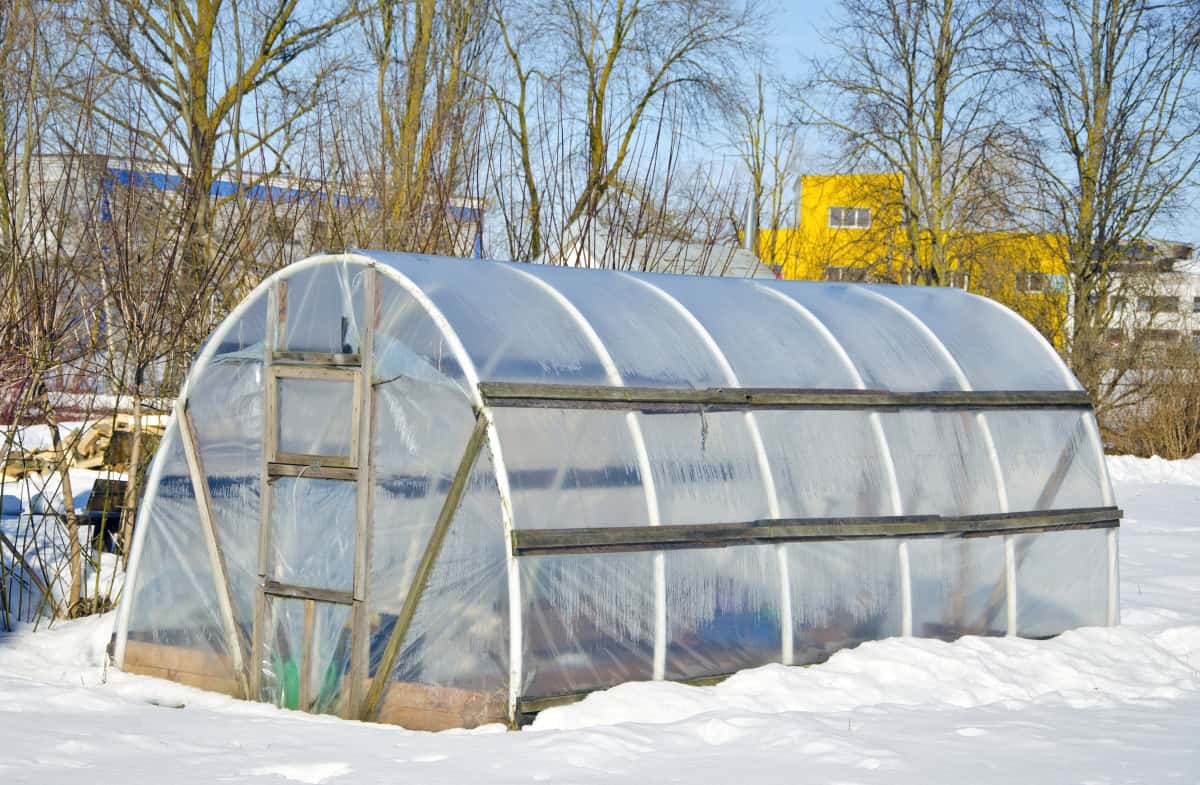
A greenhouse left unprepared for winter loses heat fast, invites pest and disease problems, and puts tender plants at risk within a single cold snap. Winterizing a greenhouse means addressing the structure, the climate inside it, and the plants living there as separate but connected tasks.
Skipping any one of these usually shows up as frozen pipes, cracked panels, or a season’s worth of seedlings lost overnight. Most of this work takes a weekend, not a season, and the payoff is a structure that holds heat, sheds snow, and keeps plants alive through the coldest months. The sections below walk through exactly what to check, seal, insulate, and monitor before the first hard frost arrives.
Table of Contents
- Clean and Clear the Greenhouse
- Check the Frame and Panels
- Seal Gaps and Drafts
- Repair Cracks Before Winter
- Clean the Gutters and Drainage
- Insulate the Greenhouse
- Add Bubble Wrap to Glazing
- Insulate the Floor and Base
- Protect Pipes and Water Lines
- Check the Heating System
- Set a Safe Minimum Temperature
- Improve Air Circulation
- Ventilate on Mild Days
- Reduce Winter Watering
- Move Tender Plants to Warmer Areas
- Group Plants for Extra Protection
- Use Frost Cloth Inside the Greenhouse
- Add Thermal Screens or Curtains
- Protect Pots from Cold Floors
- Maximize Winter Sunlight
- Remove Snow from the Roof
- Secure the Greenhouse Against Wind
- Monitor Temperature and Humidity
- Prepare for Power Outages
- Keep Winter Supplies Ready
- Check the Greenhouse Throughout Winter
Clean and Clear the Greenhouse
A thorough cleaning before winter removes the algae, debris, and pest eggs that overwinter alongside plants and cause problems once the heat goes up. Scrub glazing, benches, and floors with a greenhouse-safe disinfectant, and clear out dead foliage and spent plants that harbor fungal spores.
Dirty glazing blocks sunlight exactly when light is already scarce, cutting the small amount of passive solar gain a greenhouse relies on in December and January. A clean structure also makes it easier to spot cracks, loose fasteners, or rot during the inspection that follows.
Check the Frame and Panels
Snow load and wind gusts expose weak points in a frame that held up fine all summer. Walk the full perimeter and check joints, hinges, and fasteners for rust, looseness, or warping, since a frame that flexes under light pressure will struggle against heavy snow.
Inspect polycarbonate or glass panels for hairline cracks, especially near corners where stress concentrates. Replace any panel that is already compromised rather than waiting for a freeze to finish the job; a small crack in October becomes a shattered panel by January once ice works into the gap.
Seal Gaps and Drafts
Drafts around doors, vents, and panel edges account for a large share of heat loss in a greenhouse, often more than the glazing itself. Run a hand along every seam on a windy day to locate cold air leaking in, then weatherstrip doors and vents with foam tape rated for outdoor temperature swings.
Silicone caulk works well for small gaps between panels and frame members, but avoid sealing every vent shut. A greenhouse still needs some airflow in winter, so reserve full sealing for gaps that serve no ventilation purpose.
Repair Cracks Before Winter
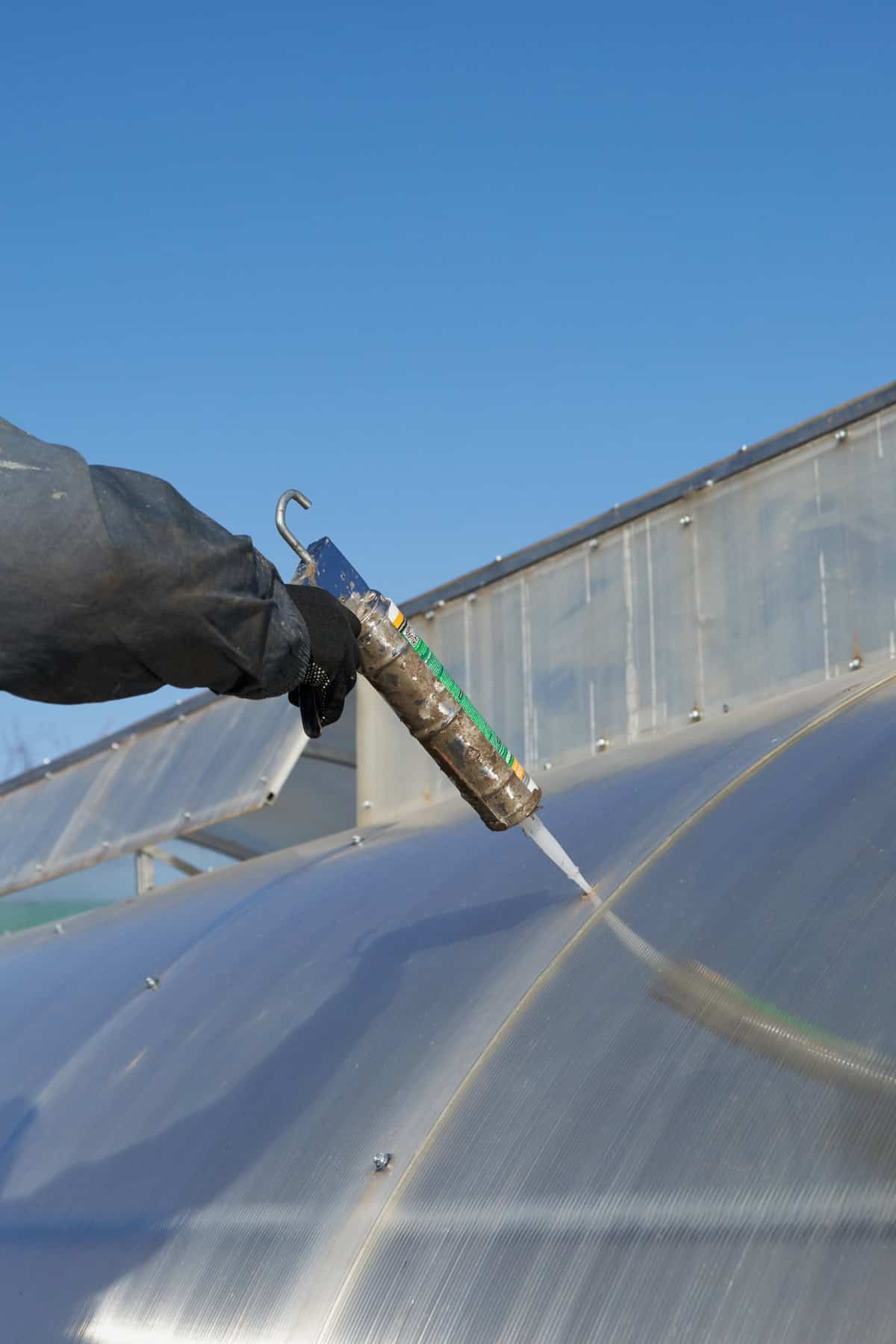
Cracked glazing left unaddressed through winter rarely survives to spring. Repair polycarbonate panels with clear repair tape rated for exterior use, and replace glass panes outright rather than patching them, since glass doesn’t flex the way polycarbonate does under freeze-thaw pressure.
Small cracks widen as water seeps in and freezes, expanding the gap with each cycle. Address every crack before the first freeze, not after, because repairs made on already-frozen material rarely hold and the damage tends to spread across the panel by midwinter.
Clean the Gutters and Drainage
Clogged gutters send meltwater back toward the foundation instead of away from it, and that water refreezes into ice that stresses both the gutter system and the greenhouse base. Clear leaves and debris from gutters and downspouts before the first freeze, and check that drainage channels around the perimeter still slope away from the structure.
Standing water near the base erodes footings over a winter of freeze-thaw cycles. A ten-minute gutter check in October prevents a far bigger repair job once spring thaw reveals the damage that accumulated underneath the ice.
Insulate the Greenhouse
Insulation determines how much supplemental heat a greenhouse needs to maintain a safe temperature through the coldest nights. Double-layer polyethylene film, applied with an air gap between layers and inflated using a small blower, cuts heat loss by a meaningful margin compared to a single layer.
Rigid foam panels along the north-facing wall, where sunlight contributes little heat anyway, reduce the surface area losing warmth without blocking usable light elsewhere. Combining a few insulation methods, rather than relying on one, tends to produce the steadiest results across a full winter.
Add Bubble Wrap to Glazing
Horticultural bubble wrap, the large-bubble type sold specifically for greenhouses, adds a cheap and removable insulating layer against glass or polycarbonate panels. Press it directly against the interior surface; the trapped air pockets slow heat transfer noticeably compared to bare glazing.
It reduces incoming light by a small percentage, which matters little in winter when plants are mostly dormant or growing slowly regardless. Secure it with greenhouse-rated clips rather than tape, since tape residue is difficult to remove from polycarbonate once spring arrives and the wrap comes down.
Insulate the Floor and Base
Cold rising from the ground undermines heating efforts even when the air above is well insulated. Lay down thick mulch, straw, or interlocking foam tiles across the floor to slow heat loss through the base, particularly in greenhouses built on bare soil rather than a raised foundation.
Bank soil, straw bales, or bubble wrap against the exterior base of the structure where the frame meets the ground. This perimeter insulation addresses a weak point that standard glazing upgrades don’t touch, since cold drafts frequently enter at ground level rather than through the roof.
Protect Pipes and Water Lines
Burst pipes rank among the most common and most preventable winter failures in a greenhouse. Drain irrigation lines that won’t be used through the coldest months, and insulate any pipe that must stay active with foam sleeves or heat tape rated for outdoor use.
A pipe running along an exterior wall freezes faster than one routed through the interior, so reroute lines where possible before the first freeze. Shutting off and draining an outdoor spigot connection prevents the single most frequent plumbing failure greenhouse owners report each winter.
Check the Heating System
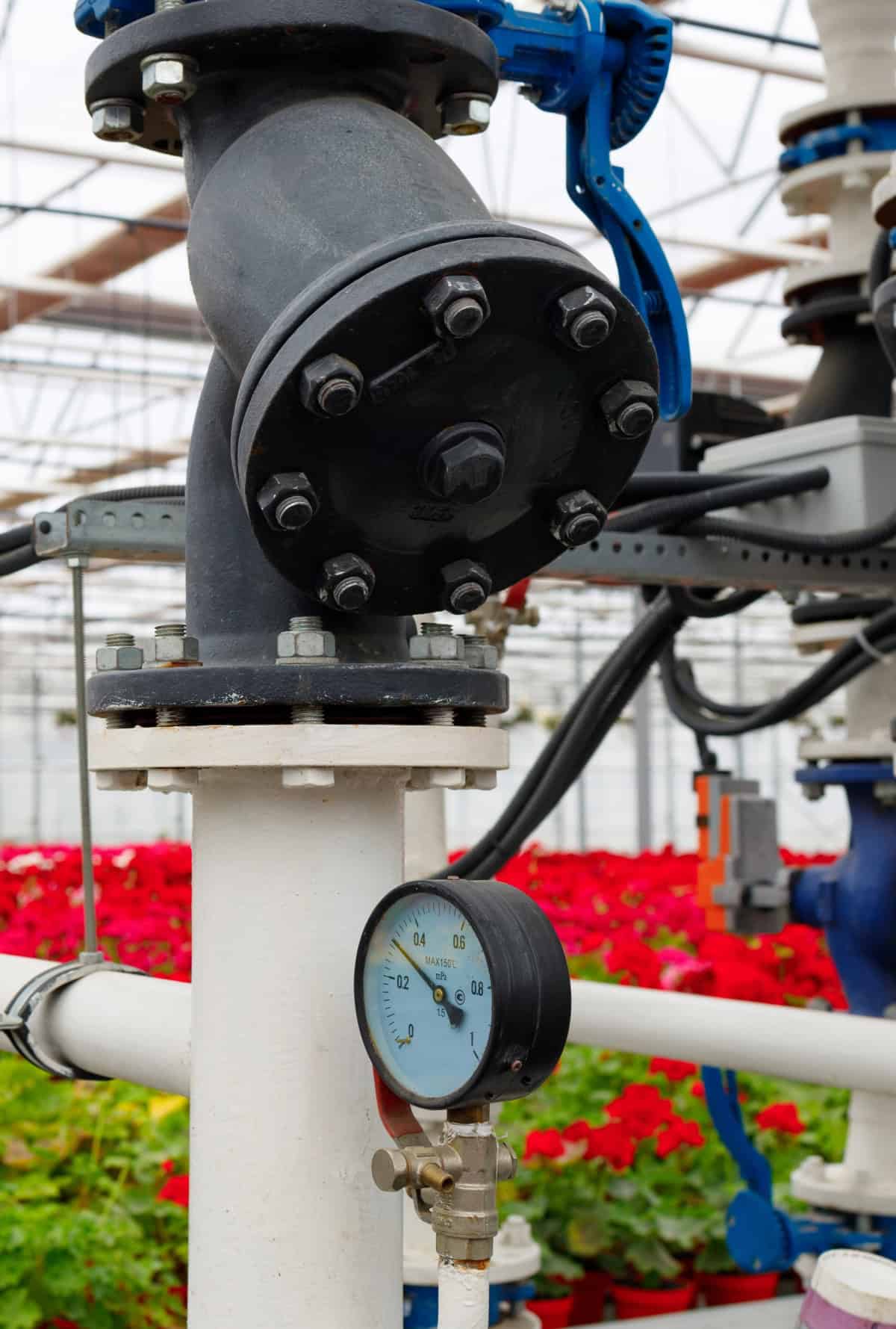
A heater tested in October performs far more reliably than one switched on for the first time during a January cold snap. Run the heating system before freezing weather arrives, checking thermostats, pilot lights, and fuel or power connections for issues that are easy to fix now and hard to fix at 2 a.m. during a freeze.
Propane and electric heaters both need clearance from plants and combustible material, and vented units require a working flue. Replace batteries in any thermostat or alarm system tied to the heater, since a dead battery during a cold night defeats the entire setup.
Set a Safe Minimum Temperature
Most greenhouse plants need the interior held above 45 to 50 degrees Fahrenheit, though cold-hardy vegetables tolerate temperatures closer to freezing without damage. Check the specific cold tolerance of what’s growing before setting a thermostat, since tropical plants and tender seedlings need warmer minimums than overwintering perennials.
A thermostat with a wide swing wastes energy heating higher than necessary. Setting the minimum just above the threshold where damage starts keeps heating costs down while still protecting the most vulnerable plants in the structure through the coldest overnight hours.
Improve Air Circulation
Stagnant air inside a sealed winter greenhouse breeds fungal disease faster than cold temperatures damage plants directly. A small circulation fan, run continuously or on a timer, keeps air moving across leaves and prevents the cold pockets and condensation that gather in corners and near the floor.
Position fans to pull air from the warmest part of the structure toward the coldest, usually the far wall or the north-facing corner. This evens out temperature swings and reduces the humidity buildup that leads to botrytis and other gray molds common in closed winter greenhouses.
Ventilate on Mild Days
Opening vents on sunny winter afternoons prevents the overheating that catches many greenhouse owners off guard. Even when outdoor temperatures sit well below freezing, direct sun through glazing raises interior temperatures by 20 degrees or more within an hour, stressing plants adapted to cooler conditions.
Crack roof vents or a door for thirty minutes to an hour during the warmest part of the day, then close everything before late afternoon as temperatures drop. This also exchanges stale air for fresh, which helps limit the fungal issues that develop in a sealed, humid structure.
Reduce Winter Watering
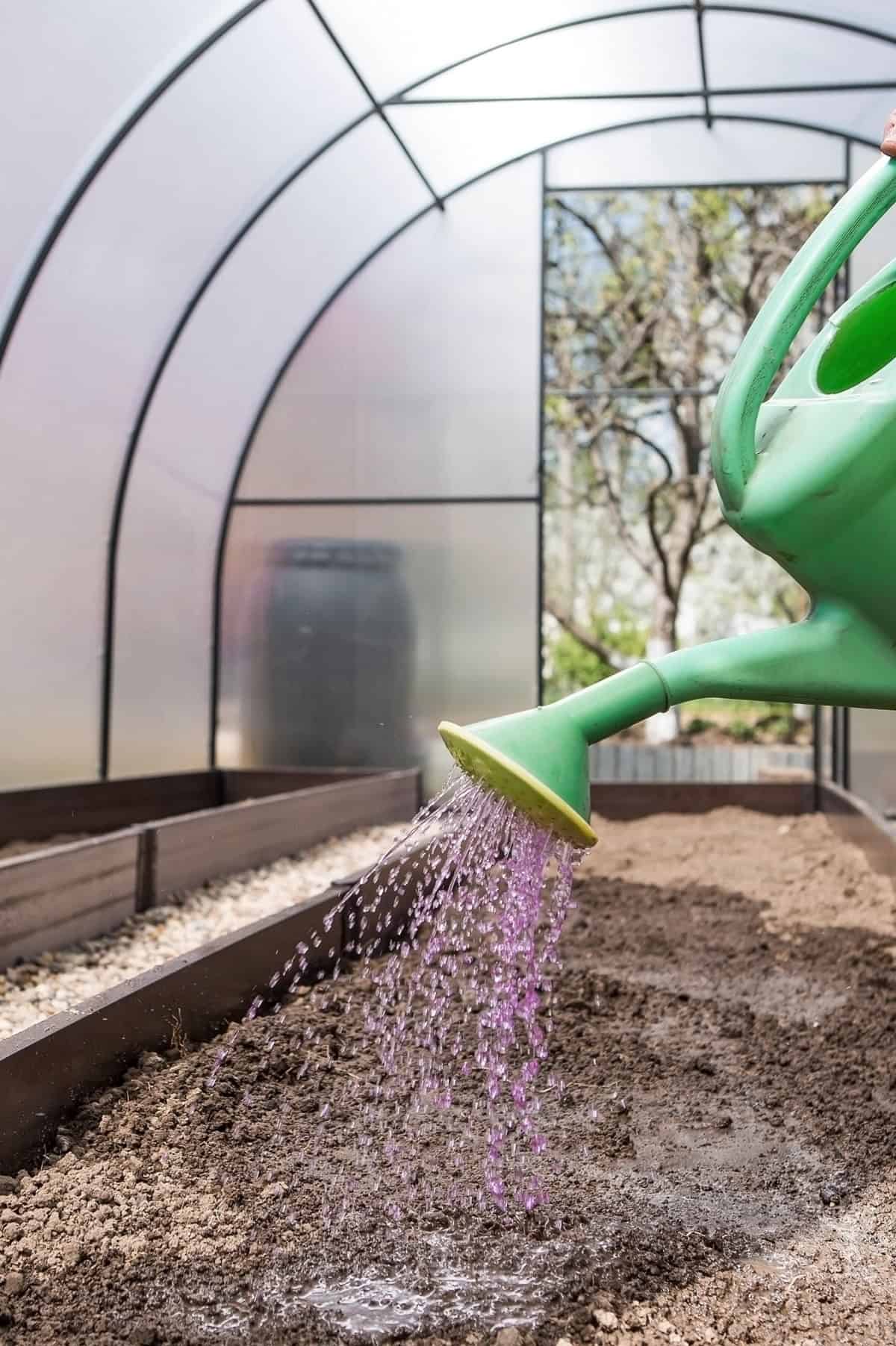
Plants need far less water during the short, low-light days of winter, and overwatering becomes the leading cause of root rot once growth slows. Water only when the top inch of soil is dry, and water in the morning so foliage dries before evening temperatures drop.
Cold, wet soil stays wet far longer than warm soil, so the watering schedule that worked in July needs cutting back significantly by December. Check soil moisture by hand rather than by calendar, since greenhouse conditions vary enough that a fixed schedule rarely matches what plants need.
Move Tender Plants to Warmer Areas
Not every plant in a greenhouse needs the same winter conditions, and sorting them by cold tolerance before the first freeze prevents losses that are hard to reverse. Move tropical and tender species to the warmest section, typically near the heater or on the south-facing side where residual sun exposure lasts longest.
Cold-hardy vegetables and dormant perennials tolerate the coolest corners without extra protection. Grouping plants by their actual temperature requirements, instead of leaving them wherever they grew all summer, makes the limited heating capacity of a greenhouse go much further.
Group Plants for Extra Protection
Clustering pots together creates a microclimate where plants share warmth and block wind from reaching each other’s foliage directly. Push containers into tight groups along the warmest wall rather than spacing them out as if light competition were still a concern.
The outer plants in a cluster take the brunt of cold air, so rotate the arrangement occasionally if a hard freeze stretches across several nights. This single adjustment, which costs nothing and takes minutes, prevents a surprising amount of cold damage compared to pots left scattered and exposed.
Use Frost Cloth Inside the Greenhouse
Frost cloth, draped directly over plants on the coldest nights, adds several degrees of protection beyond what the greenhouse structure provides on its own. Lightweight floating row cover works for most vegetables and ornamentals, while heavier frost blankets suit plants that need protection down into the low 20s.
Remove the cloth during the day so plants still get light and air movement; leaving it on continuously traps moisture against foliage and invites fungal problems. Reserve frost cloth for forecasted hard freezes rather than using it as a permanent fixture through the whole winter.
Add Thermal Screens or Curtains

Thermal screens, hung either overhead or along interior walls, trap a layer of still air that slows heat loss dramatically once the sun goes down. Retractable models let the screen open during the day for full light exposure and close at night when the temperature drop matters most.
A reflective or aluminized screen performs better than plain fabric, bouncing radiant heat back toward the plants instead of letting it escape through the glazing. Installing screens on a timer removes the need to manually open and close them every evening through the coldest stretch of the season.
Protect Pots from Cold Floors
Container plants sitting directly on a cold concrete or gravel floor lose heat through the bottom of the pot far faster than through the sides or top. Raise pots onto wooden pallets, foam board, or insulated shelving so cold doesn’t transfer directly from the floor into the root zone.
Grouping containers on a raised bench also improves airflow underneath, which helps prevent the standing moisture that leads to root rot in winter. A few inches of elevation makes a measurable difference for plants that would otherwise sit in the coldest layer of air in the entire structure.
Maximize Winter Sunlight
Low winter sun angles mean a greenhouse receives a fraction of the light it gets in summer, so every available ray counts. Clean glazing thoroughly, trim back any overhanging trees or shrubs that cast shade during the shortened daylight hours, and remove snow from panels immediately after it falls rather than letting it accumulate.
Reflective materials, such as white interior surfaces or foil-backed boards placed strategically, bounce additional light onto plants that would otherwise sit in shadow. Rearranging benches so the shortest plants sit closest to the glazing also helps them capture more of the limited light available each day.
Remove Snow from the Roof
Accumulated snow blocks light and adds weight that stresses the frame beyond what it carries during a normal storm. Clear snow from the roof promptly using a soft broom or roof rake designed for greenhouse glazing, working from the ground where possible to avoid climbing onto a structure that wasn’t built to support a person’s weight.
A few inches of wet, heavy snow weighs considerably more than the same depth of light powder, and polycarbonate panels flex under that load in ways that eventually crack the material. Checking after every significant snowfall keeps the load manageable and the frame intact.
Secure the Greenhouse Against Wind
High winds exploit any loose panel, fastener, or door latch left unaddressed from fall maintenance. Walk the structure before a forecasted windstorm and tighten anything that moves, paying particular attention to roof vents and door hinges, which take the most repeated stress during gusty conditions.
Anchor freestanding or lightweight greenhouses with ground stakes or additional guy wires if the manufacturer’s original anchoring feels insufficient for the local wind exposure. A structure that survives one winter of neglect often fails during the second, since small amounts of wind damage compound year over year.
Monitor Temperature and Humidity
A simple min-max thermometer, placed at plant height rather than near the door, shows the actual overnight low that plants experience, which frequently differs from what’s read at the entrance. Check readings daily during cold snaps, since a single unexpectedly cold night accounts for a disproportionate share of winter plant losses.
Humidity matters as much as temperature; readings above 80 percent for extended periods invite fungal disease even when temperatures stay safely above freezing. A combined thermometer-hygrometer, available inexpensively, gives both numbers at a glance and takes the guesswork out of daily checks.
Prepare for Power Outages
Winter storms knock out power at the exact moment a greenhouse heater needs it most, and a few hours without heat during a hard freeze destroys tender plants fast. A battery-powered backup thermometer with an alarm alerts the owner before damage occurs, giving time to add frost cloth or a backup heat source.
A generator sized for the heating system, tested before the season starts rather than during an actual outage, provides a reliable backup for extended power loss. Propane heaters that don’t rely on electricity offer another layer of protection against outages tied to winter storms specifically.
Keep Winter Supplies Ready

A stocked supply shelf saves critical time when a hard freeze arrives with little warning. Keep frost cloth, extra heat tape, replacement fuses or bulbs for heaters, and a backup thermometer on hand before the first cold snap rather than searching for them mid-storm.
Extra batteries for alarms and backup thermometers belong on that shelf too, alongside a basic repair kit for cracked panels or torn poly film. Checking the supply stock each fall, before the season’s first freeze warning, removes one more variable from an already unpredictable winter.
Check the Greenhouse Throughout Winter
Routine visits through the coldest months catch small problems before they become expensive ones. Walk through at least every few days, checking the heater, glazing, moisture levels, and plant condition rather than waiting for a crisis to force a visit.
A single overlooked draft, cracked panel, or failed thermostat can undo weeks of careful preparation within one bad night. Pairing regular visual checks with the thermometer and humidity readings already in place catches the kind of slow drift, a thermostat creeping out of calibration, a vent that won’t fully close, that otherwise goes unnoticed until plants show the damage.