Gardeners searching for shade plants usually start with flowers or foliage. Ornamental grasses rarely receive the same attention despite offering year-round interest in many landscapes. Their appearance can help balance planting beds filled with larger leaves. This article will introduce 25 excellent options to start with.
Table of Contents
- Shade-Loving Ornamental Grasses
- Japanese Forest Grass
- Northern Sea Oats
- Tufted Hair Grass
- Bottlebrush Grass
- Wood Millet
- Japanese Sedge
- Oshima Sedge
- Pennsylvania Sedge
- Palm Sedge
- Bowles’ Golden Sedge
- Greater Wood Rush
- Snowy Wood Rush
- Black Mondo Grass
- Dwarf Mondo Grass
- Liriope muscari
- Liriope spicata
- Variegated Sweet Flag
- Golden Sweet Flag
- Carex plantaginea
- Carex albicans
- Hakonechloa macra ‘Aureola’
- Acorus gramineus ‘Variegatus’
- Acorus gramineus ‘Ogon’
- Carex morrowii ‘Ice Dance’
- Carex oshimensis ‘Everillo’
Shade-Loving Ornamental Grasses
Turns out, more grasses and their lookalikes can take shade than most folks think. Here’s a lineup that doesn’t mind part or even full shade and still delivers on foliage and seasonal flair.
Japanese Forest Grass
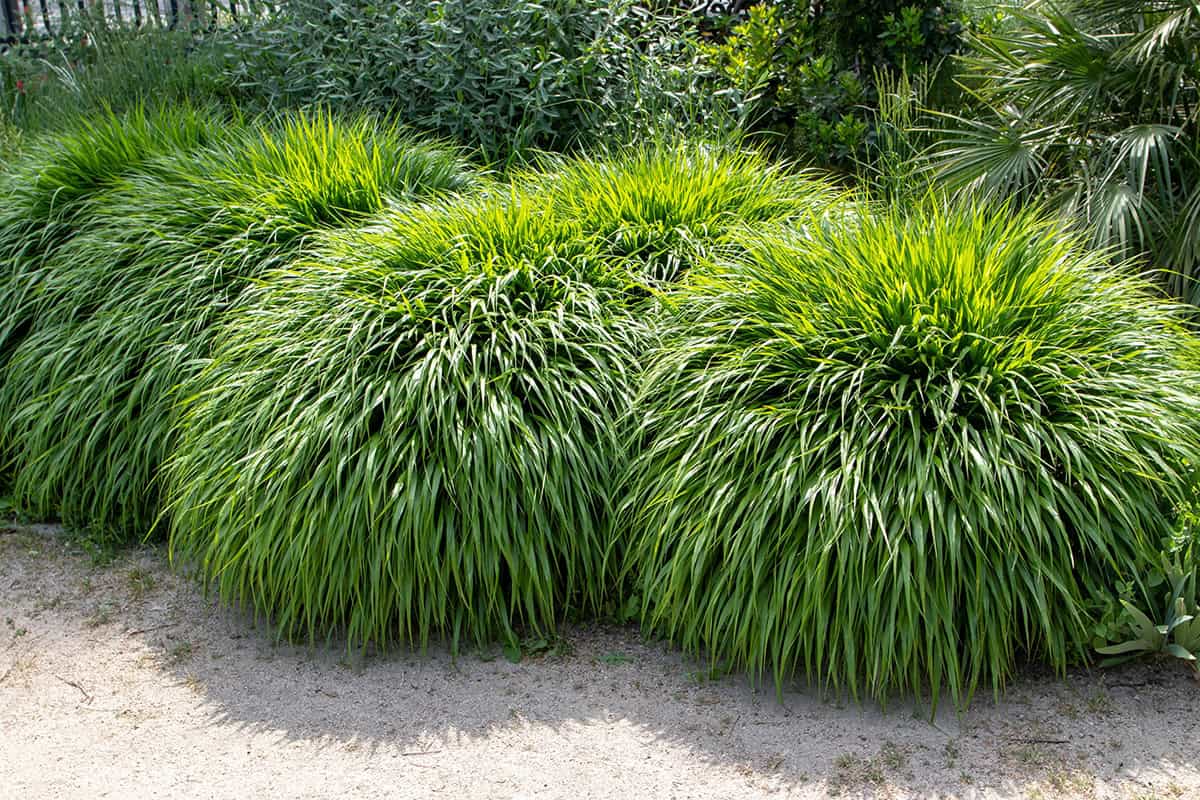
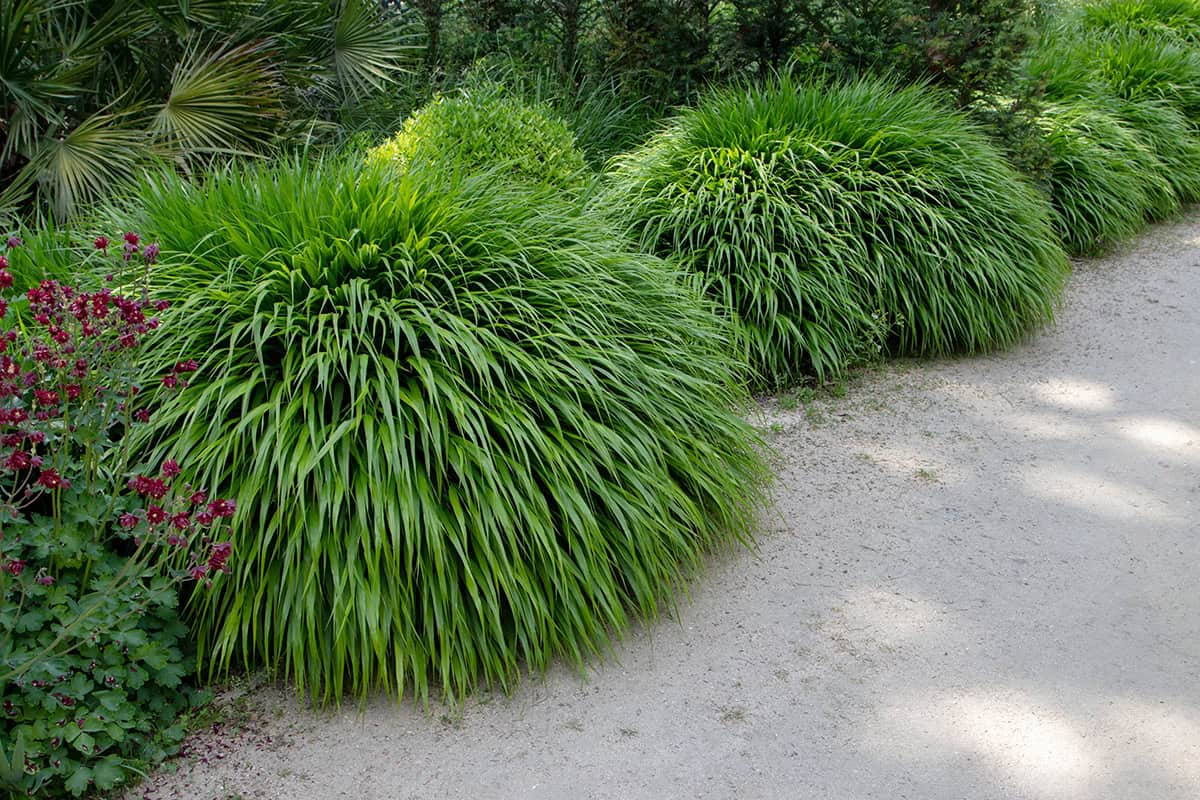
Soft, arching mounds give Japanese forest grass a graceful vibe in shadowy corners. It settles in at about 12 to 18 inches, spreading slowly but never getting out of hand. Moist, rich soil keeps it happiest, and too much dryness? Not its thing.
Depending on the type, leaves might be green, gold, or even flush red-orange in cool autumns. Tuck it beside shaded walkways or under trees for a polished look.
Northern Sea Oats
Those dangling, flat seed heads catch the eye all summer. Northern sea oats clump up to 2 or 3 feet, handling part shade and even moist ground without fuss.
Bronze seed heads stick around into the cold months, but be warned—this grass likes to self-seed. Snip off heads if you’re not into surprises next spring.
Tufted Hair Grass
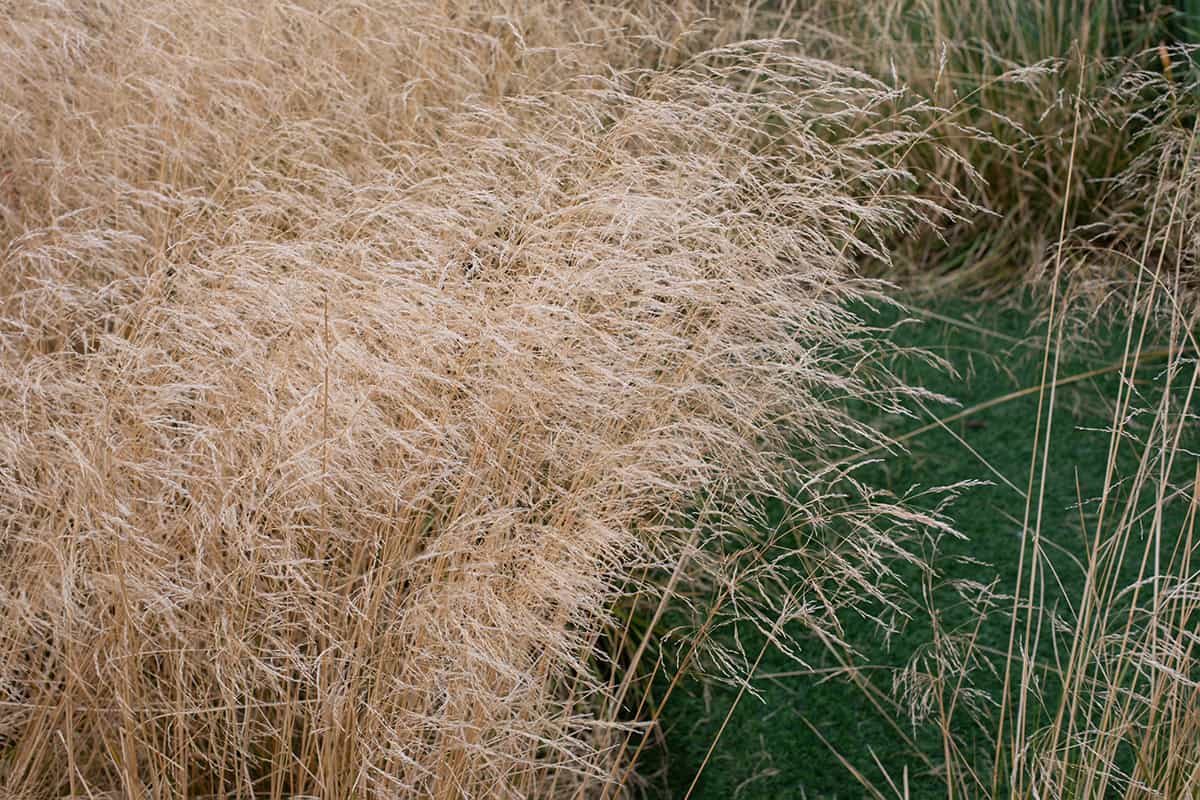
Airy flower panicles float above its dense clumps, especially in cooler climates. Tufted hair grass gets by with less sun than most cool-season types, and steady moisture keeps it looking its best.
It’s all about fine texture and gentle sway here. Every few years, divide it up to keep things lively.
Bottlebrush Grass
Dry, shady spots under trees? Bottlebrush grass is game. Upright bristly seed heads arrive late spring, and the plant itself tops out around 2 to 3 feet.
Flowers put on their best show with a bit of filtered light, but total shade won’t stop it from thriving. Green leaves stick around most of the season, and it spreads at a leisurely pace.
Wood Millet
Bamboo-like leaves and arching stems bring a lush feel, even where light is scarce. Wood millet isn’t picky about deep shade and usually hits 2 to 3 feet.
Moist, humus-rich soil keeps it looking full. By late summer, seed heads add just a hint of texture. Give it room—rhizomes help it spread out over time.
Japanese Sedge
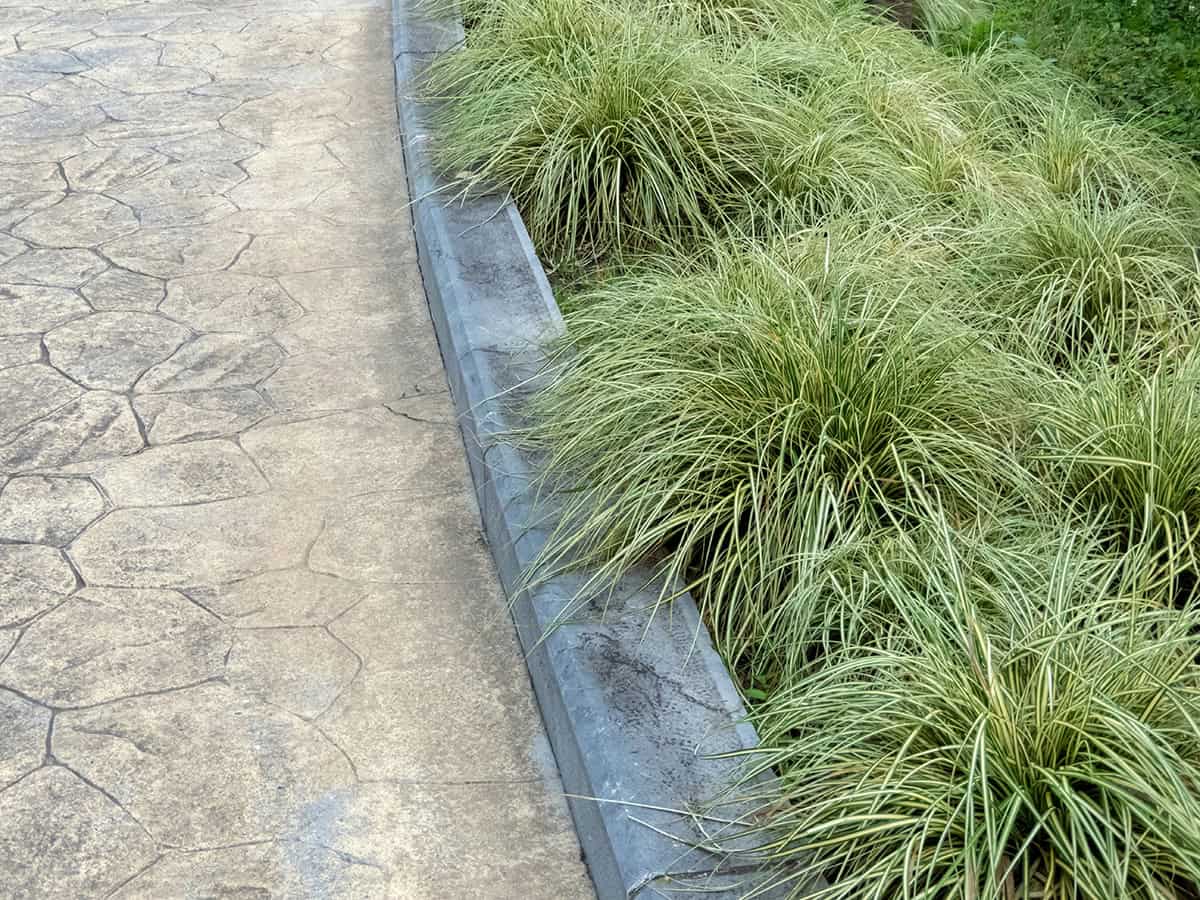
Among sedges, this one’s a classic—low, arching, and ever-so-tidy at about 12 to 18 inches. It doesn’t fuss about part or full shade and tolerates a range of soils as long as things don’t dry out completely.
In milder winters, those evergreen leaves keep structure going strong. Refresh older clumps with an occasional divide.
Oshima Sedge
Glossy, narrow leaves and compact mounds give Oshima sedge a crisp look. It’s happiest in part shade but won’t pout in deeper shade if the soil stays moist.
Some types sport gold or cream stripes—handy for brightening up a border. Place it where you want a tidy groundcover that won’t take over.
Pennsylvania Sedge
Looking for a soft, green alternative to grass in dry shade? Pennsylvania sedge fits the bill, growing 6 to 12 inches and spreading gently by rhizomes.
Perfect beneath big trees where grass gives up. It’s drought-tough once settled and keeps a fine, soft texture. A quick mow now and then keeps it neat, if that’s your style.
Palm Sedge
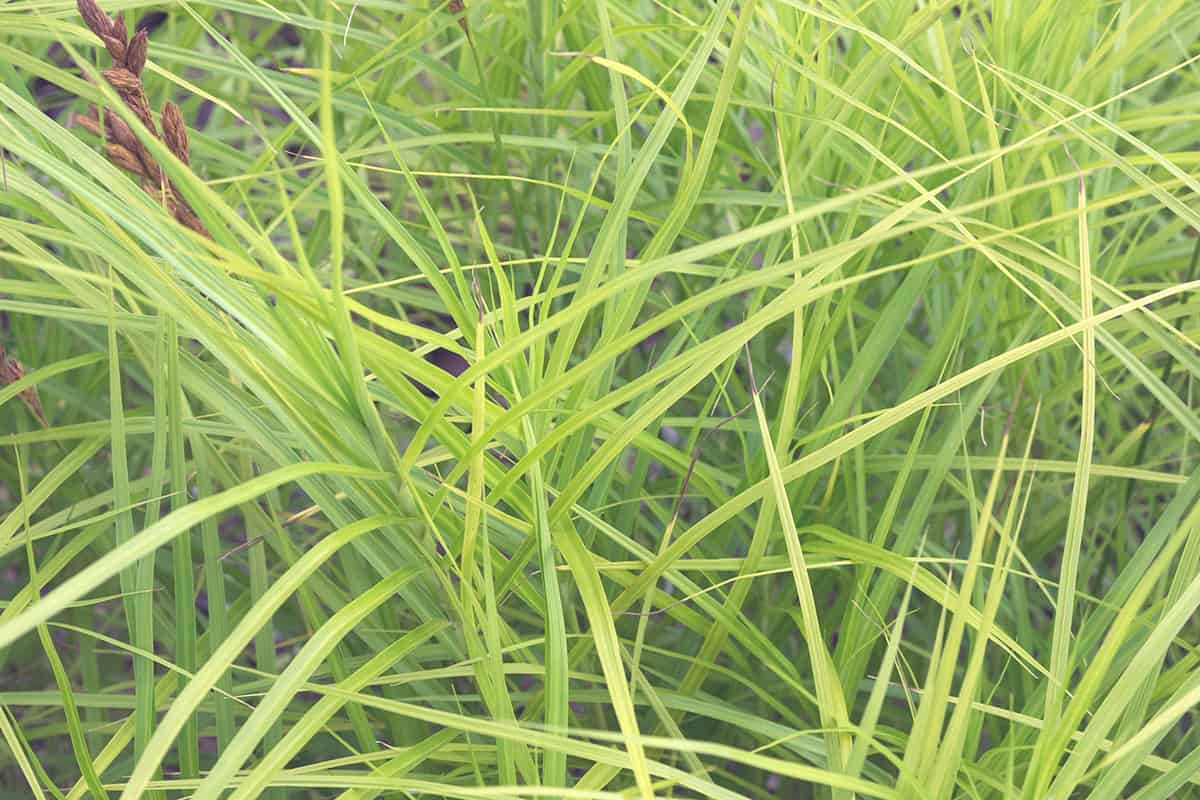
Broad, pleated leaves set palm sedge apart—almost like tiny palm fronds, reaching up to 24 inches. Shade isn’t a problem, and it’s fine with wet feet.
Over time, clumps get bigger but never wild. It’s a bold-texture pick for shadowy beds that need a little drama.
Bowles’ Golden Sedge
Vivid yellow leaves steal the show here, especially in lighter shade. Clumps reach up to 18 inches, but too much sun can turn those leaves crispy.
Keep the soil moist and trim off any rough patches in spring. Against dark evergreens, the color really pops.
Greater Wood Rush
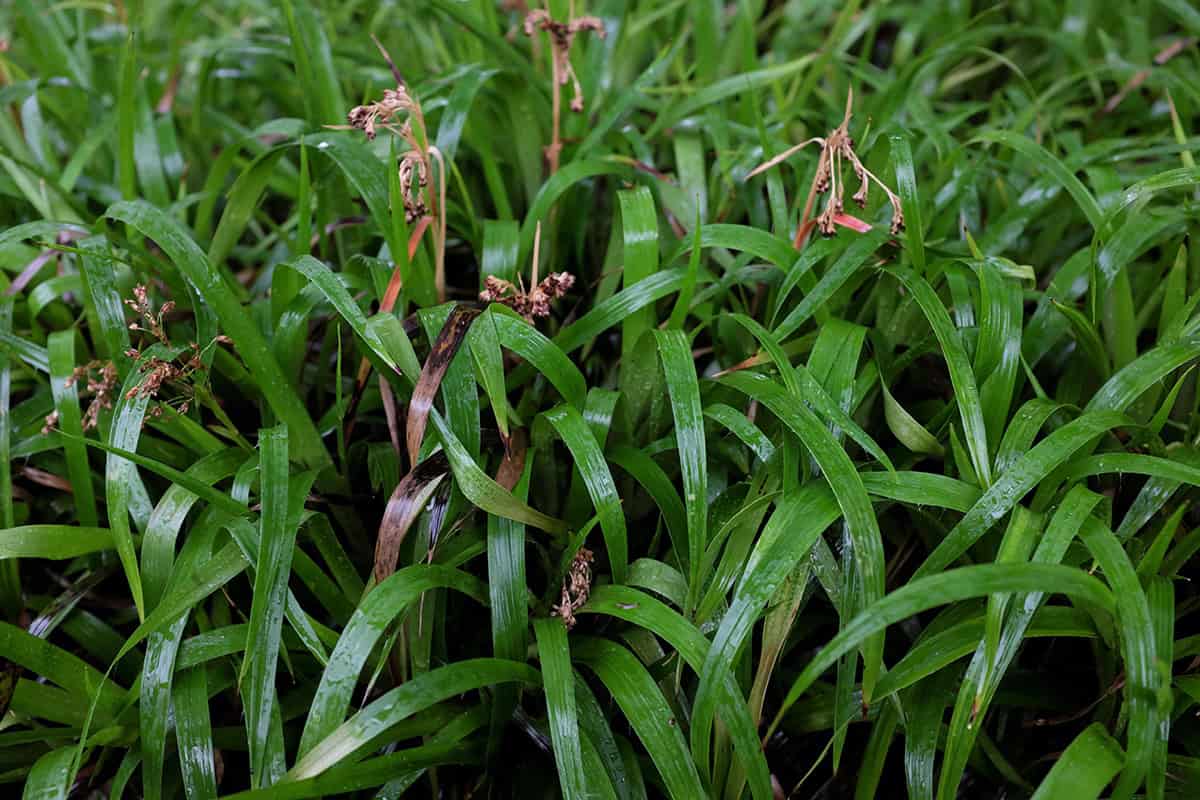
Not technically a grass, but you’d never know at a glance. Upright clumps stand about 12 to 18 inches, handling deep shade and moist or average soils without fuss.
Glossy evergreen leaves stick around through winter, and brown flower clusters show up in spring. Woodland gardens and shady slopes are its element.
Snowy Wood Rush
Dark green leaves edged in white give this one a crisp, clean look. It’s compact—about a foot tall—and spreads at a relaxed pace.
Best in part to full shade with soil that never dries out completely. If green shoots pop up, pull them to keep the variegation sharp.
Black Mondo Grass
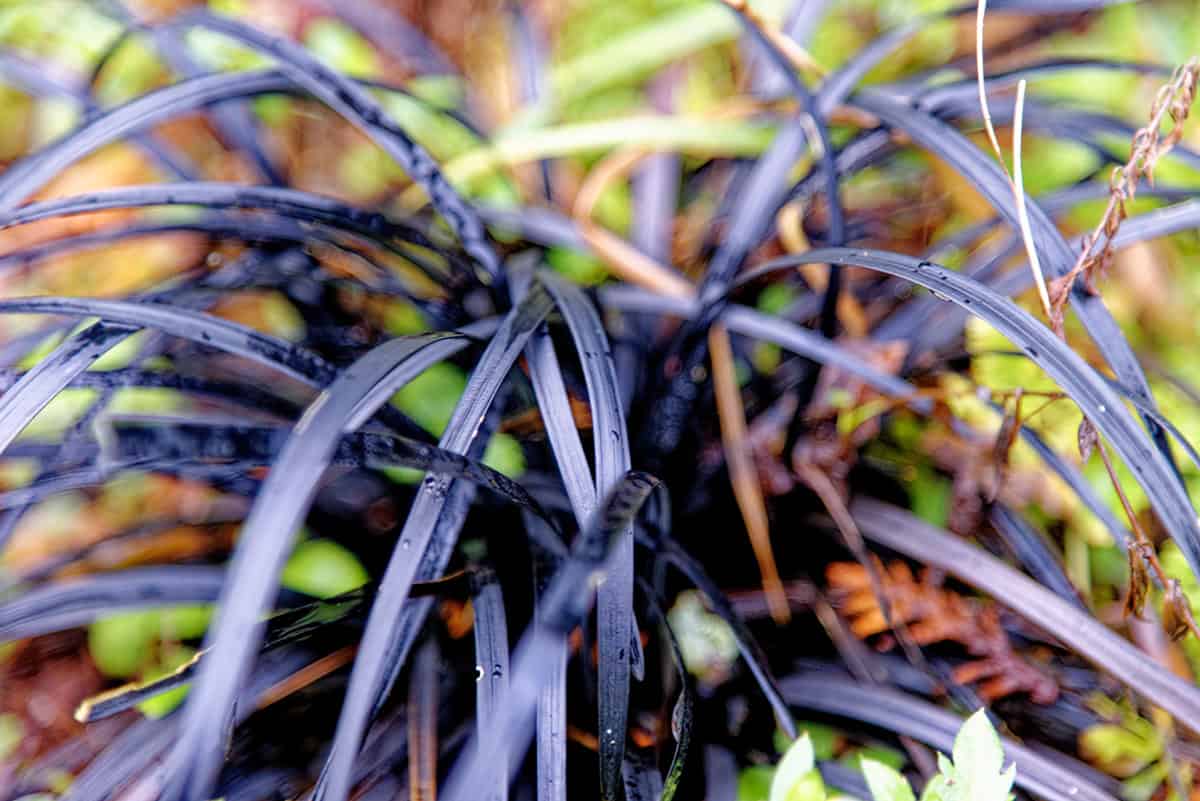
Deep, almost black foliage makes this a standout in shade. Dense clumps grow 6 to 10 inches, with slow, steady growth.
Lavender flowers and black berries appear in summer, but the leaves are the real show. Needs well-drained, moist soil—don’t let it sit in water.
Dwarf Mondo Grass
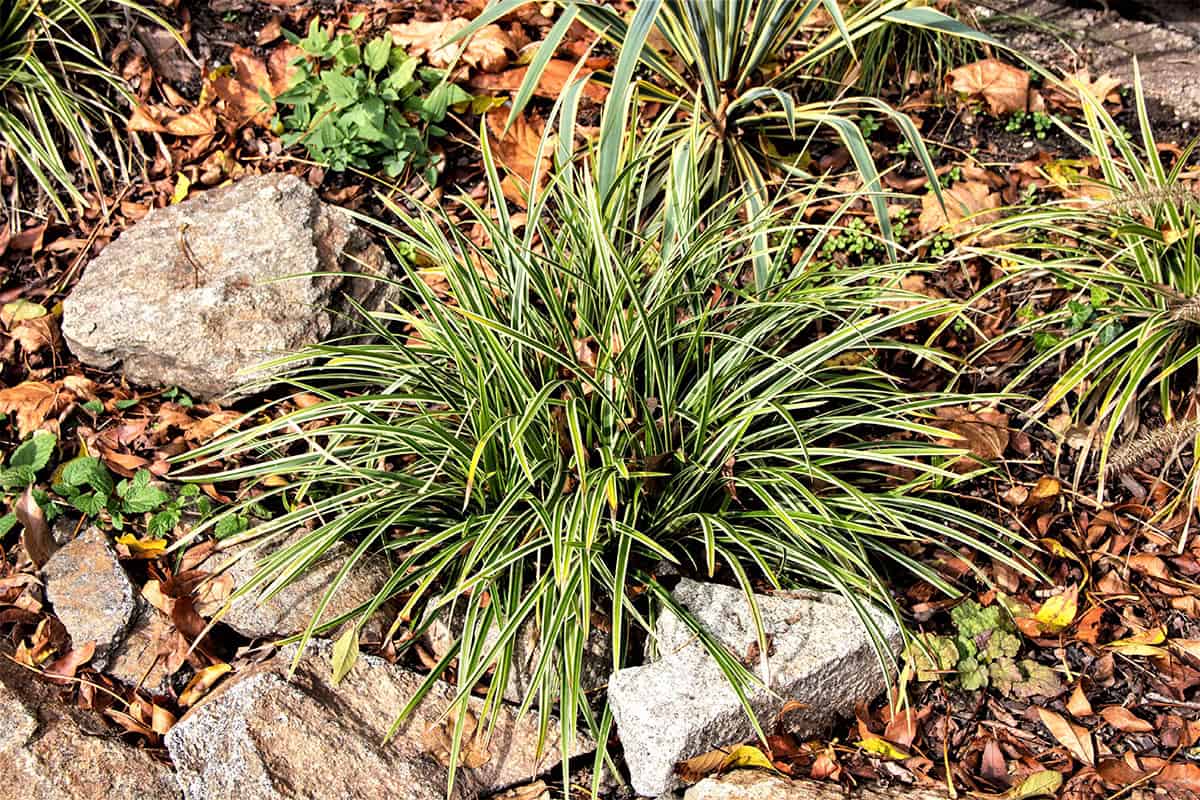
For a tight, green carpet in the shade, this little guy does the trick. Just 2 to 4 inches tall, it’s perfect between stepping stones or as a lawn swap in dim spots.
Handles full shade and light foot traffic once it’s settled in. Divide it up if you want to fill in bare patches.
Liriope muscari
Clumping growth and spikes of purple or white flowers set this one apart. It’s flexible—part shade preferred, but full shade doesn’t bother it much.
Berries follow the blooms in fall. Works as a border or mass planting, and isn’t fussy about soil as long as it drains.
Liriope spicata
Quick to cover ground, this species spreads by rhizomes and stands about 10 to 15 inches tall. Deep shade and poor soil aren’t dealbreakers, but it can get a bit pushy in small gardens if left unchecked.
Late summer brings flower spikes. A spring trim keeps it looking tidy for the season ahead.
Variegated Sweet Flag
Green leaves with creamy stripes fan out in clumps, reaching up to a foot tall. This one doesn’t mind wet feet or part shade—pond edges or rain gardens are ideal spots.
Crush the foliage for a faint, sweet scent. In mild climates, it stays semi-evergreen.
Golden Sweet Flag
Bright yellow foliage lights up low-light spots, especially if the soil is moist or even a bit wet. Tops out around 8 to 12 inches.
Perfect for edging water features or filling low, damp spots. Divide every few years to keep it dense.
Carex plantaginea
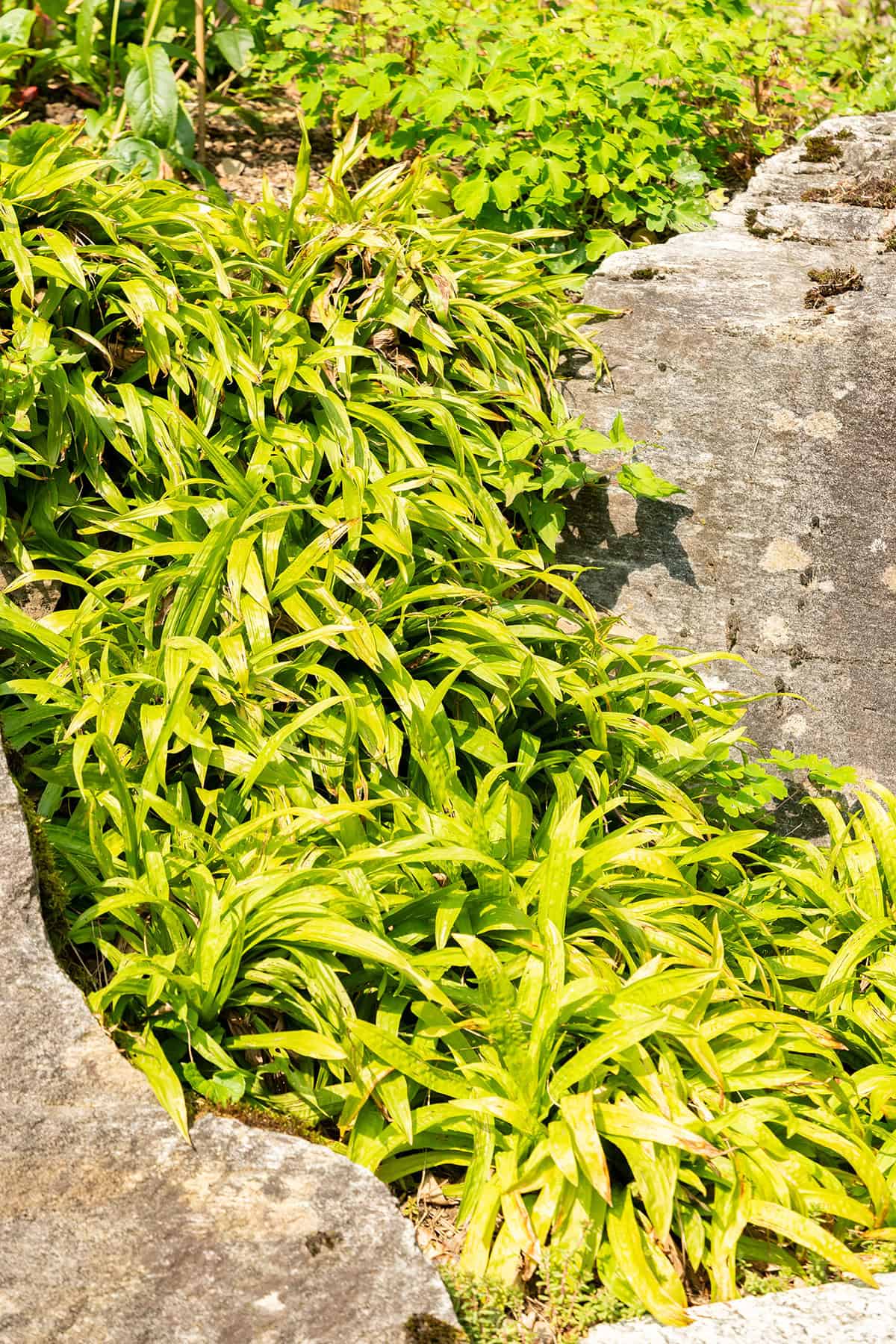
Broad, rippled leaves and a loose clumping habit make this native sedge a strong choice for woodland shade. Grows 6 to 12 inches and handles dry to average soil under trees.
Flower spikes peek above the foliage in spring. Slow to spread but worth the wait.
Carex albicans
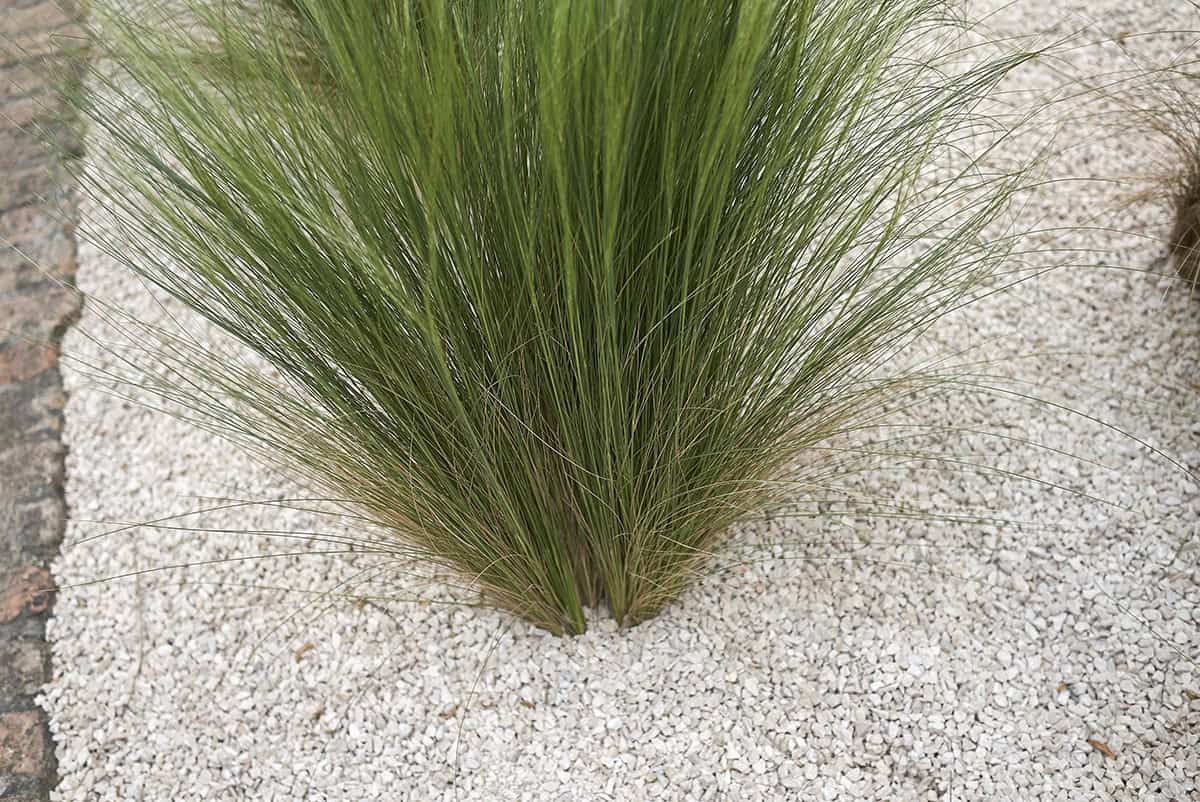
Fine-textured and tidy, Carex albicans—white-tinged sedge—grows 6 to 12 inches and thrives in dry, shaded spots. Makes a gentle groundcover for woodland beds, provided the soil drains well.
Light green leaves last through the season, and it rarely gets out of hand.
Hakonechloa macra ‘Aureola’
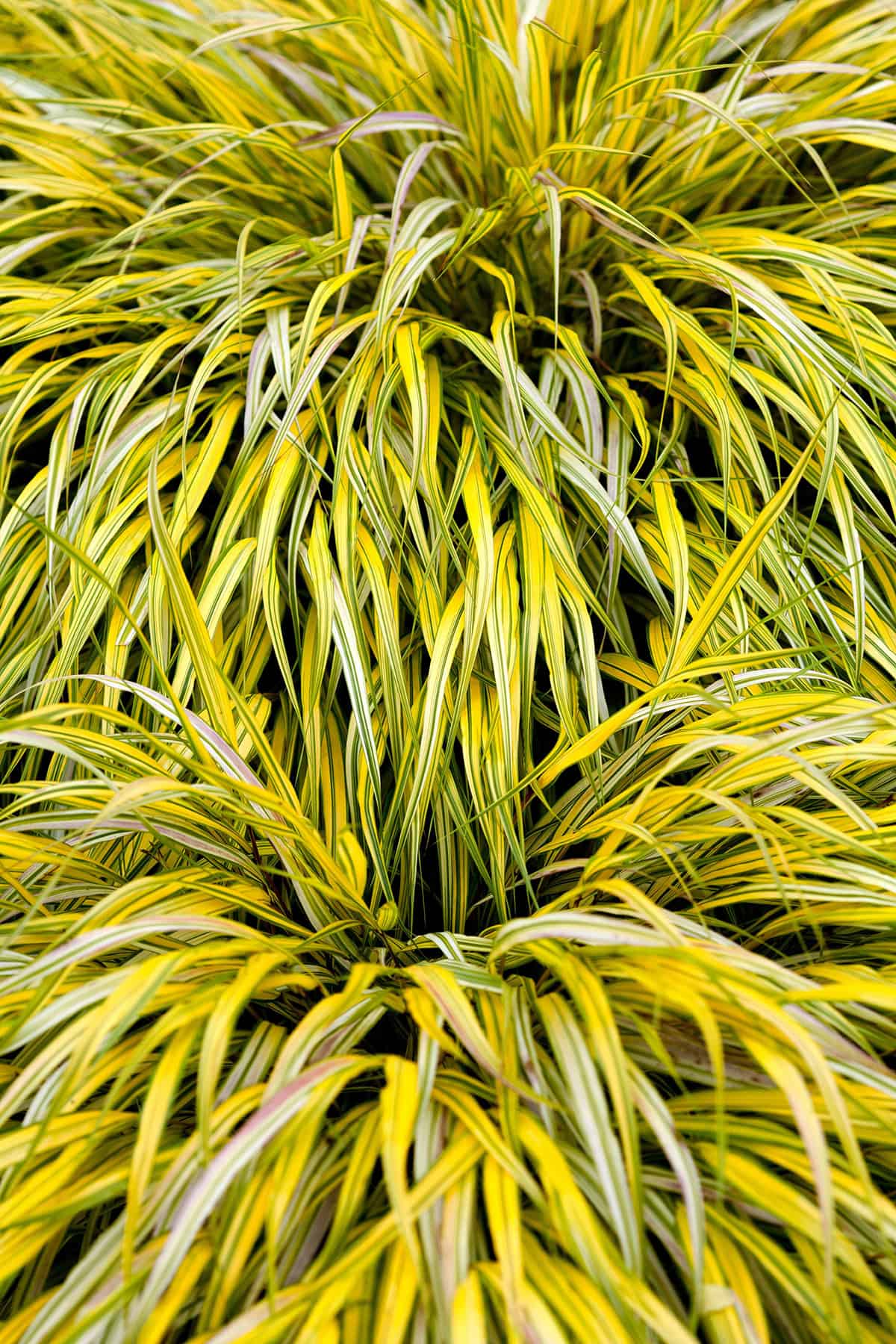
Golden leaves streaked with green cascade gracefully, making this cultivar a favorite for shady plantings. Clumps reach up to 18 inches, and fall brings out red or orange hues in cool climates.
Color stands out best in part to full shade with moist, rich soil. Divide in spring to multiply your display.
Acorus gramineus ‘Variegatus’
Upright fans of green and white-edged leaves brighten damp, shady spots. Heights run 6 to 12 inches, and it does well near ponds or in consistently moist beds.
Semi-evergreen in mild areas, with old leaves best trimmed in early spring.
Acorus gramineus ‘Ogon’
Solid gold foliage gives this selection its glow. It prefers moist soil and part shade, though color fades in deep shade.
Contrast it against darker plants for best effect. Divide to keep clumps thick and healthy.
Carex morrowii ‘Ice Dance’
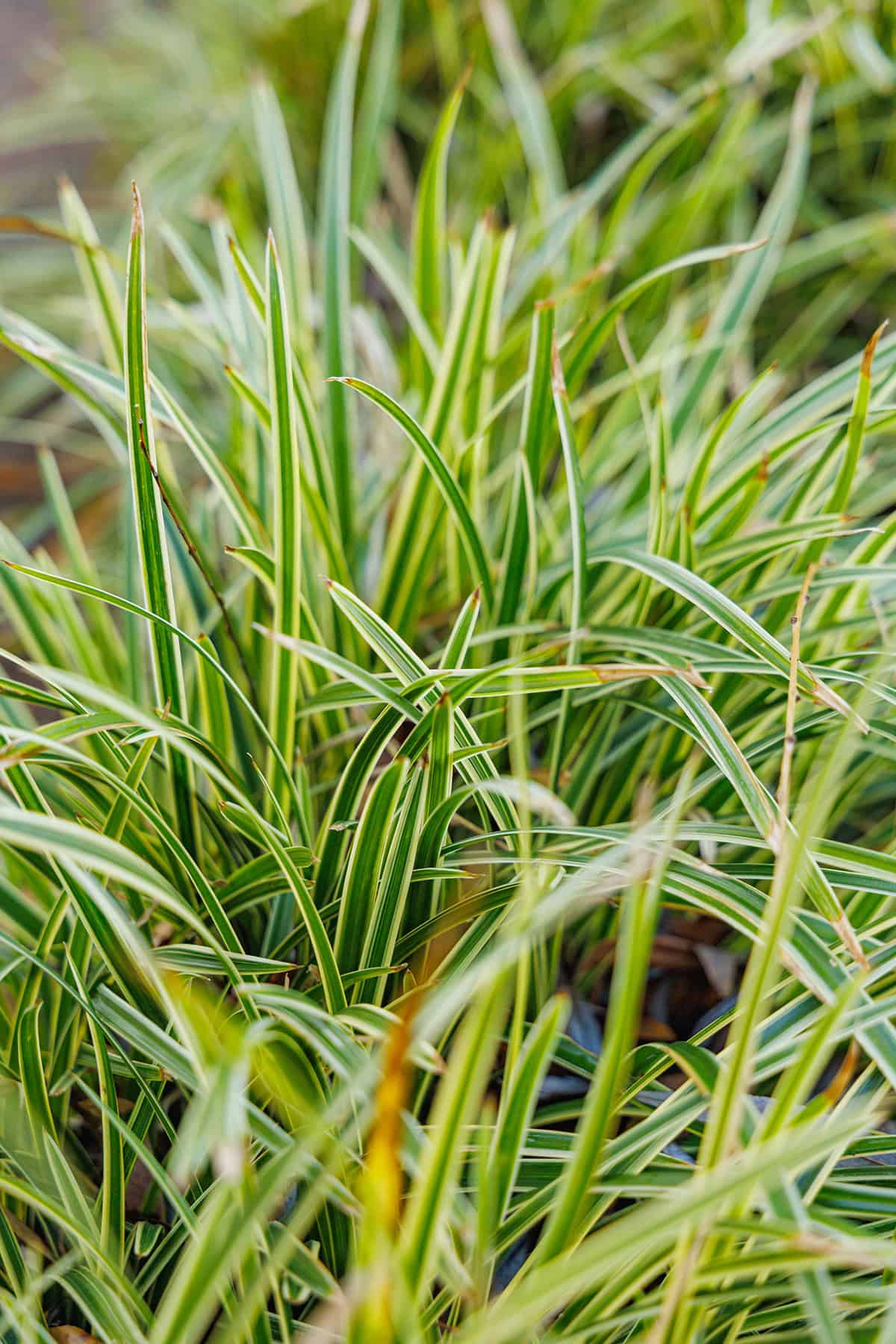
Arching clumps show off dark green leaves edged in creamy white, growing up to 15 inches. Shade isn’t a problem, and average garden soil works fine if moisture is steady.
Slowly spreading, it’s a reliable groundcover for shaded borders without taking over.
Carex oshimensis ‘Everillo’
Bold streaks of chartreuse slice through the garden, thanks to ‘Everillo’s distinctive foliage. These grassy clumps hover around 12 to 18 inches, both in height and spread, lending a punchy accent that doesn’t get lost among neighbors.
Dappled shade keeps that color from fading out. It’s picky about soil—wants things moist, but not soggy, or else the roots complain.
In regions where winters don’t bite too hard, those blades hold their glow all through the year. Pairing ‘Everillo’ with something deep and moody, maybe a plant with near-black leaves, really lets the color pop.