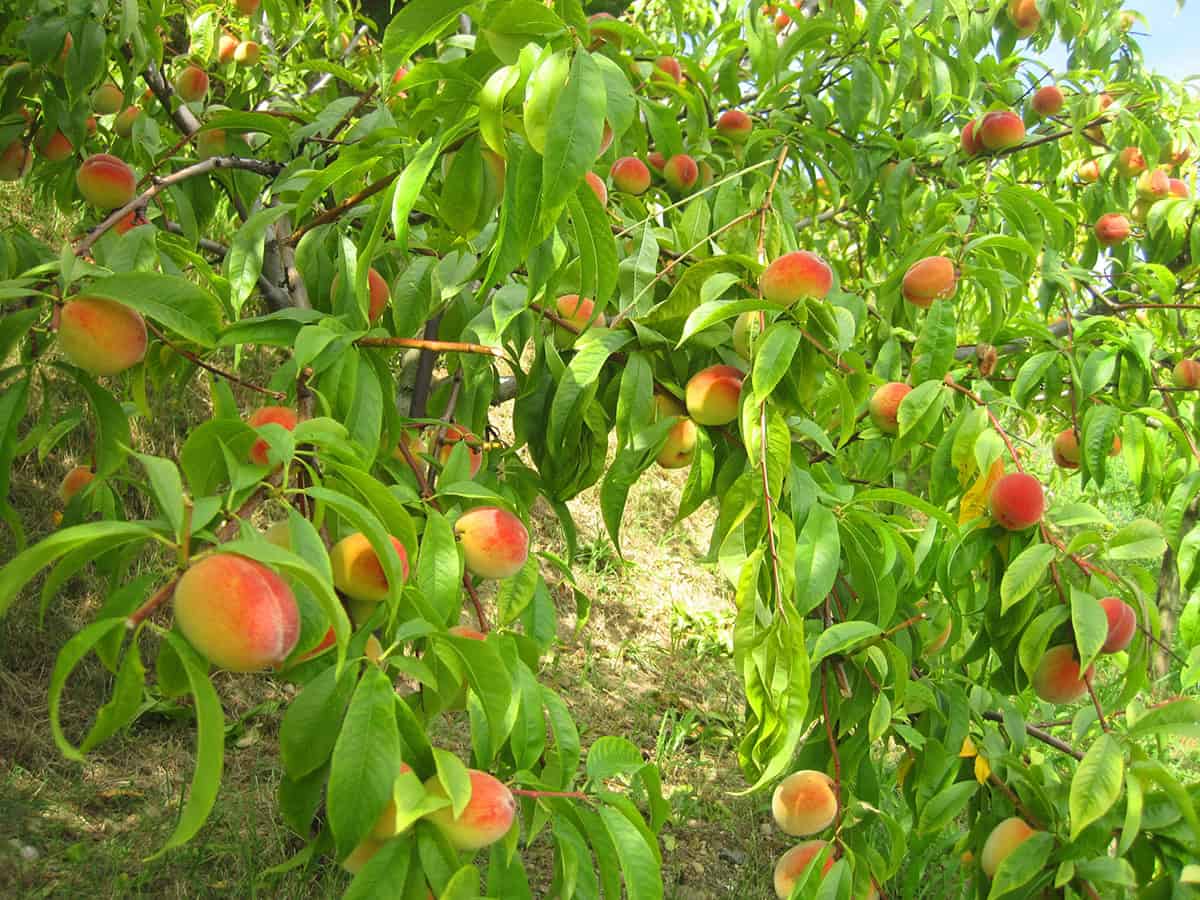
Ever finish a peach and think, “Could I actually plant this pit?” With a little patience and the right steps, you really can coax a tree out of that tough shell. Getting a peach tree from a pit means cleaning the seed, chilling it for several weeks, and putting it in well-drained soil. It’s not instant, but the process is pretty straightforward if you don’t rush it.
Don’t expect every pit to sprout—and even when they do, the tree might not match the fruit you started with. Picking a healthy seed and handling the cold storage part right is key. Here’s what you’re signing up for, from seed to (eventually) fruit.
This covers how to keep a young tree healthy, train the branches early, and dodge the usual pests and diseases. The right spot and steady attention make a huge difference. Peach trees really need sun and soil that drains well.
Table of Contents
- Can You Grow a Peach Tree From a Pit?
- Choosing and Preparing the Peach Pit
- Cold Stratification: The Essential Step
- How to Plant a Peach Seed
- Caring for a Young Peach Seedling
- Growing Conditions for a Healthy Peach Tree
- Pruning and Training Your Peach Tree
- Common Problems and Solutions
- When Will Your Peach Tree Produce Fruit?
Can You Grow a Peach Tree From a Pit?
It’s possible to raise a peach tree from a pit, but be ready for surprises—the fruit won’t always match the original. Growing from seed takes time before you’ll see peaches.
What to Expect From Seed-Grown Peach Trees
That hard pit hides a seed with potential, but what actually grows can be a bit of a wild card. Most peaches will pollinate themselves, so you don’t need a second tree for fruit. Still, the new tree probably won’t be a clone of the one you ate.
Sometimes you get a tree that makes great peaches, sometimes not. Size, flavor, color—these can all shift. The genetics are a mix, so it’s a bit like rolling the dice.
Seedlings often take off with serious energy, shooting up to 15–25 feet if you let them. Early pruning keeps things manageable and helps shape a sturdy tree.
Weather matters. Peaches need a certain number of chilly winter hours (32–45°F) to bloom well in spring.
How Long It Takes to Bear Fruit
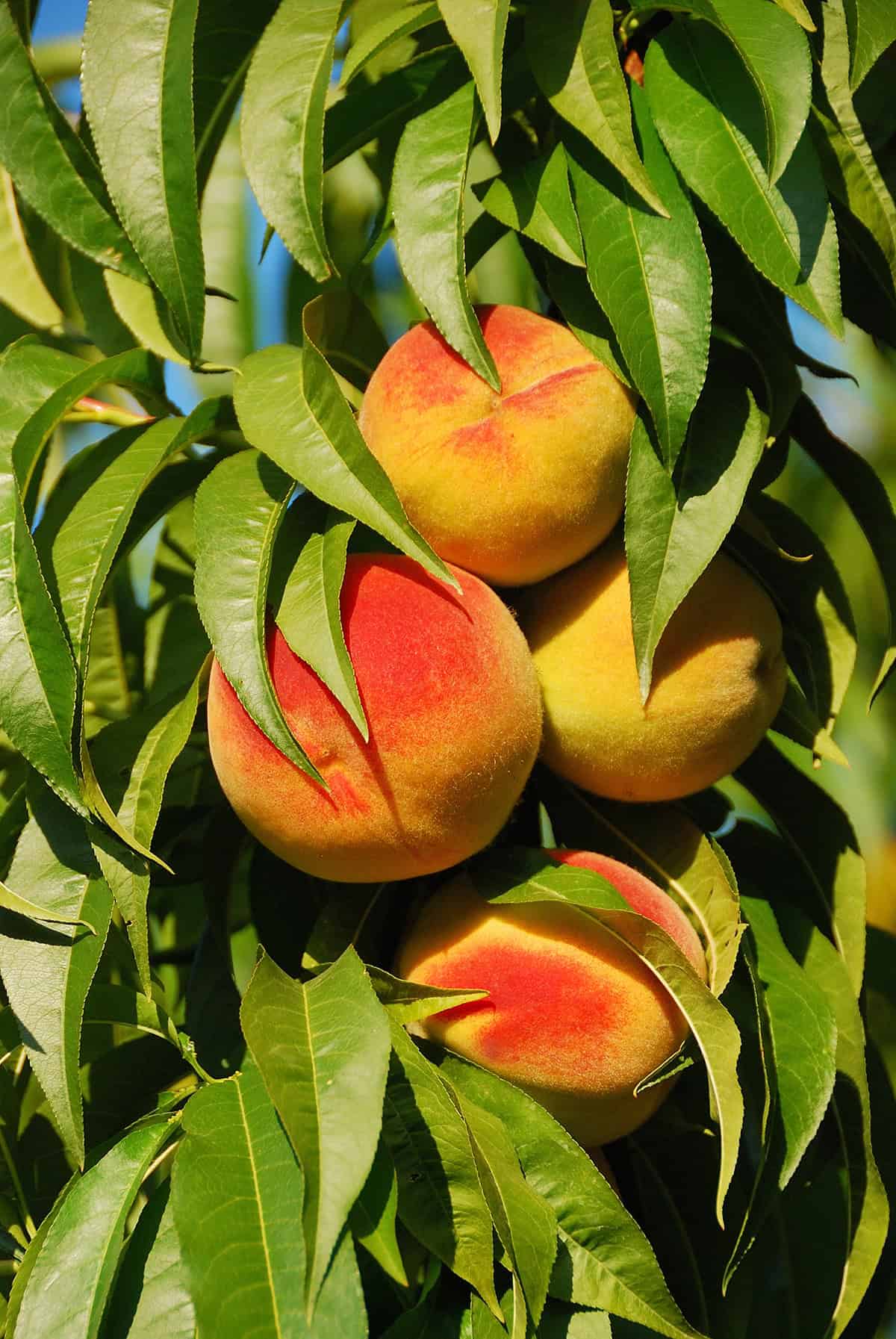
If you’re starting from a pit, expect to wait three to four years—sometimes even five—for fruit. Trees from nurseries (grafted ones) usually get there faster.
Full sun, loose soil, and consistent watering set the stage for fruit. Shade or soggy dirt will slow things down. Late frosts can also wipe out spring flowers.
Annual pruning helps since peaches grow fruit on new wood. Good care can speed things up and boost the quality, but patience is part of the deal.
Choosing and Preparing the Peach Pit
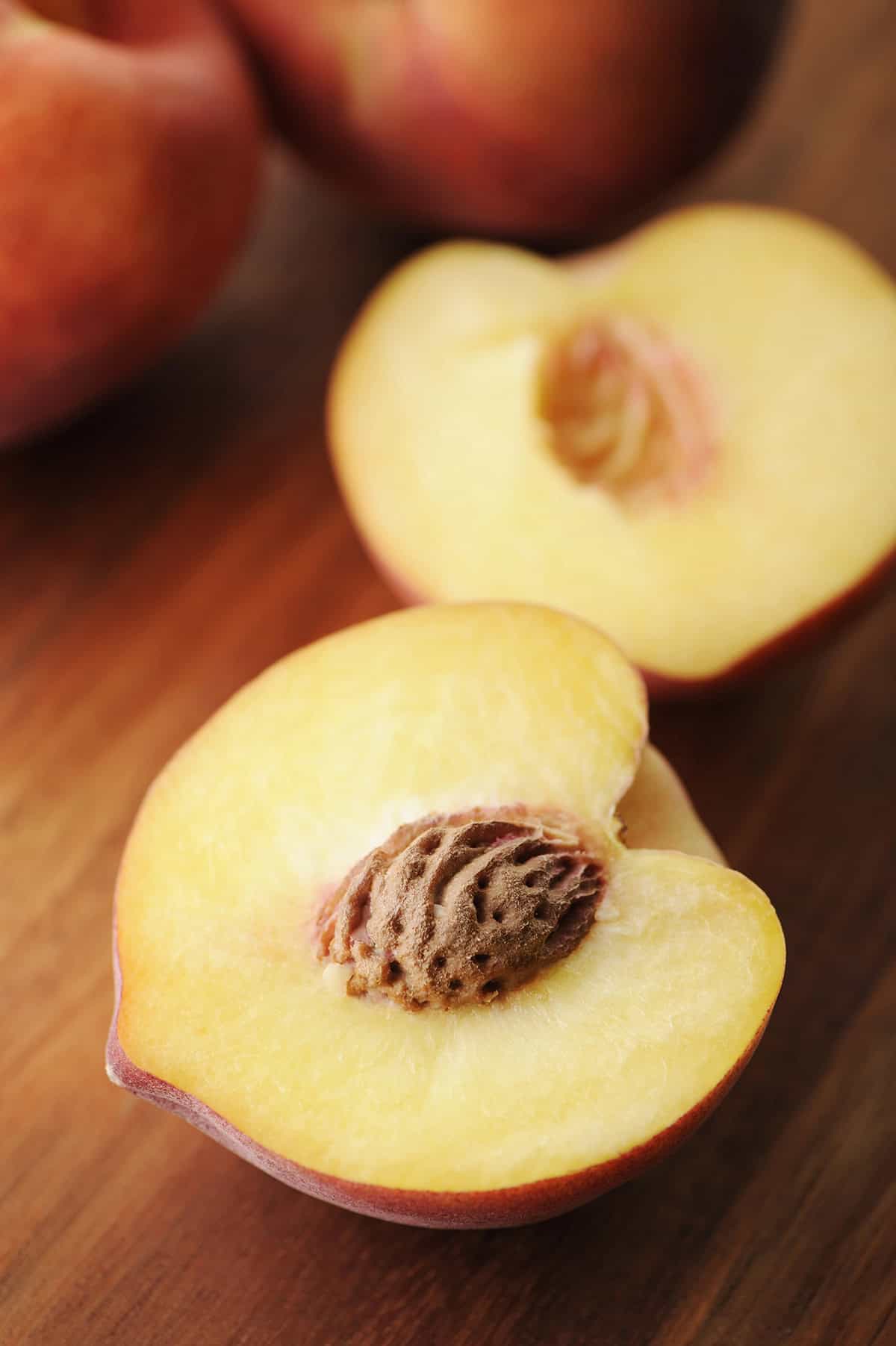
Everything starts with a decent seed. You’ll want a fully ripe peach, a spotless pit, and a little prep before chilling and planting.
Selecting a Ripe, Healthy Peach
Go for peaches that ripened on the tree—those picked early usually have seeds that won’t sprout.
Look for fruit that feels heavy, gives just a bit when pressed, and shows full color (no green near the stem).
Skip anything with mold, rot, or bug holes. Issues on the fruit can carry over to the pit inside.
Using local fruit helps, since those varieties are already adapted to your region’s climate. The seed’s more likely to thrive in familiar conditions.
Even though most peaches self-pollinate, seeds just don’t copy the parent tree. Expect some surprises in the next generation.
Cleaning and Drying the Pit
Scrape off every bit of fruit as soon as you’re done eating. If you leave pulp, it can get moldy and mess up the chilling process.
Rinse the pit well—no soap, just water. Rub off any fibers stuck to it.
Blot it with a paper towel, then let it finish drying at room temperature for a few days. Good airflow helps. Keep it out of direct sun.
When it feels hard and dry, you’re set for the next step. This cuts down on fungus during cold storage.
Don’t try to rush it with heat—high temps can kill the seed inside.
Removing the Seed From the Shell (Optional)
Some folks like to crack the shell to speed things up, but it’s tricky. Wait until the pit’s totally dry, then use a nutcracker or vise—gently—along the seam. Don’t crush the seed inside.
The seed looks like an almond. If it’s shriveled or dark, toss it.
Leaving the seed in the shell works fine, too. The shell protects it during chilling, but cracking it can help it sprout faster since moisture gets in easier.
Be careful with bare seeds. Damaged seed coats can stall growth or ruin the seed entirely.
Cold Stratification: The Essential Step
Peach pits need a cold, damp rest to wake up. You’re basically mimicking winter so the seed knows it’s safe to sprout.
Why Peach Seeds Need Chilling
The seed inside the pit is set to stay asleep after harvest—nature’s way of making sure it doesn’t sprout at the wrong time. Cold temps (33–41°F) signal the seed to get ready, but it needs moisture, too. Dry cold doesn’t cut it.
Without this phase, peach seeds just sit there, sometimes for months, doing nothing. Chilling gives you a better shot at strong sprouts.
Try planting a fresh pit in warm dirt and you’ll likely wait forever. The seed wants winter first.
How to Stratify in the Refrigerator
If you’ve cracked the pit, use the bare seed, or just chill the whole pit. Make sure it’s clean and dry first.
Stick the seed in a plastic bag with barely damp peat moss, sand, or a paper towel. It should be moist, not soggy—too much water leads to rot.
Seal it up and stash it in the fridge. Keep it away from apples and other fruits that give off ethylene. Temperature needs to stay in the right range.
Every couple of weeks, check inside. If the medium’s dry, mist it a bit. Pull out any seeds that get moldy.
How Long to Stratify Peach Seeds
Usually, you’ll need to chill peach seeds for one to three months. Many types do well with 8–12 weeks.
Timing can vary—depends on the peach variety. Some need less, some more. The three-month window is a general guideline.
Near the end, check for a tiny root poking out. When you see that, plant the seed right away in a pot with good soil.
Don’t let seeds linger in the fridge much past three months—they lose strength if left too long.
How to Plant a Peach Seed
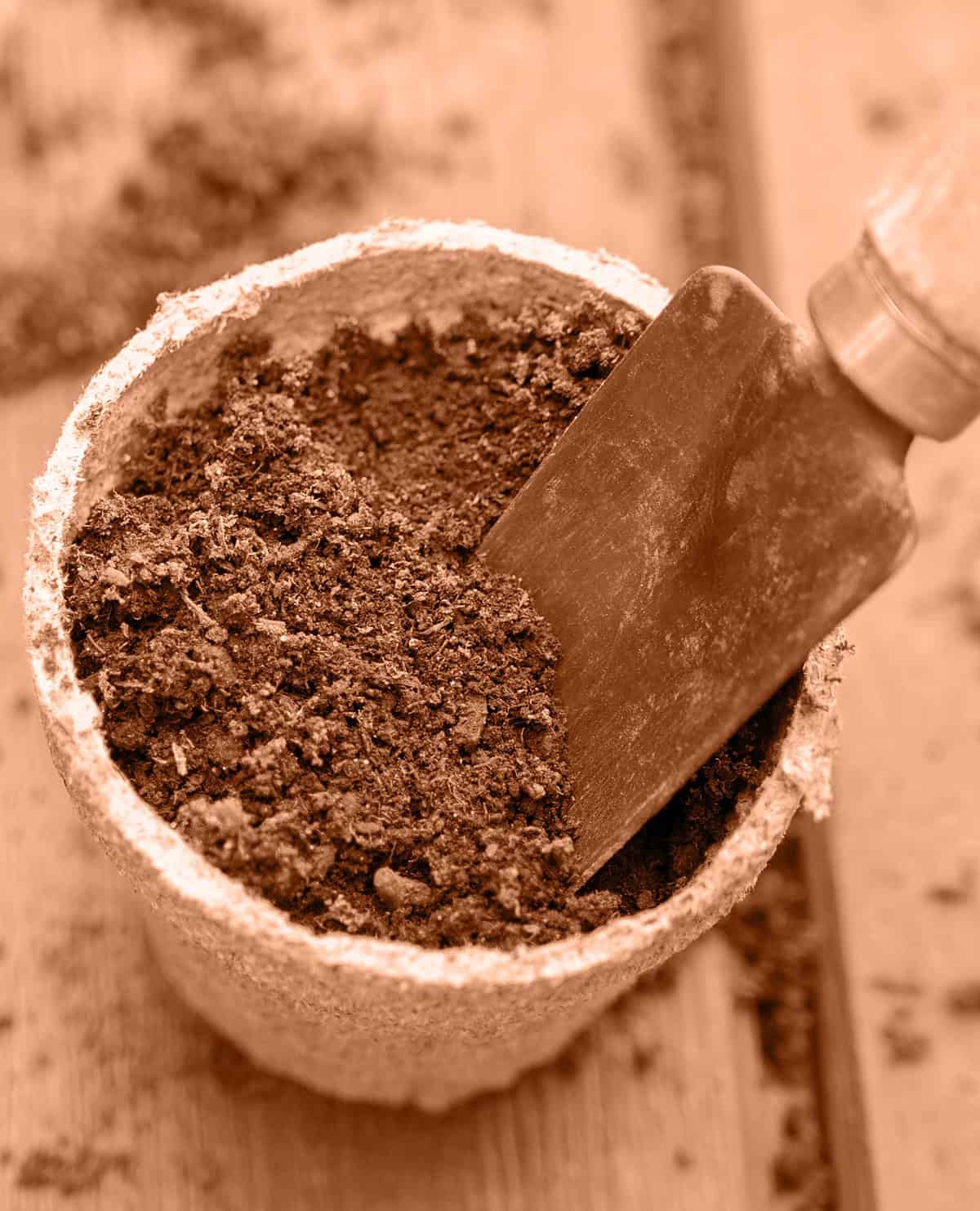
Whether you start indoors or go straight into the ground, the basics matter: loose soil, the right depth, and some protection while the seedling’s young.
Planting in Pots Indoors
Grab a pot at least 8–10 inches deep—roots want depth more than width. Drainage holes are a must.
Fill with a loose, well-draining potting mix. Heavy garden dirt can choke new roots. You want something that holds a bit of moisture but doesn’t stay soggy.
Plant the cracked pit or bare seed about 1 to 1½ inches down. Cover and press the soil gently—no air pockets. Water so the soil feels moist, not drenched.
Find a bright spot with indirect sun. Keep the soil just barely moist. Once the seed’s had its cold nap, warmth will trigger sprouting in a few weeks.
Direct Planting Outdoors
Pick a sunny, breezy spot. Peaches need six to eight hours of direct sun. Avoid low-lying areas where frost lingers.
In cold-winter regions, plant in fall—nature provides the chill. In milder climates, chill the seed in the fridge first.
Set the seed 1–2 inches deep in loose soil. Give it 15–20 feet of space from other trees or buildings. Mark the spot so you don’t forget where it’s hiding.
A wire mesh cover keeps critters out. Keep the soil a little moist, but don’t drown it.
Ideal Soil and Planting Depth
Sandy loam or loamy soil with good drainage is best. Heavy clay needs compost to loosen it up; soggy ground can rot the seed.
Soil pH between 6.0 and 7.0 is ideal. Most gardens are close, but a test kit can tell you for sure. Adjust if you have to, before planting.
Don’t plant too shallow or too deep—1 to 2 inches under the surface is the sweet spot. Too close to the top and it’ll dry out (or get eaten), too deep and it might not break through.
After planting, gently firm the soil and water enough to settle it. Keep it evenly moist while roots are forming.
Caring for a Young Peach Seedling
Roots, water, and sun—these three shape how your seedling gets established. Early attention shapes its future.
Watering Guidelines
First year’s all about steady moisture. Peach roots start shallow and dry out quickly. Check the top couple inches of soil; if it’s dry, water deep enough to soak down 8–12 inches. Quick sprinkles don’t help—go slow and let it really soak in.
As the tree gets going, you can water less often, but don’t let the soil turn to dust. Drainage is crucial—soggy roots rot fast.
Weeds steal water and nutrients, so clear a three-foot circle around the trunk. Mulch helps keep moisture in, but don’t pile it against the trunk or you’ll risk rot.
Light Requirements
Sun is non-negotiable. Seedlings need strong, direct light most of the day—80% or more. Shade will slow them down and delay fruit.
Air movement helps leaves and fruit dry after rain, which means fewer diseases. Avoid frost pockets if you can; cold air settles in low spots and can ruin spring blooms.
Starting indoors? Move the seedling into brighter light over a week or so to avoid leaf burn. Once it’s toughened up, keep it in the sunniest spot you have.
Long-term, indoor light just can’t match the sun. South-facing windows are better than nothing, but outdoor sun makes sturdier trees.
When and How to Transplant
Once your seedling hits 12–18 inches and has several sets of true leaves, it’s ready. Early spring is prime time, just before growth kicks in. In warm areas, late fall after leaf drop works too.
Pick a spot with draining soil and full sun. Dig a hole twice as wide as the roots, but not deeper than their height. Set the tree so it’s level with the ground.
Firm soil around the roots and water well to get rid of air pockets. Cut the young trunk back to 24–30 inches—this helps build a sturdy framework for branches.
Snip off any shoots sprouting less than 15 inches from the ground. Early pruning makes for a stronger, better-shaped tree down the road.
Growing Conditions for a Healthy Peach Tree
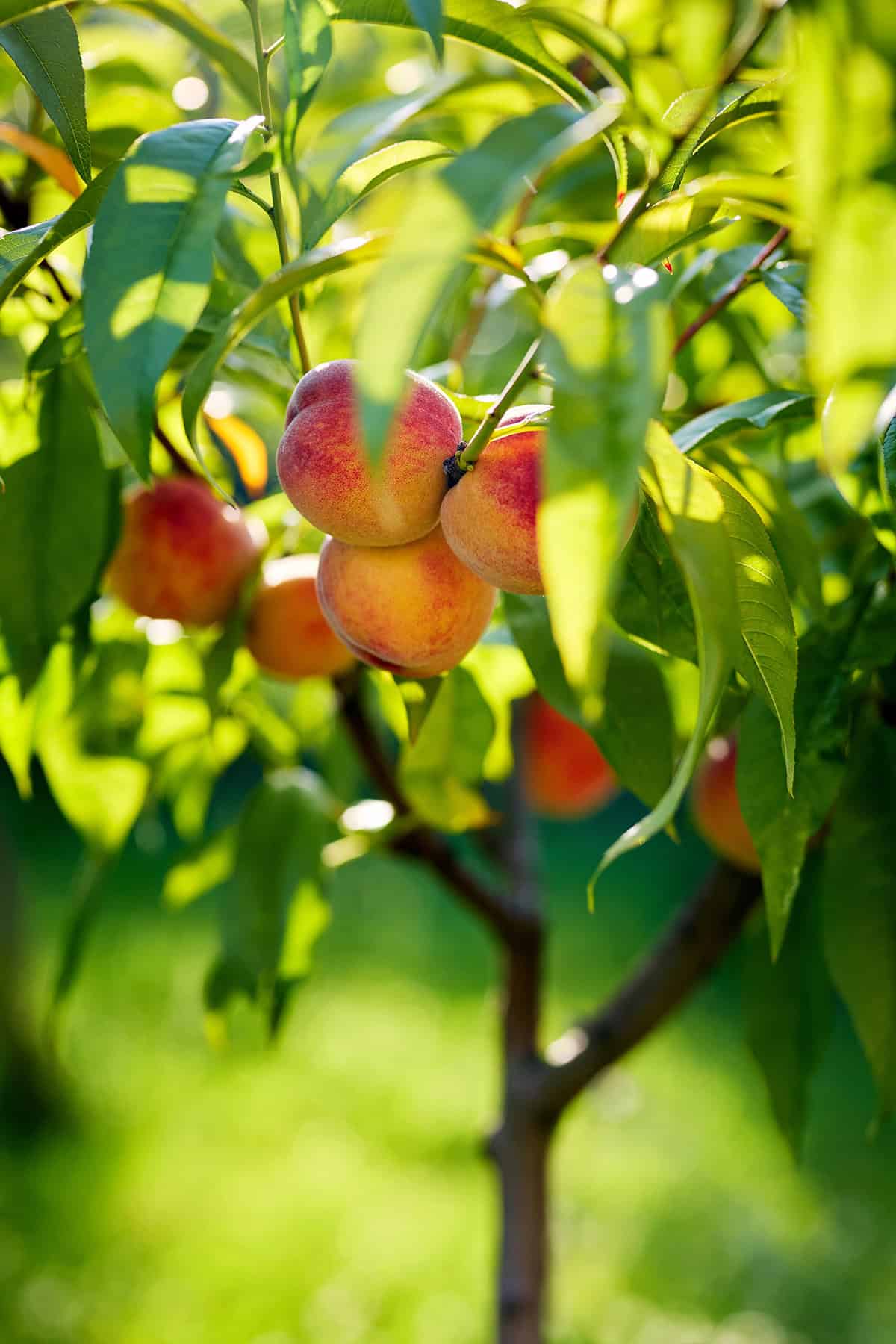
Bright, open spaces set the stage for healthy peaches. These trees thrive when given strong sunlight, loose soil, and some breathing room. Skimp on any of these and you’ll see disease sneak in or fruit quality dip.
Sunlight Needs
Nothing really replaces full sun for peaches. They need at least eight hours of direct light daily, or they’ll sulk and yield less. Sun not only sweetens the fruit but helps dry off leaves and branches after rain, which is a quiet defense against fungal headaches.
Planting too close to buildings or under big trees? Not a great idea. Even a bit of afternoon shade can stunt growth and cut your harvest short. Open ground is best—plus, it lets cold air drain away, keeping those delicate buds safer from late spring frosts that love to settle in low spots.
Soil Preferences
Roots hate soggy feet. Soil that crumbles in your hand—never sticky or heavy—is what you want. Sandy loam or plain loam with a pH nudging between 6.0 and 7.0 does the trick. If you’re not sure, grab a cheap soil test kit and check before planting.
Clay can be a dealbreaker unless you put in the work to amend it. Peach roots suffocate in waterlogged ground, so don’t ignore drainage. Before planting, work compost into the top foot or so. Skip the fresh manure; too much nitrogen just makes leaves explode at the expense of roots and fruit.
Spacing and Location
Give these trees elbow room. Mature canopies can stretch 15 to 20 feet, so don’t cram them together. Tight spacing means less sunlight, sluggish air flow, and more trouble with disease and puny fruit.
If you can, pick a spot a little higher than the surrounding yard. Cold air rolls downhill, so higher ground dodges frost pockets. Keep grass and weeds cleared in a three-foot ring around the trunk—bare earth or mulch helps young trees get what they need without fighting for it.
Pruning and Training Your Peach Tree
Pruning isn’t just a chore—it’s what keeps a peach tree in check and productive. Early structure pays off, and annual cuts keep fruiting wood strong as the years go by.
When to Start Pruning
Start shaping right at planting. For bare whips, cut the main stem back to two or two-and-a-half feet high. This encourages new shoots where you want them, not just wherever they feel like popping out.
First summer, pick three to five outward-growing shoots with wide angles—space them out, and take off the rest. Focus those first few years on building a sturdy frame. Late winter, while the tree’s still asleep, is the sweet spot for annual pruning. Don’t prune in fall; it messes with the tree’s cold tolerance.
Once fruit arrives, stick with yearly pruning. Keeping up with it means better fruit and fewer snapped branches when the crop gets heavy.
Shaping for Strong Growth
That classic open-center, vase-like look isn’t just for show. It lets sunlight flood the tree’s middle, which boosts fruit color and size. Air moves freely, too, so diseases have a harder time taking hold.
Don’t let the tree get too tall—seven to nine feet is plenty for backyard growers. Head back vertical shoots to outward buds, steering growth away from the center. Stick with three to five main scaffold branches, each joining the trunk with a wide, sturdy angle. Narrow forks just can’t handle the weight as fruit piles on.
Removing Weak or Crowded Branches
Dead wood, broken limbs, or anything looking diseased—cut it out as soon as you spot it. Clean cuts prevent decay and keep pests from moving in.
Every winter, thin out crowded spots. Shoots growing straight up through the middle or rubbing against others? They’ve got to go. Since peaches fruit on one-year-old wood, take out some old gray growth to make room for fresh red shoots. Too much fruiting wood leads to overproduction and a tired tree.
Always cut just outside the branch collar—no stubs. Smart thinning keeps the tree healthy for years, even if it feels a little ruthless at times.
Common Problems and Solutions
Peach pits and saplings don’t always cooperate. Germination can stall, leaves twist, and fruit disappoints if you miss a key detail. Most headaches can be dodged with some prep and quick action.
Seed Not Sprouting
When pits refuse to sprout, it’s usually a stratification slip-up. They need a cold, damp rest for two to three months before they’ll even think about waking up. Skip or rush this and you’ll be staring at bare soil for ages.
Keep the medium moist—not soggy, not dry. Too much water and you’ll get rot; too little and the seed just sits there. The right temperature matters, too—stick them in the fridge at 34–40°F. Warmer than that and your odds drop fast.
Some seeds just aren’t viable. If the kernel inside is shriveled or dark after cracking the shell, toss it. Planting a handful of pits boosts your chances—nature’s not always generous.
Leaf Curl and Fungal Issues
Weird, swollen, or red leaves? That’s likely peach leaf curl, a fungus that sneaks in during chilly, damp spells before spring. Once symptoms hit, you’re stuck with them until next year.
Prevention is the only real answer. One good fungicide spray—either after leaves drop in fall or just before buds swell in winter—usually stops the problem before it starts.
Brown rot is another troublemaker, especially in muggy weather. It hits blossoms, twigs, and fruit. Collect and destroy any infected bits and keep the ground under the tree tidy—fallen fruit is a fungal playground.
Cutting for an open canopy helps, too. Better air flow dries things out and makes it harder for disease to get a foothold.
Pests to Watch For
Insects love peaches as much as people do. Peach tree borers lay eggs at the base; their larvae drill into trunks, leaving gummy, sawdust-like messes near the soil. Regular trunk checks and keeping the base clear of weeds helps. If borers are common in your area, use a trunk spray at the right time in summer.
Plum curculio and oriental fruit moths scar or drop young fruit. Insecticide right after petal fall can limit the damage, though timing is everything. Aphids and mites can sap vigor from the leaves, but a sharp water spray or some insecticidal soap usually knocks them back. Stressed trees always suffer more, so keep them healthy and most pests won’t get far.
When Will Your Peach Tree Produce Fruit?
Growing a peach tree from a pit isn’t for the impatient. You’re in for several years of leafy growth before you see a single ripe peach, and the real harvest only picks up as the tree settles in and matures.
Timeline From Seed to Harvest
Patience is non-negotiable here—you won’t be biting into homegrown peaches for the first few years. It’s usually not until the third or fourth year after planting that you’ll spot your first fruit, though some trees drag their feet and take up to five, especially if they’re stuck in lousy soil or hit with a rough winter.
Early on, the tree’s all about laying down roots and building a solid frame. Any flowers that pop up in those first two years? Pinch them off. It feels counterintuitive, but it’s worth it to channel energy into sturdy growth for what’s ahead.
Maybe by year three or four you’ll get a handful of peaches—don’t expect baskets yet. Once the tree hits its stride, harvests can swing from 50 to 150 pounds in a good year, but that depends a lot on the variety and how well you’ve kept up with care. Most backyard peach trees hit their prime for 8 to 10 years. After that, production tends to taper off.
Ripening usually happens late summer. Blink and you’ll miss it—a single tree tends to drop its ripe fruit all at once, usually within a hectic week.