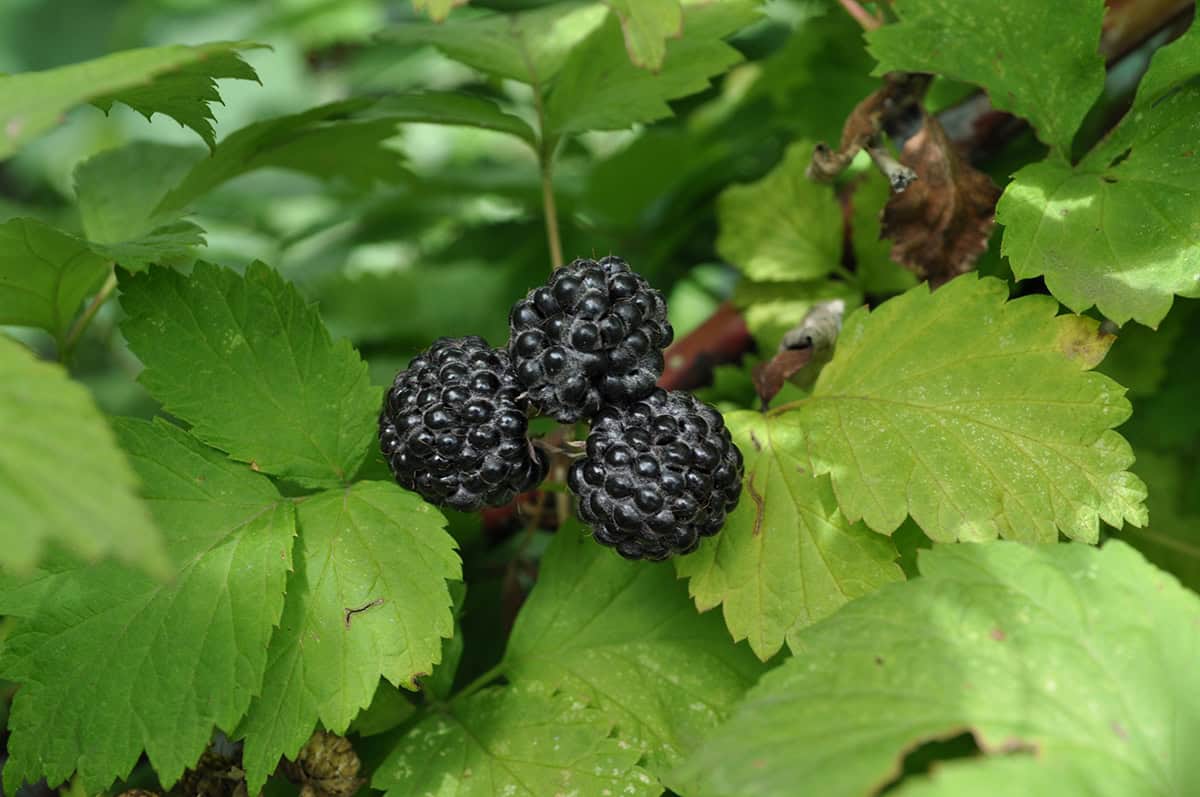
Many gardeners assume fruit belongs in full sun and stop looking for alternatives. That mindset can leave shady corners completely unused when they could be producing something edible. Check out these fruiting plants that grow surprisingly well in shade.
Table of Contents
- Fruiting Plants That Grow Well In Shade
- Alpine Strawberries (Fragaria vesca)
- Wild Strawberries (Fragaria virginiana)
- Black Currants (Ribes nigrum)
- Red Currants (Ribes rubrum)
- White Currants (Ribes rubrum)
- Gooseberries (Ribes uva-crispa)
- Elderberries (Sambucus canadensis, Sambucus nigra)
- Serviceberries / Juneberries (Amelanchier spp.)
- Red Raspberries (Rubus idaeus)
- Black Raspberries (Rubus occidentalis)
- Pawpaw (Asimina triloba)
- Lingonberries (Vaccinium vitis-idaea)
- Salal (Gaultheria shallon)
Fruiting Plants That Grow Well In Shade
Edible options for partly shaded spaces are more plentiful than you might expect. With just three or four hours of direct sun, certain berries, small fruits, and a few understory trees will keep producing—if you pay attention to their soil and moisture needs.
Alpine Strawberries (Fragaria vesca)
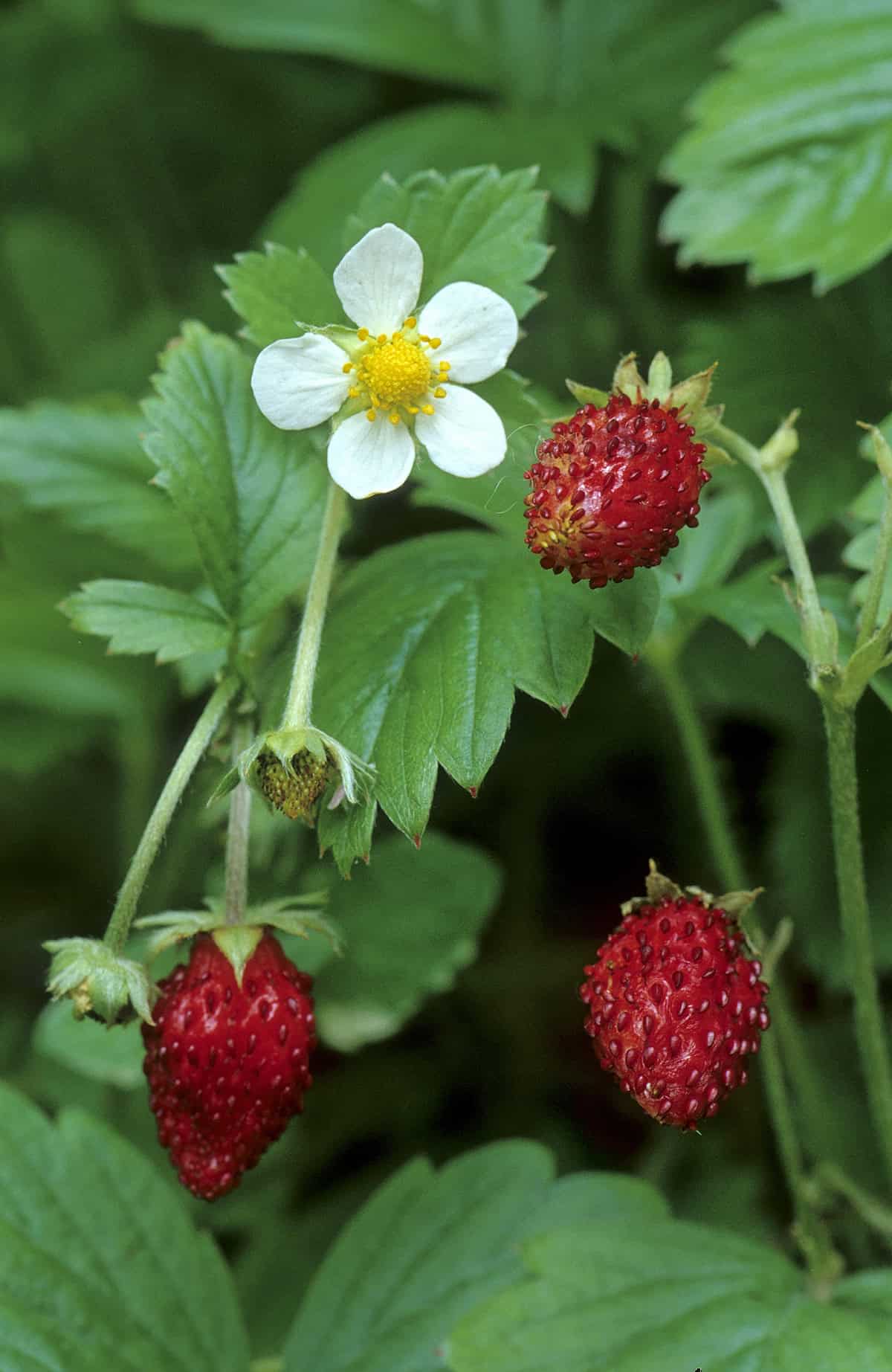
There’s a reason these little strawberries show up in unexpected corners. Tucked into spots with morning sun and afternoon shade, or even under open tree canopies, they keep churning out tiny, fragrant berries as long as they get about four hours of direct light.
Don’t expect sprawling runners—these form neat clumps, perfect for edging or containers. They’re happiest in rich, consistently moist soil, and a layer of mulch helps keep everything tidy and hydrated.
Every few years, crowded clumps start to sulk, so dividing them gives a much-needed boost.
Wild Strawberries (Fragaria virginiana)
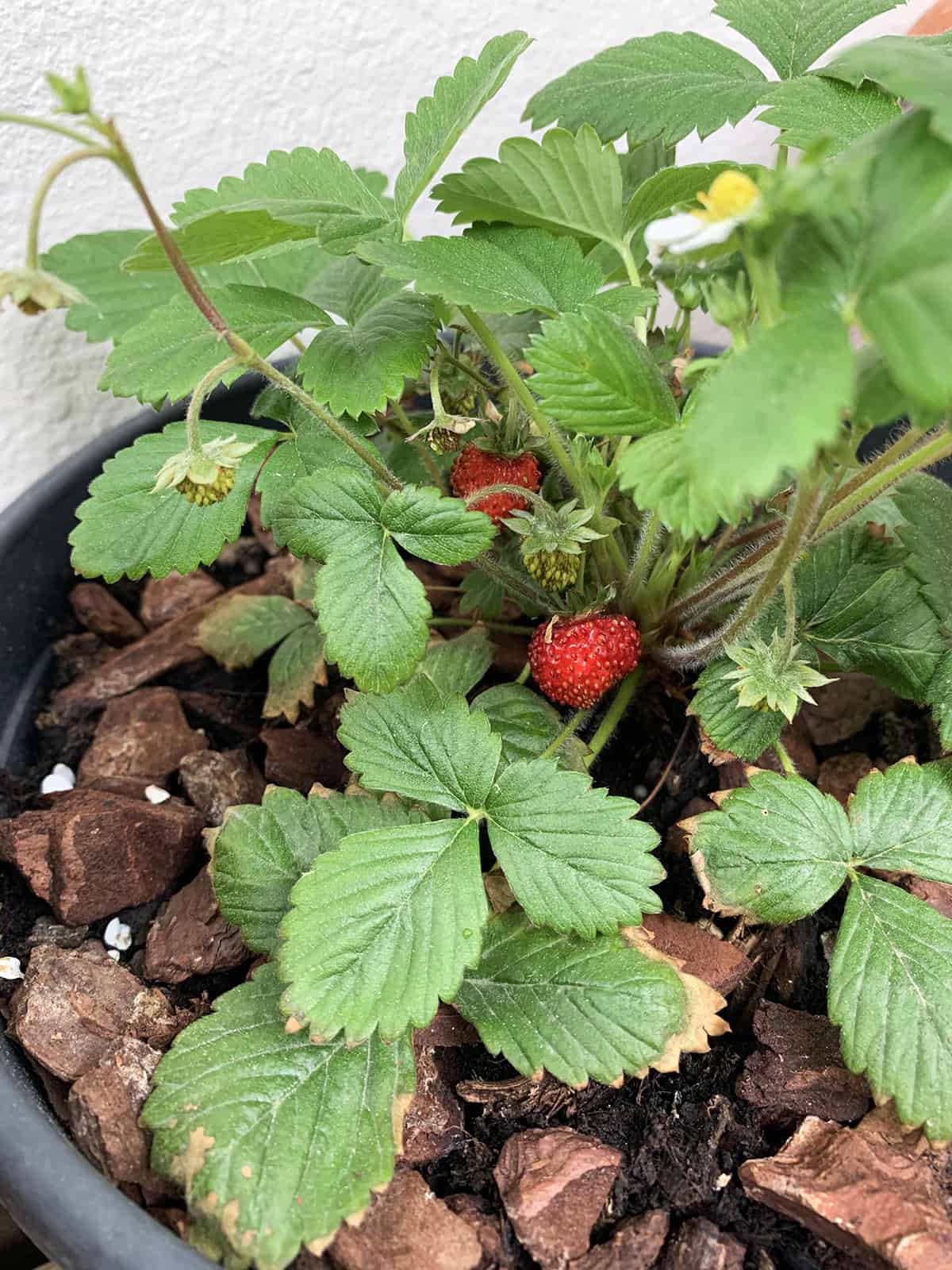
Out on woodland edges or tucked beneath taller plants, this native strawberry holds its own in light to moderate shade. It’ll spread by runners and fill in gaps, eventually weaving a low groundcover.
Fruit stays small but packs a punch flavor-wise. Four to six hours of decent light makes a real difference—deep shade means fewer flowers and less fruit.
Loose, well-drained soil and regular water help them get established. If weeds muscle in early, yank them—wild strawberries aren’t the best competitors at first, but once settled, they’ll hold their ground.
Black Currants (Ribes nigrum)
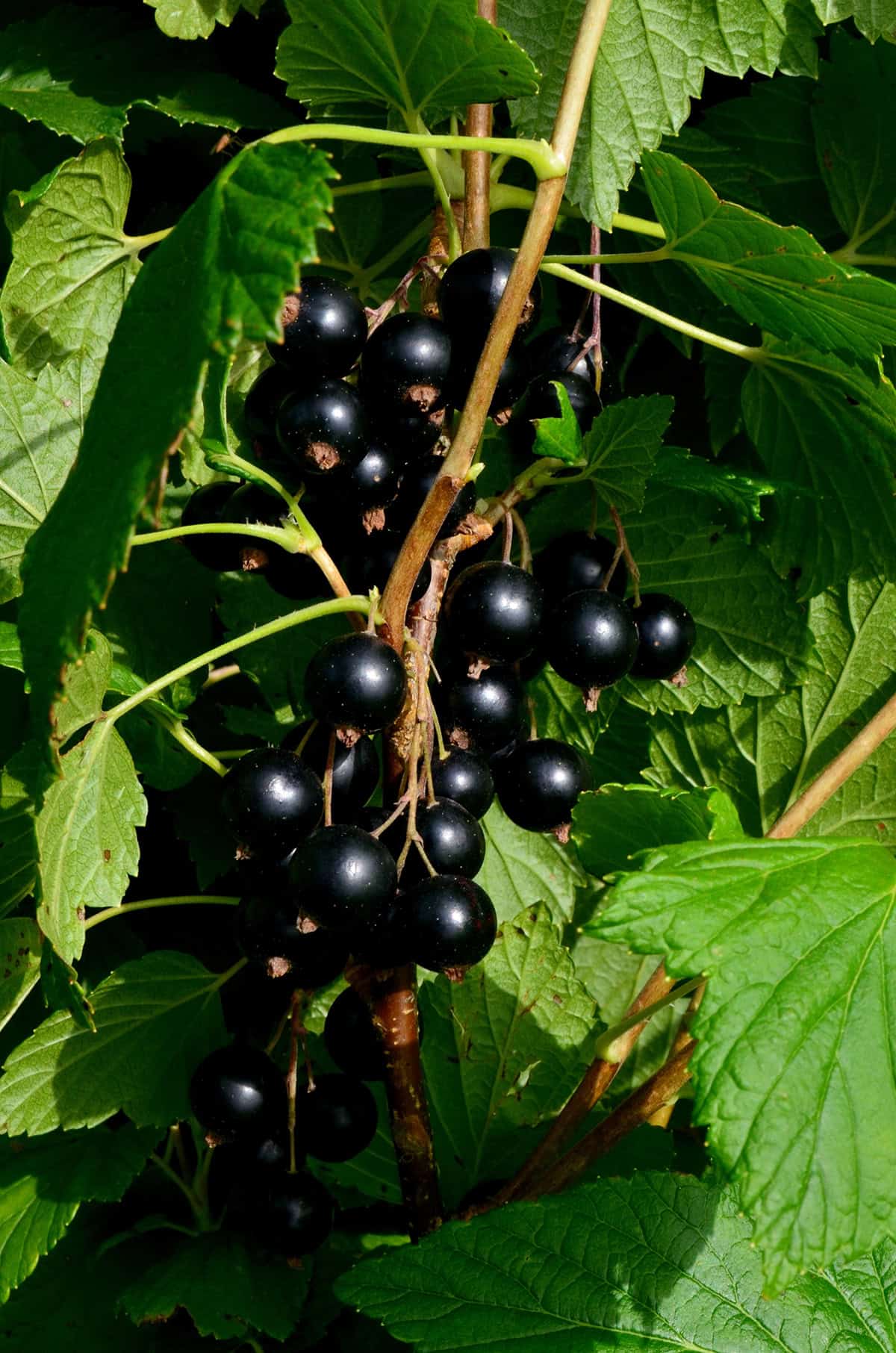
Among fruiting shrubs, black currants have a reputation for shrugging off shade. Morning sun and afternoon protection, or steady dappled light, suit them fine. Yields do drop in deep shade, but partial shade still delivers a solid crop.
Cooler climates are their sweet spot. They want moist, fertile ground and a yearly top-up of compost to keep those canes strong.
Annual pruning—out with the old wood—keeps them productive. Better air flow helps fend off disease, which can creep in more easily in shadier spots.
Red Currants (Ribes rubrum)
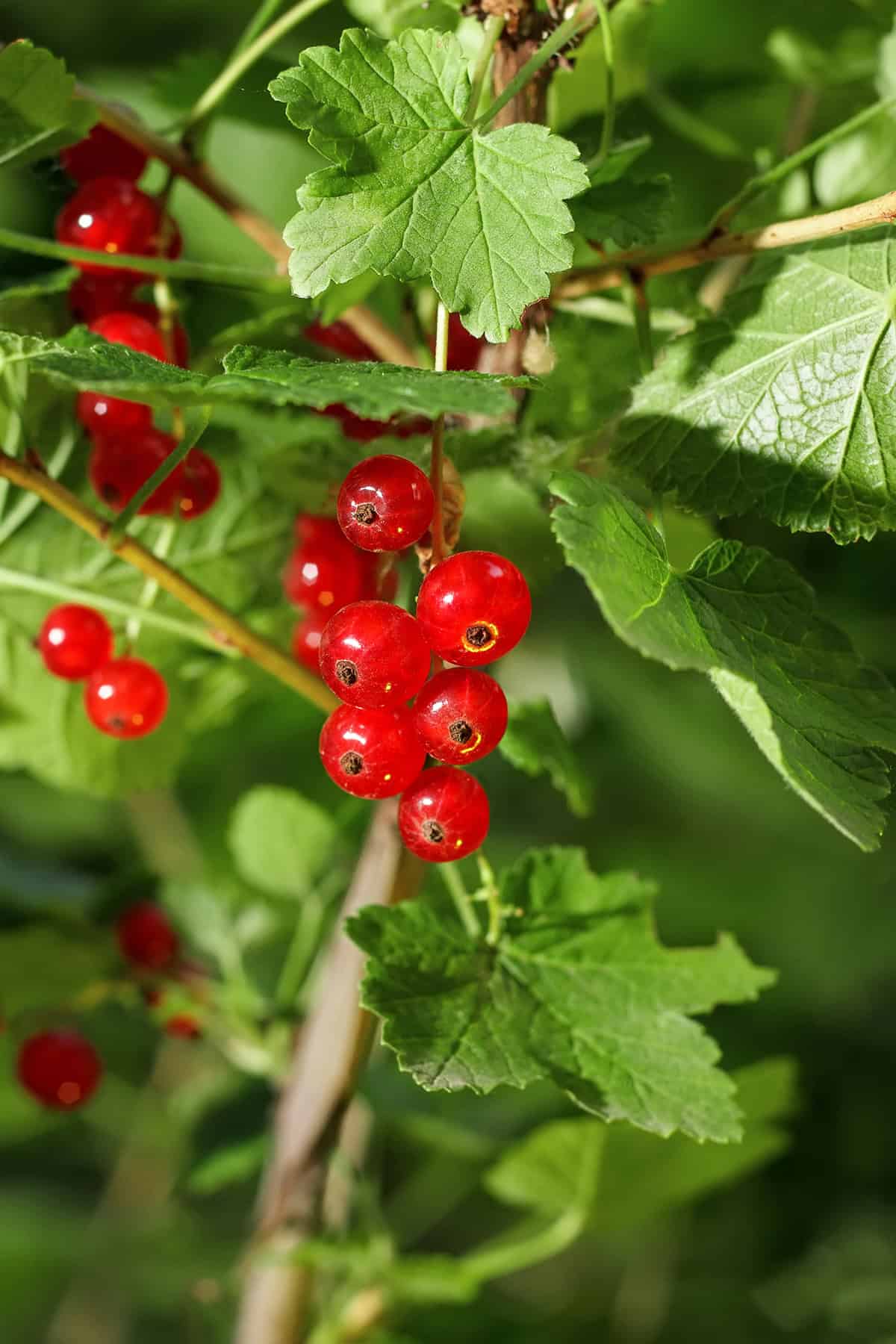
Four hours of sun, especially in cooler zones, is enough for red currants to do their thing. They’re a good fit along north or east-facing walls, where light bounces around but direct sun isn’t relentless. Shade tolerance is better than most fruit shrubs.
Early to mid-summer brings clusters of berries that hang on the bush, letting you harvest when you’re ready. The flavor walks the line between tart and sweet.
Fertile, well-drained soil is the goal. Each winter, thin out weak or crowded branches to let in more light and air.
White Currants (Ribes rubrum)
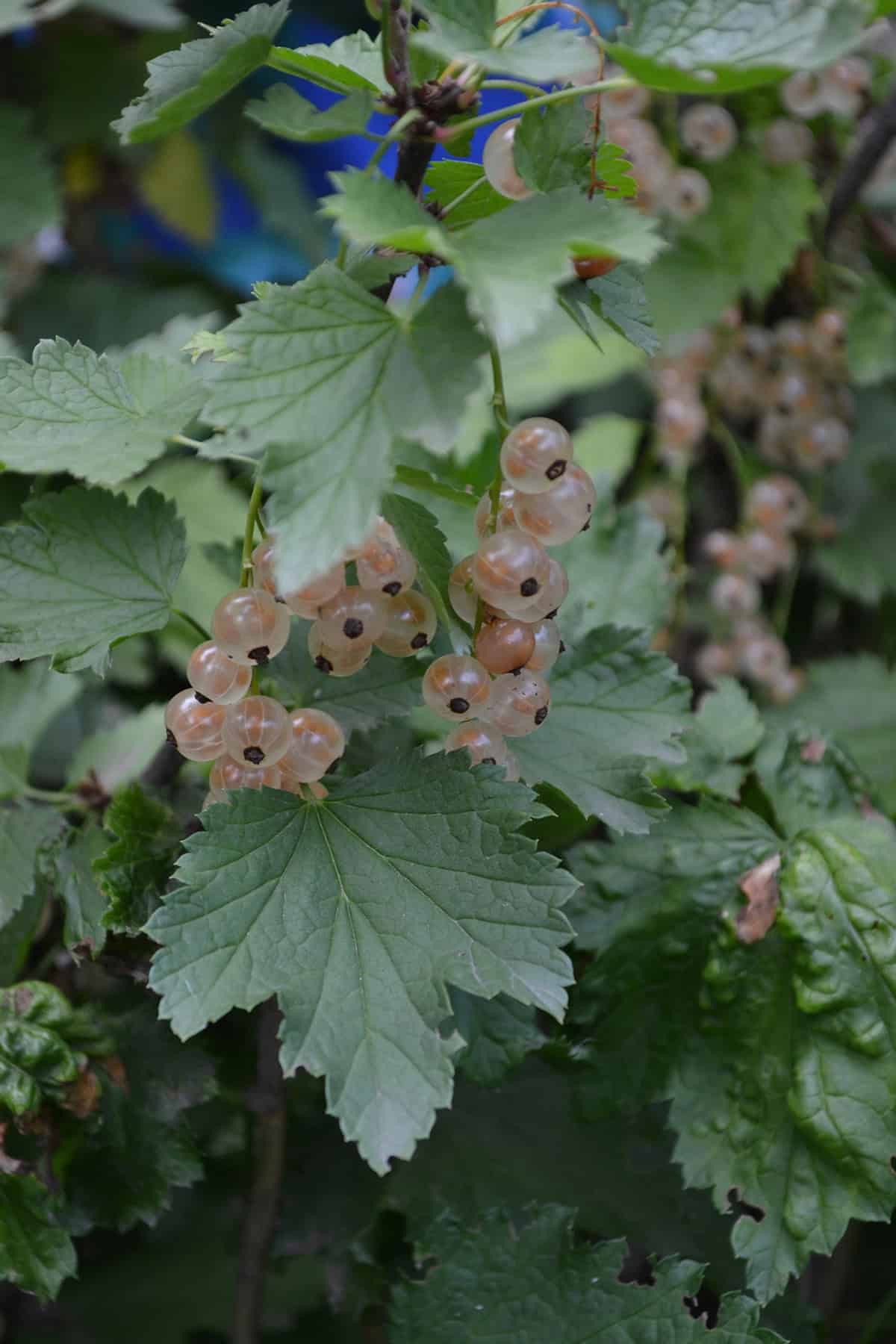
White currants, close cousins to the red, offer a softer, milder taste and don’t miss a beat in partial shade. Half a day of sun is usually enough to keep them happy.
Their translucent berries are less acidic and, oddly enough, tend to fly under the radar with birds. A bit of shade can even help dodge sunscald.
Steady moisture and a generous mulch layer keep roots cool. Pruning each year encourages new fruiting wood and keeps the bush in check.
Gooseberries (Ribes uva-crispa)
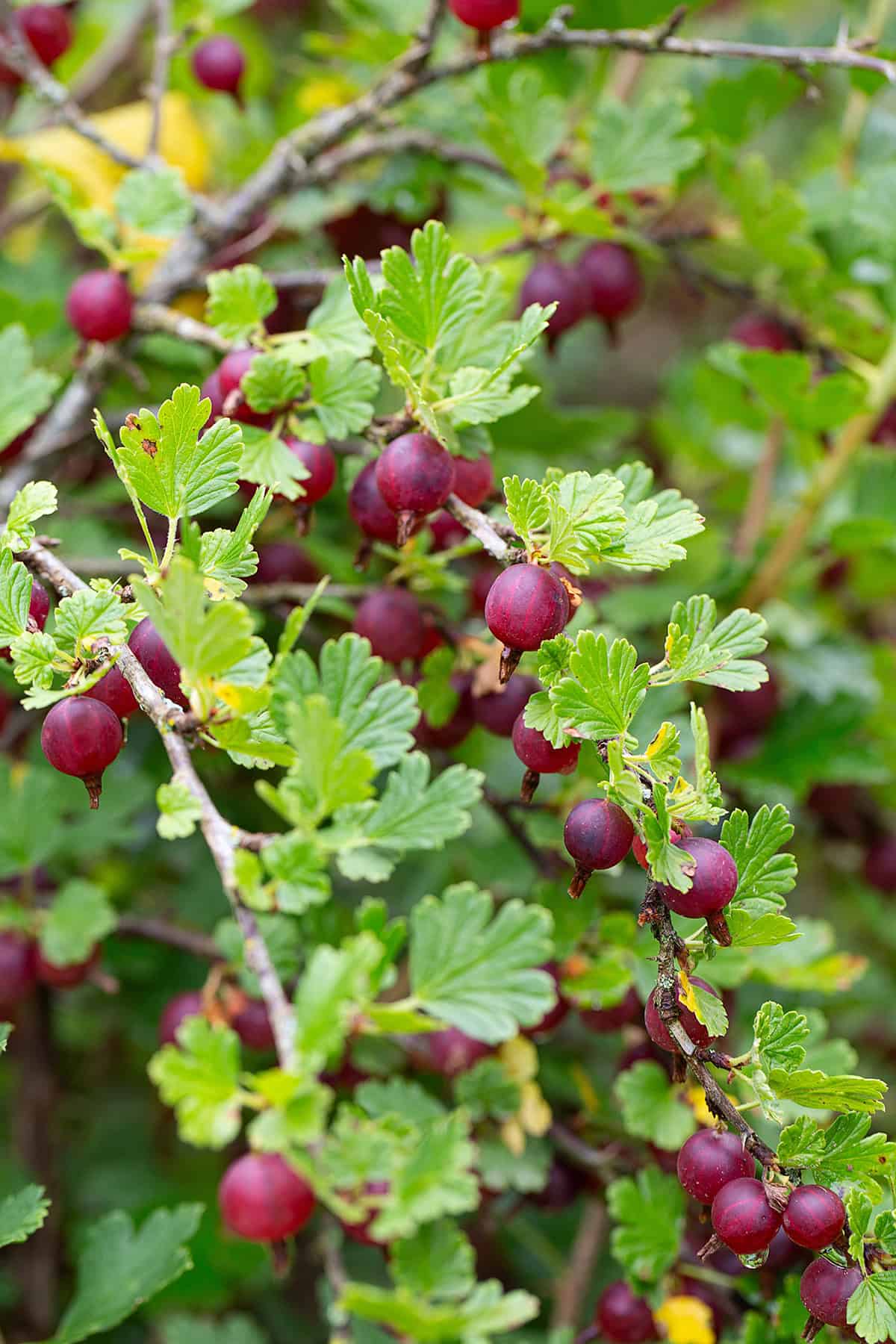
Gooseberries don’t mind a bit of shade and, in fact, seem to appreciate shelter from the harshest afternoon sun. Small yards hemmed in by buildings or trees are fair game, as long as they get a few hours of direct light.
Depending on the variety, fruit can swing from tart to sweet, and mature bushes are seriously productive. The thorns—well, those require a little planning if you’re planting near paths.
Good air movement is important. Prune out old canes each year to open things up and encourage bigger, healthier fruit.
Elderberries (Sambucus canadensis, Sambucus nigra)
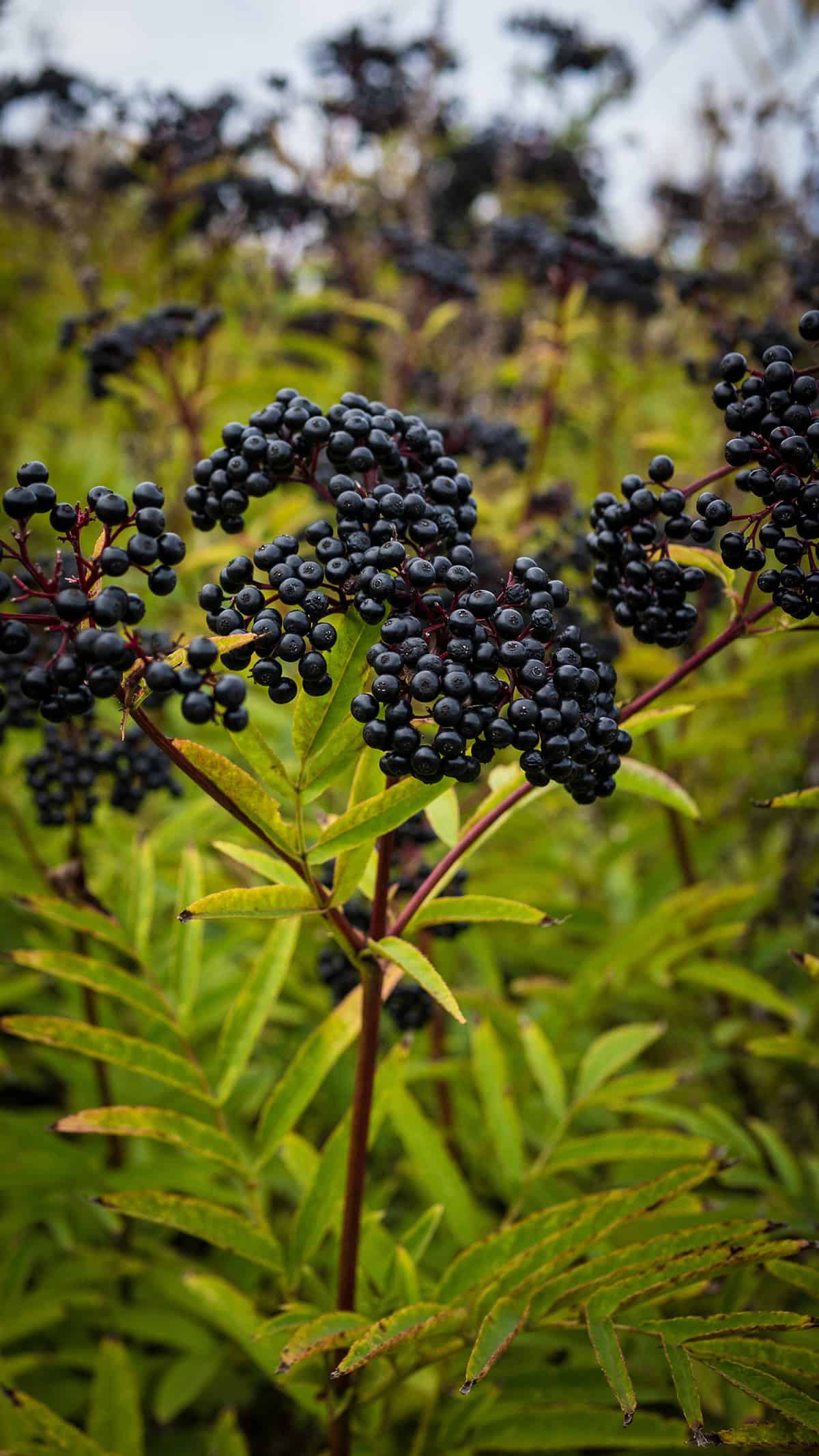
When summer heat hits, elderberries handle partial shade with ease. Edges of woods or along fences where they catch at least four hours of sun suit them well, though more sun equals more berries.
It’s hard to miss these tall shrubs, sometimes stretching 8 to 12 feet. Creamy flowers in early summer give way to dark, glossy berries. Remember: you’ll need to cook the berries before eating.
They’re thirsty for moisture and nutrients. Late-winter pruning clears out weak or old stems, making room for new, productive growth.
Serviceberries / Juneberries (Amelanchier spp.)
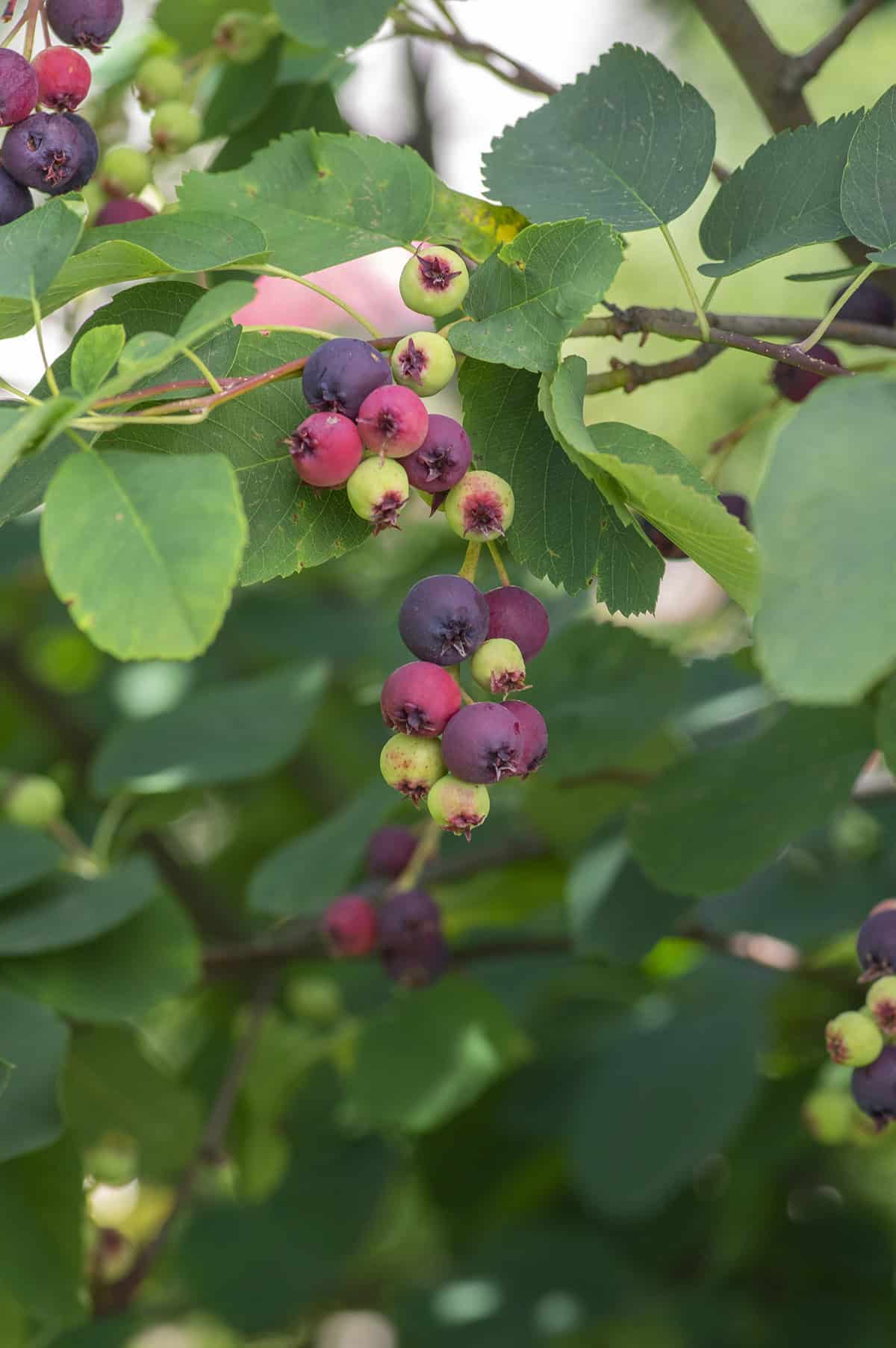
Understory trees by nature, serviceberries don’t flinch at filtered light. They’ll settle in where taller trees cast a shifting shade or in spots with morning sun and afternoon cover.
Come early spring, white flowers arrive just as the leaves open. Blue-purple berries follow in early summer, with a flavor somewhere between blueberry and cherry. Birds are quick to notice, so don’t dawdle at harvest time.
Well-drained soil and steady moisture keep them going. A little pruning now and then helps shape them and remove any damaged branches.
Red Raspberries (Rubus idaeus)
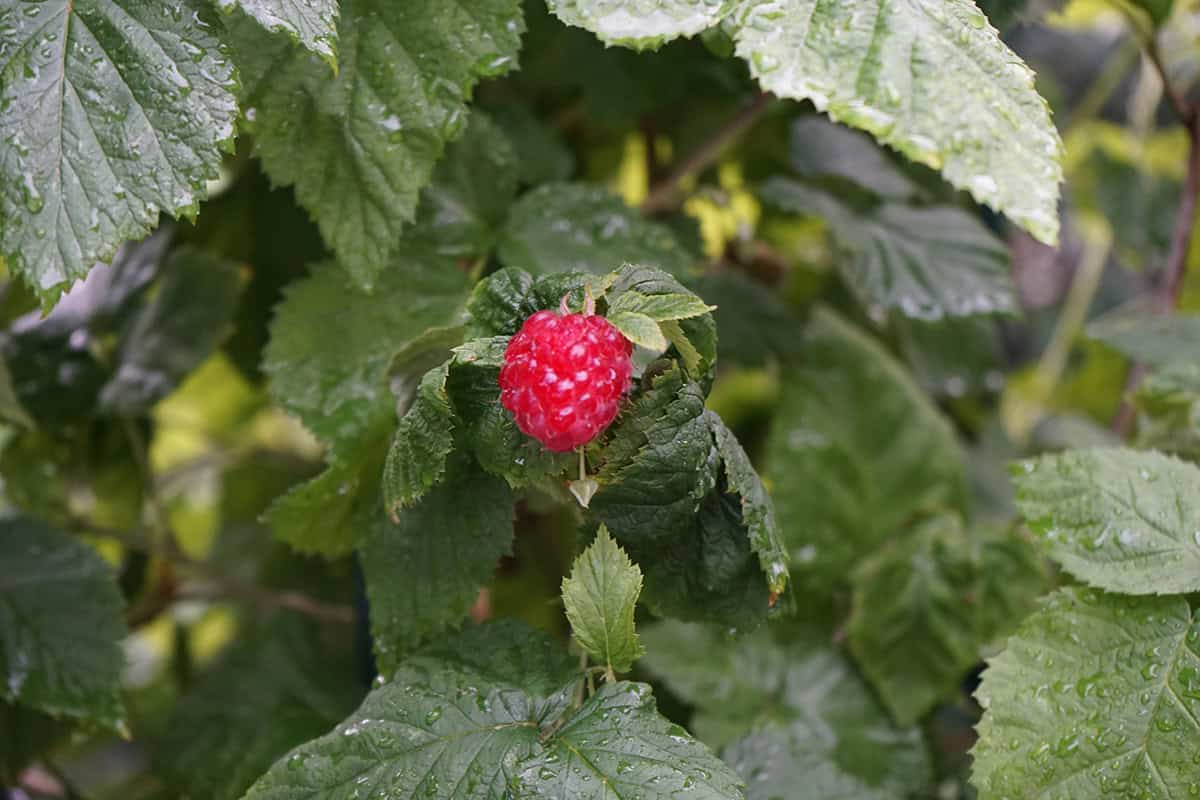
Red raspberries lean toward sun, but they’ll still produce in lighter shade—just don’t expect the same haul. Fewer than six hours of direct light means the crop will be smaller, but in hot climates, some shade actually helps them out.
Support is a must for the canes, and pruning keeps things manageable. Summer-bearing types fruit on older canes, while everbearing ones crop on new growth. Shade can mess with timing more than overall health.
They want fertile, well-drained soil. After harvest, cut out spent canes, and give them some space for better air and light.
Black Raspberries (Rubus occidentalis)
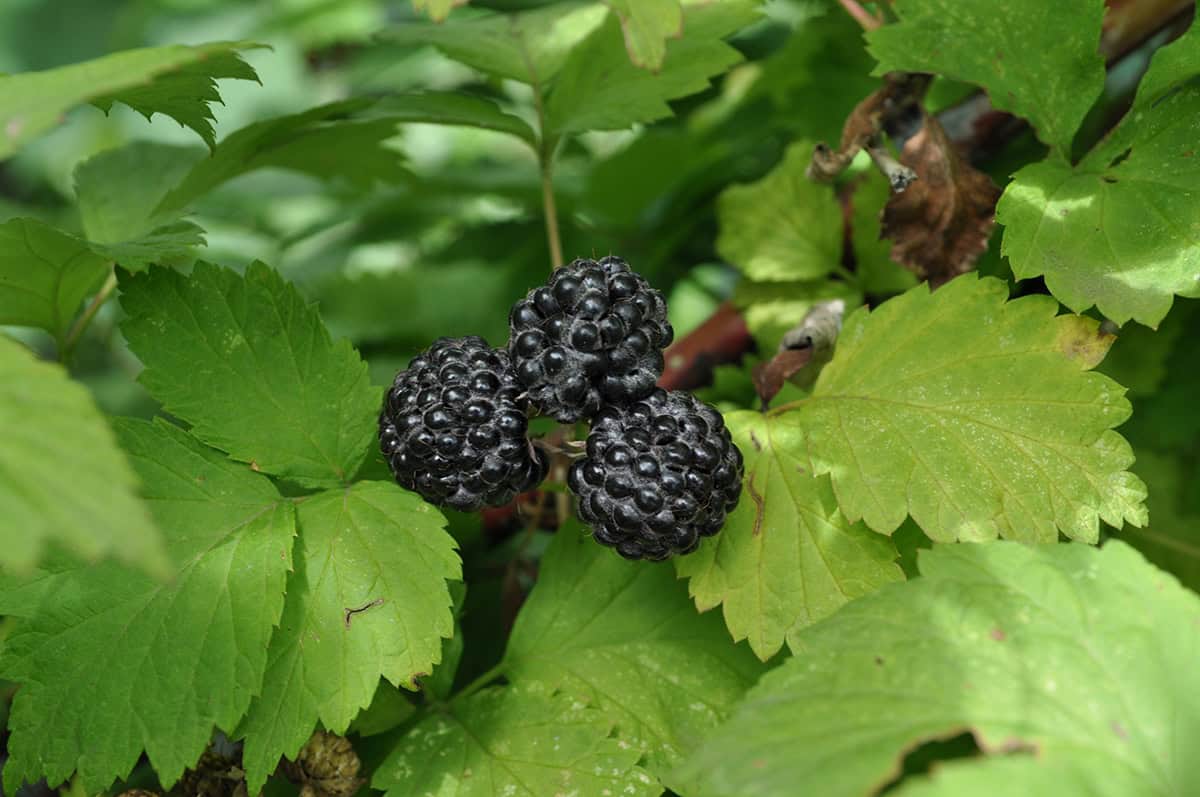
Full sun gets the best out of black raspberries, but in cooler spots, partial shade won’t ruin them. A bit of morning sun and afternoon shade works, though heavy shade means fewer berries.
Trellising or tip pruning helps manage their arching canes. Fruit ripens early to mid-summer, and the flavor is deep and rich—if you can beat the birds to it.
Keep soil moisture steady and thin out canes each year to avoid a tangled mess. Light remains the biggest factor for a decent crop.
Pawpaw (Asimina triloba)
Pawpaw trees are used to growing beneath taller trees, so young plants actually do better with some shade. Filtered light in the early years is ideal; as they mature, introducing more sun boosts fruiting. Mature trees want at least partial sun to really produce.
Fruits are large, with a tropical vibe, ripening from late summer into fall. Cross-pollination is a must—plan for at least two different varieties. Sometimes hand pollination is the only way to get a good set.
They need deep, fertile soil and regular moisture. If you move young trees into more sun, shield their trunks at first. Pruning is minimal—mostly just removing anything damaged.
Lingonberries (Vaccinium vitis-idaea)
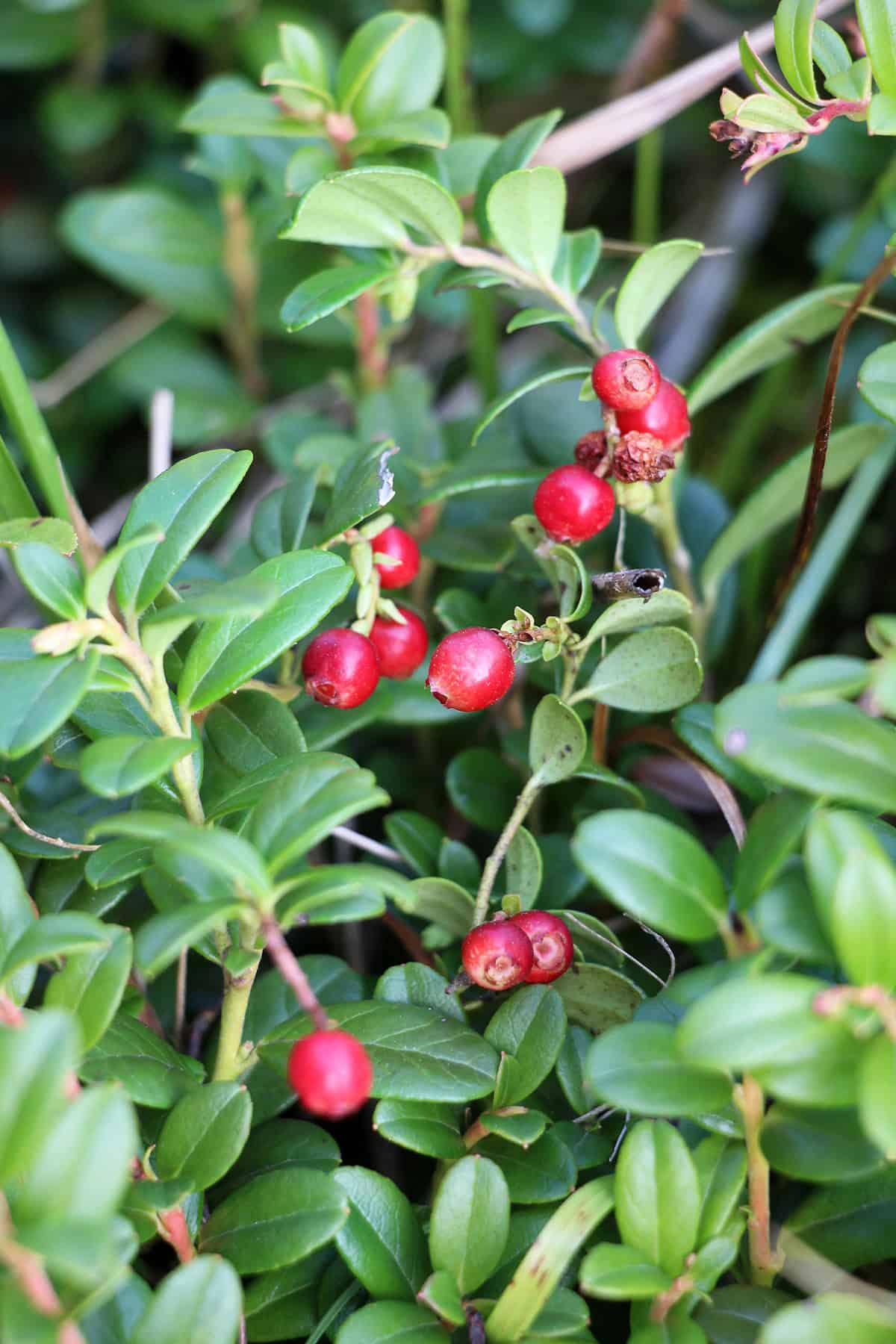
Lingonberries don’t mind partial shade, especially if you’re gardening in a cooler climate. Morning sun with lighter shade in the afternoon keeps them content, while deep shade slows down flowering.
These form dense, evergreen mats dotted with small, tart red berries, ripening late summer and sometimes again in fall. They’re well-suited to preserves and jams.
Soil needs to be acidic (pH 4.5–5.5) and drain well. Mulching with pine needles or bark helps maintain acidity and moisture.
Salal (Gaultheria shallon)
Dappled woodland corners, especially beneath towering evergreens, tend to suit salal just right. Even where sunlight barely sneaks through, it manages to hold its own—few edible shrubs handle deep shade quite like this one.
Clusters of leathery, glossy leaves weave together, building a thick, green understory. As late summer drags on, the plant quietly offers up dark purple berries with a gentle, sweet flavor. If a bit of filtered sunlight finds its way in, you might notice heavier berry clusters.
Soil on the acidic side, loose and well-drained, will keep it happiest. After a season or two, it’s mostly content to fend for itself, spreading at a leisurely pace underground. Works especially well when you want a low, persistent groundcover that doesn’t demand much fuss.