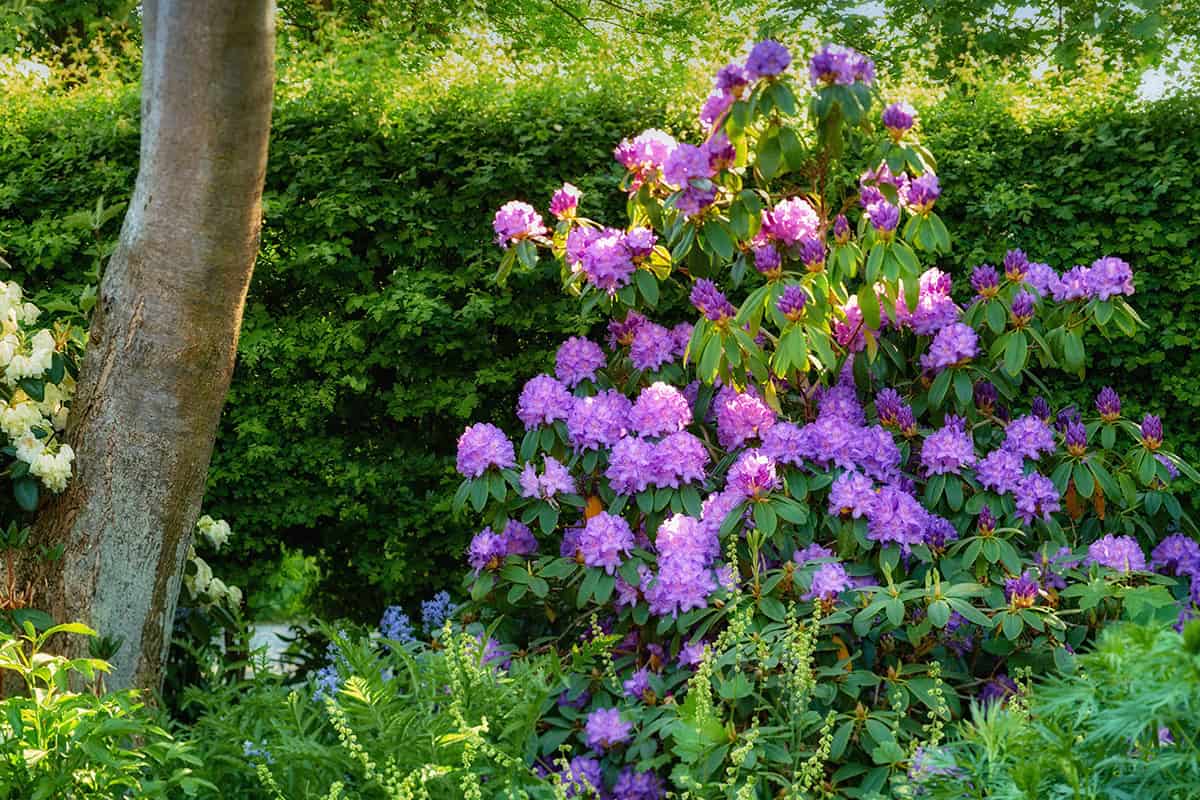
Pines cast dry shade, and their shallow, wide-spreading roots soak up most of the rain that makes it through the canopy.
Acidic soil is the one condition working in a gardener’s favor here, since rhododendrons, ferns and epimedium all thrive in it. Small starts tucked between the roots establish with ease, and big plants in deep holes tend to struggle.
For height as well as cover, skip ahead to the rhododendrons and pieris near the end.
Table of Contents
- Plants That Grow Well Under Pine Trees
- Vinca Minor (Periwinkle)
- Ajuga (Bugleweed)
- Lamium (Dead Nettle)
- Pachysandra (Japanese Spurge)
- Epimedium (Barrenwort)
- Hellebores (Lenten Rose)
- Heuchera (Coral Bells)
- Hardy Geranium (Geranium Macrorrhizum)
- Lily Of The Valley (Convallaria Majalis)
- Sweet Woodruff (Galium Odoratum)
- Ferns (Especially Christmas Fern Or Lady Fern)
- Carex (Shade Sedges)
- Solomon’s Seal (Polygonatum)
- Tiarella (Foamflower)
- Creeping Thyme
- Sedum (Stonecrop Varieties)
- Rhododendron
- Azalea
- Pieris Japonica
- Boxwood
Plants That Grow Well Under Pine Trees
Mature pines create hungry roots, thin soil and patchy light, and anything planted beneath them needs to handle lean, acidic, dry conditions. Pine needles acidify the soil far less than most gardeners assume, and the low pH under many pines comes from the native soil itself.
Vinca Minor (Periwinkle)
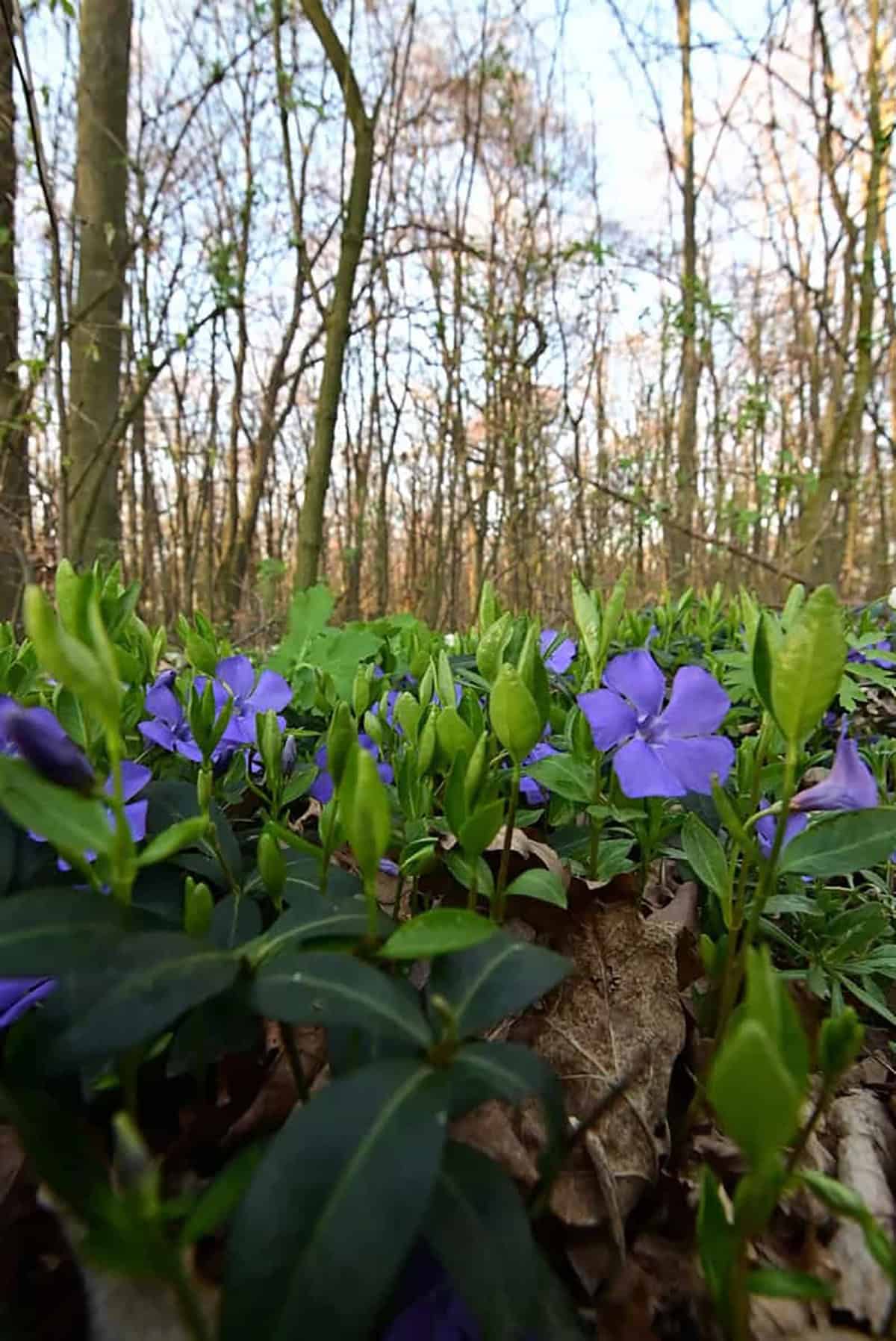
Evergreen and persistent, periwinkle hugs the ground and weaves through awkward spots under pine branches, and it smothers weeds as it goes.
The glossy leaves last through winter, and blue or purple flowers appear in spring, with a few more in fall in some years.
Plant small starts between the roots to minimize disruption. Established plants need extra water only in long droughts. Watch the edges, since periwinkle spreads readily and is invasive in parts of North America.
Ajuga (Bugleweed)
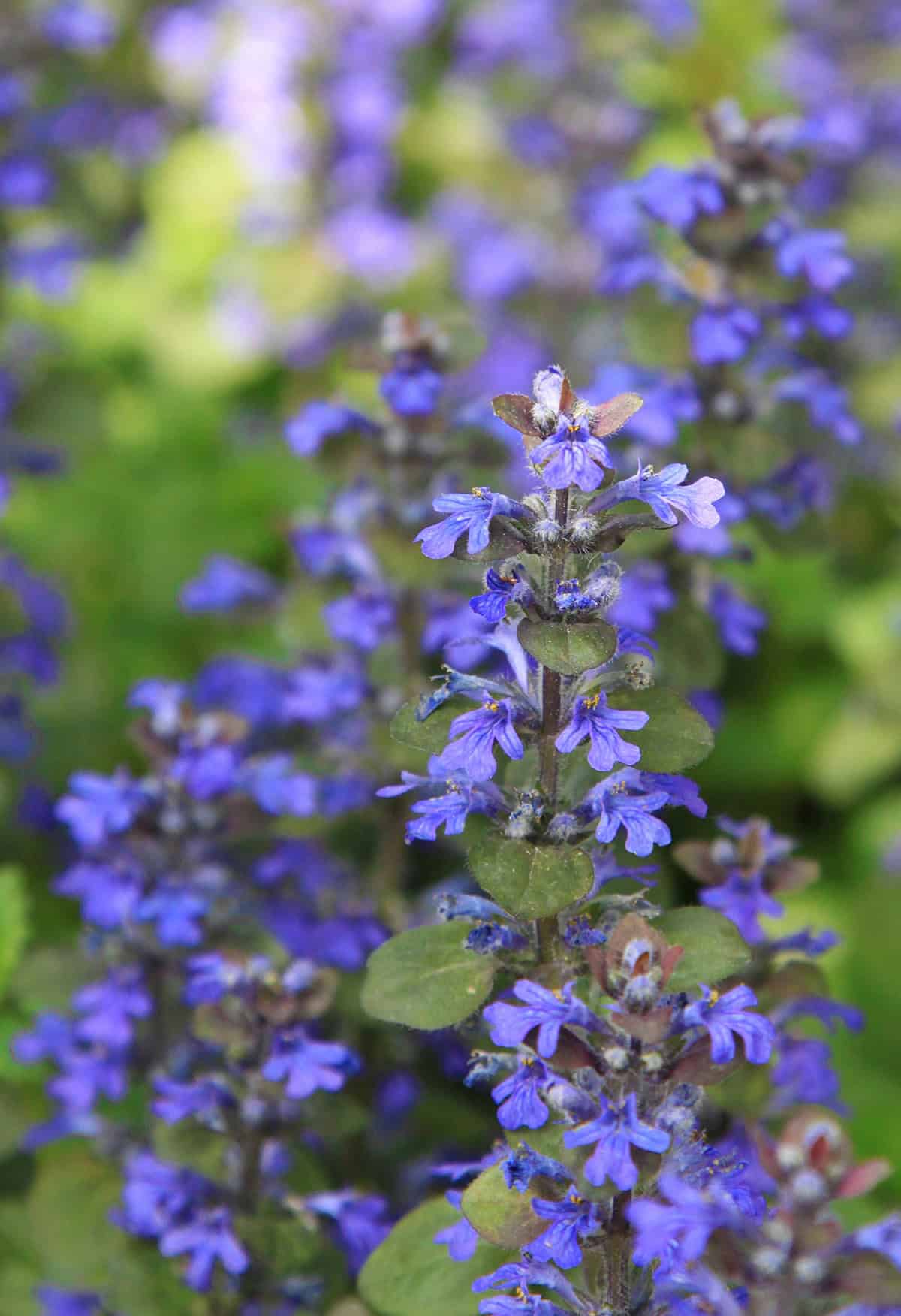
Where grass fails, ajuga spreads its low rosettes across the ground. Shade and acidic soil are no obstacle.
Leaves range from green to bronze or deep purple, and short spring flower spikes attract pollinators.
Space plants about a foot apart for quick coverage, and water them through the first year. In humid summers, generous spacing prevents crown rot.
Lamium (Dead Nettle)
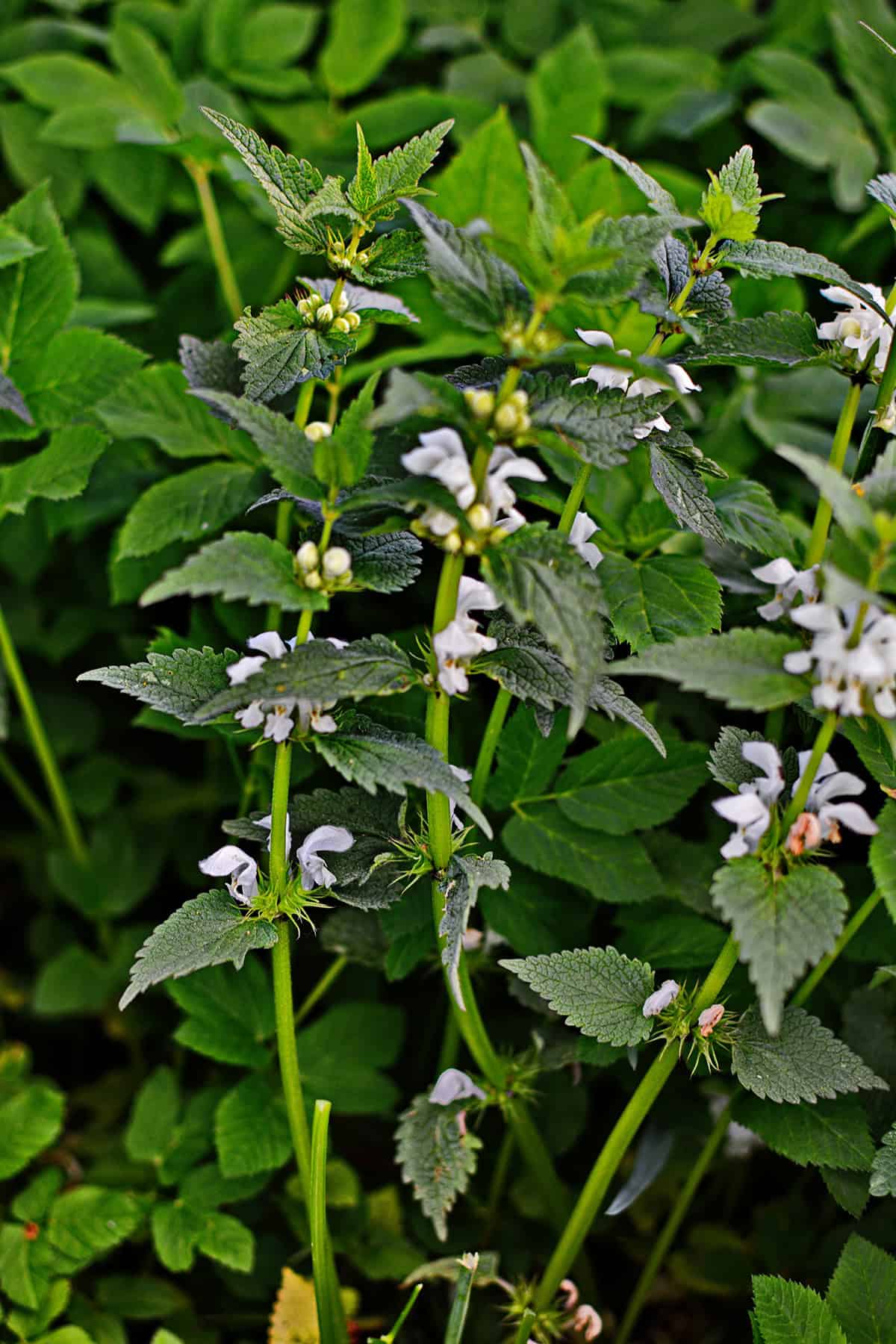
Silver-splashed lamium leaves brighten dim corners under pines and soften the area around trunks and paths.
Pink, purple or white flowers appear in late spring. The plant grows low and roots wherever its stems touch soil.
Trim it back if it gets leggy in summer heat. Good drainage is essential, since soggy soil rots it, and a thin layer of mulch holds moisture around the roots.
Pachysandra (Japanese Spurge)
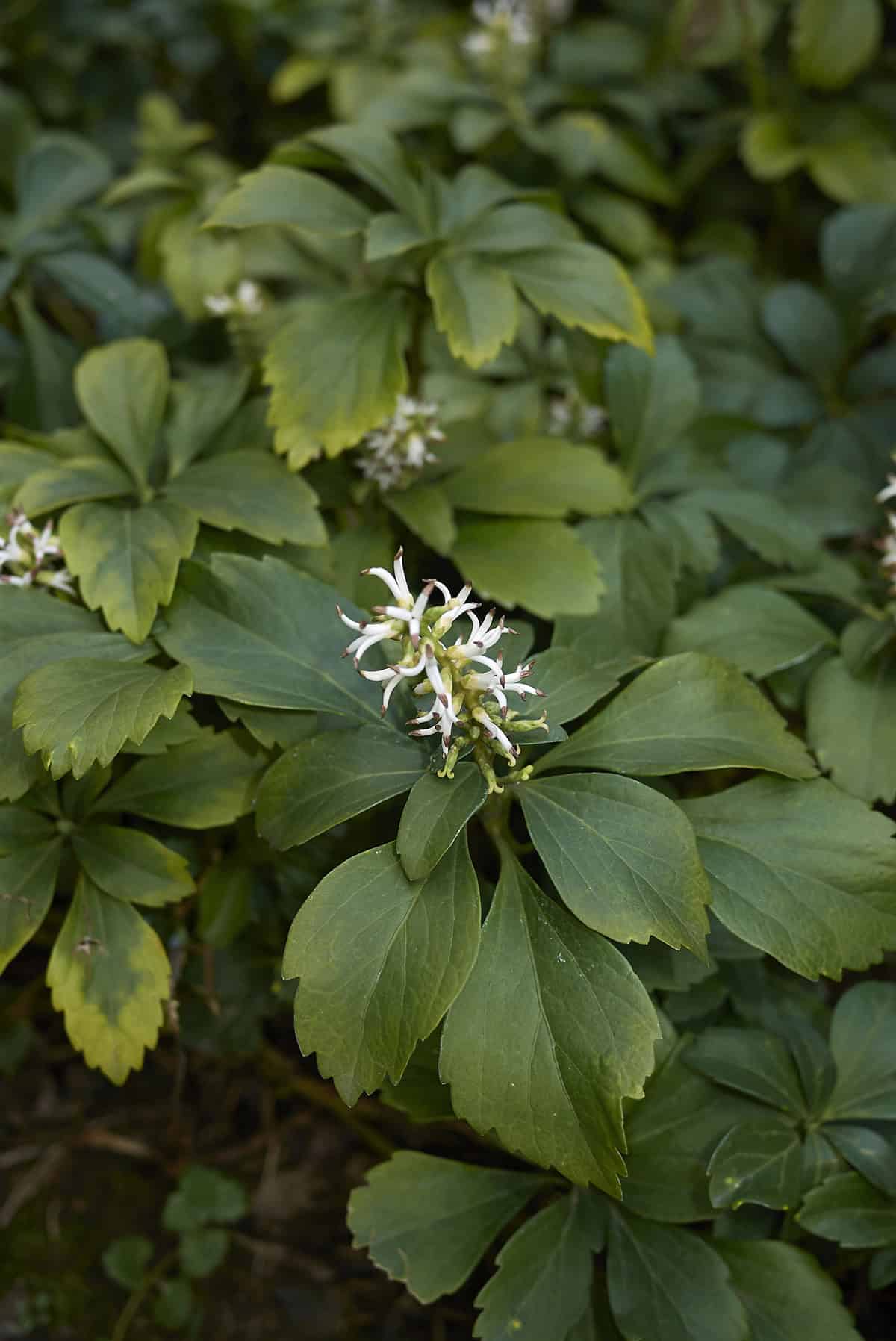
Dense, glossy leaves form a thick mat even in deep shade. Established plants tolerate dry spells and root competition well.
Small white flowers appear in spring, though the foliage is the main attraction. Slightly acidic to neutral soil is ideal.
Plant in a staggered pattern for full coverage, and water through the first season. Avoid paths with heavy foot traffic. Japanese pachysandra spreads into woodlands in parts of the eastern US, and the native Allegheny spurge (Pachysandra procumbens) is an alternative there.
Epimedium (Barrenwort)
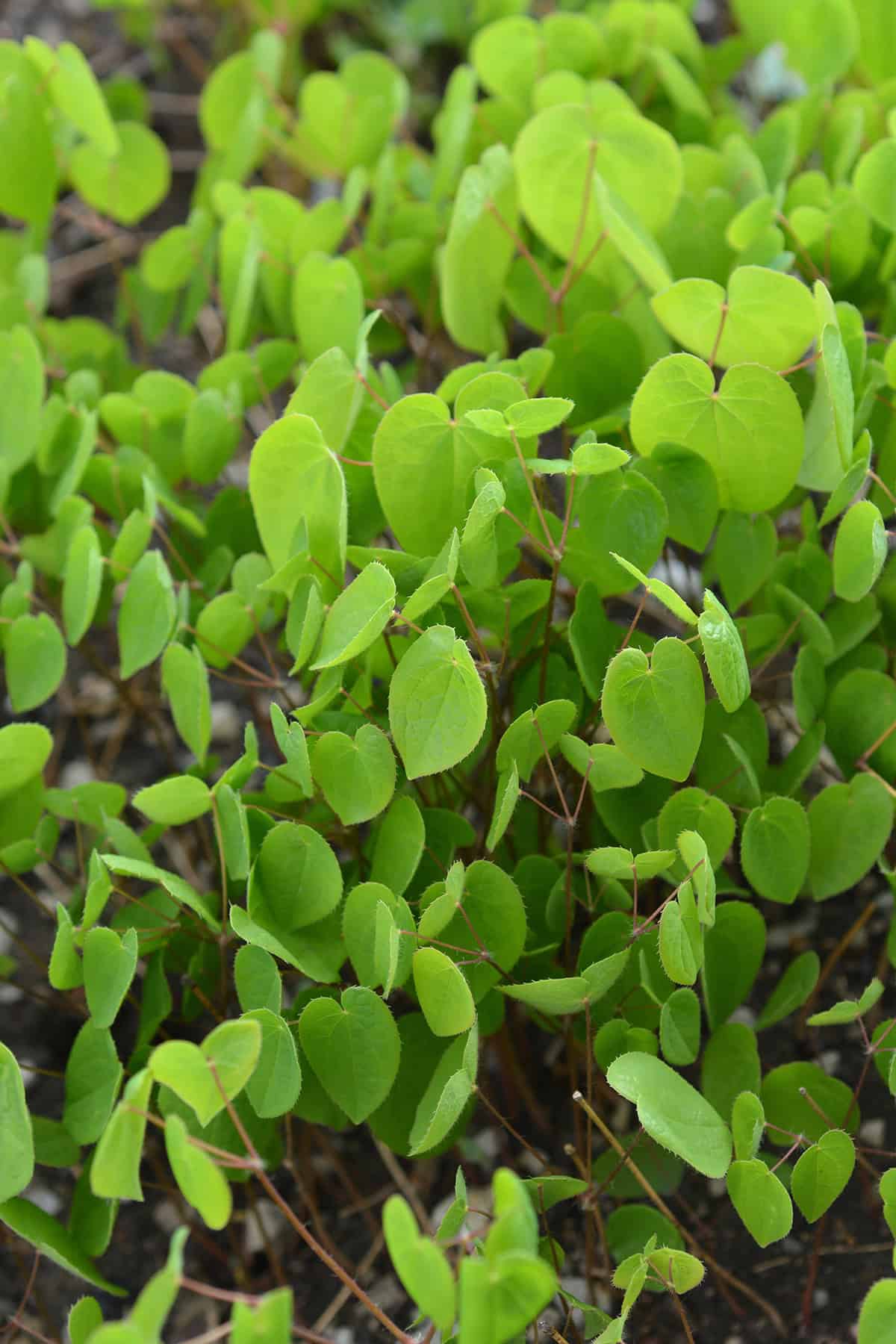
New leaves emerge in early spring with bronze or red tints, and delicate, pendant flowers follow. Its subtle charm is at home in tough, dry shade.
Epimedium holds its own against pine roots and tolerates poor soil, which makes it one of the best choices for dry shade.
Shear off old leaves in late winter so the new growth and flowers show. Divide clumps every few years to restore vigor, and add a little compost to very lean ground.
Hellebores (Lenten Rose)
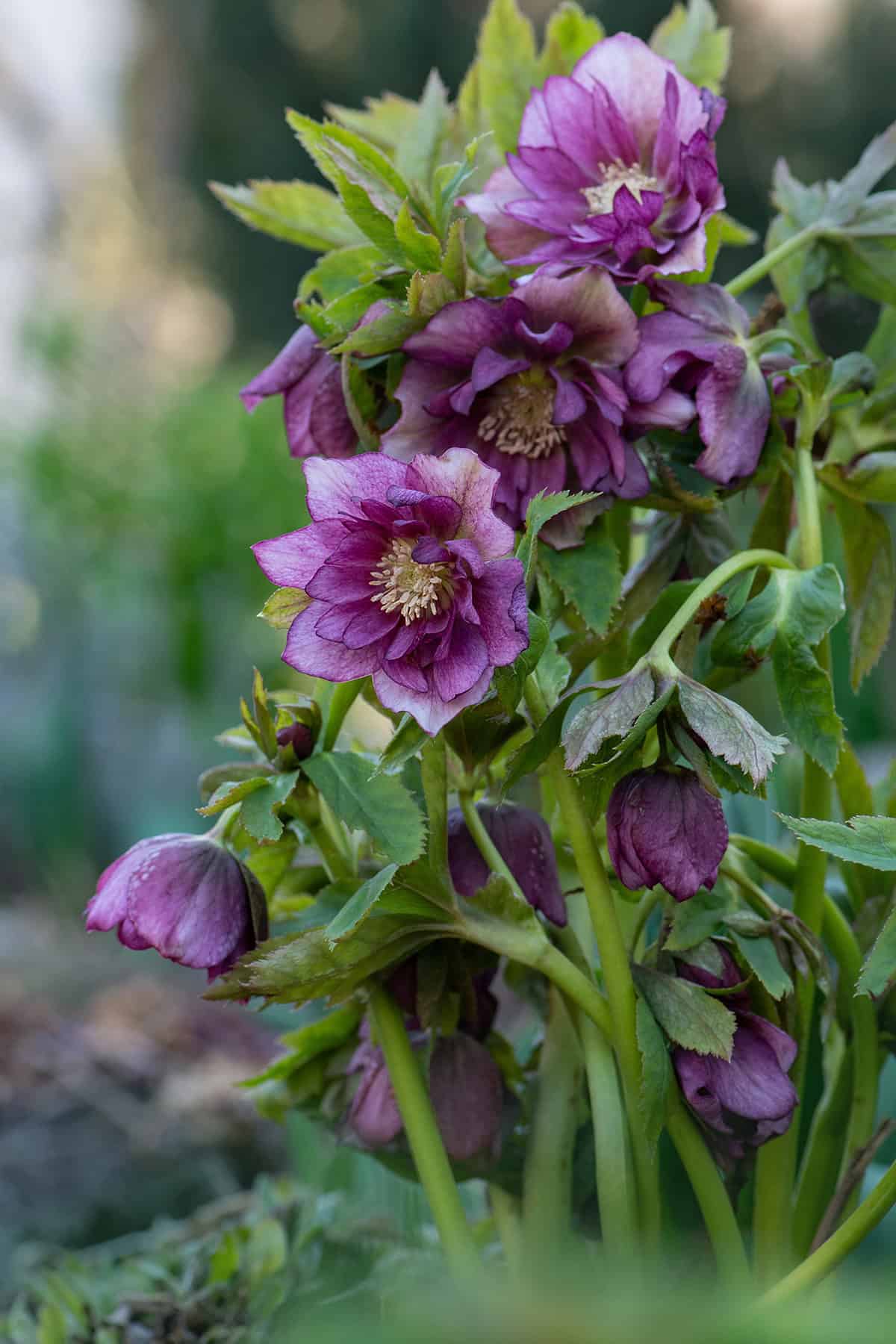
Hellebores bloom in late winter, before most garden plants stir.
Thick, leathery leaves persist year-round, and deer tend to leave them alone. They adapt to acidic soil and shade.
Plant at the same depth they grew in the pot, since deep planting reduces flowering. Cut away old leaves in late winter for a tidy look, and established plants need little care.
Heuchera (Coral Bells)
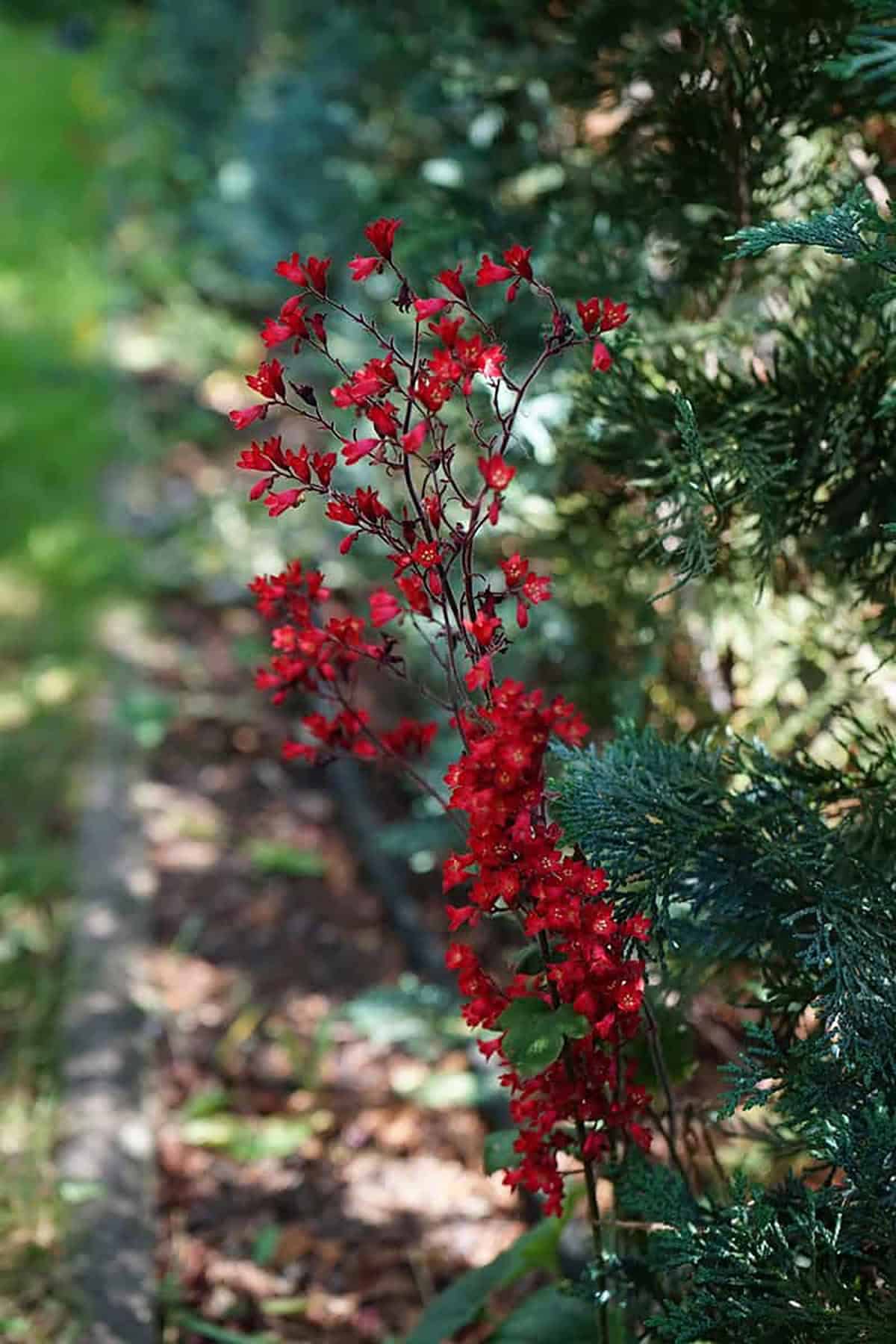
Gardeners grow coral bells mainly for foliage in shades of lime to deep burgundy, which stands out against fallen pine needles.
Slender flower stalks rise in late spring. Some types tolerate dry shade, and a little morning sun improves leaf color.
Plant in well-drained soil with the crown at the surface. Divide the clumps every few years for the best color, and apply a light mulch around the roots.
Hardy Geranium (Geranium Macrorrhizum)
Fragrant leaves spread slowly and steadily into a ground cover, and few plants handle dry, root-filled soil so easily.
Pink or magenta flowers appear in late spring, and the foliage reddens in fall.
Trim after flowering to encourage fresh growth. It resists deer and spreads gradually where space allows.
Lily Of The Valley (Convallaria Majalis)
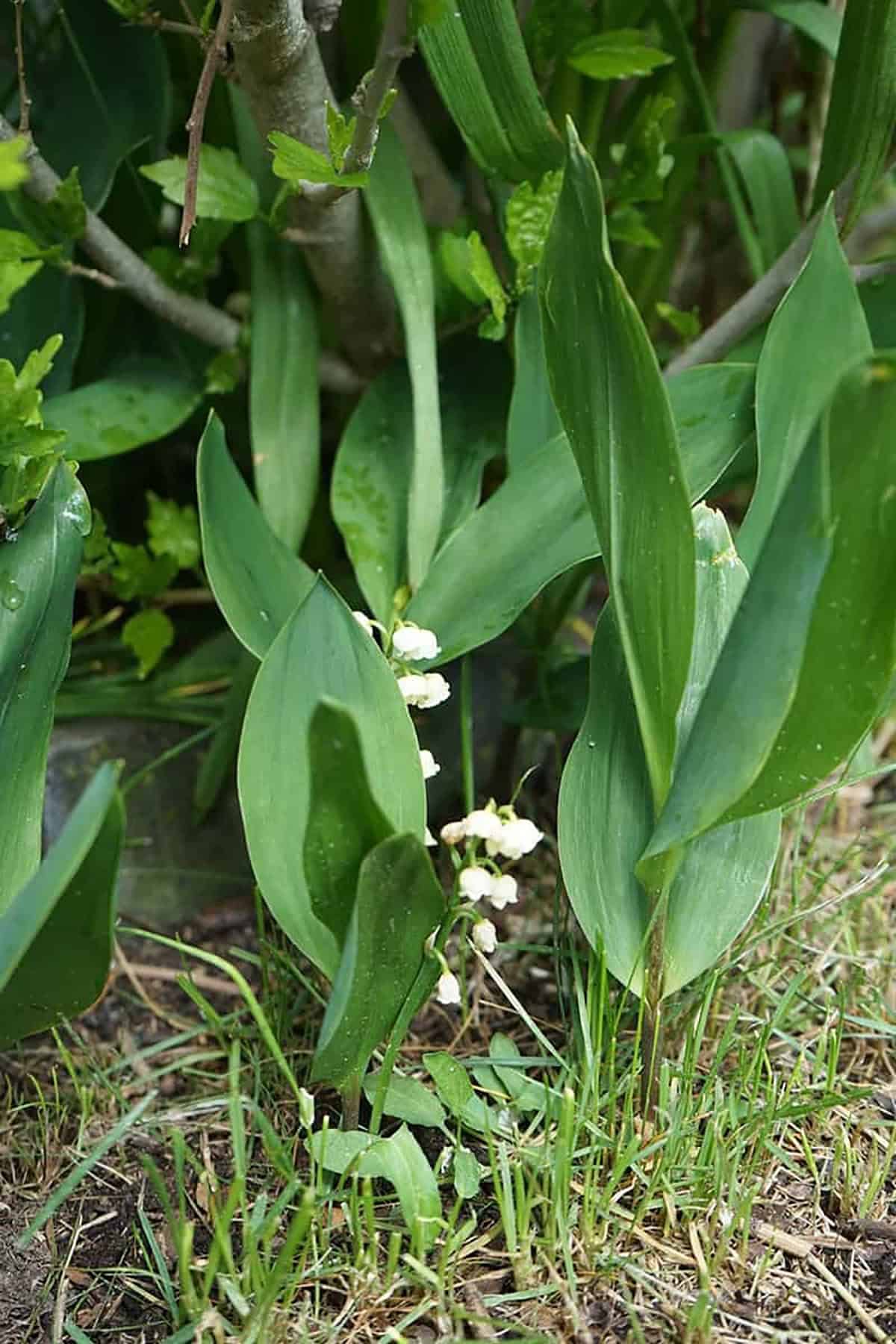
Arching stems of white, bell-shaped flowers fill the spring shade with fragrance.
Lily of the valley tolerates dry or average shade and acidic soil, and it spreads underground into dense patches.
Divide the clumps to control its spread, since it travels aggressively. All parts are toxic to pets and children, so plant it with care.
Sweet Woodruff (Galium Odoratum)
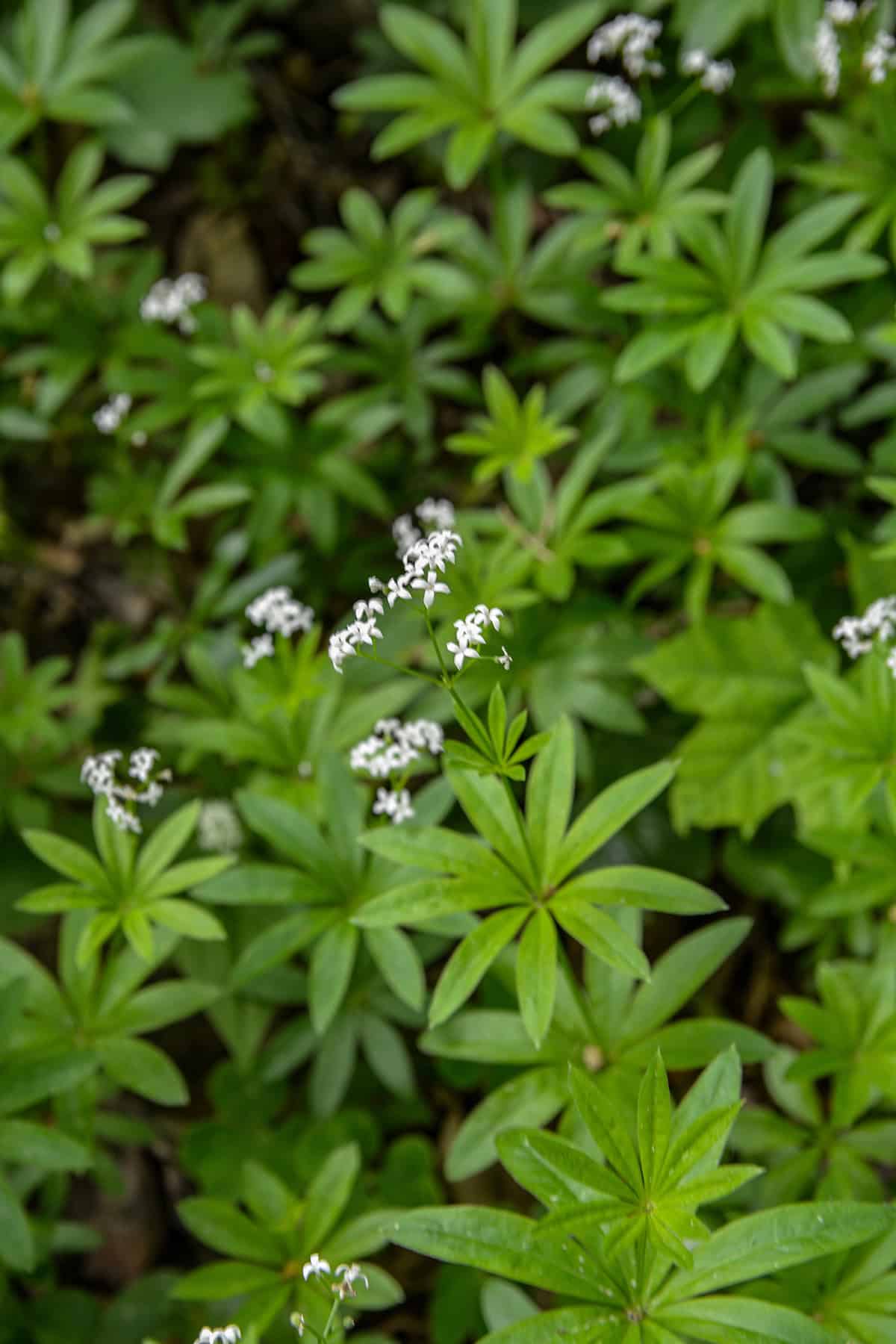
Fine, whorled leaves form a soft carpet in the shade, with tiny white flowers in spring.
It grows best under widely spaced pines where some moisture reaches the soil, and it needs decent drainage.
Trim it if it looks scraggly in summer. It spreads quickly in moist soil and struggles in bone-dry, compacted ground.
Ferns (Especially Christmas Fern Or Lady Fern)
Ferns lend a woodland look to the ground under pines. Christmas fern holds its green fronds through winter in many regions, and lady fern grows graceful, curved fronds.
Shade and acidic soil are fine for both. Christmas fern handles dry shade well once established, and lady fern prefers a little more moisture.
Set the crowns level with the soil surface. Leaf compost spread on top improves poor ground with no deep digging, and old fronds come off in early spring for a neat look.
Carex (Shade Sedges)
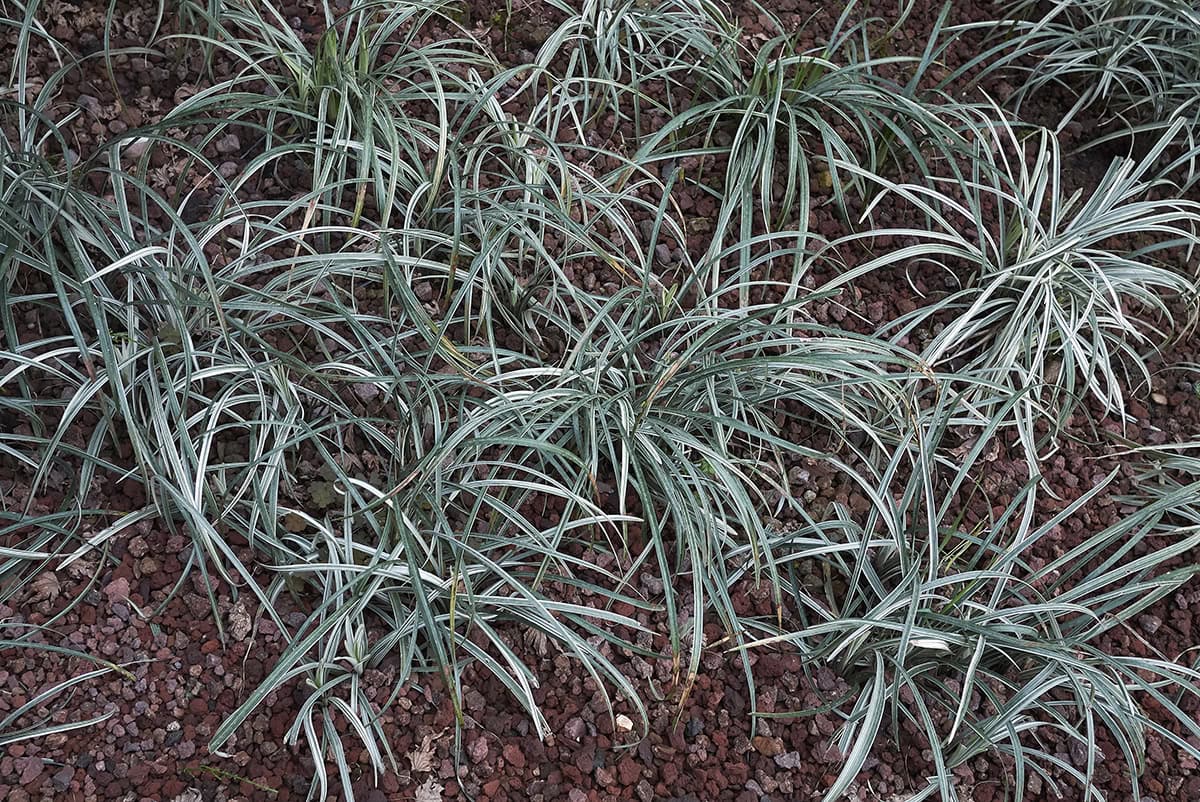
Carex delivers a grassy look with no need for sun, and many species tolerate dry, acidic shade.
Clumps grow neat and seldom need trimming, which helps in spots where mowing is impractical. Some species spread, and others form tight clumps.
Choose species adapted to your climate, and water regularly through the first season. Trim back old leaves if they look ragged after winter.
Solomon’s Seal (Polygonatum)
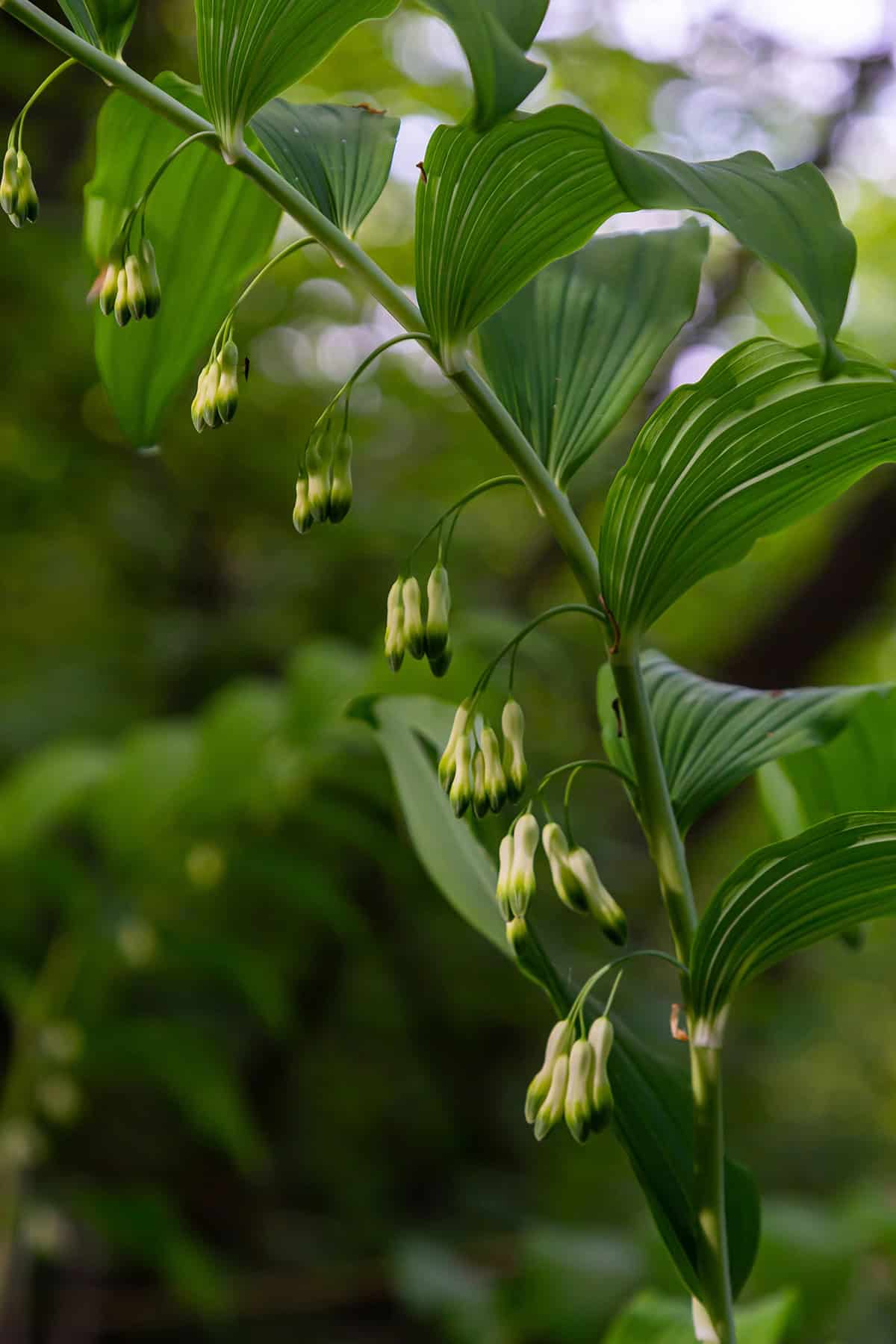
Arching stems carry pairs of leaves and small white flowers in spring, for vertical interest in a small footprint.
It grows contentedly in shade and handles dry soil once mature. It spreads slowly by rhizomes.
Leave room for the clump to expand, and cut the stems down after frost. A light mulch slows drying of the soil.
Tiarella (Foamflower)
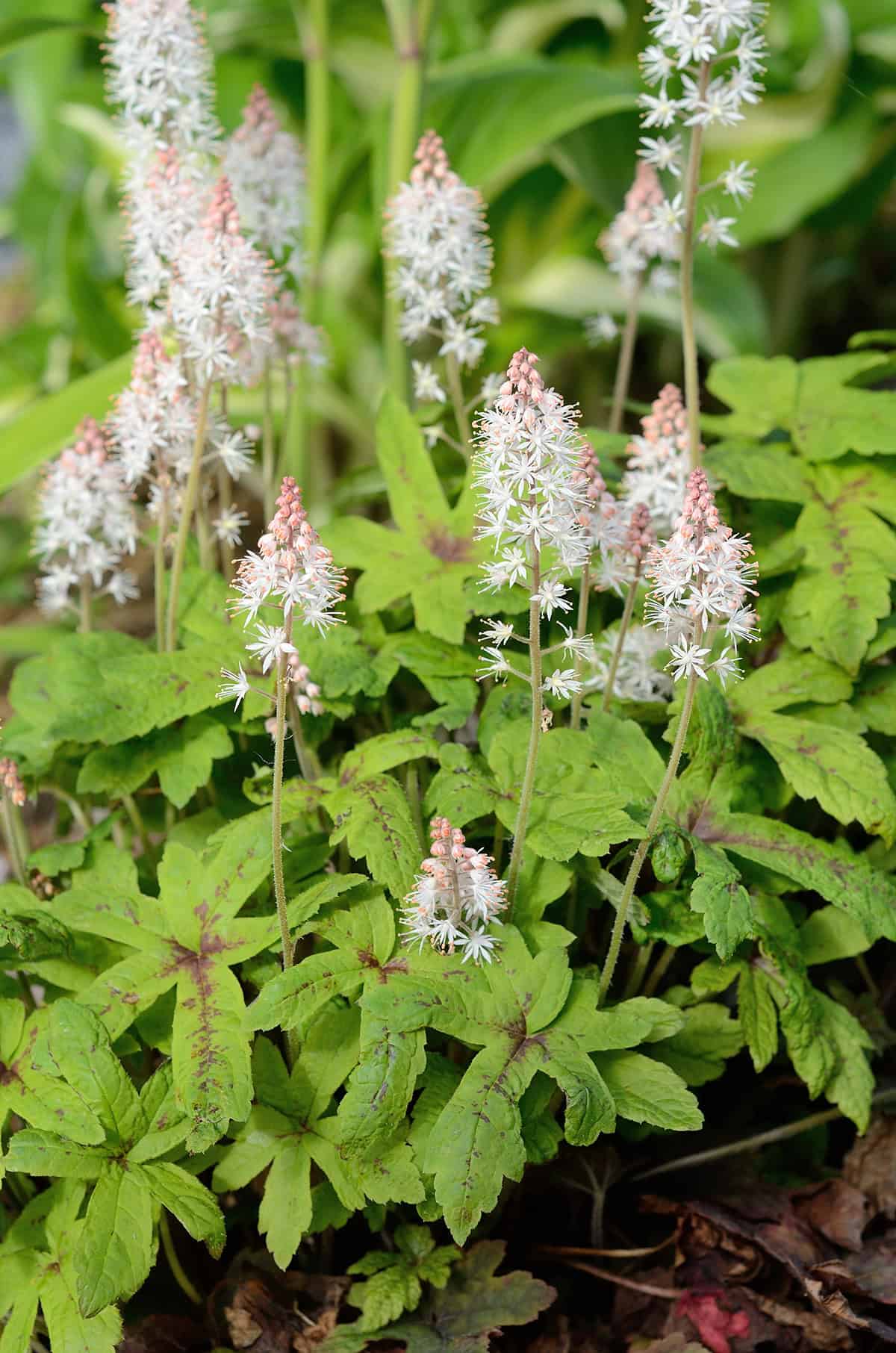
Lobed leaves, some with bold dark markings, form a patchwork across the ground, and airy flower spikes sparkle in spring shade.
Native to woodlands, foamflower grows well in acidic soil and tolerates some dryness. Clumps expand by short runners at a polite pace.
Divide every few years to refresh the planting. Set the crowns at soil level, and mulch for steadier moisture.
Creeping Thyme
At the sunny edges of a pine planting, this thyme forms a tough, fragrant ground cover. Lean soil is fine as long as it drains.
Low stems form a dense mat, and summer flowers draw pollinators.
Avoid deep shade, where growth thins out. Tuck it between exposed roots where light reaches the ground, and water sparingly.
Sedum (Stonecrop Varieties)
A handful of low sedums handle dry soil under open pine canopies, since their fleshy leaves store water through drought.
Choose types that tolerate partial shade, since most sedums need more sun.
Drainage is essential, and too much water rots them. Snip off old flower stalks for a tidy look.
Rhododendron
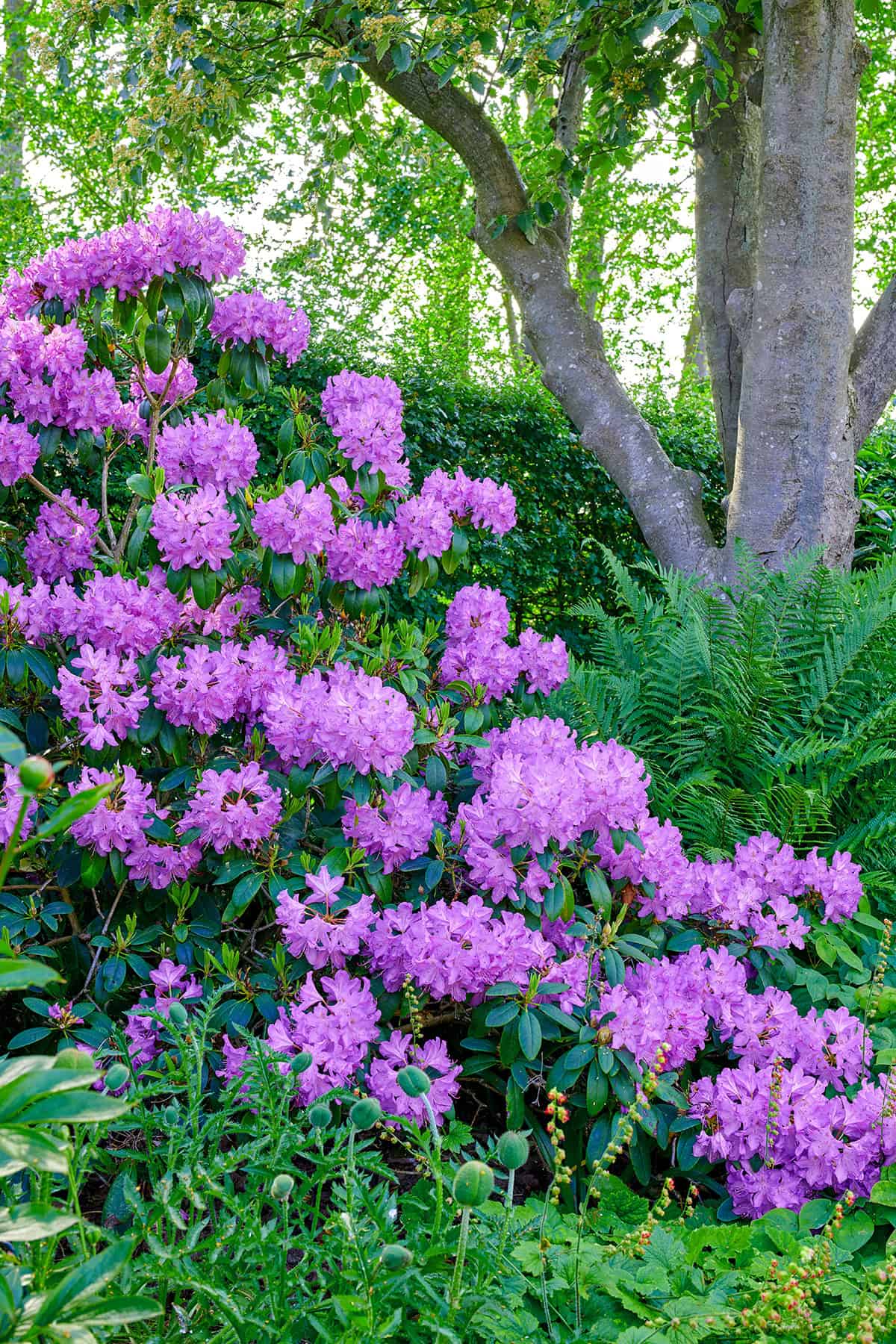
Rhododendrons thrive in acidic soil and pair bold spring flowers with evergreen structure under pines.
They grow best in partial shade, away from harsh afternoon sun. Their shallow, fibrous roots coexist with pine roots better than most shrubs.
Plant them slightly high for good drainage, water deeply during droughts and mulch to cool and moisten the roots.
Azalea
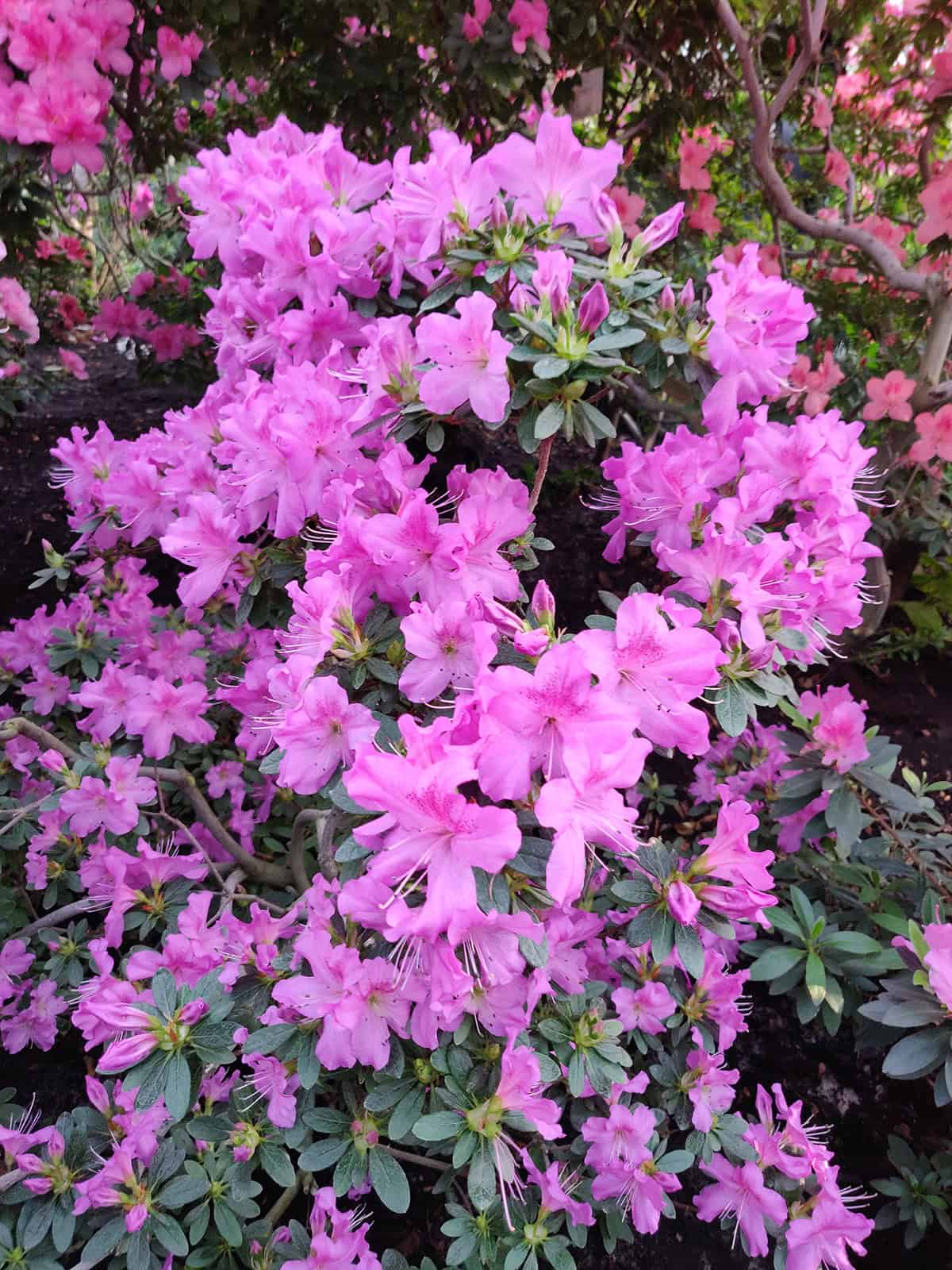
Azaleas fill dappled shade with spring color, and acidic soil is exactly what they need. Both evergreen and deciduous types grow well under pines.
Well-drained, organic-rich soil produces the best plants. Avoid deep planting, since the shallow roots need air. Prune right after flowering if shaping is needed, and water steadily during dry spells for healthy buds.
Pieris Japonica
Drooping clusters of flowers in early spring and evergreen leaves, with red or bronze new growth, make pieris a standout under tall pines.
It needs acidic, well-drained soil and struggles in anything else. Shelter from wind and partial shade produce the best plants.
Space plants for good air movement, water well through the first year and mulch to cool the roots. All parts are toxic to people and pets.
Boxwood
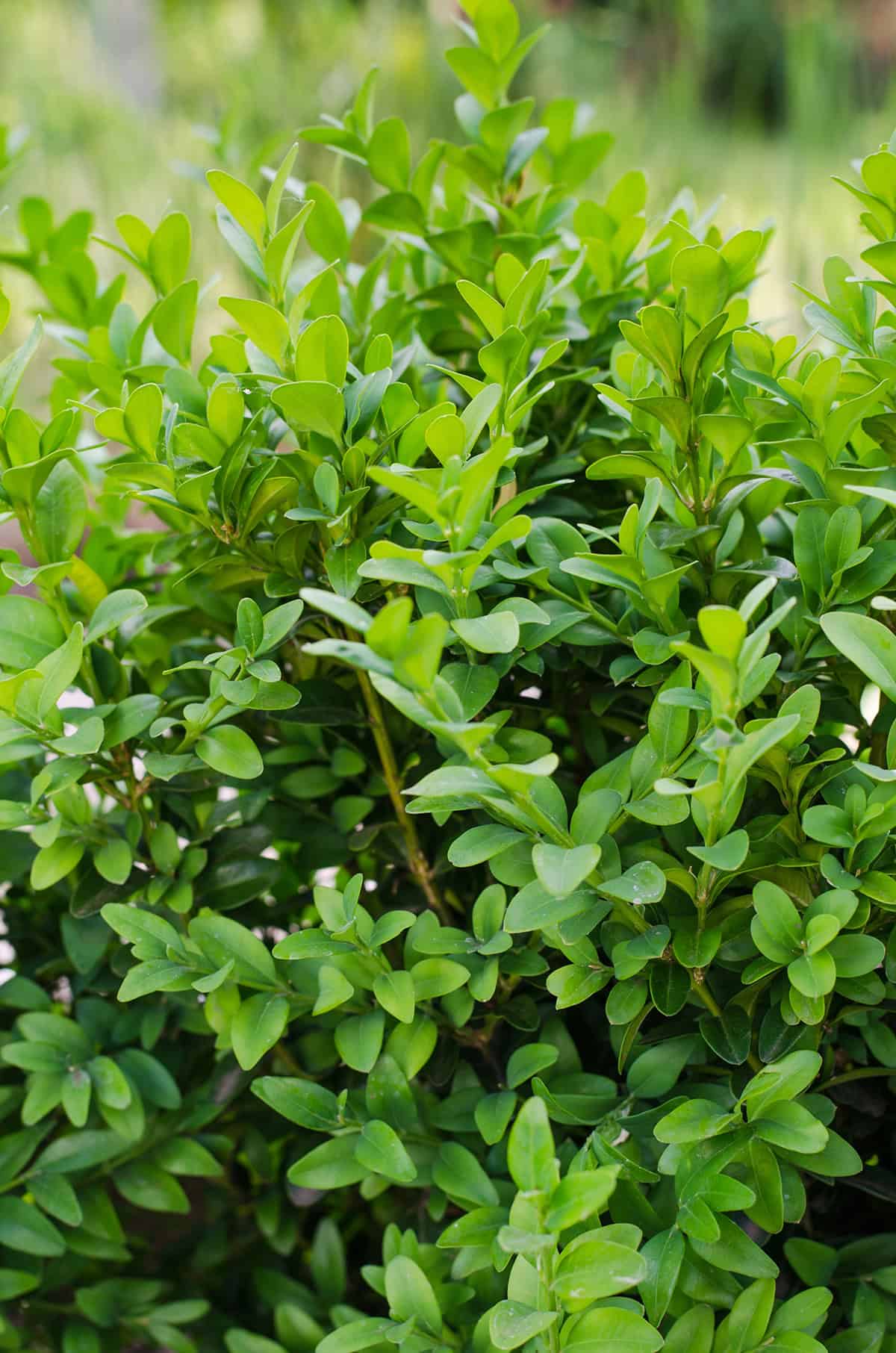
Dense evergreen leaves create crisp lines and anchor shaded beds with quiet formality. Many cultivars tolerate partial shade and drier soil once established.
Low hedges, mounds and clipped balls are all possible for anyone who enjoys shaping. Boxwood prefers soil close to neutral, so test the pH under pines and add lime if the reading falls far below 6.0.
Avoid soggy spots, and trim lightly a few times a year. In cold climates, a burlap screen in winter prevents leaf scorch.