The biggest improvements in a yard are paid for mostly in sweat. A spade for crisp edges, a few bags of mulch and a free load of city wood chips change how a garden looks within a weekend.
Paint, gravel and seed-grown annuals stretch a small budget further, and a handful of ideas here cost no money at all, just an afternoon outdoors.
The first five take a single weekend between them.
Table of Contents
- Budget-Friendly Garden Ideas To Make The Yard Look Better
- Add Fresh Mulch
- Clean Lawn Edges
- Paint The Fence
- A Gravel Walkway
- Plant Low-Cost Annual Flowers
- Trim Overgrown Shrubs
- Install Solar Path Lights
- Group Plants In Clusters
- Mulch Around Trees
- Paint Outdoor Furniture
- A Small Patio Seating Area
- Overseed Patchy Grass
- Decorative Gravel For Bare Spots
- Build A Simple Raised Bed
- Matching Front Door Planters
- A Flower Border Along The Fence
- Pressure Wash Patios And Paths
- Low-Maintenance Shrubs
- Hang String Lights
- Paint The Garden Shed
- Ground Cover Instead Of Weeds
- Defined Garden Bed Edges
- Layer Plants By Height
- Install Window Boxes
- Frame Walkways With Plants
- A Small Rock Garden
- Replace Old Mulch
- Symmetrical Planting Layout
- Hide Utility Boxes With Plants
- Install A Basic Trellis
- Add Perennials To Empty Spaces
- Weed And Clear Garden Beds
- Plant A Privacy Hedge
- Stone Garden Borders
- Fill Empty Corners With Pots
Budget-Friendly Garden Ideas To Make The Yard Look Better
Quick, affordable changes make a surprising difference, in as little as a day or two. Tidying, sharp edges, a few reliable plants and inexpensive materials add structure and color for little money.
Add Fresh Mulch
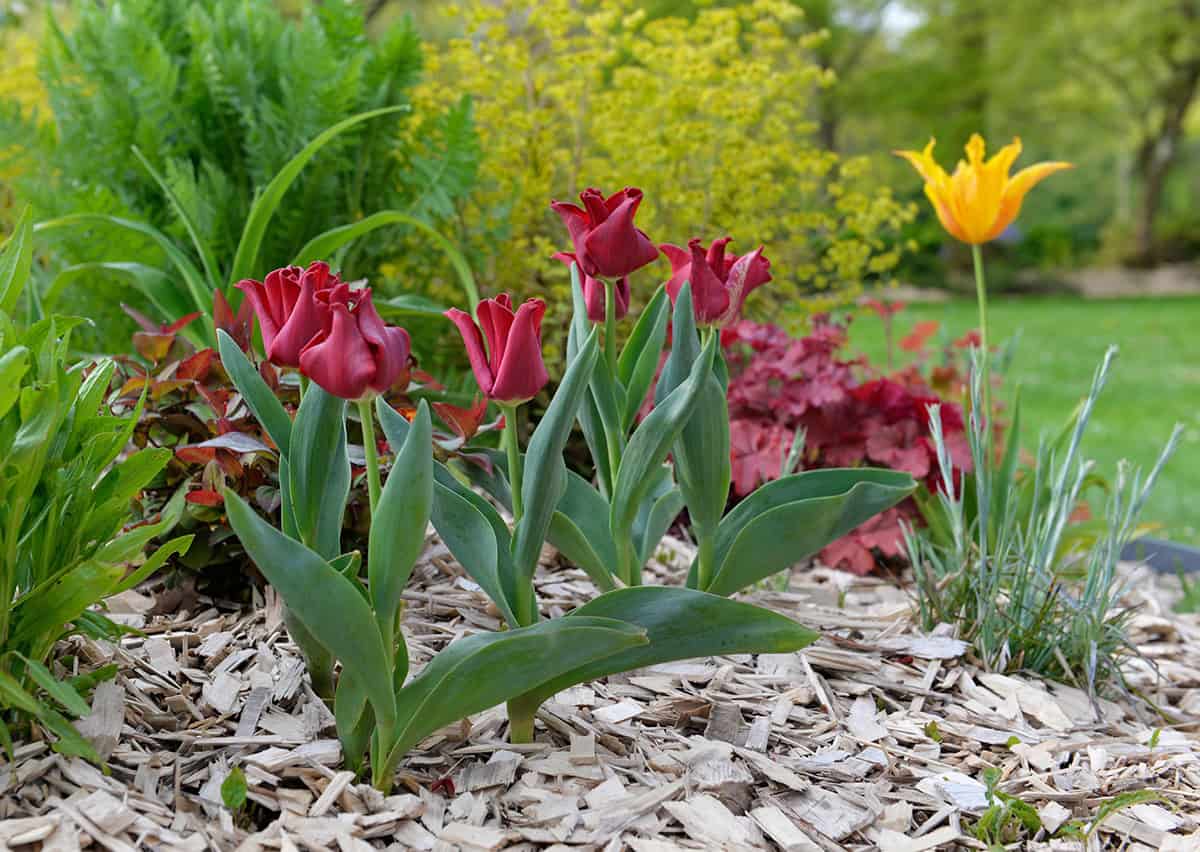
A crisp layer of mulch makes garden beds look cared for overnight, and it suppresses weeds and holds moisture in the soil. Shredded bark, wood chips and pine straw from local suppliers cost little.
Spread 2 to 3 inches, pulled back from stems and trunks. Bulk delivery saves money over bags, and many cities hand out free wood chips or compost to residents. Spring and fall are the best times for the job.
Clean Lawn Edges
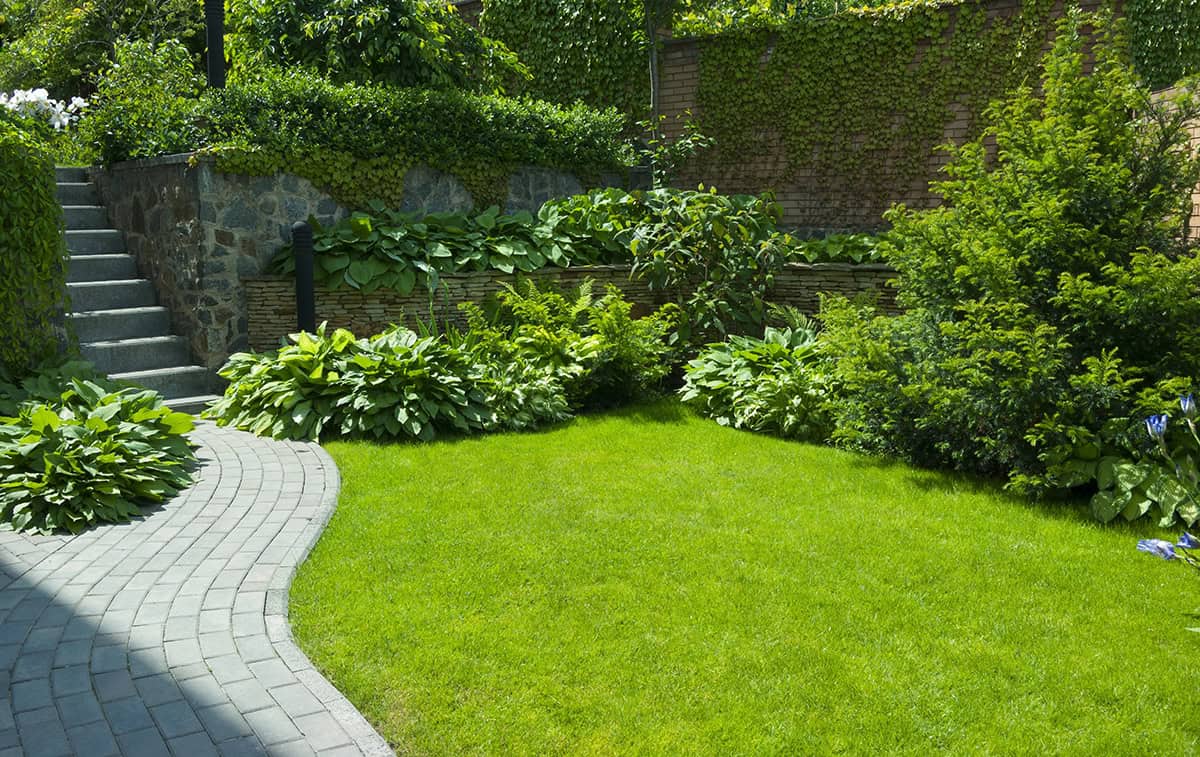
Sharp edges between lawn and beds tidy the whole yard at once. A half-moon edger or a flat spade cuts that crisp line in an afternoon.
Slice straight down where grass meets soil, then pull out the loose turf. Recut the line once or twice a season, and a strip of mulch along the border sharpens the contrast further.
Paint The Fence
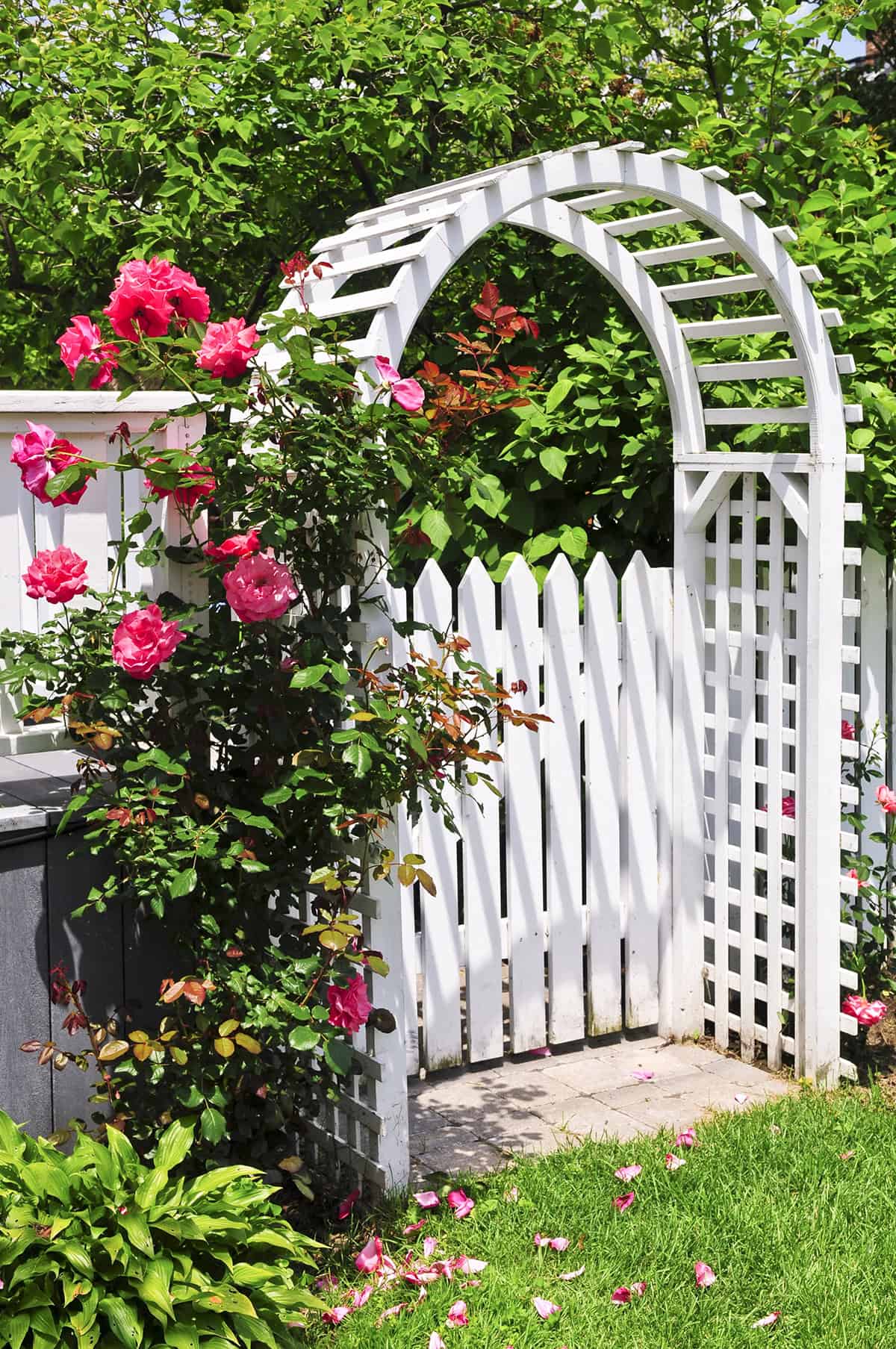
Fresh paint or stain rescues a tired fence for a fraction of the cost of replacing it. Dark neutrals such as charcoal or deep green make plants stand out, and lighter tones visually widen a small yard.
Scrub off dirt and loose paint, let the wood dry and apply an exterior paint or stain. Two coats cover most fences.
A Gravel Walkway
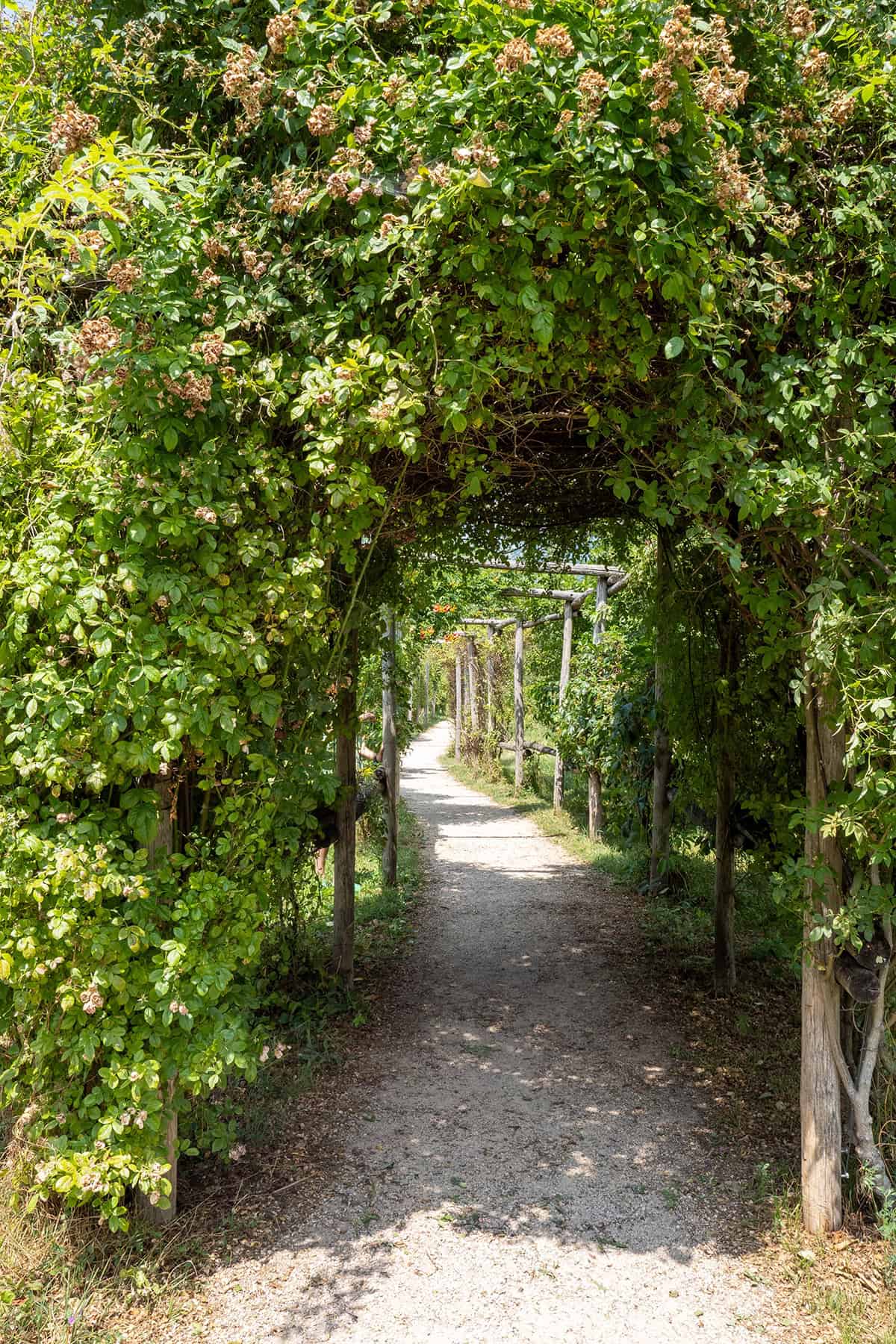
Cheap, practical and quick to lay, a gravel path drains far better than packed dirt. Pea gravel and crushed stone are the usual choices, with crushed stone packing firmer underfoot.
Mark the route, remove the grass, level the base and lay landscape fabric to block weeds. Edging holds the stones in place, and the result is a defined route with no more muddy patches.
Plant Low-Cost Annual Flowers
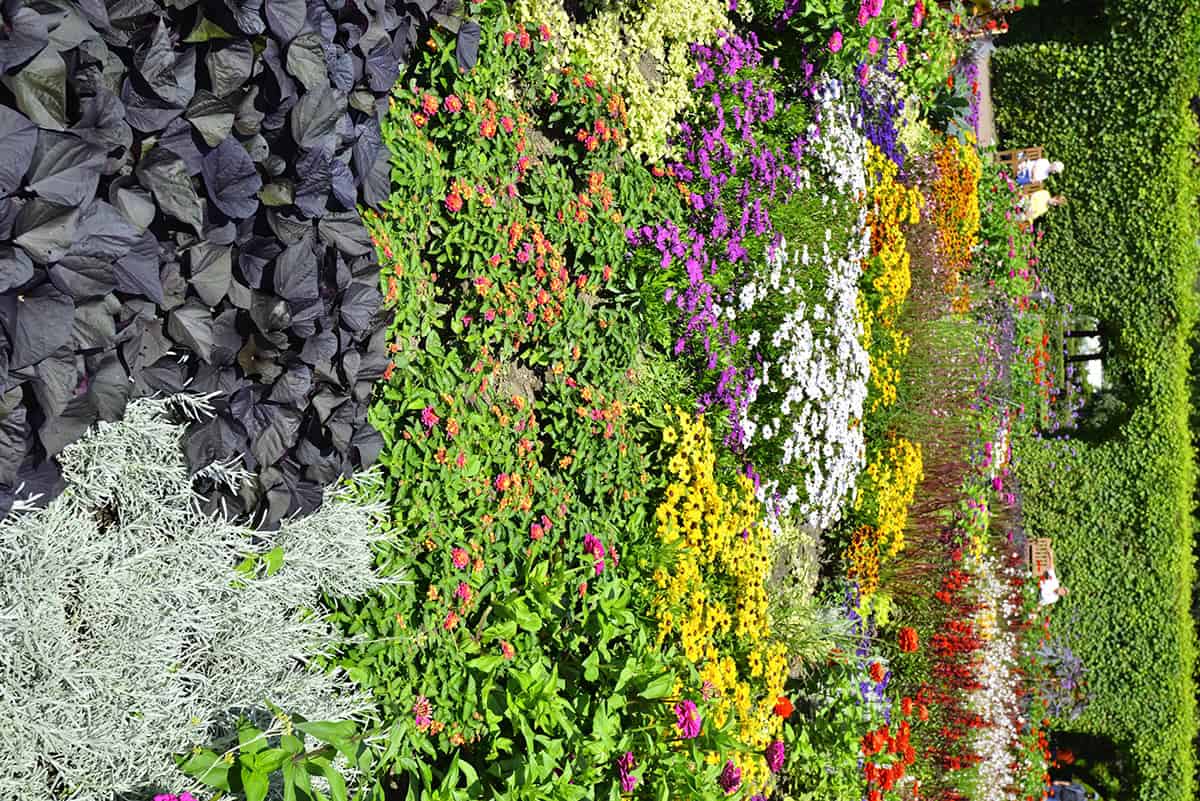
Annuals deliver quick color with little commitment. Nursery flats are inexpensive, and seed-grown zinnias, marigolds and cosmos cost even less.
Choose flowers matched to your sun and heat, and plant them in clusters for more impact than scattered singles. Annuals also fill gaps while slower perennials establish.
Trim Overgrown Shrubs
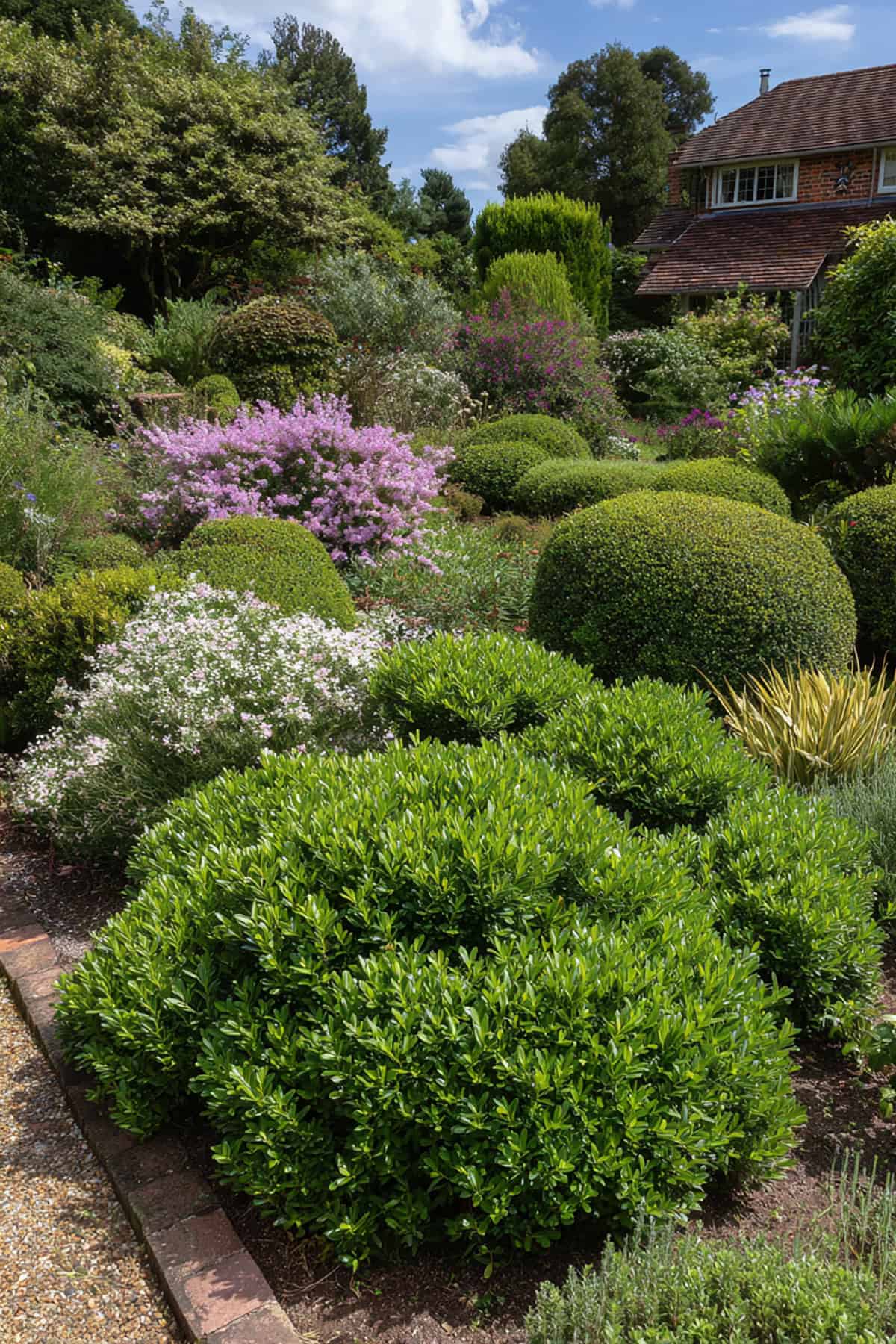
Shrubs that swallow windows or walkways make a whole property look neglected. A careful pruning tidies them and improves their health, and sharp pruners or loppers are all the gear required.
Remove dead branches and any that rub against each other first, then shape gradually and take no more than a third of the growth at once. Regular light pruning prevents bigger problems later.
Install Solar Path Lights
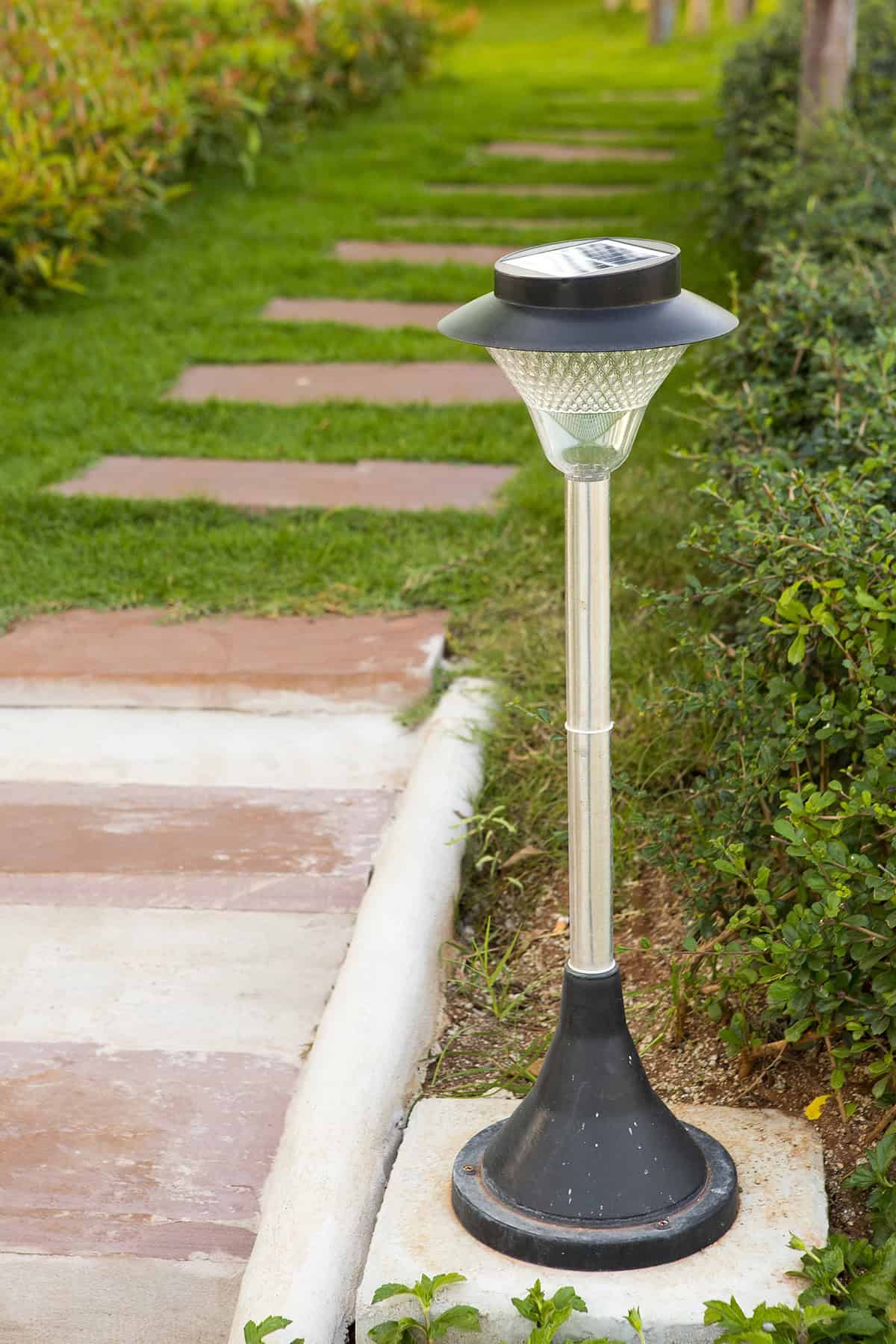
Solar lights add a soft glow with no wiring. They charge in the sun all day and switch on at dusk along paths or beside beds.
Choose simple designs and space them evenly, since a crowded row looks cluttered. A handful of lights improves both the look of the yard and nighttime safety.
Group Plants In Clusters
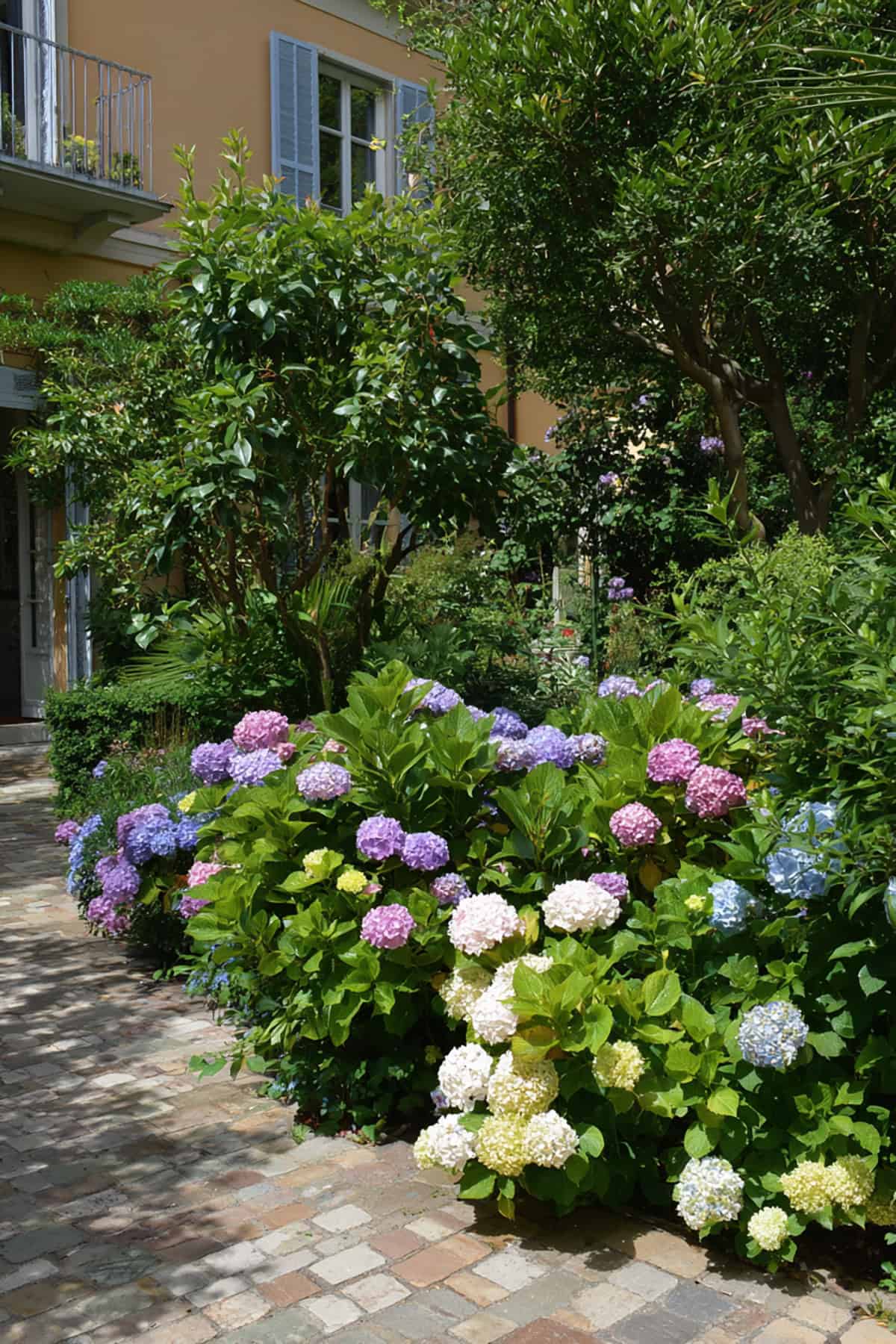
Plants in groups look far more cohesive than singles dotted around a bed. Odd numbers, such as three or five, look natural, and grouped plants are easier to water and maintain.
Repeat the same combinations in a few spots across the garden for a unified look. This approach stretches a plant budget, since fewer varieties in larger drifts deliver the impact.
Mulch Around Trees
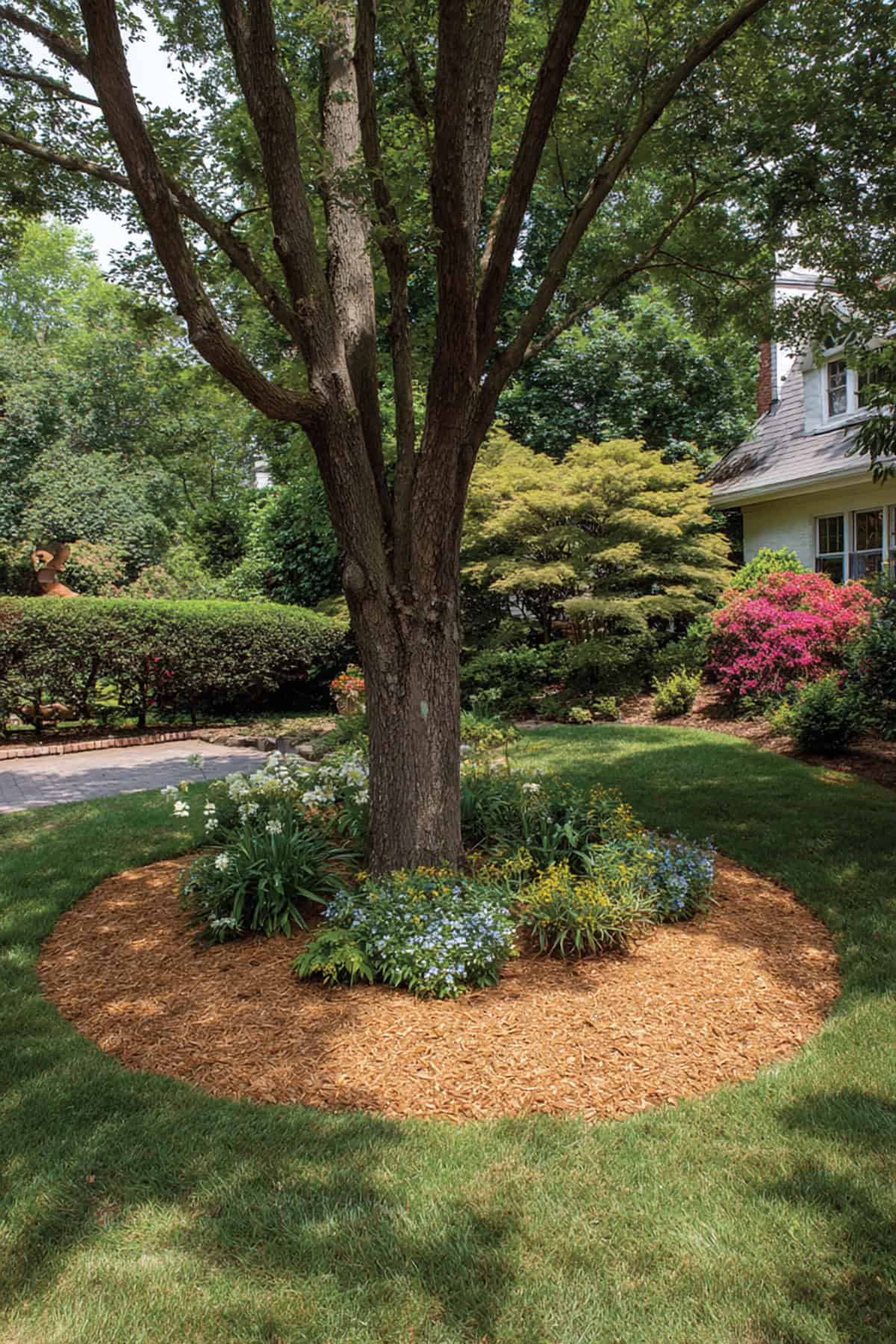
Bare soil around tree trunks looks unfinished, and a wide mulch ring tidies it up while protecting roots from mower and trimmer damage.
Remove the grass in a circle, spread 2 to 3 inches of mulch in a flat ring and pull it a few inches back from the bark. Skip the mounded volcano shape, which traps moisture against the trunk and invites rot.
Paint Outdoor Furniture
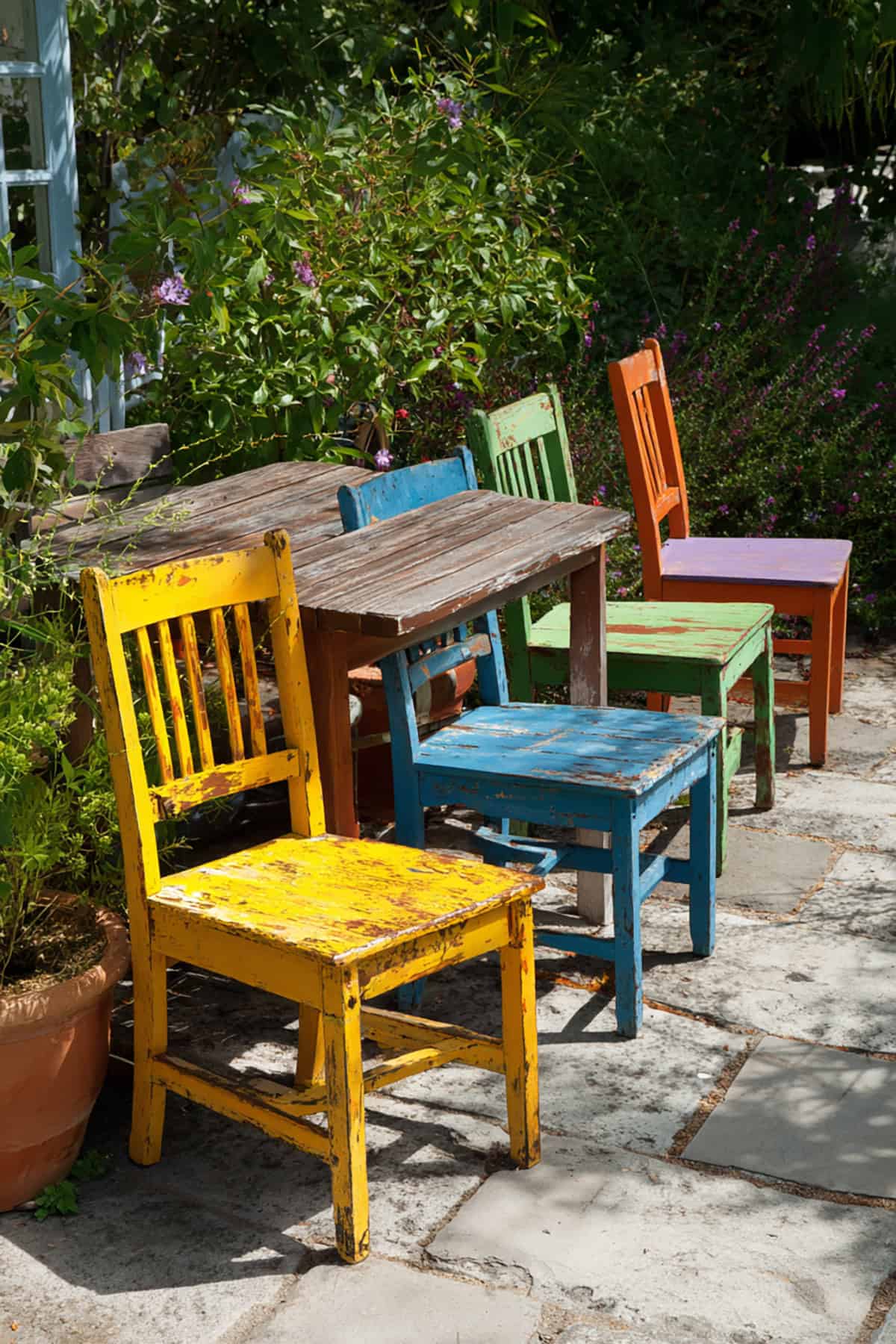
Weathered chairs and tables look new again with a coat of paint. Sand rough spots, choose a cheerful color and use an exterior-grade paint.
Metal needs a rust-inhibiting primer, and wood takes paint better over a base coat. Let each coat dry thoroughly, and an old bench becomes a standout piece.
A Small Patio Seating Area
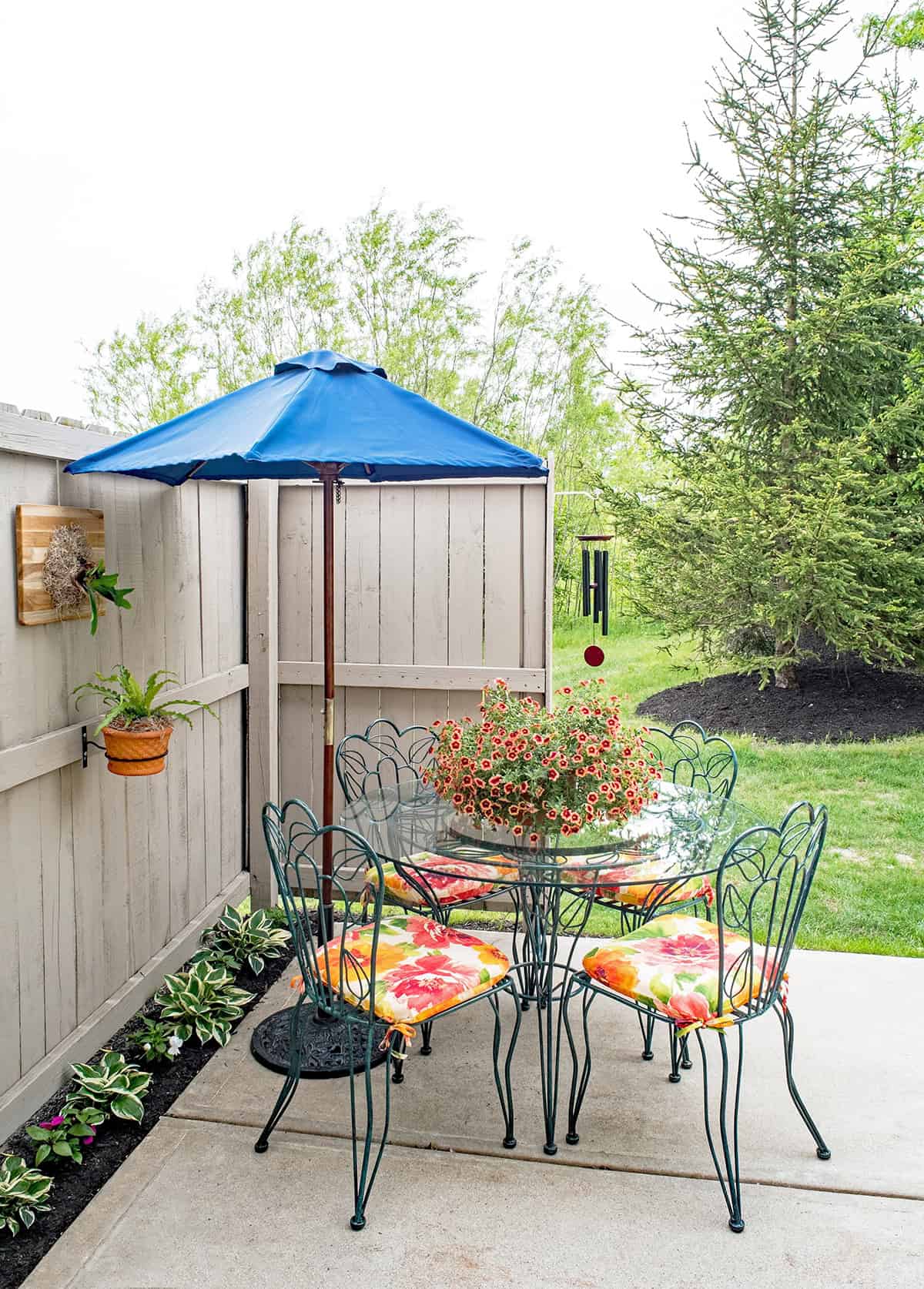
A defined spot to sit makes part of the yard into an outdoor room. Gravel, a few pavers or a simple deck platform all serve as a base, scaled to the space.
Two chairs, a small table and a few cushions complete the setup. Little expense is needed for it to become the favorite spot in the yard.
Overseed Patchy Grass
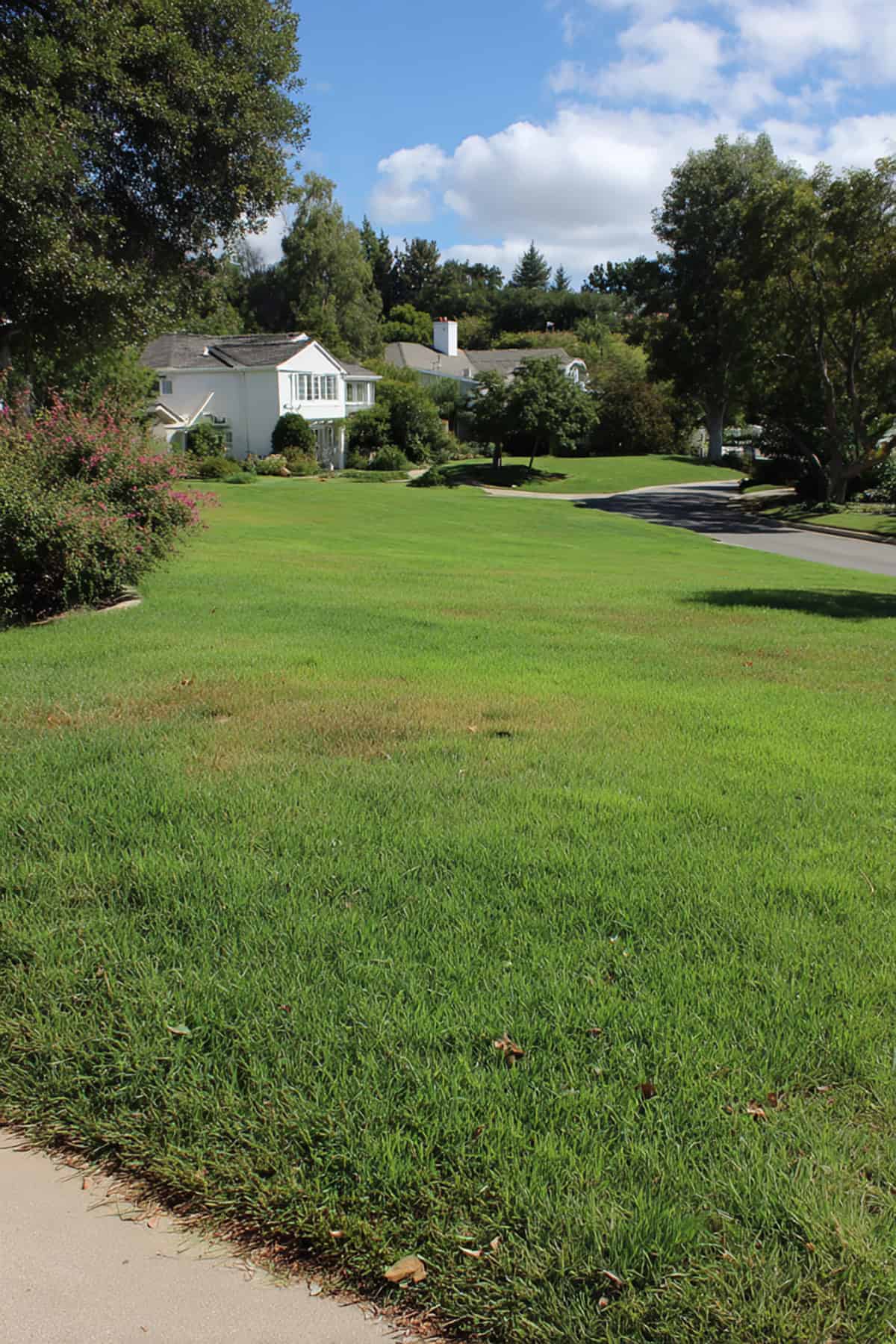
Bare patches drag down the whole lawn, and fresh seed spread over the old turf thickens it with no full renovation. Early fall is the best time for cool-season grasses, and late spring for warm-season types.
Mow short, rake the soil to loosen it, spread seed and water lightly every day until it sprouts. Thicker turf crowds out weeds and looks better for very little money.
Decorative Gravel For Bare Spots
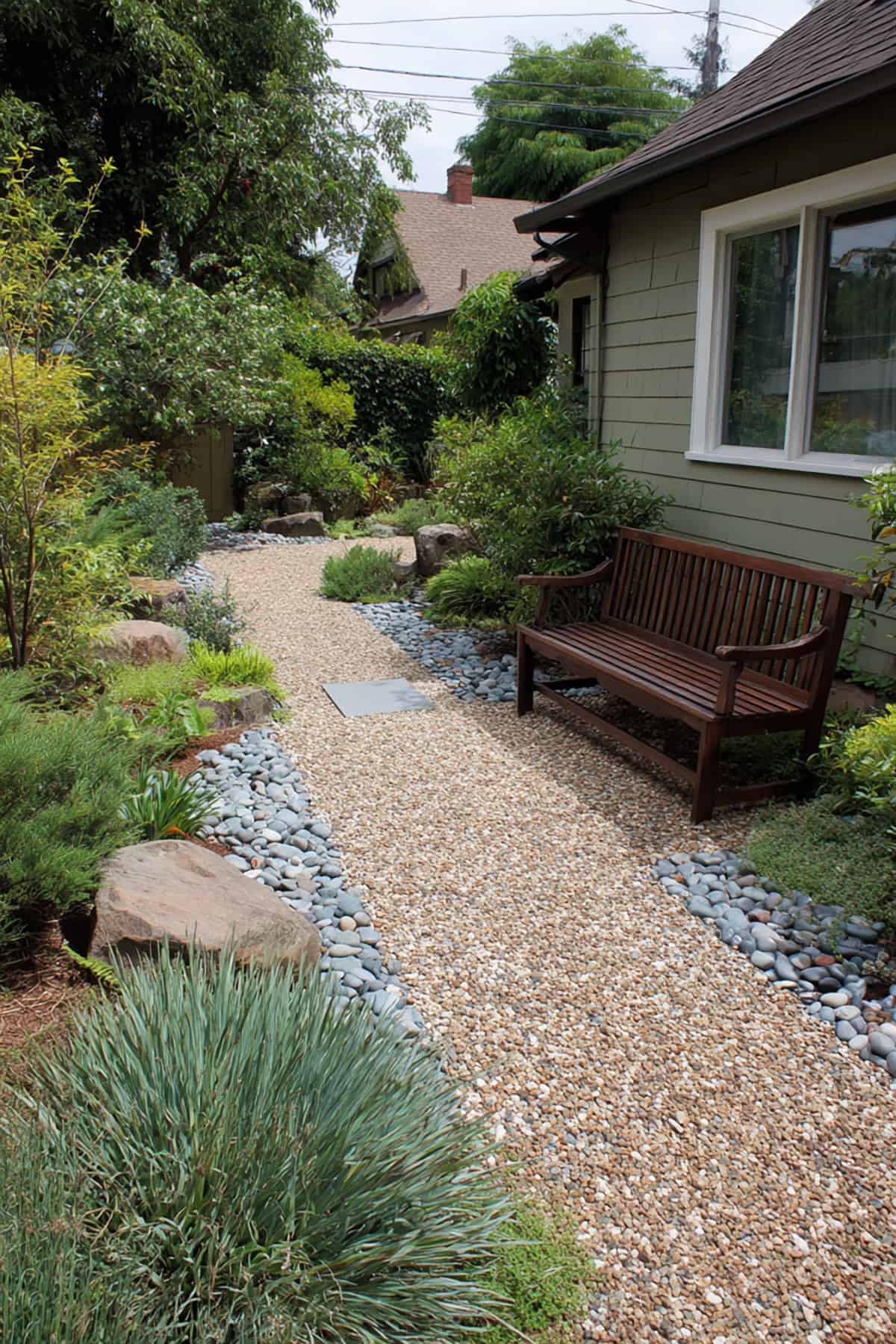
In shady corners and high-traffic areas where grass refuses to grow, decorative gravel is an easy fix.
Pull the weeds, level the ground, lay landscape fabric and cover it with gravel that matches the other hardscaping. Light-colored stone brightens dim spots and means less mud and less maintenance.
Build A Simple Raised Bed
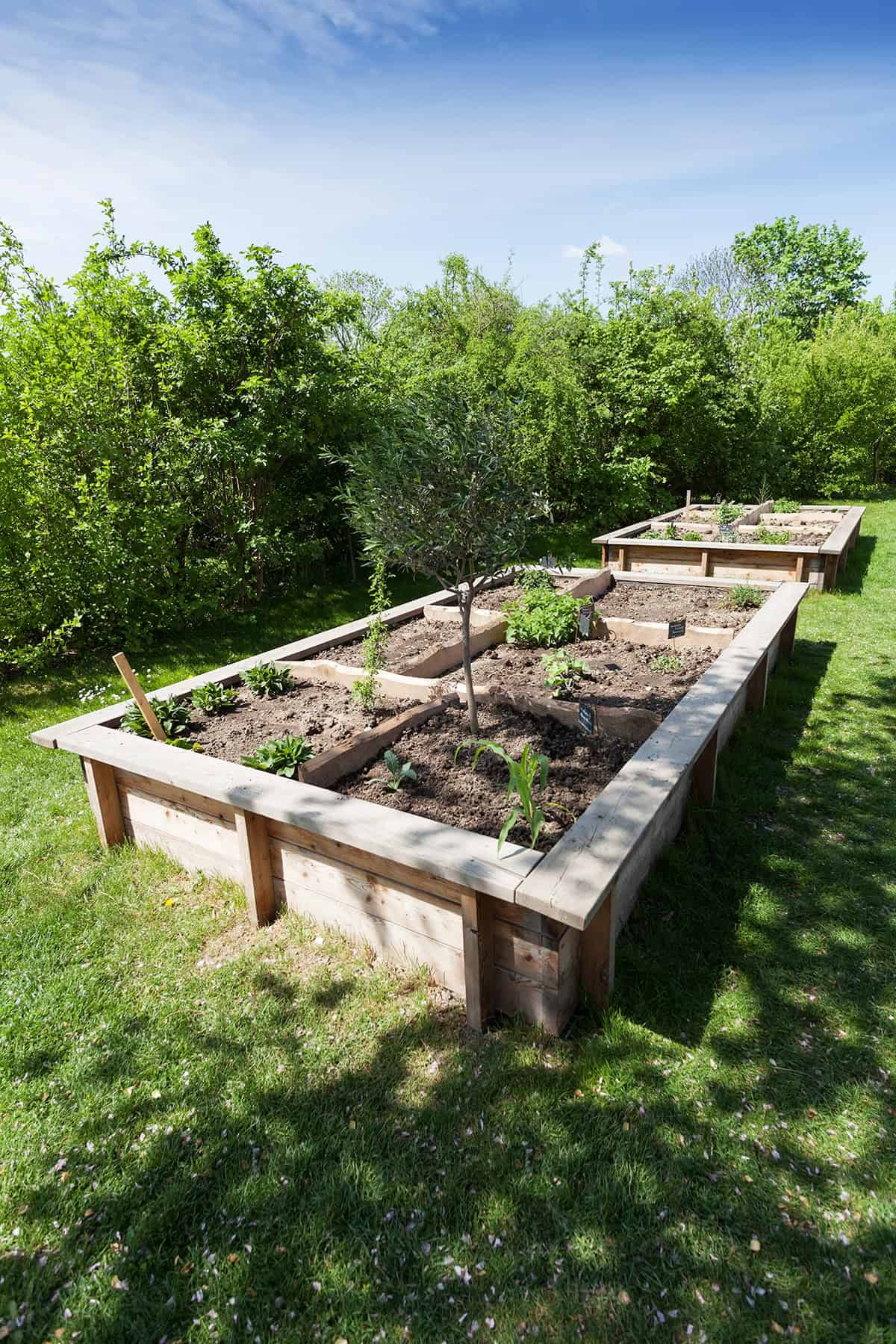
A raised bed organizes a garden instantly, and basic lumber or concrete blocks are all it takes. A simple rectangle in a sunny spot needs no carpentry skills.
Spend the money on good soil and compost, since that matters most. Start with easy vegetables or low-fuss flowers, and a single well-placed bed produces a surprising harvest.
Matching Front Door Planters
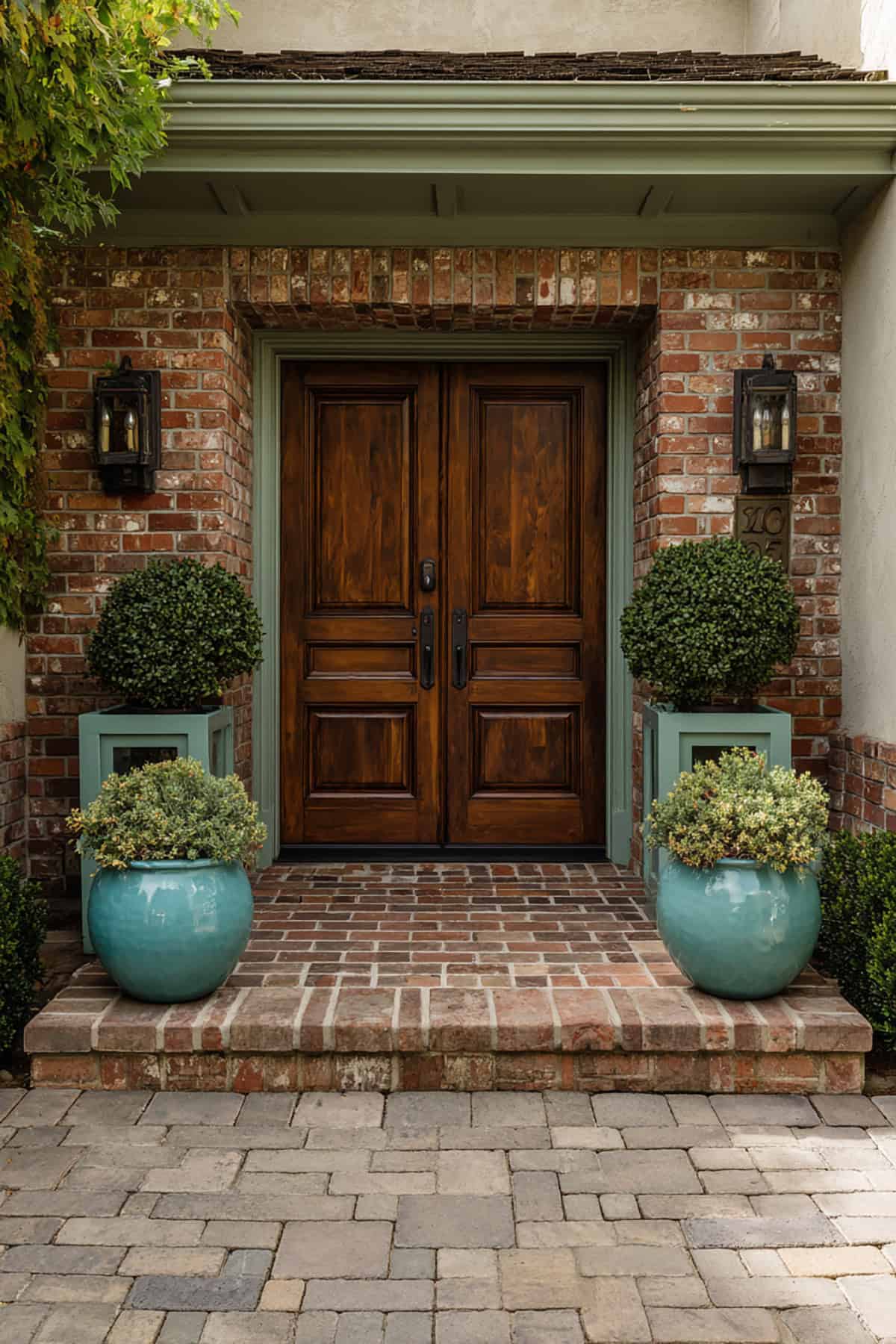
A pair of matching planters frames the entrance and makes the front door look welcoming. Classic urns and modern cubes both look sharp, and the house style decides which.
Fill them with seasonal flowers or evergreens sized to the door. Swap the plants as the seasons change for a fresh look year-round.
A Flower Border Along The Fence
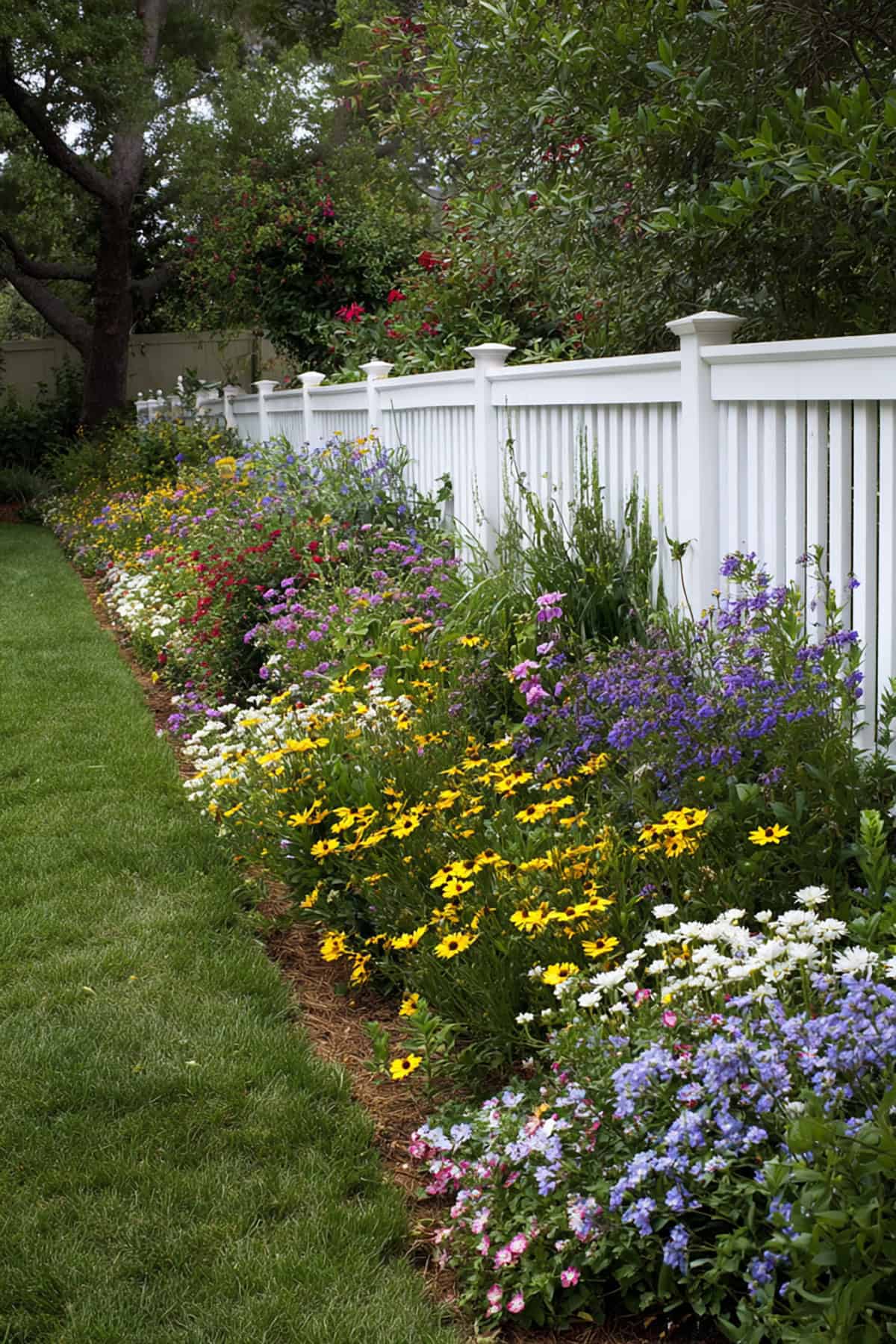
A strip of flowers along the base softens a stark fence, and a mix of perennials and annuals produces color through the whole season.
Prepare the soil with compost and space the plants generously, with taller ones at the back. The border hides rough boards and adds depth, especially in narrow yards.
Pressure Wash Patios And Paths
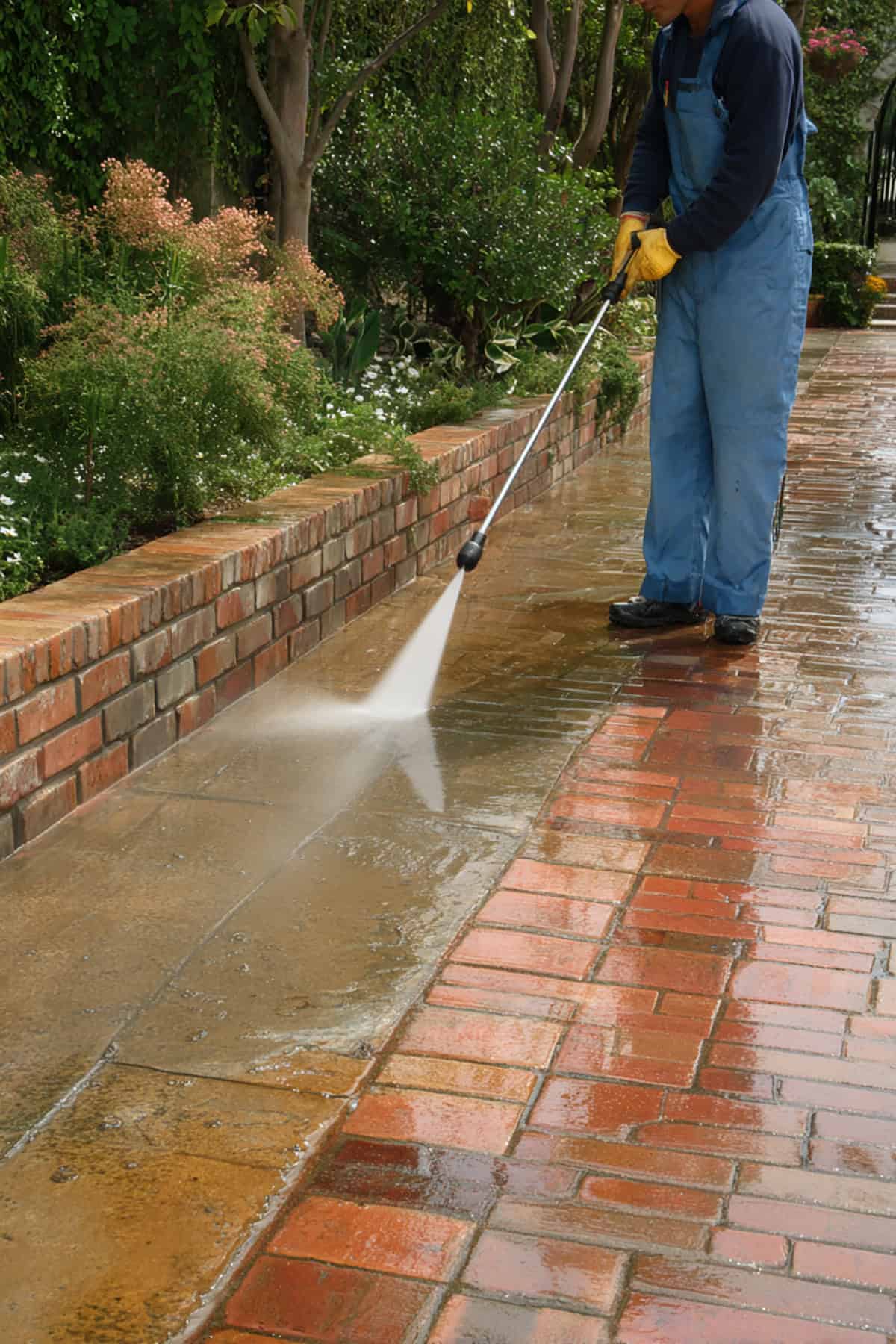
Patios and walkways collect grime fast, and a pressure washer makes them look almost new. Renting one for a day costs far less than replacing concrete or pavers.
Sweep first, then wash in steady strokes that overlap slightly, and hold the nozzle far enough back to avoid etching the surface. Use a lower pressure setting on wood and soft stone.
Low-Maintenance Shrubs
Shrubs that need little attention save time and money for years. Choose ones adapted to your climate and soil, and natives are a safe bet in most regions.
Plant them in groups for impact and space them for their mature size. Less pruning and watering means more free time and fewer replacements.
Hang String Lights
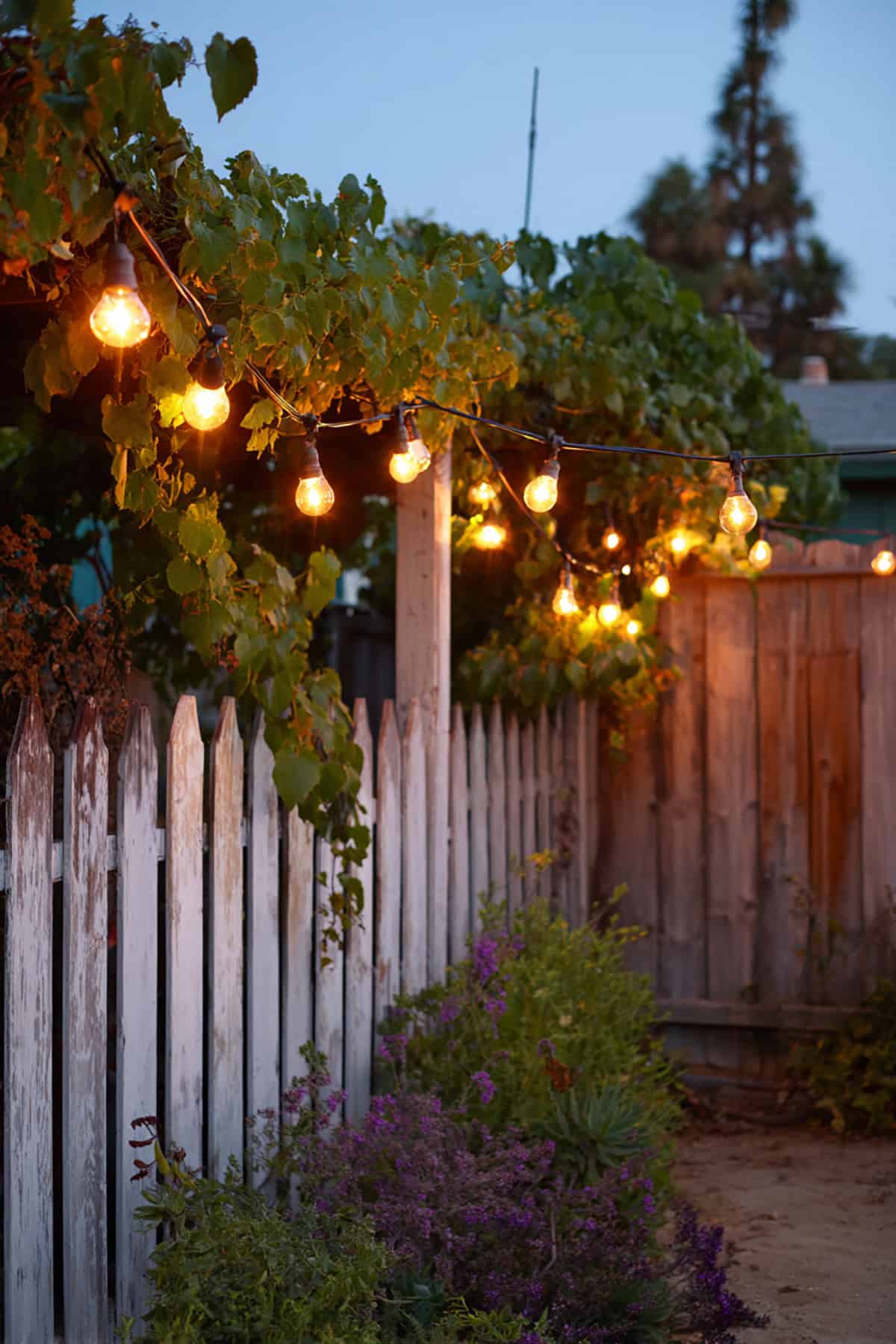
String lights create a cozy glow for evenings outside. Drape them along fences, across a pergola or between posts, and choose sets rated for outdoor use.
Run the lines neatly, secure the cords and plug them into a covered, GFCI-protected outlet. The yard becomes inviting long after sunset.
Paint The Garden Shed
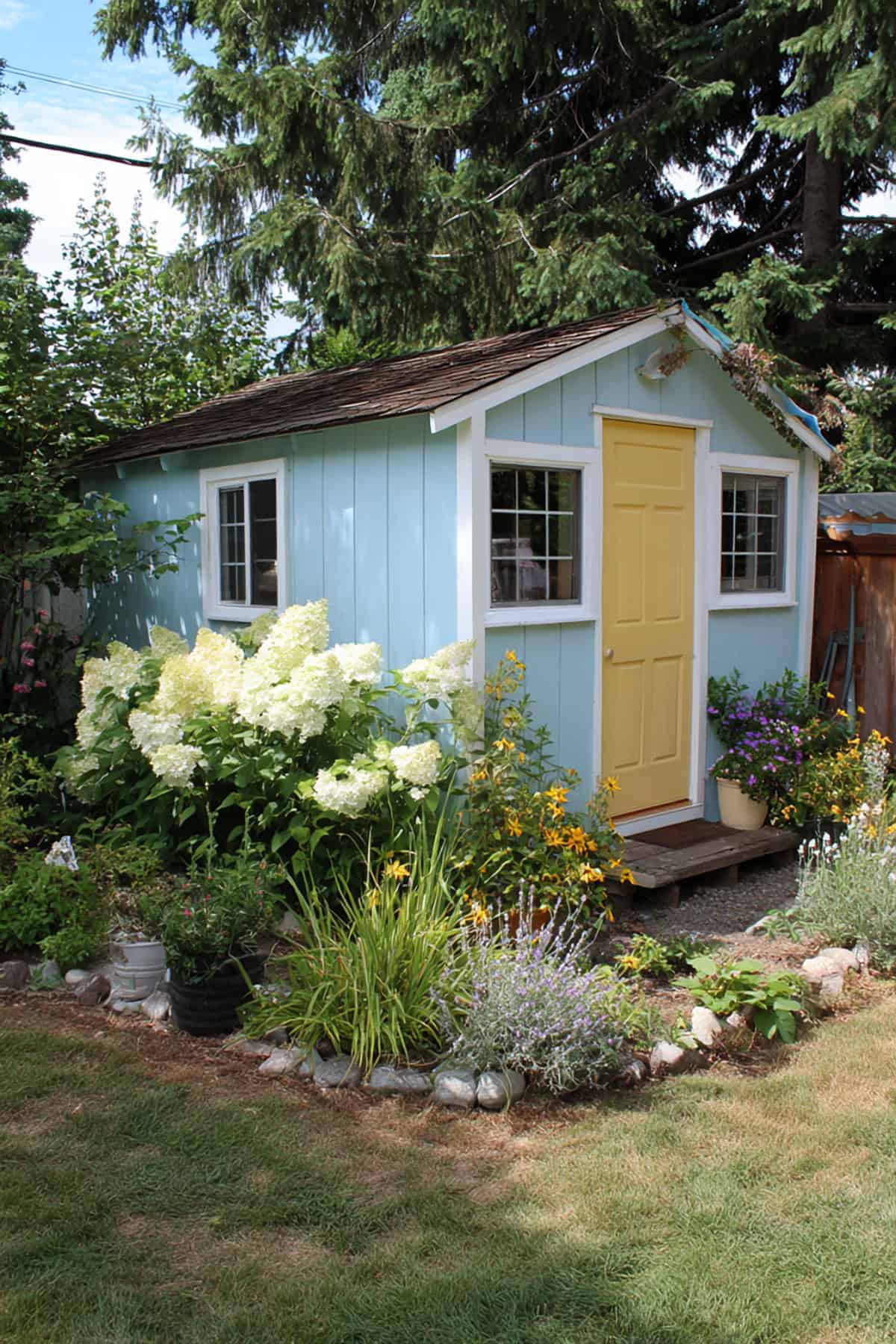
Faded sheds drag down the look of a garden. A fresh coat of paint in a color that complements the house blends it back into the landscape.
Clean and sand the surface, repair any damage, then roll on exterior paint. A second coat lasts longer on bare or weathered wood.
Ground Cover Instead Of Weeds
Bare soil invites weeds, and ground cover plants fill those gaps and crowd them out.
Choose something matched to your sun and soil, such as creeping thyme for sunny spots or ajuga for shade. Space plants so they knit together over a season or two, for less weeding and erosion.
Defined Garden Bed Edges
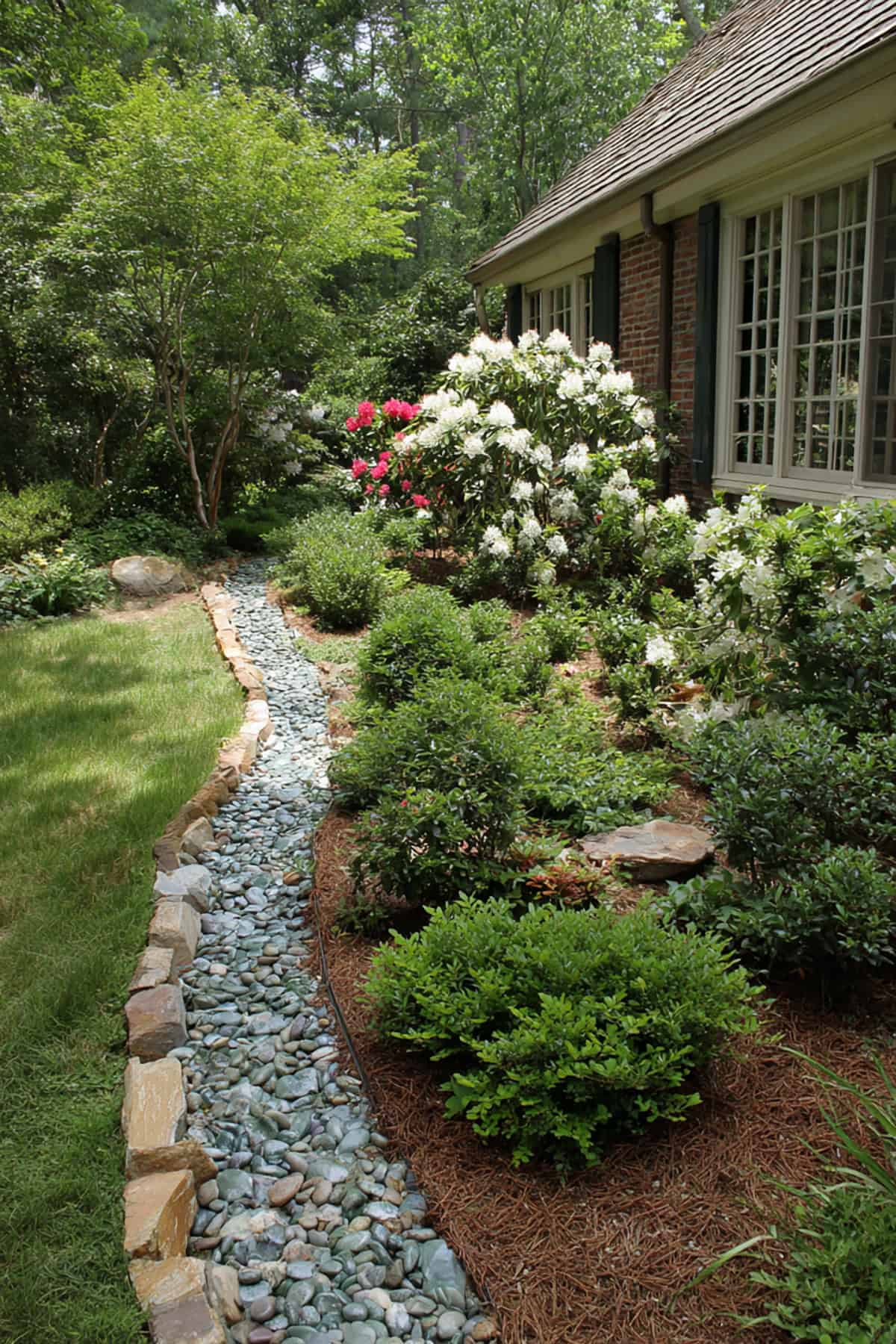
Clear boundaries between beds and lawn make the whole garden look tended. Metal, plastic, stone or a simple cut edge all do the job, and budget and style decide which.
Set edging slightly below the soil surface to avoid a tripping hazard and let a mower pass over it. Straight lines match formal gardens, and gentle curves soften informal ones.
Layer Plants By Height
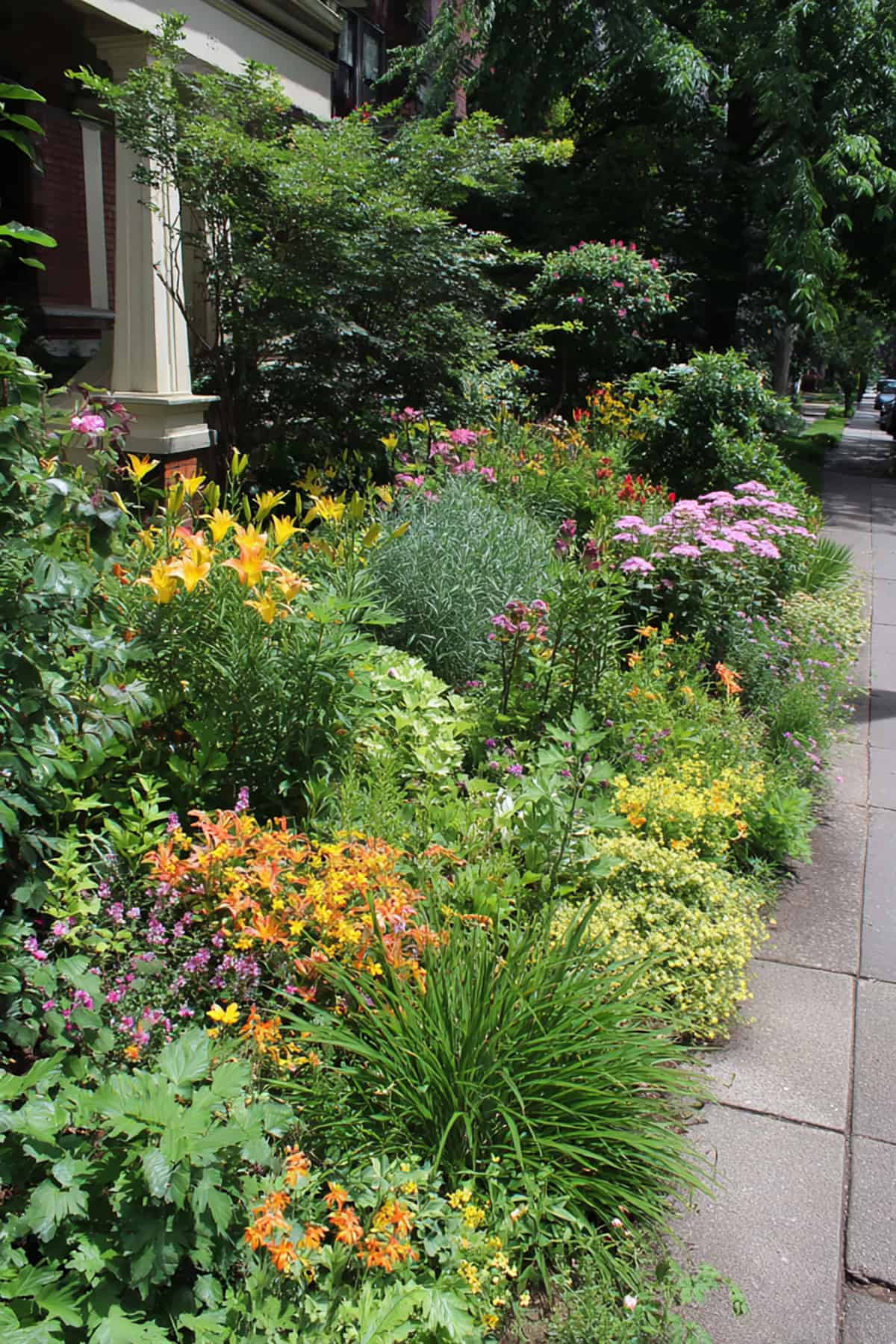
Depth in a bed comes from varied plant heights. Place tall plants at the back, medium ones in the middle and low growers in front.
Check mature sizes before planting to avoid blocking views or paths. Layering also lets light reach every plant.
Install Window Boxes
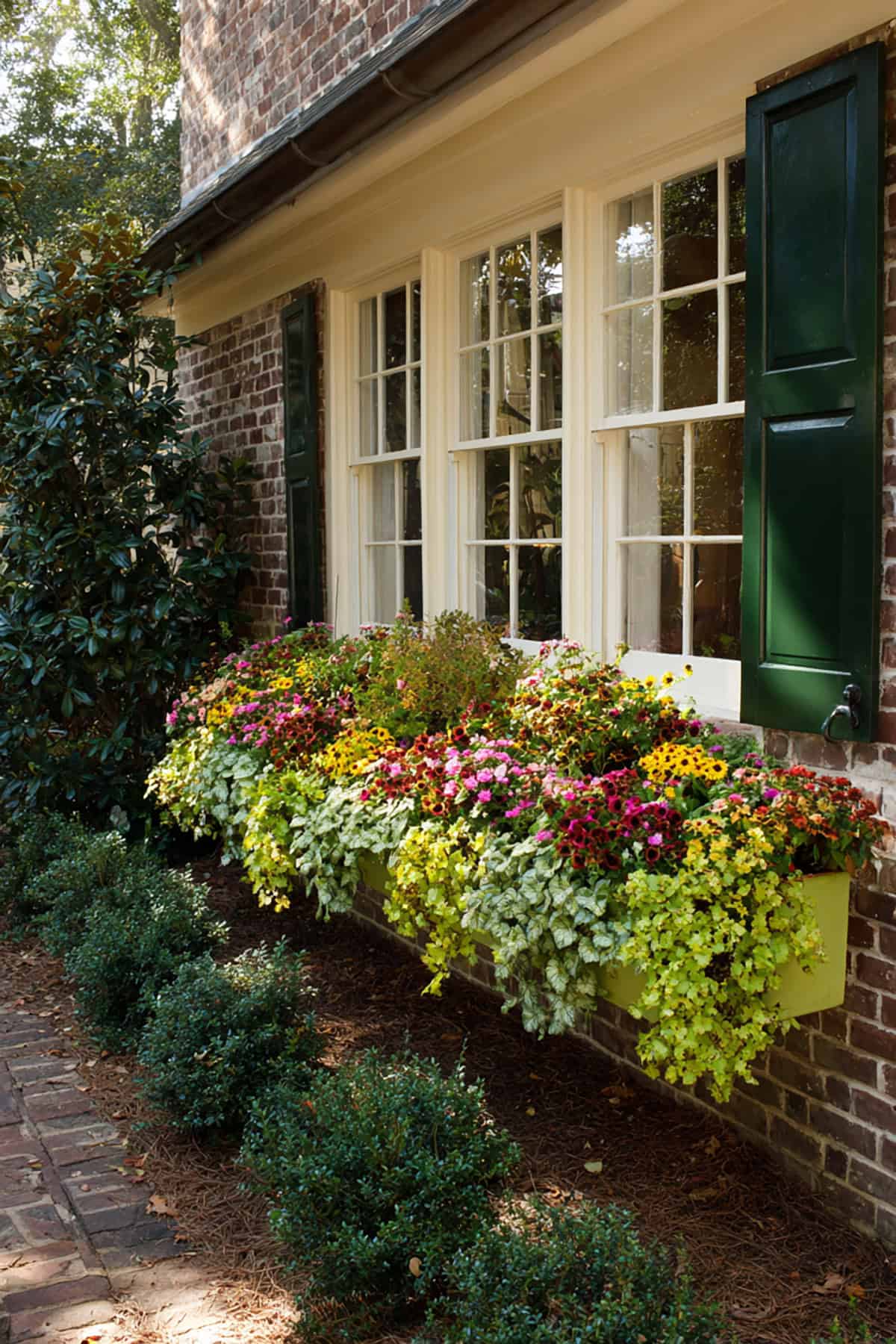
Window boxes lift color to eye level, a big help in yards with little ground space. Choose sturdy, weather-resistant materials such as cedar, fiberglass or metal.
Mount them securely, fill them with a mix of trailing and upright plants and make sure they drain. Window boxes dry out fast, so water regularly, daily in summer heat.
Frame Walkways With Plants
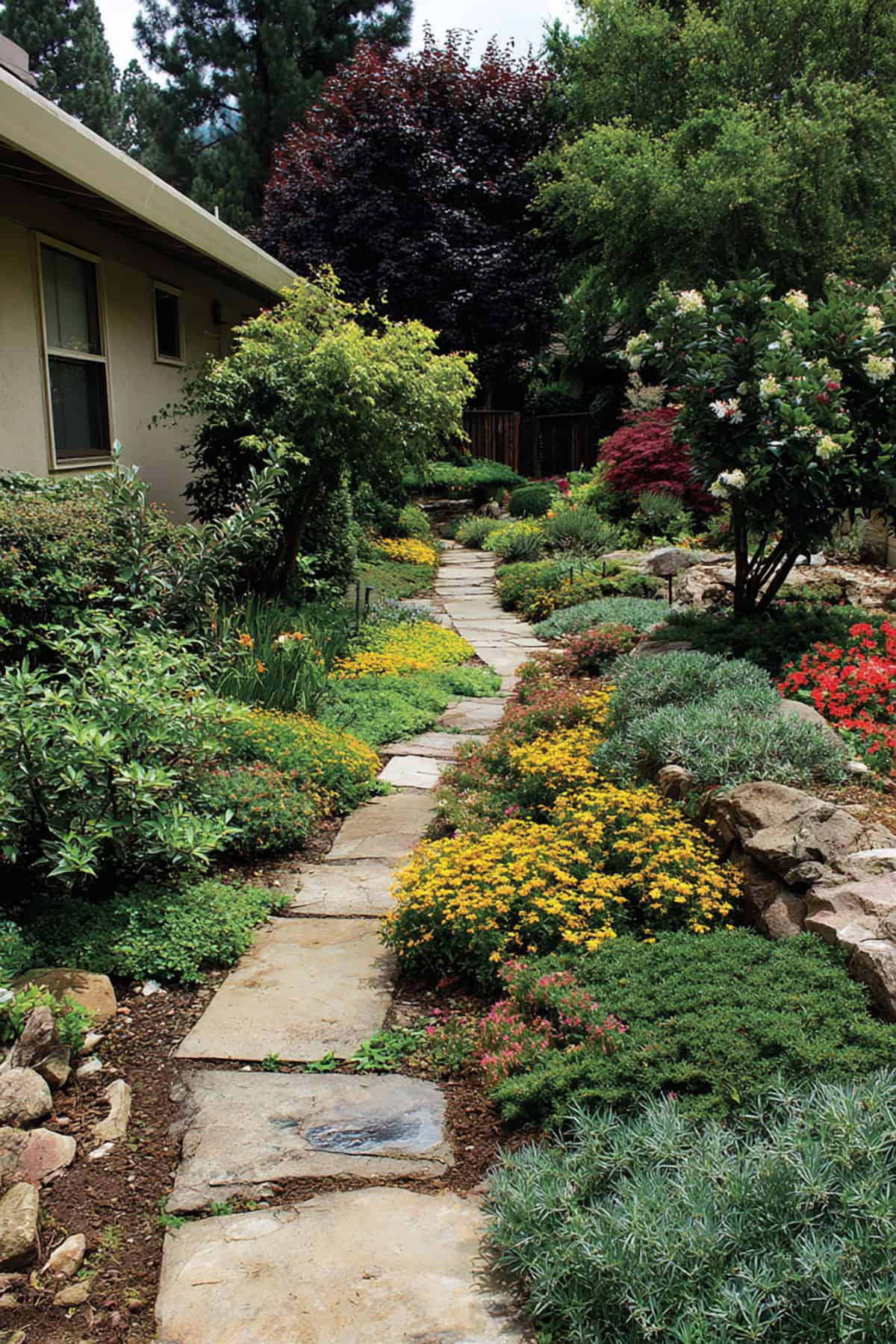
Low plants along a walkway soften hard edges and guide the eye toward the door. Choose compact varieties that tolerate the occasional brush from a passing foot.
Trim them regularly so the path is clear. Repeating the same edging plant along different paths links separate parts of the yard.
A Small Rock Garden
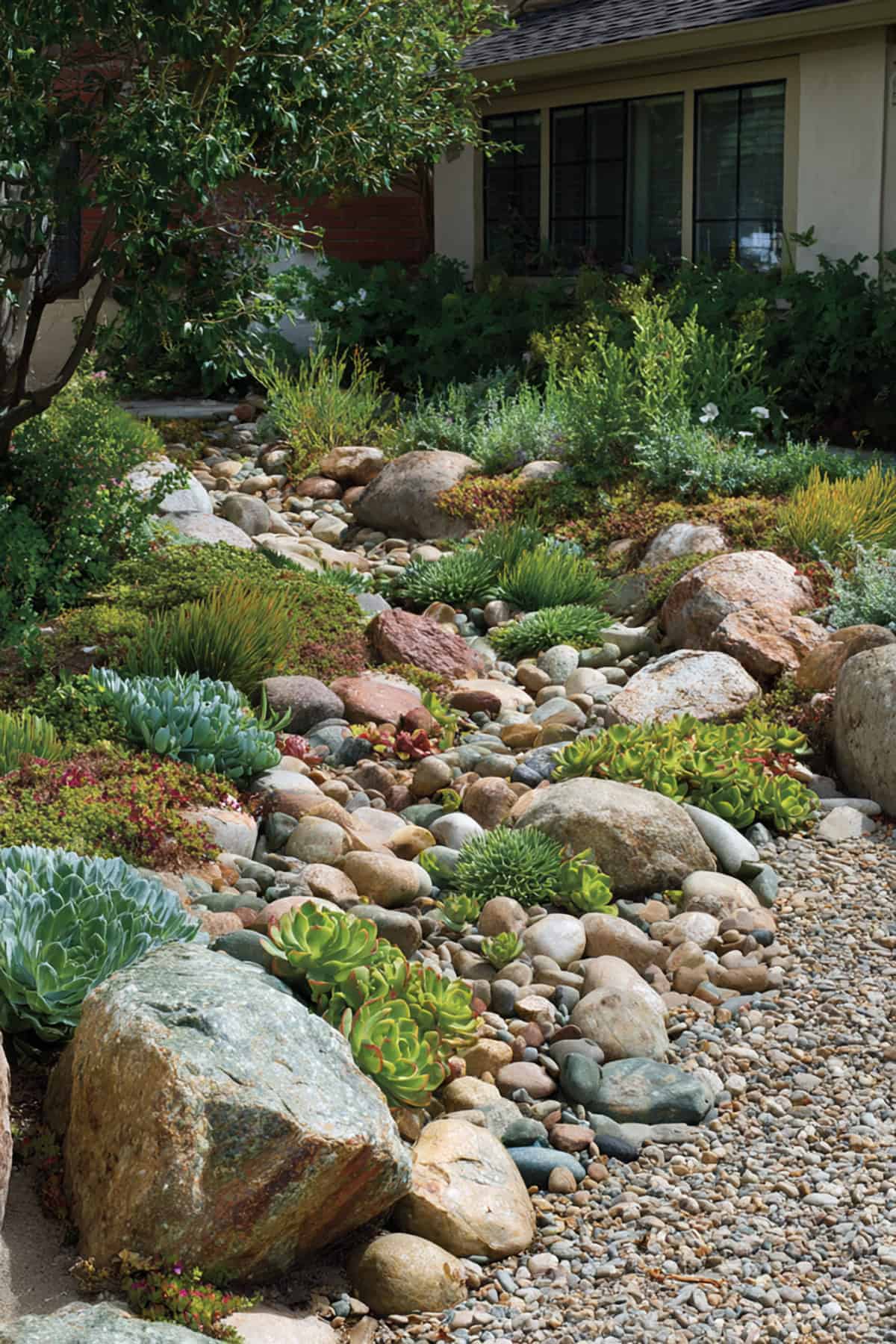
Dry, awkward corners and slopes become features with a pocket rock garden. Stones in a similar color family look cohesive, and drought-tolerant plants tucked between them add life.
Good drainage is essential, so prepare the soil, set the largest rocks first and bury a third of each for a natural look. Fill in with smaller stones and tough plants such as sedum or creeping thyme for a low-water, low-fuss feature.
Replace Old Mulch
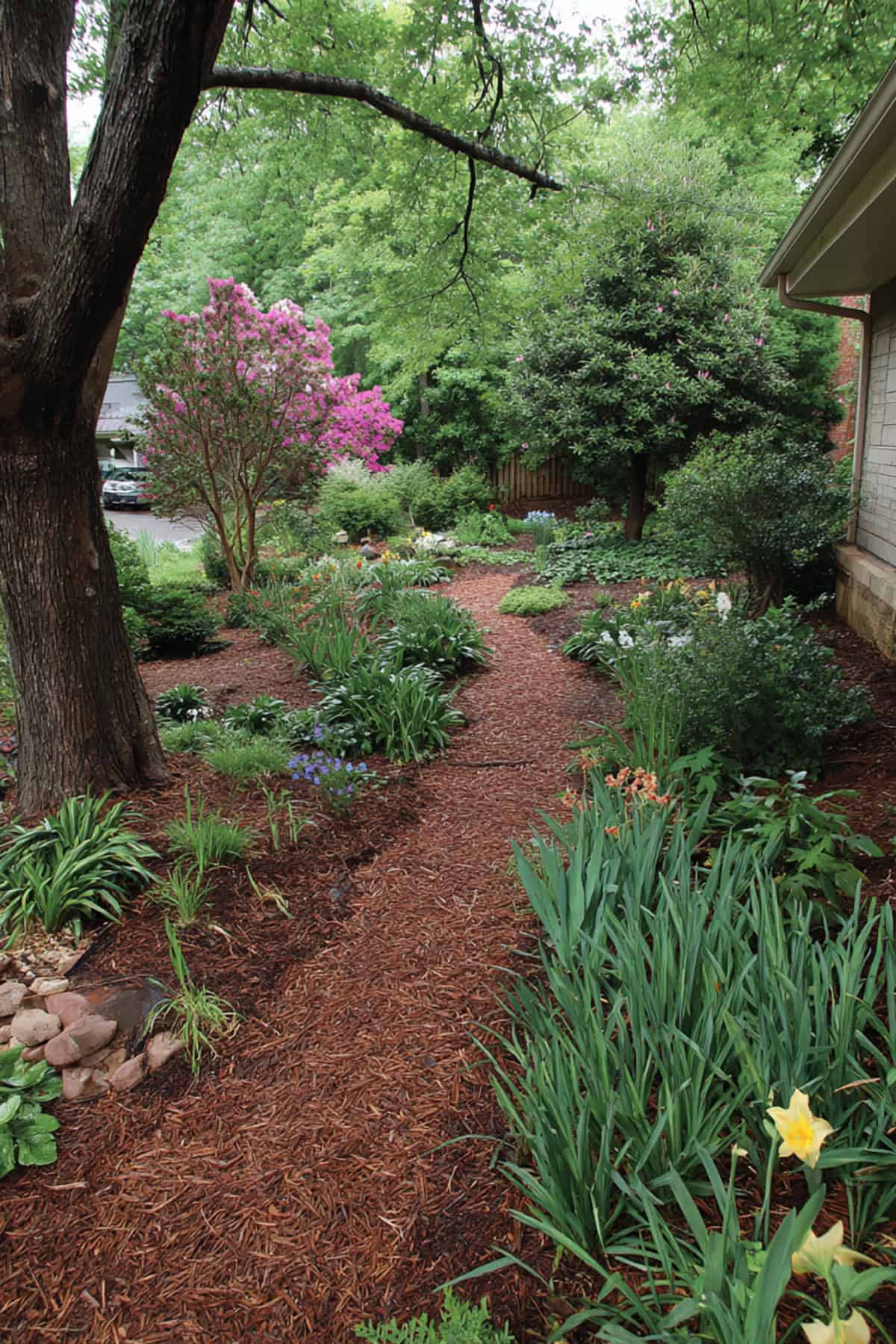
Old mulch compacts and fades over time. Rake it to loosen the surface, and remove some if the total depth exceeds 3 inches.
Top it with a fresh layer for an instant lift, and use the same mulch type throughout the garden for a cohesive look. Pull it back from stems and trunks, since mulch piled against bark leads to rot.
Symmetrical Planting Layout
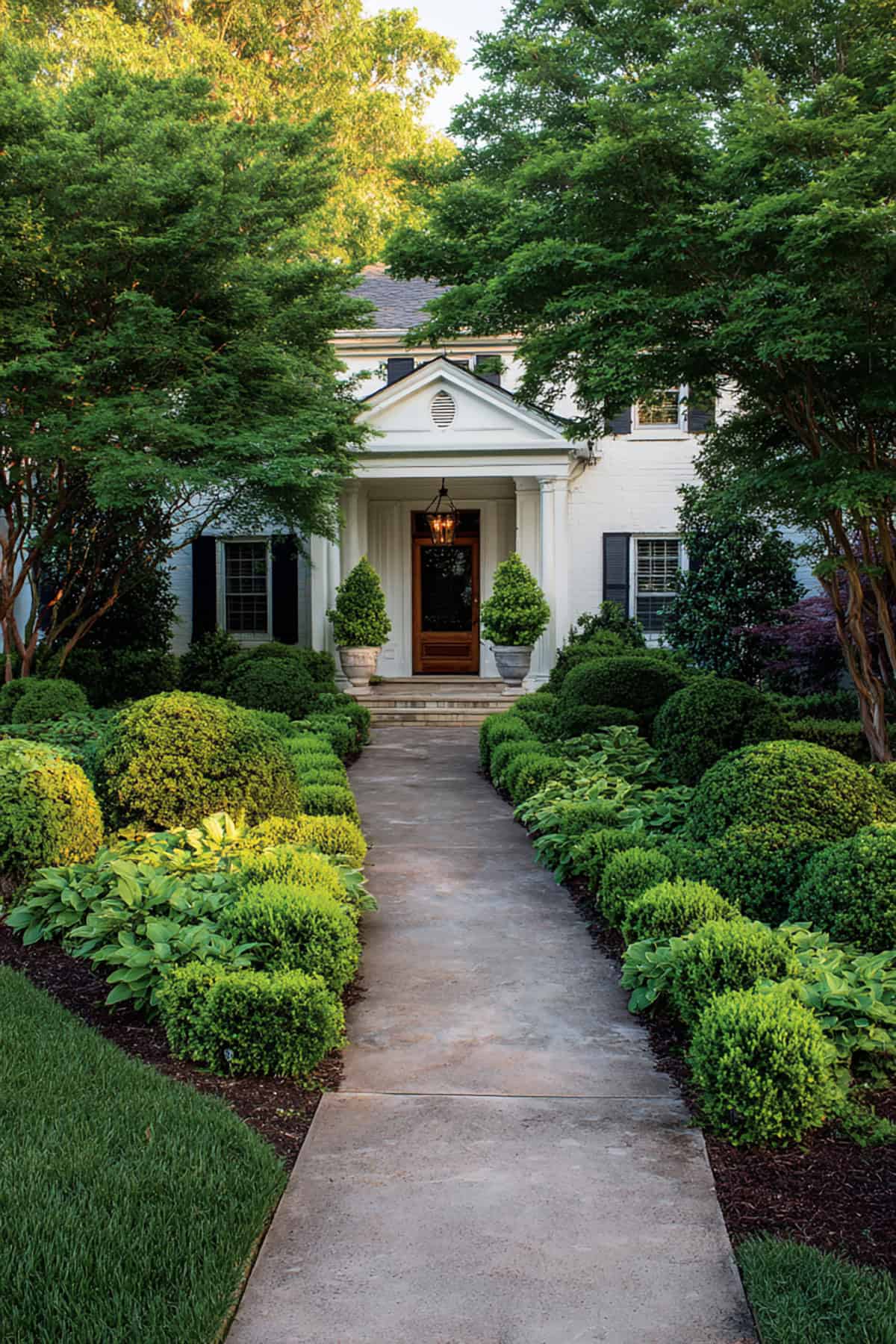
Matching plants on either side of an entry create a calm sense of order. Pair shrubs or planters of similar size, with crisp lines and even spacing.
Balanced heights and straight edges make this approach a natural fit for formal homes, and it simplifies planning, since one plant choice covers both sides.
Hide Utility Boxes With Plants
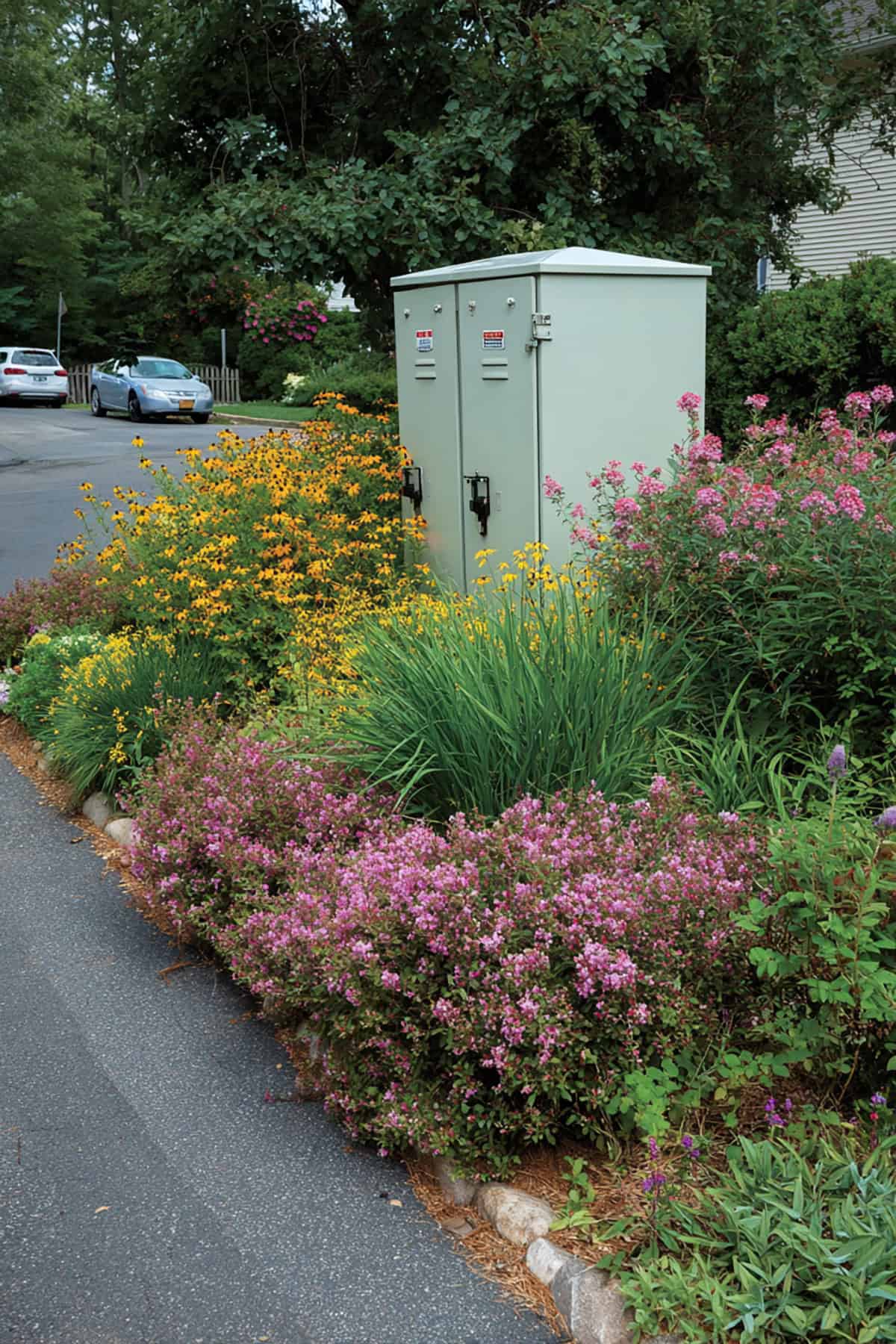
Utility boxes always seem to sit in the most visible spot. A cluster of shrubs or tall grasses disguises them, as long as the plants leave room for access.
Match the plants to the site’s light and soil, and check your utility’s clearance rules before planting, since pad-mounted transformers need a wide space in front for service crews.
Install A Basic Trellis
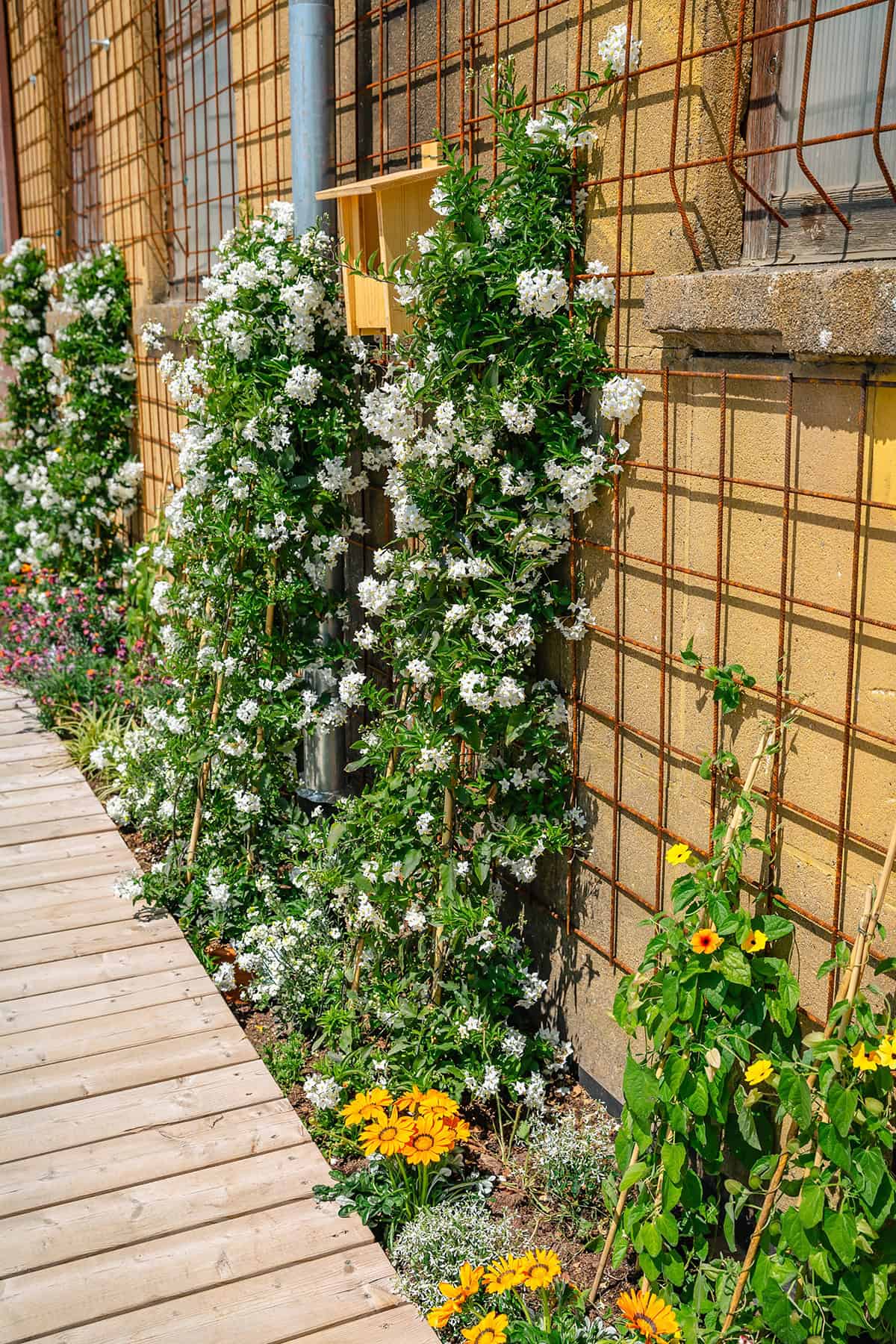
A blank wall or fence gains height and interest from a simple trellis. Wood and metal designs both look good, and vines cover them in a season or two.
Choose vines hardy in your climate, and tie young stems to the supports as they grow. A trellis adds vertical green while using almost no ground space.
Add Perennials To Empty Spaces
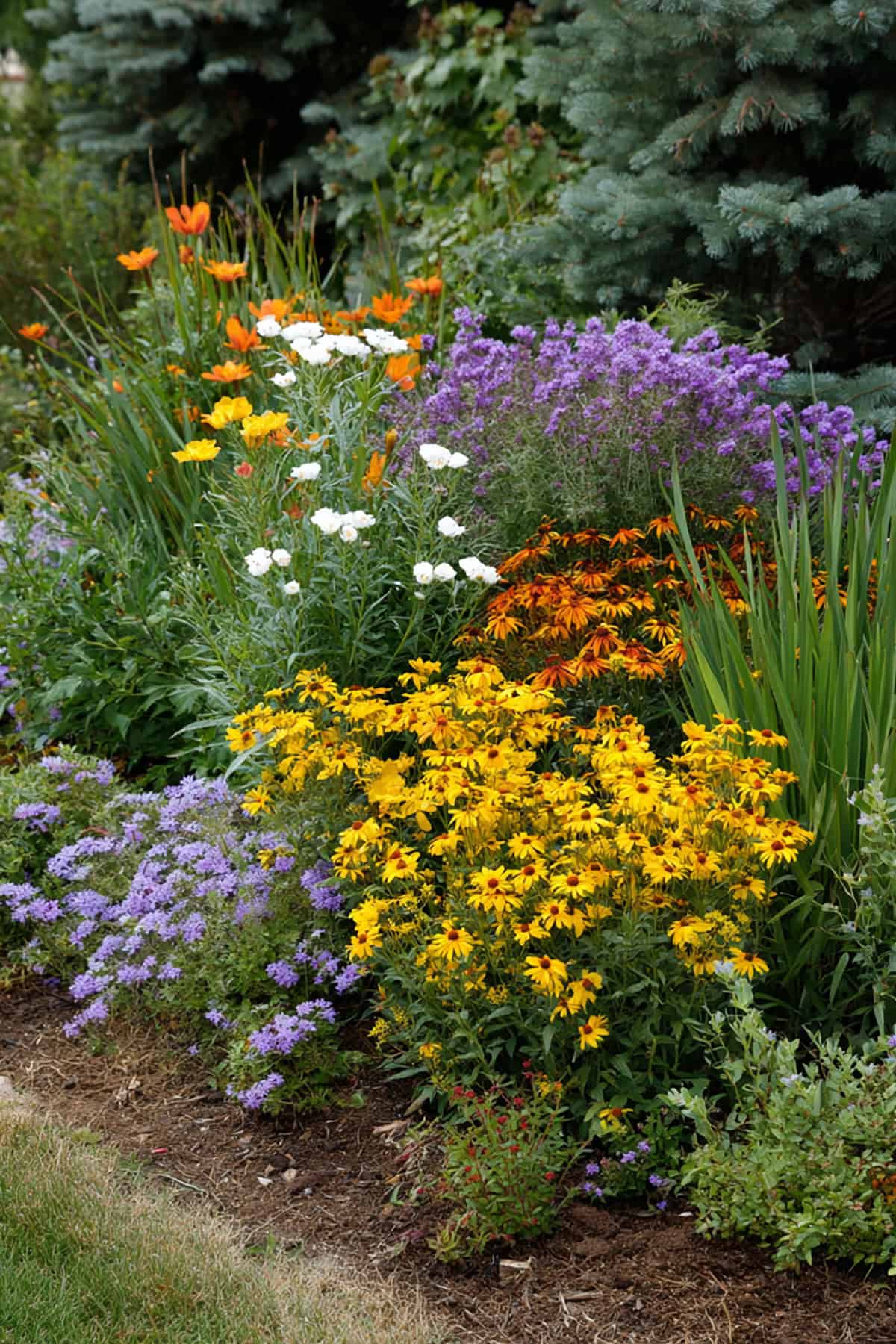
Bare spots make beds look unfinished. Perennials fill those gaps year after year, with less effort and expense than replanting annuals each spring.
Choose tough varieties adapted to local weather, mix compost into the planting hole and space them for their mature size. Many perennials divide after a few years, which supplies free plants for other gaps.
Weed And Clear Garden Beds
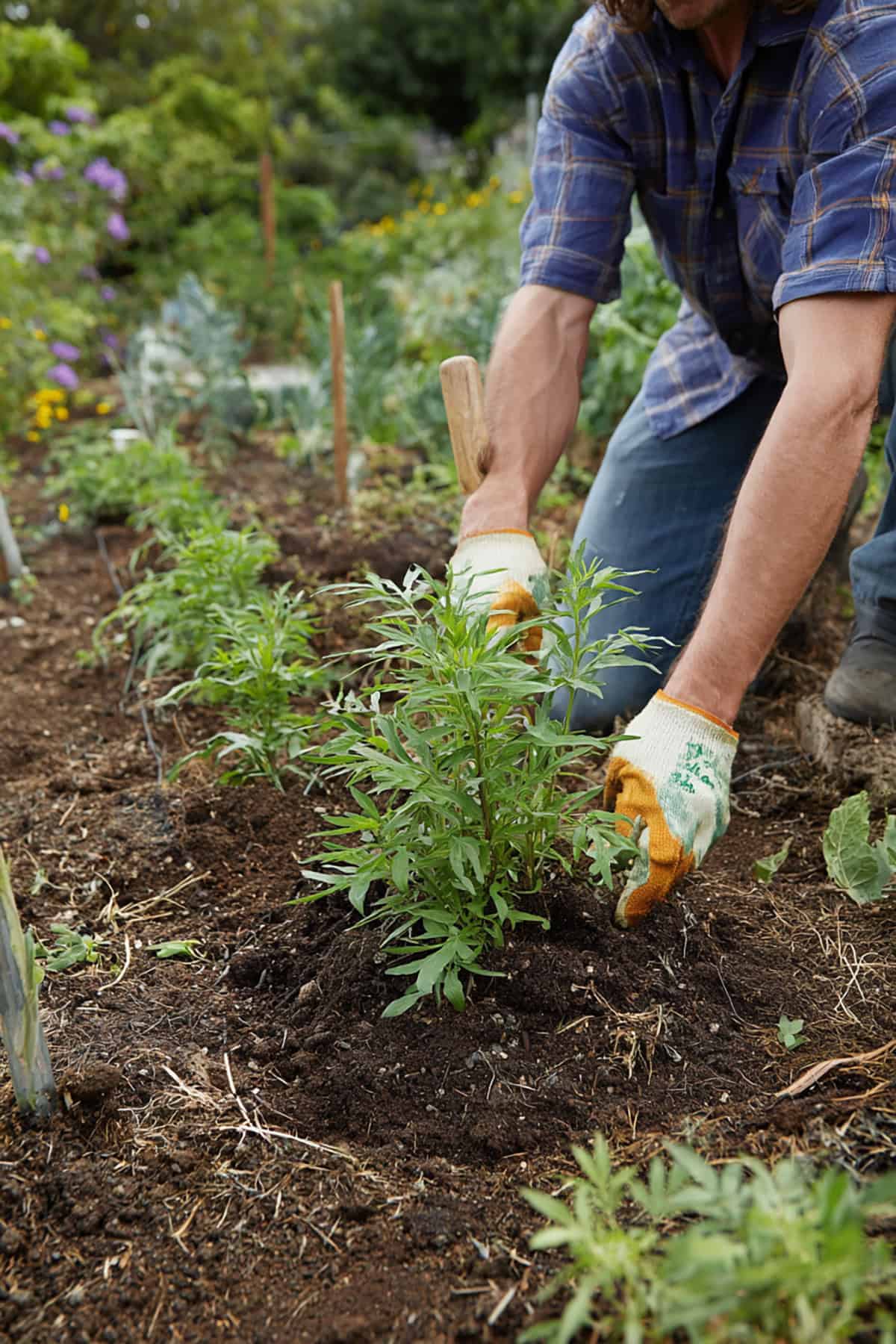
Weeds steal water, light and nutrients, and a weeding session is the cheapest garden improvement of all. A hand weeder or hoe speeds the job, and the beds look tidier once debris is cleared too.
Weed when the soil is slightly damp, since roots slip out more easily. Bag weeds that have set seed to prevent a new crop next year.
Plant A Privacy Hedge
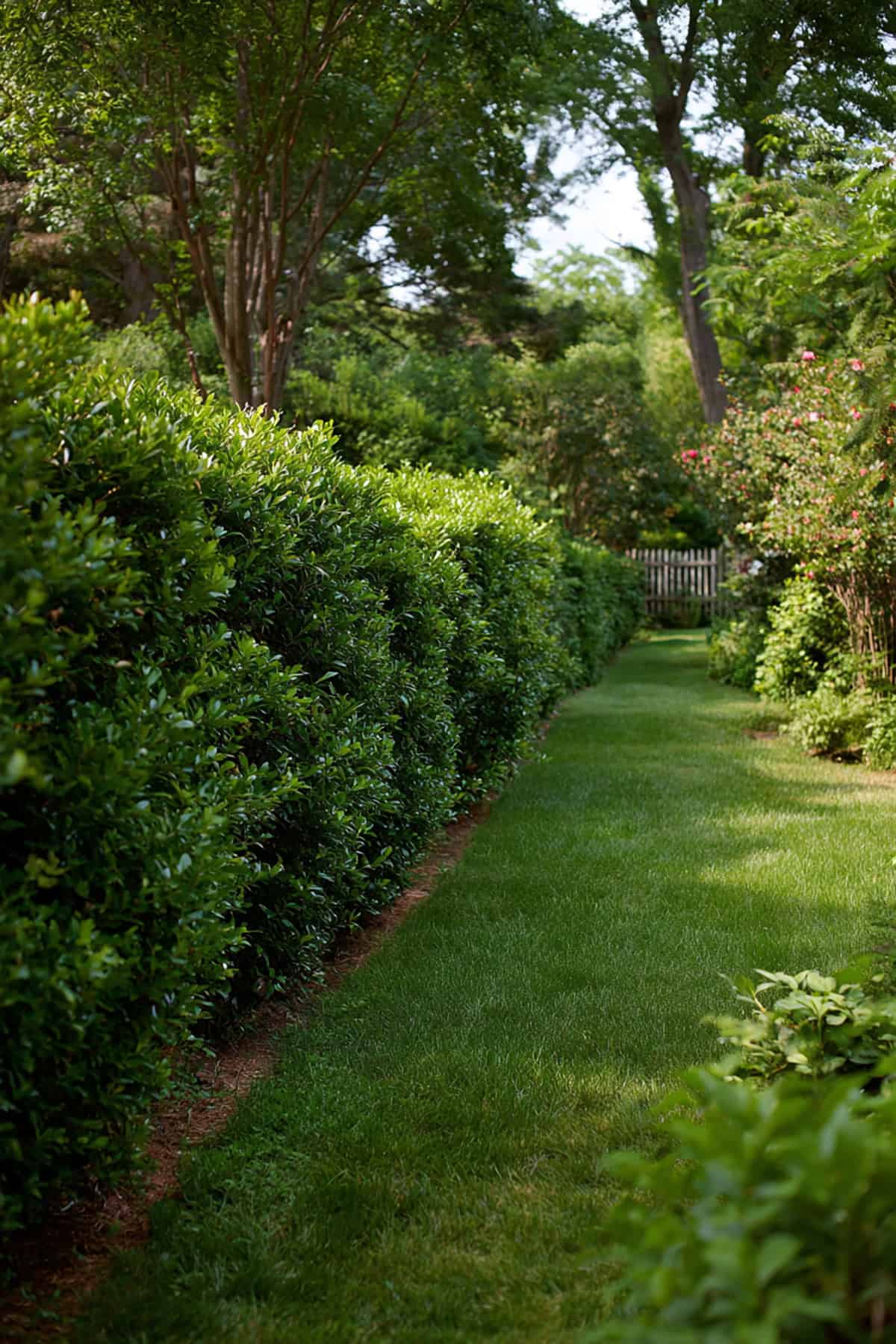
A row of dense shrubs screens the yard from neighbors for less than most fences. Space them for their mature width, and water deeply until they establish.
Prune lightly a few times a year for a tidy shape. A living hedge softens the property line and grows denser with time.
Stone Garden Borders
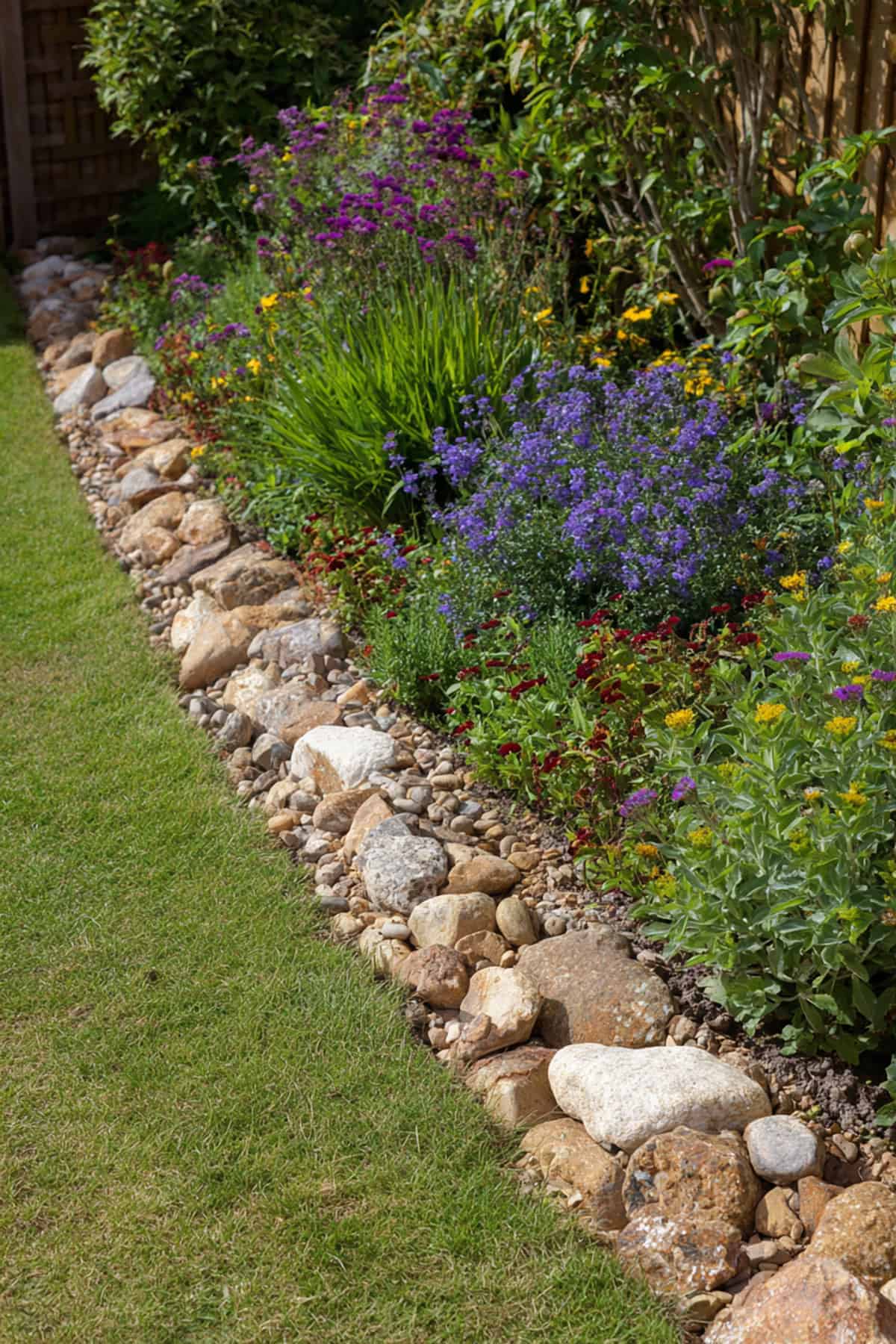
A line of stone edging sharpens a bed instantly. Rough fieldstone, salvaged brick or inexpensive concrete pavers all look good in a simple, consistent line.
Set each stone firmly into the soil and check the height as you go so none of them wobble. Stone borders last for decades and cost little with basic materials.
Fill Empty Corners With Pots
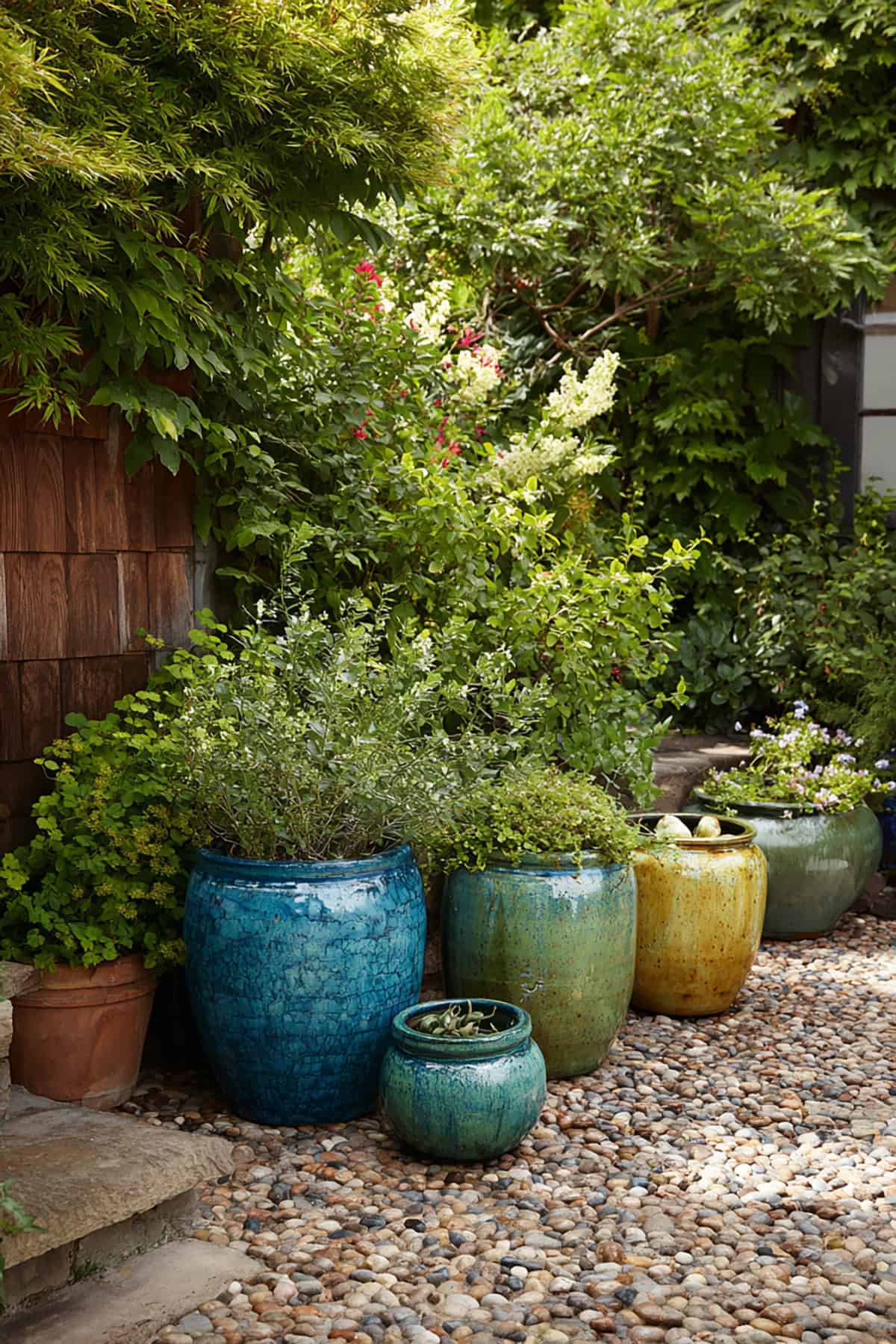
Empty corners make a yard look unfinished, and oversized pots anchor those spaces with ease. Choose large, weatherproof containers that handle the elements.
Pair upright plants with something that spills over the rim for a relaxed look, and repeat colors from the main beds for a planned effect.
Pots also allow changes later. Move them around as needed, with no digging involved, and water them frequently in summer, since containers dry out fast.