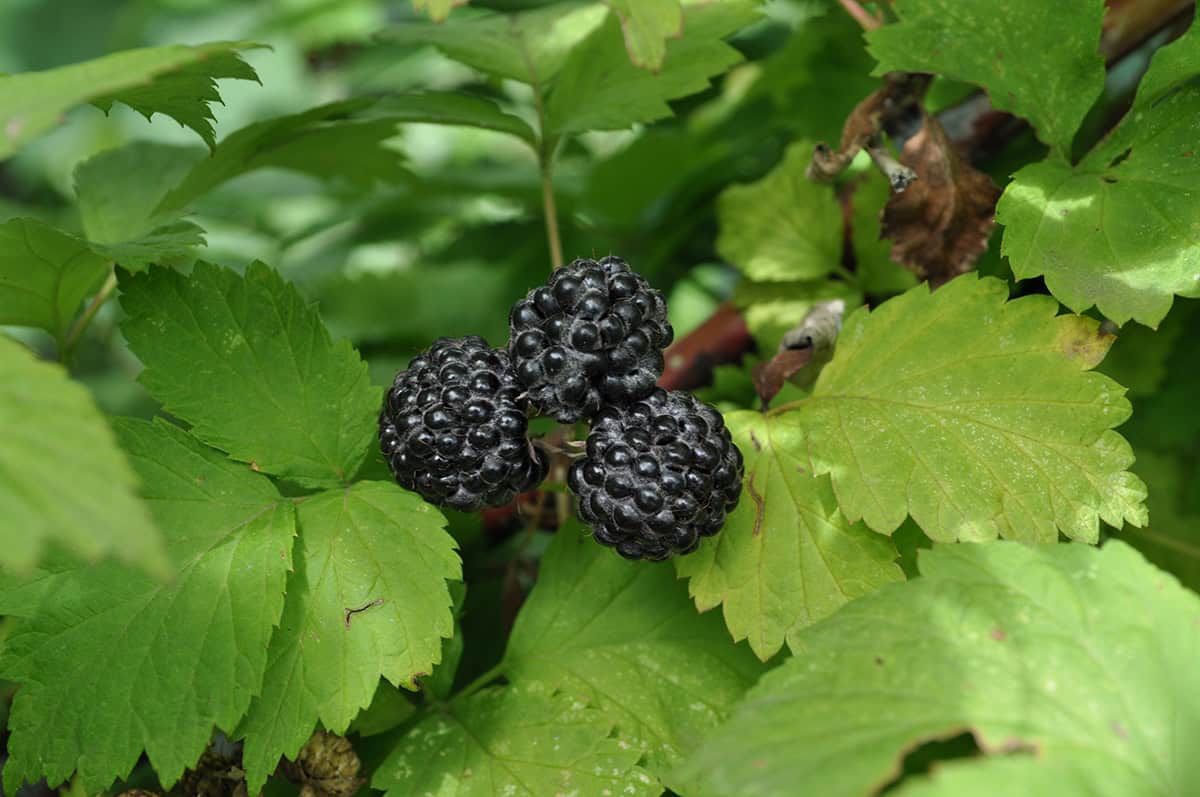
Currants and gooseberries come from cool northern woodlands, and in warm regions they welcome afternoon shade, which protects their fruit from scorching.
Most fruiting plants on this list need three or four hours of direct light to crop well, and deeper shade cuts the harvest though the plants survive. Pawpaw is the odd one out, since its seedlings need shade for their first couple of years.
The last entry, salal, fruits in shade deep enough to defeat almost every other edible.
Table of Contents
- Fruiting Plants That Grow Well In Shade
- Alpine Strawberries (Fragaria vesca)
- Wild Strawberries (Fragaria virginiana)
- Black Currants (Ribes nigrum)
- Red Currants (Ribes rubrum)
- White Currants (Ribes rubrum)
- Gooseberries (Ribes uva-crispa)
- Elderberries (Sambucus canadensis, Sambucus nigra)
- Serviceberries / Juneberries (Amelanchier spp.)
- Red Raspberries (Rubus idaeus)
- Black Raspberries (Rubus occidentalis)
- Pawpaw (Asimina triloba)
- Lingonberries (Vaccinium vitis-idaea)
- Salal (Gaultheria shallon)
Fruiting Plants That Grow Well In Shade
Edible plants for partly shaded spaces are more plentiful than most gardeners expect. With three or four hours of direct sun, certain berries, small fruits and understory trees produce steady crops, provided their soil and moisture needs are met.
Alpine Strawberries (Fragaria vesca)
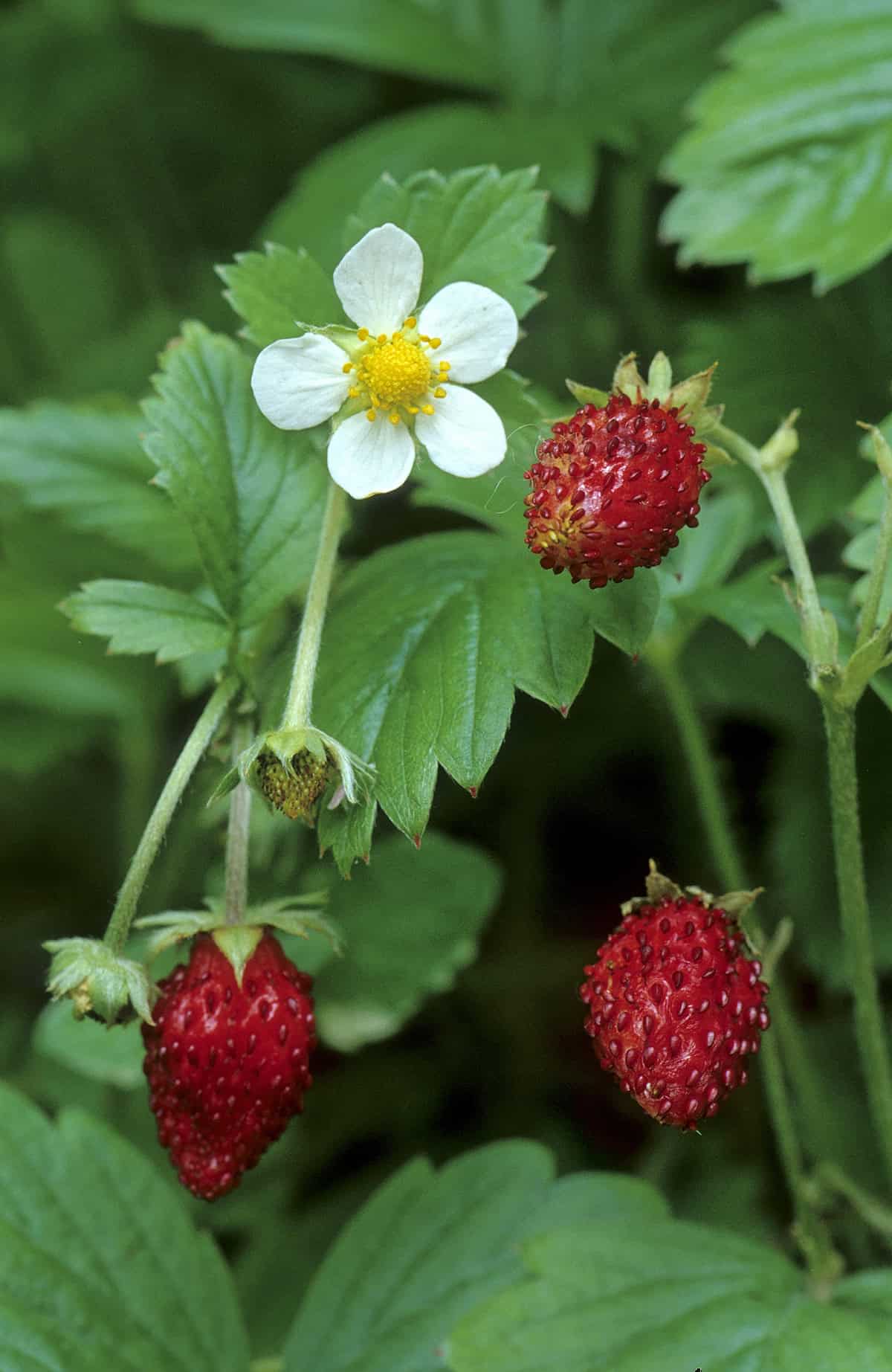
Alpine strawberries thrive in spots with morning sun and afternoon shade or under open tree canopies, and they produce tiny, fragrant berries all summer with about four hours of direct light.
Most varieties form neat clumps with few runners, ideal for edging or containers. Rich, consistently moist soil produces the best crops, and a layer of mulch holds moisture in.
Divide crowded clumps every few years to restore vigor.
Wild Strawberries (Fragaria virginiana)
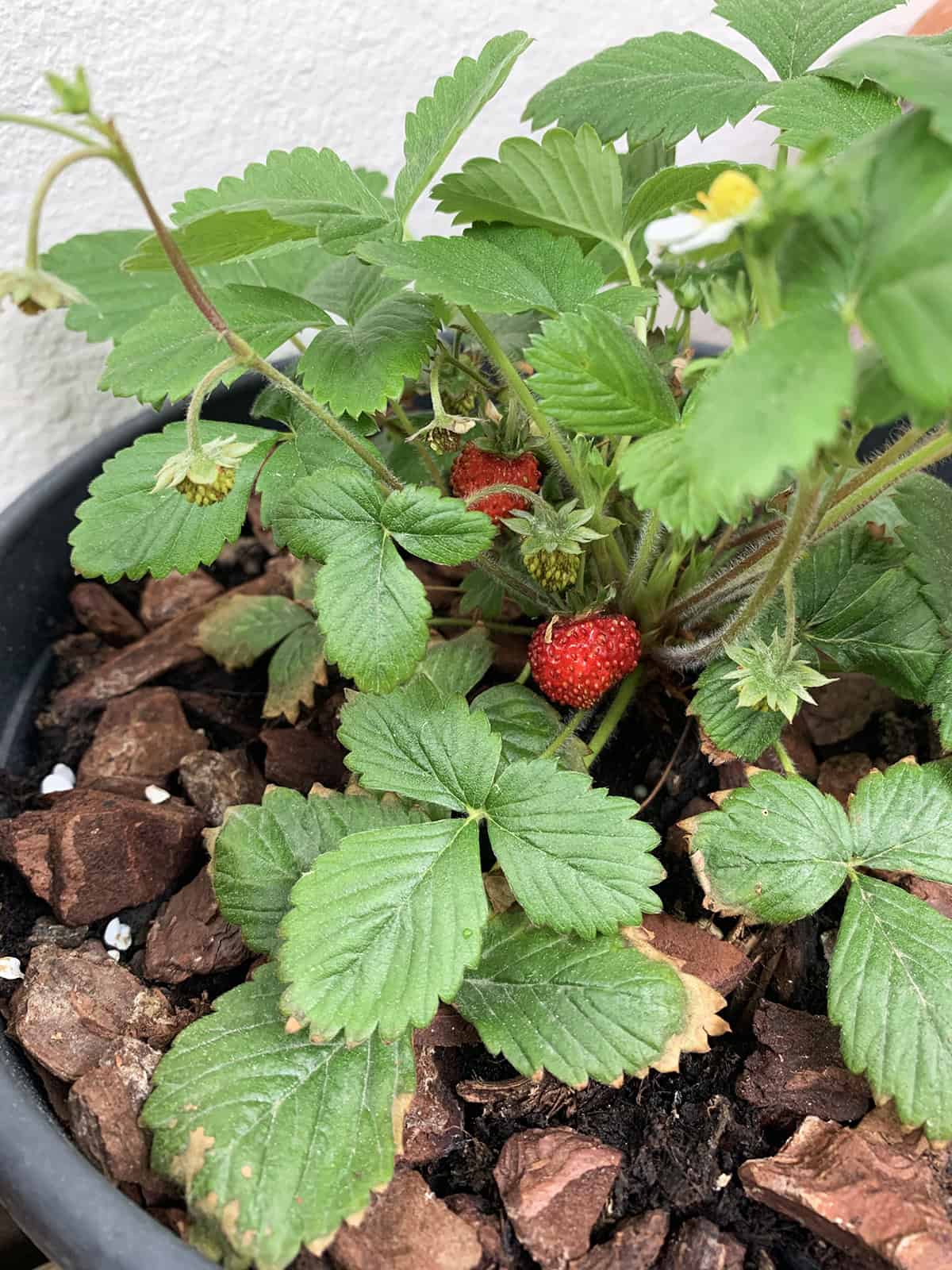
This native strawberry holds its own in light to moderate shade along woodland edges and beneath taller plants. It spreads by runners into a low ground cover.
The fruit is small but intensely flavored. Four to six hours of decent light makes a real difference, and deep shade means fewer flowers and berries.
Loose, well-drained soil and regular water help plants establish. Pull weeds early, since young plants compete poorly, though established patches hold their ground.
Black Currants (Ribes nigrum)
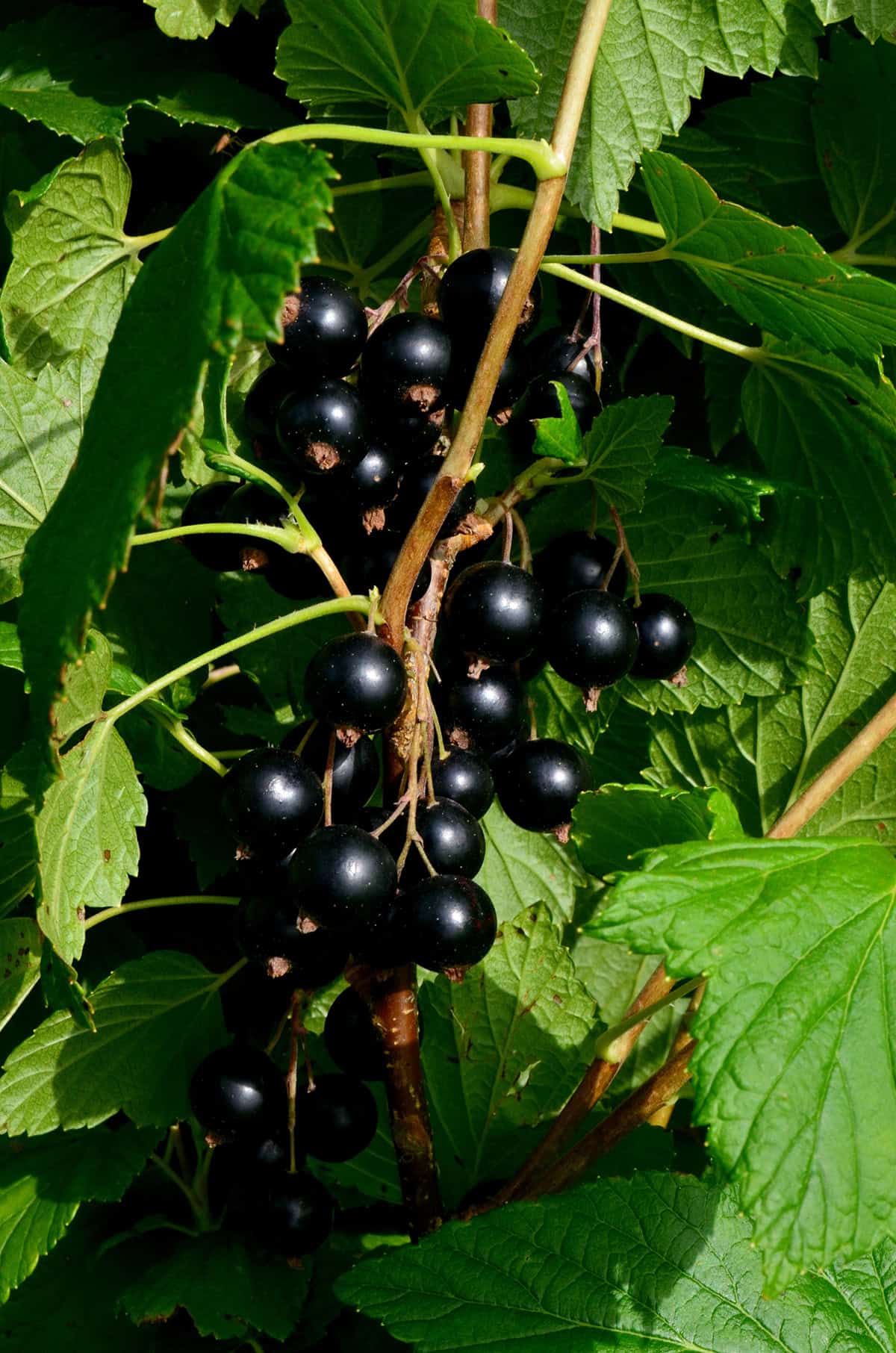
Among fruiting shrubs, black currants handle shade especially well. Morning sun with afternoon shade, or steady dappled light, produces good crops, and yields drop only in deep shade.
They thrive in cool climates and need moist, fertile soil with a yearly top-up of compost.
Prune annually to remove the oldest wood and encourage productive young stems. Good airflow helps prevent mildew, a bigger risk in shady spots. Some US states restrict Ribes plantings because they host white pine blister rust, so check local rules first.
Red Currants (Ribes rubrum)
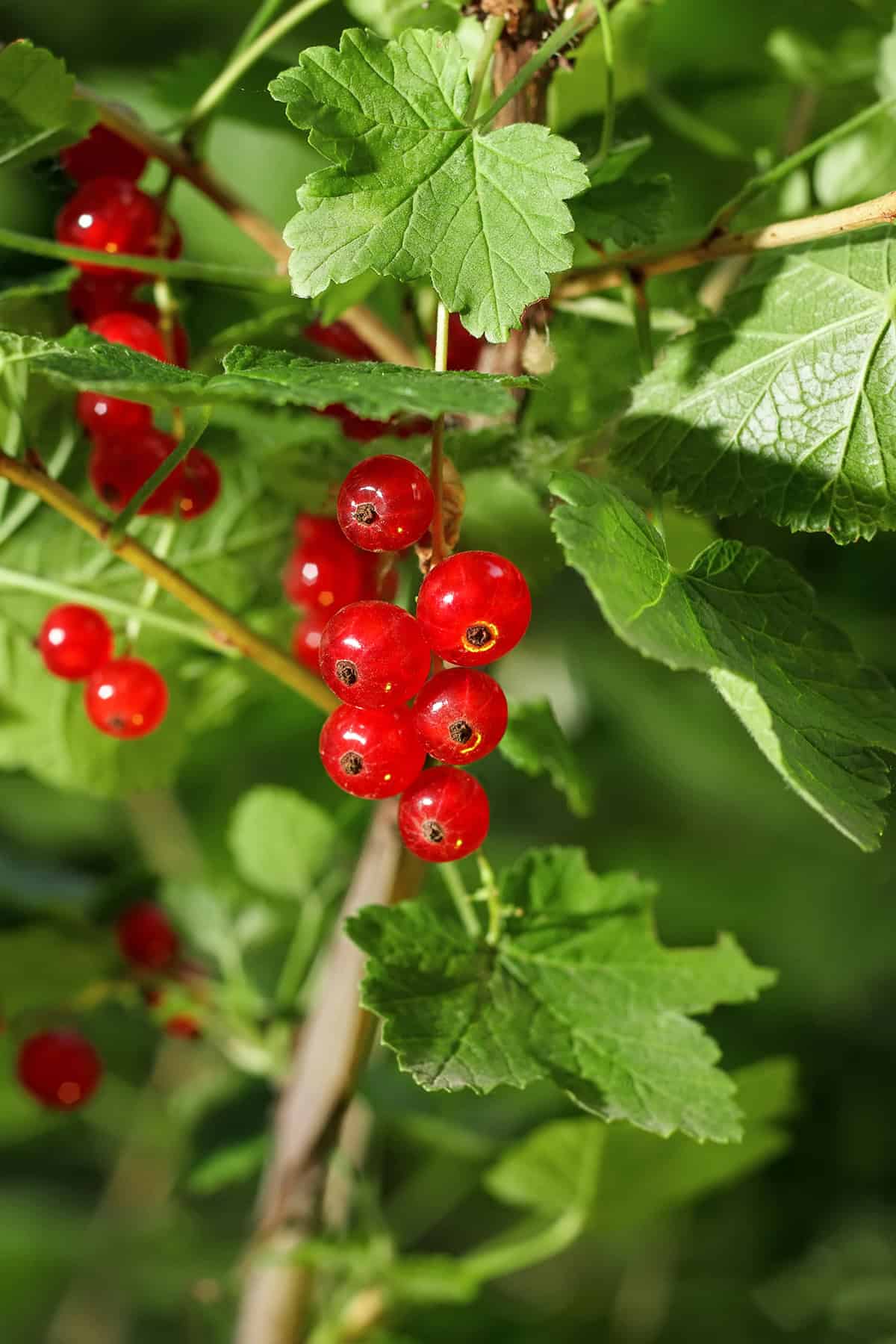
Four hours of sun, especially in cool regions, is enough for red currants. They grow well against north- or east-facing walls, where light is bright but direct sun is limited, and they tolerate shade better than most fruit shrubs.
Clusters of glossy berries ripen in early to midsummer and hang on the bush for a while, so harvest needs no rush. The flavor balances tart and sweet.
Plant in fertile, well-drained soil, and thin weak or crowded branches each winter to let in light and air.
White Currants (Ribes rubrum)
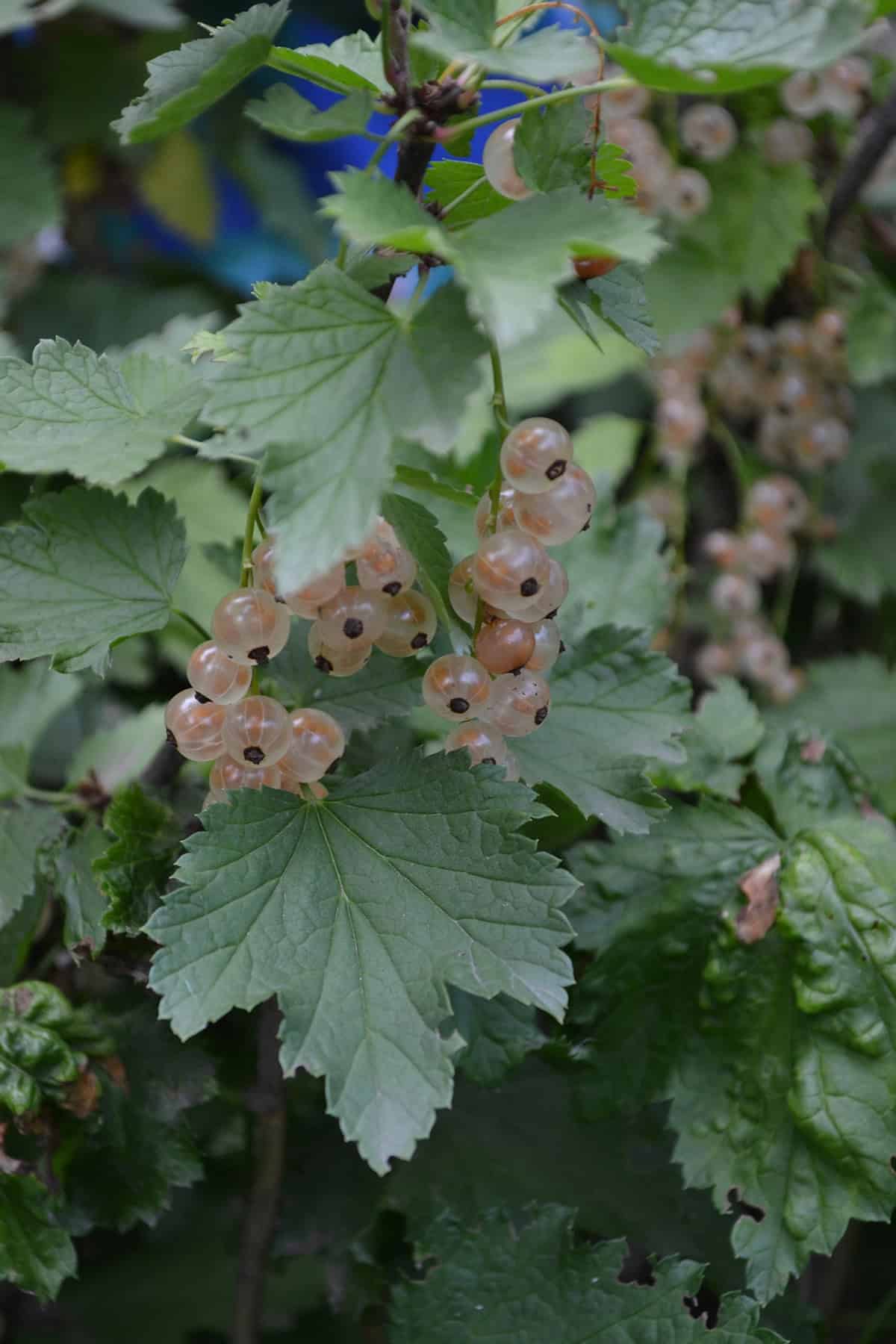
White currants, a pale form of red currant, have a softer, milder taste and crop well in partial shade. Half a day of sun is enough.
Their translucent berries are less acidic and tend to attract fewer birds. Light shade also protects the fruit from sunscald.
Steady moisture and a generous layer of mulch cool the roots. Annual pruning encourages new fruiting wood and controls the size of the bush.
Gooseberries (Ribes uva-crispa)
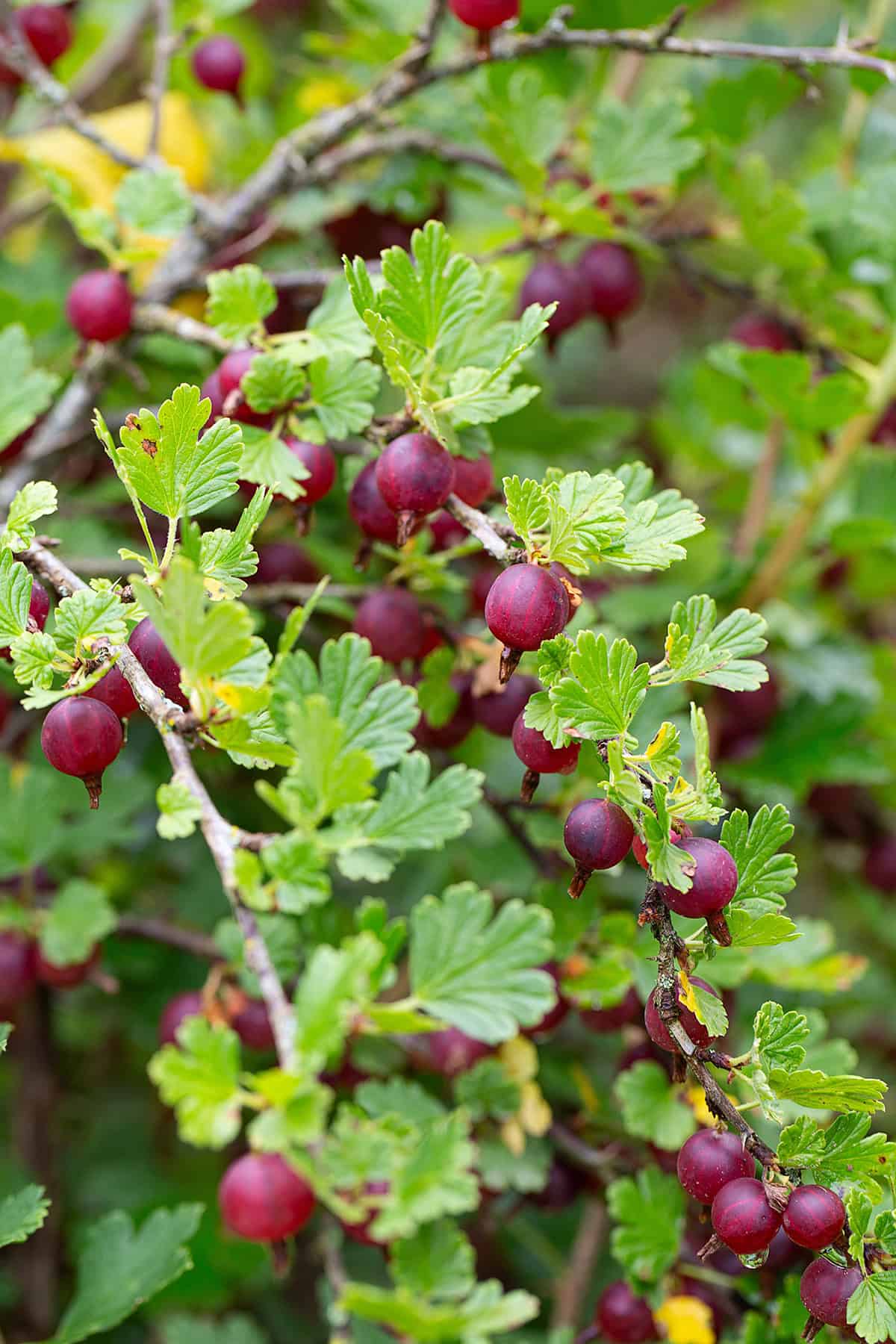
Gooseberries tolerate shade well and appreciate protection from harsh afternoon sun. Small yards hemmed in by buildings or trees are fine, as long as the bushes receive a few hours of direct light.
Fruit ranges from tart to sweet with variety, and mature bushes produce heavily. The thorns call for planning near paths.
Good air movement prevents mildew, so prune out old canes each year to open the center and encourage larger fruit. Like currants, gooseberries face planting restrictions in some areas due to white pine blister rust.
Elderberries (Sambucus canadensis, Sambucus nigra)
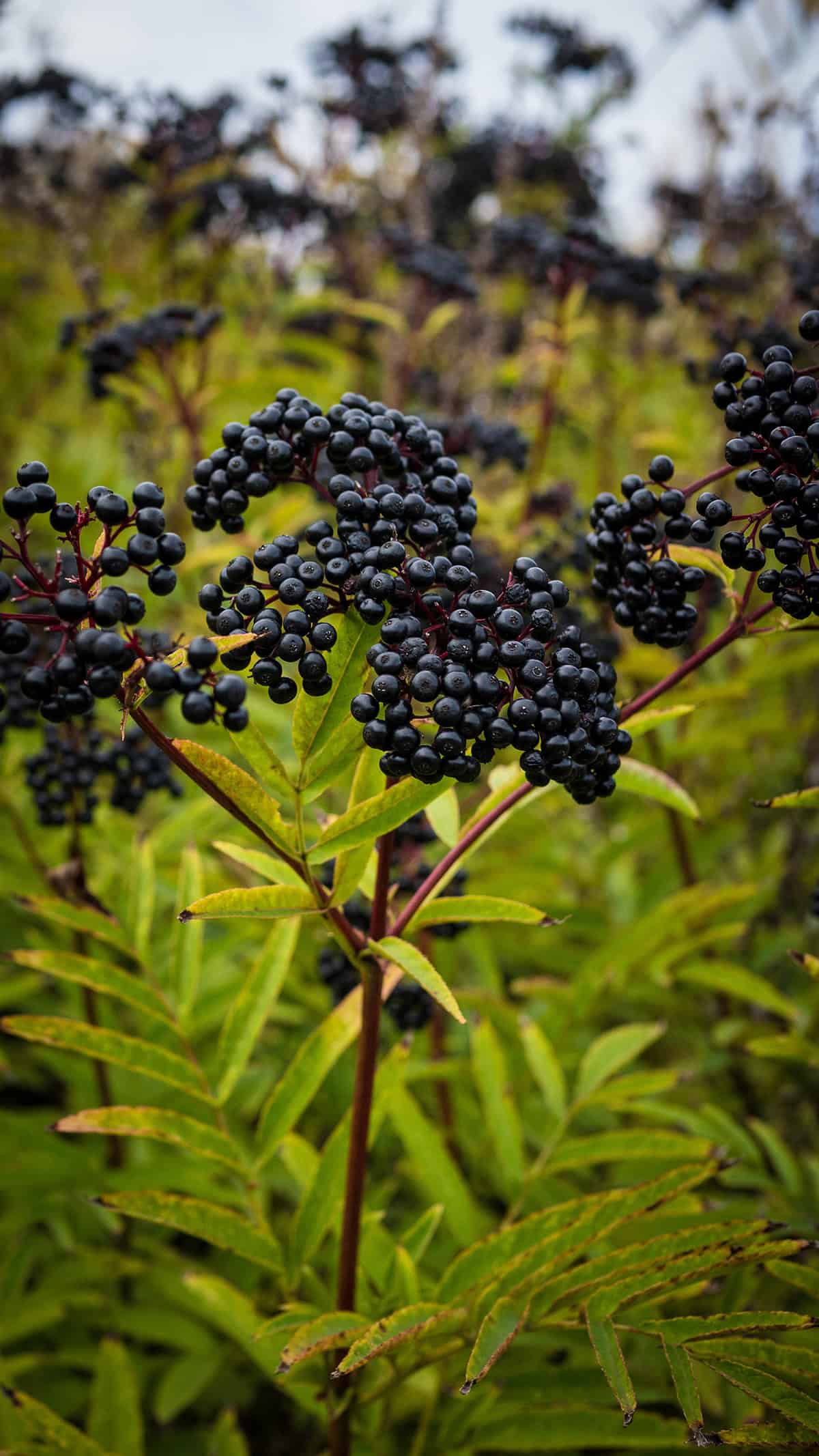
Elderberries handle partial shade easily, especially in hot summers. Woodland edges and fence lines with at least four hours of sun are good spots, though more sun means more berries.
These tall shrubs reach 8 to 12 feet, and creamy flower clusters in early summer precede dark, glossy berries. Cook the berries before eating, since raw berries, stems and leaves cause nausea.
They need plenty of moisture and nutrients. Prune in late winter to remove weak or old stems and make room for productive new growth.
Serviceberries / Juneberries (Amelanchier spp.)
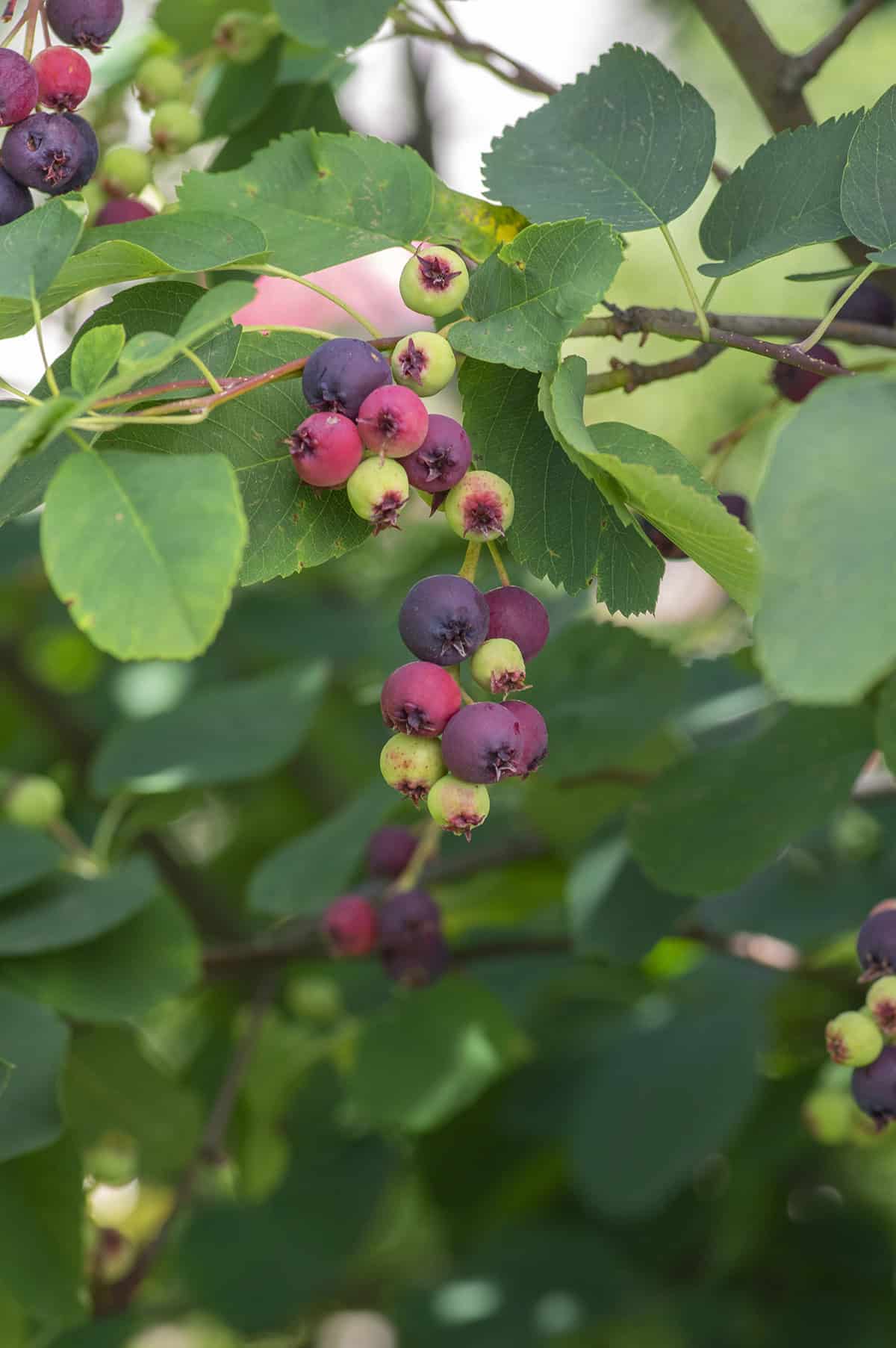
Understory trees by nature, serviceberries handle filtered light with ease. They settle in beneath taller trees or in spots with morning sun and afternoon shade.
White flowers open in early spring as the leaves emerge. Blue-purple berries follow in early summer with a flavor somewhere between blueberry and cherry, and birds find them quickly, so harvest promptly.
Well-drained soil and steady moisture produce healthy trees. Occasional pruning shapes them and removes damaged branches.
Red Raspberries (Rubus idaeus)
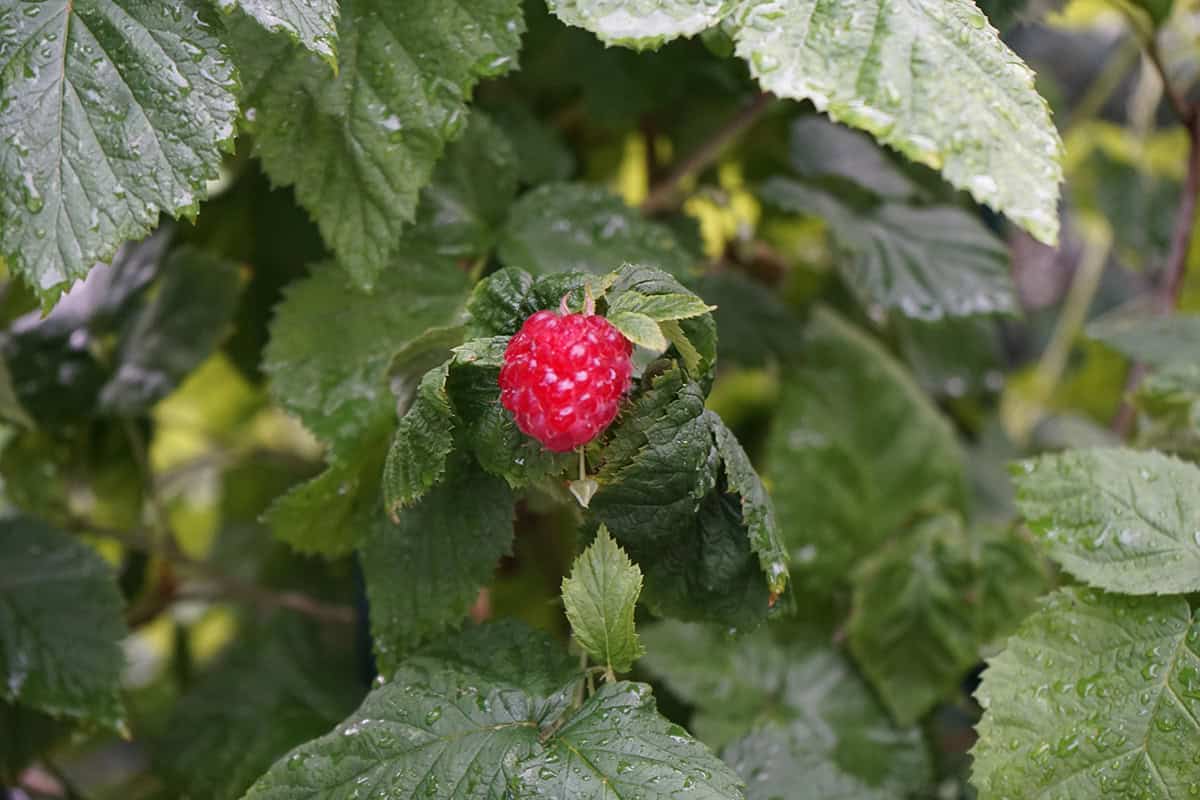
Red raspberries prefer sun but still produce in light shade, with a smaller harvest under six hours of direct light. In hot climates, some afternoon shade helps them.
The canes need support, and pruning manages the patch. Summer-bearing types fruit on second-year canes, and everbearing types also crop on first-year canes in fall. Shade tends to delay ripening more than it harms the plants.
Plant in fertile, well-drained soil. Cut out spent canes after harvest and space the rows for airflow and light.
Black Raspberries (Rubus occidentalis)
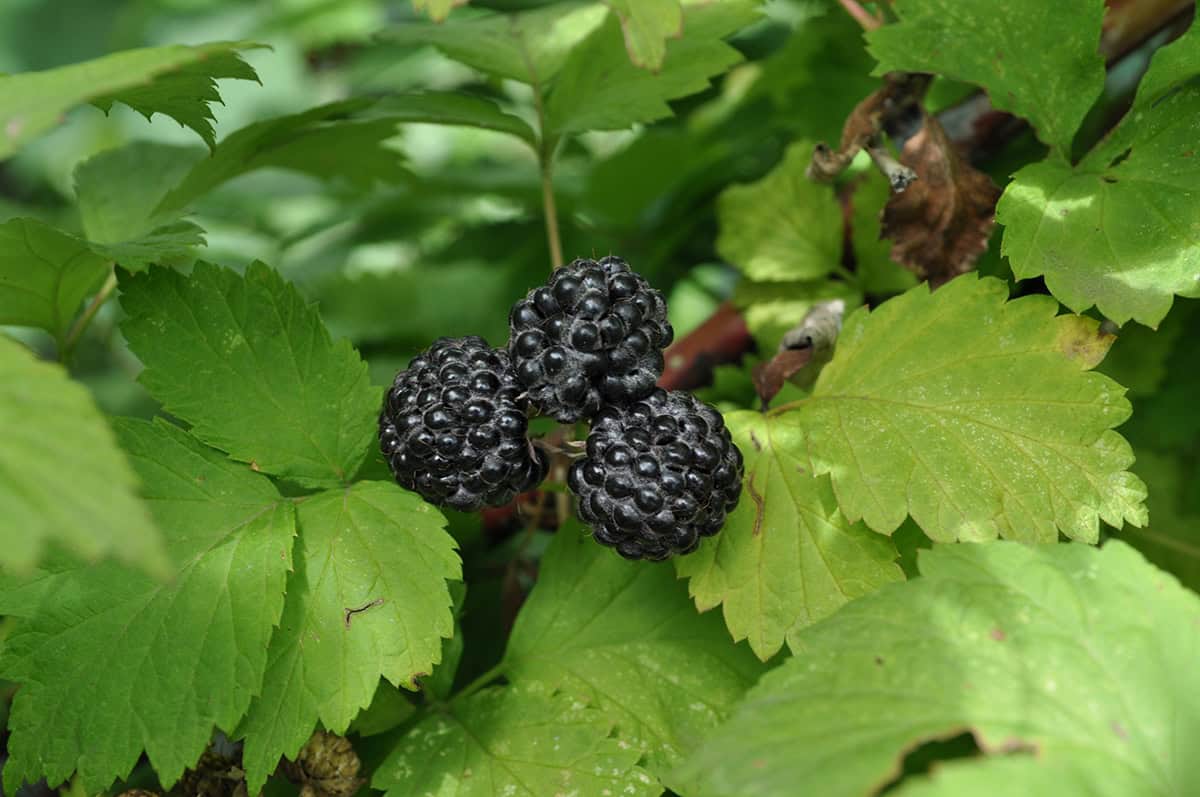
Full sun produces the biggest crops of black raspberries, but partial shade is fine in cool regions. Morning sun with afternoon shade is the best compromise, and heavy shade means fewer berries.
A trellis or summer tip pruning controls the arching canes. The fruit ripens in early to midsummer with a deep, rich flavor, if you beat the birds to it.
Water steadily and thin the canes each year to prevent a tangle. Light is the biggest factor in a decent crop.
Pawpaw (Asimina triloba)
Pawpaws evolved beneath taller trees, and young plants grow better with some shade. Filtered light protects seedlings in their first two years, and mature trees need at least partial sun to fruit well.
The large fruits have a tropical flavor and ripen from late summer into fall. Plant at least two genetically different varieties for cross-pollination, and hand pollination improves fruit set in many gardens.
Pawpaws need deep, fertile soil and regular moisture. When young trees move into more sun, shade their trunks at first. Pruning is minimal, limited mostly to damaged wood.
Lingonberries (Vaccinium vitis-idaea)
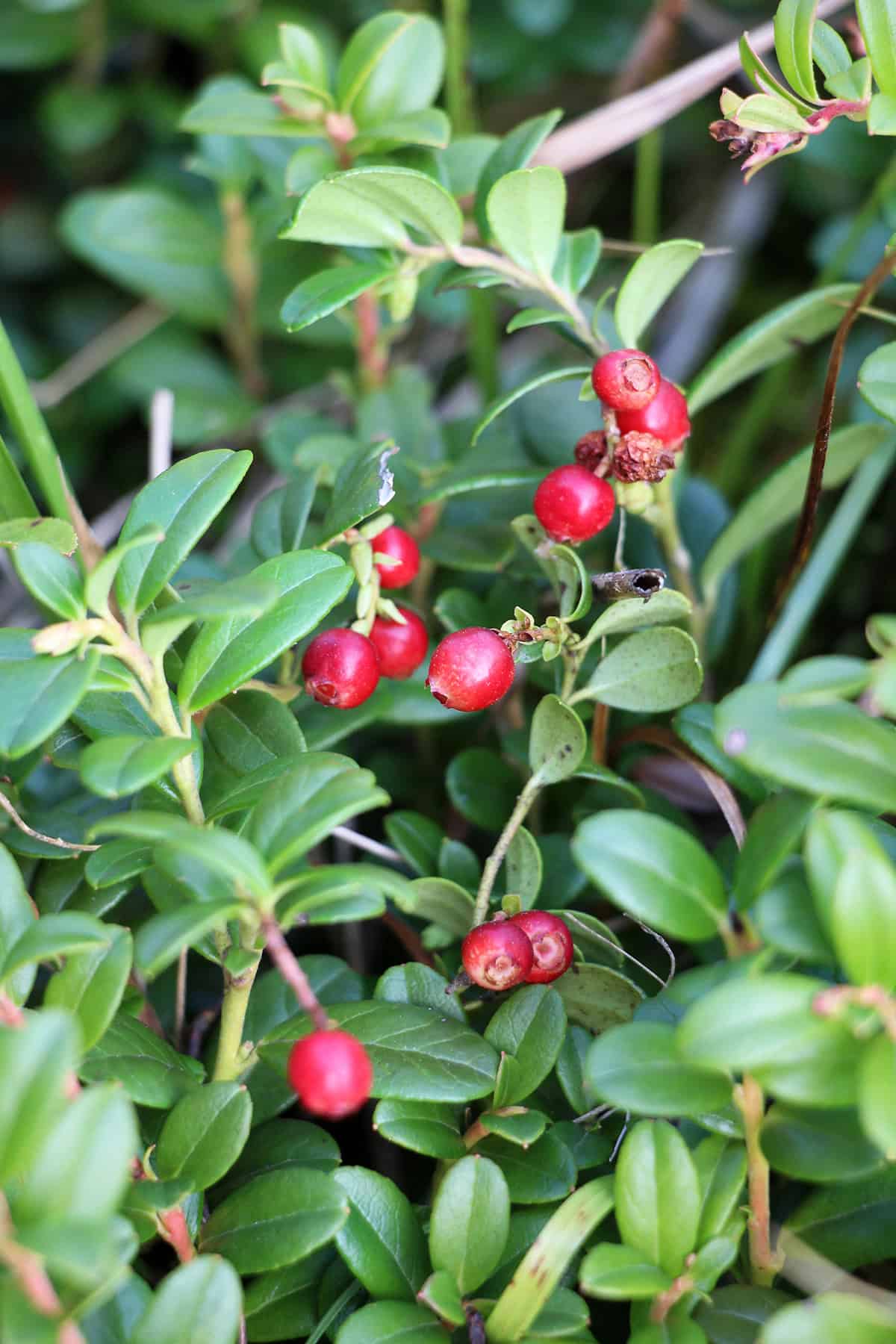
Lingonberries tolerate partial shade, especially in cool climates. Morning sun with afternoon shade produces good crops, and deep shade reduces flowering.
They form dense, evergreen mats dotted with small, tart red berries that ripen in late summer, with a second crop in fall on some varieties. The berries make excellent preserves and jams.
The soil must be acidic, around pH 4.5 to 5.5, and well drained. A mulch of pine needles or bark holds moisture and acidity.
Salal (Gaultheria shallon)
Salal thrives in dappled woodland corners beneath tall evergreens, and few edible shrubs handle deep shade so well.
Leathery, glossy leaves form a thick understory, and dark purple berries with a mild, sweet flavor ripen in late summer. More filtered sun produces heavier berry clusters.
It prefers loose, acidic, well-drained soil. After a season or two it needs little care and spreads by underground stems into a dense thicket, knee-high in deep shade and taller in more light, so plant it where a spreading screen is welcome.