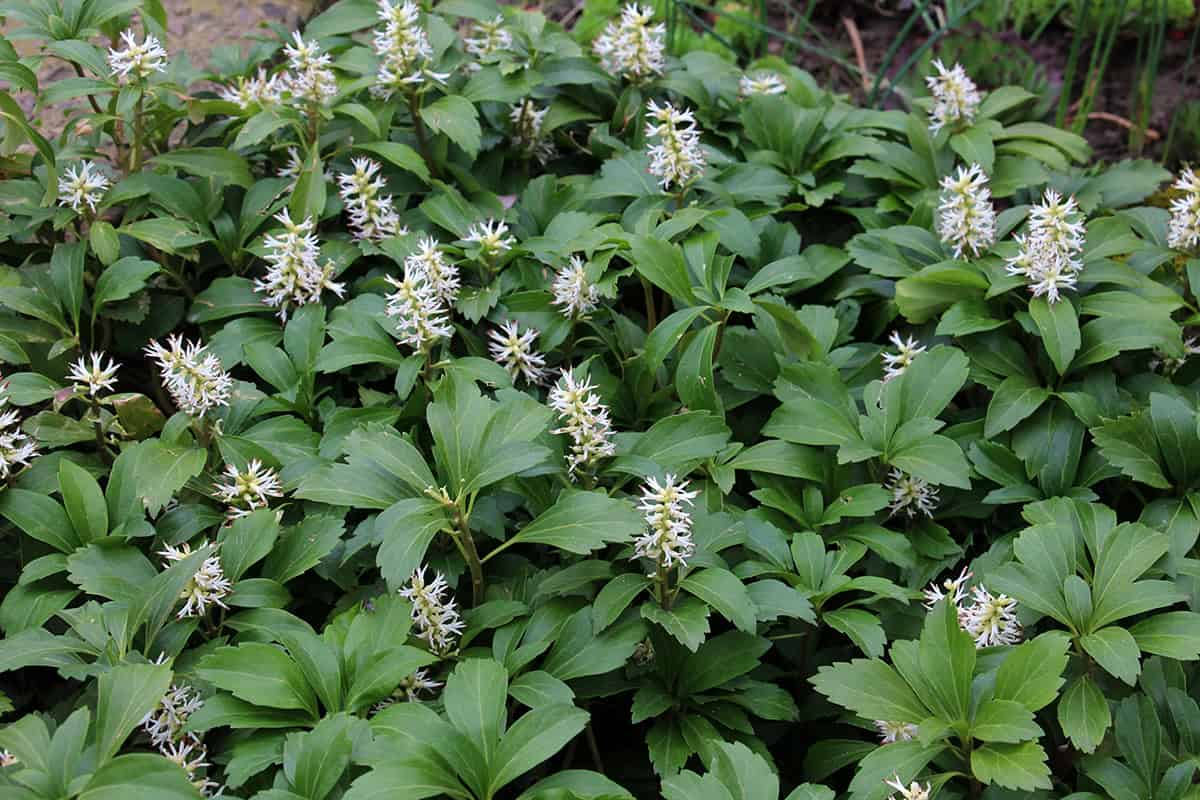
Let’s be honest: bare soil is just an open invitation for weeds. They’ll grab any patch of sunlight, water, and nutrients they can, and before you know it, you’re out there pulling them by the handful. Dense ground covers can really tip the balance in your favor, shading out weed seedlings and holding the soil together before trouble starts.
Beyond just crowding out weeds, these low, spreading plants do a lot of heavy lifting. They help keep soil in place, cool things down at the roots, and can be far less of a hassle than grass when it comes to tricky areas—think shade or slopes. Some even throw in a little extra: pollinator support, interesting leaves, or a pop of color where turf gives up.
Table of Contents
- Ground Covers That Suppress Weeds
- Ajuga / Bugleweed (Ajuga reptans)
- Creeping Jenny (Lysimachia nummularia)
- Sweet Woodruff (Galium odoratum)
- Vinca Minor / Periwinkle (Vinca minor)
- Pachysandra (Pachysandra terminalis)
- Liriope spicata
- Mazus (Mazus reptans)
- Creeping Speedwell (Veronica repens)
- Blue Star Creeper (Isotoma fluviatilis)
- White Clover (Trifolium repens)
- Creeping Phlox (Phlox subulata)
- Bearberry (Arctostaphylos uva-ursi)
- Barrenwort (Epimedium spp.)
- Japanese Spurge (Pachysandra terminalis)
- Snow-in-Summer (Cerastium tomentosum)
- Creeping Raspberry (Rubus pentalobus)
- Green-and-Gold (Chrysogonum virginianum)
- Wild Ginger (Asarum canadense)
- Golden Groundsel (Packera aurea)
- Partridgeberry (Mitchella repens)
Ground Covers That Suppress Weeds
Thickly planted ground huggers leave little room for weeds to sneak through. Picking species that actually want to live in your soil and light conditions means less weeding, less spraying, and more time to enjoy your garden.
Ajuga / Bugleweed (Ajuga reptans)
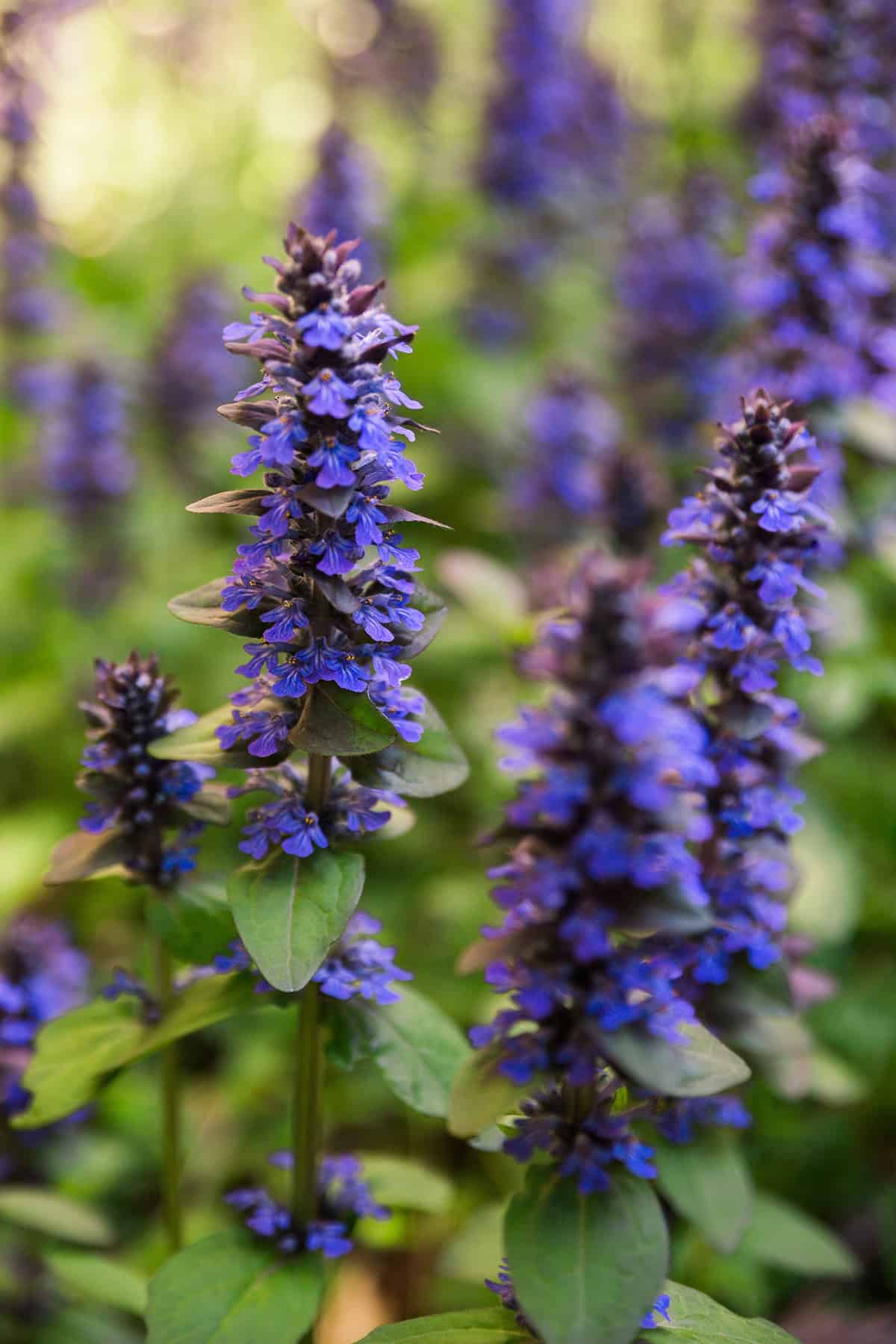
Low and spreading, this one weaves a dense, almost plush carpet just a few inches high. The foliage crowds out sunlight at soil level, so weed seeds rarely get a chance. Partial shade with moist, well-drained earth makes it happiest.
Leaf colors run the gamut from deep green to moody purples and bronzes. Spring brings up blue flower spikes, but honestly, the leaves do most of the work. Planting them about a foot apart speeds up the process.
Light foot traffic’s fine, but don’t treat it like a lawn. In muggy regions, give it some breathing room to avoid rot.
Creeping Jenny (Lysimachia nummularia)
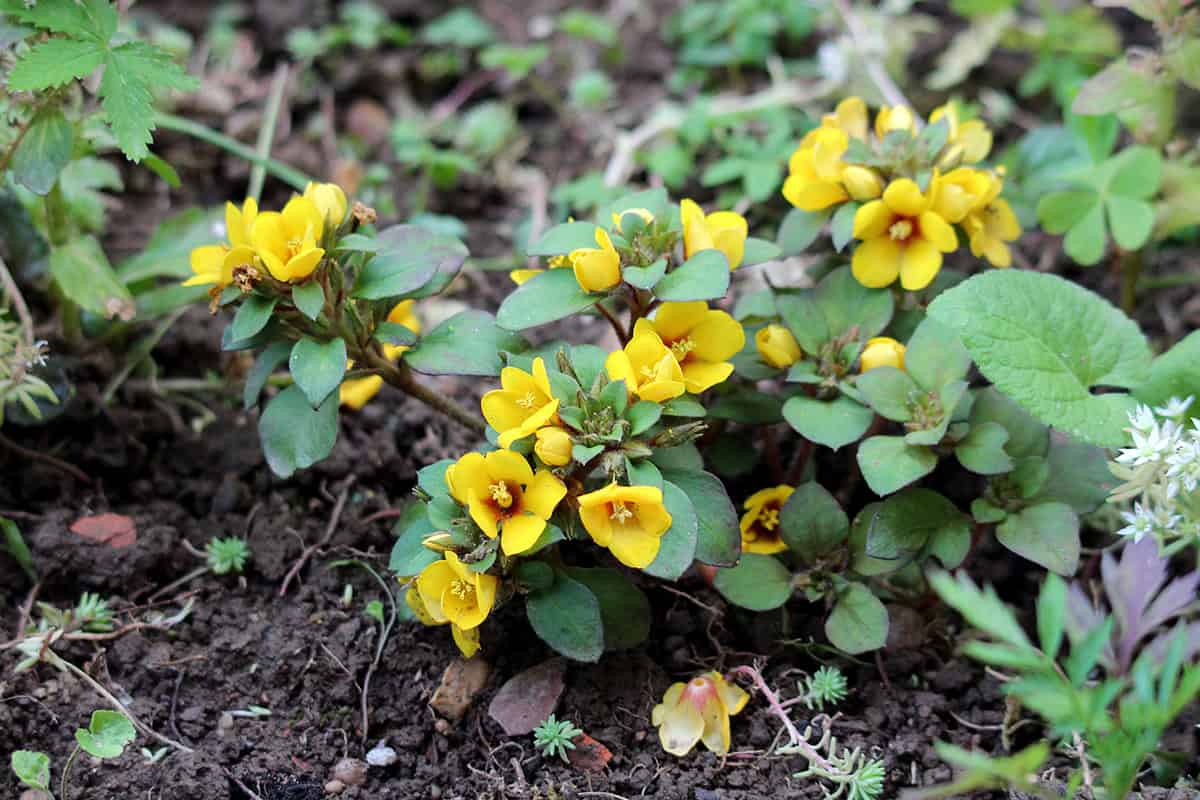
With its round leaves hugging the ground, this one roots along every stem, racing to fill open spots. Sun or part shade both work, though gold-leaf forms really light up dim corners.
Yellow blooms show up early summer, but the foliage is the main attraction. Damp soil keeps it moving, but in warm zones, you’ll probably have to rein it in now and then.
Sweet Woodruff (Galium odoratum)
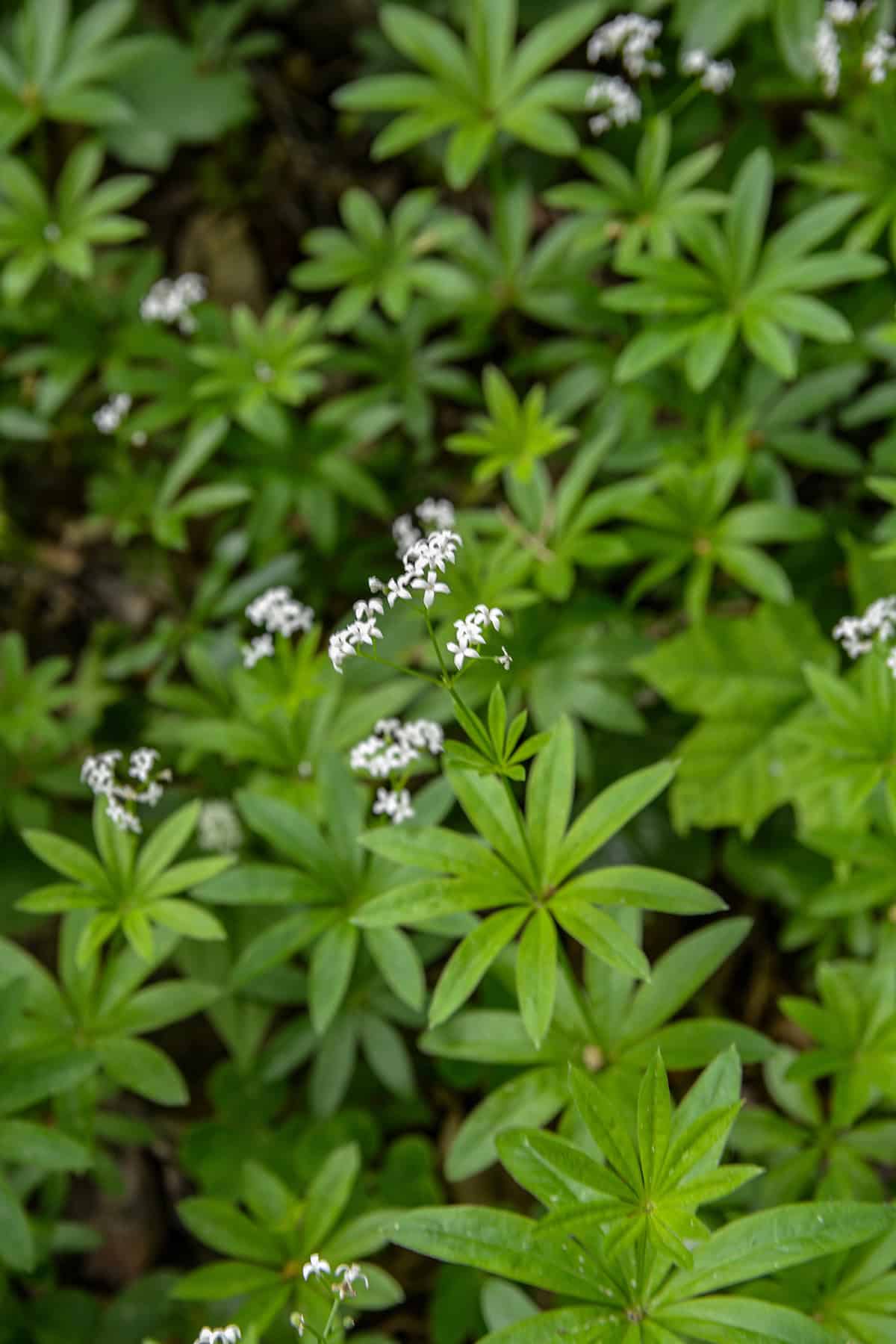
Soft, whorled leaves drift beneath trees and shrubs, forming a gentle underlayer. Stays compact, rarely more than 8 inches, and prefers dry to average shade once it’s settled in.
Spring brings tiny white flowers, but it’s the dense leaf cover that keeps weeds at bay. Well-drained, rich soil helps it look its best. If it gets leggy in summer, a quick trim helps.
Vinca Minor / Periwinkle (Vinca minor)
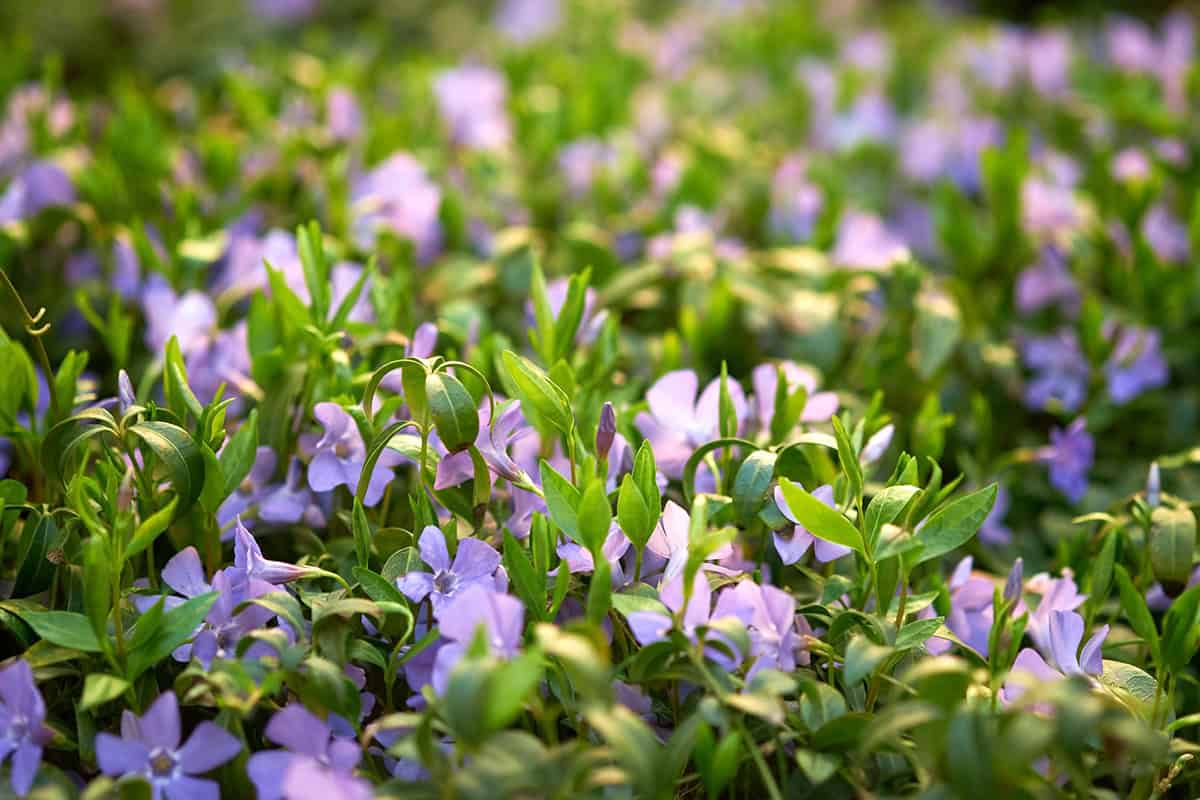
Shiny, evergreen leaves keep the ground covered all year, especially in shady corners. Stems trail and root wherever they touch, weaving a thick, weed-blocking mat.
Expect blue or purple flowers in spring, sometimes a second flush in fall. It shrugs off dry shade better than most. Avoid soggy spots, and edge it if you want to keep it contained.
Pachysandra (Pachysandra terminalis)
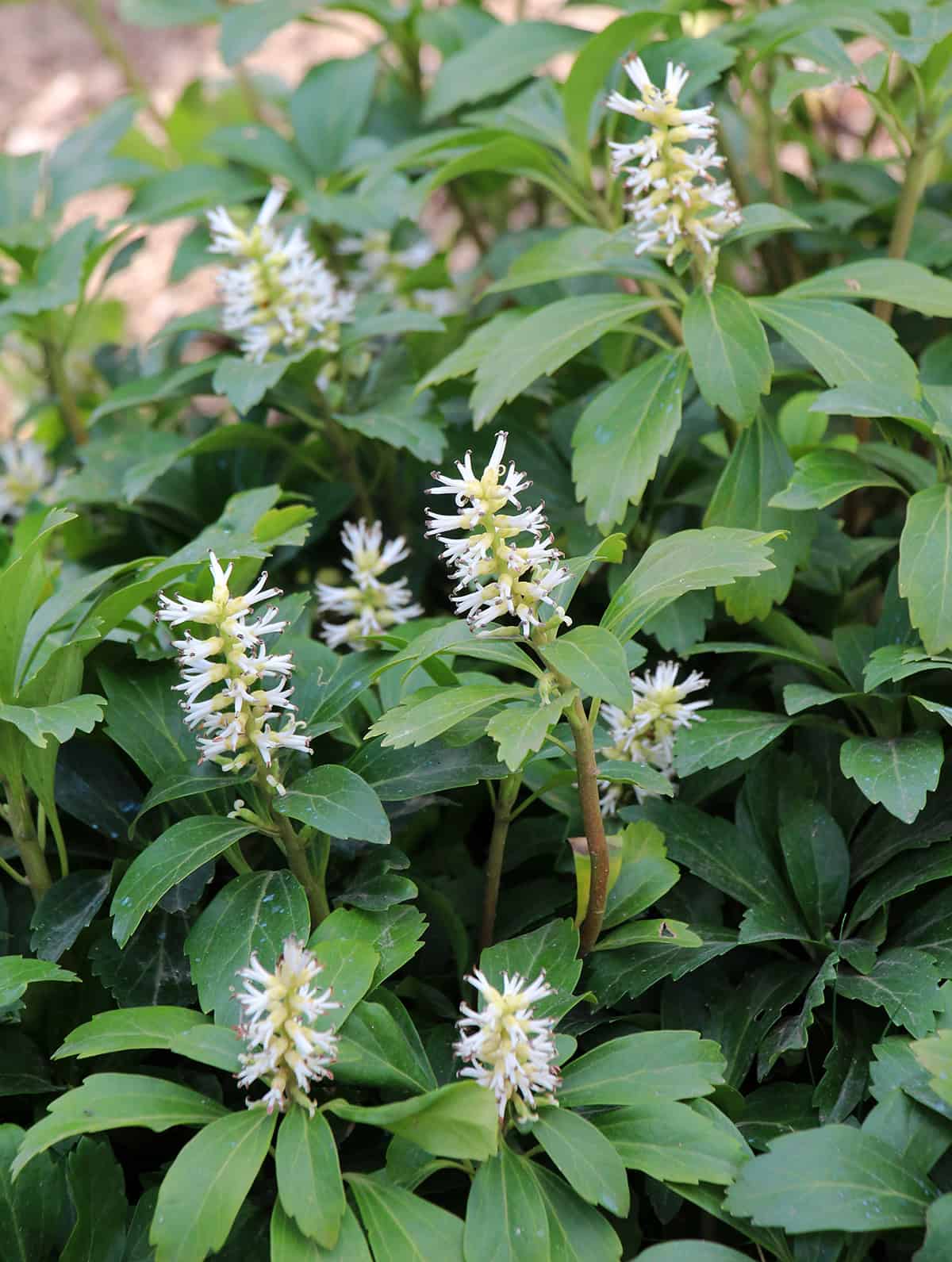
Evergreen and upright, this one knits together at 6 to 10 inches high, casting deep shade right at soil level. Shade is key for good performance.
Leaves stay glossy through winter, and while white flowers pop up in spring, they’re pretty subtle. Plant close for a quick fill, and keep the soil evenly moist at first.
Liriope spicata
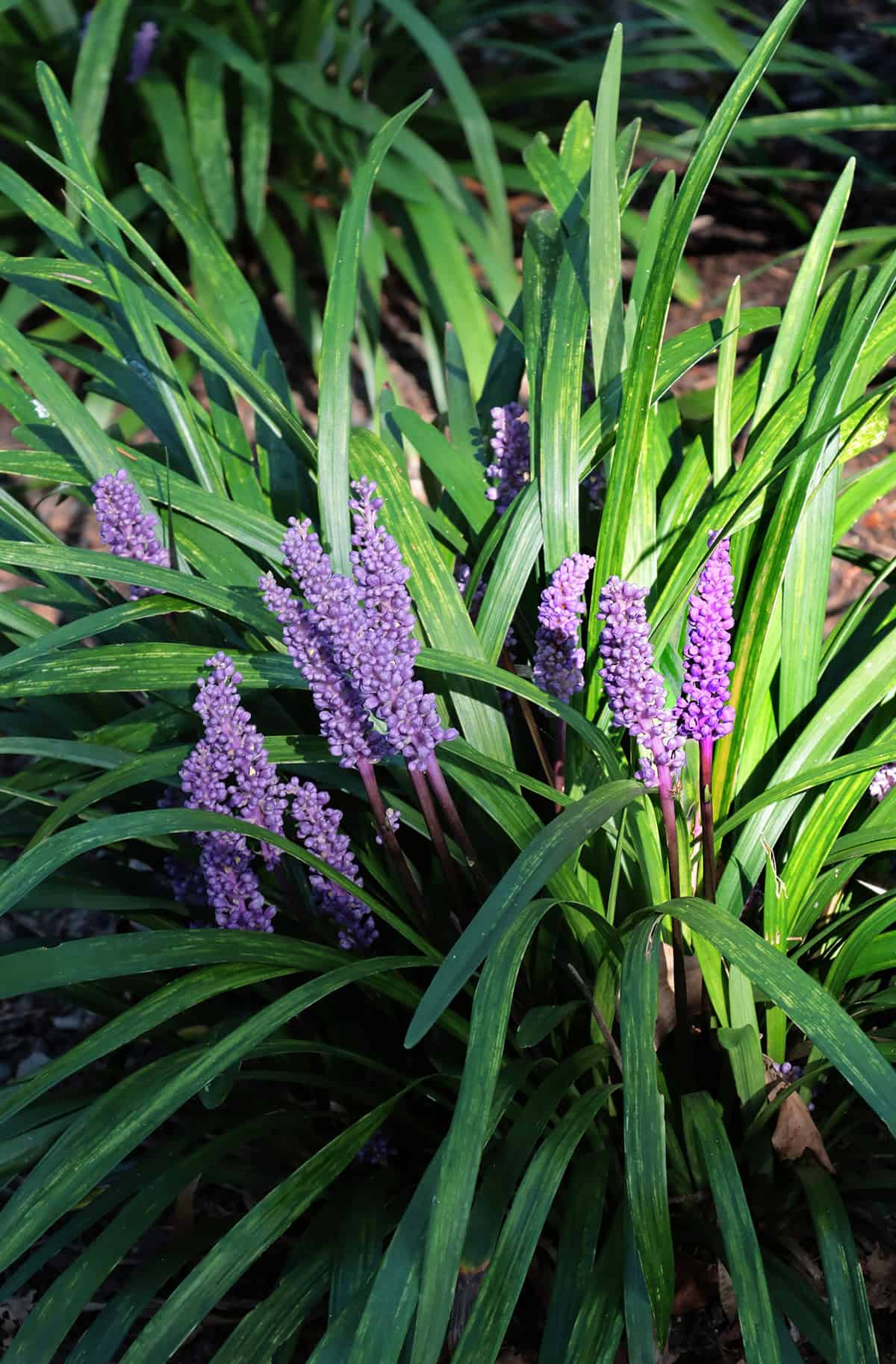
With arching, grassy leaves up to 15 inches tall, this ground cover spreads by underground rhizomes—handy for covering big areas and keeping weeds in check. Handles both sun and shade.
Purple flower spikes show up late summer, poking above the green. Clumps grow thick, so not much soil is exposed. Barriers are a good idea if you don’t want it wandering. Drainage matters here.
Mazus (Mazus reptans)
Staying just a couple inches tall, this little rosette spreads out fast, making it perfect for tucking between stepping stones. Sun or part shade both work.
Spring brings a flush of purple or blue flowers. It closes up bare spots quickly, which is exactly what you want. Keep it watered in summer, and watch for winter dieback if your soil stays wet.
Creeping Speedwell (Veronica repens)
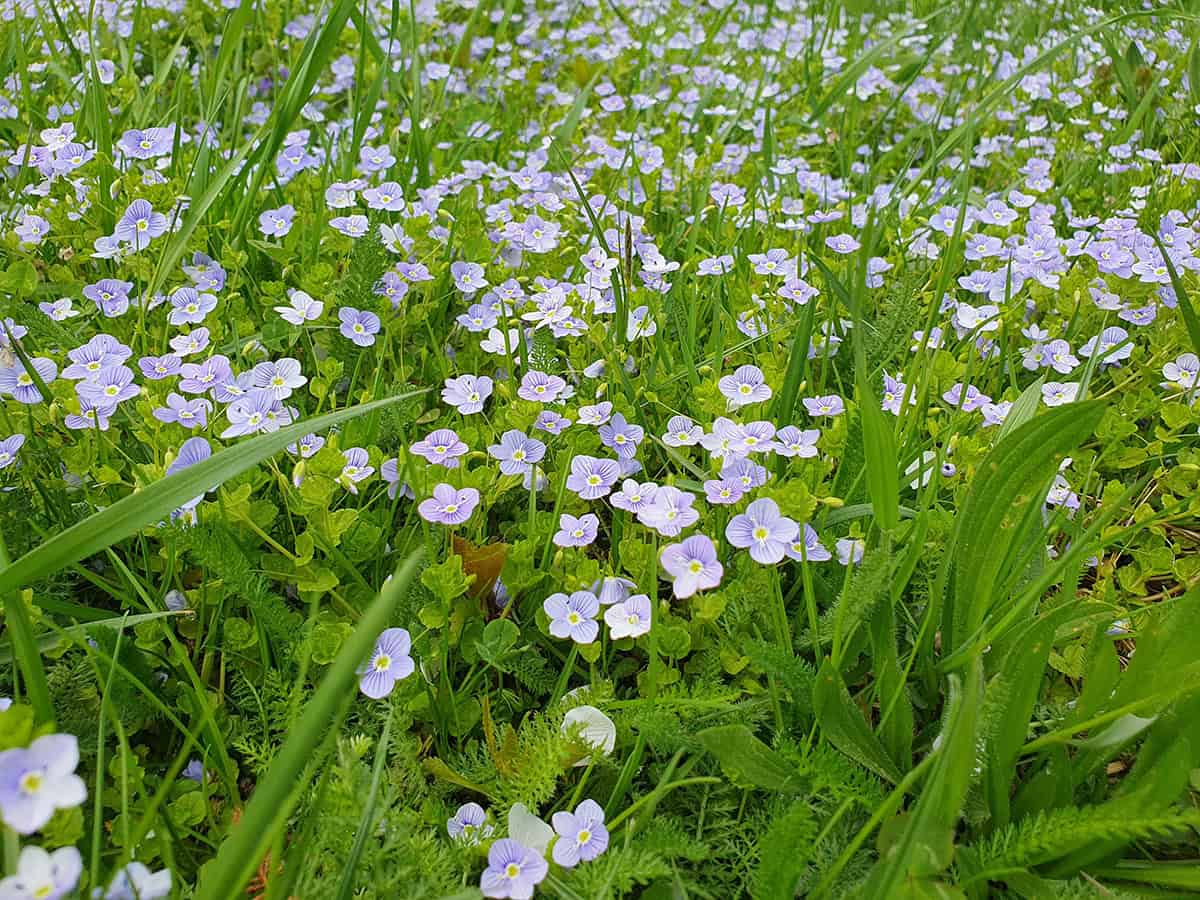
Finely textured and low, this mat-former prefers sunny spots with good drainage. It spreads at a measured pace, not aggressively, so you get coverage without chaos.
Blue flowers arrive late spring, and the dense foliage keeps annual weeds in check. Heavy clay isn’t its friend, but it can handle a bit of foot traffic once established.
Blue Star Creeper (Isotoma fluviatilis)
Tiny leaves lay down a smooth, low carpet under 3 inches tall, fitting neatly between stones or along paths. Adapts to sun or part shade pretty easily.
Blue, starry flowers show up from late spring into summer. It covers ground tightly, leaving little space for weeds. Consistent moisture helps, and in cold climates, winter mulch is smart.
White Clover (Trifolium repens)
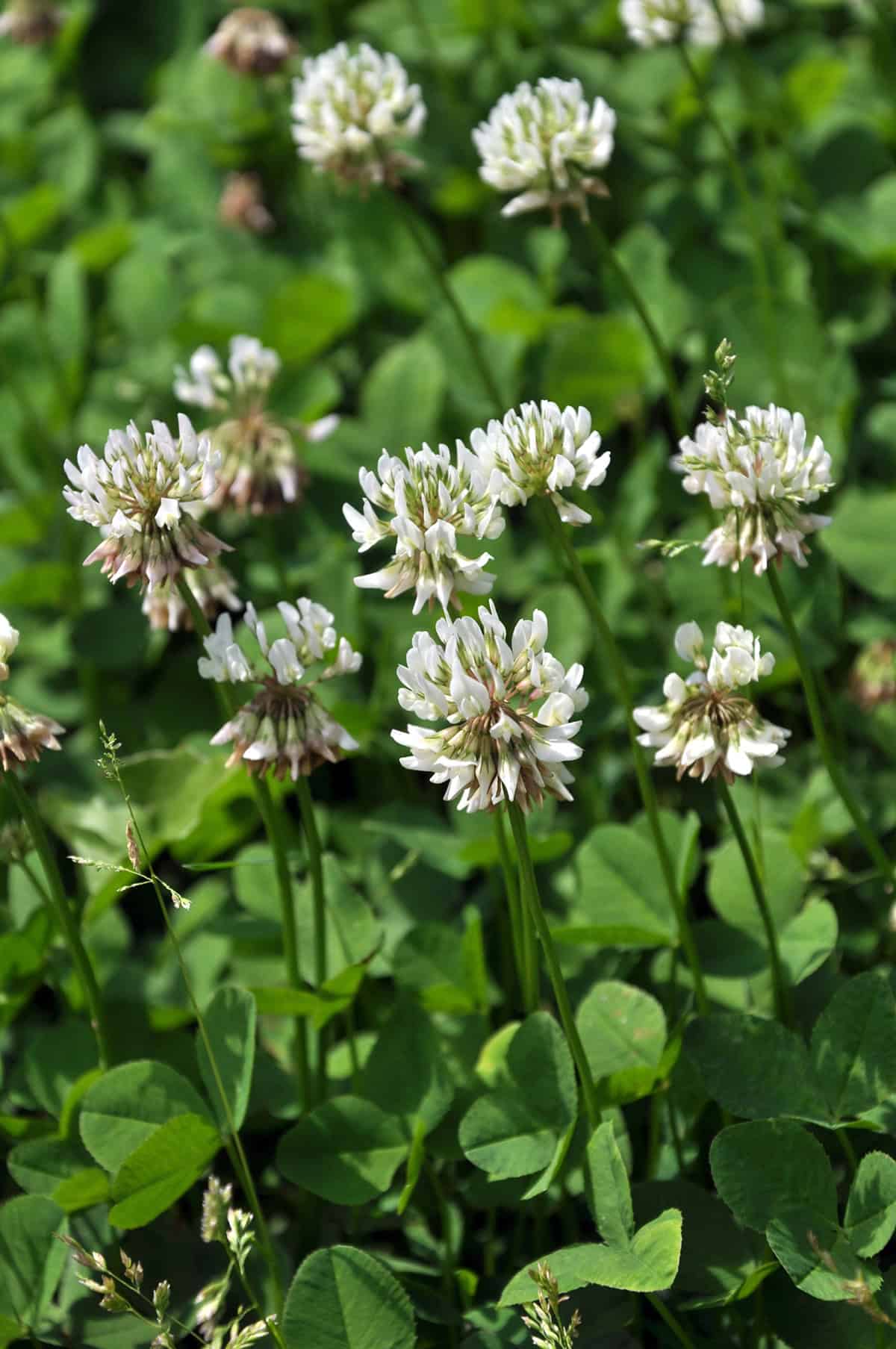
Living mulch at its best—clover’s low, dense foliage fixes nitrogen and chokes out plenty of lawn weeds. Creeping stems keep it spreading and filling gaps.
White blooms bring in pollinators. It’s tough enough for foot traffic and isn’t picky about soil. Mow it to keep things tidy, and give it water during dry spells.
Creeping Phlox (Phlox subulata)
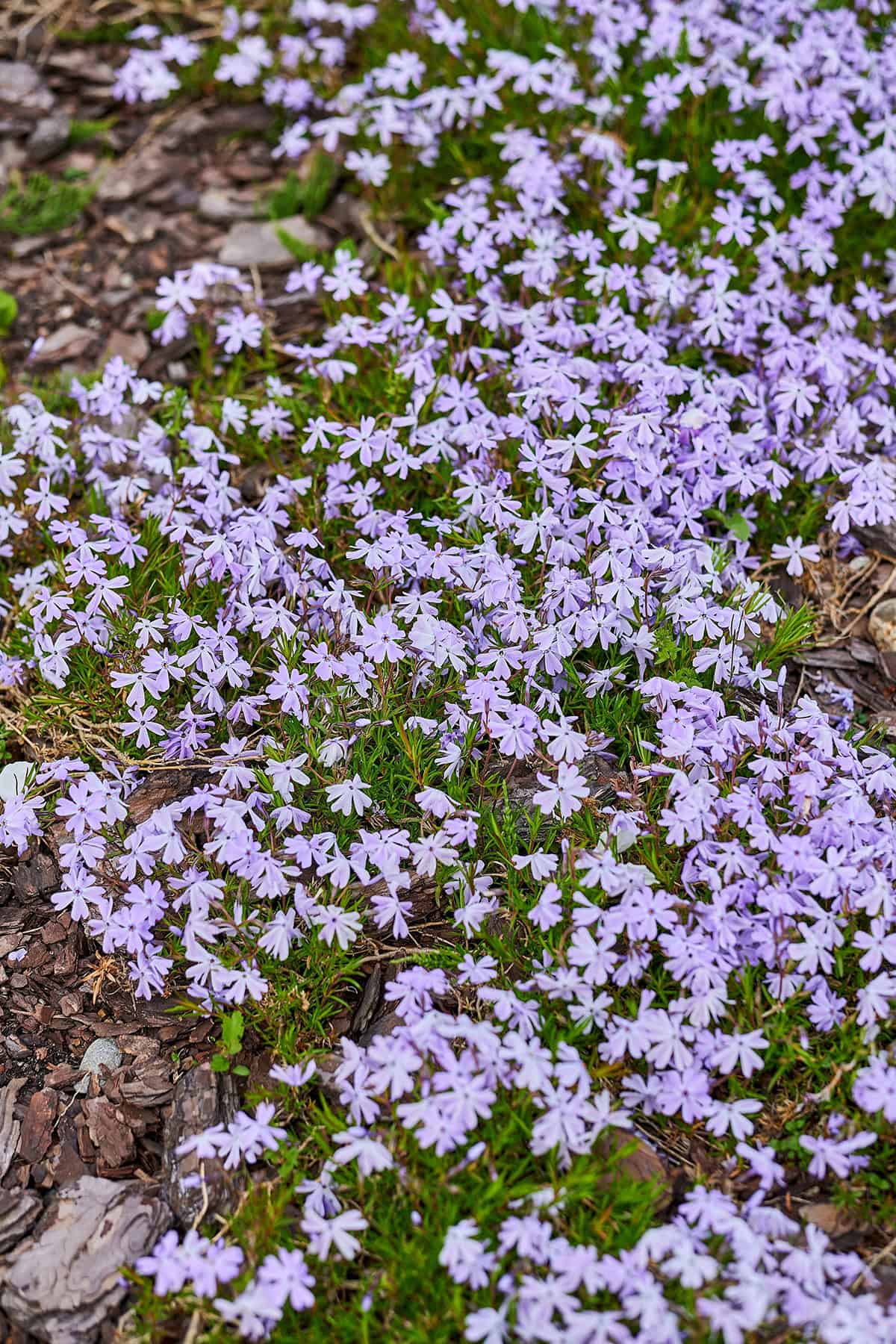
Evergreen needles pile up in a low mound, covering slopes and tough spots, especially in full sun. Masses of bright flowers in early spring steal the show.
Stems are thick enough to shade out weeds. Drainage is non-negotiable, though—soggy soil spells trouble. A light trim after bloom keeps it neat.
Bearberry (Arctostaphylos uva-ursi)
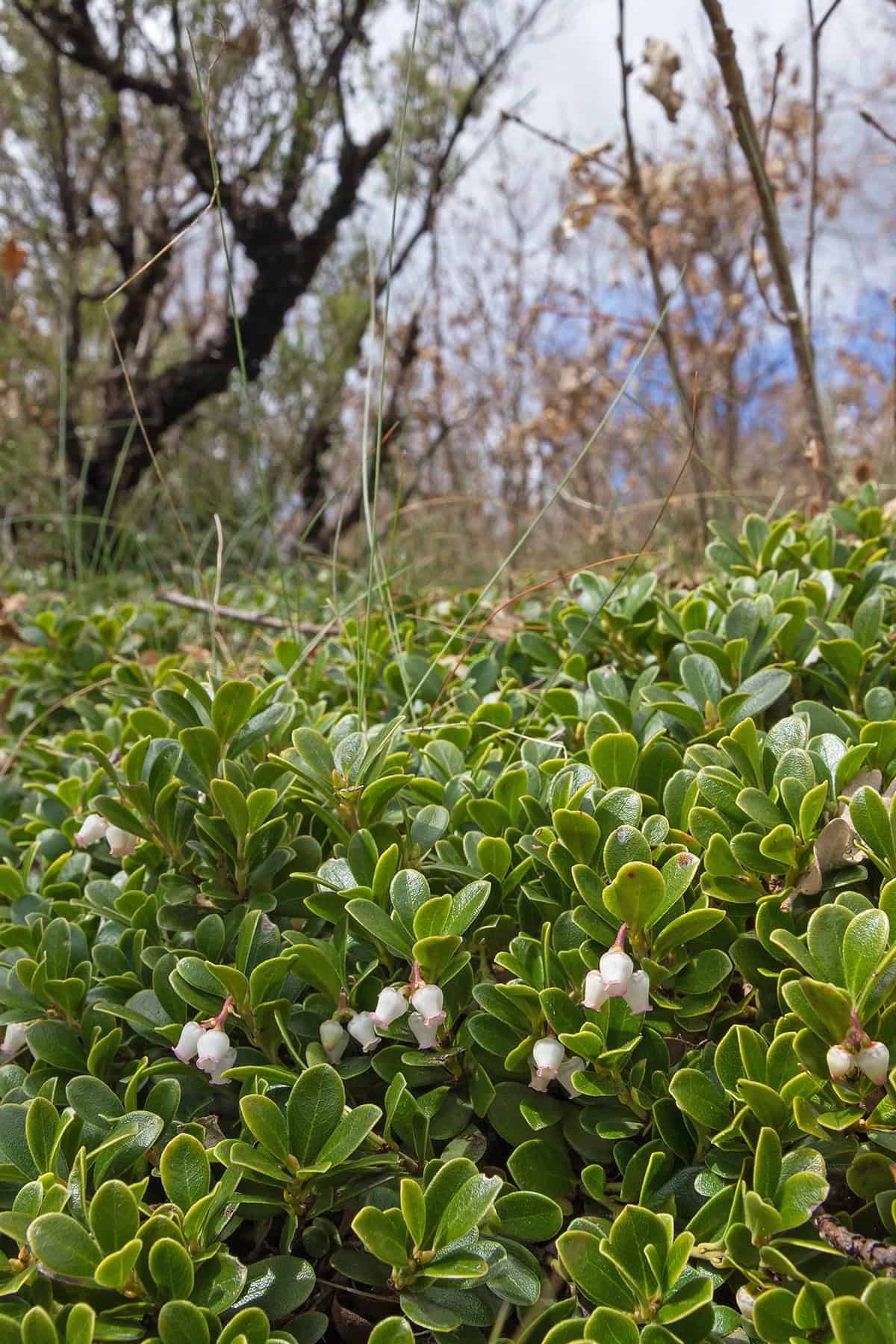
Native and tough, this evergreen creeps along with woody stems that root as they go, forming a rugged mat. Sandy, acidic soil suits it best.
Spring brings pink flowers, then red berries. Once established, leathery leaves shrug off drought. Needs sun to light shade and doesn’t care for heavy or wet ground.
Barrenwort (Epimedium spp.)
In dry shade, heart-shaped leaves drift over the ground, offering loose but reliable cover. Slow-spreading rhizomes help it settle in under trees.
Airy spring flowers float above, and fall often brings a flush of color to the foliage. Cut back last year’s leaves before new growth, and keep the soil draining well for best results.
Japanese Spurge (Pachysandra terminalis)
Uniform evergreen leaves fill shaded beds, holding at about 8 inches tall. Short stems gradually close up gaps and smother weed seeds beneath.
White flower spikes arrive in spring, mostly hidden by the foliage. It copes with tree roots just fine. Plant thickly at first and keep it watered until it’s settled.
Snow-in-Summer (Cerastium tomentosum)
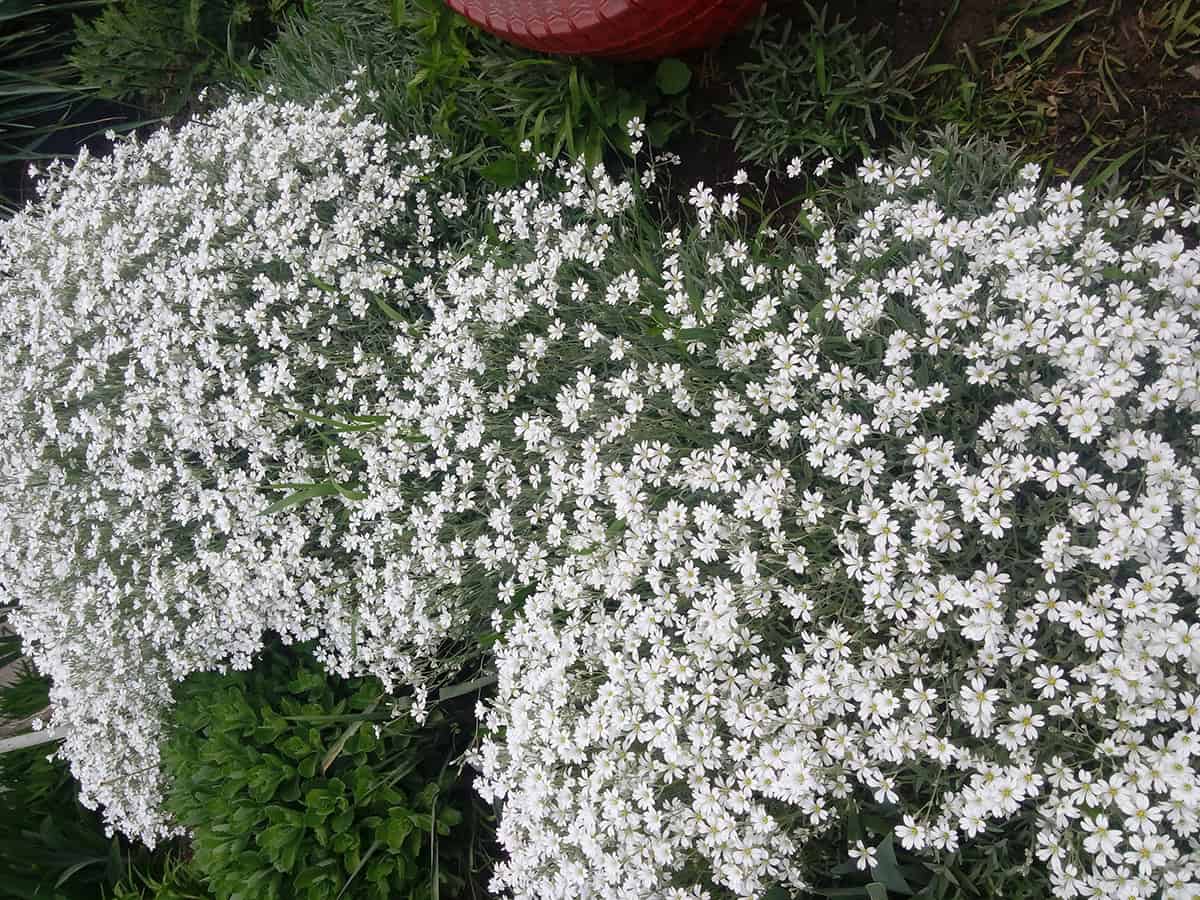
Silvery leaves cluster into a mat, perfect for sunny, dry spots. Creeping stems help it knit together, leaving little exposed soil for weeds.
Late spring brings a flurry of white flowers. Good drainage is a must—rich soil makes it floppy. A quick shear after bloom keeps it looking sharp.
Creeping Raspberry (Rubus pentalobus)
Rugged, textured leaves sprawl in a coarse mat, rooting as they go—especially handy for stabilizing slopes. Sun or light shade both work.
White flowers in summer, then small red fruits. The thick foliage is a solid weed deterrent. Well-drained soil is key for winter survival, and a spring clean-up helps after rough weather.
Green-and-Gold (Chrysogonum virginianum)
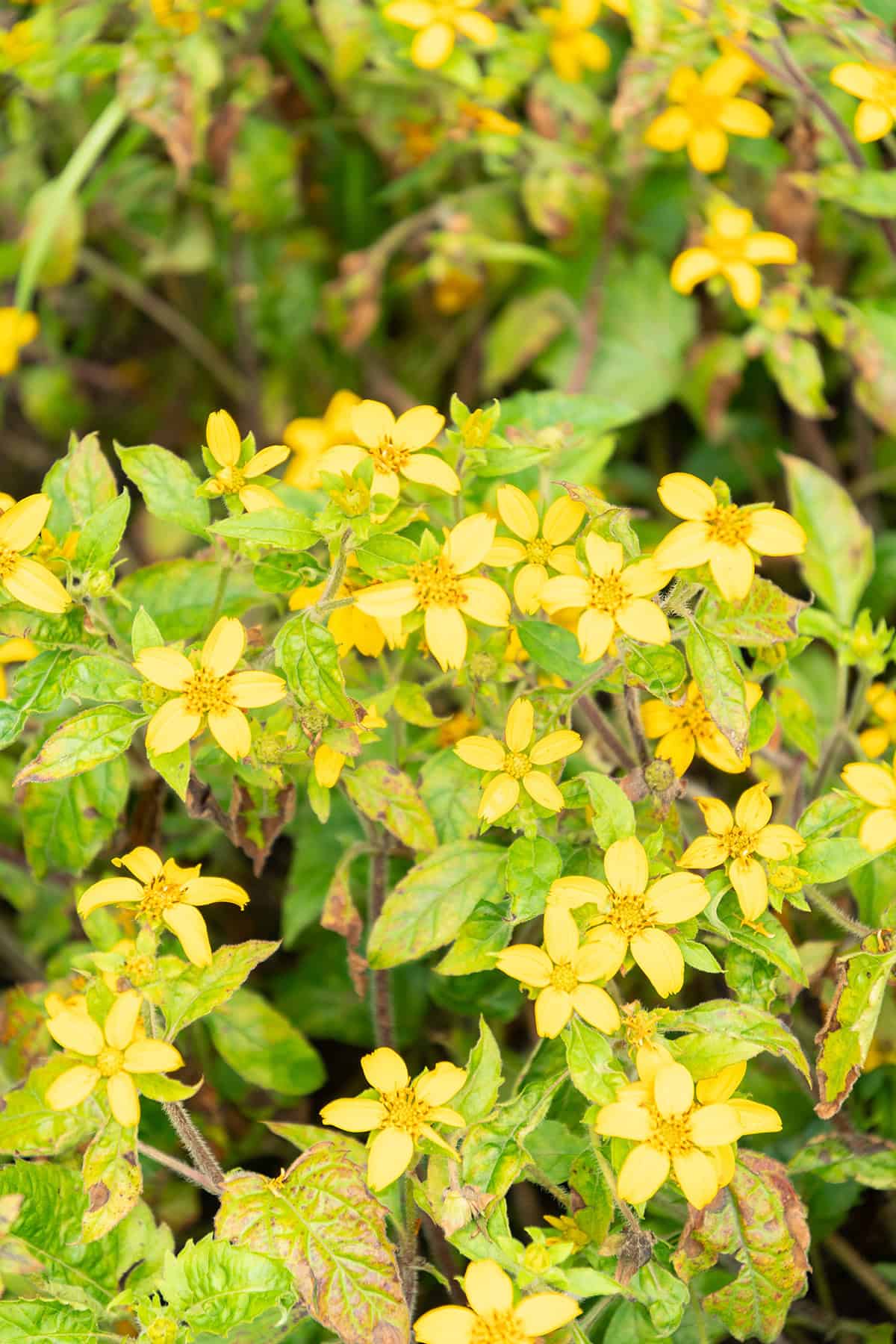
This semi-evergreen native spreads by short runners, tucking between shrubs and filling gaps at 6 to 12 inches tall. Part shade and moist, well-drained soil keep it happy.
Yellow, star-shaped flowers pop up in spring and sometimes again later. Dense leaves help keep weeds from sprouting. Water during dry spells and split clumps every few years to keep it vigorous.
Wild Ginger (Asarum canadense)
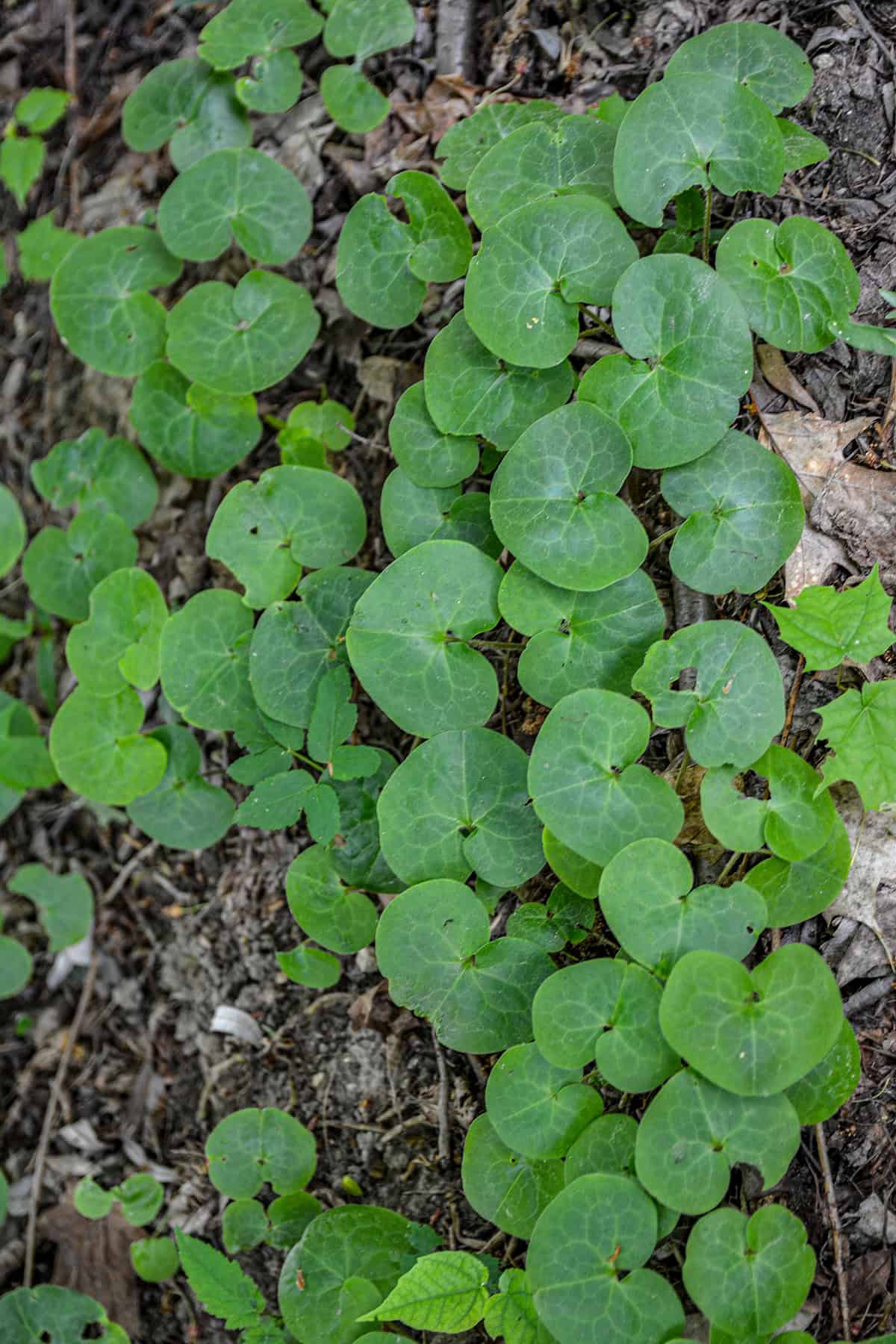
Big, heart-shaped leaves cast deep shade at ground level, thriving in the darkest corners. Rhizomes help it spread quietly, keeping weeds in check.
Hidden maroon flowers appear in spring, mostly out of sight. Rich, moist soil is best, and it really doesn’t want to dry out or bake in the sun.
Golden Groundsel (Packera aurea)
Basal rosettes knit together into a solid mat, filling moist areas at 6 to 12 inches high. Short rhizomes help it spread in part shade or even full sun if it’s cool enough.
Clusters of bright yellow flowers bloom in spring, and the foliage stays thick after. Keep the soil moist and snip off spent blooms if you prefer a tidier look.
Partridgeberry (Mitchella repens)
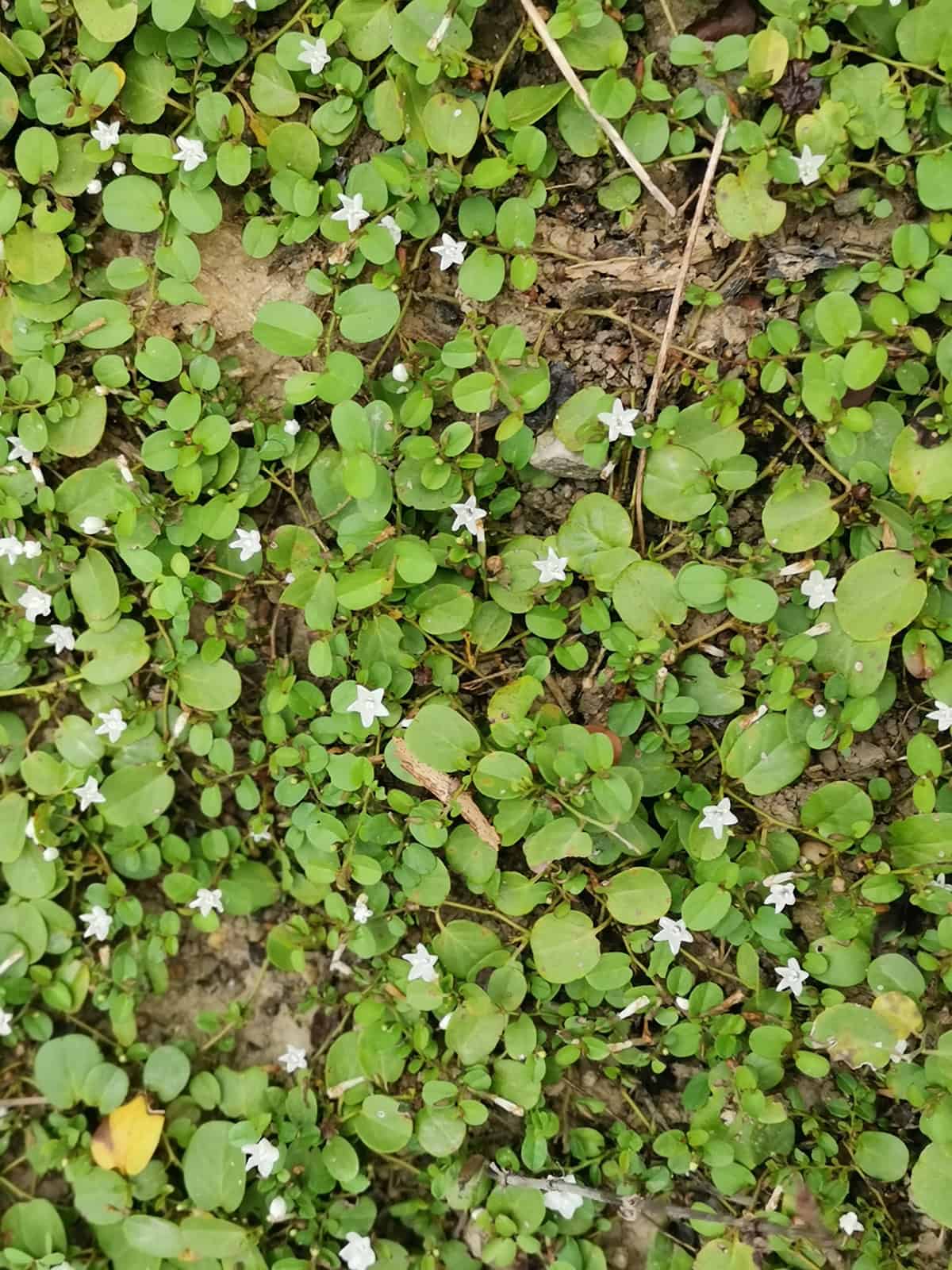
Low and quietly persistent, this evergreen groundcover barely rises above the earth, weaving itself into a dense, green carpet. Stems snake along the surface, rooting wherever they touch, gradually stitching the patchwork tighter. Acidic, well-drained soil under a canopy of trees—honestly, it’s happiest where the woods do most of the work.
Spring brings a scatter of tiny white blooms, delicate and unassuming, which give way to bright red berries that can linger through the cold months. The leaves, thick and close-set, keep the ground cool and shaded, making life tough for weeds trying to sneak in.
A layer of leaf mulch really helps, echoing the forest floor these plants call home. Exposed, sun-baked areas? Not their scene. Stick to cool, sheltered spots for the best results.