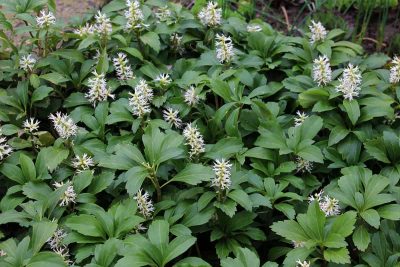
Let’s be honest: bare soil is just an open invitation for weeds. They’ll grab any patch of sunlight, water, and nutrients they can, and before you know it, you’re out there pulling them by the handful. Dense ground covers can really tip the balance in your favor, shading out weed seedlings and holding the soil together before trouble starts.
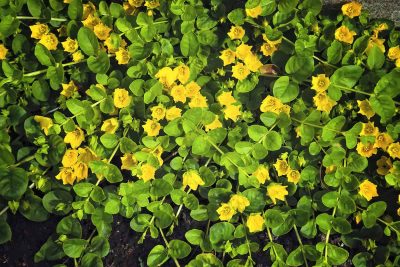
Weekend mowing loses its appeal quickly when the grass never seems to stop growing. Ground covers offer an alternative and create a dense carpet of foliage that requires far less maintenance. This list highlights beautiful options that can help you spend more time enjoying your yard and less time maintaining it.
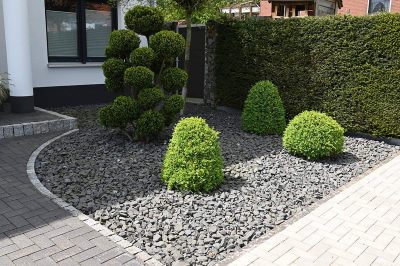
Gravel is one of the easiest ways to transform a patch of bare soil into a neat, functional, and attractive surface. Whether it’s for a path, driveway, or garden corner, it’s a project you can tackle yourself. Keep reading to learn how to lay gravel on soil the right way.
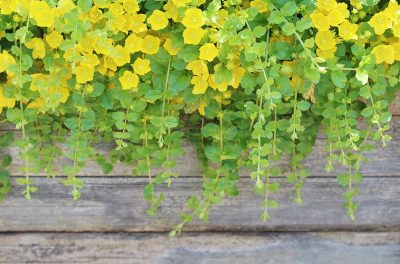
Creeping Jenny might sound like a shy plant, but don’t be fooled—it loves to spread. With its trailing vines and vibrant leaves, it’s one of the easiest ways to add lush greenery to your garden.
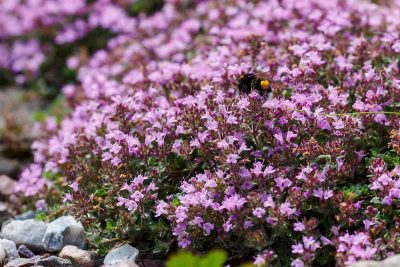
Looking for a ground cover that’s beautiful, fragrant, and practically takes care of itself? Creeping thyme might just be your new favorite plant. Here’s how to grow and care for it with ease.