A lawn replacement faces footsteps, pets and the odd garden chair along with the yard’s sun or shade.
Foot traffic is the detail that rules most choices, since only a handful of these plants hold up to regular walking.
Creeping thyme, the toughest of the steppable picks, kicks things off.
Table of Contents
- Hassle-Free No-Mow Ground Covers
- Creeping Thyme (Thymus serpyllum)
- White Clover (Trifolium repens)
- Micro Clover
- Kurapia (Lippia nodiflora)
- Creeping Jenny (Lysimachia nummularia)
- Vinca minor (Periwinkle)
- Ajuga (Ajuga reptans)
- Pachysandra (Pachysandra terminalis)
- Sedum (Low Stonecrop Varieties)
- Blue Star Creeper (Isotoma fluviatilis)
- Creeping Mazus (Mazus reptans)
- Dwarf Mondo Grass (Ophiopogon japonicus)
- Liriope (Liriope muscari)
- Moss Phlox (Phlox subulata)
- Creeping Speedwell (Veronica repens)
- Chamomile (Chamaemelum nobile)
- Sweet Woodruff (Galium odoratum)
- Dymondia (Dymondia margaretae)
Hassle-Free No-Mow Ground Covers
These ground covers spread, smother weeds and handle a range of light, soil and wear. Matching each one to its site is what makes it succeed.
Creeping Thyme (Thymus serpyllum)
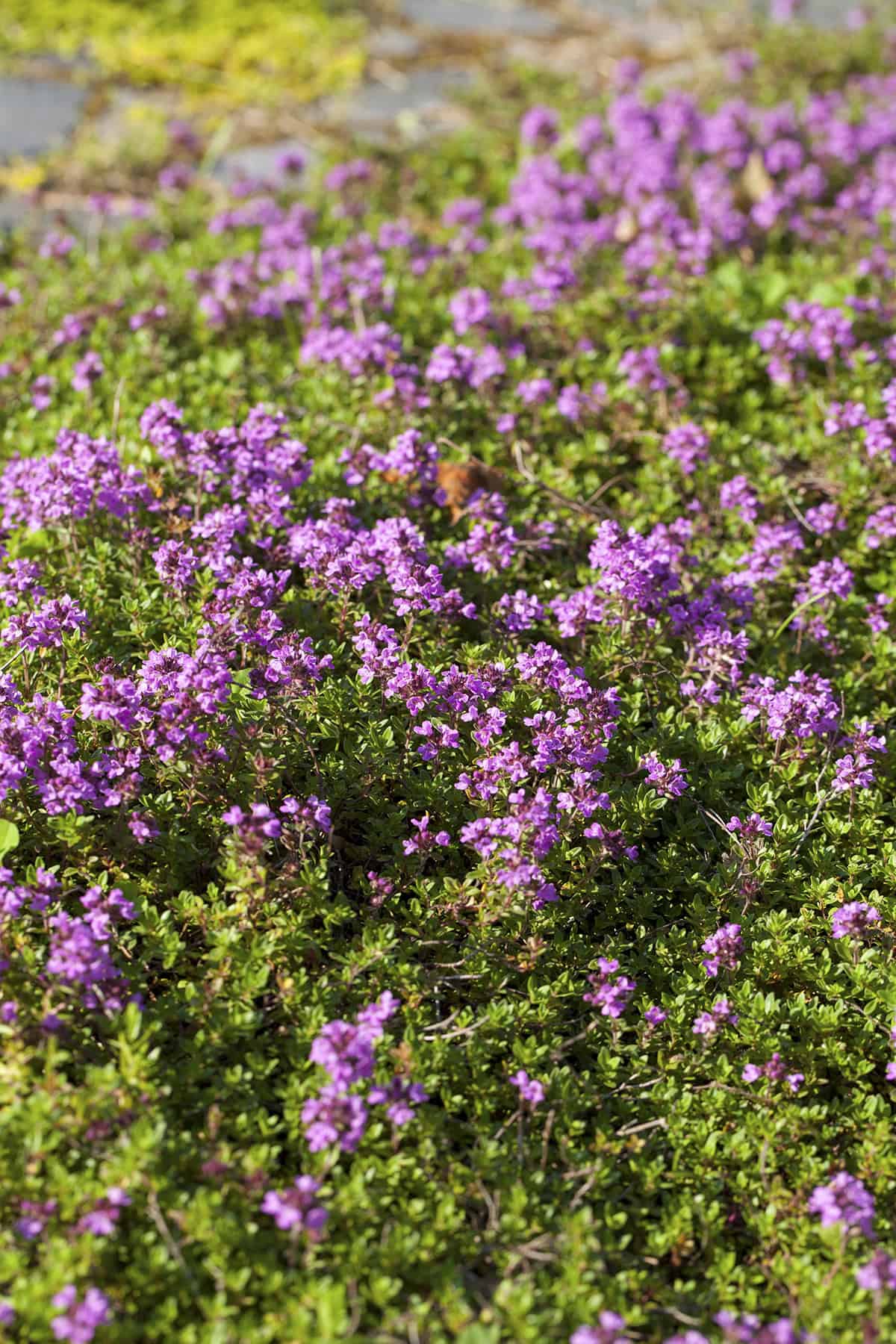
Sun-baked patios and rocky corners are ideal for creeping thyme. The aromatic herb hugs the ground at under 4 inches, tolerates thin soil and handles drought once established.
Light foot traffic releases its scent, and pink or purple flowers in early summer draw bees. Avoid soggy, heavy clay, which rots the roots.
White Clover (Trifolium repens)
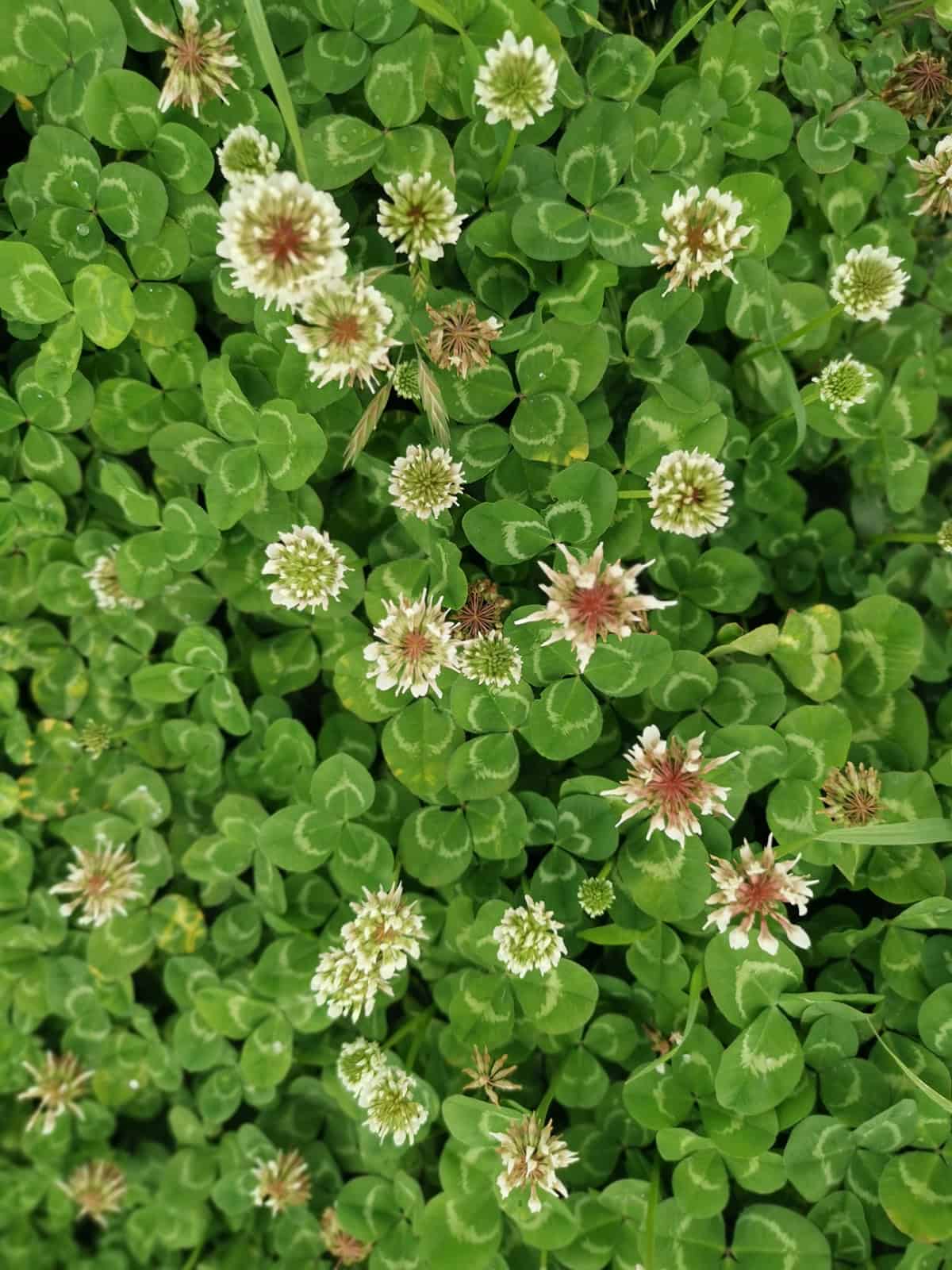
Low stems creep and root as they spread, and the green cover lasts most of the year in mild winters. Plants reach about 6 inches tall.
Clover fixes nitrogen and feeds the soil as it grows, and its white flowers attract pollinators. Some gardeners mow it once or twice a year for neatness, though it grows fine with no mowing at all.
Plant it in sun or light shade. It tolerates moderate foot traffic, but bees visit the flowers, so take care barefoot.
Micro Clover
Micro clover has smaller leaves and a denser, lower habit than white clover, for a neater look. It blends well into lawn grasses and fine fescues and also grows well alone.
It flowers less, which means fewer bees, and full sun produces the best growth. Its nitrogen-fixing roots mean little need for fertilizer.
Kurapia (Lippia nodiflora)
In hot, dry climates, Kurapia forms a thick, deep green mat rarely over 3 inches tall. It handles heat with ease and needs regular water only while establishing.
Small white or lavender flowers appear in warm months and attract bees, so plant it away from doorways if that matters. Established plants use far less water than turf, and the variety is sterile, so it spreads only by runners.
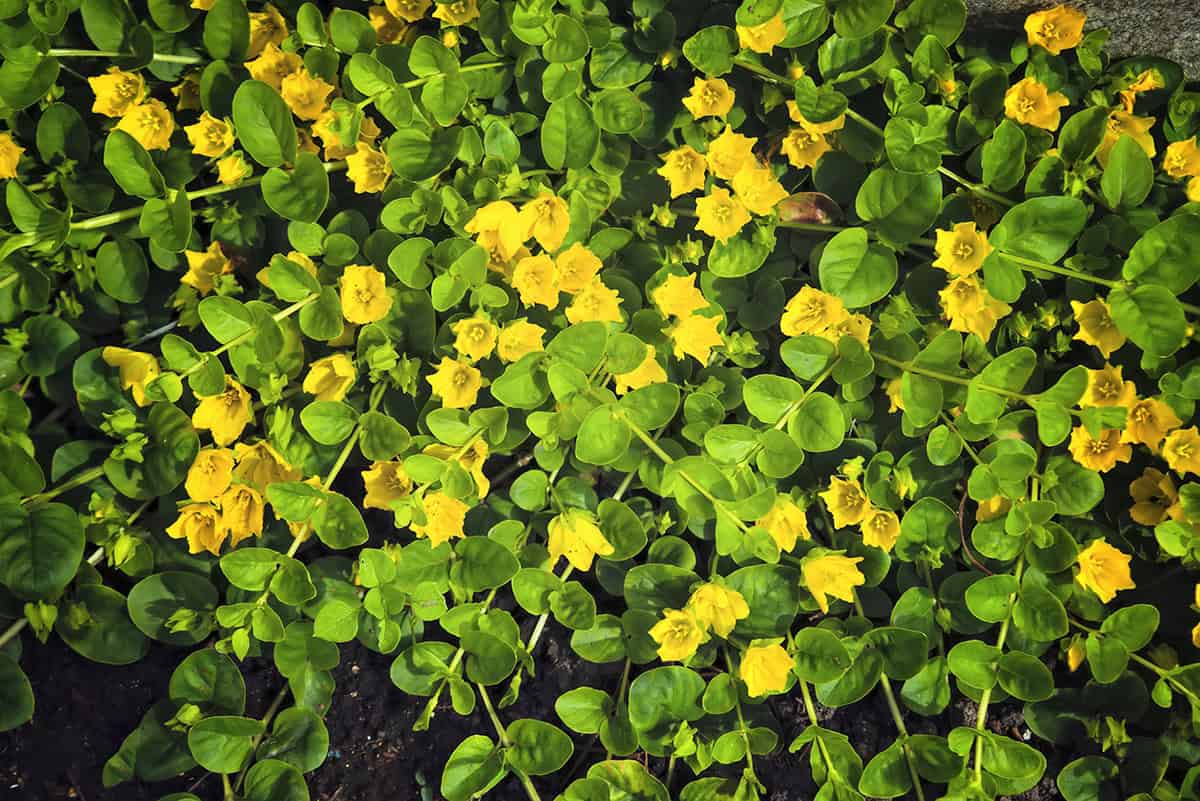
Creeping Jenny (Lysimachia nummularia)
In moist beds, creeping Jenny spreads quickly into a low mat of coin-shaped leaves 2 to 4 inches tall. Golden varieties hold their color best in partial shade.
Yellow flowers appear in early summer. It needs steady moisture and afternoon shade in hot areas to thrive, and it is invasive near wetlands in some regions.
Vinca minor (Periwinkle)
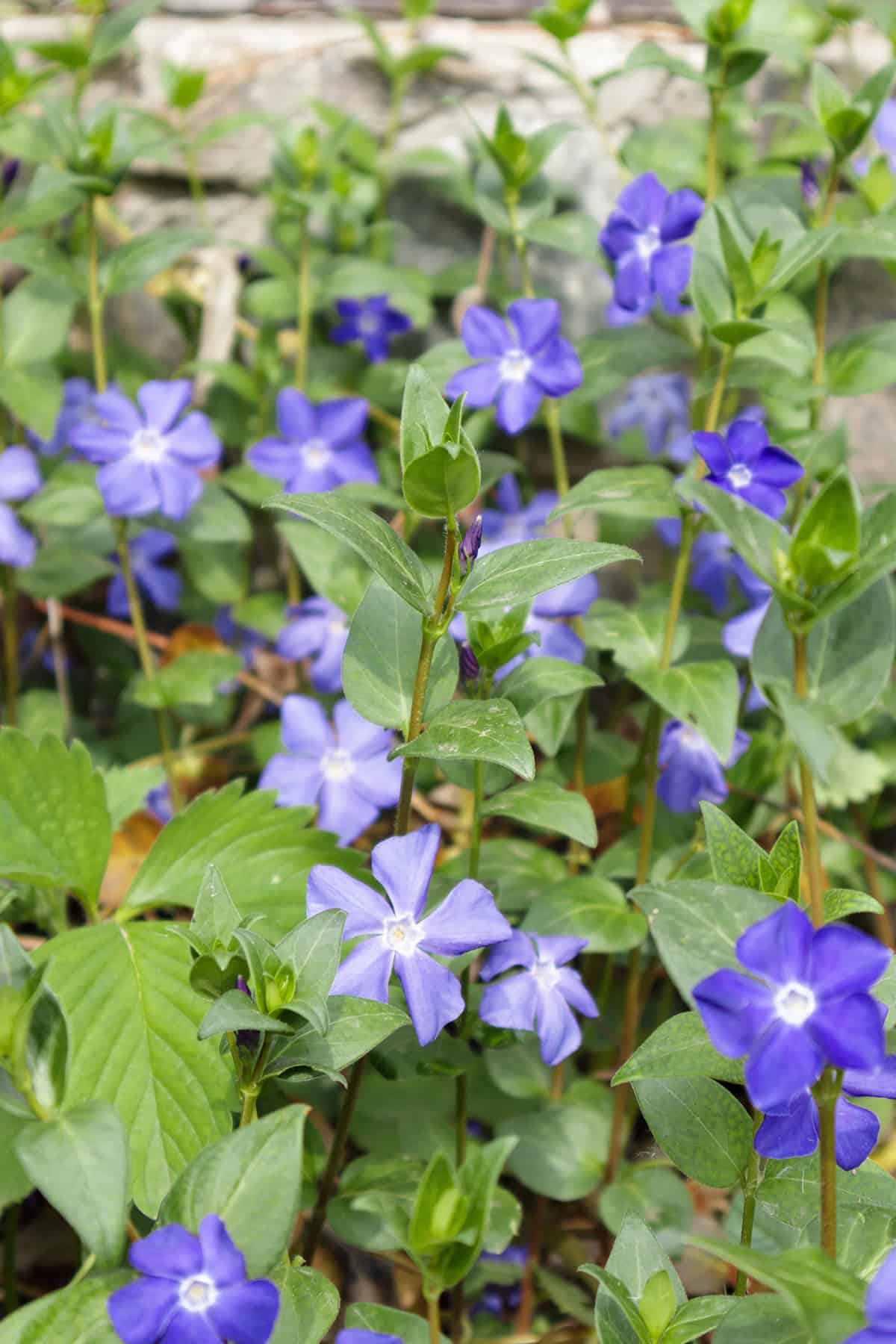
Vinca minor thrives in shady spots where grass fails. Its evergreen leaves hold color year-round in many areas, and blue or violet flowers appear in spring.
It grows 4 to 6 inches tall and needs only occasional thinning once established, even in dry shade. It is invasive in parts of North America, so check local guidance.
Ajuga (Ajuga reptans)
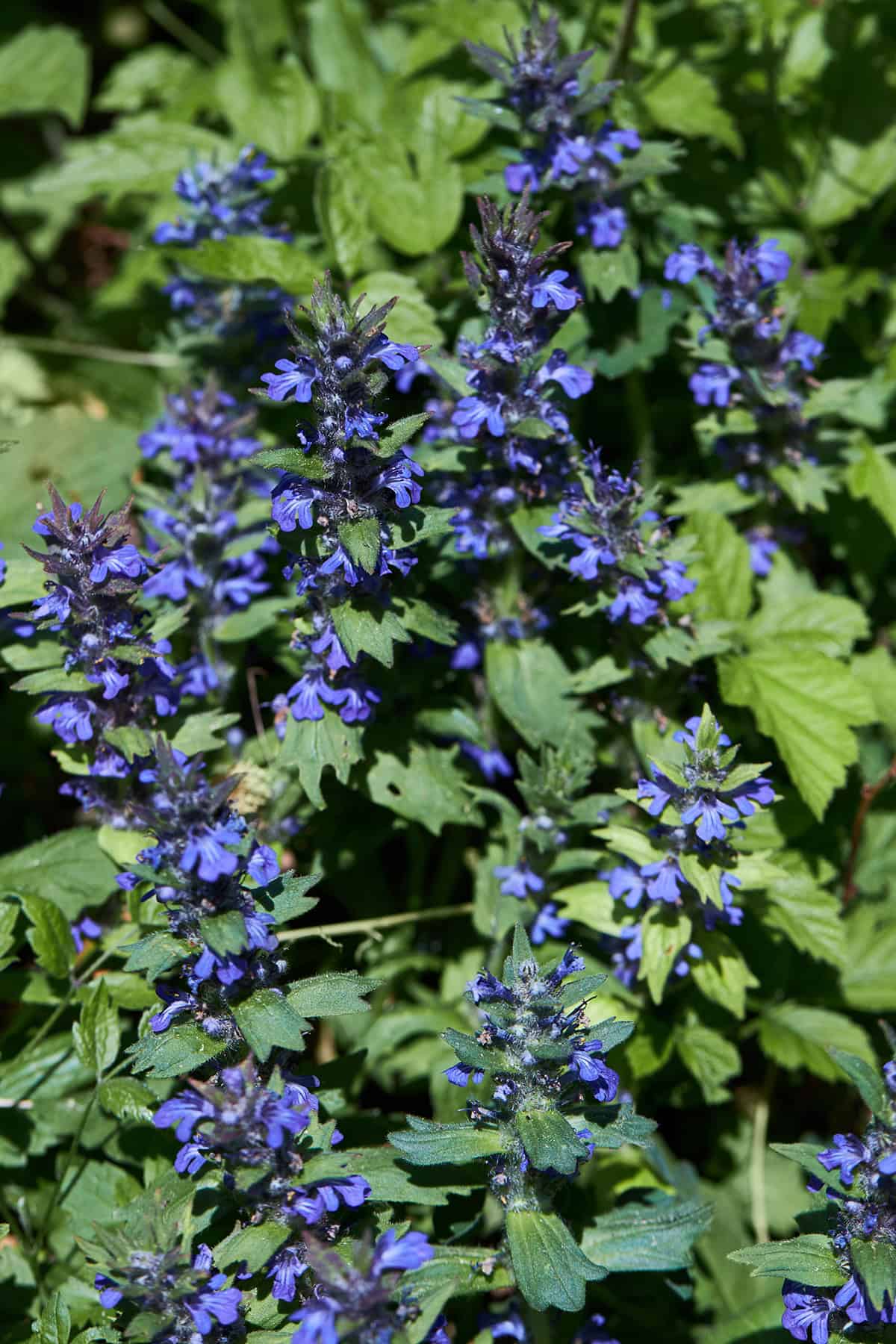
Ajuga’s rosettes and short runners fill shady borders and awkward corners with a dense mat 3 to 6 inches tall. Leaves come in deep green, bronze, burgundy and variegated forms.
Upright spikes of blue, purple or pink flowers appear in spring. It grows in partial shade, or in sun in cooler regions, and dislikes soggy, compacted ground. The tightly knit foliage leaves little room for weeds.
Pachysandra (Pachysandra terminalis)
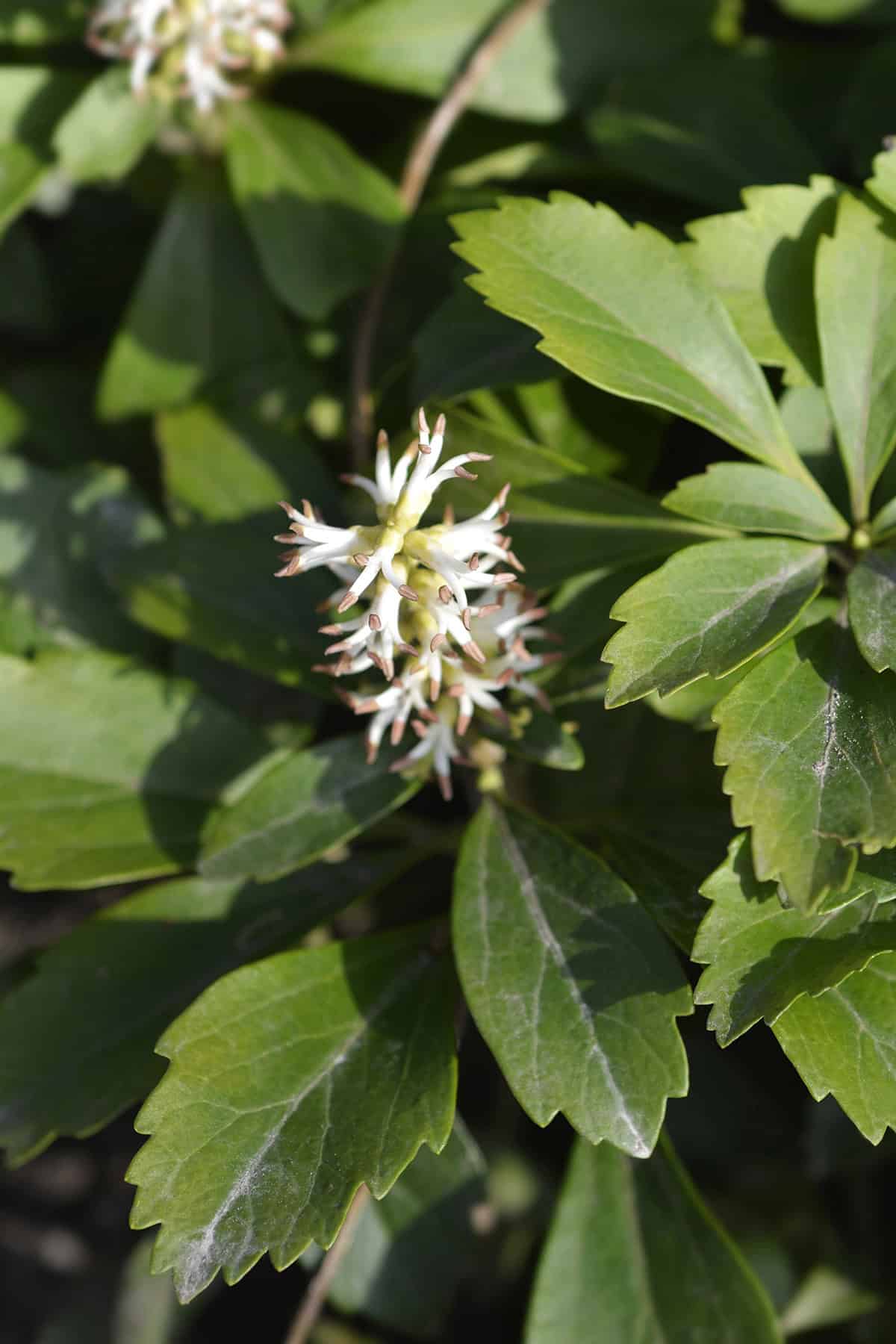
Pachysandra claims deep shade and woodland edges with leathery evergreen leaves 6 to 10 inches tall, and it spreads underground to smother weeds.
Subtle white flowers appear in spring. Rich, well-drained soil helps it establish, and water during first-year dry spells pays off. Japanese pachysandra spreads into woodlands in parts of the eastern US.
Sedum (Low Stonecrop Varieties)
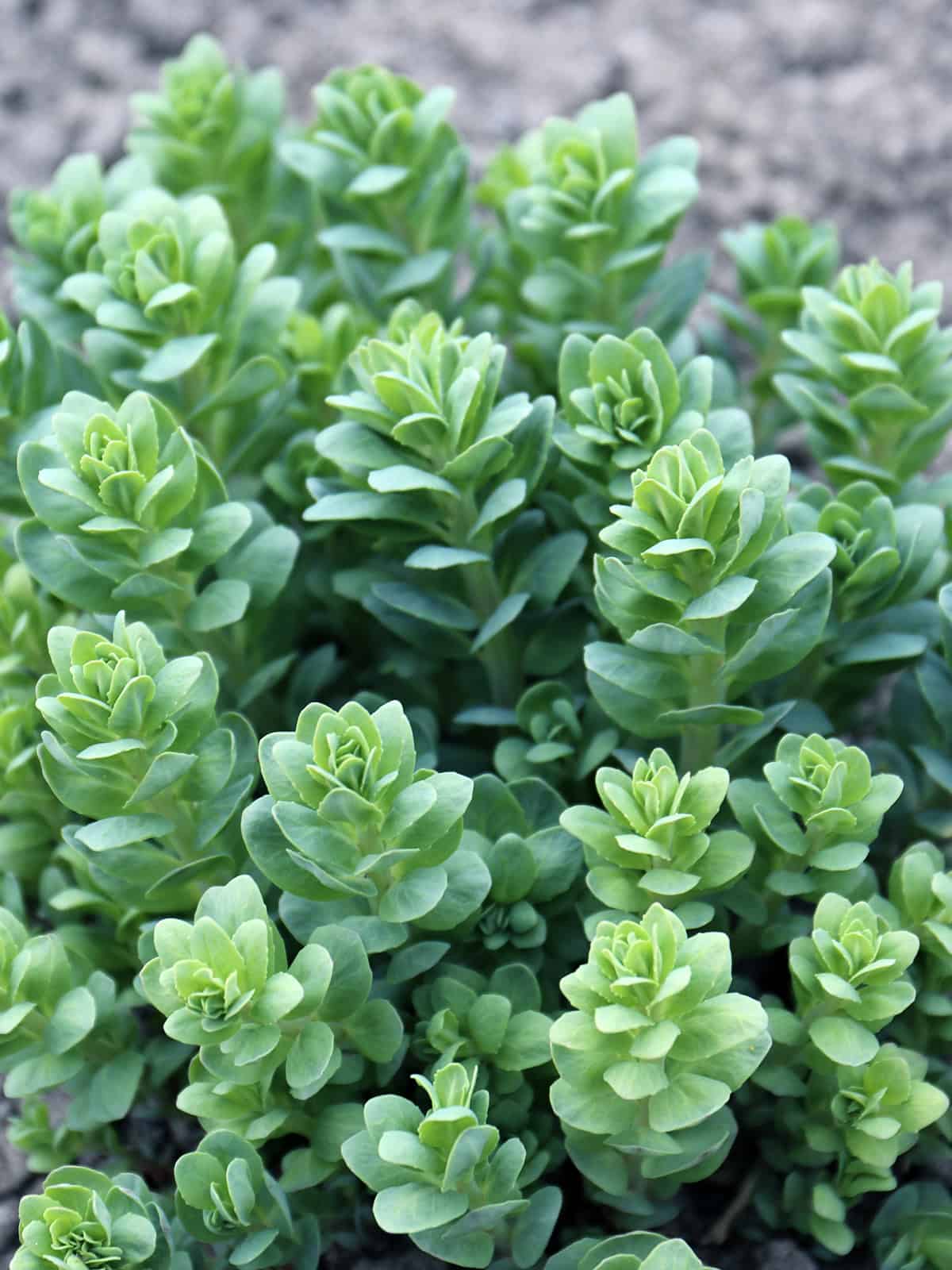
Low sedums thrive in dry, rocky areas, since their succulent leaves store water through drought. Most grow under 4 inches tall, in a wide range of leaf and flower colors.
Full sun produces compact growth. Overwatering is the real danger, since rot sets in fast.
Blue Star Creeper (Isotoma fluviatilis)
Blue star creeper spreads evenly between stepping stones and in tight nooks, rarely over 3 inches tall. Tiny blue flowers cover it in late spring and summer.
It handles light foot traffic. Moist, well-drained soil is ideal, and a little shade in hot climates reduces stress. It spreads aggressively into lawns in some regions.
Creeping Mazus (Mazus reptans)
Bright green leaves form a low, soft mat that fills gaps quickly, rarely topping 3 inches.
Purple or blue flowers appear in late spring. Partial sun and moist soil produce the best growth, and it handles cold winters well, though extreme heat thins it.
Dwarf Mondo Grass (Ophiopogon japonicus)
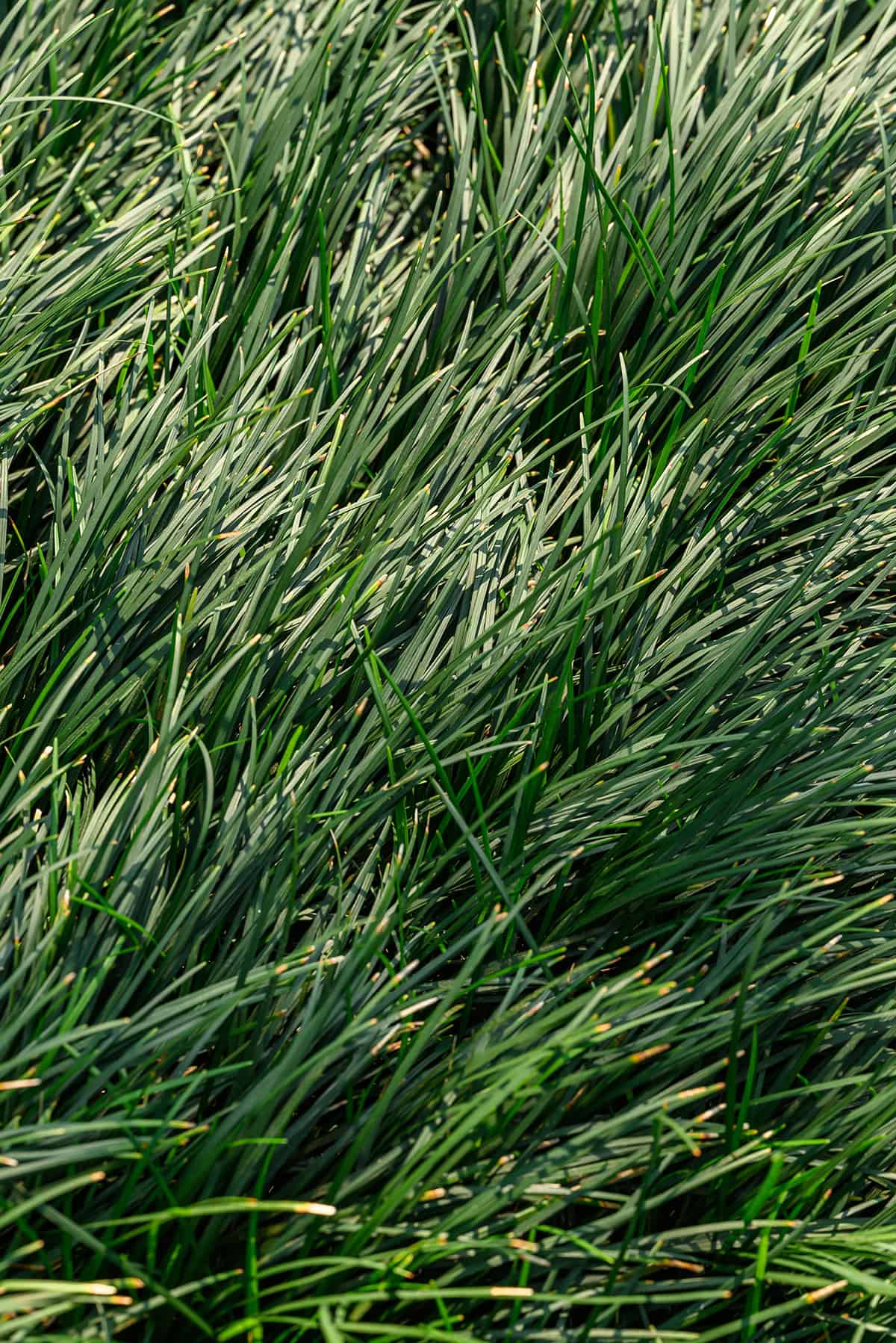
Dwarf mondo grass forms a tidy, grass-like carpet in shade. Its narrow leaves grow in slow-spreading clumps 3 to 6 inches tall.
The dark green color lasts year-round in mild climates. It fills in slowly, so space plants closely, and once established it needs no mowing at all.
Liriope (Liriope muscari)
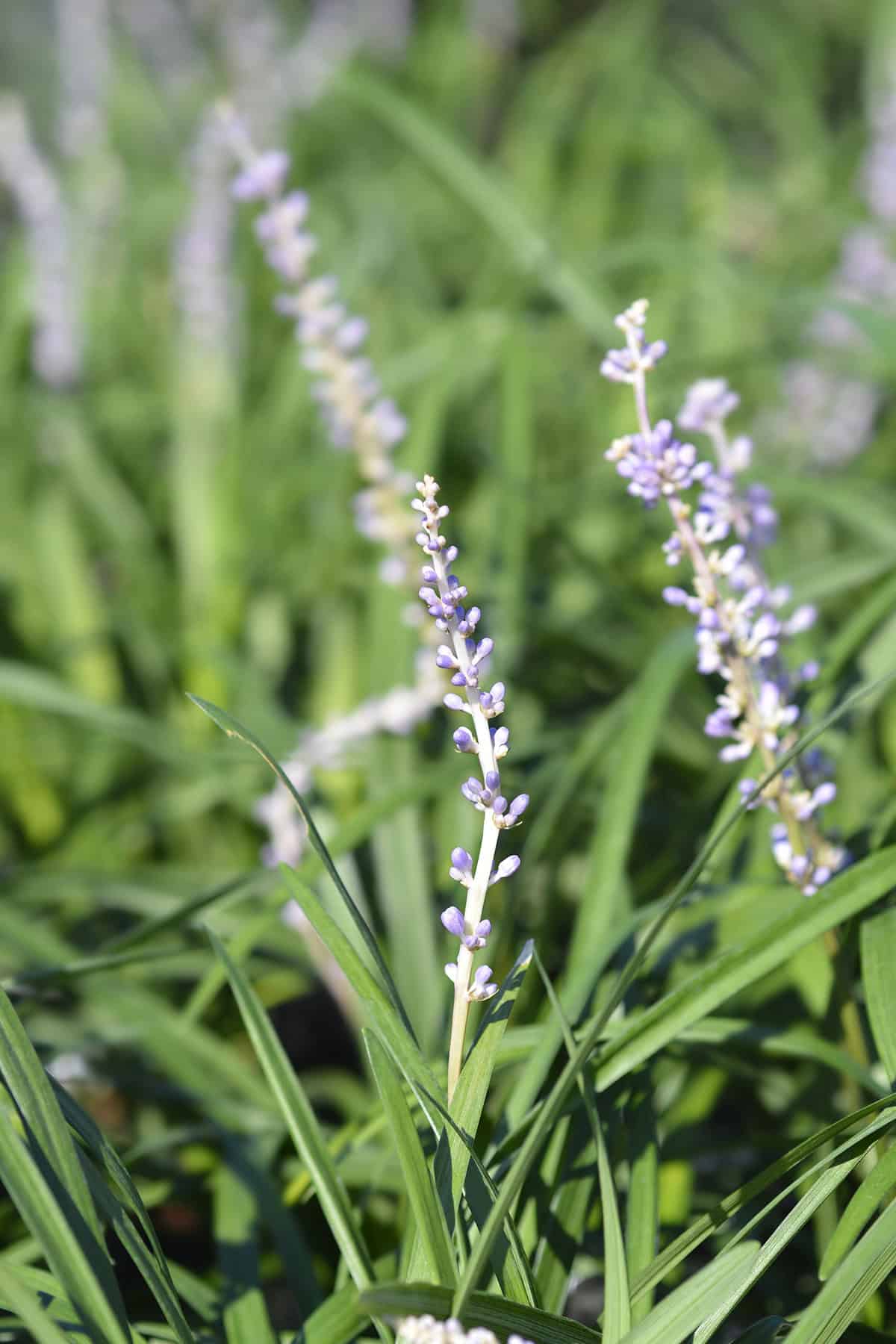
Wide beds and borders take on a lush, fountain-like look with liriope. It grows 8 to 12 inches tall, taller than mondo grass, and sends up spikes of purple or white flowers in late summer, followed by dark berries.
It grows in shade or partial sun, and a single trim in late winter refreshes it. Established plants tolerate drought and resist most pests.
Moss Phlox (Phlox subulata)
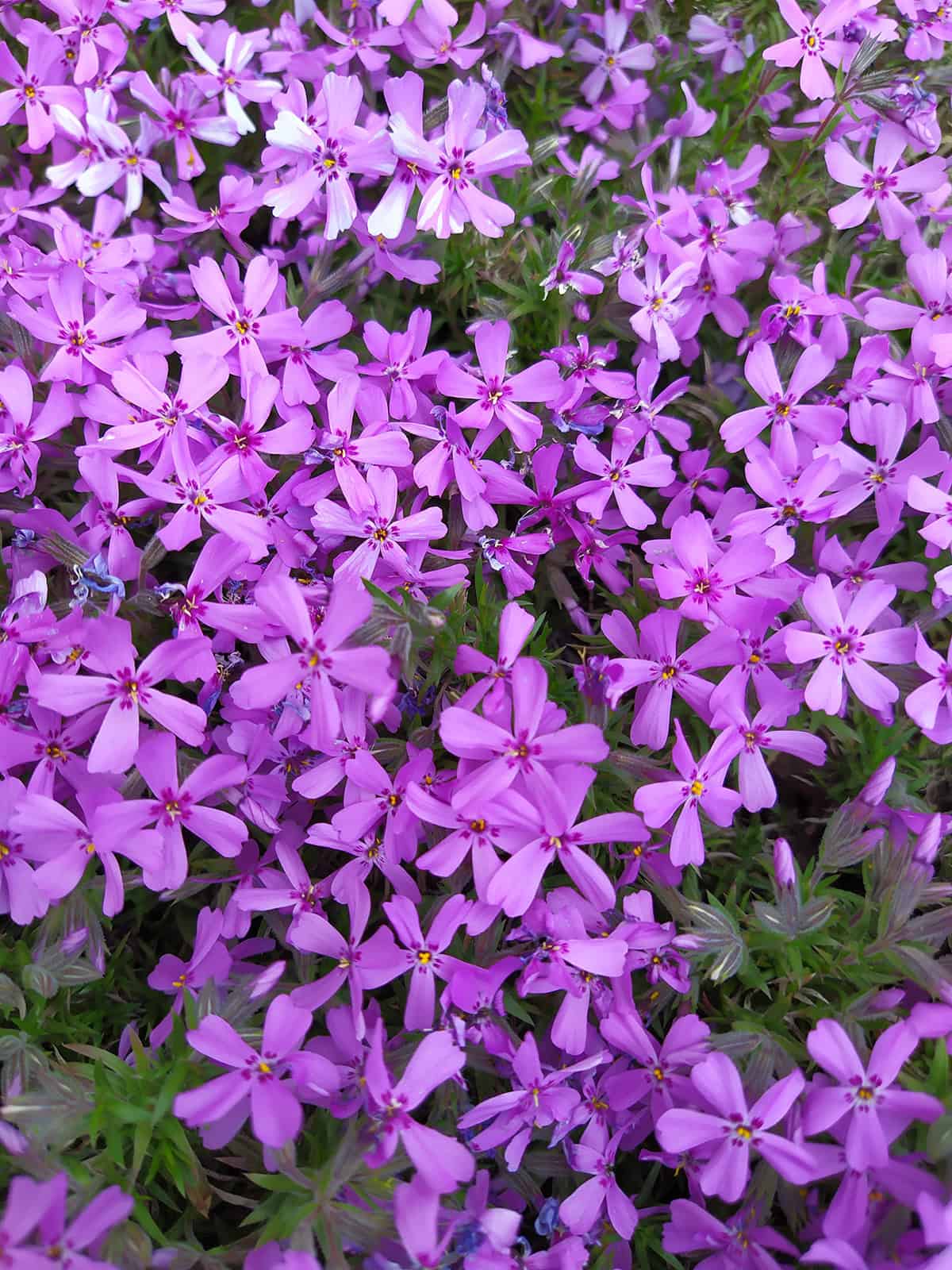
Moss phlox covers rock gardens and slopes in color in early spring. Its needle-like evergreen foliage hugs the ground at 4 to 6 inches.
Pink, purple, blue or white flowers smother the plants for weeks. Sharp drainage is essential for healthy roots, and full sun produces the best display.
Creeping Speedwell (Veronica repens)
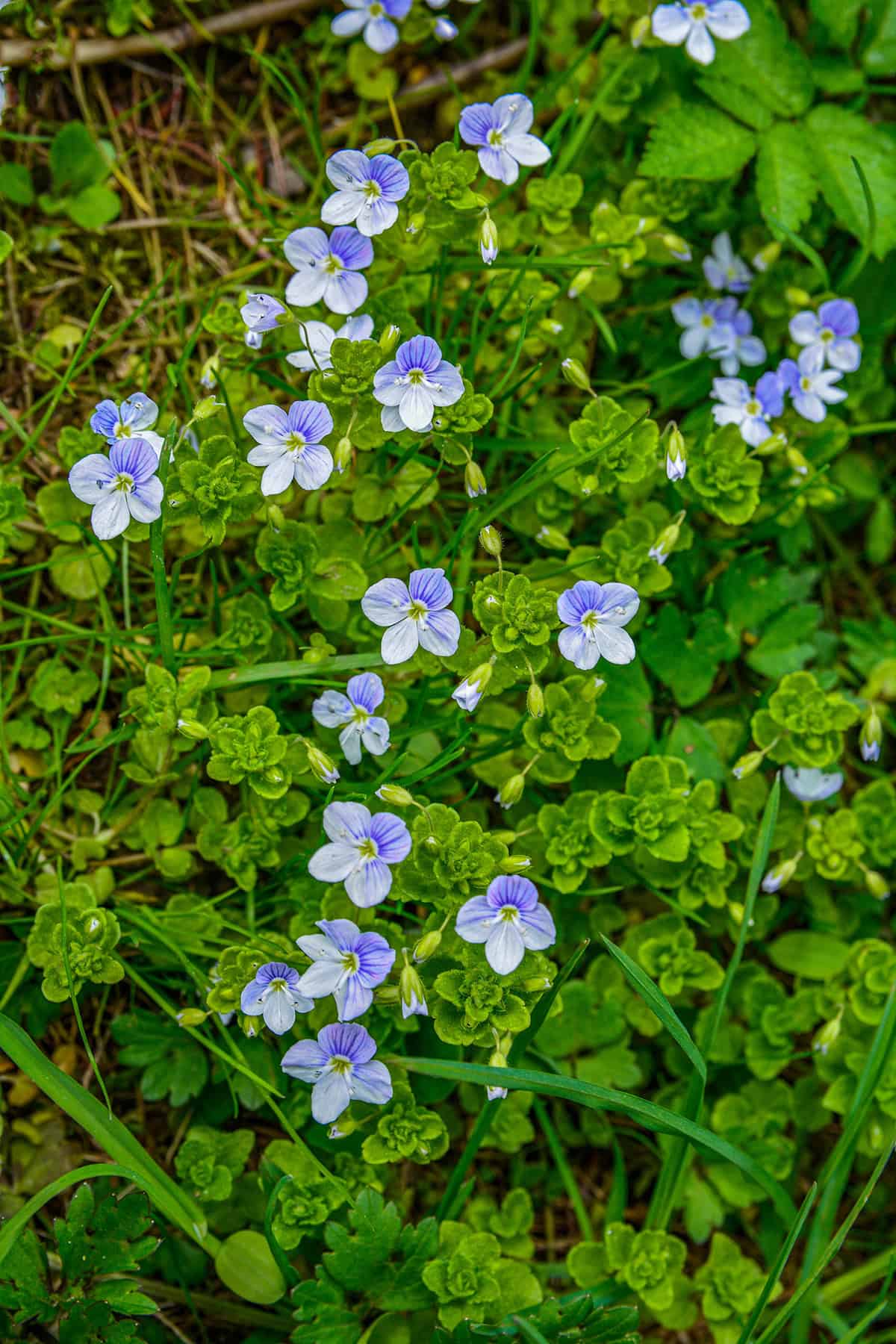
Creeping speedwell forms a fine, soft mat 2 to 4 inches tall with small rounded leaves. Blue flowers appear in late spring, and some types bronze in cool weather.
It grows in full sun or partial shade and needs steady moisture, though soggy soil harms it.
Chamomile (Chamaemelum nobile)
Roman chamomile forms a fragrant mat 3 to 6 inches high. Small, daisy-like flowers appear in summer, and the non-flowering cultivar ‘Treneague’ produces a smoother, lower lawn.
Plant it in sun and well-drained soil. It handles light walking, which releases its apple scent, but heavy traffic wears it down.
Sweet Woodruff (Galium odoratum)
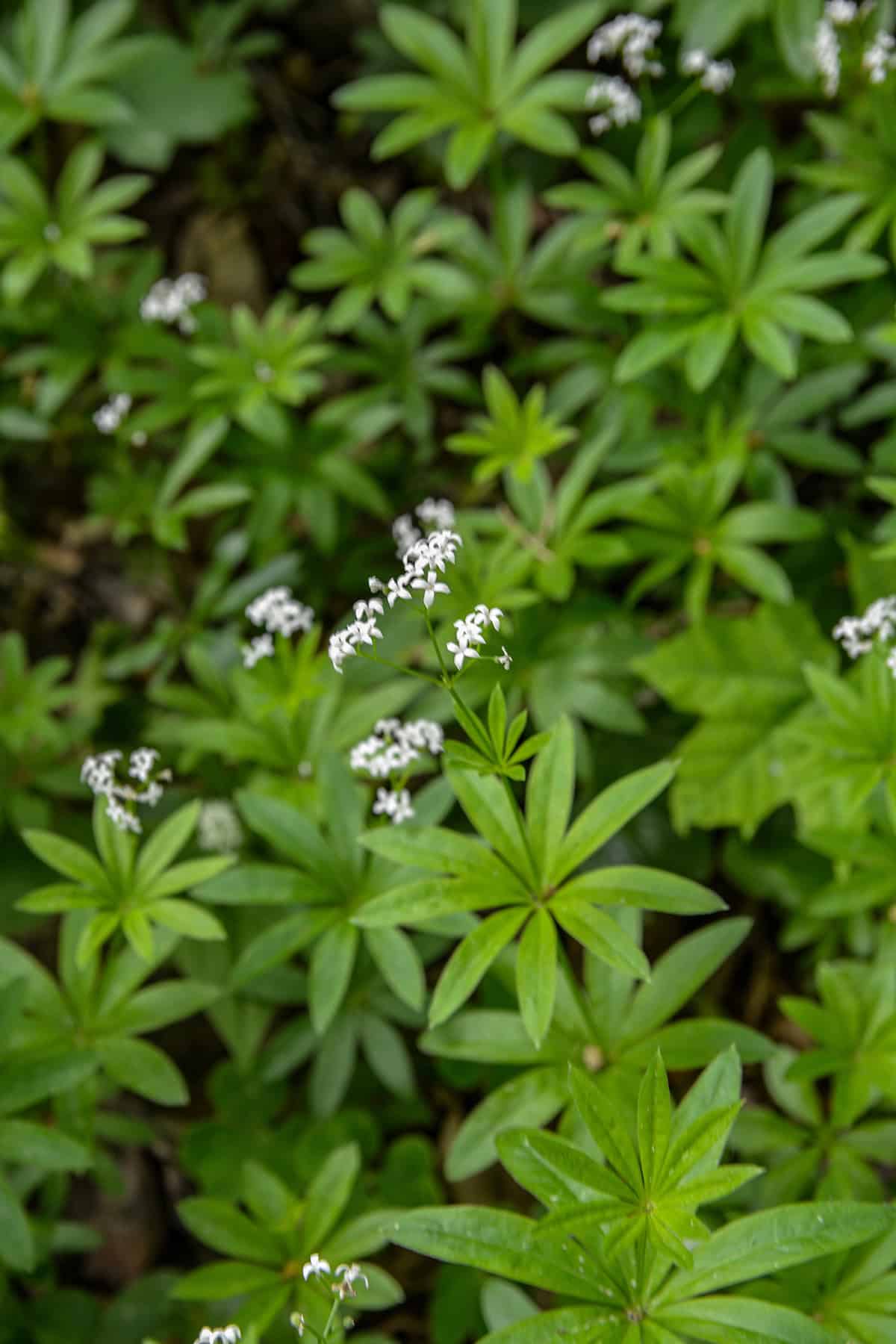
Sweet woodruff spreads a soft green carpet through shade gardens. Its whorled leaves reach 6 to 8 inches, with clusters of white flowers in spring and a sweet scent when crushed.
Cool, moist, organic-rich soil fuels its spread, especially in shaded beds where other plants struggle.
Dymondia (Dymondia margaretae)
Dymondia forms a flat, silvery-green mat just 1 to 3 inches tall, with narrow leaves edged in white. Small yellow daisy flowers appear in summer.
This South African native handles drought, heat and moderate foot traffic once established, which makes it a popular lawn substitute in California and other mild, dry climates. It needs full sun and fast drainage, and it grows slowly, so plant plugs close together.