Let’s be honest—nobody dreams of spending weekends mowing, watering, and fussing over turf. Traditional lawns are thirsty, needy, and relentless. No‑mow ground covers offer a better deal: low, dense greenery that pretty much takes care of itself. Some of the best options? Clover, creeping thyme, sedges, moss, and a handful of tough perennials that knit together into thick, no-fuss mats.
Weed suppression, erosion control, and adaptability to tricky spots like shade or rough soil are just a few perks. Some handle a bit of foot traffic, others thrive on slopes or awkward strips. Most need far less water than your average lawn and rarely ask for a trim.
Table of Contents
- Best No-Mow Ground Covers
- Creeping Thyme (Thymus serpyllum)
- White Clover (Trifolium repens)
- Micro Clover
- Kurapia (Lippia nodiflora)
- Creeping Jenny (Lysimachia nummularia)
- Vinca minor (Periwinkle)
- Ajuga (Ajuga reptans)
- Pachysandra (Pachysandra terminalis)
- Sedum (Low Stonecrop Varieties)
- Blue Star Creeper (Isotoma fluviatilis)
- Creeping Mazus (Mazus reptans)
- Dwarf Mondo Grass (Ophiopogon japonicus)
- Liriope (Liriope muscari)
- Moss Phlox (Phlox subulata)
- Creeping Speedwell (Veronica repens)
- Chamomile (Chamaemelum nobile)
- Sweet Woodruff (Galium odoratum)
- Carpet Bugle (Ajuga Varieties)
Best No-Mow Ground Covers
Forget the mower—these ground covers spread, smother weeds, and fit all kinds of light, soil, and wear. Picking the right one depends on your site, so here’s a rundown of choices for every situation.
Creeping Thyme (Thymus serpyllum)
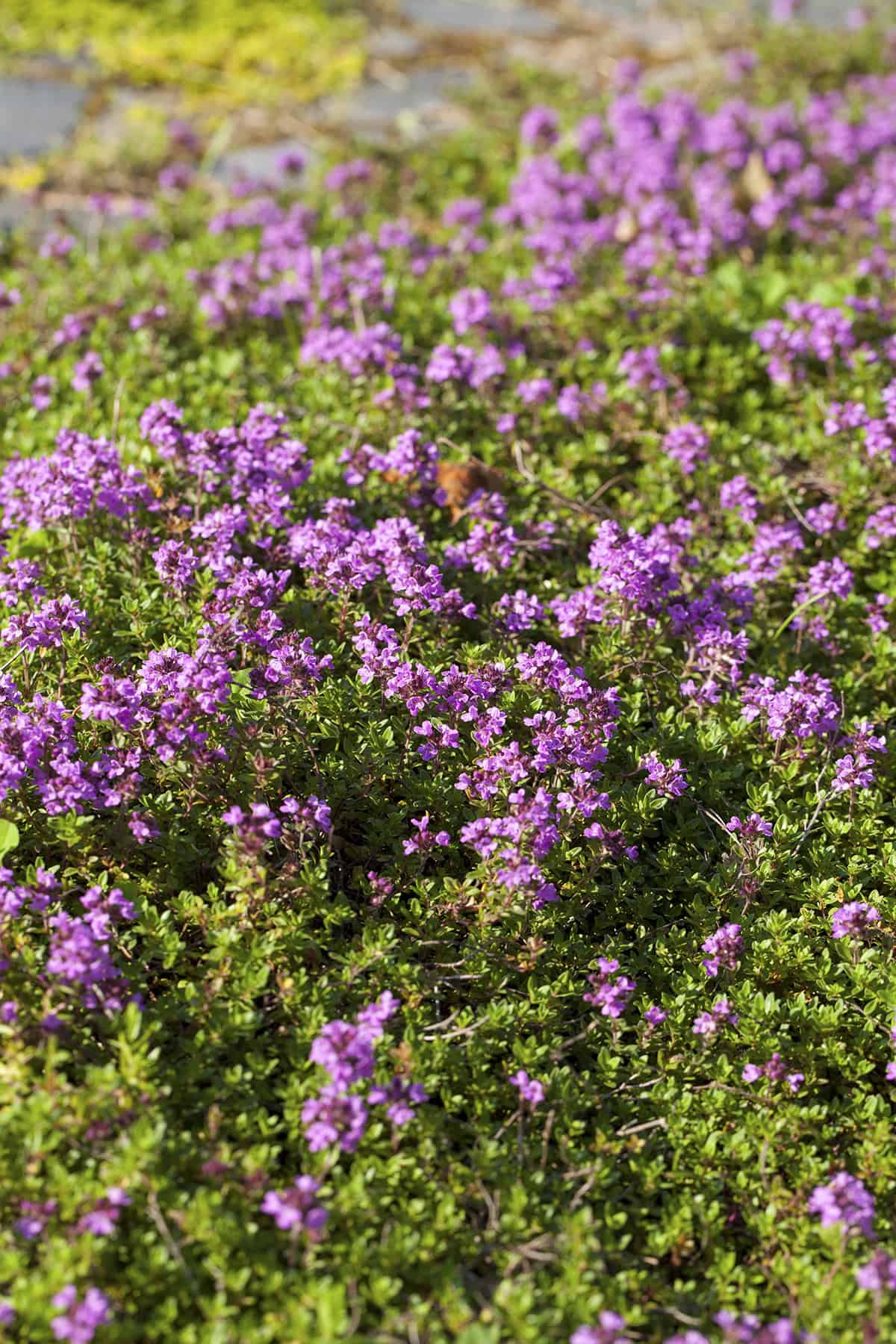
Sun-baked patios and rocky corners practically beg for creeping thyme. This aromatic herb hugs the ground, never getting much taller than four inches. It doesn’t mind thin soil and shrugs off drought once it’s settled in.
Step on it now and then, and you’ll catch a whiff of its scent. Pink or purple blooms in early summer bring in bees. Just don’t stick it in soggy, heavy clay—it hates wet feet.
White Clover (Trifolium repens)
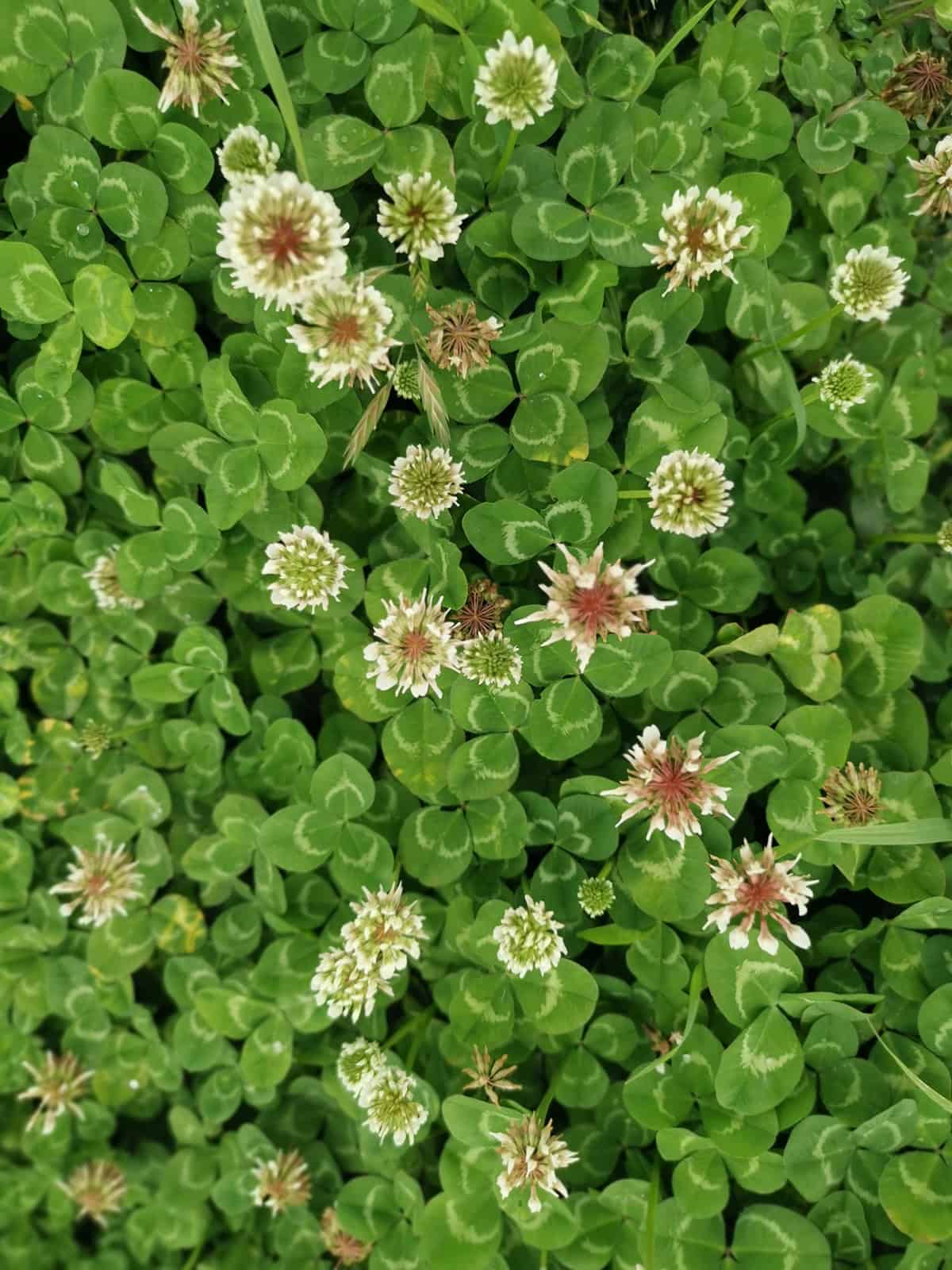
Low, leafy stems creep out and root as they go, blanketing the ground with green most of the year if winters are mild. Six inches is about as tall as it gets.
Besides looking good, it quietly boosts soil nitrogen. White flowers keep pollinators happy. Some folks give it a quick mow once or twice a year, but you can skip that if you’re not picky.
Put it where sun or light shade rules, and don’t be afraid to walk on it a bit.
Micro Clover
Think of this as clover’s tidier cousin—smaller leaves, tighter growth, and a neater vibe. It mixes well with fine fescues but stands alone just fine, too.
Fewer flowers mean fewer bees, if that’s a concern. Sun brings out its best, and thanks to its nitrogen-fixing roots, it’s not needy about fertilizer.
Kurapia (Lippia nodiflora)
In hot, dry climates, kurapia forms a thick, deep green mat that rarely tops three inches. It’s unfazed by heat and only needs regular water while settling in.
Delicate white or lavender blooms pop up in warm months, attracting bees—so maybe don’t plant it right by the back door. Once it’s established, it sips water compared to regular turf.
Creeping Jenny (Lysimachia nummularia)
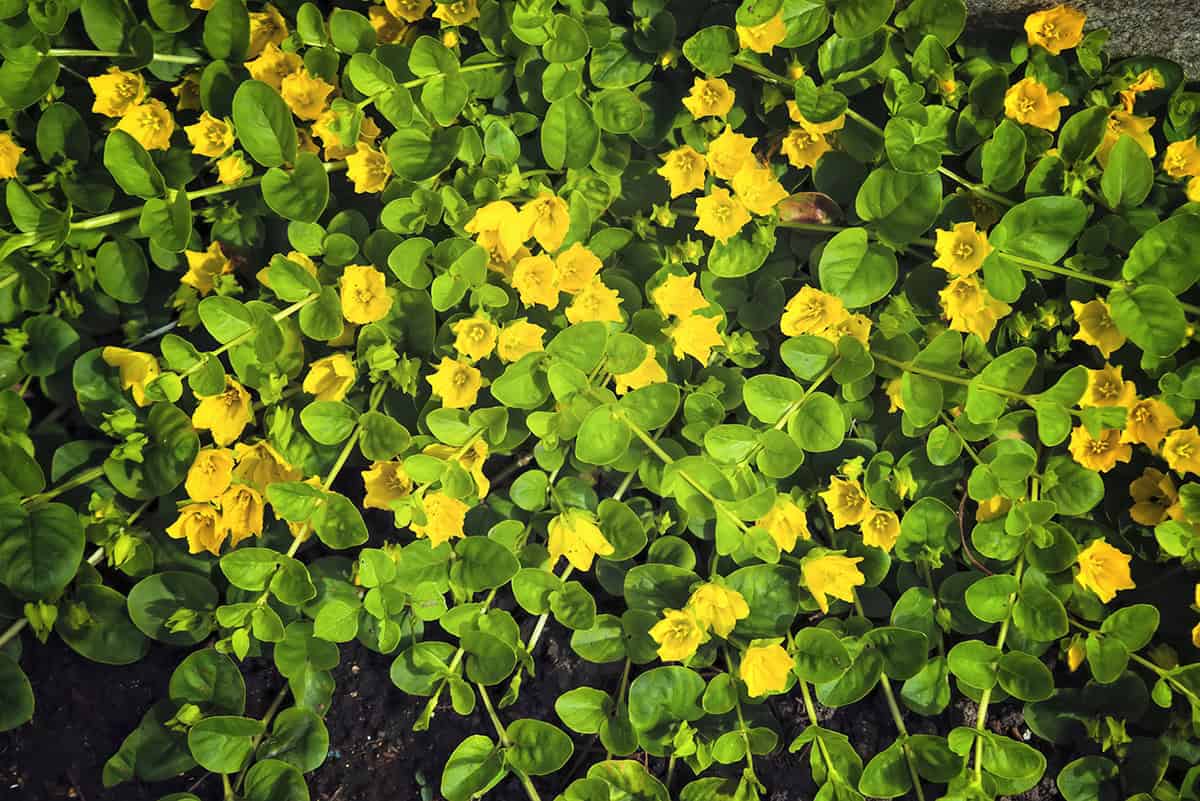
Moist beds come alive with the coin-shaped leaves of creeping Jenny, which spreads fast and stays low (two to four inches). Some varieties turn gold, especially in part shade.
Yellow flowers show up in early summer. It needs steady moisture and some afternoon shade in hot spots, otherwise it can struggle.
Vinca minor (Periwinkle)
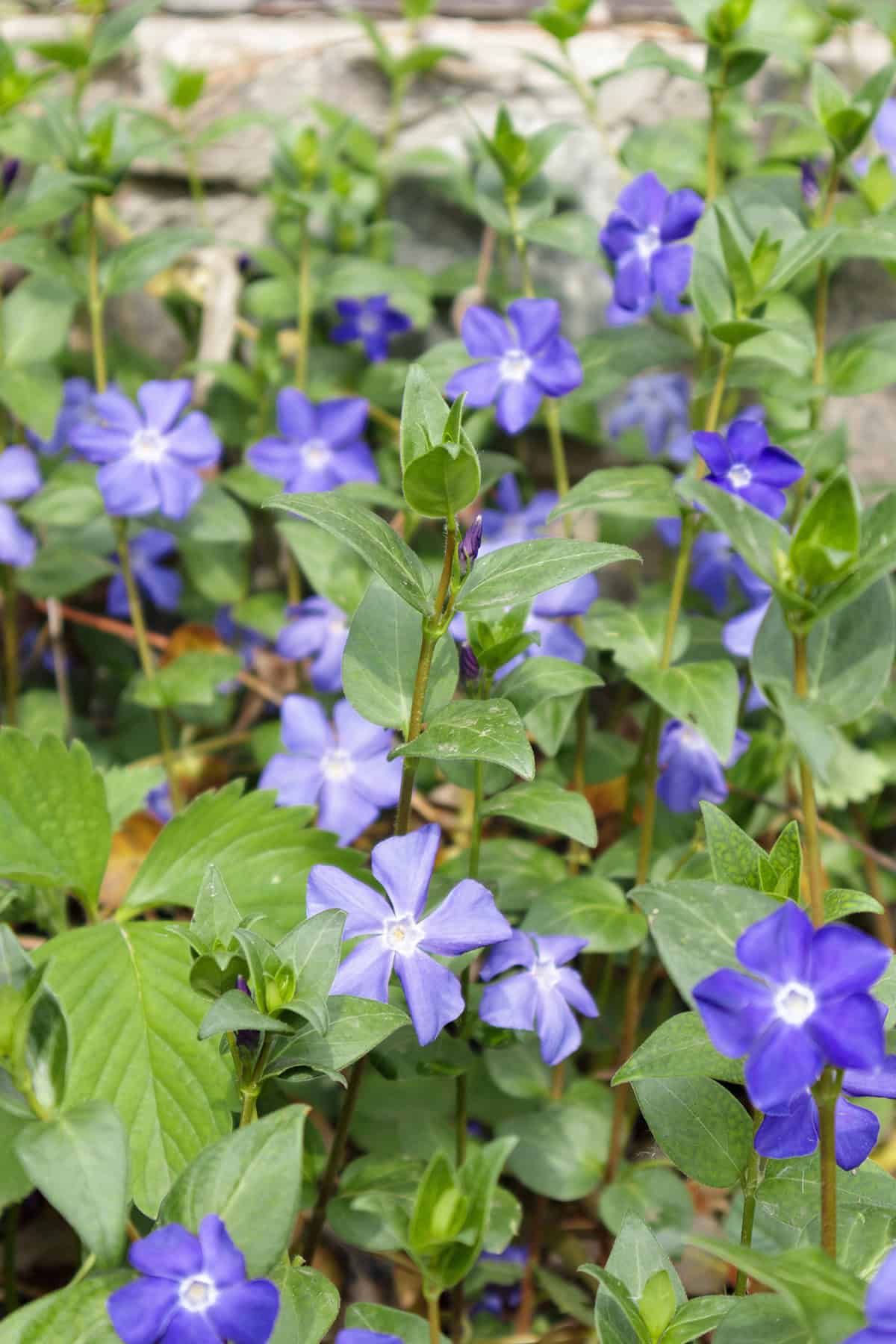
Shady spots where grass gives up are where vinca minor shines. Evergreen leaves keep things green all year in many areas, and spring brings a flush of blue or violet flowers.
Four to six inches is its usual height. Once it’s happy, it only asks for the occasional thinning. Dry shade? Not a problem.
Ajuga (Ajuga reptans)
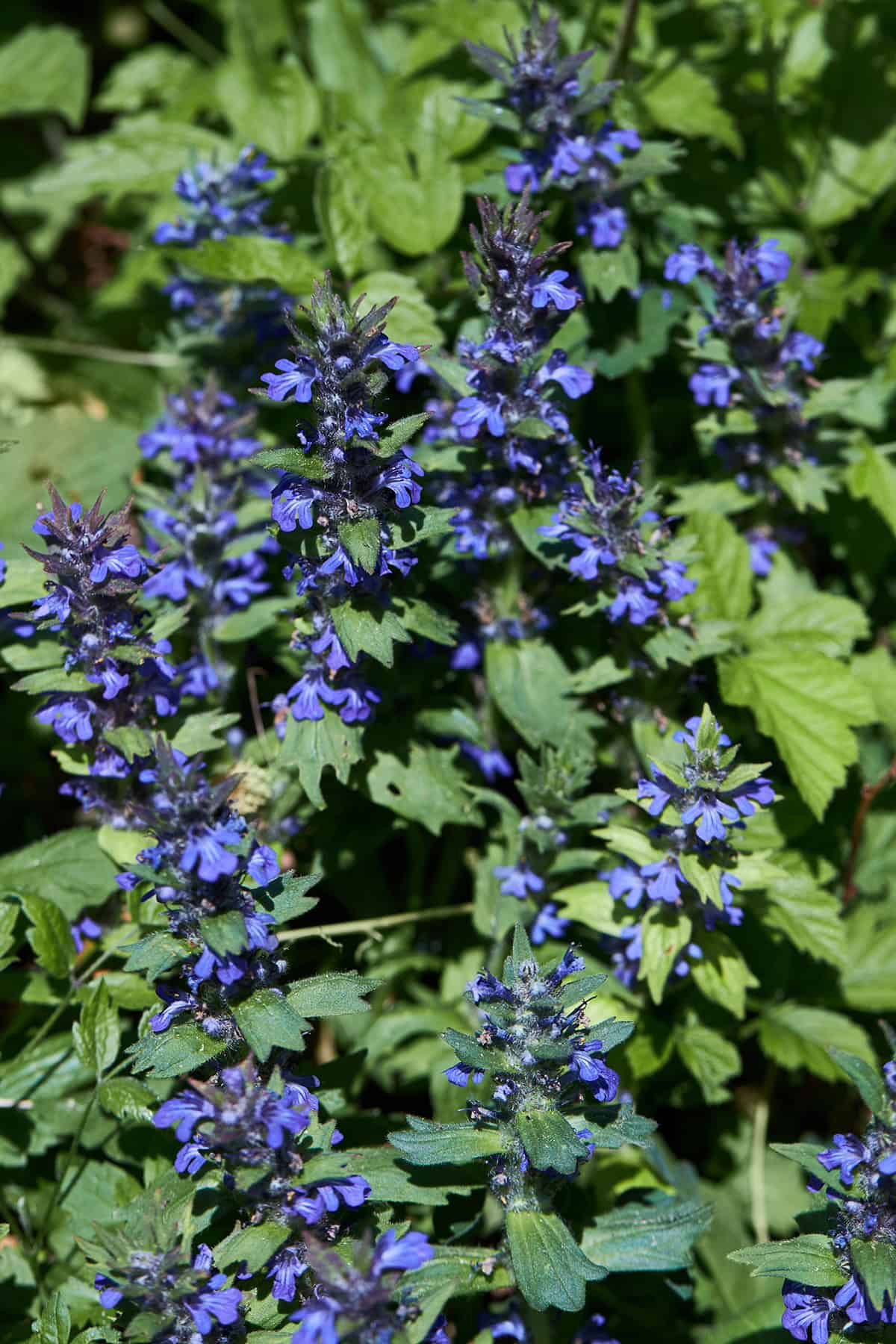
Shady borders and awkward corners benefit from ajuga’s rosettes and short runners. The mat it forms is dense, usually between three and six inches tall.
Spring brings upright spikes of blue, purple, or pink. Leaves can be deep green or bronze. Give it partial shade or sun if you’re in a cooler spot, but steer clear of soggy, compacted ground.
Pachysandra (Pachysandra terminalis)
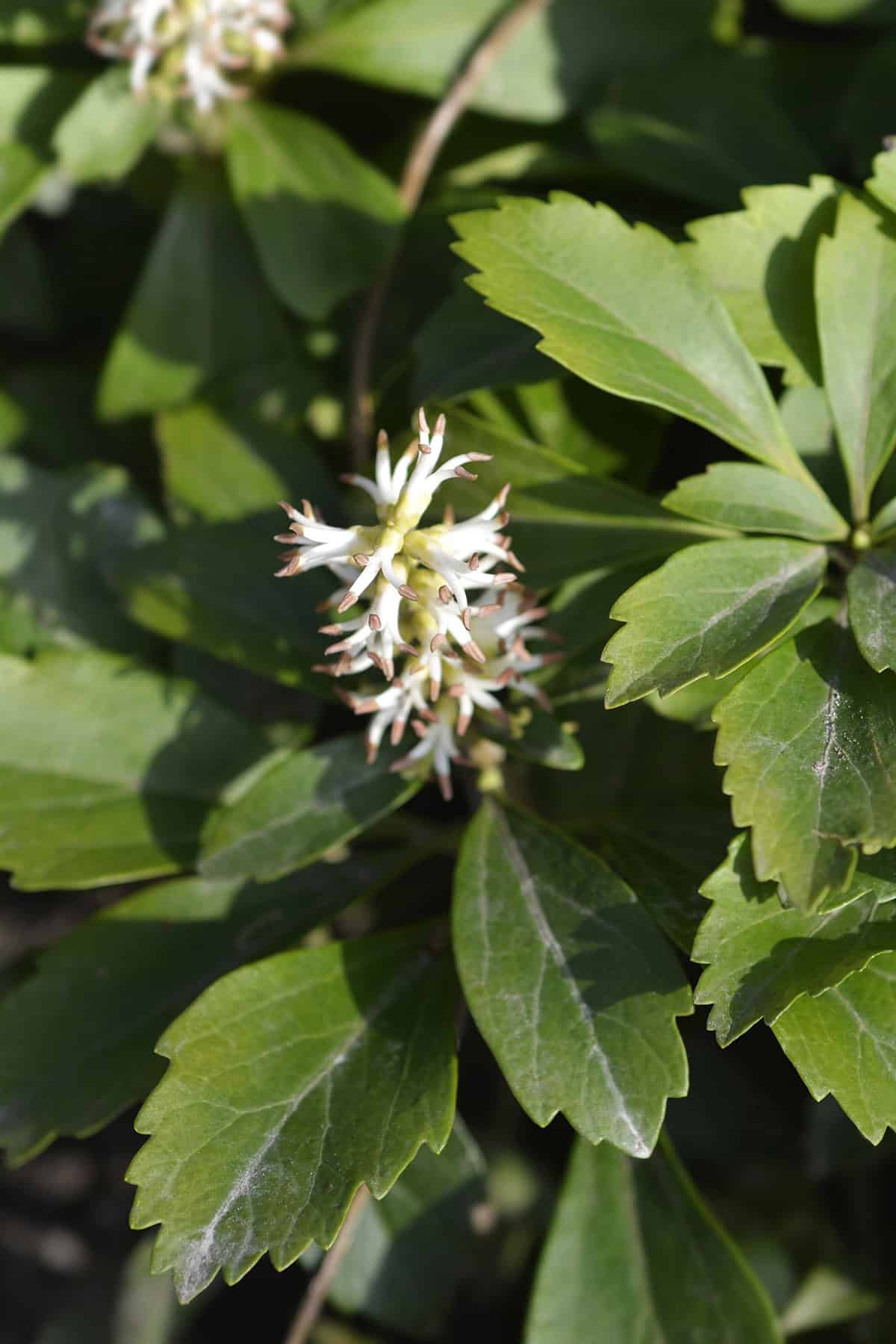
Deep shade and woodland edges are pachysandra’s territory. Leathery evergreen leaves stretch six to ten inches high, spreading underground to smother weeds.
White flowers appear in spring, but they’re pretty subtle. Rich, well-drained soil helps it settle in, and a bit of water during dry spells the first year goes a long way.
Sedum (Low Stonecrop Varieties)
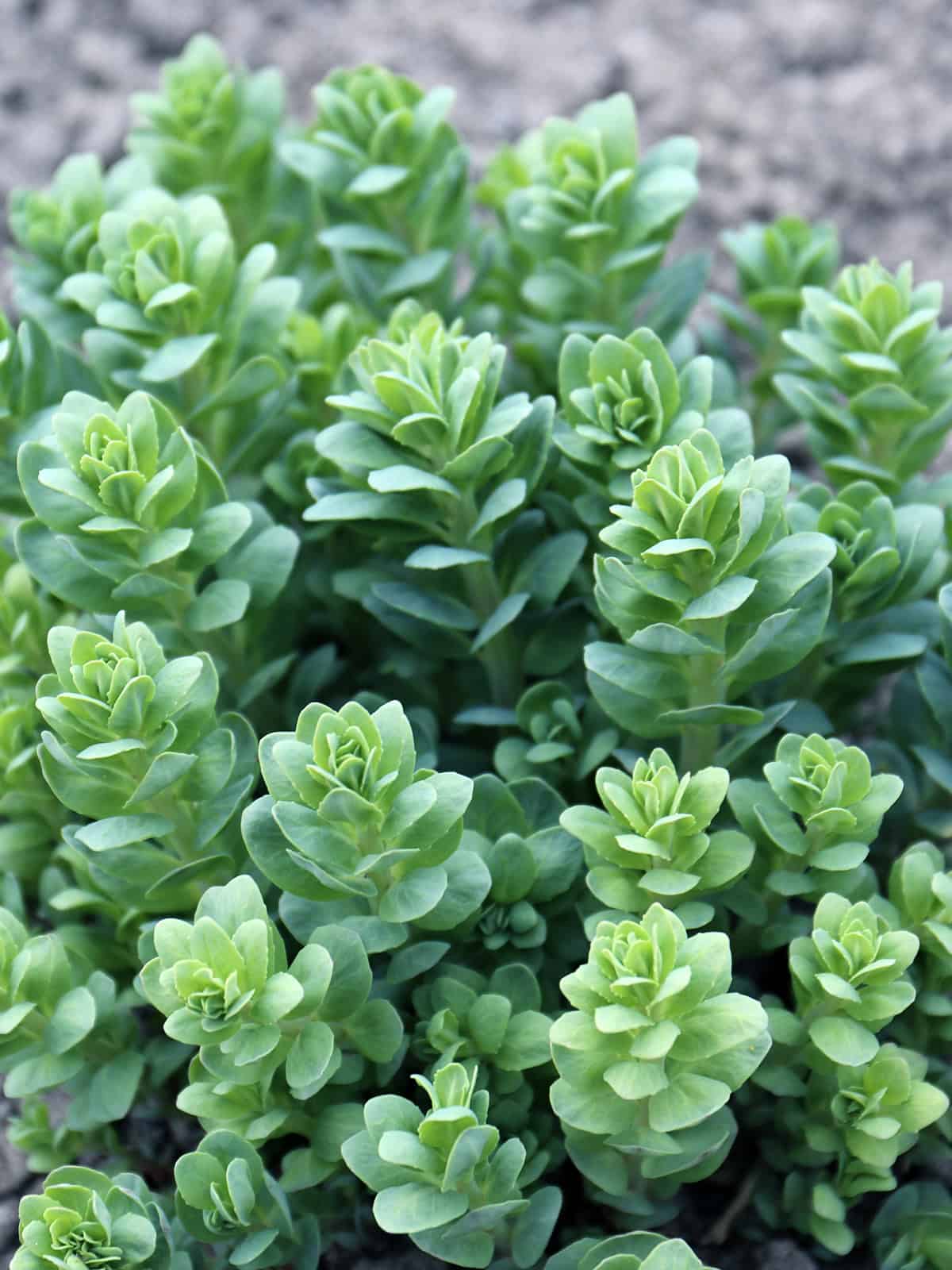
Dry, rocky areas practically invite low-growing sedums. Succulent leaves store water, letting these plants shrug off drought. Most stay under four inches and come in a range of leaf and flower colors.
Sun is a must for compact growth. Overwatering? That’s the real danger here—rot can set in fast.
Blue Star Creeper (Isotoma fluviatilis)
Between stepping stones or in tight garden nooks, blue star creeper spreads evenly, never getting taller than three inches. Late spring and summer bring a flush of tiny blue flowers.
It can handle light foot traffic. Moist, well-drained soil is ideal, and in hot climates, a little shade helps prevent stress.
Creeping Mazus (Mazus reptans)
Bright green leaves and a low, soft texture make mazus a favorite for filling gaps. It rarely tops three inches and covers ground quickly.
Purple or blue blooms arrive in late spring. Partial sun and moist soil keep it happiest, and it weathers cold winters well—though extreme heat can thin it out.
Dwarf Mondo Grass (Ophiopogon japonicus)
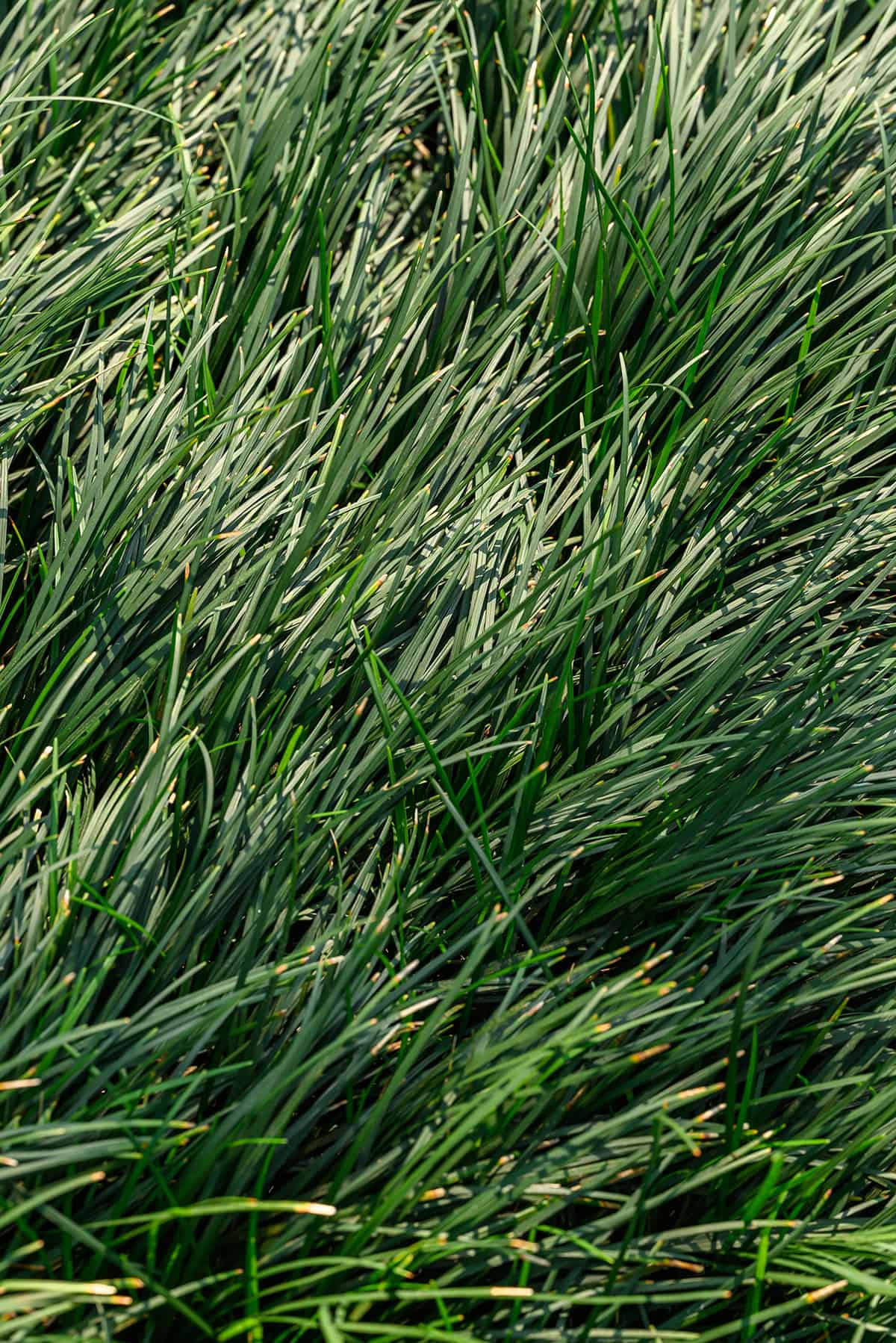
For a tidy, grass-like look in shady areas, dwarf mondo grass is hard to beat. Narrow leaves form slow-spreading clumps, staying three to six inches tall.
Year-round dark green color in mild climates is a bonus. It’s slow to fill in, so patience is key, but once it’s settled, you can forget about mowing.
Liriope (Liriope muscari)
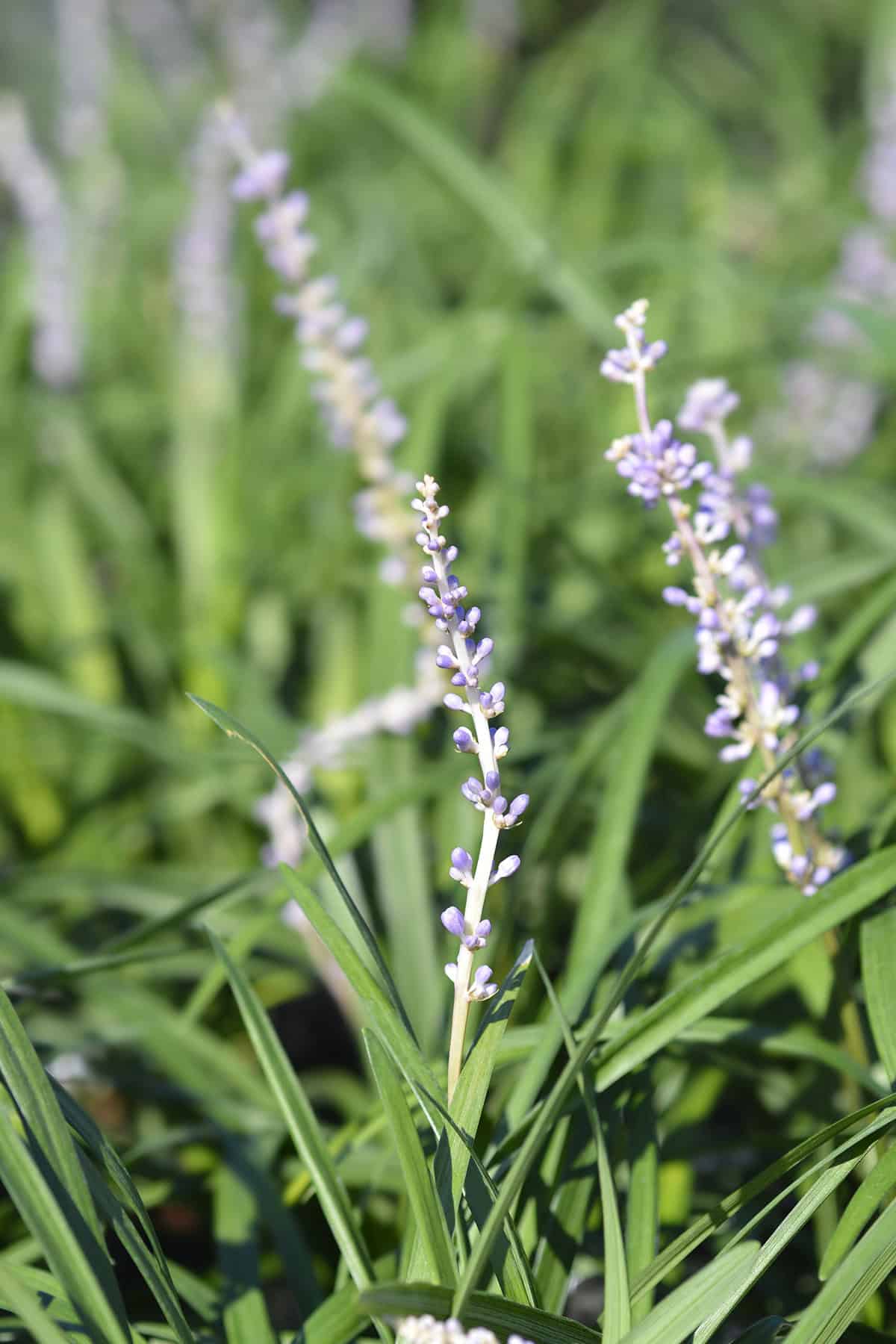
Wide beds or borders get a lush, arching look from liriope. Taller than mondo grass, it reaches eight to twelve inches and produces spikes of purple or white flowers in late summer, followed by dark berries.
Shade or partial sun works, and a single yearly trim keeps it fresh. Once rooted, it’s drought-tolerant and shrugs off most pests.
Moss Phlox (Phlox subulata)
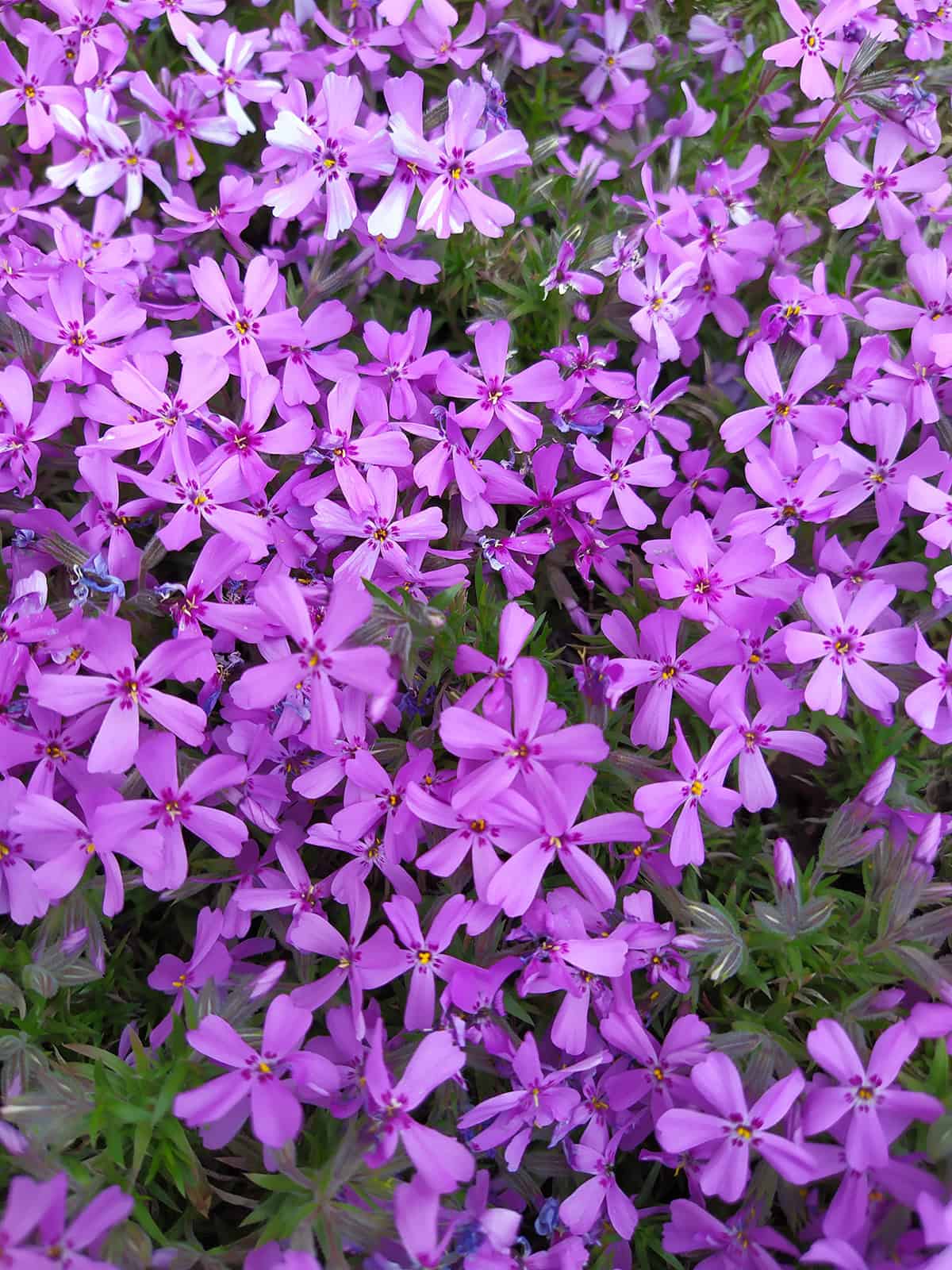
Rock gardens and slopes burst with color when moss phlox blooms in early spring. Its needle-like foliage stays evergreen, hugging the ground at four to six inches.
Masses of pink, purple, blue, or white flowers cover it for weeks. Sharp drainage is non-negotiable for healthy roots, and sun brings out the best display.
Creeping Speedwell (Veronica repens)
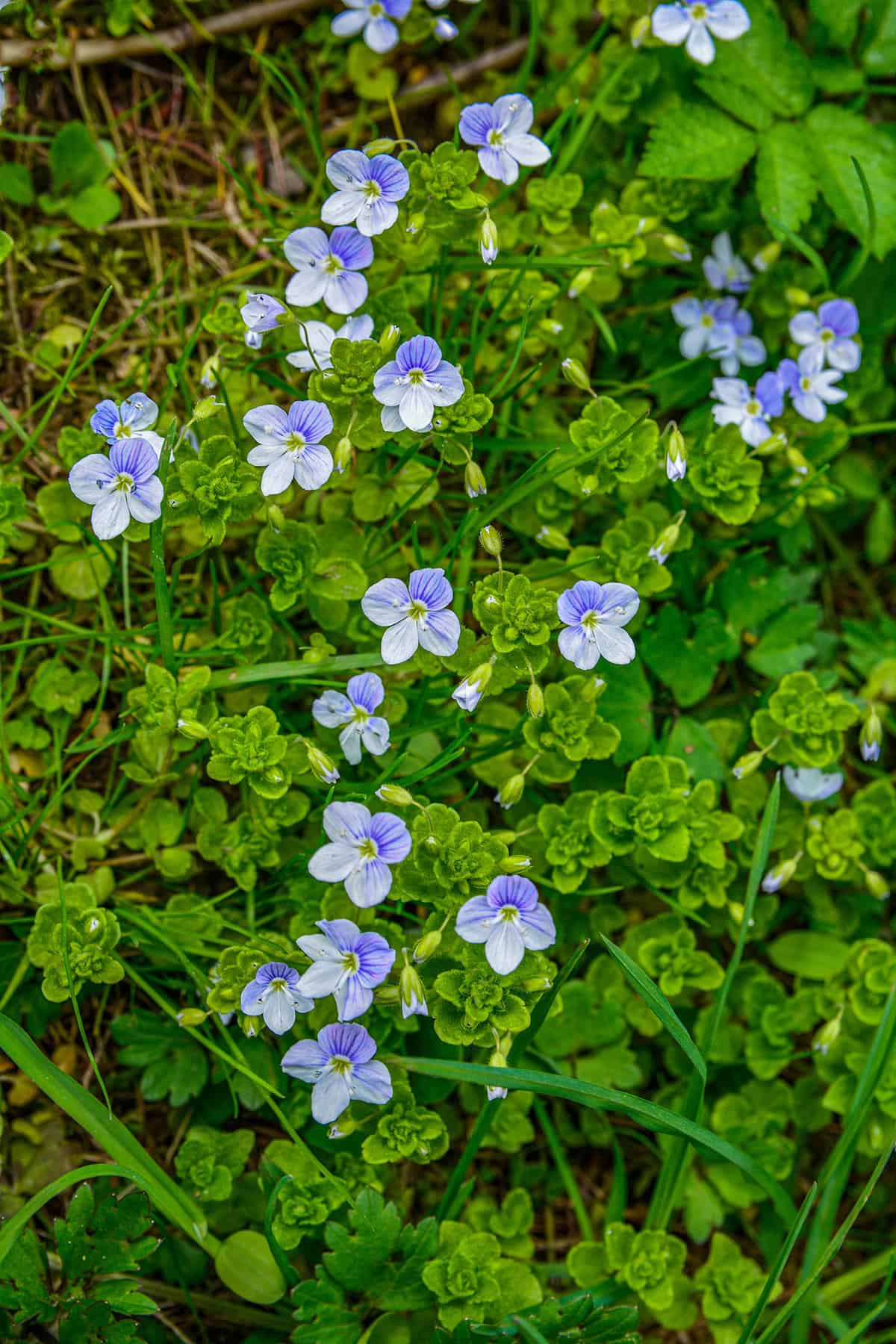
Fine-textured and soft underfoot, creeping speedwell grows two to four inches tall, with small rounded leaves. Blue flowers show up in late spring, and some types turn bronze in cool weather.
Full sun or partial shade will do, but it wants steady moisture—just not soggy soil.
Chamomile (Chamaemelum nobile)
Fragrant and low, Roman chamomile forms a mat three to six inches high. Summer brings small, daisy-like blooms, though non-flowering types are an option if you want a smoother look.
Give it sun and well-drained soil. It can handle a bit of walking, but heavy traffic will wear it down.
Sweet Woodruff (Galium odoratum)
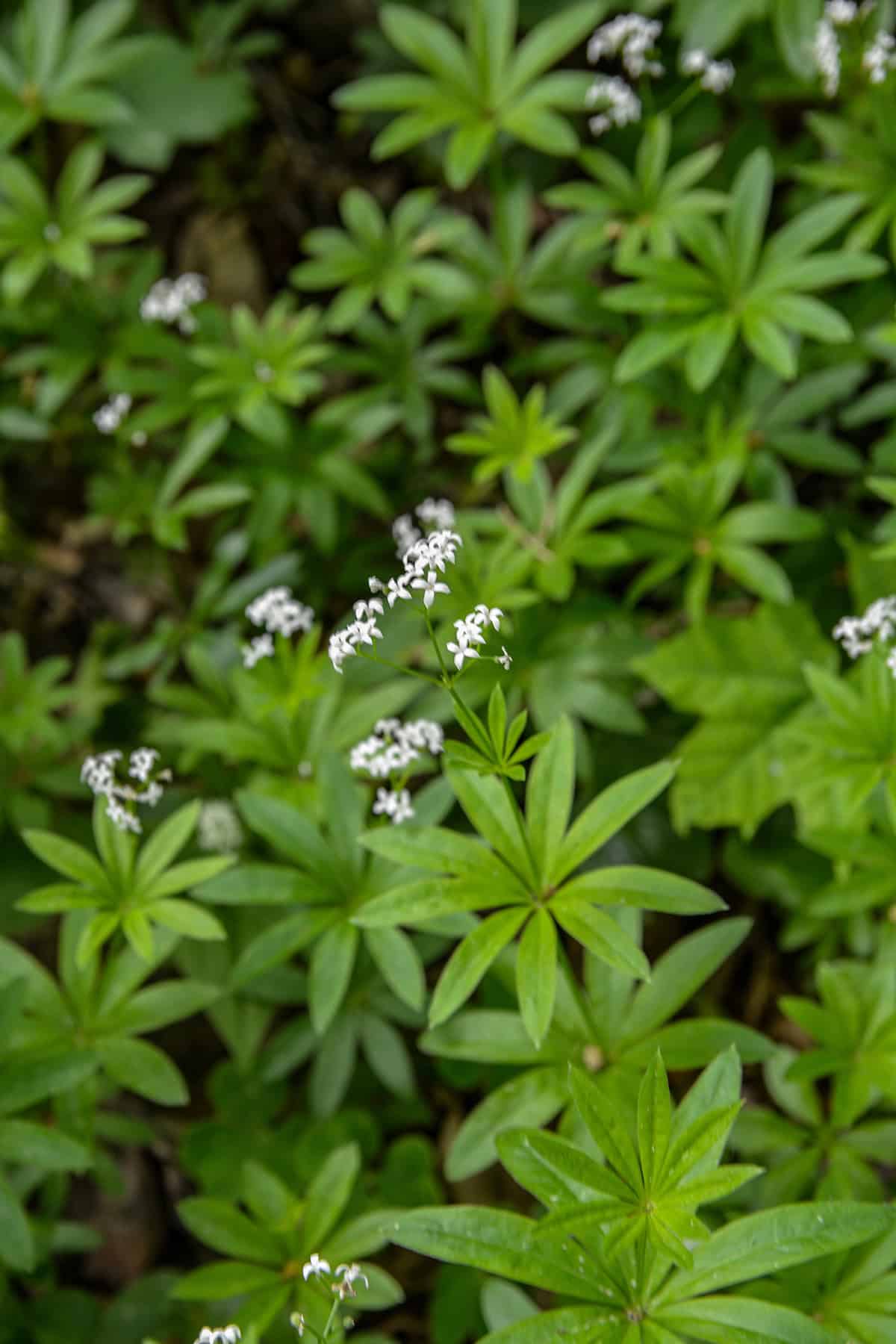
Shade gardens get a soft, green lift from sweet woodruff. Whorled leaves top out at six to eight inches, with clusters of white flowers in spring and a faint scent when crushed.
Cool, moist, organic-rich soil keeps it spreading, especially in shaded beds where other plants struggle.
Carpet Bugle (Ajuga Varieties)
Bronze, burgundy, and even variegated leaves create a patchwork of color close to the ground, rarely stretching beyond six inches.
Come spring, those flower spikes shoot up and break up the greenery with a jolt of color. The foliage tends to knit together so tightly that weeds barely stand a chance.
Shade, dappled light—either works. Just avoid soggy spots; letting water drain off keeps these low growers healthier in the long run.