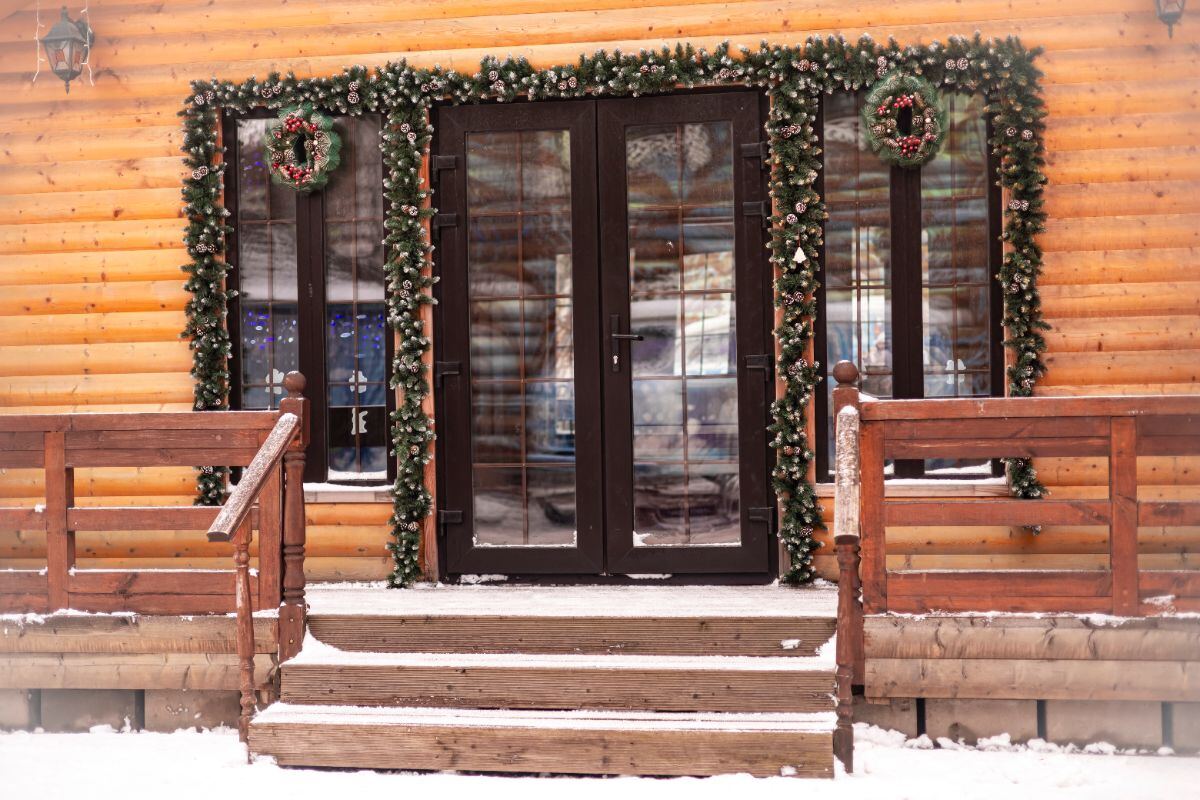
Cut greenery lasts longest when the branches are supple at purchase, soaked well before arranging and kept away from heat vents and direct sun. Every stem in a wreath or garland has lost its water supply.
Heated indoor air pulls moisture from the needles day after day, which is why a garland above a warm mantel fades within one to three weeks. Before anything goes up on the door this year, run through the steps below, along with an honest look at the sprays and home remedies people swear by.
Table of Contents
- Why Cut Greenery Dries Out Faster Than a Christmas Tree
- Quick Care Summary
- Which Greenery Lasts Longest: Fir, Cedar, Pine, Boxwood, Magnolia, Eucalyptus
- Choosing Fresh Greenery at the Store
- Harvesting Your Own Greenery the Right Way
- The First Step: Soaking and Conditioning
- Recutting Stems and Why It Matters
- Caring for Wreaths
- Caring for Garlands
- Caring for Swags and Door Decorations
- Caring for Greenery in Vases and Arrangements
- Caring for Greenery in Floral Foam
- Misting: How Often and When It Helps
- Where to Hang or Place Greenery in Your Home
- Indoor vs. Outdoor Placement and Temperature
- Managing Heat Vents, Sunlight and Direct Afternoon Light
- Do Anti-Desiccant Sprays Work?
- Do Hairspray, Glycerin or Floral Preservatives Work?
- Storing Greenery Between Uses
- How Long Fresh Greenery Should Last
- Signs It Is Drying Out
- Fire Safety and Lights on Greenery
- Common Problems and Troubleshooting: Needle Drop, Browning Tips, Mold, Fading Color, Shedding on Floors
- Reviving Greenery That Has Started to Dry
- Drying or Preserving Greenery to Keep After the Season
- Frequently Asked Questions
Why Cut Greenery Dries Out Faster Than a Christmas Tree
A cut wreath has many short stems exposed to air, while a Christmas tree draws water through one trunk standing in a reservoir. Wreath frames and garland wire also leave most branch ends without a continuing water supply. Needles and leaves still release moisture after cutting, and heated indoor air speeds that loss.
A tree stand allows regular refilling; a dry wreath relies mainly on moisture stored in its branches. This difference explains why conditioning helps at the start but cannot sustain a wreath indefinitely. Keeping greenery cool slows water loss after it goes on display.
Quick Care Summary
Cut greenery stays fresh longest when it starts hydrated and remains cool, shaded, and clear of heat sources.
– Light: Bright indirect light or outdoor shade; avoid direct afternoon sun.
– Soil: None; cut stems need water, not potting mix.
– Watering: Keep vase stems submerged and floral foam moist; mist suitable unwired greenery lightly.
– Temperature: Cool conditions extend display life; protect water-filled containers from freezing.
– Humidity: Moderate humidity slows drying; avoid persistently wet foliage.
– Fertilizer: None.
– Growth Time: None after cutting.
– Blooming Season: Not applicable to evergreen cuttings.
– Propagation: Take separate cuttings from living plants; display cuttings are not reliable propagation material.
Which Greenery Lasts Longest: Fir, Cedar, Pine, Boxwood, Magnolia, Eucalyptus
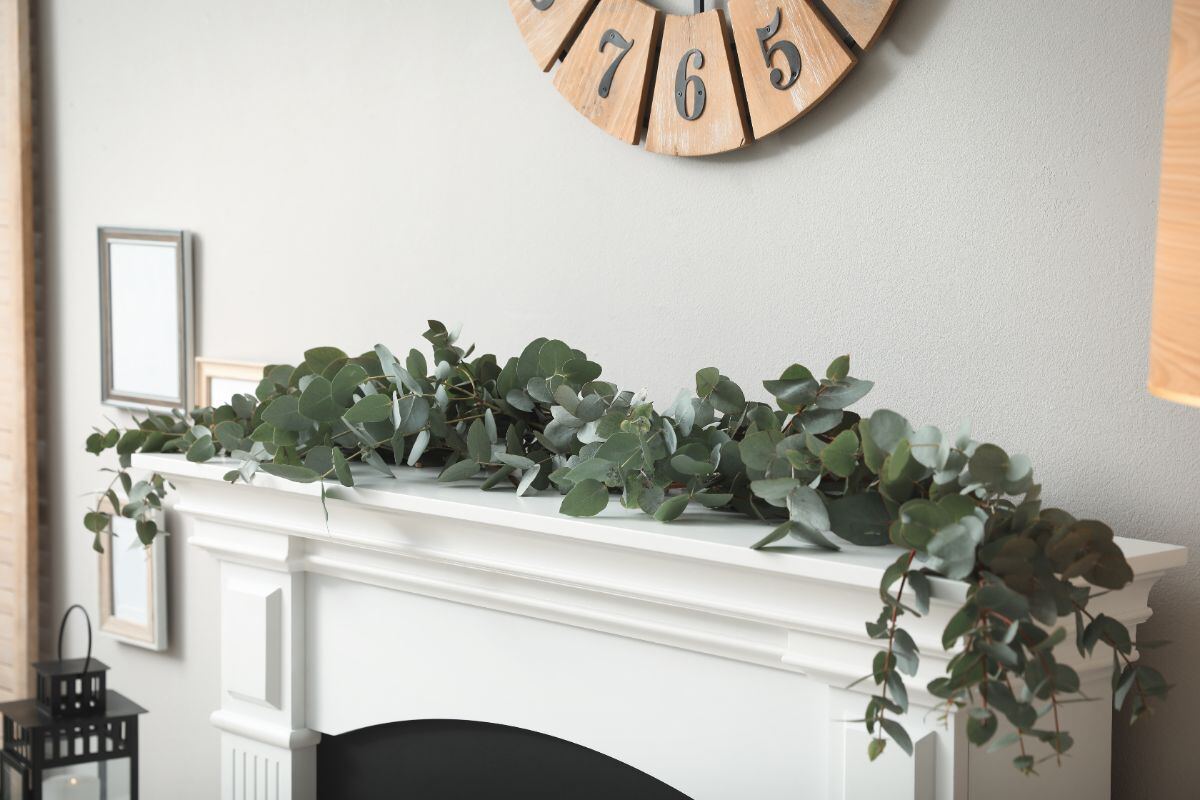
Fir is a dependable choice for wreaths because its needles hold relatively well after cutting. Species, harvest freshness, and display conditions still affect every branch. The comparison below describes common decorative use, not a guaranteed lifespan.
– Indoor display: Strong choice: Best kept cool: Watch for shedding: Strong choice: Keep hydrated: Dries in place
– Main change: Gradual needle drying: Browning tips: Needle drop: Leaf discoloration: Leaf curl: Stiff leaves
– Best use: Wreaths: Outdoor garlands: Cool displays: Swags: Vase arrangements: Dry arrangements
Cedar’s fine sprays show drying at the tips. Magnolia leaves benefit from accessible stem water, while eucalyptus remains decorative after drying even though it is no longer fresh.
Choosing Fresh Greenery at the Store
Branches with flexible tips and firmly attached needles offer the best starting point. Gently lift a wreath at its frame and look underneath for brown foliage or a pile of loose needles. On loose stems, check that cut ends look clean rather than shriveled.
Ask when the greenery arrived and where it has been stored. Stock displayed outside in shade has a better chance of retaining moisture than stock beside a heated entrance. Avoid pieces with a sour odor, visible mold, or brittle stems; conditioning will not restore dead foliage.
Harvesting Your Own Greenery the Right Way
Harvest from healthy, established plants on a cool day, then move the cuttings into water promptly. Use clean, sharp pruners and take small branches from several areas so the source plant retains a balanced shape. Cut just above a suitable side branch or bud without leaving a long stub.
Confirm the plant’s identity before bringing it indoors, particularly where children or pets have access; some ornamental evergreens are toxic. Keep cuttings shaded during transport. Branches left in a warm vehicle begin losing moisture before conditioning even starts.
The First Step: Soaking and Conditioning
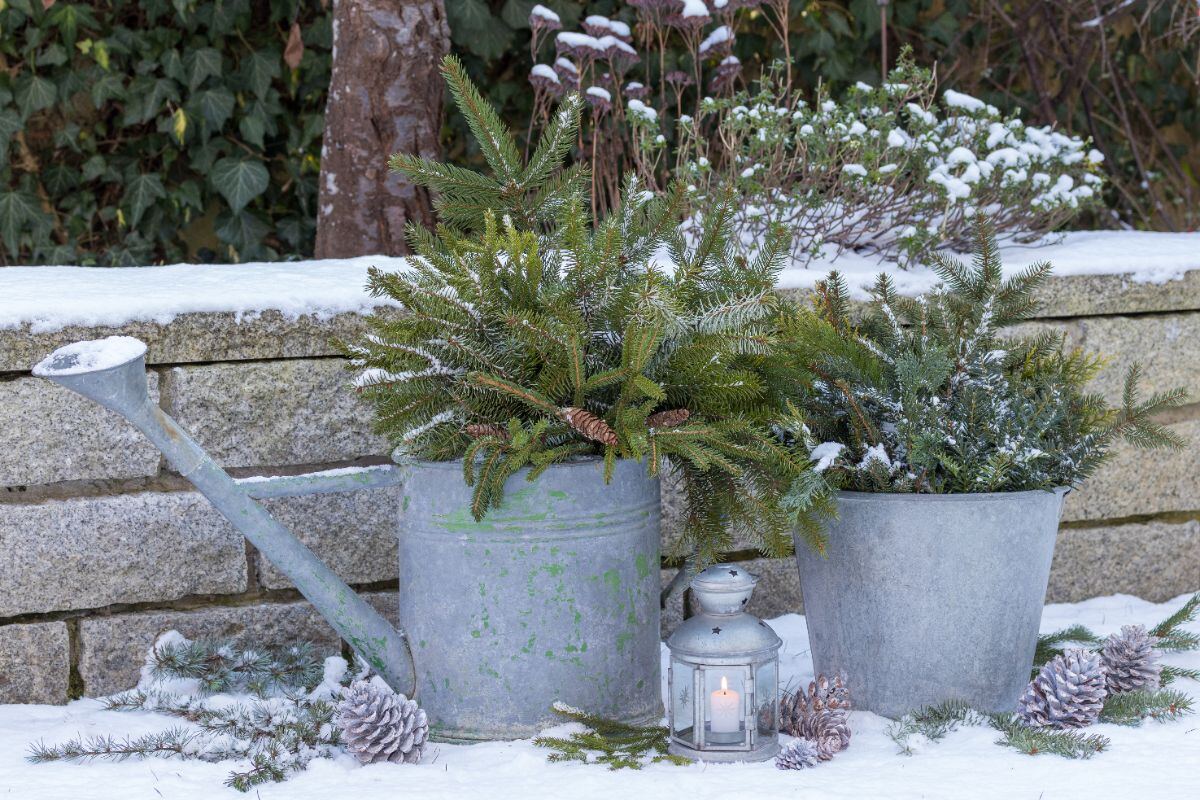
Loose greenery benefits from several hours with freshly cut stem ends in clean water before assembly. Place buckets in a cool, shaded space and strip foliage that would sit below the waterline. For a wreath without delicate decorations, a brief soak in cool water wets the branches; let it drain thoroughly before hanging.
Protect finished pieces containing dyed ribbon, electrical parts, dried flowers, or moisture-sensitive ornaments from immersion. Soaking wets a wreath’s surfaces, but its wired stems still have limited access to water. Handle conditioned greenery gently so softened branches do not pull free of their bindings.
Recutting Stems and Why It Matters
A fresh cut exposes stem tissue to water when loose branches are placed in a bucket or vase. Remove about ½ inch from each stem with clean pruners immediately before submerging it. Make a clean cut across the stem; crushed ends impede water movement.
For woody magnolia or boxwood, check that the cut passes through sound, greenish tissue. Recut vase stems whenever their ends become slimy or the water stops staying clear. Recutting offers little benefit to stems already bound inside a finished wreath unless they are removed and given direct access to water.
Caring for Wreaths
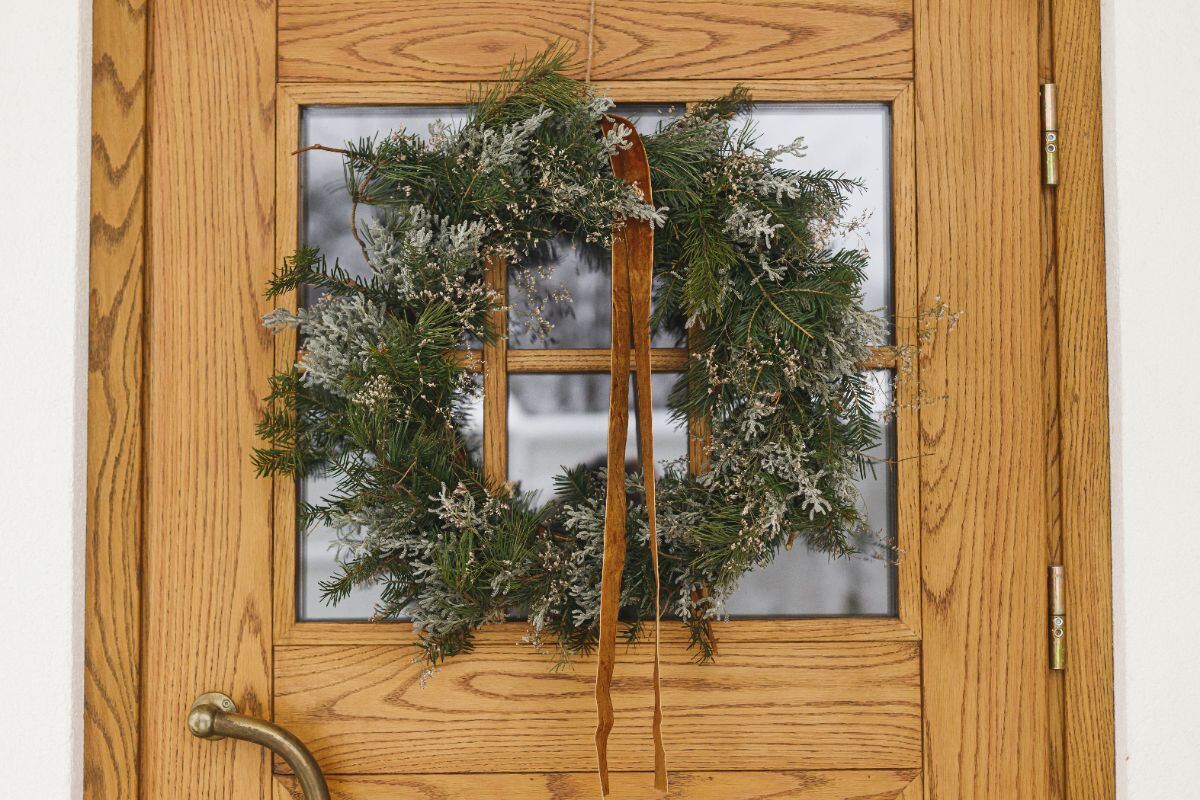
A wreath lasts longest on a shaded, sheltered door that stays away from warm exhaust and strong afternoon sun. Hang it securely by the frame, leaving space for air to circulate behind the foliage. A storm door exposed to sunlight traps heat, so an exterior-facing position is preferable when that enclosure warms up.
Inspect the wreath every few days for brittle tips, shedding, or damp spots beneath decorations. If it has no electrical components or moisture-sensitive ornaments, light misting on a dry day provides temporary surface moisture. Allow the foliage to dry before closing a door against it.
Caring for Garlands
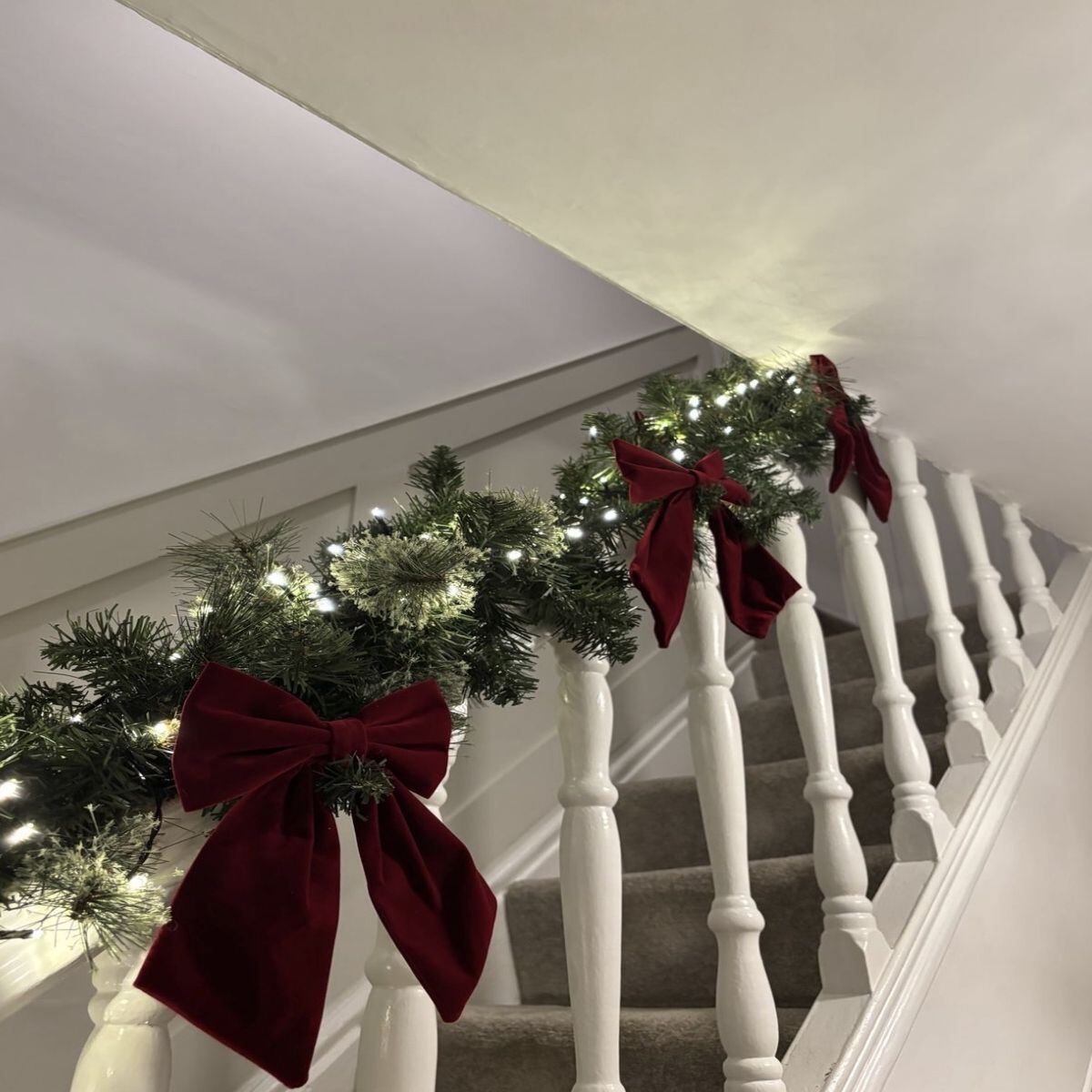
Garlands stay fresher when their full length receives support and remains clear of fireplaces, vents, and sunny windows. Fasten them at several points so their weight does not pull branches loose. A protective strip beneath a garland helps keep sap and stray needles off finished surfaces.
For an outdoor railing, choose a sheltered side and secure the greenery against wind. Indoors, inspect exposed ends first: they tend to dry before densely bundled sections. Where a garland is built from removable sprigs, replace the brittle sections without disturbing the entire run.
Caring for Swags and Door Decorations

Swags dry fastest at their exposed tips and at stem ends gathered beneath a bow. Position a swag on a shaded door, then check the tied bundle for trapped moisture after rain or misting. Wet ribbon pressed against foliage may encourage discoloration.
A small water tube attached to a prominent magnolia or boxwood stem helps that individual branch if it stays upright and filled. Most wired swags lack a shared water source, so cool placement remains their main protection. Use a sturdy hanger; repeated door movement loosens bindings and increases shedding.
Caring for Greenery in Vases and Arrangements
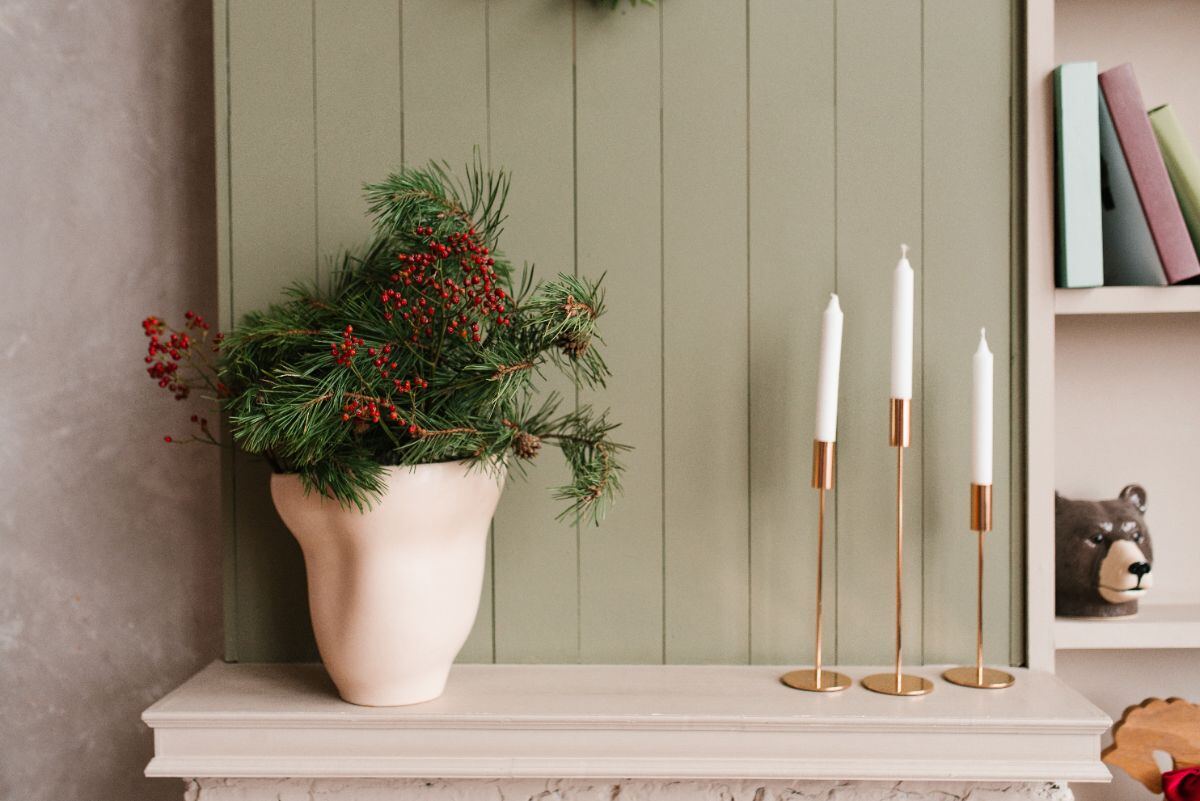
Vase greenery benefits from clean water that reaches every stem end. Remove submerged leaves, fill the container promptly after recutting, and check its level daily. Heavy evergreen branches drink enough to expose their cut ends if a narrow vase is overlooked.
Change cloudy water and wash the vessel before refilling. Keep arrangements away from fruit bowls, heat vents, and strong sun. A stable container is especially important for long pine or magnolia branches: their weight may tip a light vase once the branches spread.
Caring for Greenery in Floral Foam

Fresh-flower floral foam must be fully saturated before greenery is inserted, then kept moist throughout display. Let the foam float on water until it sinks on its own; pushing it underwater risks leaving a dry center. Set it in a watertight container with room for careful refilling.
Check the foam daily, especially beside a forced-air vent. Pour water slowly onto exposed foam to avoid spilling onto furniture. A stem that slips out should go into an unused spot, since the original hole may no longer hold it firmly against moist foam.
Misting: How Often and When It Helps
Light misting every day or two helps exposed foliage in dry air when the greenery has time to dry afterward. Apply a fine spray to needles or leaves early in the day, especially on a sheltered outdoor wreath. Shield painted doors and nearby walls from overspray.
Skip misting around electrical lights, delicate ribbon, paper ornaments, and any greenery showing mold. Surface water evaporates; it does not replace the steady hydration supplied by a vase. If droplets remain trapped deep in a dense wreath, reduce misting and improve air circulation.
Where to Hang or Place Greenery in Your Home

A cool hallway or shaded entry gives indoor greenery a better location than a mantel above an operating fireplace. Leave clearance from candles, heaters, cooking equipment, and radiators. Place vase arrangements where their water levels remain easy to inspect.
Protect wood furniture with a waterproof tray beneath arrangements and with a barrier beneath loose garland. For hanging pieces, inspect the wall or door after misting for condensation or staining. A room with moderate humidity helps foliage retain moisture without keeping surfaces persistently damp.
Indoor vs. Outdoor Placement and Temperature
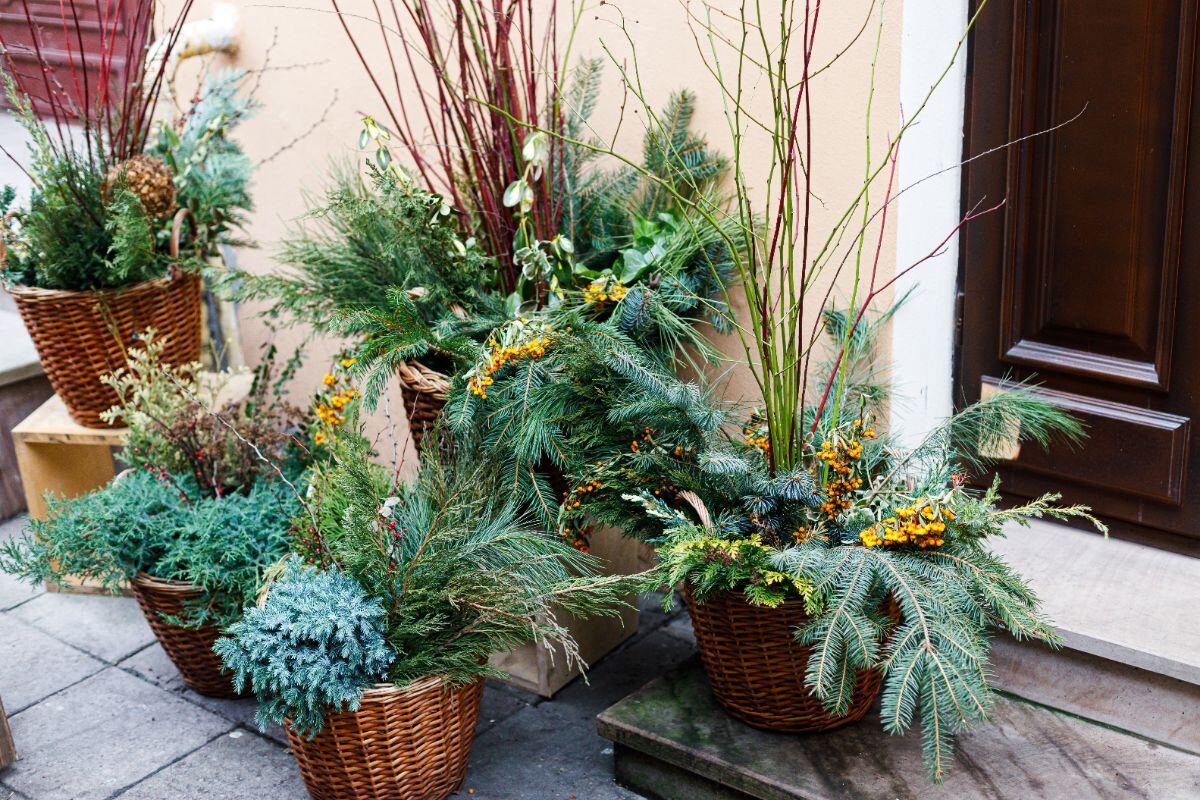
Cool, shaded outdoor conditions generally extend the life of cut greenery compared with a heated living room. A sheltered porch protects branches from drying wind while allowing cooler air around them. Indoors, lower room temperatures and steady humidity slow water loss.
Watch water-filled vases and floral foam during freezes: ice blocks access to liquid water and may crack containers. Bring those arrangements into a cool, frost-free place during hard freezes. Outdoor pieces also need inspection after thawing, when flattened or discolored foliage becomes easier to spot.
Managing Heat Vents, Sunlight and Direct Afternoon Light
Move greenery out of the path of a heat vent before its tips turn brown. Warm airflow reaches even wreaths hung several feet away when a vent points toward them. A paper strip held near the intended spot reveals the direction of the draft.
West-facing windows and sunlit storm doors create similarly harsh conditions. Shift an indoor arrangement back from the glass or use a shaded location. If a wreath must stay on a sunny door, inspect it more frequently and expect a shorter display period.
Do Anti-Desiccant Sprays Work?
Anti-desiccant sprays form a coating intended to slow moisture loss, with results varying by product, plant material, and exposure. Follow the label for approved greenery, application temperature, drying time, and any restrictions around decorations. Apply outdoors or in a well-ventilated area before adding lights.
Test a small hidden area when treating broad leaves such as magnolia; coatings may alter their sheen. A spray does not rehydrate brittle branches or substitute for stem water. Check the product label for flammability and electrical-light guidance before treating an assembled display.
Do Hairspray, Glycerin or Floral Preservatives Work?
Hairspray is a poor choice for fresh greenery because its residue does not supply water and its flammability raises concerns near lights or heat. Glycerin preservation is a separate process that replaces water in suitable stems over time; it changes their appearance and does not keep a fresh wreath hydrated.
Floral preservative belongs in vase water when its label permits use with foliage. Clean water, fresh cuts, and regular refilling remain essential. Never add household chemicals to wreath misting water; residues may mark leaves, ribbons, or the surface behind a display.
Storing Greenery Between Uses
Store unused cut branches in a cool, shaded place with their stem ends in clean water. Loosely cover foliage with a damp cloth if the storage air is dry, allowing ventilation so moisture does not collect around leaves. Keep the container away from freezing temperatures.
An unfinished wreath or garland belongs in a cool space out of sun, laid flat or supported so its branches do not bend. Inspect stored pieces every day or two for mold and drying. Remove packaging that traps condensation, and keep greenery separate from produce and ripening fruit.
How Long Fresh Greenery Should Last
Fresh indoor greenery may remain presentable for roughly one to three weeks, while a cool, shaded outdoor wreath may last several weeks longer. Those ranges are estimates: branch freshness, species, humidity, and exposure change the result. A heated mantel or sunny door sharply shortens the useful display period.
Vase branches with consistent water access may outlast matching branches wired into a dry garland. Inspect each piece rather than relying on a calendar date. If branches shed heavily when touched or crack when bent, they have passed their fresh display stage.
Signs It Is Drying Out
Brittle tips, dull color, curling leaves, and increased needle drop signal moisture loss. Compare an exposed branch with one tucked inside the arrangement; a marked difference points to heat, sun, or airflow at the outer edge.
Pine needles dropping onto the floor and cedar sprays turning brown at their tips deserve prompt attention. On broadleaf greenery, inspect leaf edges for crispness and stems for shriveling. Dry foliage will not regain its original condition through surface misting. Remove severely dry sections, particularly from arrangements near lights.
Fire Safety and Lights on Greenery

Keep all greenery clear of open flames, fireplaces, space heaters, and heat-producing bulbs. Use lights listed for the intended indoor or outdoor location, inspect cords before installation, and follow the manufacturer’s connection limits. Turn lights off when the display is unattended or the household is asleep.
Fasten cords without crushing branches, and keep plugs and battery packs dry during misting. Even low-heat LED lights do not make brittle greenery safe to leave in place. Remove a wreath or garland that sheds heavily or snaps when handled.
Common Problems and Troubleshooting: Needle Drop, Browning Tips, Mold, Fading Color, Shedding on Floors
Heavy needle drop calls for a freshness check and a cooler display location. Browning tips point to drying, especially where branches face sun or moving warm air.
Fading color on broad leaves may follow prolonged direct light; shifting the arrangement into shade limits further change.
Mold signals moisture held too long in dense foliage. Remove affected material, stop misting, and increase airflow; discard extensively moldy pieces.
For shedding on floors, place a washable mat beneath the display while arranging a replacement. Sweeping up fallen needles does not address brittle branches left overhead.
Reviving Greenery That Has Started to Dry
Slightly limp loose branches deserve a fresh stem cut and several hours in clean, cool water. Move them out of heat while they hydrate, then assess whether their tips have regained firmness.
Leaves with crisp edges and needles that fall at a touch will not recover. A finished wreath with minor surface drying may benefit from cool storage and a light mist if its decorations tolerate water.
Remove brittle sprigs and replace them with fresh, conditioned cuttings secured to the frame. Discard extensively dry greenery rather than adding water or lights to prolong its display.
Drying or Preserving Greenery to Keep After the Season
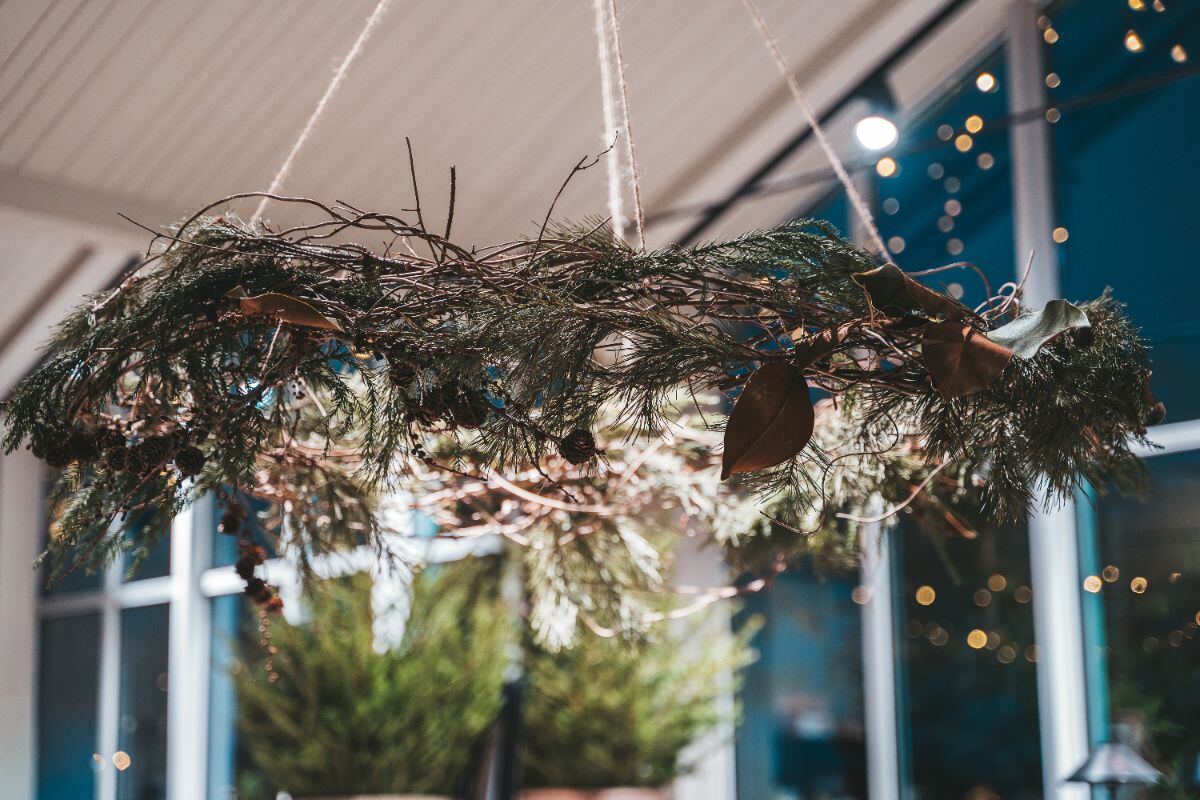
Eucalyptus and selected magnolia stems suit drying better than a needle-shedding evergreen wreath. Hang clean stems in a dry, ventilated place out of direct sunlight, or leave eucalyptus upright in a vase after the water evaporates.
Expect dried leaves to become stiffer and sometimes change color. For a preserved arrangement, start with sound material before browning develops.
Keep dried pieces away from flames and store them in a dry box where they will not be crushed. A wreath that has developed mold or substantial shedding is a poor candidate for keeping.
Frequently Asked Questions
Should a Fresh Wreath Be Soaked Before Hanging? An undecorated wreath may be briefly soaked in cool water, then drained completely before hanging. Pieces with electrical parts, paper ornaments, or delicate ribbons should stay out of the water.
Is Daily Misting Necessary? Daily misting suits exposed greenery in dry air only when the foliage dries afterward. Reduce the frequency if droplets remain trapped, and keep water away from lights and painted surfaces.
Should a Dry Wreath Stay Up If It Still Looks Green? A green appearance does not establish that the branches remain hydrated. If needles shed heavily or twigs snap when bent, remove the wreath, especially if it carries lights.