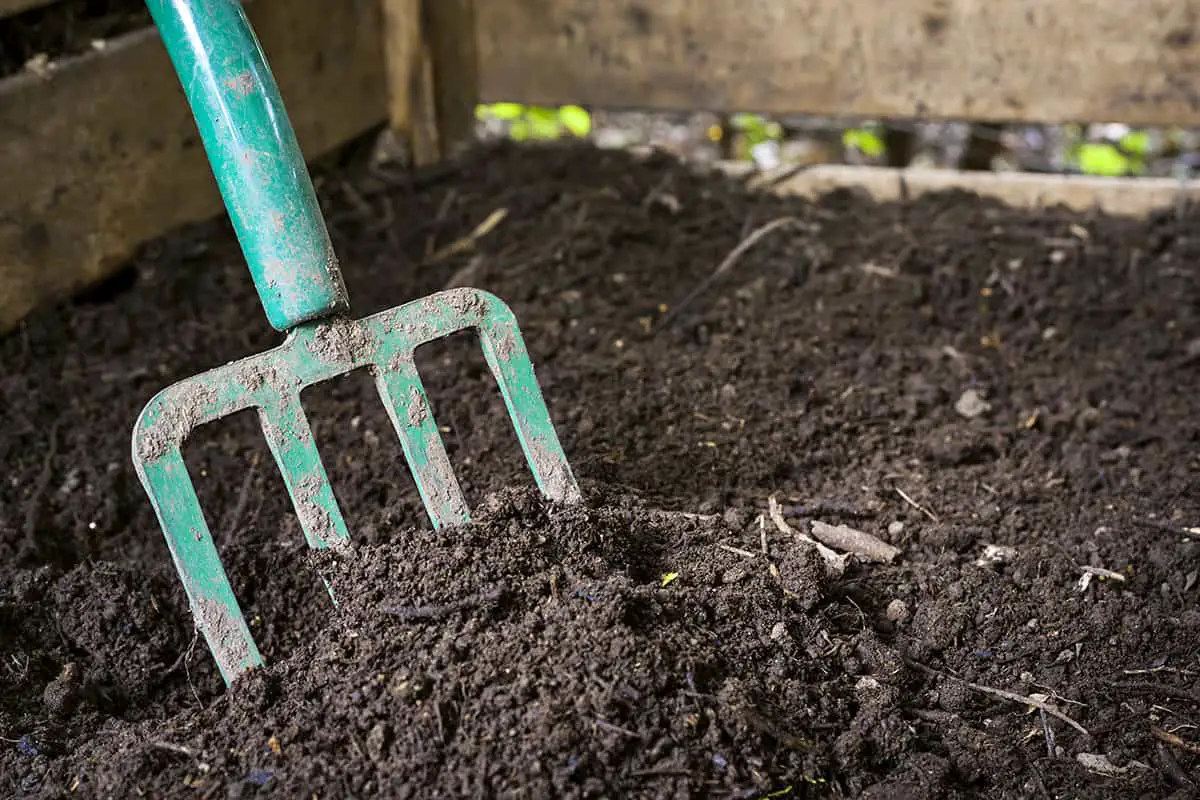
A cubic yard of compost weighs roughly 1,000 to 1,600 pounds, and the main swing factor is how much water it holds.
That’s 27 cubic feet, enough to spread a 3-inch layer over about 100 square feet of garden. Dry, screened compost sits at the light end of the range and wet, dense compost at the heavy end, which matters for trailers and small pickup trucks.
Weight factors and prices come up first, then the garden benefits and a handful of common compost questions.
Table of Contents
Factors Affecting Compost Weight
A cubic yard of compost varies widely in weight. Three factors account for most of the difference.
1. Moisture content
Water is the biggest variable. Mature compost typically holds 40 to 60 percent moisture, and water weighs about 8.3 pounds per gallon. A yard of compost soaked by rain weighs several hundred pounds more than the same yard after a dry week.
For hauling, ask the supplier if the pile has been covered, and assume the high end of the range after wet weather.
2. Density
Density depends on particle size and how well the material has broken down. Fine, fully decomposed, tightly packed compost weighs more per yard than coarse, fluffy compost with lots of air space. Screening and settling in a truck bed also increase density.
3. Compost materials
Ingredients shape the final weight. Compost made with manure, soil or mineral-rich materials is denser and heavier. Compost made largely from leaves, straw or wood chips is lighter and airier, since woody particles hold more air space.
Price for a Yard of Compost
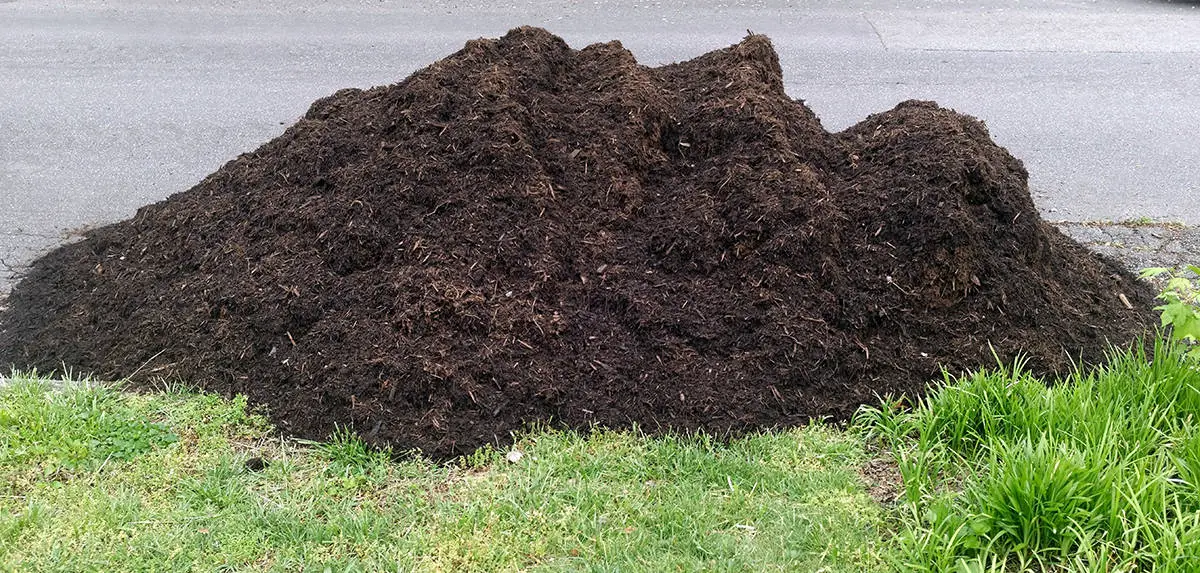
Bulk compost typically costs about $25 to $60 per cubic yard at a landscape supply yard, with premium blends, certified organic compost and specialty mixes priced higher. Bagged compost costs considerably more per yard.
Delivery fees add $50 to $150 or more depending on distance, and many suppliers set a minimum order. Compare local landscape suppliers, garden centers and municipal compost programs, several of which sell compost at low cost or hand it out free to residents.
Why You Should Use Compost in Your Garden
Compost is one of the most useful amendments for almost any garden soil. These are its main benefits.
1. Improved soil structure
Compost improves soil structure. In clay, it loosens dense soil for better drainage and root growth, and in sandy soil, it helps hold water and nutrients.
2. Enhanced nutrient availability
Compost supplies a slow, steady release of nitrogen, phosphorus, potassium and trace nutrients as it continues to break down. It reduces, though it rarely replaces, the need for fertilizer in vegetable and flower beds.
3. Increased soil microbial activity
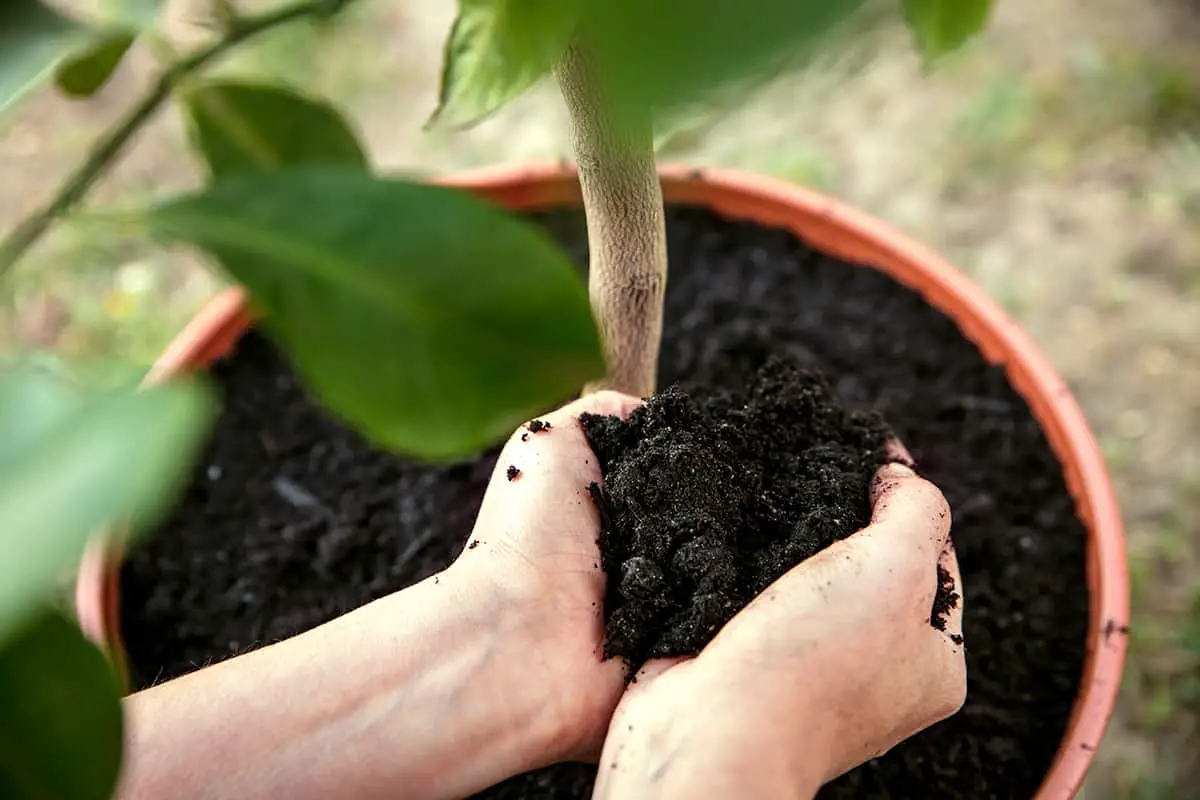
Healthy soil teems with beneficial microorganisms that cycle nutrients and support plant health. Compost feeds and adds to these populations, which improves soil fertility over time.
4. Pest and disease resistance
Research summarized by the EPA shows that compost suppresses certain soil-borne plant diseases, and healthy, well-fed plants resist pests better. Compost is no substitute for pest control, though, and good garden practices still matter.
FAQs
1. What materials can I compost?
Fruit and vegetable scraps, eggshells, coffee grounds, tea bags, grass clippings, leaves, shredded paper, small branches and wood chips all compost well. Avoid meat, fish, dairy, oily foods, pet waste and diseased plants, which attract pests, smell or spread problems.
2. How much time does it take to create compost?
Pile size, materials, moisture and temperature set the timeline, which runs anywhere between a few weeks and more than a year. A large, actively managed hot pile, turned regularly, as damp as a wrung-out sponge and balanced between carbon-rich browns and nitrogen-rich greens, finishes in about 2 to 3 months.
A passive pile left alone takes 6 to 12 months or more. Producing a full cubic yard at home requires a pile at least 3 feet on each side, roughly the minimum size for hot composting.
3. Can I use compost as mulch?
Yes, compost doubles as a mulch to conserve moisture, moderate soil temperature and feed the soil as it breaks down. It suppresses weeds less effectively than coarse wood chips and breaks down faster. A thin layer of compost topped with wood chip mulch combines the benefits of both.
4. How do I know when my compost is ready to use?
Mature compost is dark, crumbly and earthy-smelling, with no recognizable food scraps and no heat in the center of the pile. For a simple test, seal a handful in a plastic bag for a few days. A sour or rotten smell means it needs more time.
5. Can I use compost for container gardening?
Yes. Mixing compost into potting mix, at about 10 to 25 percent of the volume, adds nutrients and improves the mix. Pure compost in a pot holds too much water and compacts, which is why a blend with potting mix is the safer choice.